


Advanced Search
Asian American and Pacific Islander studies resources for the classroom
All chapters of Foundations and Futures include lesson plans and curricular tools that are designed for high school students and grounded in ethnic studies pedagogy. Feel free to search our repository of primary sources and material that helps bring Asian American and Pacific Islander histories and experiences into the classroom.
Multimedia
# of # results
Chapters
-
Image
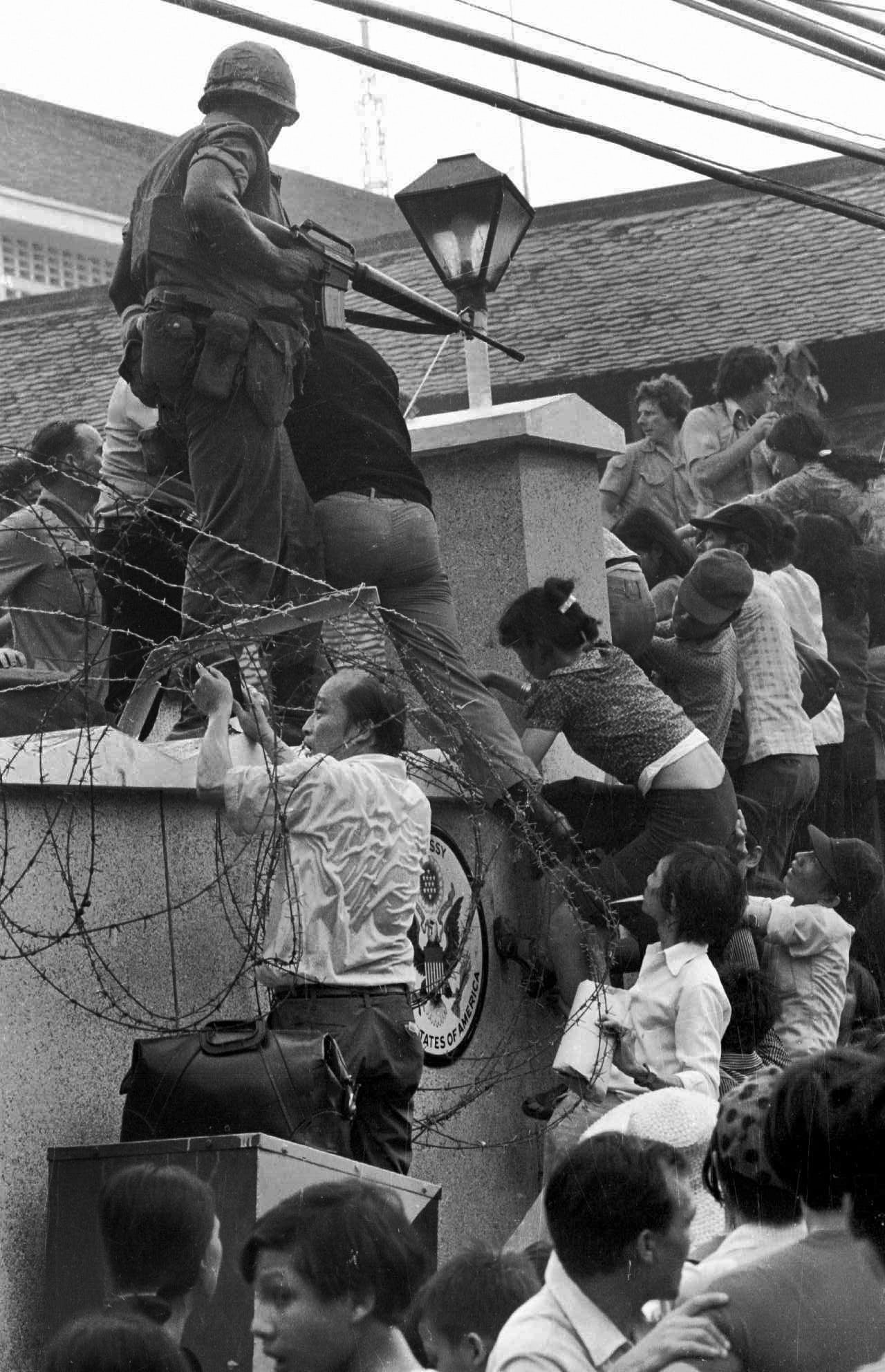
Fall of Saigon
On April 29, 1975, South Vietnamese civilians scale the fourteen-foot wall of the US embassy in Saigon in a rush to reach evacuation helicopters. These civilians would become part of the first wave of refugees.
Featured in:
Vietnamese American Experiences, Module 3
-
Image
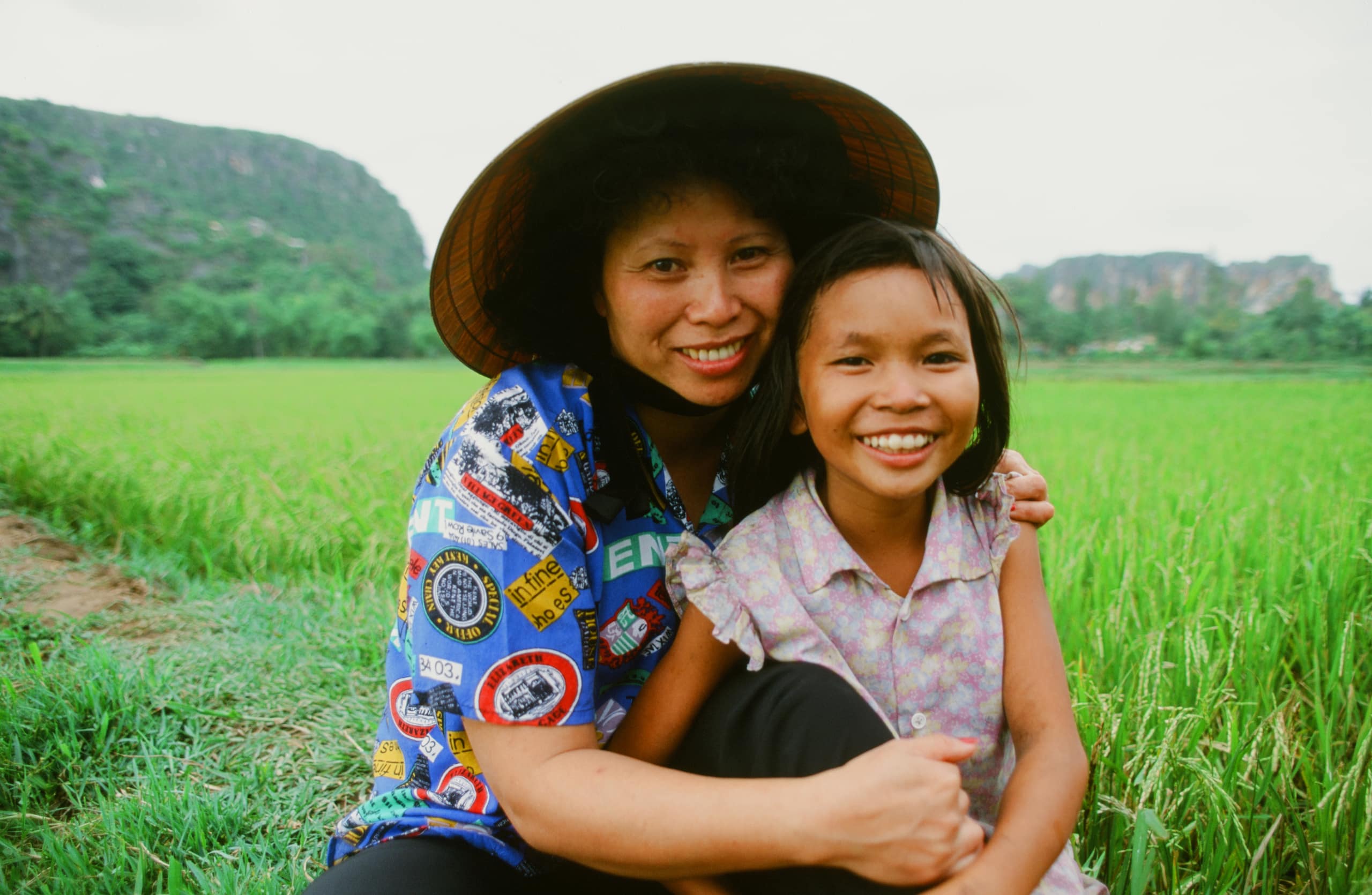
Le Ly Hayslip
Le Ly Hayslip (left), humanitarian and author of When Heaven and Earth Changed Places (1989) and Child of War, Woman of Peace (1992) Her writings re-center narratives about the Vietnam-American War with stories by and about Vietnamese people.
Featured in:
Vietnamese American Experiences, Module 2
-
Image
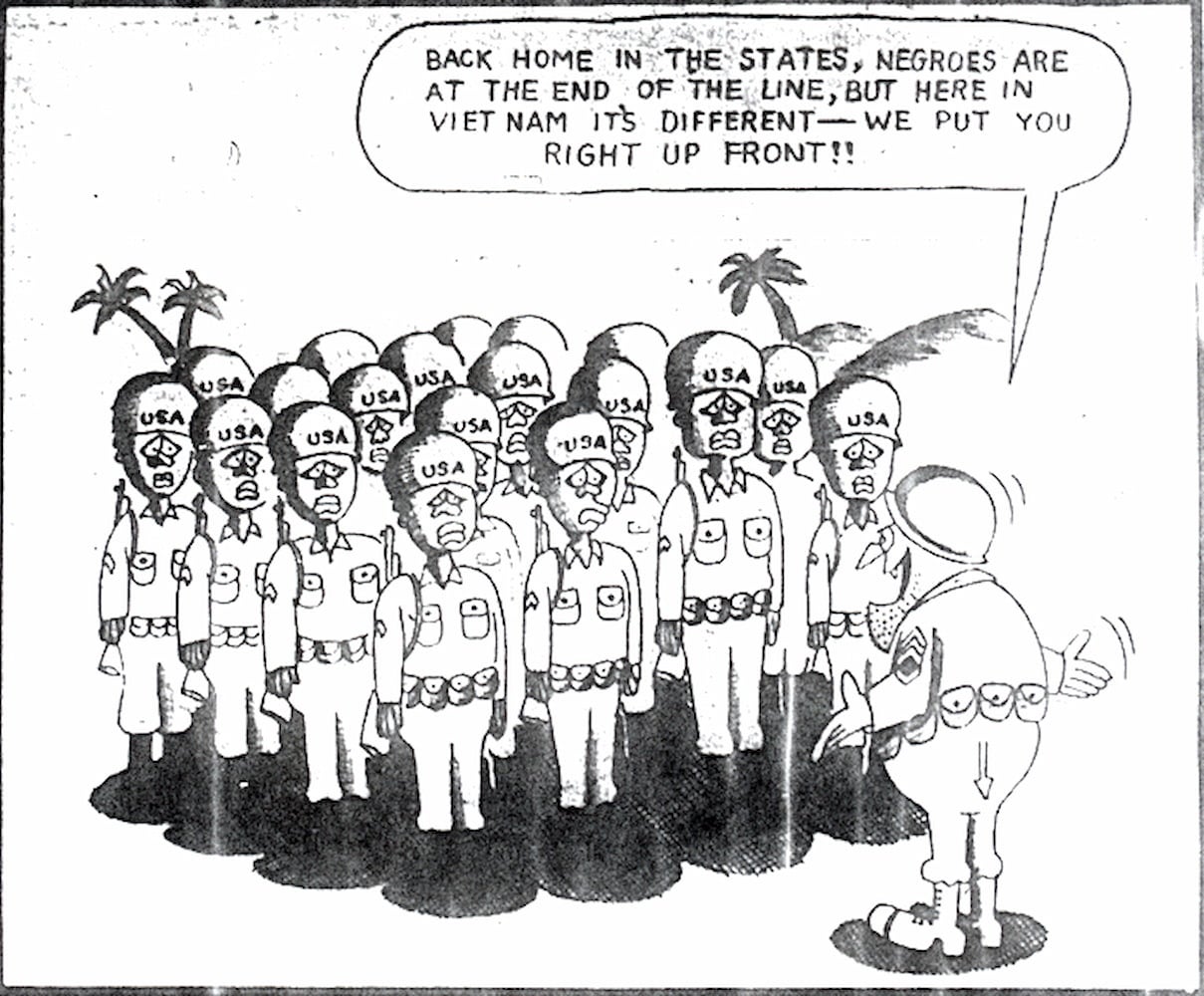
Muhammad Speaks
This cartoon highlights the contradiction of Black soldiers sent overseas to fight for a country that continued to deny their civil rights back home. The term “Negro” was commonly used in the 1960s. It is not an acceptable term today.
Featured in:
Vietnamese American Experiences, Module 2
-
Video
Edwin Starr “War”
American singer Edwin Starr’s version of “War” captured the anxieties that many Americans were experiencing as they watched the Vietnam-American War unfolding on their home television screens. Starr’s “War” continues to be a popular protest song.
Featured in:
Vietnamese American Experiences, Module 2
-
Image
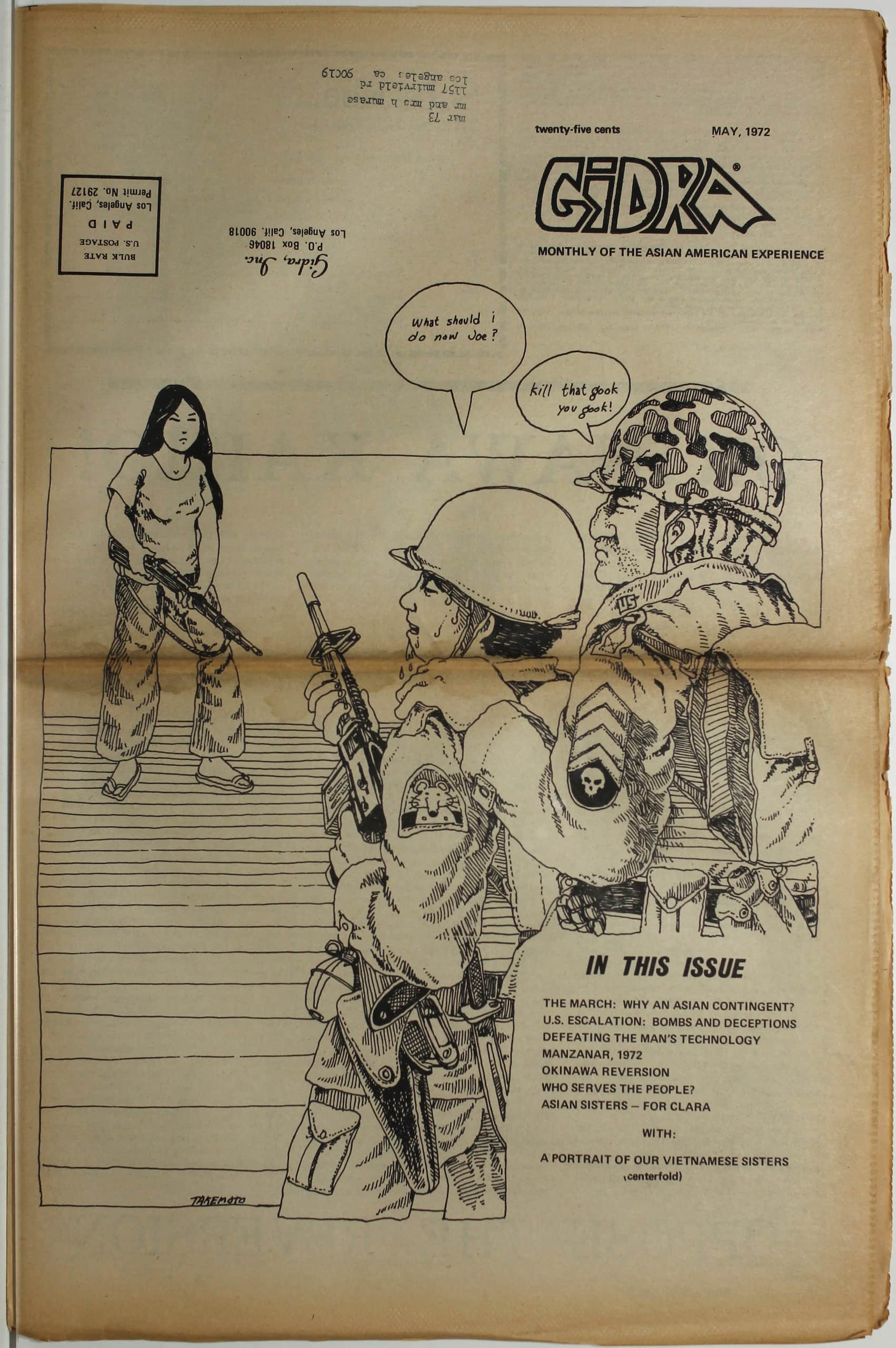
Gidra Cover, May 1972
This May 1972 cover art of Gidra, an Asian American Movement publication, critiques how people are turned into enemies during wartime. The word “gook” is a derogatory term and was used to dehumanize Asian people during the Vietnam-American War.
Featured in:
Vietnamese American Experiences, Module 2
-
Image
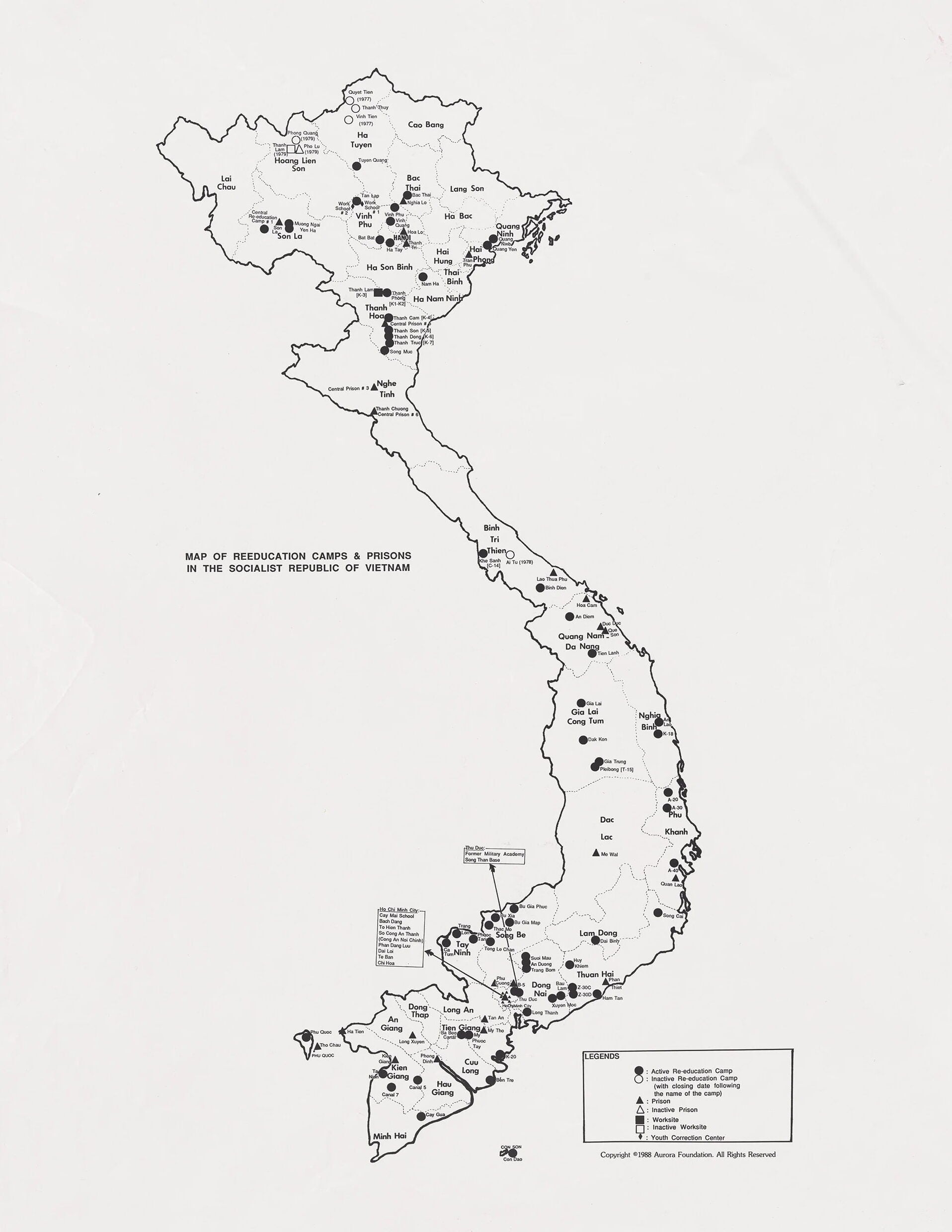
Map of Reeducation Prisons in the Socialist Republic of Vietnam
Due to her involvement in the South Vietnamese armed forces, Nguyễn Thị Hạnh Nhơn was imprisoned after the war ended. This map locates sites of reeducation camps and prisons in the Socialist Republic of Vietnam.
Featured in:
Vietnamese American Experiences, Module 2
-
Video
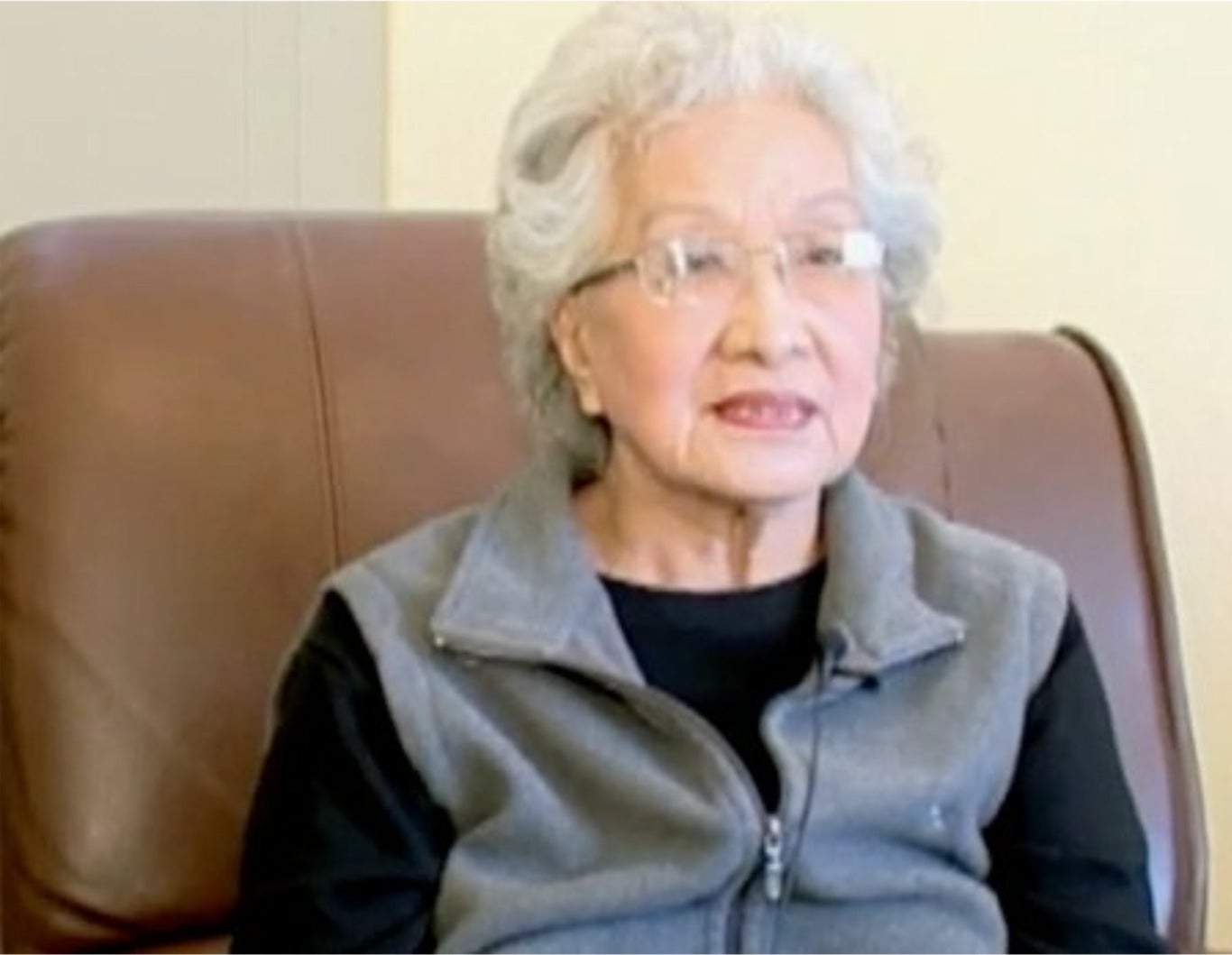
Oral History of Nguyễn Thị Hạnh Nhơn
Nguyễn Thị Hạnh Nhơn describes her life through periods of French colonial rule, Japanese occupation, and the Vietnam-American War.
Featured in:
Vietnamese American Experiences, Module 2
-
Image
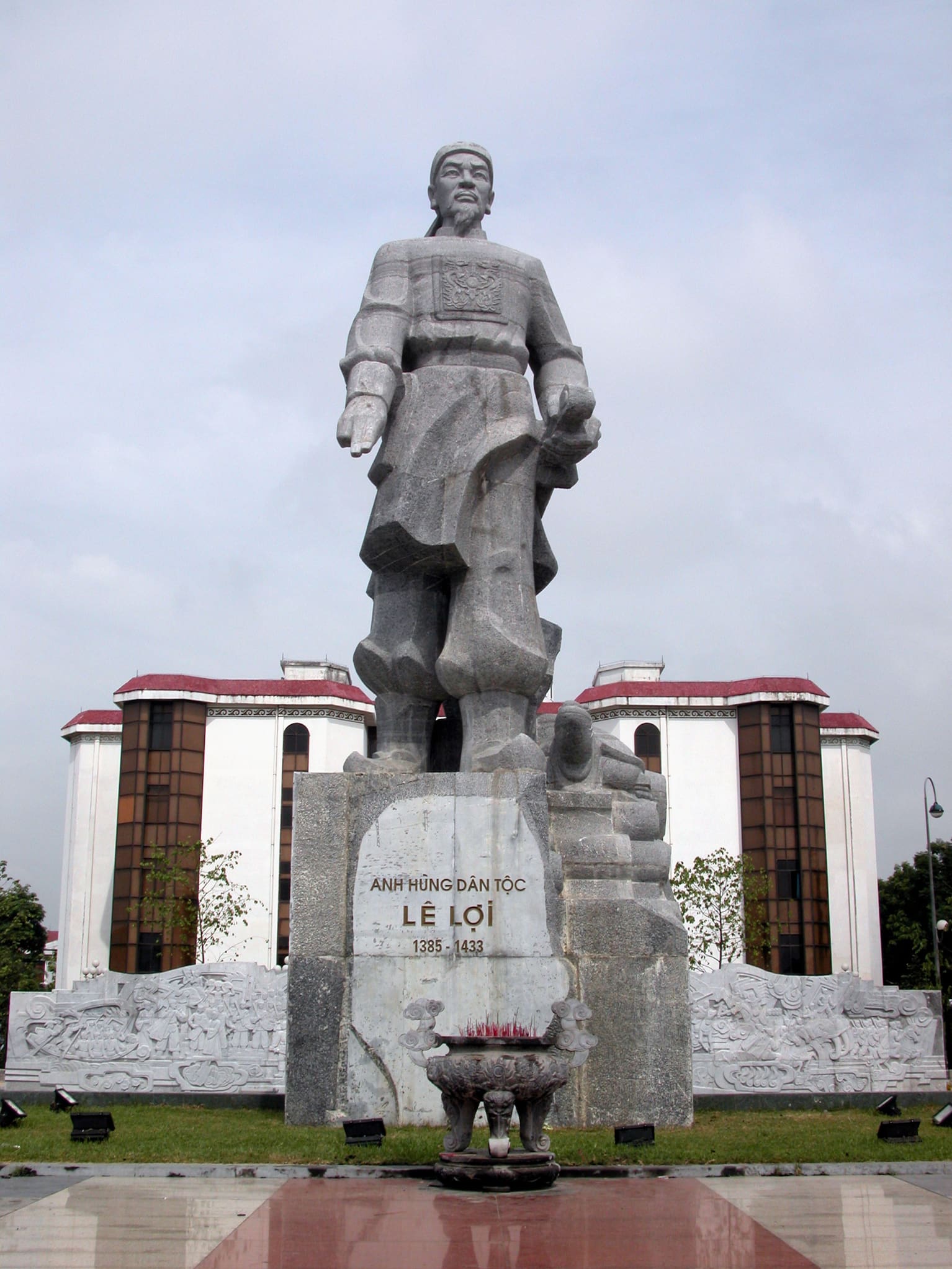
Lê Lợi Statue
This large statue of Lê Lợi reflects the lasting impact of the revolutionary leader on the Vietnamese people. A bowl of incense at the base of the statue is another marker of the ongoing reverence for Lê Lợi in Vietnam’s national memory.
Featured in:
Vietnamese American Experiences, Module 1
-
Image
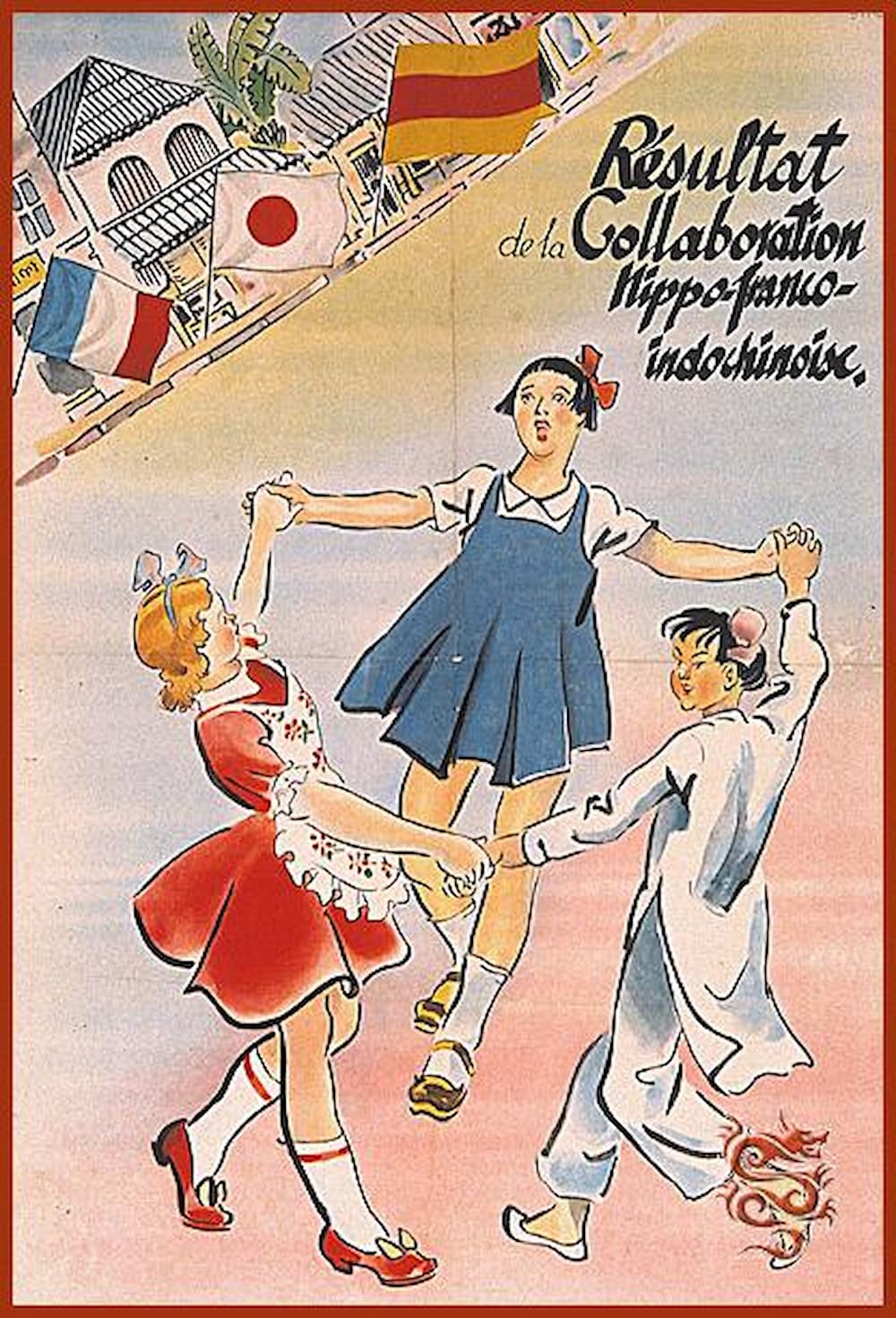
1942 Propaganda Poster
A 1942 Japanese propaganda poster celebrating colonialism framed as “collaboration” between France, Japan, and Vietnam.
Featured in:
Vietnamese American Experiences, Module 1
-
Image
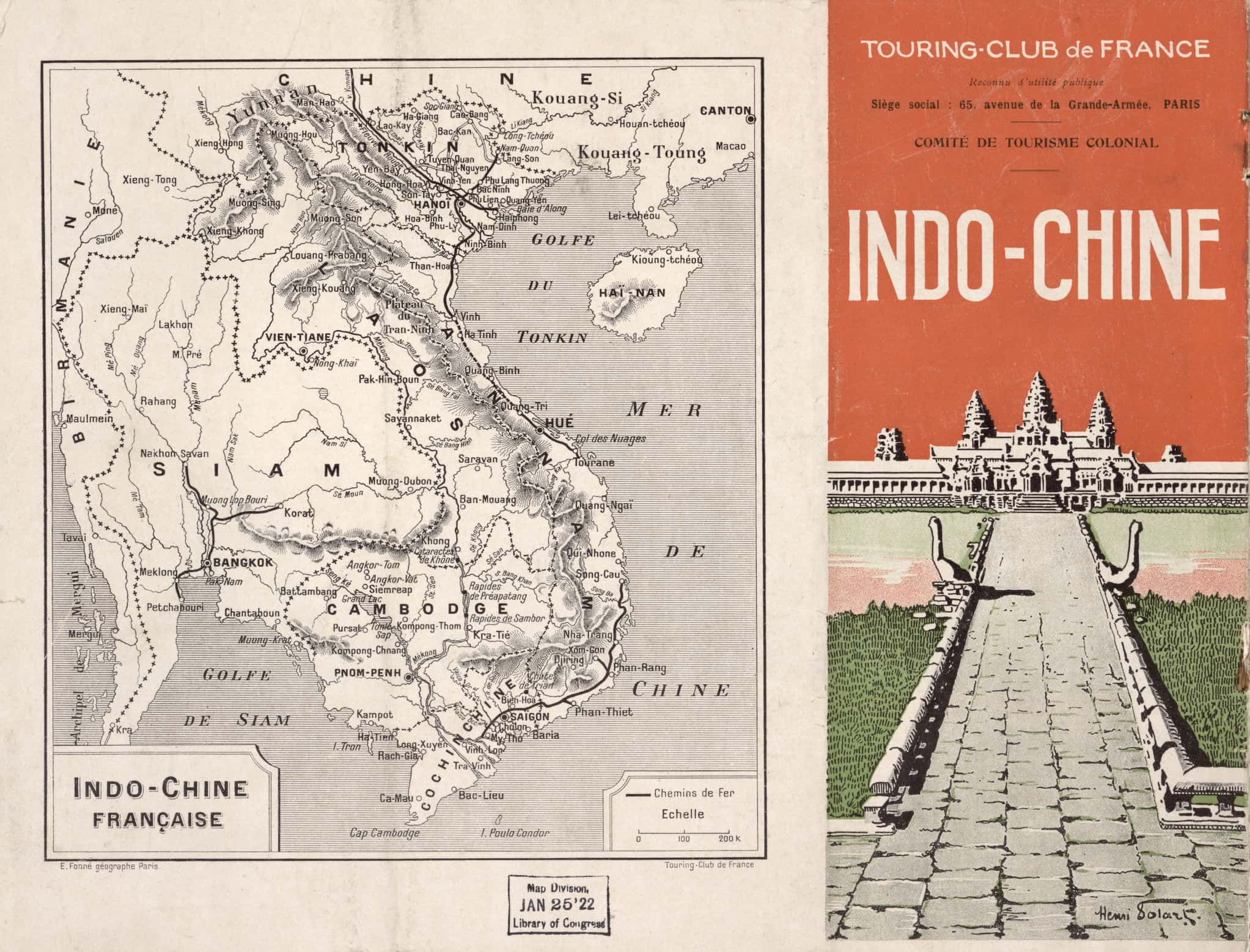
Map of Indochina
This French publication (c. 1910) depicts a map of Indochina, formerly known as French Indochina or Indochine Française until 1950. The term “Indochina” refers to the blending of Indian and Chinese cultural influences in the region.
Featured in:
Vietnamese American Experiences, Module 1
Chapters
# of # results
-
-
Module
-
Module
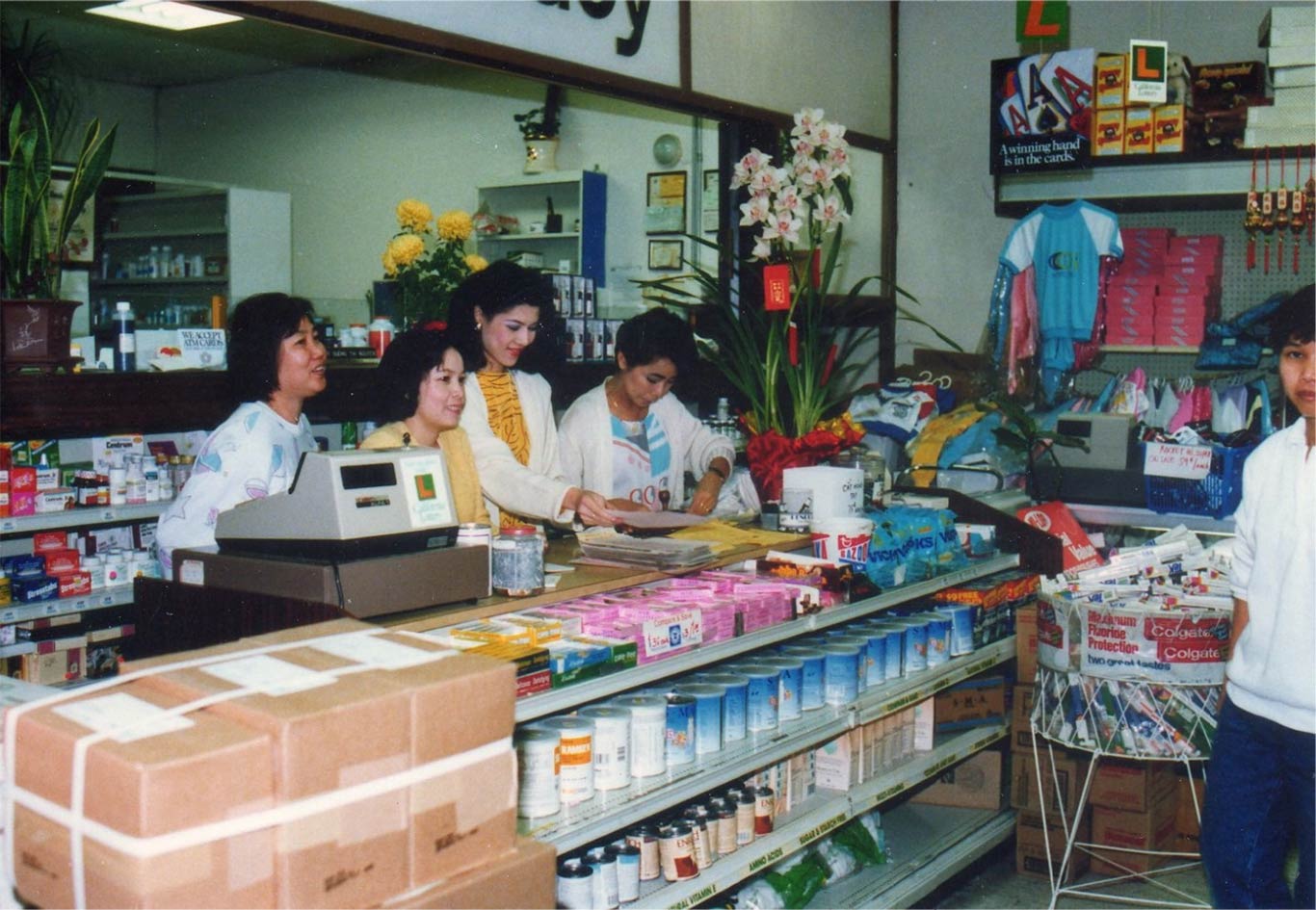
Module 4: Building Community in “Little Saigon”
Thuy Vo Dang
Chapter:
Vietnamese American Experiences
-
Module
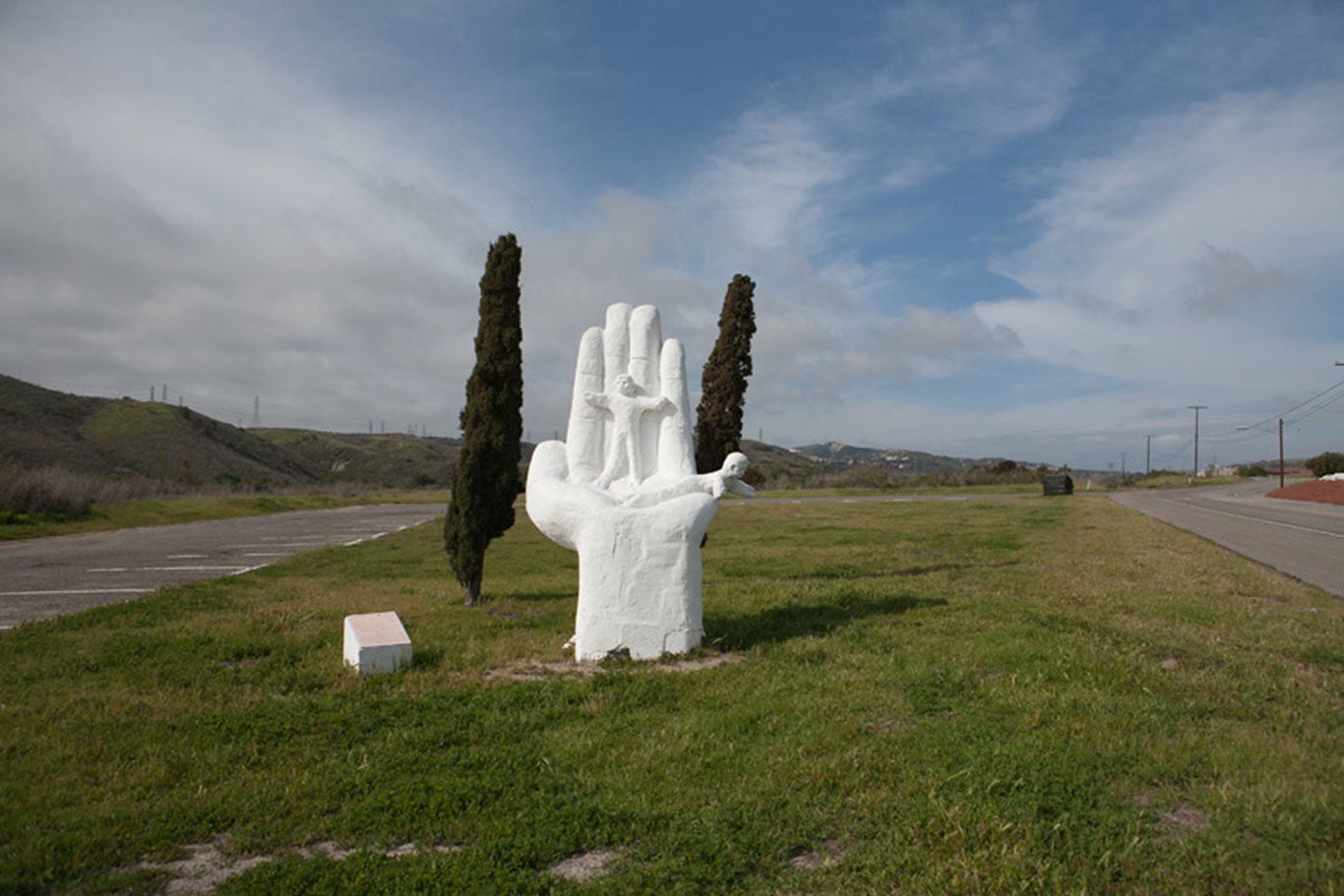
Module 5: Politics and Remembrance in the Vietnamese American Community
Thuy Vo Dang
Chapter:
Vietnamese American Experiences
-
Chapter
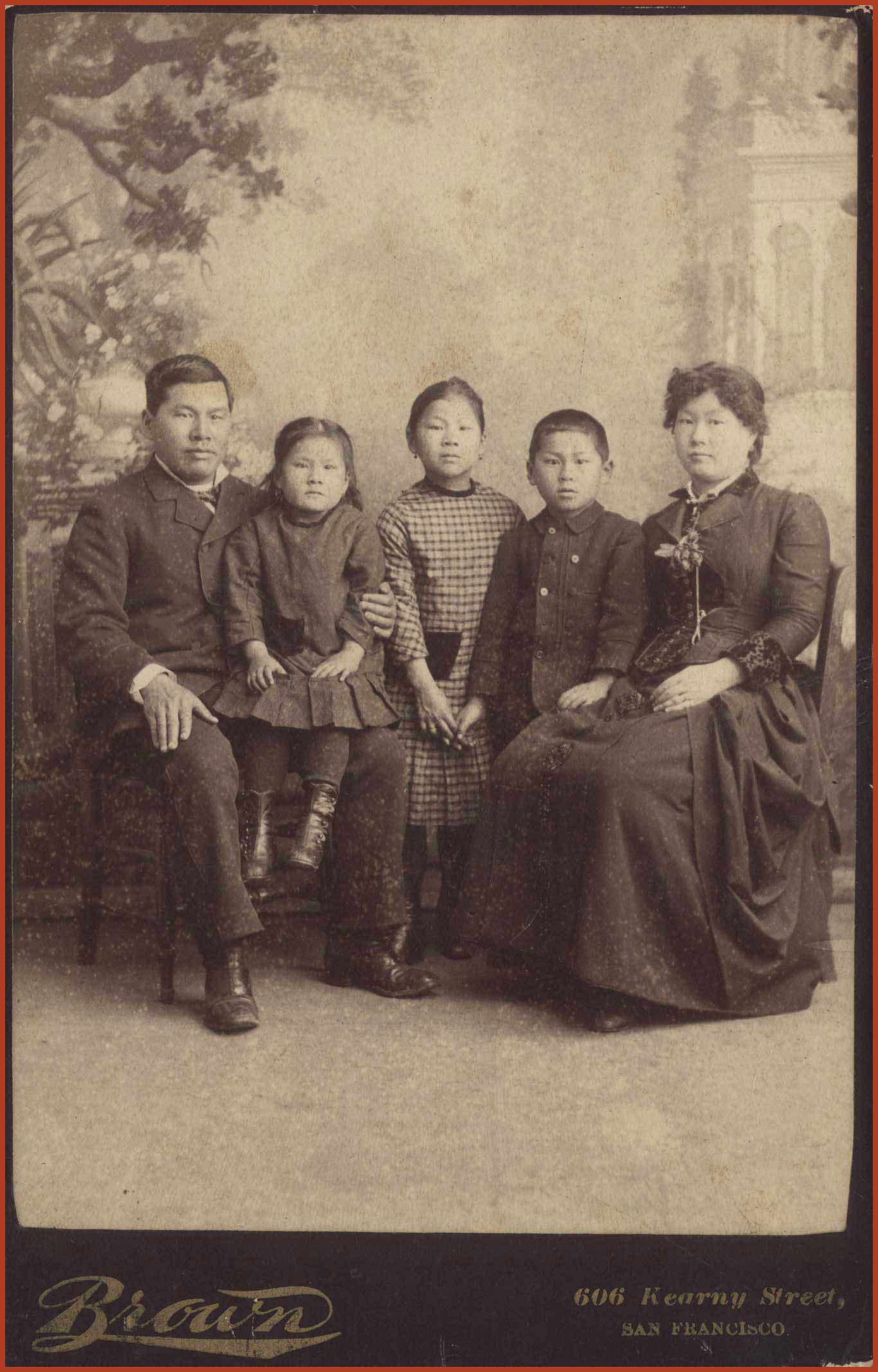
Chapter Overview: The Tape Family and Chinese American Civil Rights
Mae Ngai
-
Module
-
Module
-
Module
-
Module
Module 4: The Strange Career of a Chinese Interpreter
Mae Ngai