



Advanced Search
Asian American and Pacific Islander studies resources for the classroom
All chapters of Foundations and Futures include lesson plans and curricular tools that are designed for high school students and grounded in ethnic studies pedagogy. Feel free to search our repository of primary sources and material that helps bring Asian American and Pacific Islander histories and experiences into the classroom.
Multimedia
# of # results
Chapters
-
Image
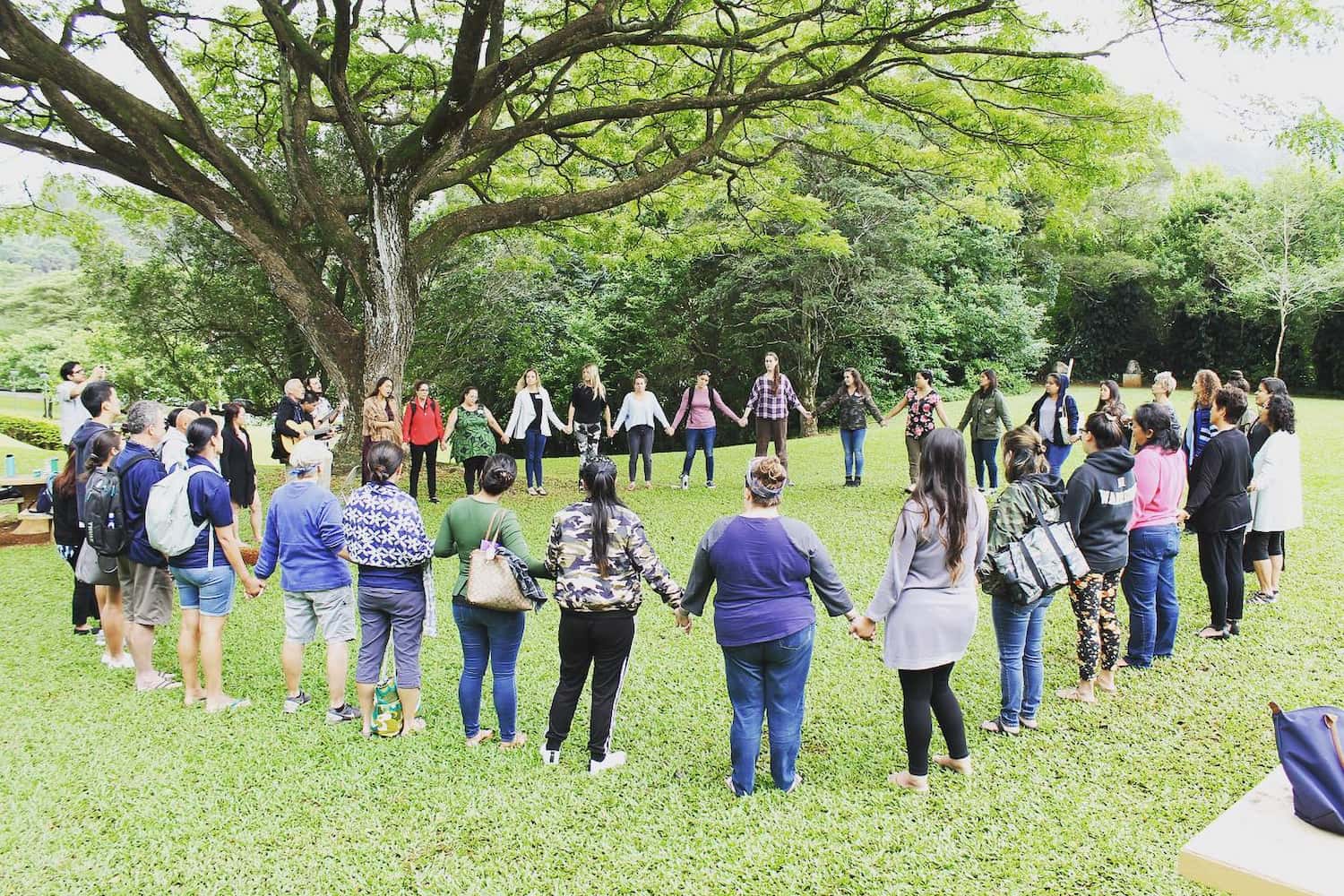
Ceeds of Peace circle
Ceeds of Peace circle, Windward side of Oʻahu, Hawaiʻi, in 2015. As a teacher and global leader, Maya regularly focuses on the importance of positive peacebuilding, especially in developing leadership skills among young generations.
-
Image
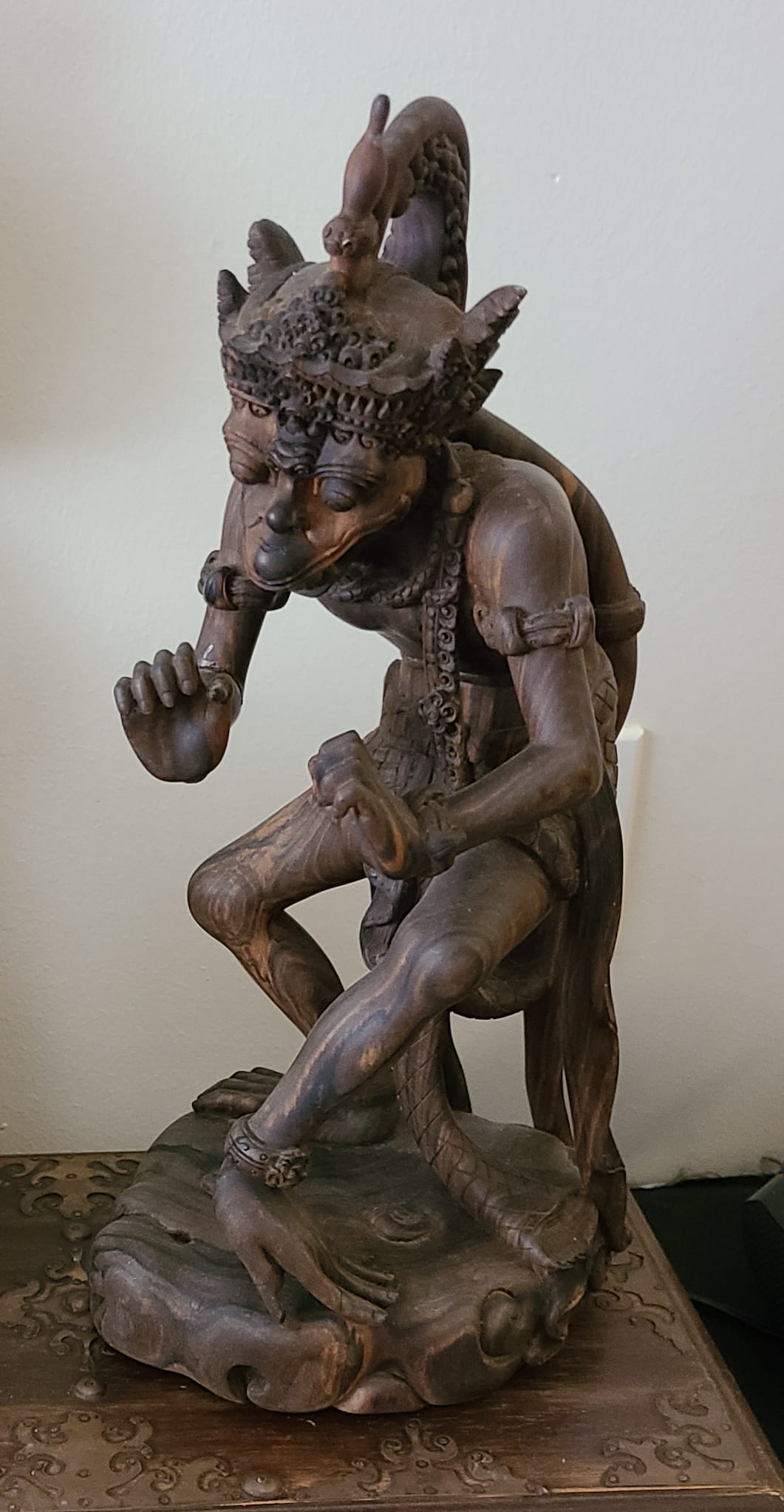
Wood carving art piece from Indonesia
Wood carving in Maya’s home. Indonesian culture remains a cherished part of Maya’s life every day. Maya’s mother brought many art pieces from Indonesia, and Maya continues to display these objects in her home
-
Image
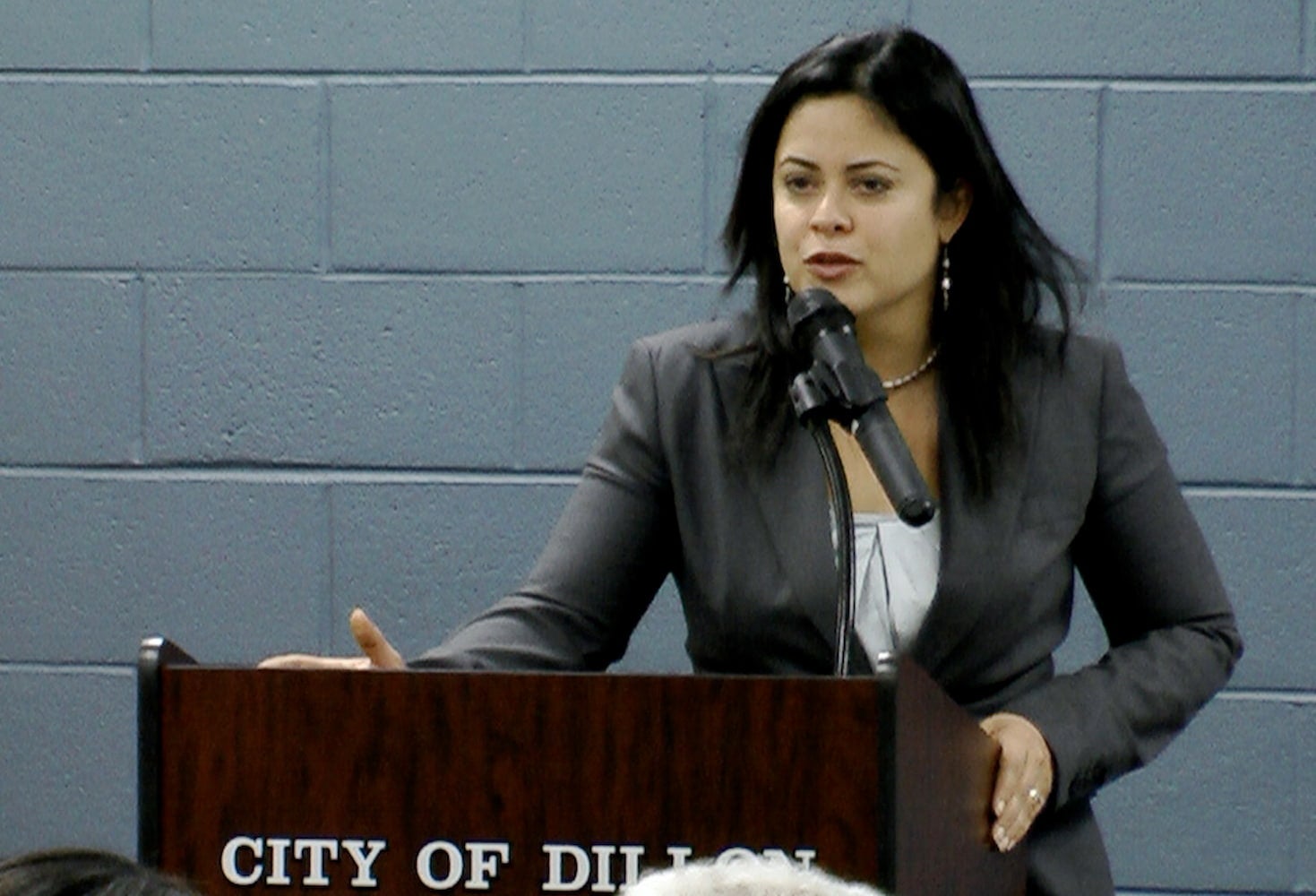
Maya as Global Peace leader
As a global peace leader, Maya makes presentations around the world.
-
Image
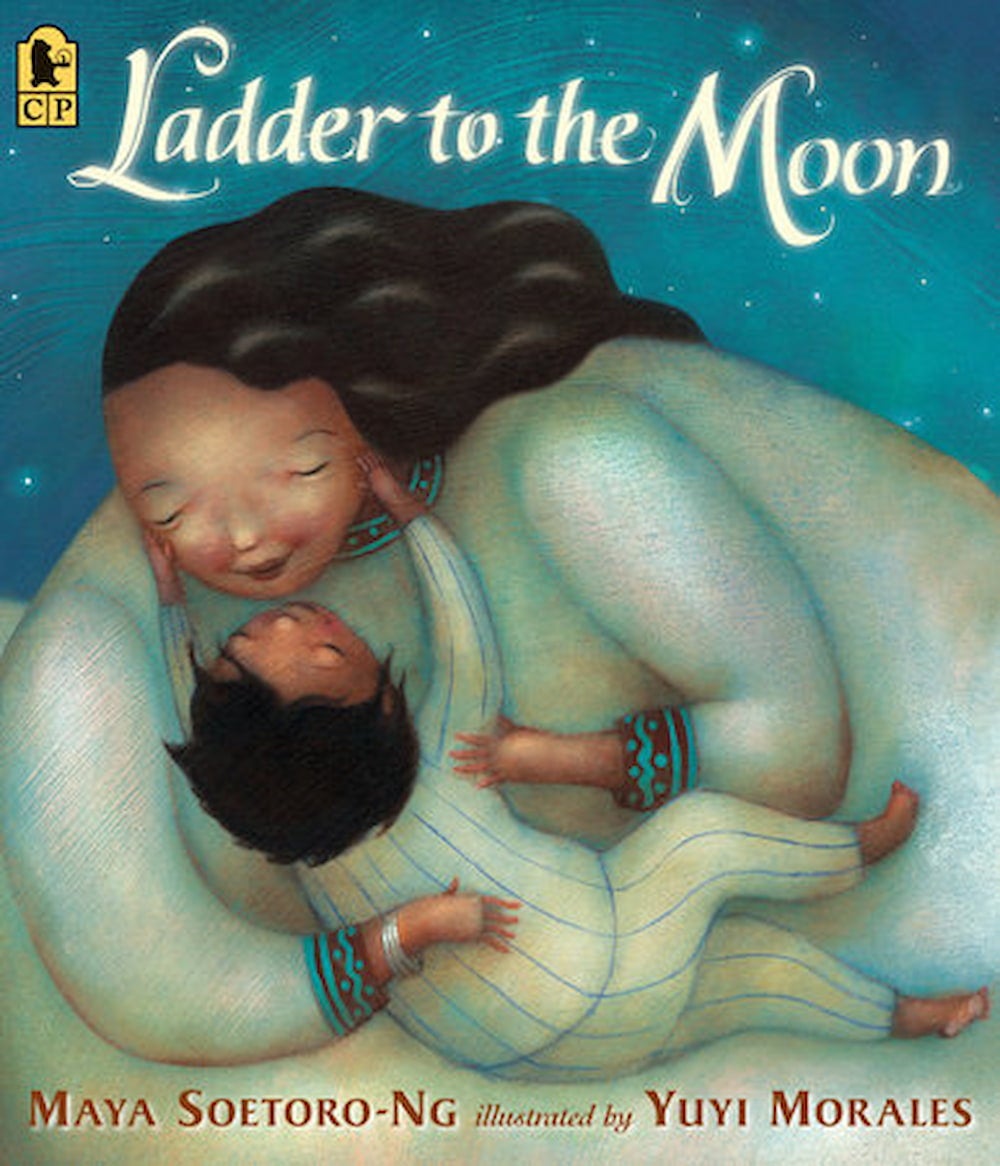
Maya’s first children’s book, Ladder to the Moon
In her first children’s book, Ladder to the Moon (2011; illustrated by Yuyi Morales), Maya imagines what her mother would have taught her daughter, Suhaila, about the world. In the story, a young girl takes a magical journey with her grandmother and learns about the importance of world peace.
-
Image
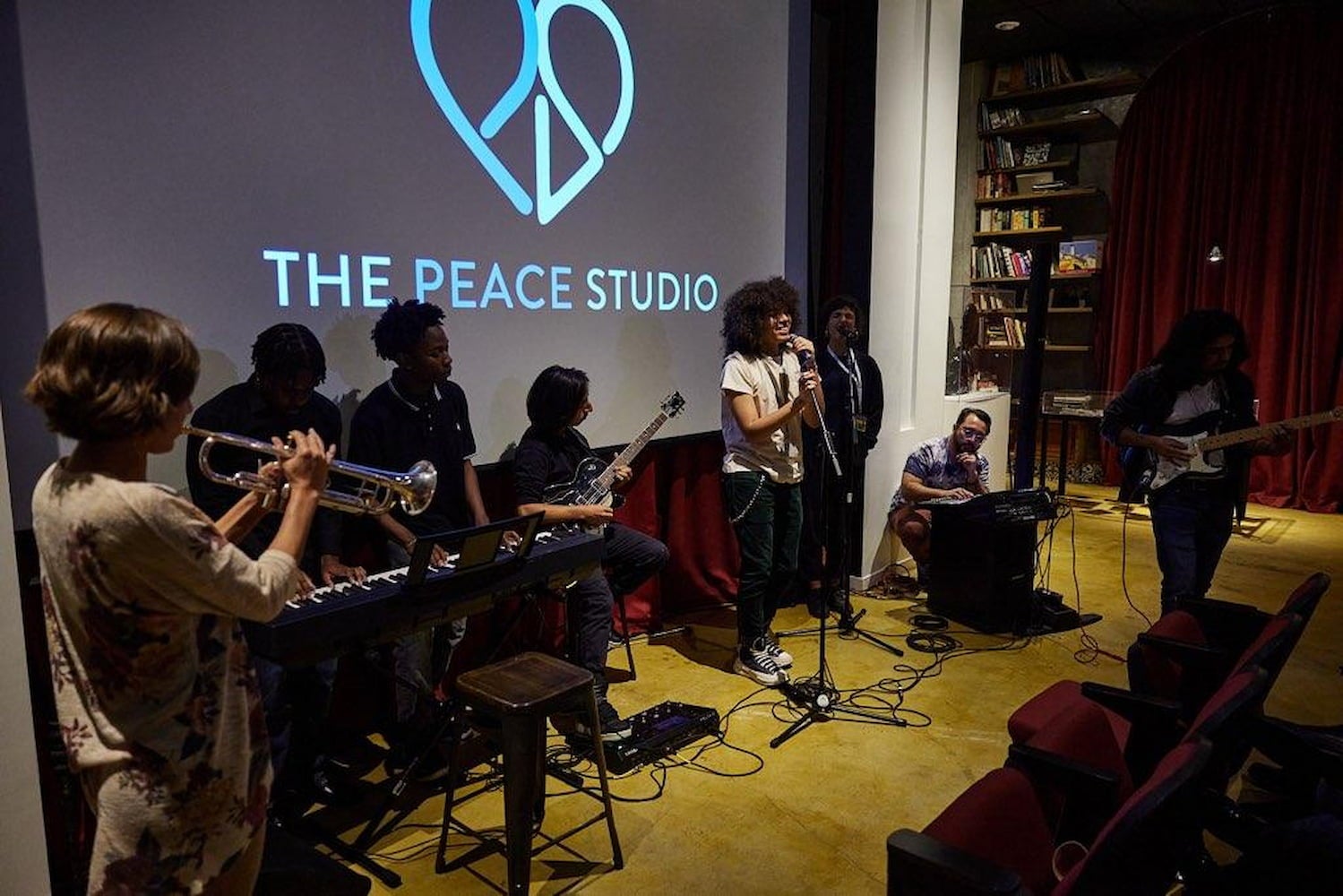
The Peace Studio
The Peace Studio, a nonprofit organization cofounded by Maya, focuses on working with artists and journalists to develop restorative narratives and create social change.
-
Image
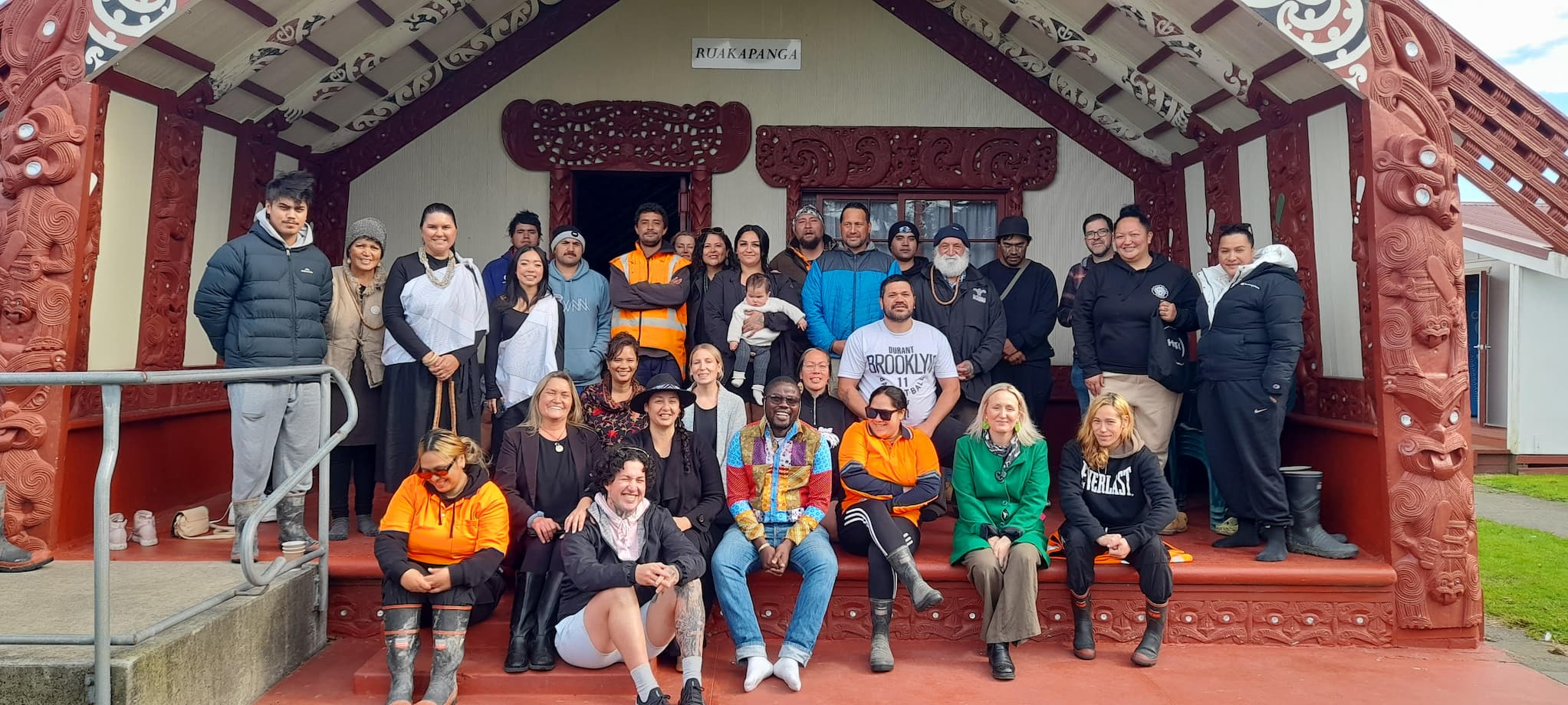
The Institute for Climate and Peace (ICP)
The Institute for Climate and Peace (ICP) ….. ICP foregrounds the importance of Indigenous practices and women’s leadership in addressing climate change.
-

Video
Peace as action
Watch as Maya talks about “peace as action,” and why she decided to found and build community-focused non-profit organizations.
-
Image
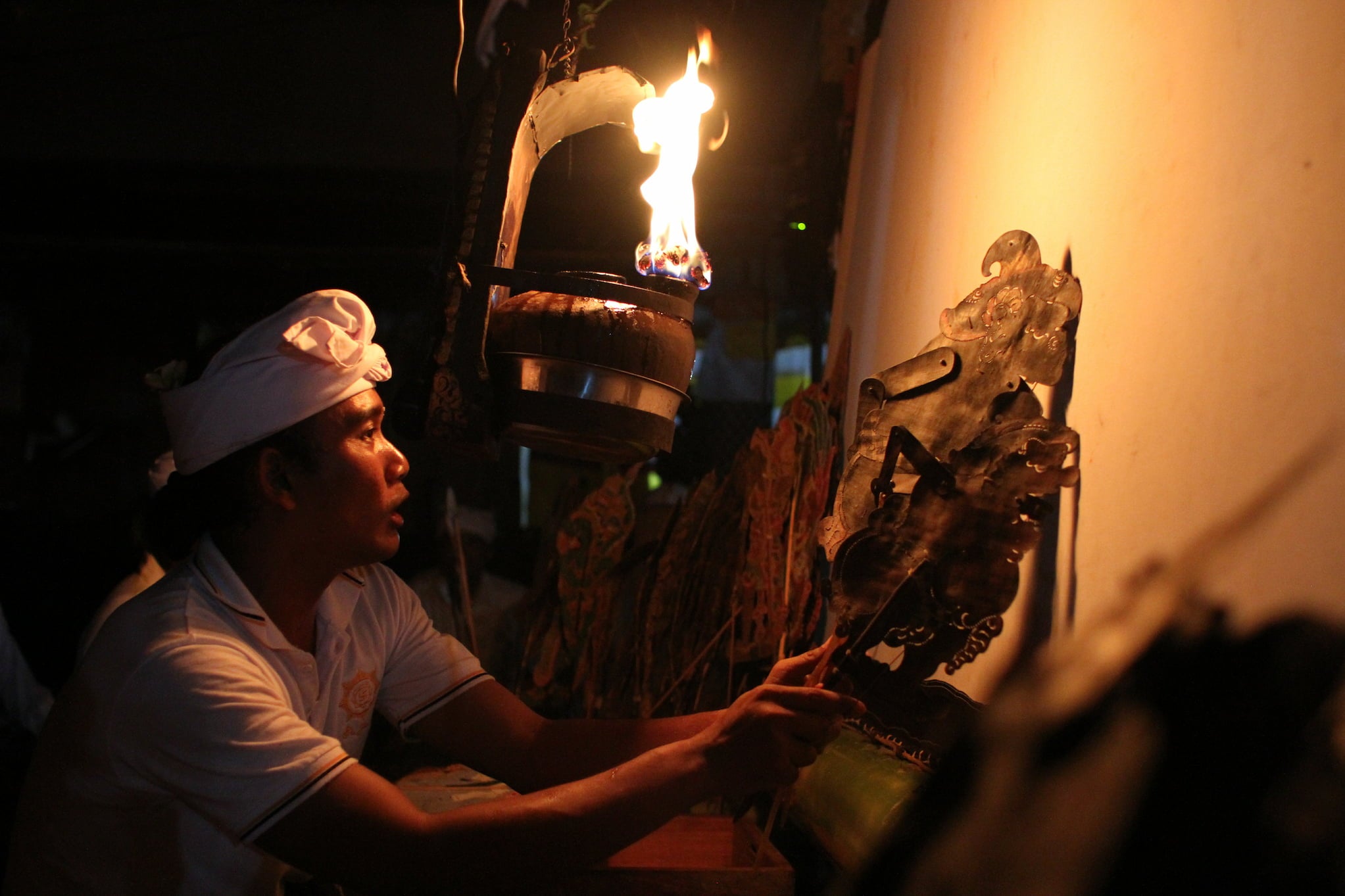
Wayang kulit performance
As a child, Maya grew up surrounded by Indonesian artisans and Javanese culture. Her childhood memories are filled with watching painters, batik makers, woodcarvers, and other artists. This early exposure to art and culture in everyday life would shape Maya’s conviction about art’s importance for connection and healing.
-
Video
Maya describe moving to New York for college
Watch Maya describe moving to New York for college, and embracing Latino culture while living and working among Dominican and Puerto Rican communities.
-
Image
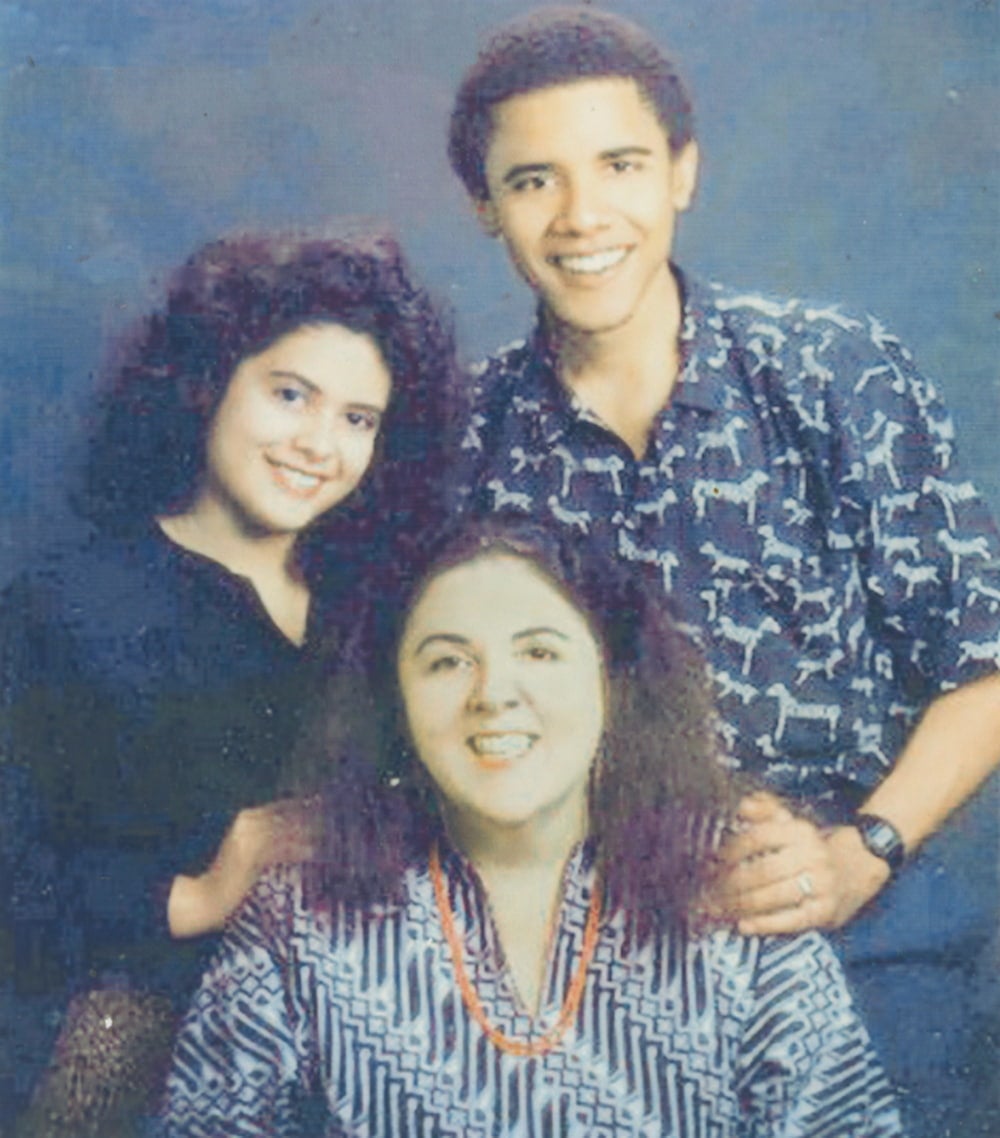
Maya, Ann, and Barack in Honolulu, Hawaiʻi, ca. 1987.
(Left to right) Maya, Ann, and Barack in Honolulu, Hawaiʻi, ca. 1987.
Chapters
# of # results
-
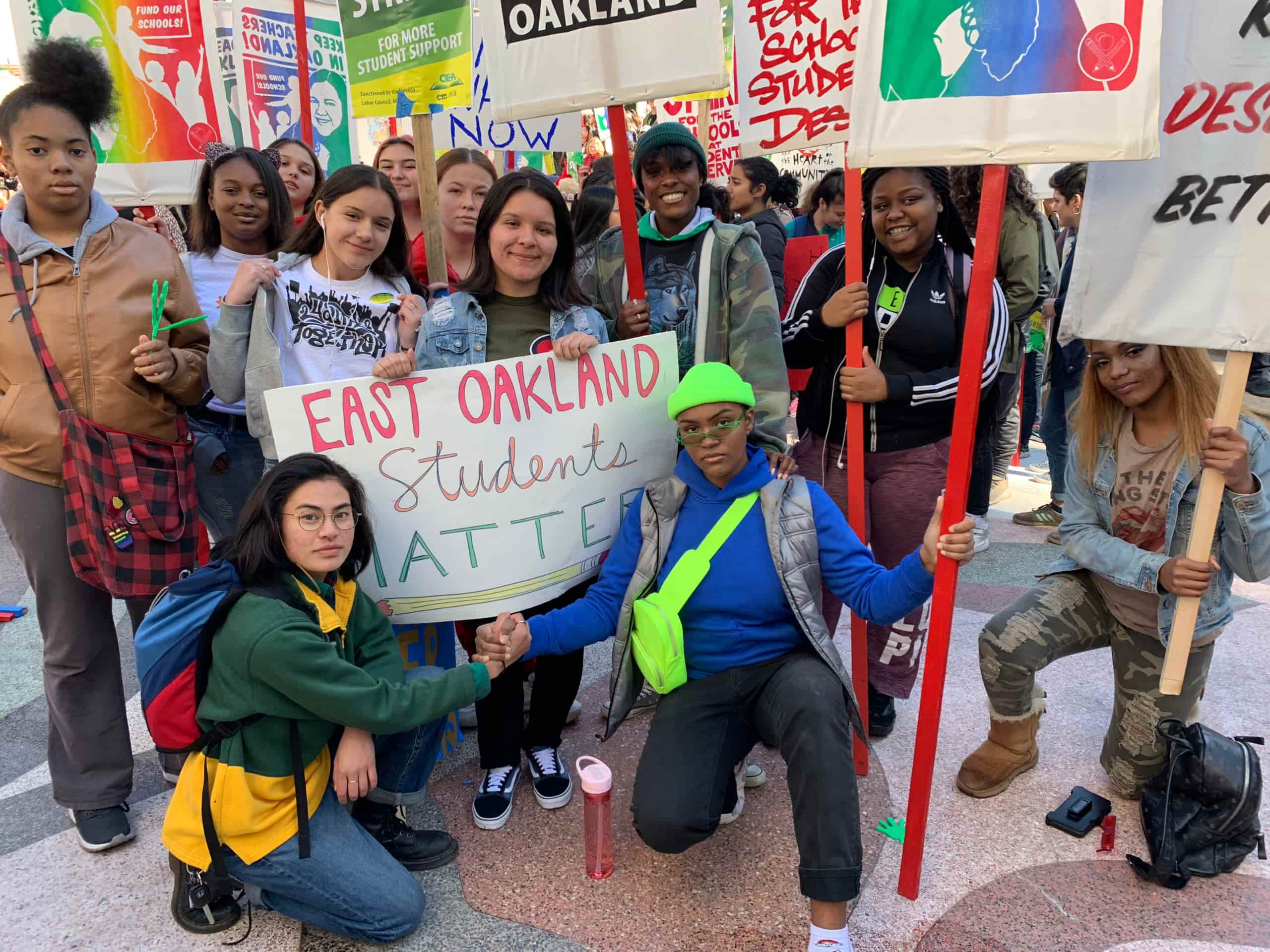
Module
Module 2: Identity and Multiracial Alliances
Veronica Terriquez and May Lin
-
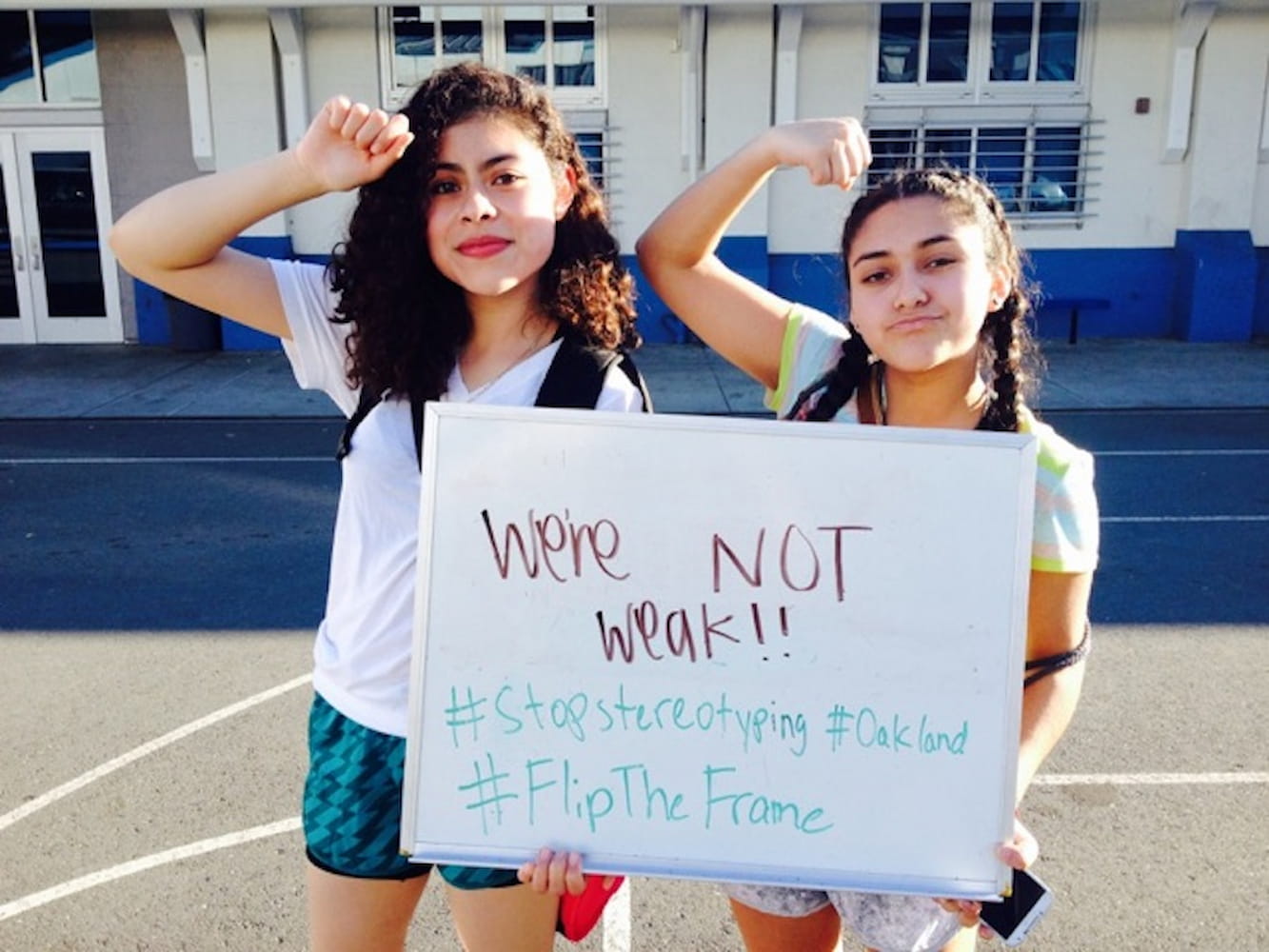
Module
Module 3: Building Youth Power Through Healing
Veronica Terriquez and May Lin
-
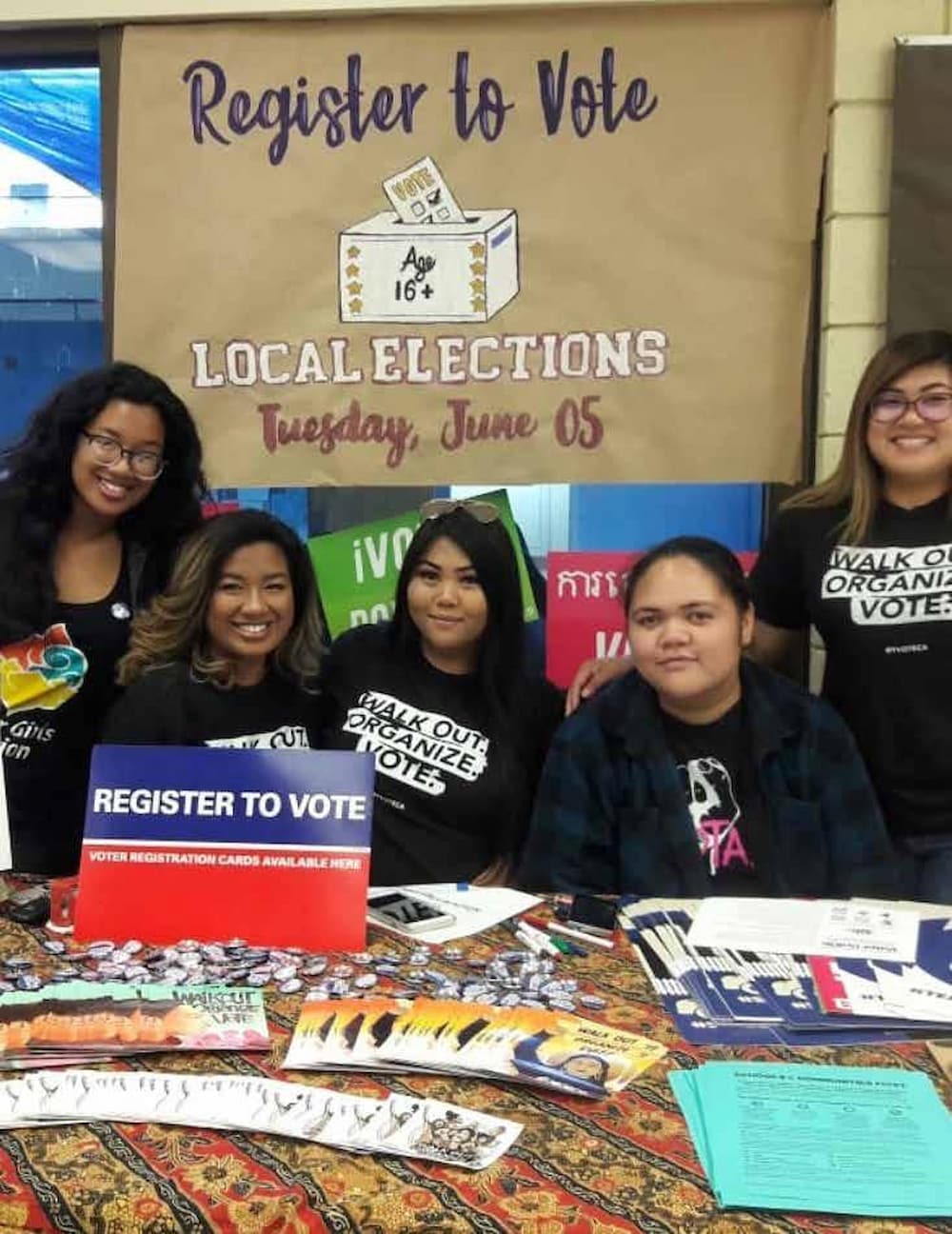
Module
Module 4: Youth Voice in Elections
Veronica Terriquez and May Lin
-
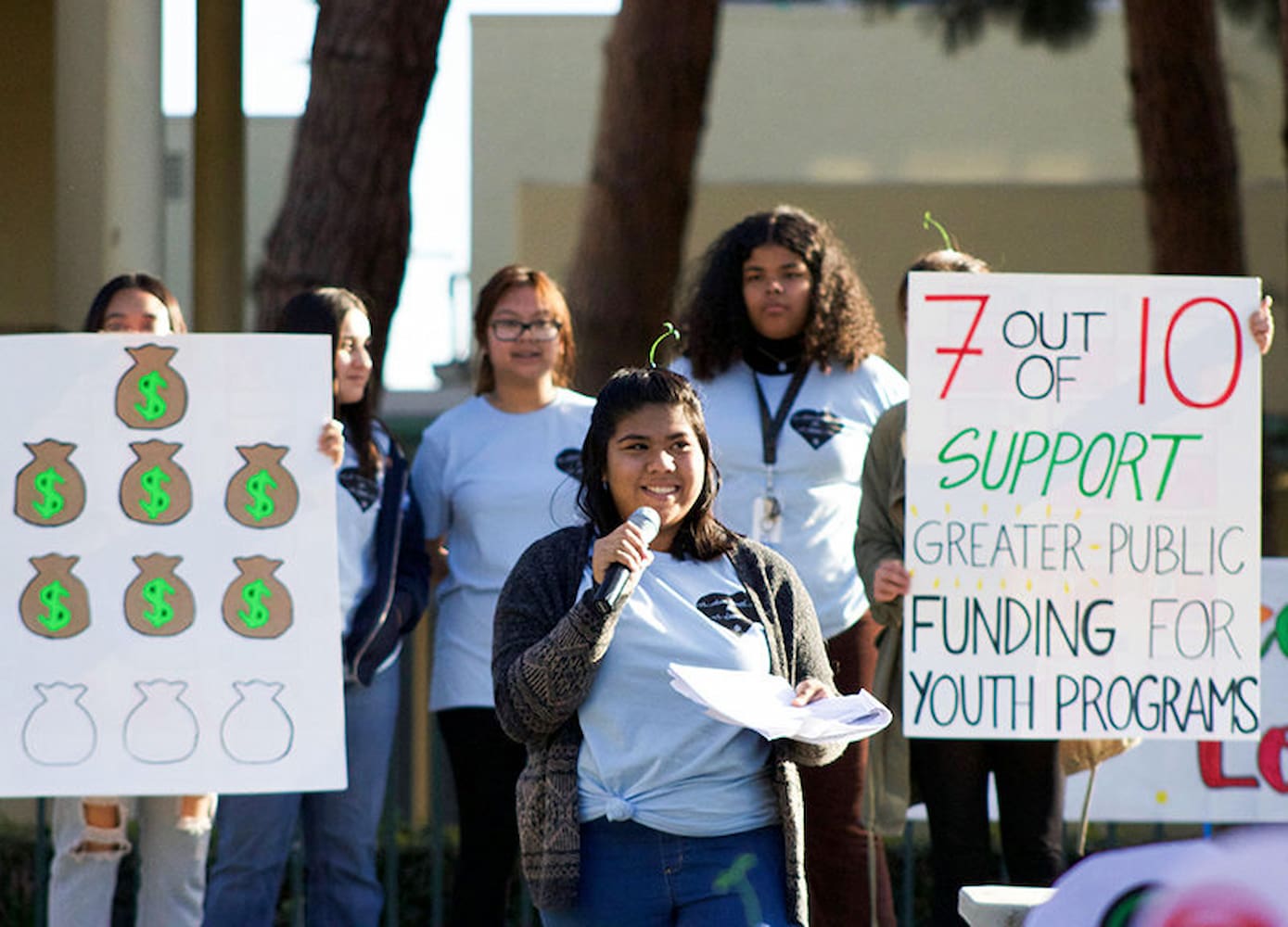
Module
Module 5: Youth-Led Campaigns
Veronica Terriquez and May Lin
-

Chapter
Chapter Overview: Multiracial Pacific Islanders and Asian Americans
Nitasha Tamar Sharma
-
Module
Module 1: Overview: Multiracial Pacific Islanders and Asian Americans
Nitasha Tamar Sharma
-
Chapter
Chapter Overview: We Are Here Because You Were There: Race, Colonialism, and Migration
Mae Ngai, Wena Teng, Greg Robinson, and Jonathan Van Harmelen
-
Module
Module 1: Asian Americans, Pacific Islanders, and the Asia-Pacific
Mae Ngai and Wena Teng
-
Module
Module 2: Homeland Ties
Mae Ngai and Wena Teng