





Module 4: Nail Salon Workers: Ethnic Labor Migration
Has Asian American and Pacific Islander labor activism transformed working conditions for all workers?
Nail salons service a multi-billion dollar industry in the US. Although they are now a common sight in urban and suburban communities, this was not always the case. In the early 1900s, full-service salons were a luxury service for wealthy women. As nail polish became more widely available, women started painting their nails at home.
In the 1970s, new salon tools and the arrival of a new workforce of primarily Asian immigrant and refugee women decreased the cost and time for getting manicures and pedicures. Southeast Asian refugees entered the nail salon industry as workers and business owners. Vietnamese women, in particular, along with other immigrants from Asia, Latin America, and elsewhere have transformed the nail salon industry into an affordable service for middle- and low-income people of all ethnicities.
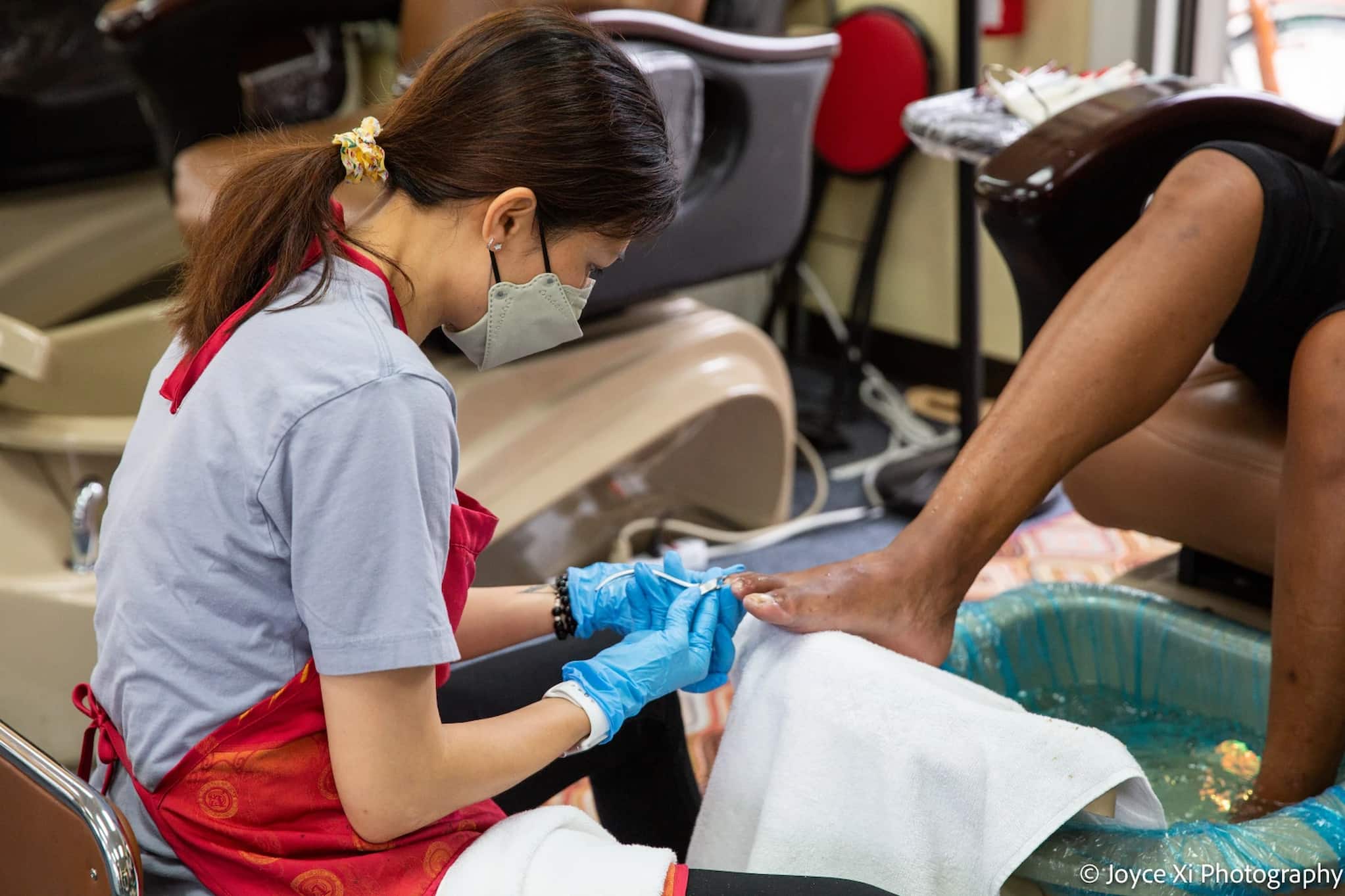
Image 40.04.01 — Nail salon business owners and workers are often Asian immigrant and refugee women.
Created date, created by Name, Title Italicized. Credit line indicating where the image is from. Metadata ↗
This module is about nail salon workers and their working conditions, and how many have come together to organize for better wages and safer work environments.
How do labor demands shape ethnic migration to the United States?
How is the nail salon industry connected to Asian Americans?
How have nail salon workers and their allies been able to bring health and safety concerns to the public and pass legislation to protect their rights on the job?


