



Module 5: Contemporary Asian American Labor Organizing
Has Asian American and Pacific Islander labor activism transformed working conditions for all workers?
Work has changed dramatically in the twenty-first century. The rise of globalization reduced manufacturing jobs in the US as multinational companies seeking a low-wage workforce outsourced jobs to other countries. Labor unions and workers organized to create middle-class jobs with union benefits, but those jobs became less available. New jobs emerged with unfamiliar names for which traditional education did not prepare.
The “gig economy” provided short-term contracts and freelance jobs. While such work promised flexibility, workers were not provided with long-term stability such as health care and retirement benefits. Work also changed dramatically at the onset of the COVID-19 pandemic in 2020, especially as schools moved online and other occupations went remote. Unions lost members and worksites. As businesses and workplaces reopened, the underlying issues of labor exploitation and anti-union legislation and policies remained.
This module explores the contemporary work landscape within the global structures of capitalism. It provides a brief overview of Asian American national organizing efforts and organizations, and a case study of the Asian Pacific American Labor Alliance (APALA) including its history, accomplishments, and future goals. The module forwards the discussion by highlighting key challenges for building worker power in the global context.
Reflection Questions
Do you or someone you know have a job? What is one working condition you would like to change at this job?
More to explore
Document
The Fastest Growing and Declining Jobs
In 2020, the US Bureau of Labor Statistics published the twenty fastest growing and declining jobs in the next decade, which show the effects of globalization, automation, and outsourcing.
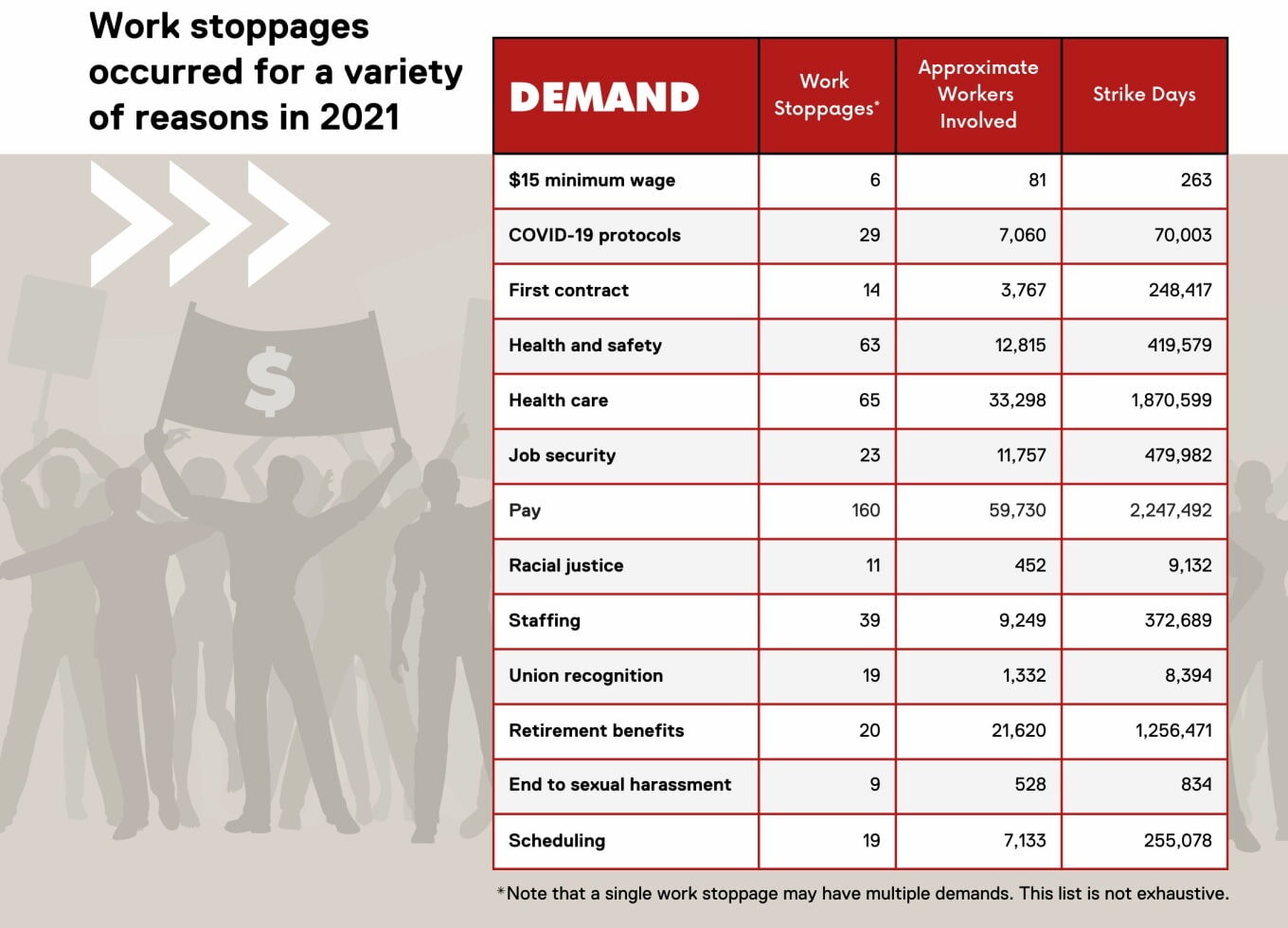
Image 40.05.02 — Details on the large number of work stoppages that took place in 2021.
Created date, created by Name, Title Italicized. Credit line indicating where the image is from. Metadata ↗
How have Asian American workers organized nationally?
How has the Asian Pacific American Labor Alliance (APALA) influenced contemporary organizing?
How did the Asian Pacific American Labor Alliance (APALA) provide leadership and build alliances across racial, ethnic and international boundaries?