



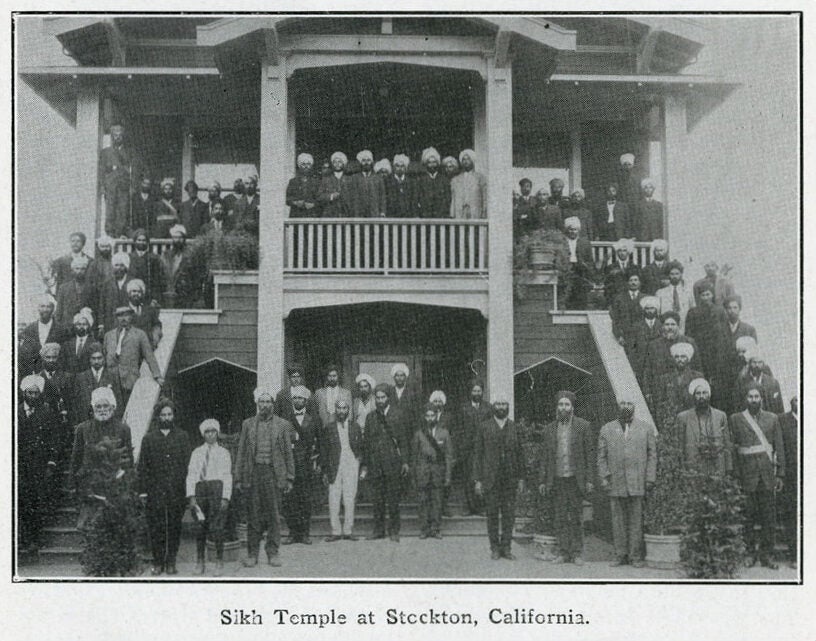
Module 3: Religious Life
Have Indian Americans found belonging in the United States?
In 1893, a Hindu monk named Swami Vivekananda arrived in Chicago, Illinois, to attend the first World Parliament of Religions. His oration and subsequent lecture tours mesmerized audiences throughout the country. Some say that Vivekananda introduced yoga to America. He later established the Vedanta Society of New York in 1894, and another in San Francisco, California a few years later. These may be seen as the first steps in giving “Hinduism” an institutional presence in the United States. The Vedanta Society of Southern California, established in 1929, would become a magnet for leading British intellectuals like Aldous Huxley and Christopher Isherwood.
This module is a brief overview of the religious life of Indian Americans and how immigrants adapted their religious lives to their new homeland. The religious, cultural, and social life of Indian Americans—Hindus, Sikhs, Jains, Muslims, and Christians—took on a new life after the passage of the Immigration and Nationality Act of 1965.
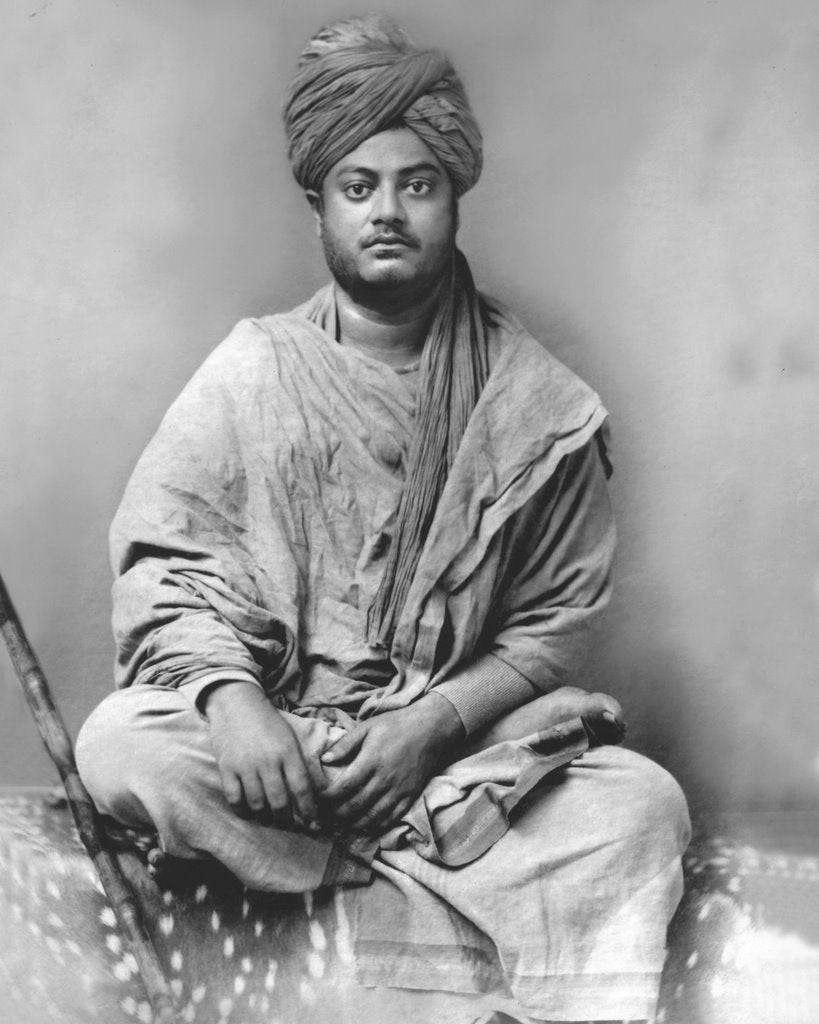
Image 12.03.01a — Swami Vivekananda, “Guru to the world,” first came to America in 1893. He is often credited with introducing yoga to the United States.
Created date, created by Name, Title Italicized. Credit line indicating where the image is from. Metadata ↗
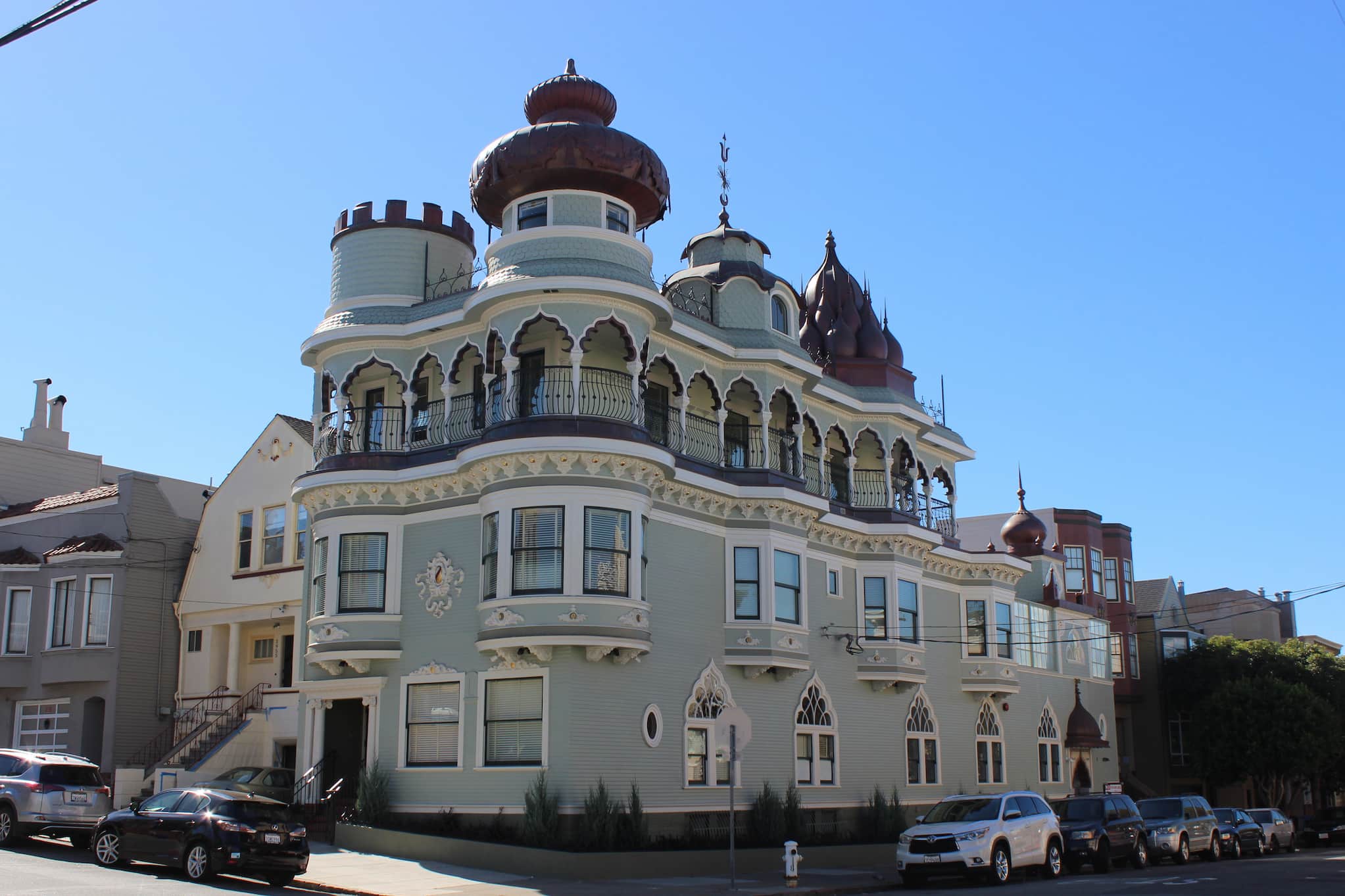
Image 12.03.01b — The Old Vedanta Temple in San Francisco, California, was the first Hindu temple established in the United States.
Created date, created by Name, Title Italicized. Credit line indicating where the image is from. Metadata ↗


How did religions based in the Indian subcontinent first arrive in the US?
What are the social and cultural functions of Indian American spaces of worship?
What type of religious diversity exists among Indian American communities?