



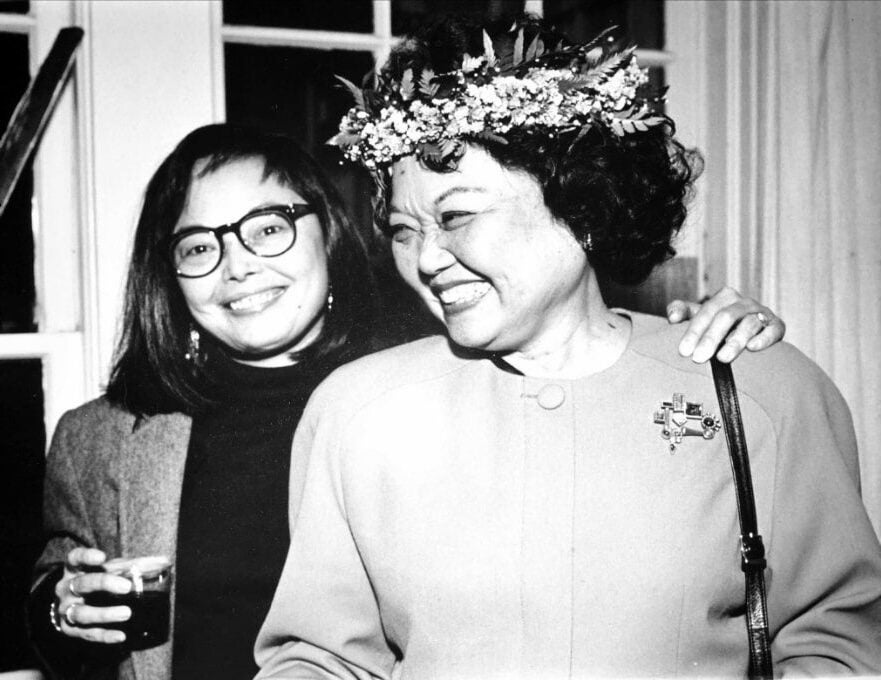
Module 4: Title IX: The Patsy Takemoto Mink Equal Opportunity in Education Act
Does having an Asian American in the US House of Representatives positively impact the lives of Asian Americans?
When Kamala Harris was elected to serve as vice president of the United States in 2020, she became the first woman and person of color to occupy this position of leadership. Harris acknowledged that her achievement resulted from many generations of women of diverse racial backgrounds who fought for political rights and the opportunity to serve as political leaders.
Patsy Takemoto Mink, a third generation Japanese American woman born in Hawai‘i, was one such inspiration. When she passed away, Title IX was renamed the Patsy Takemoto Mink Equal Opportunity Education Act. Title IX, a law passed in 1972, seeks to “prohibit sex (including pregnancy, sexual orientation, and gender identity) discrimination in education programs or activities receiving federal financial assistance.” 1
This module is about the Title IX act, and how Patsy Mink worked with other feminists to collectively lobby for its passage and enforcement.
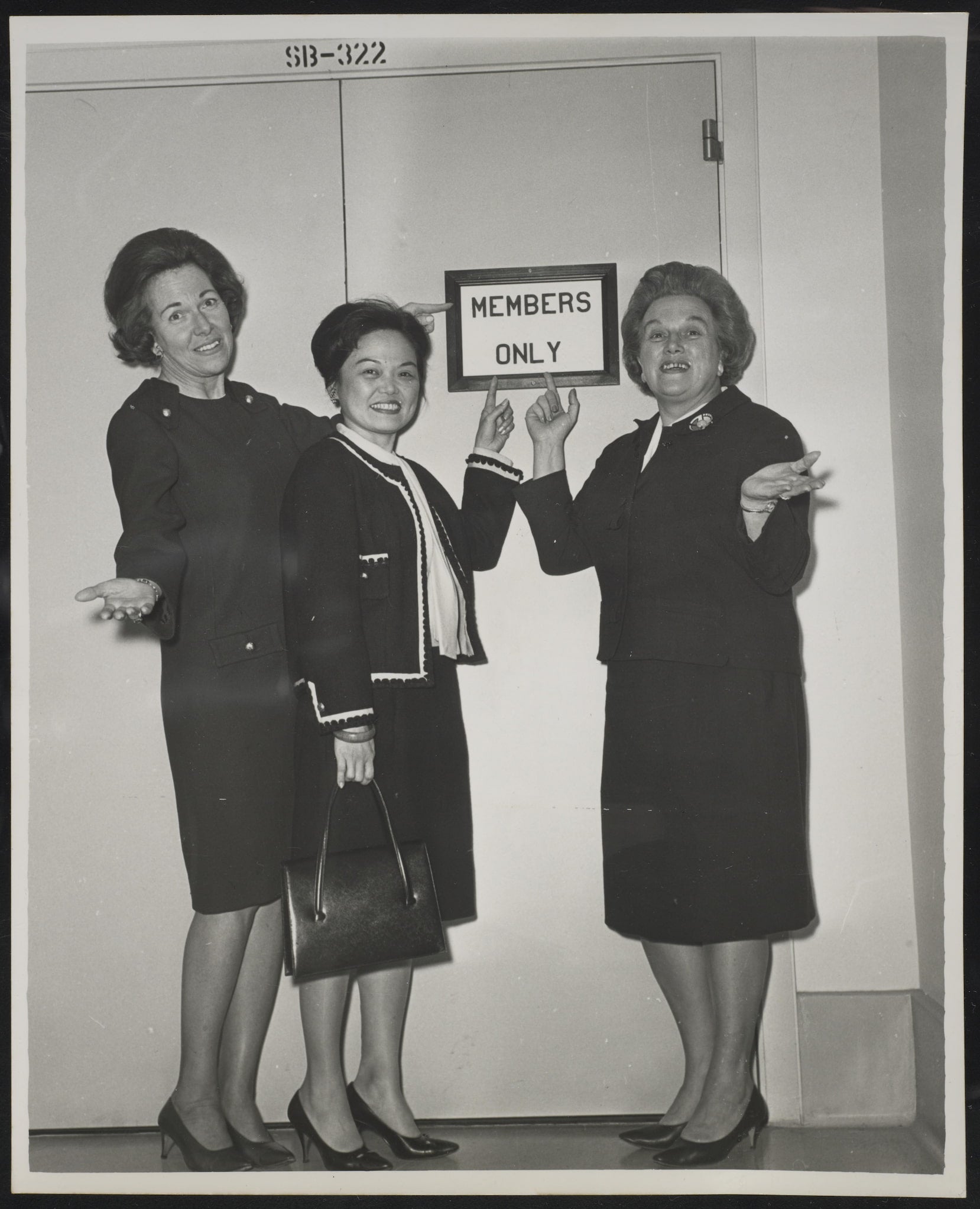
Image 36.04.01 — Mink (center) built bridges with many, including Congresswomen Charlotte Reid (left) and Catherine May (right), to advocate for equal opportunity.
Created date, created by Name, Title Italicized. Credit line indicating where the image is from. Metadata ↗
What is Title IX?
What motivated Patsy Mink to support Title IX?
What approach to political leadership did Patsy Mink take?