





Module 2: Early Immigration and Citizenship
Was life in the United States worth the hardships faced by early South Asian immigrants?
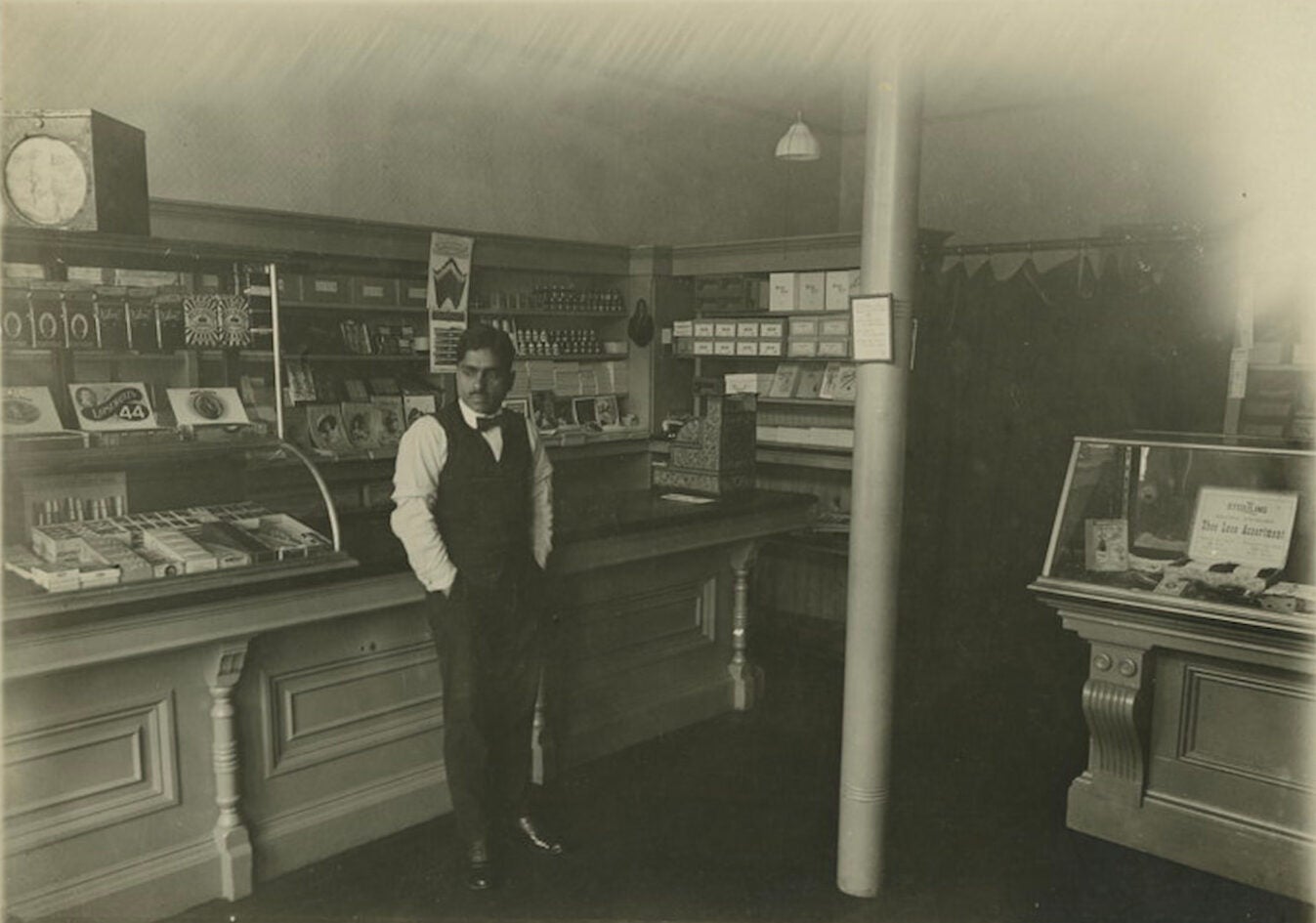
On February 11, 2021, banners were unveiled in downtown Berkeley, California, with the smiling portrait of Kala Bagai and the caption: “Celebrate Berkeley’s Asian American History.” The occasion? The city council had voted to rename part of a major city street “Kala Bagai Way,” celebrating the life of an activist, community builder, and one of the first South Asian women to immigrate to the United States.
Kala and her husband, Vaishno, had not received a similar welcome upon arriving in Berkeley over a century earlier. Kala’s story reminds us that the privileges American citizens take for granted today—to vote, run for office, and travel outside the country with a US passport—were not always guaranteed. Rather, they were hard-won by those who came before us, shaping a legacy of courage and resilience that continues to inspire our fight for justice.
In this module, we learn about how Kala, Vaishno, and other South Asian immigrants faced discrimination, which was further reinforced by the US government through legislation and court decisions that blocked their paths toward integration.
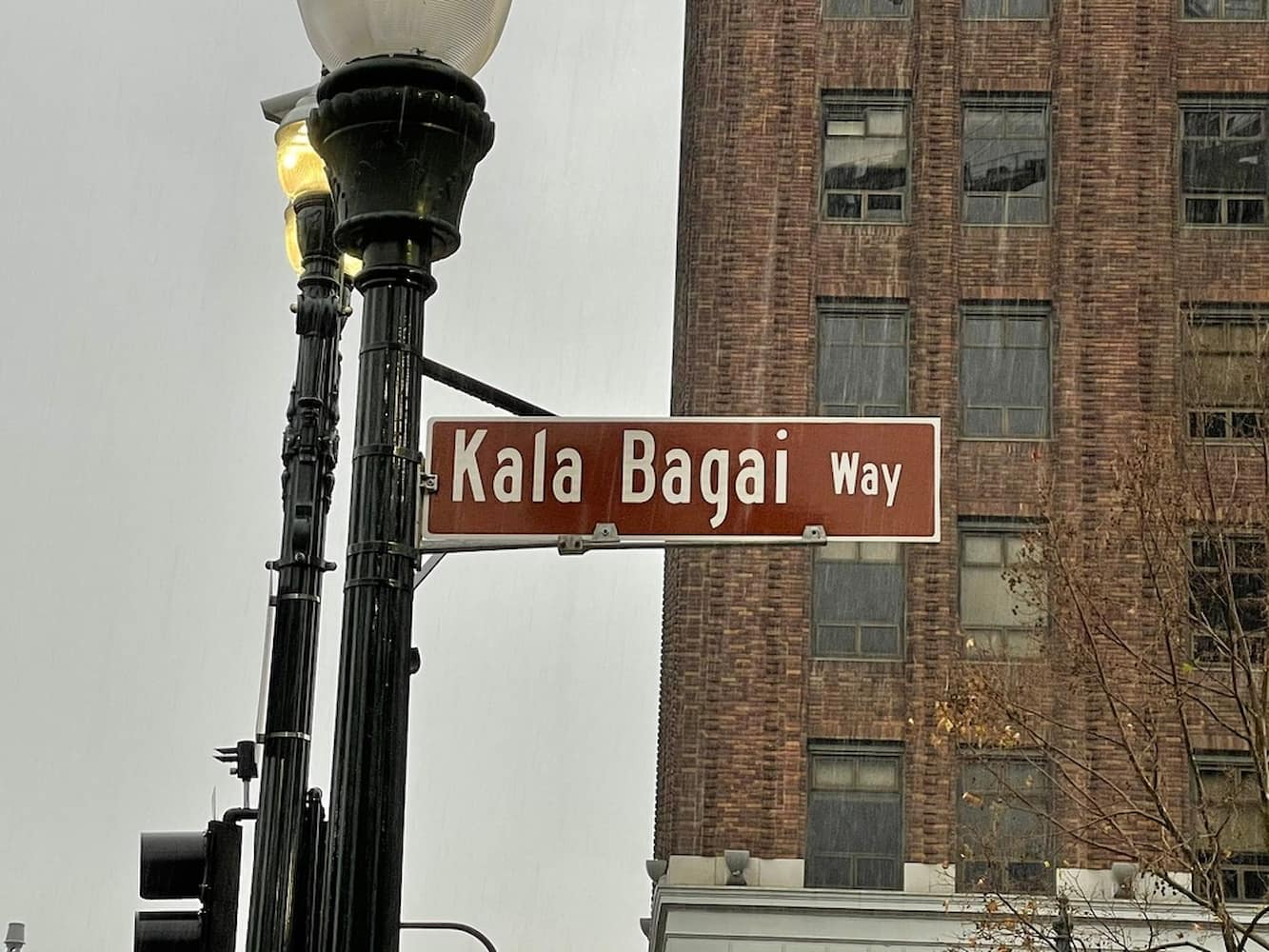
Image 17.01.01 — The city of Berkeley, California, voted to rename a two-block section of Shattuck Avenue, a major road in the city, as Kala Bagai Way following a grassroots campaign.
Created date, created by Name, Title Italicized. Credit line indicating where the image is from. Metadata ↗
How did early South Asian Americans advocate for their inclusion in the United States?
How did the United States government and society actively work to exclude South Asians from immigration pre-1965?
How did this exclusion impact the South Asian American community?