





Module 4: Arts and Culture
Was life in the United States worth the hardships faced by early South Asian immigrants?
If your family was one of the lucky few who owned a television back in 1949, you may have tuned into the first-ever all-music TV show, Korla Pandit’s Adventures in Music. For nine hundred episodes, the mysterious Korla Pandit demonstrated his otherworldly talents at the organ and piano, gazing into the camera but never saying a single word. Donning his signature jeweled turban, Pandit claimed that he was born in India, began learning piano at age two, and had studied music in England before arriving in the United States.
Except Pandit’s backstory was completely made up. Pandit was not born in India, had never studied in Europe, and was not even South Asian. “Korla Pandit” was the stage name of John Roland Redd, a Black man from Missouri who passed as Indian. By creating this stage persona and performing in a style seen as “Eastern” and exotic, Pandit became one of the biggest TV stars of the 1940s and 1950s, earning the nickname “Godfather of Exotica.”
In this module, we learn about how South Asian Americans were involved in arts and culture before 1965 and achieved success despite facing discrimination.
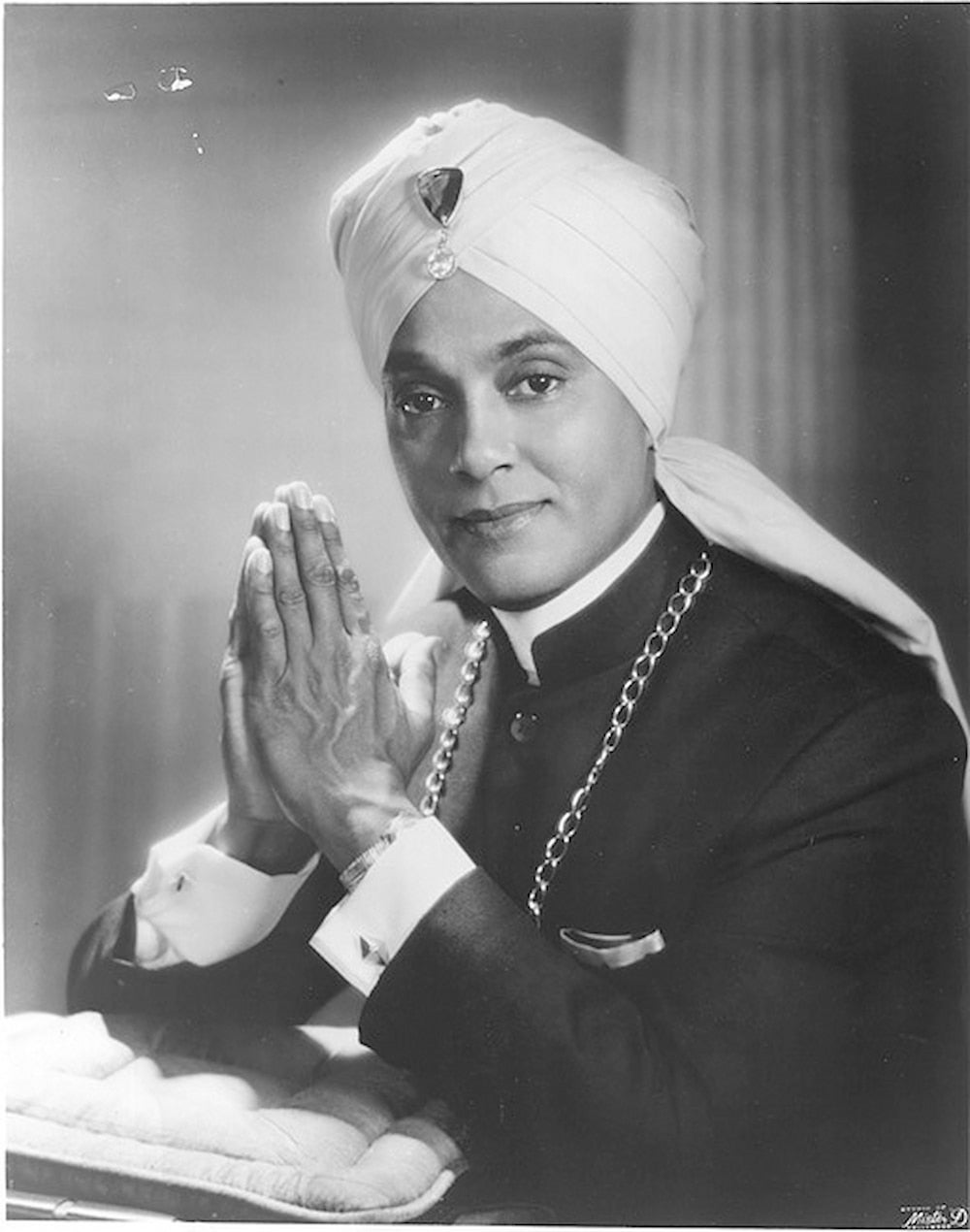
Image 17.04.01 — The talented and mysterious pianist Korla Pandit was in fact a fictional identity created to enhance the performer’s (whose real name was John Roland Redd) allure and appeal to audiences (c. 1950s).
Created date, created by Name, Title Italicized. Credit line indicating where the image is from. Metadata ↗
How did South Asian Americans participate in US arts and culture before 1965?
Despite discrimination, how did some South Asian immigrants achieve success in arts and culture?
How did people use racial ambiguity to construct their public identity?