



Module 1: Overview
How can young people from different backgrounds and experiences work together to make positive changes in their communities?
Young people have a fundamental vested interest in the future of their communities and the planet. They have the most to gain from fixing the problems impacting their lives and those of the people they care about, near and far. It is not surprising, then, that young people have been at the forefront of many movements to impact social change throughout US history.
In this module, we focus on why young people—including high school students—might want to work in solidarity with others from diverse backgrounds to make a positive difference in their communities and beyond.
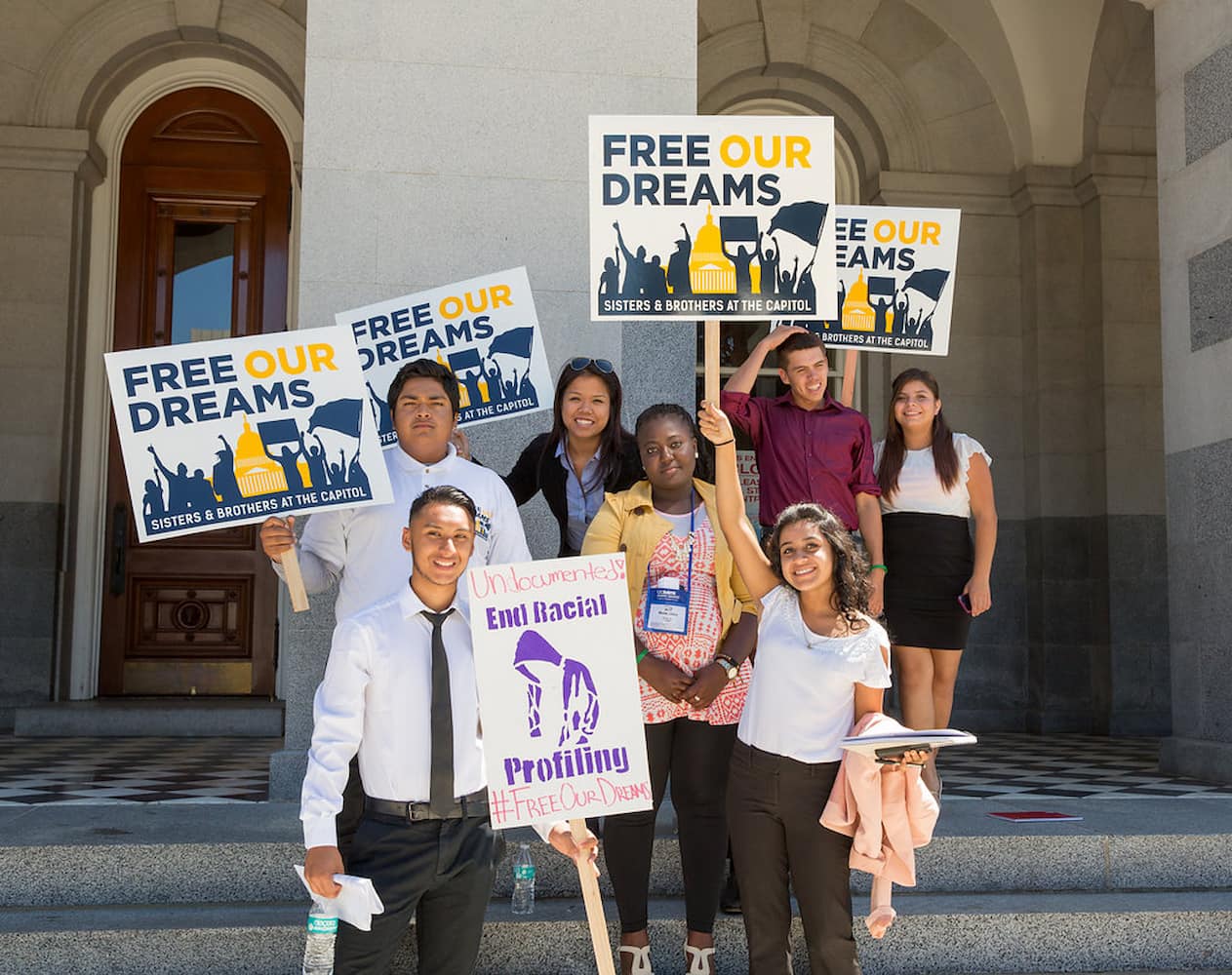
Image 50.01.01 — Youth from across California advocate on behalf of their communities in Sacramento, California.
Created date, created by Name, Title Italicized. Credit line indicating where the image is from. Metadata ↗
Many of today’s high school students are carrying forward the work of past generations, standing up against social injustices, and striving to create a world where everyone can thrive. They take on challenges like unequal opportunities linked to immigrant or refugee status, religion, family income, gender identity, sexual orientation, or ability—barriers that can make life challenging for some students. They also tackle broader issues, such as climate change and rapidly changing technology, which affect everyone but often hit those already facing social inequalities hardest. By learning from past struggles, adult allies, and each other, students can work together across different backgrounds to make a real difference. They can help create a future that is fairer, safer, and healthier.

Image 50.01.02 — Youth members of 99Rootz and participants of the 2018 Central Valley Freedom Summer Action Research Project prepare public education workshops on issues that affect their communities.
Created date, created by Name, Title Italicized. Credit line indicating where the image is from. Metadata ↗
The good news is that since the founding of the United States, teenagers and young adults have spoken up against societal injustices and fought for what they believed was right. Young people have worked across racial lines to help end slavery, fight for women’s right to vote, advocate for the rights of those facing injustices, and protect the natural environment.
How have young people fought for change in their communities in the past?
What are some challenges that young people currently experience in your own or nearby communities?
Why might diverse students work together to make positive changes in their community and beyond?