



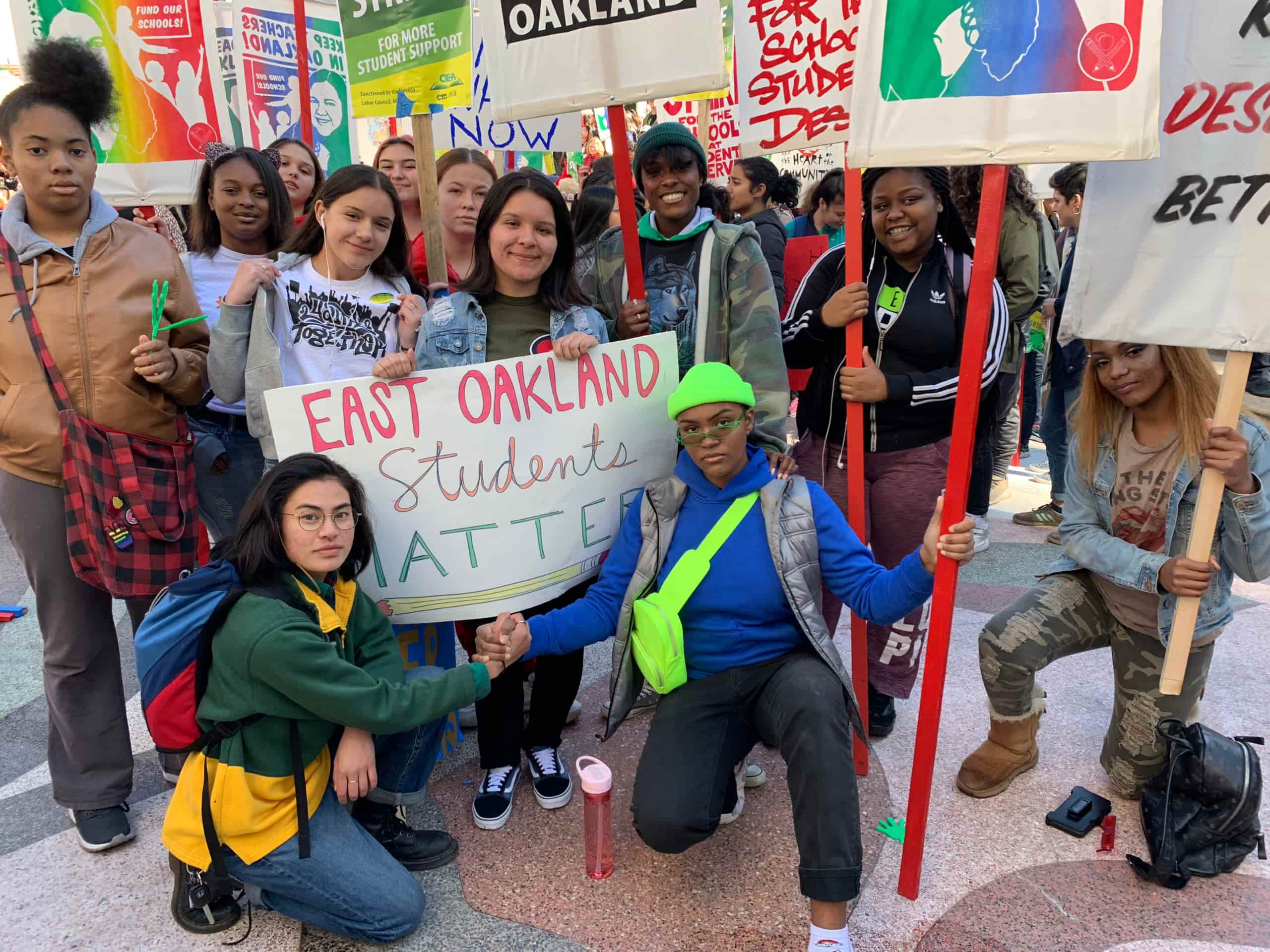
Module 2: Identity and Multiracial Alliances
How can young people from different backgrounds and experiences work together to make positive changes in their communities?
David Phan was born in Oakland, California, and raised by refugee parents who had escaped a war-torn Vietnam. Neither of his parents had the opportunity to pursue an education. David’s mother worked in a nail salon and his father was employed as a deliveryman. The couple worked hard to provide for their family, barely making enough money to pay the bills. Like many immigrants or refugees who experience traumatic events before arriving in the United States, David’s parents did not discuss the violence they had witnessed during the war in Vietnam and on their journey to the United States.
This module examines how reflecting on one’s identities, group histories, and privilege can help build solidarity.
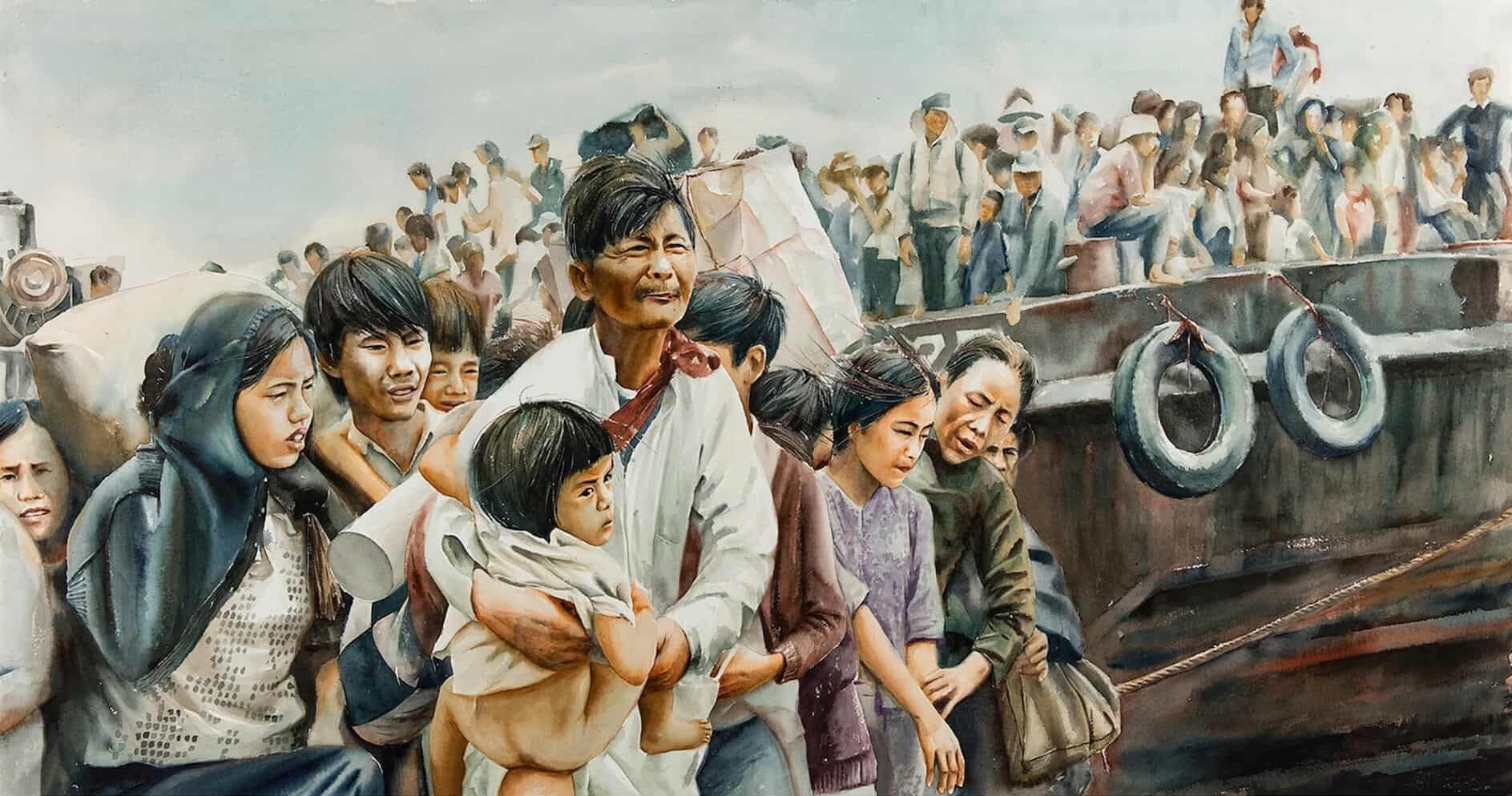
Image 50.02.01 — This 2017 watercolor by Tiffany Chang illustrates the treacherous boat journeys the Vietnamese refugees faced while migrating to the United States.
Created date, created by Name, Title Italicized. Credit line indicating where the image is from. Metadata ↗
Because his parents were reluctant to discuss their history, David learned how and why his family and other Vietnamese refugees came to Oakland through other ways. In particular, he learned through workshops led by AYPAL, a grassroots youth organizing group that aims to empower diverse Asian American and Pacific Islander youth to have a voice in their communities. The organization encourages students to learn about their own and their peers’ ethnicities—their cultural, linguistic, and/or national background, as well as their histories in the United States.
Why is it necessary for individuals to recognize power and privilege when reflecting on their own identities?
Why is it important to understand the history of one’s community?
What are some ways that individuals can become allies and work in solidarity?