



Module 5: Youth-Led Campaigns
How can young people from different backgrounds and experiences work together to make positive changes in their communities?
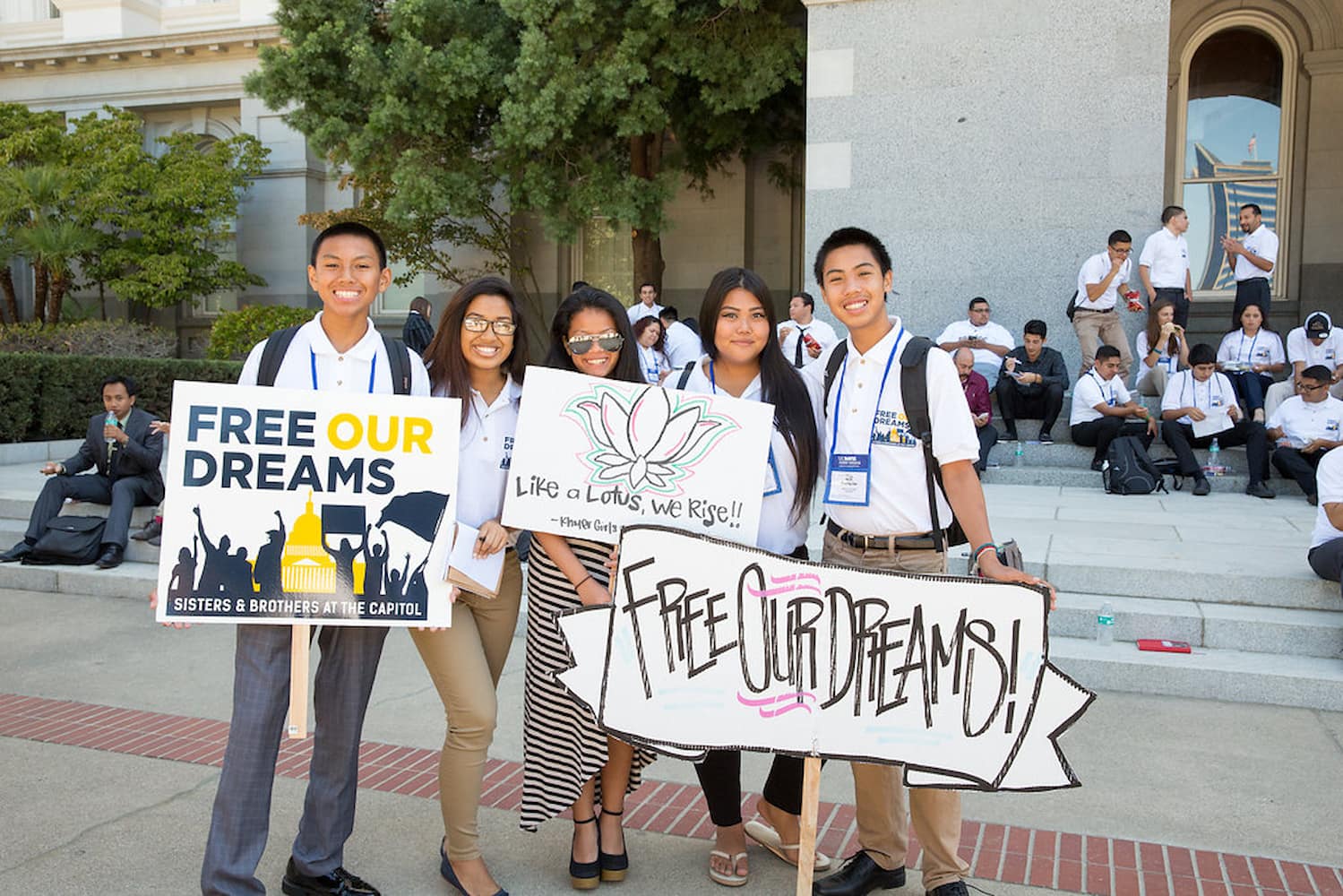
Image 50.05.01 — In 2020 members of Youth Organize California (YO! Cali) from across California advocated on behalf of their communities in Sacramento.
Created date, created by Name, Title Italicized. Credit line indicating where the image is from. Metadata ↗
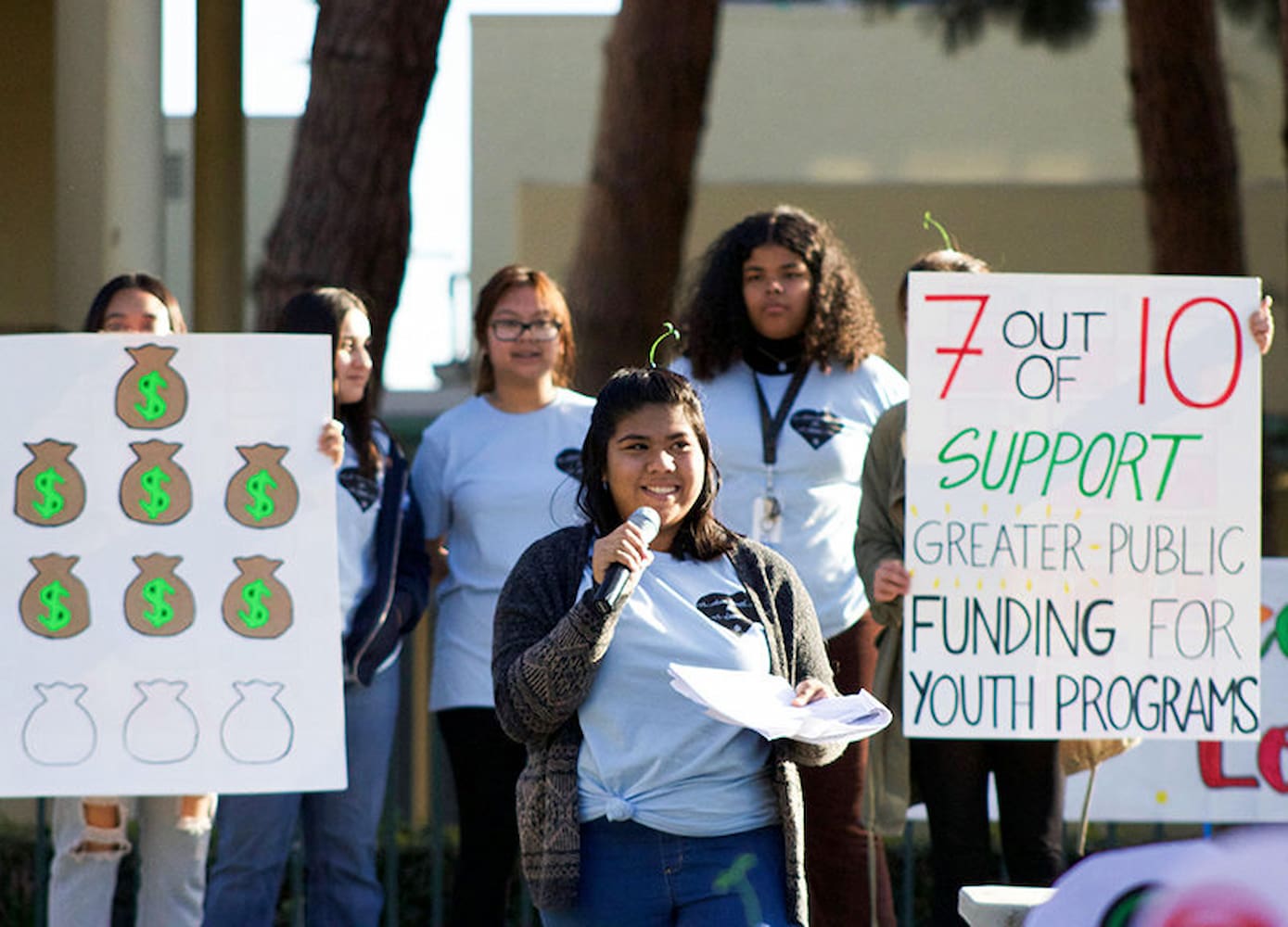
Students have the potential to lead campaigns, which are coordinated efforts that bring people together to achieve social changes. Campaigns can focus on making a positive impact on schools, communities, the environment, or the media, or they can seek to affect change in other areas of concern (e.g., corporate responsibility). Historically, high school students have been at the forefront of campaign victories that improve opportunities for youth or amplify their voice.
For example, various student-led campaigns in the 2010s led to:
- Increased funding for after-school programs
- Expanded health services in schools
- More equitable school discipline policies and procedures
- Reduction of negative environmental and climate impacts
- Expansions of services for immigrant, foster, and LGBTQ+ students
- Greater turnout among young voters during government elections
To achieve their campaign goals, high school students often built solidarity and garnered the support of adult allies. They did a lot of work to study the problems they sought to address, and explore viable solutions. Their victories were not achieved overnight, nor were they the result of one or two isolated protests; indeed, some took years to achieve.
This module explains how young people can work together to create positive change. It also introduces the differences among advocacy, mobilization, and organizing, and shows how you can plan an effective campaign to address an issue that matters to you.
How can diverse young people collectively exercise power to create positive change in their community?
What are the differences between advocacy, mobilizing, and organizing?
What are some strategies for gaining support for a cause?