




A Laotian family sits around a centerpiece filled with flowers, candles, offerings, and white cotton strings for a baci ceremony.
Module 4: Making Laos in America: Lanexang Village
Despite the US Secret War in Laos, have Laotian Americans found home in the United States?
While space refers to the physical or geographical environment, place is shaped by the social, cultural, and emotional connections that give meaning to a space. Dispersed across the nation due to resettlement policy and secondary migration patterns, Southeast Asian American communities are rooted in their unique experiences as refugees. Secondary migration helped form strong ethnic enclaves such as Little Saigon in Orange County, California, and Cambodian Town in Long Beach, California.
For Laotian Americans, making a place is a personal and collective act of survival, memory, and cultural expression. Even when facing racial discrimination and navigating economic hardships, they actively create places of rich cultural significance, fostering a sense of familiarity, community, and belonging. Many Laotian American communities can be found in areas such as Little Mekong in St. Paul, Minnesota; Lowell, Massachusetts; Fresno, California; and Broussard, Louisiana. Although small, Laotian Americans continue to build communities in rural and urban areas, resettling their lives and establishing businesses, restaurants, cultural centers, and networks to assist with social services, job placement, and community building.
This module explores how Laotian Americans establish a sense of place and belonging in a new country and how they make sense and meaning of “home.”
What are the ways Laotian Americans make a place in the United States?
How have Laotian Americans come together seeking refuge despite challenges posed by racial discrimination and resettlement policies?
How do Laotian Americans find ways to establish roots and a sense of belonging in the United States?
Coming Together: Cultural Celebrations
Making a place through community-building fosters spaces of mutual support and belonging, while also inspiring ways to imagine “home” in America. Their community-building efforts involve establishing temples, cultural centers, support networks, and hosting cultural events. In the early 1980s, San Francisco’s Tenderloin neighborhood was home to nearly two thousand Laotian refugees. They came together to set up Lao grocery stores, open restaurants, and create a mutual support and assistance network.
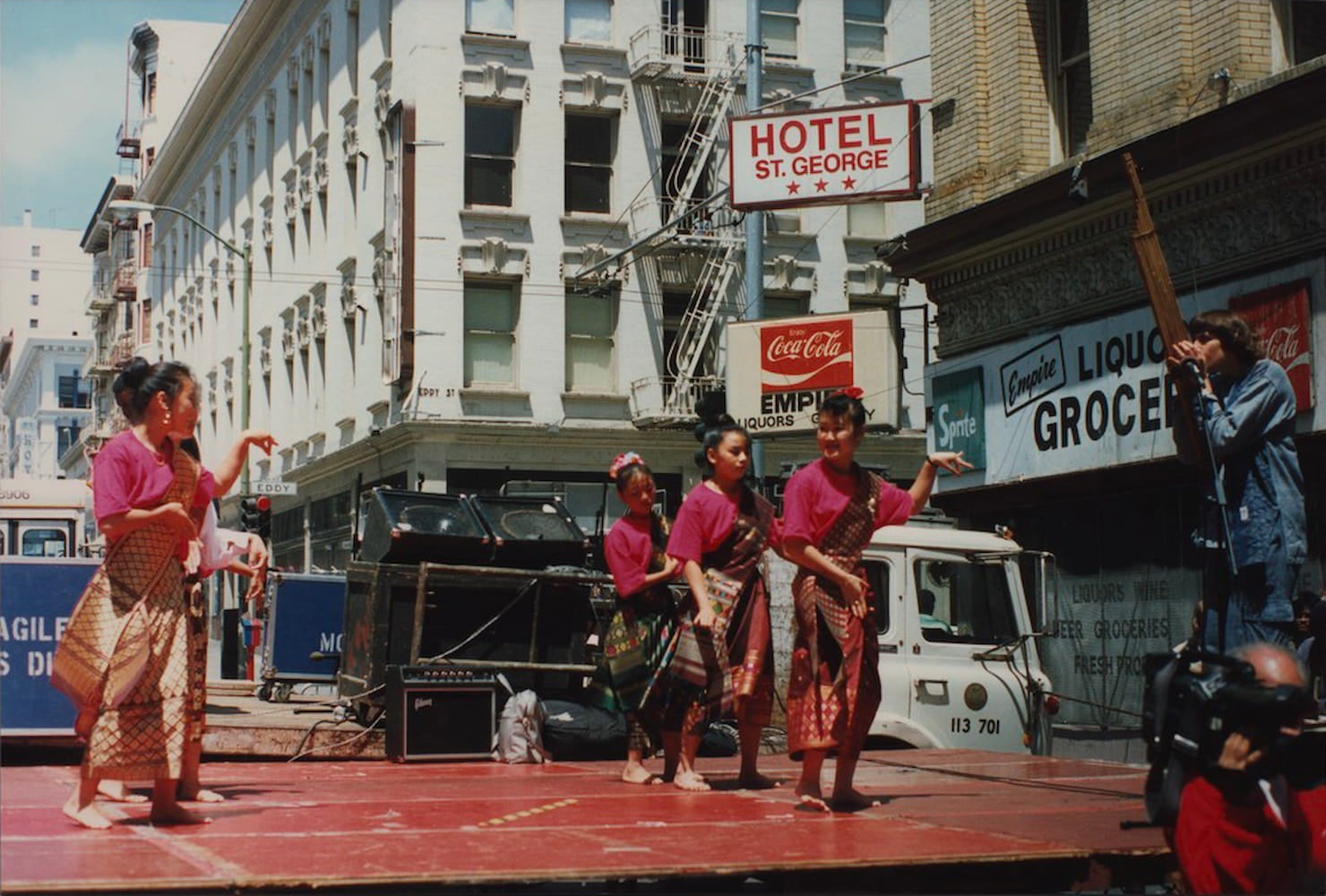
Image 15.04.01a — Many Lao refugees engaged in events highlighting their identities and culture, such as this street fair in the Tenderloin district of San Francisco, California.

Image 15.04.01a — Many Lao refugees engaged in events highlighting their identities and culture, such as this street fair in the Tenderloin district of San Francisco, California.

Image 15.04.01b — Lao stores provided goods and food products familiar to Lao refugees, such as rice from Thailand. Pictured: Khamchanh Louanphixay inside his Lao store Nam San Market.
To maintain and pass down cultural traditions, the Lao New Year remains important for Laotian Americans in the US, as it provides an opportunity for them to come together and build community in a new place. Although different ethnic groups from Laos celebrate the new year at various times, they attend and support each other’s festivities. Lao Americans celebrate Pi Mai Lao, or Lao New Year, in mid-April with a three-day festival traditionally held from the thirteenth to the fifteenth of the month, according to an astrological calculator.
Meanwhile, Khmu Americans celebrate Sum Mai Lur Pi Ham Me, which translates to “Happy New Year”, at the end of the harvest season, typically in November or December. The celebration brings families and communities together, featuring traditional customs like the greh ceremony where gratitude is given to the ancestors for the year’s bountiful harvest, and the baci ceremony, where strings are tied around a person’s wrist to bring good luck.
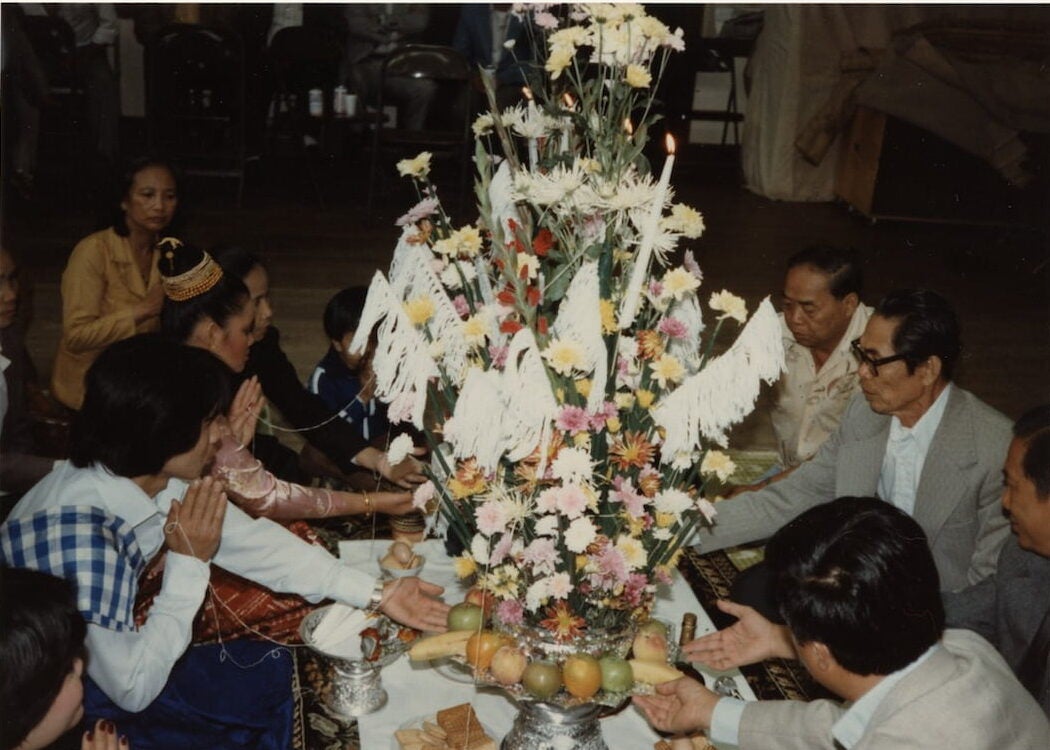
Image 15.04.02 — The baci ceremony, also known as su kwan (“calling of the spirit”) is held to commemorate special occasions like marriage, giving birth, a wedding, the Lao New Year, and more in order to maintain balance and promote harmony.
More than a hundred Lao temples and community centers host the Lao New Year festivities throughout the United States. For example, the Lao New Year in Broussard, Louisiana has created a unique space for Lao Americans to celebrate during Easter weekend in a region dominated by Cajun and Creole culture. In an interview with Michelle Stefano of the Library of Congress, Phanat Xanamane, Project Director of the Louisiana Lao New Year Archive and 1.5 generation Lao American, explains that this schedule aligns with the American work holiday in the region. This adaptation reflects the community’s ability to incorporate new cultural practices, while reinforcing Lao American identity to foster a sense of belonging within the broader American society.
The celebration at Wat Thammarattanaram Buddhist Temple begins on the evening of Good Friday with the Nang Sangkhan, or Queens Pageant, a parade, party, water fights and dance competition on Saturday. It concludes on Sunday with the washing of Buddha statues and the Buddhist monks-in-residence. Fancy Phoumalay, the coordinator for the festival’s pageant recalls her favorite part is on Sunday with the building of a sand stupa, and a small parade around the village to bless and clean everyone’s house and sweep away all the bad luck. Phoumalay has been organizing with the community for twenty years and witnessed remarkable growth with larger audiences including many from out of state, evolving fashions, and, since COVID-19, more kids are volunteering and participating as performers. She is excited to help expose the younger generation to the Lao culture, and hopes to pass the torch and continue the traditions.
The Lao New Year is a deliberate act of preserving Lao culture and affirming their identity. By gathering to observe traditional rituals, dance, music, and food, Lao Americans create a shared space that transcends geographic boundaries, reconnect them with their heritage, and pass on cultural knowledge to younger generations. Coming together to celebrate the new year transforms their new space into a familiar place.
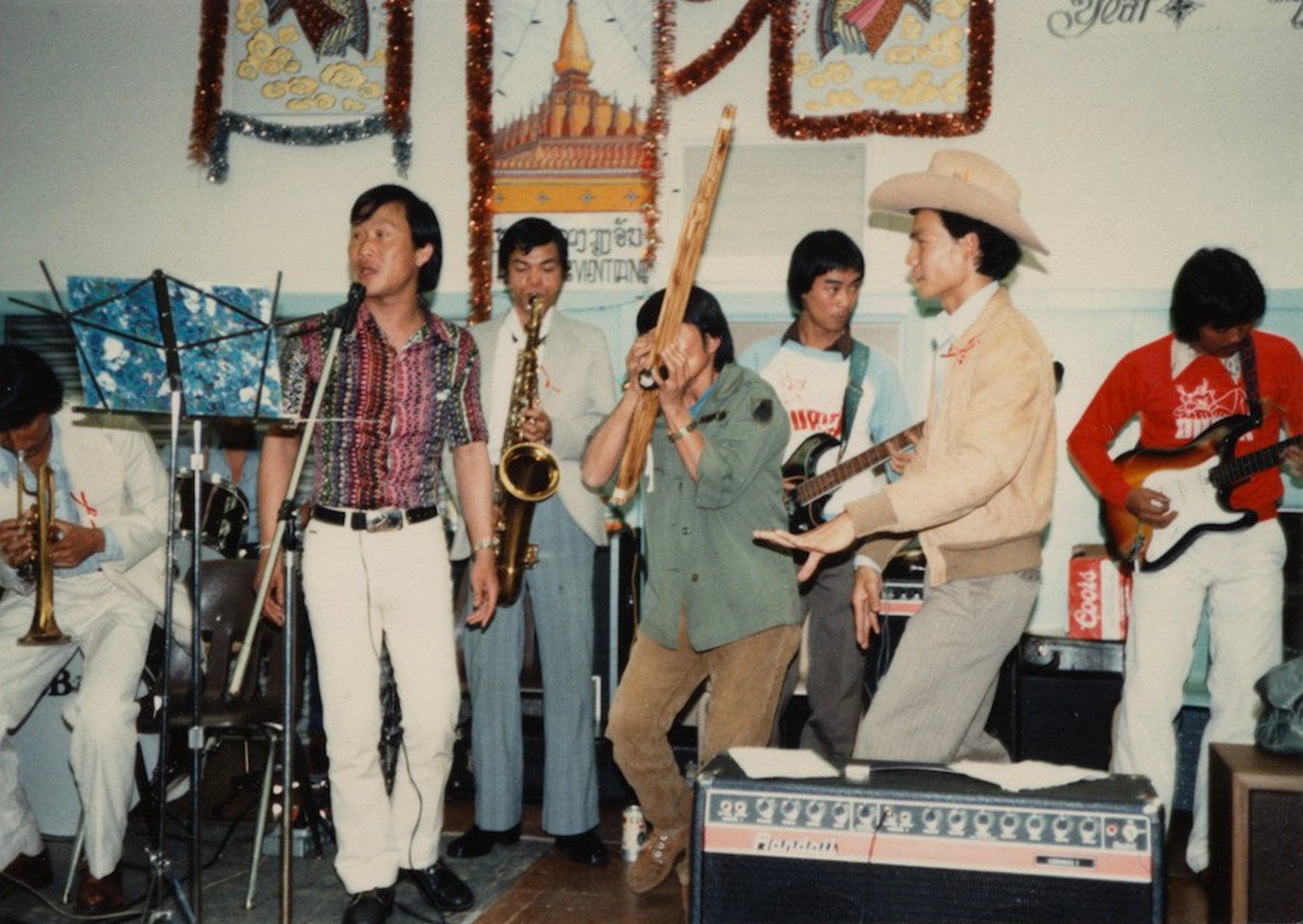
Image 15.04.04a — Despite the small numbers of Lao refugees in 1981, the community still found ways to continue their culture and celebrate the new year in San Rafael, California.
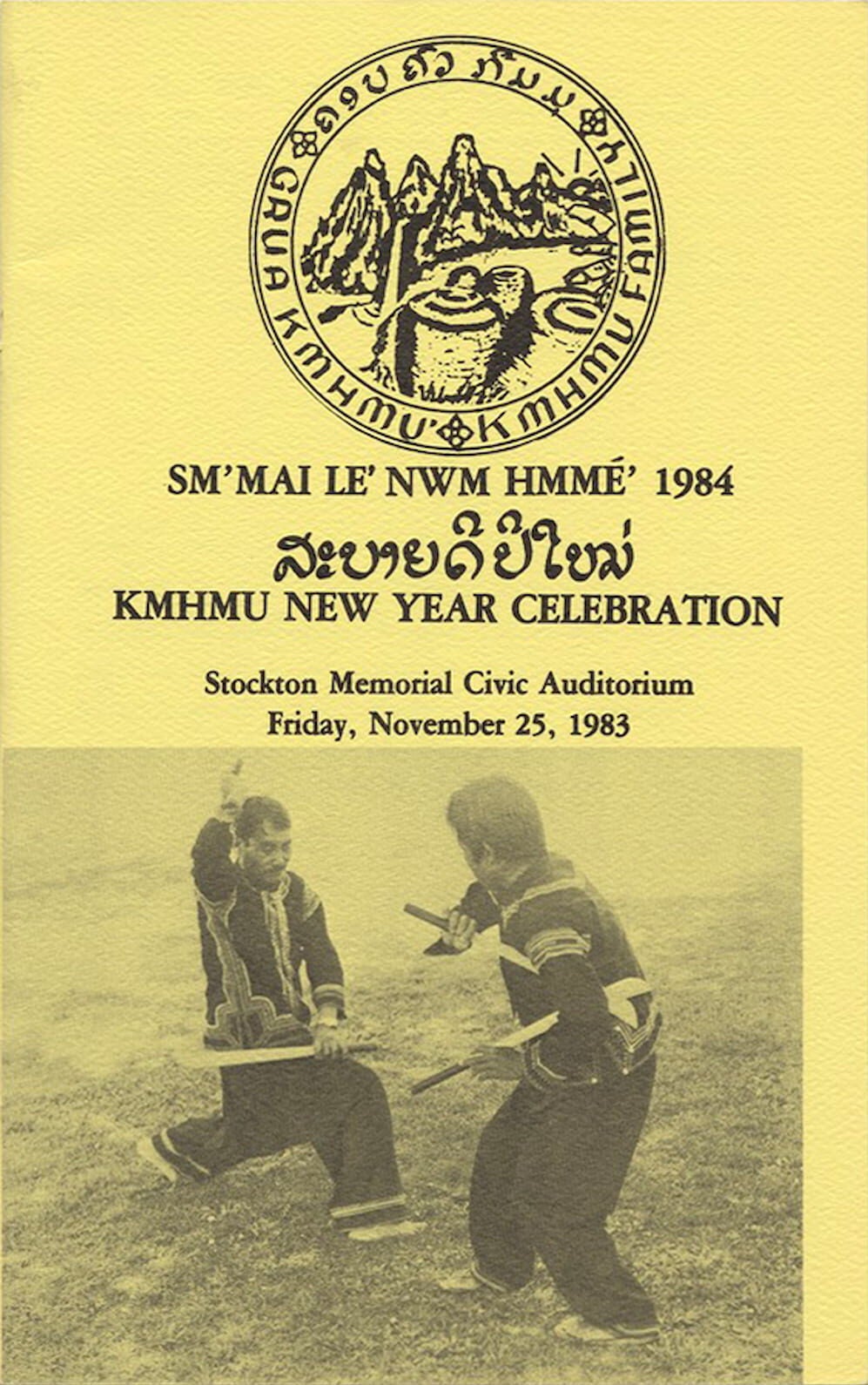
Image 15.04.04b — This flyer for the Khmu New Year on November 25, 1983, demonstrates the importance of continuing cultural heritage and traditions with the sword dance.


Making Laos in America: Lanexang Village
Creating a sense of place is evident in a small rural Lao enclave of Lanexang Village in Broussard (Iberia Parish), Louisiana. Lao refugees established this community, naming its residential streets after cities in Laos: Vientiane, Luang Prabang, and Savannakhet. The main Avenue Champa is named after Laos’s national flower, also known as the frangipani or plumeria.
A long-time president of the temple board, Khamson Phoumylay tells the history of Lao refugees who arrived and settled in Louisiana in the early 1980s as part of the Library of Congress’ Lao Buddhist New Year Festival in Southern Louisiana’s collection. He reflects that there were no more than twenty families at that time. Phoumylay remembers that word spread through Lao networks in the US of Louisiana’s climate being similar to Laos, which brought Lao Americans to the state. Other reasons included kinship networks, new jobs from the oil industry, textile mills, and federal funding for job training such as welding. A volunteer and board member of the temple, Chantaly Louangsouphon’s resettlement reflects this history in Louisiana. In 1980, she resettled in Ohio and after three months, she moved closer to her family and relatives in New Iberia in 1981. She worked as a seamstress and later was promoted to a trainer at the Fruit of the Loom textile mill until it was closed in 1997. Now, fifty-two households in the village come together to celebrate the Lao New Year. Louangsouphon is very proud of the community’s growth and achievements, especially coming together to celebrate the new year.
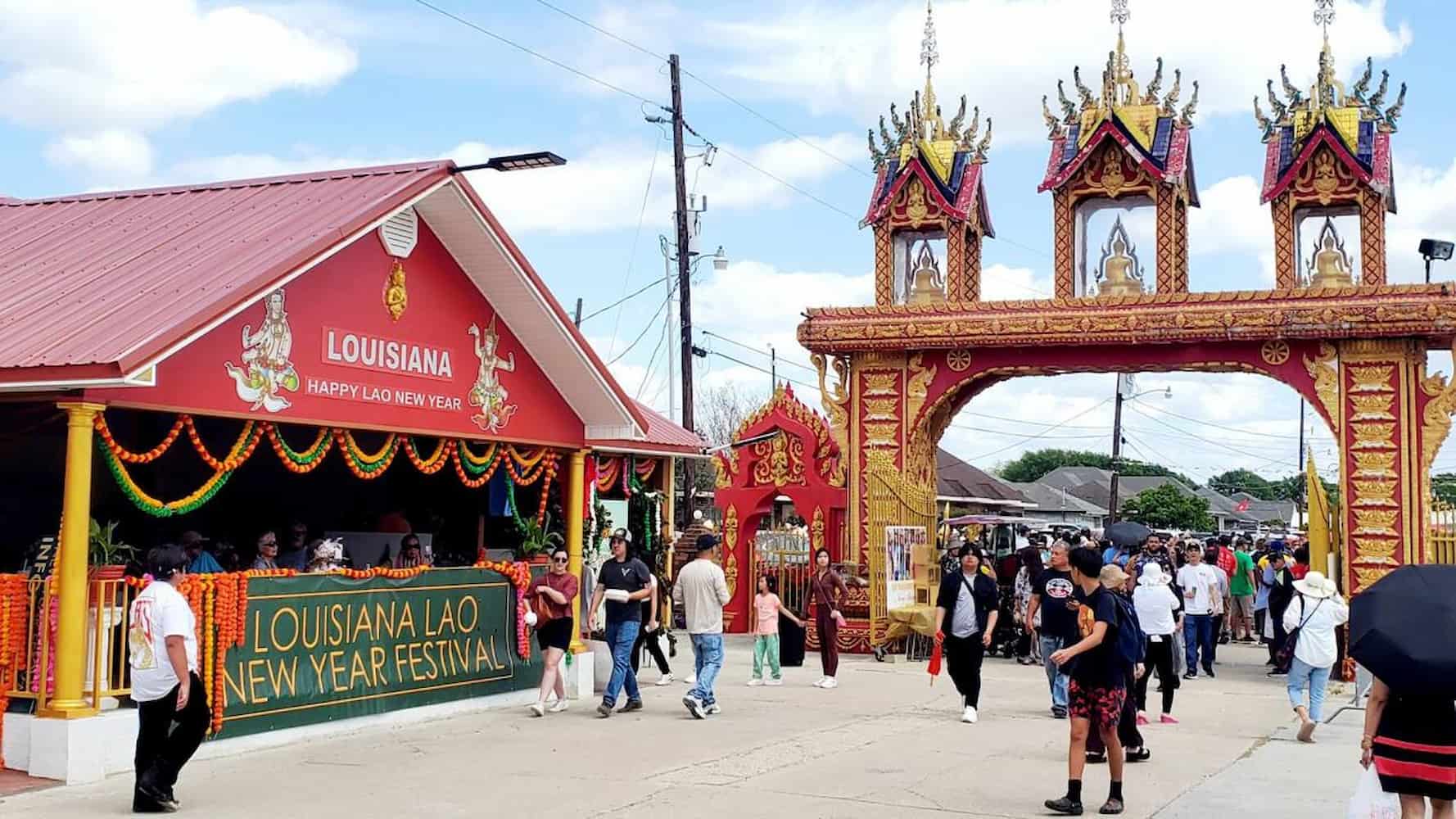
Image 15.04.05 — The Louisiana Lao New Year Festival is held annually at Wat Thammarattanaram on Champa Avenue in Broussard, Louisiana.
The Lao New Year emerged with the first parade of Sangkran in 1985, but it had to begin with the conception of a Buddhist temple. Phoumylay remembers when the head monk, Ajarn Bounong Sisouvanh visited Broussard and saw that the Lao community was missing a temple. Several families came together to form the Lao association or “somakhom,” where they pooled their savings, and sought bank loans and credit to purchase the land from the Parish. The construction of the temple, Wat Thammarattanaram and roads were completed. The construction also included the completion of Phoumylay’s home in 1984.
Phanat Xanamane notes that the land for Lanexang Village was divided among the families within the community. The reliance on informal mutual support networks provided Lao refugee and immigrant communities with safe and accessible ways to save and access money pools for emergencies or business investments. Lacking established credit, refugees relied on one another for financial support rather than banks, which many distrusted due to language barriers, cultural differences, or fear of losing government assistance. These practices fostered economic resilience and reinforced community solidarity and trust.
Over the next decade, families relied on kin and non-kin networks to encourage secondary migration, during which more than four hundred Lao Americans made Lanexang village their home. Through secondary migration, Lanexang village grew into a thriving community.
Making Laos in America also means bringing and cultivating a sense of familiarity from the homeland. Phouthone Xanamane recalls that in the refugee camp, the US might not have the same vegetables that are common in the Lao diet. When she arrived in Iberia, Louisiana, she worked at a canning factory sorting potatoes and later at the Fruit of the Loom textile mill. She grew vegetables such as long beans, chili peppers, and Thai eggplants and sold these vegetables to Lao households.
In Iberia, she also noticed many Asians came to the town looking for products and vegetables they missed from Asia. At that time, a Chinese merchant operated the already established Asian market. Recognizing the need for an alternative Asian market, Phouthone Xanamane opened her Asia Market in 1985. After opening the market for three years, she purchased the building and later bought the home next door. The Asia Market became a one-stop shop where she sold imported food, fresh produce, Lao clothes and textiles, and rented Lao/Thai entertainment videos.
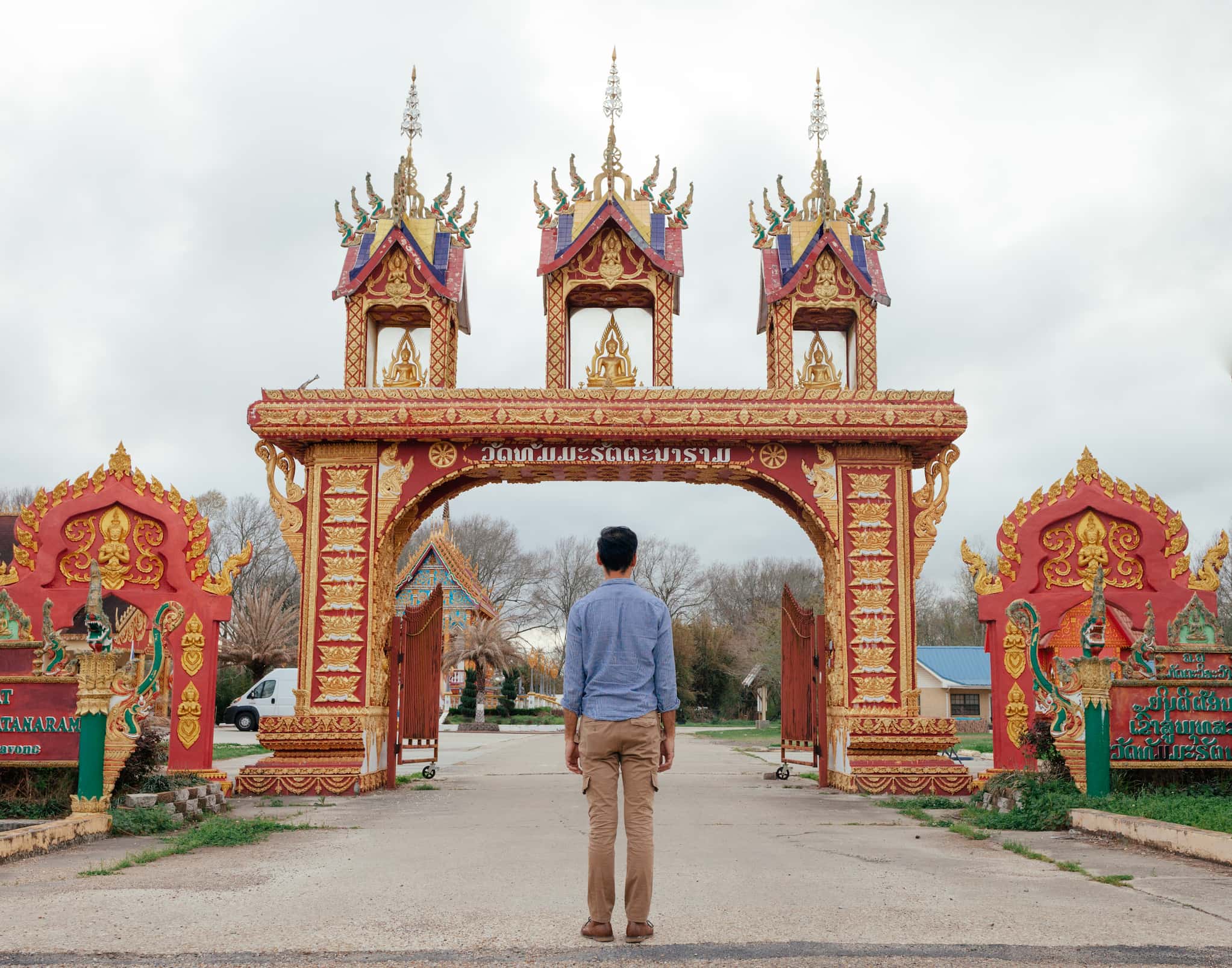
Image 15.04.06 — In an image from the audio-visual series Finding American: Stories of Immigration from All 50 States, Phanat Xanamane stands before Wat Thammarattanaram Buddhist Temple, which Lao refugees built through community donations and mutual-aid relationships.
In Lanexang, community donations and mutual-aid relationships were crucial in constructing the temple. Adorned in gold and intricate details, the design of Wat Thammarattanaram, a Theravada Buddhist monastery on Champa Avenue, mimics Lao-style Buddhist temples. Lao refugees intentionally designed Lanexang to resemble villages in Laos, with the temple at its heart, serving as a central gathering place where residents come together to make merit, give alms to monks, and participate in communal activities such as cooking, sharing, and eating. This practice is common in areas with a sizable Lao population, where community members pool their resources to build temples serving as cultural and spiritual hubs. For example, Kathryn Ann Clune’s research shows that thirteen Lao families in Morgantown, North Carolina, pooled their resources to purchase land and build Wat Lao Sayaphoum.
Practicing Buddhism helped Lao refugees make sense of their new environment by creating a bridge between the familiar and the unfamiliar. Today, the temple serves as a community center and plays an integral role in Iberia Parish, catering to small clusters of Laotian, Thai, and Cambodian residents in neighboring towns like Lafayette.
Conclusion: Places of Refuge
The process of Laotian Americans making places of refuge in the US reveals both deep resilience and unresolved contradictions. After resettlement, Laotian Americans carved out a sense of home by creating mutual network support, building temples as community and cultural centers, celebrating the Lao New Year, and establishing communities like Lanexang Village.
These efforts extend beyond creating a physical space; they also involve building social connections that help refugees find stability, identity, and a sense of belonging despite facing xenophobia and resentment from locals. In Little Saigons: Staying Vietnamese in America (2009), urban sociologist Karin Aguilar-San Juan highlights how “staying Vietnamese” within a social and spatial context is an intentional, strategic, and evolving effort to discover new ways of being Vietnamese in the US. Similarly, Laotian Americans in Lanexang Village draw upon their collective experiences and cultural heritage to transform unfamiliar surroundings and recreate a sense of home in Louisiana.
Glossary terms in this module
home Where it’s used
Home has different meanings from the interpersonal to national levels, be they imagined connections or physical spaces. It represents a lived space of growth and conflict and a geographical place where one belongs as a family and community within a village, city, or country.
Lanexang Village Where it’s used
A small rural Lao neighborhood in Broussard (Iberia Parish), Louisiana, with about fifty-seven homes, and more than four hundred Laotians reside in the community. The enclave includes three streets named after major cities in Laos, the main road, Champa, and a nearby temple known as Wat Thammarattanaram. Today, Lanexang Village continues to preserve Laotian traditions by hosting the annual Lao New Year.
Lao New Year Where it’s used
A traditional celebration held in mid-April that marks the beginning of the Lao lunar year, which includes water rituals, cultural performances, and festive gatherings to honor Lao heritage and community.
Laotian American Where it’s used
Americans who trace their ancestry to Laos.
refuge Where it’s used
An active and ongoing process by Laotian American communities to reclaim agency and create spaces of belonging despite experiencing displacement.
refugee Where it’s used
A person forced to flee their country due to persecution, war, or violence, and is unable to return due to a well-founded fear of persecution. This is a legal term defined by the United Nations 1951 Refugee Convention, and supplemented by its 1967 Protocol.
1.5 generation Where it’s used
Individuals who came to the United States as children. They are “stuck” between two cultures, having to navigate a dual identity. They have memories and a connection to the homeland and have to assimilate in the new country.