





Advanced Search
Asian American and Pacific Islander studies resources for the classroom
All chapters of Foundations and Futures include lesson plans and curricular tools that are designed for high school students and grounded in ethnic studies pedagogy. Feel free to search our repository of primary sources and material that helps bring Asian American and Pacific Islander histories and experiences into the classroom.
Multimedia
# of # results
Chapters
-
Image
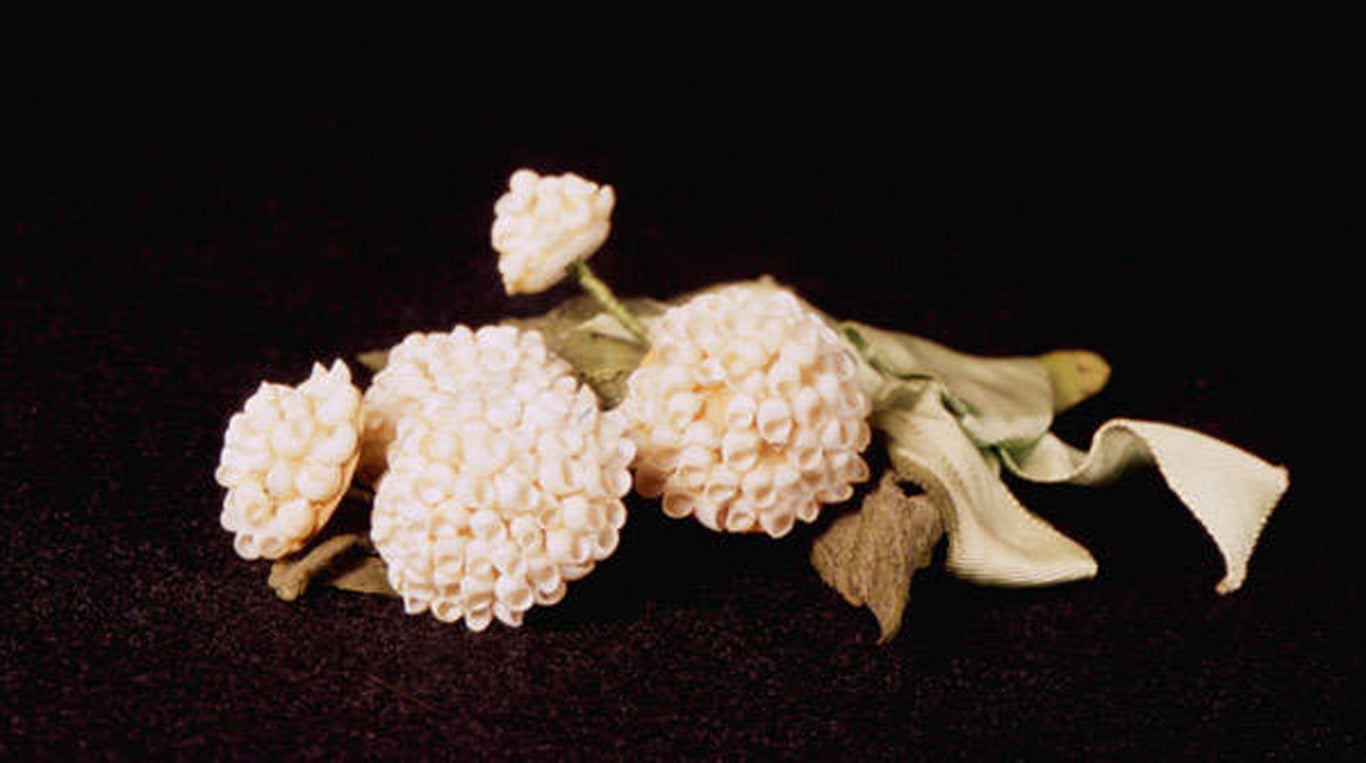
White shell corsage pin
Made from seashells at Tule Lake Relocation Center. Tule Lake Relocation Center and Topaz Relocation Center were on or near shell beds. When the surface supply of good shells was eventually exhausted, the internees dug for them in beds from one to four feet below the ground. After gathering, sifting, and sorting, the shells would be washed and bleached in a weak chlorine solution, then assembled and arranged into countless compositions. Shells would sometimes be carried from one camp to another, especially when internees were transferred to another camp.
-
Image
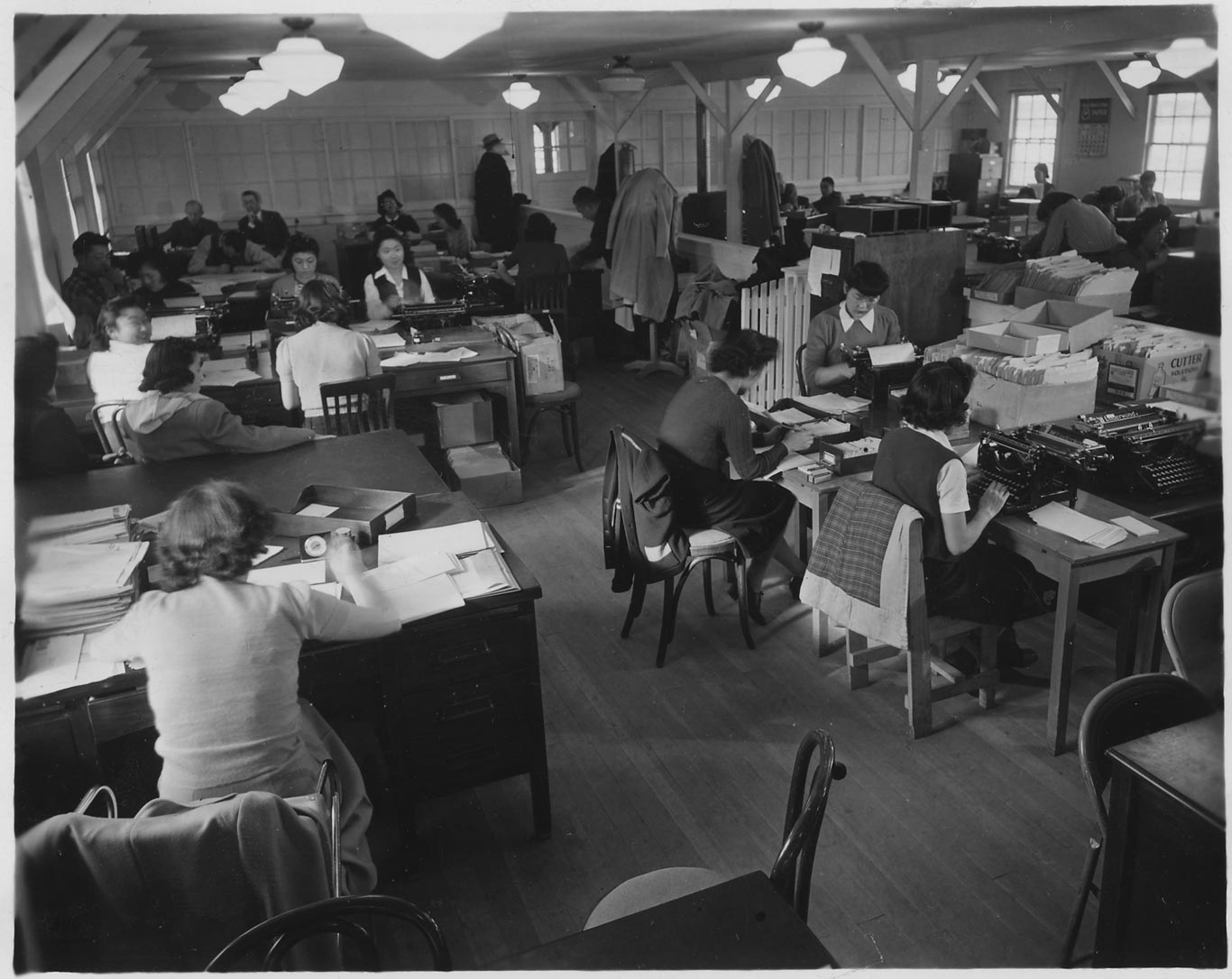
Evacuee stenographers and clerks at work in Administrative Office
Evacuee stenographers and clerks at work in Administrative Office
-
Image
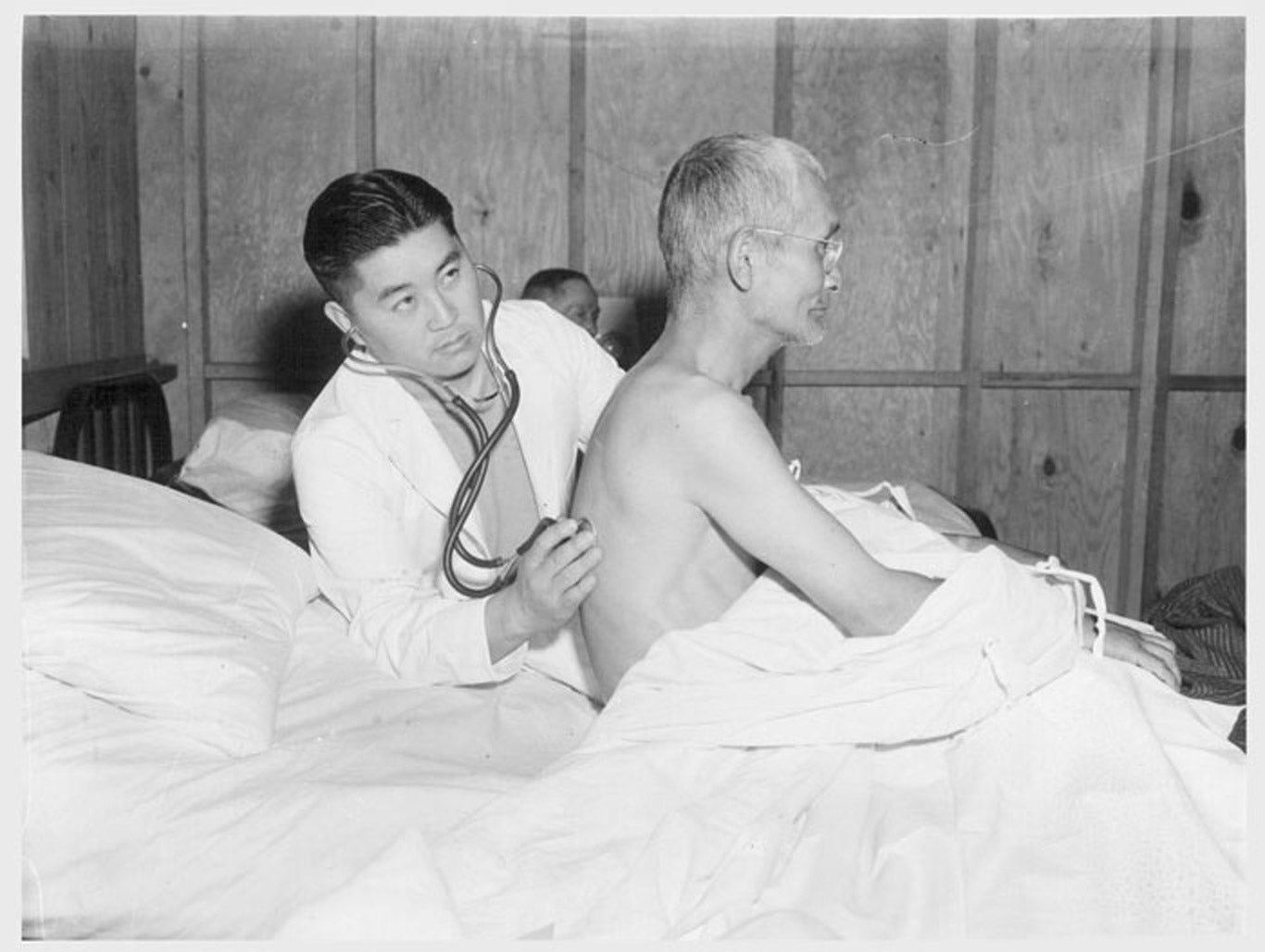
Dr. James Goto examining a patient at the Manzanar Concentration camp
Dr. James Goto, a Los Angeles physician and surgeon, examines a patient in the emergency hospital at Manzanar concentration camp, California, April 2, 1942.
-
Image
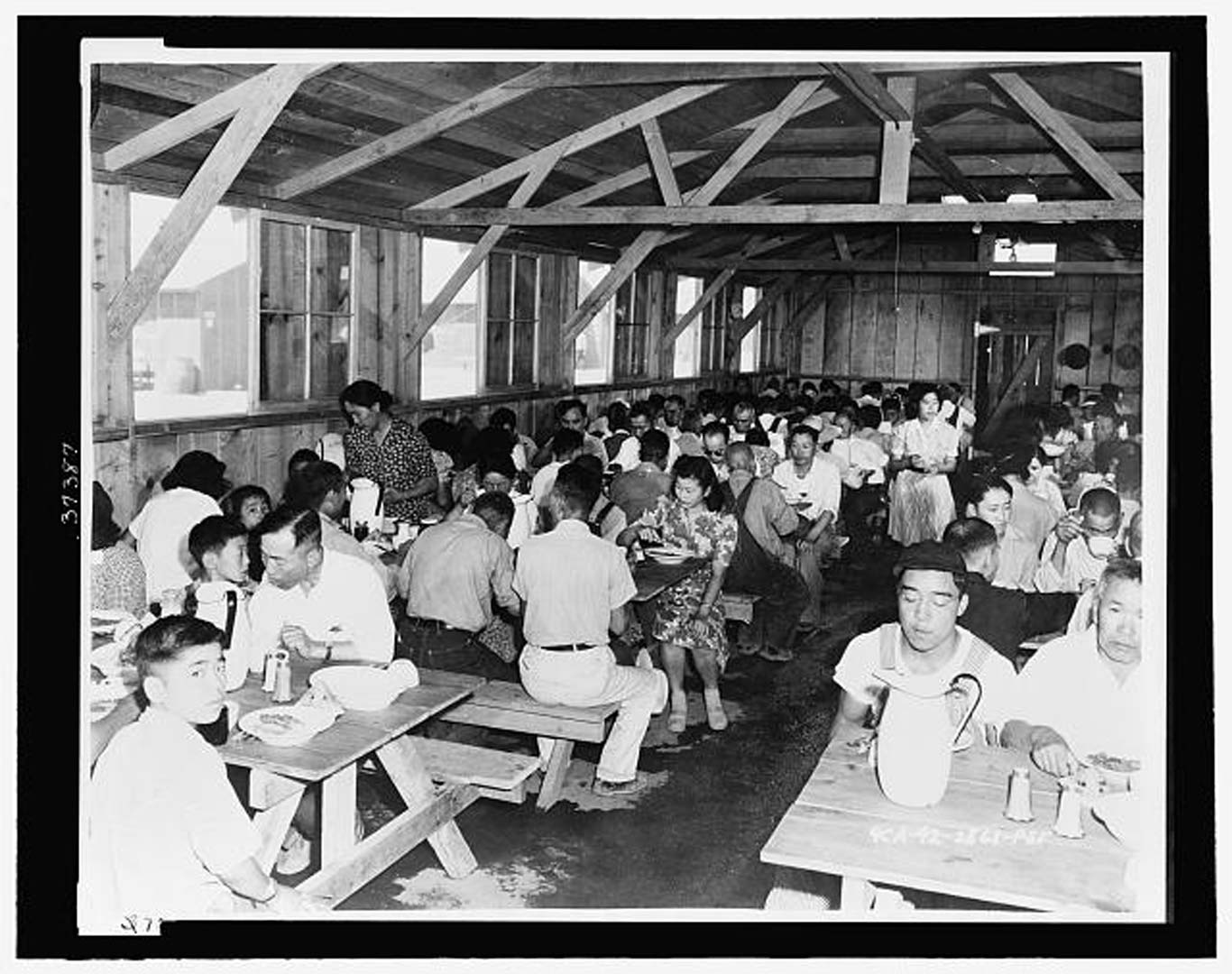
Pinedale (Calif.) Assembly Center Dining Hall
Photograph shows Japanese Americans young women in waitress uniforms during forced removal of Japanese Americans to temporary concentration camps during World War II.
-
Text
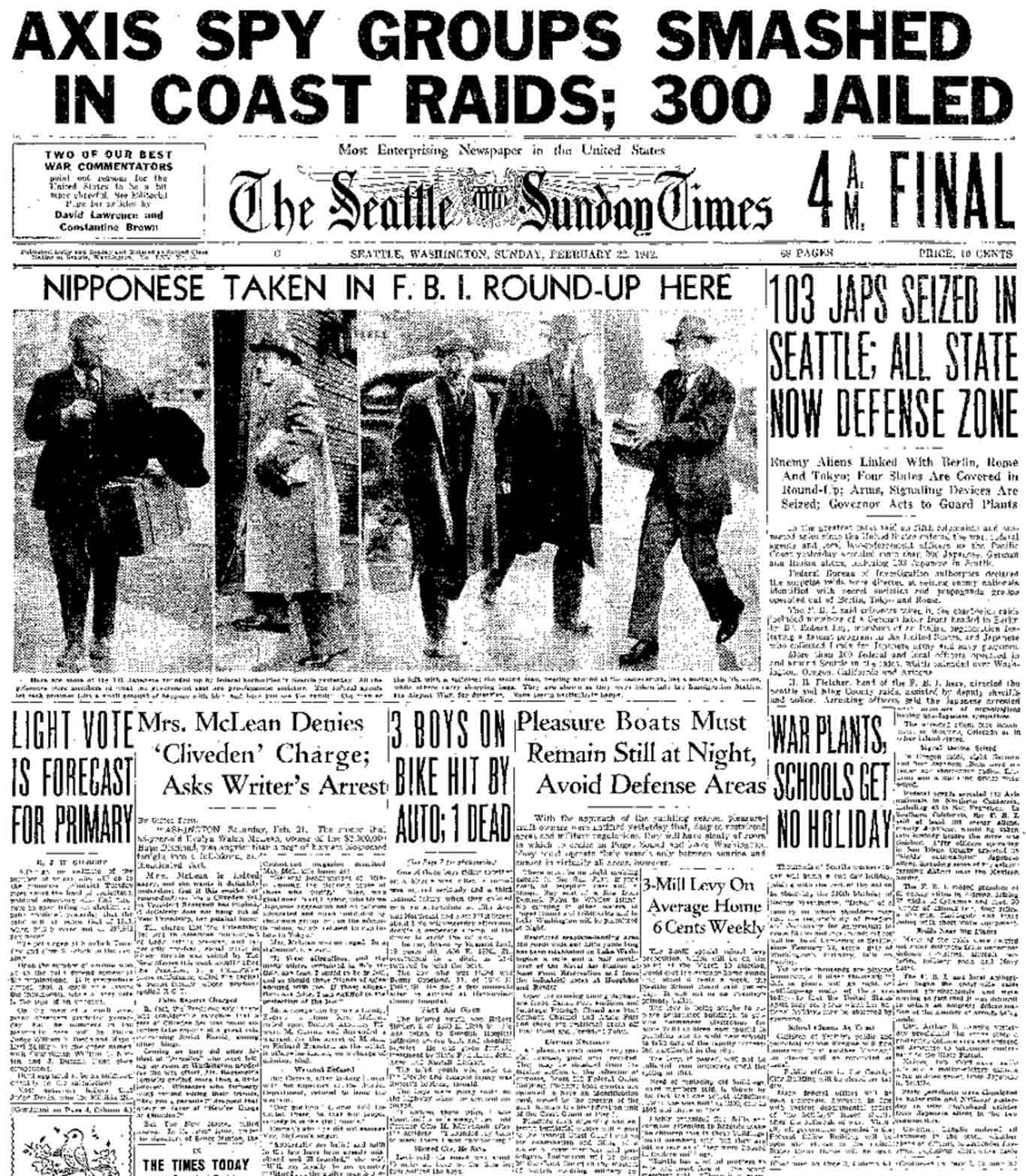
Seattle Times: “Axis Spy Groups Smash in Coast Raids; 300 Jailed”
Anxious Japanese Americans feared that the government would shoot or deport the Issei leaders that the FBI had arrested.
-
Video
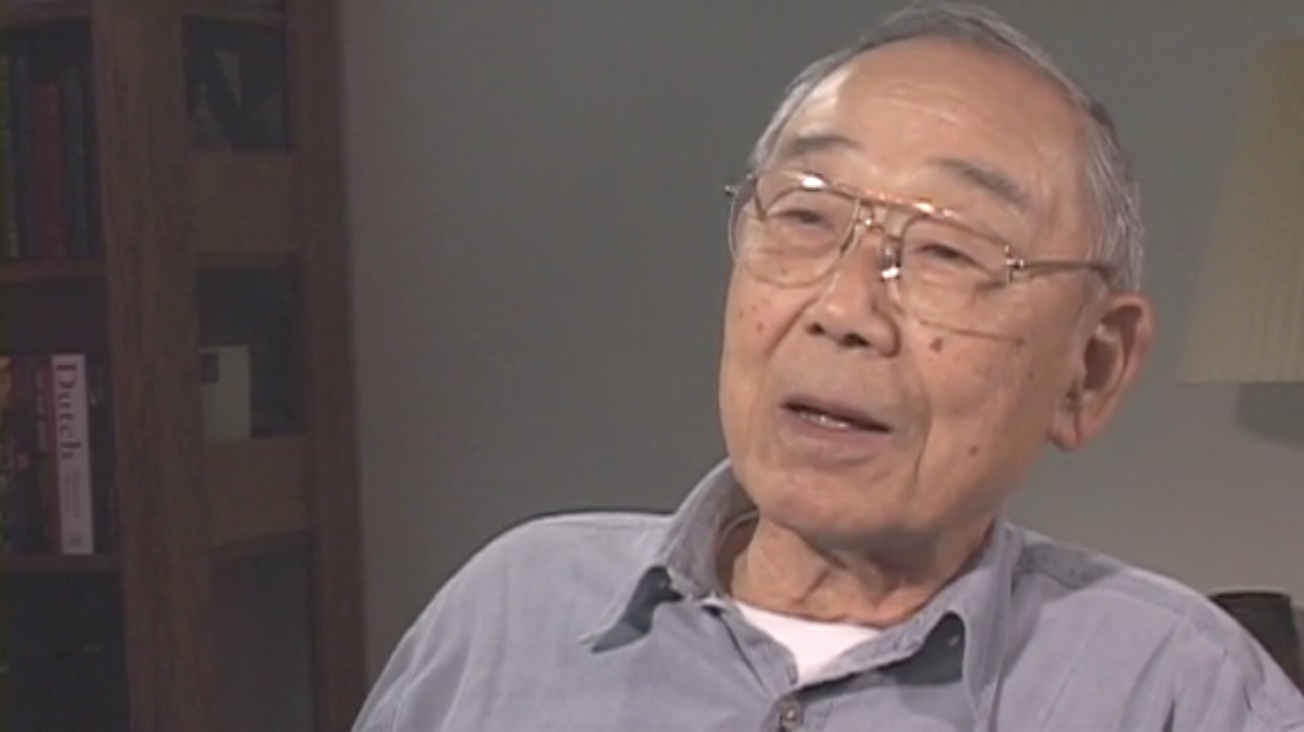
Homer Yasui Interview Segment 9
Hearing about the bombing of Pearl Harbor: “My heart sank down to my toes”
-
Text
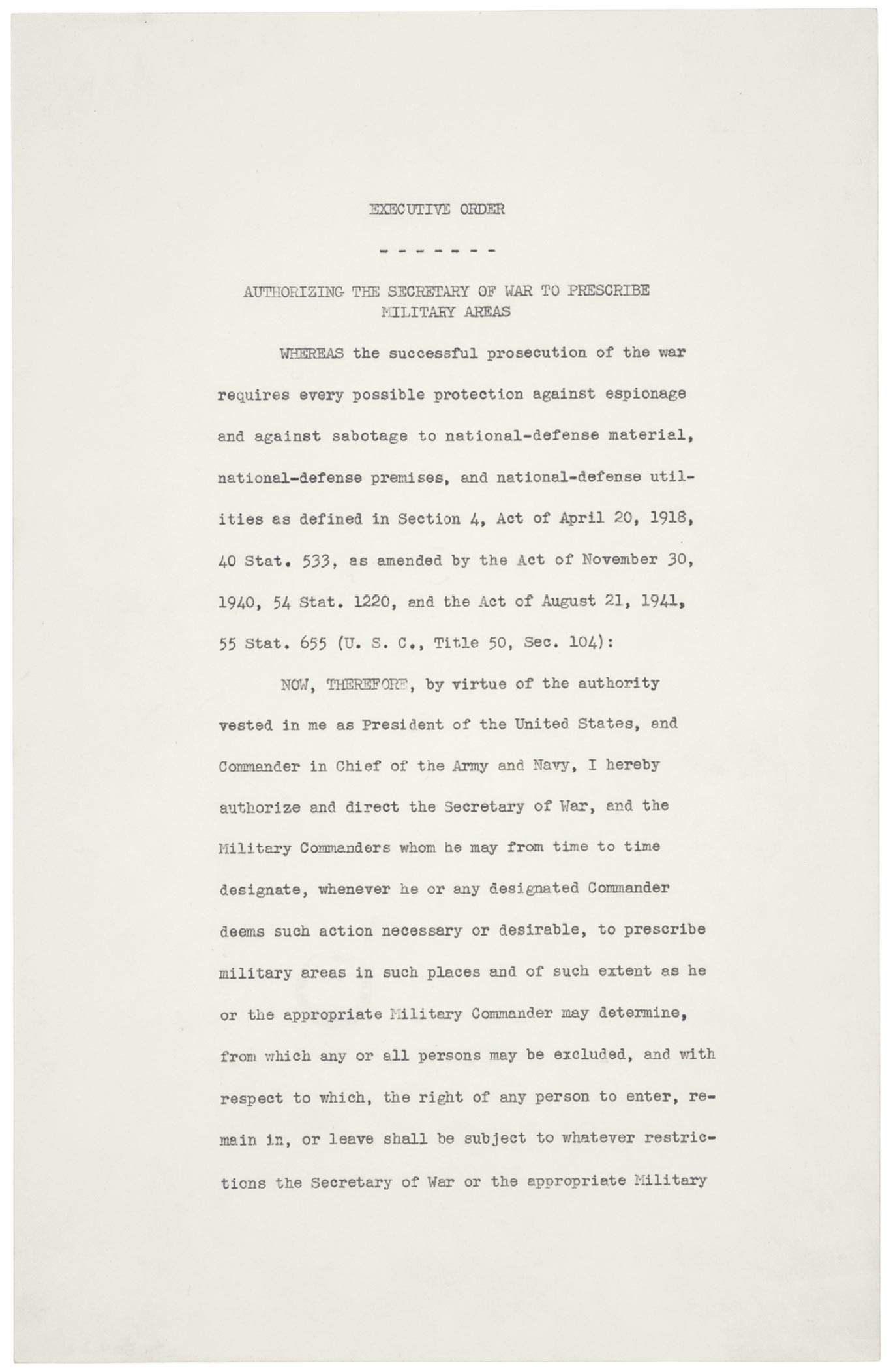
Japanese Relocation Order, 1942
Issued by President Franklin Roosevelt on February 19, 1942, this order authorized the evacuation of all persons deemed a threat to national security from the West Coast to relocation centers further inland.
-
Image
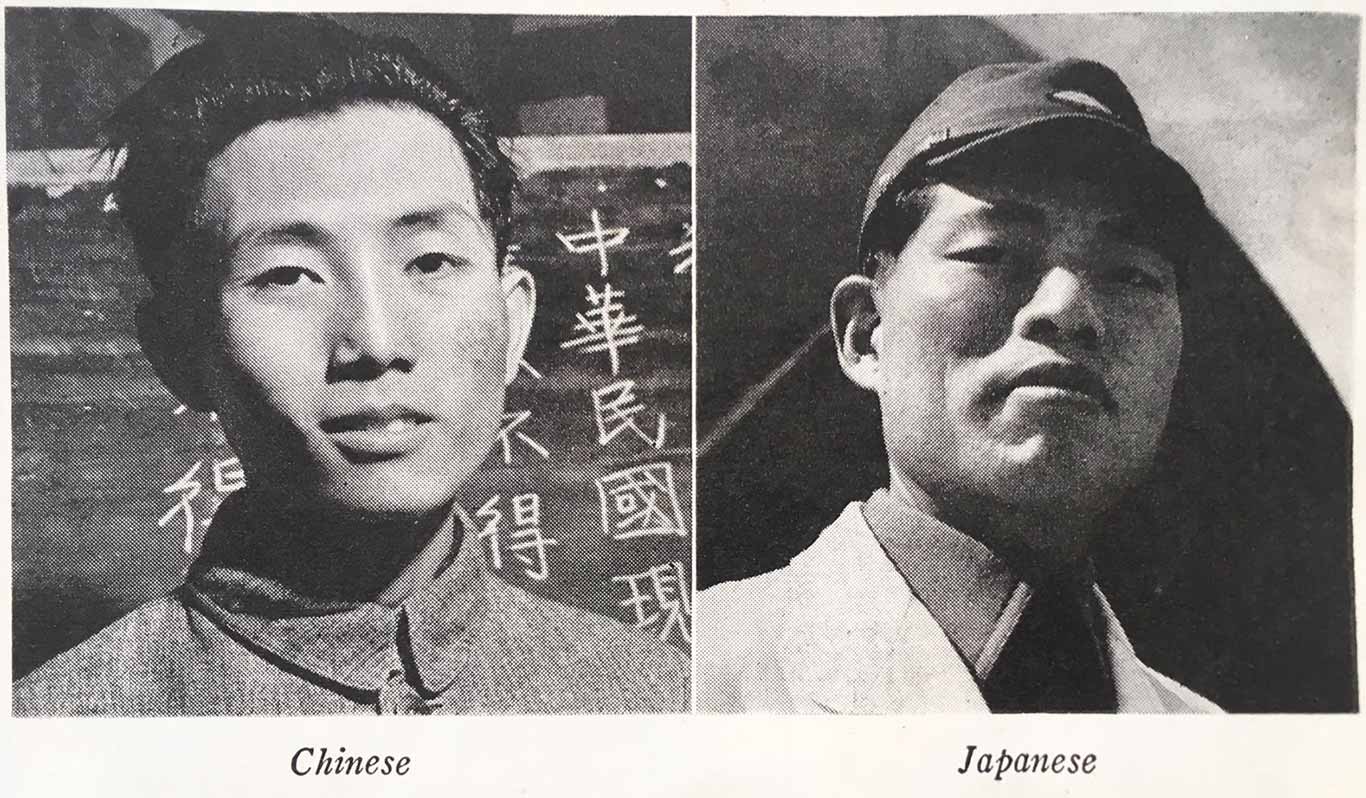
“How to Tell Your Friends from the Japs”
For decades, Chinese immigrants were reviled in the United States. But China was a US ally during World War II. A December 22, 1941 Time magazine article, “How to Tell Your Friends From the Japs,” included these comparative images and the guidance that “the Chinese expression is likely to be more placid, kindly, open; the Japanese more positive, dogmatic, arrogant.” Articles like this illustrate how international politics impacted the treatment and perception of Asians in the United States.
-
Image
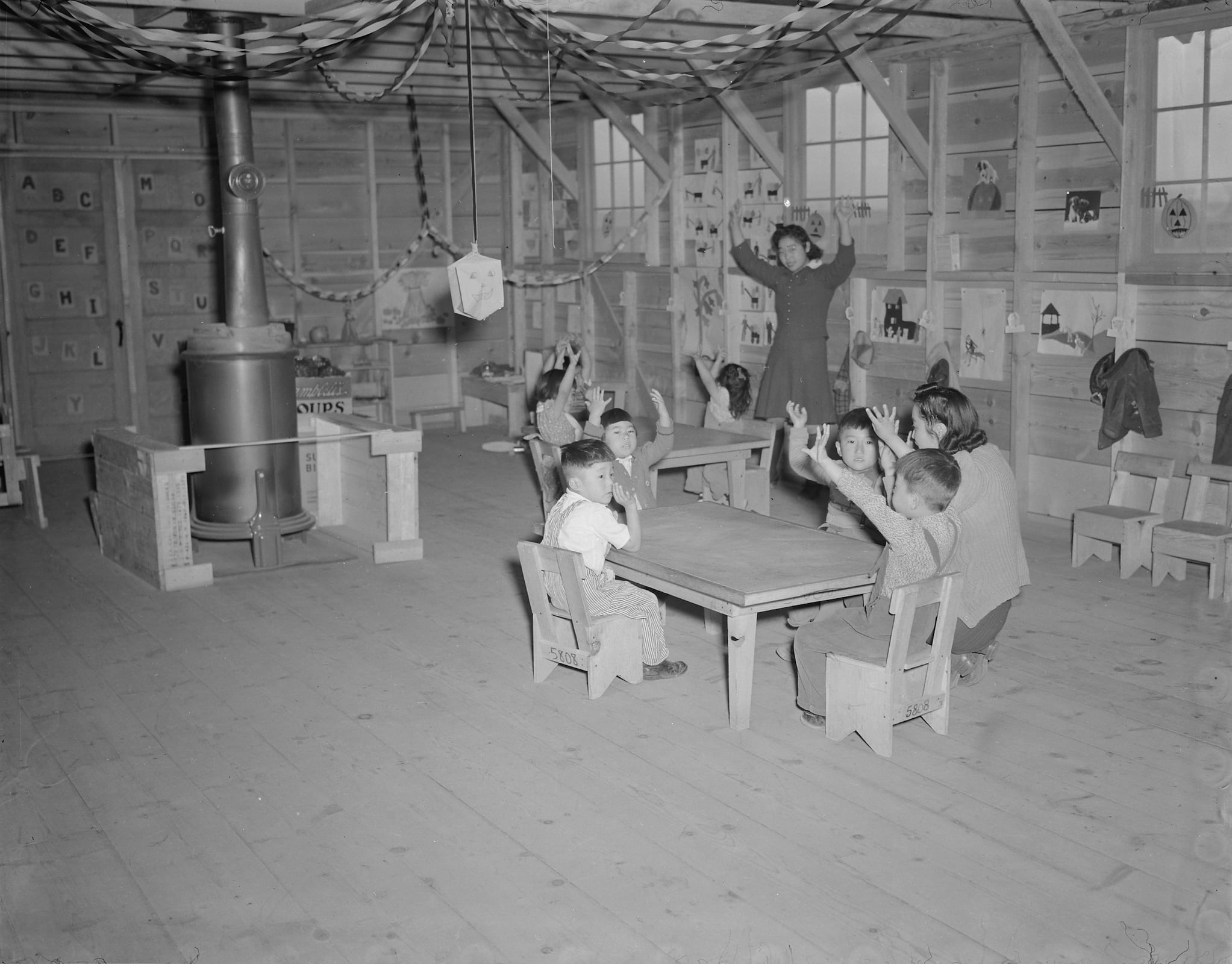
Nursery School Children Singing Twinkle, Twinkle, Little Star
Schools in the camps, like this one shown here at Tule Lake, ran the gamut from nursery programs to high schools.
-
Image
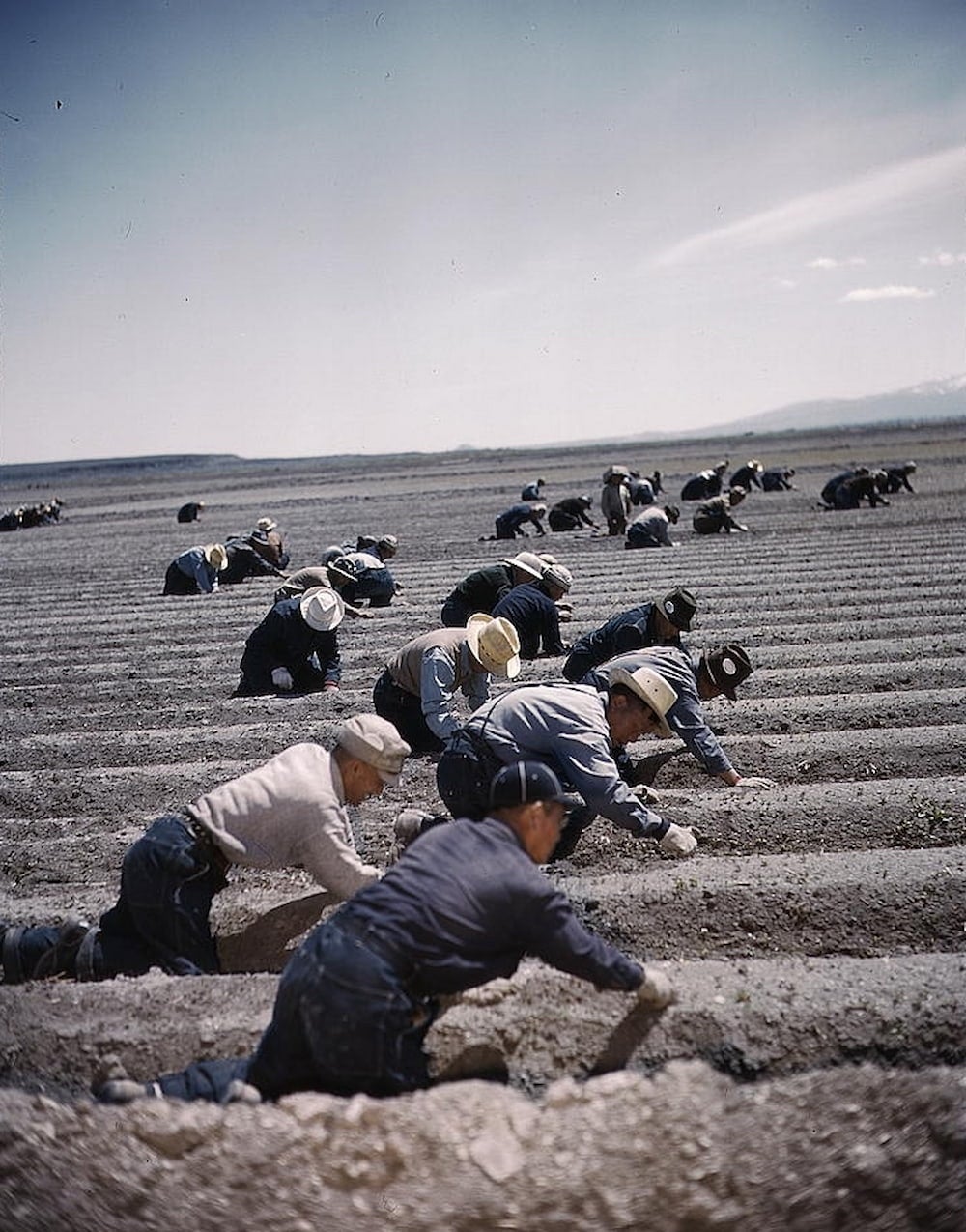
Laborers at the Tule Lake Agricultural Field
Given wartime food rationing and labor shortages, Japanese Americans, like these Tule Lake inmates, labored in nearby agricultural fields to raise crops to feed themselves.
Chapters
# of # results
-
Module
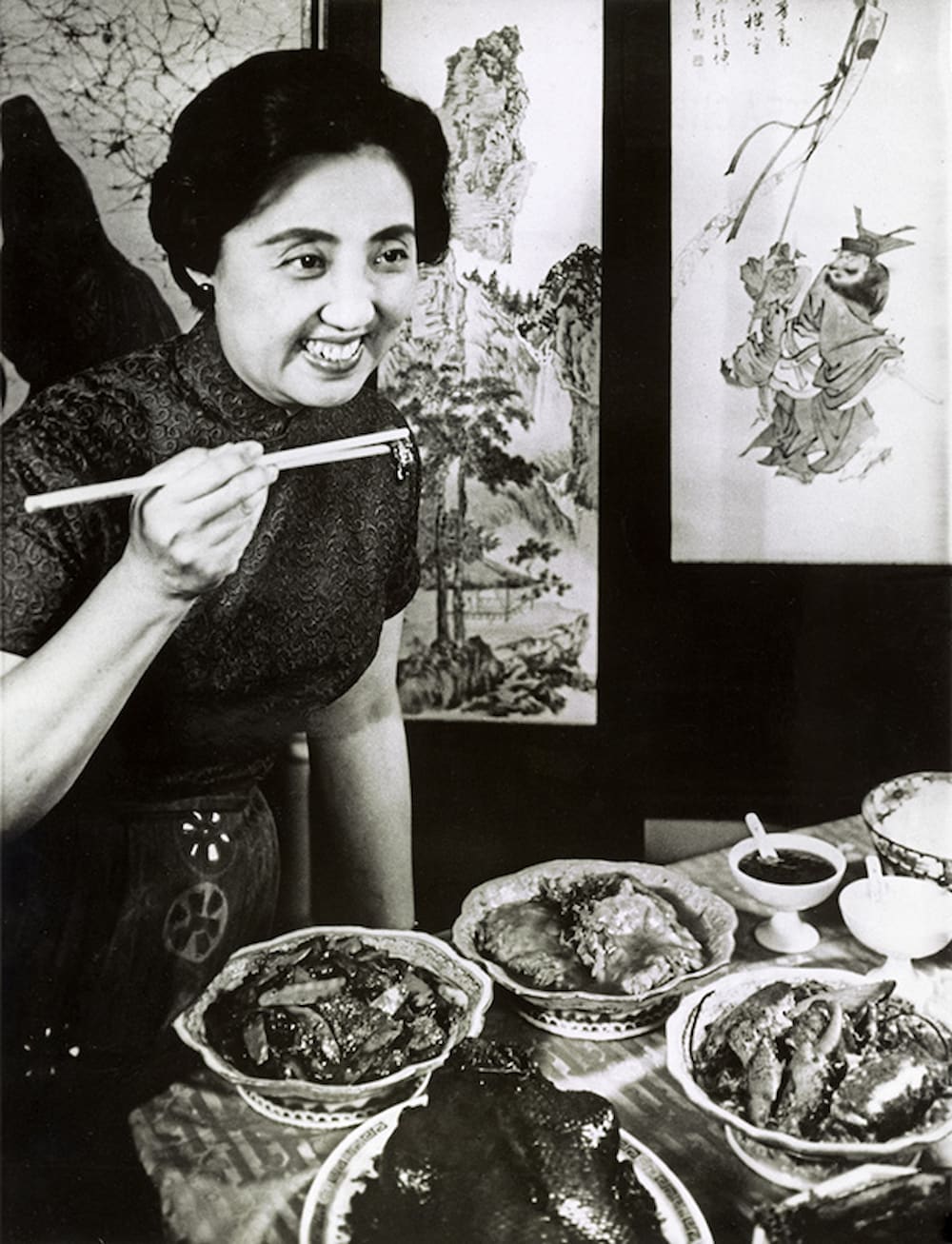
Module 3: The Taste of Success
Susie J. Pak
-
Module
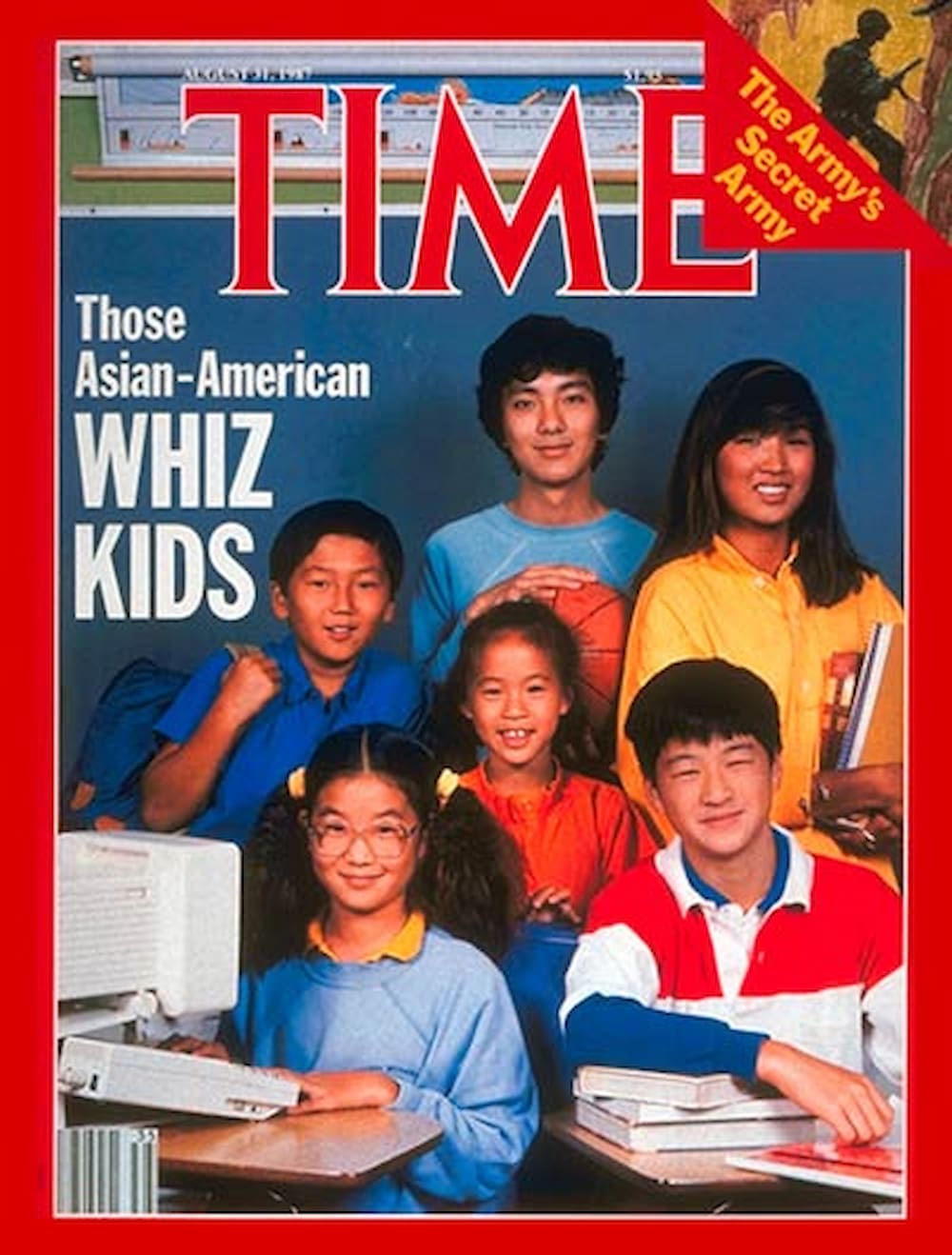
Module 4: Asian Americans and the Different Realties of the American Dream
Susie J. Pak
-

Chapter
Chapter Overview: Asian American and Pacific Islander Workers’ Organizing
Tracy Lai and Kim Geron
-
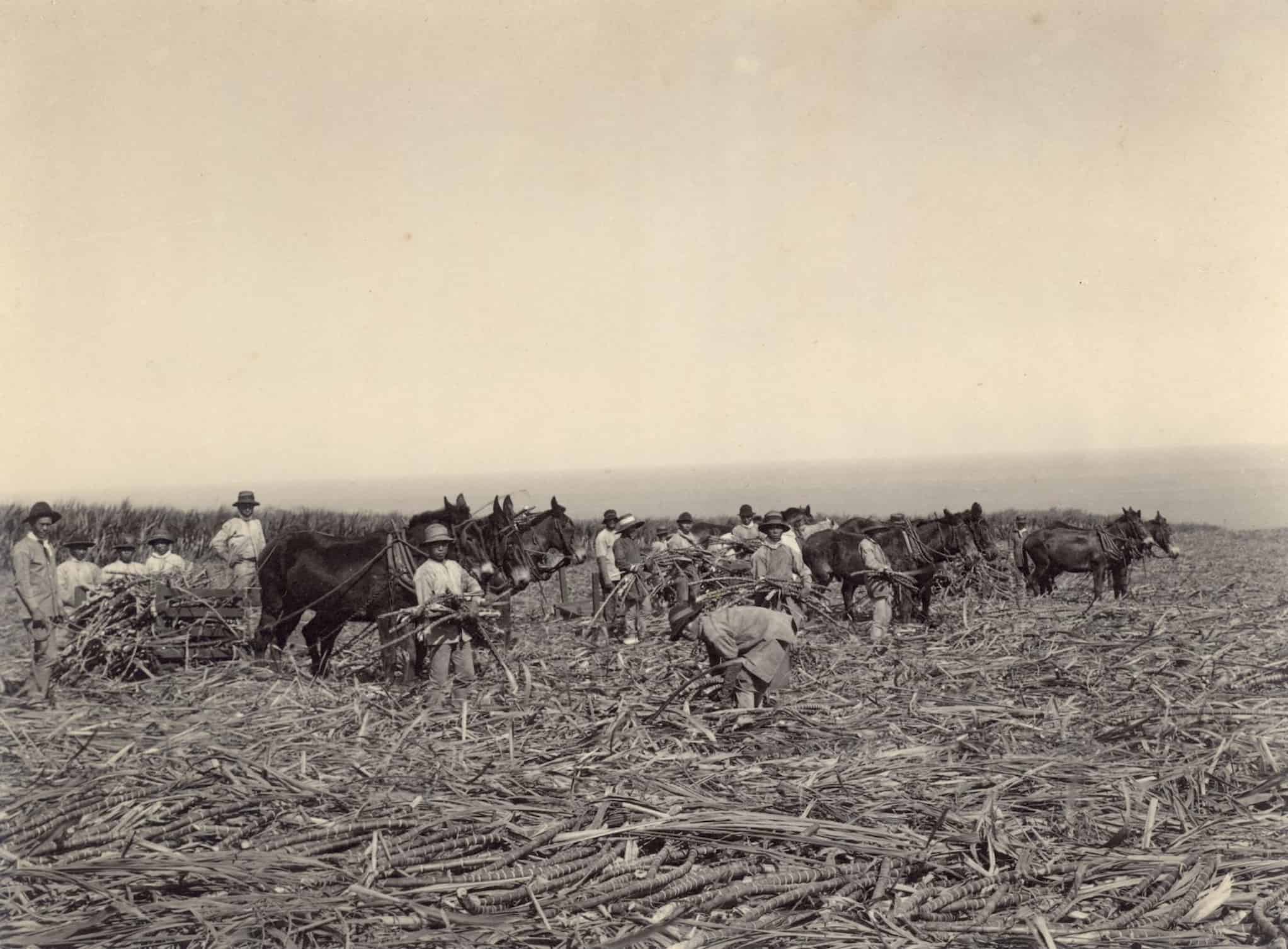
Module
Module 1: Overview of Asian American Workers
Tracy Lai and Kim Geron
Chapter:
Asian American Workers’ Organizing
-
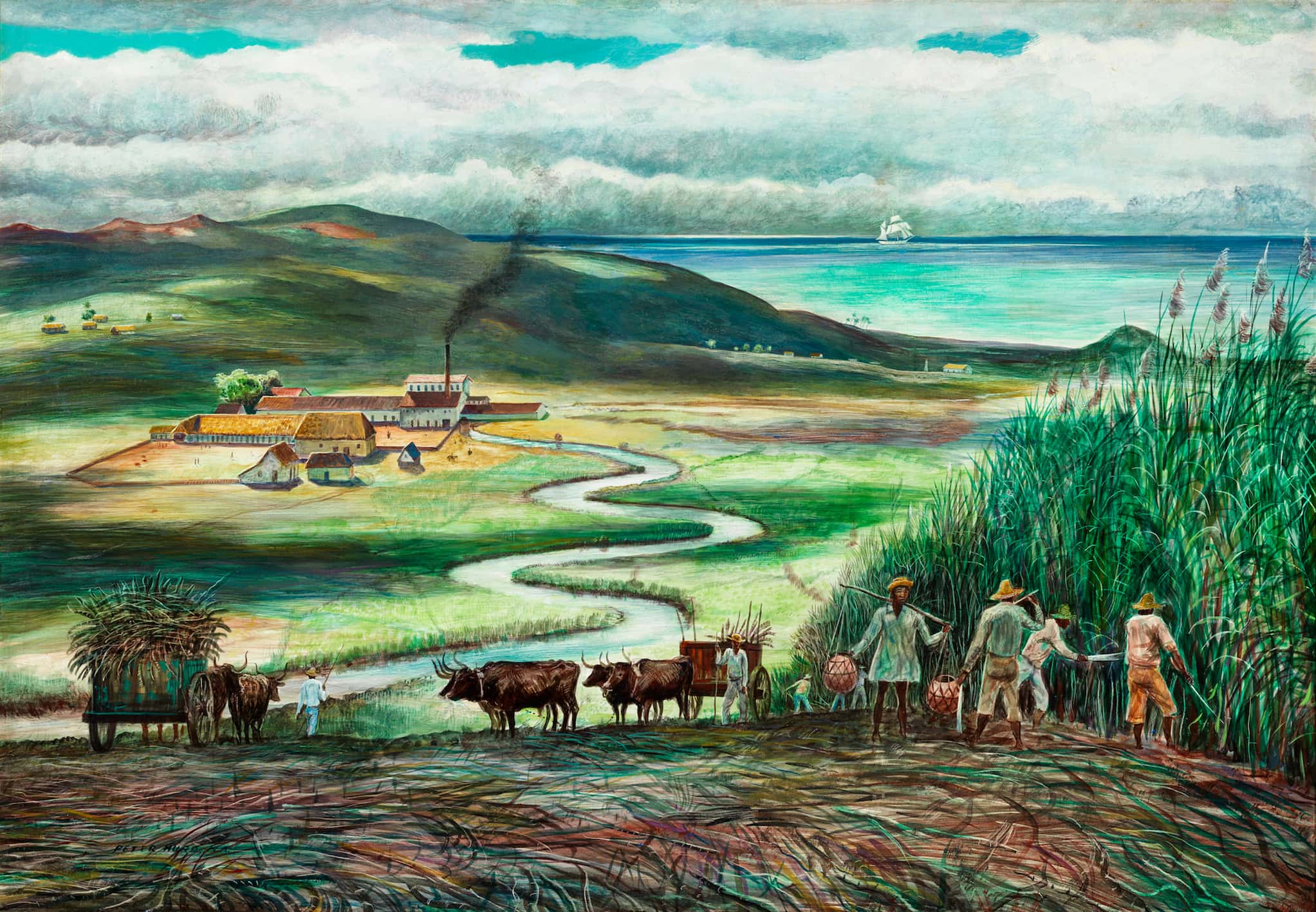
Module
Module 2: Hawaiian Plantation Workers Organize for Justice
Tracy Lai and Kim Geron
-
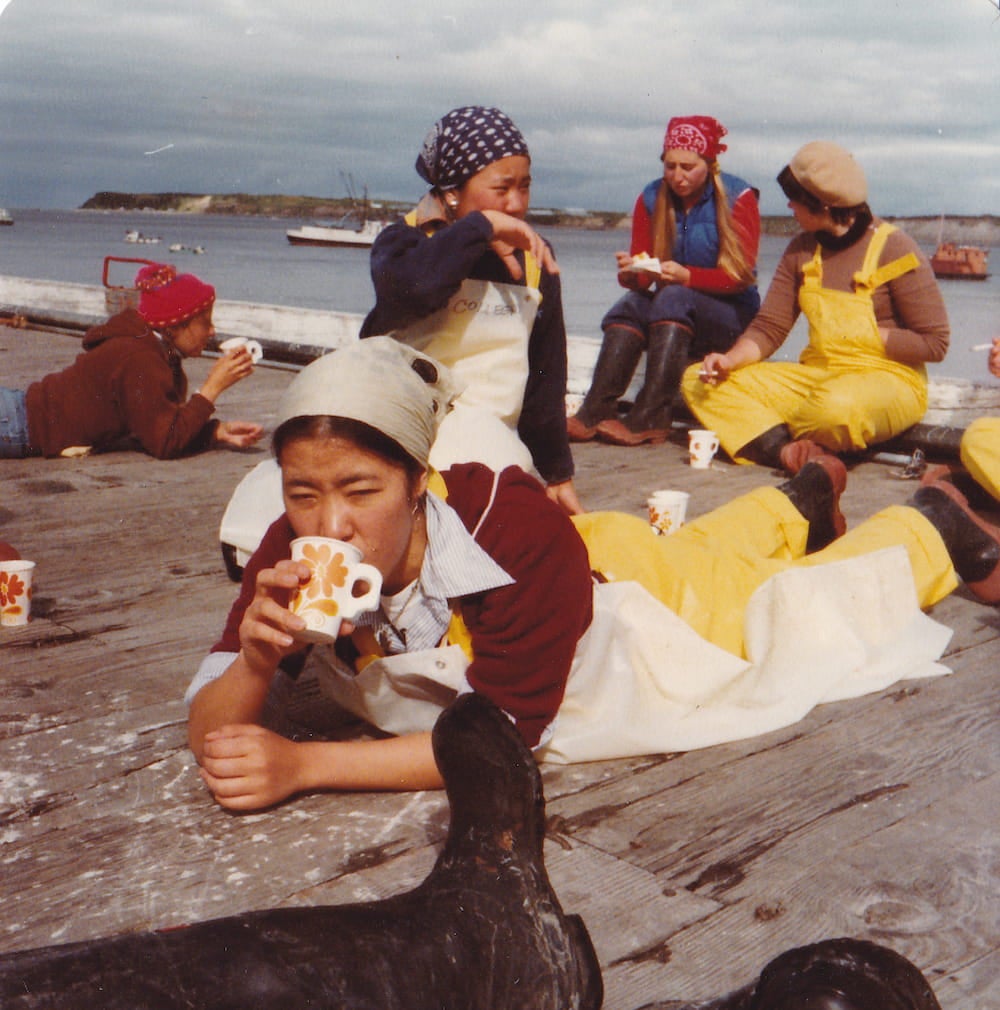
Module
Module 3: Alaska Cannery Workers
Tracy Lai and Kim Geron
-

Module
Module 4: Nail Salon Workers: Ethnic Labor Migration
Tracy Lai and Kim Geron
-
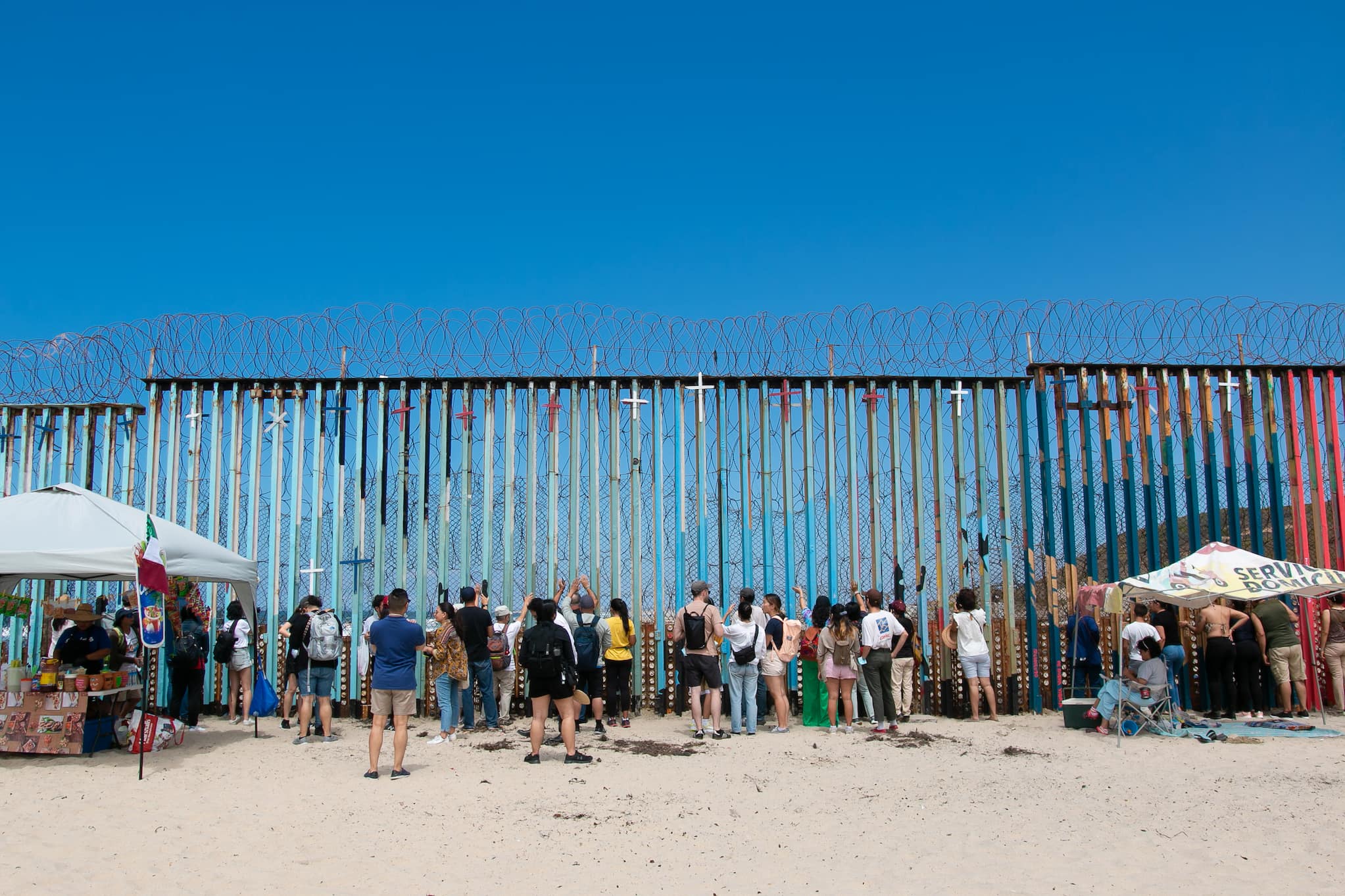
Module
Module 5: Contemporary Asian American Labor Organizing
Tracy Lai and Kim Geron
-
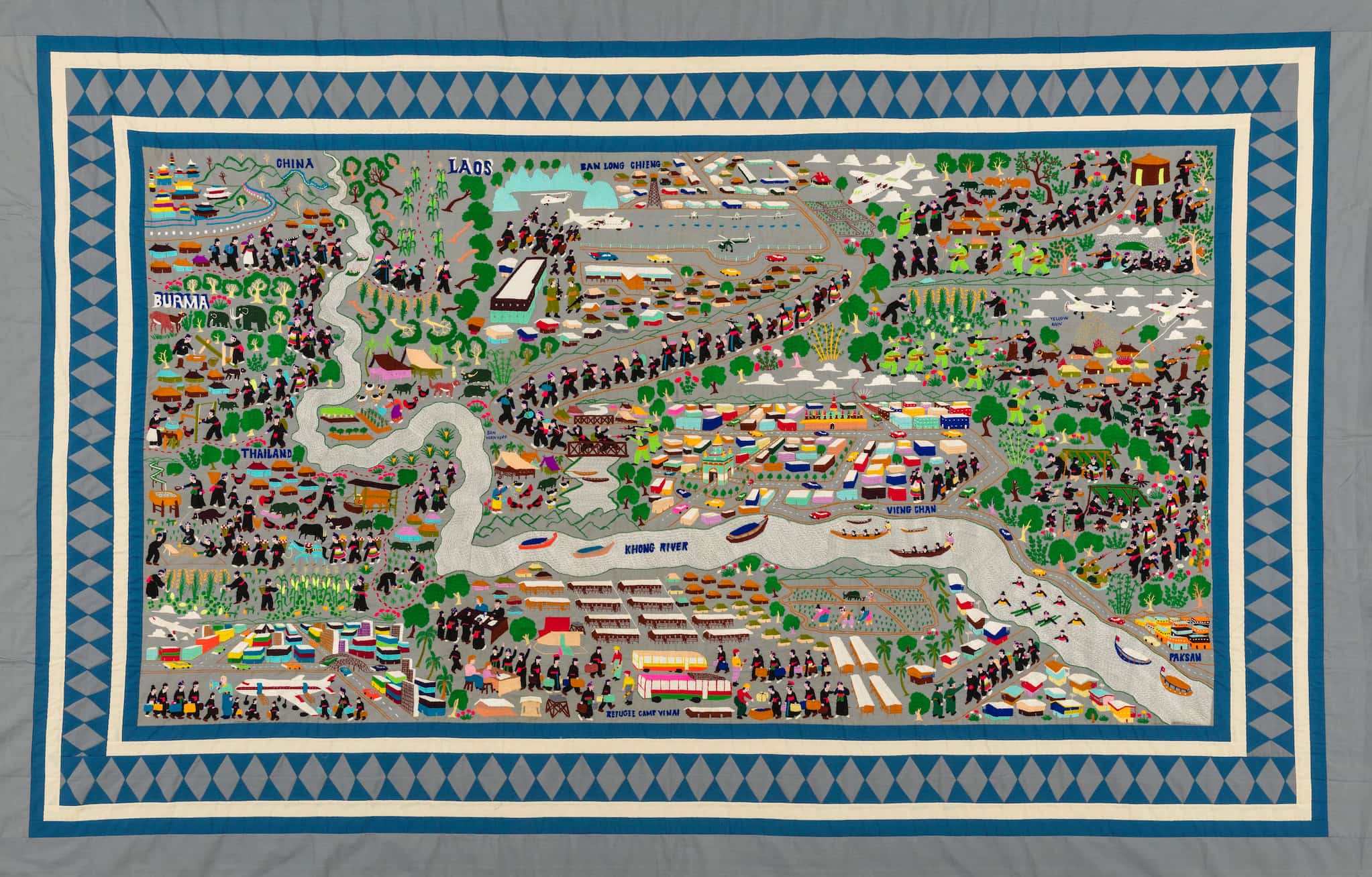
Chapter
Hmong Americans
Ma Vang


