


Advanced Search
Asian American and Pacific Islander studies resources for the classroom
All chapters of Foundations and Futures include lesson plans and curricular tools that are designed for high school students and grounded in ethnic studies pedagogy. Feel free to search our repository of primary sources and material that helps bring Asian American and Pacific Islander histories and experiences into the classroom.
Multimedia
# of # results
Chapters
-
Image
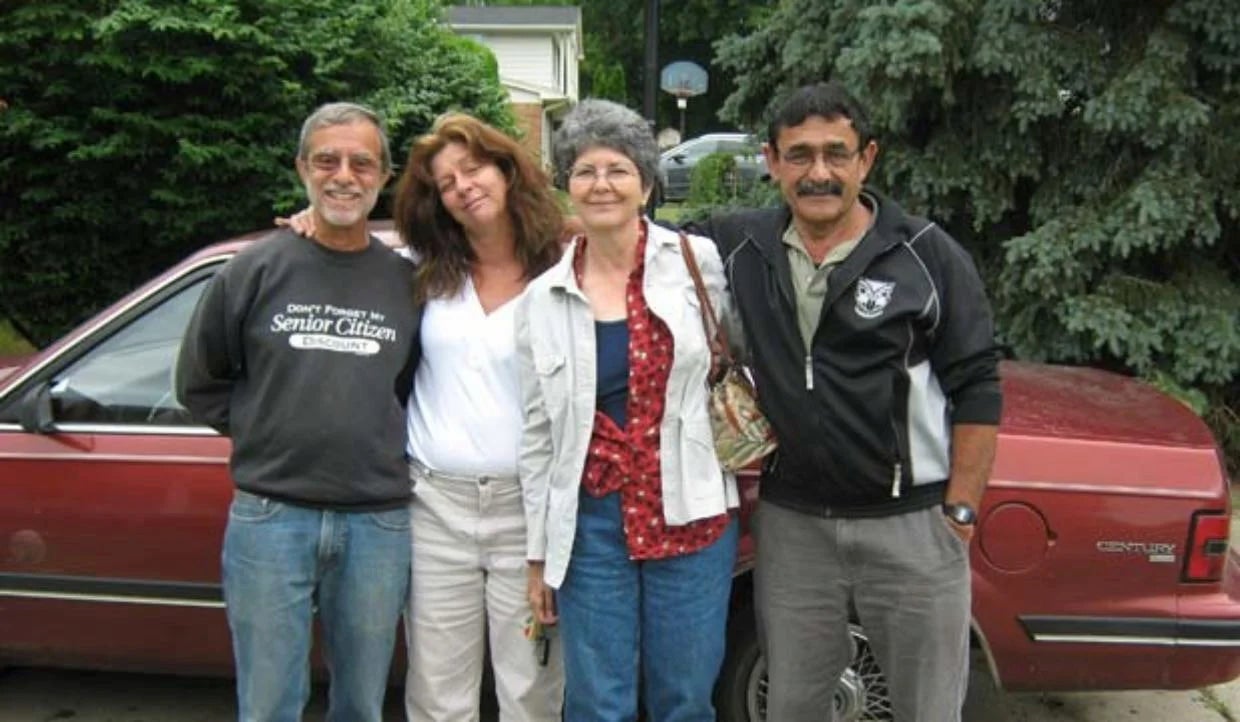
Arthur Beren of Kerikeri with Family
The “Mothers’ Darlings” project at the University of Otago in Aotearoa/New Zealand helps Pacific Islander children trace their American fathers from the over two million American servicemen who were stationed in the Pacific during World War II. Arthur Beren of Kerikeri (right) reunited with his paternal family in the US after sixty-four years.
-
Image
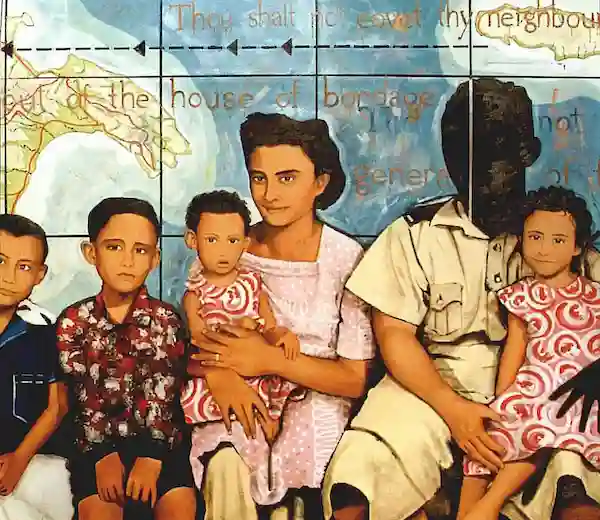
“Out of Fa’a Samoa” by Nanette Lela’ulu
The painting Out of Fa’a Samoa by artist Nanette Lela’ulu reflects the lived experience of the mixed children of Pacific Islander women and American soldiers.
-
Image
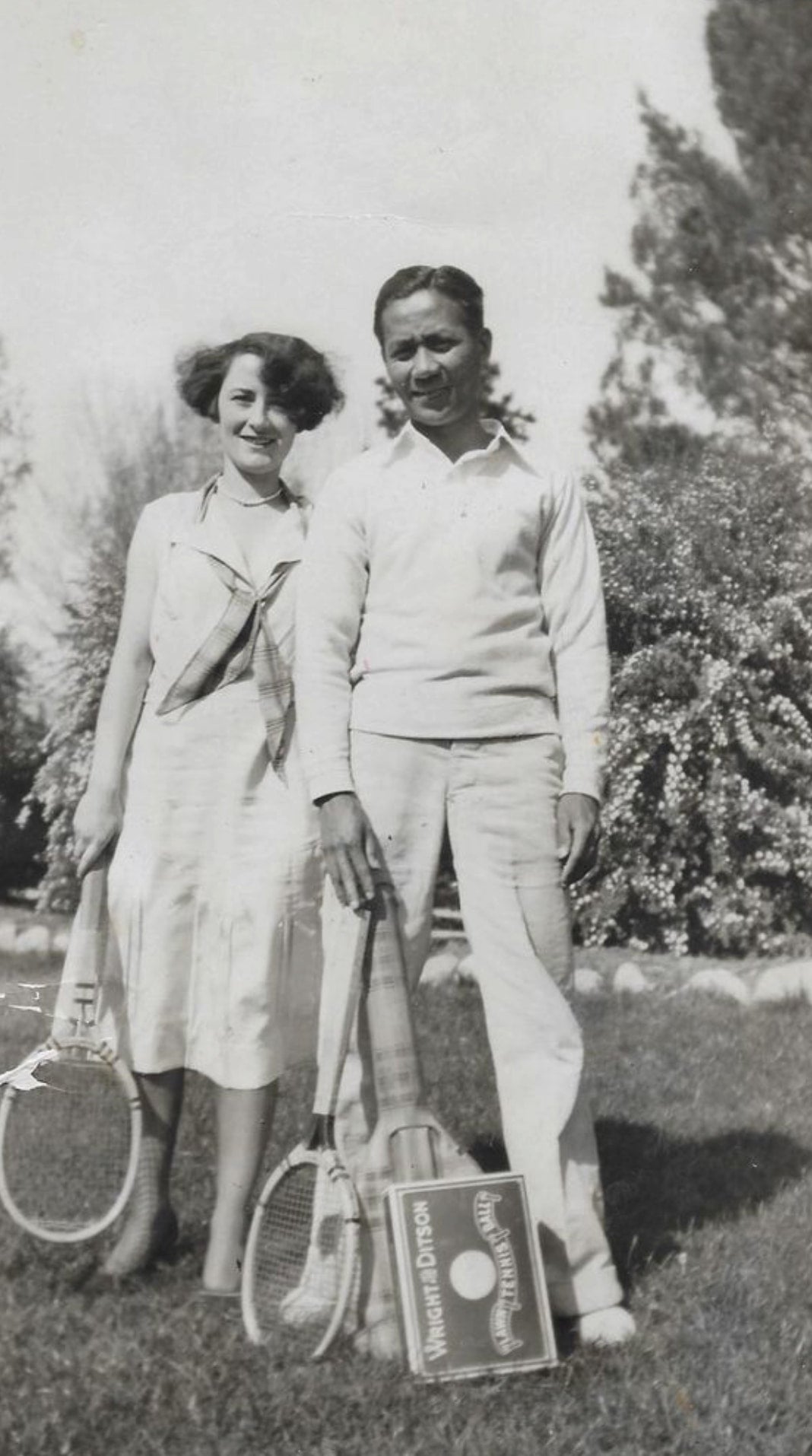
Salvador Roldan and Marjorie Rogers
Salvador Roldan, a Filipino immigrant, fought for his right to marry Marjorie Rogers, a white woman who had immigrated from England. Photo circa 1933.
-
Image
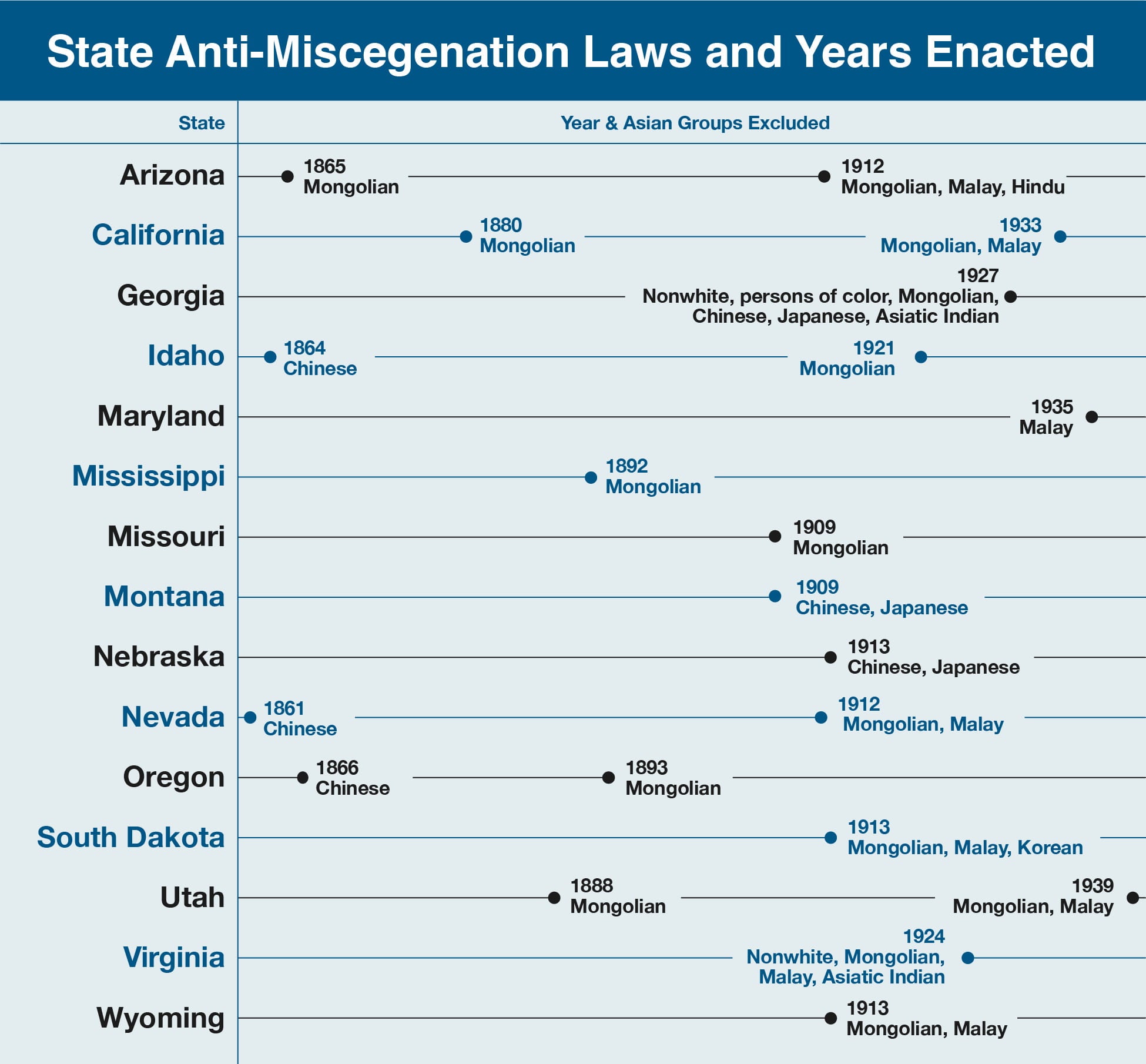
Chronology of Anti-Micegeneation Laws by State
This table lists US states in the chronology by which they enacted Asian anti-miscegenation laws.
-
Image
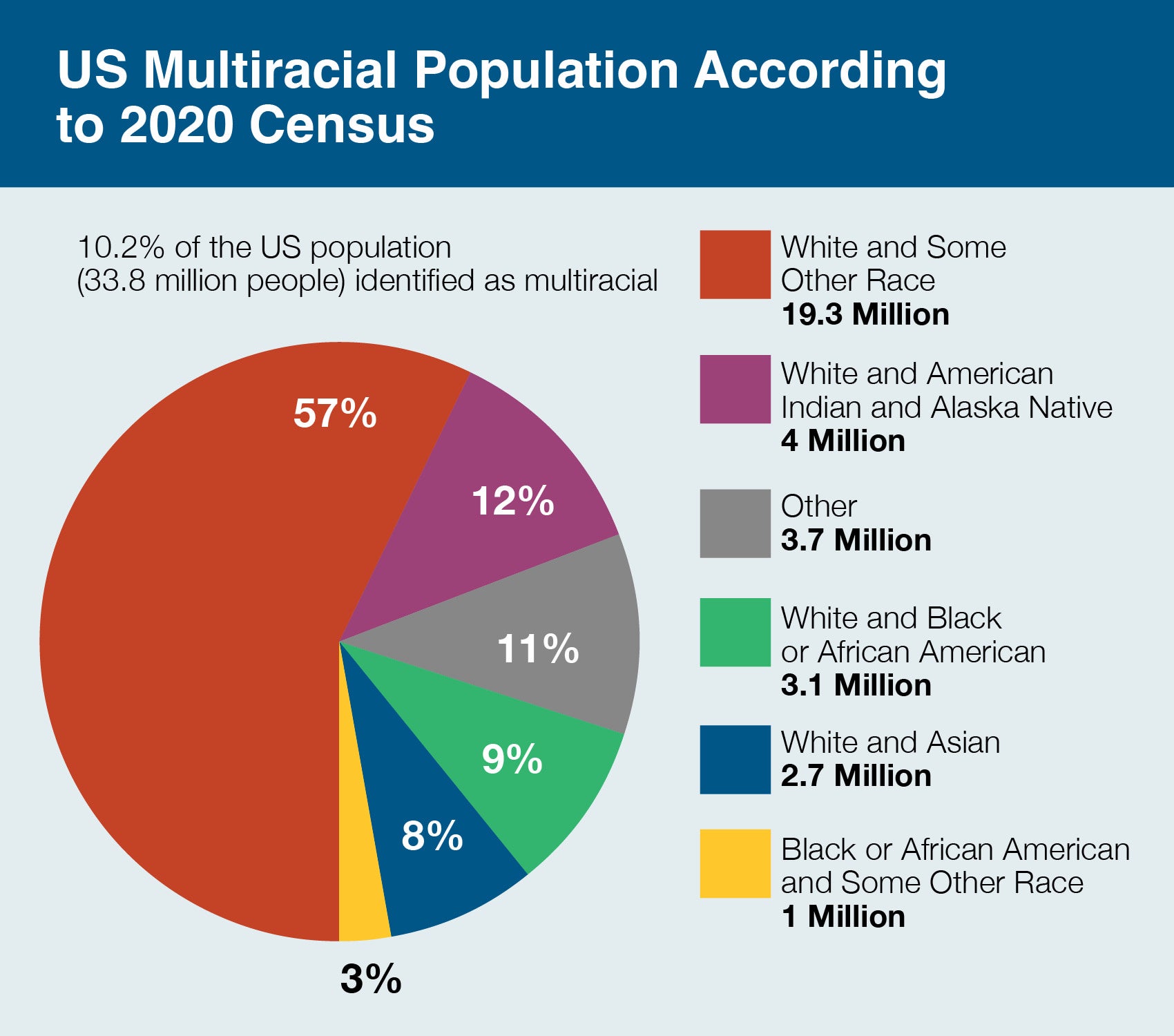
2020 US Census Multiracial Responses
Among the 10.2 percent of the United States population that selected more than one racial category on the 2020 Census, the largest combination was “White and Some Other Race.” “White and Asian” was the fourth most common combination. Source: US Census Bureau
-
Image
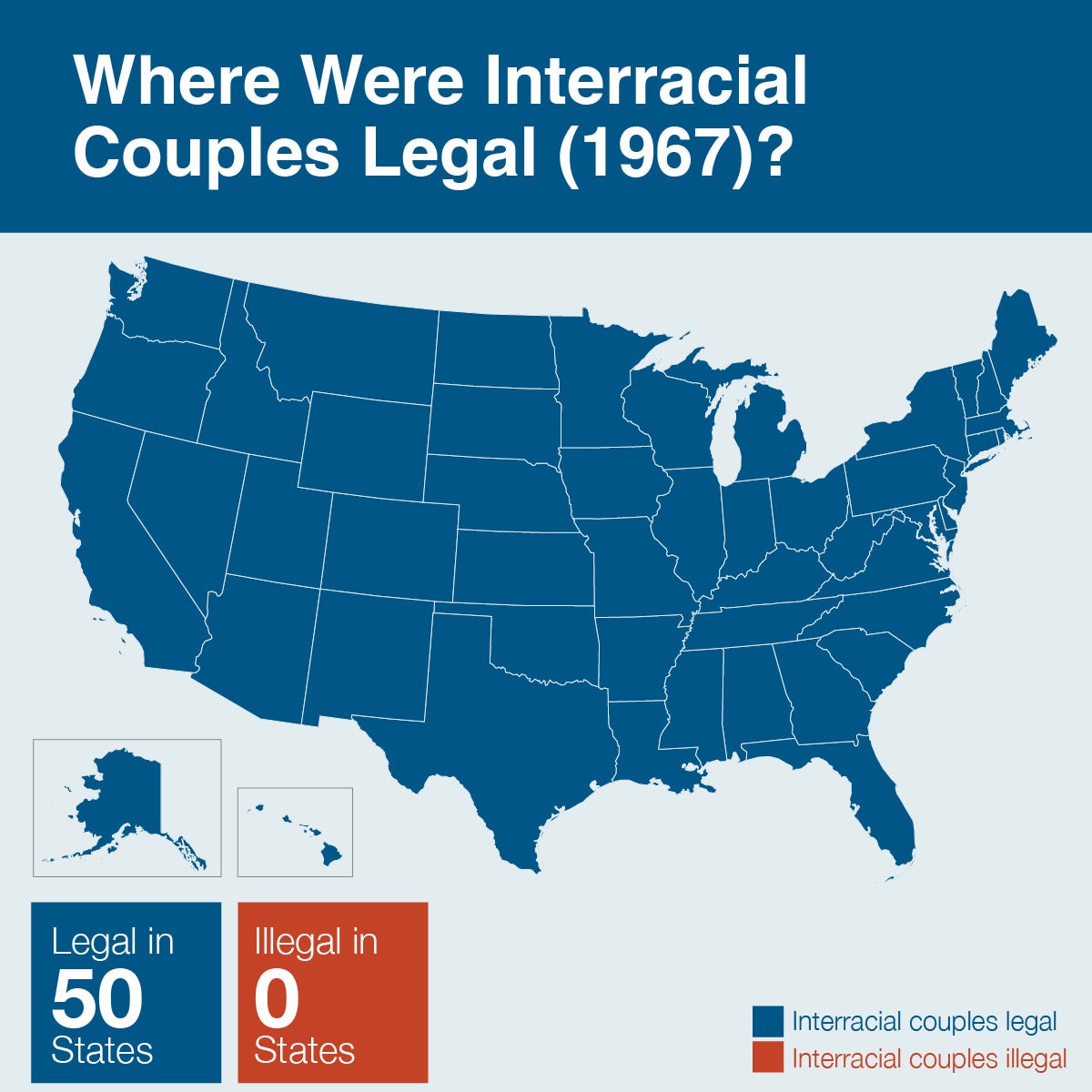
State Restrictions on Interracial Marriage Map 1967
This map depicts which states restricted interracial marriage and relationships in 1967 following the US Supreme Court case Loving v. Virginia. (Source: Loving Day)
-
Image
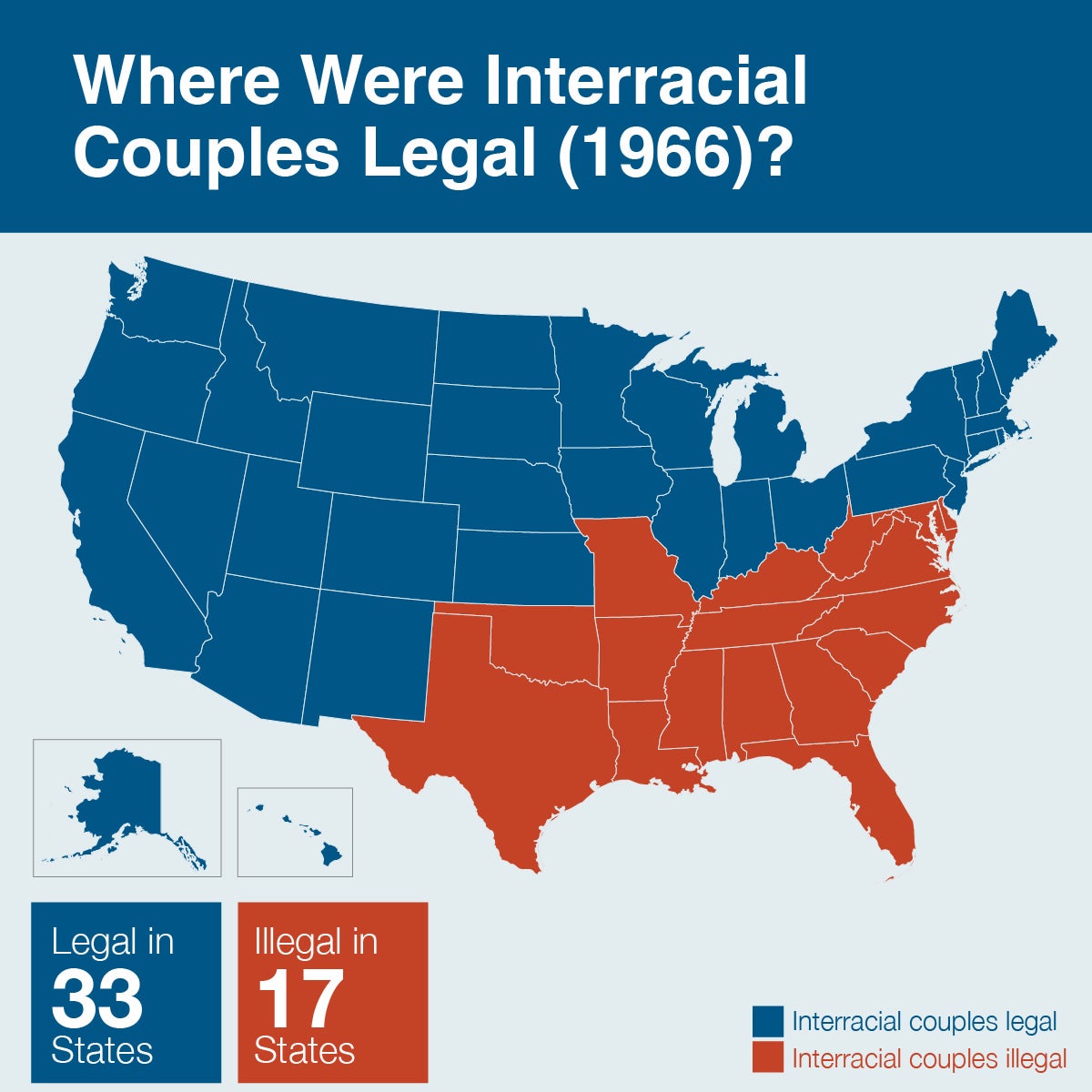
State Restrictions on Interracial Marriage Map 1966
This map depicts which states restricted interracial marriage and relationships in 1966, the year before the US Supreme Court case Loving v. Virginia. (Source: Loving Day)
-
Image
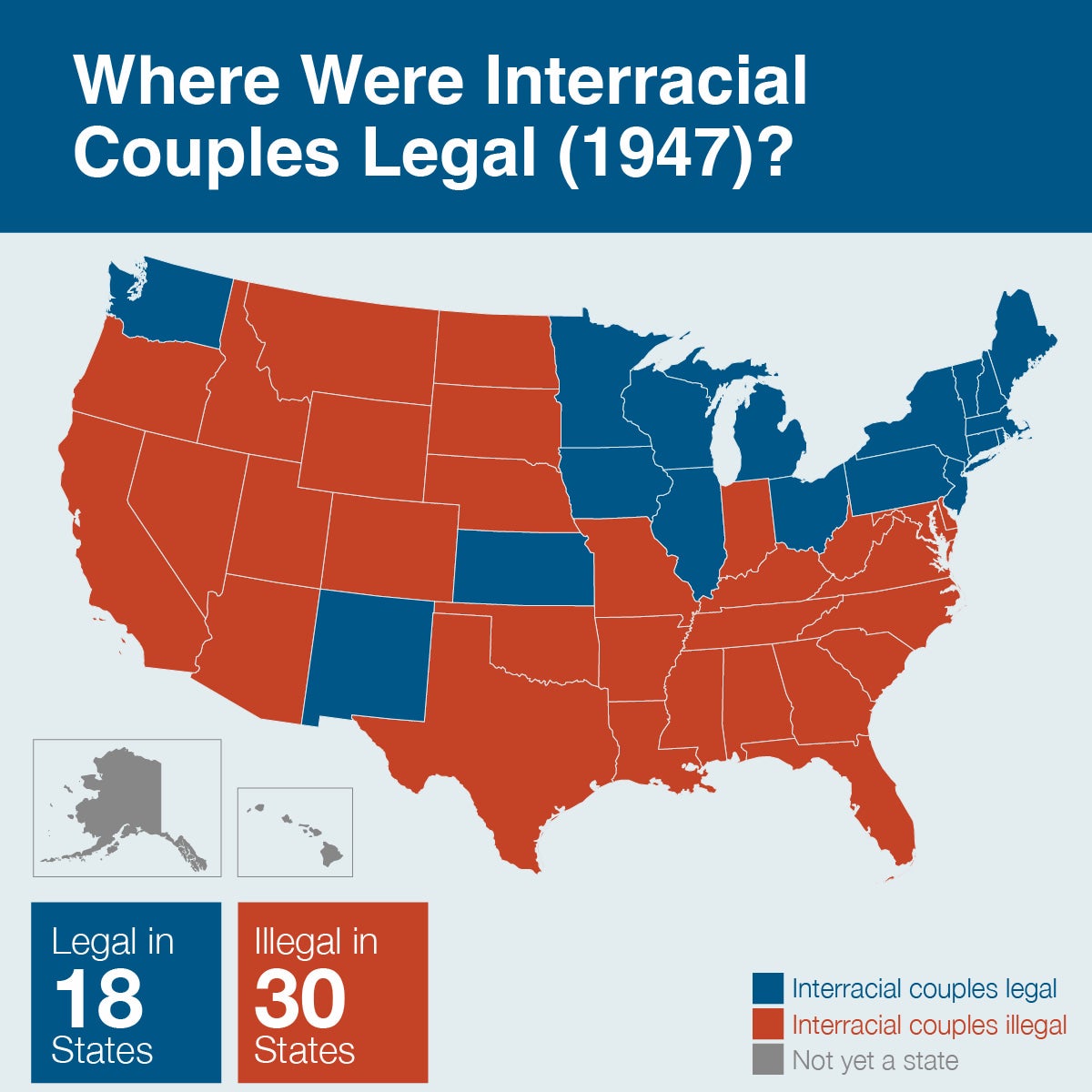
State Restrictions on Interracial Marriage Map 1947
This map depicts which states restricted interracial marriage and relationships in 1947, two decades before the US Supreme Court case Loving v. Virginia. (Source: Loving Day)
-

Video
“Wasian” Beauty Standards Video on TikTok
TikTok creator @avigaillaing discusses the struggles of living up to Wasian beauty standards.
-
Video
Being “Wasian” Video on TikTok
TikTok creator @victoria.therese shares her family’s multi-generational Wasian history. Wasian refers to a person who is white and Asian.
Chapters
# of # results
-
Module
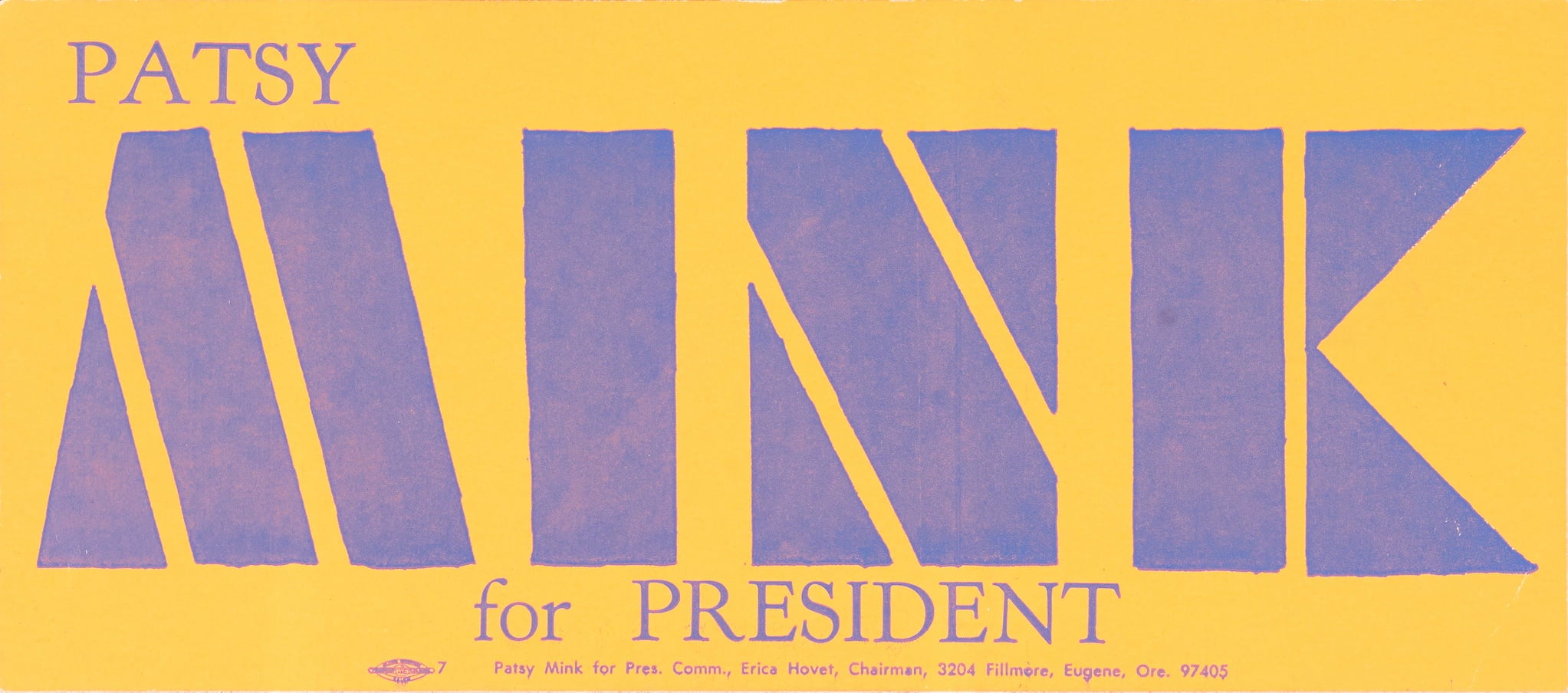
Module 2: Opposition to the Vietnam War and US Presidential Campaign
Judy Tzu-Chun Wu and Gwendolyn Mink
-
Module
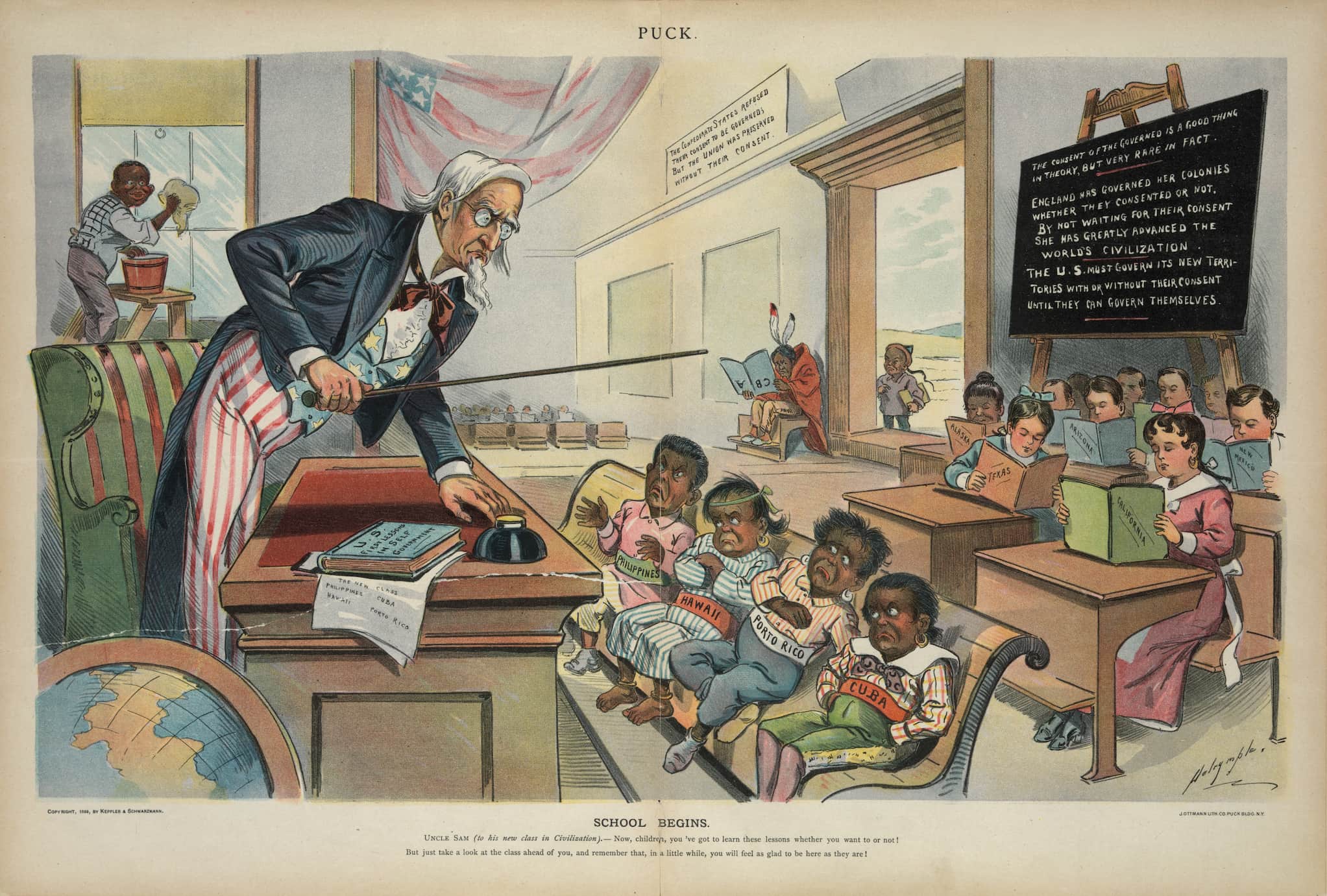
Module 3: Environmental Justice, Settler Colonialism, and a Pacific Worldview
Judy Tzu-Chun Wu and Gwendolyn Mink
-
Module
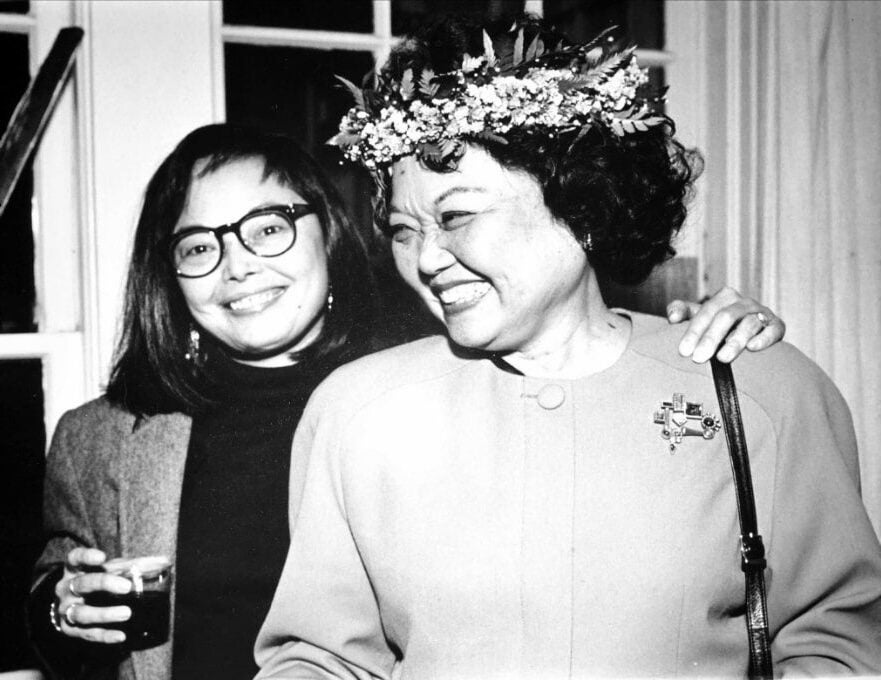
Module 4: Title IX: The Patsy Takemoto Mink Equal Opportunity in Education Act
Judy Tzu-Chun Wu and Gwendolyn Mink
-
Chapter
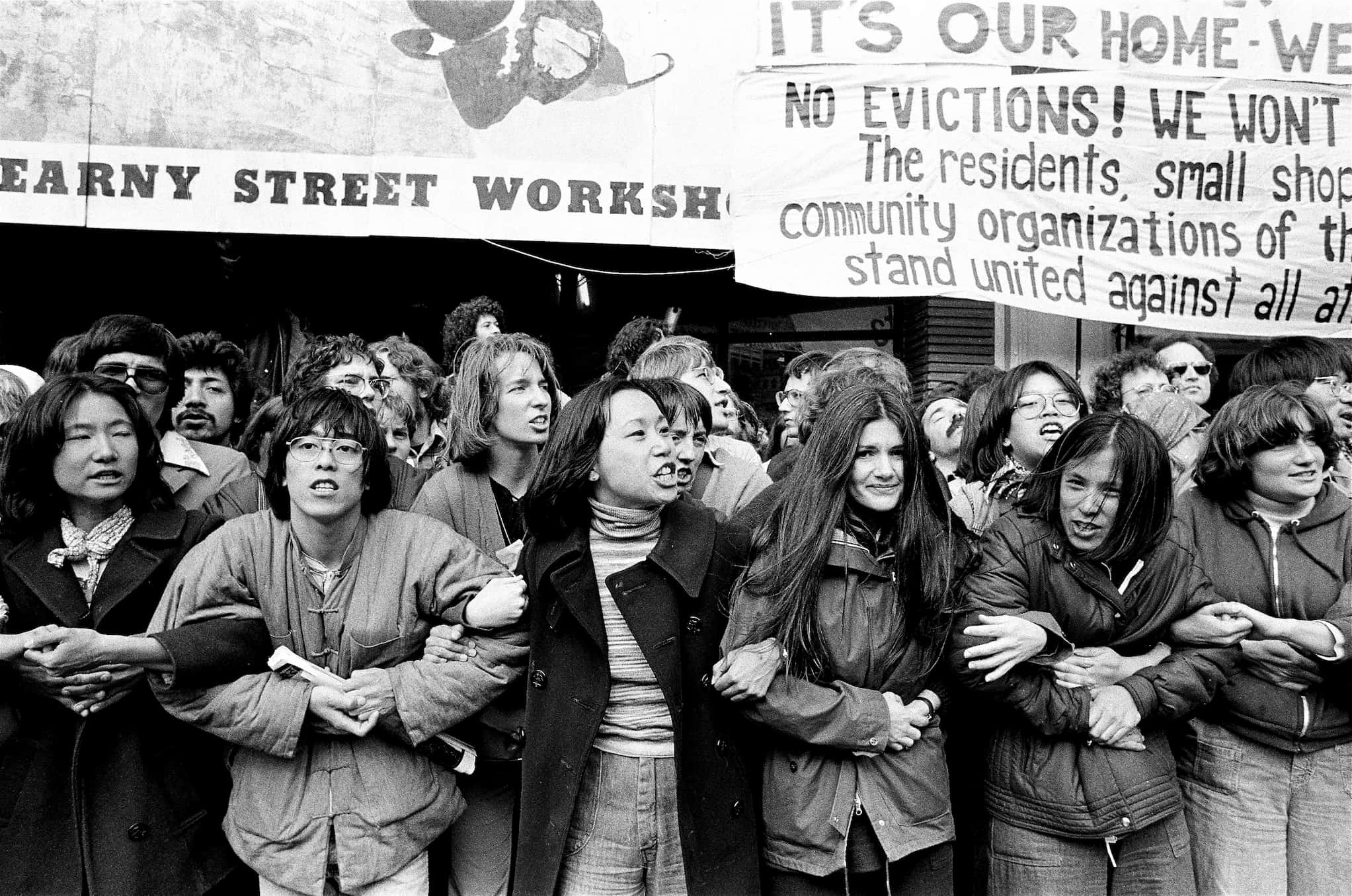
Chapter Overview: Asian American Activism
Artnelson Concordia, Katherine H. Lee, May C. Fu, and Diane C. Fujino
-
Module
-
Chapter
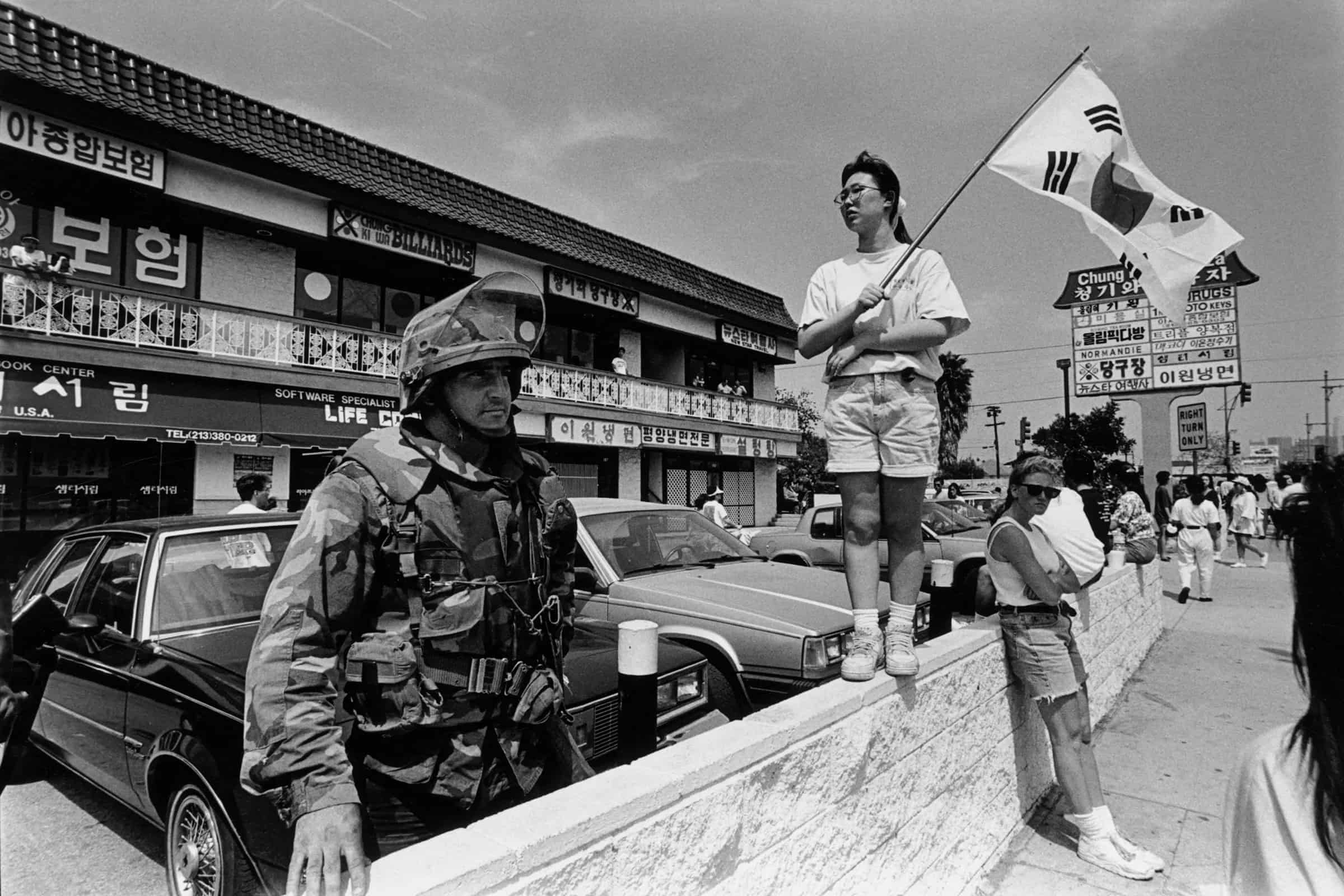
Chapter Overview: Korean Americans
Jane Hong and Kimberly McKee
-
-
Module
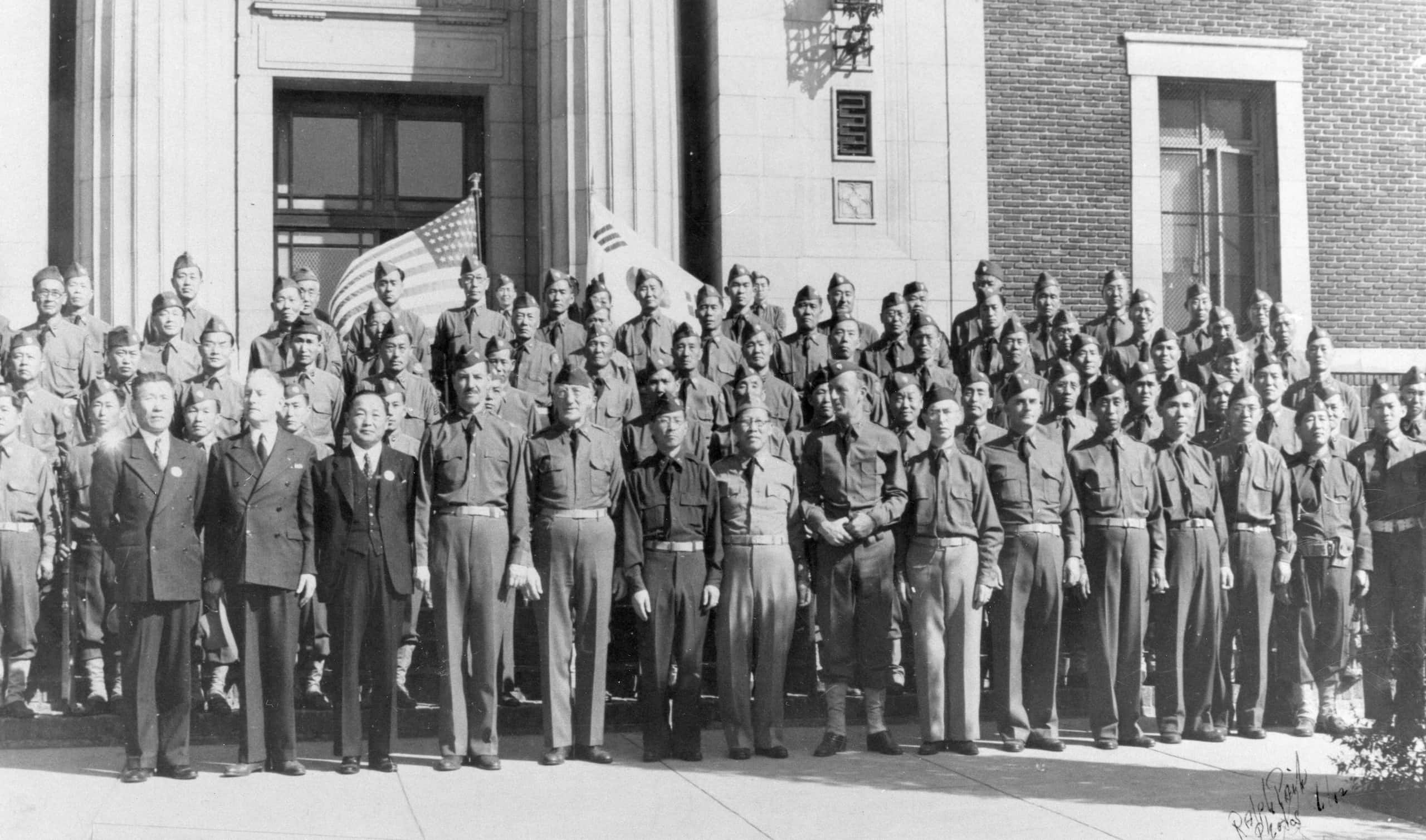
Module 2: Korean Americans during World War II and the Korean War
Jane Hong
Chapter:
Korean Americans
-
Chapter
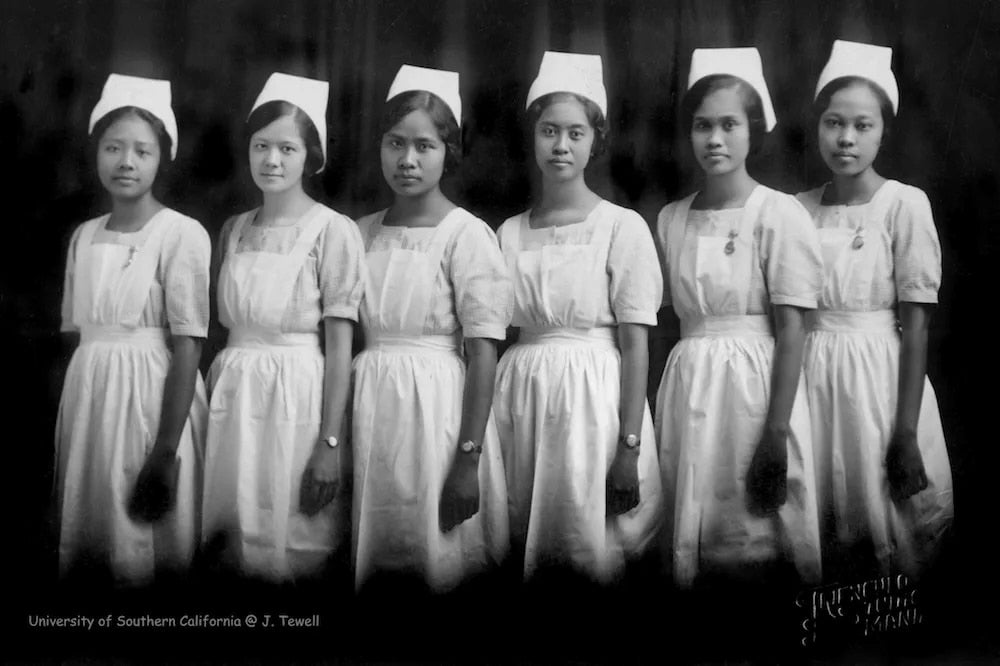
Chapter Overview: Filipinx American Histories
Theodore S. Gonzalves