



Search the Media Repository
Discover the curated images, videos, and primary sources featured throughout Foundations and Futures
History is more than just text on a page; it is the photographs, voices, and artifacts of the people who lived it. The images and recordings featured across Foundations and Futures are part of a meticulously curated media repository. Whether you are building a lesson plan or investigating an artifact, you can use this database to trace the provenance of our media: discover who created an asset, the historical context behind it, and how it can be used to bring Asian American and Pacific Islander experiences into your classroom.
Multimedia
Chapters
-
Image
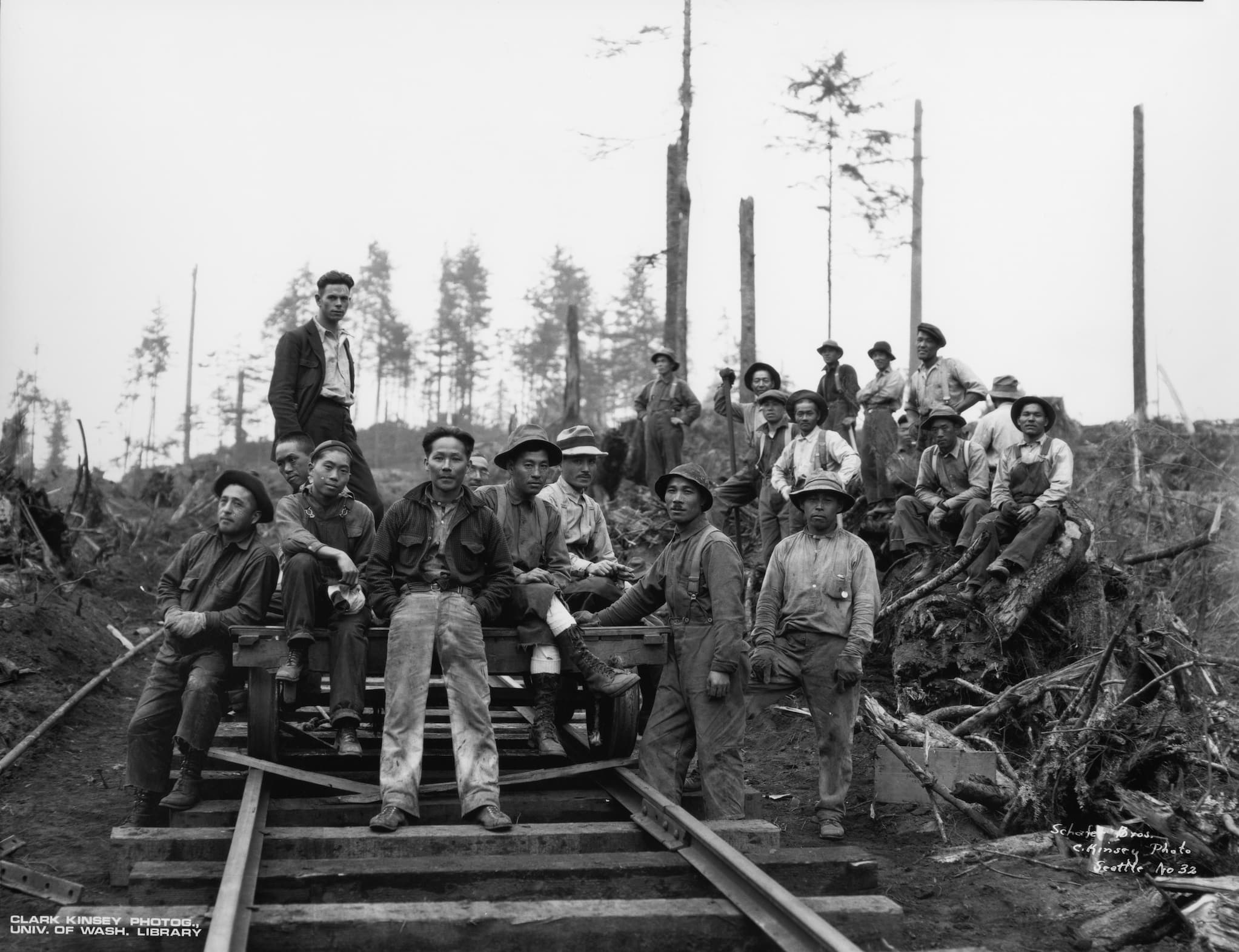
Japanese Railroad Workers
Between 1890 and 1907, about 132,000 young Japanese men came to the continental United States. Many, like Masuo Yasui’s father and brothers, and the men pictured here, built the railroads that crossed western and Rocky Mountain states.
-
Image
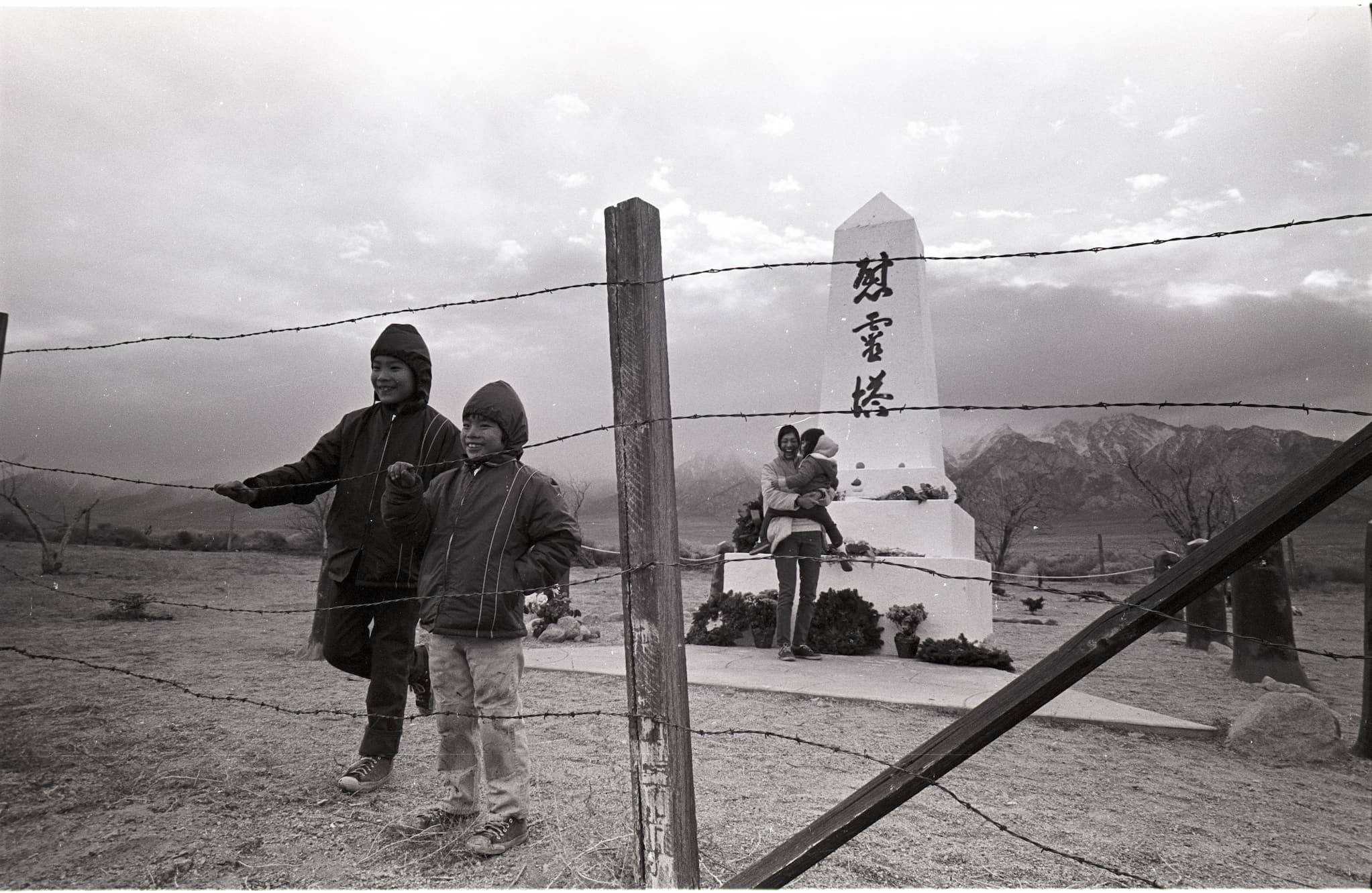
Boys in Front of Manzanar Cemetery Monument
To ensure that this history is not forgotten, Japanese Americans have organized pilgrimages to former campsites, and they have advocated for preservation of some as educational centers. Pictured here are participants in the first pilgrimage, in 1969, to the site of the Manzanar camp.
-
Video
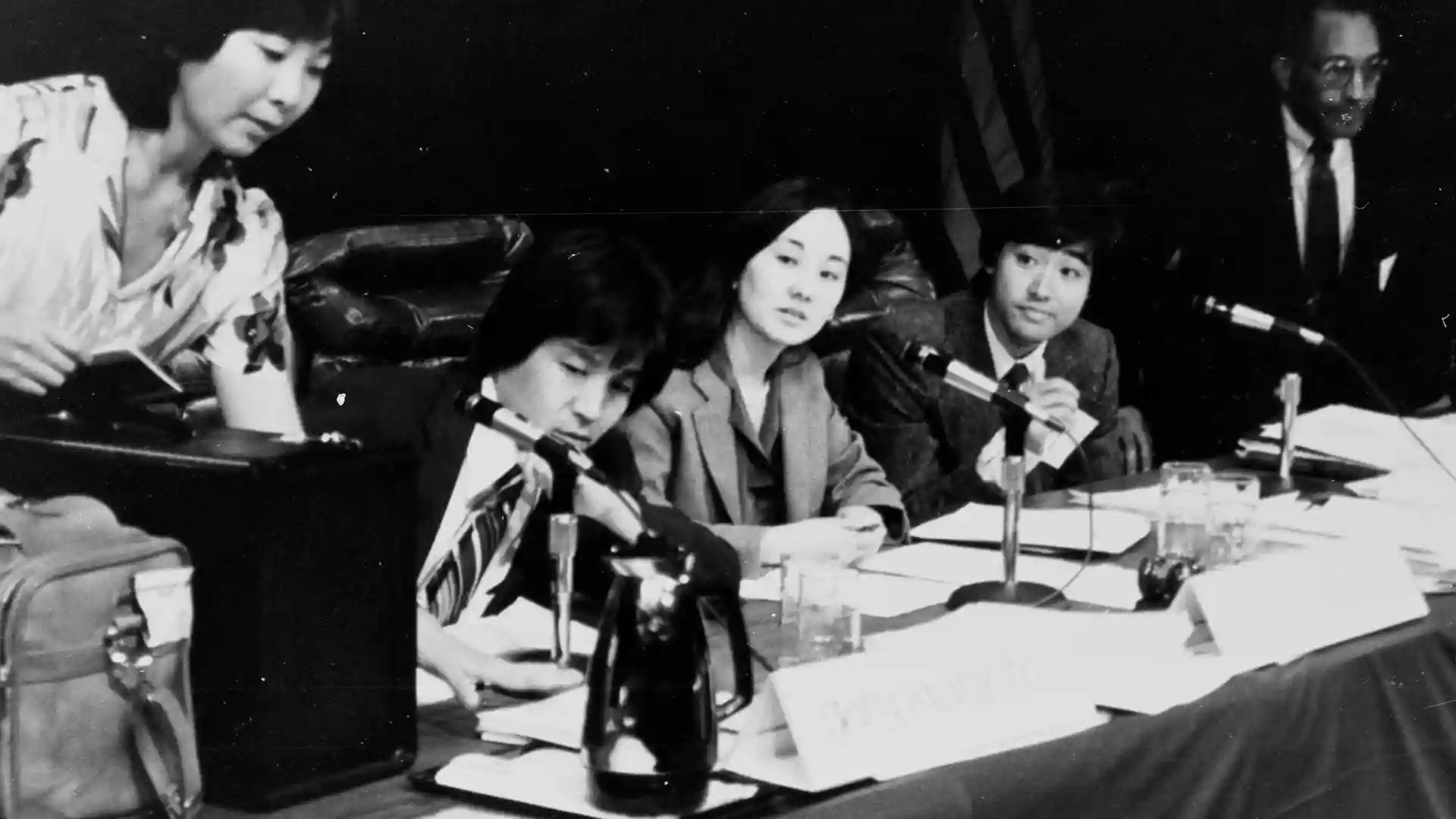
Righting a Wrong
Japanese Americans recount the challenges they faced after World War II, and the decades-long fight for reparations.
-
Image
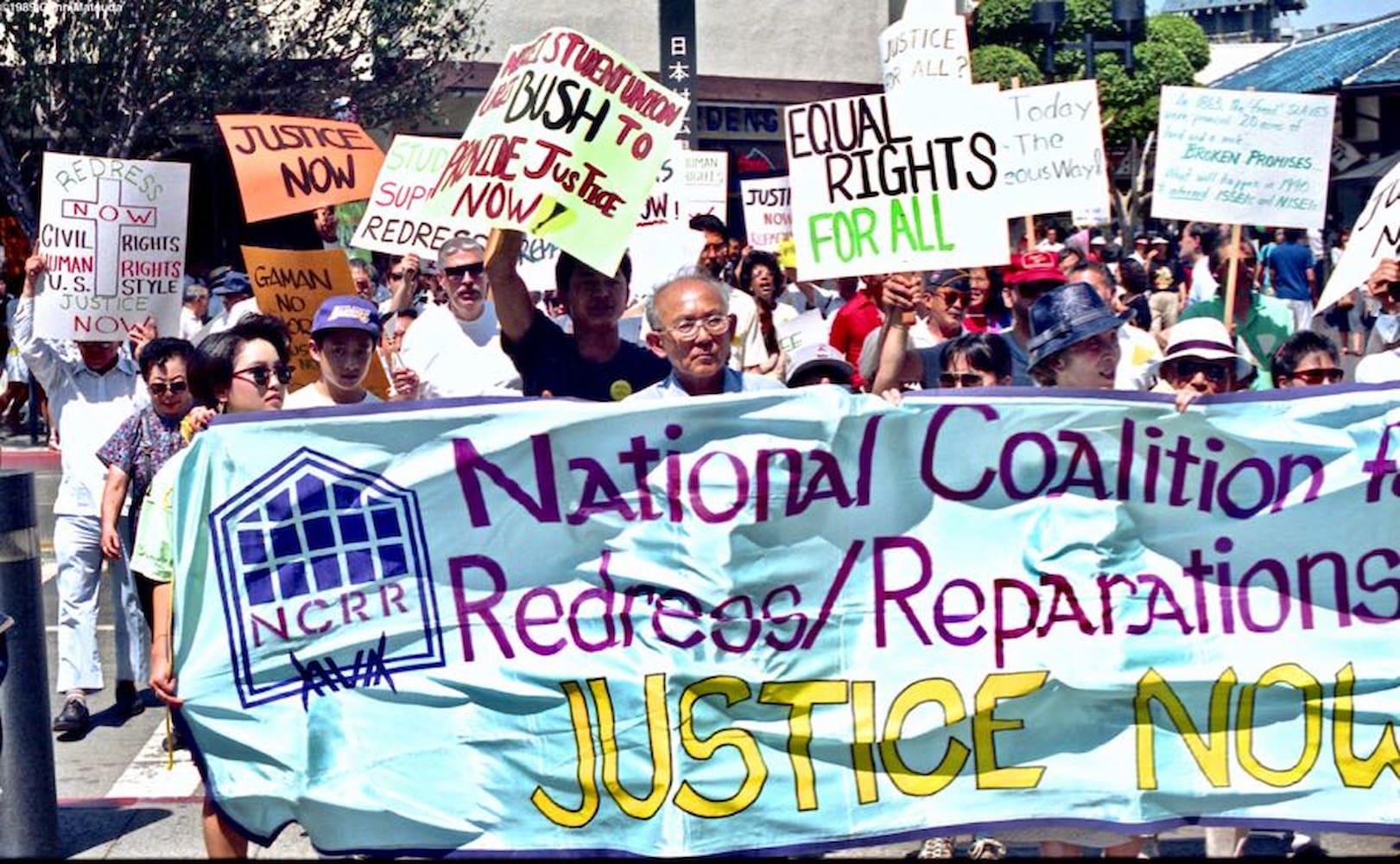
National Coalition for Redress and Reparations March
Japanese Americans and their allies across the country held marches and lobbied Congressional representatives for nearly ten years to gain support for redress legislation.
-
Image
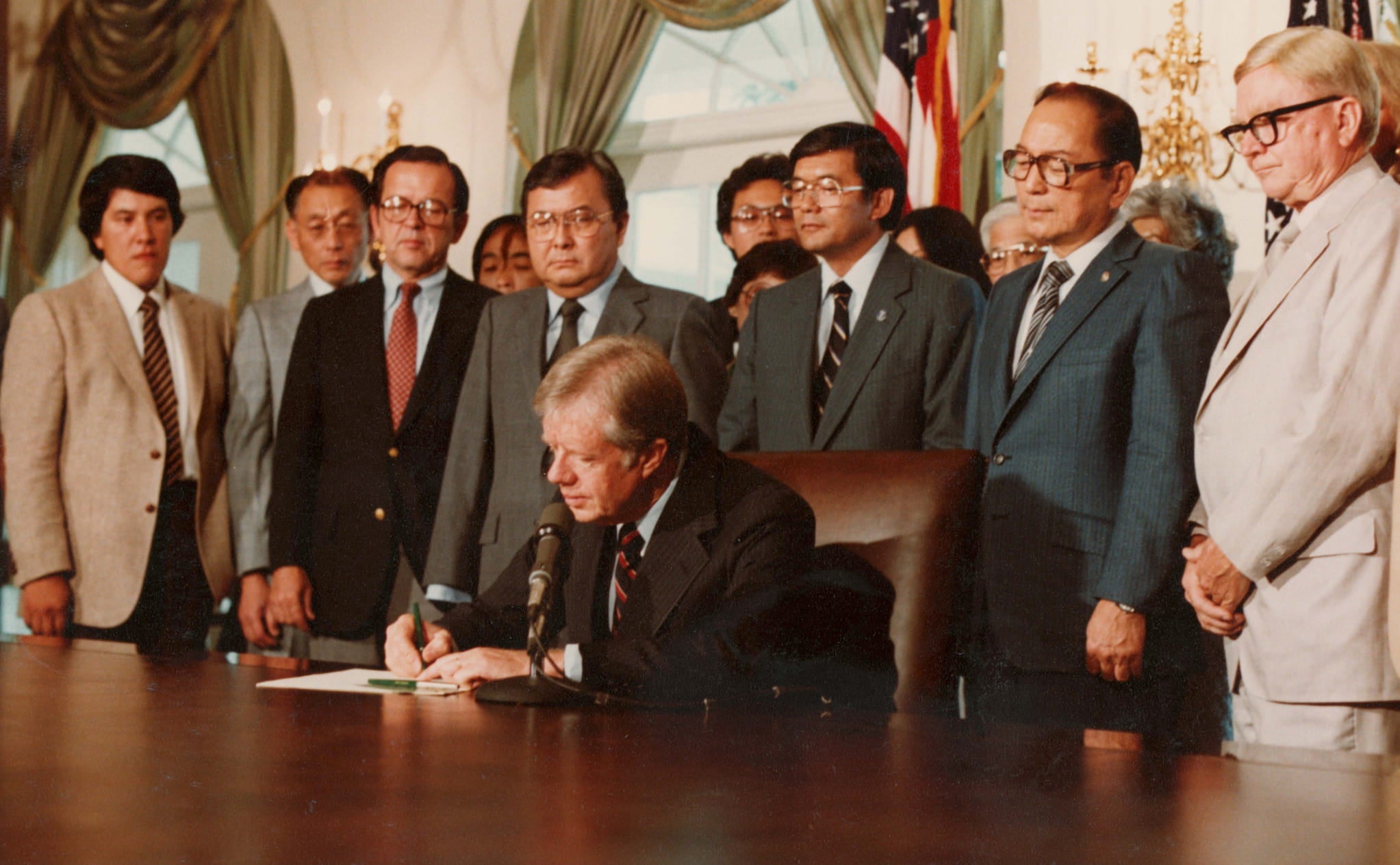
President Carter Signing Legislation
President Jimmy Carter signing legislation to create a governmental commission to study the forced removal and mass incarceration of Japanese Americans during World War II.
-
Image
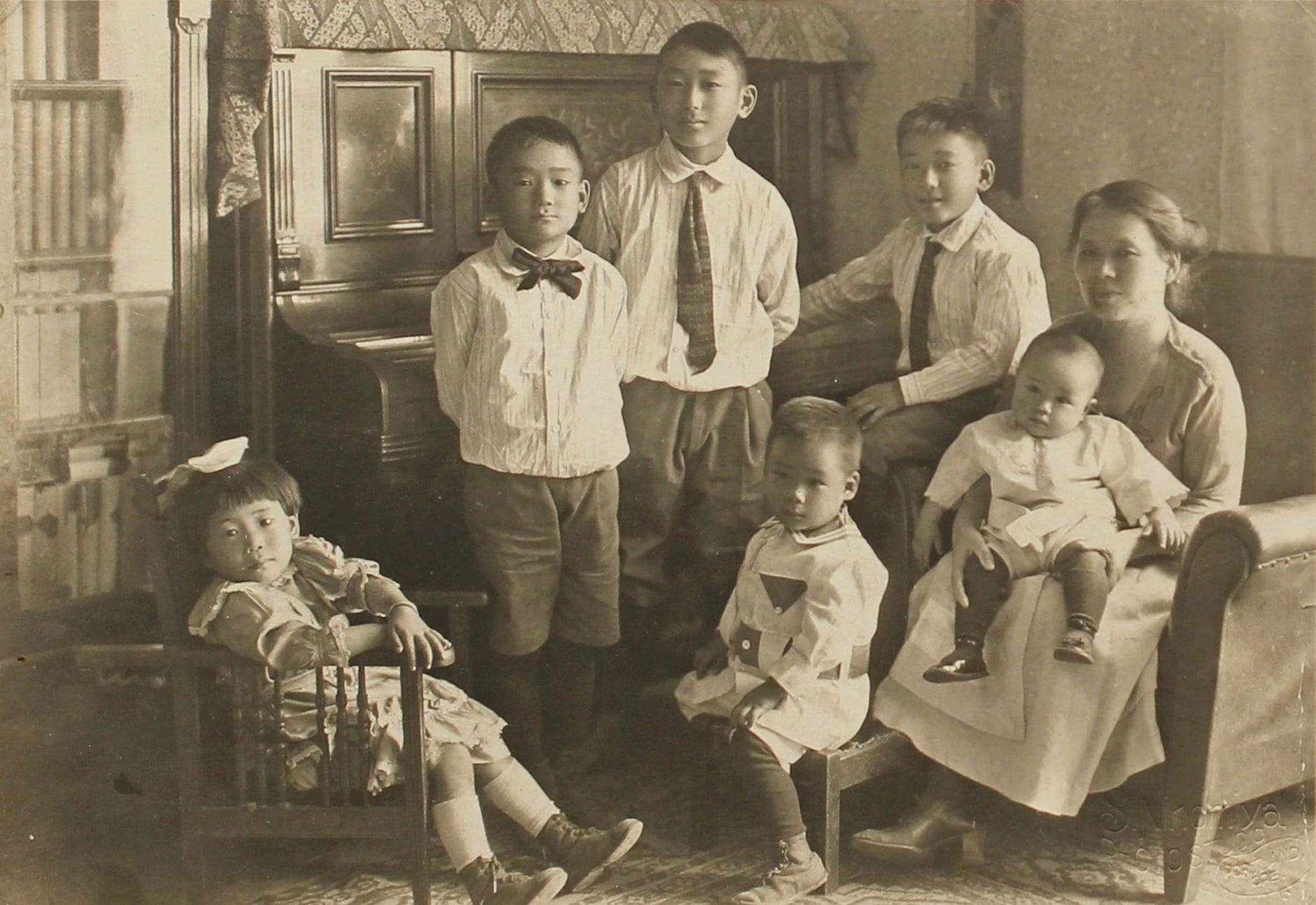
Yasui Family Portrait
He married Shidzuyo Miyake, and the couple raised a large family. White farmers in Hood River lobbied state legislators to bar Issei from owning land. The Yasui children were treated differently than their white peers. Owners of their town’s movie theater, for example, made them sit in the balcony.
-
Video
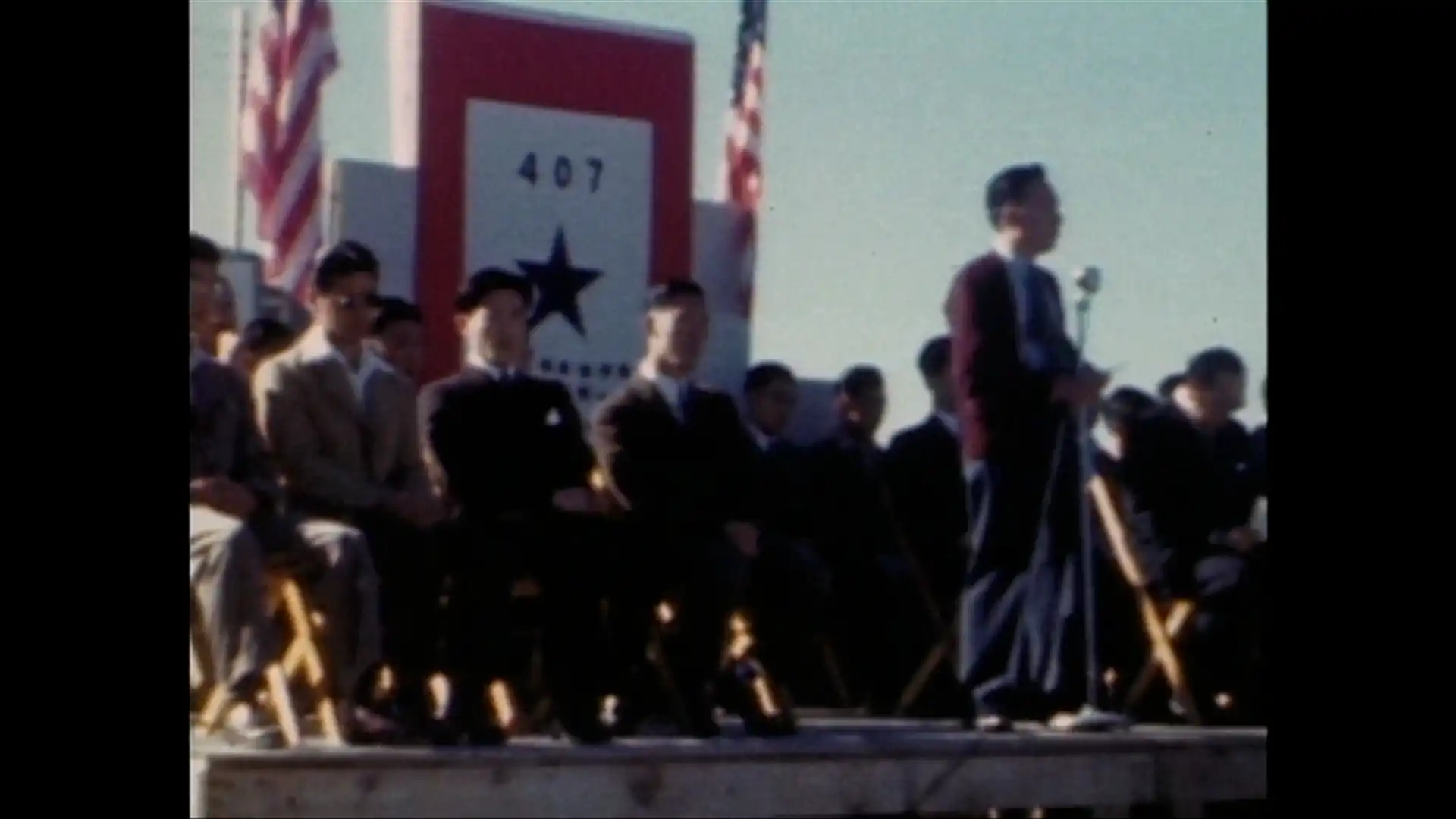
Japanese American Responses to Incarceration
Japanese American men recount their reactions to incarceration, the draft, and their experiences fighting in the 442nd Regimental Combat Team.
-
Image
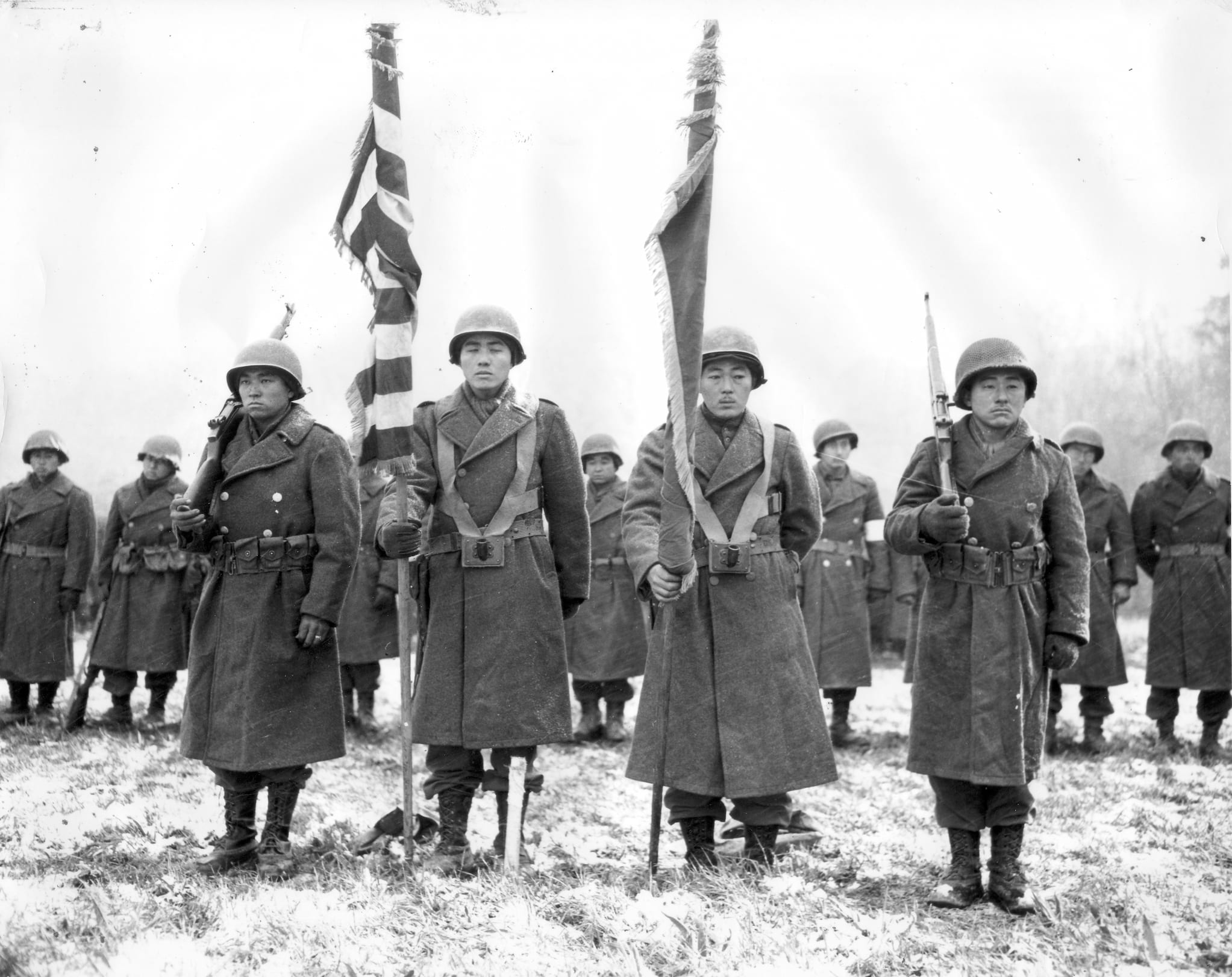
442nd Regimental Combat Team
In early 1943, military recruiters visited the ten WRA camps. About 1,500 Nisei men volunteered. They joined nearly ten thousand Japanese American volunteers from Hawaiʻi to form the 442nd Regimental Combat Team which fought in Europe. Many of its members served and died while their families were imprisoned in the US.
-
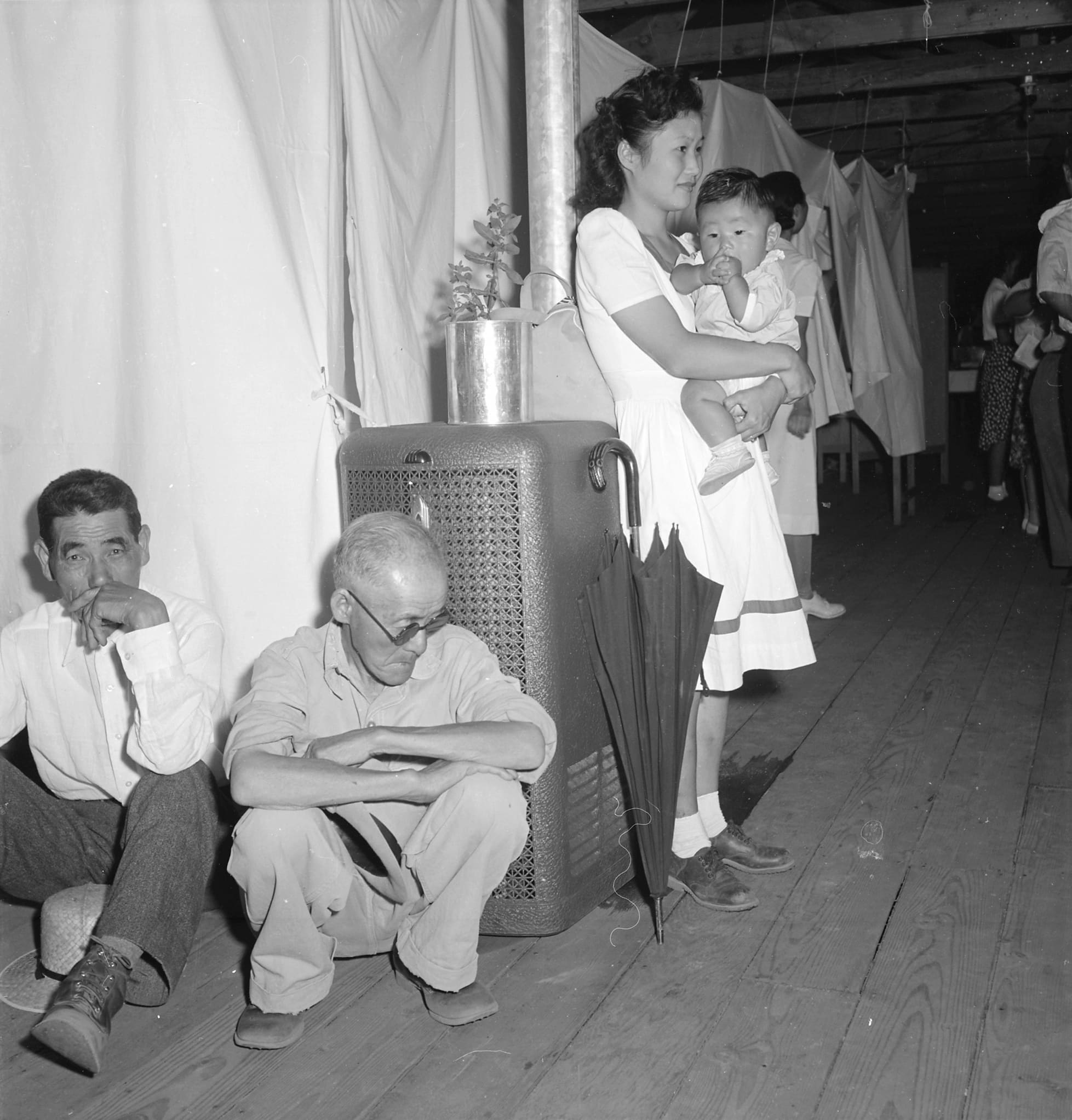
Image
Barrack Interior at Manzanar Concentration Camp
Families or other groupings of up to eight people occupied a single 20-by-25-foot barrack room with a stove for heat, a single hanging light bulb, and metal cots. Inmates often hung blankets from the rafters, as shown here at the Manzanar camp, to create some semblance of privacy.
-
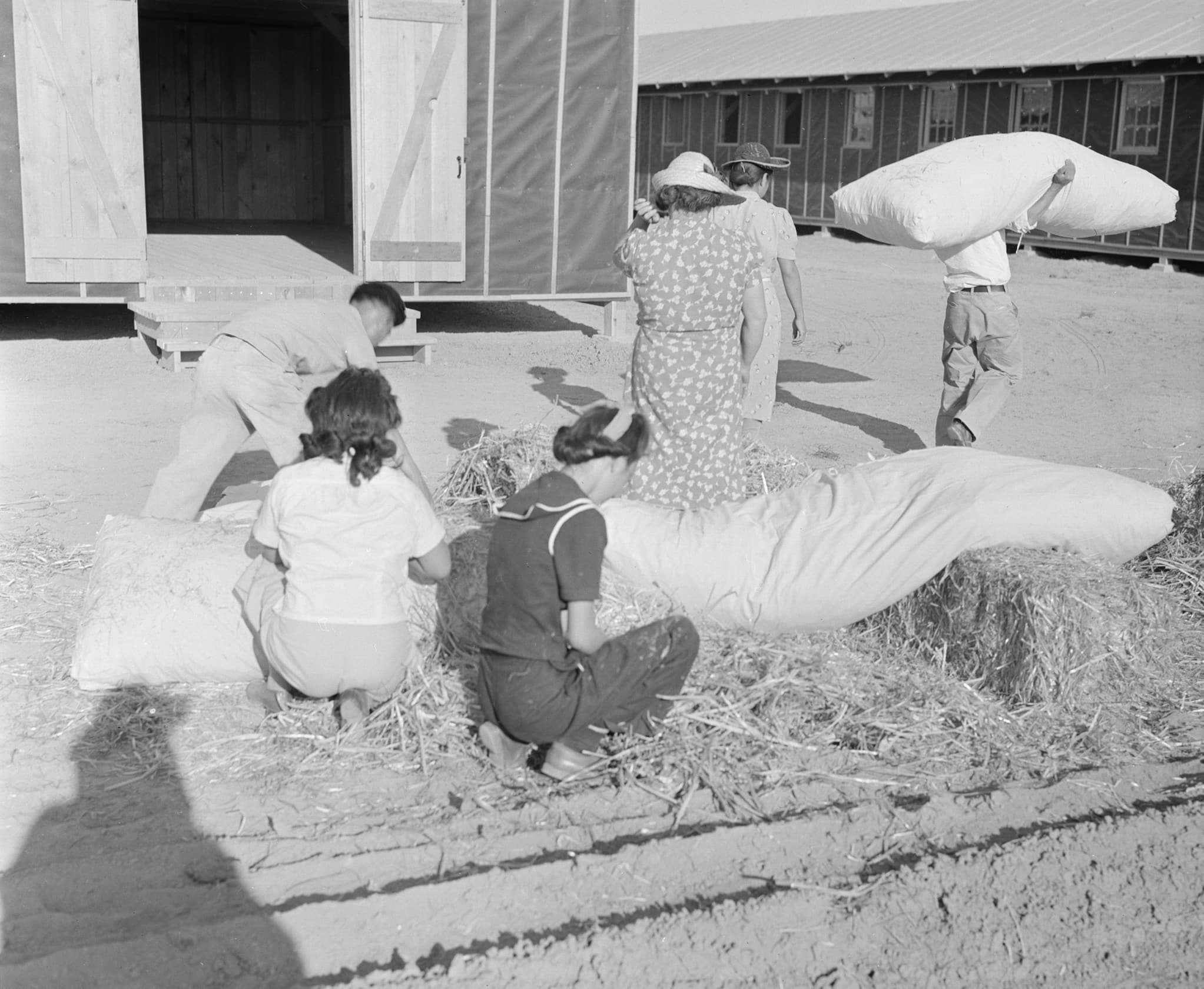
Image
Making Straw Mattresses
One of the first things Japanese Americans, like the Yasui family, did upon arriving at “assembly centers” was to stuff bags with straw to make their mattresses.