

Module 3: Places and Spaces
Have Thai Americans found or created a home in the United States?
On the evening of January 28, 1983, residents of North Hollywood gathered at city hall for a zoning public hearing on Wat Thai of Los Angeles (วัดไทยลอสแองเจลิส). The wat had outgrown its original location, a single-family home in a different neighborhood. Thanks to a large donation from Punsak “Paul” Sosothikul, one of the heirs of a shoe business empire in Thailand, as well as smaller contributions from Thais both in Thailand and the US, the Wat could move to North Hollywood.
However, not everyone in North Hollywood welcomed Wat Thai of Los Angeles. Two months prior, a long-time resident of the neighborhood submitted a complaint to the zoning commissioner, calling the large crowds attending cultural and religious activities at the wat a “nuisance.” Although the leadership tried talking to and addressing the concerns of their neighbors, residents and the zoning board were not moved. Thai Americans and their predominantly white neighbors had conflicting views of suburban life and religious spaces.
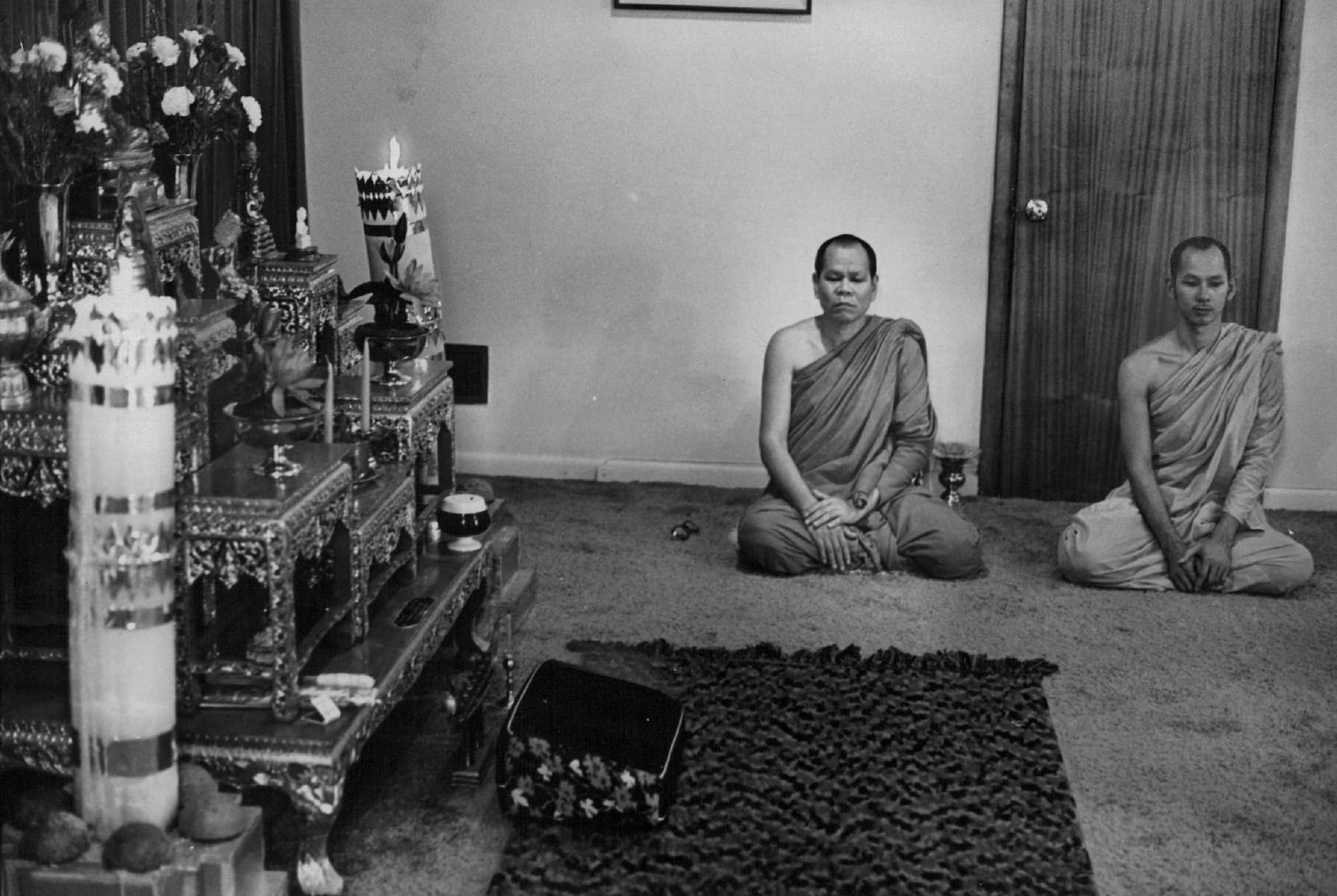
Image 18.03.01 — After the dedication of the new wat in Denver in 1976, named Wat Buddhawararam, Phramahasobhin Sopako and Phramahachuan Charitdhammamo were the first two monks assigned to serve religious duties there.
Created date, created by Name, Title Italicized. Credit line indicating where the image is from. Metadata ↗
This module is about the importance of the wat and other gathering spaces for the Thai diaspora in the US, and how such spaces connect Thais to each other, to surrounding communities, and to Thais in Thailand. We will learn why these community spaces were not always welcome in the suburban neighborhoods in which they were built.
How do Thais find each other, and where do they gather?
What are some examples of Thai American spaces, and how do they help to build community?
What happens when Thai spaces face prejudice from surrounding communities?