

Module 4: Unity and Division
Have Thai Americans found or created a home in the United States?
Early on the morning of January 28, 2021, Vicha Ratanapakdee prepared for his daily walk despite his daughter’s insistence that he stay inside due to escalating racially motivated violence targeting elderly Asian Americans during the COVID-19 pandemic. Vicha was keen to regain his strength and stamina after a series of recent heart surgeries and still went out on his walks.
When he did not return at his usual time, his daughter Monthanus called his tablet to check on him. A police officer answered the call and shared that her father had suffered severe trauma and was in the hospital. Vicha died two days later from injuries. His attack was captured by a door camera and nineteen-year-old Antoine Watson was arrested and charged with assault, murder, and elder abuse.
Vicha’s death is often cited as the fuse that lit the #stopasianhate movement. This movement led to multiple rallies and protests across the US in 2021, during a time when various parts of the country were easing shelter-in-place restrictions. Nearly two years after his death on Saturday, October 1, 2022, the City of San Francisco memorialized Vicha’s death by renaming the Sonora Lane staircase where he was killed as Vicha Ratanapakdee Way.
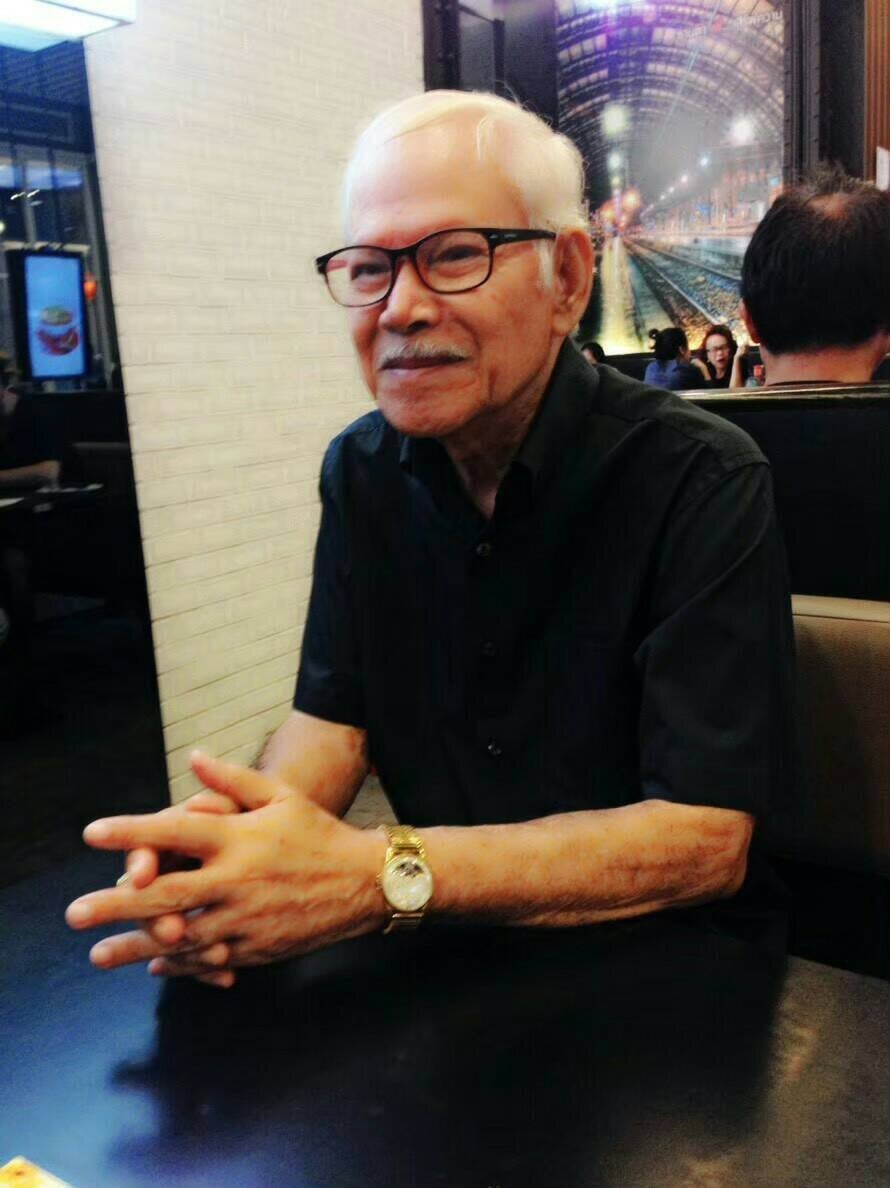
Image 18.04.01a — This portrait of Vicha Ratanapakdee served as a reference photo for several illustrations, posters, and murals created and circulated throughout the Justice for Vicha and #stopasianhate movements following his death in 2021.
Created date, created by Name, Title Italicized. Credit line indicating where the image is from. Metadata ↗
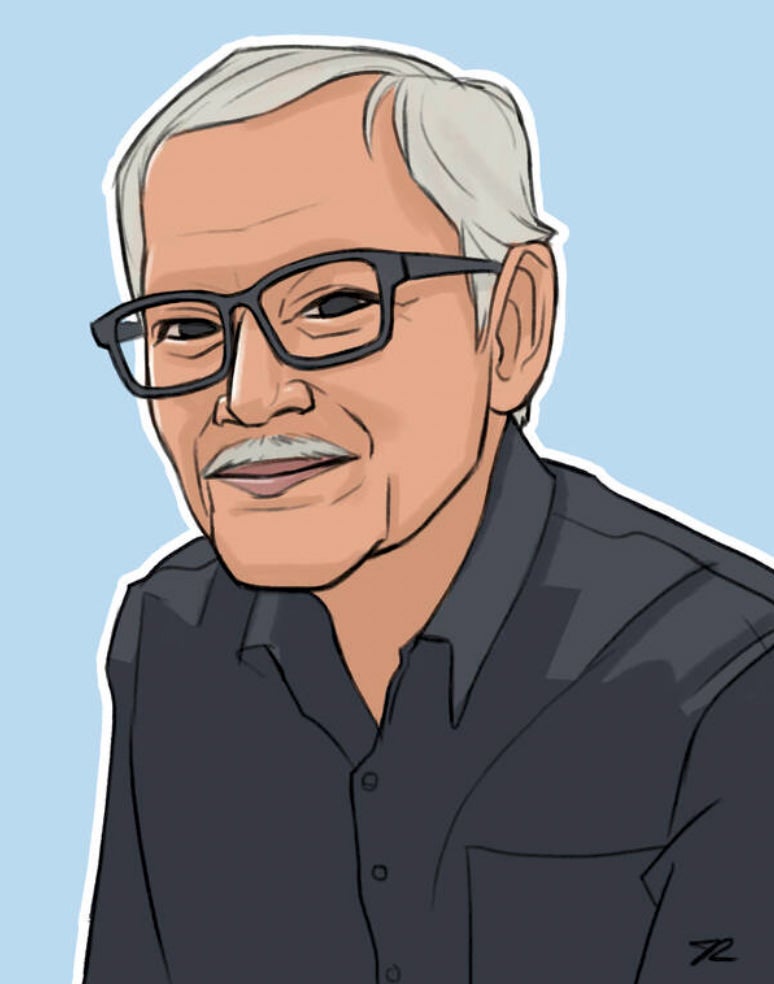
Image 18.04.01b — A widely circulated illustration of Vicha Ratanapakdee by LA-based artist Jonathan Chang.
Created date, created by Name, Title Italicized. Credit line indicating where the image is from. Metadata ↗

Image 18.04.01c — At a 2022 Asian Justice Rally in San Francisco, CA, a crowd holds up signs prominently featuring Chang’s portrait of Vicha, alongside bold text calling for “JUSTICE FOR VICHA.”
Created date, created by Name, Title Italicized. Credit line indicating where the image is from. Metadata ↗
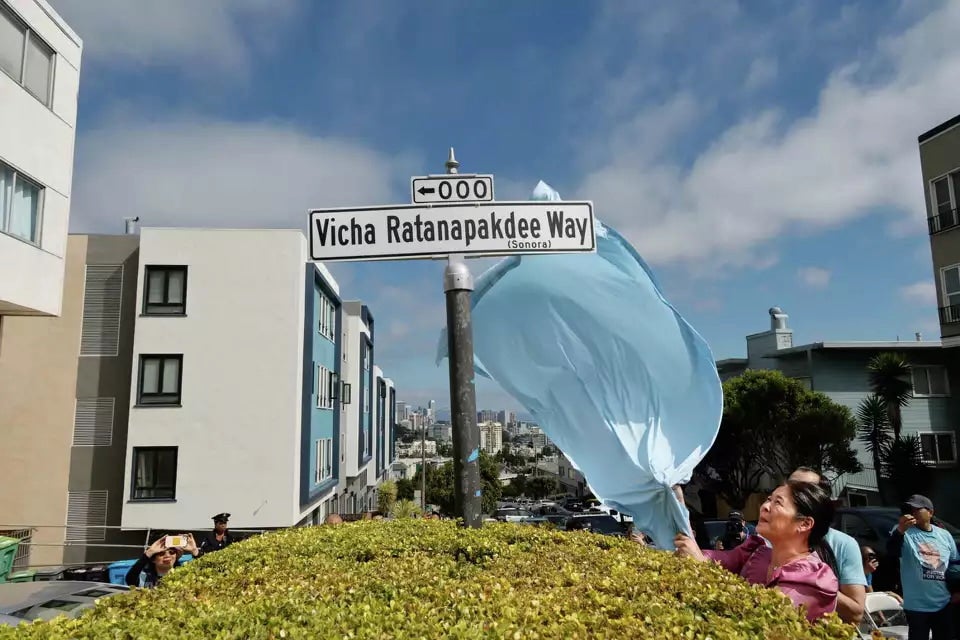
Image 18.04.01d — The newly renamed Vicha Ratanapakdee Way in San Francisco being unveiled by Vicha’s daughter Montanus.
Created date, created by Name, Title Italicized. Credit line indicating where the image is from. Metadata ↗
This module considers how Thai Americans do—and do not—fit within a broader Asian American category, and how “Thainess” is a complicated identity in both the diaspora and in Thailand. We will learn how an official definition of “Thainess” was created and fortified in government policies during the 20th century and how such policies affect those who are not ethnic Thais.
Who was Uncle/Grandpa Vicha, and how did he help to catalyze the #stopasianhate movement?
How does racialization and oppression of Asians affect Thai Americans?
How have Thai Americans contributed to the harmful ideas of “model minorities” and “proximity to whiteness”?