


Advanced Search
Asian American and Pacific Islander studies resources for the classroom
All chapters of Foundations and Futures include lesson plans and curricular tools that are designed for high school students and grounded in ethnic studies pedagogy. Feel free to search our repository of primary sources and material that helps bring Asian American and Pacific Islander histories and experiences into the classroom.
Multimedia
# of # results
Chapters
-
Image
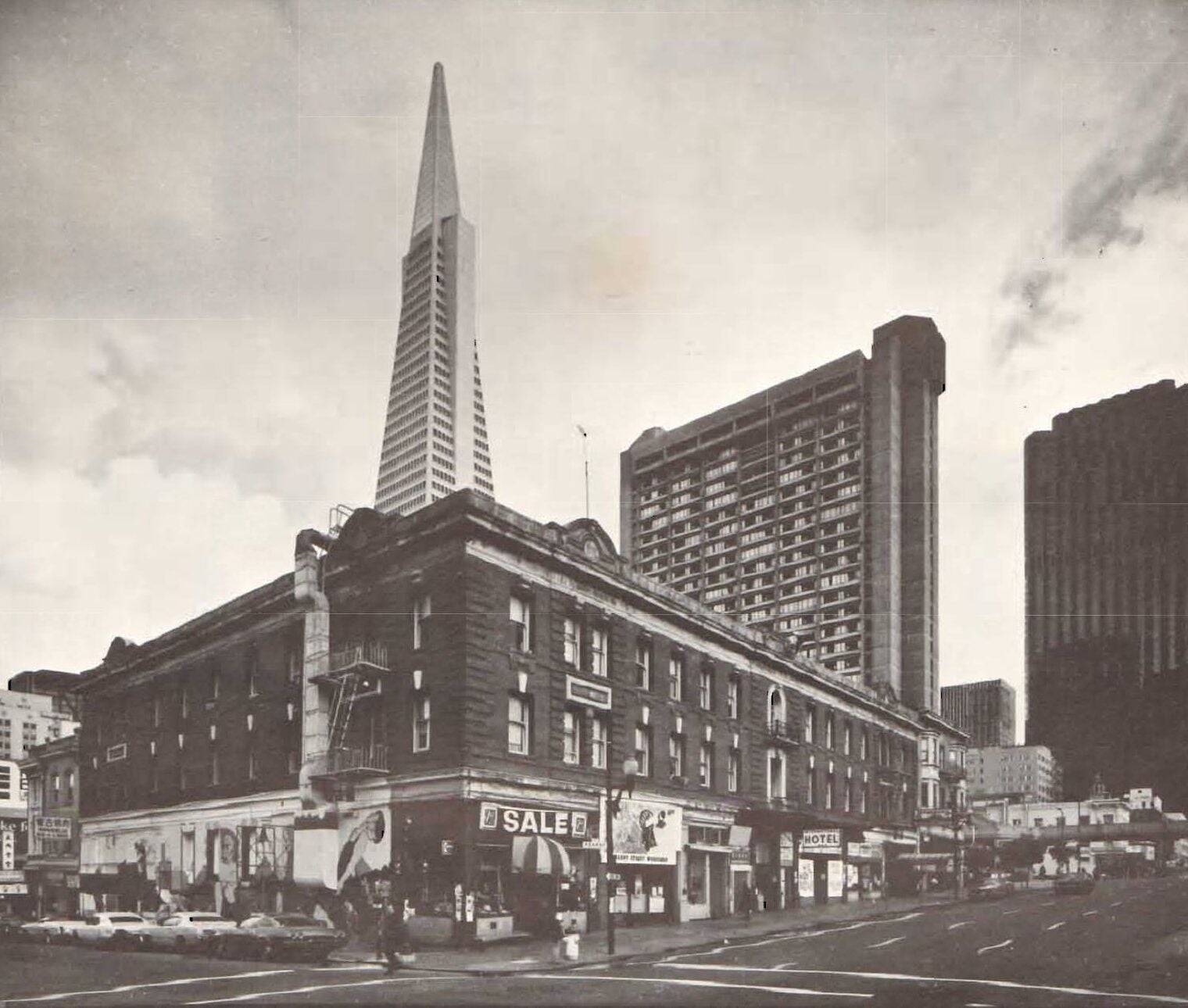
The International Hotel
The International Hotel, located at 848 Kearny Street in Manilatown, San Francisco, galvanized the Asian American Movement. For almost ten years, a broad range of activists protested the evictions of Filipino and Chinese elders and the erosion of Manilatown.
Featured in:
Asian American Activism, Module 3
-
Image
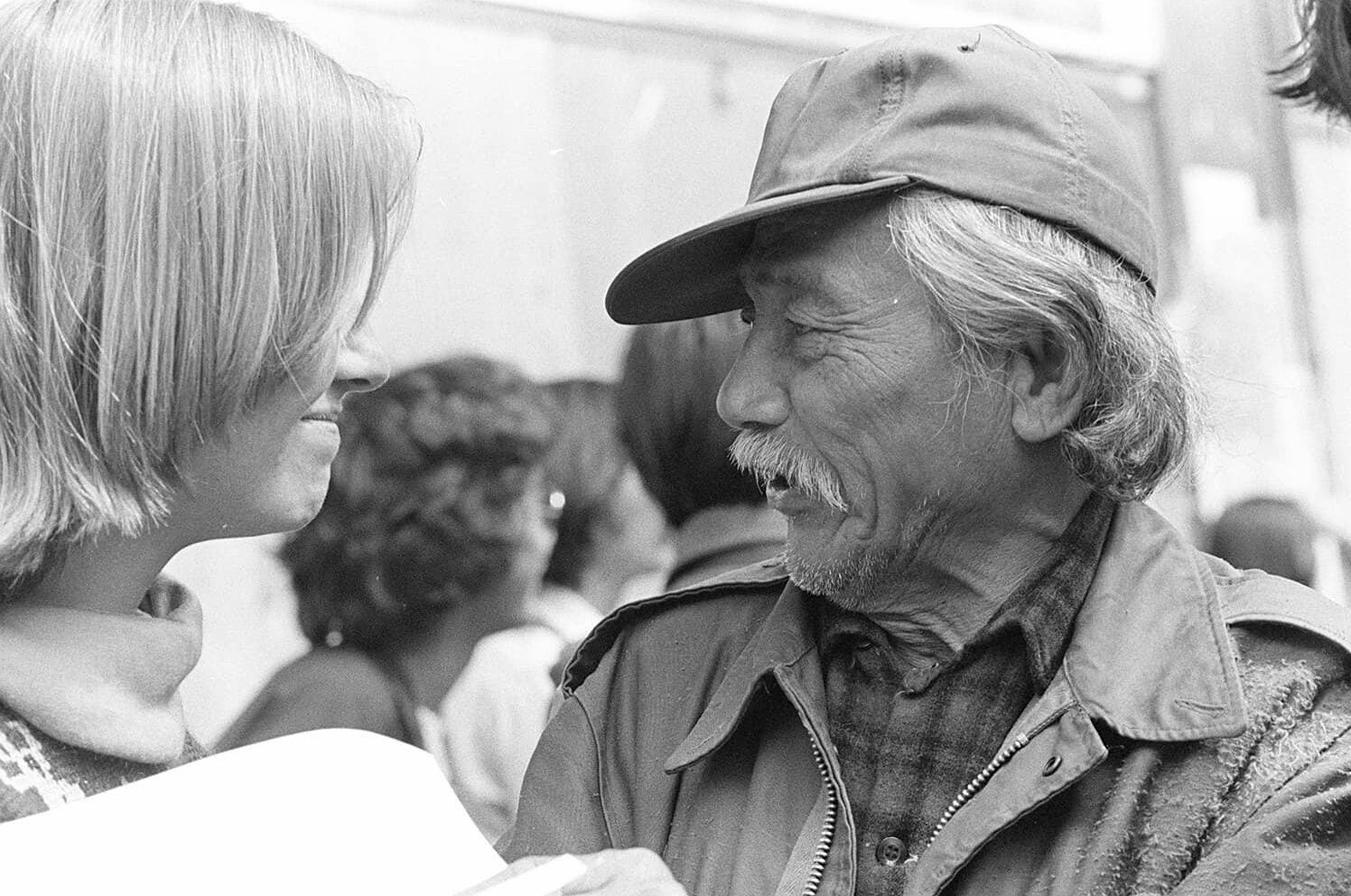
I-Hotel Tenant Felix Ayson and Supporter
I-Hotel tenant Felix Ayson speaks with a supporter after the eviction. Felix lived in the I-Hotel for fifty-five years, and was a strong organizer post-eviction.
Featured in:
Asian American Activism, Module 3
-
Image
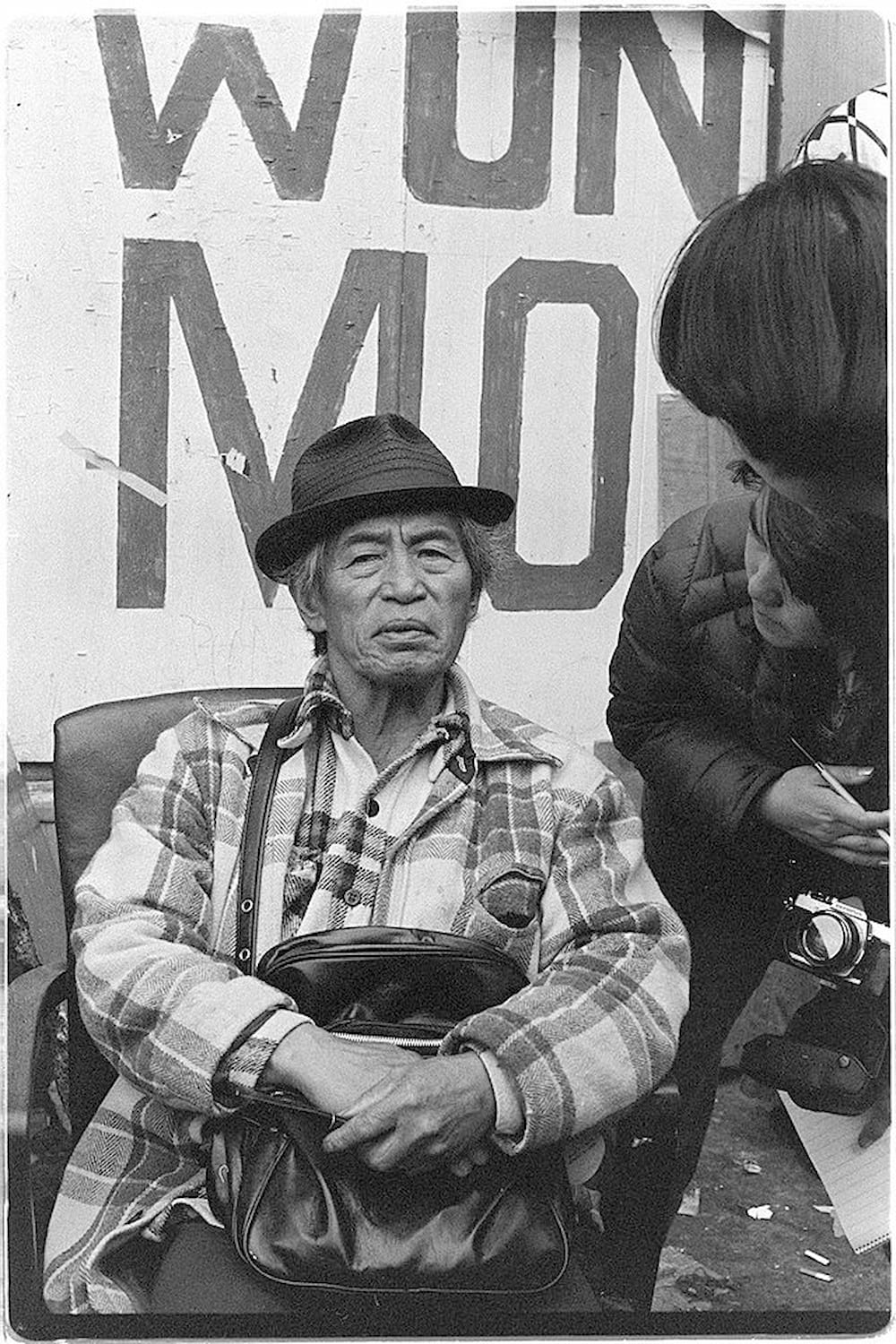
Portrait of I-Hotel Tenant Wahat Tompao
I-Hotel tenant Wahat Tompao sits outside of the I-Hotel after being evicted on August 4, 1977. He fearlessly stood up to city officials and called attention to competing claims in the fight over the I-Hotel.
Featured in:
Asian American Activism, Module 3
-
Image
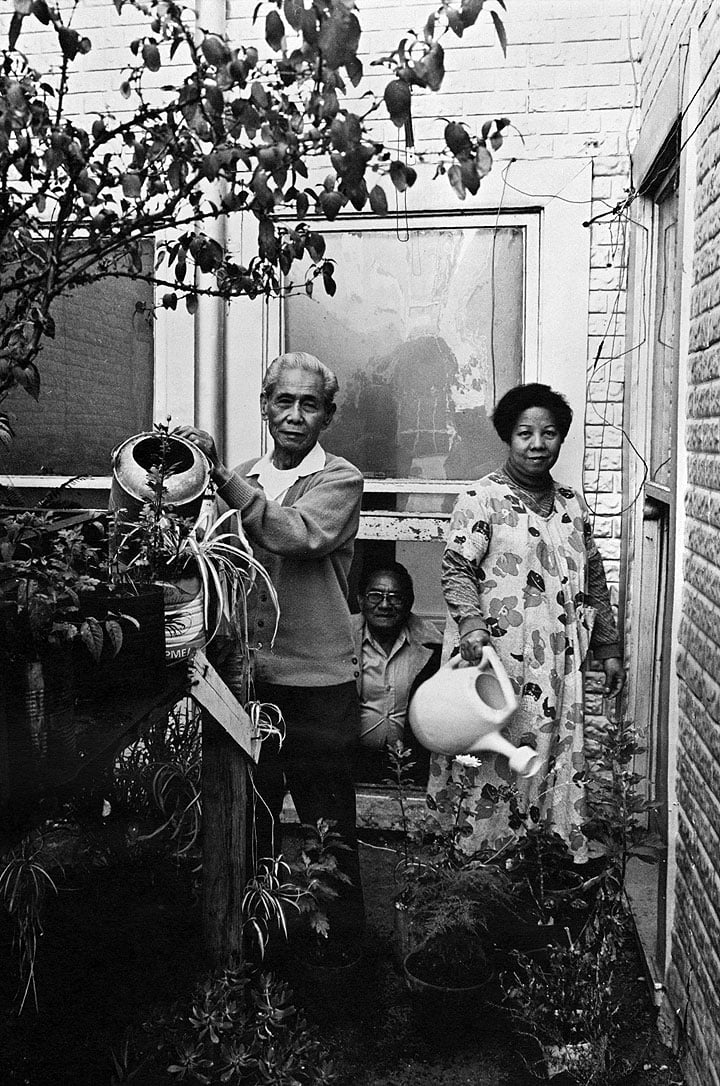
I-Hotel Tenants
I-Hotel tenants (left to right) Claudio Domingo, Anacleto Moniz, and Luisa de la Cruz (also known as Mrs. D), together as a community embodying the bayanihan spirit.
Featured in:
Asian American Activism, Module 3
-
Image
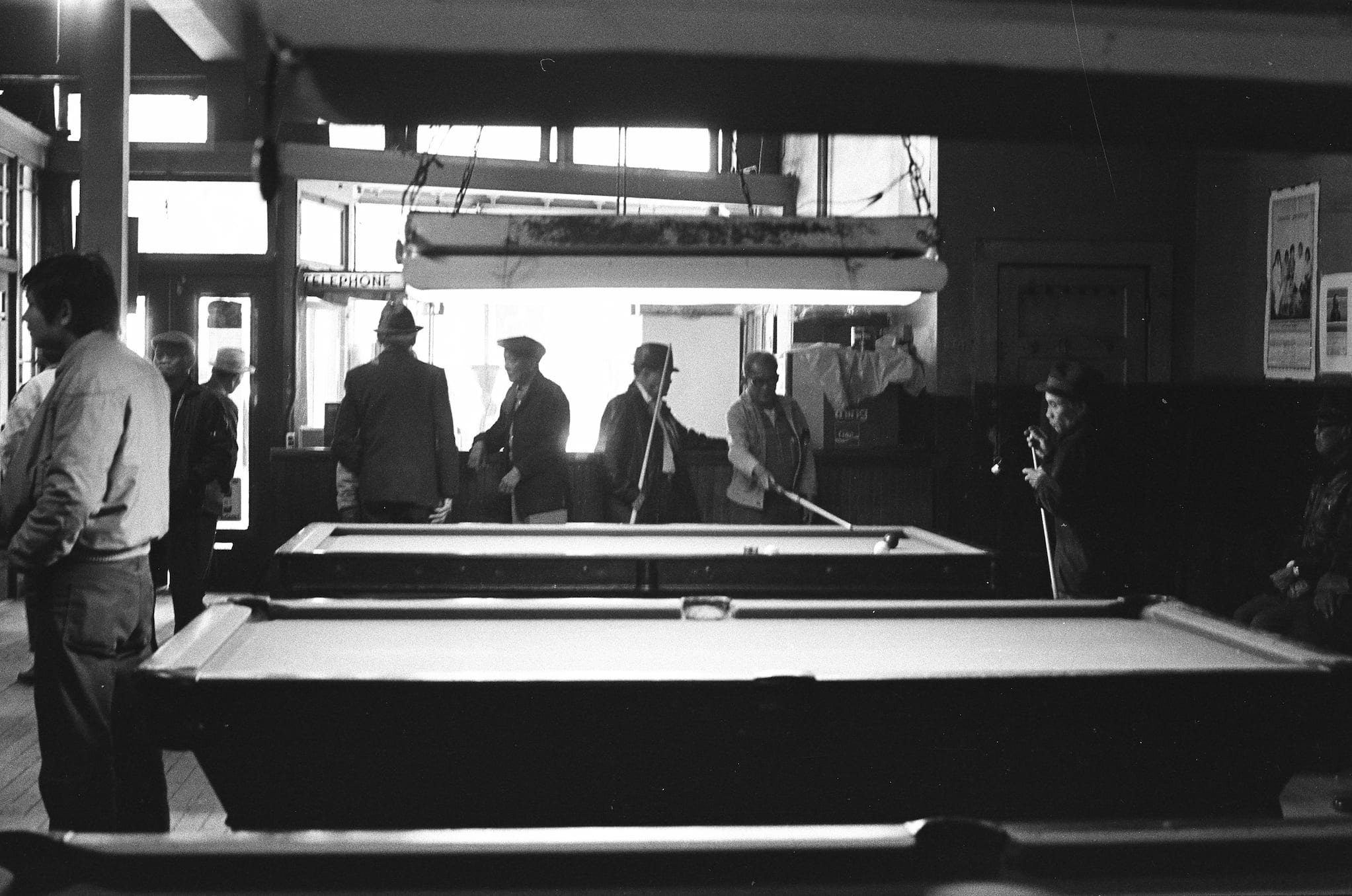
Manongs at Lucky M Pool Hall
Manongs at the Lucky M Pool Hall, one of many establishments along Kearny Street in Manilatown where community members gathered.
Featured in:
Asian American Activism, Module 3
-
Image
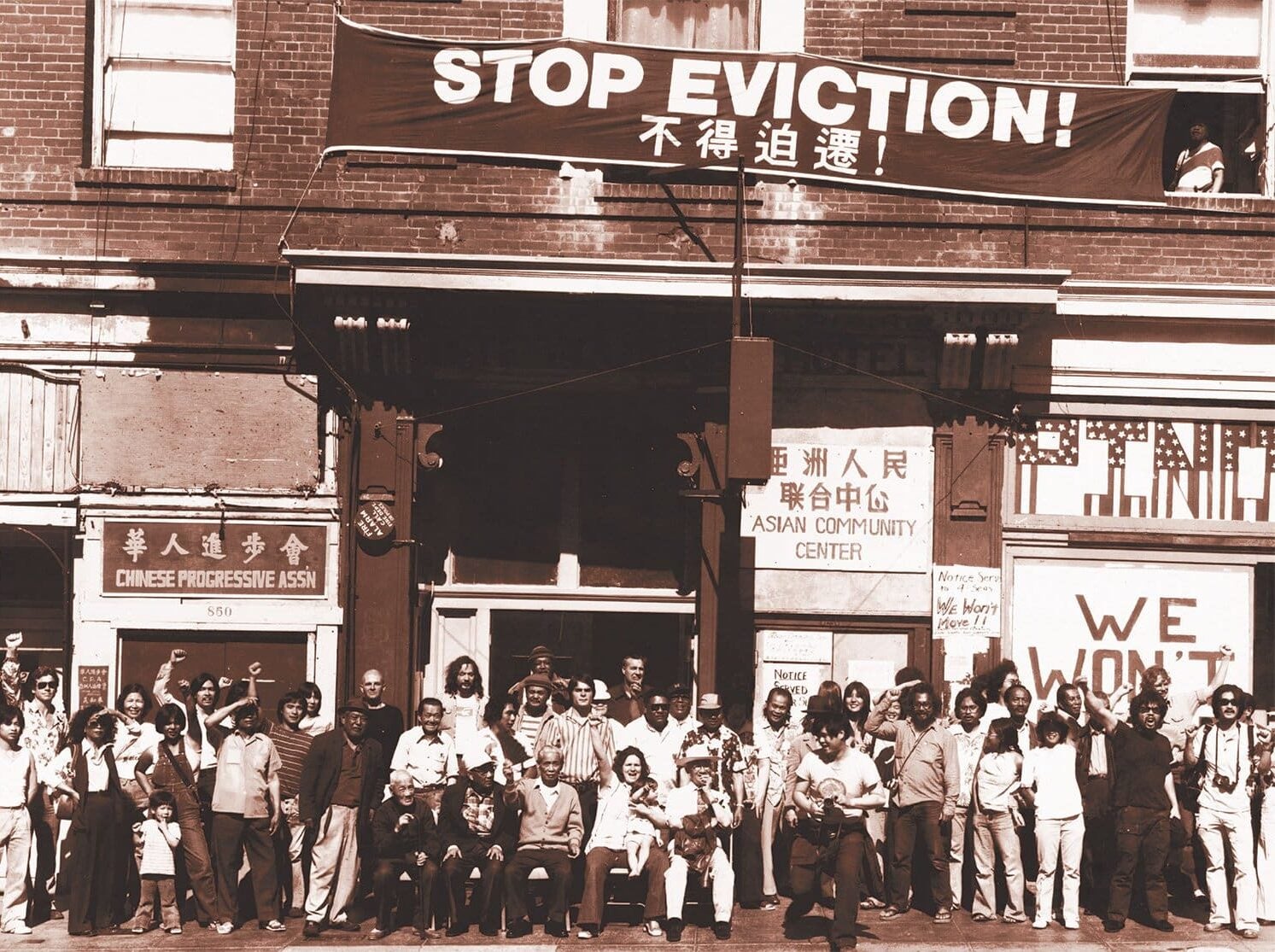
Stop Eviction at I-Hotel
In an important act of community resistance, I-Hotel tenants and community allies lined up in front of the I-Hotel in 1977 to resist its closure and demolition.
Featured in:
Asian American Activism, Module 3
-
Text
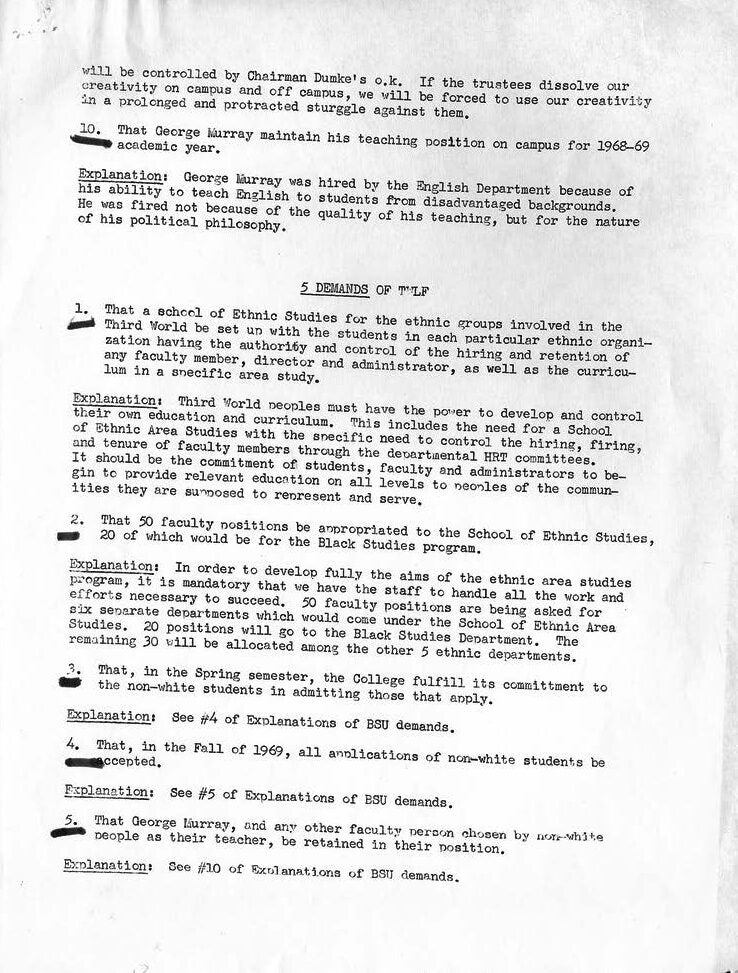
TWLF Strike Demands p3
This document shows the 10 demands of the BSU and 5 demands of the TWLF, which together became the TWLF strike demands to create relevant educational content that included the histories and cultures of communities of color. They further valued both academic and experiential knowledge where students could learn by working on social problems in communities.
Featured in:
Asian American Activism, Module 2
-
Text
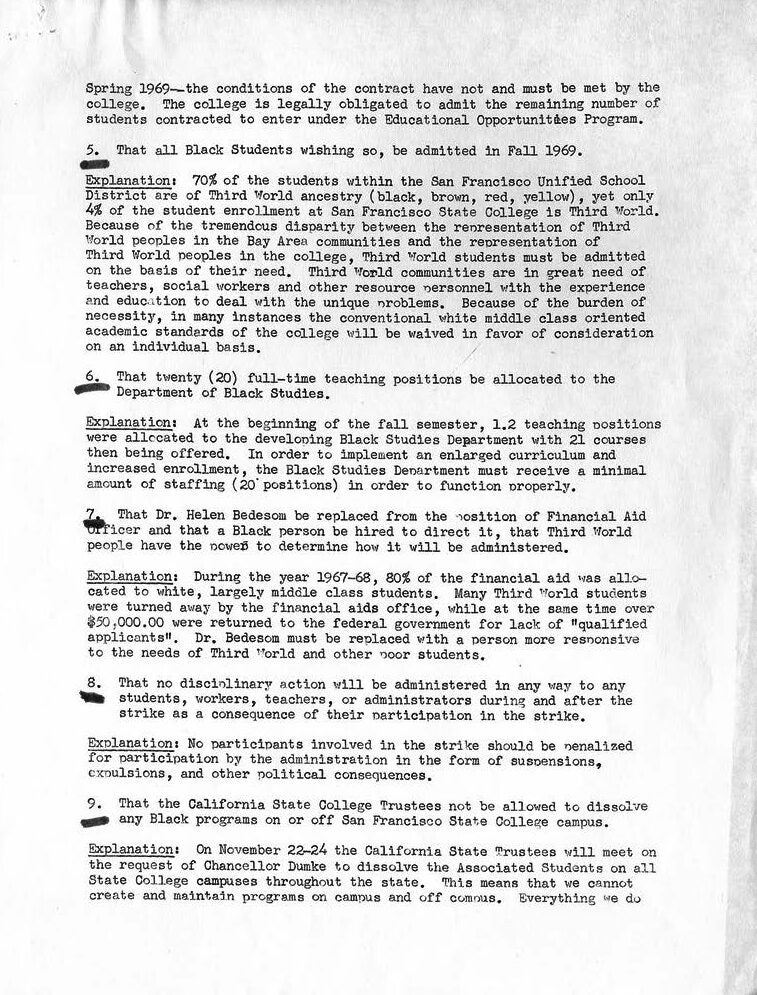
TWLF Strike Demands p2
This document shows the 10 demands of the BSU and 5 demands of the TWLF, which together became the TWLF strike demands to create relevant educational content that included the histories and cultures of communities of color. They further valued both academic and experiential knowledge where students could learn by working on social problems in communities.
Featured in:
Asian American Activism, Module 2
-
Text
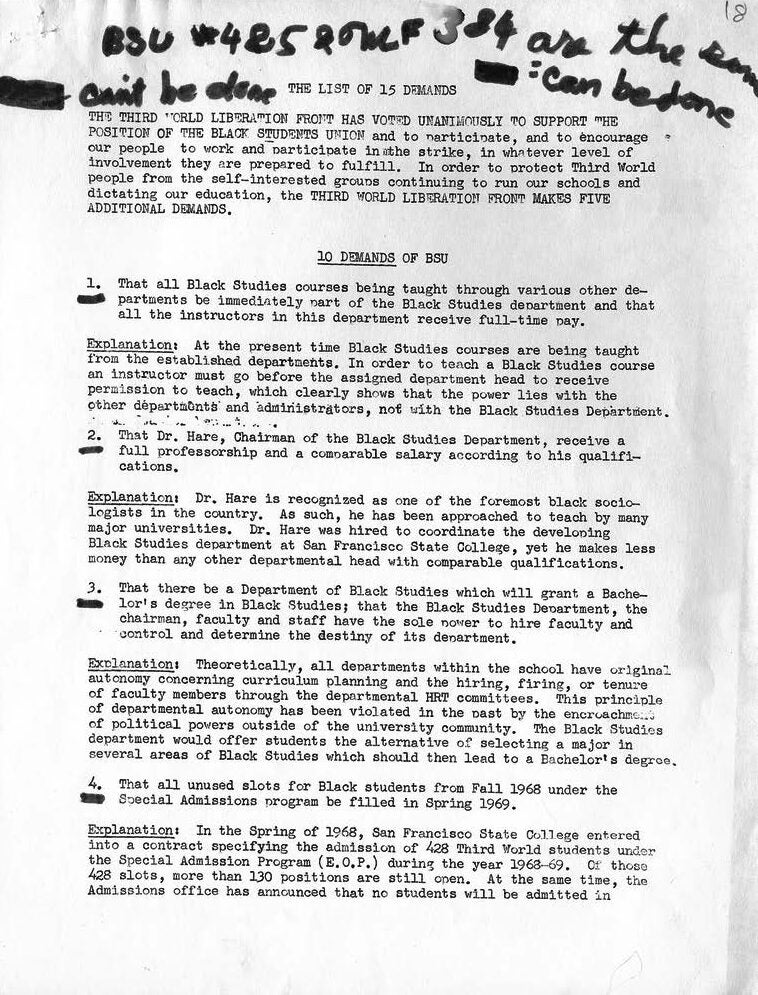
TWLF Strike Demands p1
This document shows the 10 demands of the BSU and 5 demands of the TWLF, which together became the TWLF strike demands to create relevant educational content that included the histories and cultures of communities of color. They further valued both academic and experiential knowledge where students could learn by working on social problems in communities.
Featured in:
Asian American Activism, Module 2
-
Text
TWLF Strike Leaflet
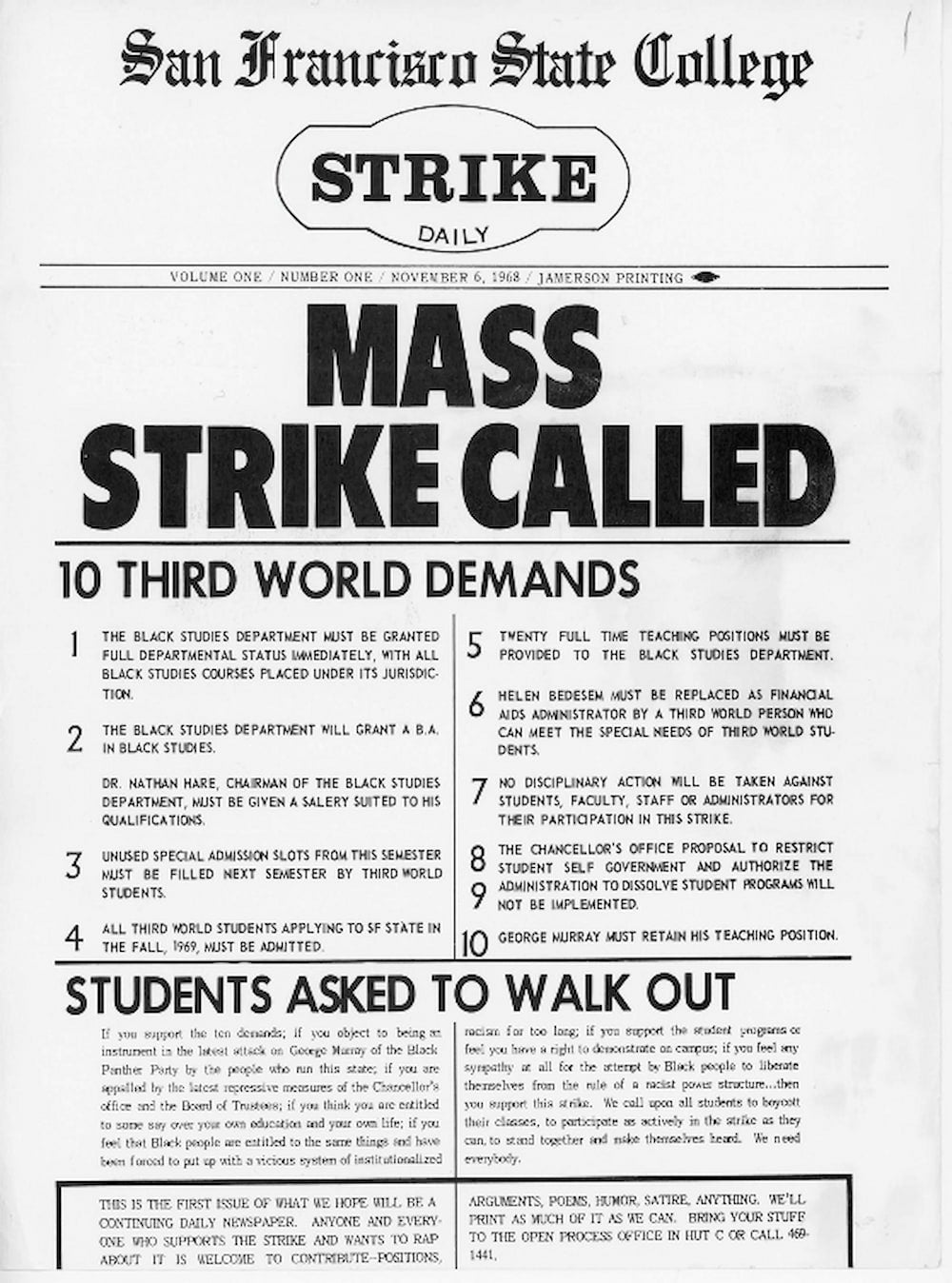
This leaflet called for students to walk out of classes on November 6, 1968, the first day of the TWLF strike at San Francisco State College. It lists the 10 BSU-initiated demands adopted by the TWLF.
Featured in:
Asian American Activism, Module 2
Chapters
# of # results
-
-
Module
-
-
-
Module
Module 5: Transnational Connections and Intergenerational Legacies
Lina Chhun
Chapter:
Cambodian Americans
-
Module
Module 3: The Empowerment of Asian American and Pacific Islander Independent Media
Lori Lopez
-

Module
Module 4: Media and Asian American and Pacific Islander Activism
Lori Lopez
-
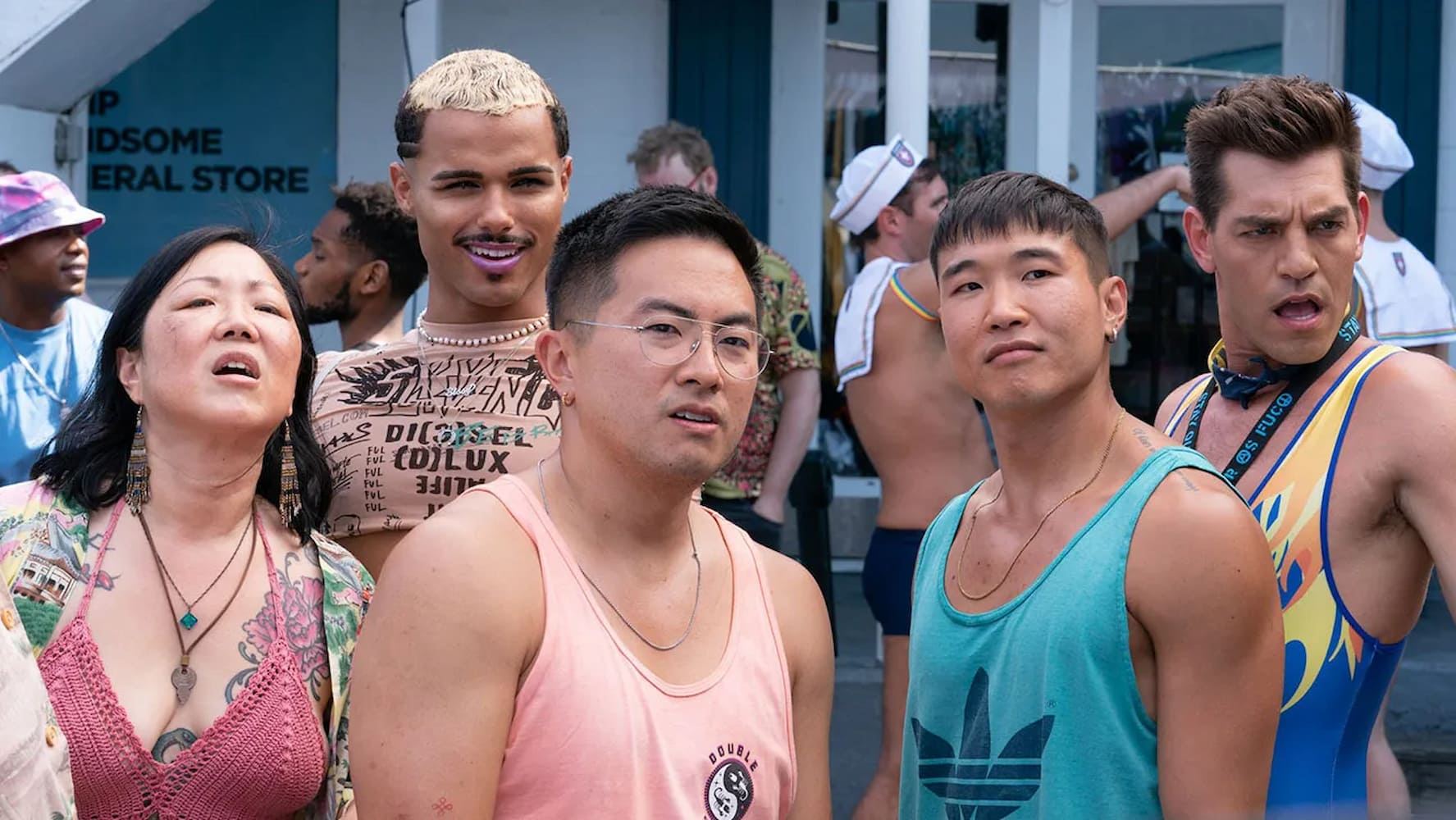
Module
Module 5: Asian American and Pacific Islander Intersections, Media, and its Futures
Lori Lopez
-
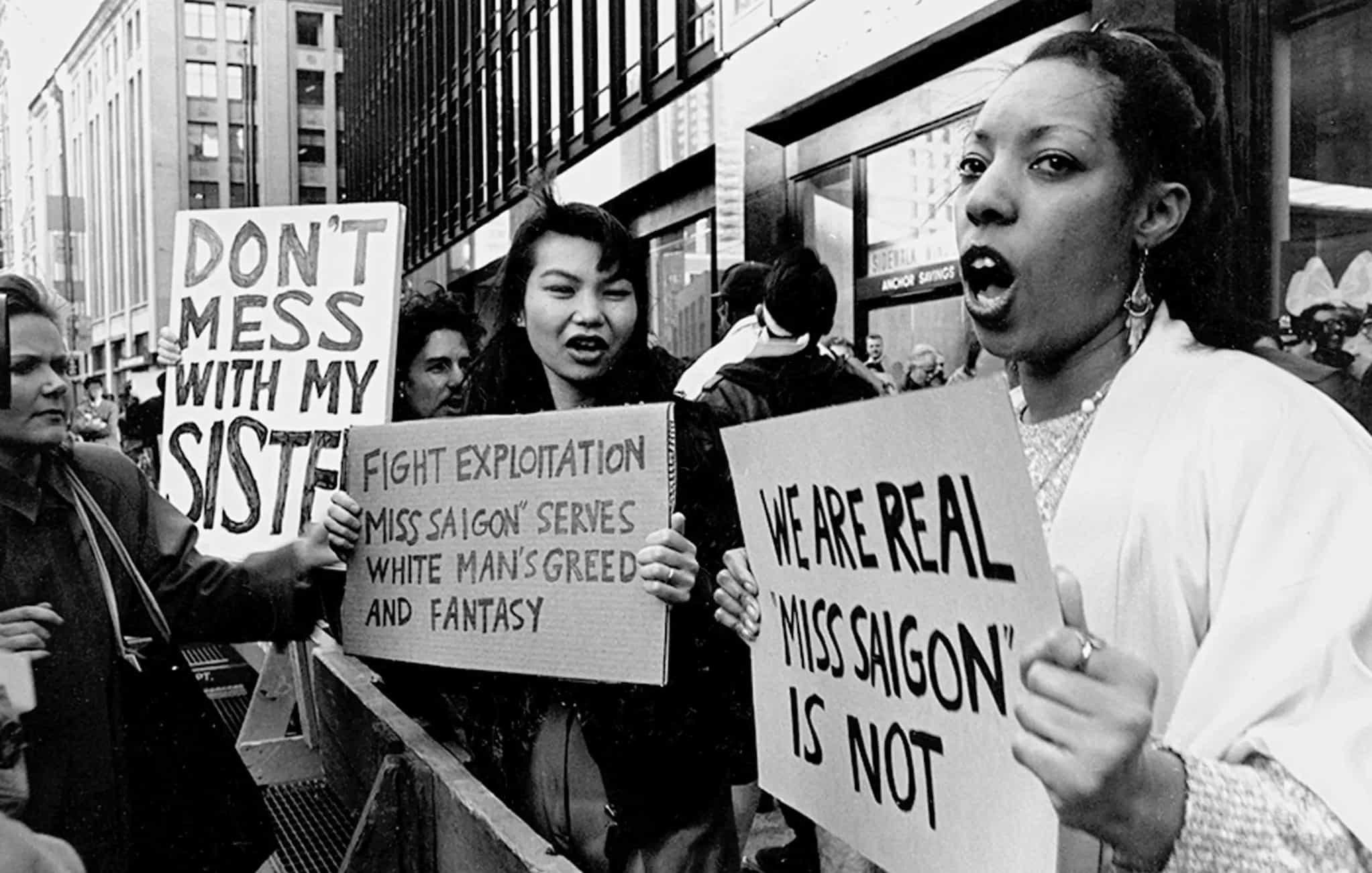
Chapter
Asian American and Pacific Islander Women Representations and Voices
Christine Chai, Candice Custodio-Tan, and Cecilia Tran