



Advanced Search
Asian American and Pacific Islander studies resources for the classroom
All chapters of Foundations and Futures include lesson plans and curricular tools that are designed for high school students and grounded in ethnic studies pedagogy. Feel free to search our repository of primary sources and material that helps bring Asian American and Pacific Islander histories and experiences into the classroom.
Multimedia
# of # results
Chapters
-
Text
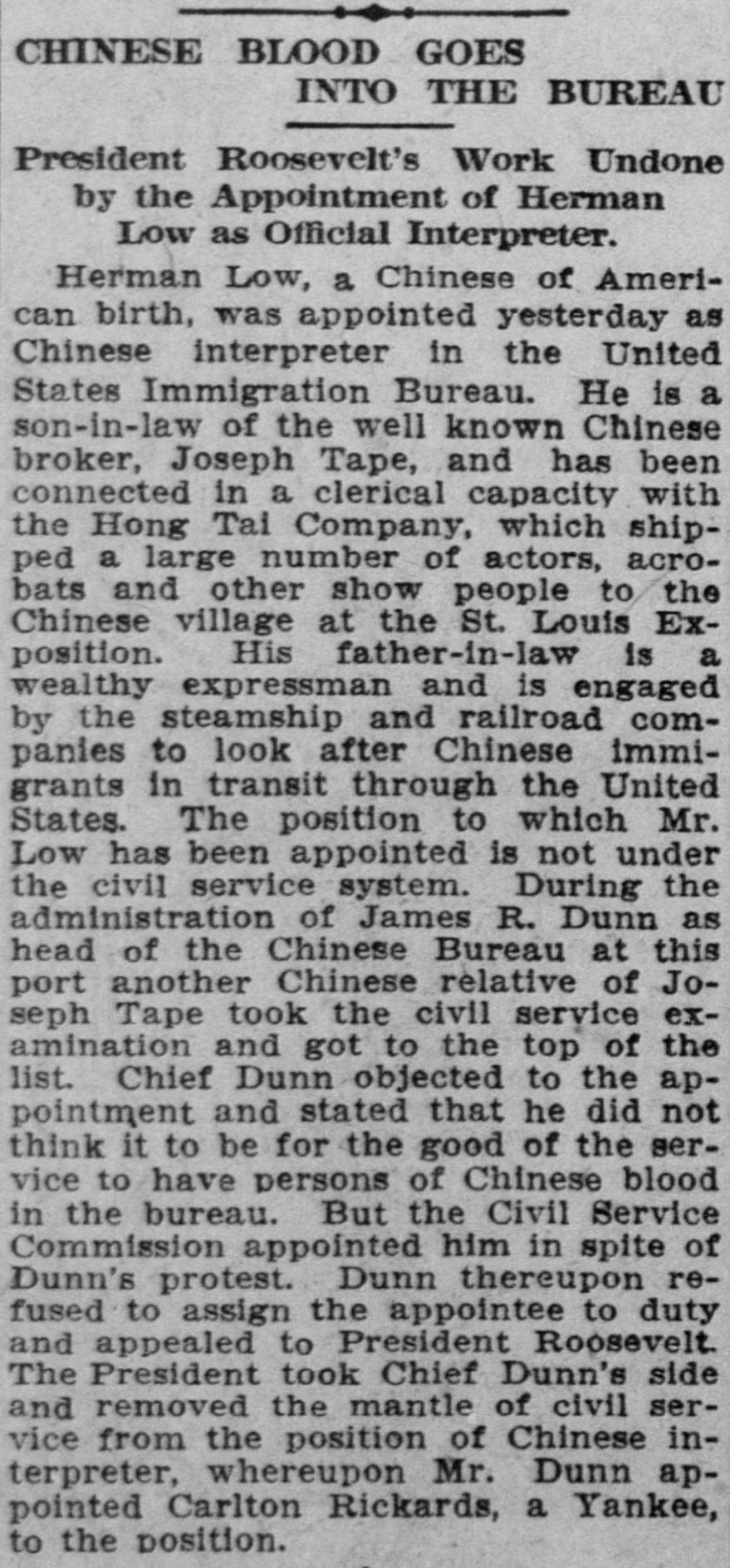
“Chinese Blood Goes into the Bureau”
President Roosevelt’s Work Undone by the Appointment of Herman Low as Official Interpreter.
-
Image
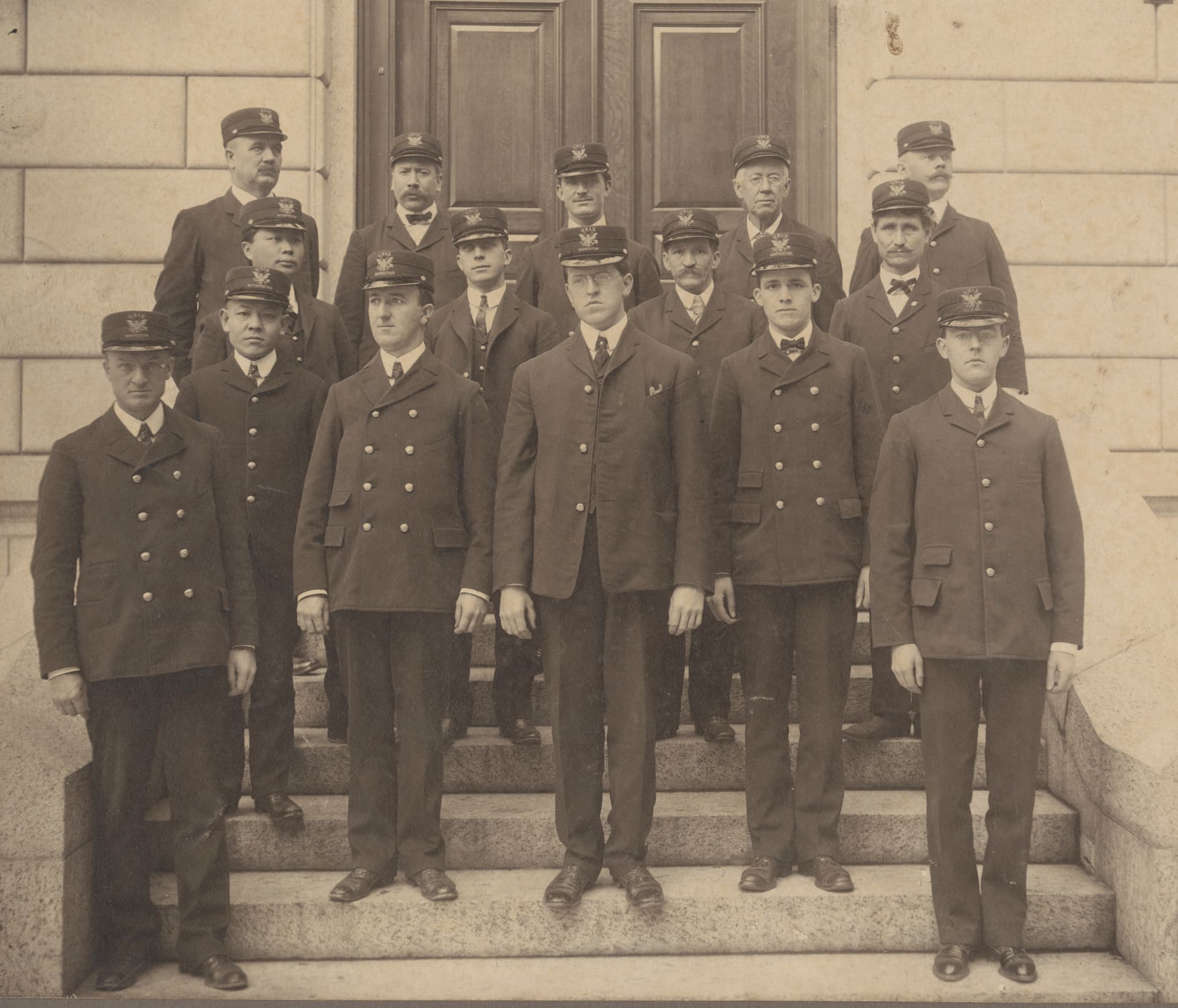
Interpreter Herman Low
An image of the Portland immigration staff. Interpreter Herman Lowe is in the third row, far left.
-
Text
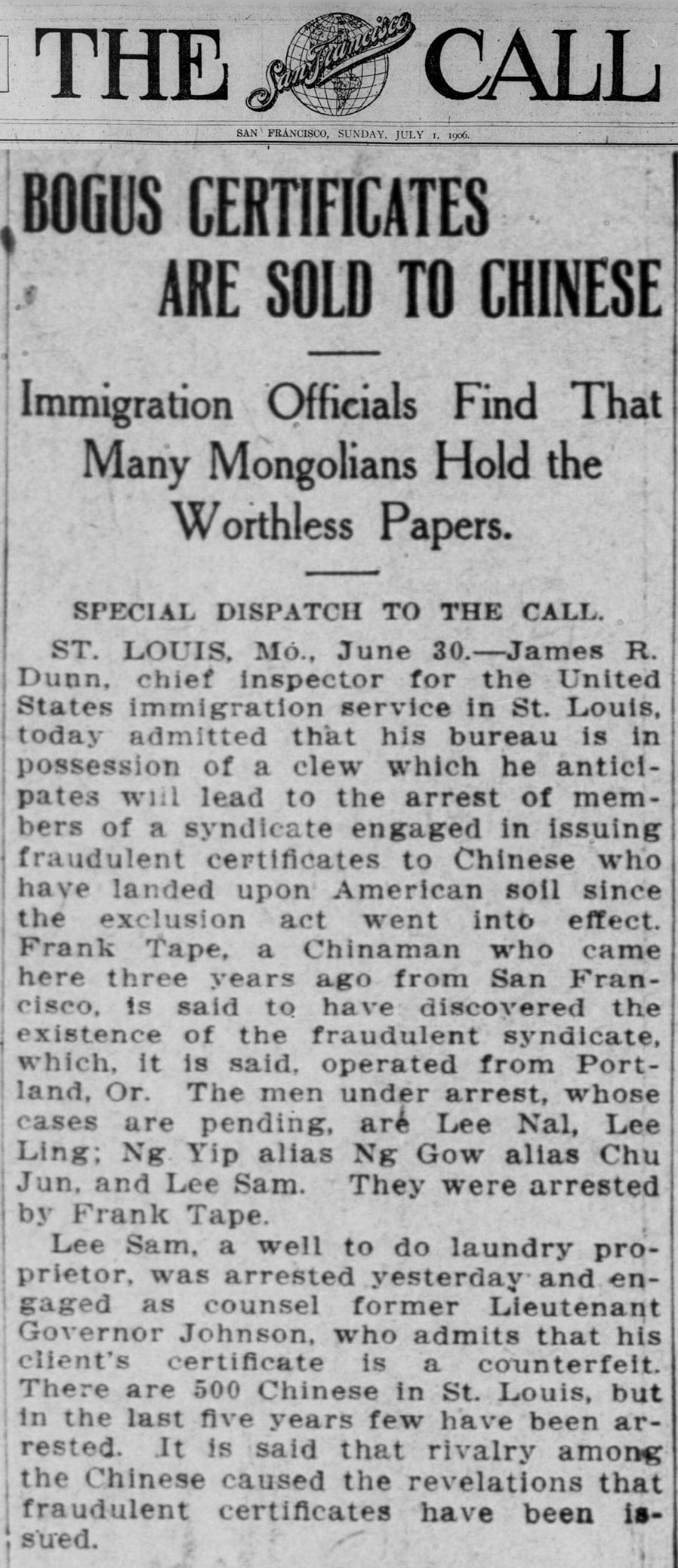
“Bogus Certificates Are Sold to Chinese”
In 1906 Frank Tape reported and arrested four Chinese American men for selling fraudulent immigration certificates.
-

Text
“Slave Relates Her Sad Story”
Article “Slave Relates Her Sad Story” from the San Francisco Call details the testimony of Leung Ah Duck against her trafficker, H. L. Eça da Silva. Stories of Chinese “slaves” trafficked to the United States were weaponized by Nativist and anti-Asian actors to argue for restrictions on Chinese immigration.
-
Text
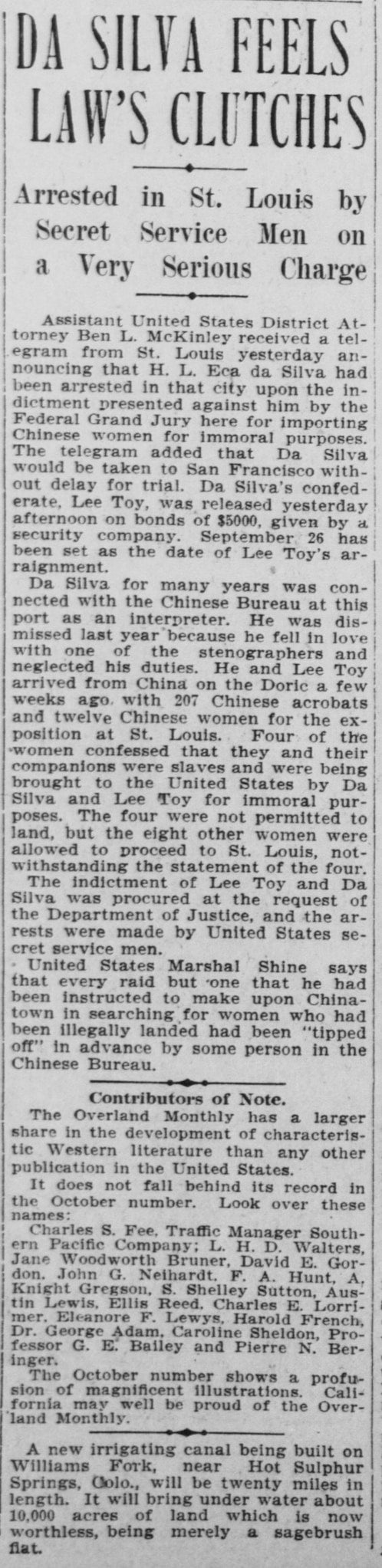
“Da Silva Feels Law’s Clutches”
This article reports on the arrest of H.L. Eça da Silva who was charged with “importing” Chinese women into the country for “immoral purposes.” The association between Chinese women and sex work made Chinese American women especially vulnerable to sexual violence, targeted deportations, and arrest.
-
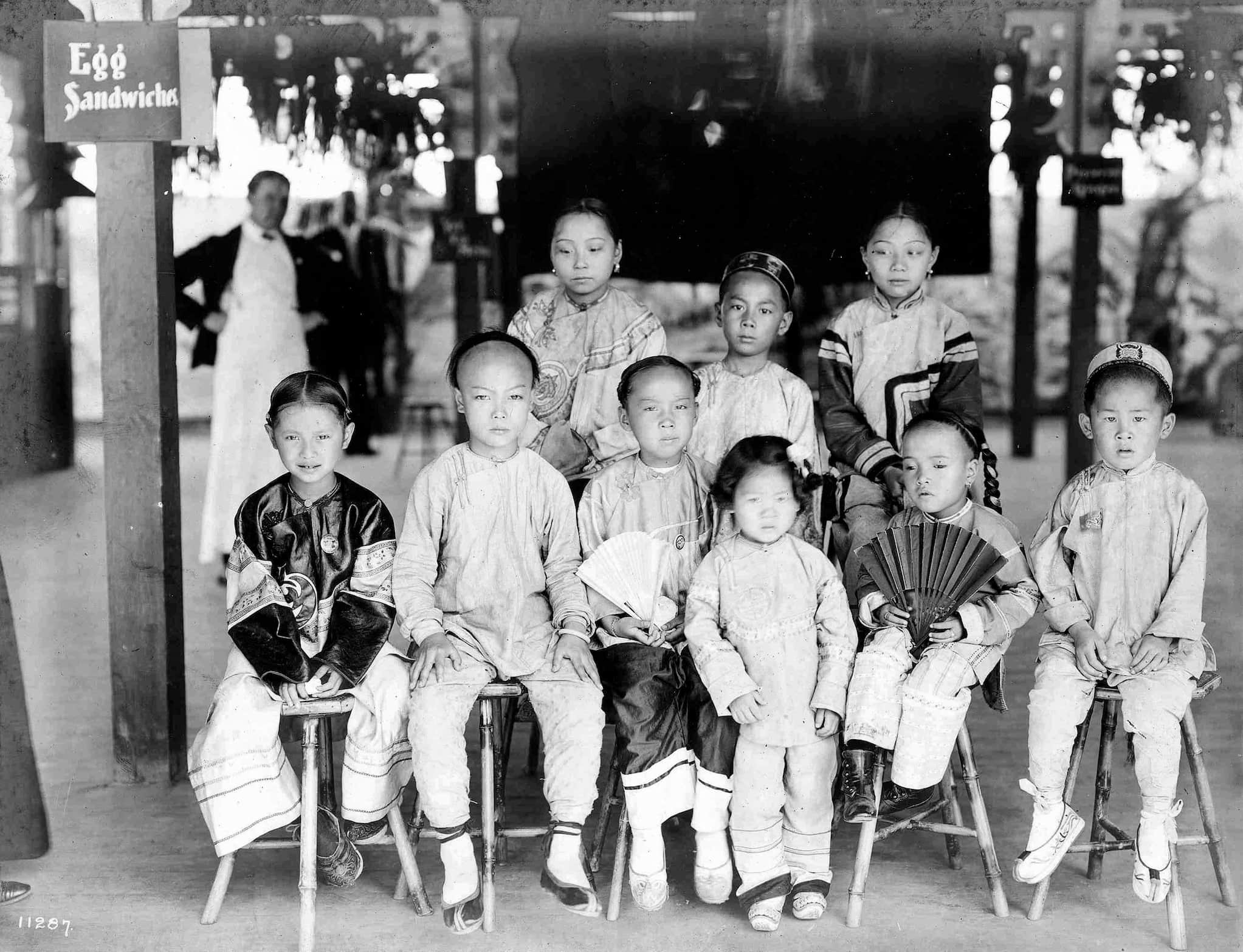
Image
Harold and Emily Tape at the Chinese Village
Children of Chinese American merchants were employed in the Chinese Village and costumed to appear as though they were from China. Mamie’s children, Harold (front row, right) and Emily (front row, third from right), were part of this group.
-
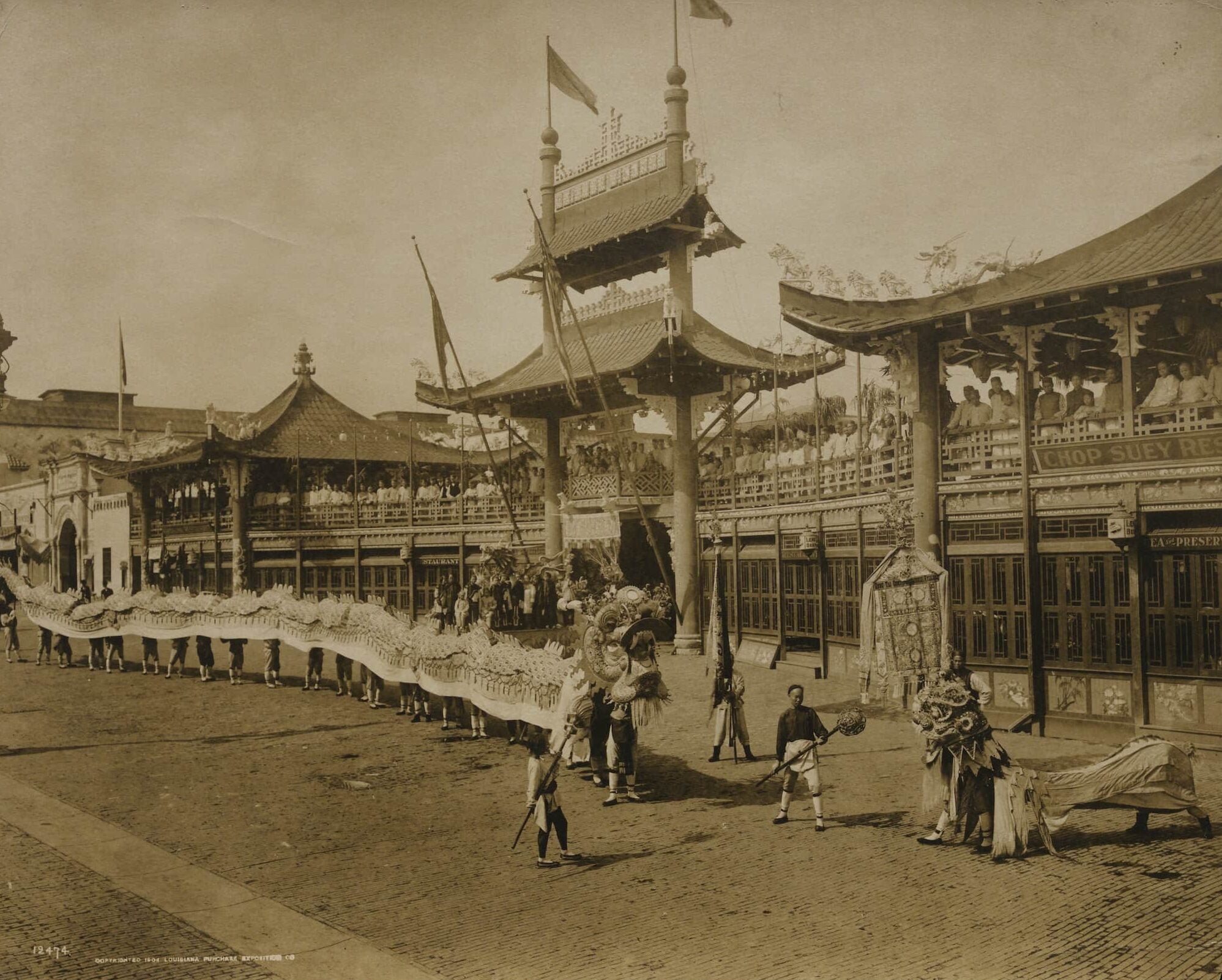
Image
Chinese Village
The Chinese Village on the midway at the St. Louis World’s Fair (1904). This exhibit promised visitors the chance to experience a romanticized version of the “Far East,” catering to white fantasies of China as an exotic kingdom lost in time. The Chinese Village employed Frank Tape and Mamie Tape’s husband, Herman Lowe.
-
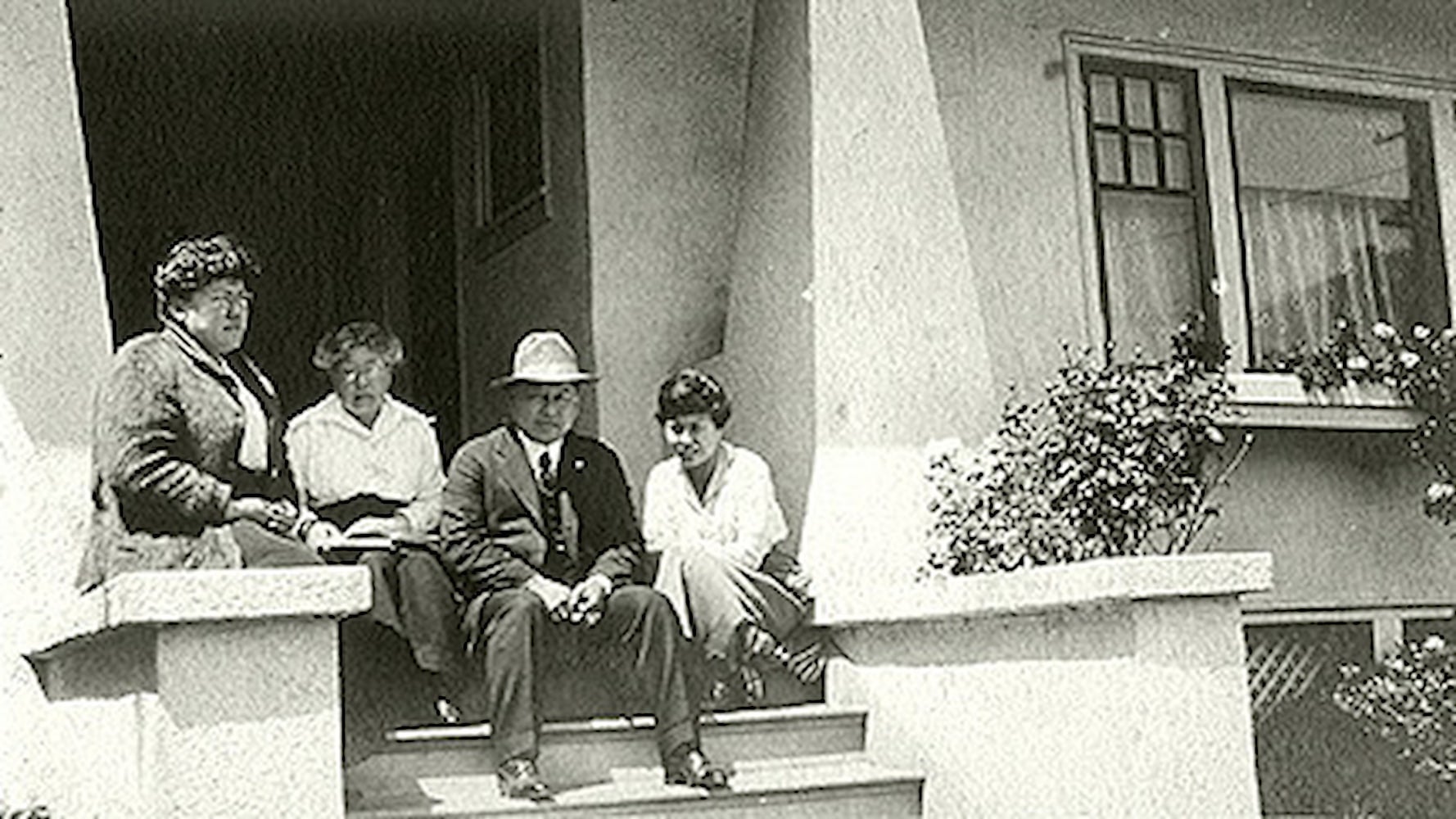
Image
Emily, Mary, Frank, and Gertrude
Photo of Emily, Mary, Frank, and Gertrude in the early 1910s.
-
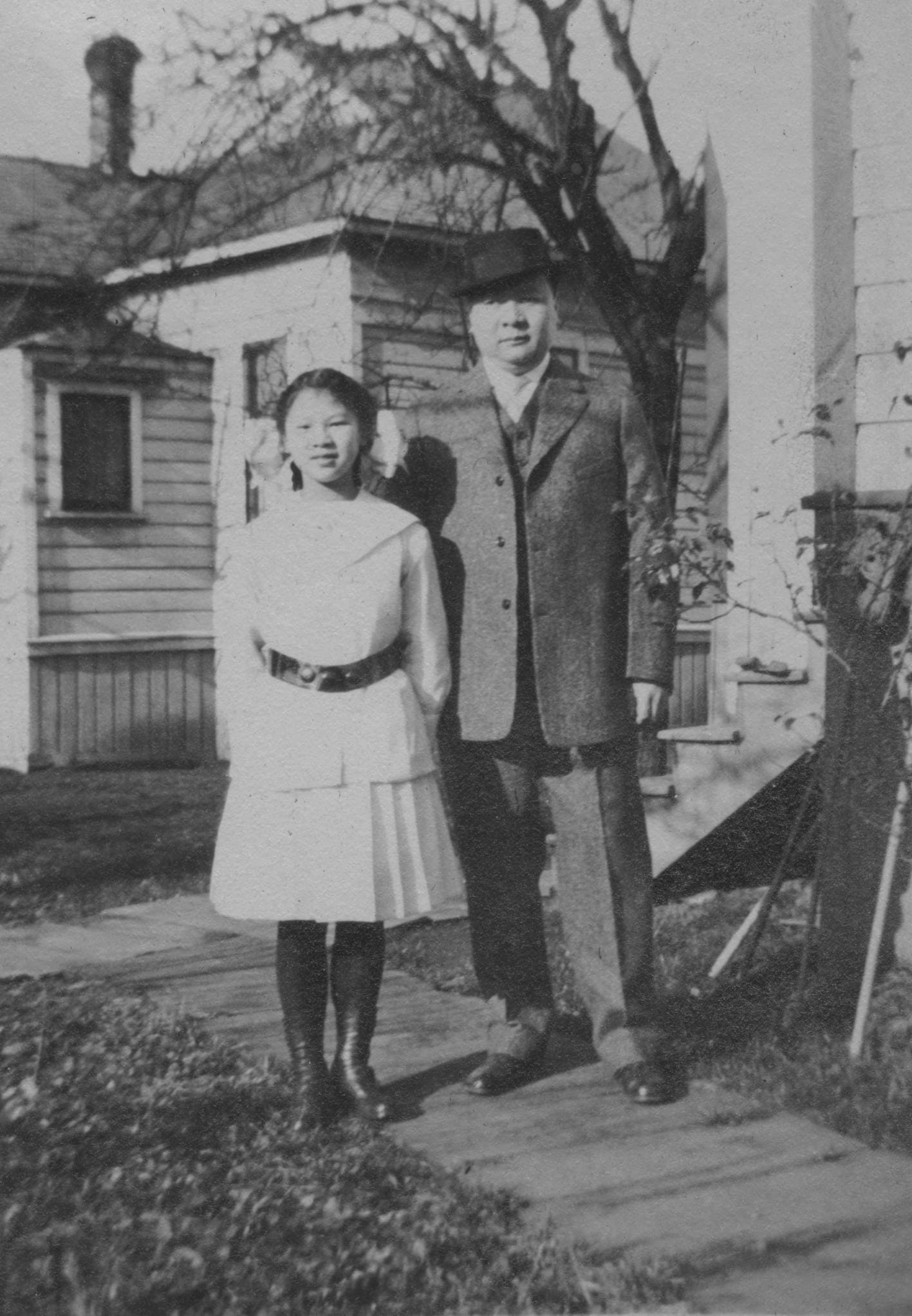
Image
Herman and Emily Lowe
Herman Lowe, Mamie’s husband, with their daughter, Emily, circa 1912.
-
Image
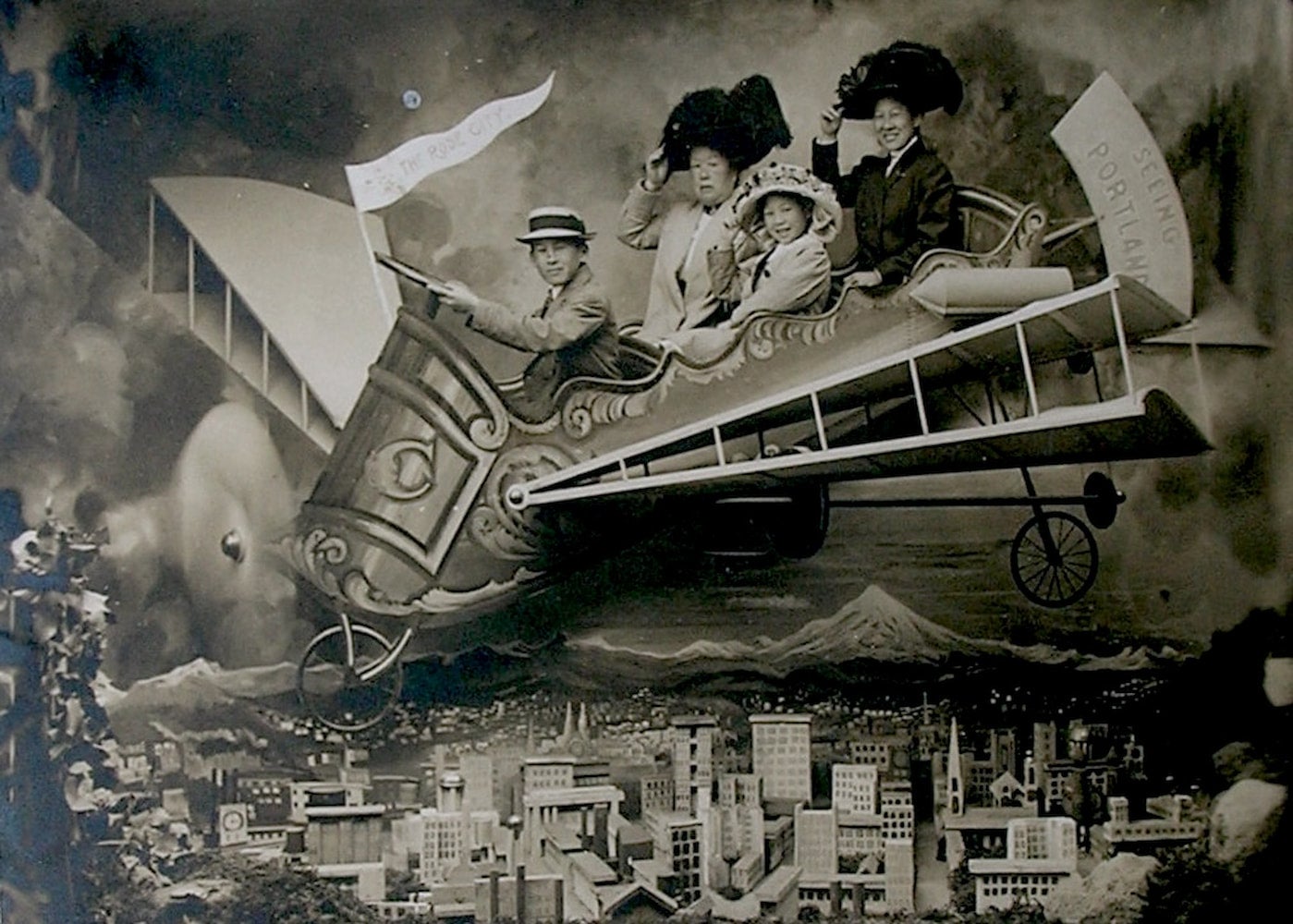
Tape Family Postcard
Mamie (right) with her children, Emily and Harold, and her sister, Emily, pose for a tourist postcard in Portland, circa 1912.
Chapters
# of # results
-
Module
Module 3: The Taste of Success
Susie J. Pak
-
Module
Module 4: Asian Americans and the Different Realties of the American Dream
Susie J. Pak
-

Chapter
Chapter Overview: Asian American and Pacific Islander Workers’ Organizing
Tracy Lai and Kim Geron
-
Module
Module 1: Overview of Asian American Workers
Tracy Lai and Kim Geron
Chapter:
Asian American Workers’ Organizing
-
Module
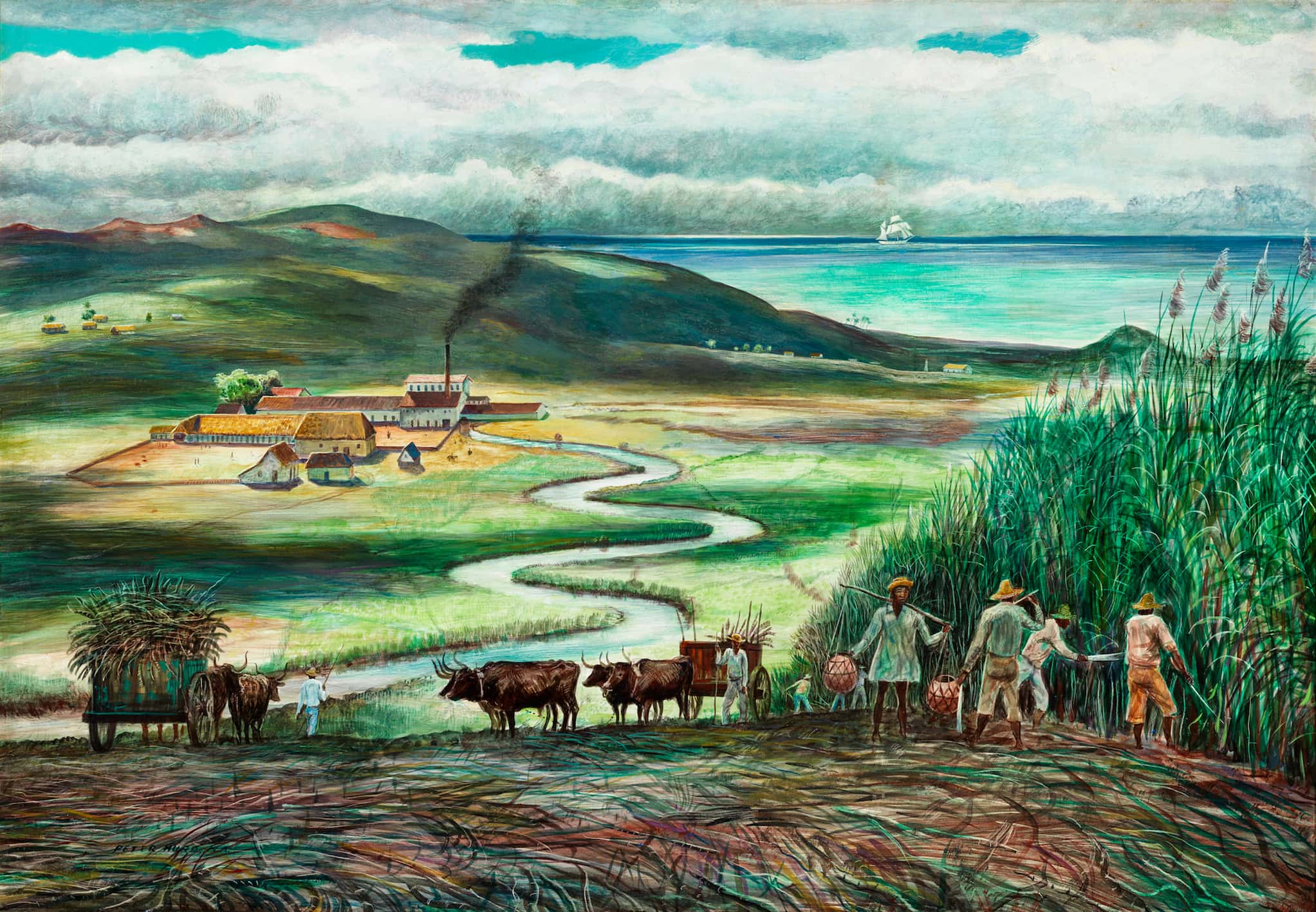
Module 2: Hawaiian Plantation Workers Organize for Justice
Tracy Lai and Kim Geron
-
Module
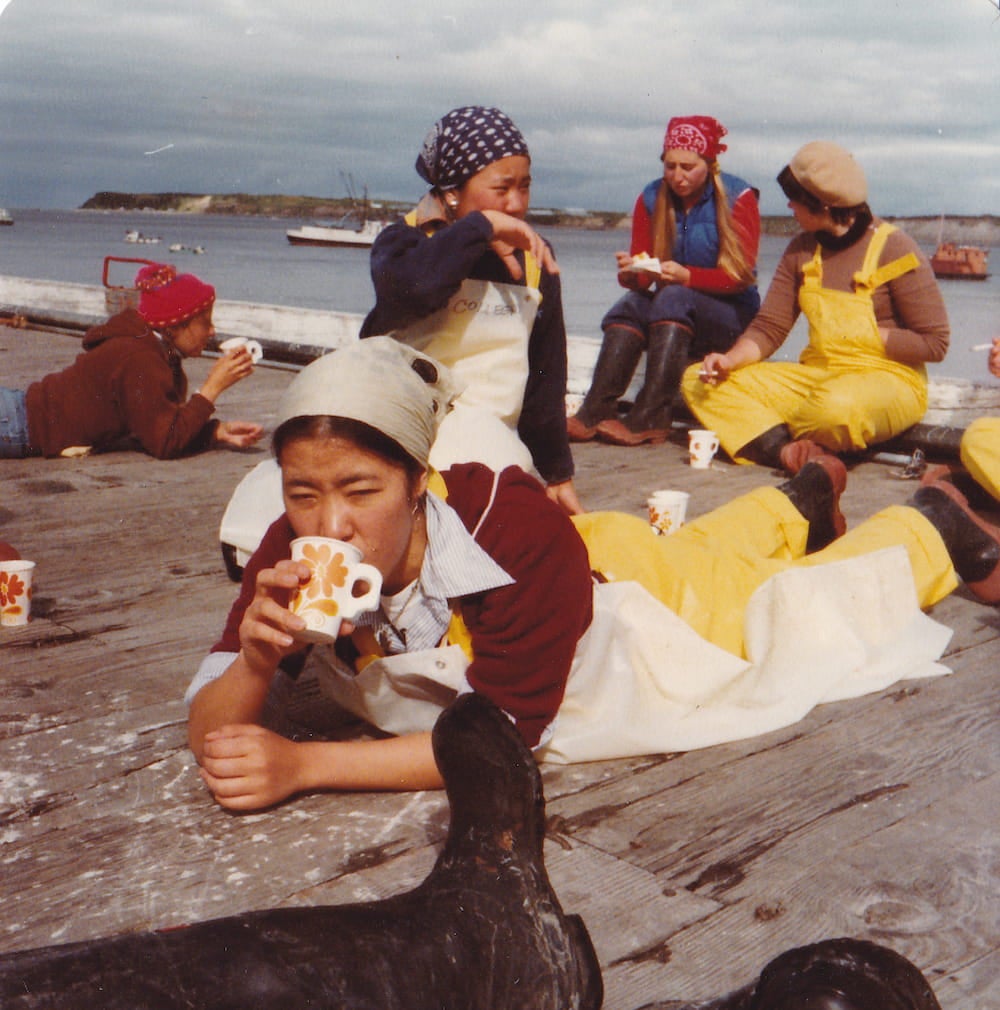
Module 3: Alaska Cannery Workers
Tracy Lai and Kim Geron
-

Module
Module 4: Nail Salon Workers: Ethnic Labor Migration
Tracy Lai and Kim Geron
-
Module
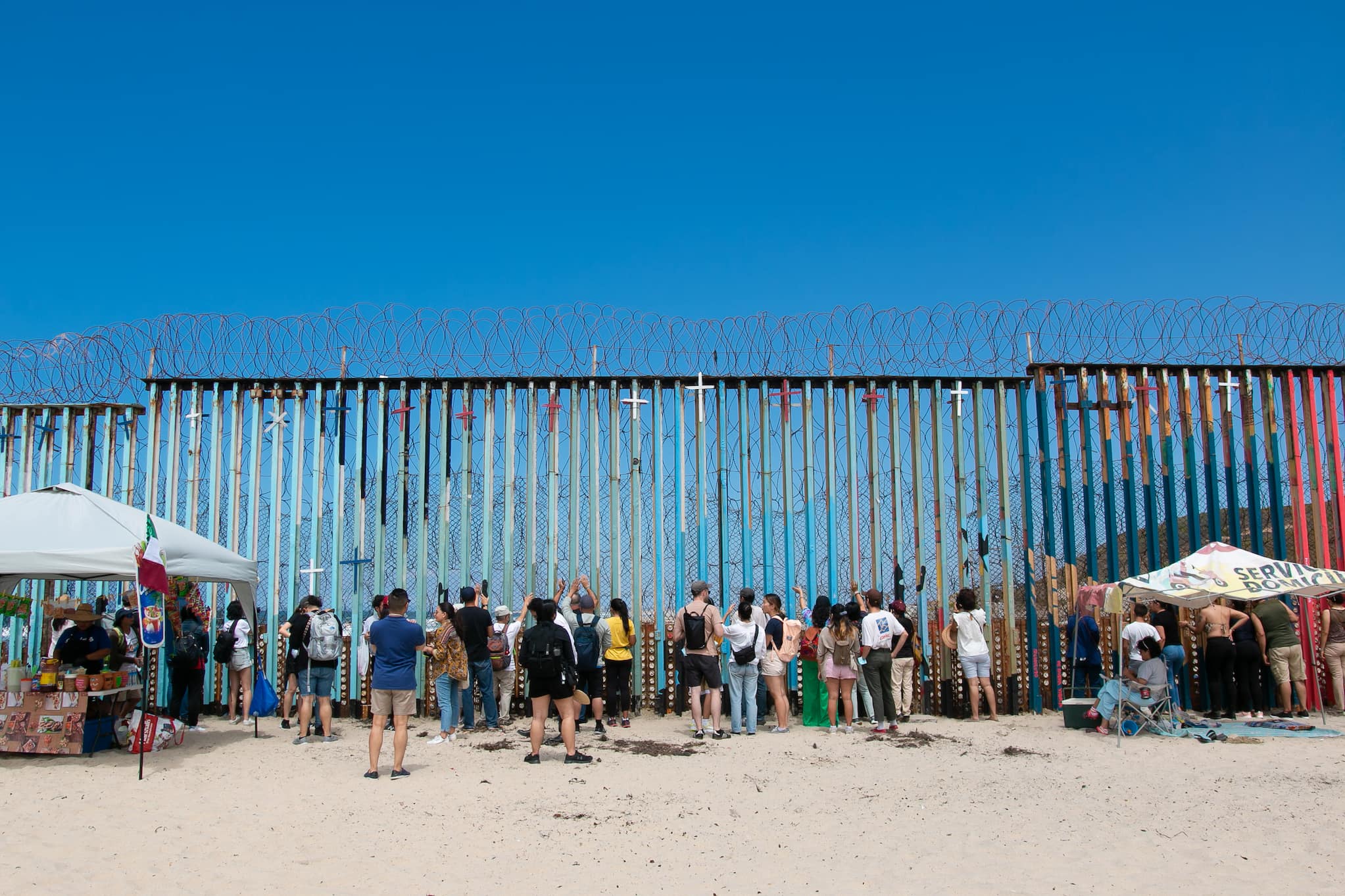
Module 5: Contemporary Asian American Labor Organizing
Tracy Lai and Kim Geron
-
Chapter
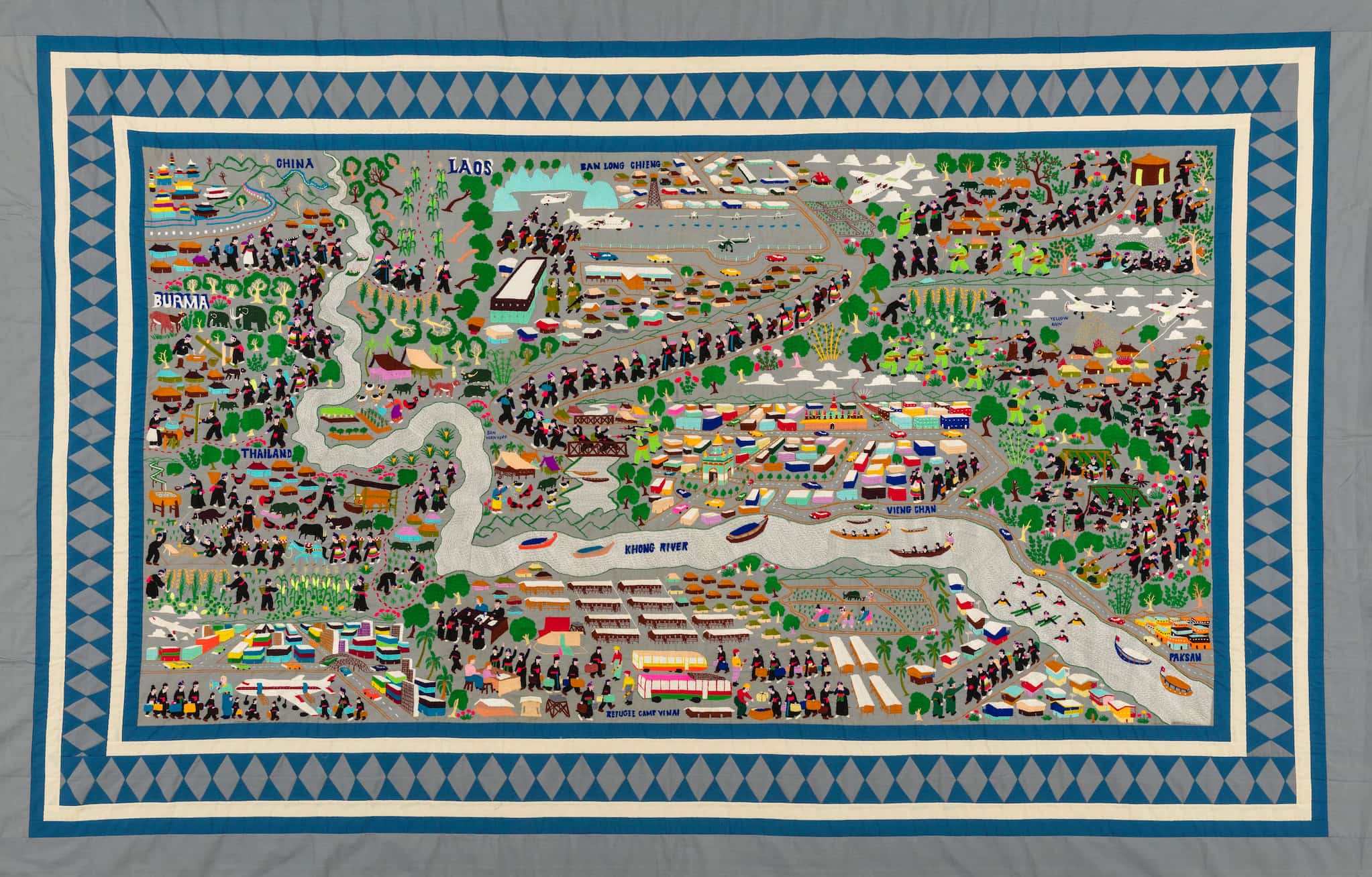
Hmong Americans
Ma Vang