



Search the Media Repository
Discover the curated images, videos, and primary sources featured throughout Foundations and Futures
History is more than just text on a page; it is the photographs, voices, and artifacts of the people who lived it. The images and recordings featured across Foundations and Futures are part of a meticulously curated media repository. Whether you are building a lesson plan or investigating an artifact, you can use this database to trace the provenance of our media: discover who created an asset, the historical context behind it, and how it can be used to bring Asian American and Pacific Islander experiences into your classroom.
Multimedia
Chapters
-
Video
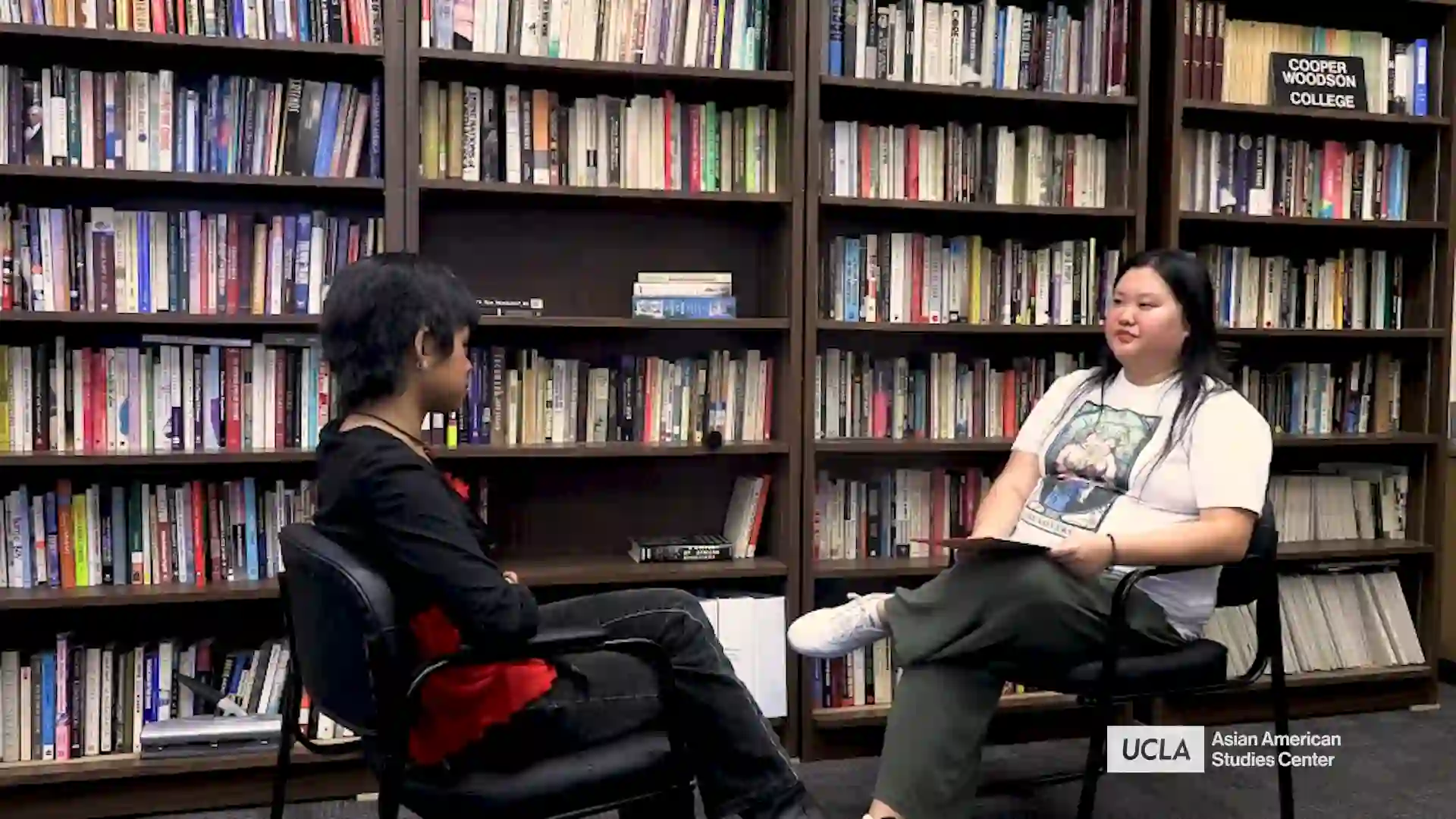
Recording a Lead
This video provides an example of beginning an interview with a lead. The interview lead serves an important purpose in verbally identifying the interview and other general information.
-
Video
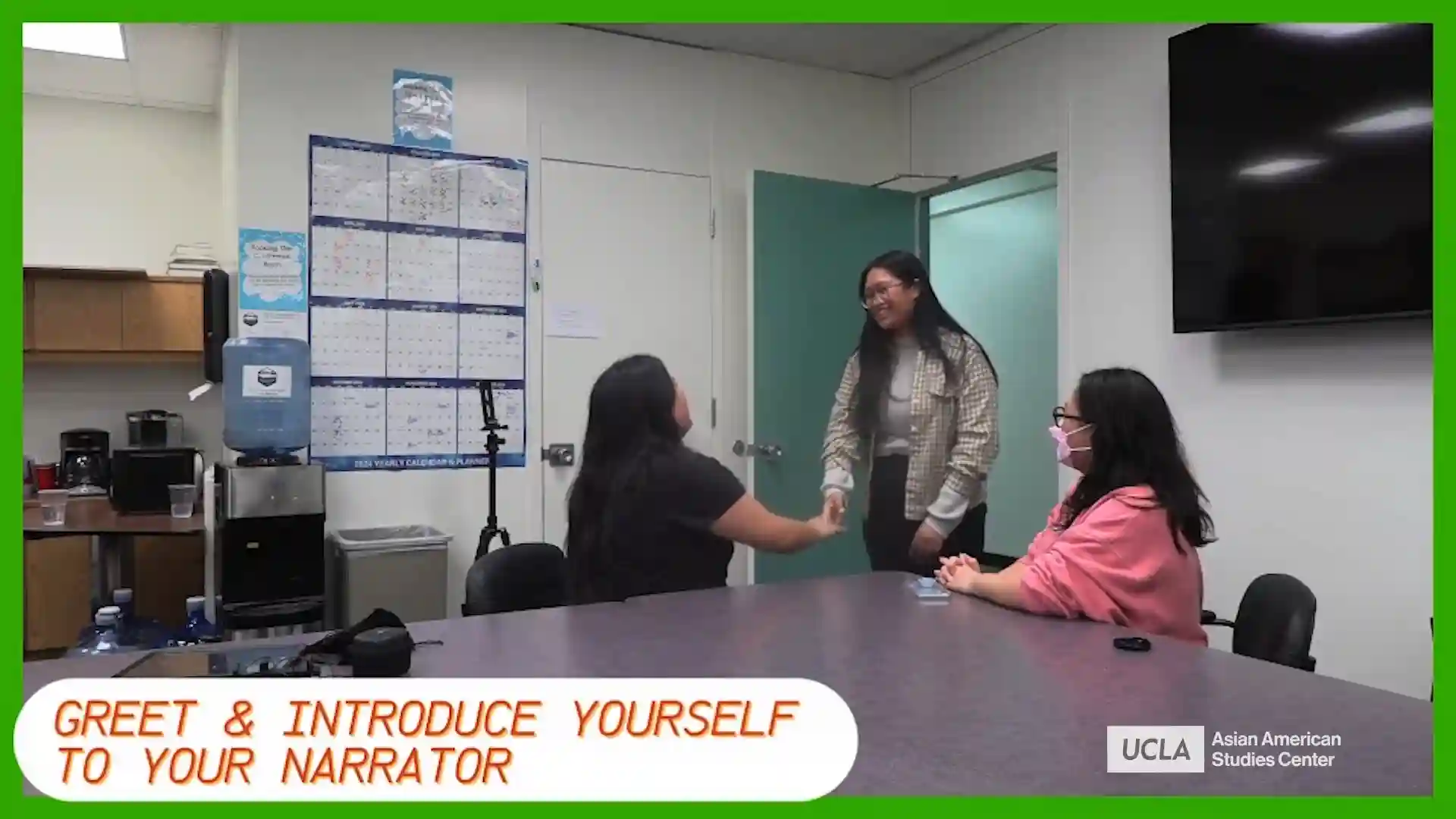
Greeting the Narrator
Watch this video for more information on each person’s role when recording an interview on video. Roles covered: the camera/sound operator, the interviewer, and the narrator.
-
Video
Collaboration Before Interview
The collaboration between the narrator and the interviewer begins before the oral history takes place. The two should collaborate with each other on an interview guide in advance of the scheduled interview.
-
Video
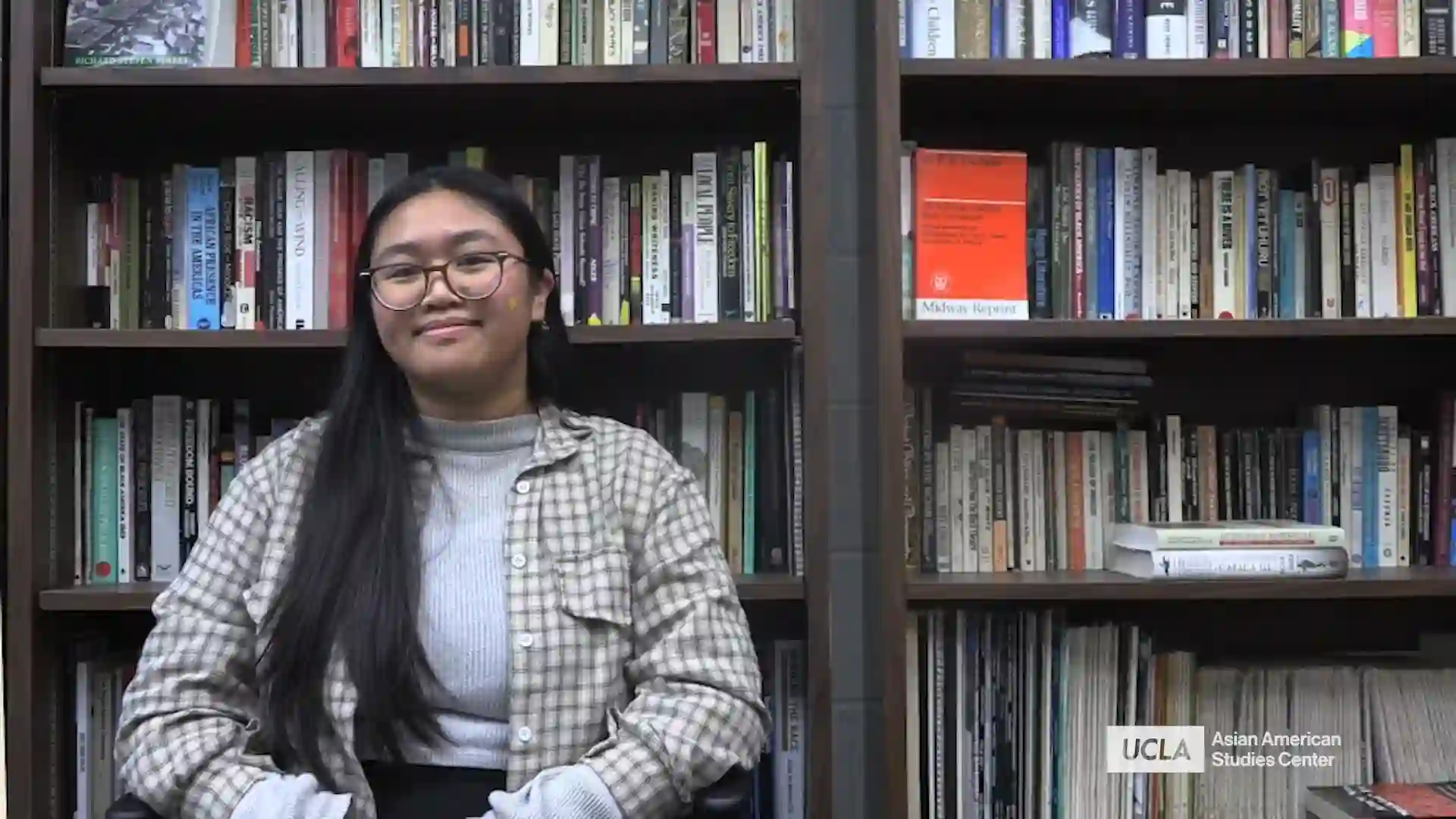
Background Video
Watch this video for thoughts on choosing the right location and background for a video-recorded oral history.
-
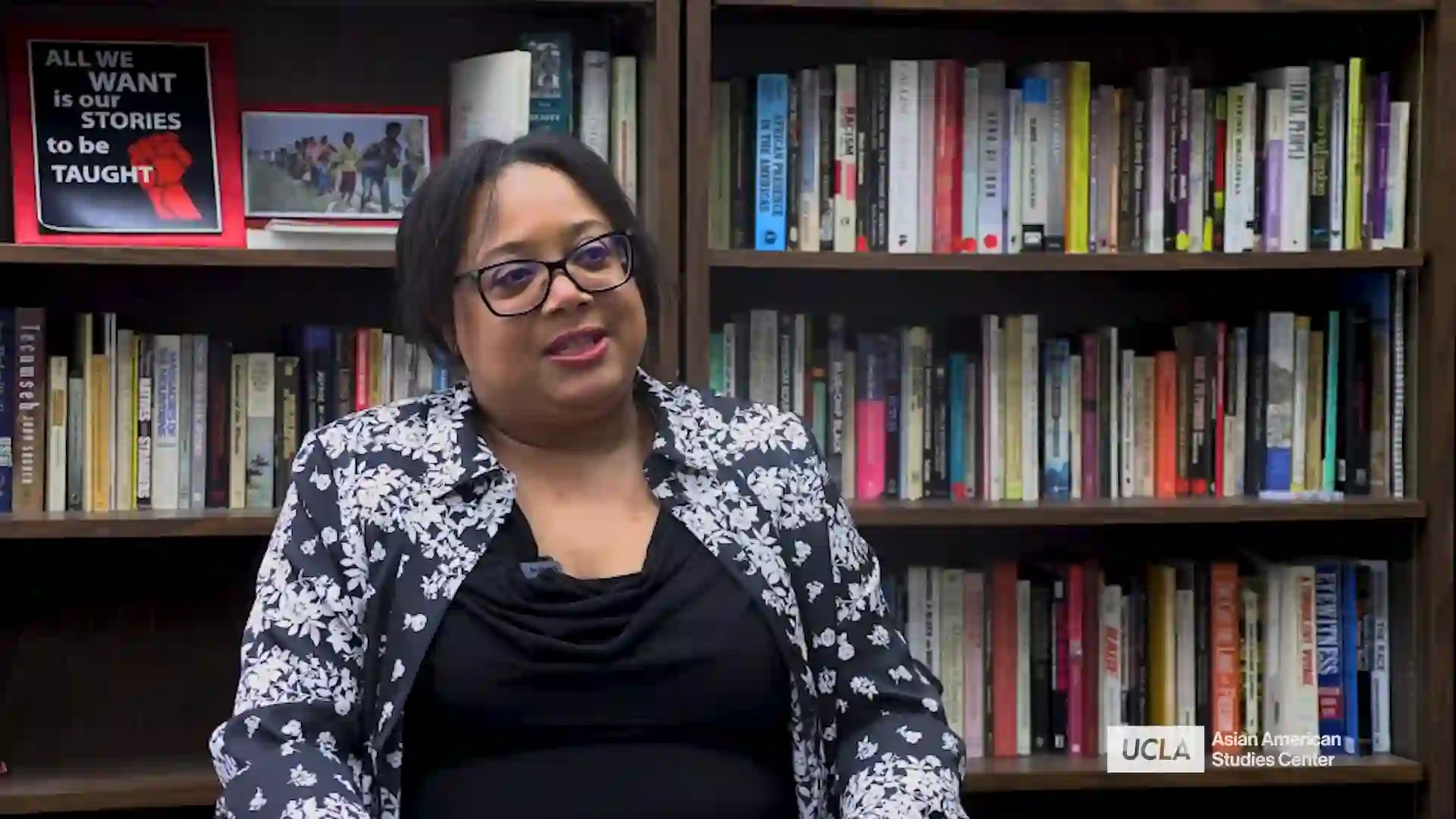
Video
What is an Archive
Archives are institutions that keep records from the past including newspapers, photos, letters, maps, postcards, and much more that archivists have deemed to be historically important.
-
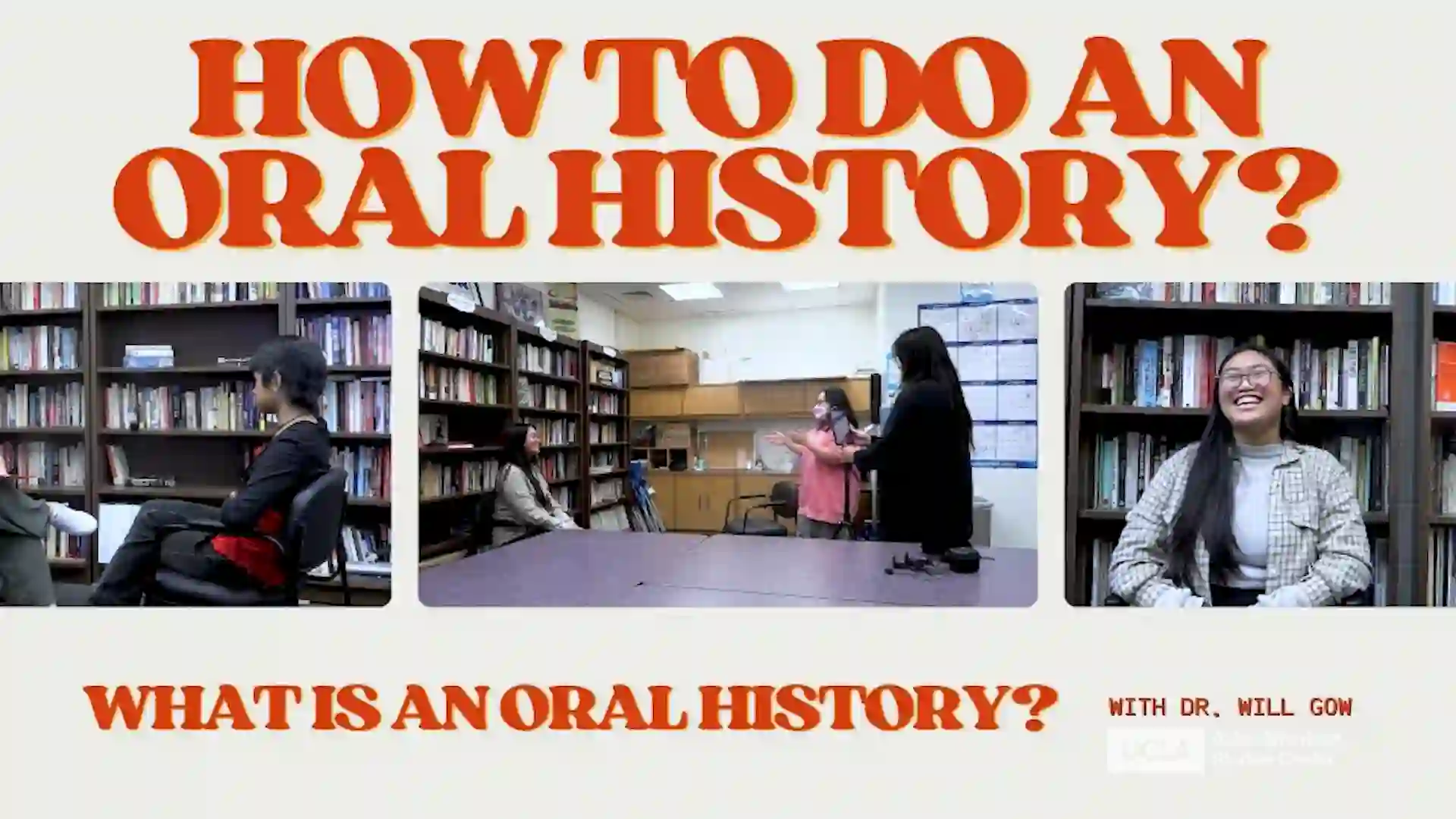
Video
What is an Oral History
An oral history is a planned conversation about personal life experiences that is recorded and shared with others. Oral histories are defined by the collaboration between the narrator who tells their life stories and the interviewer who listens and asks questions.
-
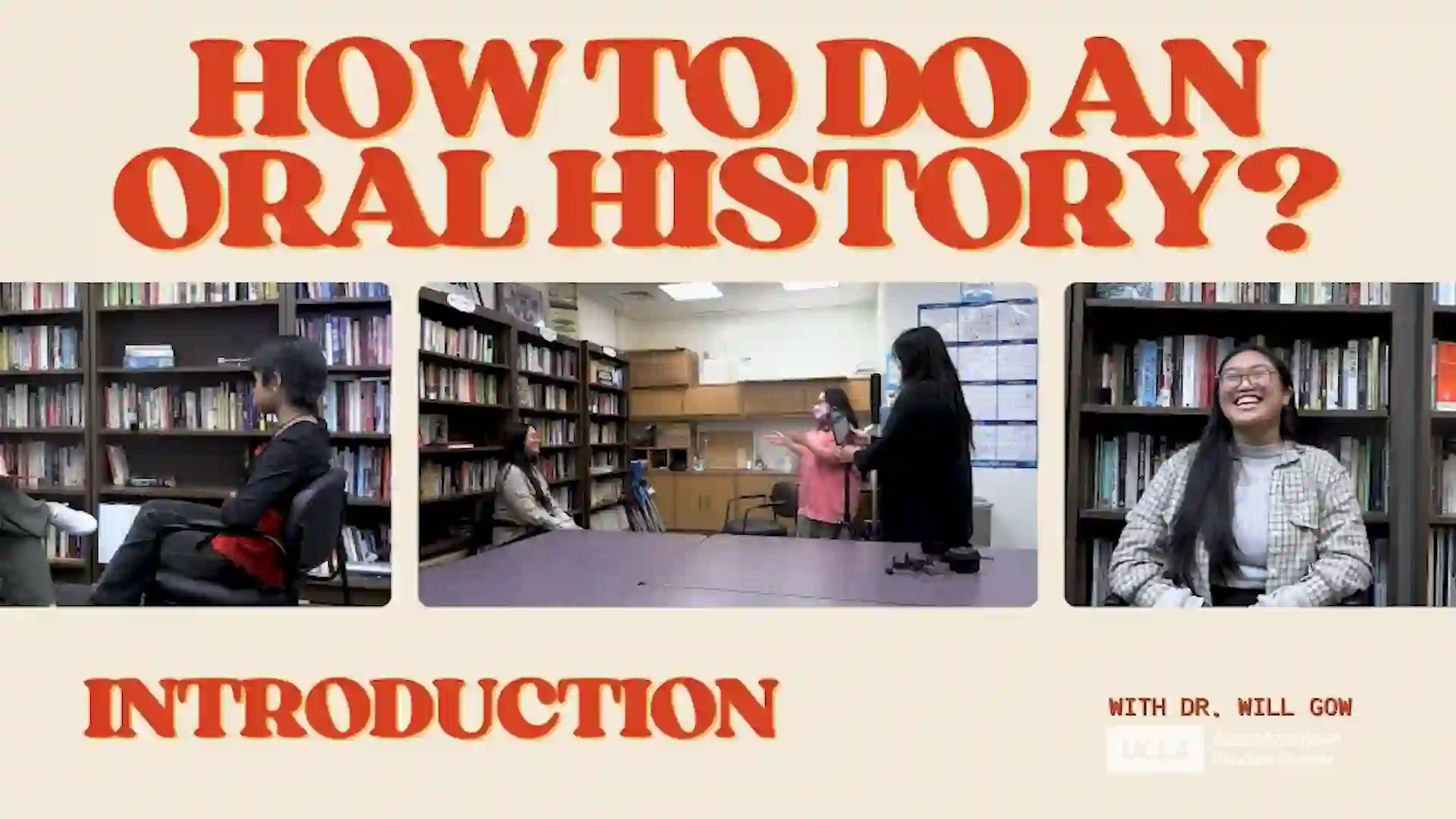
Video
Introduction
William Gow is a community historian with the Chinese Historical Society of Southern California and the author of this essay. Watch his introduction to find out more about what led him to become a community historian. “Introduction,” How to Record an Oral History series, (William Gow, 2025).
-
Audio
Margie Lew on joining the Chinese Historical Society of Southern California
In this interview excerpt, Margie Lew (born 1921) discusses the lack of Chinese American history in her history textbooks growing up. She also reflects on her excitement upon learning about the first meeting of the Chinese Historical Society of Southern California (CHSSC) in 1975.
-
Video
Giving Testimony
Hear 153 testimonies given to the Commission on Wartime Relocation and Internment of Civilians, highlighting injustices faced by Japanese Americans during WWII.
-
Image
Redress Checks and Formal Apologies
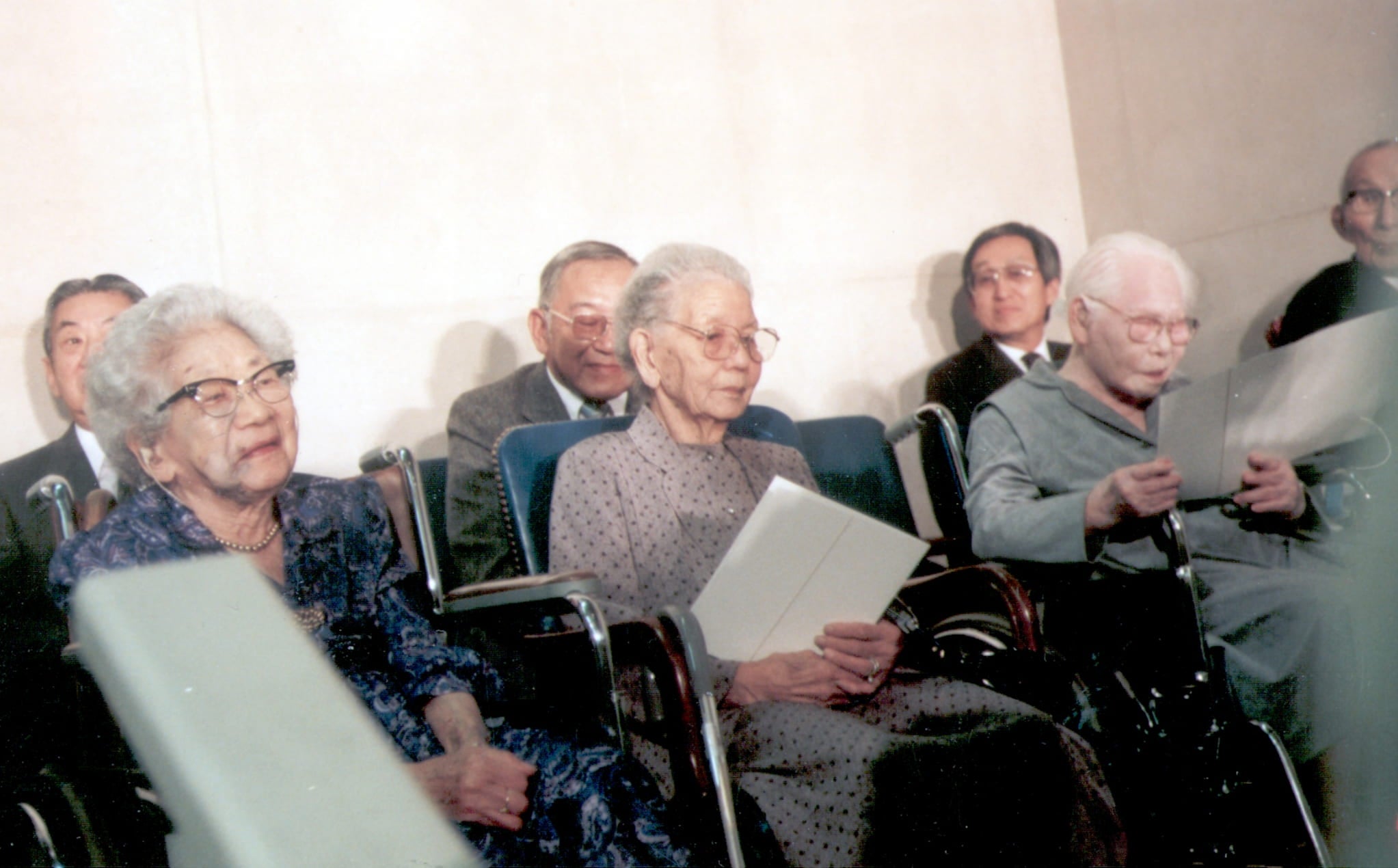
Issei women receiving redress checks and formal apologies from the government acknowledging that it was wrong to have incarcerated them and 120,000 other Japanese Americans during World War II.