



Search the Media Repository
Discover the curated images, videos, and primary sources featured throughout Foundations and Futures
History is more than just text on a page; it is the photographs, voices, and artifacts of the people who lived it. The images and recordings featured across Foundations and Futures are part of a meticulously curated media repository. Whether you are building a lesson plan or investigating an artifact, you can use this database to trace the provenance of our media: discover who created an asset, the historical context behind it, and how it can be used to bring Asian American and Pacific Islander experiences into your classroom.
Multimedia
Chapters
-
Image
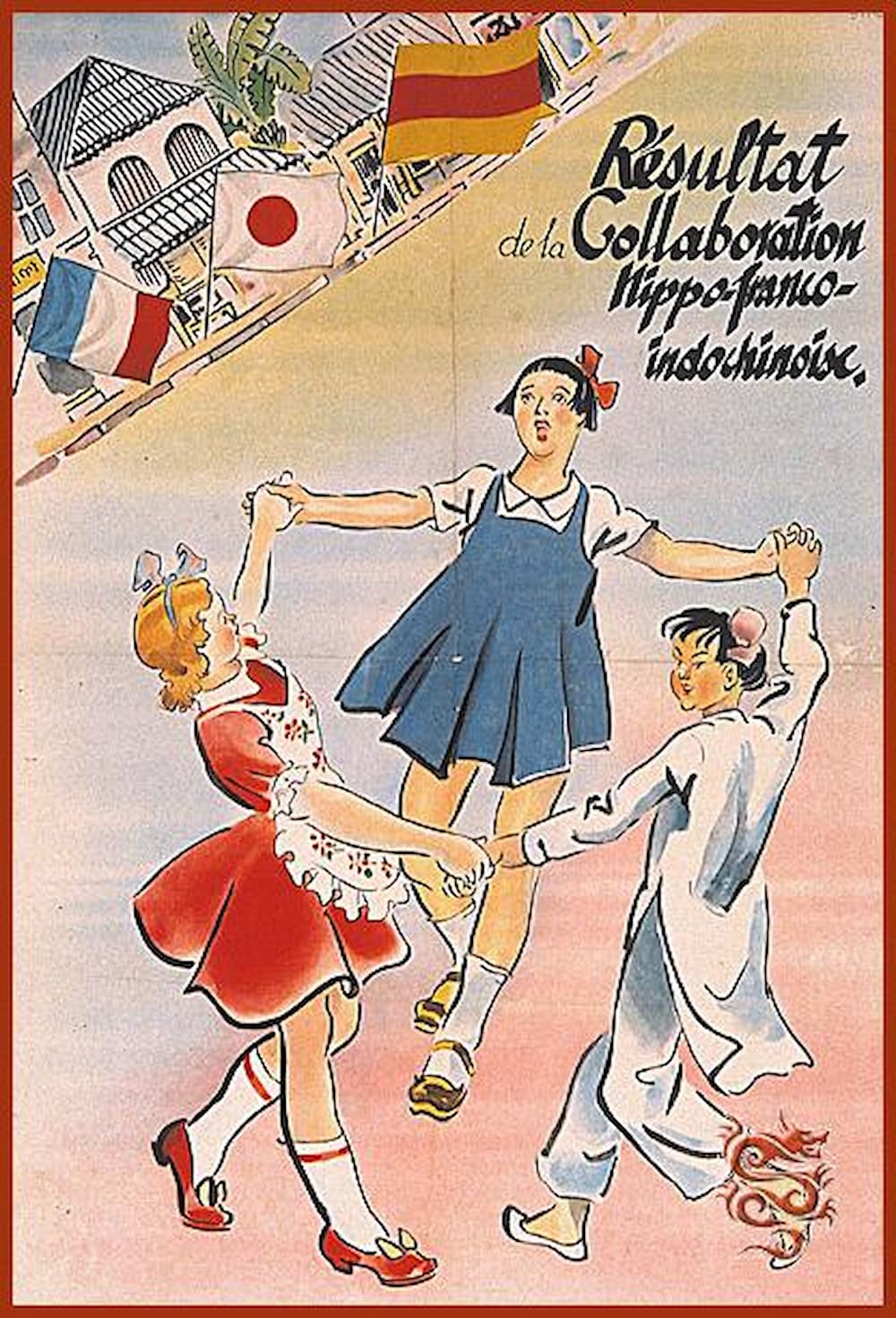
1942 Propaganda Poster
A 1942 Japanese propaganda poster celebrating colonialism framed as “collaboration” between France, Japan, and Vietnam.
Featured in:
Vietnamese American Experiences, Module 1
-
Image
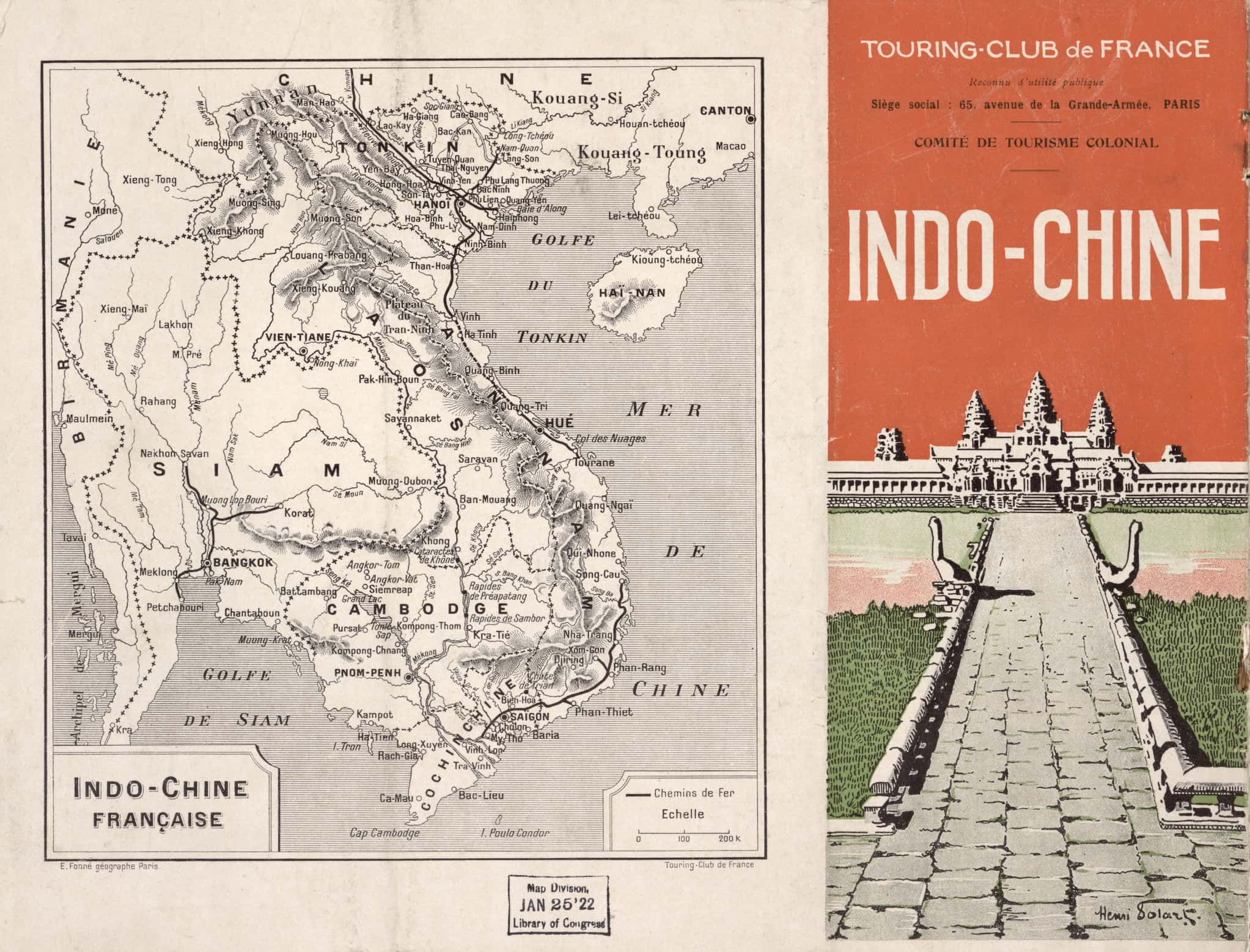
Map of Indochina
This French publication (c. 1910) depicts a map of Indochina, formerly known as French Indochina or Indochine Française until 1950. The term “Indochina” refers to the blending of Indian and Chinese cultural influences in the region.
Featured in:
Vietnamese American Experiences, Module 1
-
Image
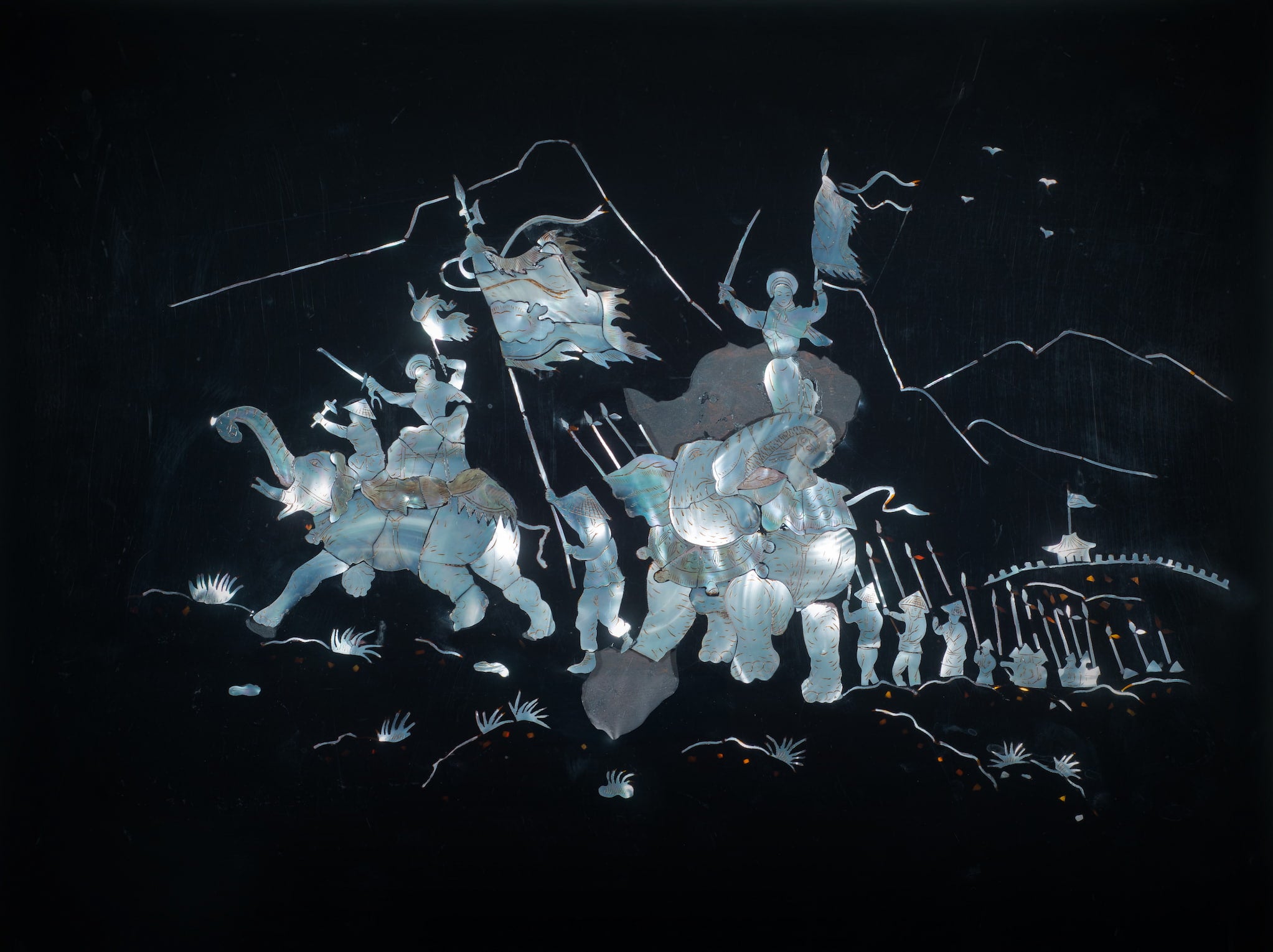
Hai Bà Trưng Leading Army
This panel depicts Hai Bà Trưng (the common name of two sisters, Trưng Trắc (徵側) and Trưng Nhị (徵貳)) leading an army of foot soldiers. The attention to detail in this lacquered panel reflects the significance of these revolutionary leaders.
Featured in:
Vietnamese American Experiences, Module 1
-
Video
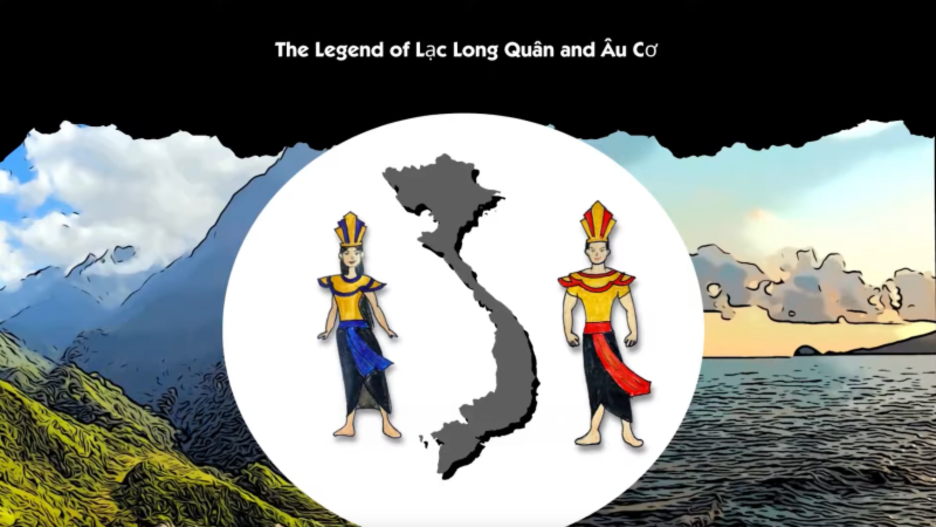
The Legend of Lạc Long Quân and Âu Cơ
“The Legend of Lạc Long Quân and Âu Cơ” by the Children’s Discovery Museum of San Jose illustrates the widely told origin story of Vietnam.
Featured in:
Vietnamese American Experiences, Module 1
-
Image
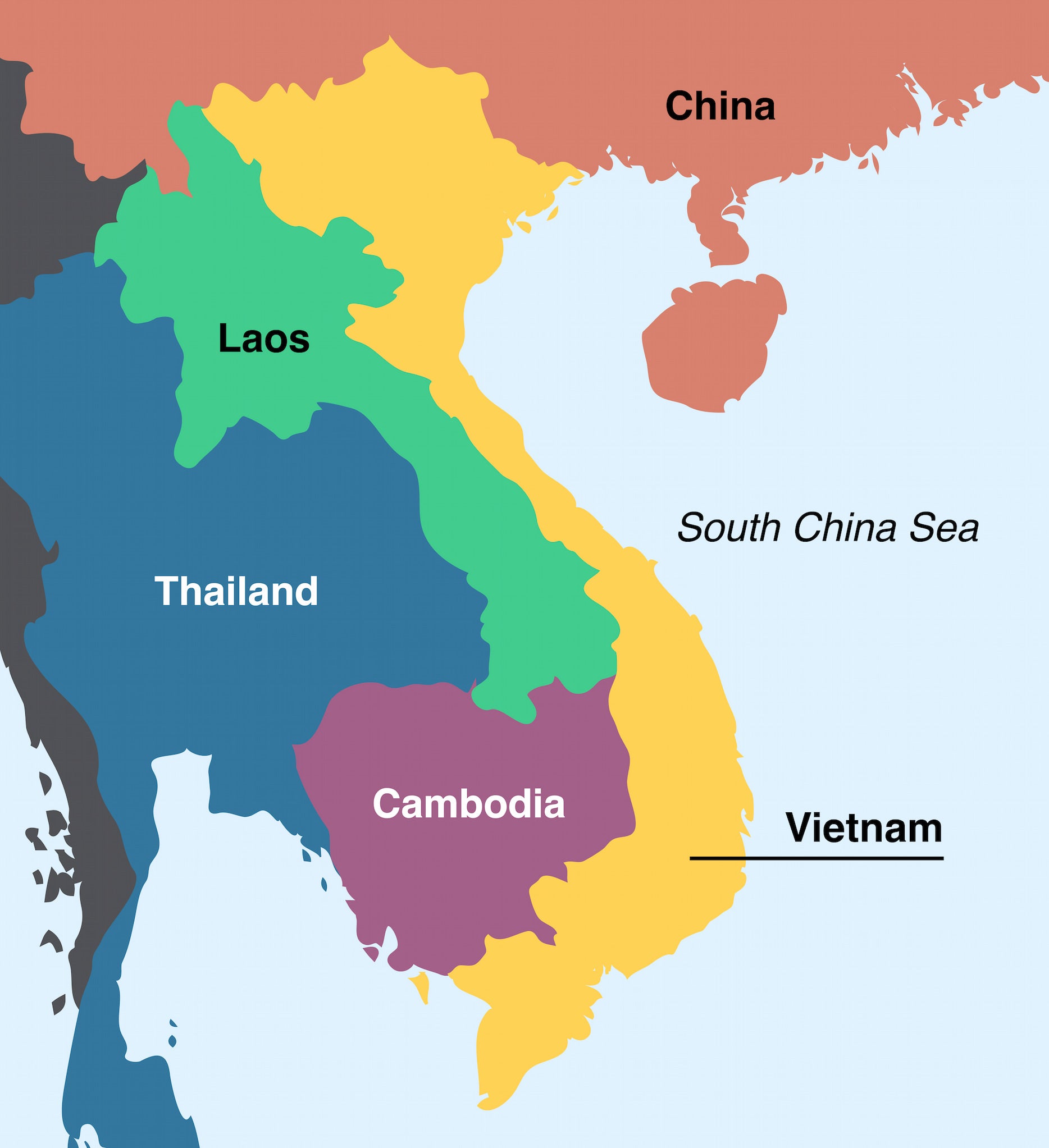
Map of Vietnam
Map of Vietnam and bordering nations in Southeast Asia.
Featured in:
Vietnamese American Experiences, Module 1
-
Video
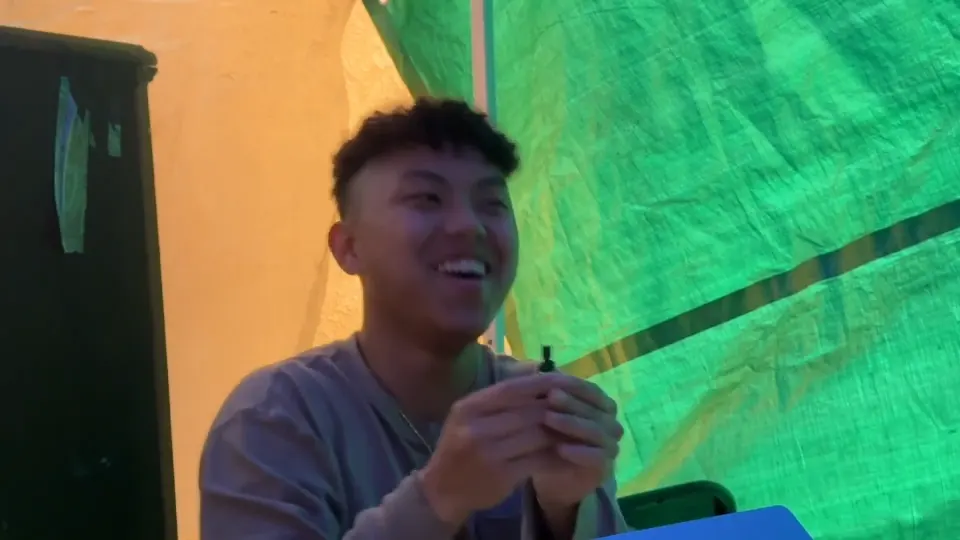
Hmong Pride
Watch this excerpt from Hmong Pride, a film about documenting community history made by high school students in Sacramento, California.
-
Video
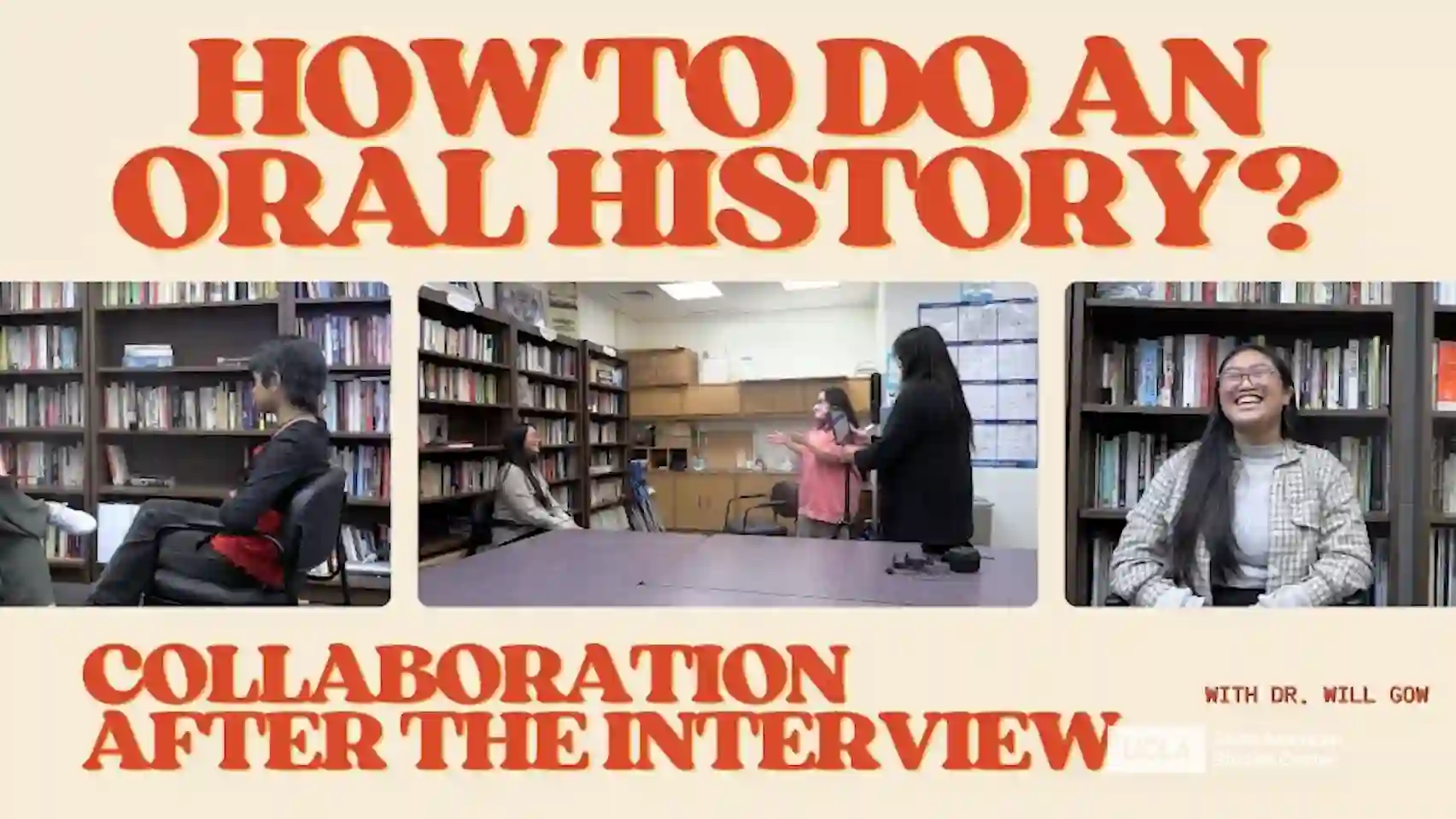
Collaboration After the Interview
Once you’ve finished your oral history, it is important to share your recording and transcripts with your narrator so they have the opportunity to comment and correct the materials before they are made public.
-
Video
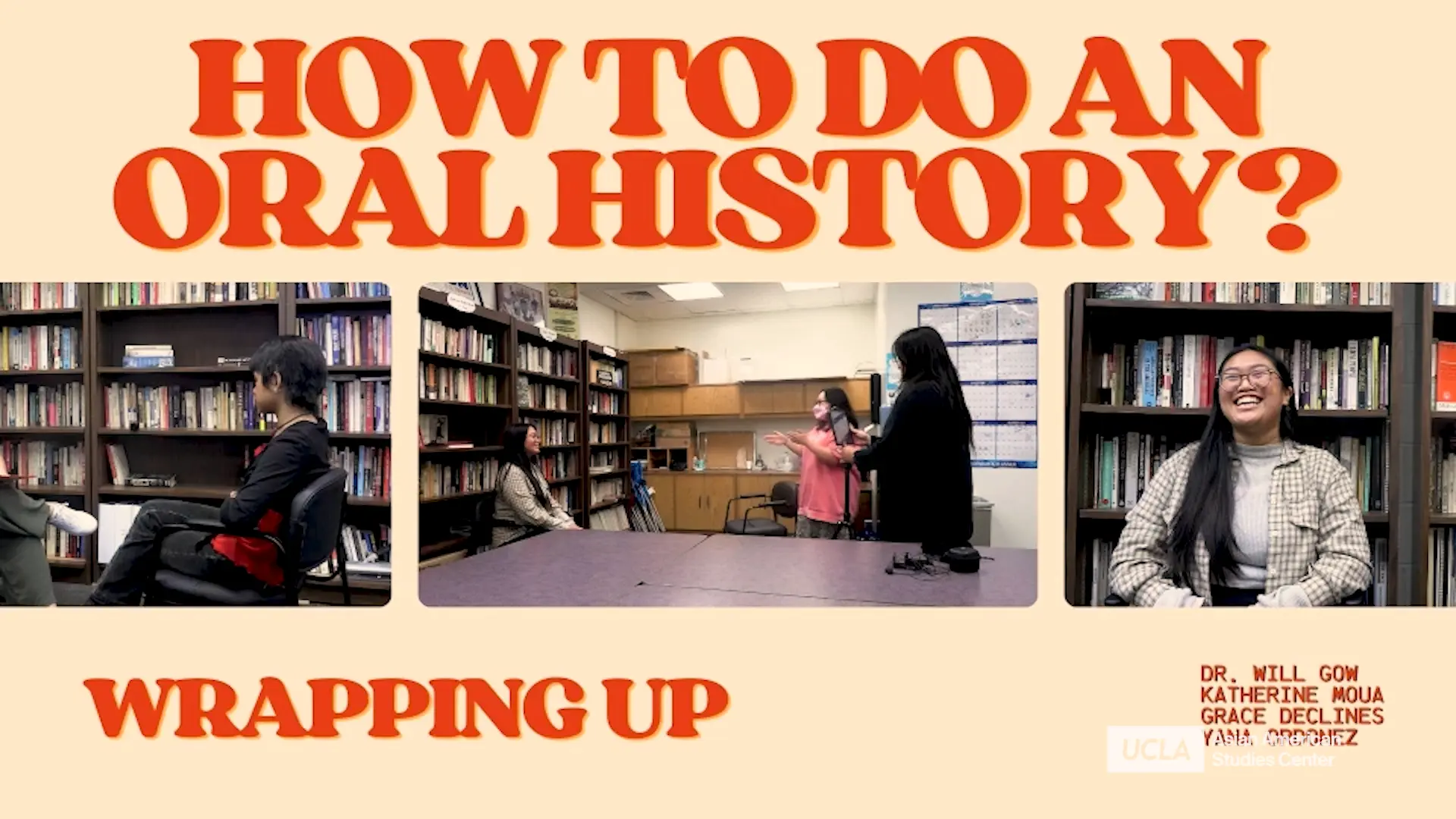
Wrapping Up
Watch this video for more on how to conclude an oral history interview.
-
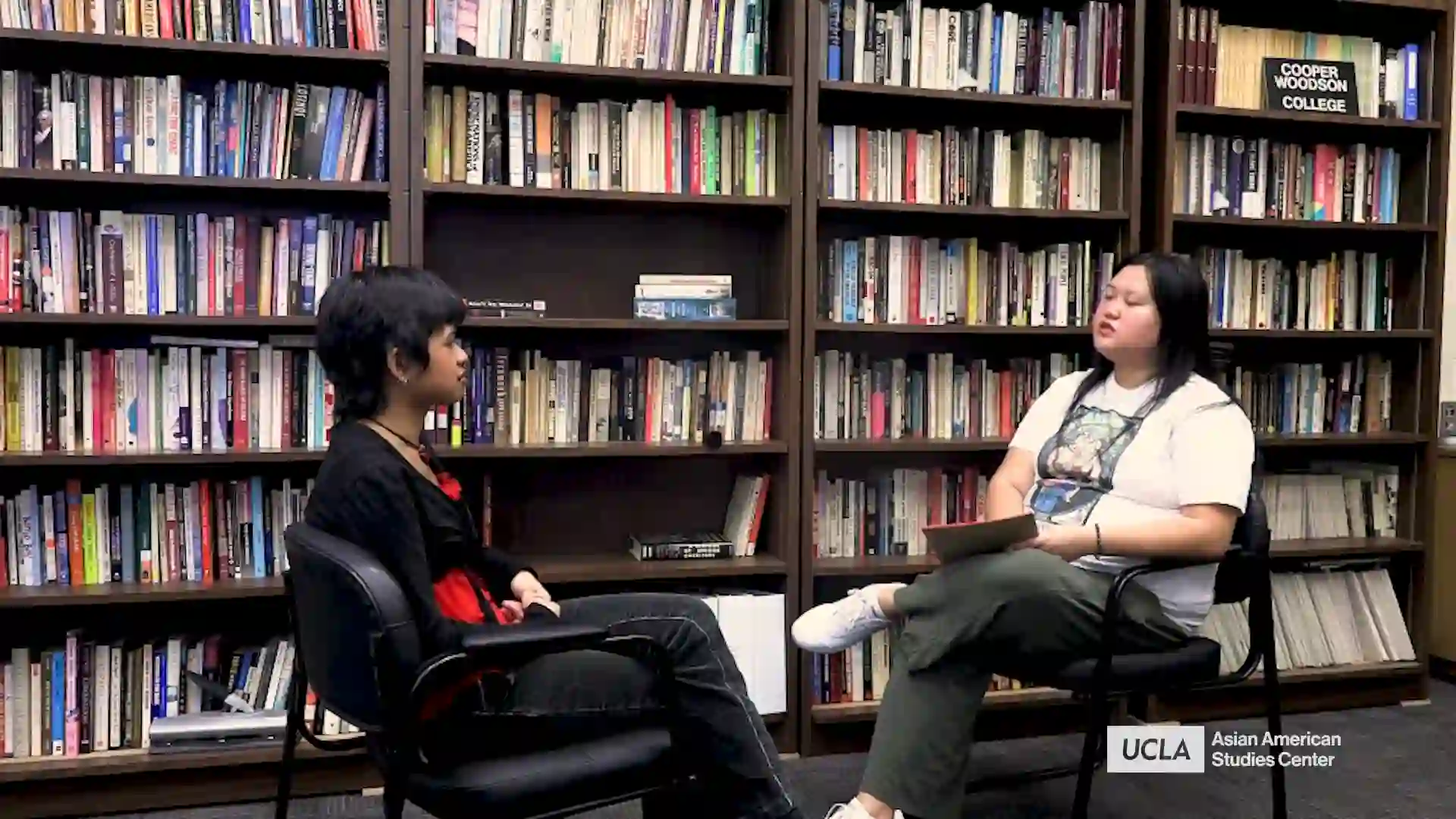
Video
Follow Up Questions
Watch this video for more information and examples on how to ask the narrator strong oral history questions.
-
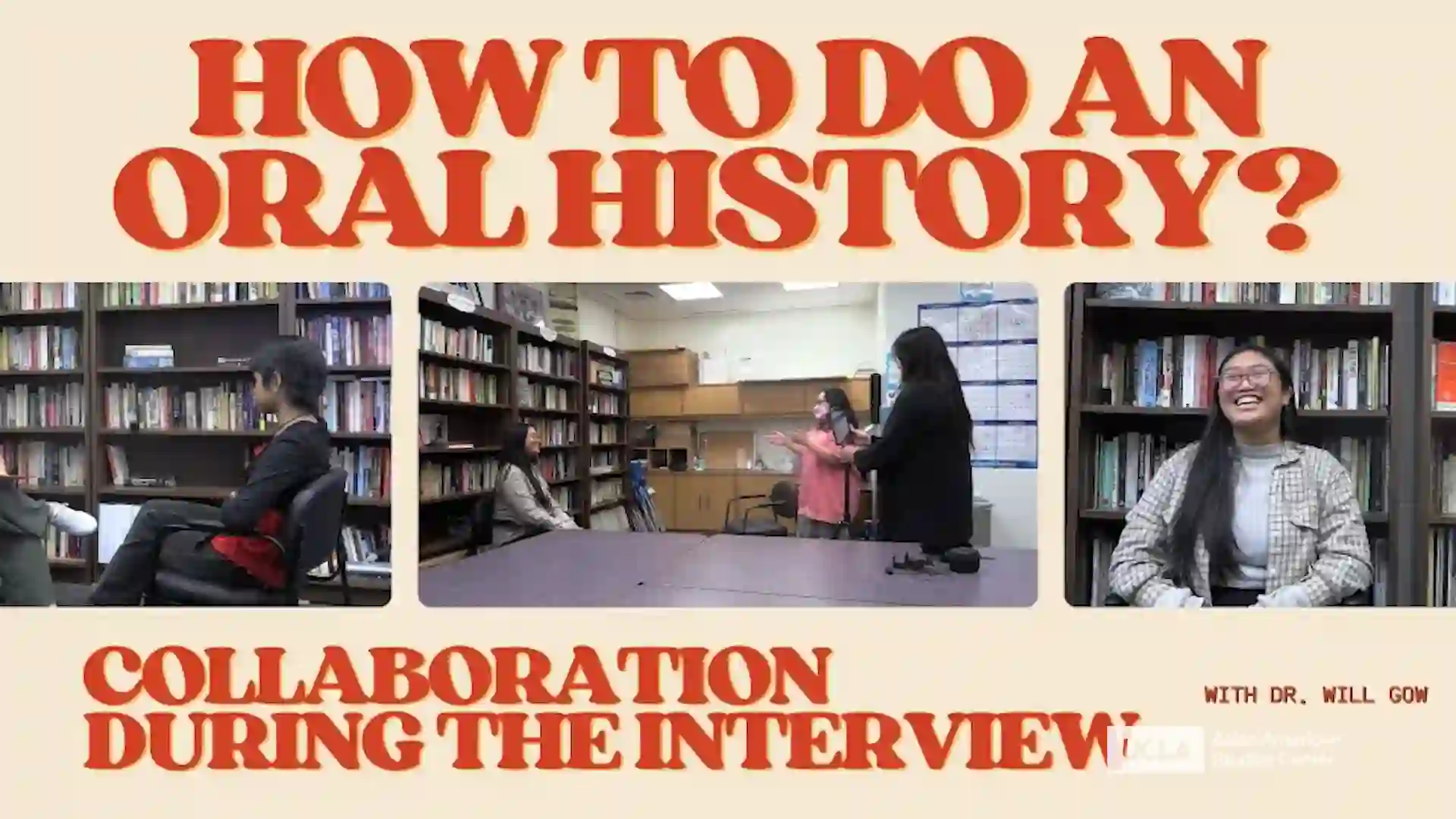
Video
Collaboration During the Interview
During the interview it is important to provide your narrator the opportunity to shape the direction of the interview.