



Search the Media Repository
Discover the curated images, videos, and primary sources featured throughout Foundations and Futures
History is more than just text on a page; it is the photographs, voices, and artifacts of the people who lived it. The images and recordings featured across Foundations and Futures are part of a meticulously curated media repository. Whether you are building a lesson plan or investigating an artifact, you can use this database to trace the provenance of our media: discover who created an asset, the historical context behind it, and how it can be used to bring Asian American and Pacific Islander experiences into your classroom.
Multimedia
Chapters
-
Image
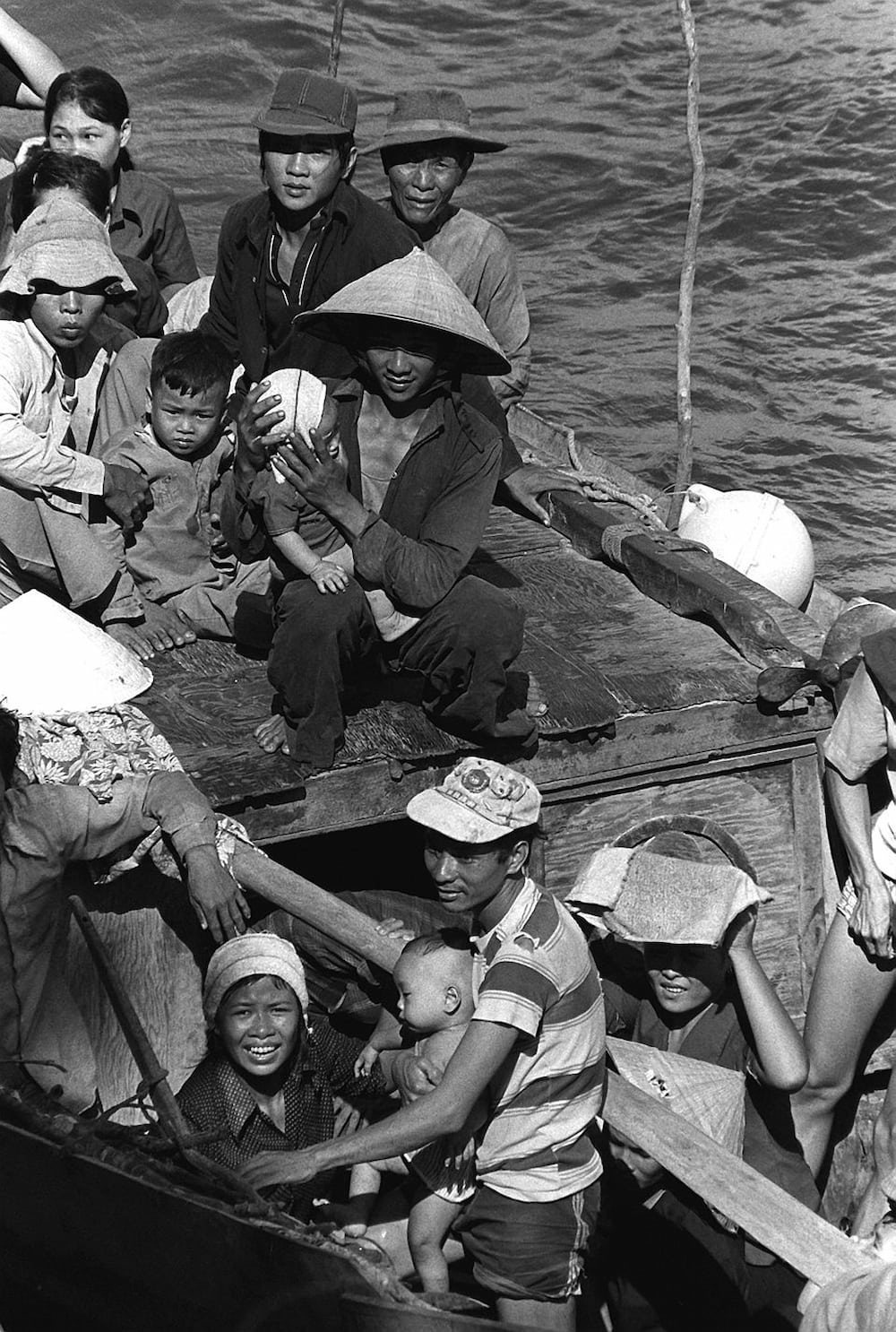
Vietnamese refugees await rescue
In the years following the Fall of Saigon, many refugees left Vietnam secretly in unseaworthy and overcrowded boats. This second wave of refugees became known as the “boat people.”
-
Image
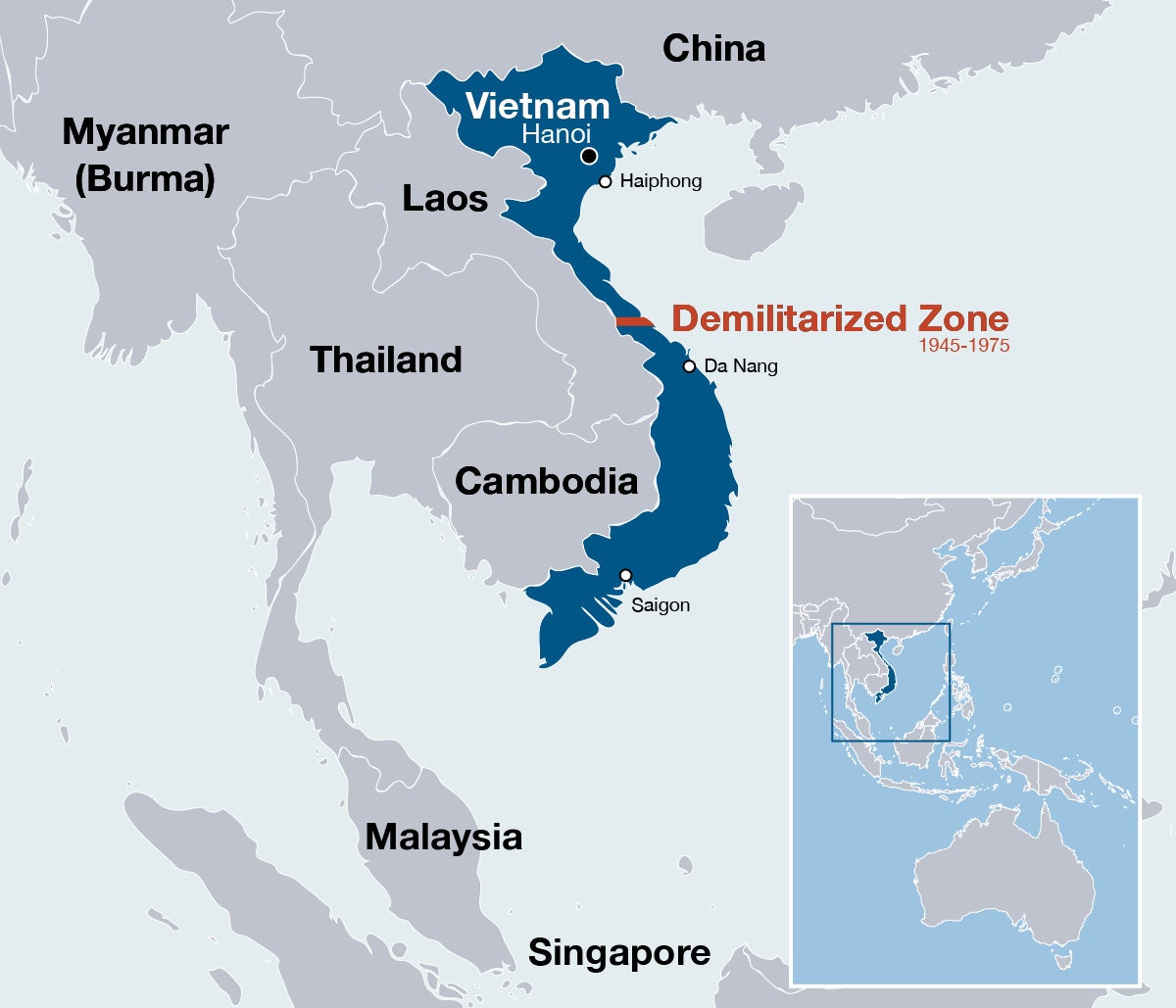
Map of previously divided Vietnam
A map of previously divided Vietnam. The Việt Nam-American War (1955–1975), including adjacent wars in the former French colonies of Cambodia and Laos, ended with the withdrawal of US forces and the reunification of Vietnam.
-
Image
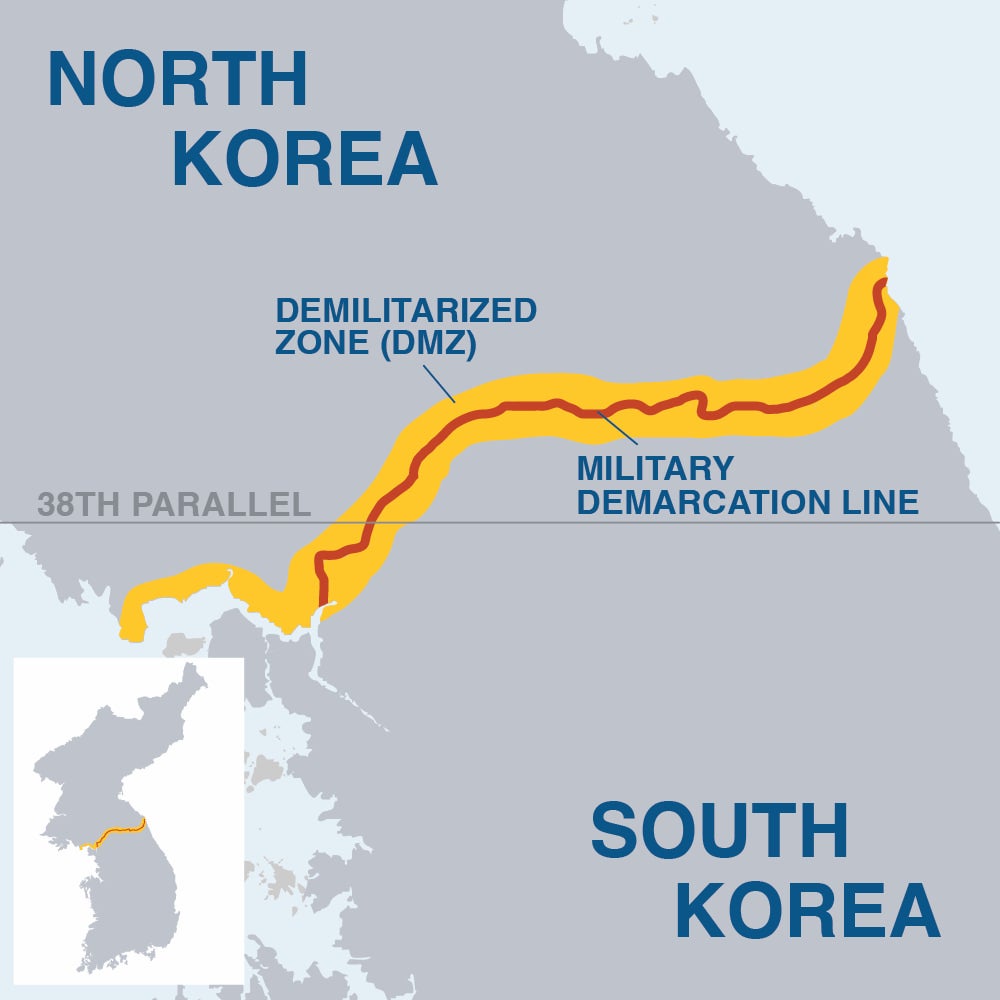
Map of Korea showing demarcation line and demilitarized zone after Korean War 1950–1953
This map of Korea shows the demarcation line and demilitarized zone (DMZ) established after the Korean War of 1950–1953, in which US troops were heavily involved.
-
Image
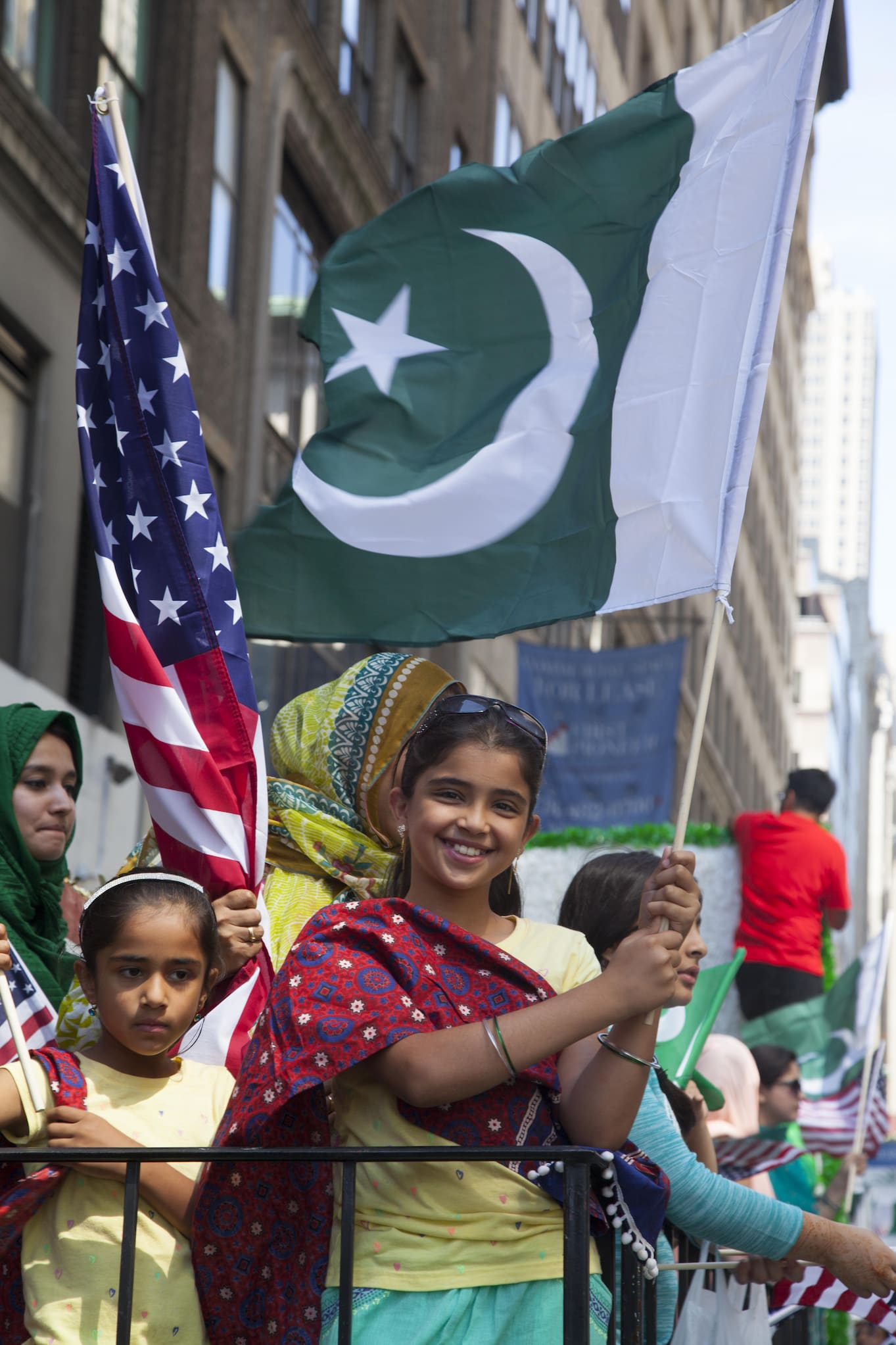
Pakistani Independence Day Parade, New York City, 2016
Proud Pakistani Americans take part in the Pakistani Independence Day Parade on Madison Avenue in New York City, 2016.
-
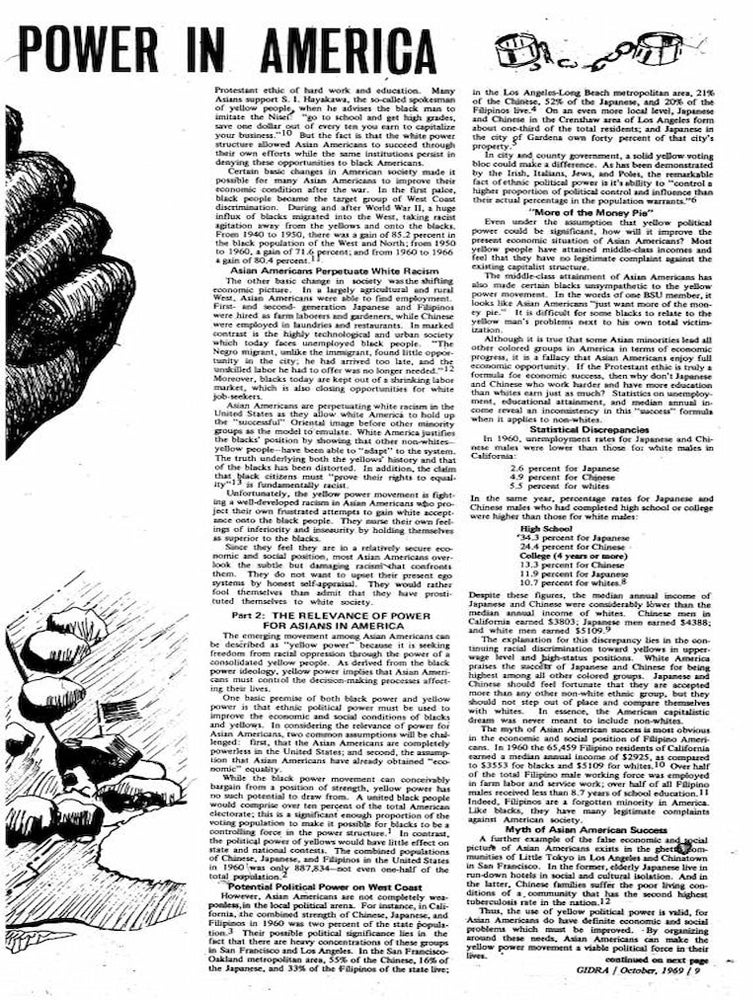
Text
Amy Uyematsu article, “The Emergence of Yellow Power in America”, pt 2
Amy Uyematsu article, “The Emergence of Yellow Power in America” in Roots: An Asian American Reader examines the social position of Asians in America in 1971.
-
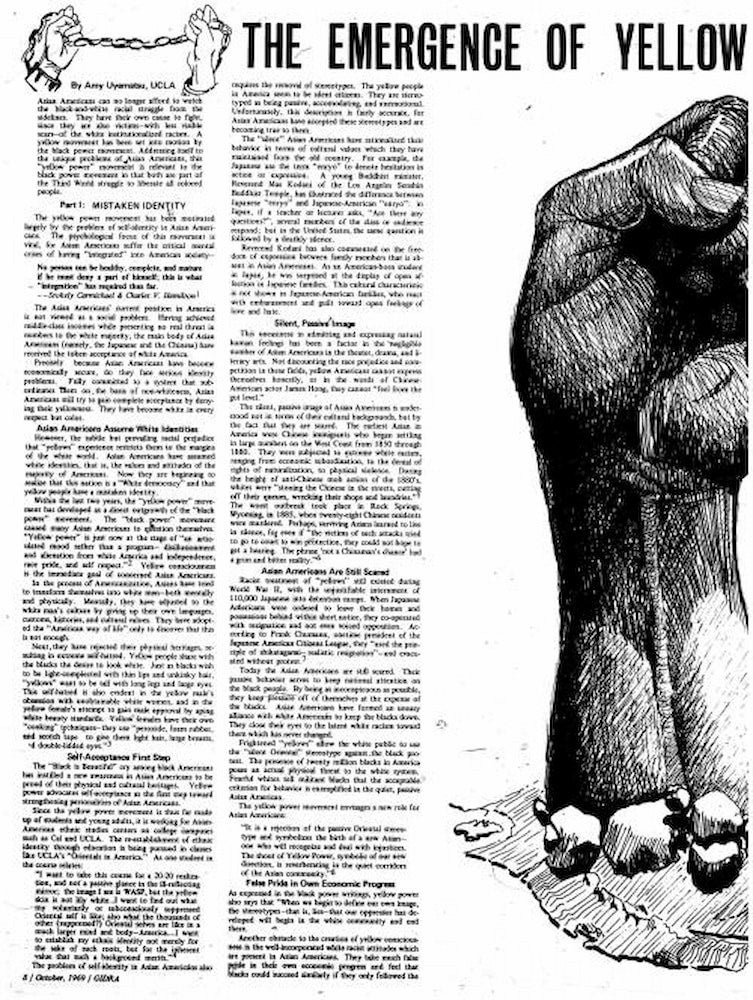
Text
Amy Uyematsu article, “The Emergence of Yellow Power in America”, pt 1
Amy Uyematsu article, “The Emergence of Yellow Power in America” in Roots: An Asian American Reader examines the social position of Asians in America in 1971.
-

Video
Pew Research Center’s “Being Asian in America” documentary, 2022
A participant in the Pew Research Center’s “Being Asian in America” documentary from 2022 discusses how the model minority myth has directly and negatively impacted her self-esteem.
-
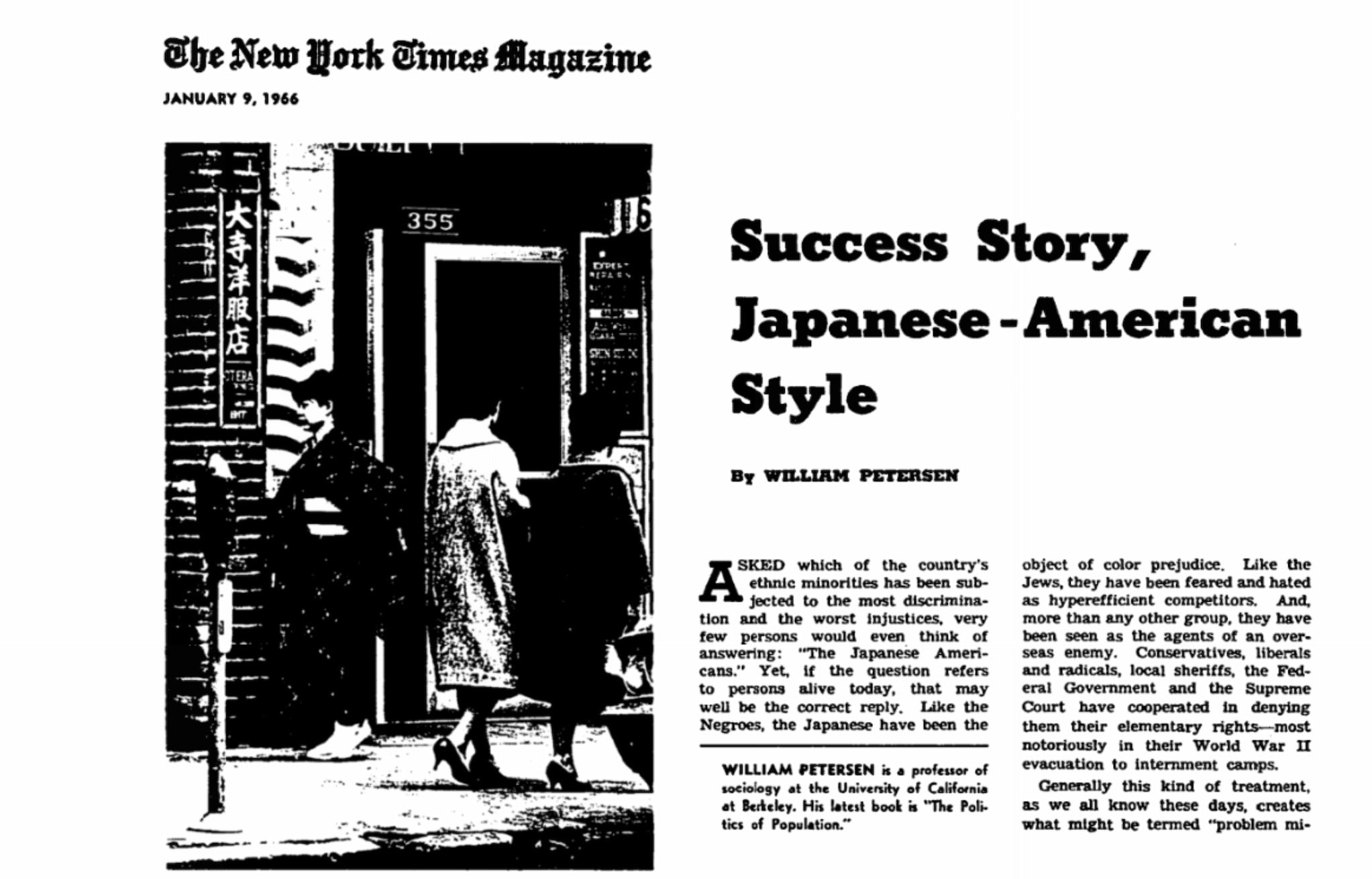
Text
New York Times Op-Ed, 1966
A 1966 New York Times Op-Ed praised post-World War II Japanese Americans for succeeding in spite of their setbacks: “the Japanese Americans are better than any other group in our society, including native-born white.” The model minority myth creates a false hierarchy by pitting Asian Americans against other racial groups.
-
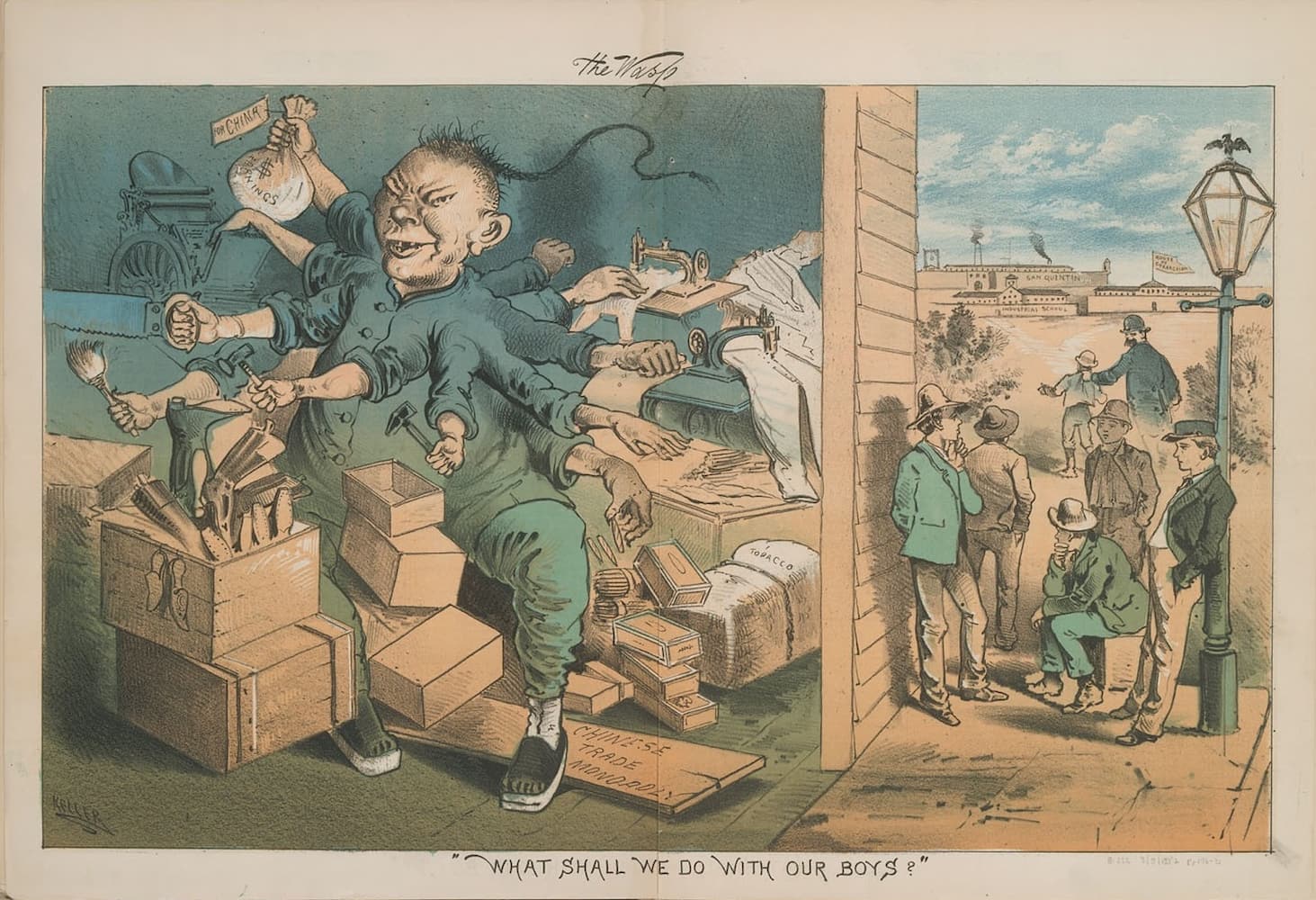
Image
George Frederick Keller’s cartoon, 1882
George Frederick Keller’s 1882 cartoon, “What shall we do with our boys?” shows a group of young white men put out of work by a caricature of an octopus-armed Chinese man.
-
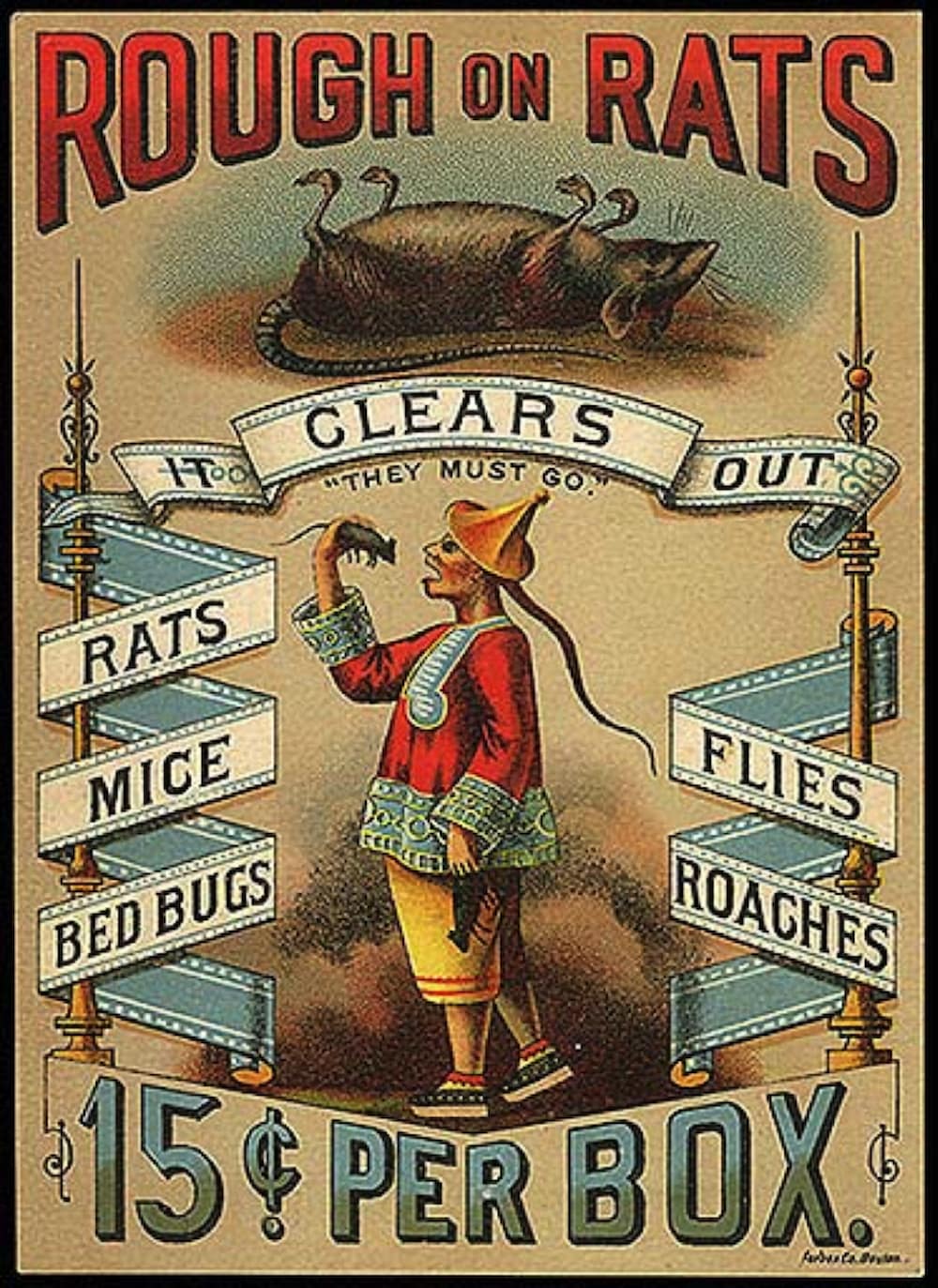
Text
Racist trade card advertisement ca.1880 for rat poison
A trade card advertisement ca.1880 for rat poison features a Chinese man about to eat a rodent. The stereotype was that the Chinese were so alien as to eat rats, mice, and other vermin as part of their diet.
-
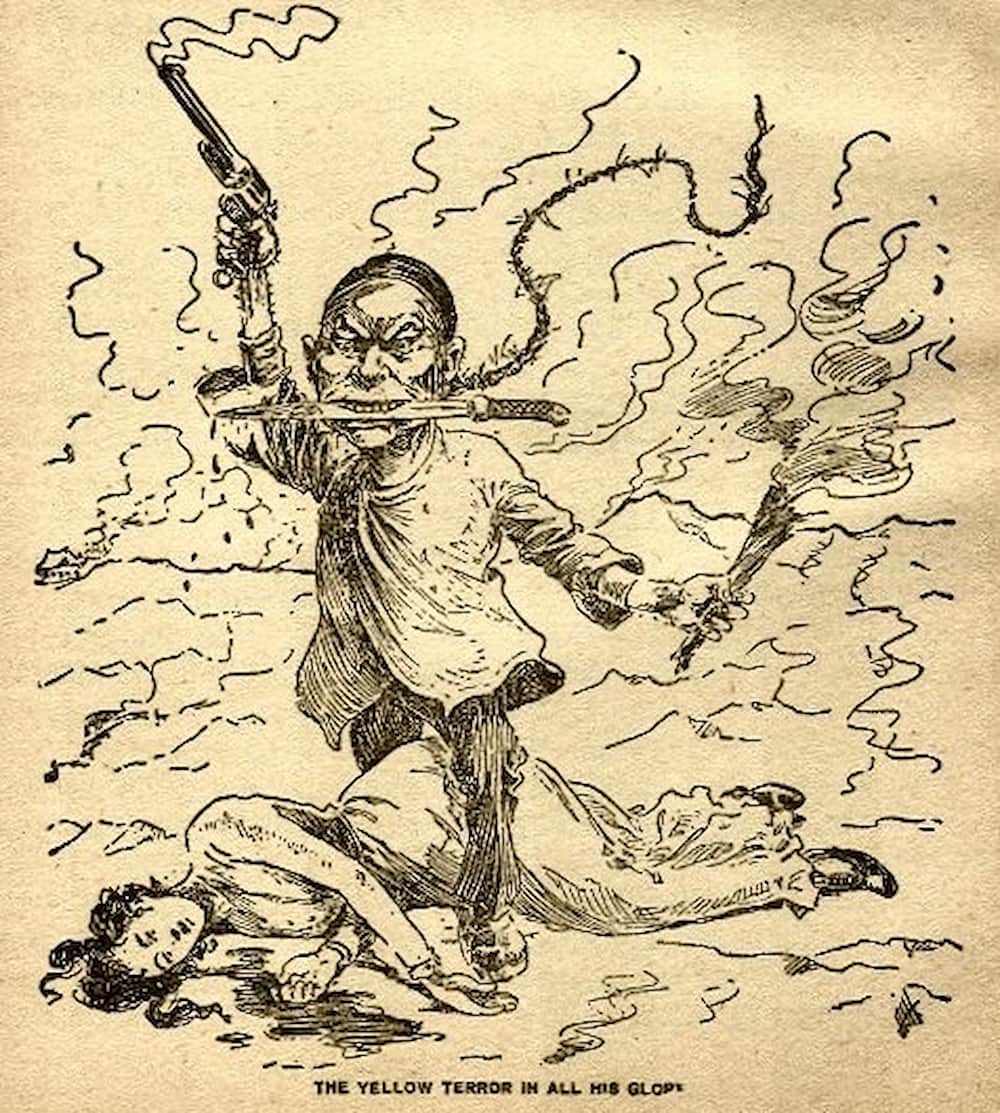
Image
Stereytyped cartoon about the Boxer Rebellion in China, 1899
The Yellow Terror in All His Glory, an 1899 cartoon about the Boxer Rebellion in China, stereotyped
-
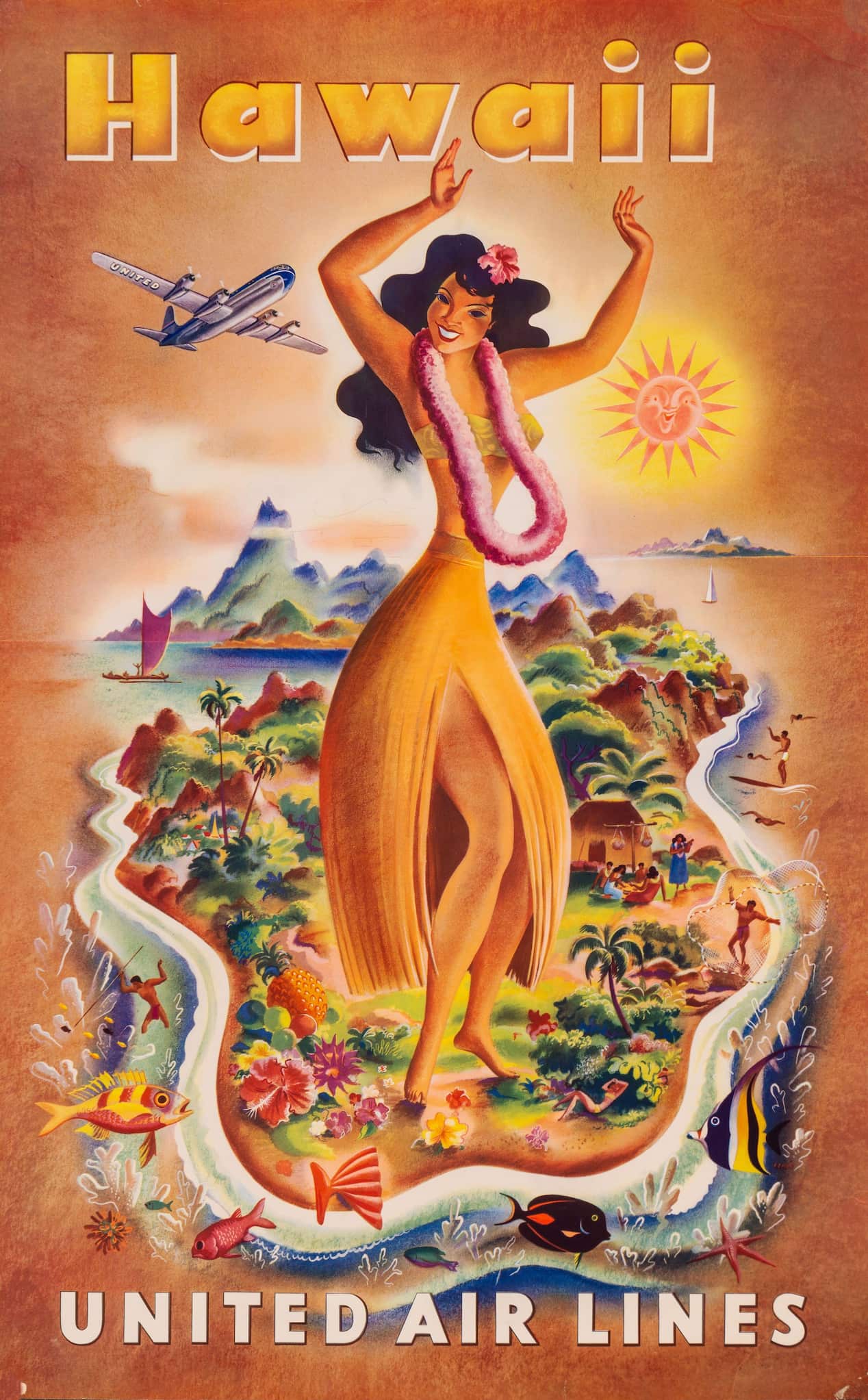
Image
This United Airlines advertisement, 1950
This United Airlines advertisement from 1950 leans into the sexualized image of the “exotic” Hawaiian “hula girl” to market the islands as a bountiful tourist paradise.
-
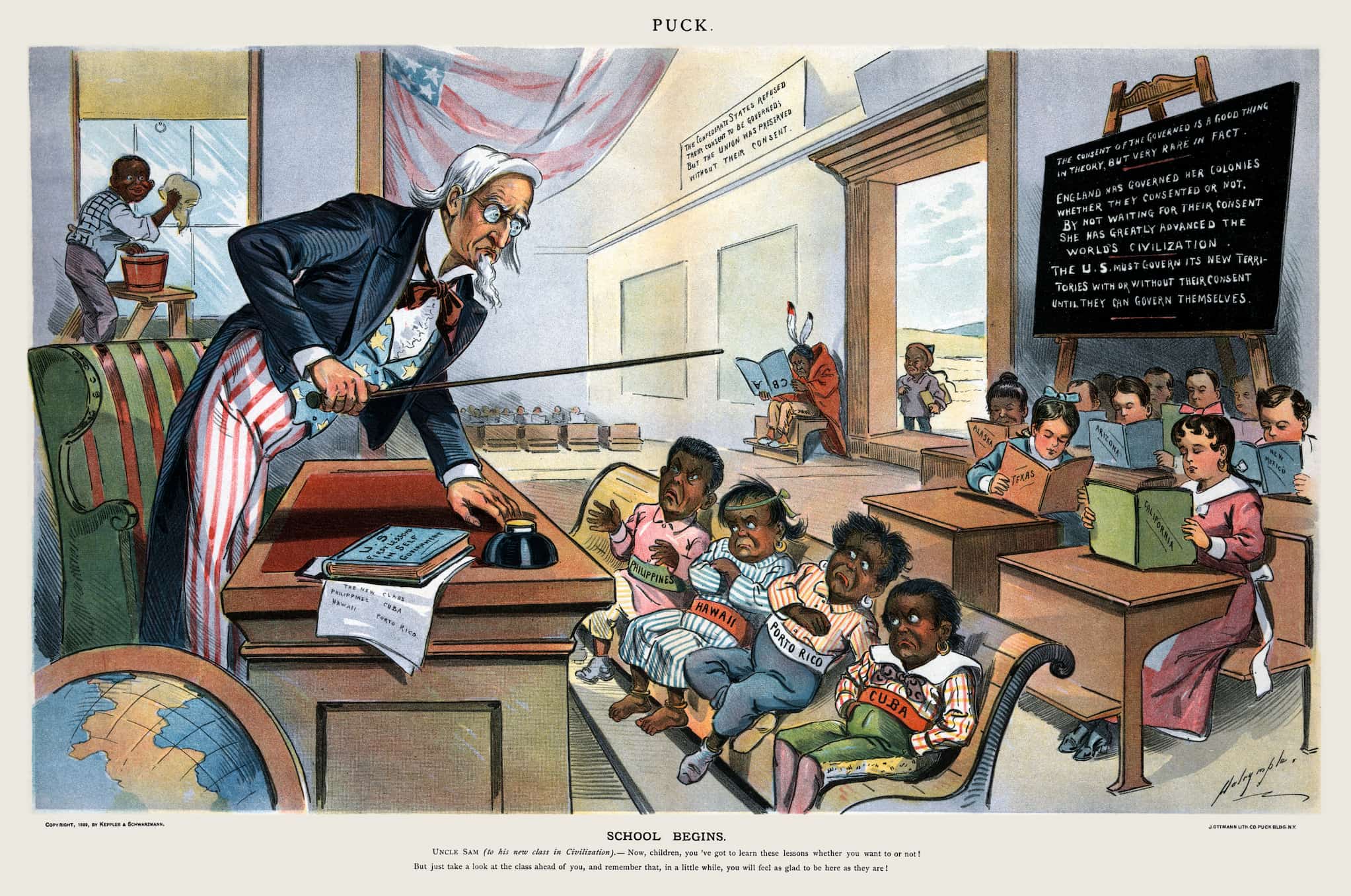
Image
Racist US media representation
In the late nineteenth and early twentieth centuries, US media representations of the Philippines, Hawaiʻi, “Porto” Rico, and Cuba crudely depicted them as uncivilized children in Uncle Sam’s classroom.
-
Video
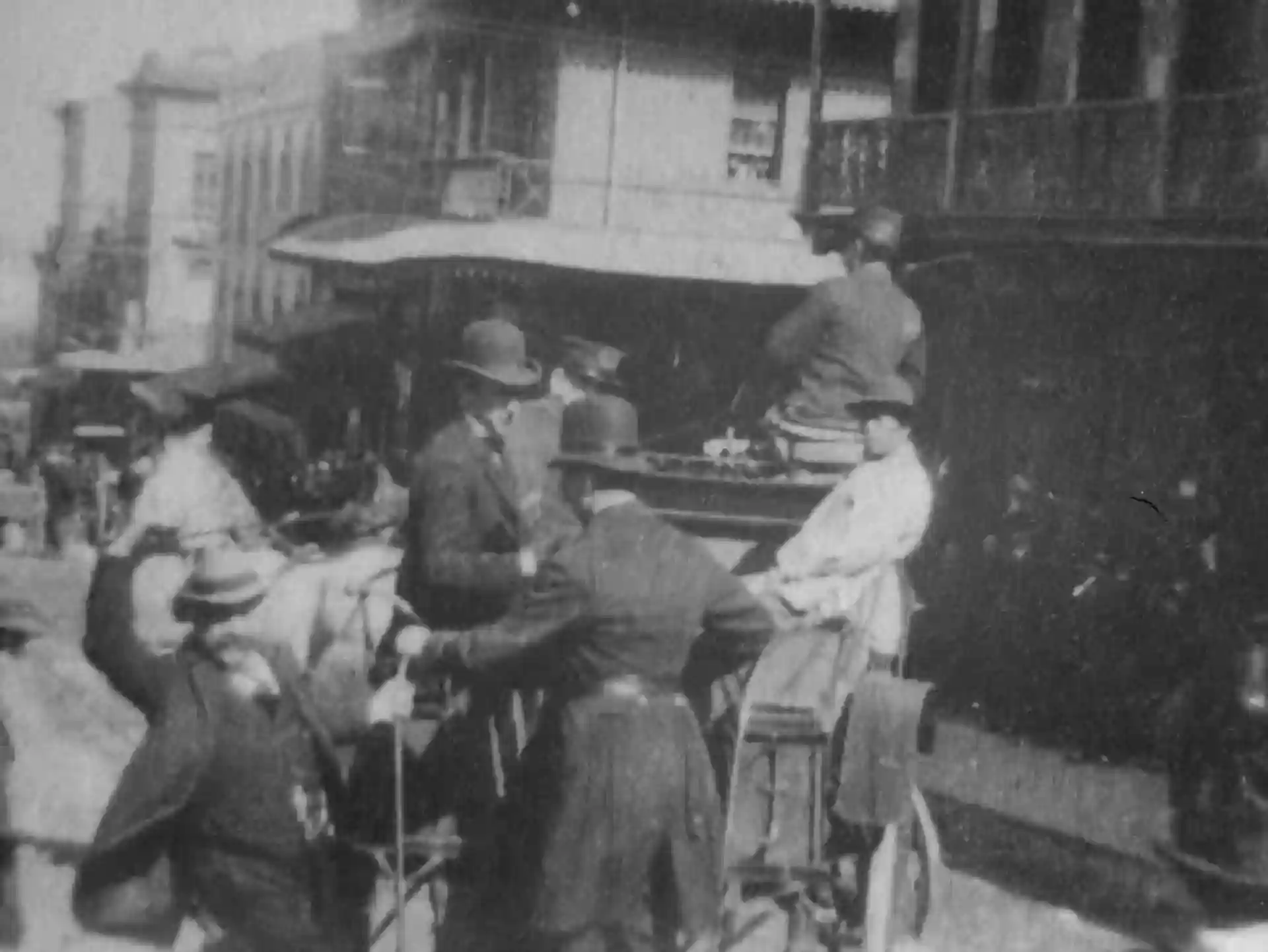
Arrest of Chinese man, Chinatown, San Francisco, 1897
This 1897 film shows the arrest of a Chinese man in San Francisco’s Chinatown, watched by a crowd of onlookers.
-
Image
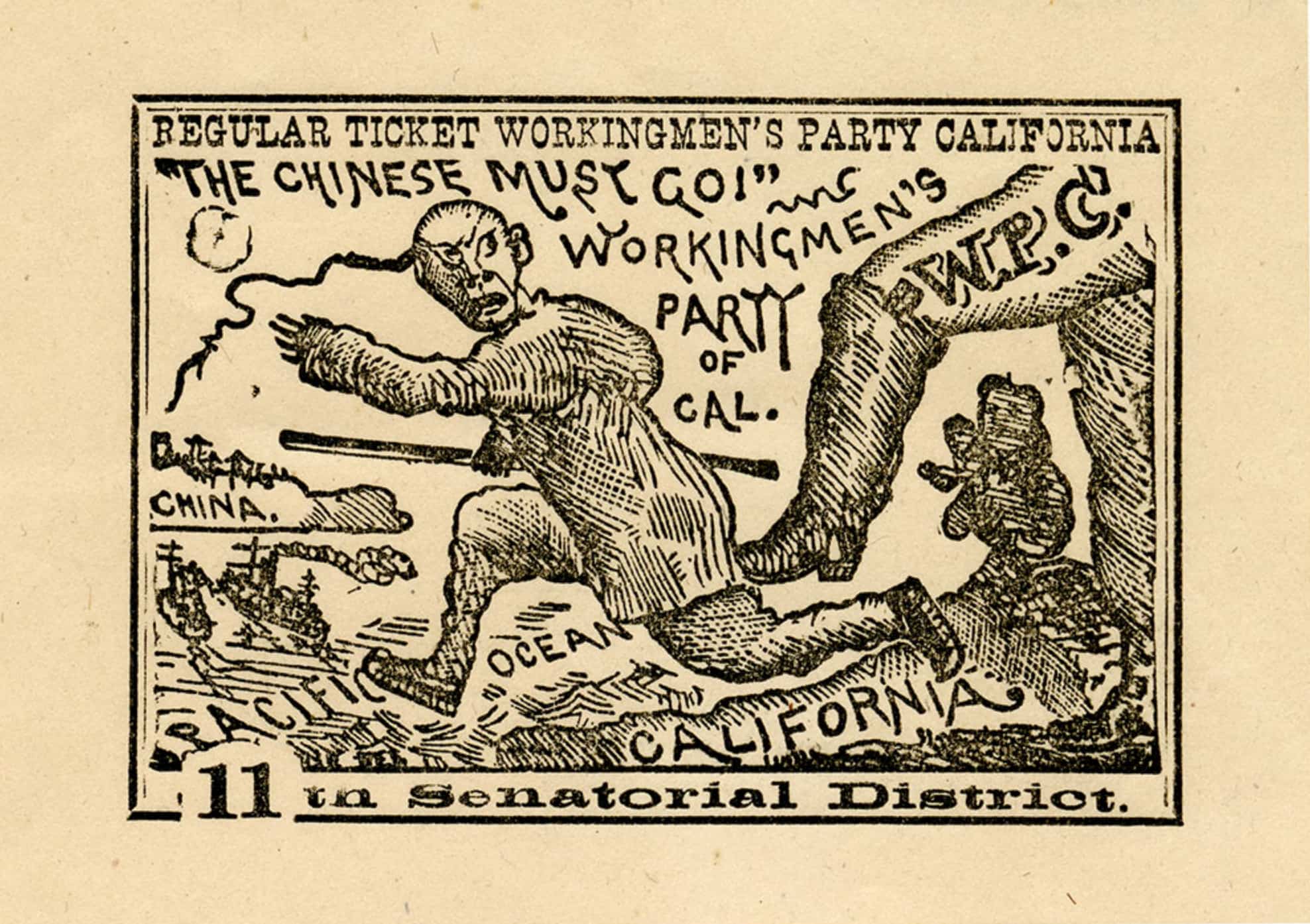
Ticket for the Workingmen’s Party of California, 1879
An 1879 regular ticket for the Workingmen’s Party of California, which ran on the slogan, “The Chinese must go!”
-
Image
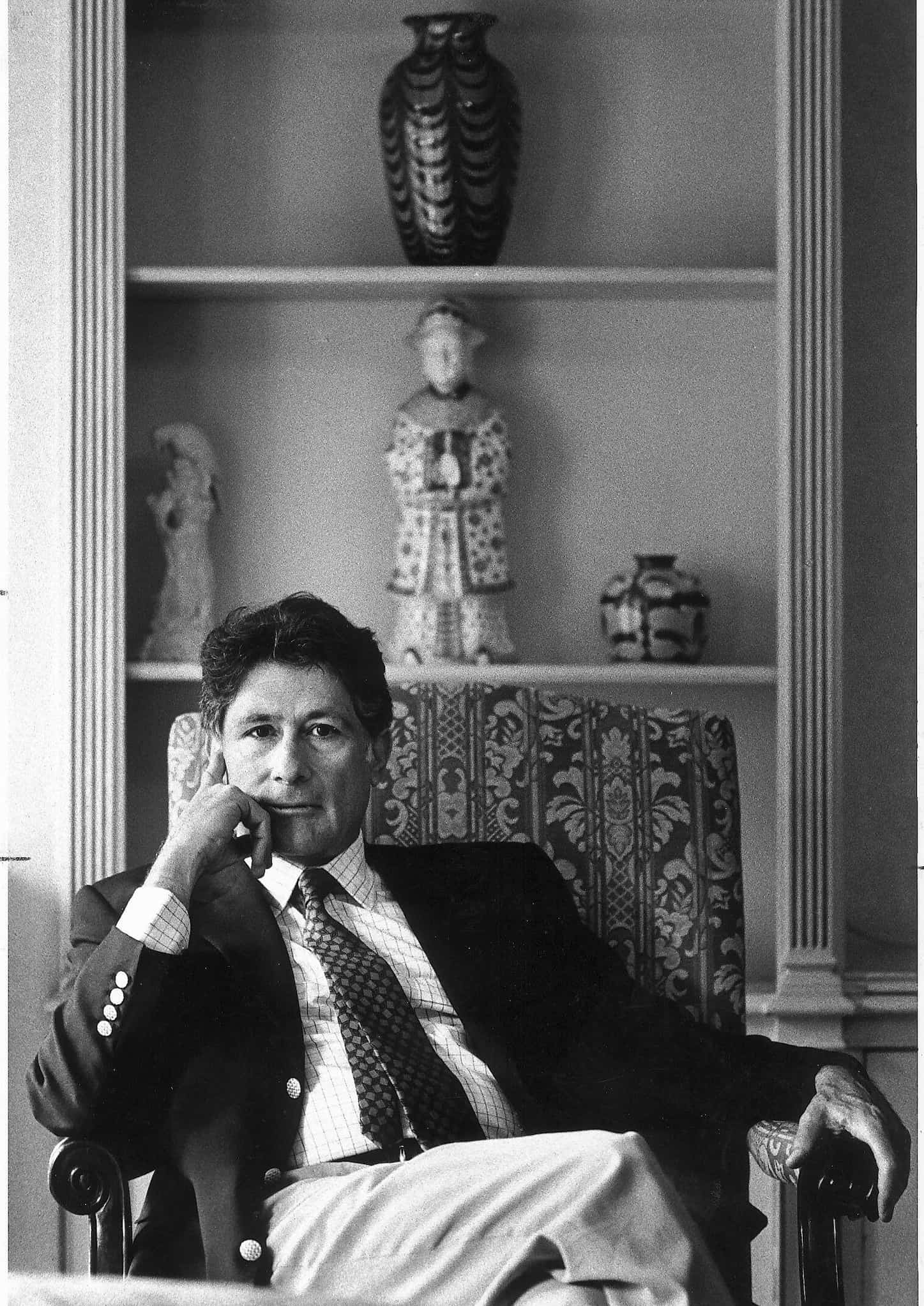
Edward Said (1935-2003), Professor of English and Comparative Literature at Columbia University
Edward Said (1935-2003) was a Professor of English and Comparative Literature at Columbia University. In Orientalism, Said argued that Orientalist writings and ideologies portrayed the West as being culturally superior, while people of Eastern countries are seen as inferior and subordinate.
-
Image
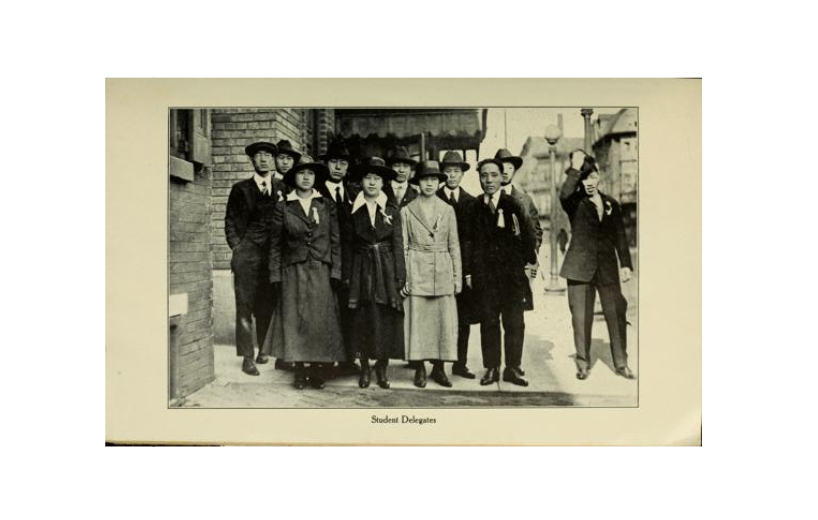
Student delegates at Korean National Congress, Philadelphia, Pennsylvania, 1919
Student delegates at the Korean National Congress in Philadelphia, Pennsylvania in 1919. While many Asian immigrant communities were dominated by men, Korean American anti-colonial activism often included women at the forefront.
-
Image
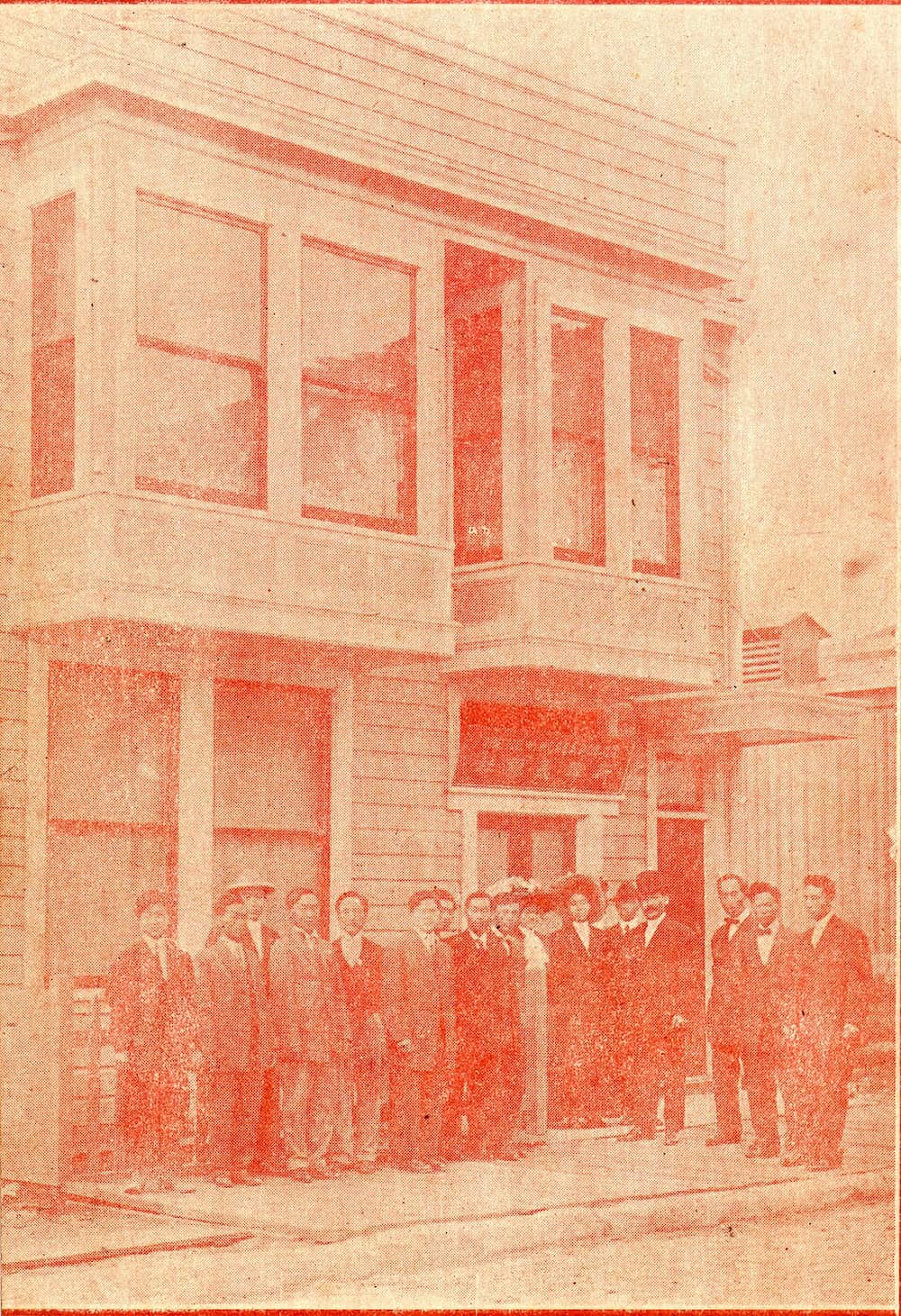
San Francisco offices of Sinhan Minbo, ca.1911
The San Francisco offices of Sinhan Minbo, a Korean American newspaper, circa 1911. The medium of print was a crucial tool for immigrant communities in advocating for the independence of their homelands.
-
Text
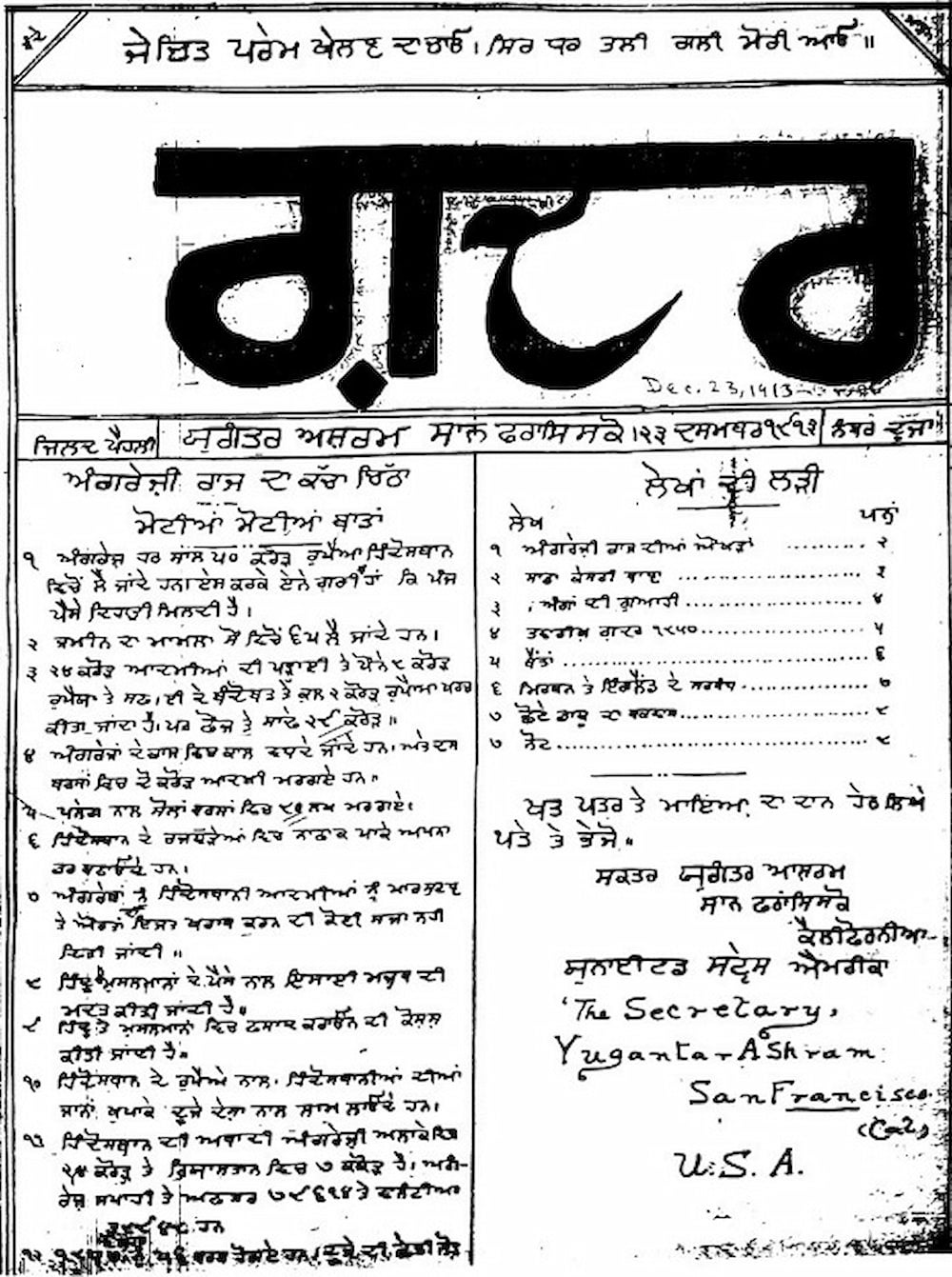
The Ghadar Journal in Punjabi, 1914
The Ghadar Journal in Urdu (left) and in Punjabi (right), from 1914. The newspaper of the Ghadar party, circulated amongst its members throughout North America and elsewhere, called for the immediate and armed overthrow of British rule in India.
-
Text
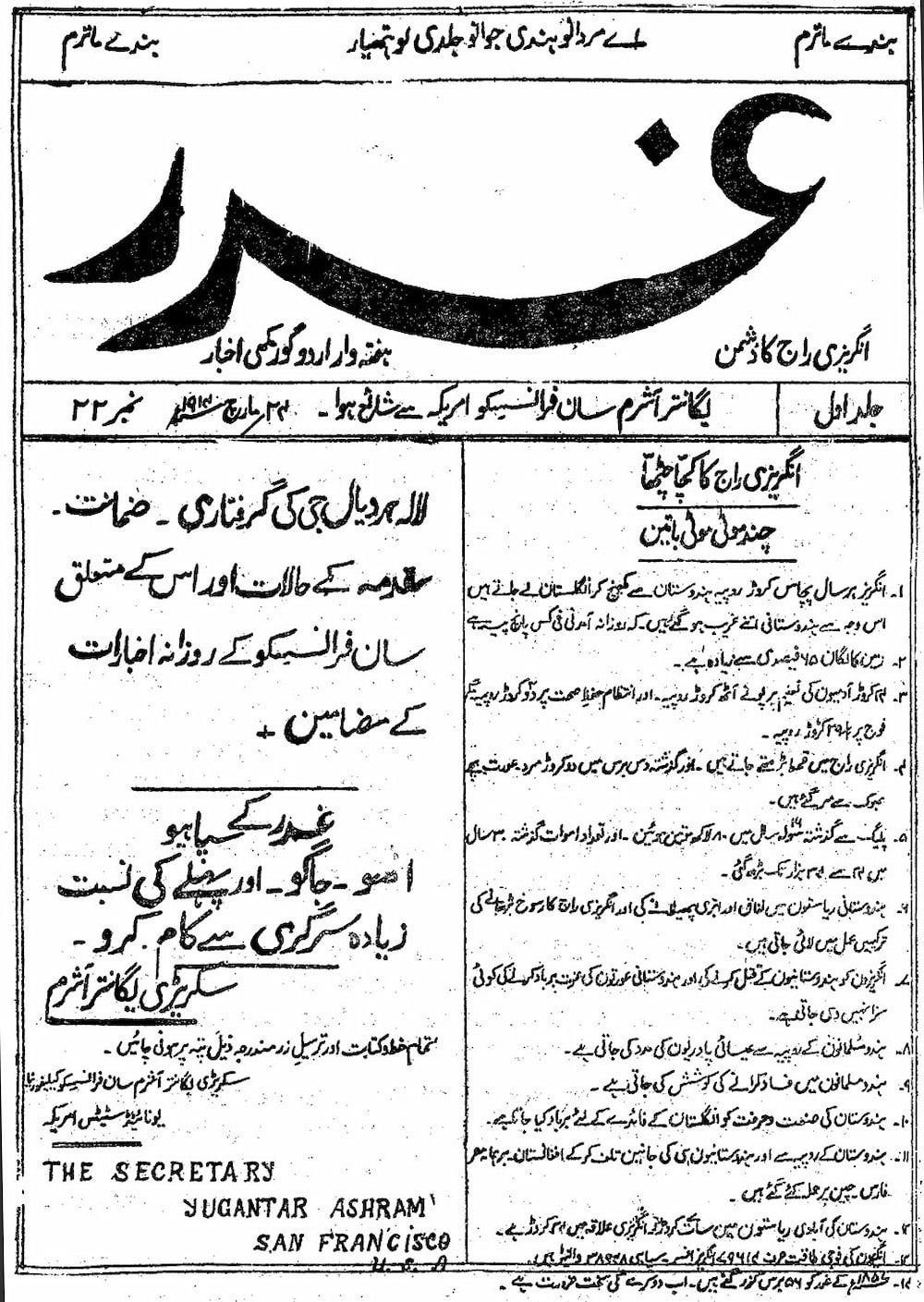
The Ghadar Journal in Urdu, 1914
The Ghadar Journal in Urdu (left) and in Punjabi (right), from 1914. The newspaper of the Ghadar party, circulated amongst its members throughout North America and elsewhere, called for the immediate and armed overthrow of British rule in India.