



Search the Media Repository
Discover the curated images, videos, and primary sources featured throughout Foundations and Futures
History is more than just text on a page; it is the photographs, voices, and artifacts of the people who lived it. The images and recordings featured across Foundations and Futures are part of a meticulously curated media repository. Whether you are building a lesson plan or investigating an artifact, you can use this database to trace the provenance of our media: discover who created an asset, the historical context behind it, and how it can be used to bring Asian American and Pacific Islander experiences into your classroom.
Multimedia
Chapters
-
Text
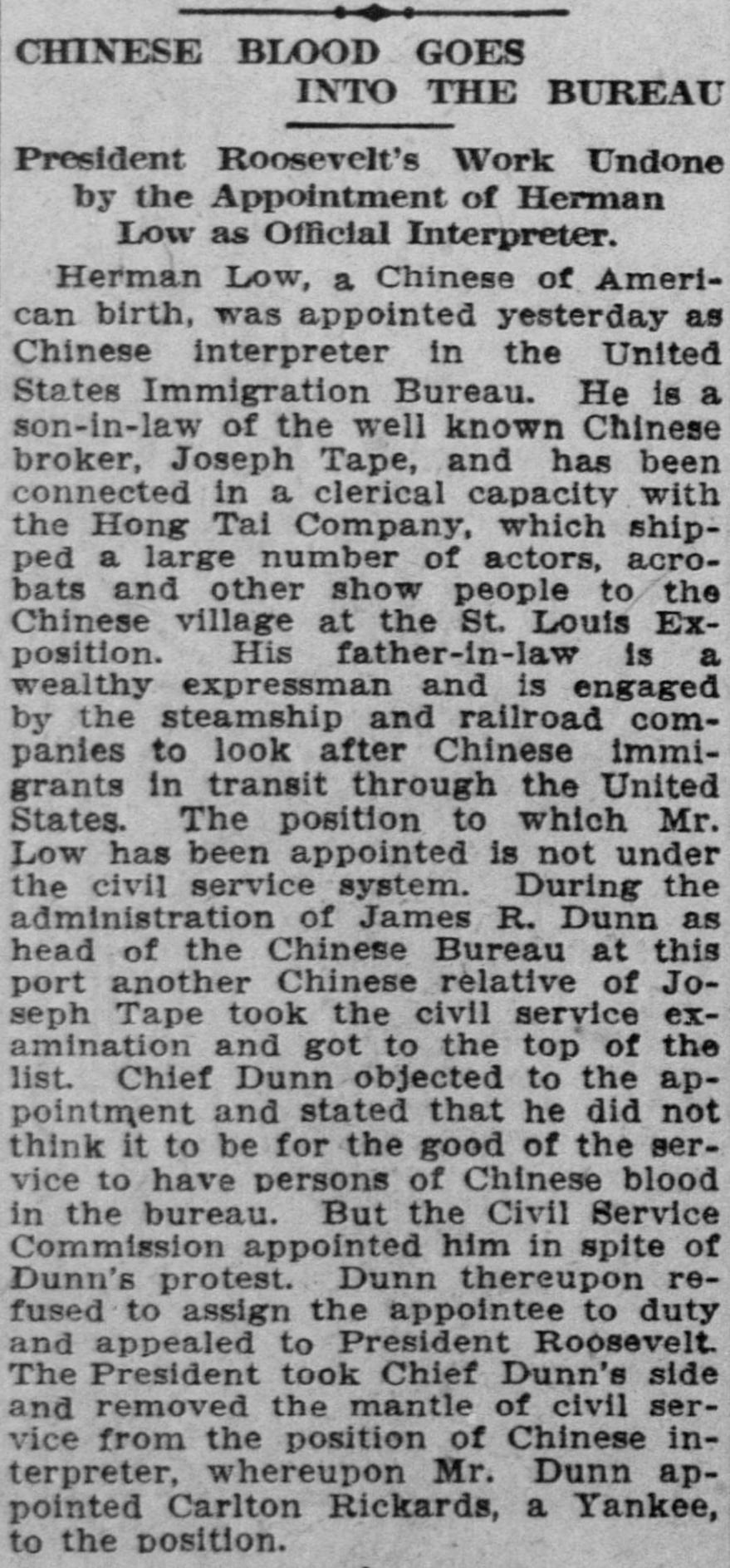
“Chinese Blood Goes into the Bureau”
President Roosevelt’s Work Undone by the Appointment of Herman Low as Official Interpreter.
-
Image
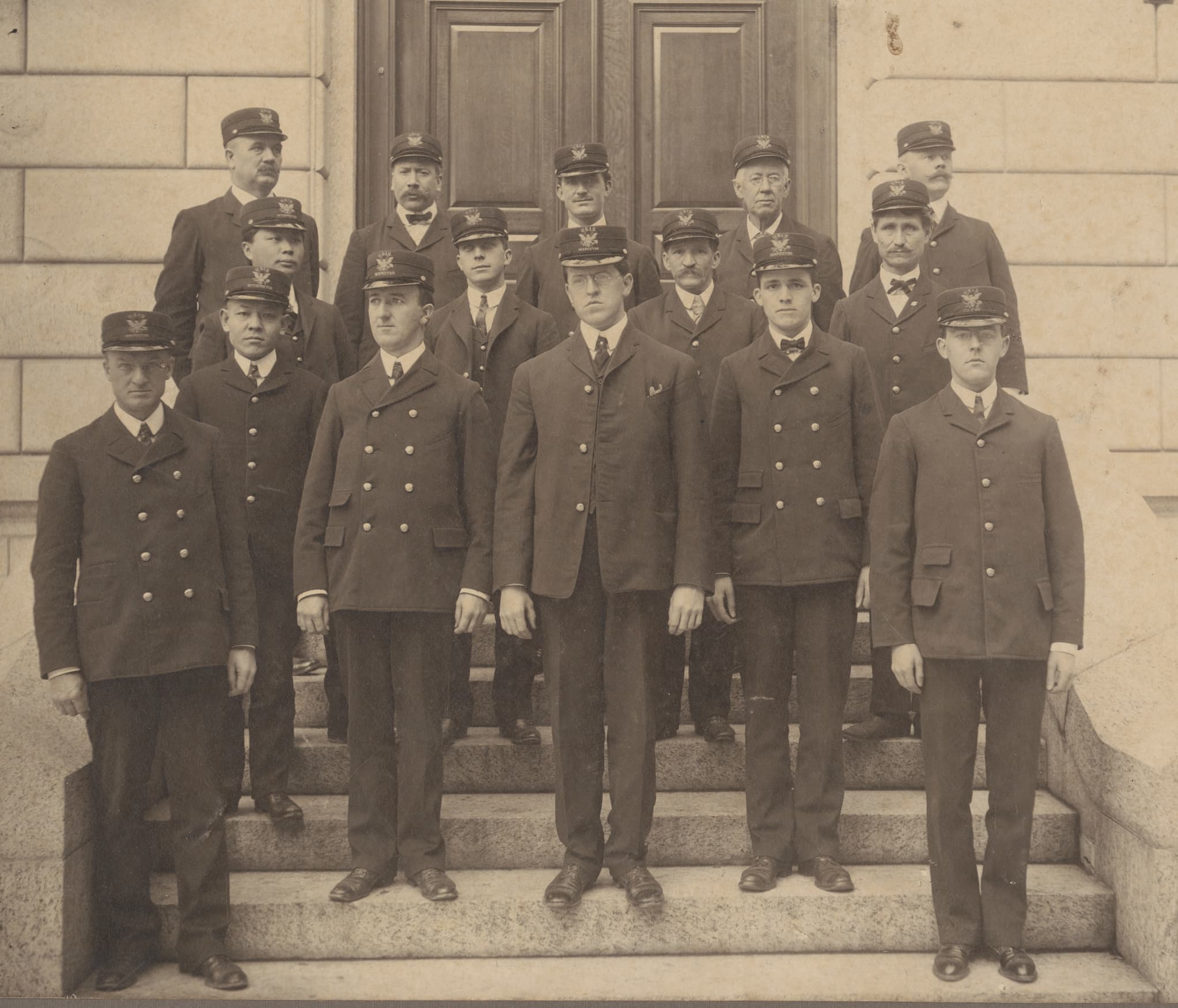
Interpreter Herman Low
An image of the Portland immigration staff. Interpreter Herman Lowe is in the third row, far left.
-
Text
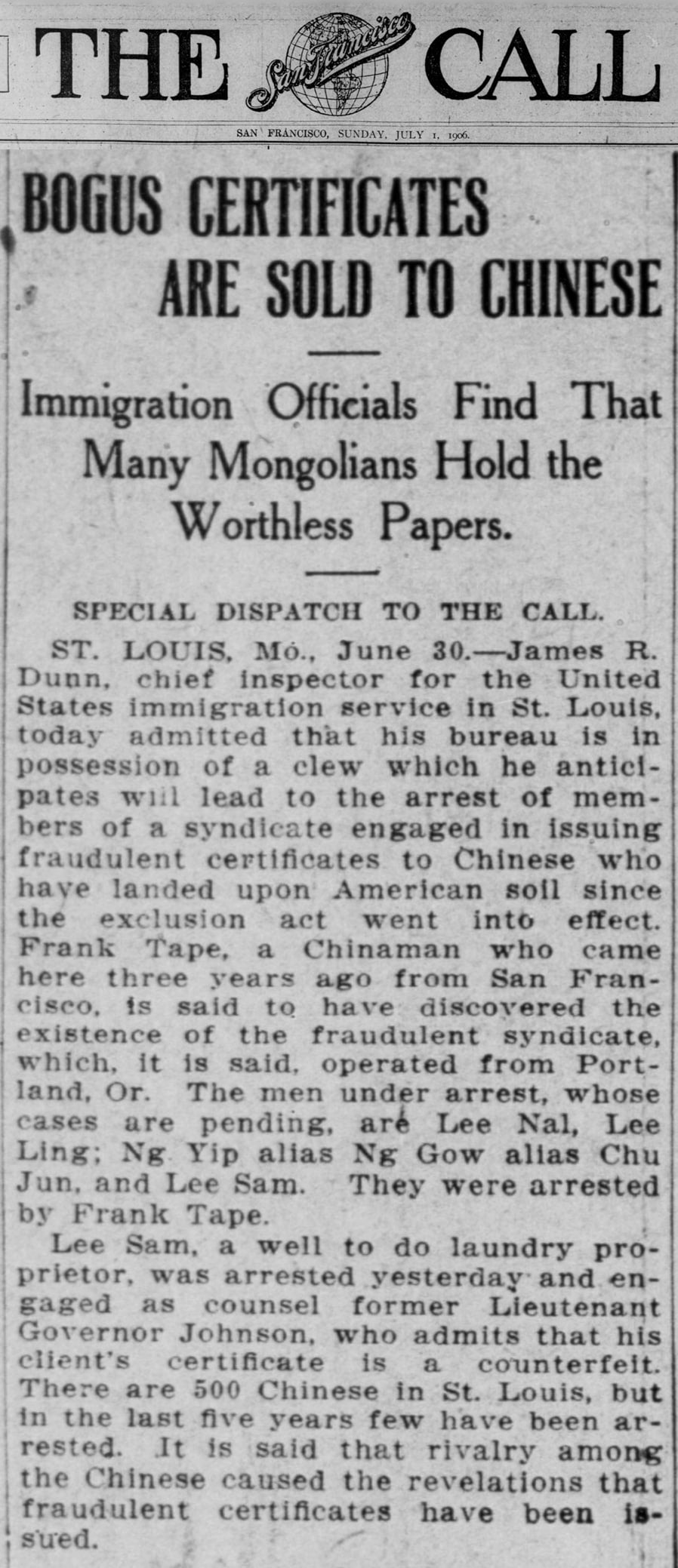
“Bogus Certificates Are Sold to Chinese”
In 1906 Frank Tape reported and arrested four Chinese American men for selling fraudulent immigration certificates.
-

Text
“Slave Relates Her Sad Story”
Article “Slave Relates Her Sad Story” from the San Francisco Call details the testimony of Leung Ah Duck against her trafficker, H. L. Eça da Silva. Stories of Chinese “slaves” trafficked to the United States were weaponized by Nativist and anti-Asian actors to argue for restrictions on Chinese immigration.
-
Text
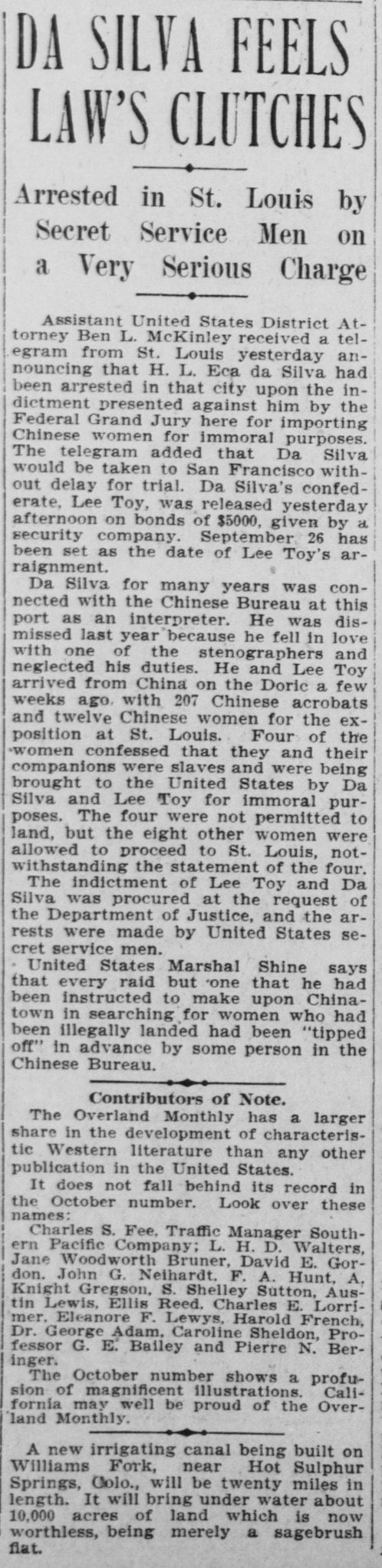
“Da Silva Feels Law’s Clutches”
This article reports on the arrest of H.L. Eça da Silva who was charged with “importing” Chinese women into the country for “immoral purposes.” The association between Chinese women and sex work made Chinese American women especially vulnerable to sexual violence, targeted deportations, and arrest.
-
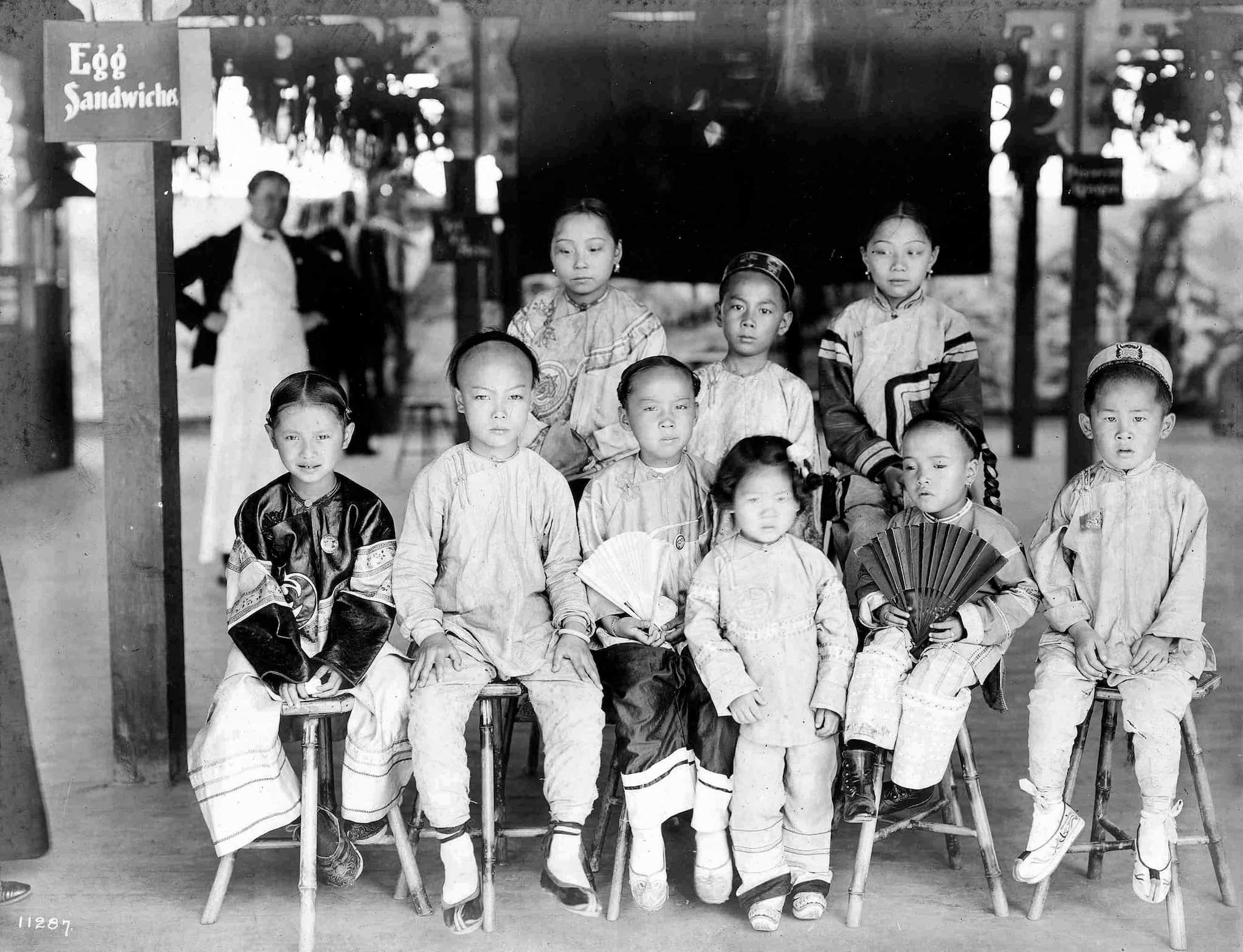
Image
Harold and Emily Tape at the Chinese Village
Children of Chinese American merchants were employed in the Chinese Village and costumed to appear as though they were from China. Mamie’s children, Harold (front row, right) and Emily (front row, third from right), were part of this group.
-
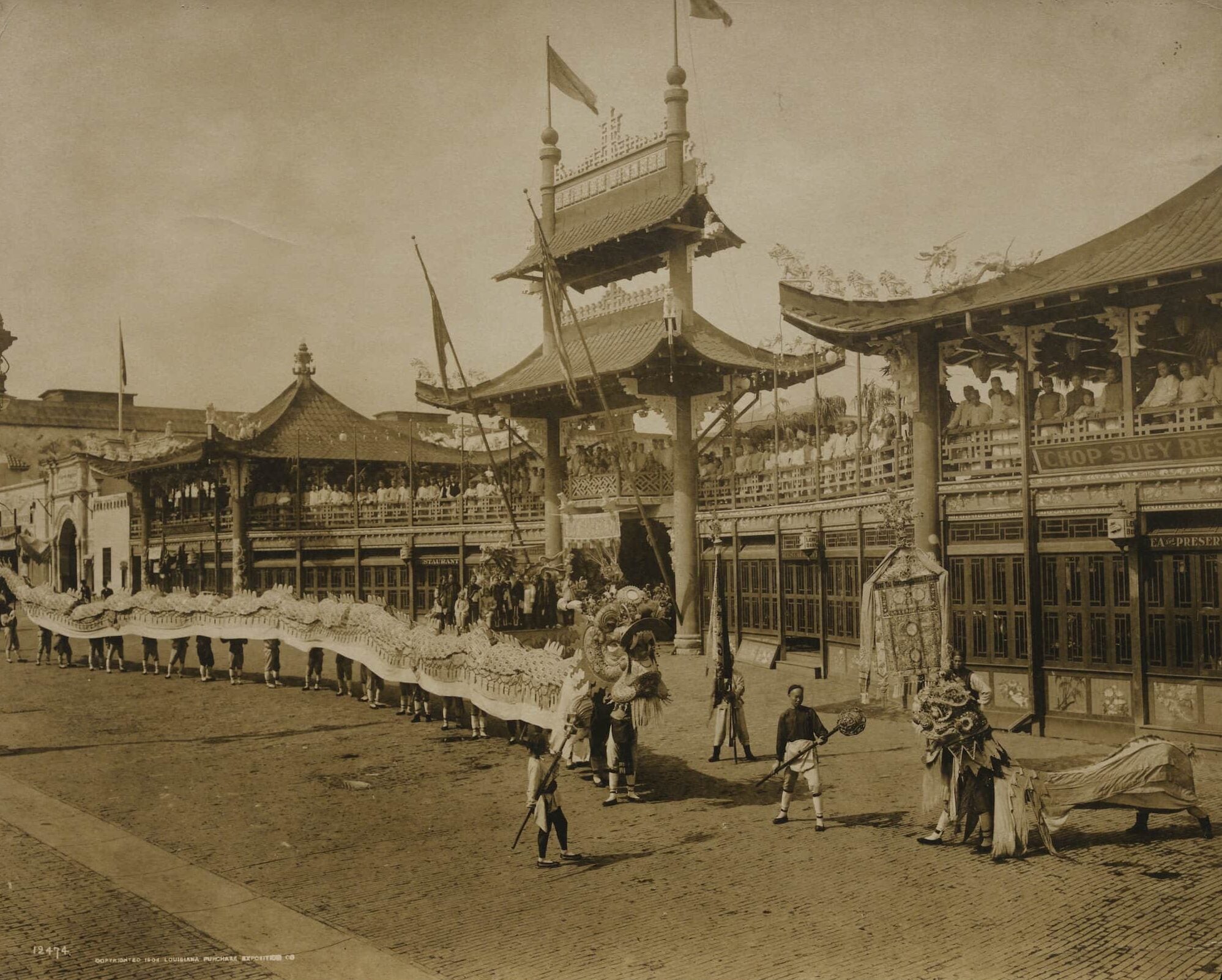
Image
Chinese Village
The Chinese Village on the midway at the St. Louis World’s Fair (1904). This exhibit promised visitors the chance to experience a romanticized version of the “Far East,” catering to white fantasies of China as an exotic kingdom lost in time. The Chinese Village employed Frank Tape and Mamie Tape’s husband, Herman Lowe.
-
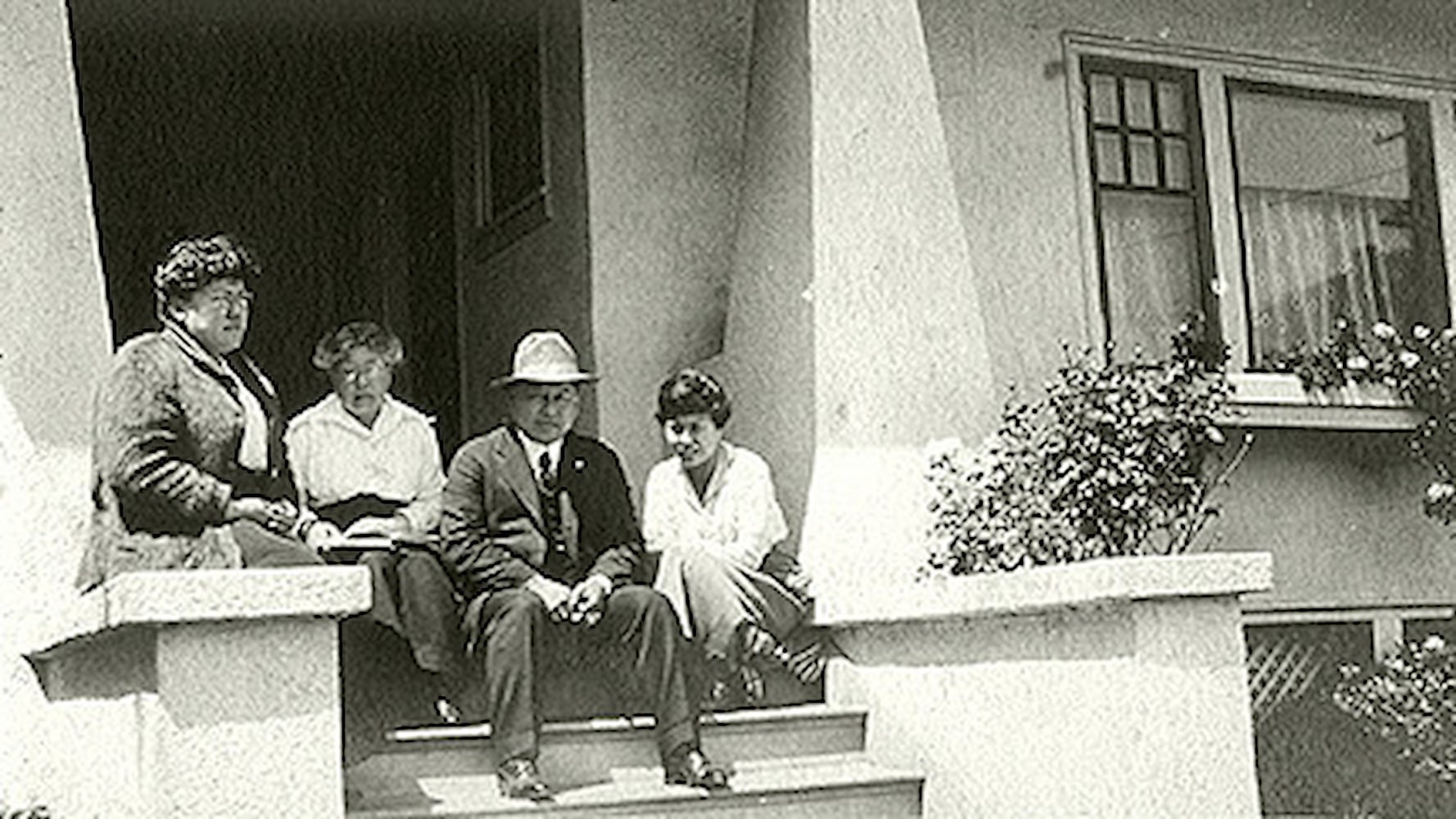
Image
Emily, Mary, Frank, and Gertrude
Photo of Emily, Mary, Frank, and Gertrude in the early 1910s.
-
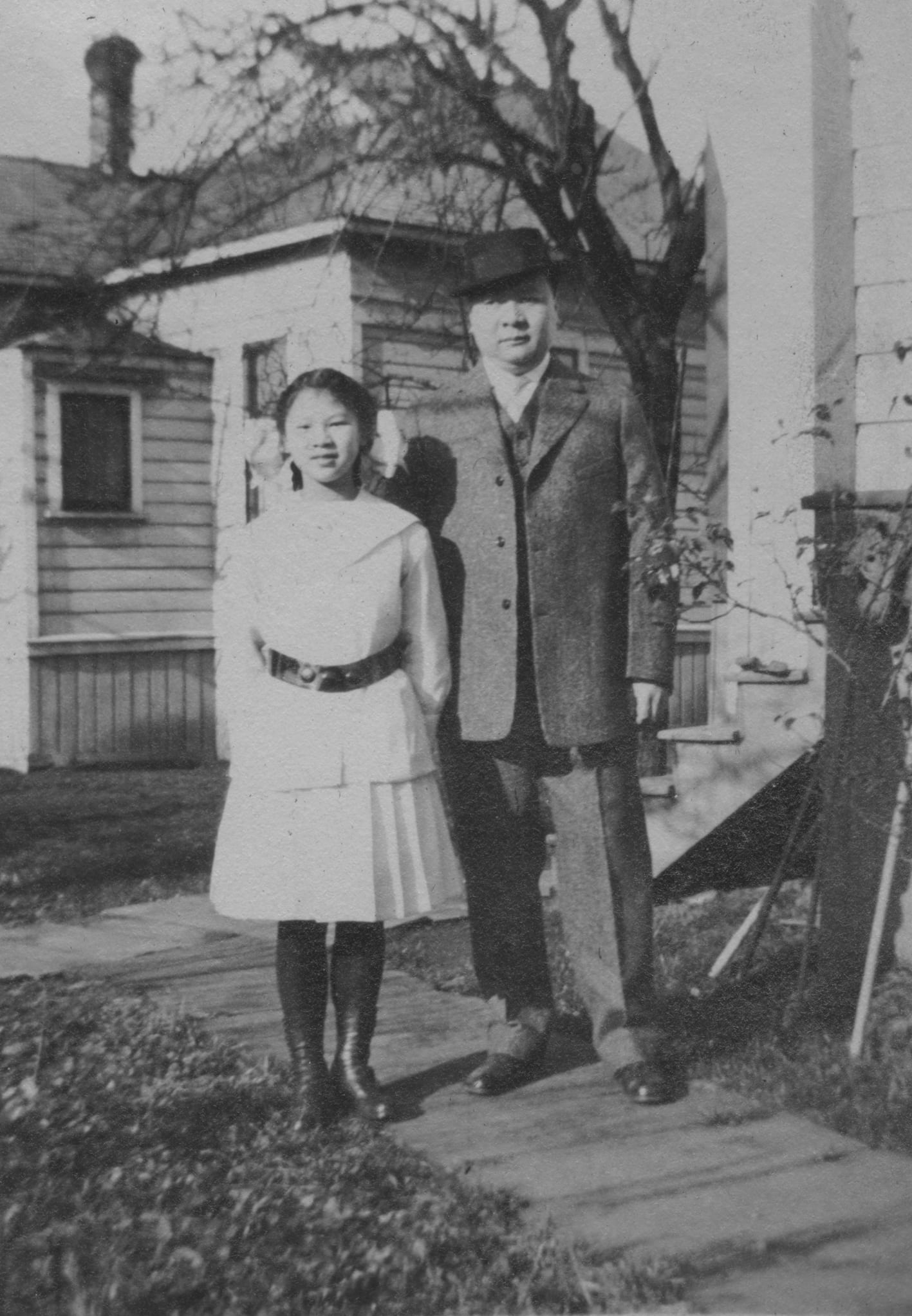
Image
Herman and Emily Lowe
Herman Lowe, Mamie’s husband, with their daughter, Emily, circa 1912.
-
Image
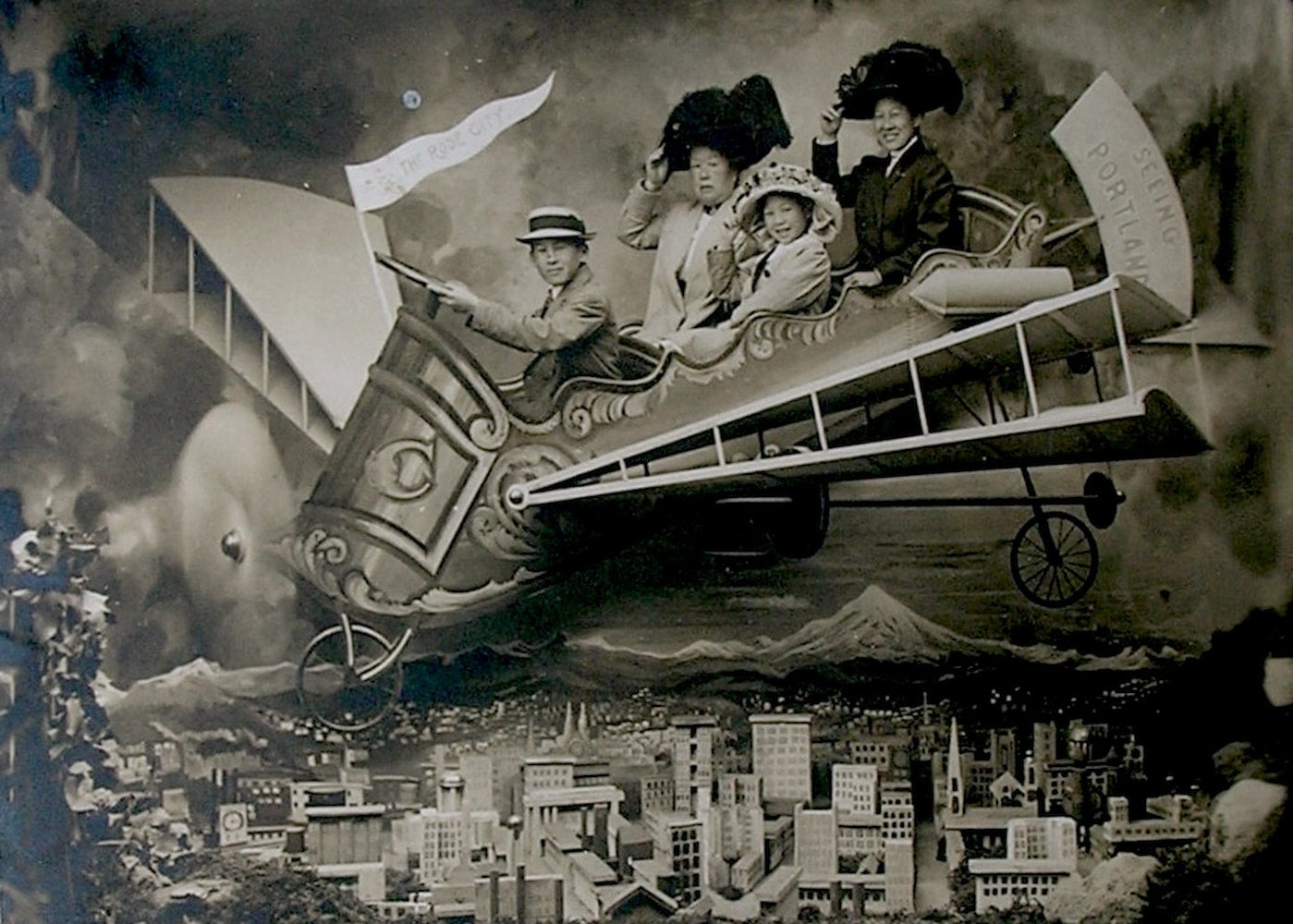
Tape Family Postcard
Mamie (right) with her children, Emily and Harold, and her sister, Emily, pose for a tourist postcard in Portland, circa 1912.
-
Image
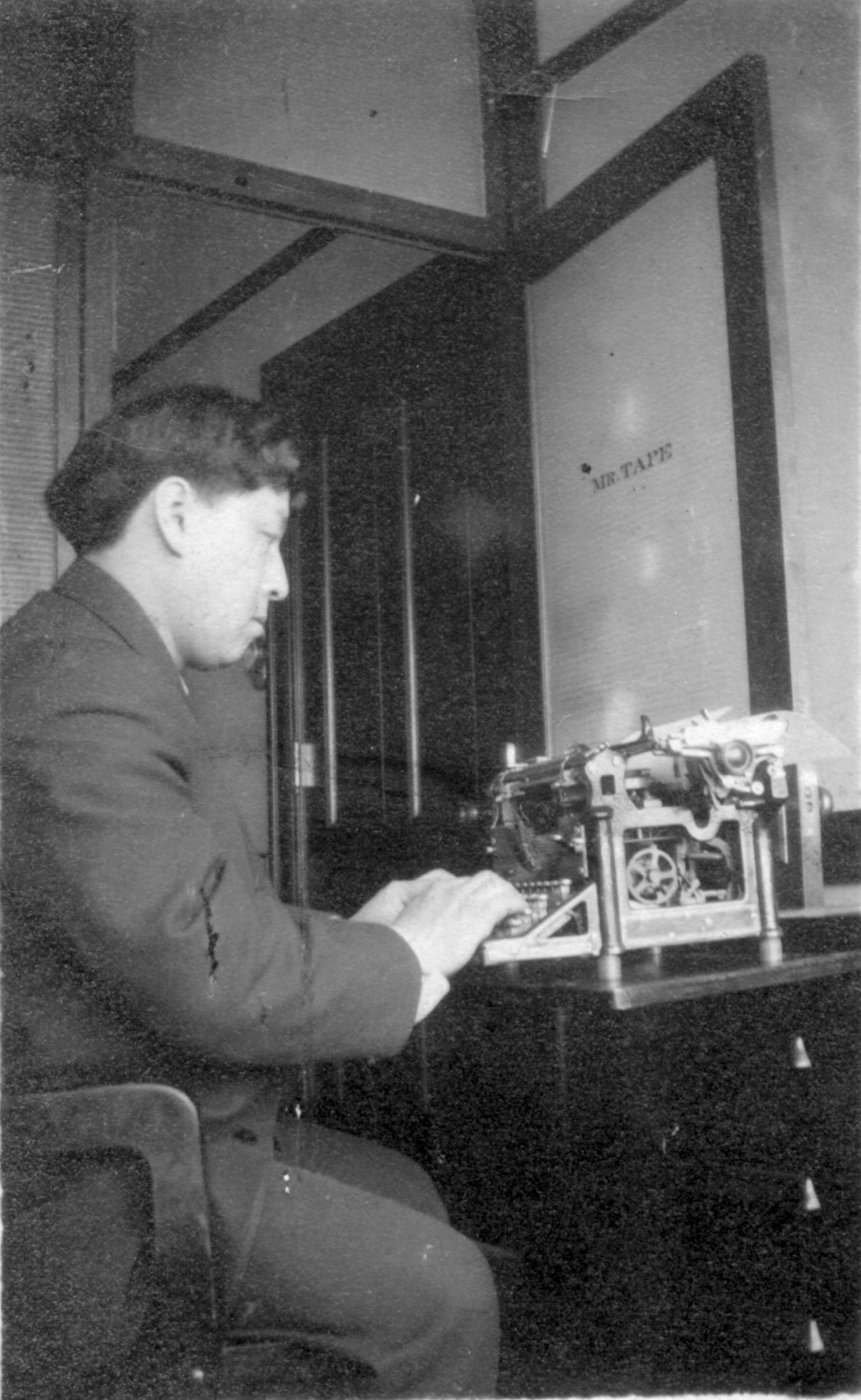
Frank Tape at the Pacific Mail Steamship Company
Frank at his father’s office at the Pacific Mail Steamship Company wharf in the late 1890s.
-
Image
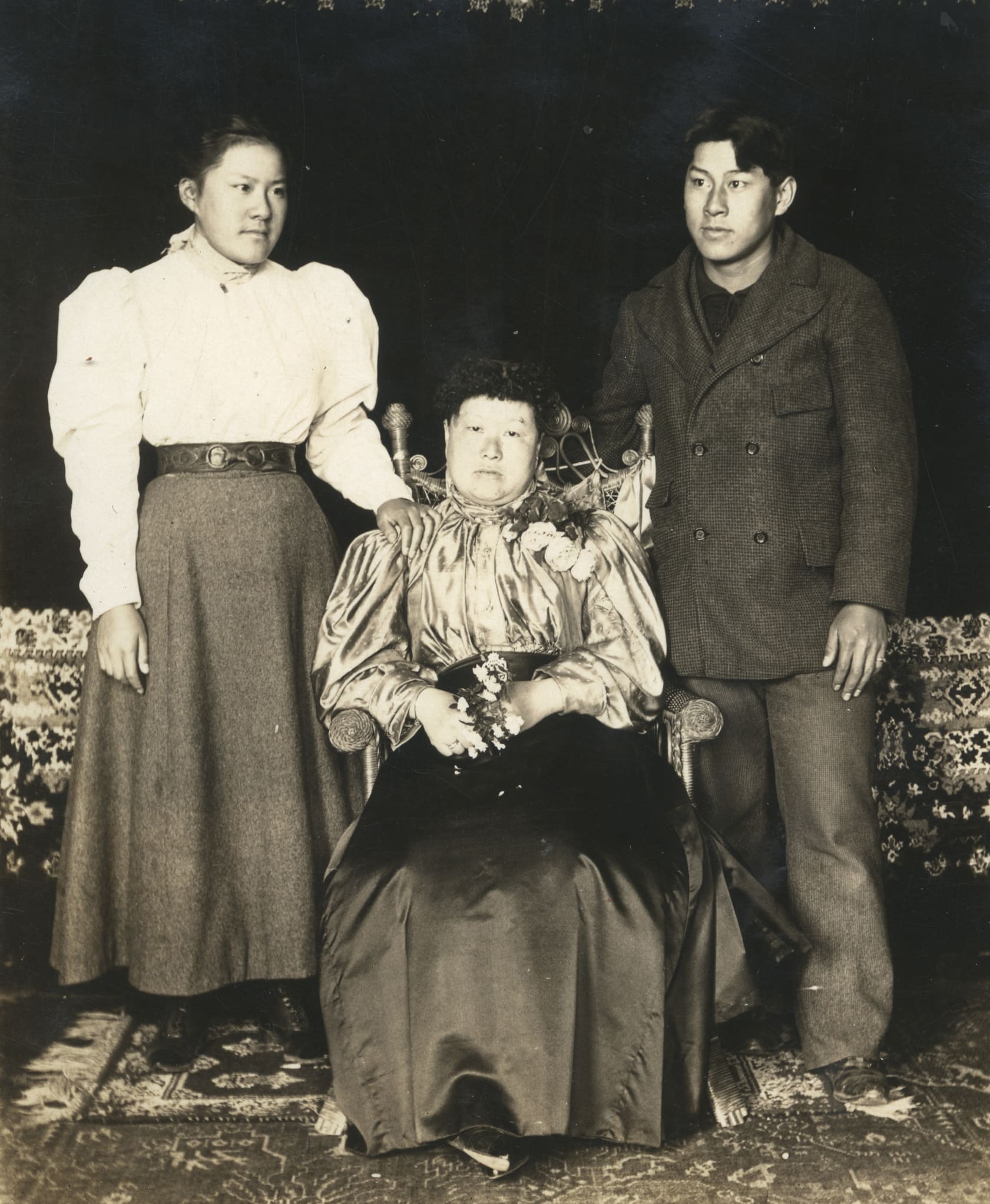
Mary, Mamie, and Frank Tape, 1890s
Mary, Mamie, and Frank Tape in the 1890.
-

Image
Russell Street House
The Tape home at 2123 Russell Street, Berkeley, circa 1895. Photograph by Mary Tape.
-
Image
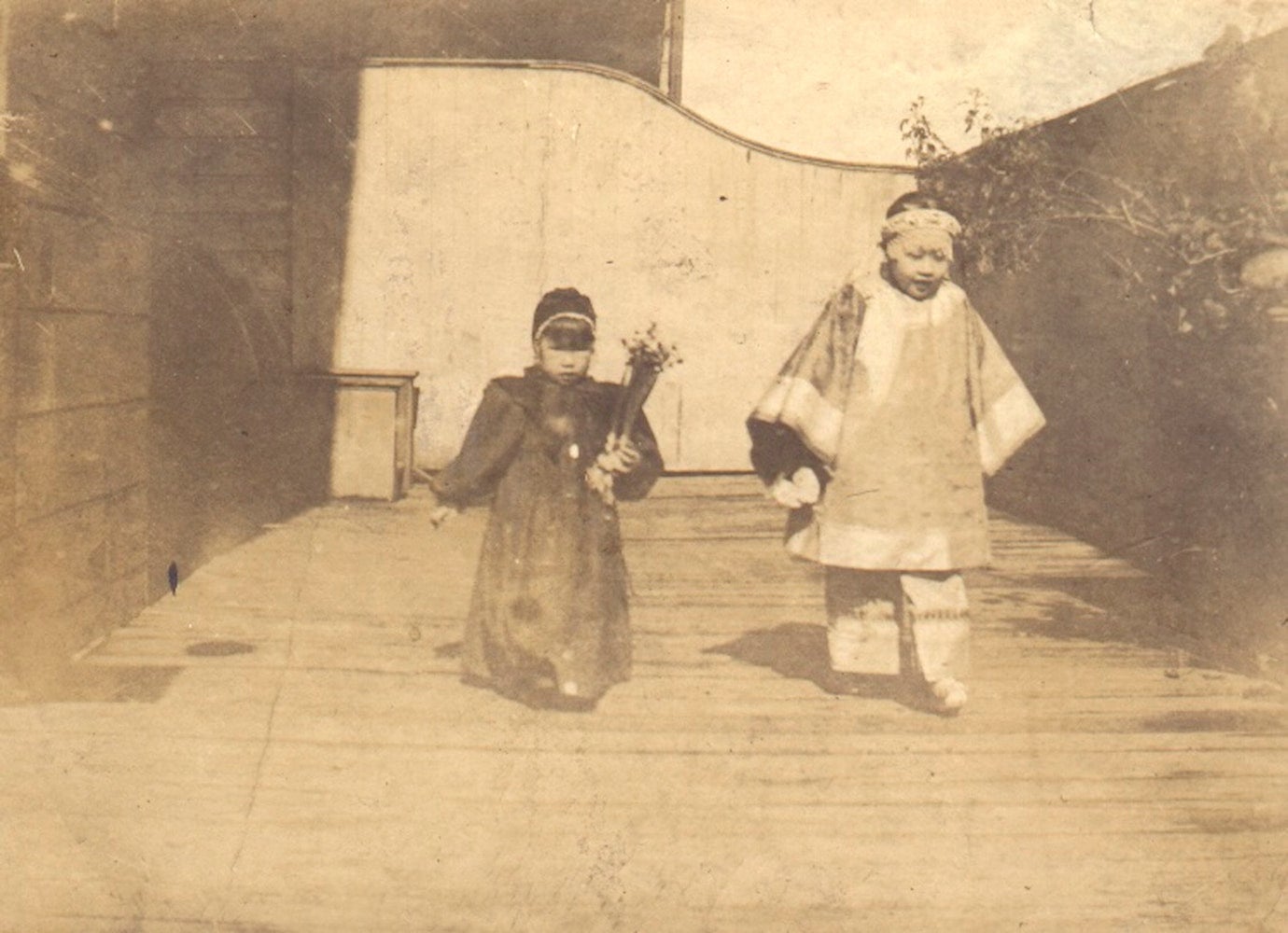
Gertrude Tape and Friend
Gertrude Tape (left) and an unidentified girl on Clay Avenue, behind the Chinese Presbyterian Church in San Francisco, 1894.
-
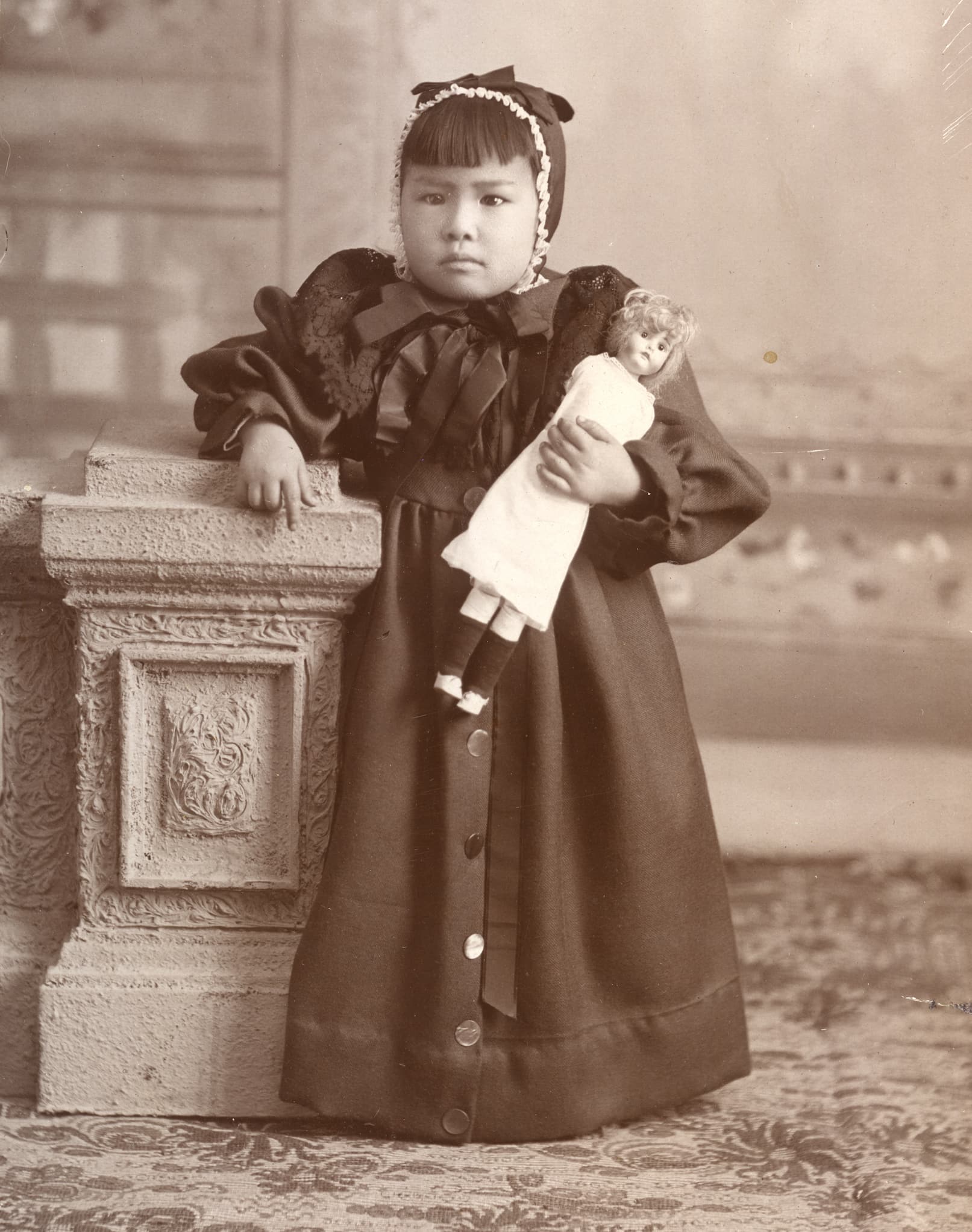
Image
Gertrude Tape
Portrait of Gertrude Ella Tape in the early 1890s.
-

Text
“What a Chinese Girl Did”
An article profiling the “accomplishments” of the Tape Family featured in The Morning Call, circa 1892.
-
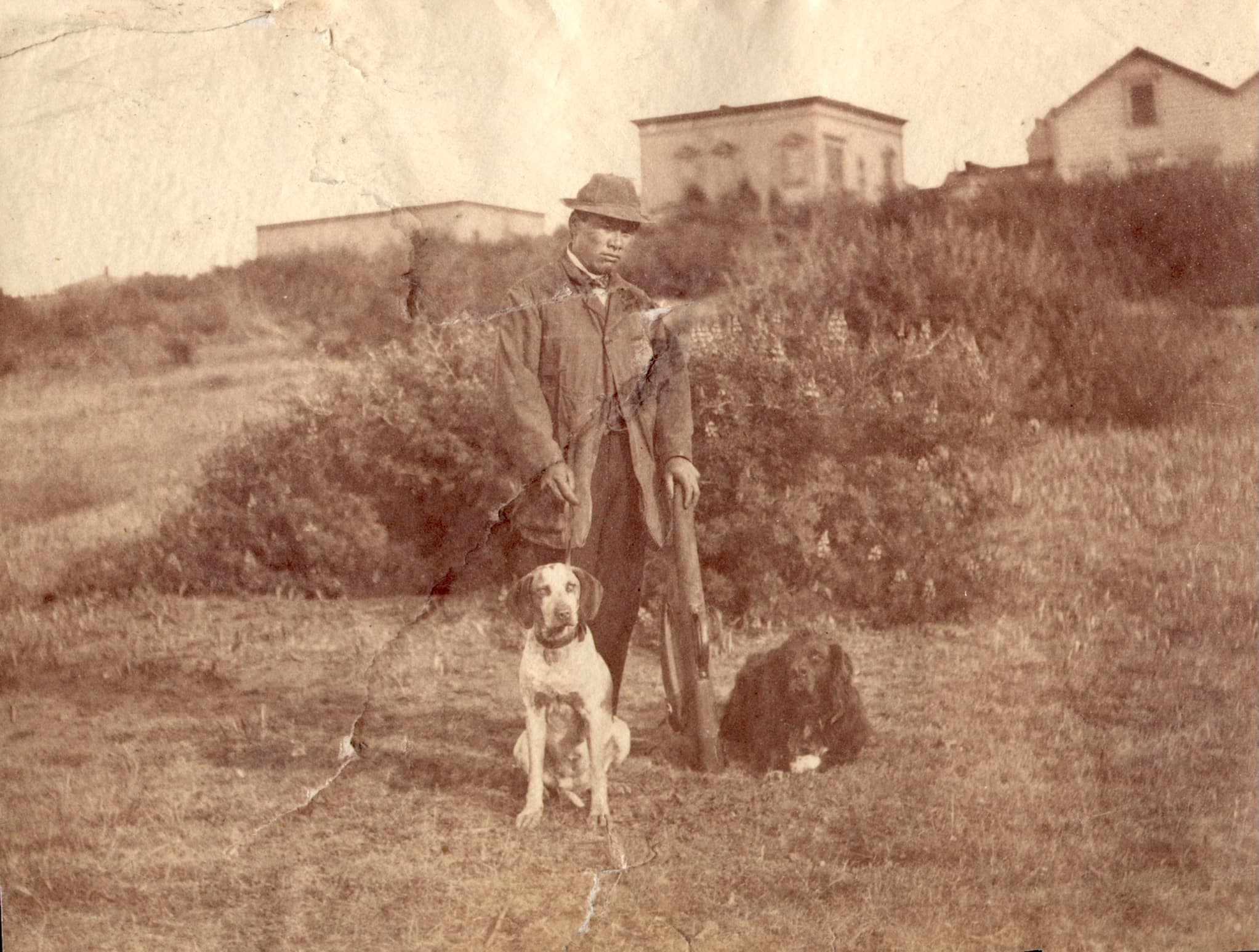
Image
Joseph Tape Hunting
Joseph Tape with his hunting rifle and bird dogs, circa 1880.
-

Image
Joseph Express Office
Photo of the Dupont and Sacramento streets (heart of the Chinese quarter) in San Francisco, circa 1895. Joseph Tape’s express office is in the second building on the left, with the horse and wagon in front.
-

Image
Reverend Augustus W. Loomis
Reverend Augustus W. Loomis was a Presbyterian missionary who sought to convert Chinese migrants in San Francisco to Christianity throughout the 1860s and 1870s. Prior to his work in California, Loomis worked at an Indian boarding school for Creek children. Indian boarding schools were abusive institutions that abducted Indigenous children from their homes and imprisoned them in residential complexes where students were forcibly “civilized” into white Christianity. Hundreds of Native children died in boarding schools, where they were subjected to attempted cultural genocide, unliveable conditions, and immense violence at the hands of their “caretakers.”
-
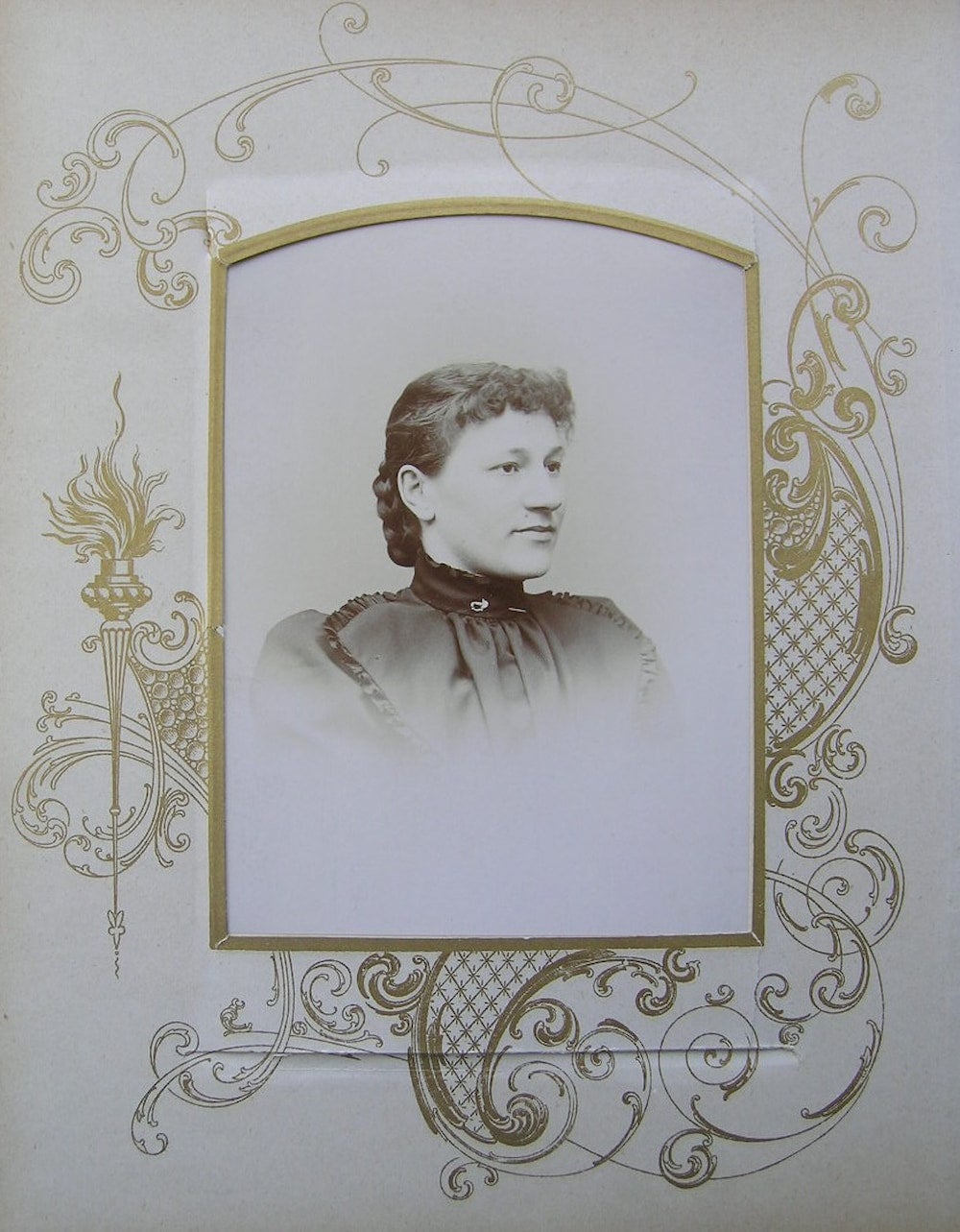
Image
Mary McGladery
Mary McGladery, assistant matron, Ladies’ Protection and Relief Society, who raised Mary Tape, 1869-1875.