



Search the Media Repository
Discover the curated images, videos, and primary sources featured throughout Foundations and Futures
History is more than just text on a page; it is the photographs, voices, and artifacts of the people who lived it. The images and recordings featured across Foundations and Futures are part of a meticulously curated media repository. Whether you are building a lesson plan or investigating an artifact, you can use this database to trace the provenance of our media: discover who created an asset, the historical context behind it, and how it can be used to bring Asian American and Pacific Islander experiences into your classroom.
Multimedia
Chapters
-
Video
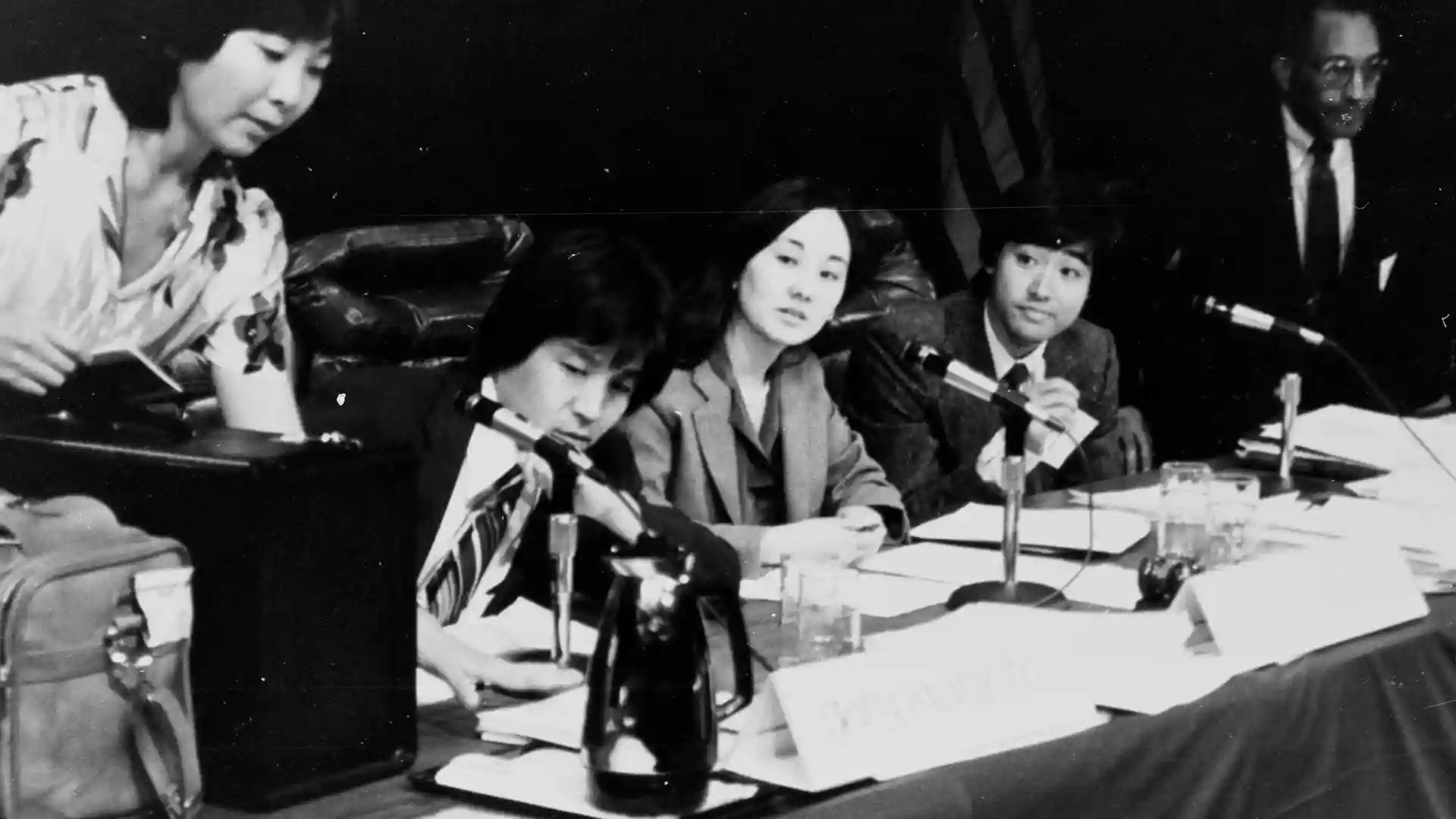
Righting a Wrong
Japanese Americans recount the challenges they faced after World War II, and the decades-long fight for reparations.
-
Image
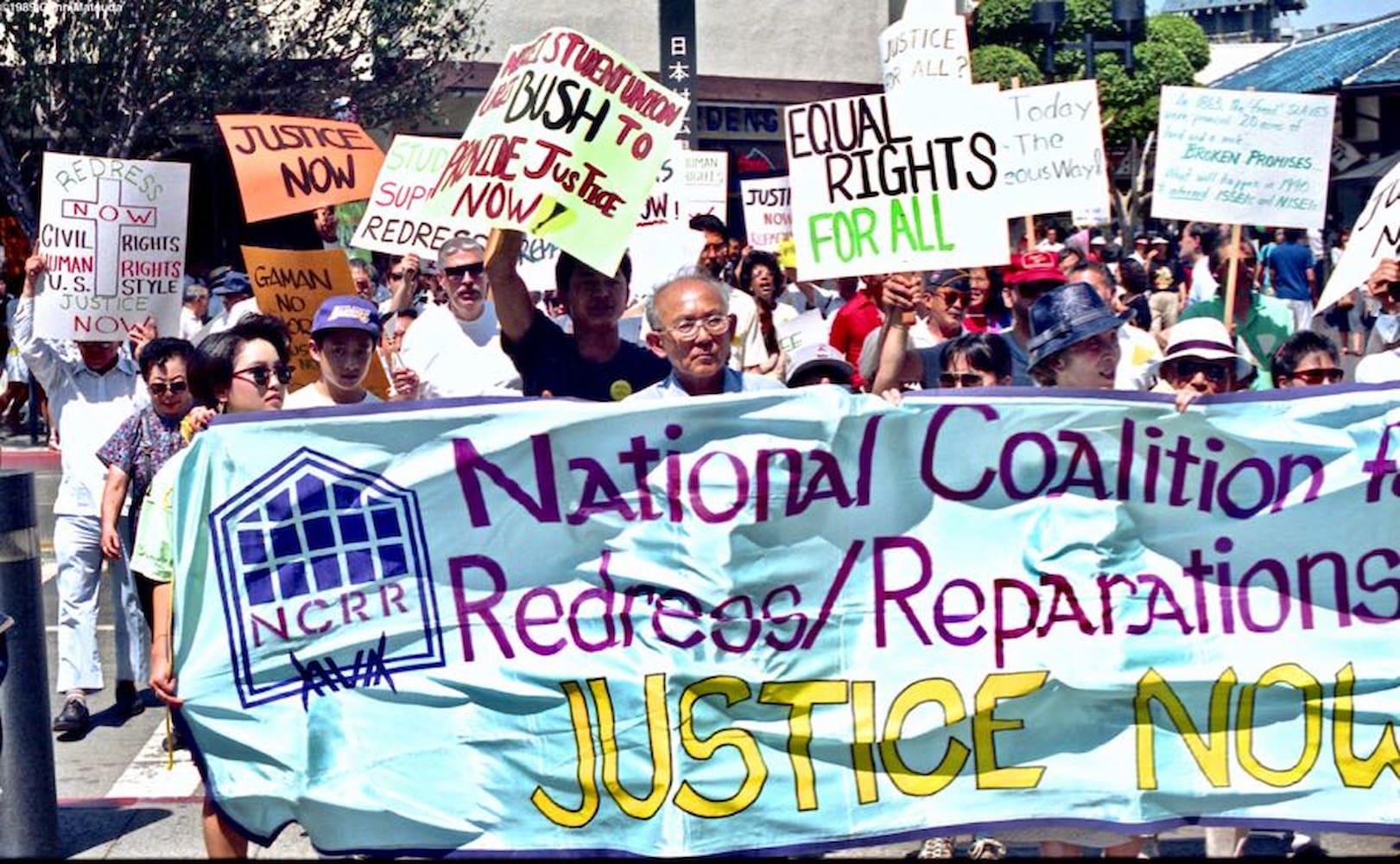
National Coalition for Redress and Reparations March
Japanese Americans and their allies across the country held marches and lobbied Congressional representatives for nearly ten years to gain support for redress legislation.
-
Image
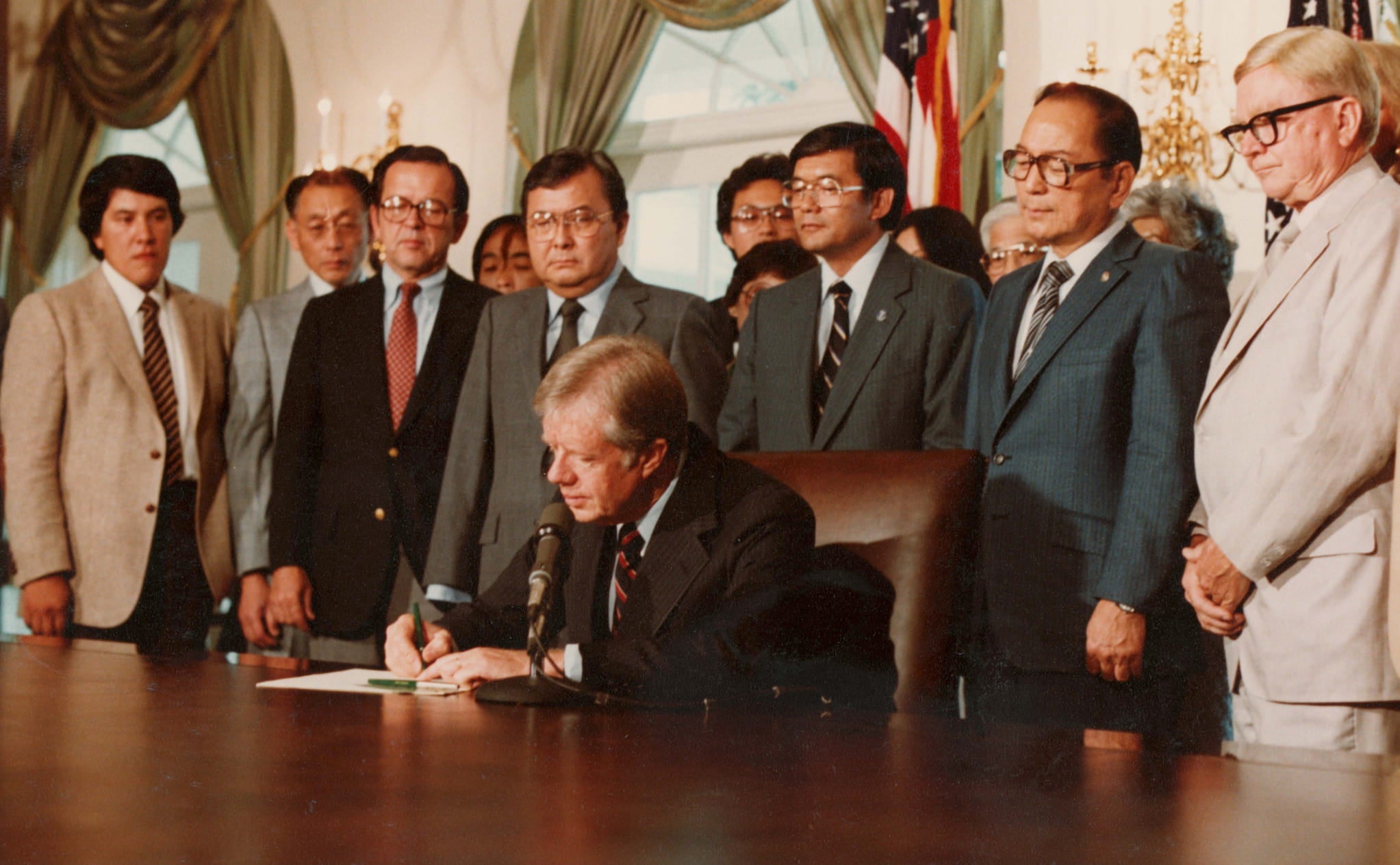
President Carter Signing Legislation
President Jimmy Carter signing legislation to create a governmental commission to study the forced removal and mass incarceration of Japanese Americans during World War II.
-
Image
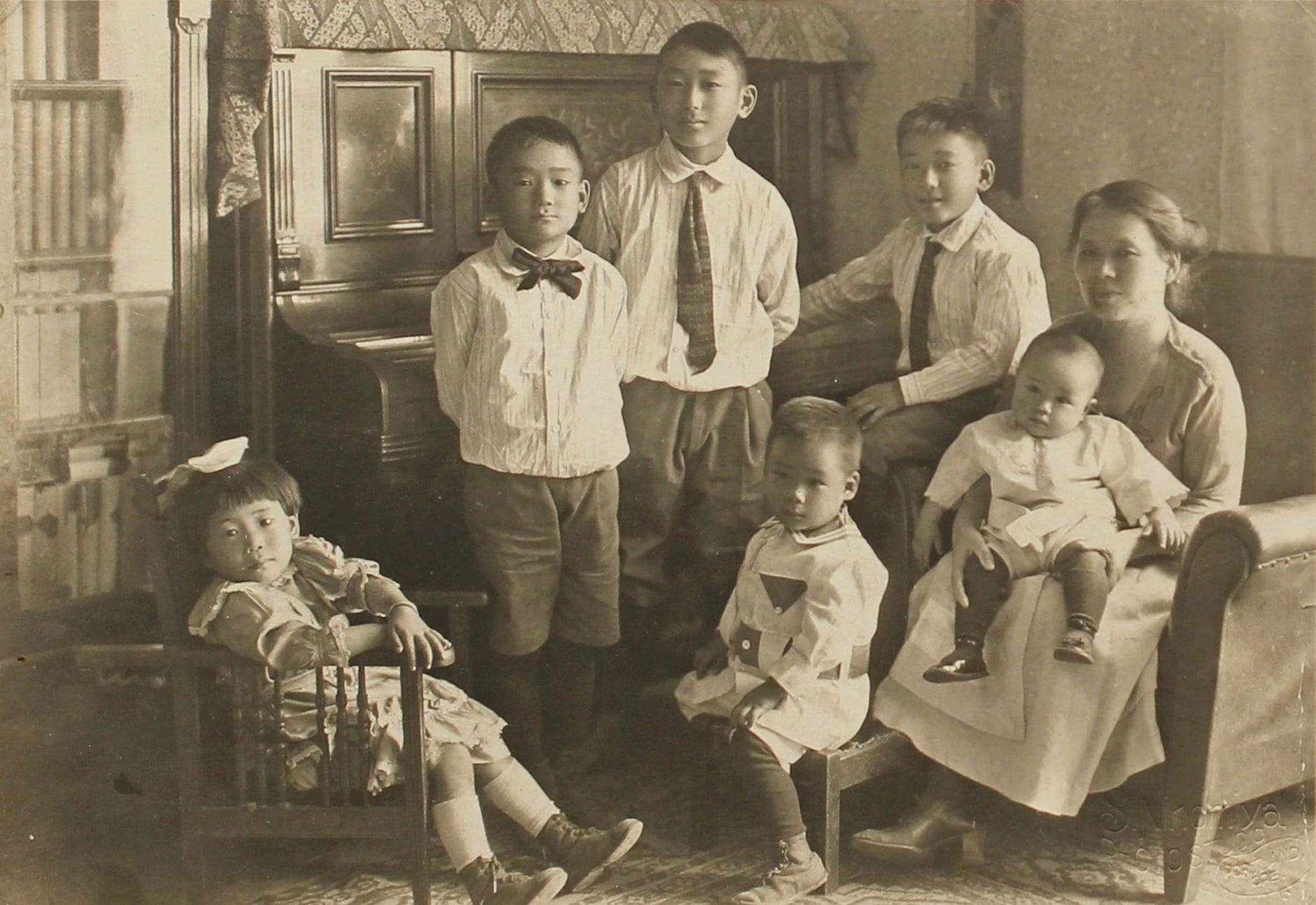
Yasui Family Portrait
He married Shidzuyo Miyake, and the couple raised a large family. White farmers in Hood River lobbied state legislators to bar Issei from owning land. The Yasui children were treated differently than their white peers. Owners of their town’s movie theater, for example, made them sit in the balcony.
-
Video
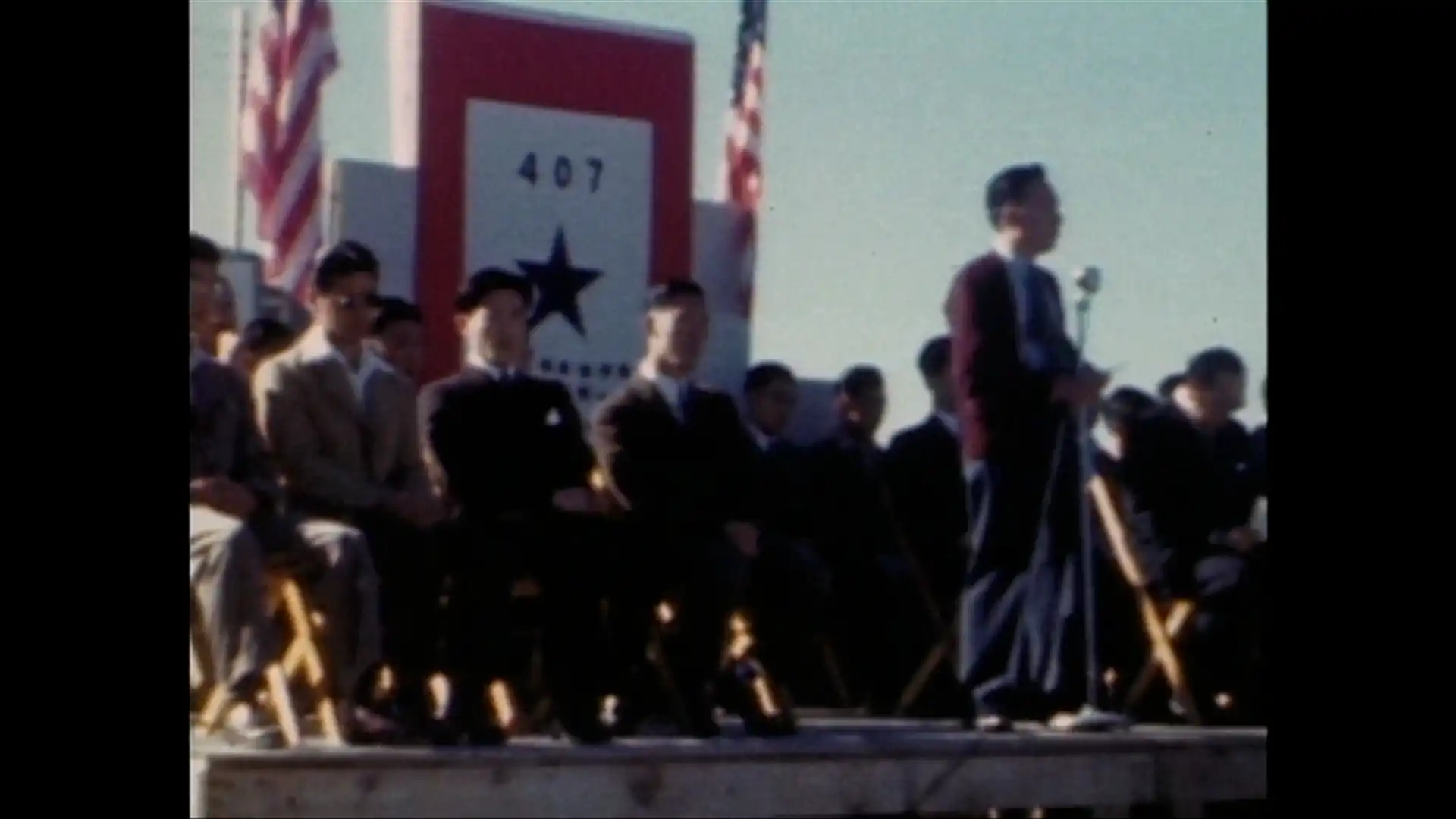
Japanese American Responses to Incarceration
Japanese American men recount their reactions to incarceration, the draft, and their experiences fighting in the 442nd Regimental Combat Team.
-
Image
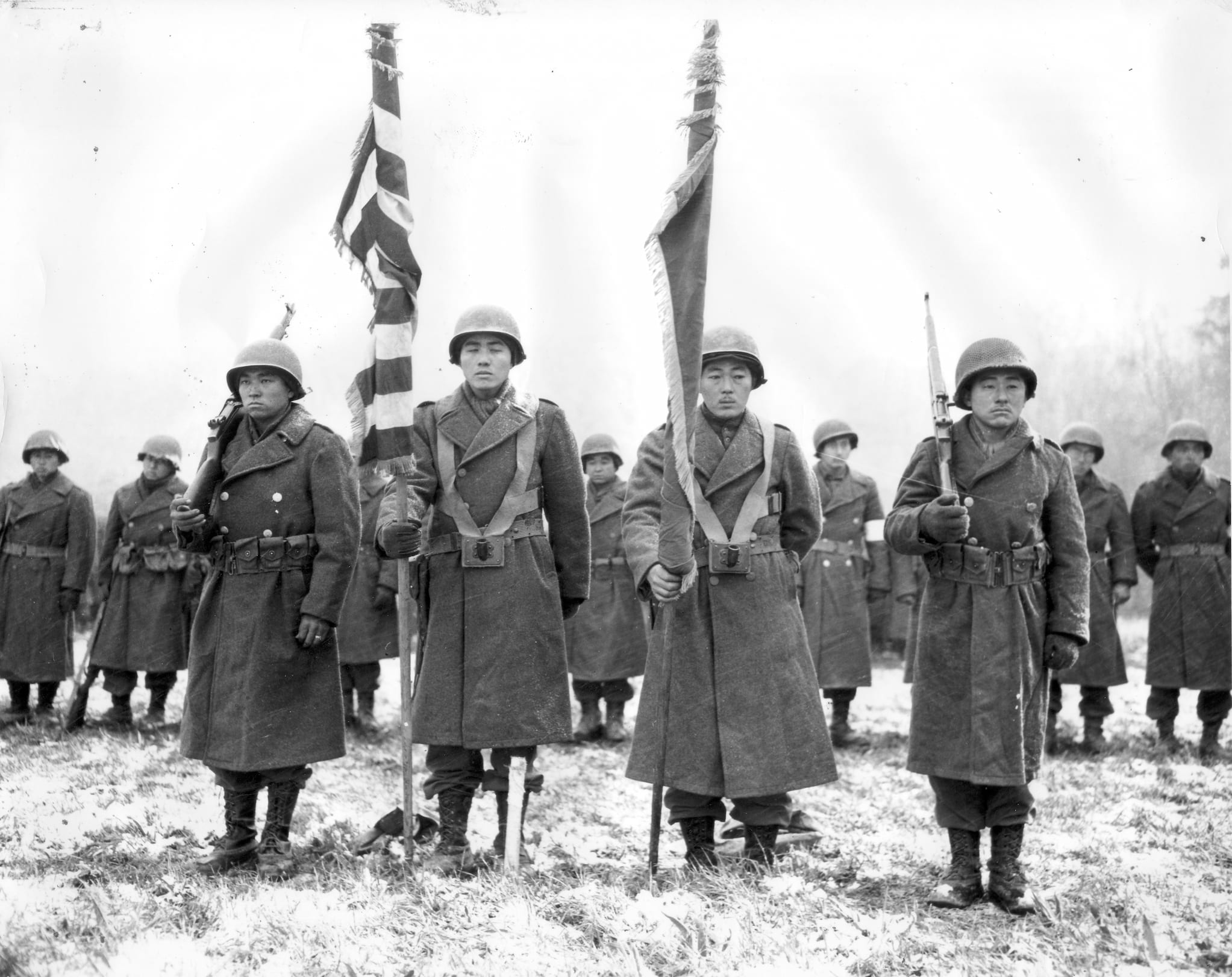
442nd Regimental Combat Team
In early 1943, military recruiters visited the ten WRA camps. About 1,500 Nisei men volunteered. They joined nearly ten thousand Japanese American volunteers from Hawaiʻi to form the 442nd Regimental Combat Team which fought in Europe. Many of its members served and died while their families were imprisoned in the US.
-
Image
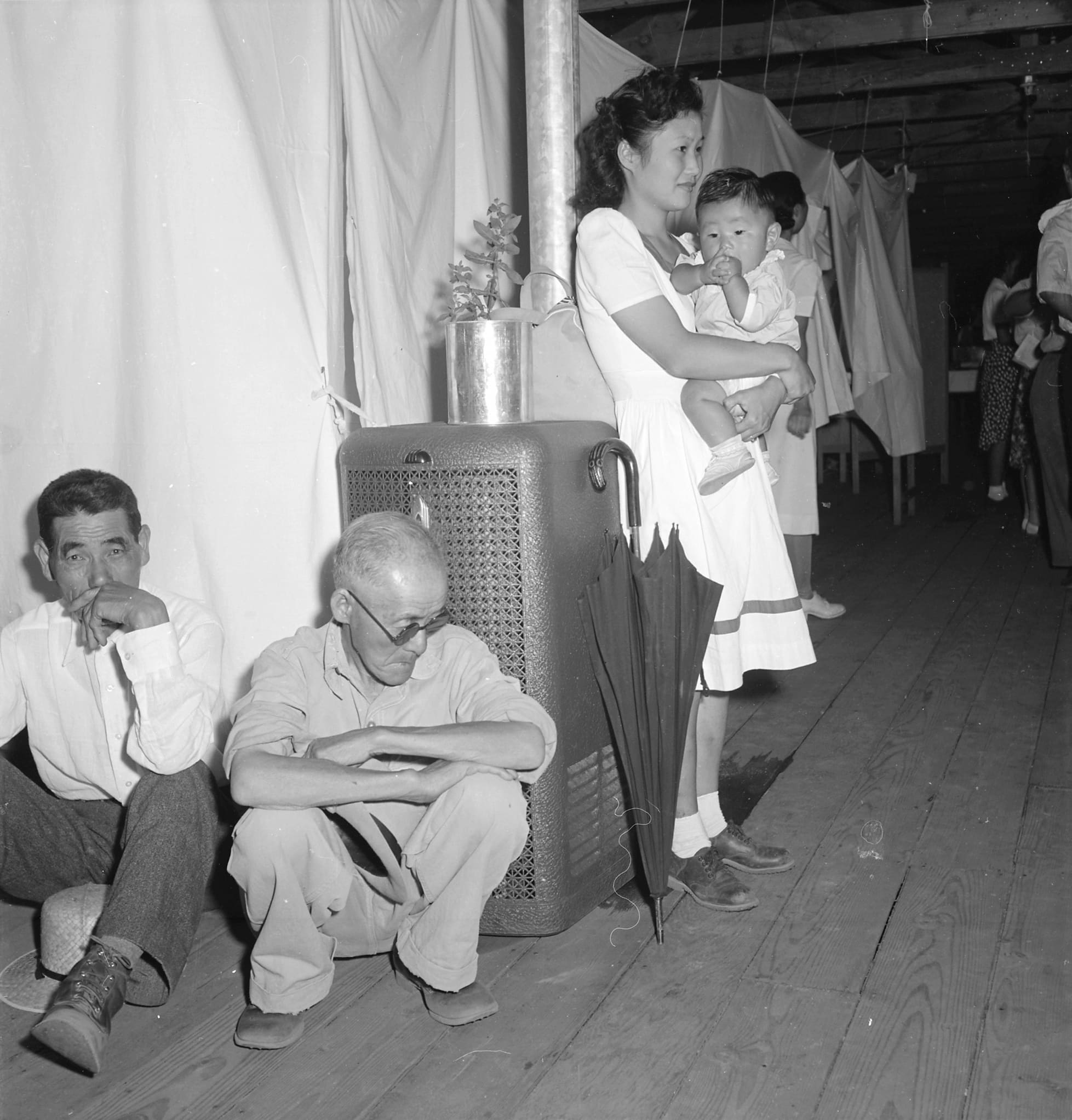
Barrack Interior at Manzanar Concentration Camp
Families or other groupings of up to eight people occupied a single 20-by-25-foot barrack room with a stove for heat, a single hanging light bulb, and metal cots. Inmates often hung blankets from the rafters, as shown here at the Manzanar camp, to create some semblance of privacy.
-
Image
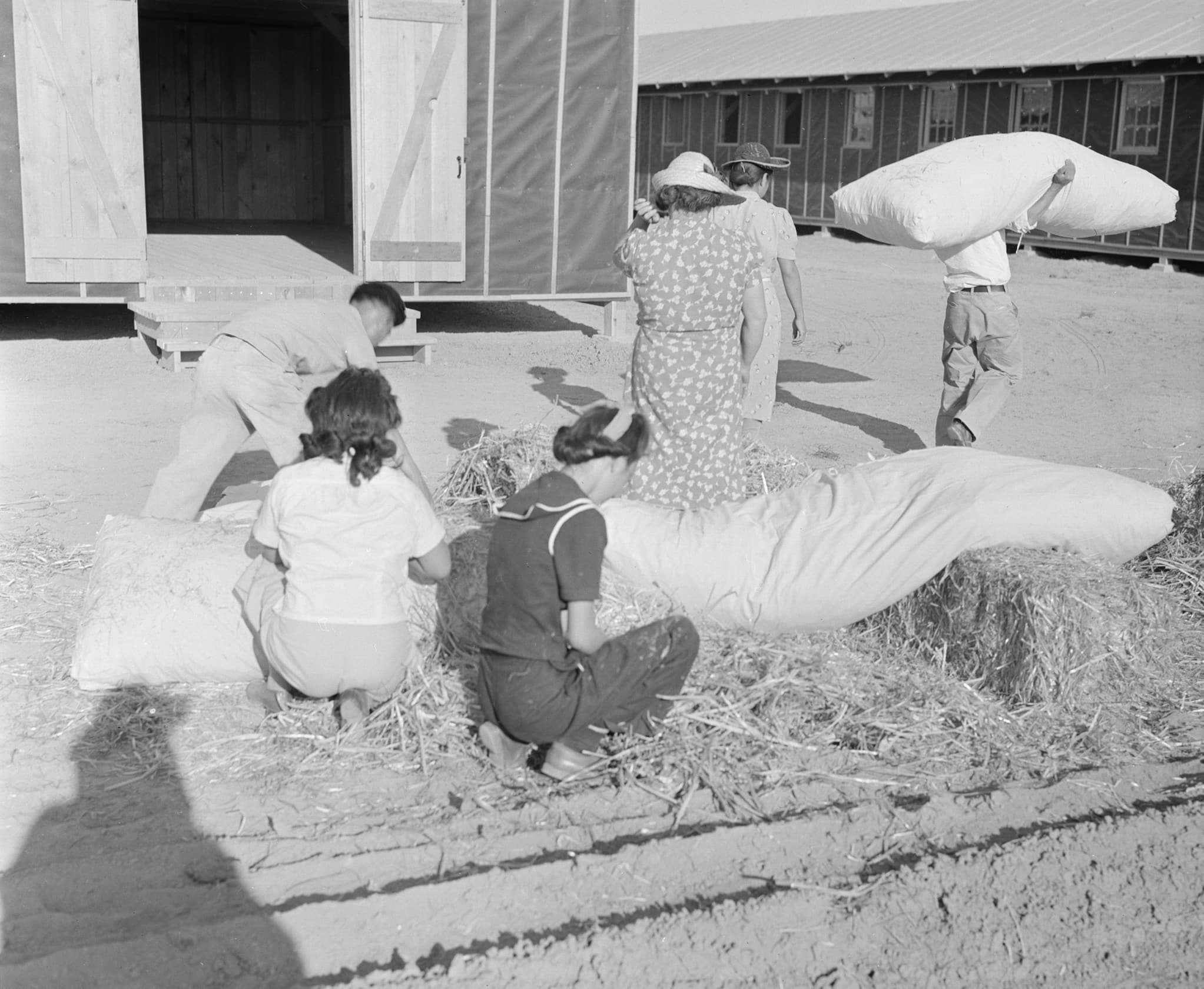
Making Straw Mattresses
One of the first things Japanese Americans, like the Yasui family, did upon arriving at “assembly centers” was to stuff bags with straw to make their mattresses.
-
Image
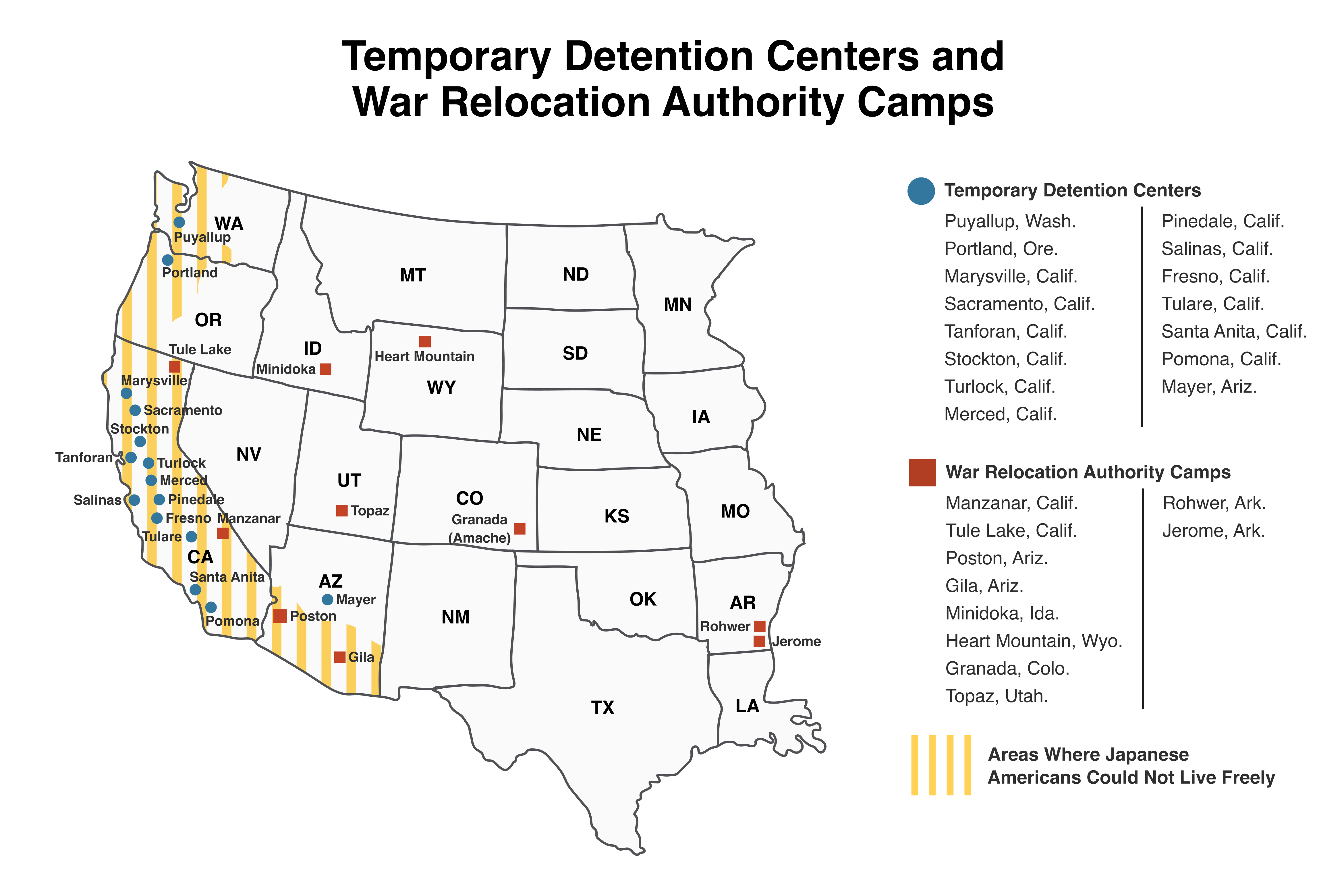
Temporary Detention Centers and War Relocation Authority Camps Map
Map of Temporary Detention Centers and War Relocation Camps.
-
Video
Looking Like the Enemy
Japanese Americans recount the fear prevalent after the attack on Pearl Harbor, and what it was like to be forced from their homes.
-
Image
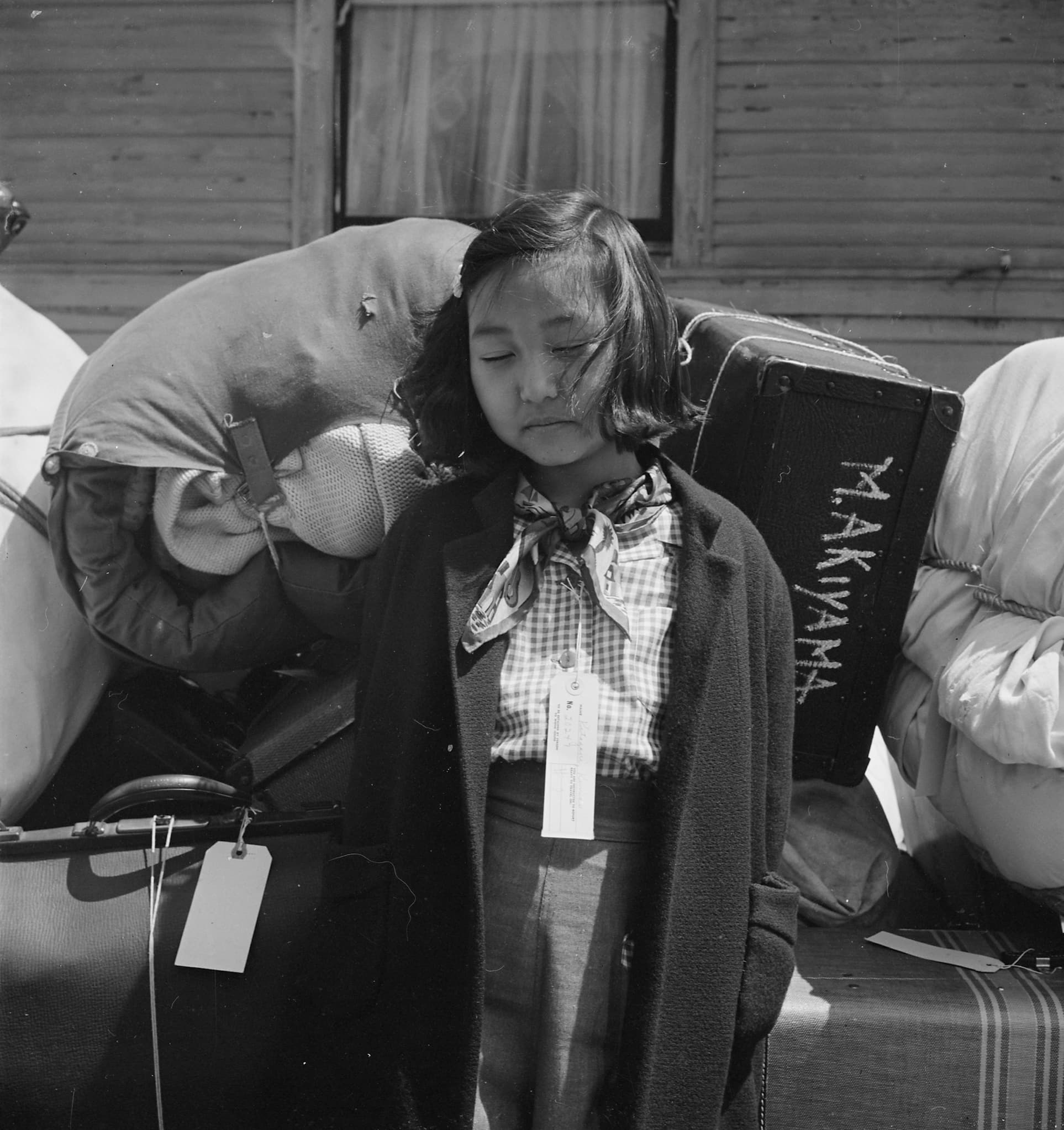
Kimiko Kitagaki Waiting for a Bus
Young Kimiko Kitagaki waits in Oakland for a bus to transport her to a government camp. Like all other Japanese Americans, the Kitagaki family attached tags with their names and government-assigned family numbers to their suitcases. They tied the same tags to the clothing they wore.
-
Text
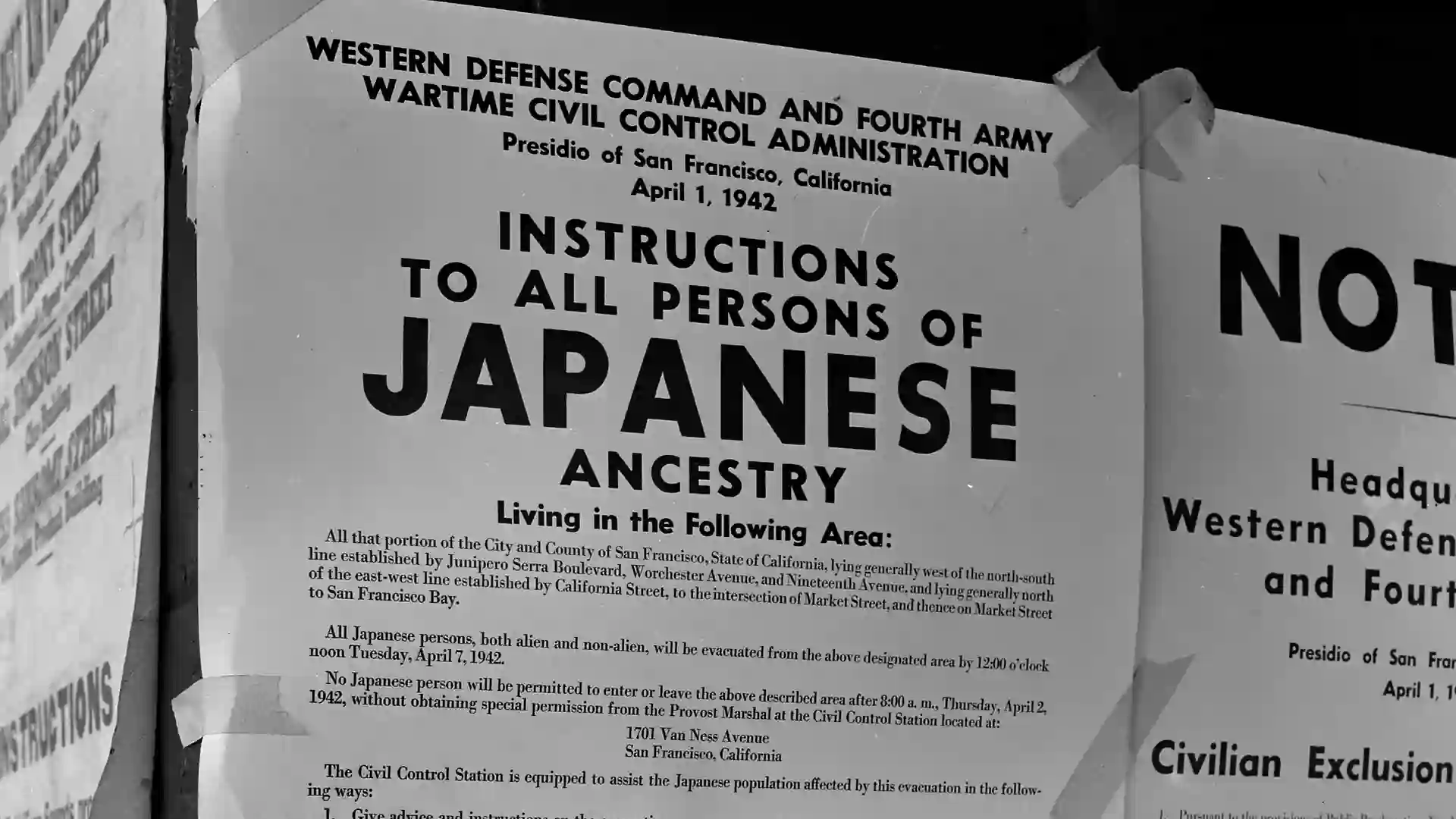
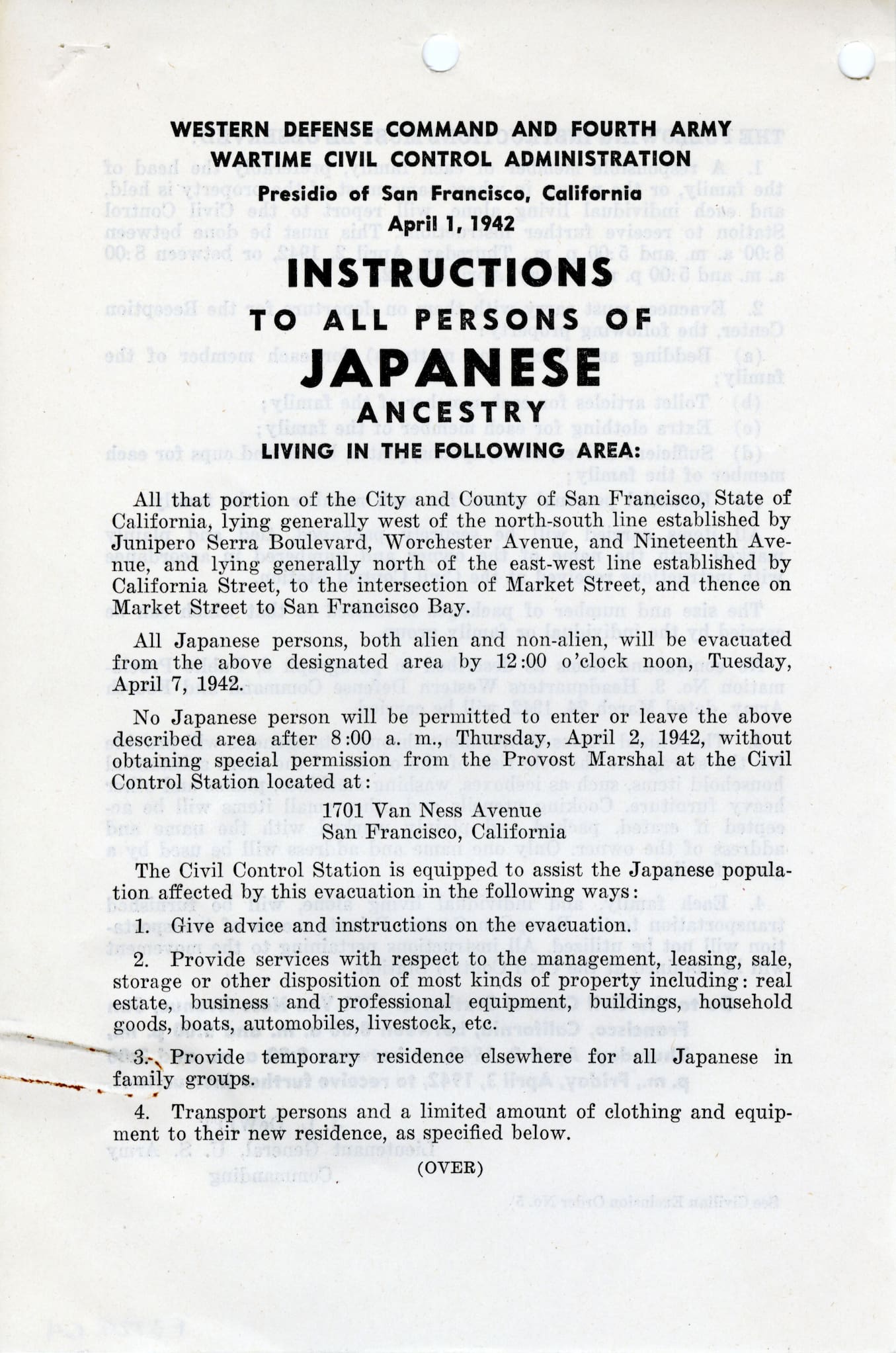
Instructions to Japanese Americans Poster
Signs like this appeared in Japanese American communities along the West Coast in the spring of 1942 ordering them to leave their homes.
-
Video
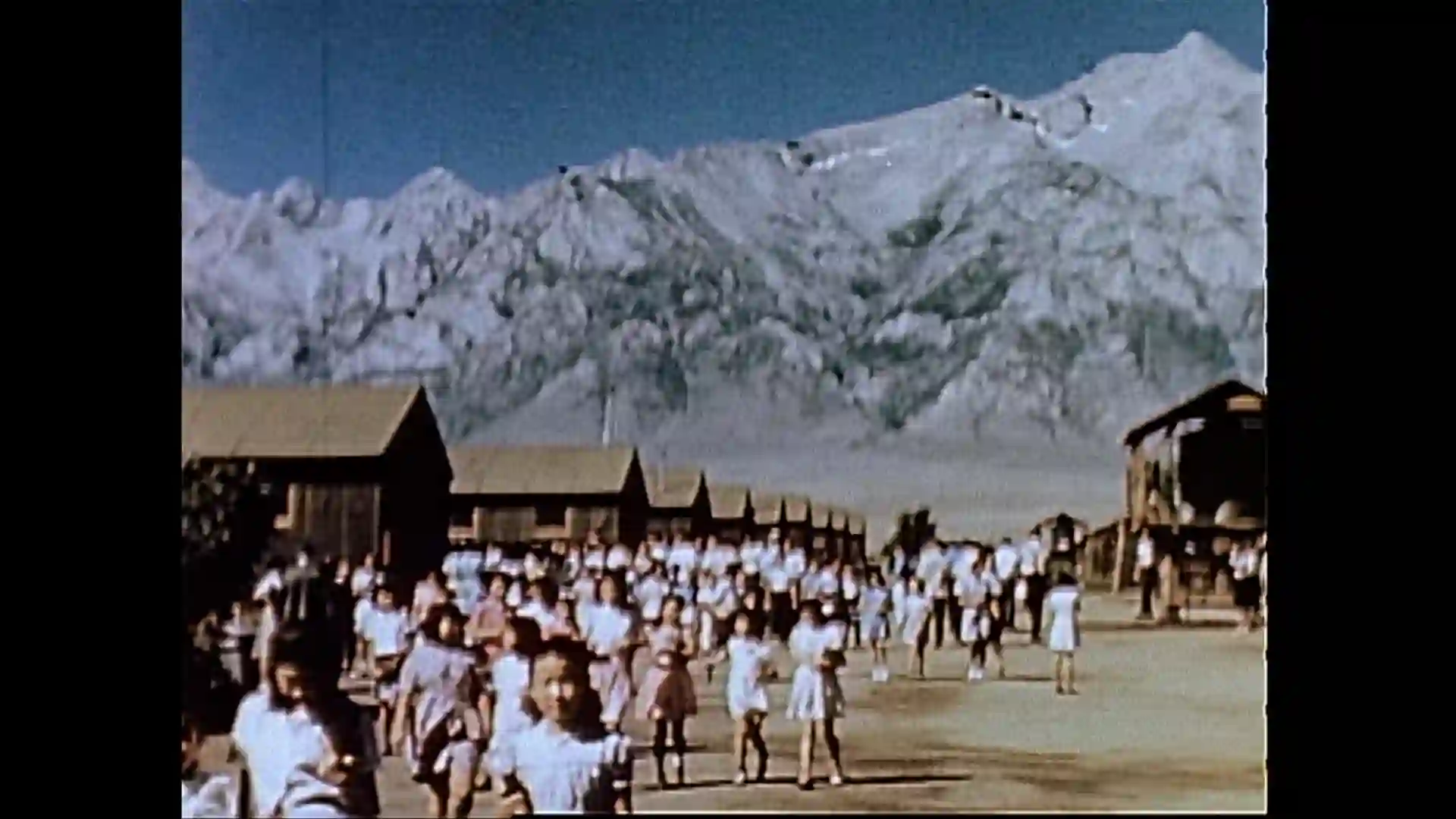
American Concentration Camps
In this short video, Japanese Americans’ accounts of life in the camps contrast with the government’s depiction of them.
-
Image
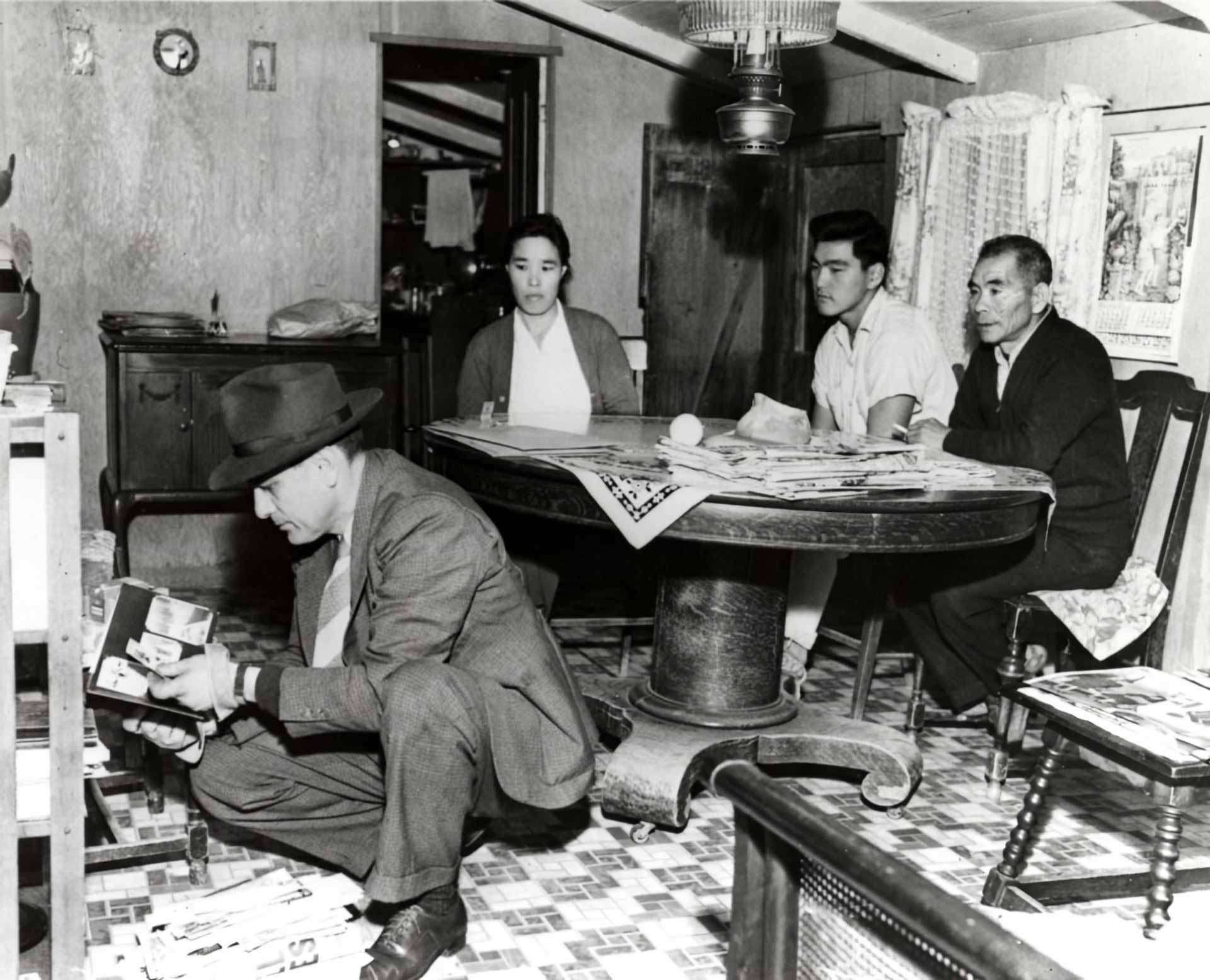
FBI House Raid
FBI agents searched the homes of many Japanese American families, like this one, and the Yasui family in Hood River, Oregon.
-
Image
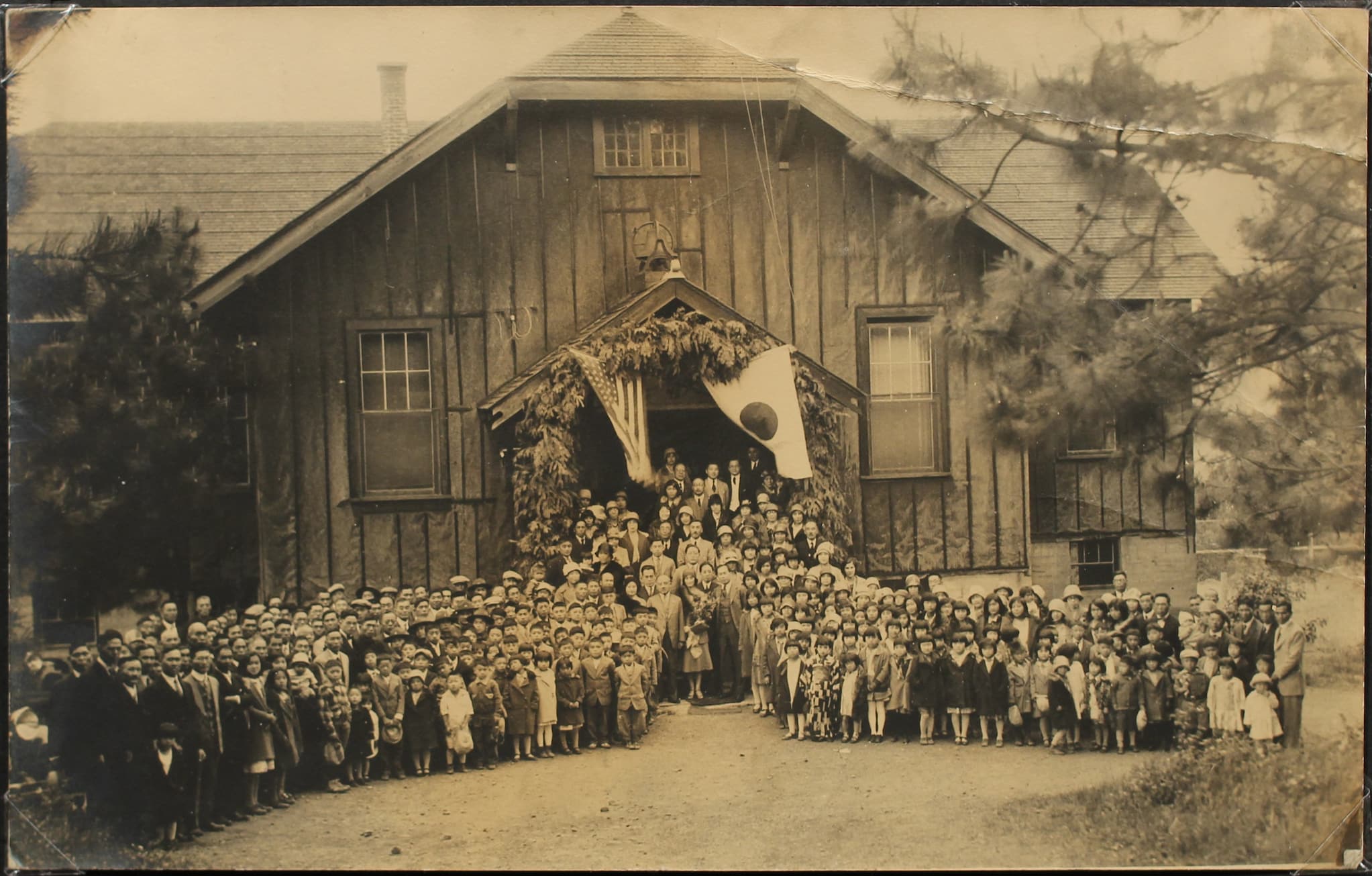
Hood River Community Welcome
Masuo Yasui led a successful effort to create a Japanese Community Hall in Hood River, Oregon, where local Issei held cultural events, holiday gatherings, and Japanese language classes for children.
-
Image
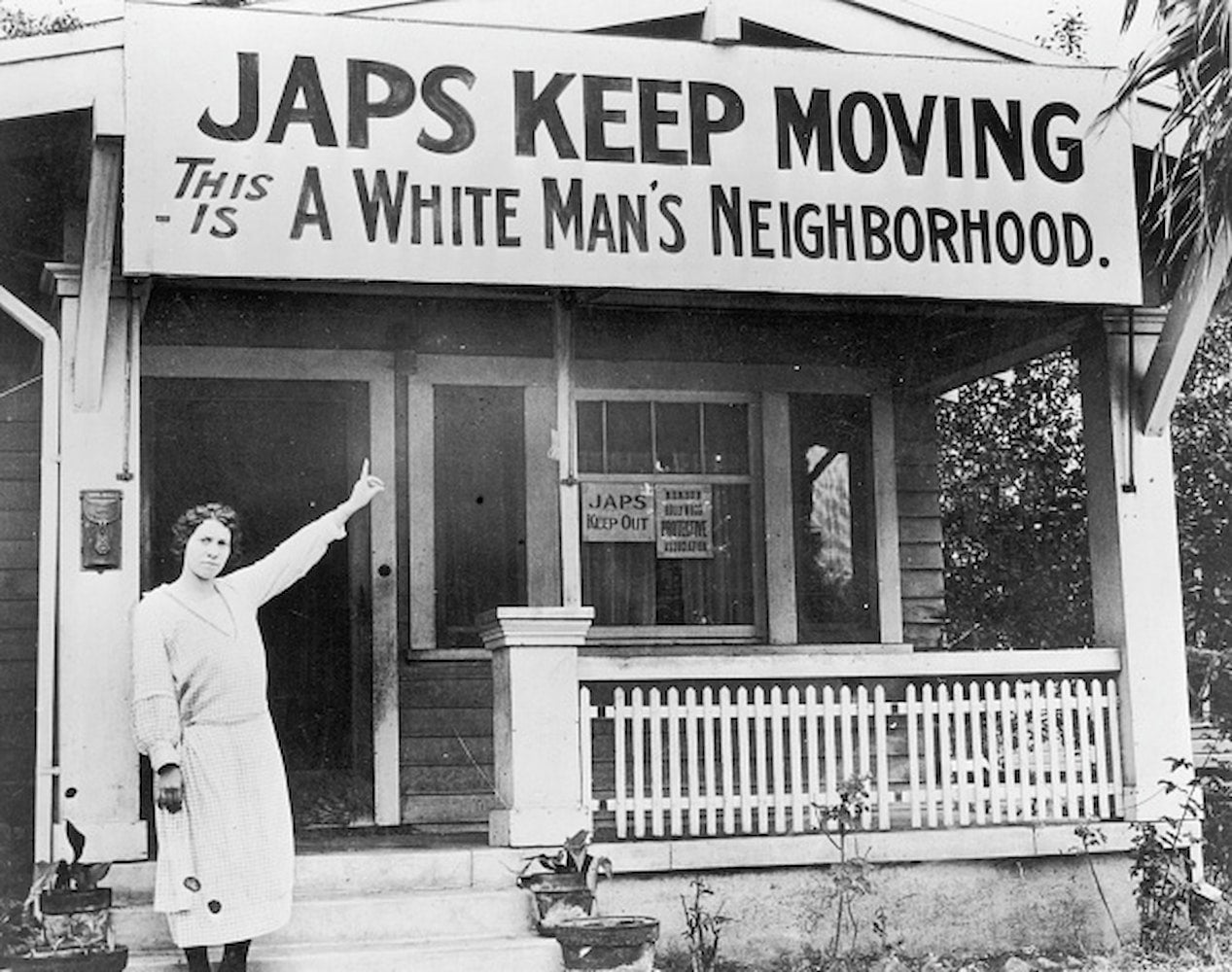
Signs Discriminating Against Japanese Americans
In the decades before World War II, Japanese Americans along the West Coast faced discrimination in their daily lives: Restaurants denied them service. Barbers refused to cut their hair. Landlords would not rent to them. This woman in Hollywood, California, made clear that Japanese Americans were unwelcome.
-
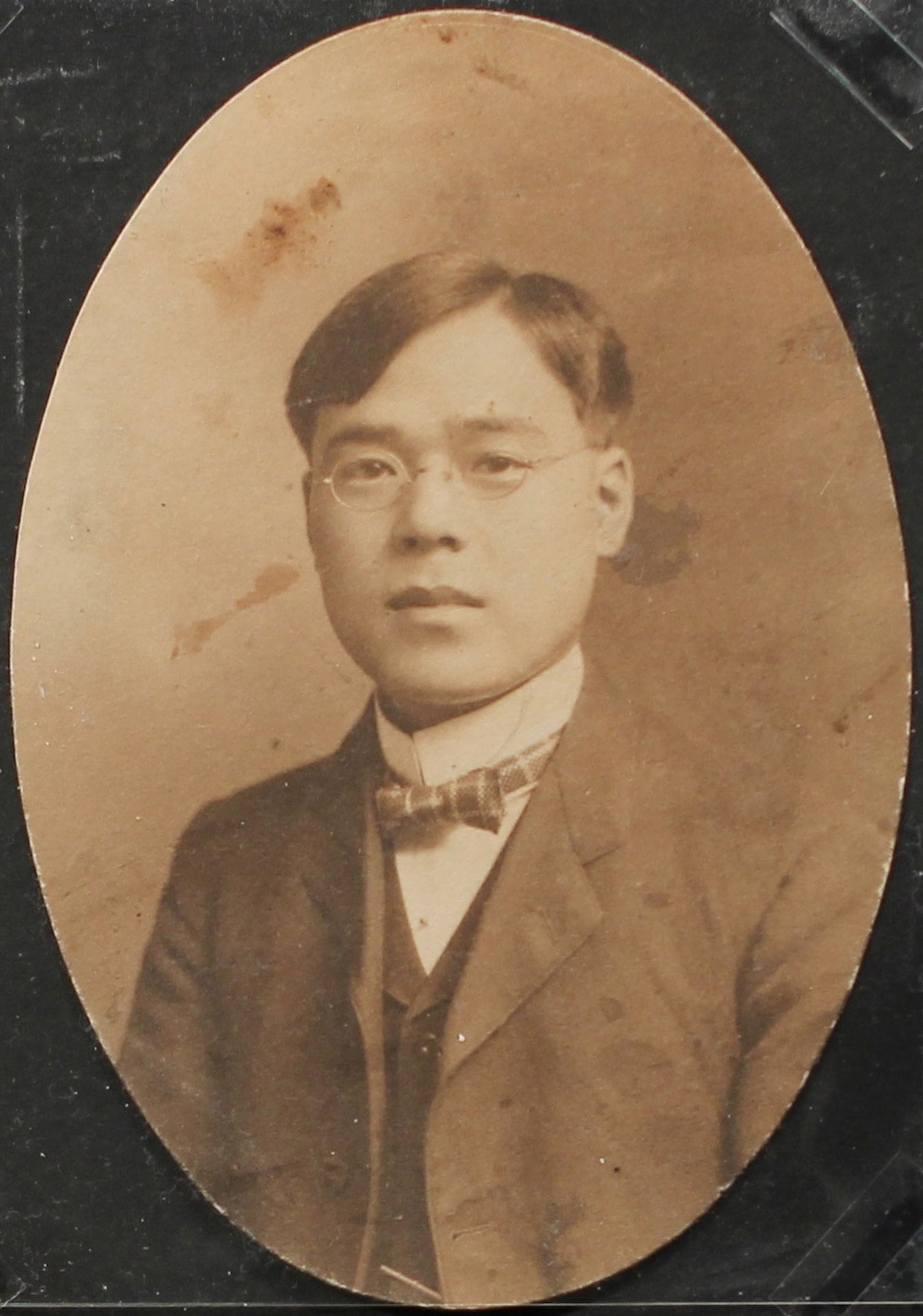
Image
Masuo Yasui Portrait
Masuo Yasui immigrated to the US from Japan when he was sixteen years old. He settled in Oregon’s Hood River Valley, where he became a successful farmer and businessman.