



Search the Media Repository
Discover the curated images, videos, and primary sources featured throughout Foundations and Futures
History is more than just text on a page; it is the photographs, voices, and artifacts of the people who lived it. The images and recordings featured across Foundations and Futures are part of a meticulously curated media repository. Whether you are building a lesson plan or investigating an artifact, you can use this database to trace the provenance of our media: discover who created an asset, the historical context behind it, and how it can be used to bring Asian American and Pacific Islander experiences into your classroom.
Multimedia
Chapters
-
Image
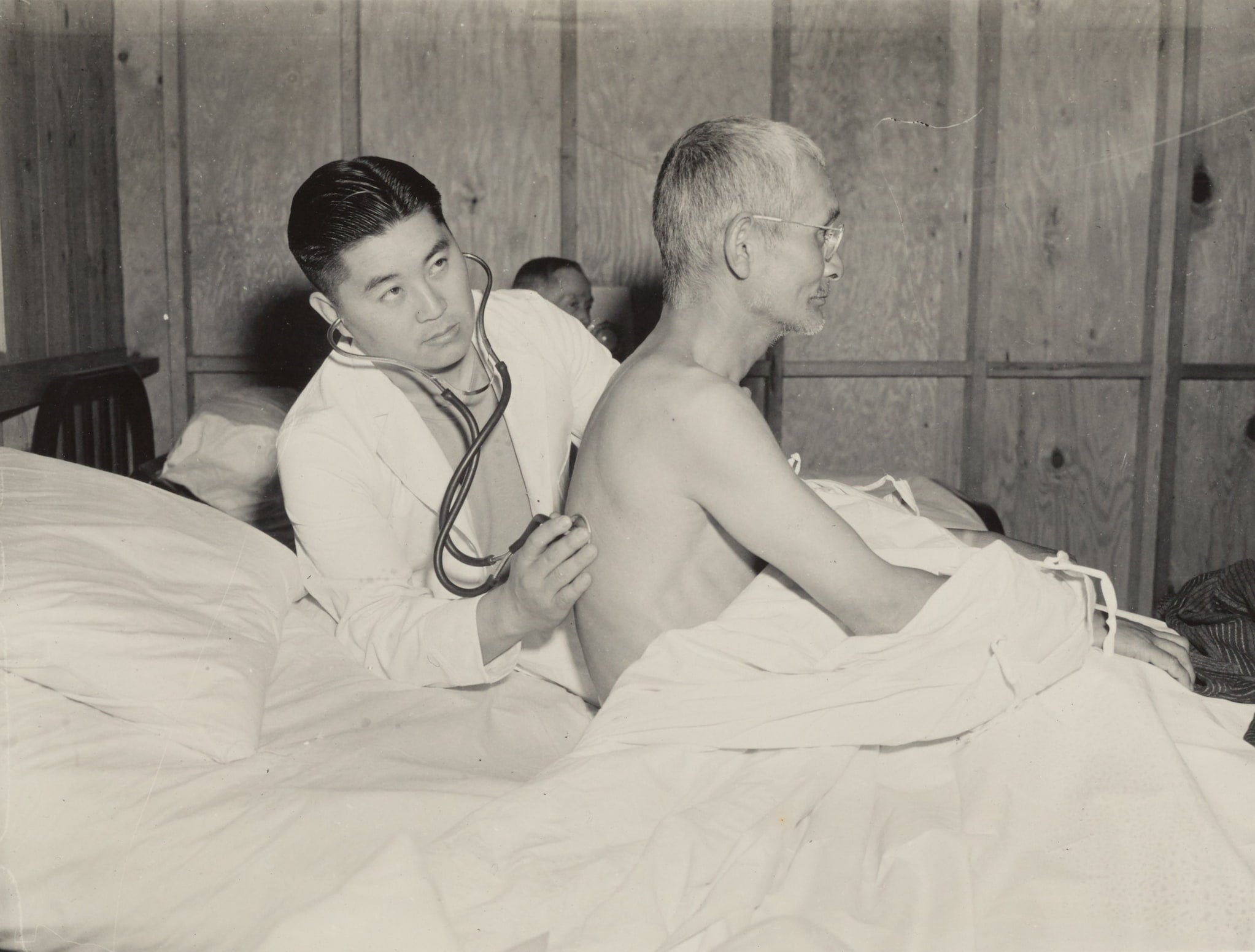
Dr. James Goto Examines a Patient
The government paid Japanese American professionals, like the doctor pictured here, nineteen dollars a month. In contrast, white camp employees earned more than ten to twenty times as much as Japanese American workers for the same jobs.
-
Image
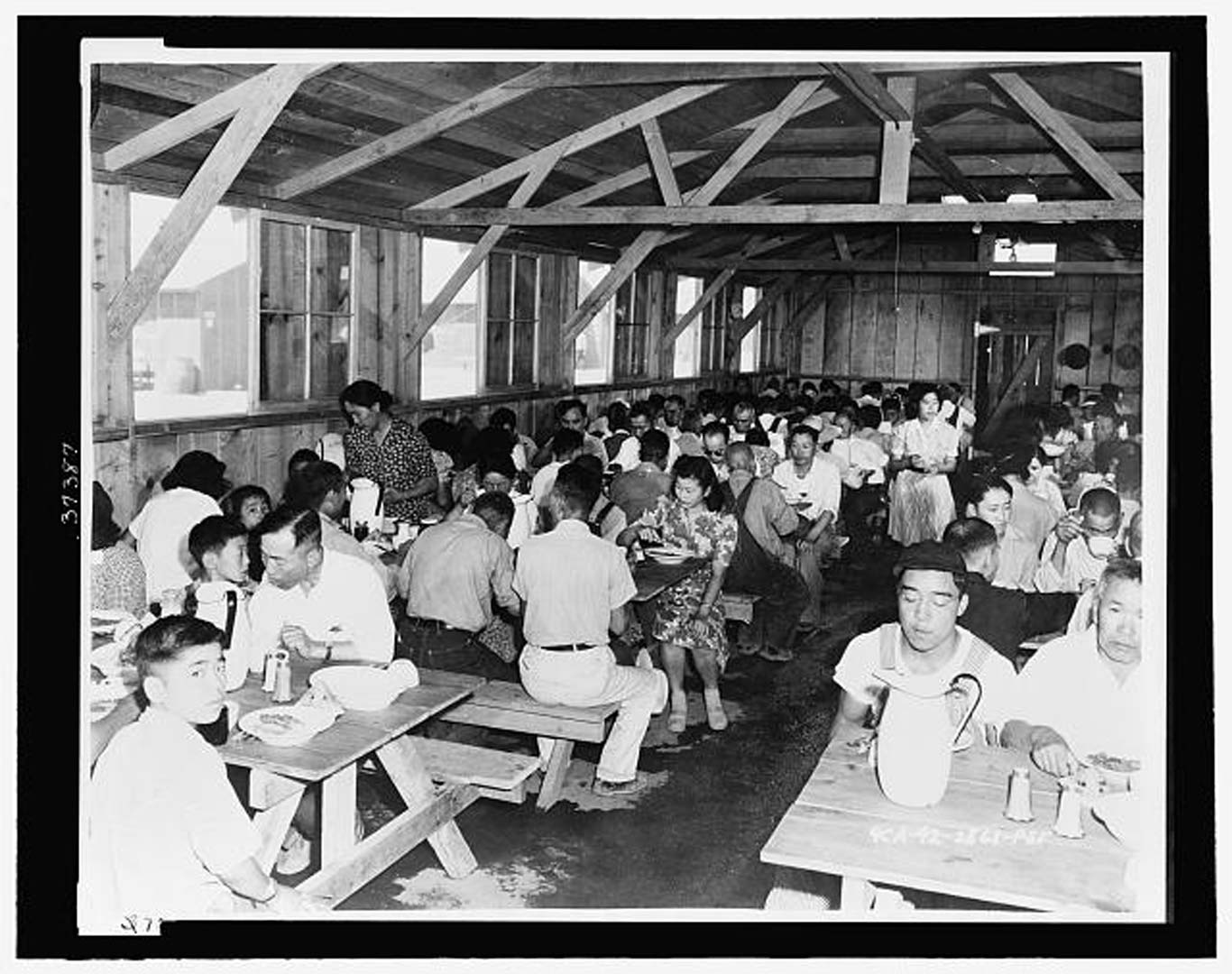
Pinedale (Calif.) Assembly Center Dining Hall
Photograph shows Japanese Americans young women in waitress uniforms during forced removal of Japanese Americans to temporary concentration camps during World War II.
-
Text
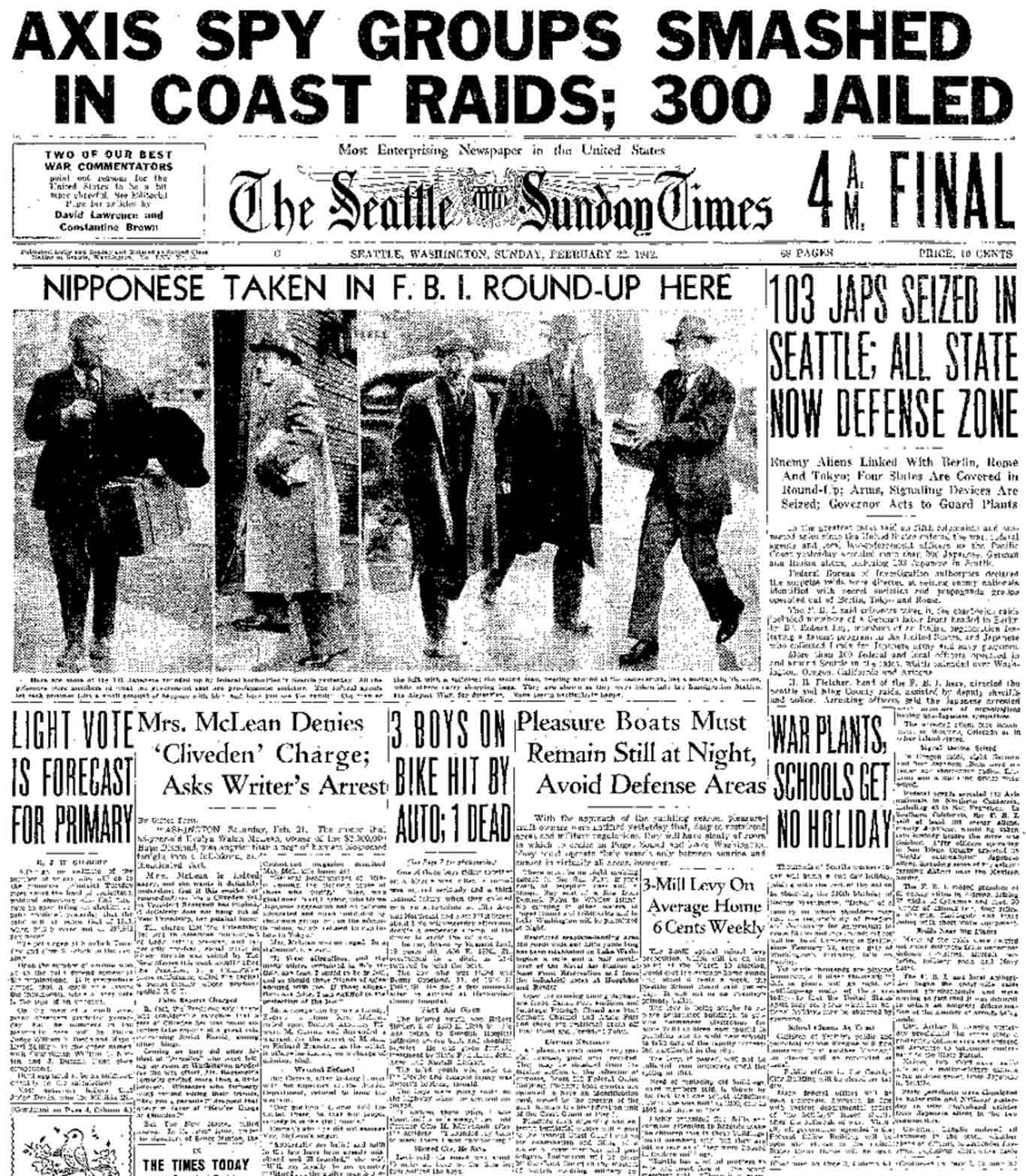
Seattle Times: “Axis Spy Groups Smash in Coast Raids; 300 Jailed”
Anxious Japanese Americans feared that the government would shoot or deport the Issei leaders that the FBI had arrested.
-
Video
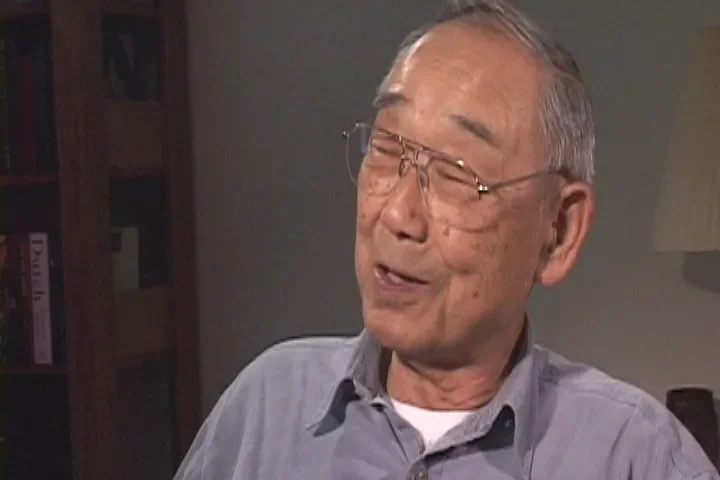
Homer Yasui Interview Segment 9
Hearing about the bombing of Pearl Harbor: “My heart sank down to my toes”
-
Text
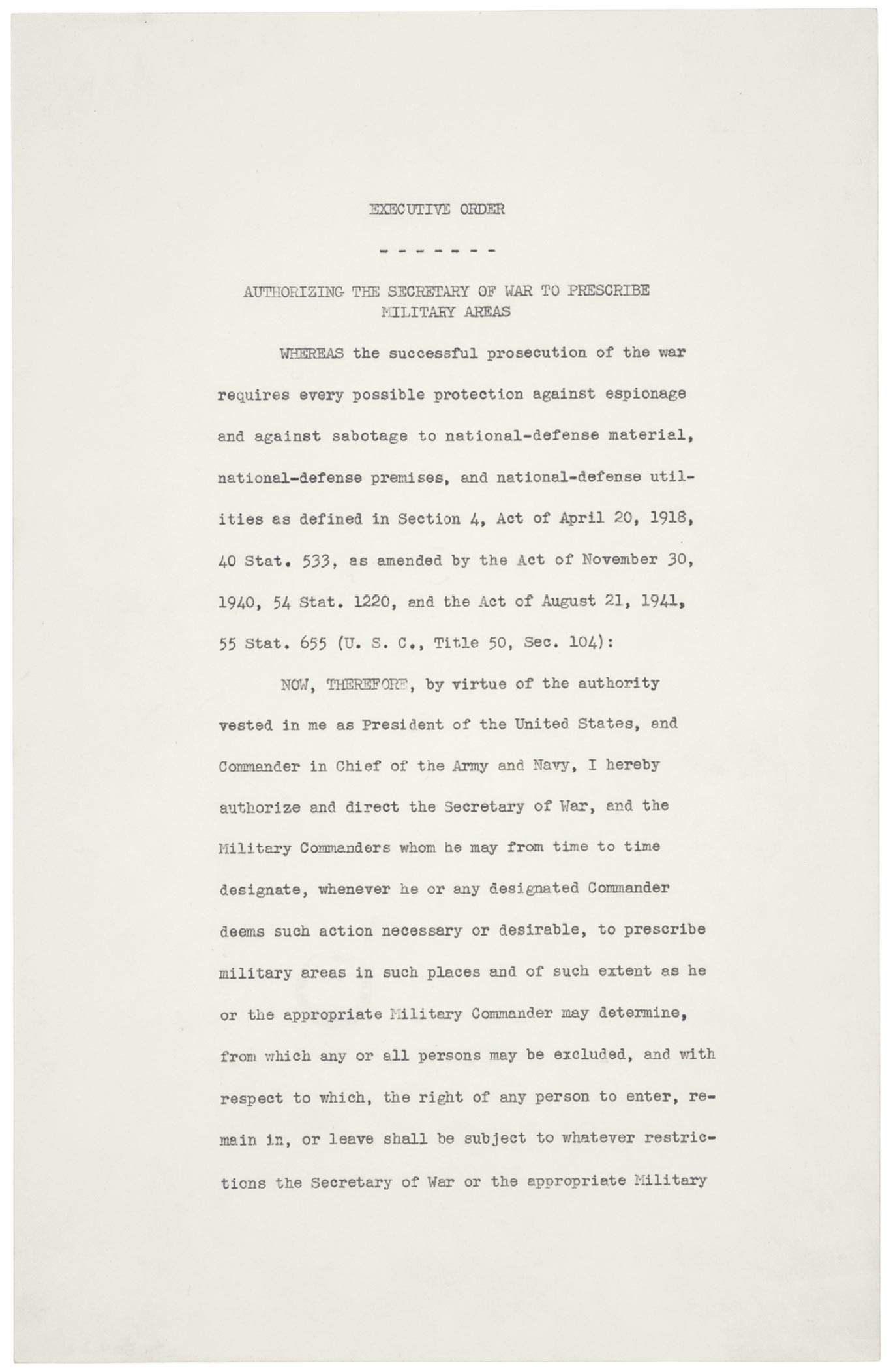
Japanese Relocation Order, 1942
Issued by President Franklin Roosevelt on February 19, 1942, this order authorized the evacuation of all persons deemed a threat to national security from the West Coast to relocation centers further inland.
-
Image
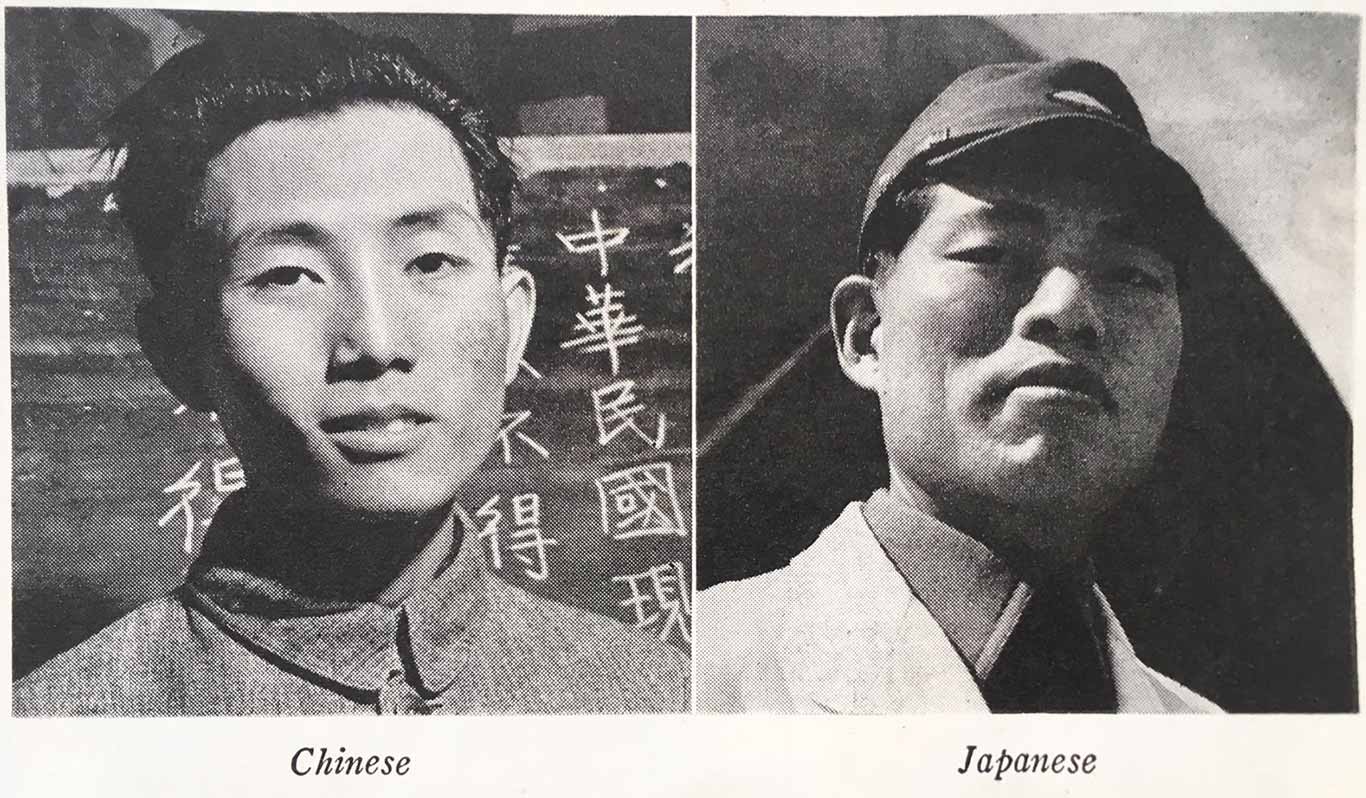
“How to Tell Your Friends from the Japs”
For decades, Chinese immigrants were reviled in the United States. But China was a US ally during World War II. A December 22, 1941 Time magazine article, “How to Tell Your Friends From the Japs,” included these comparative images and the guidance that “the Chinese expression is likely to be more placid, kindly, open; the Japanese more positive, dogmatic, arrogant.” Articles like this illustrate how international politics impacted the treatment and perception of Asians in the United States.
-
Image
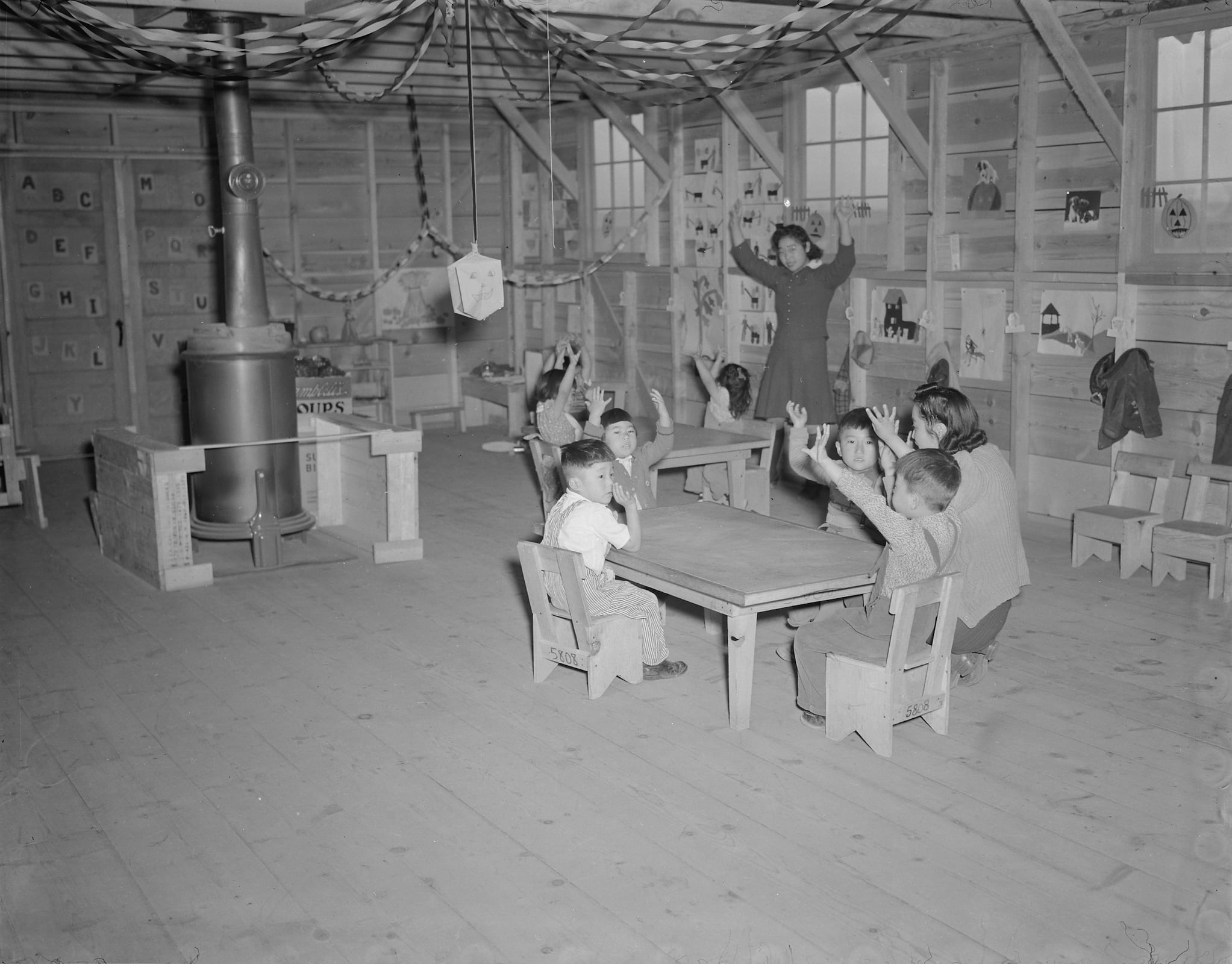
Nursery School Children Singing Twinkle, Twinkle, Little Star
Schools in the camps, like this one shown here at Tule Lake, ran the gamut from nursery programs to high schools.
-
Image
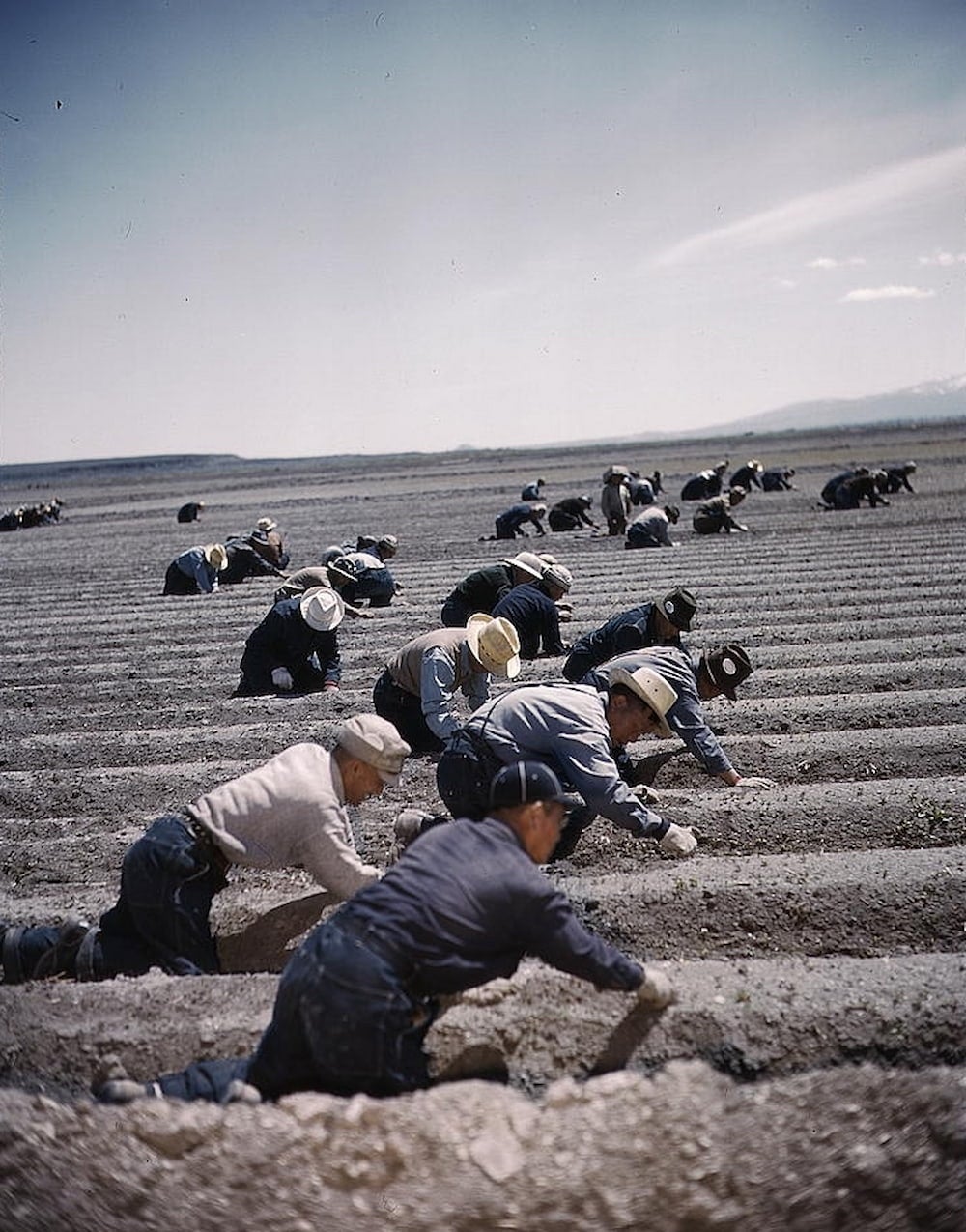
Laborers at the Tule Lake Agricultural Field
Given wartime food rationing and labor shortages, Japanese Americans, like these Tule Lake inmates, labored in nearby agricultural fields to raise crops to feed themselves.
-
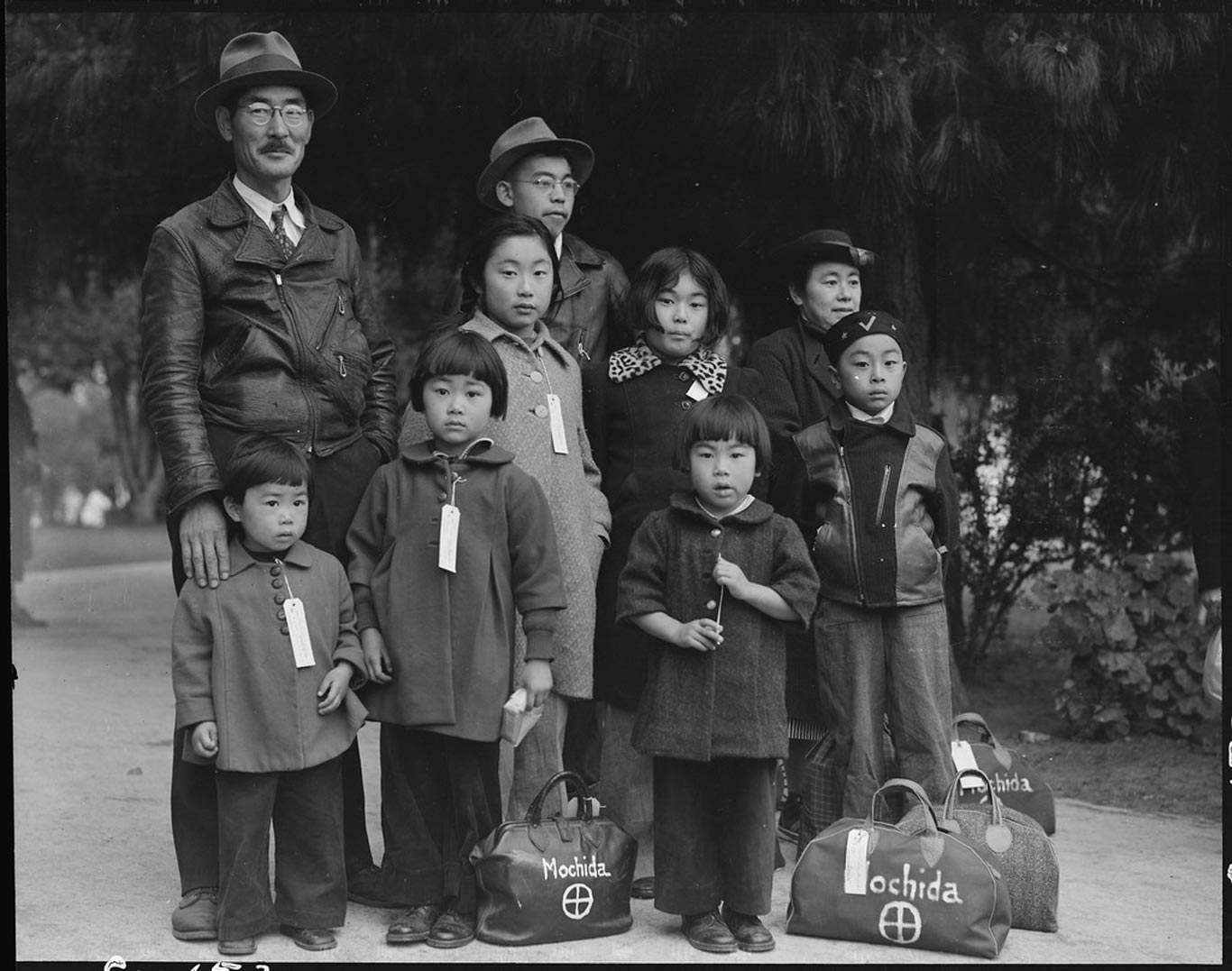
Image
Waiting for the Detention Centers
During the spring and summer of 1942, Japanese Americans, like this family in Hayward, California, boarded buses and trains bound for government detention centers. They tied tags with their names and government-assigned family numbers onto their belongings and the clothing they wore.
-
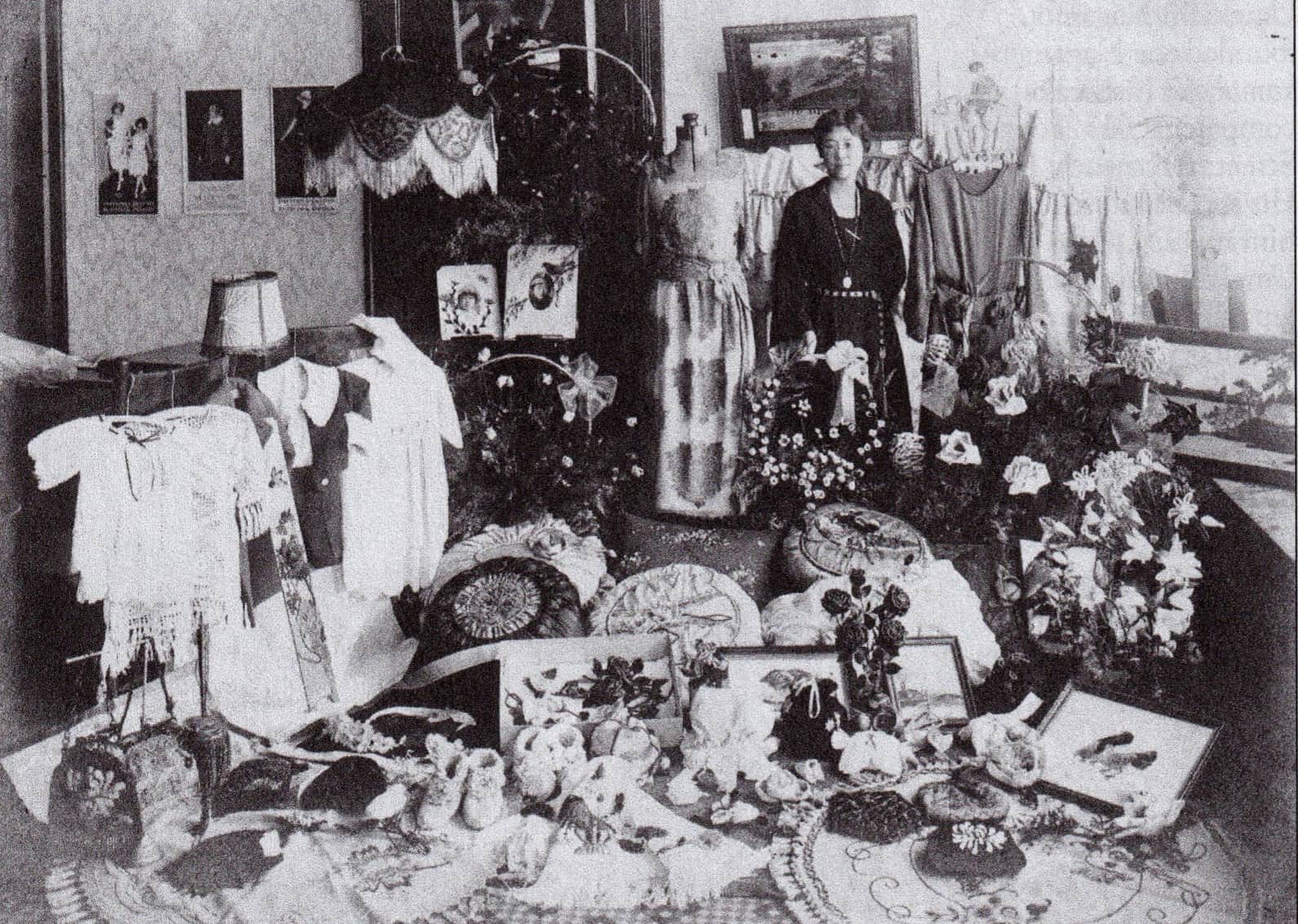
Image
Rafu Yossai Gakuen
Japanese American-owned businesses, like this sewing school in Los Angeles’ “Little Tokyo,” clustered in Japantowns on the West Coast.
-
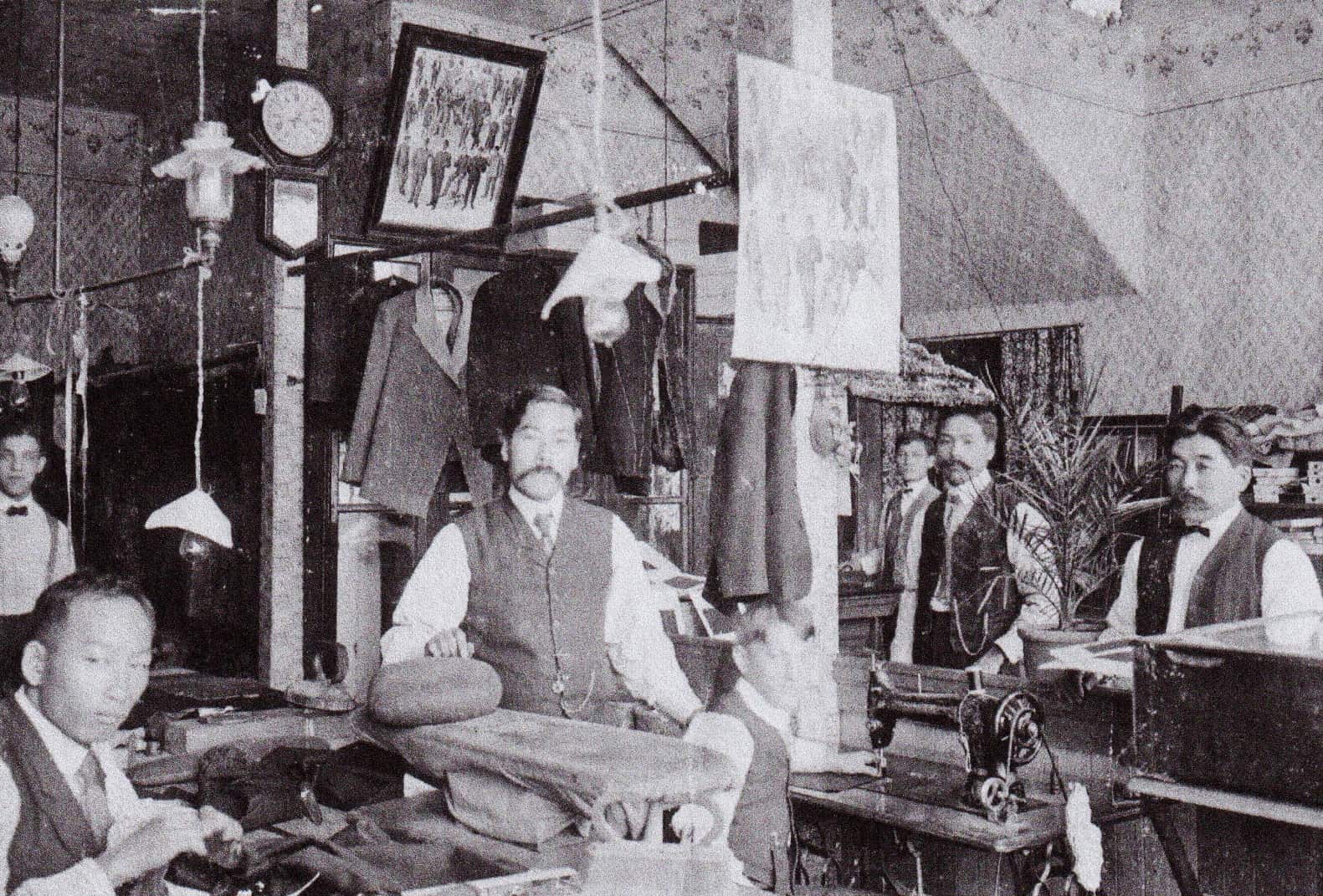
Image
Matsuura Company Tailors
Japanese American-owned businesses, like this tailor shop in Los Angeles’ “Little Tokyo,” clustered in Japantowns on the West Coast.
-
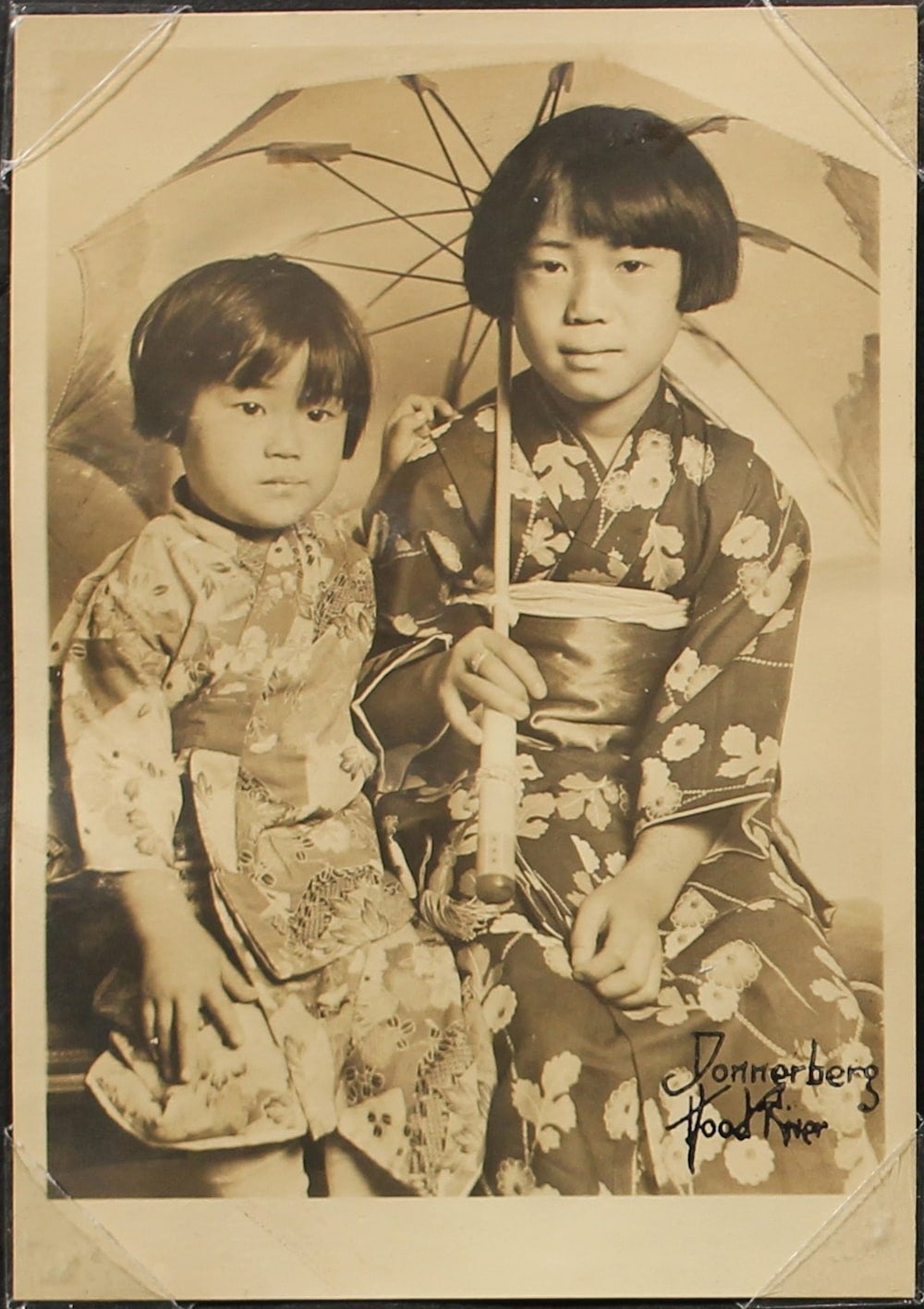
Image
Yuka and Michi Yasui
Yuka (left) and Michi (right) Yasui, circa 1929, were raised to appreciate their Japanese heritage. Yuka also took tap and ballet lessons. Michi took piano lessons. Both girls performed publicly, even appearing on a Portland radio program, Stars of Tomorrow.
-
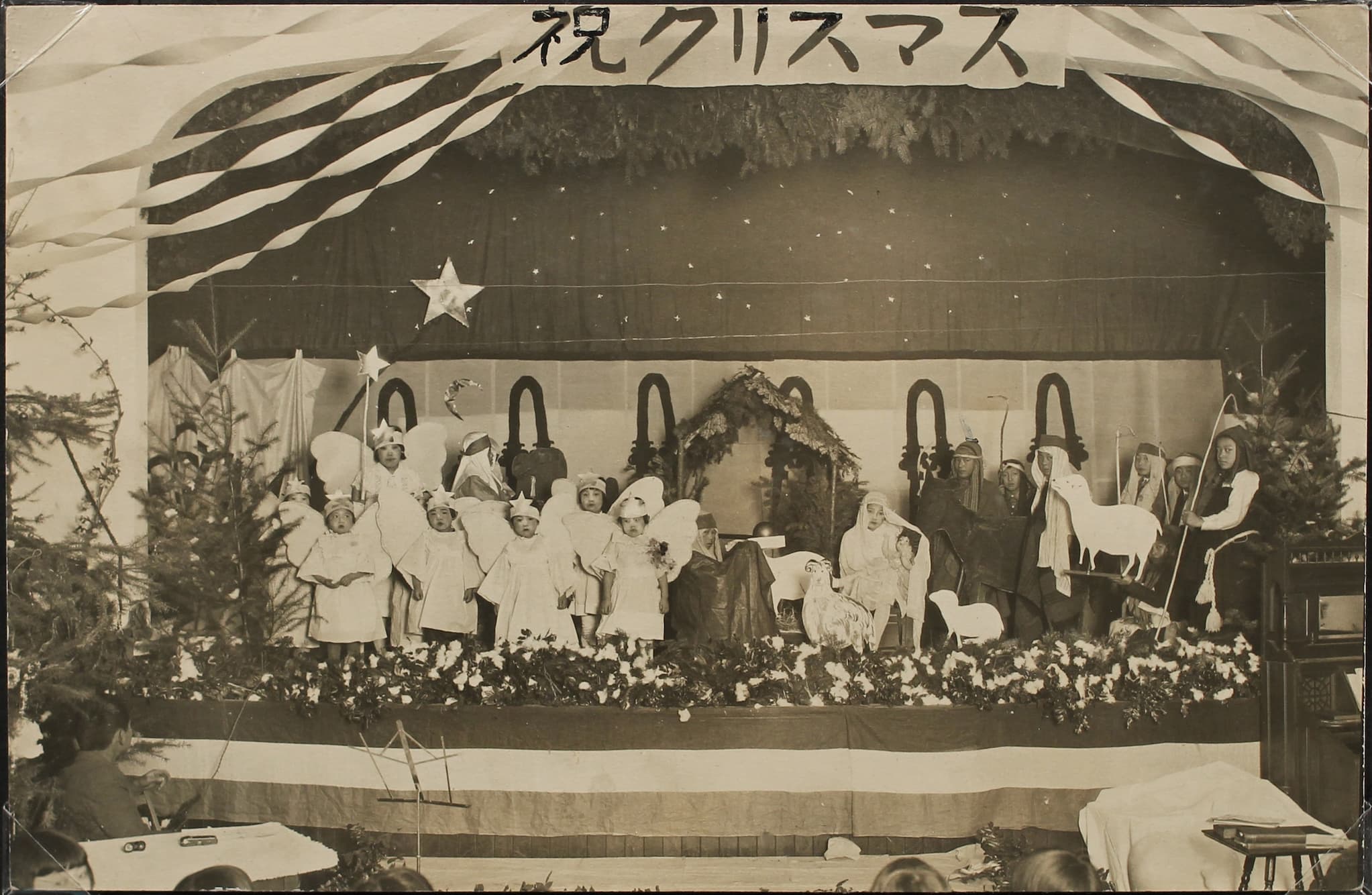
Image
Japanese Community Hall Christmas pageant in Hood River, Oregon
Christmas pageant inside the Hood River Japanese Community Hall, circa 1931.
-
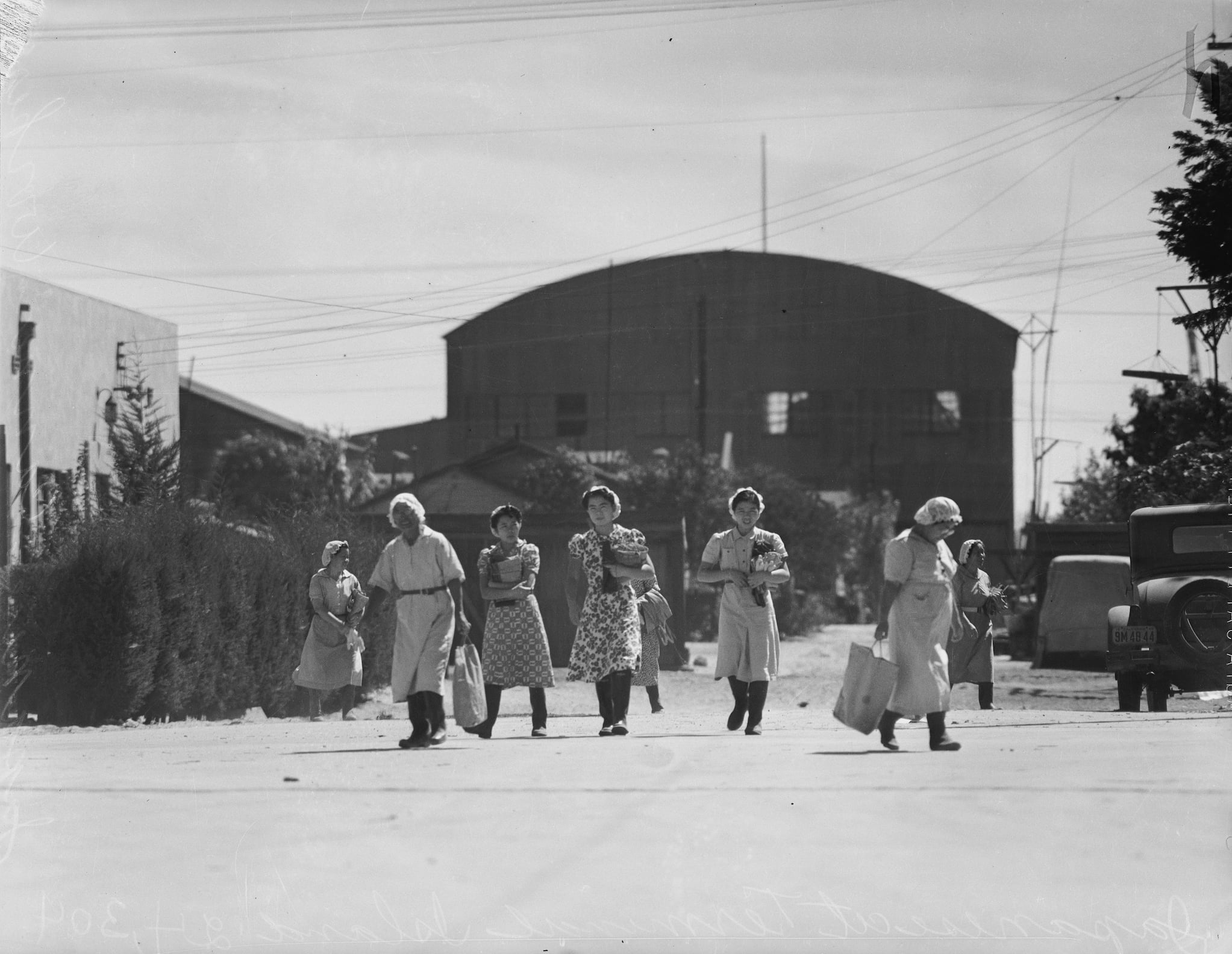
Image
Terminal Island Cannery Workers
Japanese American women leaving work at a fish cannery on Terminal Island. Issei established fishing communities there and in San Diego and Monterey, California.
-
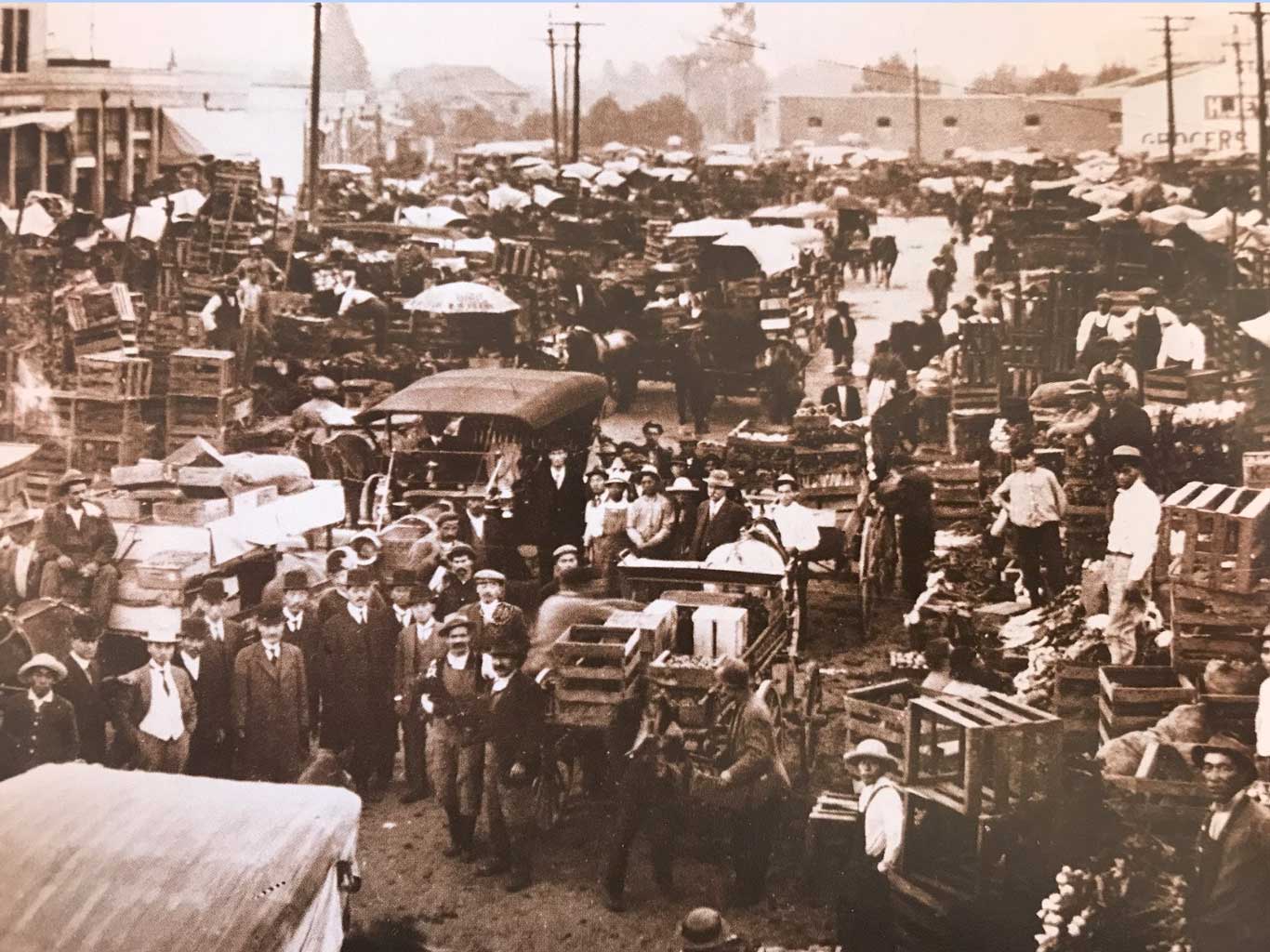
Image
City Market of Los Angeles
Issei farmers and businessmen founded the City Market of Los Angeles in 1909 to sell and promote the produce Japanese farmers raised. Similarly, Issei growers established the Southern California Flower Market in 1912, the first major wholesale flower market in Los Angeles.
-
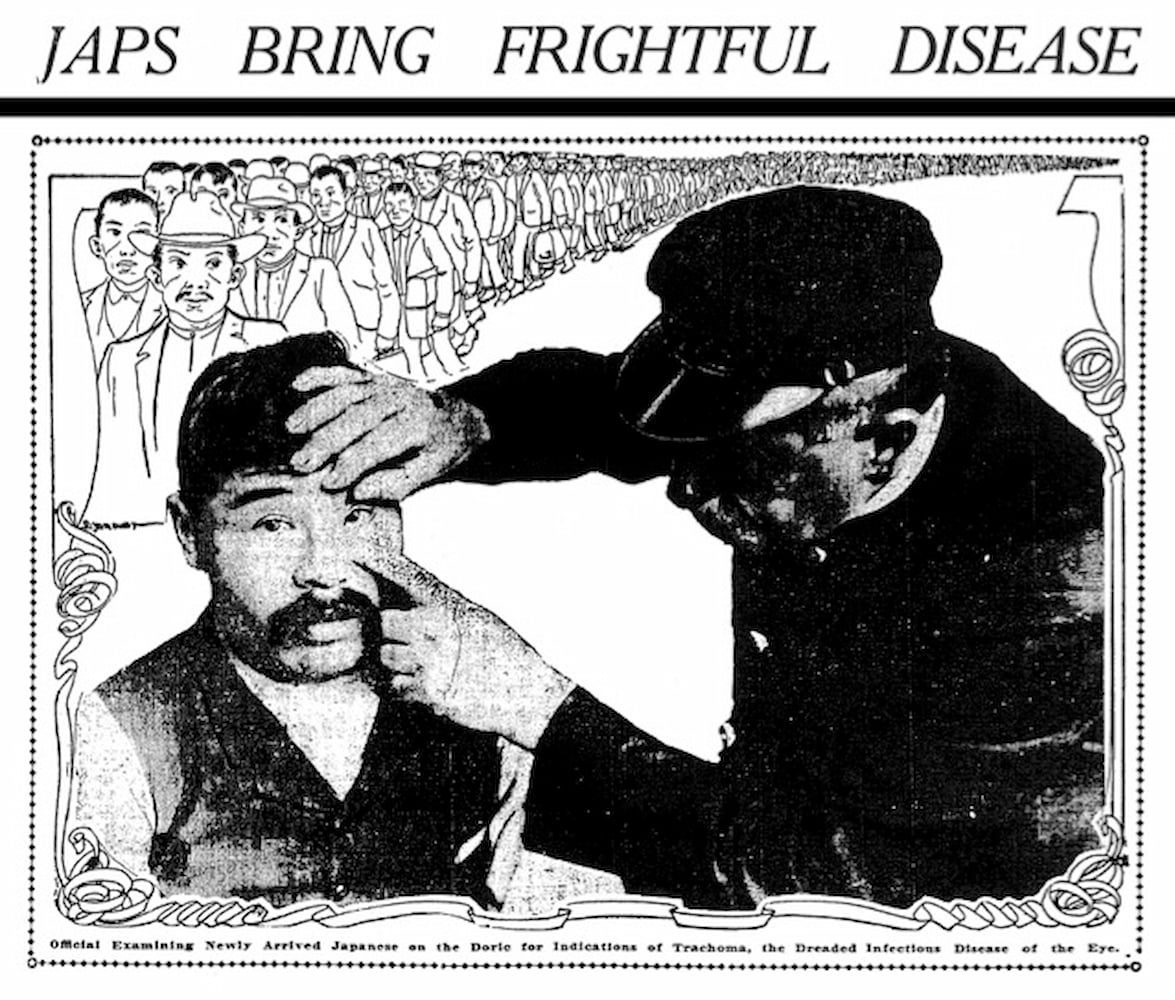
Text
“Japs Bring Frightful Disease”
This photo accompanied a 1905 article in the San Francisco Chronicle newspaper that inaccurately characterized Japanese immigrants as disease carriers who were threats to public health.
-
Image
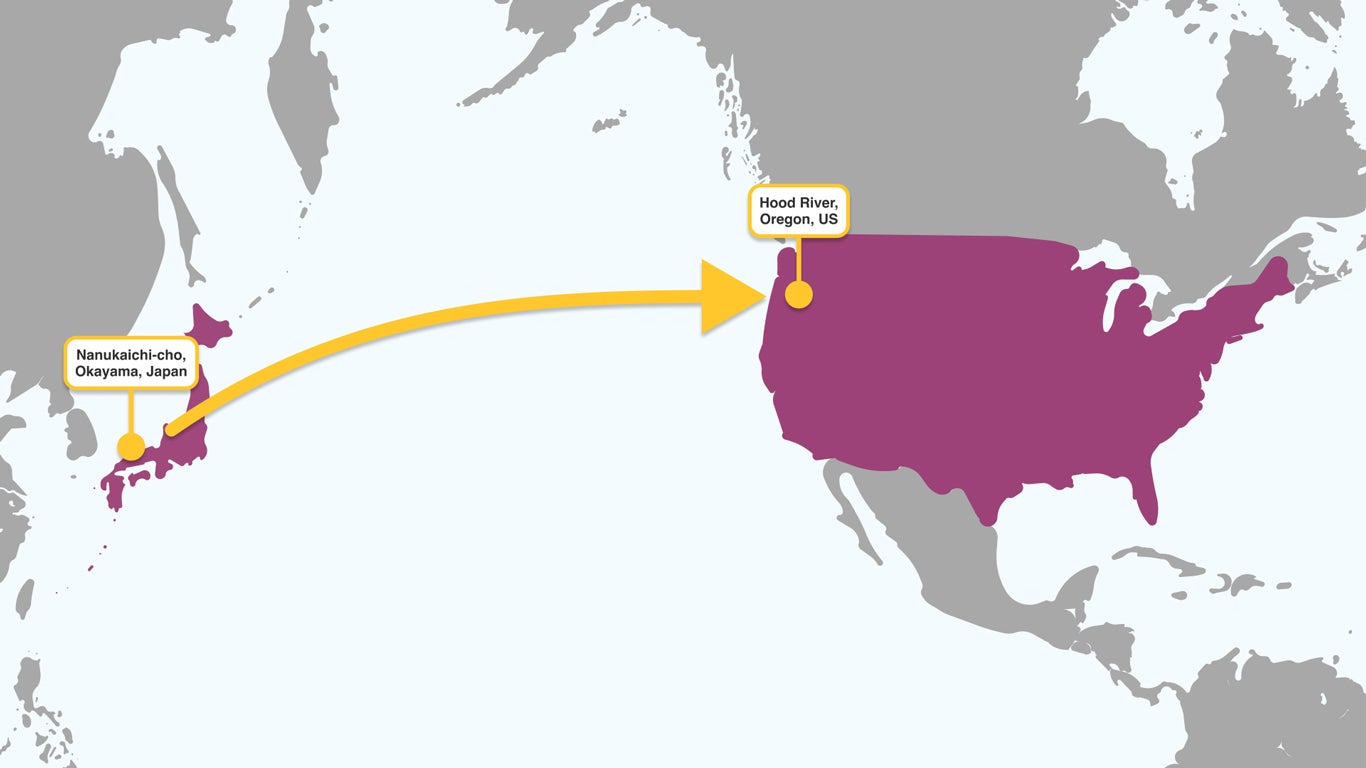
Japan to Hood River Valley Map
Map pinpointing the area from which Masuo and Shidzuyo immigrated and also pinpointing the Hood River Valley.
-
Image
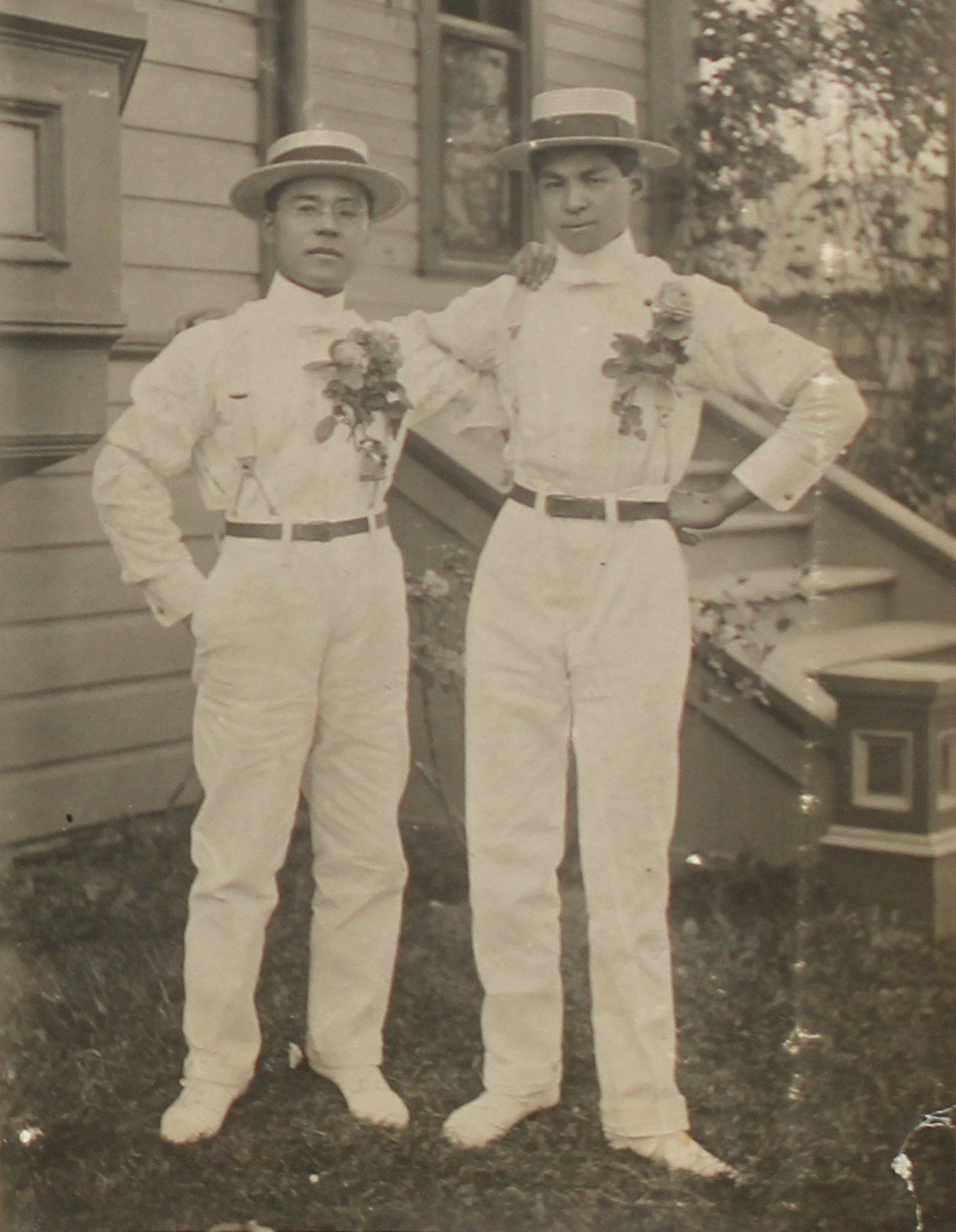
Masuo Yasui and Friend Katsusaburo Tamura
Masuo Yasui (left) with a friend, circa 1907, outside the Portland Japanese Methodist Mission where Masuo lived at the time.
-
Image
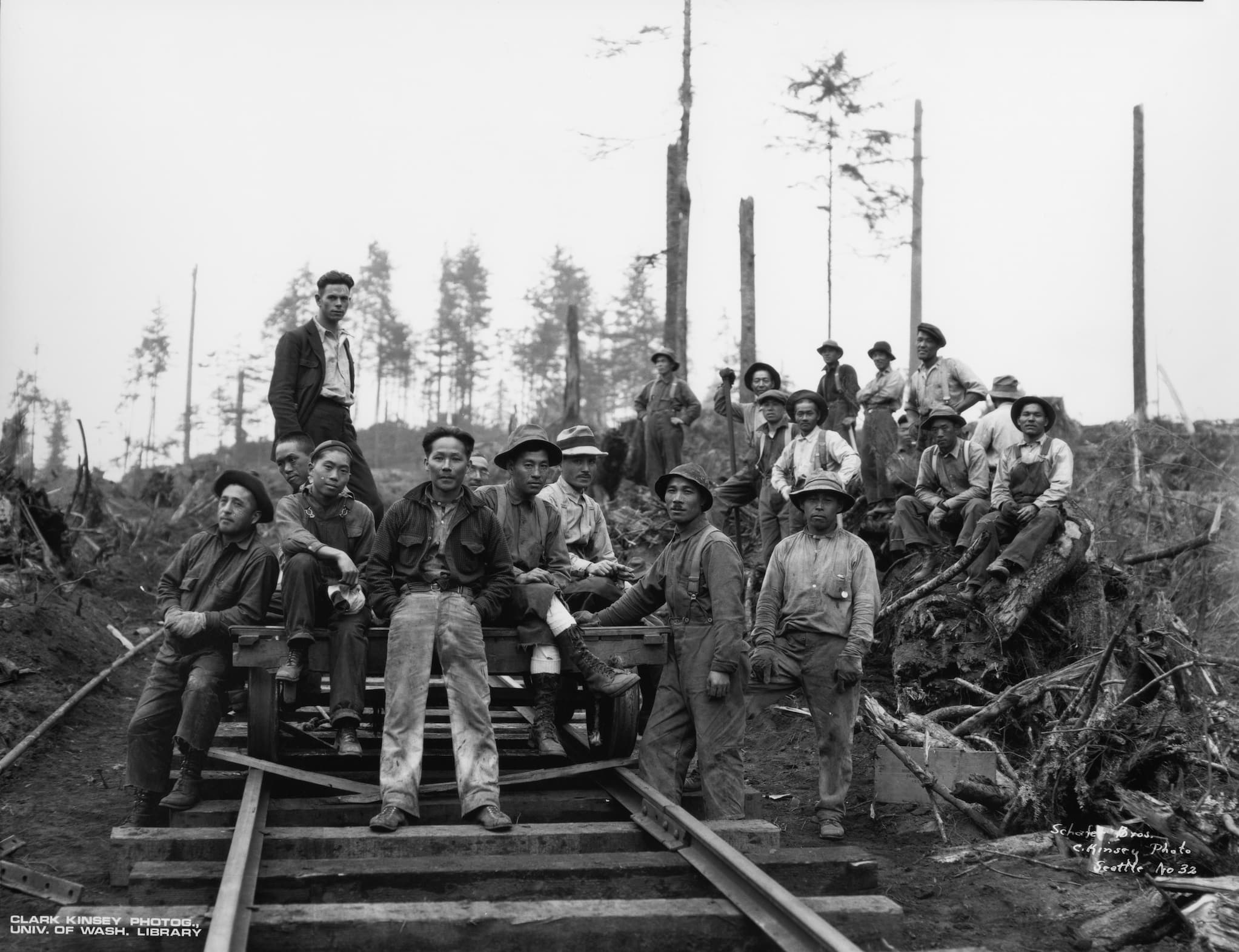
Japanese Railroad Workers
Between 1890 and 1907, about 132,000 young Japanese men came to the continental United States. Many, like Masuo Yasui’s father and brothers, and the men pictured here, built the railroads that crossed western and Rocky Mountain states.
-
Image
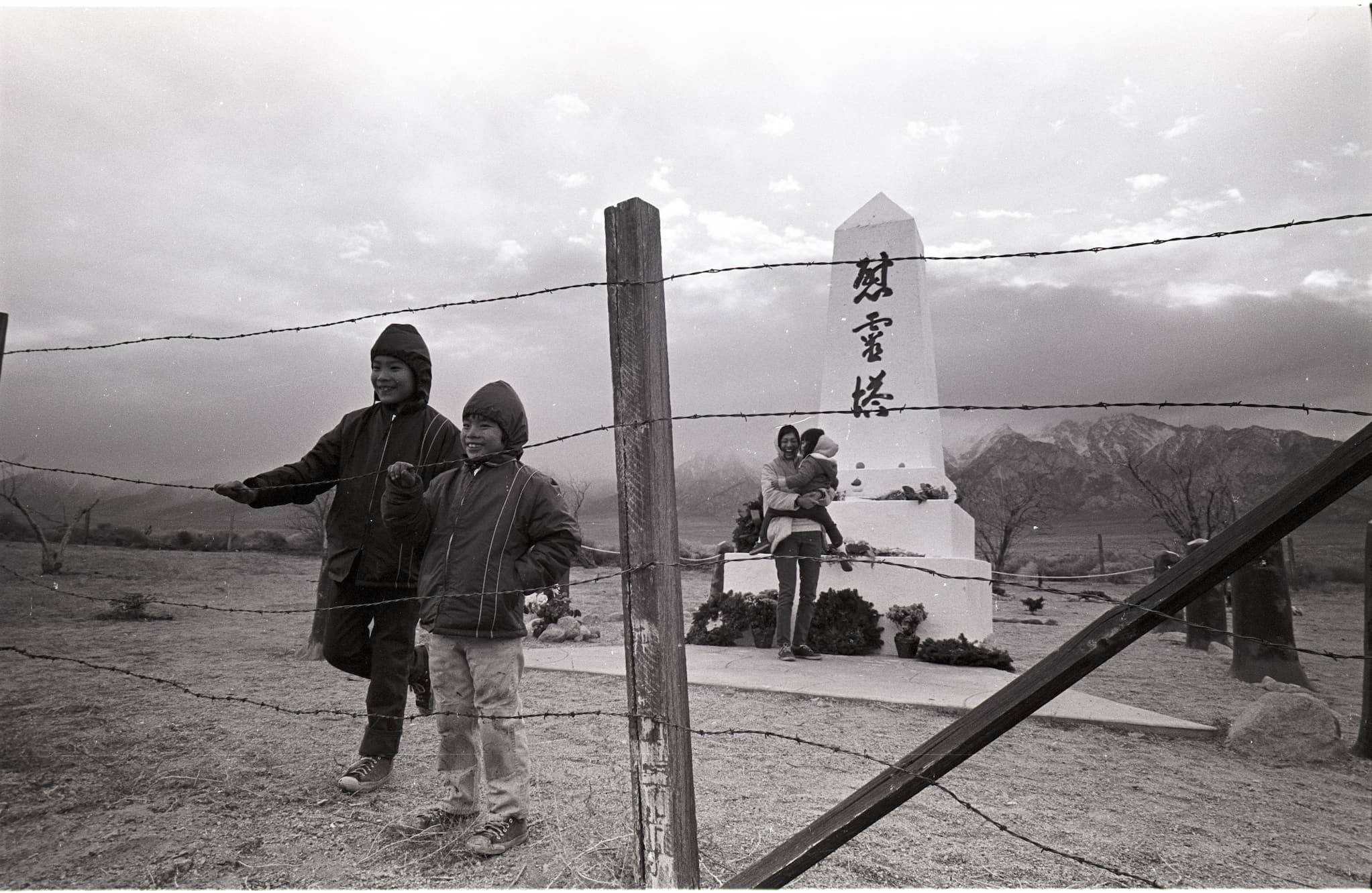
Boys in Front of Manzanar Cemetery Monument
To ensure that this history is not forgotten, Japanese Americans have organized pilgrimages to former campsites, and they have advocated for preservation of some as educational centers. Pictured here are participants in the first pilgrimage, in 1969, to the site of the Manzanar camp.