




The coast of Pågat on a sunny day. Clear, blue water is surrounded by limestone cliffs topped with dense, green foliage.
Module 2: Sacred Spaces
What do Pacific Islander efforts to protect their cultures and the environment teach us about resilience and sovereignty?
What makes a sacred space? How do people and institutions mark them (or not)? What makes them legible or recognizable to others? Who has the power to protect them? What knowledge does a sacred space encode, enable, or make possible? Sacred spaces are more than geographic entities or locations. They are sites of spirituality, history, and culture that encode ways of thinking and being in the world.
Indigenous spiritual sites are not always physically identifiable in the way we often think of them, such as in the form of a church, compound, or temple. Although this kind of marking helps to make them visible in today’s world, many Indigenous sacred sites are not always marked in this way. As a result, Indigenous sacred sites are often rendered non-existent.
This module explores different examples of sacred sites, as well as the struggle to preserve, reclaim, and protect them from colonial exploitation and erasure.
What are sacred spaces?
How do sacred spaces highlight important aspects of Pacific Islander cultures and worldviews?
How does the preservation of sacred spaces protect Pacific lands, waters, and skies from the harmful impacts of development projects and militarization?
Indigenous Worldviews in Colonial Power Structures
In many Indigenous worldviews across the Pacific, the natural world is infused with a sacred life force symbiotic with humanity that feeds and sustains people, while people—through care and stewardship—pour back into the land and maintain the seas, skies, and waterways that keep them alive and allow them to thrive. How then do Indigenous Pacific peoples preserve and respect the essence and physical presence of the natural world when globally dominant ways of seeing land, seas, water, and skies strip them of any connection to the sacred, treating them only as resources for human gain or profit?
For example, although Native burial grounds are protected by the Native American Graves and Repatriation Act (NAGPRA) in the United States, that has not prevented them from being defiled, dug up, and relocated in order to develop shopping malls in places like Honolulu, Hawaiʻi. One would not think of bulldozing a church without major controversy, but Indigenous sacred spaces have been consistently desecrated and destroyed in the interest of economic development.
Many of the movements to protect sacred lands highlight a major difference between the logics of capitalism as an economic and value system focused on profits and individual wealth accumulation and the more collectivistic economies and values among Pacific Island societies. These movements draw on Indigenous understandings of the connection to land and water as practical life-sustaining entities. They are informed by a view of land and water as symbolizing spiritual essences that connect Pacific communities to ancestral worlds and serve as anchors for identities, and individual and collective standing, in the world.
In the words of historian and creative writer Maualaivao Albert Wendt, “We belong to the Pacific with its rich variety of philosophies and different ways of viewing reality, nature, the atua [deities], and the cosmos.” 1 There are many ways of knowing and seeing the lands, waters, and skies of Oceania. These sensibilities and connections shape efforts to protect sacred spaces from harmful impacts of projects of development and militarization.
Mauna Kea
Rising over 33,000 feet from the ocean floor, Mauna Kea, or Mauna a Wākea, in Hawaiʻi is the tallest mountain in the world from base to summit. It is taller than Mount Everest (just over 29,000 feet) and K2 (Mount Godwin-Austen) on the border of China and Pakistan (over 28,000 feet). A long-dormant volcano, over half of Mauna Kea is submerged beneath the waters of the Pacific Ocean. The mauna (mountain) occupies a sacred space in Hawaiian origin stories as the piko, or umbilical cord, connecting to the life force of the heavens.
In Native Hawaiian cosmogony, Mauna a Wākea is the mountain-child of Papāhanaumoku and Wākea whose birth signals the creation of the Hawaiian people and their lands. Mauna Kea nourishes the people physically and spiritually, and is home to ancestral akua (deities). As such, it is home to hundreds of shrines (heiau) where Kānaka Maoli (Native Hawaiians) have long gone to worship or pay their respects. With ʻoli (chants), hula, or hoʻokupu (gifts and offerings), they honor the deities and visit ancestors at burial grounds that serve as final resting places.
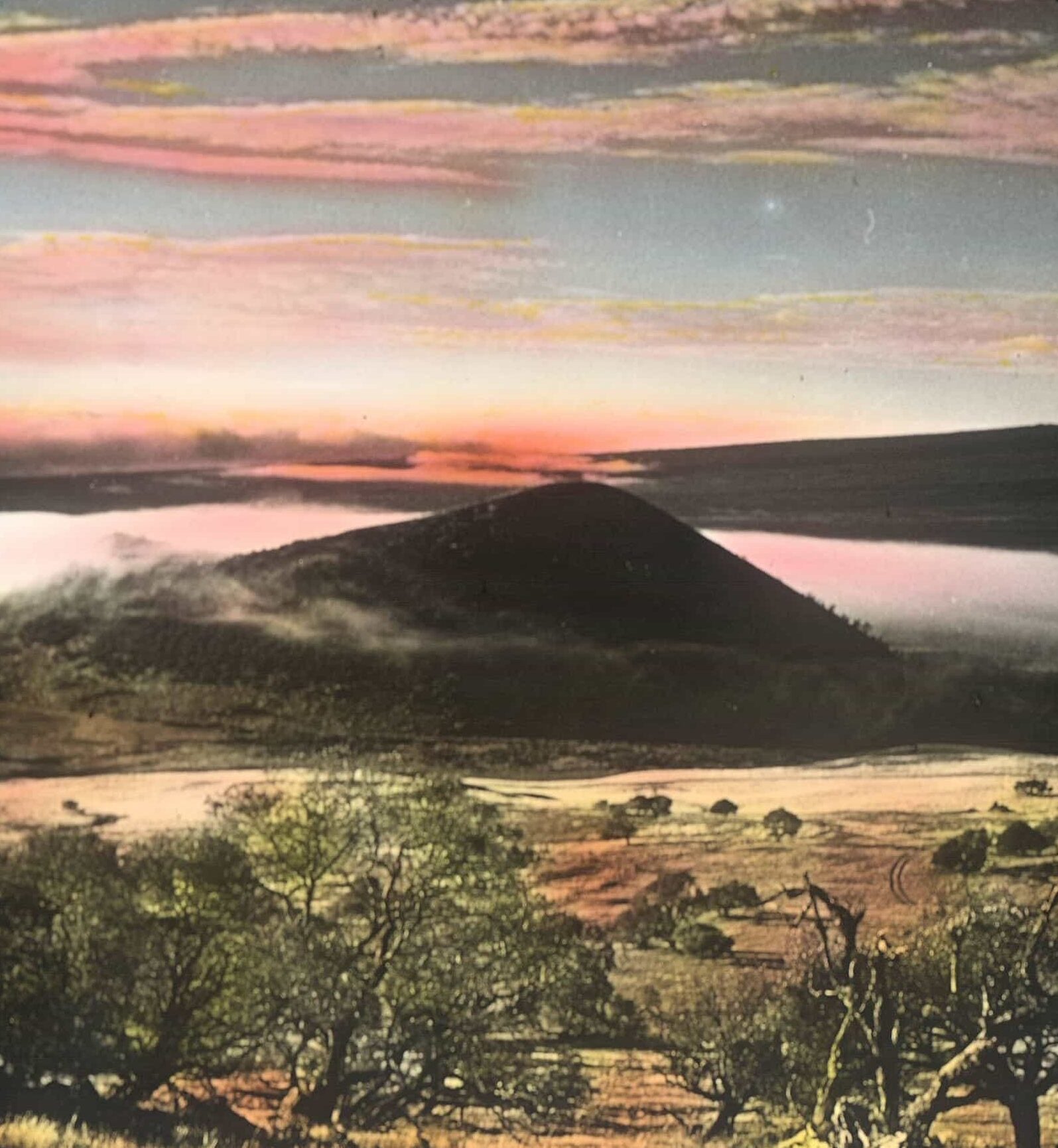
Image 02.02.01 — Lantern slides were projected in magic lantern shows, typically for entertainment, education, and advertising. This slide was acquired by Seiju Ifuku, an antique collector, and donated to the University of Hawaiʻi at Mānoa.
In recent years Mauna Kea has been the site of intense conflict over the proposal of a new Thirty Meter Telescope (TMT) project. Located on Hawaiʻi Island, the largest island of the Hawaiʻi chain, Mauna Kea was incorporated into the Mauna Kea Conservation District in 1967 (now known as the Mauna Kea Science Reserve). The height of its summit, which rises above the inversion layer that separates cool dry air found at higher elevations from warm moist air at lower elevations, makes it a uniquely attractive site for astronomy with clear views of the sky.
With low water vapor, cold temperatures, and intense darkness due to Hawaiʻi’s geographic isolation from ambient light generated in major metropolitan cities, Mauna Kea is one of the few global locations ideal for telescopes. Under the management of University of Hawaiʻi (UH) and the Hawaiʻi State Board of Land and Natural Resources (BLNR), it is now home to thirteen telescopes.
The proposed Thirty Meter Telescope is named after the size (diameter) of its mirror lens and modeled on the CalTech Keck 10-meter telescopes. Its size and advanced technology, including lasers and adaptive optics, would reach much further than any telescope today, enabling new work on planets, dark matter, and life in the universe. The complex, priced at over one billion dollars, would be housed by a dome eighteen stories tall with a footprint of five acres (just over the size of four American football fields).
The project sublease for the Thirty Meter Telescope was initially approved in 2011 by the University of Hawaiʻi, but protests at its groundbreaking ceremony in 2014 went viral and garnered global attention while legal challenges made their way through the courts. Arguments in favor of the TMT have cited job growth and economic development in addition to enhanced scientific capacity, while past reports have criticized the university for mismanagement of the natural resources on the mauna. Moreover, environmental impact statements have flagged the potential for further harm to its fragile ecosystem and the possibility of polluting the water table beneath the mountain.
What has often been simplistically cast as a contest between science and culture, or development and preservation, can also be seen as a struggle over whether and how sacred spaces are recognized and valued, and who gets to make that determination. The mountain is part of so-called “ceded lands” that originally belonged to the Hawaiian Kingdom and are now administered by the State of Hawaiʻi through the BLNR. Its placement under state jurisdiction is an example of how the legacy of colonialism today works through law and policy to disempower Native Hawaiians, in part, by imposing a view that renders sacred spaces empty and exploitable.
Native Hawaiian scientists and some astronomers have been very vocal about the false division presented in the media between science and culture. Rather, they argue that the ethics of research need to be taken more seriously in this case, and the principle of informed consent—that those impacted by research must be fully informed and agree to participation—is key. This means listening to the range of local points of view on the mauna’s meaning and usage and demonstrating good stewardship of the land.
The mass multiethnic, multiracial activism that seeks to protect Mauna Kea from further damage speaks to the unwillingness of people, locally and globally, to simply accept development without questioning both its premise and potential impacts. In this way, movements to protect sacred spaces in places like Hawaiʻi, align with environmental justice and Indigenous rights movements across the world.
More to explore
Slideshow
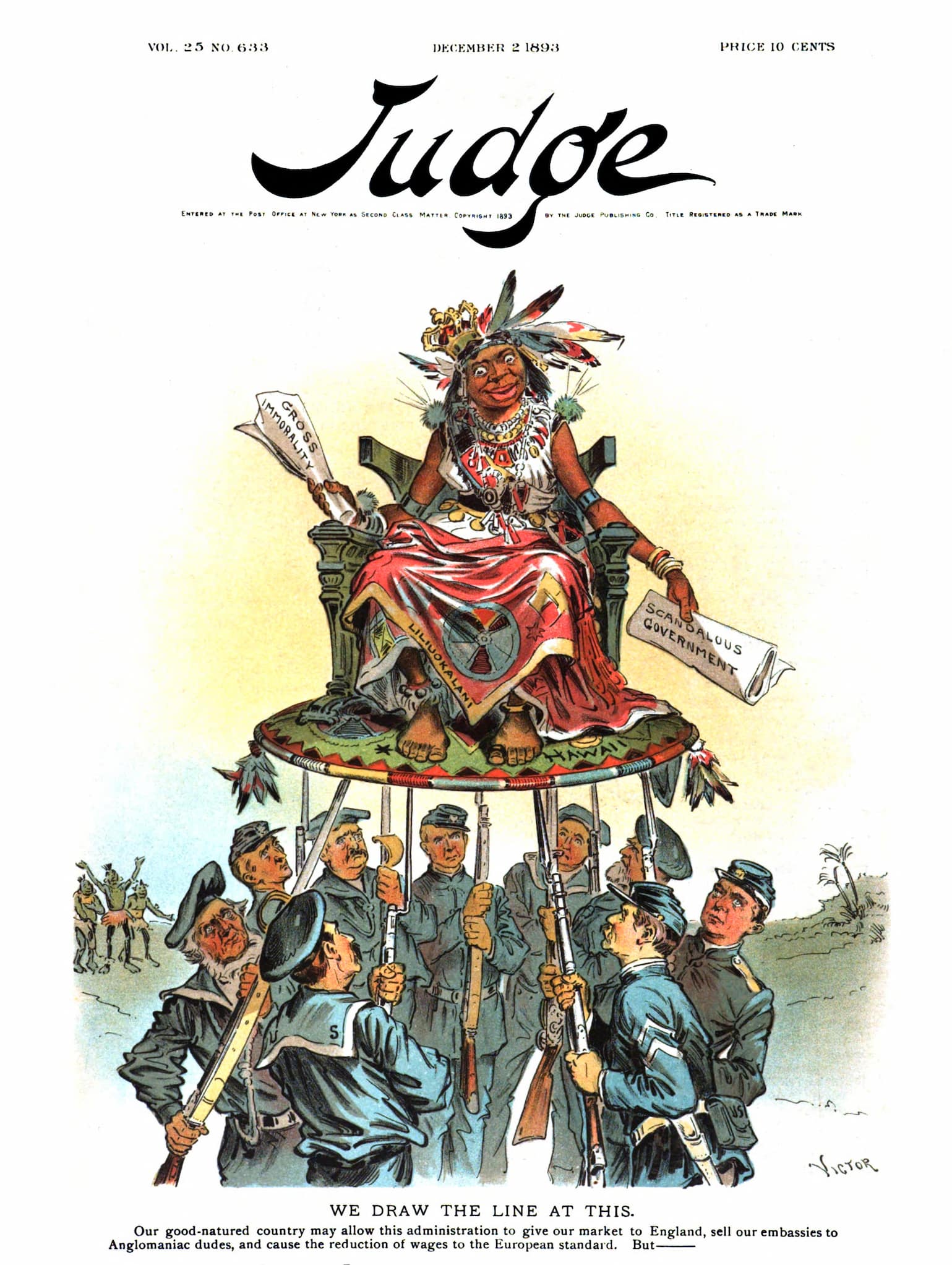
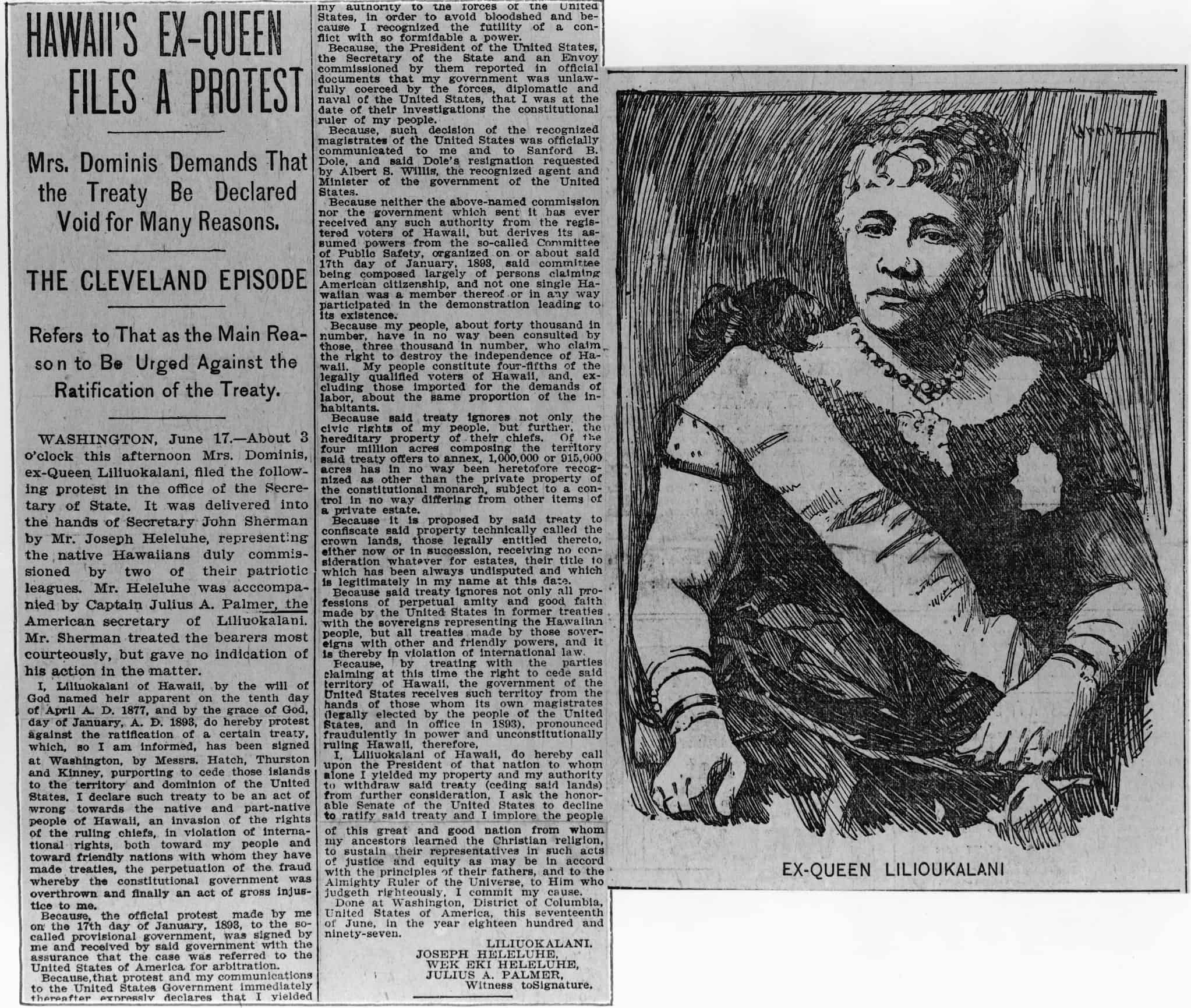
The Overthrow of the Hawaiian Monarchy and the Creation of Ceded Lands
In the late 1800s, Hawaiian sovereignty was undermined by the growing power of American and European settlers. This can be seen in the forced adoption of the 1887 Constitution (the “Bayonet Constitution”) over the objections of King David Kalākaua and the reciprocity treaties (1875 and 1887) that established a duty-free sugar trade and permanent use of Pu‘uloa or Pearl Harbor for an American naval base.
Wai and Whenua—Waikato River
For the people of Aotearoa New Zealand, like for many other Pacific Island peoples, Indigenous conceptions of the natural world are intimately intertwined with identity. In te ao Māori, or the Māori worldview, deities embody and govern aspects of the natural world. Life itself is traced to Ranginui (sky father) and Papatūānuku (earth mother). Papatūānuku cares for and nourishes the people from cradle to grave, and in return, kaitiakitanga (ethical care and guardianship of the land, sea and sky) is given by people.
Similarly, the waters, fresh and salty, are the realm of the Māori god Tangaroa. They are the source of life for many. Groundwater, lakes, rivers, and tributaries make the land lush and productive, filled with edible species like eels, whitebait, and crayfish. The oceans and inlets teem with fish, shellfish, octopus, and seaweed. Māori believe lands and waters possess both physical elements and spiritual essence that are intimately intertwined with human life. Conceptions of te taiao (the natural world) encompass a cosmic family in which humanity has a place as one of many elements sustained by, and with responsibility for, many others.
In te ao Māori, a grounding concept of tūrangawaewae (one’s place to stand in the world) is as much a physical connection to land as it is a social positioning. These are places of empowerment and connection to a life of service as one’s foundation, intertwined with one’s genealogy. In Māori contexts, when introducing oneself by identifying relationships to iwi (tribal groups), one also identifies the mountain and waters that anchor one’s identities. If mountains and waters are life-giving entities with spiritual essence, then they must be cared for. This presents a very different view from Western and capitalist conceptions of property and natural resources destined for exploitation.
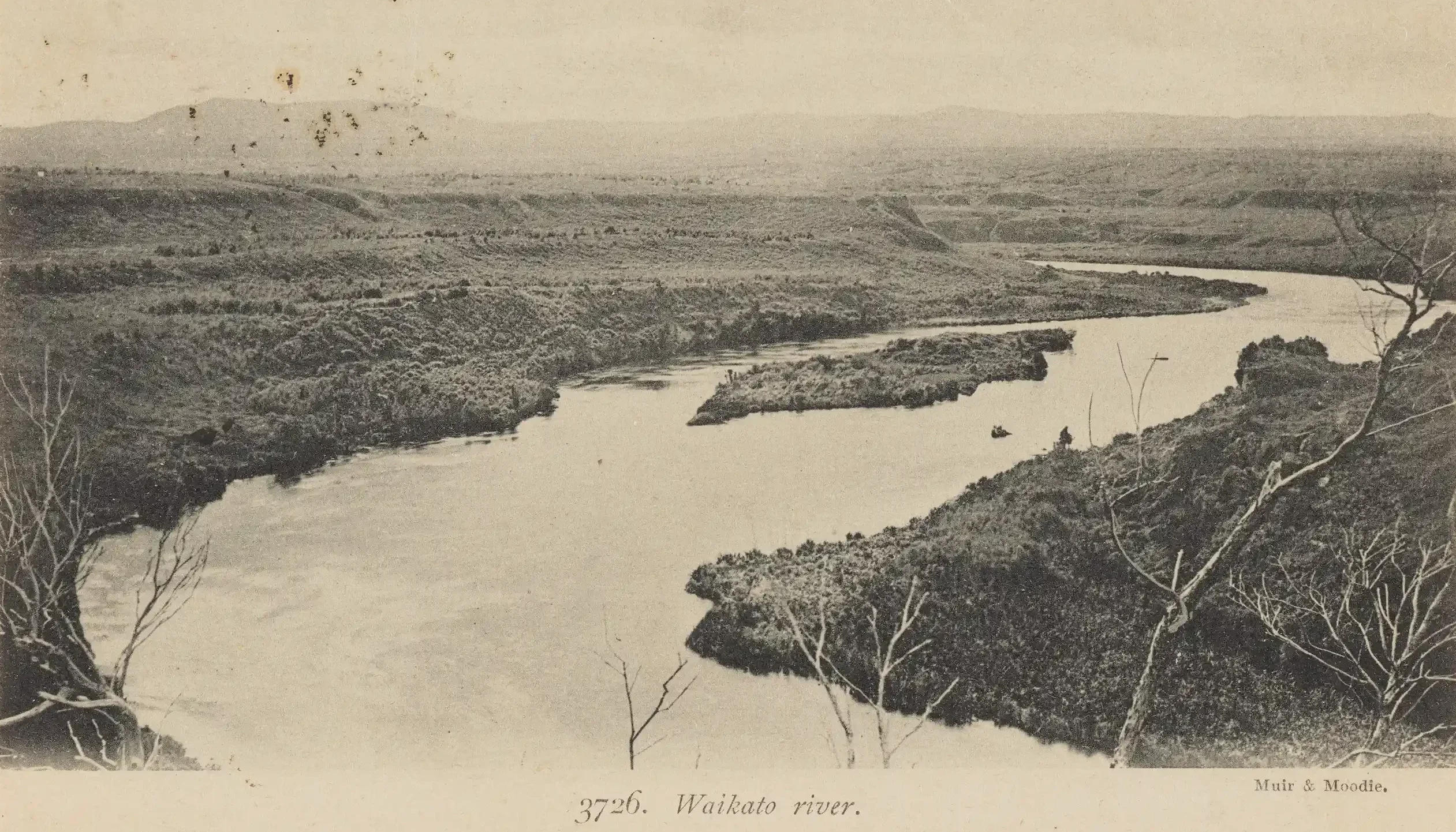
Image 02.02.04 — Postcard of Waikato River, c. 1900–1903. Many areas of the Waikato River are considered to be sacred by Waikato Māori.
Sacred spaces encompass ancestral, historical, and cultural sites of significance. Māori worldviews, and the deep sense of their place within them, infuse many of the struggles to protect against the encroachment by developers and the New Zealand government. Many areas of the Waikato River on the North Island, for example, are considered to be sacred by Waikato Māori, not only because it flows past ancient burial grounds of revered ancestors, but the river is an integral part of the social and cultural identities of the local people.
Some view the river as an ancestor—reflected in its name, Tūpuna Awa (translated as “river ancestor”). Its blessings and life-giving power are bestowed on those connected to it. The river is also seen as a taonga, a treasured entity with cultural or spiritual significance–something to be stewarded and not controlled for profit-making purposes. With Māori rights to taonga enshrined in The Treaty of Waitangi (Te Tiriti), legal challenges to actions by the Crown and major electricity generators (such as Mighty River Power and Genesis) have been one way the Waikato Māori have exercised stewardship over the river.
Elsewhere in Aotearoa New Zealand, significant public protest and legal challenges have been initiated over the state and corporations seeking to develop and exploit natural resources in land and waters. For example, the culmination of the longest legal battle in Aotearoa concluded with the Whanganui River (Te Awa Tupua) being awarded legal personhood in 2017 as part of a Treaty of Waitangi (Te Tiriti o Waitangi) settlement.
The close identification of the river with the Whanganui tribes is reflected in the saying, “Ko au te awa. Ko te awa ko au” (I am the river. The river is me). As the first river in the world to be awarded legal status, the settlement recognizes its national significance as a natural resource and provides it protection. Seen here, and in many other examples, Māori have been important leaders in movements to preserve elements of te taiao (the natural world), often in solidarity with other Pacific peoples. They draw on personal and ancestral connections to place to assert both the responsibility of stewardship and authority over Indigenous lands and waters.
Pågat (Village)
In another part of the Pacific, Guåhan (Guam) has been a site of contestation for centuries as foreign nations have successively sought colonial control over the island state. Wrested from Spanish control at the turn of the twentieth century only to be forcibly incorporated into the US overseas empire, Guåhan has been a site of relentless militarization, the so-called “Tip of the Spear” in US military terms. While military control of land and waters has expanded over several decades, so have movements for demilitarization that intend to recover Indigenous practice and disentangle the many ways that US military control has shaped daily life on the island. This can be seen in the “Save Pågat” campaign in the early 2000s.
Pågat was an Indigenous site identified for documentation and protection by the Guam Historic Preservation Office in the 1970s. It was a latte site, which is a pre-colonial village featuring the remains of structures built in part on latte stones. Despite preservation efforts, the site fell into neglect and became a dumping ground for various waste materials. Latte structures and stones have since been reclaimed as important cultural emblems because of the way they mediate connection to Indigenous pasts.
When the US military announced its intentions to use the site as a training range with live ammunition in 2008, it sparked outrage among the local community, leading to the formation of the activist group “We Are Guåhan.” They protested against the military’s plans and filed a lawsuit, garnering international support from organizations including the National Trust for Historic Preservation and the International Committee on Sites and Monuments. The public outcry and organized activism of “Save Pågat,” alongside a stalled budget process, led to altered US Navy plans. Pågat was later made accessible, with efforts to enhance the site.
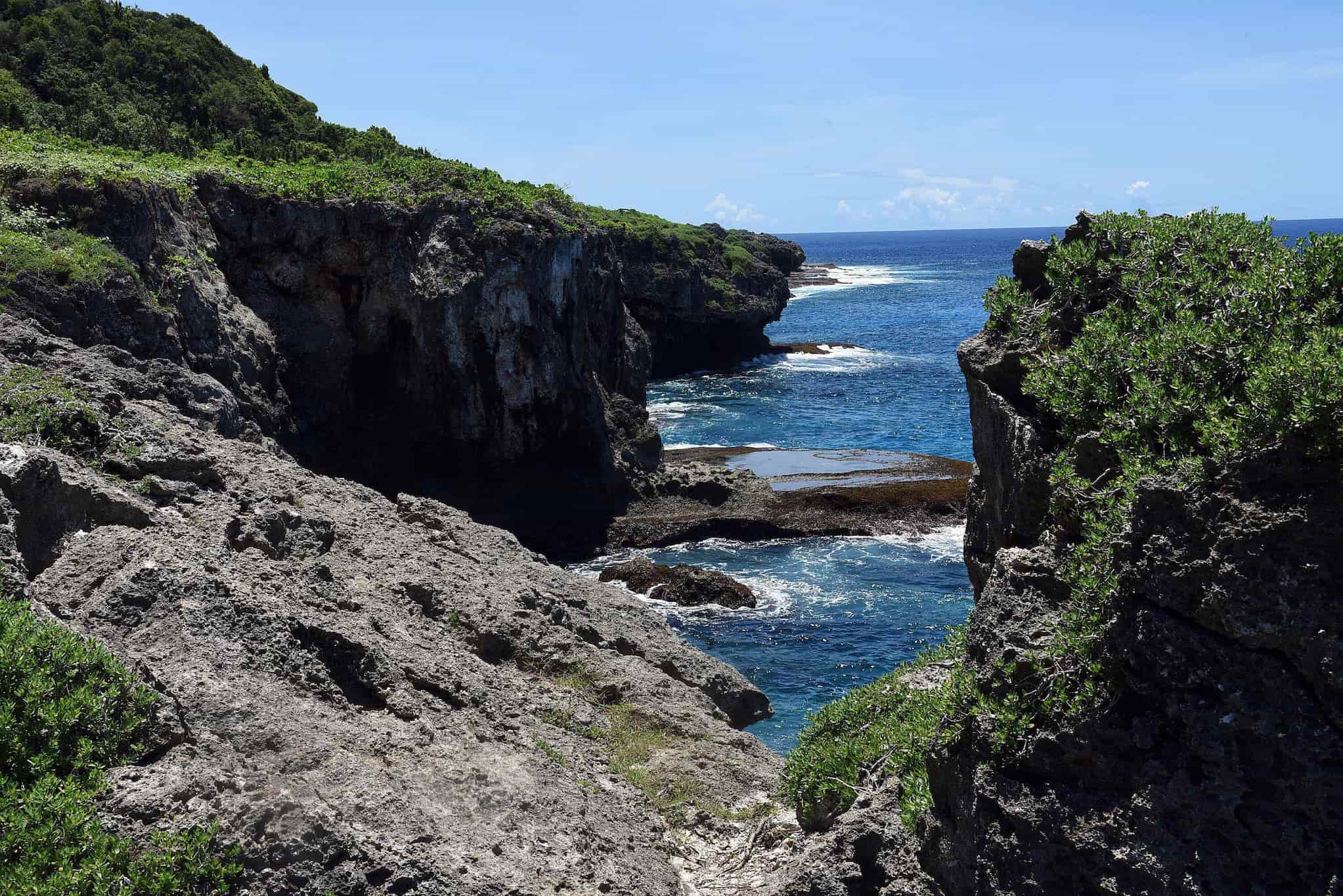
Image 02.02.06a — Pågat is a sacred space located in northeastern Guåhan (Guam).
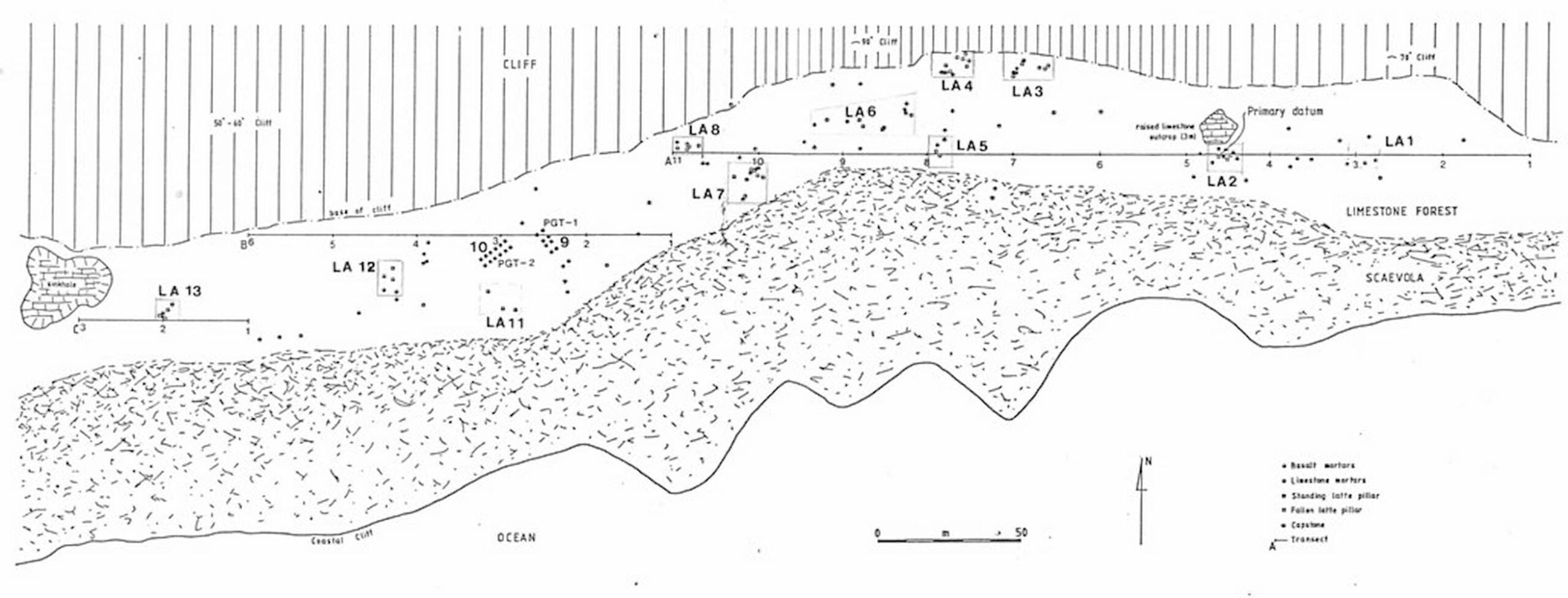
Image 02.02.06b — Archaeological site plan of Pågat in Guåhan. The numerous markers in the map identify remains of the ancient CHamoru village and burial site, proof of a thriving Indigenous culture long before Spanish colonial control.
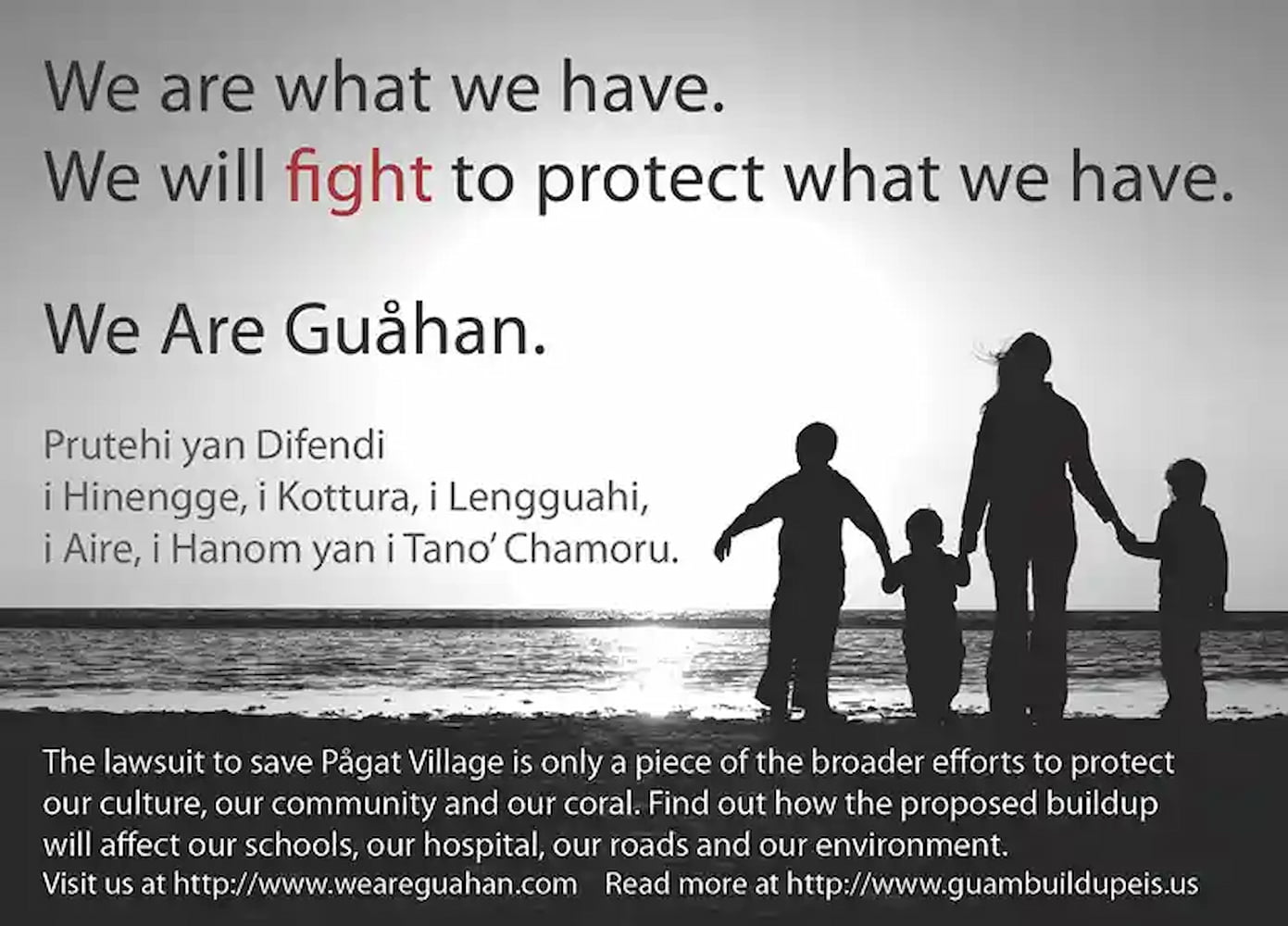
Image 02.02.06c — Since 2010, We Are Guåhan has advocated for the protection and preservation of Pågat in Guåhan by actively working to prevent military use of the site and to raise awareness about its cultural and environmental significance.



For CHamorus, the Indigenous people of Guåhan, Pågat is an ancestral site. The creation of activist heritage hikes, deeply-rooted in CHamoru traditions, shifted the narrative towards the importance of “inafa’ maolek” (restoration), emphasizing mutual respect and care for Pågat and the broader island community. The hikes provide education about the military buildup and use the CHamoru language to highlight the cultural significance of Pågat to foster a strong sense of community.
The heritage hikes in Guåhan have helped recover Indigenous knowledge and links to the land, transforming a once-neglected but sacred site into a broader campaign for Indigenous and environmental justice. In caring for the homes and structures of their ancestors, the local community reclaimed histories, values, and cultural identities that defied US colonial visions of Guåhan and its people.
Conclusion
The struggles in Guåhan, Hawaiʻi, and Aotearoa New Zealand are part of a broader movement across the Pacific, where its peoples are actively preserving, reclaiming, and protecting their spaces of significance and sacred sites in the face of global capitalist development and militarization. They have used activism, legal action, and international support to resist the encroachment of military interests and reclaim connections to land and cultural heritage. In doing so, they are part of a wider transoceanic (and global) dialogue among existing social movements and Indigenous peoples, practicing decolonization and resistance.
Glossary terms in this module
deity Where it’s used
A god or goddess.
Indigenous Where it’s used
Refers to someone or something that originates from a region, predating colonialism.
militarization Where it’s used
The process in which a country orders an increase in military presence to organize and prepare for war.
Oceania Where it’s used
A huge geographic region that encompasses Melanesia, Micronesia, Polynesia, and Australia.
stewardship Where it’s used
Supervising, managing, or caring for something.
Endnotes
1 Albert Wendt, “Pacific Maps and Fiction(s): A Personal Journey,” in Stout Research Centre Sixth Annual Conference Proceedings (Stout Research Centre, 1990), 61.