




Nancy Abouke, dressed in a weightlifting uniform, claps her chalk-filled hands in front of a deadlift bar. Clouds of chalk float above her hands.
Module 5: Pacific Islanders in Popular Culture
What do Pacific Islander efforts to protect their cultures and the environment teach us about resilience and sovereignty?
Pacific Islanders have a recognizable presence on the global stage. Musicians, athletes, filmmakers, writers, artists, politicians, youth activists, theologians, navigators, and many others represent thriving communities across the region and in an expanding diaspora. In smaller countries like Aotearoa New Zealand, they represent over 8 percent of the population and have a recognizable presence in popular culture. In larger countries like Australia and the United States, they are a much smaller group in comparison to the total population (.04 percent and .05 percent respectively) and often not visible outside of those states with strong community representation. Regardless, Pacific Islanders are reshaping many aspects of popular culture.
In areas like film, they are contesting colonial and stereotypical images, taking control of how stories are told, and reshaping business as usual. They are also a recognizable force in other areas of popular culture like sports, challenging racist and sexist ideas about what Islanders can do. Across a range of creative and performance industries, Pacific Islanders represent their communities on a global stage, transform the spaces they occupy, and create new spaces for the future.
This module explores the strides that people from across Oceania have made in popular culture, from film to sports.
How are Pacific Islanders using and transforming media and sport to represent their communities and cultures?
How are Pacific peoples using sport opportunities to define new pathways?
How are Pacific Islander women contesting gender inequalities and using sport as a site for empowerment?
Pacific Islanders in Hollywood History
In past years in Hollywood, Pacific Islander actors often had to work to fit a certain mold to be more acceptable to mainstream studios and audiences, or be pigeon-holed in a small range of roles. Outside of early films focused specifically on island societies, like Moana of the South Seas (1926) shot in Sāmoa, the Pacific was simply used as a backdrop for Euro-American stories such as Mutiny on the Bounty (1935, 1962, 1984) set in Tahiti, or Blue Hawaii (1961) starring Elvis Presley. Many of these early films depicted Pacific peoples in clichéd ways; for example, as simple and gullible islanders living in paradise who were sexually uninhibited and worshiped pagan gods.
The early and enduring representations of Pacific women in these films followed what some call the “Dusky Maiden” figure: beautiful, young, exotic, and available. Those representations drew on and were shaped by a longer history of Western media (travel writing, political commentary, academic scholarship, and creative productions) that positioned islanders as needing the leadership and civilizing influence of colonial powers.
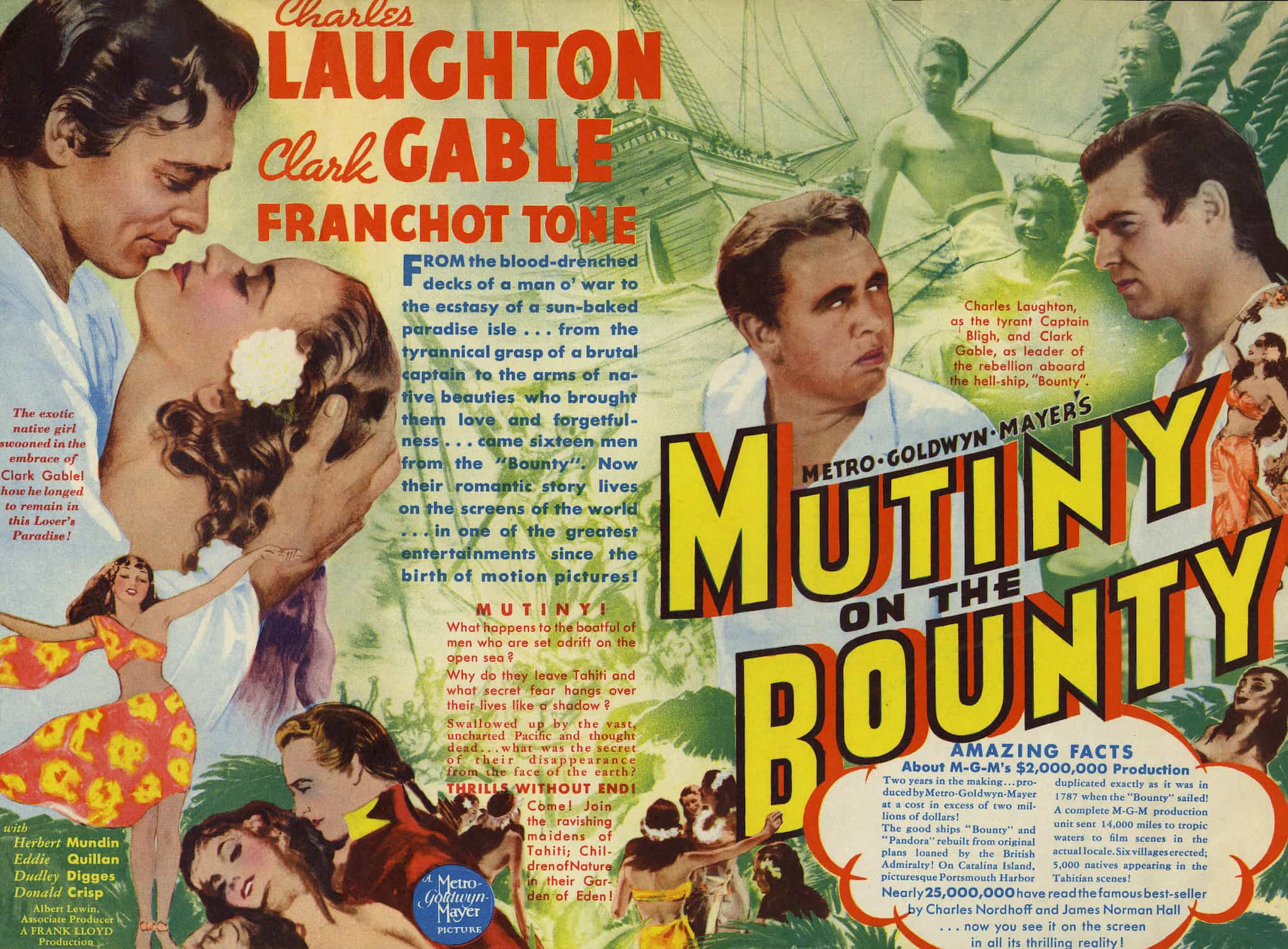
Image 02.05.01 — Mutiny on the Bounty has multiple film adaptations centering a story of British royal navy officers in Tahiti in the late 1700s.
Aside from serving as extras or in stunt roles, there were few other spaces for Pacific Islander actors to occupy in these “Paciflicks.” Pacific Islander actors had to navigate very narrow and stereotypical roles, and few were considered leading role material in the white-dominated studio system. This was true even into the early years of the twenty-first century.
Contemporary Pacific Islander Representation
Why are leading actors in Hollywood films most oftentimes white? At the outset of his acting career, Dwayne “The Rock” Johnson was advised to lose weight, slim down and leave the bulked up wrestling days behind when studios were still looking for the next Tom Cruise-style action hero. He instead did the opposite: he molded his media projects to present himself as Black and Samoan with a big physique and equally big personality.
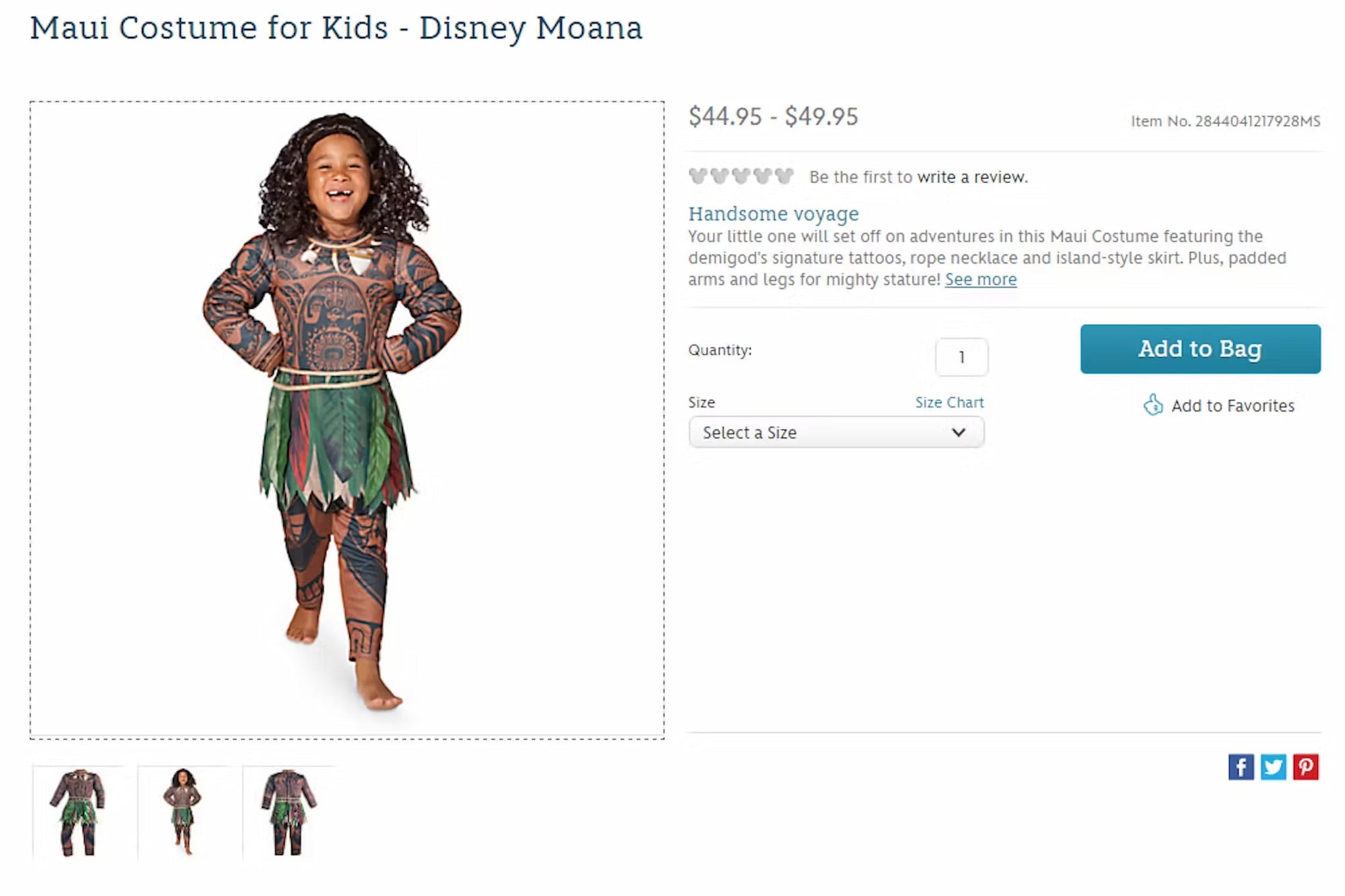
Johnson was the world’s highest paid actor for several years, having starred in The Fast and the Furious and Jumanji franchises, and other big studio productions like San Andreas (2015) and Rampage (2018), among many others. He also served as the voice of the iconic Maui in Disney’s Moana (2016) and starred in and produced a biographical TV series Young Rock (2021–2023) on NBC. As one of the industry’s most bankable stars, Johnson’s very presence has shown that leading men in the studio system don’t always have to be white to reach a broader audience.
More to explore
Image
Questioning Moana
One of the persistent controversies in popular culture is about how cultural knowledge and practice are cared for, used, and shared. This raises questions around power dynamics and agency: Who has the power to define knowledge and to share it with others; what are the impacts of making that knowledge and practice widely accessible; and what are the benefits as well as negative consequences?
If Pacific Islanders faced challenges as actors in the white-dominated American film industry, they were virtually unheard of behind the lens as directors. Yet today, Māori director Taika Waititi has become globally recognized, most recently for his work within the Marvel Cinematic Universe (MCU) with the Thor series.
Waititi often infuses his films with Pacific humor, sound, and visuals. These subtle moments, which are both visible for all and serve as ‘Easter eggs’ (hidden images or messages for viewers to discover), often come in the form of imagery with specific local and cultural references unique to Australia, Aotearoa New Zealand, or specific areas of the region.
In film today, Dwayne “The Rock” Johnson and Taika Waititi are two standouts in Hollywood. While they sometimes incorporate classic images of Polynesian men as bulked up and tough, they also undermine masculine stereotypes through humor, taking on unexpected roles, such as in the TV show What We Do In The Shadows (2019–present) and the movie The Tooth Fairy (2010). They also show the importance of family and their roles as caring fathers in their social media presence.
In order to find success in Hollywood, the expectation is often for actors to assimilate by discarding distinct ethnic and cultural identities, worldviews, languages, and practices to conform to the mainstream. Johnson and Waititi offer different models and help to open the way for others. They are high-profile examples of uplifting rather than hiding diverse cultural influences and unique attributes to navigate Hollywood successfully.
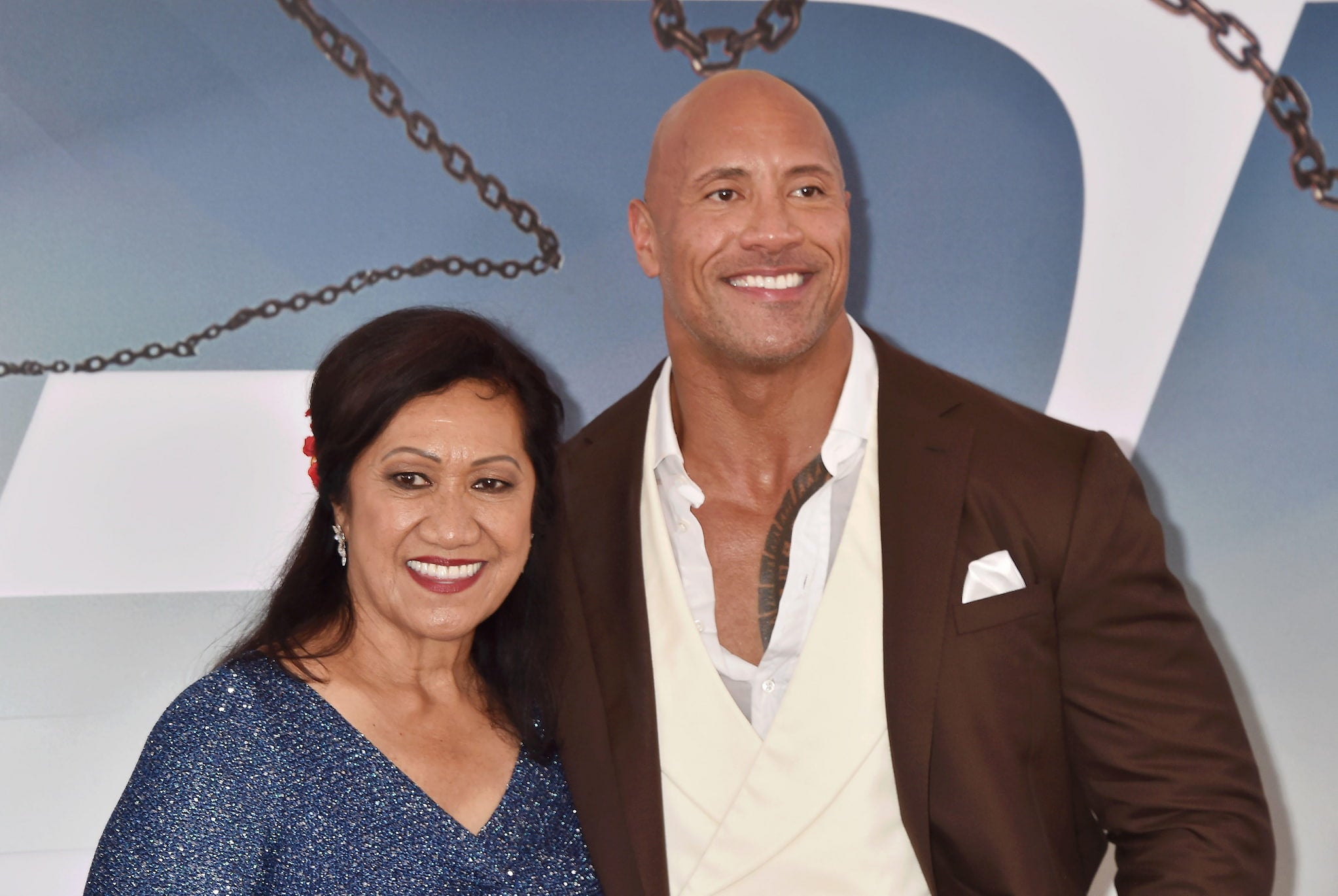
Image 02.05.03a — Dwayne “The Rock” Johnson (right) is a Samoan former wrestler who was reported by Forbes Magazine to be the highest-paid actor in the US in 2020. His mother, Ata Johnson (left), accompanies him to the 2019 Hobbs & Shaw premiere in Hollywood, California.
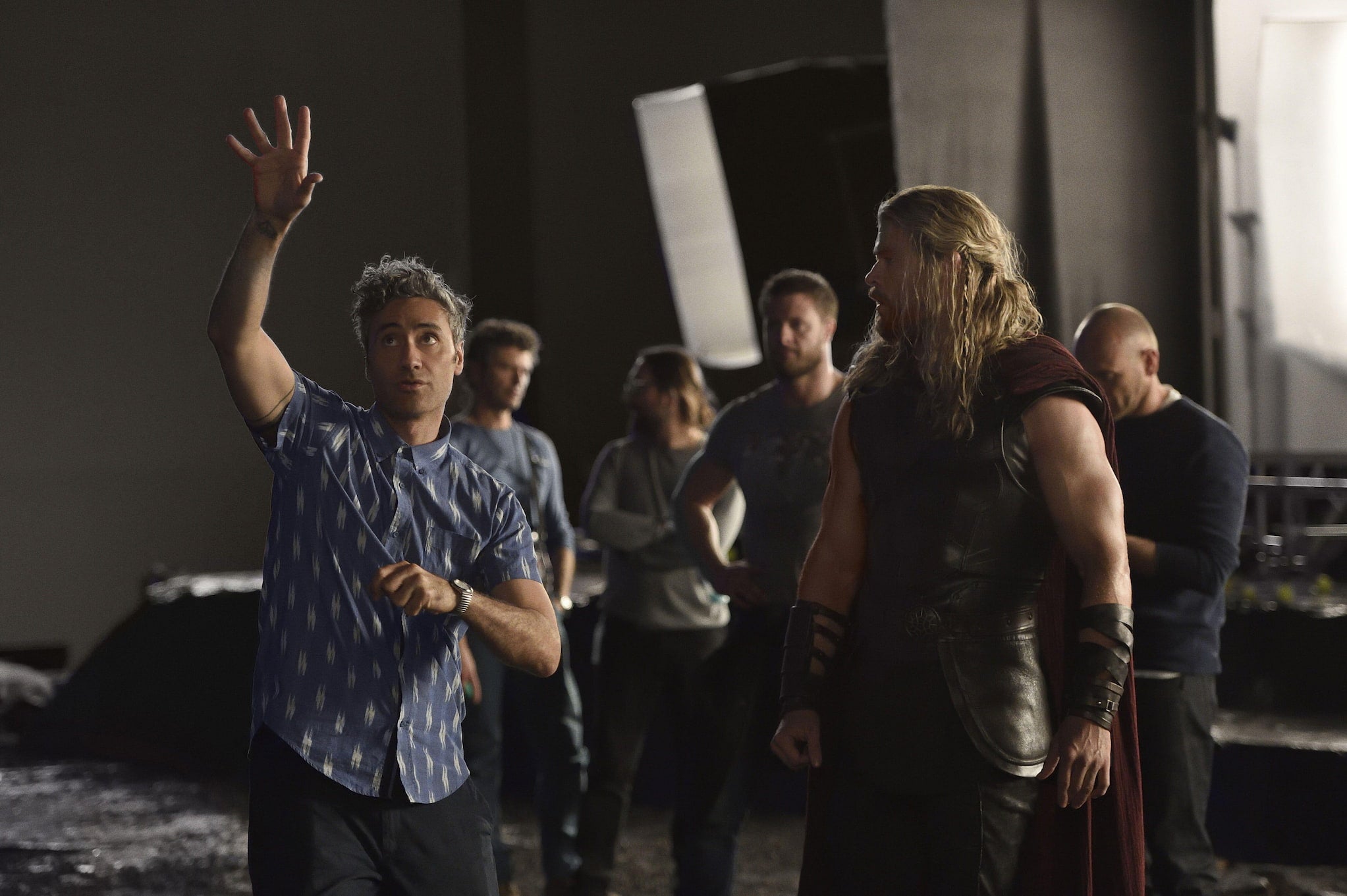
Image 02.05.03b — Māori filmmaker Taika Waititi (left) directing Chris Hemsworth (right) on the set of Thor: Ragnarok (2017). In 2020, Waititi received the Academy Award for Best Adapted Screenplay for Jojo Rabbit (2019).


Pacific Islander Storytellers
Today’s artists benefit from a longer history of efforts by Asian, Black, Latino, and Indigenous creatives to decolonize the screen. Outside of mainstream Hollywood productions, Aboriginal and Indigenous activists have worked for decades toward what some call “screen sovereignty” or the process by which artists control the content of their stories. For over a hundred years, outsiders have produced stories about Pacific Island peoples through silent films, Hollywood productions, television and advertising, and other media platforms.
In practical terms, pursuing screen sovereignty has meant that Pacific Islander creatives can bring their own stories to national and global audiences with sensibilities and concerns grounded in their own communities. For example, talented storytellers like Merata Mita and Sima Urale, whose work addresses social and political issues in Aotearoa New Zealand and the wider region, provide different kinds of stories about Pacific peoples and make more space for others to follow.
Merata Mita was a central figure in the growth of the Māori film industry in the 1980s and 1990s. She advocated for Indigenous filmmaking and screen sovereignty during a time of intense Māori sovereignty activism, and recovery of cultural knowledge around language and the performing arts.
Sima Urale also brought the Samoan storytelling tradition of fāgogo to a new medium. Mita and Urale and many others have been part of a growing industry at home that has raised the profile of Oceanic peoples on the global stage, and developed new mediums for storytelling, critical commentary, and activism.
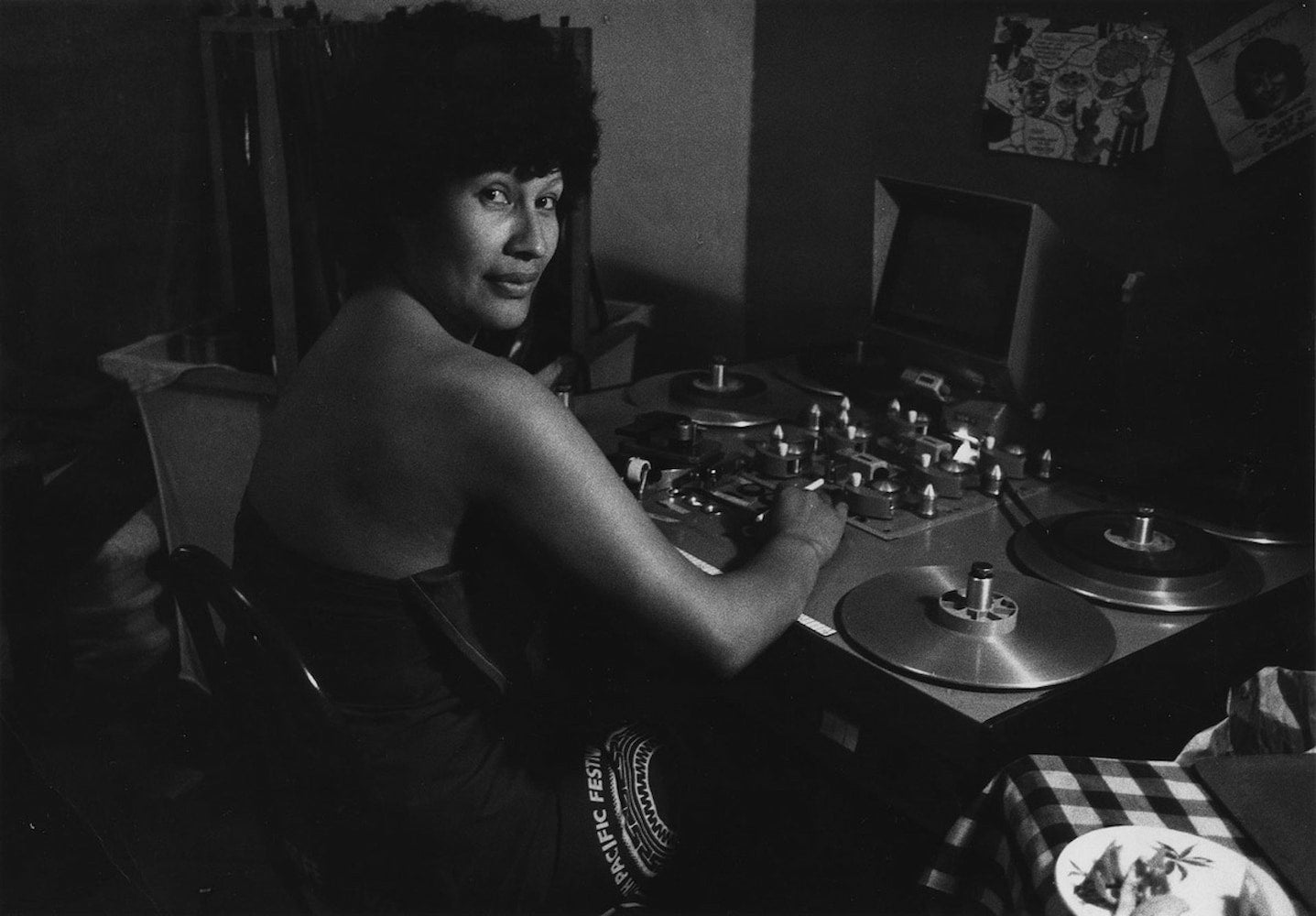
Image 02.05.04a — Merata Mita (1942–2010) was the first Māori woman to write and direct a narrative feature film. In 2016, Sundance Institute created the Merata Mita Fellowship in her honor to support Indigenous women-identified artists. Pictured here is Mita working on a flatbed editing machine.
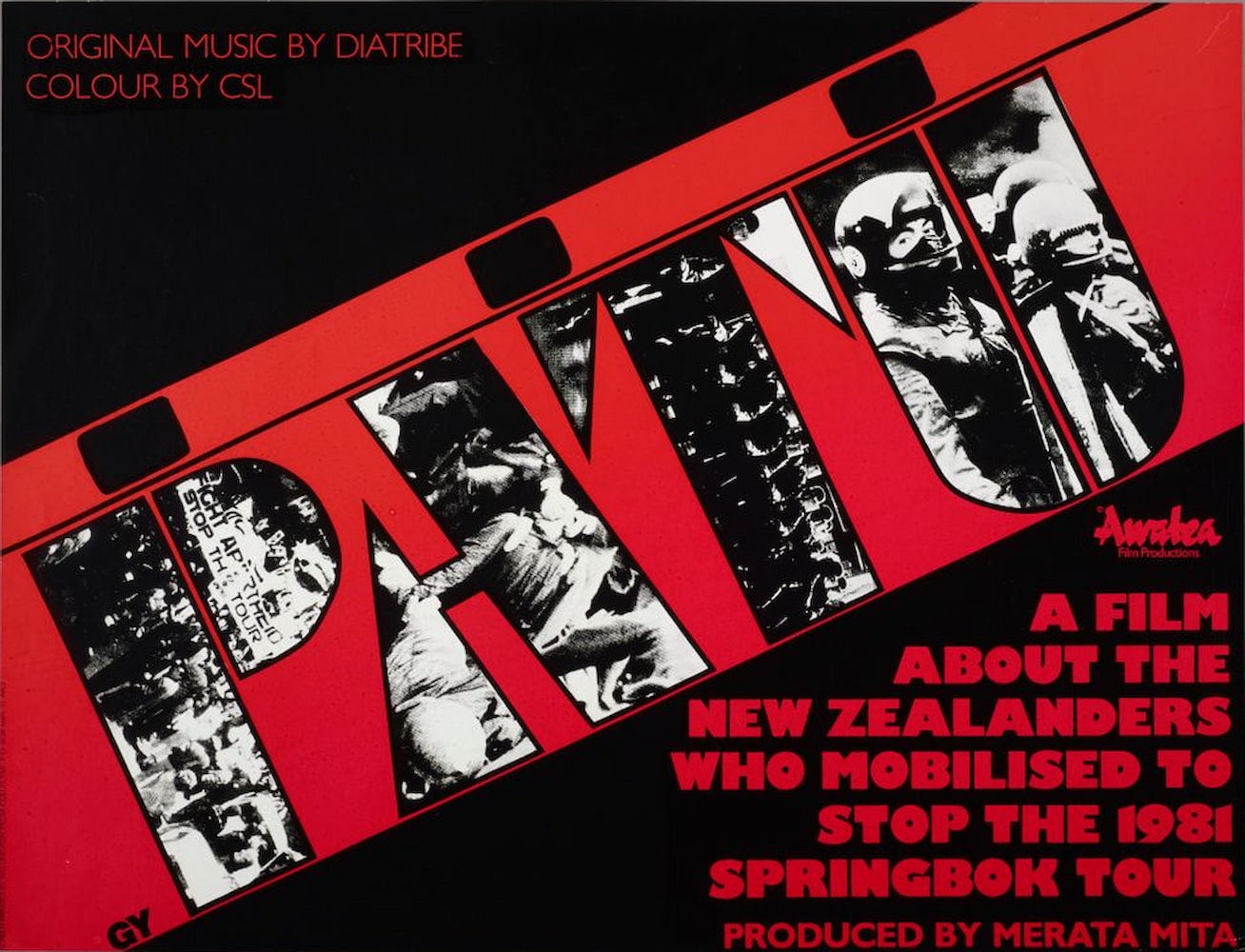
Image 02.05.04b — Patu (1983) is a documentary film directed by Merata Mita (Māori) that focuses on the anti-Apartheid protests that took place in New Zealand during a 1981 South African rugby tour.


Pacific creatives are pushing for more space to tell their stories. In doing so they are bringing Pacific features to the big screen in showcase events like the Hawaiʻi International Film Festival, Pacific Cinewaves, and the Sundance Film Festival in the United States. They are also appearing at venues like the Pasifika Film Festival in Australia and the Maoriland Film Festival in Aotearoa New Zealand. These festivals provide an opportunity for films to be picked up by networks or studios for wider distribution.
Yet these opportunities are uneven: more are available in Aotearoa, Australia, and the US than the wider Pacific Island region because of funding and support from entities like Pacific Islanders in Communications (Hawaiʻi), Creative New Zealand, or the New Zealand Film Commission. However, more creatives are growing the Indigenous network across and beyond the Pacific, independently funding projects, and accessing audiences directly through the internet and social media platforms. As a result, Pacific storytelling in film and other media will continue to grow and reach larger audiences.
Pacific Islanders in Football and Rugby
Unlike in films where the presence of Pacific Islanders is often invisible outside of a handful of recognizable actors and directors, they are frequently hypervisible in sports. While it is mostly common to see star players in sports like American football, rugby union, and rugby league, Pacific peoples are also present in basketball, volleyball, baseball, softball, weightlifting, wrestling, and notably tennis and golf as well.
In US collegiate football, Pacific Islander players can be found across all conferences at the Division I/Football Bowl Subdivision, as well as in lower divisions and two-year colleges. Elsewhere, in the Australian National Rugby League (NRL), players of Pacific heritage constitute 45 percent of the league contracts, with Pacific Islander players seen as routine fixtures across World Rugby teams.
Super Bowl LVII (2023) was well known for featuring Pacific Islander players in key starting positions and practice squads for both teams (including Danny Shelton, Isaac Seumalo, Marlon Tuipulotu and others). In the leadup to the game, two stories were well-publicized: Juju Smith-Schuster’s rise as a wide receiver for the Kansas City Chiefs, and Jordan Mailata’s improbable Cinderella story as an international prospect making the successful jump from the Australian NRL to the US National Football League (NFL).
Smith-Schuster has family ties to American Sāmoa (Amerika Sāmoa) and hails from Carson, California, which is one of the recognizable Samoan communities in the state. He was a Division I standout at the University of Southern California before signing initially with the Pittsburgh Steelers. Mailata took a much more unconventional route, as he was one of the last players selected in the 2018 draft by the Philadelphia Eagles based on potential alone.
The son of Samoan immigrants to Australia, Mailata played rugby league in Sydney before trying American football. He then took an opportunity with the NFL’s International Player Pathway Program and parlayed it into a position in the NFL despite never having played a US college or high school game.
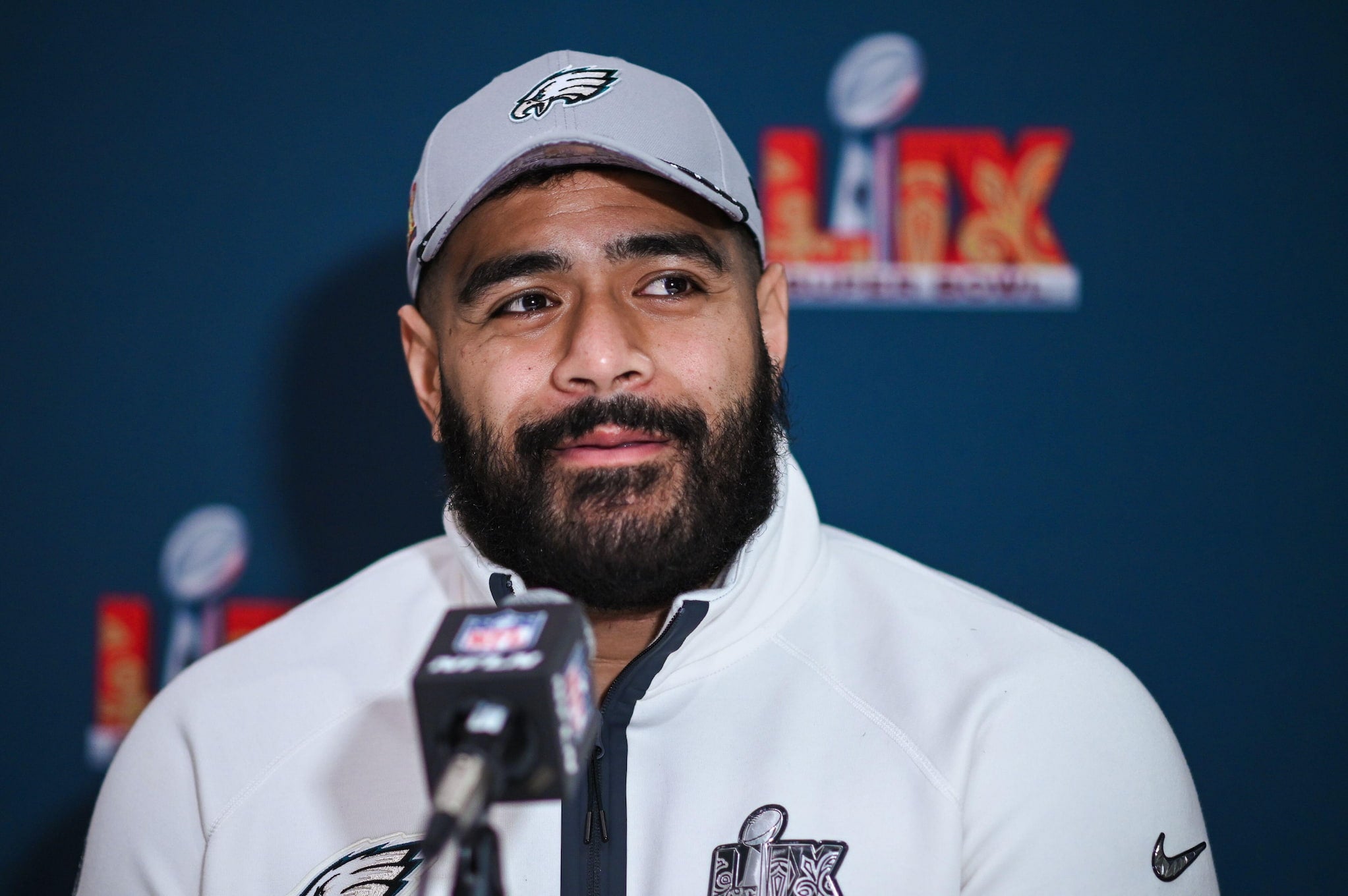
Image 02.05.05 — Former rugby player Jordan Mailata has played offensive tackle for the National Football League’s Philadelphia Eagles since 2018. His team won Super Bowl LIX against the Kansas City Chiefs on February 9, 2025.
Both players are current examples of sports success drawn from strong Pacific Islander communities and are part of the expansive modern Samoan diaspora. However, their success follows several generations before them. These earlier players created new spaces in the US game, with the benefit of key interventions in civil rights legislation, including desegregation policy.
Although few in number, they weathered the historically white dominance of the sport, including stereotypical depictions of them as excessively strong “savages.” And now they proudly represent their families and communities on a growing global stage.
They joined other Indigenous athletes like Jim Thorpe (Sac and Fox nation, track and field, baseball, basketball, football) and Louis Tewanima (Hopi, running) who preceded them. In the 1940s Al Lolotai was the first Samoan player to play professional football. In 1953 Charlie Ane, Jr. was drafted by the Detroit Lions and spent the remainder of the decade with the team, winning division titles and NFL National Championships.
In the 1960s, Bob Apisa was a starting fullback on back-to-back Big Ten and National Championship teams for Michigan State (1965 and 1966). Through their very presence in the game, these players and others breached the color line and contributed to racial integration in sports.
By the 1970s, players like Mosi Tatupu were entering the NFL, while others like Junior Ah You and Tuufuli Uperesa carved new pathways in the Canadian Football League. In the decades that followed, the number of Pacific Islanders in the sport grew exponentially. Today’s players join a long legacy from decades past that set the stage for the generations that have followed; in some cases, established family names have become well-known in the sport.
Pacific Islander Storytellers
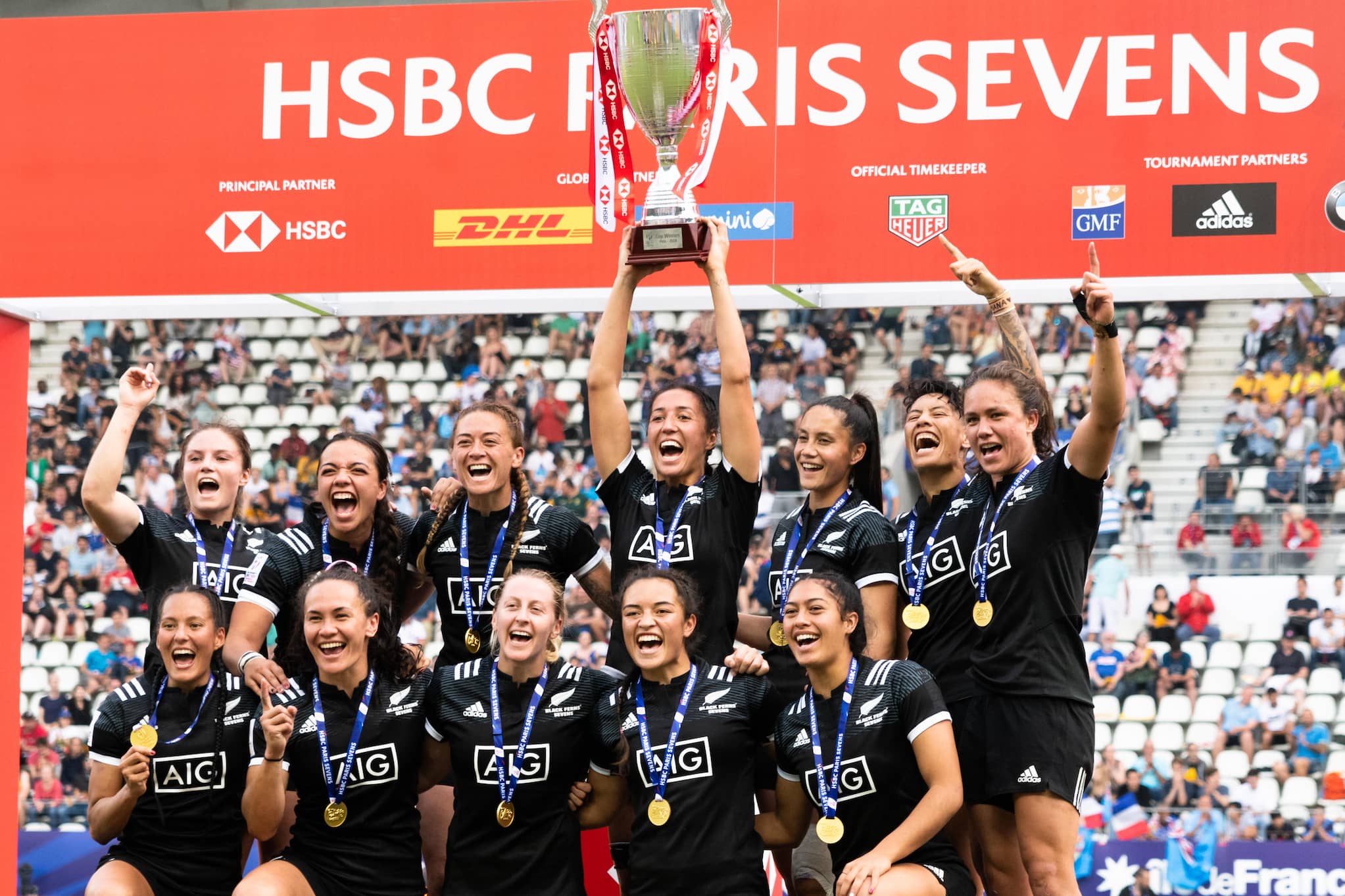
While American football, rugby union, and rugby league have been heavily male-dominated, we see significant achievement in the women’s game for rugby union and in Olympic sports, among other venues. In rugby, the Black Ferns from Aotearoa New Zealand have been a force to reckon with. They won the first International Rugby Board sanctioned Women’s World Cup in 1998 and the following three, and still remain at the top of the game. Their outstanding performance has helped reshape ideas about rugby as an appropriate sport for girls and women, leading to record participation rates in 2024.
Although women’s rugby has been active in Aotearoa New Zealand for over a century, players still face gender disparity in media coverage, scheduling and support, and professional contracts (just introduced in 2018 for the Black Ferns). However the success of women’s teams is changing the face of rugby, and Pacific Islander/Pasifika players have been central to their rise.
More to explore
Image
Aotearoa New Zealand’s Black Ferns
In Aotearoa New Zealand, women’s rugby is the fastest growing segment of the sport, and Pacific Islander women (including Māori) have been at the forefront of that growth. Dame Farah Rangikoepa Palmer provided leadership in the early professional era as a captain and member of three World Rugby Cup-winning squads.
The Olympics is another area of sport where Pacific Islander women are pushing achievements and challenging expectations. While Pacific visibility has certainly spiked with the introduction of the rugby sevens into the Olympics (the Fiji men’s team won gold in 2016 and 2020, and silver in 2024; the Fiji women’s team took bronze in 2021), Pacific Islander women have performed well in both weightlifting and in track and field events.
Only the second woman from Aotearoa to ever compete in five Olympic events, Tongan shot-putter Dame Valerie Adams won two gold medals (2008, 2012), one silver medal (2016), and one bronze medal (2020). She also has three gold and two silver medals from the Commonwealth Games, among her numerous accolades.
In weightlifting, Ele Opeloge was the first woman representing a Pacific Island nation to earn an Olympic medal, winning silver for Sāmoa at the 2008 Beijing Games. Over a decade later, Nancy Abouke, one of two athletes to represent Nauru in the northwest Pacific at the Tokyo Olympics (2020), ranked tenth in the world in her class. Introduced to weightlifting by her father, she participated in the Pacific Games and the Junior World Championships at the age of fifteen.
Since 2017, Abouke has competed in a variety of events including the Australia International and the Oceania Championships. In 2019, she was recognized as an emerging sportsperson in the Nauru Ministry of Sport awards. In an interview at the 2022 Birmingham Commonwealth Games, she invited other Pacific women to join the sport, saying, “If I can do it, so can you.”
Elsewhere in the Pacific, women’s weightlifting is growing; in the Micronesian Games, the Marshall Islands took the majority of gold medals in 2018. In 2022, Feagaiga Stowers won silver for Sāmoa at the Commonwealth Games, after having set three new records for Oceania weightlifting earlier that year.
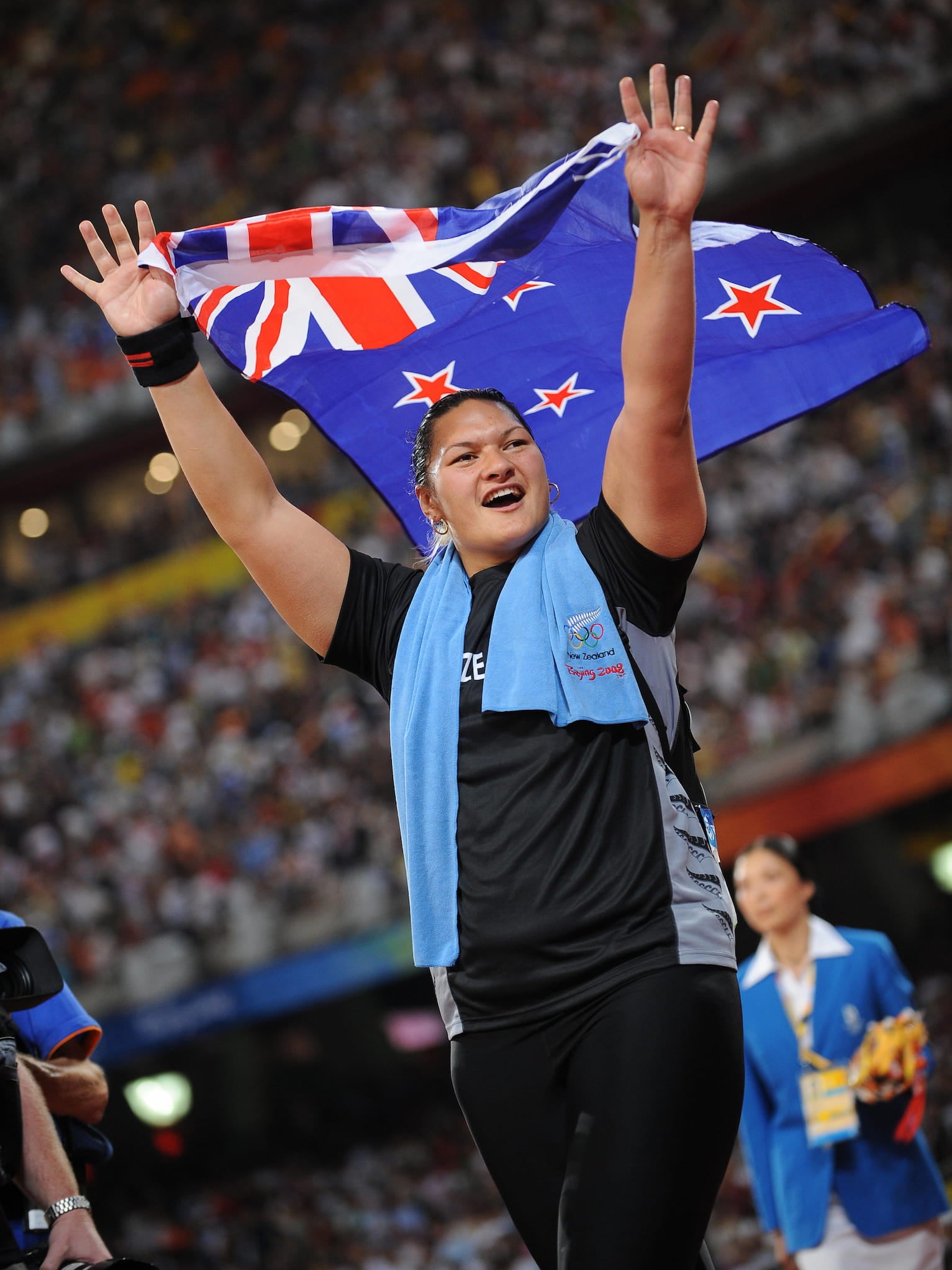
Image 02.05.07a — Dame Valerie Adams is a celebrated Tongan shot putter from Aotearoa New Zealand who has won multiple Olympic and World Championship medals before retiring from competition in 2022. Pictured here is Dame Valerie Adams celebrating her 2008 Beijing Olympics gold medal win.
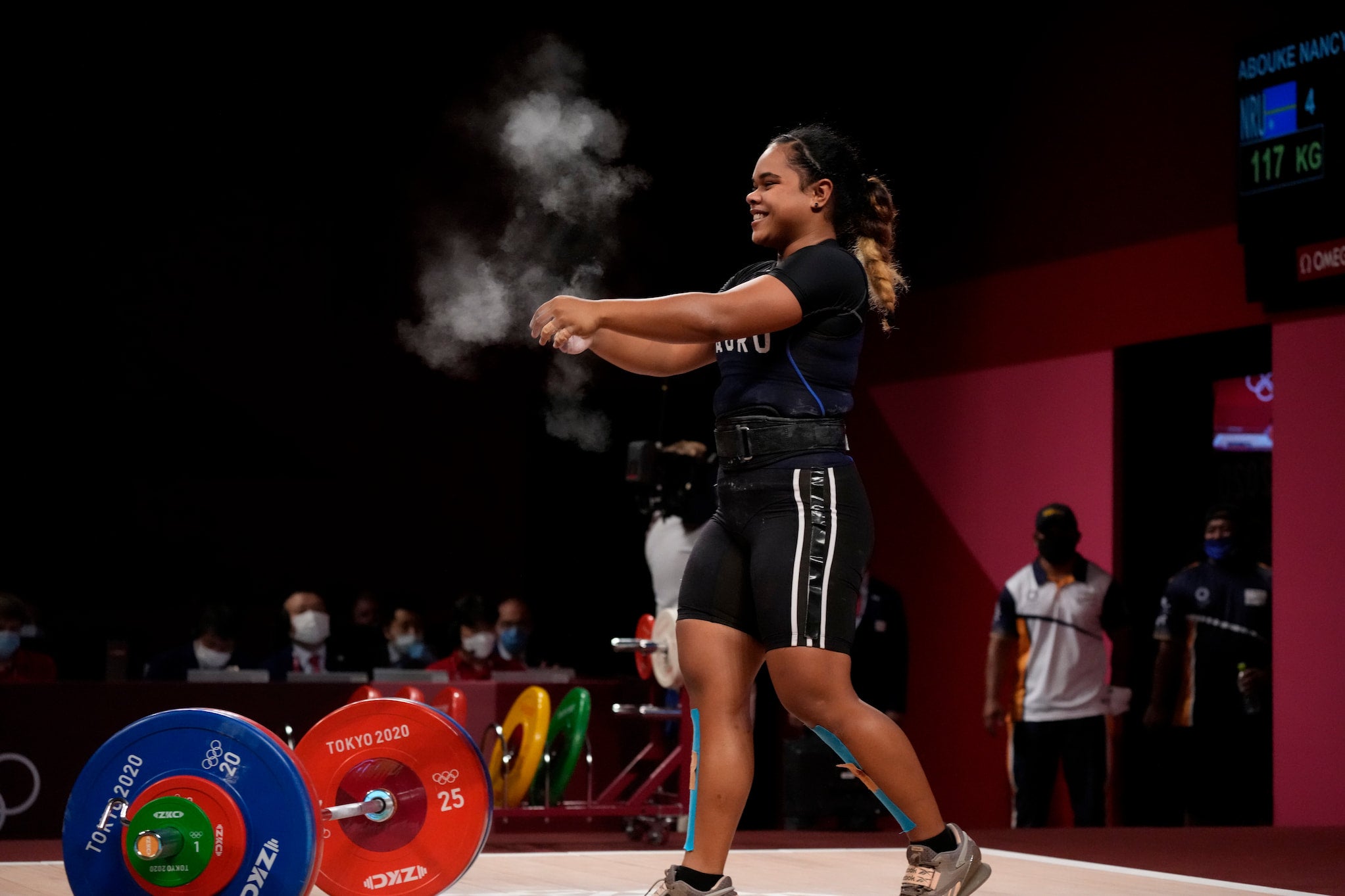
Image 02.05.07b — Nancy Abouke was one of two athletes to represent the country of Nauru in the 2020 Tokyo Olympics, and was ranked tenth in the world in her class.


The Struggle for Equity in Women’s Sports
One of the difficulties that sports organizers cite is the stigma that can be attached to female competition in sports traditionally seen as male, sometimes expressed in homophobia. Women must also navigate the patriarchal attitudes toward what women can and should do. With male partners or families frequently opposing their athletic pursuits, or expecting them to shoulder the majority of housework and care responsibilities, they often have to delay or stop training altogether.
While there have been significant global strides in support of women in sports such as national policies like Title IX in the US that force schools to provide equitable opportunities, women’s sports are still underfunded.
In 2023, the captain of Fijiana rugby, Sereima Leweniqila, took to social media to criticize the poor treatment of the women’s team, asking “Do we have to win every time to be treated right?” 1 The success of women in Olympic, collegiate, and professional sports challenges the limited gendered expectations for women’s performance in sport and the training time required to achieve their goals.
While this opens new avenues for Pacific Islander women, barriers still remain. Building on the successes of past athletes, the current generation is continuing to push for equity, whether by using social media as a megaphone, pursuing class action lawsuits, or engaging in boycotts to bring visibility to the fight for fair treatment.
Conclusion
Over the past several decades, Pacific Islander athletes have emerged as a force in global sports. They are a crucial component of rugby union, rugby league, and American football at all levels (for the rugby codes, across the men’s and women’s games). Beyond these traditionally popular arenas, Pacific Islander athletes have made significant inroads into Olympic sports, netball, basketball, and increasingly baseball, basketball, volleyball, tennis, and golf as well.
Across the Pacific region and in the United States, film, like sports, has provided a platform for representation and change. With the staying power of high-profile Hollywood actors and directors, alongside a thriving regional independent film scene, and more opportunities in media landscapes in Australia and Aotearoa New Zealand, Pacific Islanders are recognizable in the film industry. Through their powerful presence and the stories they choose to tell, Pacific peoples are actively destabilizing institutional racism and sexism and leveraging opportunities in film and sports to champion their communities on the global stage.
Glossary terms in this module
diaspora Where it’s used
The dispersal, movement, migration, or scattering of a people from their established or ancestral homeland.
Indigenous Where it’s used
Refers to someone or something that originates from a region, predating colonialism.
Oceania Where it’s used
A huge geographic region that encompasses Melanesia, Micronesia, Polynesia, and Australia.
sovereignty Where it’s used
The ability of a country to have independent freedom of action, such as making its own laws and rules without external interference. For Indigenous peoples, sovereignty means having control of their lands, water, air, and way of life, free from colonial control.
stereotype Where it’s used
Generalized beliefs about a group of people based on one characteristic. Typically, stereotypes are rooted in incorrect, misconstrued and often racist beliefs to perpetuate harmful portrayals about groups of people.
Endnotes
1 Iliesa Tora, “‘Do We Have to Win Everytime to Be Treated Right?’: Fijiana Captain Calls out Fiji Rugby Union,” RNZ, June 14, 2023.