



Advanced Search
Asian American and Pacific Islander studies resources for the classroom
All chapters of Foundations and Futures include lesson plans and curricular tools that are designed for high school students and grounded in ethnic studies pedagogy. Feel free to search our repository of primary sources and material that helps bring Asian American and Pacific Islander histories and experiences into the classroom.
Multimedia
# of # results
Chapters
-
Text
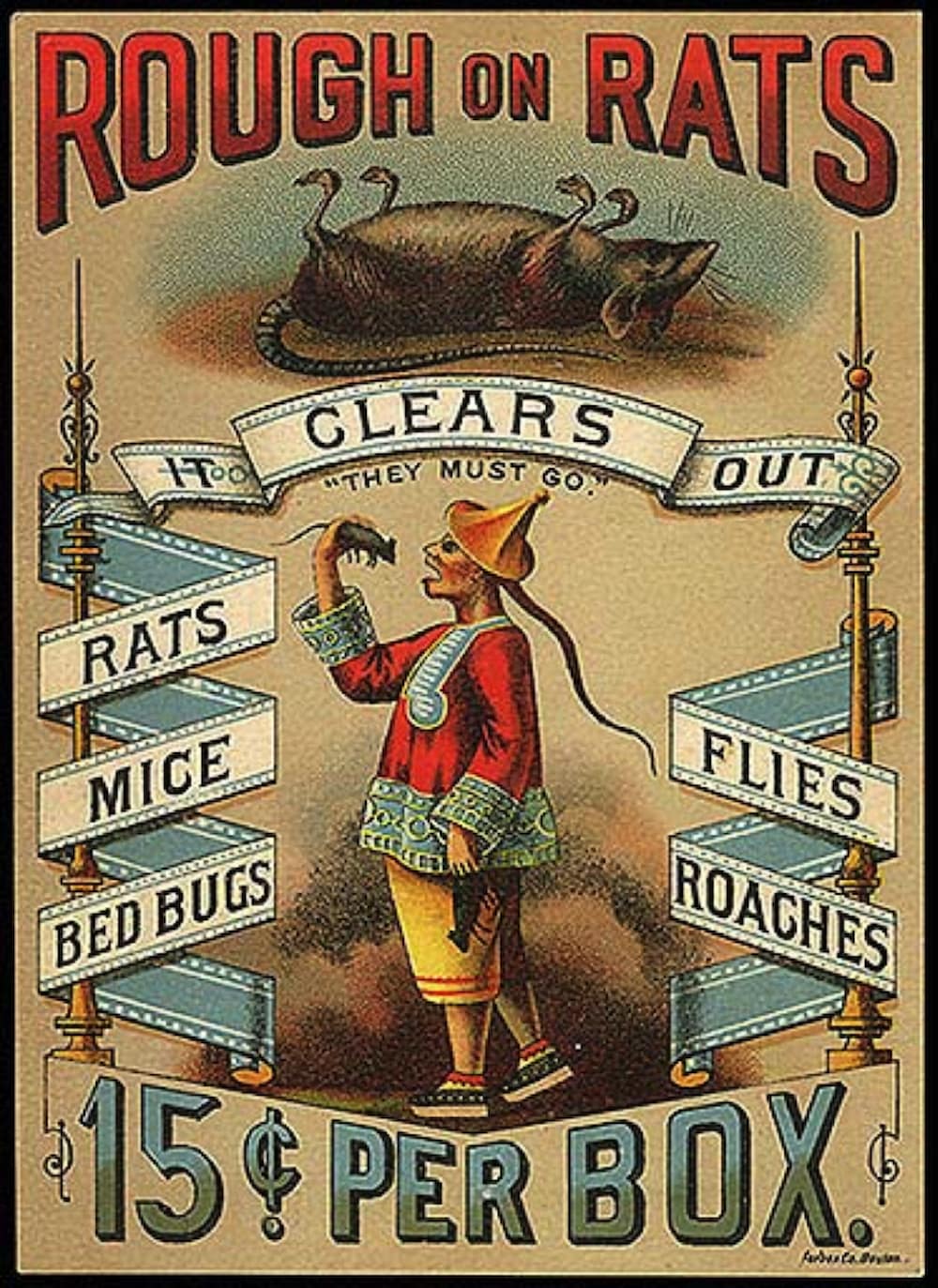
Racist trade card advertisement ca.1880 for rat poison
A trade card advertisement ca.1880 for rat poison features a Chinese man about to eat a rodent. The stereotype was that the Chinese were so alien as to eat rats, mice, and other vermin as part of their diet.
-
Image
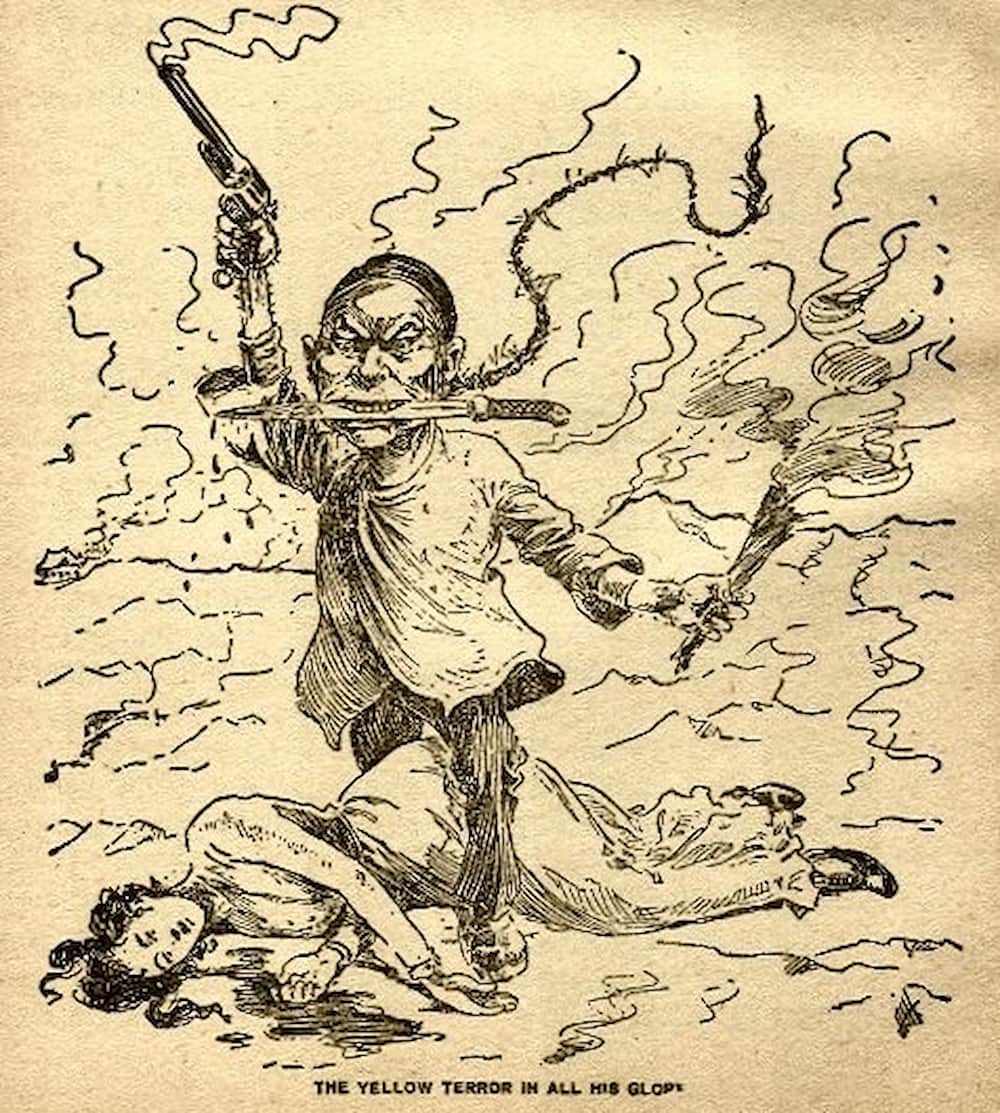
Stereytyped cartoon about the Boxer Rebellion in China, 1899
The Yellow Terror in All His Glory, an 1899 cartoon about the Boxer Rebellion in China, stereotyped
-
Image
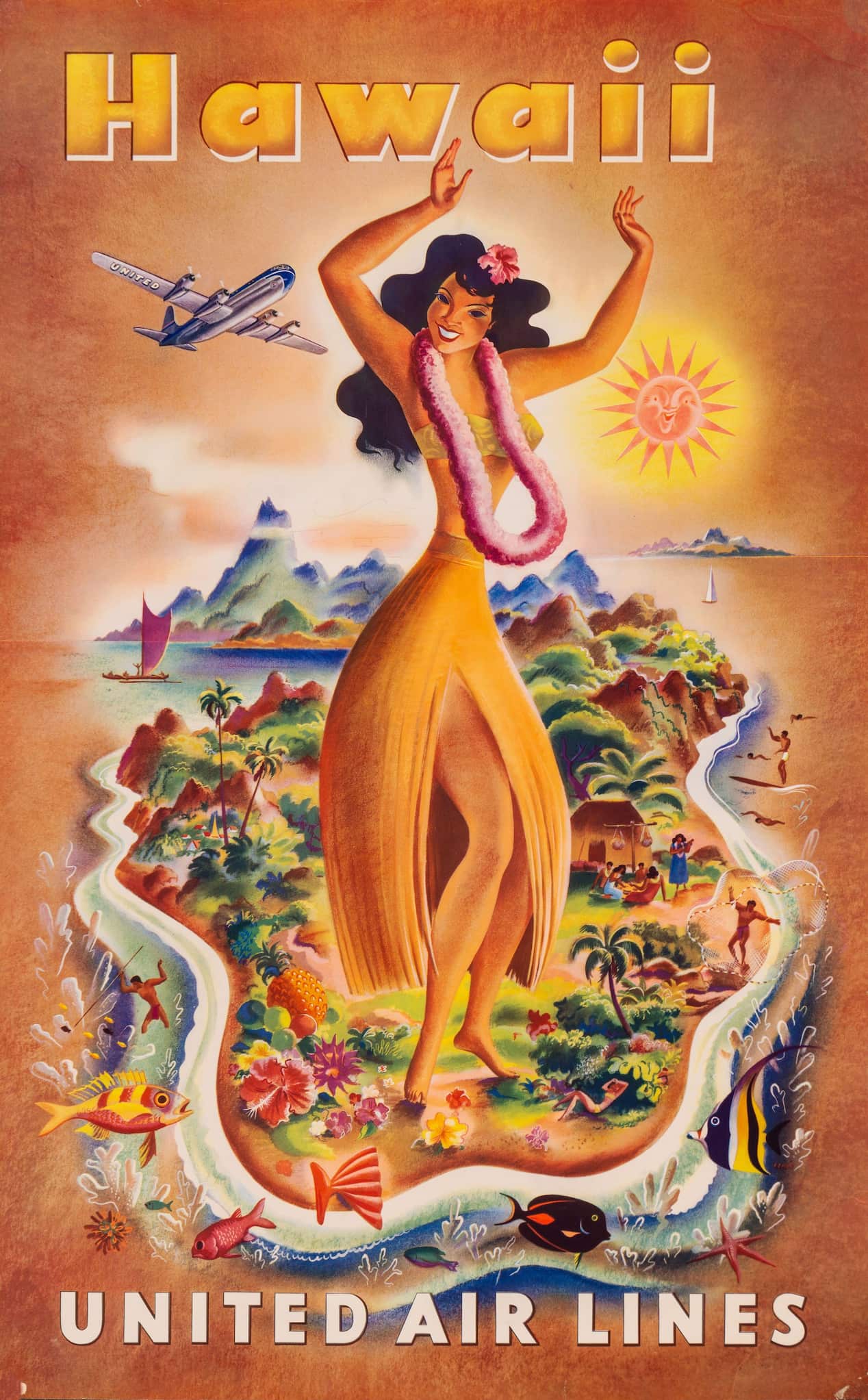
This United Airlines advertisement, 1950
This United Airlines advertisement from 1950 leans into the sexualized image of the “exotic” Hawaiian “hula girl” to market the islands as a bountiful tourist paradise.
-
Image
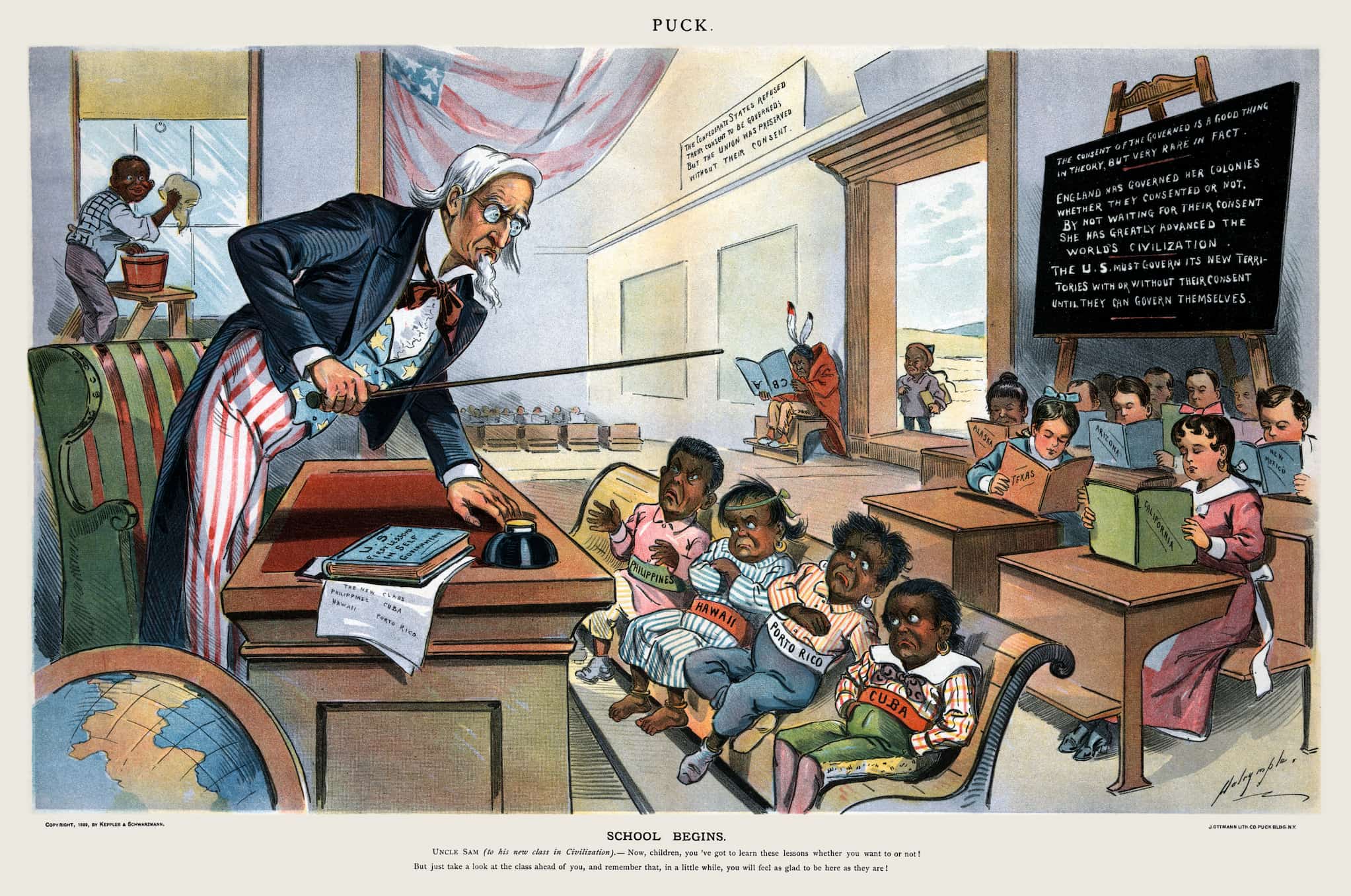
Racist US media representation
In the late nineteenth and early twentieth centuries, US media representations of the Philippines, Hawaiʻi, “Porto” Rico, and Cuba crudely depicted them as uncivilized children in Uncle Sam’s classroom.
-

Video
Arrest of Chinese man, Chinatown, San Francisco, 1897
This 1897 film shows the arrest of a Chinese man in San Francisco’s Chinatown, watched by a crowd of onlookers.
-
Image
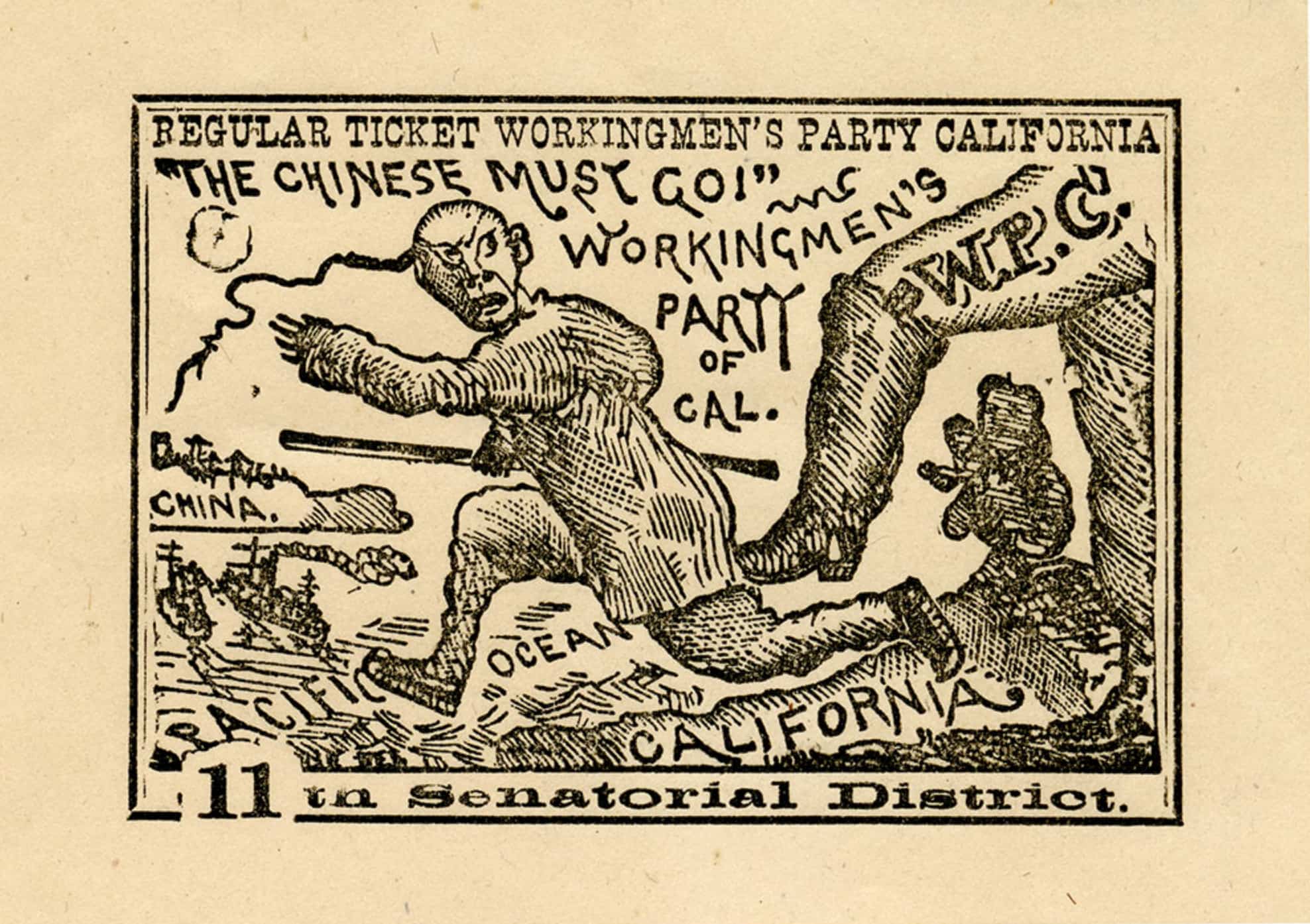
Ticket for the Workingmen’s Party of California, 1879
An 1879 regular ticket for the Workingmen’s Party of California, which ran on the slogan, “The Chinese must go!”
-
Image
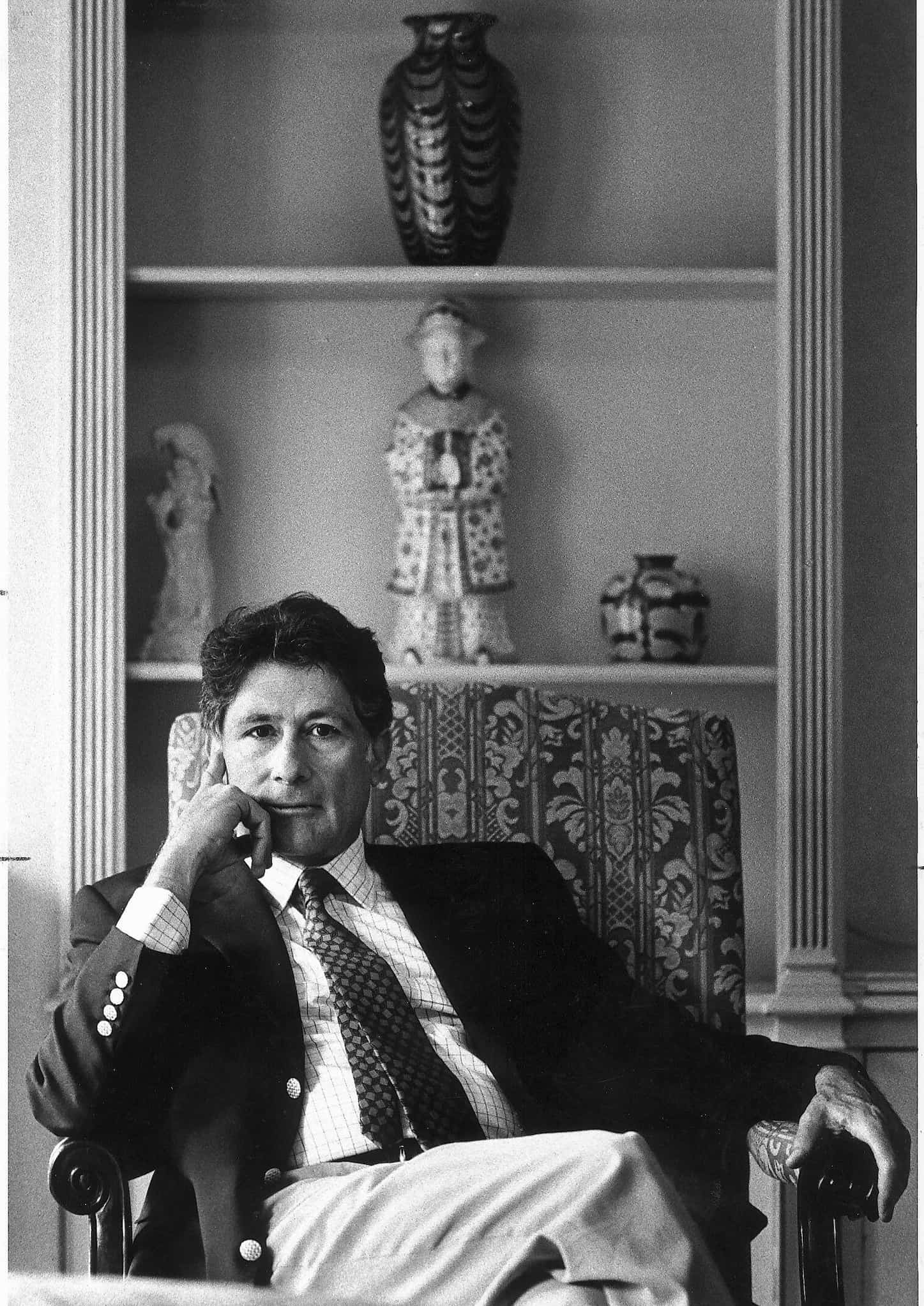
Edward Said (1935-2003), Professor of English and Comparative Literature at Columbia University
Edward Said (1935-2003) was a Professor of English and Comparative Literature at Columbia University. In Orientalism, Said argued that Orientalist writings and ideologies portrayed the West as being culturally superior, while people of Eastern countries are seen as inferior and subordinate.
-
Image
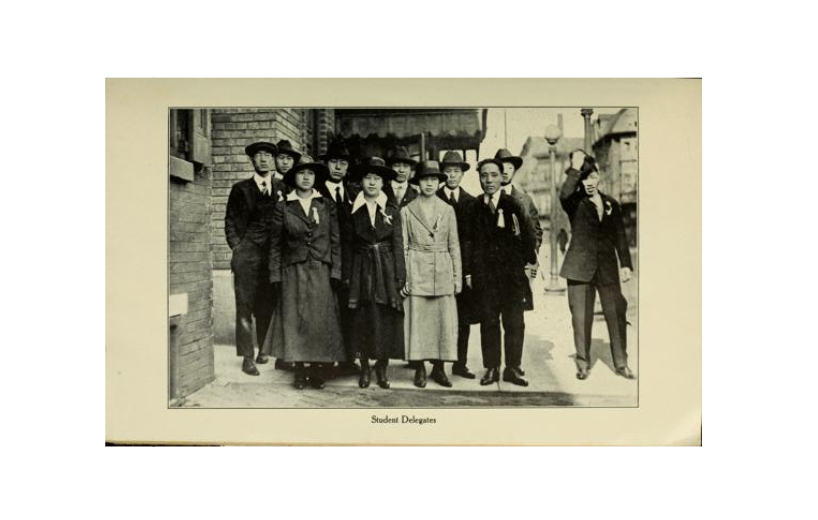
Student delegates at Korean National Congress, Philadelphia, Pennsylvania, 1919
Student delegates at the Korean National Congress in Philadelphia, Pennsylvania in 1919. While many Asian immigrant communities were dominated by men, Korean American anti-colonial activism often included women at the forefront.
-
Image
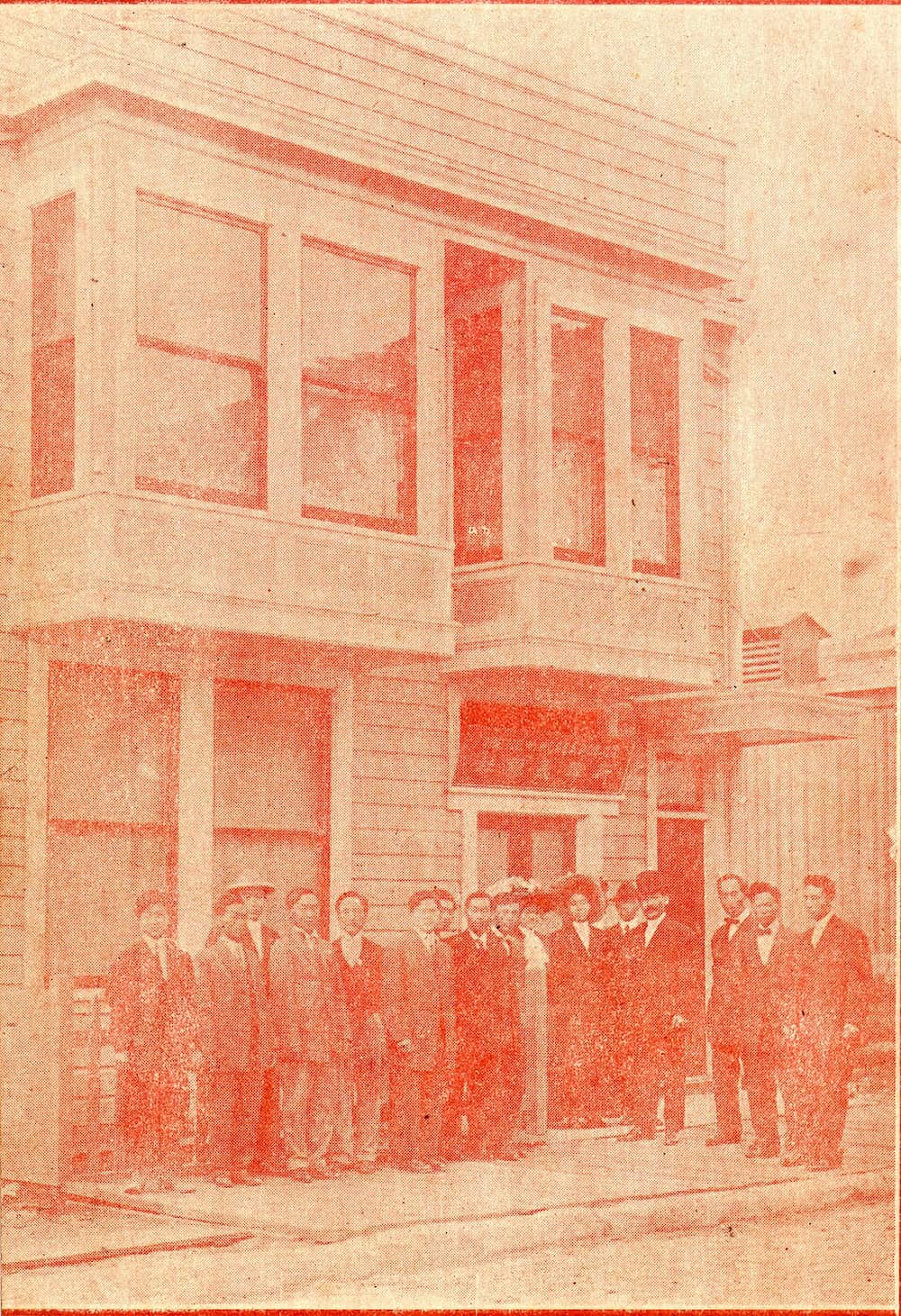
San Francisco offices of Sinhan Minbo, ca.1911
The San Francisco offices of Sinhan Minbo, a Korean American newspaper, circa 1911. The medium of print was a crucial tool for immigrant communities in advocating for the independence of their homelands.
-
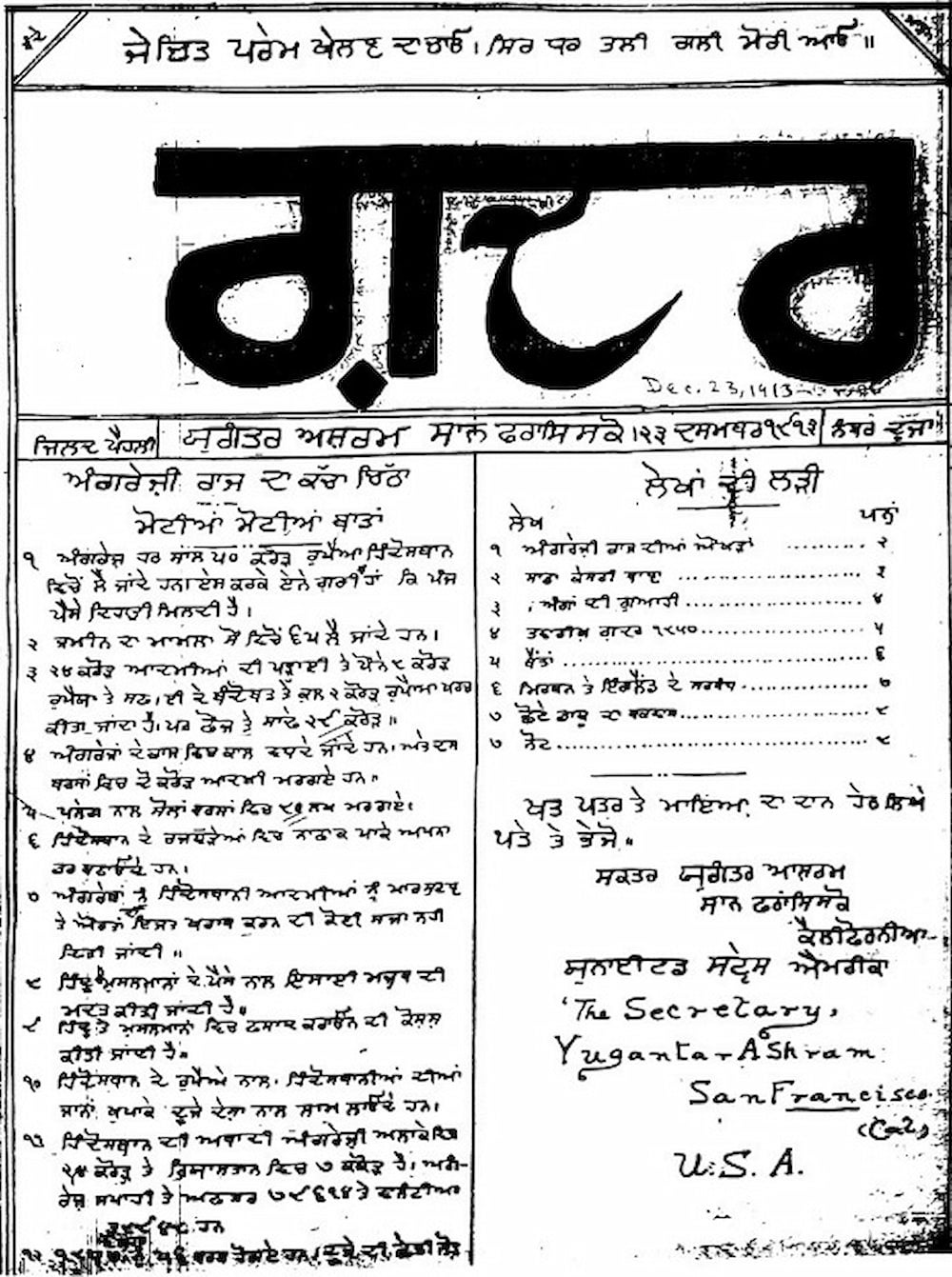
Text
The Ghadar Journal in Punjabi, 1914
The Ghadar Journal in Urdu (left) and in Punjabi (right), from 1914. The newspaper of the Ghadar party, circulated amongst its members throughout North America and elsewhere, called for the immediate and armed overthrow of British rule in India.
Chapters
# of # results
-
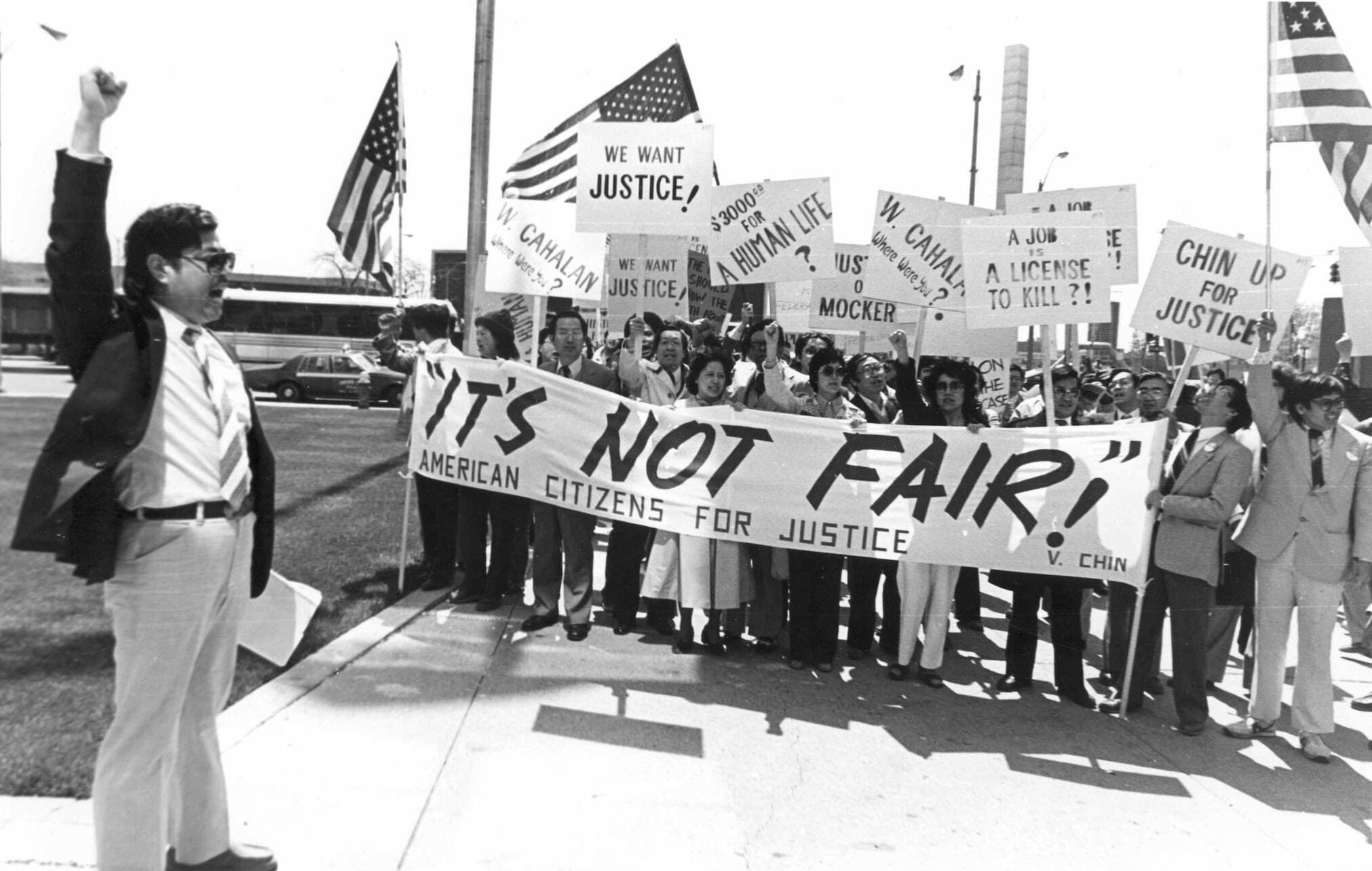
Module
Module 3: To Do Something or Nothing: The Decision to Take Action
Helen Zia
-
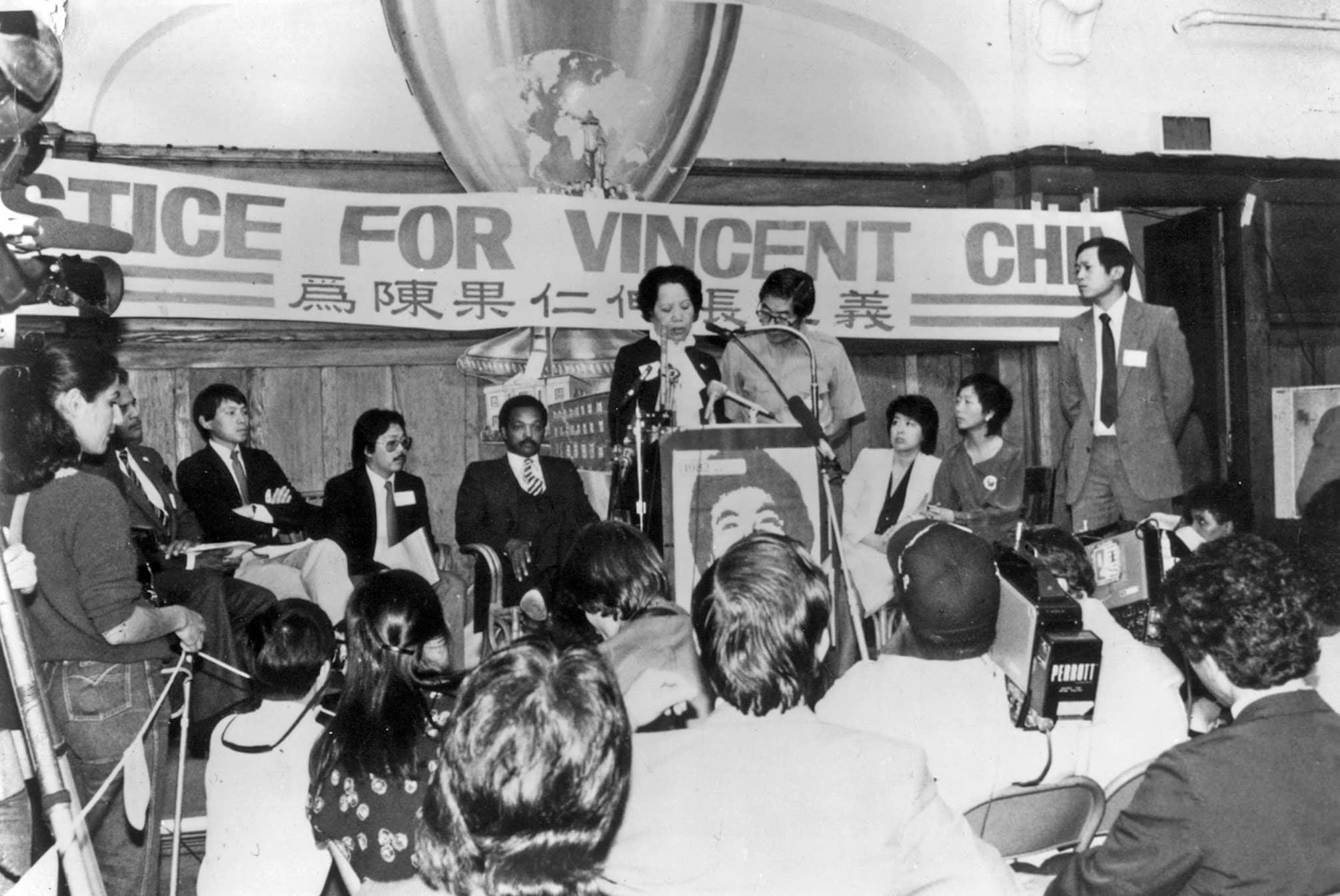
Module
Module 4: Building a Pan-Asian American Civil Rights Movement
Helen Zia
-
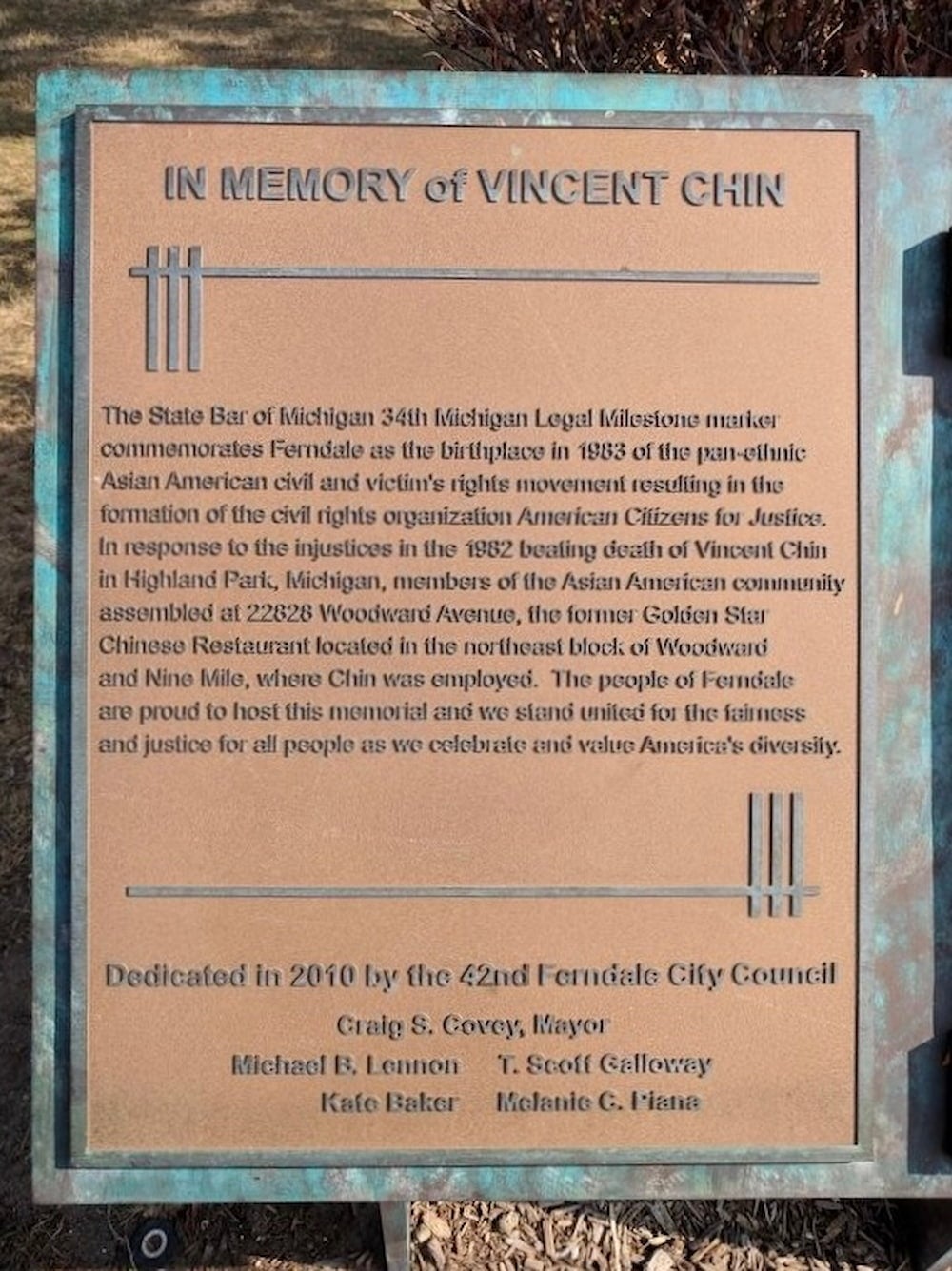
Module
Module 5: The Continued Impact and Legacy of Vincent Chin’s Story
Helen Zia
-
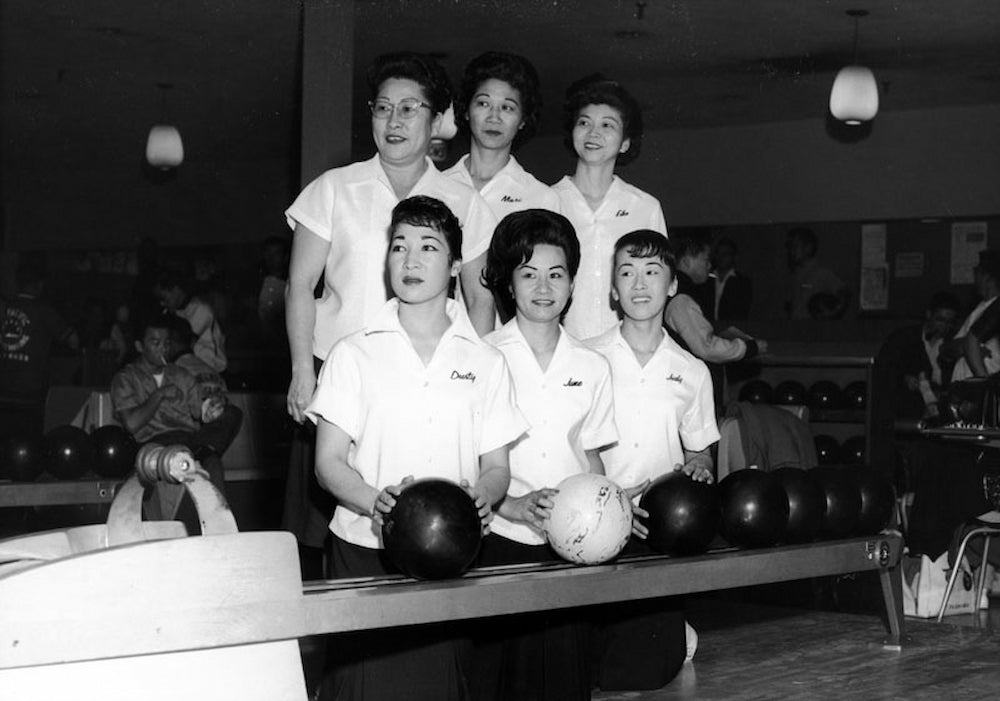
Chapter
Japanese Americans
Brian Niiya and Kristen Hayashi
-
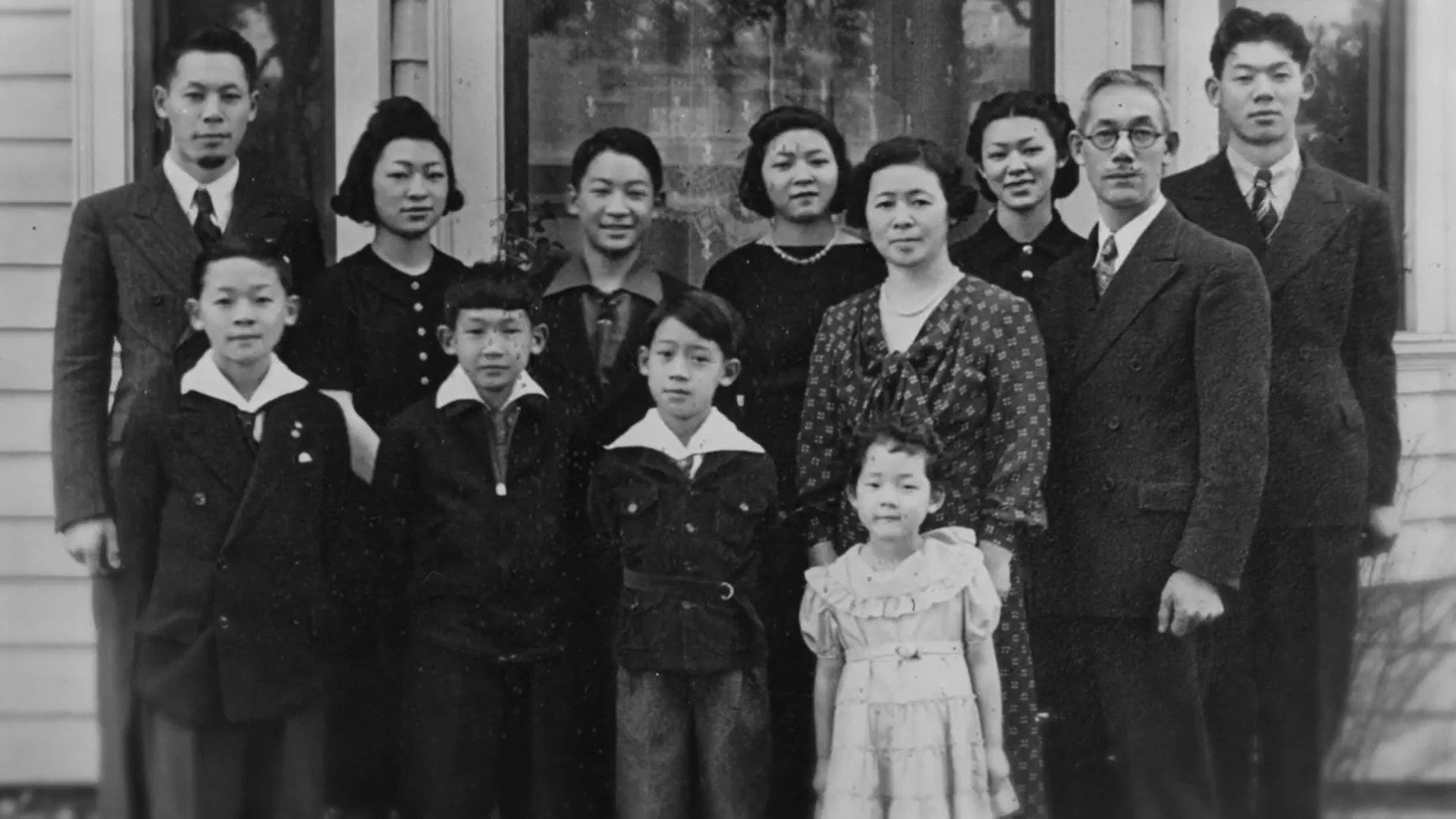
Module
Module 1: Still Here After Five Generations and Counting
Brian Niiya and Kristen Hayashi
Chapter:
Japanese Americans
-
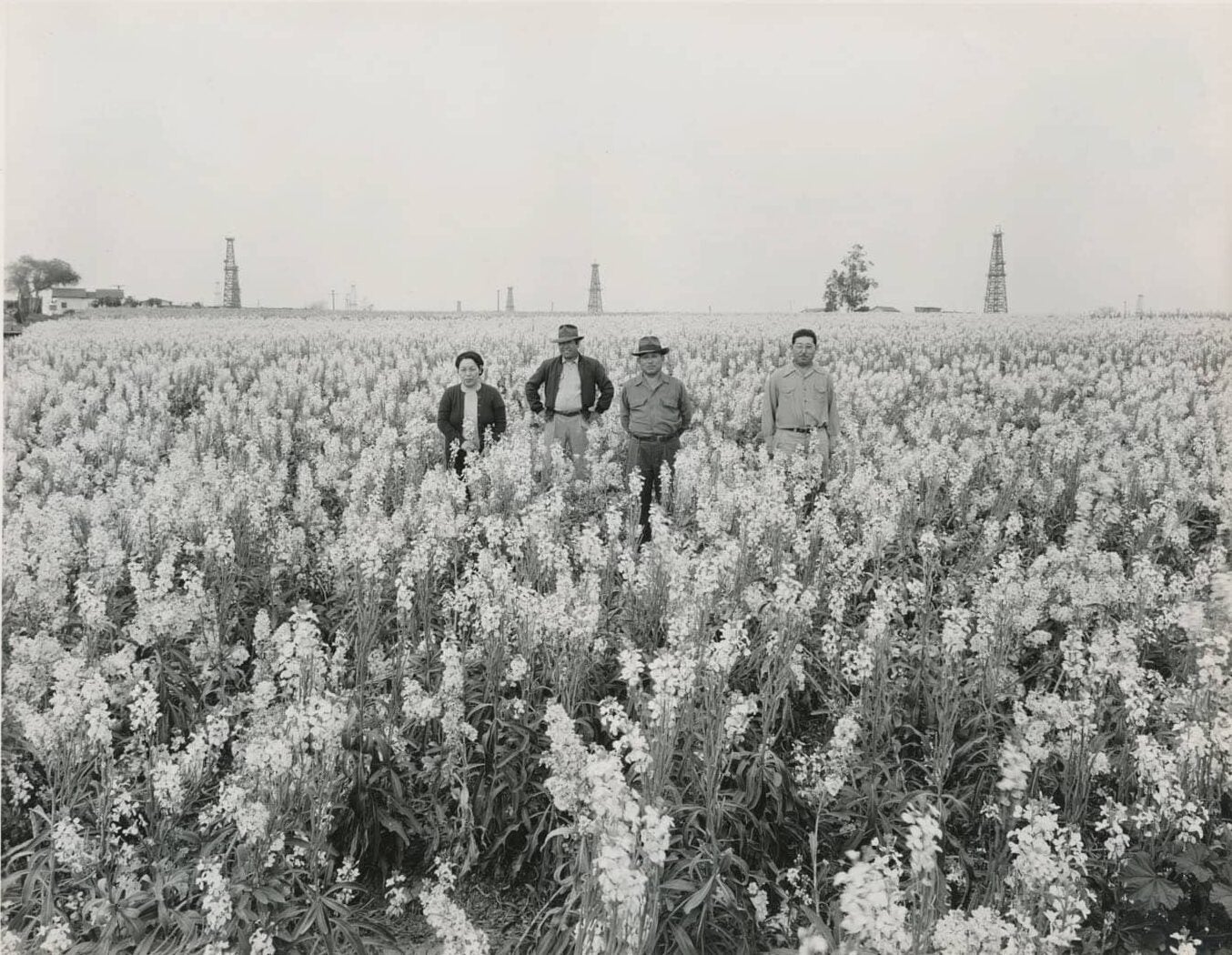
Module
Module 2: Building Homes and Community in the Shadow of Two Empires (1885-1941)
Brian Niiya and Kristen Hayashi
Chapter:
Japanese Americans
-
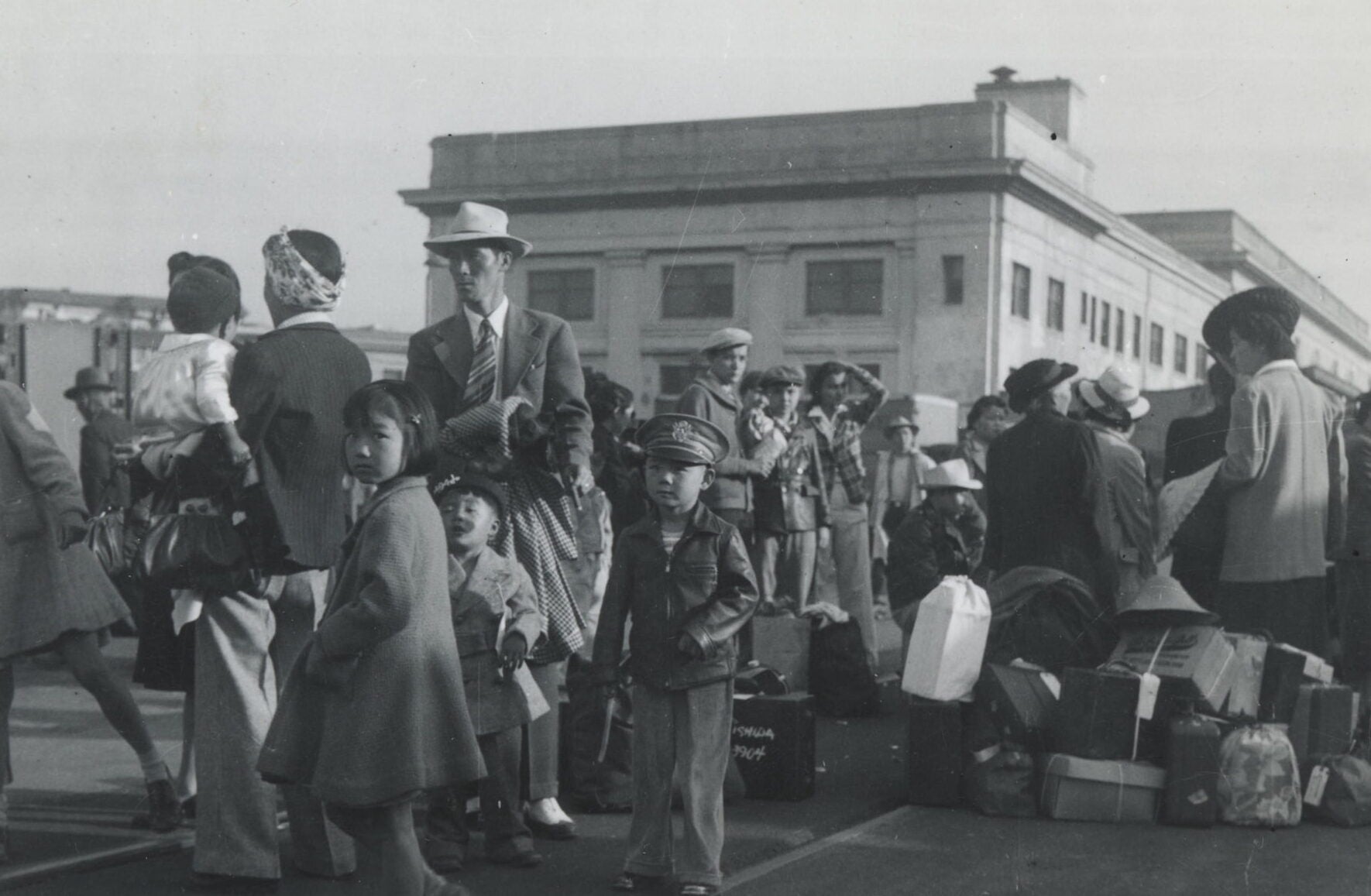
Module
Module 3: Looking Like the Enemy (1942-1945)
Brian Niiya and Kristen Hayashi
Chapter:
Japanese Americans
-
Module
Module 4: From Pariahs to “Model Minorities”
Brian Niiya and Kristen Hayashi
Chapter:
Japanese Americans
-
Module
Module 5: Balancing Past and Present (1970s to the present)
Brian Niiya and Kristen Hayashi
Chapter:
Japanese Americans