Advanced Search
Asian American and Pacific Islander studies resources for the classroom
All chapters of Foundations and Futures include lesson plans and curricular tools that are designed for high school students and grounded in ethnic studies pedagogy. Feel free to search our repository of primary sources and material that helps bring Asian American and Pacific Islander histories and experiences into the classroom.
Multimedia
# of # results
Chapters
-
Image
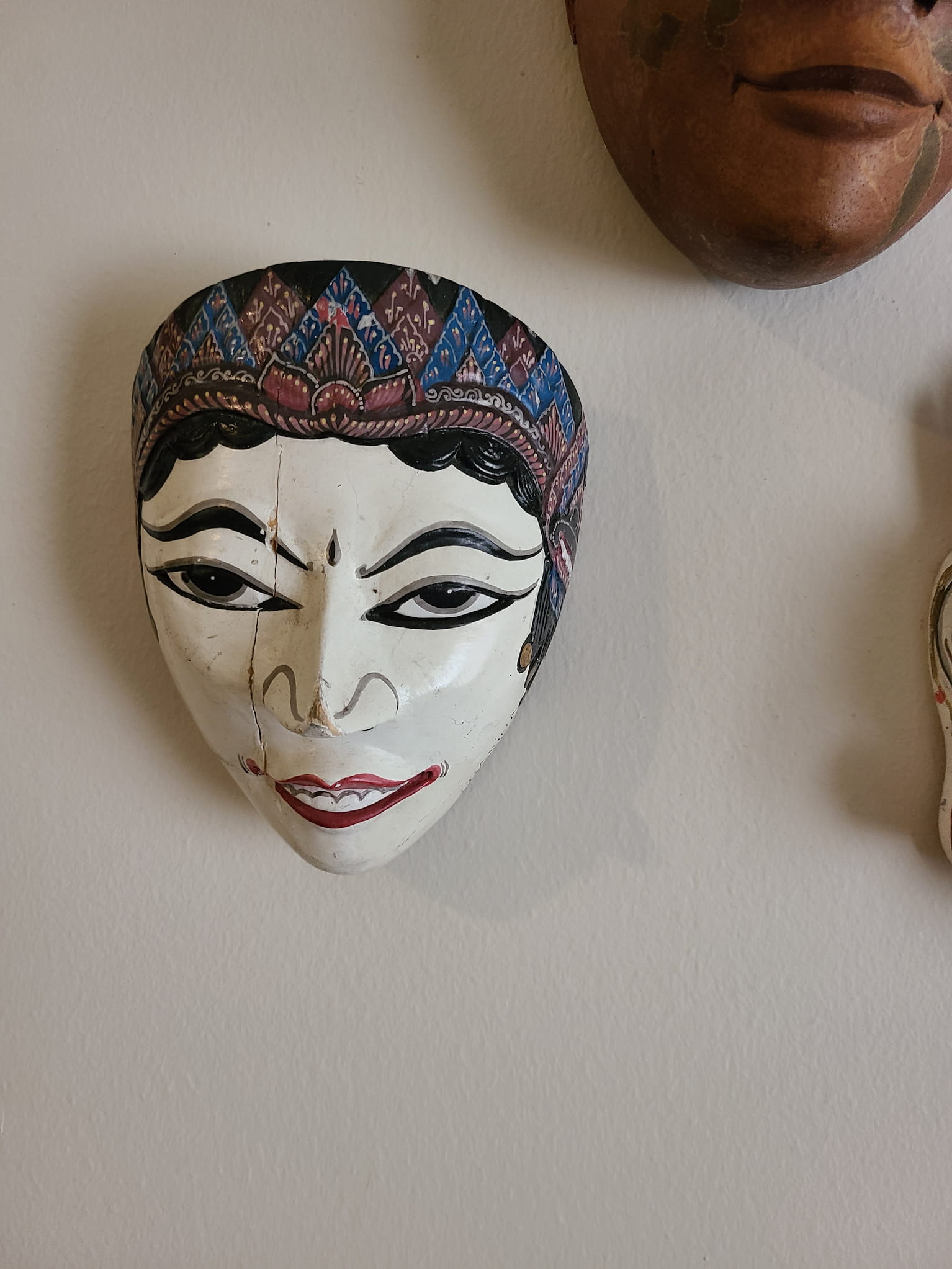
Indonesian artifacts
Different topeng, or wooden masks, that Maya cherishes. Today, these masks are displayed in Maya’s home, reflecting the great respect and love that she has for Indonesian culture.
-
Image
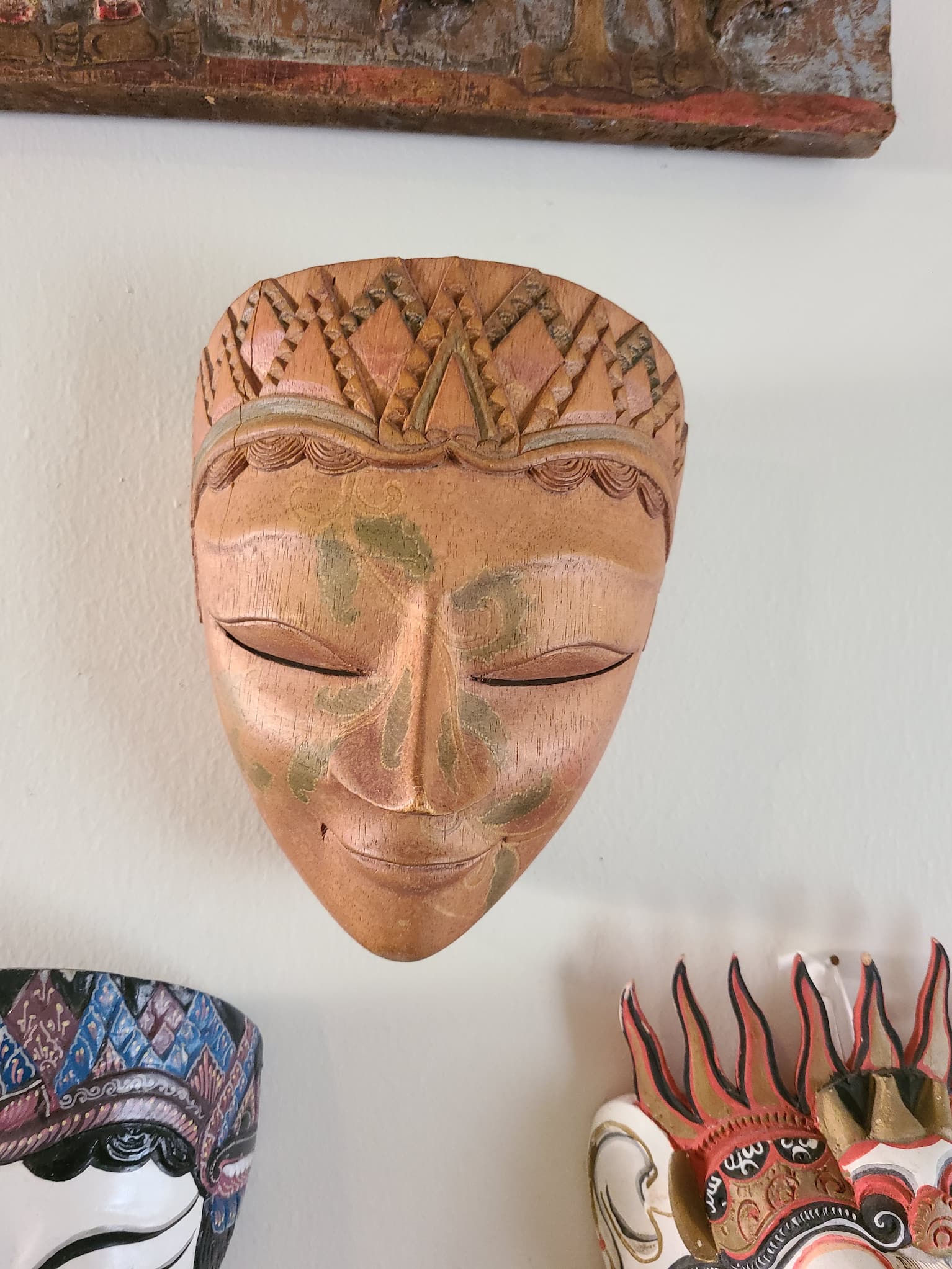
Indonesian artifacts
Different topeng, or wooden masks, that Maya cherishes. Today, these masks are displayed in Maya’s home, reflecting the great respect and love that she has for Indonesian culture.
-
Image
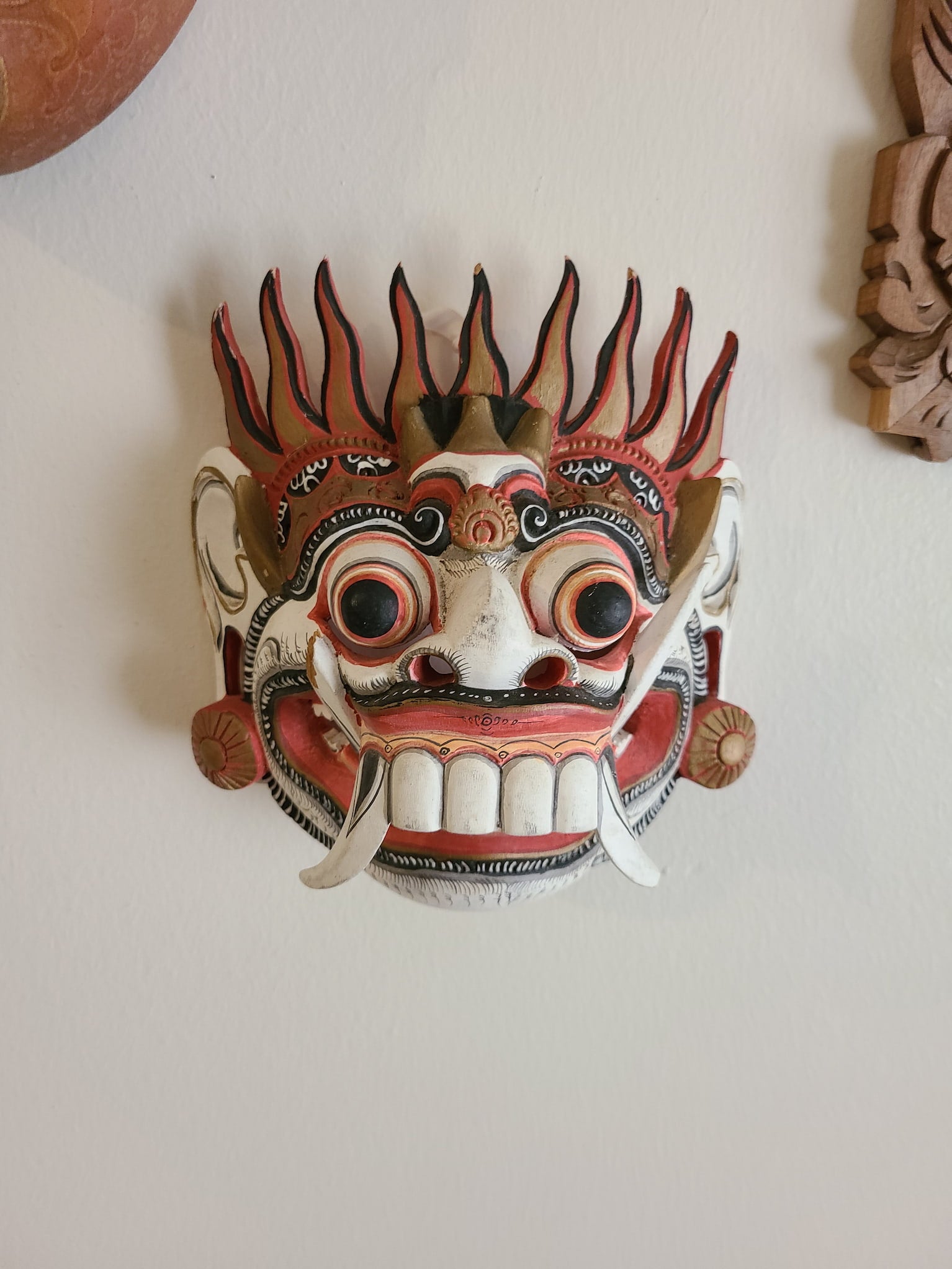
Indonesian artifacts
Different topeng, or wooden masks, that Maya cherishes. Today, these masks are displayed in Maya’s home, reflecting the great respect and love that she has for Indonesian culture.
-
Image
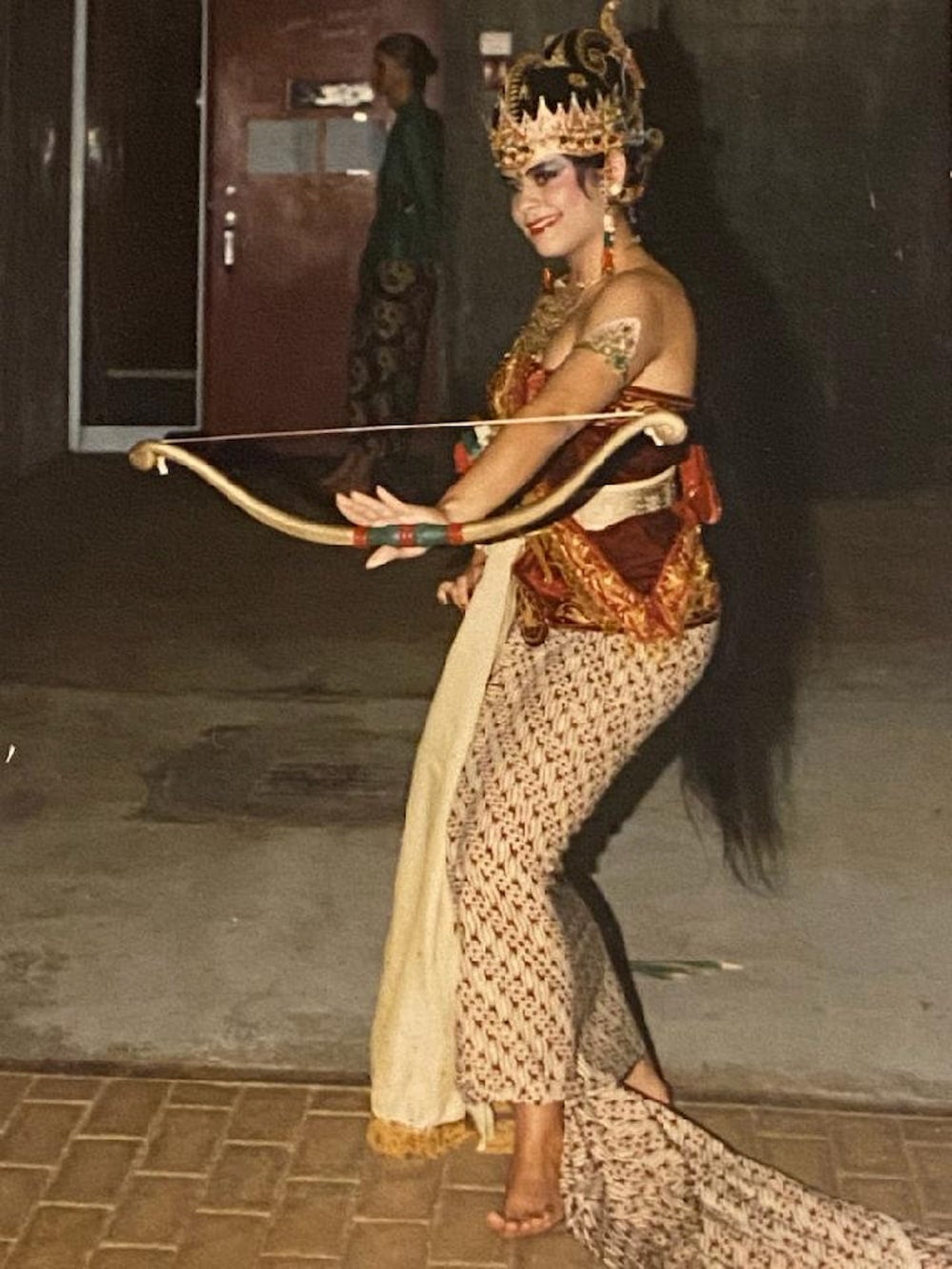
Maya performing as a teenager
Maya performing as a teenager at the East-West Center at the University of Hawaiʻi at Mānoa in 1986. While she was a teenager, her mother continued to encourage her to cherish and strengthen her knowledge of Indonesian culture. This photograph was taken by Maya’s mother.
-

Video
Maya describe moving back to Hawai‘i as a teenager
Watch Maya describe moving back to Hawai‘i as a teenager, and how discovered a new community as she maintained her connection to Indonesian culture.
-
Image
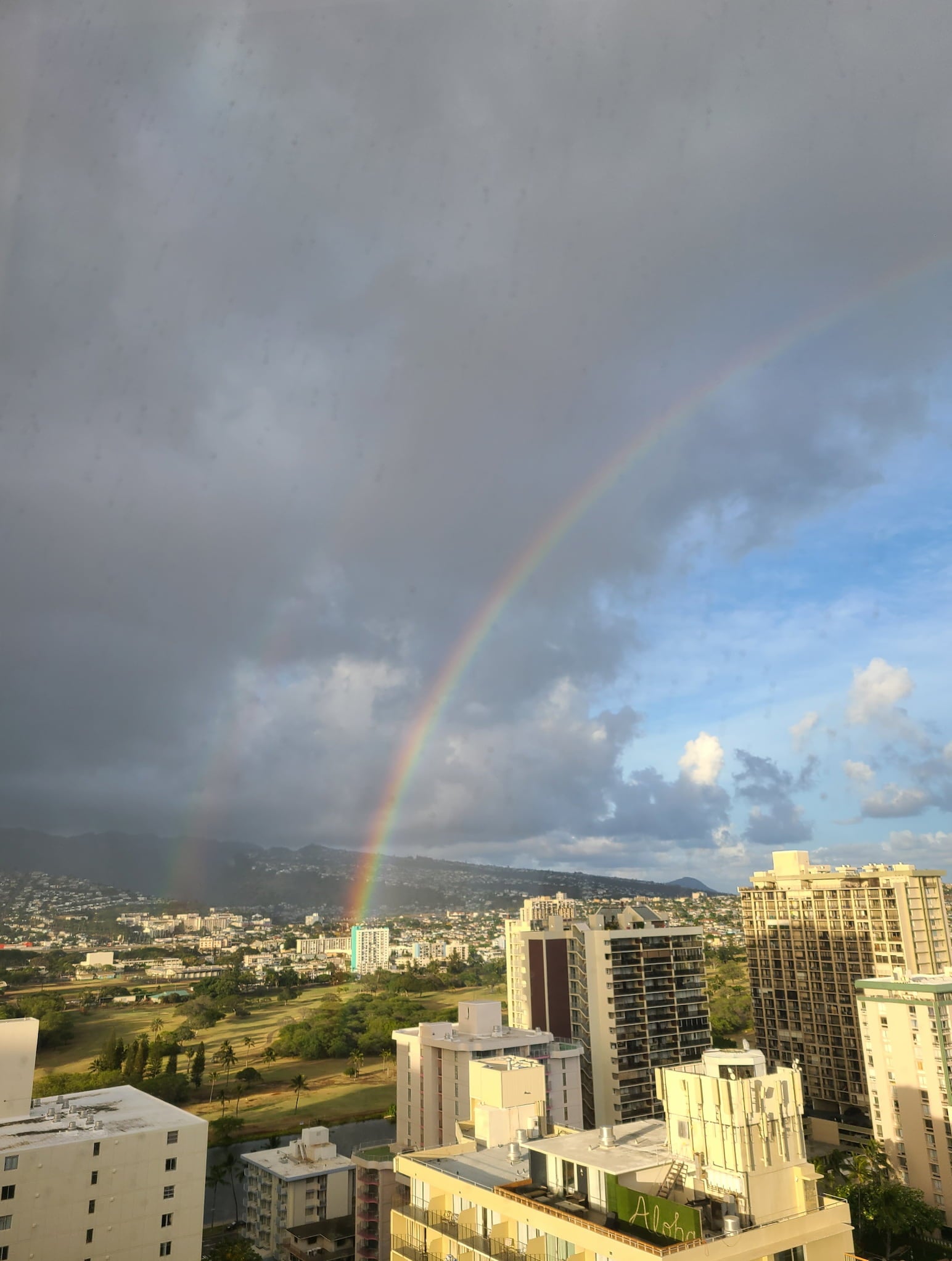
Rainbow over Present day Honolulu, Hawaiʻi
Present day Honolulu, Hawaiʻi, as viewed from Waikīkī. Maya attended college and graduate school in New York City and has traveled around the world, but Honolulu remains her home; it is where she continued her graduate education and later raised her family.
-
Image
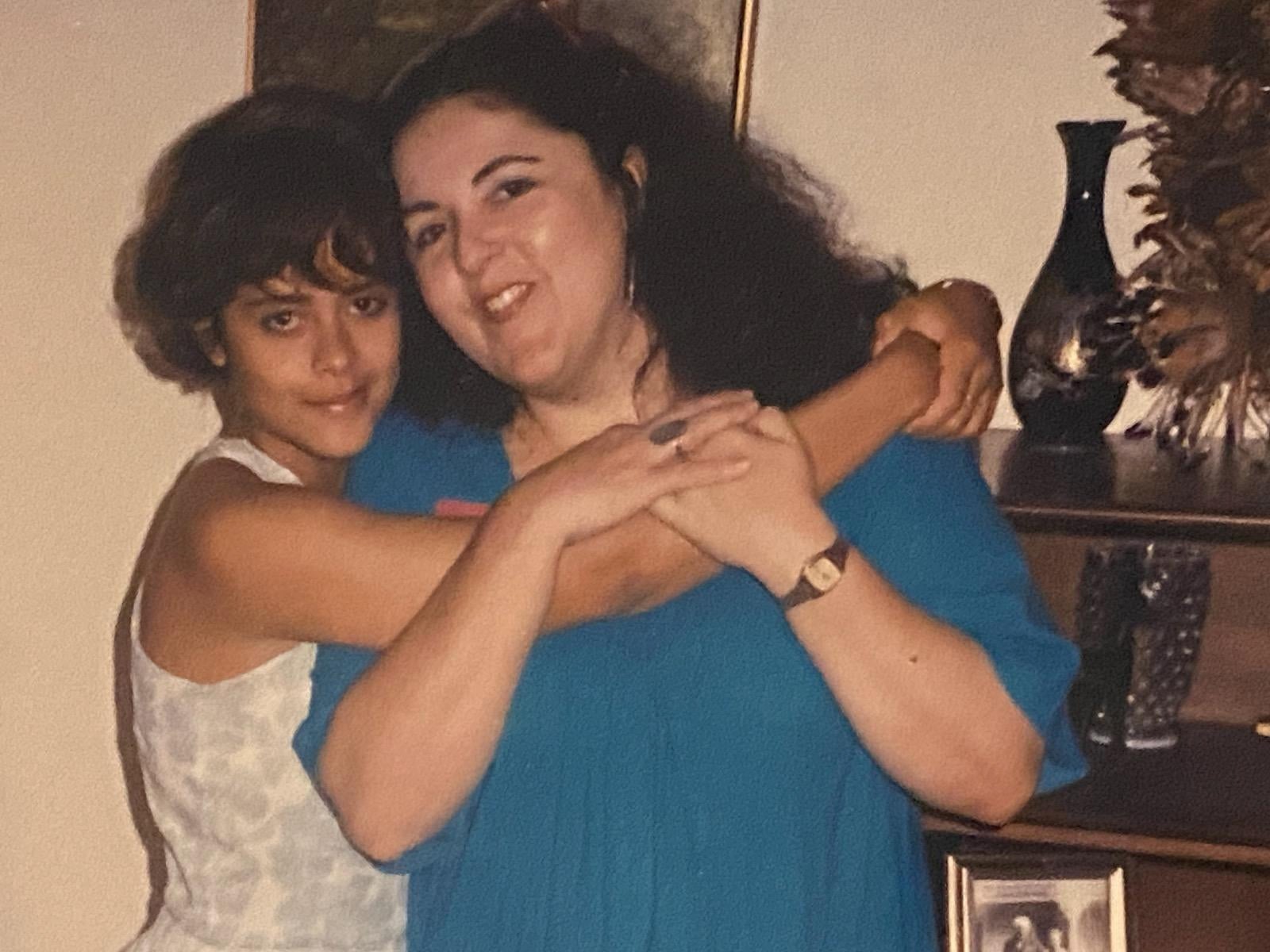
Maya as a teenager with her mother, Ann
Maya as a teenager with her mother, Ann, in Honolulu, Hawaiʻi, where they moved when Maya was fourteen years old. Likely taken by her grandfather or grandmother, this picture shows the close bond that Maya had with her mother.
-
Image
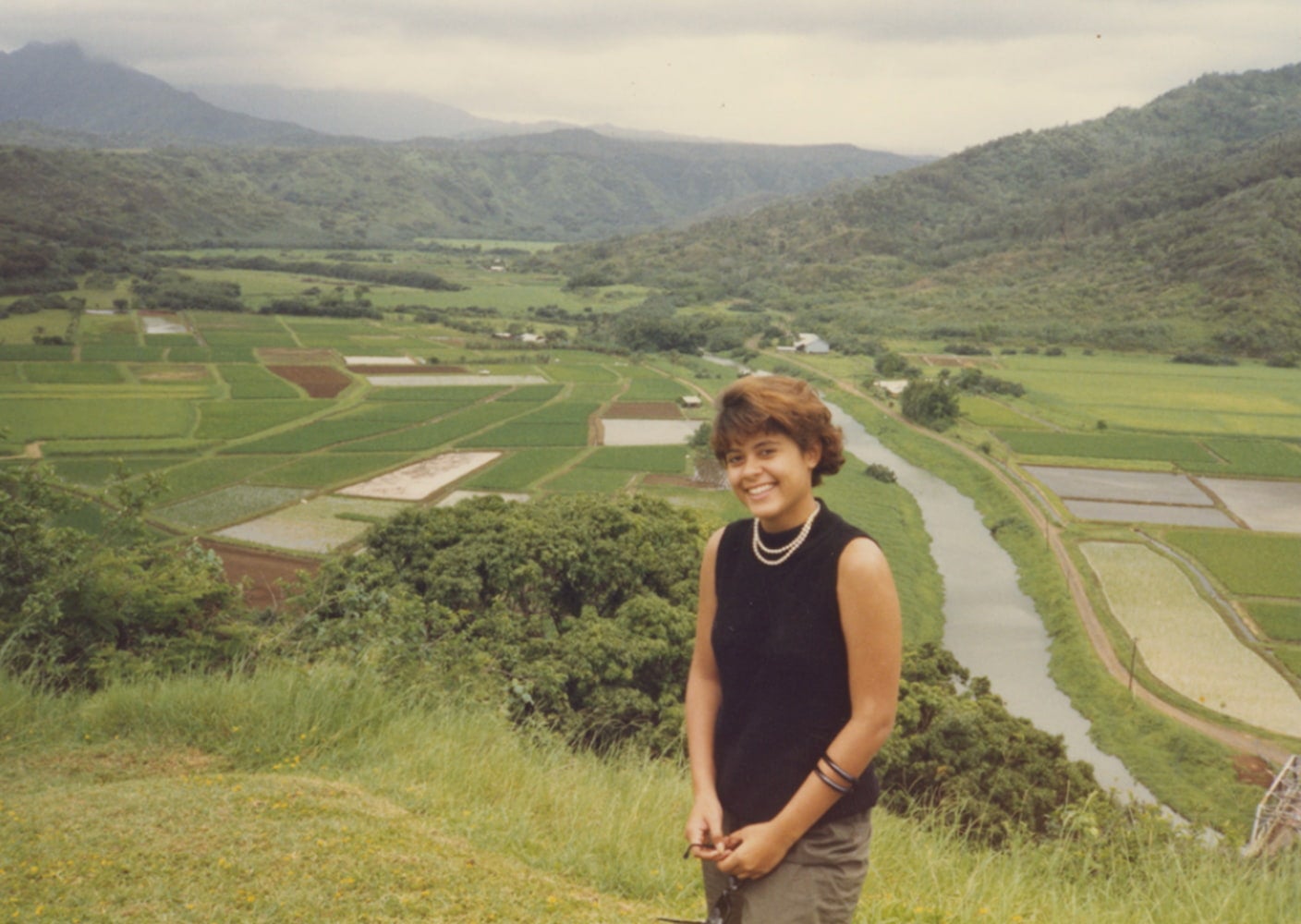
Maya standing above wet rice fields in 1985.
Maya standing above wet rice fields in 1985.
-
Video
Maya describes the anti-Chinese riots
Maya describes the anti-Chinese riots that she witnessed as a nine year-old in Indonesia, and how we can try to prevent oppression and violence in our own communities.
-
Video
Ann Dunham’s impact on working with local women and cottage industries
Maya explains the impact her mother had working with local women and cottage industries building microfinance projects.
Chapters
# of # results
-

Module
Module 5: Banglatowns, Public Art, and Community Formation
Elora Halim Chowdhury, Fariba S. Alam, Nazli Kibria, and Sharbari Ahmed
Chapter:
Bangladeshi Americans
-
Chapter
Chapter Overview: Indian Americans
Vinay Lal
-
Module 4: Indian Culture
Vinay Lal
-
Chapter
Chapter Overview: Thai Americans
Kanjana Hubik Thepboriruk
-