



Search the Media Repository
Discover the curated images, videos, and primary sources featured throughout Foundations and Futures
History is more than just text on a page; it is the photographs, voices, and artifacts of the people who lived it. The images and recordings featured across Foundations and Futures are part of a meticulously curated media repository. Whether you are building a lesson plan or investigating an artifact, you can use this database to trace the provenance of our media: discover who created an asset, the historical context behind it, and how it can be used to bring Asian American and Pacific Islander experiences into your classroom.
Multimedia
Chapters
-
Image
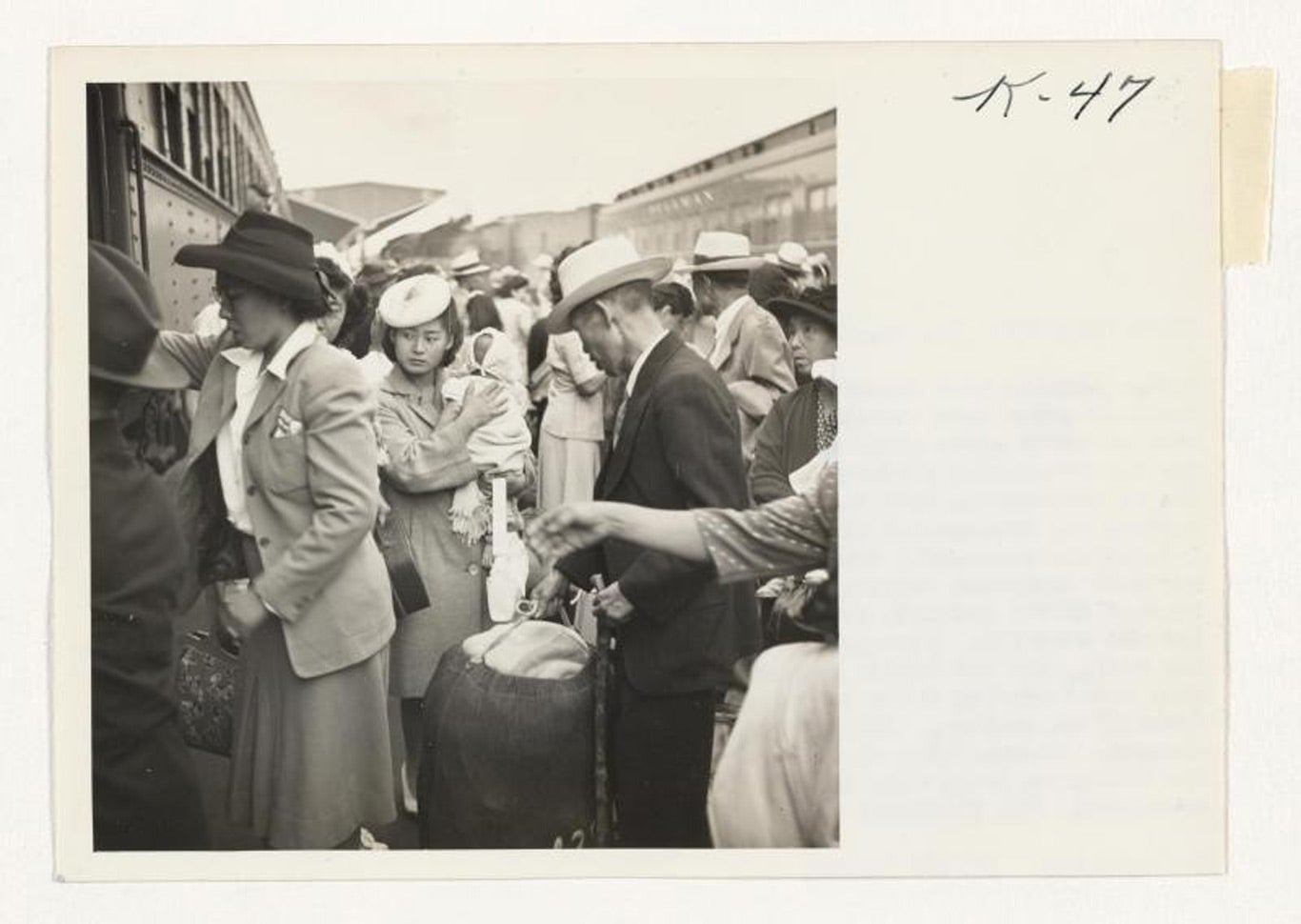
Japanese Americans Returning to Sacramento
This July 30, 1945 photo shows some of the 450 Japanese Americans who took a special train from the camp in Rohwer, Arkansas back to Sacramento.
-
Image
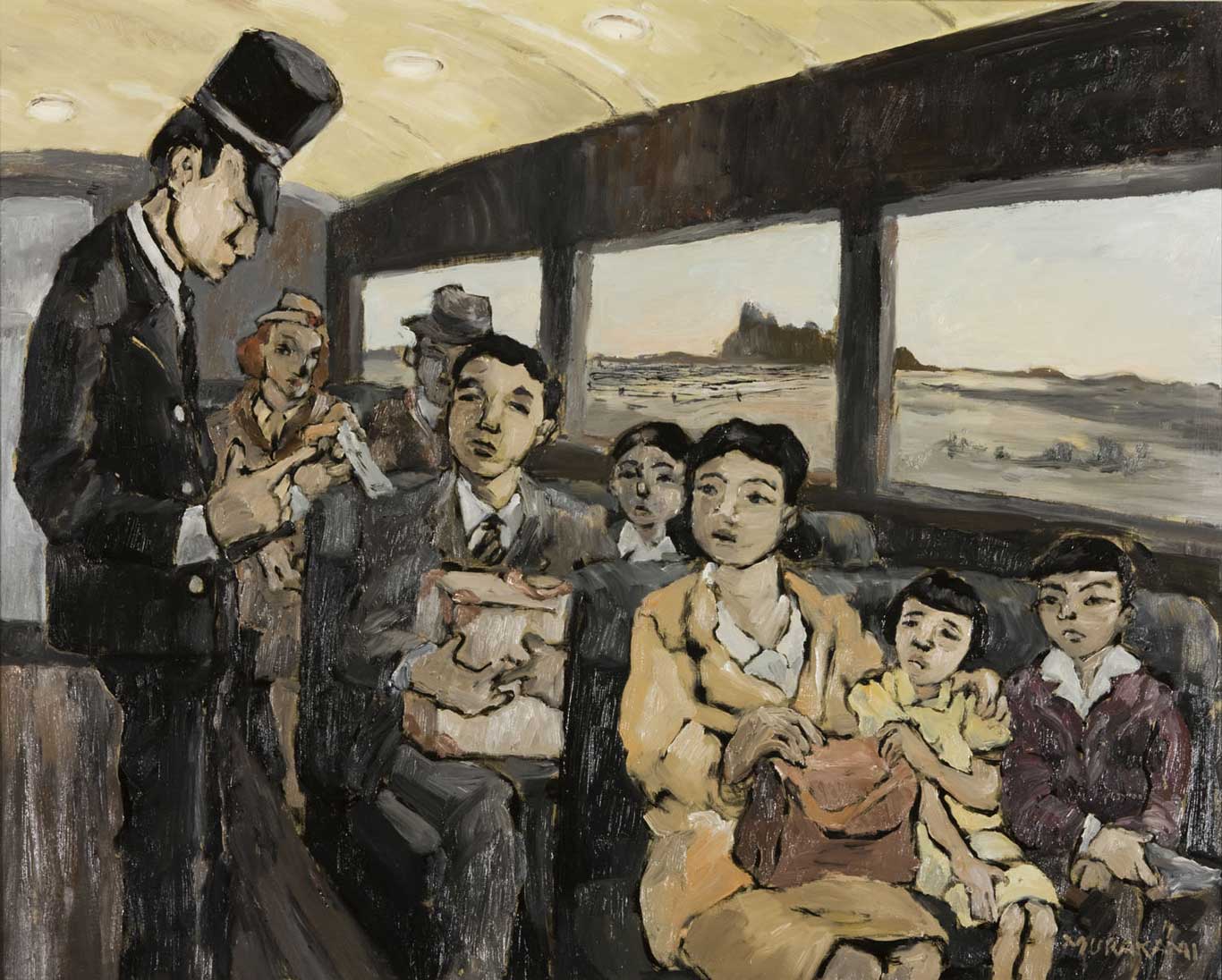
Freedom Train
Jimmy Murakami’s final painting was called ‘Freedom Train’ it showed the Murakami family huddled together on a train headed to LA carrying the same suitcases they had entered Tule Lake with four years earlier, they also had the ashes of Jimmy’s sister Sumiko
-
Image
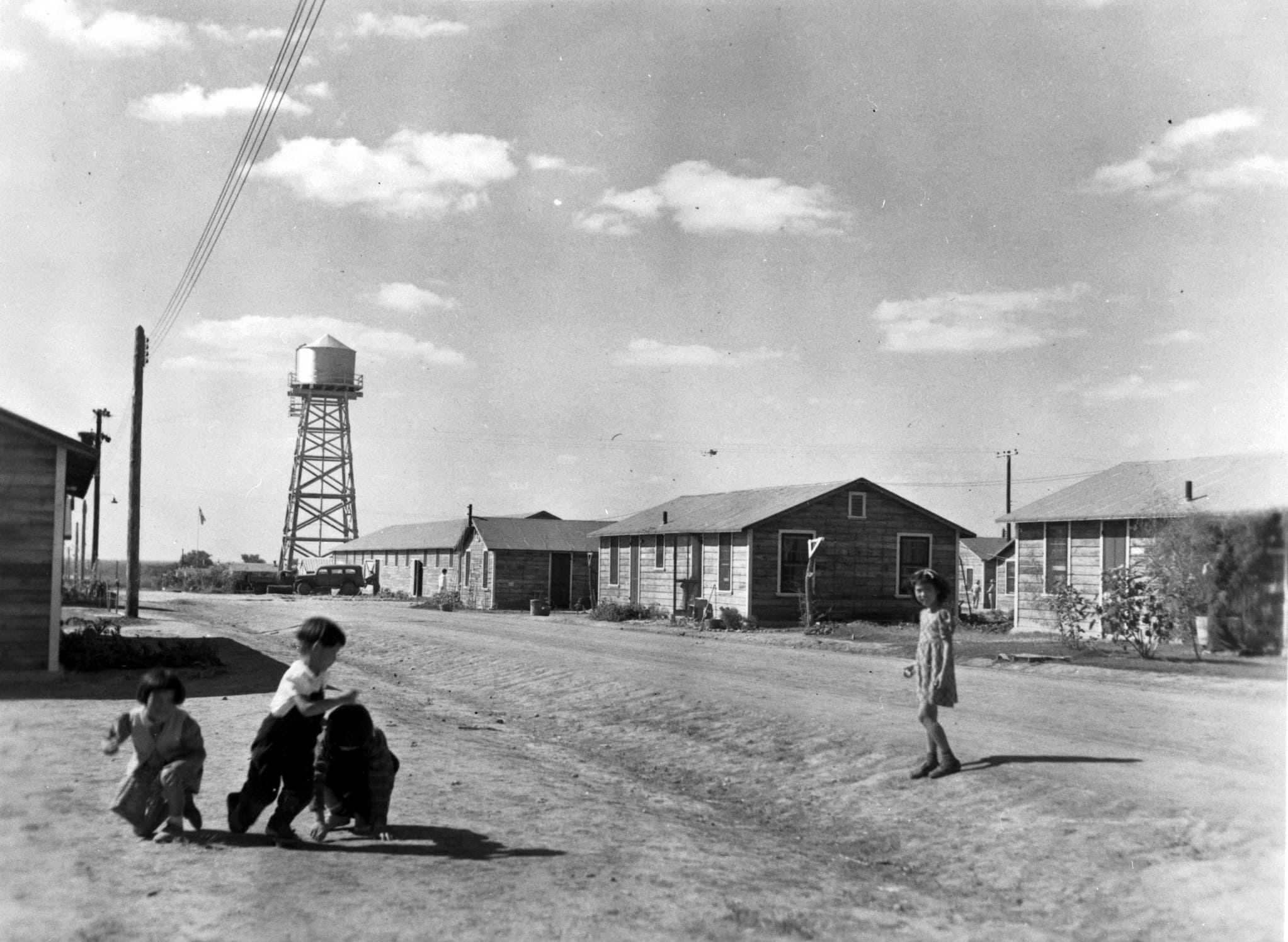
Department of Justice Camp at Crystal City
A Department of Justice camp at Crystal City, Texas, pictured here, housed German and Japanese immigrants and their families, as well as hundreds of Japanese Latin Americans and German Latin Americans expelled from their countries at the request of the United States
-
Text
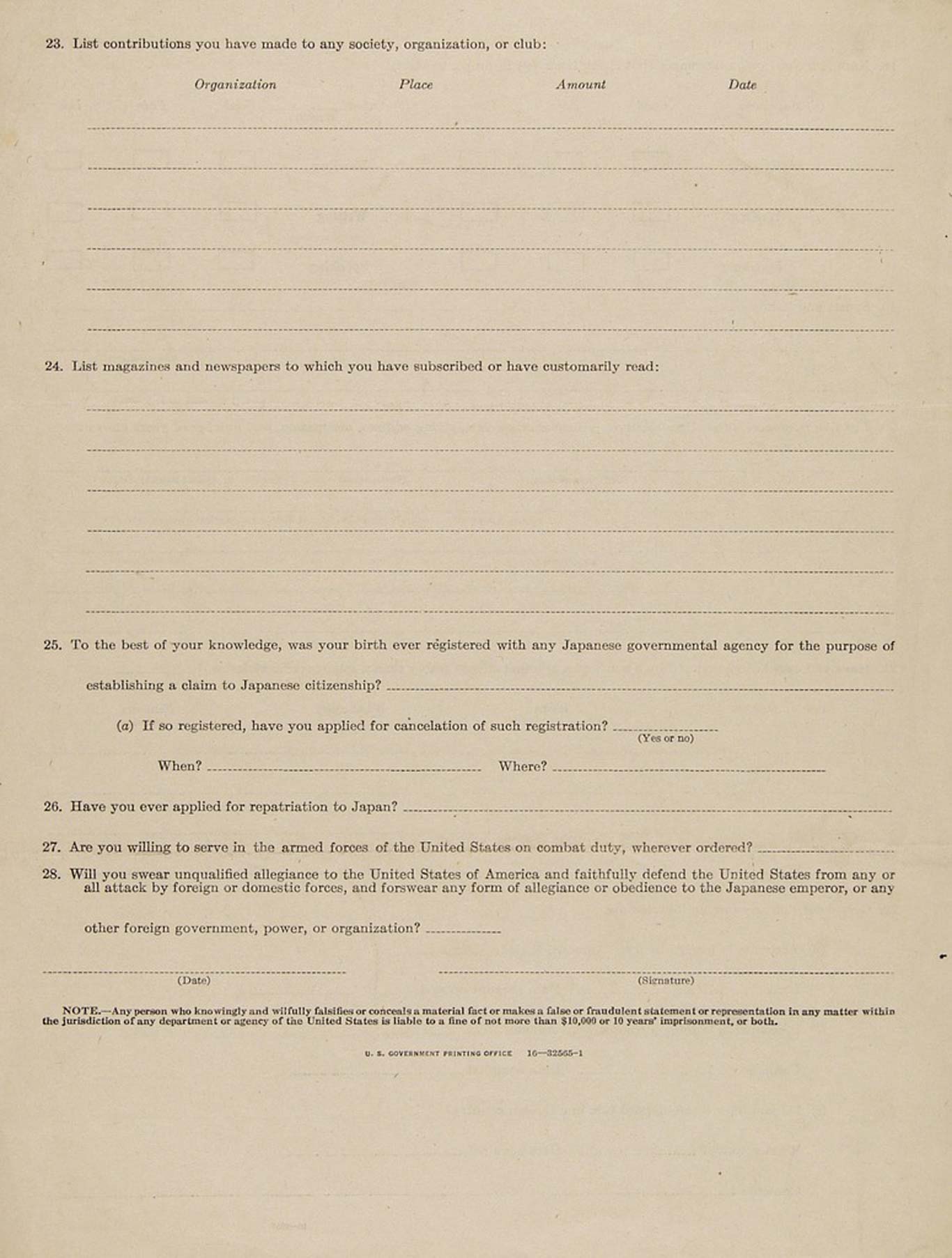
Loyalty Questionnaire, Questions 27 and 28
Questions 27 and 28 on this mandatory government questionnaire generated confusion, anger, and frustration among many incarcerees.
-
Image
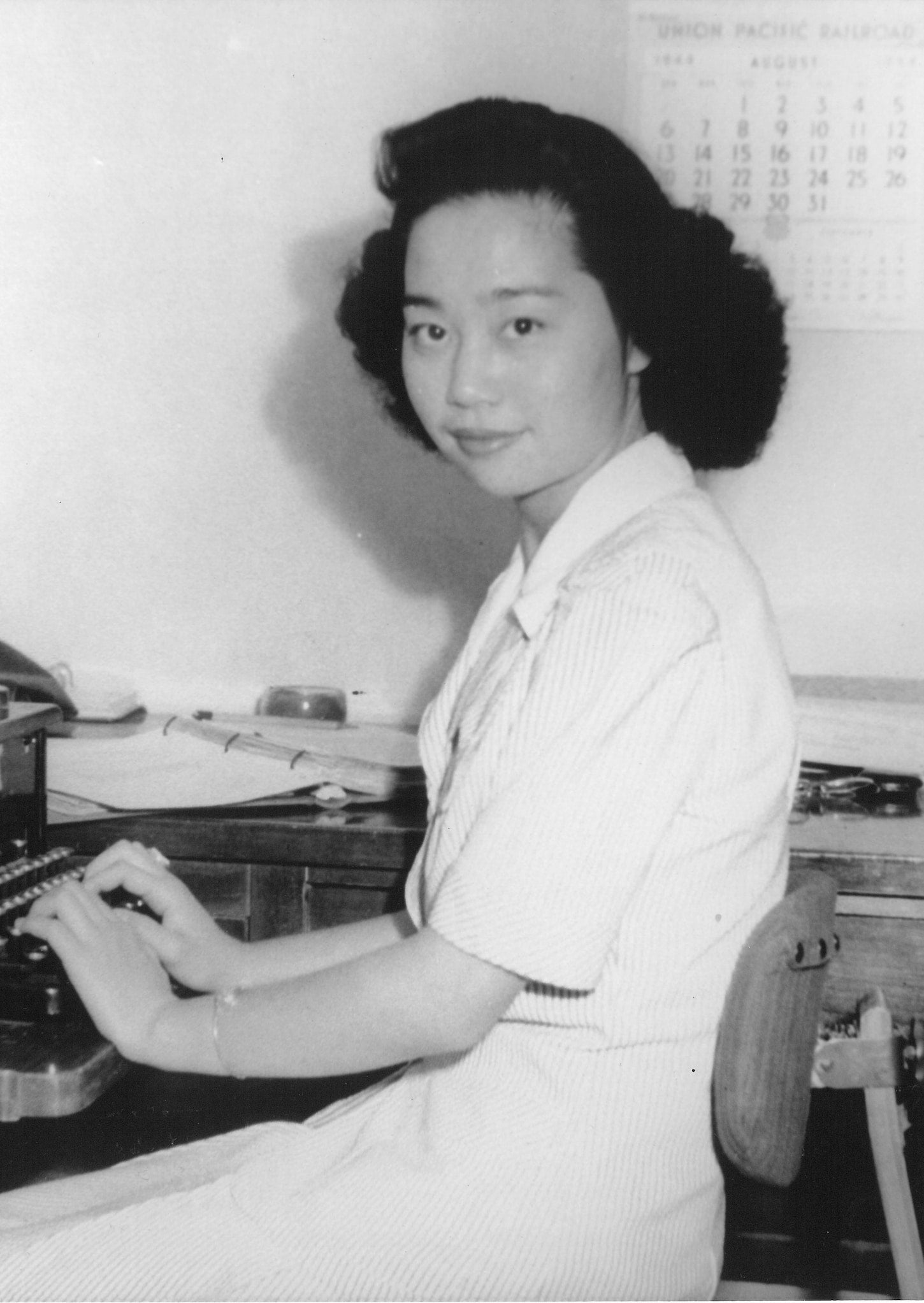
Mitsuye Endo
Mitsuye Endo, an American citizen, was relocated to Tule Lake Relocation Center and then at Topaz Relocation Center. In 1944, attorneys argued before the U.S. Supreme Court on her behalf. The court rules that the War Relocation Authority may have to detain other classes of citizens, but it has no authority to subject citizens who are concededly loyal to its leave procedure.
-
Image
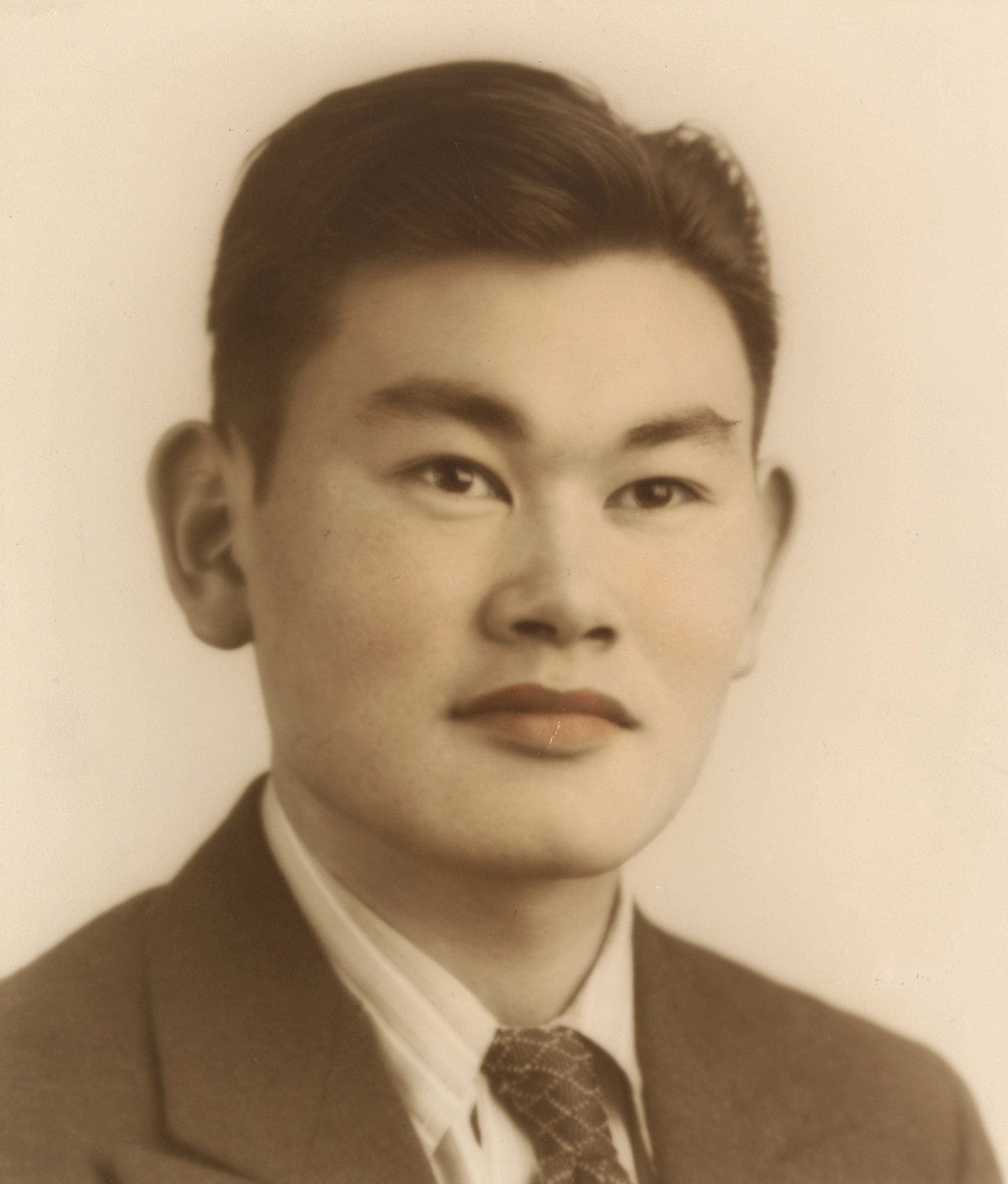
Fred Korematsu
From left to right, top to bottom: Min Yasui, Gordon Hirabayashi, Fred Korematsu, and Mitsuye Endo brought lawsuits challenging government violations of Japanese Americans’ civil liberties.
-
Image
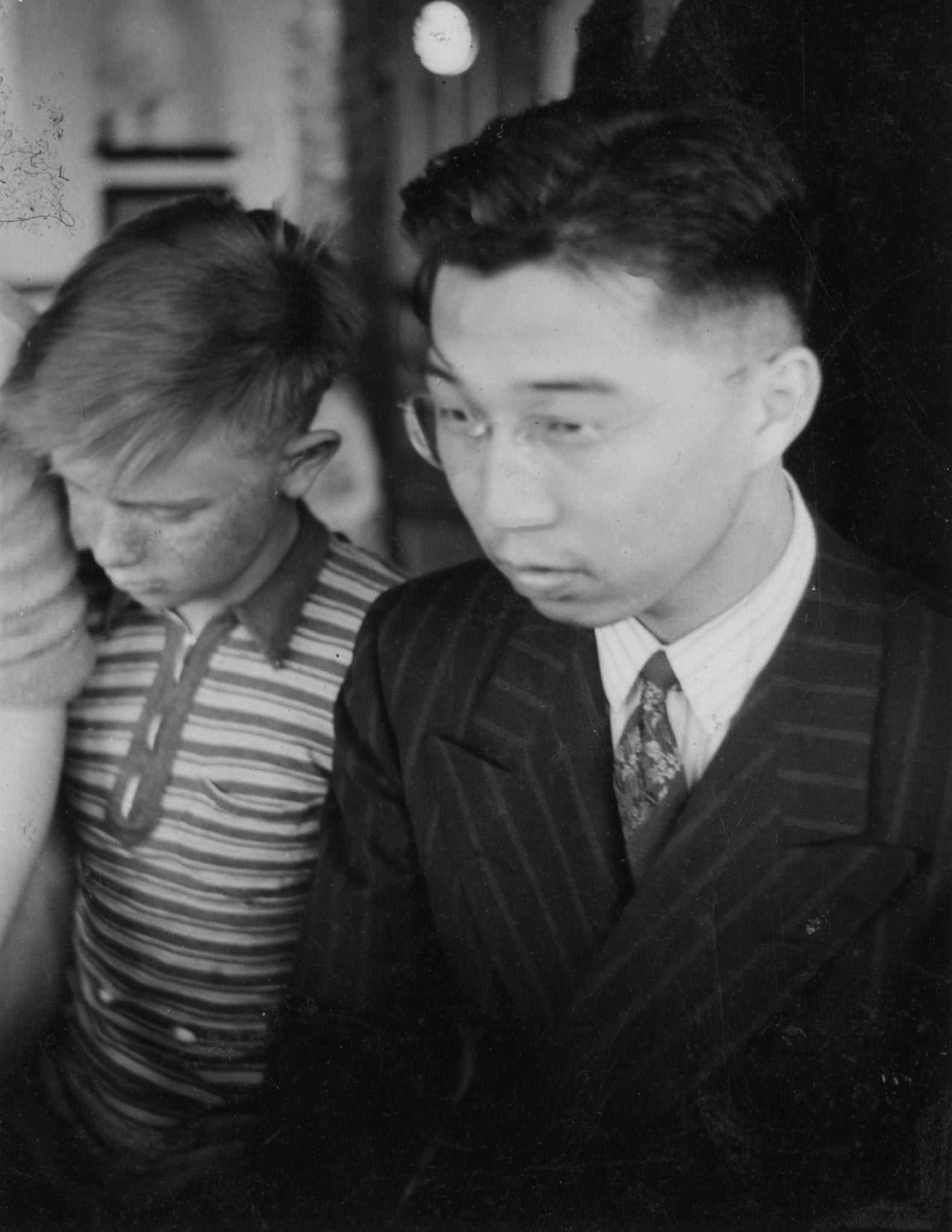
Gordon Hirabayashi and Bill Schmoe
From left to right, top to bottom: Min Yasui, Gordon Hirabayashi, Fred Korematsu, and Mitsuye Endo brought lawsuits challenging government violations of Japanese Americans’ civil liberties.
-
Image
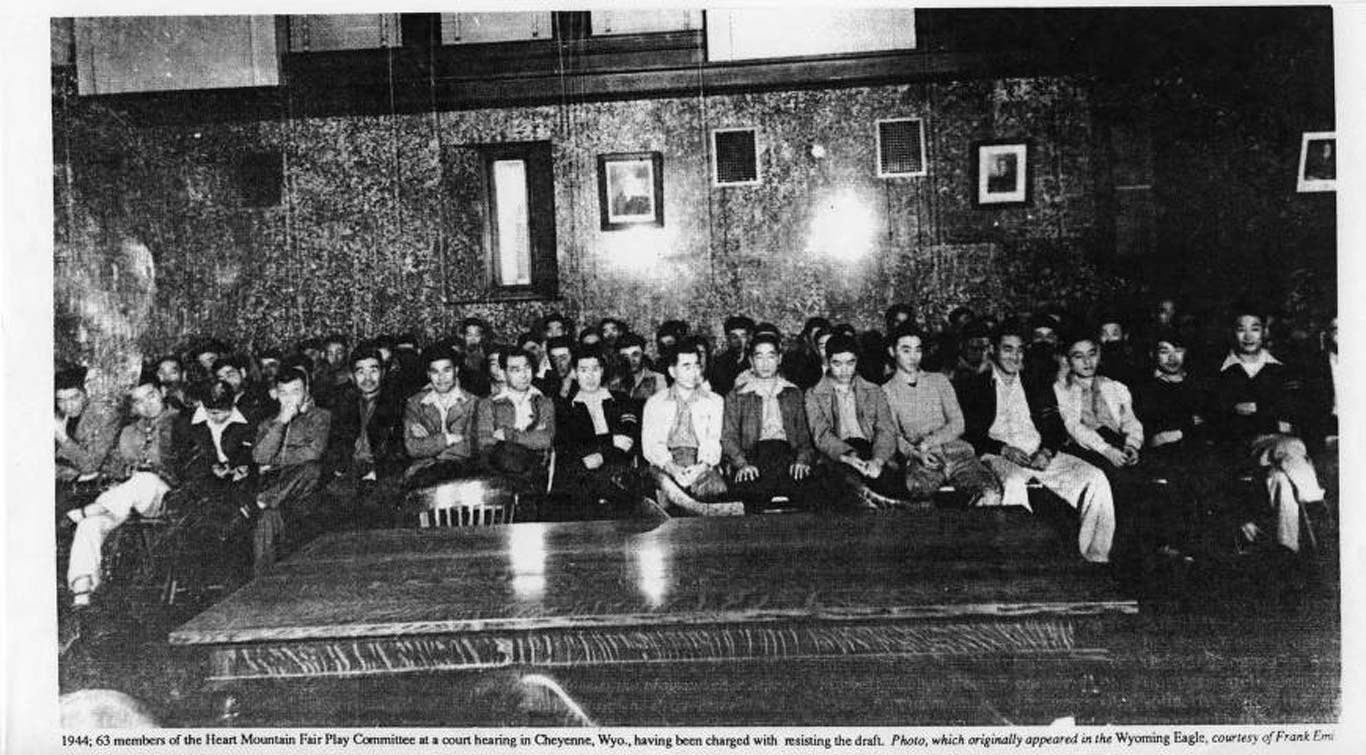
Heart Mountain Fair Play Committee
Government agents arrested sixty-three Nisei men incarcerated at the Heart Mountain, Wyoming, camp who resisted the military draft to protest the loss of their constitutional rights.
-
Image
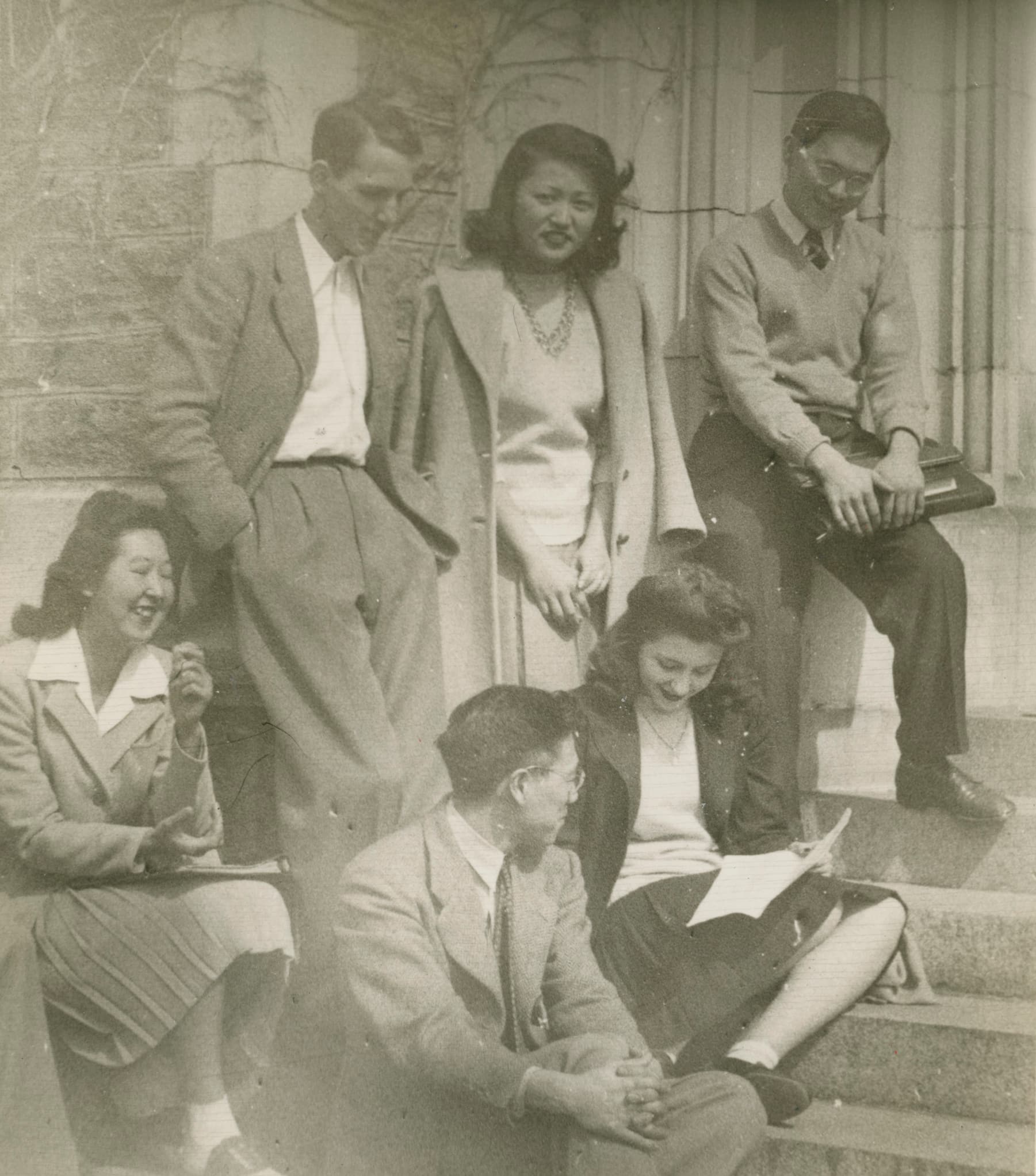
Nisei Students at Swarthmore
Aided by the National Japanese American Student Relocation Council, Nisei left camps to attend colleges outside the exclusion zone. By the end of the war, 4,300 Nisei had left camps for colleges, including these four Nisei with classmates at Swarthmore College in Pennsylvania.
-
Image
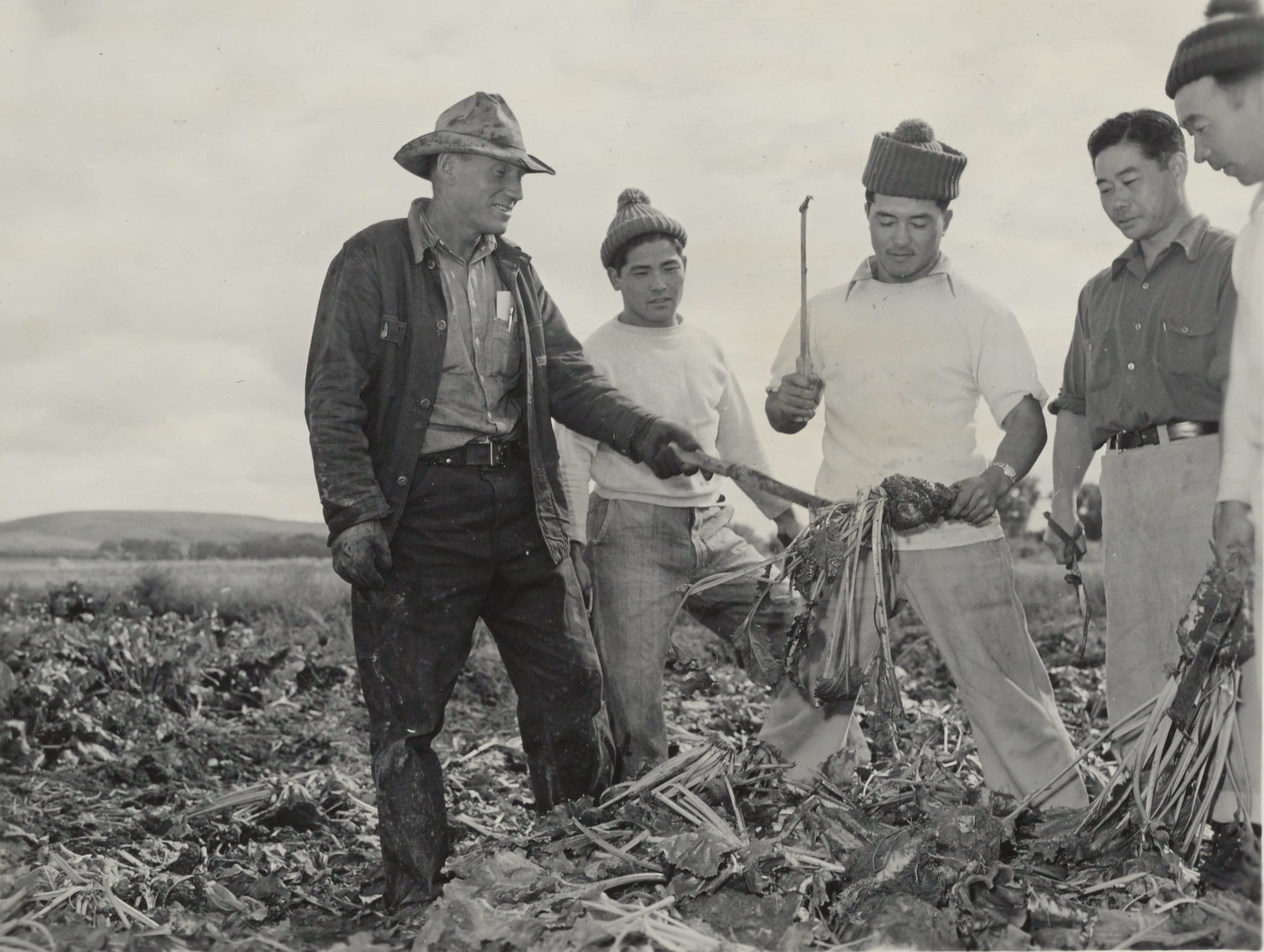
Nisei Farm Workers in Montana
Labor shortages compelled farmers to ask the government to allow Japanese Americans to temporarily leave the camps for agricultural work in Utah, Montana, Idaho, and other states. In this photo, Nisei laborers learn from a Montana farmer how to harvest sugar beets.