



Search the Media Repository
Discover the curated images, videos, and primary sources featured throughout Foundations and Futures
History is more than just text on a page; it is the photographs, voices, and artifacts of the people who lived it. The images and recordings featured across Foundations and Futures are part of a meticulously curated media repository. Whether you are building a lesson plan or investigating an artifact, you can use this database to trace the provenance of our media: discover who created an asset, the historical context behind it, and how it can be used to bring Asian American and Pacific Islander experiences into your classroom.
Multimedia
Chapters
-
Image
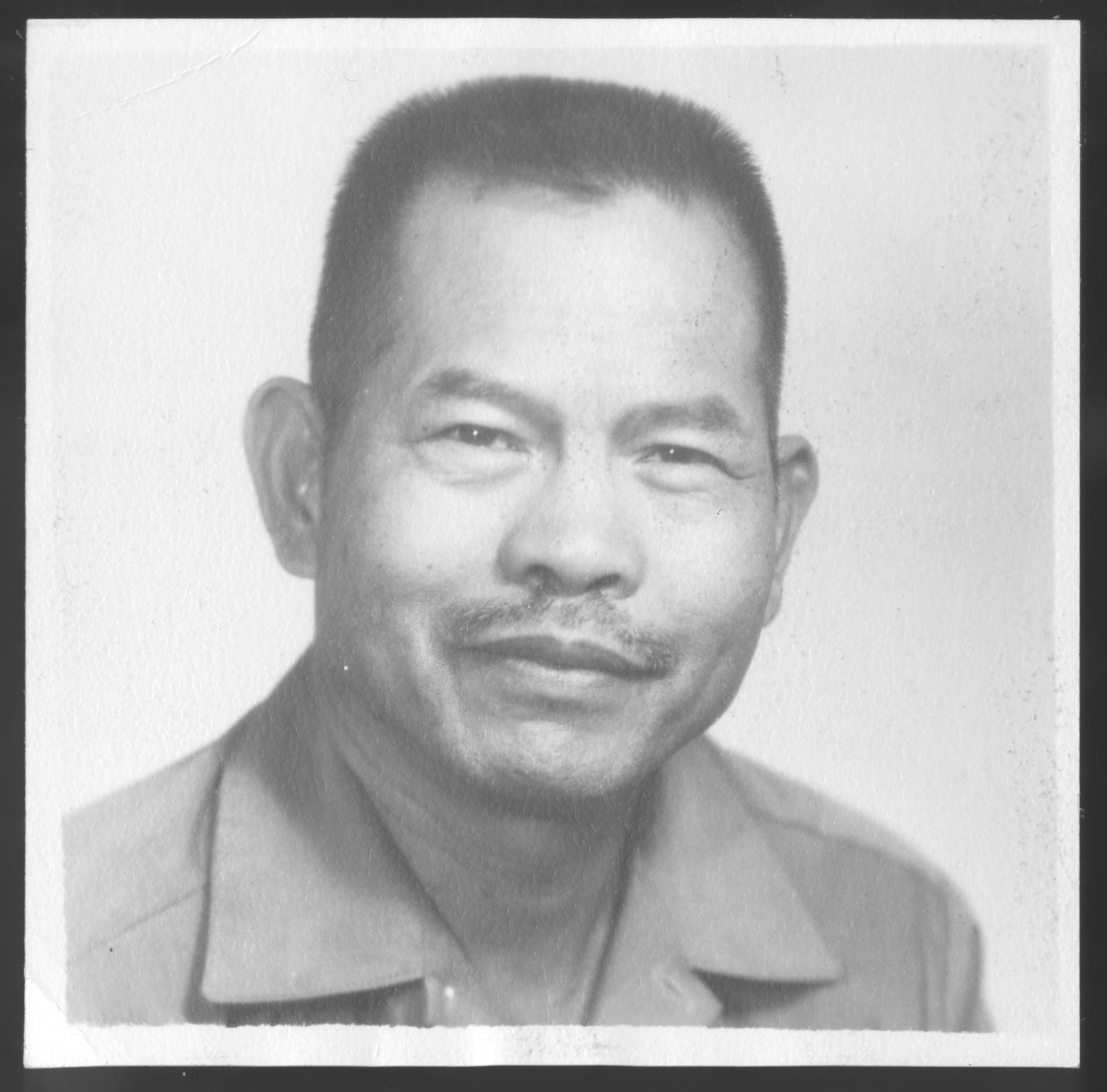
Larry Itliong
Larry Itliong, undated photo.
Featured in:
Labor & Activism of Filipino Farmworkers, Module 2
-
Image
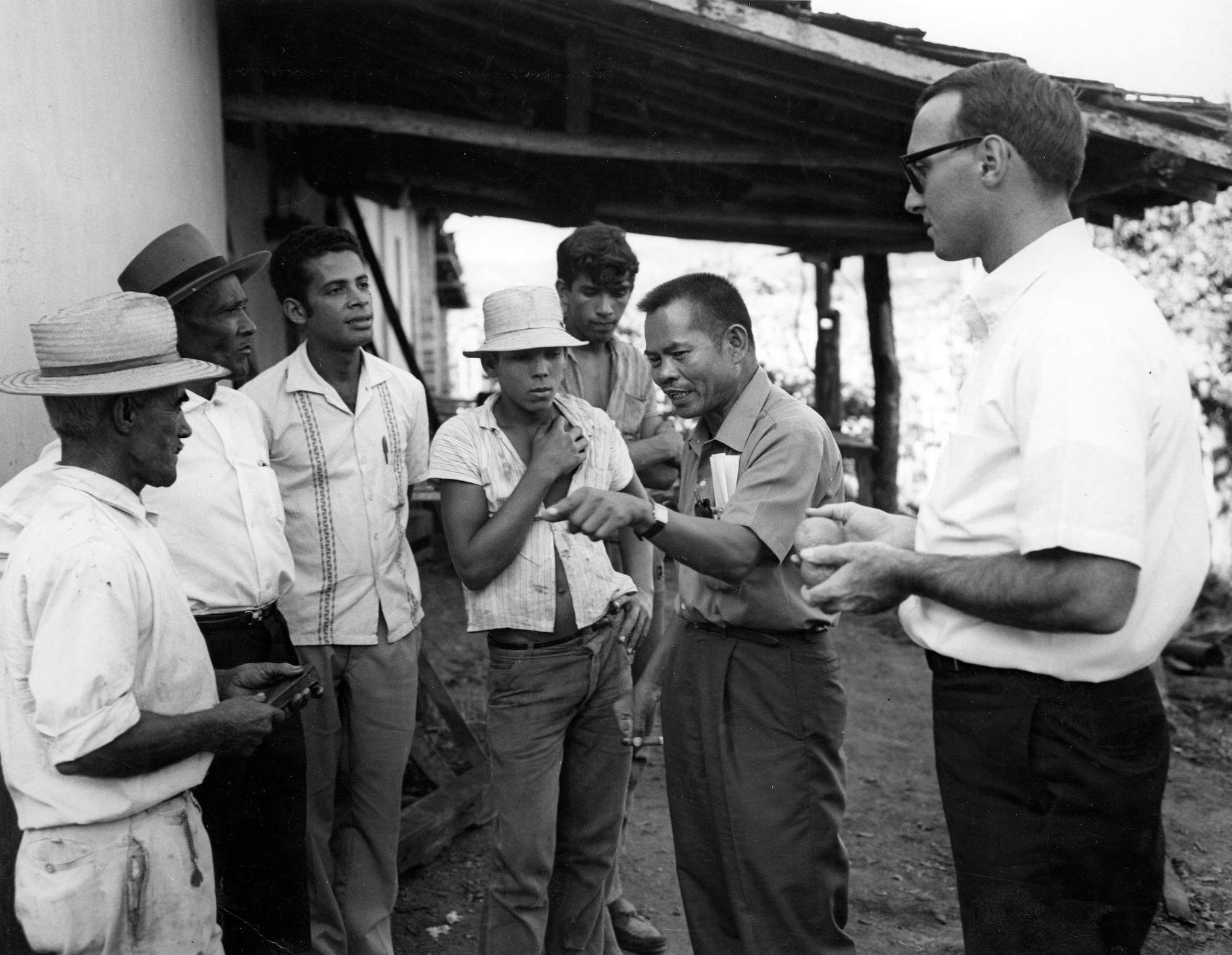
Larry Itliong with Brazilian Farmworkers
Larry Itliong speaks to Brazilian farmworkers in Brazil, circa 1960s. Itliong traveled to Brazil and Chile to organize workers to be in solidarity with other labor movements across the globe.
Featured in:
Labor & Activism of Filipino Farmworkers, Module 2
-
Image
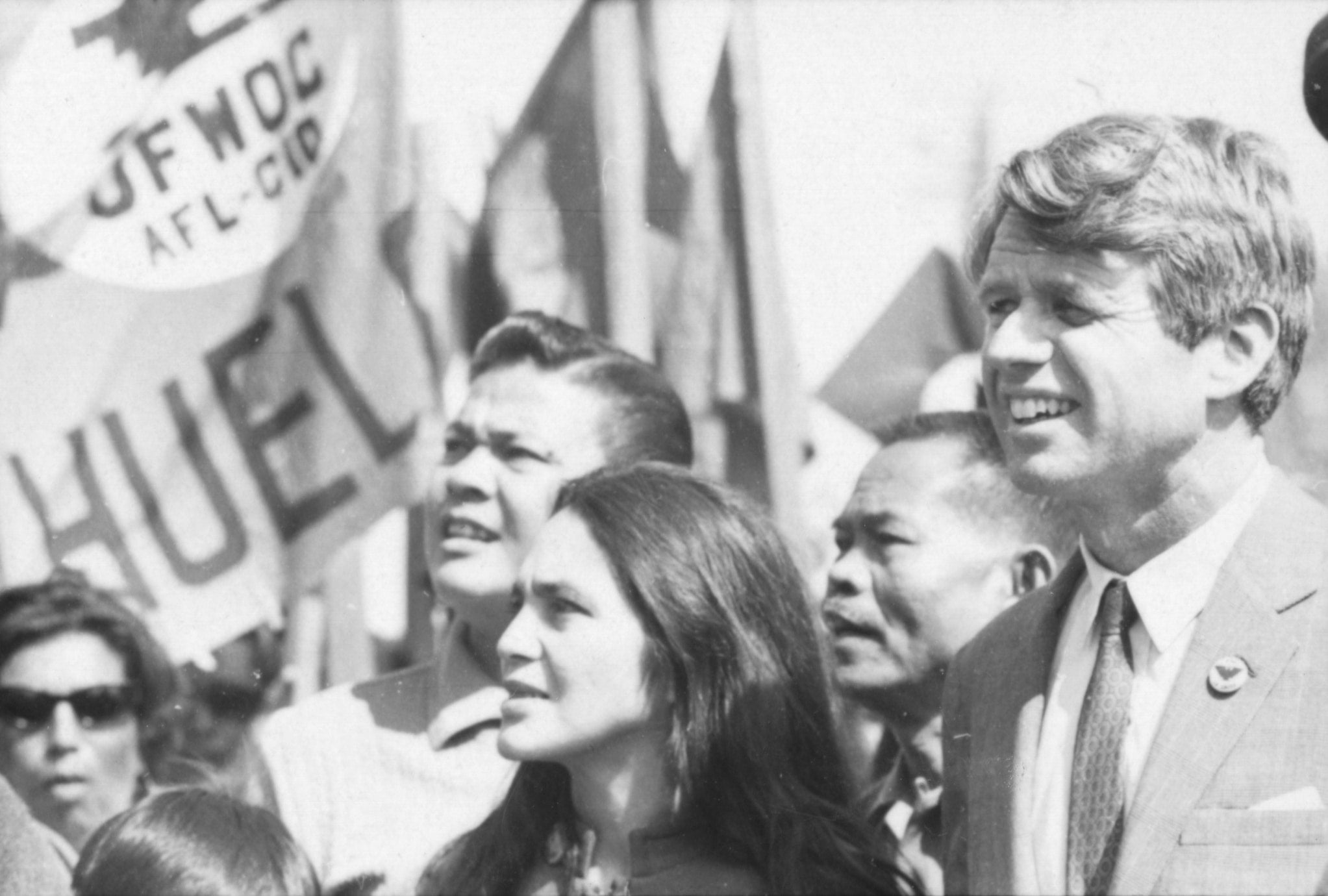
Robert Kennedy and UFW Officials at the Delano Rally
Left to right: Andy Imutan (one of the original strikers), Dolores Huerta (co-founder of the UFW), Larry Itliong, and Robert Kennedy at a rally in Delano, California, March 10, 1968.
Featured in:
Labor & Activism of Filipino Farmworkers, Module 2
-
Image
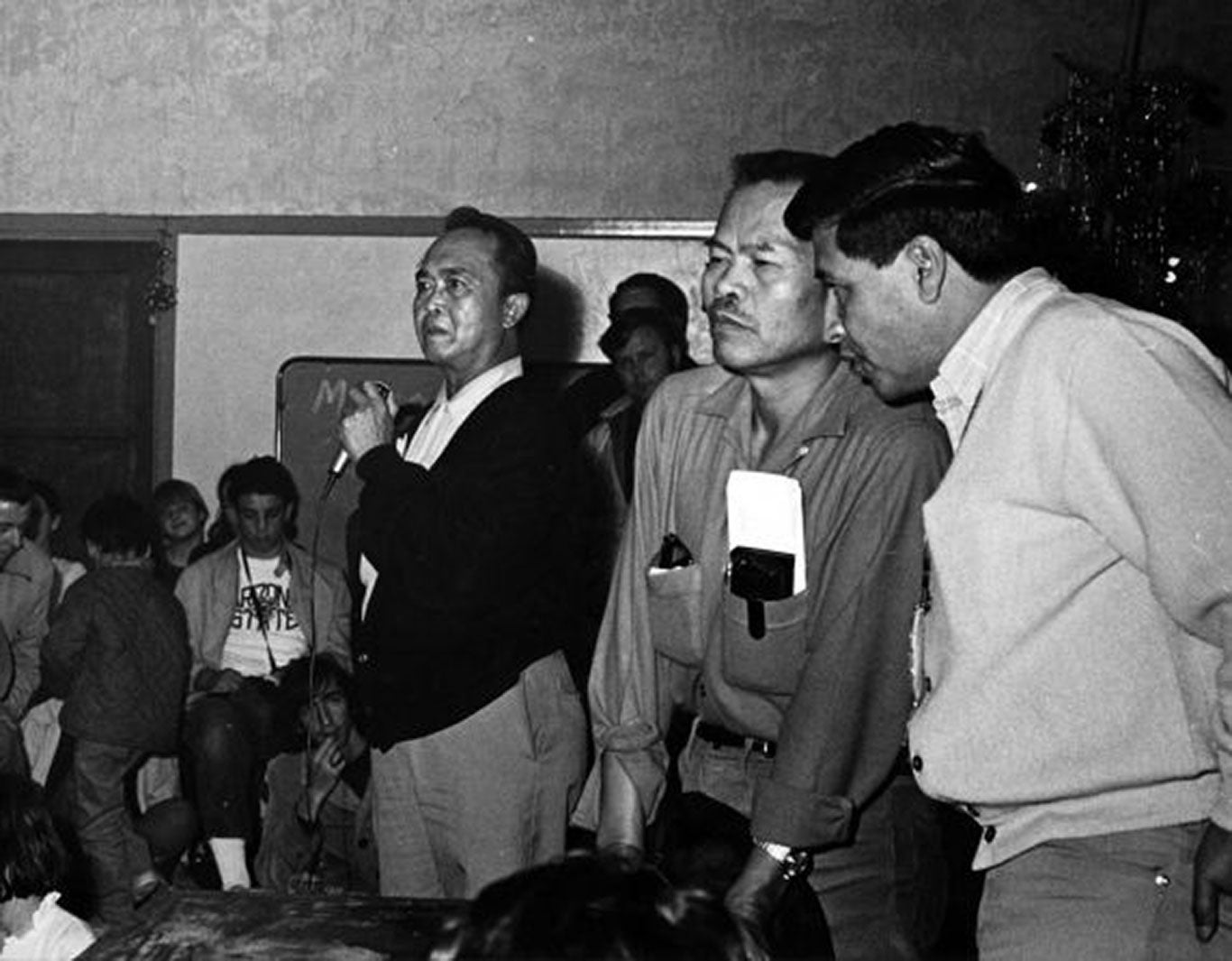
Pete Velasco, Larry Itliong, and César Chávez
Left to right: Pete Velasco, Larry Itliong, and César Chávez at Filipino Hall, Delano, California, Christmas, circa 1968.
Featured in:
Labor & Activism of Filipino Farmworkers, Module 2
-
Image
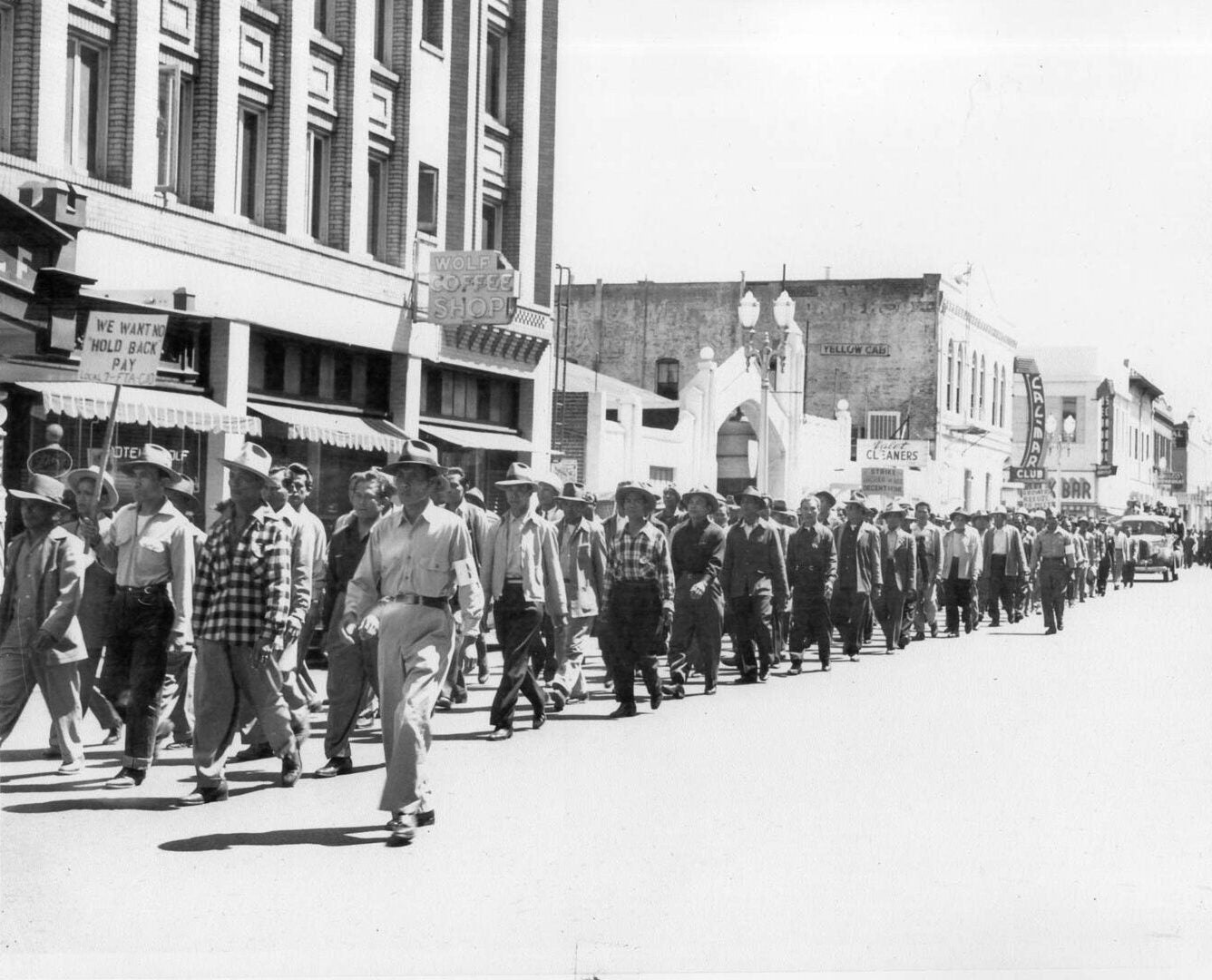
1948 Asparagus Strike March
In this image, Filipino farmworkers march through downtown Stockton, California during the 1948 Stockton Asparagus Strike. This strike was an important milestone in Filipino farmworker history because it provided firsthand experience that activated many Filipino workers to become more involved in labor organizing.
Featured in:
-
Image
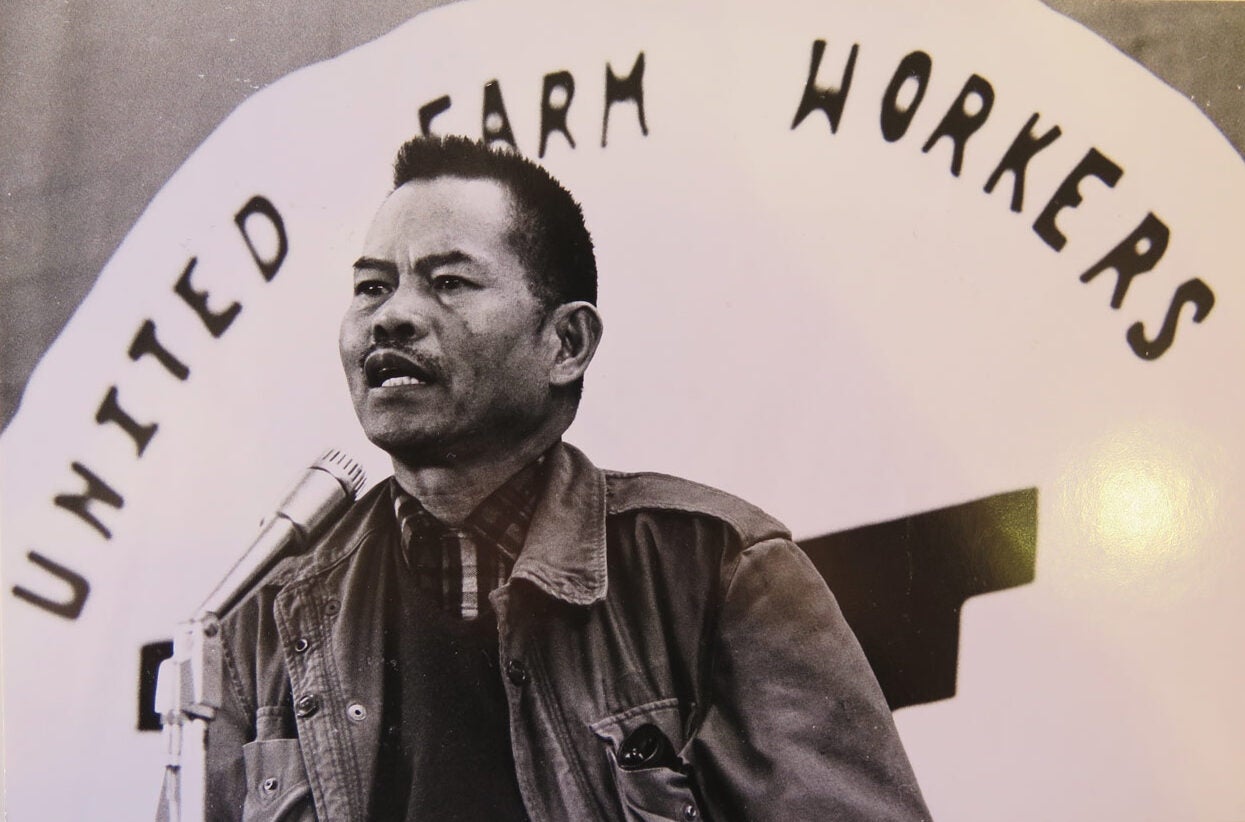
Larry Itliong Speaking
Larry Itliong, UFW Assistant Director speaking at an unknown event circa 1960s.
Featured in:
Labor & Activism of Filipino Farmworkers, Module 2
-
Image
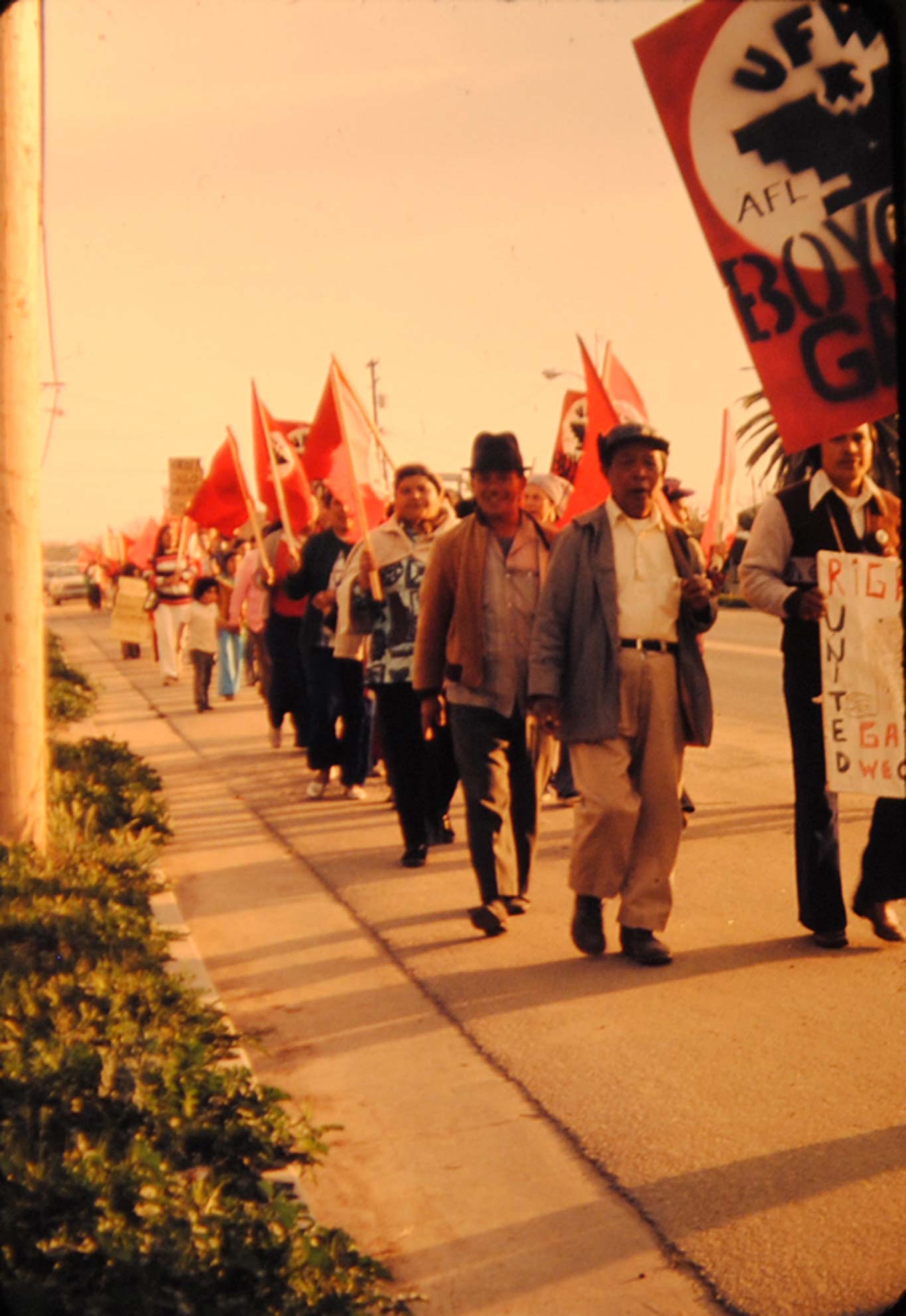
Filipino American UFW Members
As the United Farm Workers resumed strike activities against Delano’s table grape growers, Filipino American UFW members rejoined their union brothers and sisters on the picket lines. This image shows a select few Filipino American members of the UFW.
Featured in:
Labor & Activism of Filipino Farmworkers, Module 1
-
Text
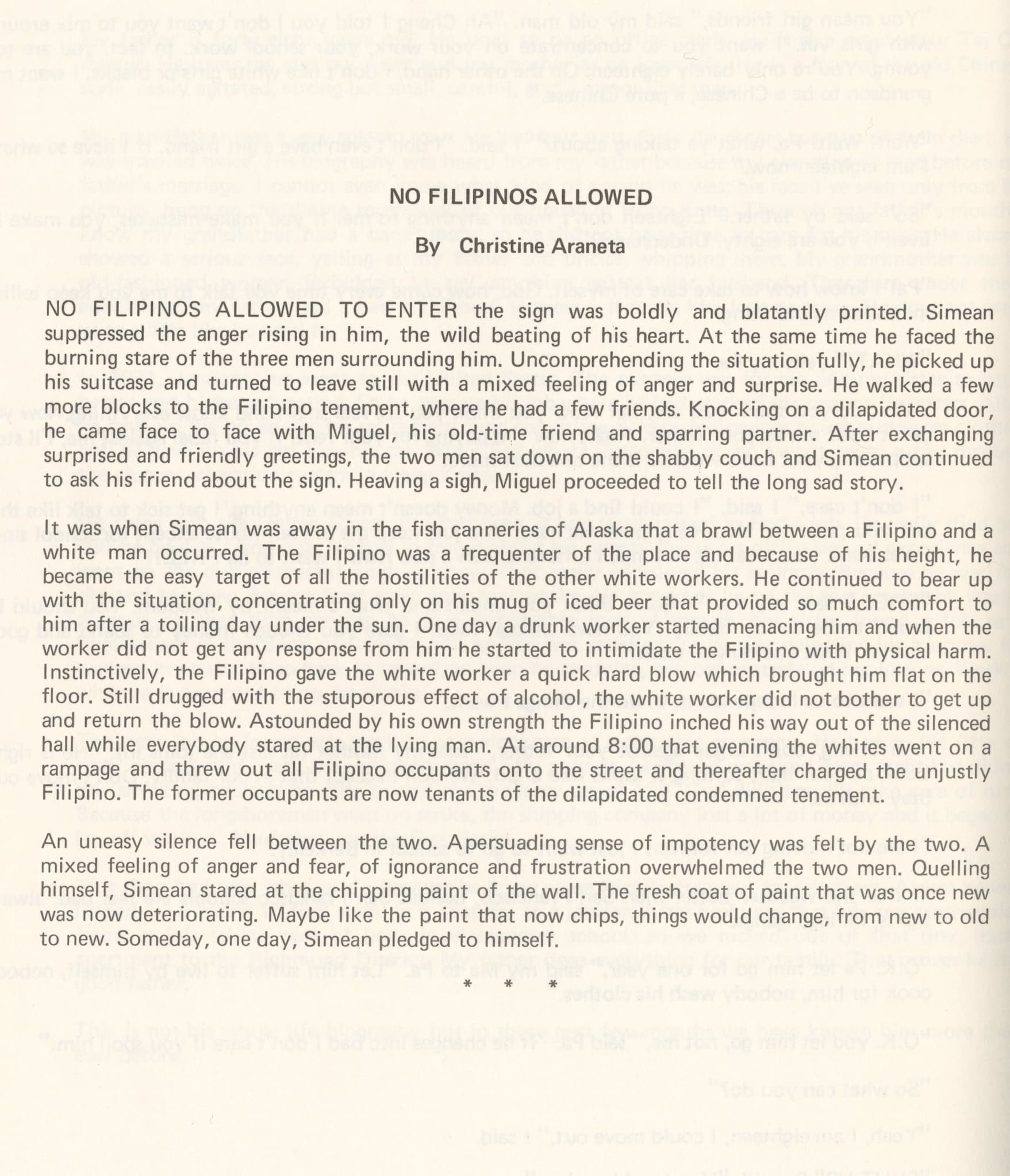
“No Filipinos Allowed”
Christine Araneta was an author of the first community textbook on the Asian American experience titled Sojourner for the Berkeley Unified School District. “No Filipinos Allowed” (1972) includes stories of the Manong Generation who endured anti-Filipino sentiments during the 1920s-1970s.
Featured in:
Labor & Activism of Filipino Farmworkers, Module 1
-
Image
Filipino Farmworker Group Photo
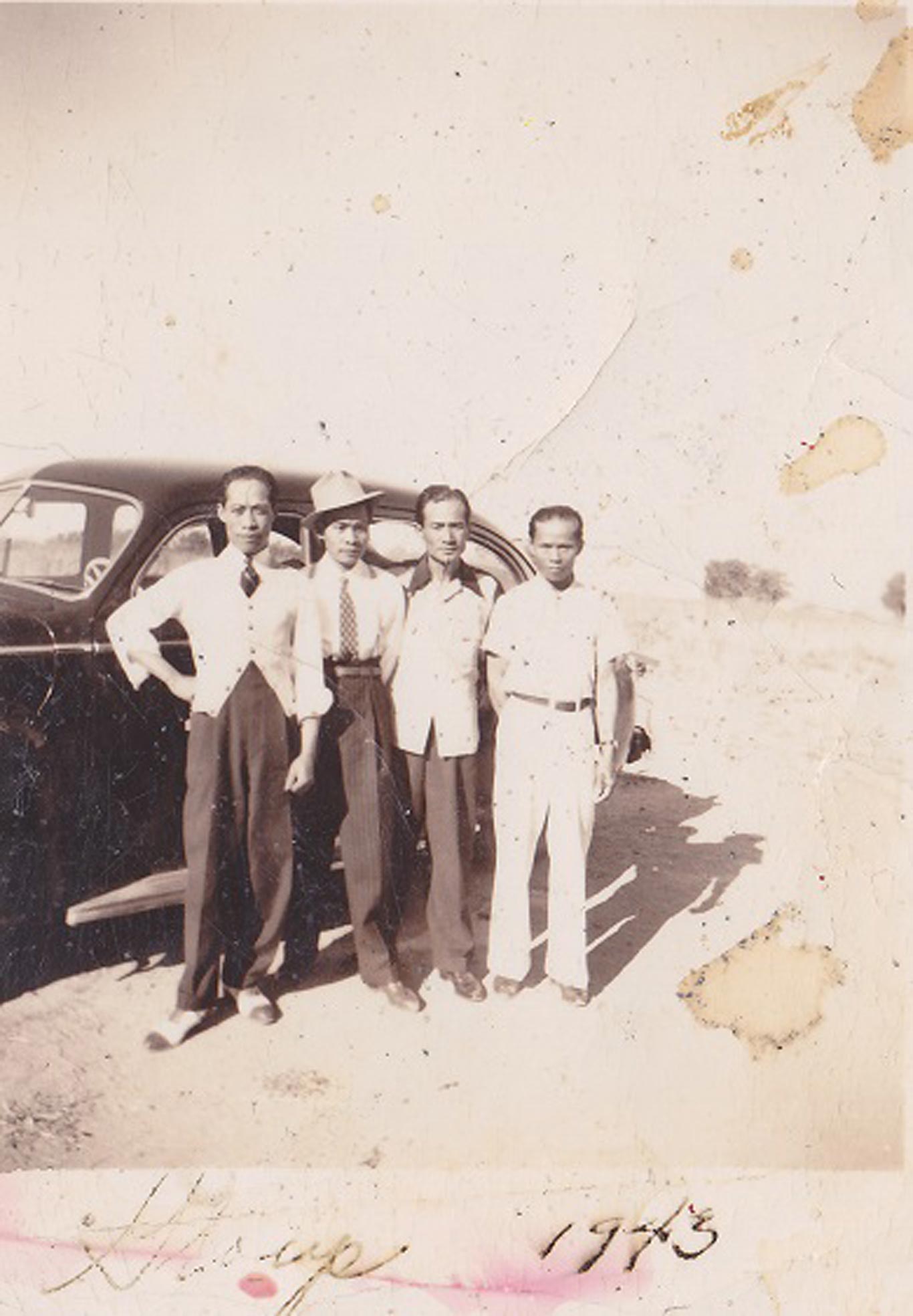
Filipino farmworkers with their shared vehicle in 1943. Many Filipino farmworkers would take pictures in their best suits near their cars, despite their harsh working and living conditions, to show their families in the Philippines that they were doing well.
Featured in:
Labor & Activism of Filipino Farmworkers, Module 1
-
Image
Filipino Strike Camp
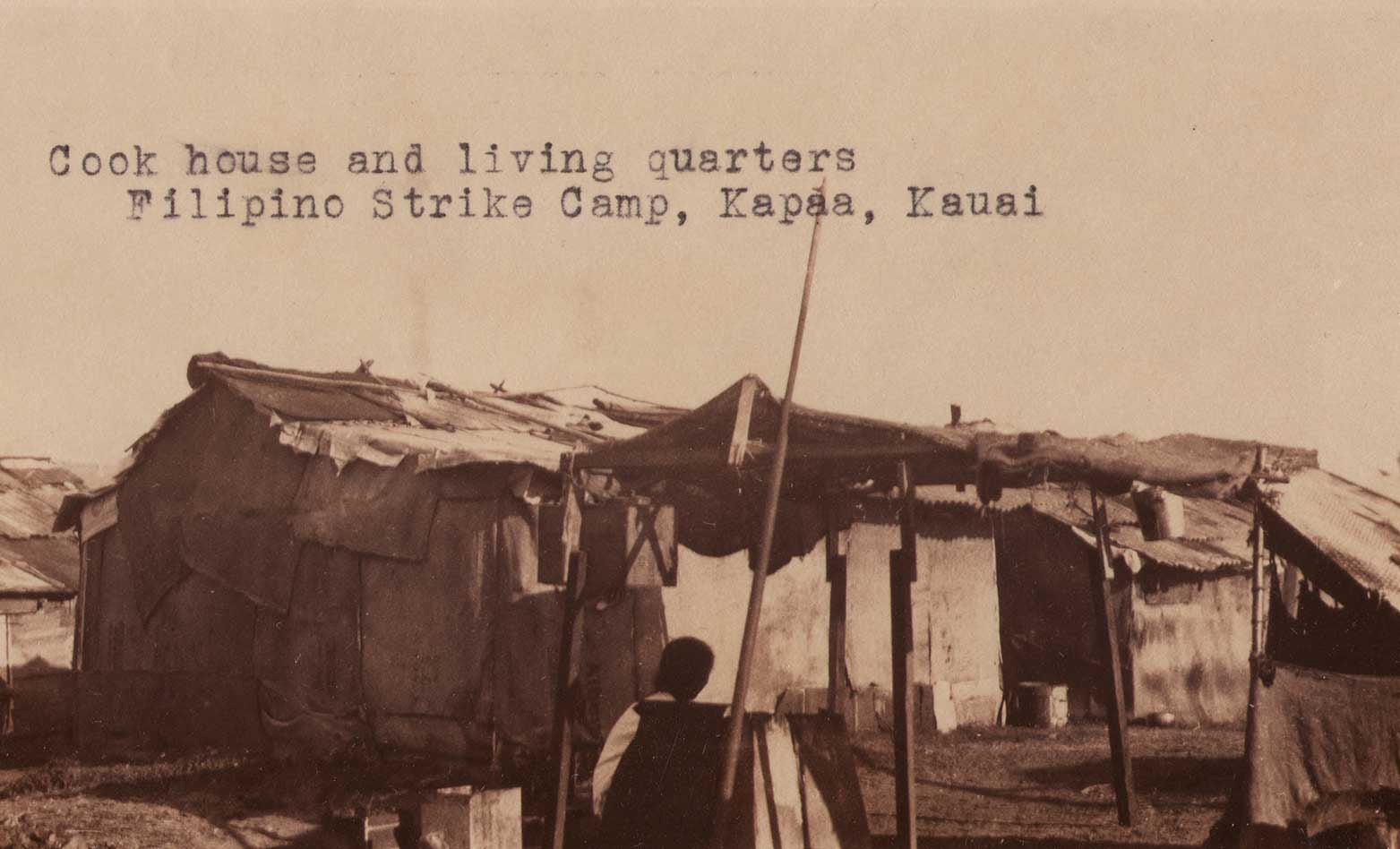
A cook house and living quarter at the Filipino Strikers Camp in Kapaa, Kauai, 1925. Camp life was often without running water and electricity. Most of the upkeep of such living spaces were done by the Filipino farmworkers.
Featured in:
Labor & Activism of Filipino Farmworkers, Module 1
-
Image
Our Pilipino Pioneers
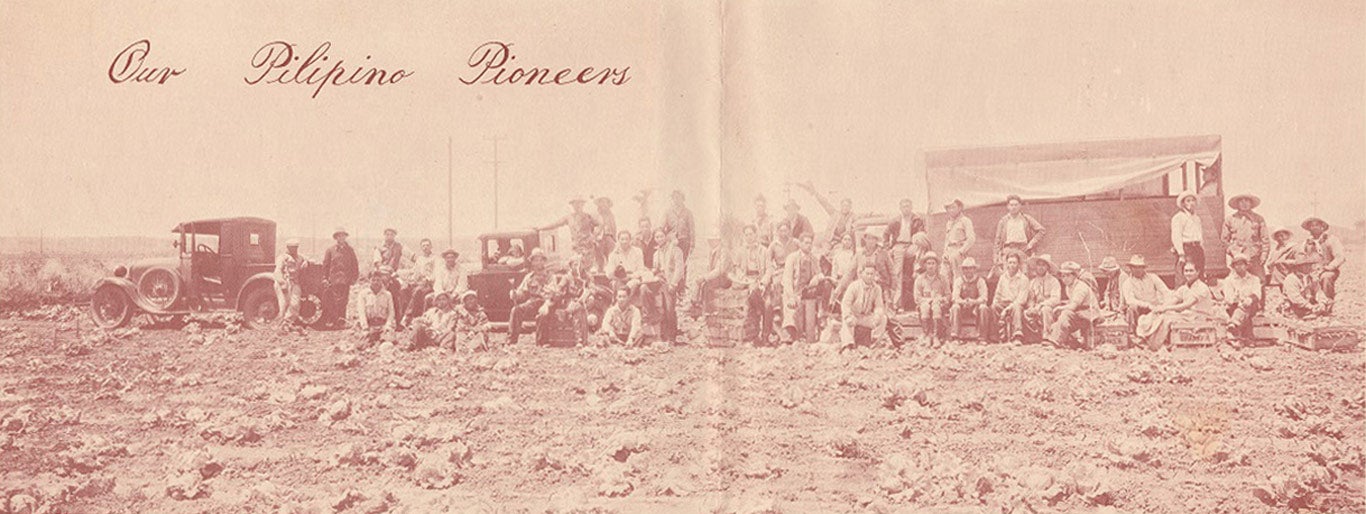
Filipino farmworkers gather for a group photograph in the cabbage fields of the Salinas River Valley, Salinas, California, circa 1930s.
Featured in:
Labor & Activism of Filipino Farmworkers, Module 1
-
Image
Chol Soo Lee Symposium at the UCLA School of Law
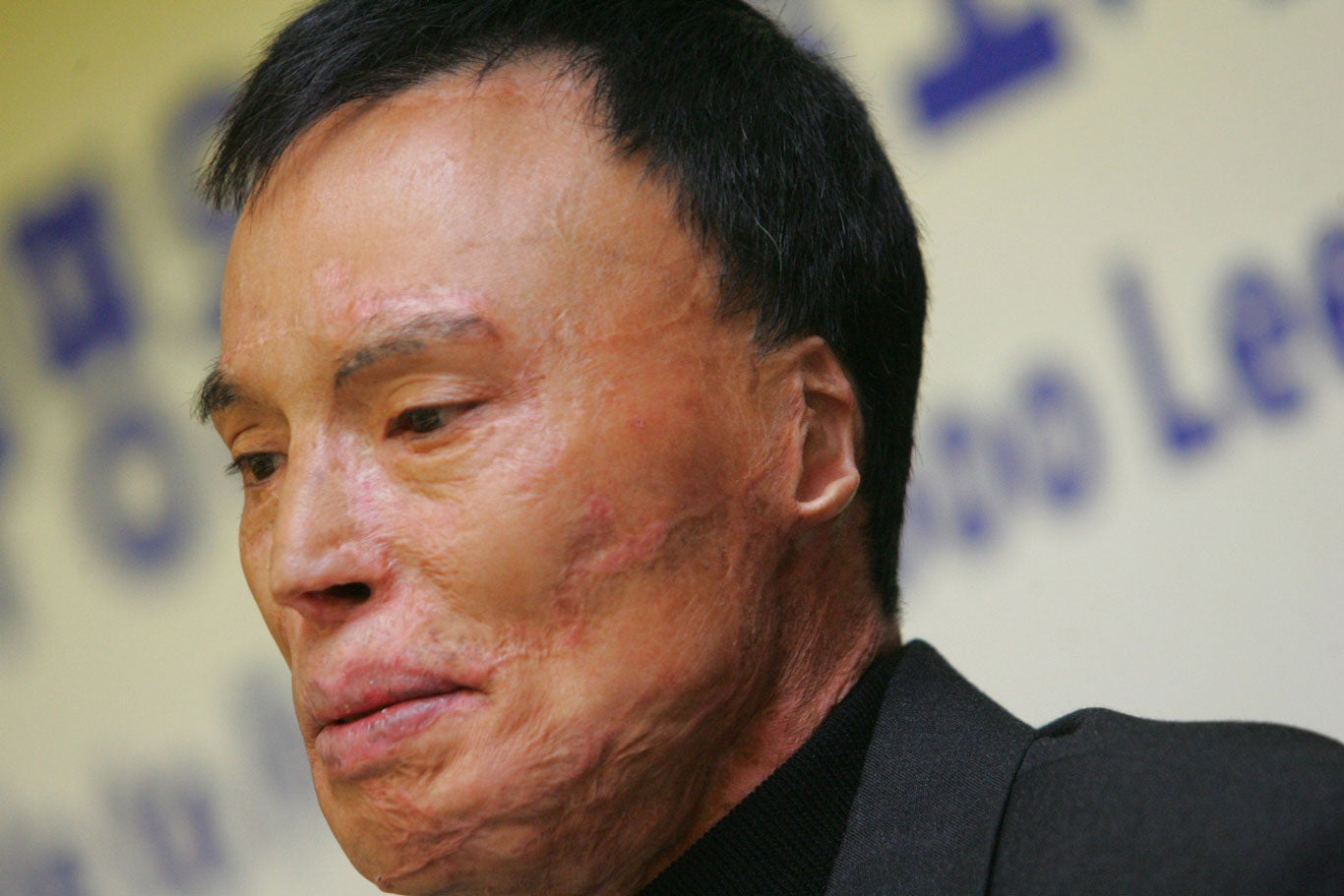
Chol Soo Lee, at a 2007 symposium at the UCLA School of Law. He told the audience, which included activists and the legal defense team who helped free him, “I’m not a hero. I’m just a human being.”
-
Text
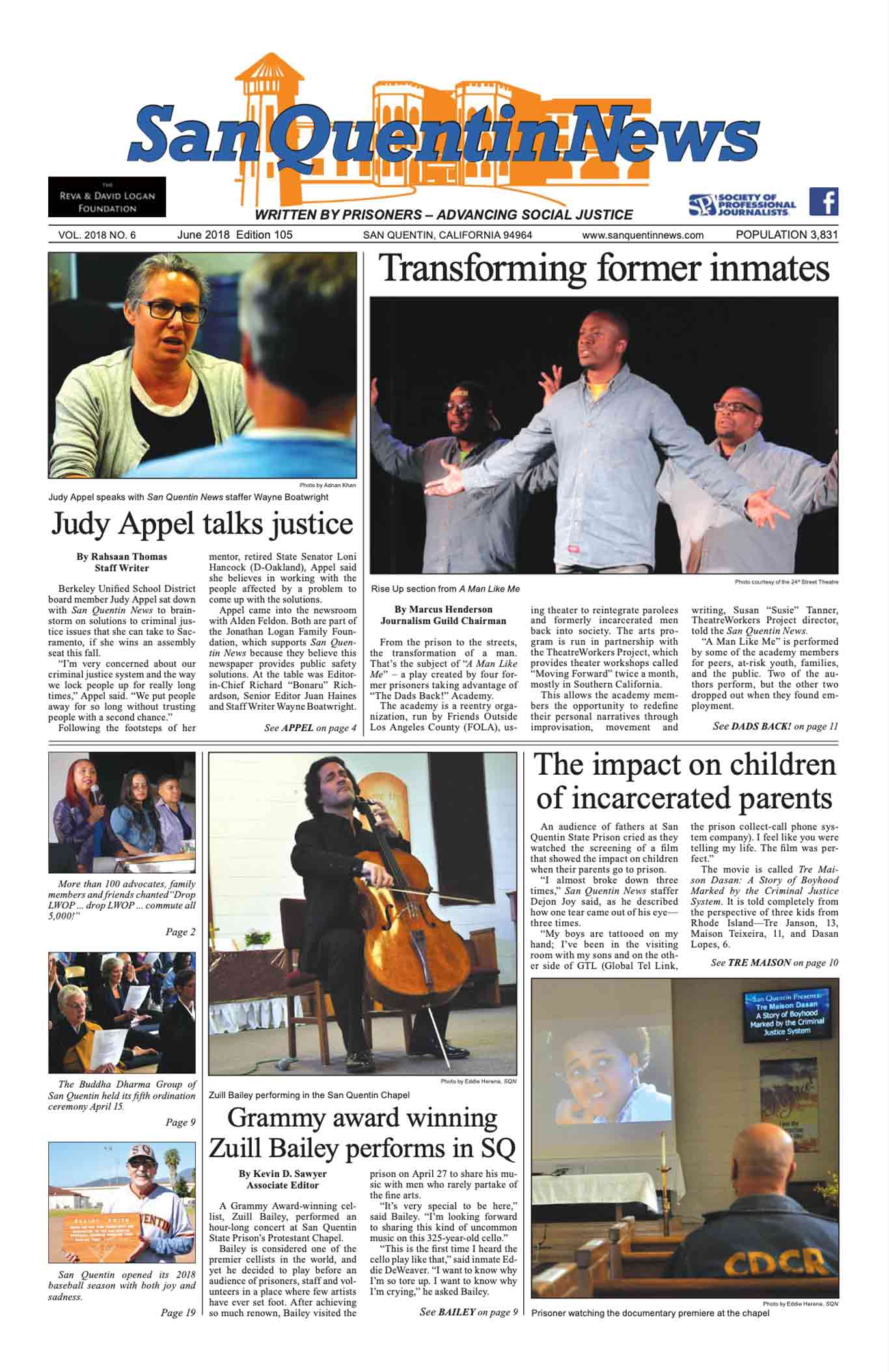
San Quentin News
The San Quentin News, an incarcerated-produced newspaper based at San Quentin State Prison, prints 35,000 newspapers each month. It is supported by foundations and donations, and distributed to more than 30 state prisons and four juvenile facilities.
-
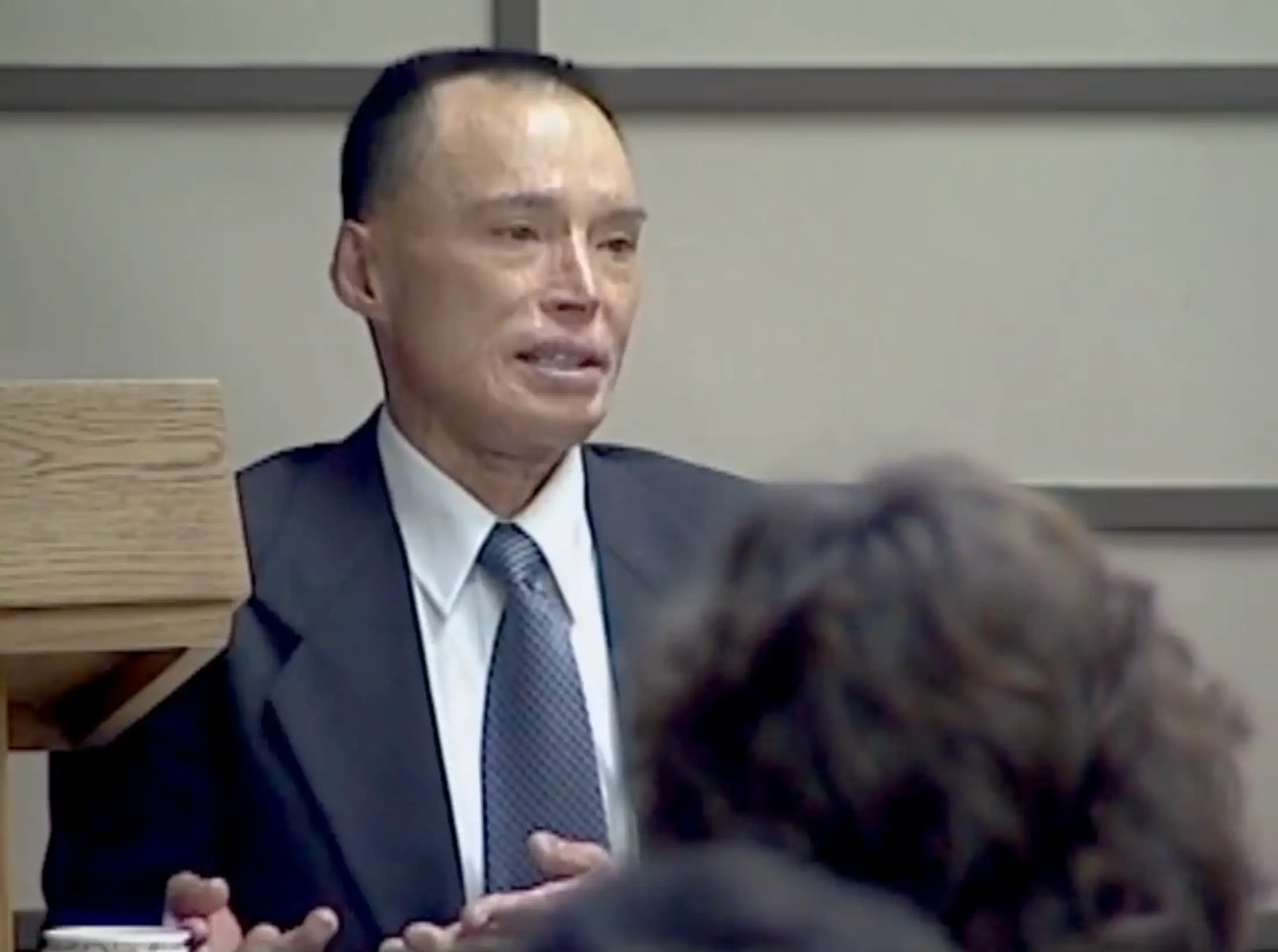
Video
Chol Soo Lee on Post-Release Struggle
In this video clip, Chol Soo Lee speaks passionately about his post-release struggle and urges the community to help support other formerly incarcerated Asian Americans and Pacific Islanders.
-
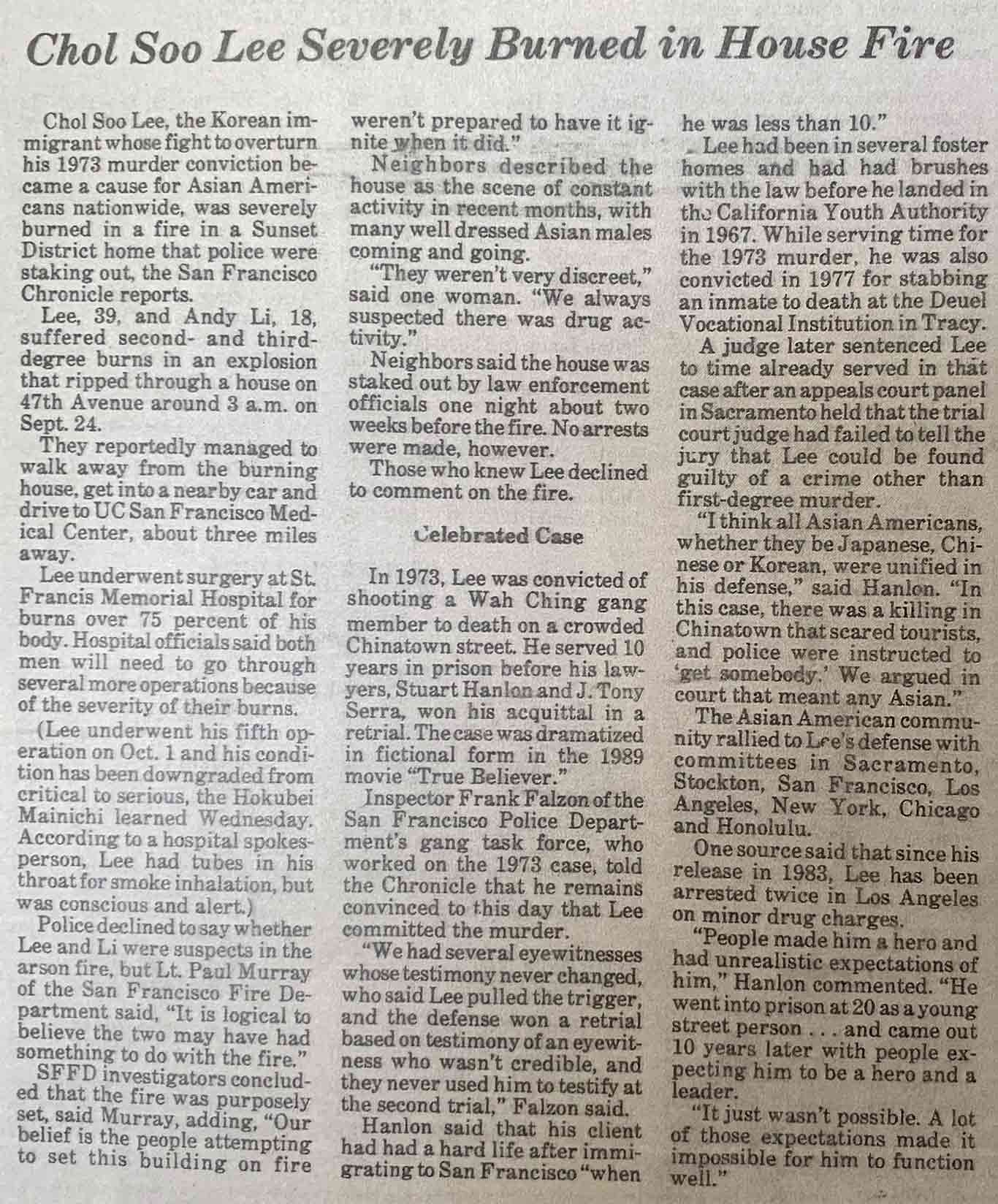
Text
“Chol Soo Lee Severely Burned in House Fire”
A news article in the Japanese American newspaper, the Hokubei Mainichi, reports on the arson that severely injured Chol Soo Lee.
-
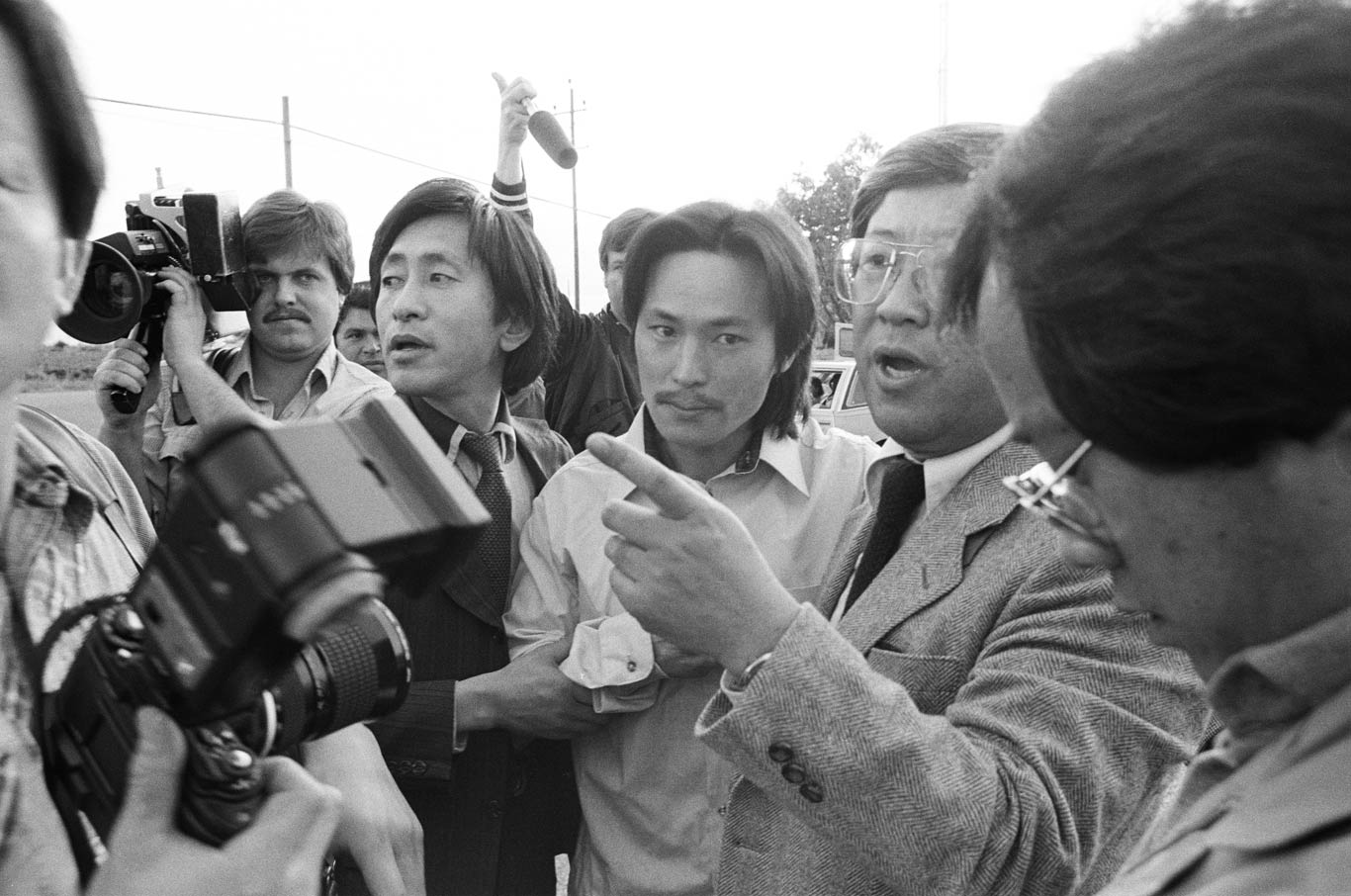
Image
Chol Soo Lee Approached by Media After His Release
Chol Soo Lee, pictured here facing the news media and a crowd of supporters in Stockton, California, confronted many difficulties adjusting to a “normal” life on the outside, after his release from prison in 1983.
-
Image
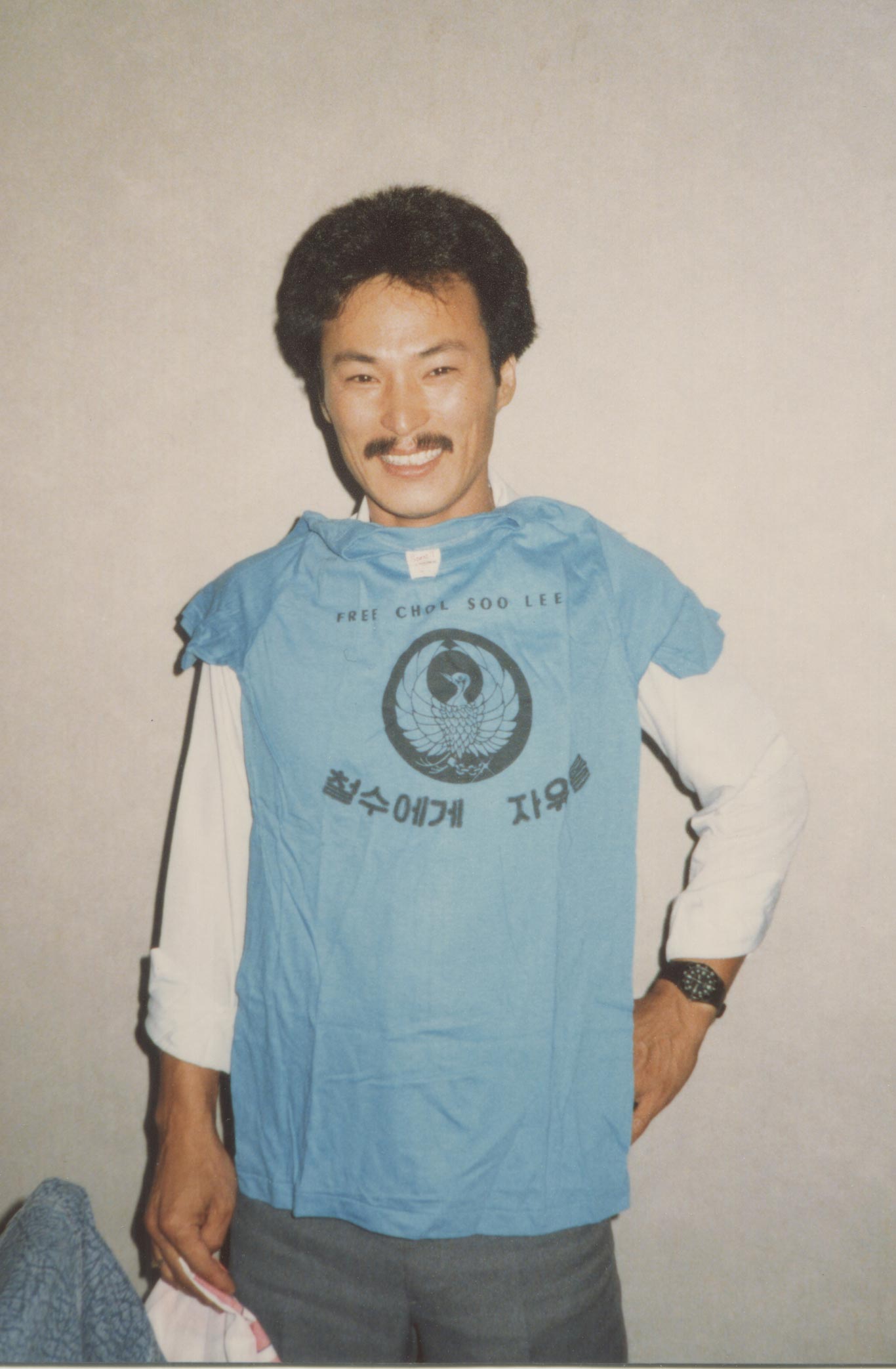
Free Chol Soo Lee Shirt
Chol Soo Lee brandishes a “Free Chol Soo Lee” T-shirt, at a 1986 party with activists in Los Angeles, California.
-
Image
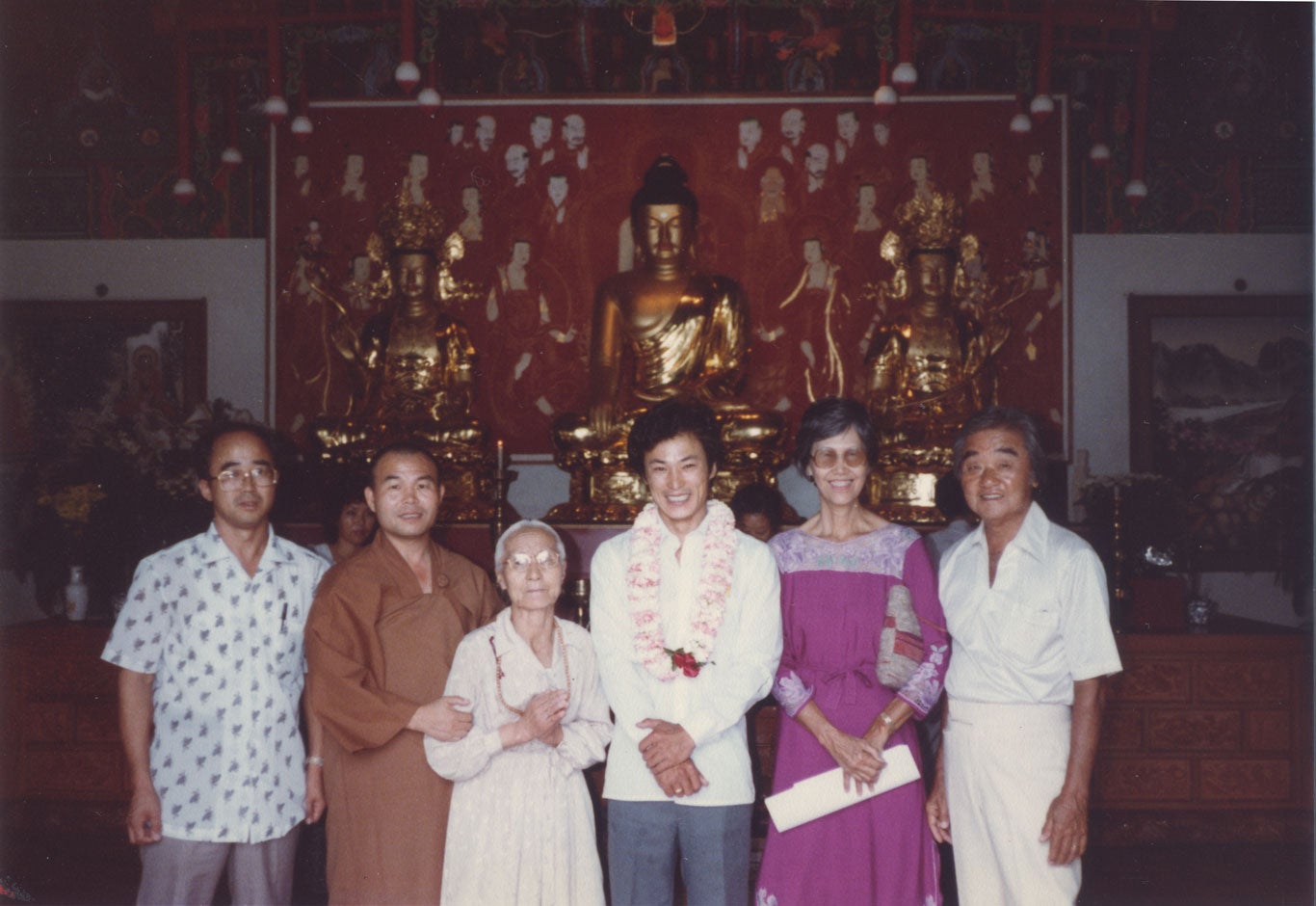
Temple Visit After Release
Chol Soo Lee poses with supporters in Hawaiʻi, 1983.
-
Image
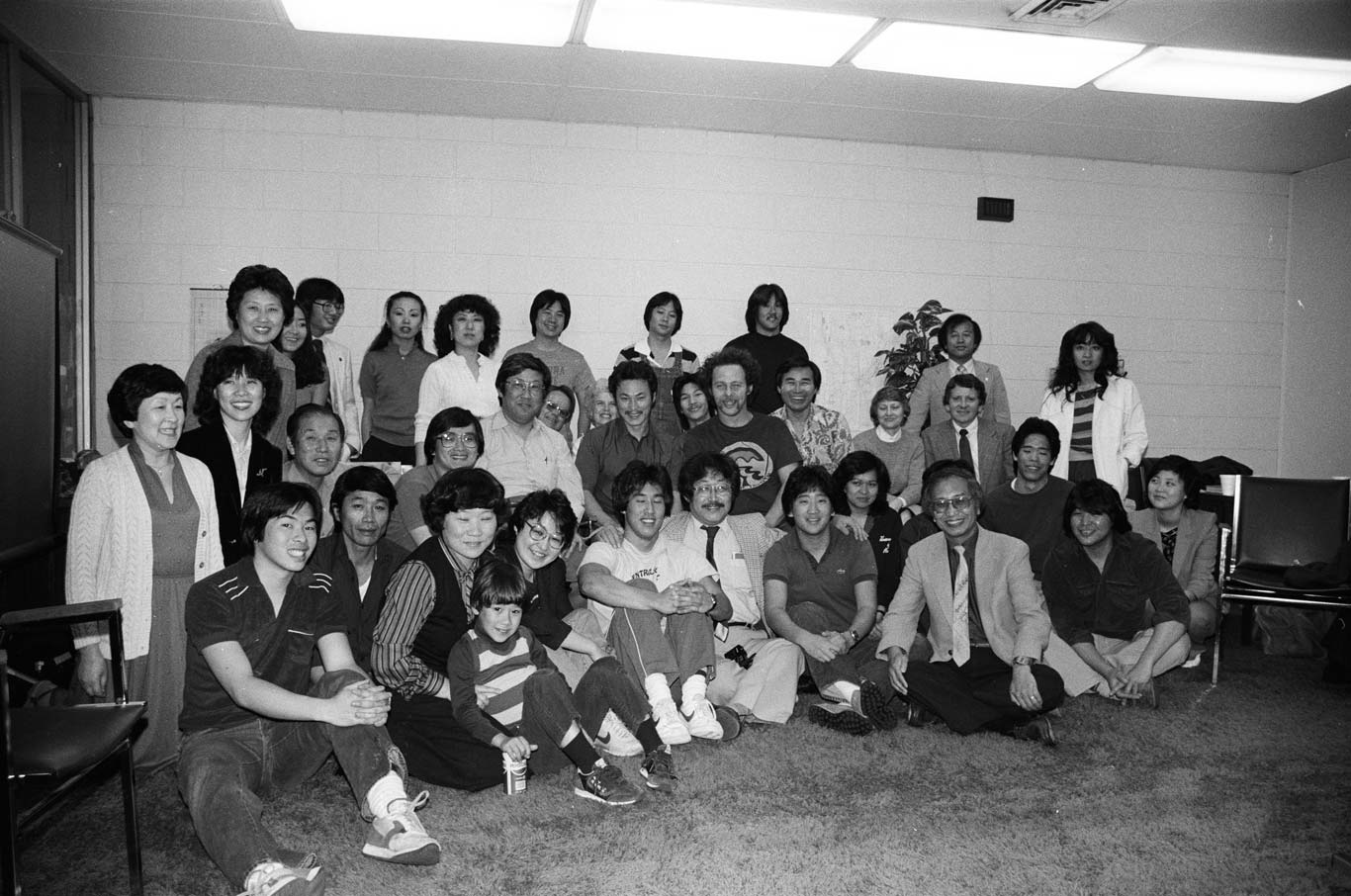
Chol Soo Lee Support Group
Chol Soo Lee, flanked by his supporters, following his release from prison in 1983.
-
Image
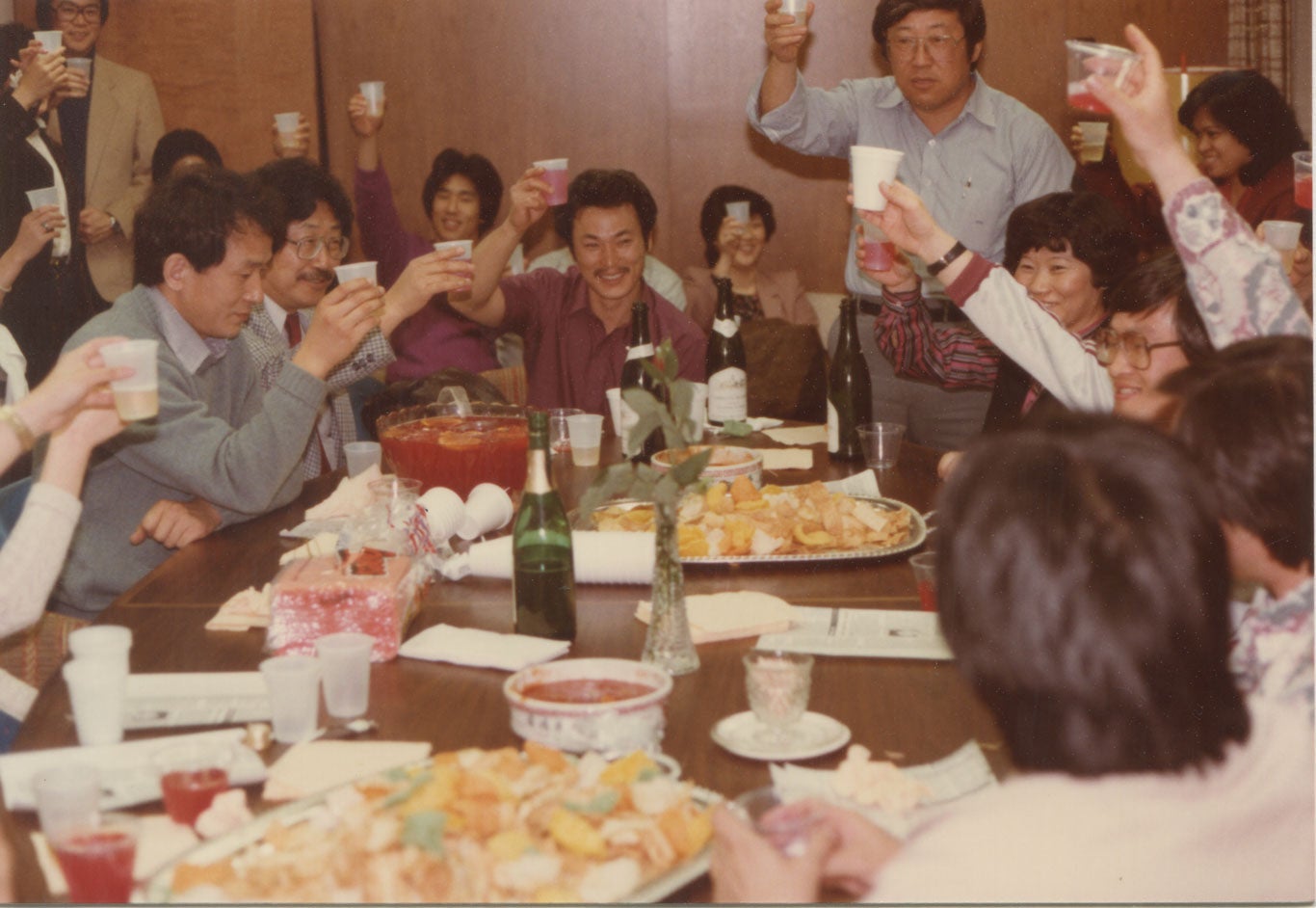
Chol Soo Lee Release Celebration
Chol Soo Lee celebrates his freedom at a party, where he and his supporters also watched the 1983 KCRA news documentary about his case, Perceptions: A Question of Justice, produced by Sandra Gin and Tom Nakashima.