





Module 6: Asian Americans in Sport and Competition, Part 1: Individual and Team Sport
Can pop culture combat racism toward Asian Americans?
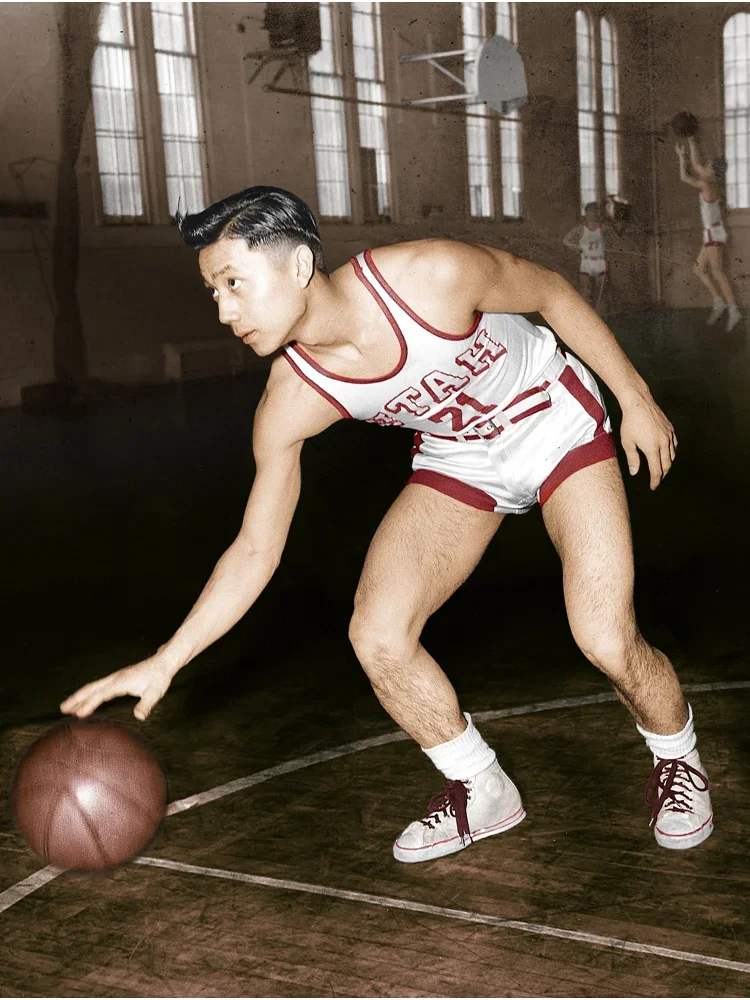
Image 25.06.01 — Wat Misaka, barrier-breaking NBA player, suited up to play for the NCAA champion University of Utah in 1944.
Legal and cultural segregation has excluded many potentially elite nonwhite athletes from the highest level of professional and amateur competition for much of America’s history, particularly in “American” big team sports: football, basketball, and baseball.
Jackie Robinson’s entry into professional baseball was a historically critical moment, and it is recognized as such by contemporary observers. But a similar moment of barrier-crossing that same year—the selection by the New York Knicks of Japanese American point guard Wataru “Wat” Misaka in 1947’s amateur draft, making him the first nonwhite player to debut in pro basketball—has gone largely ignored by historians and media. “It wasn’t a big thing; nobody cared,” said Misaka. Misaka only played in three games before being cut in midseason, reportedly because the Knicks had too many point guards on its roster.
As of 2020, players of Asian descent made up 0.4 percent of the National Basketball Association (NBA), less than 0.1 percent of the Women’s National Basketball Association (WNBA), 0.1 percent of National Football League (NFL) players, and 1.9 percent of Major League Baseball (MLB).
Yet, Asian Americans have continued to play sports and achieve—in community clubs, in the professional leagues, in national and international amateur contests, and often in the face of skepticism from many of those around them, including opponents, teammates, coaches, and even their own friends and family.
This module looks at Asian American representation in organized individual and team sports.
How has sport played a key role in bringing Asian American communities together?
How have team sports become a way for Asian immigrants to feel like they “belong” in American society?
What milestones have we seen in Asian American representation in team sports?
Our Game: Sport and the Community
Sport has played an integral role for Asian Americans as a means to knit together communities, particularly in times of hardship or crisis.
In Hawaiʻi, where 25,000 Japanese immigrants settled, informal baseball competitions were often held among plantation laborers, with white, Filipino, and Portuguese workers all participating with Japanese peers. On the mainland, Japanese Americans were banned from segregated baseball leagues; instead, they created their own—the Nisei League. By traveling to other Japanese diaspora hotspots for head-to-head matches, these teams helped to establish bonds between Japanese American communities across the West Coast.
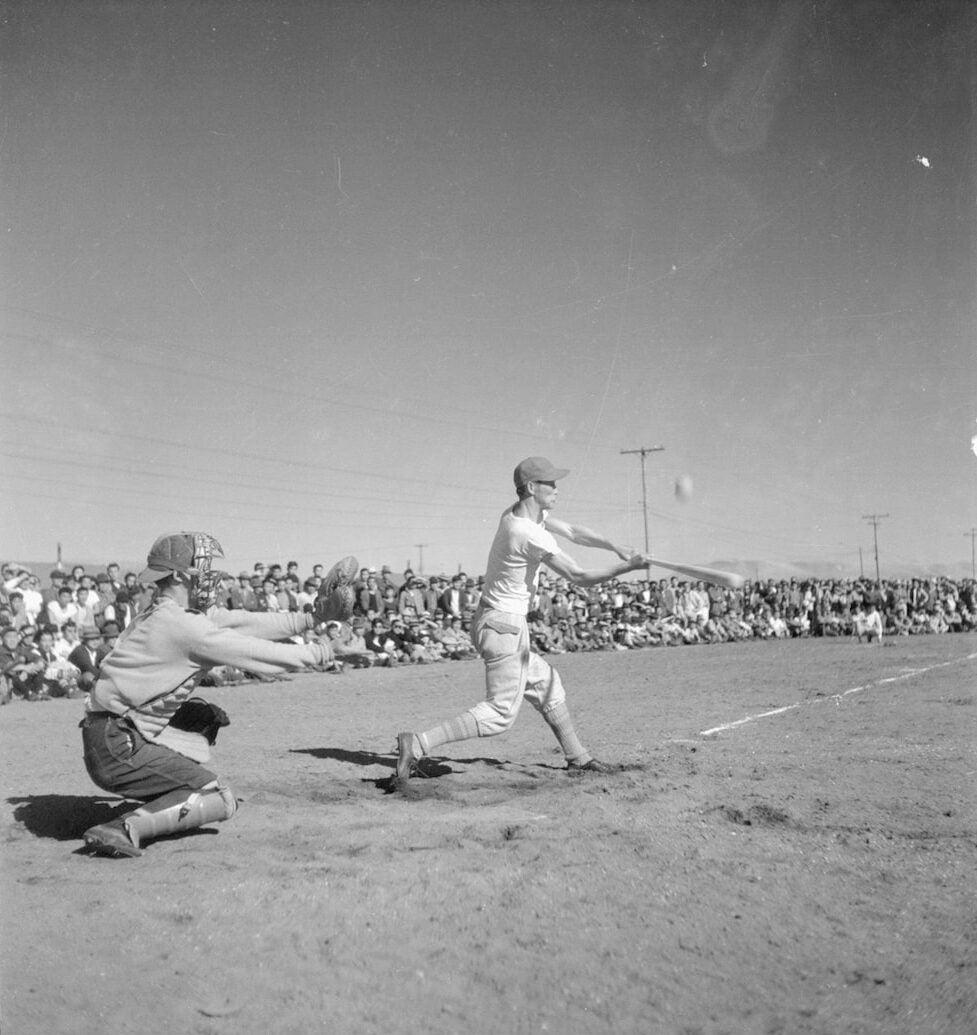
Image 25.06.02 — Japanese Americans incarcerated at Tule Lake compete in the 1944 league baseball season behind barbed wire fences.
Embracing patriotism did not prevent the incarceration of Japanese Americans during World War II for suspected disloyalty. However, the tradition of baseball continued even behind the barbed wire of the camps. George Omachi, a second-generation Japanese American incarcerated with his family at the Jerome camp in Denton, Arkansas, and who later became a Major League Baseball scout, helped to organize and played in the Jerome baseball league, one of seven leagues in different camps, some of which were allowed to travel to play one another in inter-camp championship games.
Basketball rose in popularity in the early 1900s and quickly took root among Japanese American communities. Since then, “J-League” basketball has continued to be a multigenerational unifying force. J-League players have gone on to play Division I college and pro basketball: Natalie Nakase, who started out in J-League ball, went on to play for the University of California, Los Angeles, and is now the first Asian American head coach of a WNBA team, the Golden State Valkyries. Rex Walters, also a veteran of J-League play, was a star player for University of Kansas and was drafted upon graduation by the New Jersey Nets, eventually playing ten seasons with different NBA teams. He is now an assistant coach with the Charlotte Hornets.
Other Asian immigrant communities created “ethnic” sports leagues as well, including leagues for more idiosyncratic sports like ping pong, badminton, and, most notably volleyball, which took deep root among Chinese American immigrants in the 1930s. They developed their own unique form of the sport called “9-man,” featuring three more players than the traditional game, a larger court, a lower net, and a set of unique rules that made play faster and allowed for more specialization by role. The sport, which thrives in Chinatowns across North America to this day, brings together thousands of players at the annual North American Chinese Invitational Volleyball Tournament, held on Labor Day weekend each year.
Fans, Manias, and Big League Heroes: Asian Americans in Professional Sports
The sense that a sport, a team, or an athlete is “one’s own” is a central aspect of fandom, in which a parasocial relationship (a one-sided, imagined connection) develops between the fan and the “fan object”—creating a sense of resonance that makes fans experience the victories and defeats of the fan object as if they are personal ones.
That parasocial relationship is easier to form when there’s a common identity between fan and fan object. When these parasocial bonds are felt across an entire community, the result can be a transformative moment—a stretch of time where it feels like everyone in one’s social network is focused on rooting for the same team or the same player. In 1995, the signing of heralded Japanese player Hideo Nomo to the Los Angeles Dodgers led to a global fan hysteria across Japanese diasporic communities that was dubbed “Nomomania.”
A similar frenzy followed Dodgers pitcher Chan Ho Park among those of the Korean diaspora. Both of these “manias” have now been dwarfed by the overwhelming fan reaction to the Dodgers’ once-in-a-generation player Shohei Ohtani, whose ability to pitch and hit at elite levels have made him the most popular baseball player on earth.
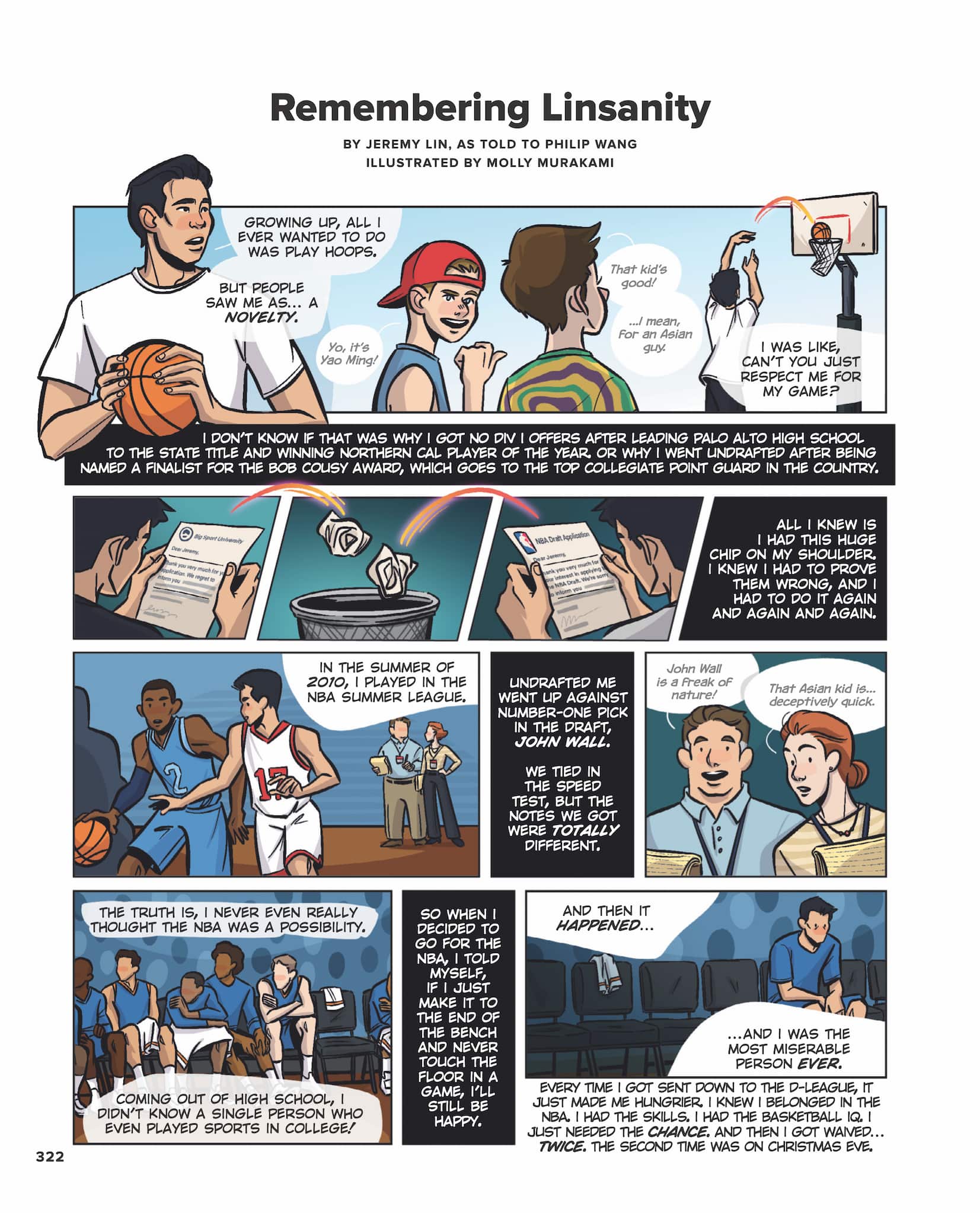
Image 25.06.03a — Page 1 of “REMEMBERING LINSANITY ” from the book RISE: A Pop History of Asian America from the Nineties to Now, by Jeff Yang, Phil Yu, and Philip Wang. Comic by Jeremy Lin, as told to Philip Wang; art by Molly Murakami.
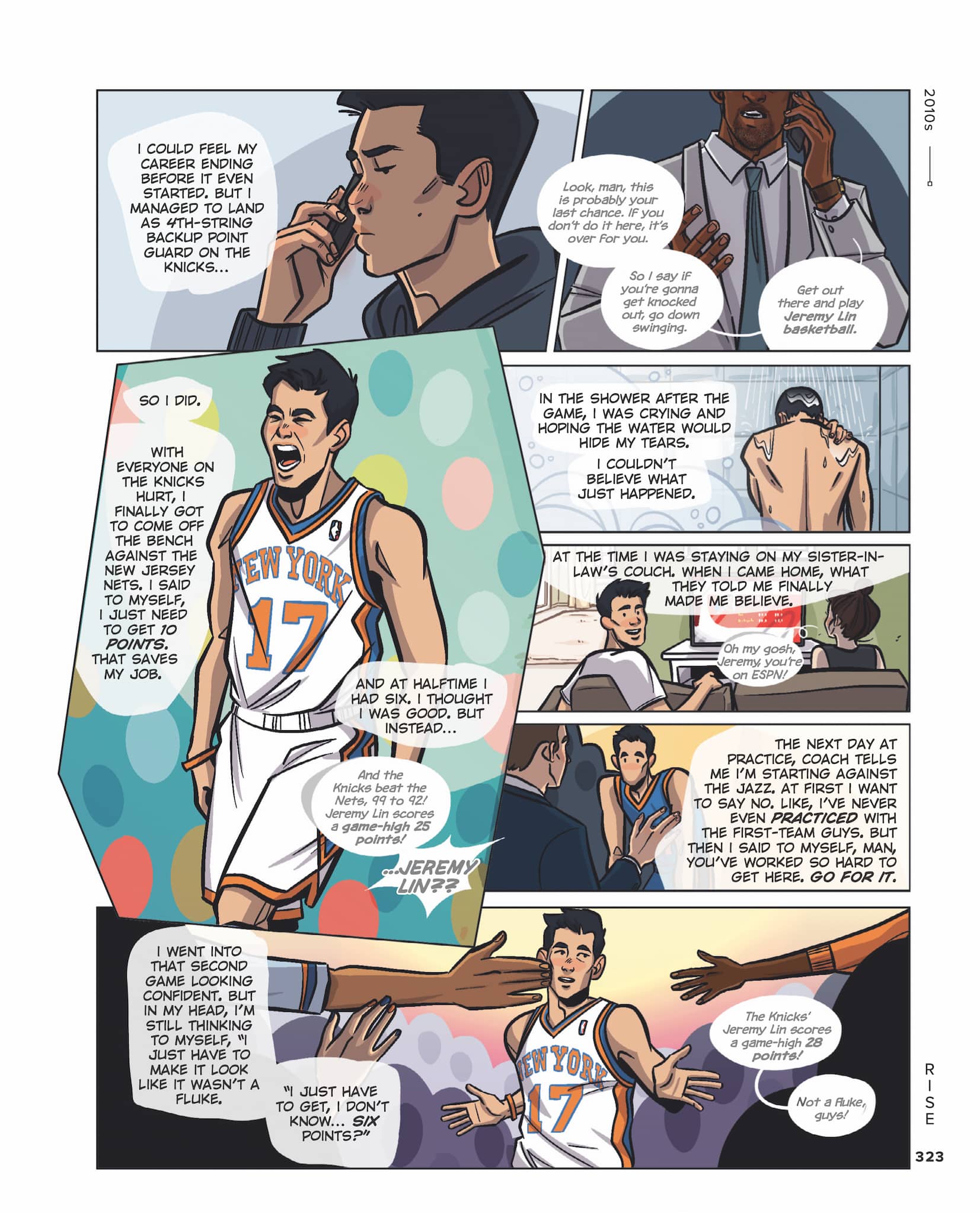
Image 25.06.03b — Page 2 of “REMEMBERING LINSANITY” from the book RISE: A Pop History of Asian America from the Nineties to Now, by Jeff Yang, Phil Yu, and Philip Wang. Comic by Jeremy Lin, as told to Philip Wang; art by Molly Murakami.
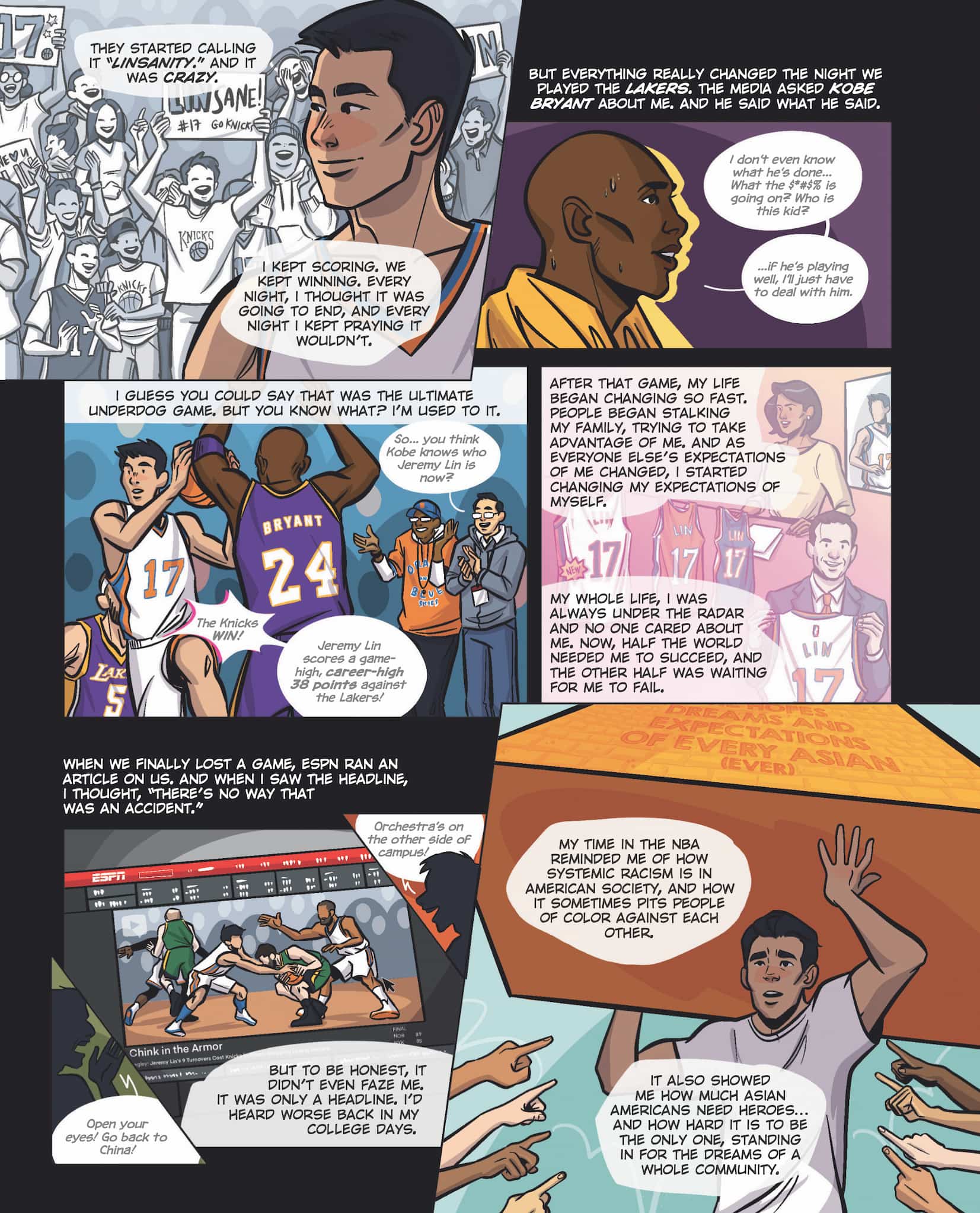
Image 25.06.03c — Page 3 of “REMEMBERING LINSANITY” from the book RISE: A Pop History of Asian America from the Nineties to Now, by Jeff Yang, Phil Yu, and Philip Wang. Comic by Jeremy Lin, as told to Philip Wang; art by Molly Murakami.
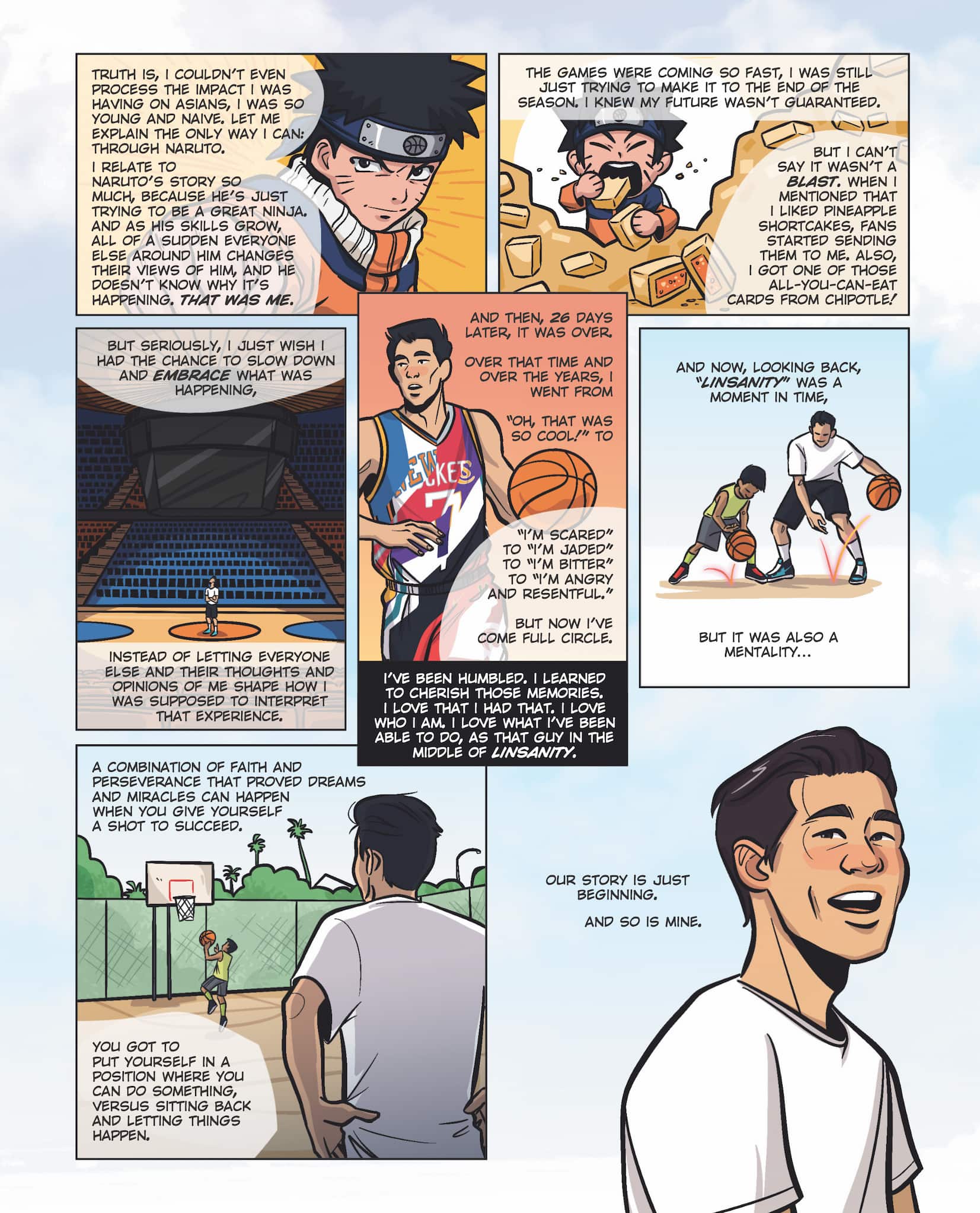
Image 25.06.03d — Page 4 of “REMEMBERING LINSANITY” from the book RISE: A Pop History of Asian America from the Nineties to Now, by Jeff Yang, Phil Yu, and Philip Wang. Comic by Jeremy Lin, as told to Philip Wang; art by Molly Murakami.




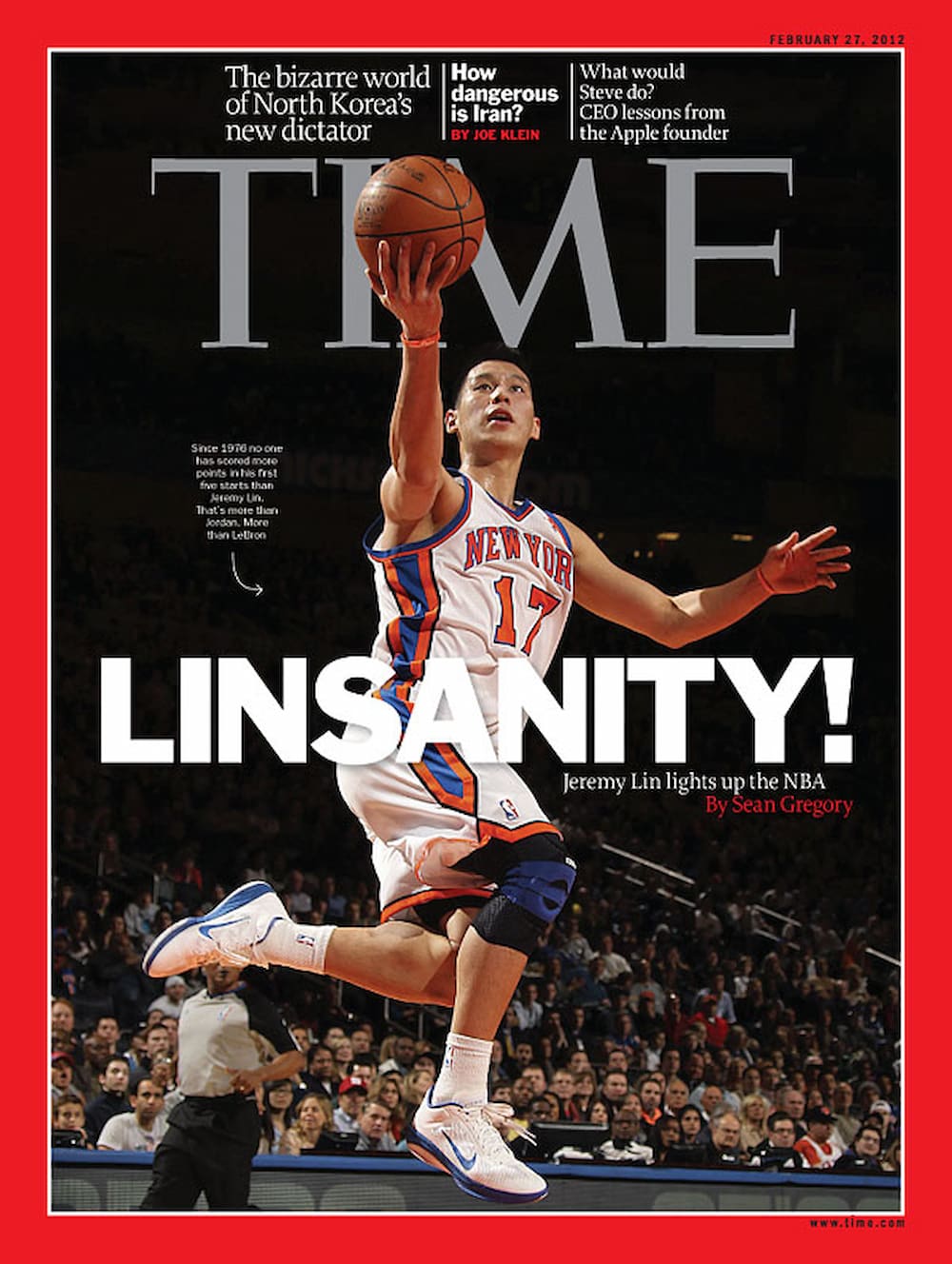
For Asian Americans, however, no “mania” has quite compared to the phenomenon that the media dubbed Linsanity, a month in which an unheralded, undrafted bench player for the New York Knicks was catapulted from anonymity to superstardom.
“Linsanity”
Jeremy Lin, born the son of Taiwanese immigrants and raised in the San Francisco Bay Area, led his high school team, Palo Alto High School, to the state’s Division II title. He graduated from Harvard University having set records that to this day still haven’t been broken, but he went unselected in the 2010 NBA Draft. Eventually, in 2012, given a real chance to play by the decimated-by-injury New York Knicks, Lin excelled, lifting the beaten-up team on his back and leading them on an incredible winning streak—even outplaying and outscoring Hall of Famer Kobe Bryant in a 92-85 victory over the Los Angeles Lakers.
The media dubbed Lin’s extraordinary performance “Linsanity.” Lin was everywhere—the subject of late-night monologues, gossip column musings, the front covers of magazines, and the headlines of newspapers. For Asians not just in the United States but around the world, Lin was the sports hero they’d been waiting for—an underdog who came out of nowhere to become one of the best players in his sport through hard work and gutsy play. (Plus, he was a Harvard graduate!)
But the experience wasn’t all positive for Lin: He was also the target of slurs and mockery, much of it tied to his race, both on the court and in the media. And then, nearly as soon as it started, Linsanity was over. In March 2012, he experienced a knee injury that required season-ending surgery.
Nevertheless, his career transformed the NBA and the Asian American community. During Lin’s run, Asian Americans of all ages, from toddlers to grandmothers, suddenly became basketball fans. Chinatown restaurants across the nation held jam-packed watch parties. And hundreds of thousands of fans bought Jeremy Lin merchandise, making his jersey the NBA’s top-selling item, even above jerseys for icons like LeBron James and Kobe Bryant.

Image 25.06.04 — In 2012, Taiwanese American basketball player Jeremy Lin, an unheralded, undrafted bench player for the New York Knicks, was catapulted from anonymity to superstardom while fueling an exhilarating cultural moment dubbed “Linsanity.”
Asian Americans in Team Sports
Other key Asian American figures in professional team sports include baseball player Corbin Carroll, whose mother is Taiwanese. Carroll was National League Rookie of the Year and an All-Star outfielder in his first full year in the Majors in 2023, helping to lead the Arizona Diamondbacks to the National League pennant.
Another is Steven Kwan, the son of a Chinese American father and Japanese American mother, who made his debut in 2022 and quickly established himself as one of baseball’s fastest rising stars. That year, Kwan was a finalist for American League Rookie of the Year and winner of the first of three consecutive Gold Gloves for his outfield defense.
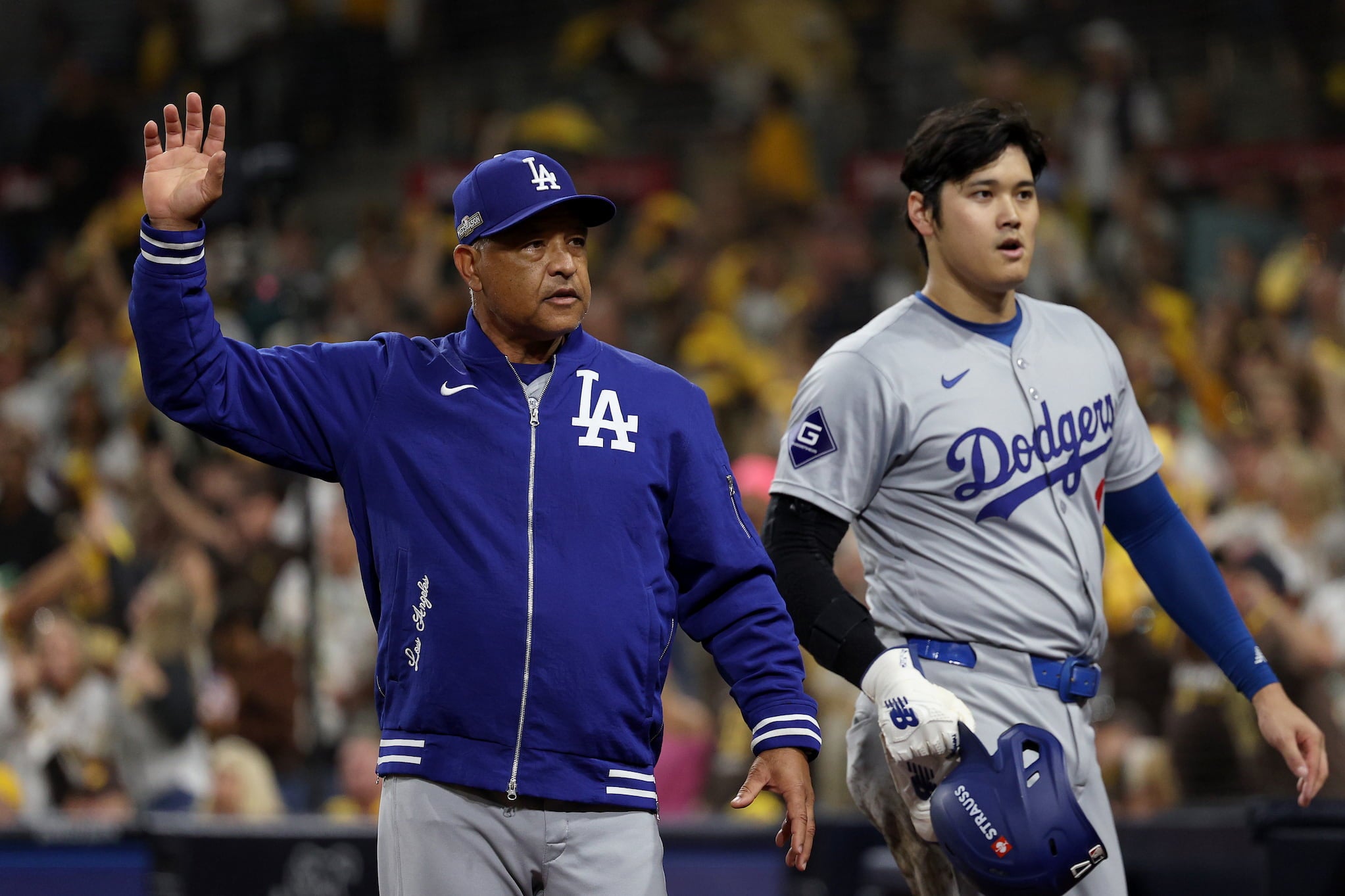
Image 25.06.05 — Dave Roberts (left), who is Black and Japanese American and Major League Baseball’s only Asian American manager, with Japan’s Shohei Ohtani (right), whose ability to pitch and hit at elite levels have made him the most popular baseball player on earth.
In addition to having some of the top Asian players in baseball, the Los Angeles Dodgers also boast MLB’s only current Asian American manager in Dave Roberts, who is Black and Japanese American and who was born in Okinawa, Japan. A former outfielder with a solid career with the Dodgers and other teams, Roberts was named the team’s manager in 2015 and has brought the team to the postseason every year since, including three World Series, two of which the Dodgers won.
Other Asian Americans who have had breakout success in organized team sports include Jordan Clarkson, a Black and Filipino American shooting guard who in 2015 joined Jeremy Lin as members of the first and only Asian American starting backcourt in NBA history, when both played for the Los Angeles Lakers. Clarkson was selected to the NBA All-Rookie First Team that season, and he now plays for the Utah Jazz, winning Sixth Man of the Year in 2021.
Filipino American Erik Spoelstra became the first Asian American head coach in the history of the “big four” North American team sports in 2008, when he was promoted to head coach of the Miami Heat. Since his elevation to head coach, the Heat have made six NBA Finals, and they won back-to-back championships in 2012 and 2013.
Filipino American Roman Gabriel was the first Asian American to be drafted as an NFL quarterback, as the second overall pick in 1962. He played for the Los Angeles Rams for eleven seasons, winning the MVP award in 1969, and then five more years for the Philadelphia Eagles.
Hines Ward, born in South Korea to a Korean mother and an African American father, was drafted as a wide receiver in 1998 by the Pittsburgh Steelers. Ward played with the Steelers for thirteen years, becoming the team’s all-time leader in receptions, yardage as a receiver, and receiving touchdowns. A two-time Super Bowl champion, Ward was named MVP of Super Bowl XL.
Vietnamese American Dat Nguyen was an All-American linebacker at Texas A&M before being drafted by the Dallas Cowboys in 1999, becoming the first Vietnamese American to play in the NFL. He would go on to lead the team in tackles three times, and he was selected second team All-Pro in 2003.
Reflection Questions
How do stereotypes play a role in shaping competitive sport?
Why does representation in organized team sports matter for Asian Americans?
How might the lack of visible top athletes in some sports impact the way that young Asian Americans are seen and treated as they grow up?
Glossary terms in this module
diaspora Where it’s used
The broader network of people who have migrated from a particular region to other places in the world. Members of the diaspora can frequently serve as a cultural bridge between their overseas communities and their ancestral nations, acting as a vital mechanism for the global transmission of ideas, interests, fashions, and trends.