





Bruce Lee, a Hong Kong-born American martial artist and actor, poses shirtless in fighting stance with arms raised in front of his chest.
Module 2: Asian Americans and the Moving Image, Part 1: Film and Television
Can pop culture combat racism toward Asian Americans?
By virtue of its overall reach, visual mass media—movies, television, and internet content—offers a powerful sense of accessibility, immediacy, and multisensory immersion that draws people in and shapes their opinions, attitudes, and worldviews.
Visual mass media has:
- Provided the first ways for people on opposite sides of the globe to remotely experience one another’s cultures and lifestyles with their own eyes
- Enabled audiences in the West to see Asia at a time when international travel was out of reach for all but the wealthiest classes
- Showcased the glamor, convenience, and abundance of America to audiences in Asia, inspiring the desire to immigrate to the United States in pursuit of the “American Dream”
But, importantly, video is framed, curated, cut, and edited. In these and other ways, what we see on screen reflects the bias of creators, censorship by studios and government entities, the influence of prevailing cultural attitudes, and the need to make money. For decades, these forces relegated Asian performers to Hollywood’s margins in supporting roles as servants and henchmen, as seductive temptresses or self-sacrificing martyrs, as diabolical villains, brutal thugs, or comical buffoons. Any available Asian leading roles were often given to white actors in “yellowface” and “brownface” makeup.
Still, from the motion picture industry’s earliest days, pioneering Asian American storytellers and performers have contributed successfully in front of and behind the camera.
This module explores Asian American milestones and notable achievers in film and television. Specifically, it highlights the early years of Asian Americans appearing in “moving images.” It also provides a general overview of Asian Americans appearing on US television programs to the present.
Why have film and television been such powerful forces for shaping attitudes toward Asian Americans?
How has the image of Asians in film and television changed over time?
What progress have we seen in how Asians are portrayed on screen?
In the Beginning: Asian Americans in the Early Days of the Moving Image
At the beginning of the motion picture industry, some of the biggest stars in the world were Asian American. During the silent film era, Japanese-born actor Sessue Hayakawa was hugely popular among female moviegoers. They swooned over his looks and sensuous portrayal of characters who were mostly evil seducers or manipulative predators. Those villainous roles were all Hayakawa was offered.
Asian American women also found themselves excluded from lead roles. The most notable Asian actress of this era, Chinese American Anna May Wong, debuted as the self-sacrificing Chinese lover of a white American naval officer in The Toll of the Sea (1922). Although her leading lady debut was praised by critics, it didn’t make her a star. Wong next appeared in a small but seductive role as a conniving servant girl in Douglas Fairbank’s The Thief of Bagdad (1924), and audiences raved over her exotic beauty. From then on, most of her subsequent roles framed her as a manipulative “dragon lady.”
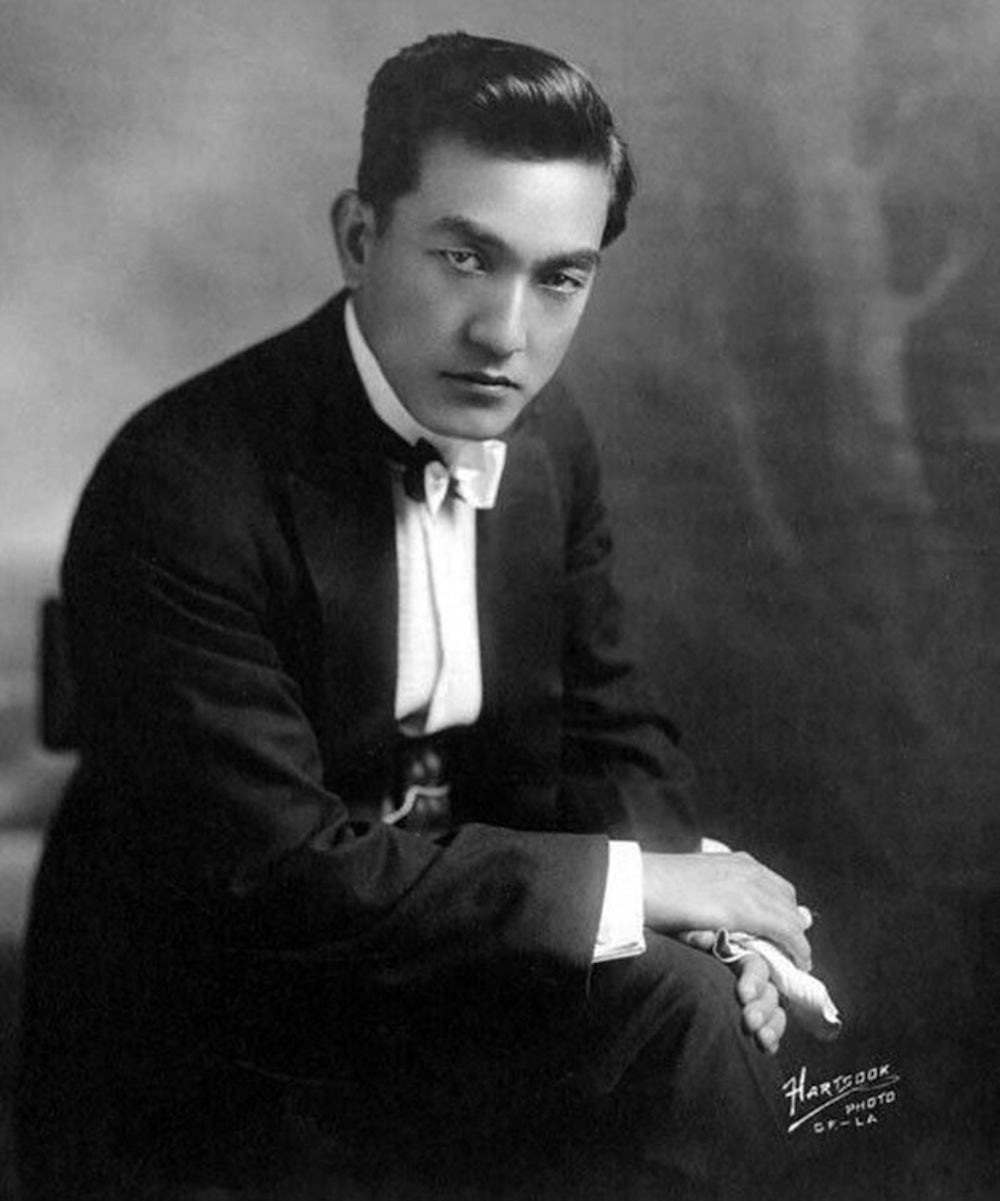
Image 25.02.01a — Sessue Hayakawa, the Japanese-born actor who became one of Hollywood’s most in-demand screen icons during the silent film era, despite spending much of his career playing villainous or disreputable characters.
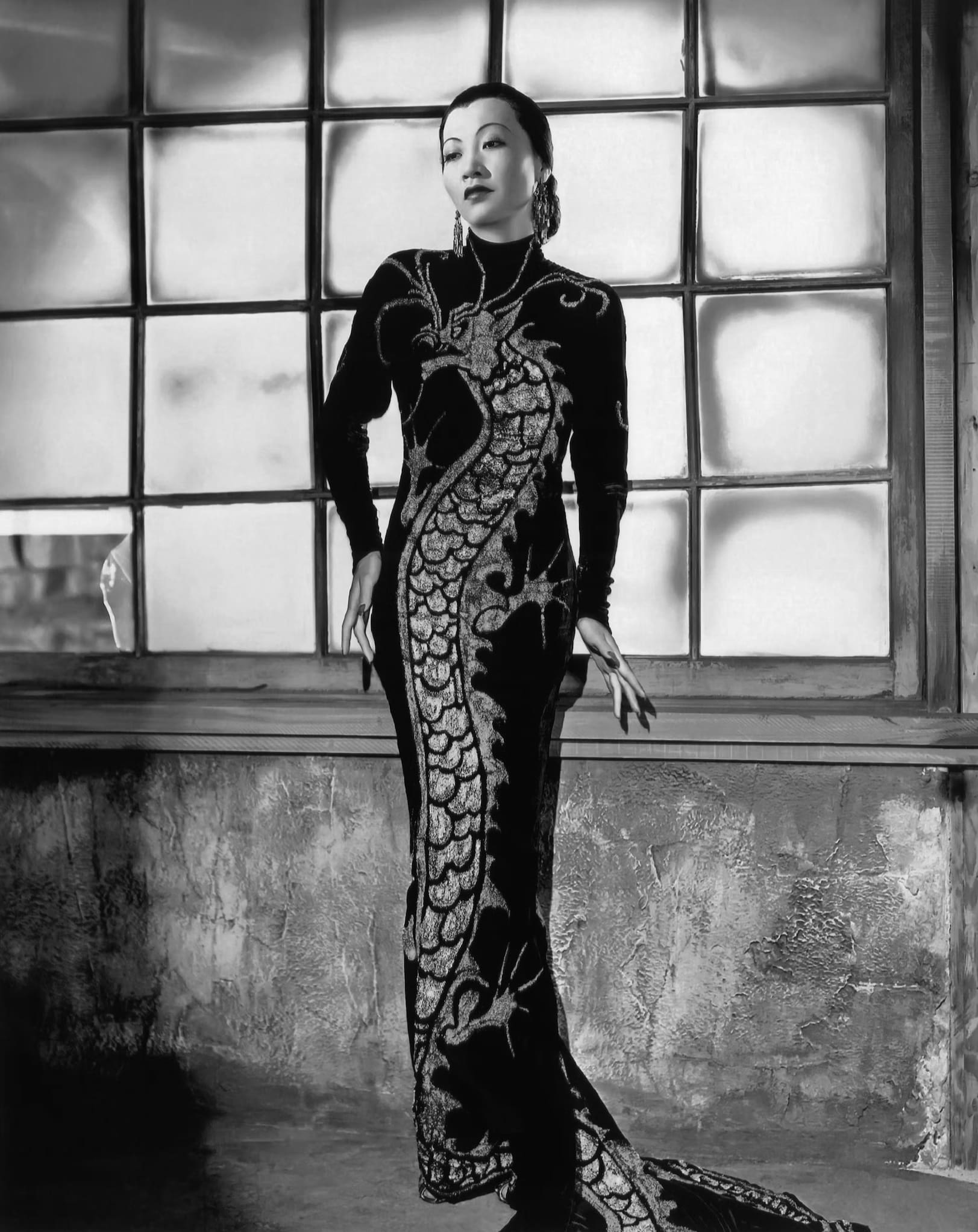
Image 25.02.01b — Actress Anna May Wong is regarded as the first Chinese American Hollywood film star. Her frustration with being pigeonholed into “dragon lady” roles that cast a negative light on Asians led her to move to Europe in the late 1920s.


For Hayakawa and Wong, the solution was to create their own projects. Hayakawa launched his own movie studio, producing films like The Dragon Painter (1919), possibly the first American-made romantic drama to feature two Asian leads—Hayakawa and his real-life wife Tsuru Aoki. By the 1930s, Wong’s star had risen to the point where she was able to demand studio backing for Daughter of Shanghai (1937).
In the film, Wong played a woman trying to find her father’s murderer, alongside an FBI agent and love interest played by her childhood friend, actor Philip Ahn. Ahn was one of the first Korean American actors to make a career of acting in the film and television industry. However, he mostly played Chinese or Japanese characters; this kind of ethnic blurring was common in Hollywood and reflected (and likely contributed to) the perception that it was impossible to tell different Asians apart.
Other stars hid their heritage to avoid being pushed into career-limiting ethnic roles. Bombay-born Merle Oberon, whose mother was of Sri Lankan and Maori descent, lightened her skin with bleaching agents and passed as white until her death so she could play romantic lead roles that would have otherwise been denied to her due to Hollywood’s ban on depicting interracial relationships. Her career thrived—she even received an Oscar nomination for her role in 1936’s The Dark Angel.
Directors and Filmmakers
Asian Americans were also active behind the camera. One of the earliest known movies by an Asian American woman was Marion Wong’s The Curse Of Quon Gwon (1916). As a student working at her family’s Chinese restaurant, Wong was inspired after watching a nearby Charlie Chaplin film shoot to make her own movie, which she wrote, directed, and acted in. A few decades later, the Grandview Film Company gave young female director Esther Eng the chance to make a movie in the United States, Golden Gate Girl (1941); the film is notable for a scene in which an infant Bruce Lee makes his debut on-screen appearance.
Perhaps the most celebrated Asian film talent of this early era was James Wong Howe, who was the premier cinematographer of his day. An early innovator who established many of the industry’s standard camera techniques, he would go on to shoot over 120 films and win two Academy Awards for The Rose Tattoo (1955) and Hud (1963).
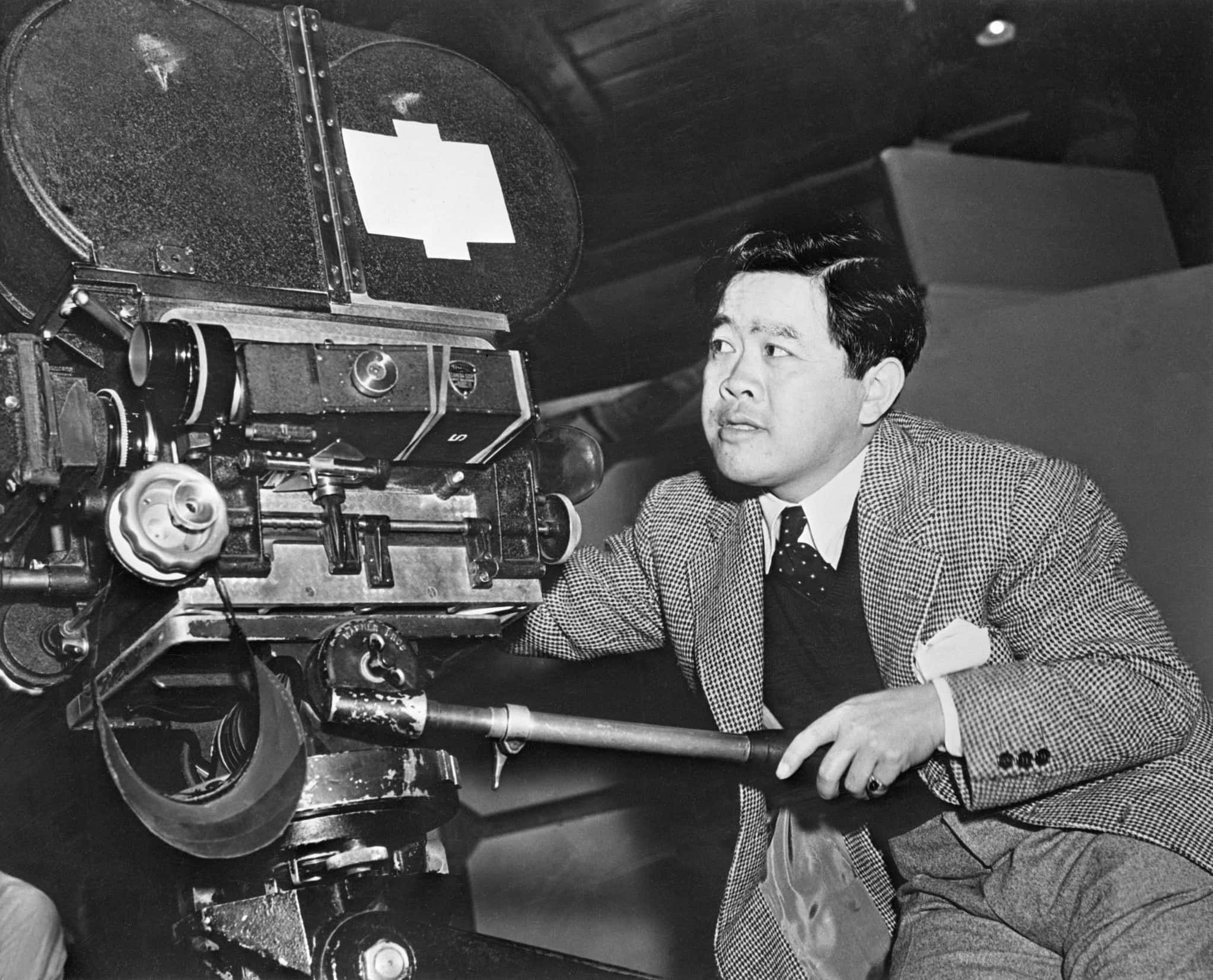
Image 25.02.02 — James Wong Howe, the premier cinematographer of the 1930s and 1940s, was known for his innovative camera techniques. He shot over 120 films, was nominated for ten Academy Awards, and won for The Rose Tattoo (1955) and Hud (1963).
From the Shadows to the Spotlight: Asians in the Movies
With the arrival of World War II and the Korean and Vietnam wars in the decades that followed, the motion picture industry began churning out war movies—some of them, like Little Tokyo USA (1942) and the Frank Capra-directed propaganda series Why We Fight (1942–1945). These served as works of propaganda designed to encourage fear and hatred of both Imperial Japan and Japanese Americans, who were incarcerated in camps by executive order in February 1942.
Although the genre generally employed Asian actors to play nefarious enemy officers and disposable cannon fodder, some exceptions existed. In 1951, MGM released Go For Broke!, which documented the heroism of the all-Japanese American 442nd Regimental Combat Team. The cast featured six actual Japanese American veterans of the 442nd, including Lane Nakano, who would go on to have an extensive acting career. That same year saw the release of the Sam Fuller-directed The Steel Helmet, a Korean War movie that includes a heroic Japanese American soldier played by Richard Loo.
Fuller, a director deeply invested in social commentary, would helm another 1950s film notable for shattering Asian stereotypes: noir thriller The Crimson Kimono (1959), mentioned earlier in this chapter.
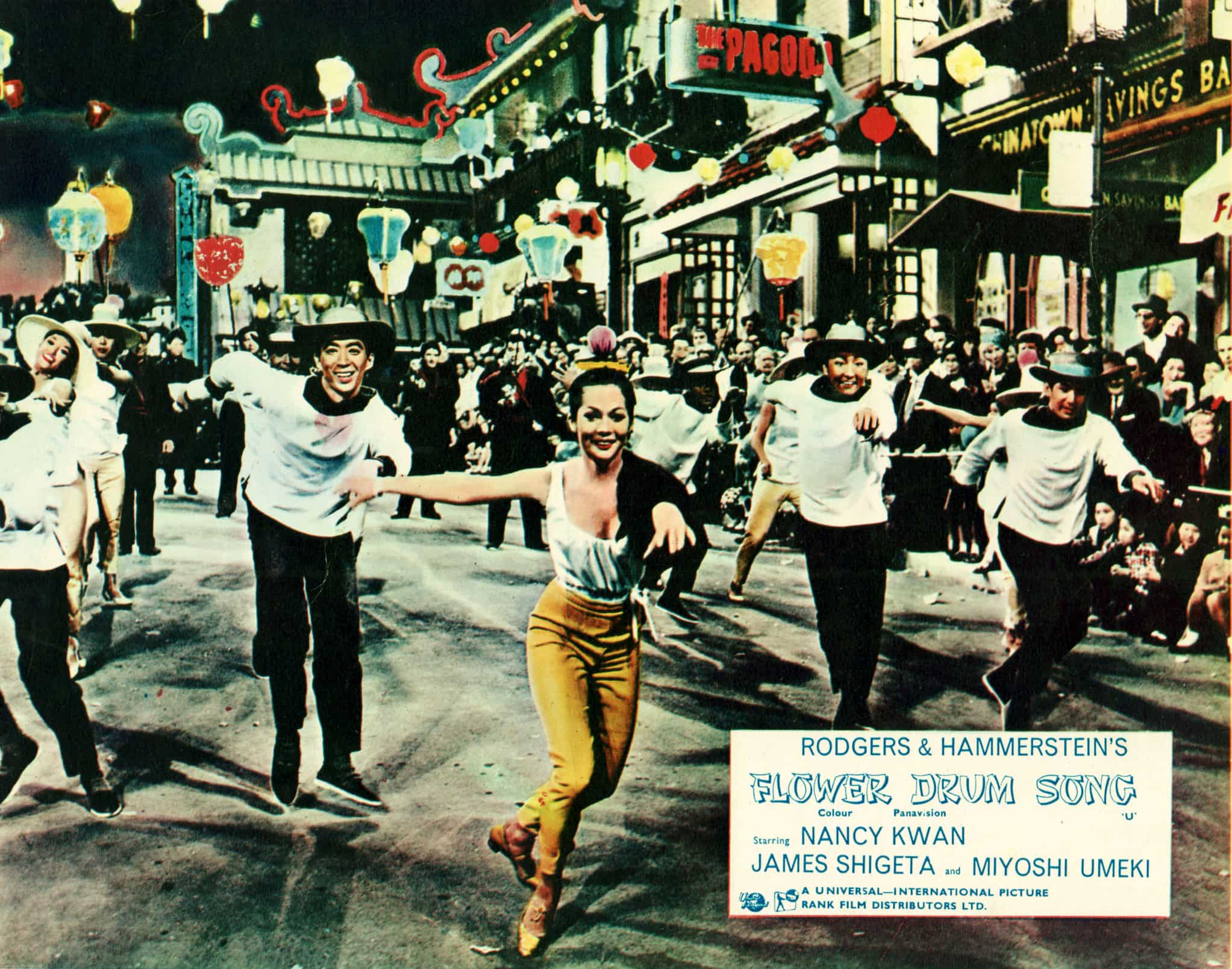
Image 25.02.03 — A still from the movie adaptation of Rodgers and Hammerstein’s musical, Flower Drum Song (1961). For many, the film was the first time they saw Asian Americans singing, dancing, and taking the spotlight.
The film established James Shigeta as a leading man. This success led to his casting as the male romantic lead opposite Academy Award winner Miyoshi Umeki and Nancy Kwan in the movie adaptation of the Broadway musical Flower Drum Song (1961), the first Hollywood studio movie to feature a majority Asian American cast. Flower Drum Song featured singing, wisecracking, dancing, and romancing Asian Americans, all speaking fluent and unaccented English.
But these were exceptions, not the rule. Few Asian Americans were given opportunities to play major roles, much less leading ones, in this era. The practice of yellowface—casting white actors wearing makeup and prosthetics—to play Asian characters was one major obstacle. Though Anna May Wong actively campaigned for the female lead in the big-budget melodrama The Good Earth (1937), set in China and focused on a Chinese woman’s efforts to preserve her family in the face of numerous trials, the studio refused. They cast German American actress Luise Rainer to play the role in yellowface instead; Rainer later won a Best Actress Oscar for her performance.
The Dragon: Bruce Lee
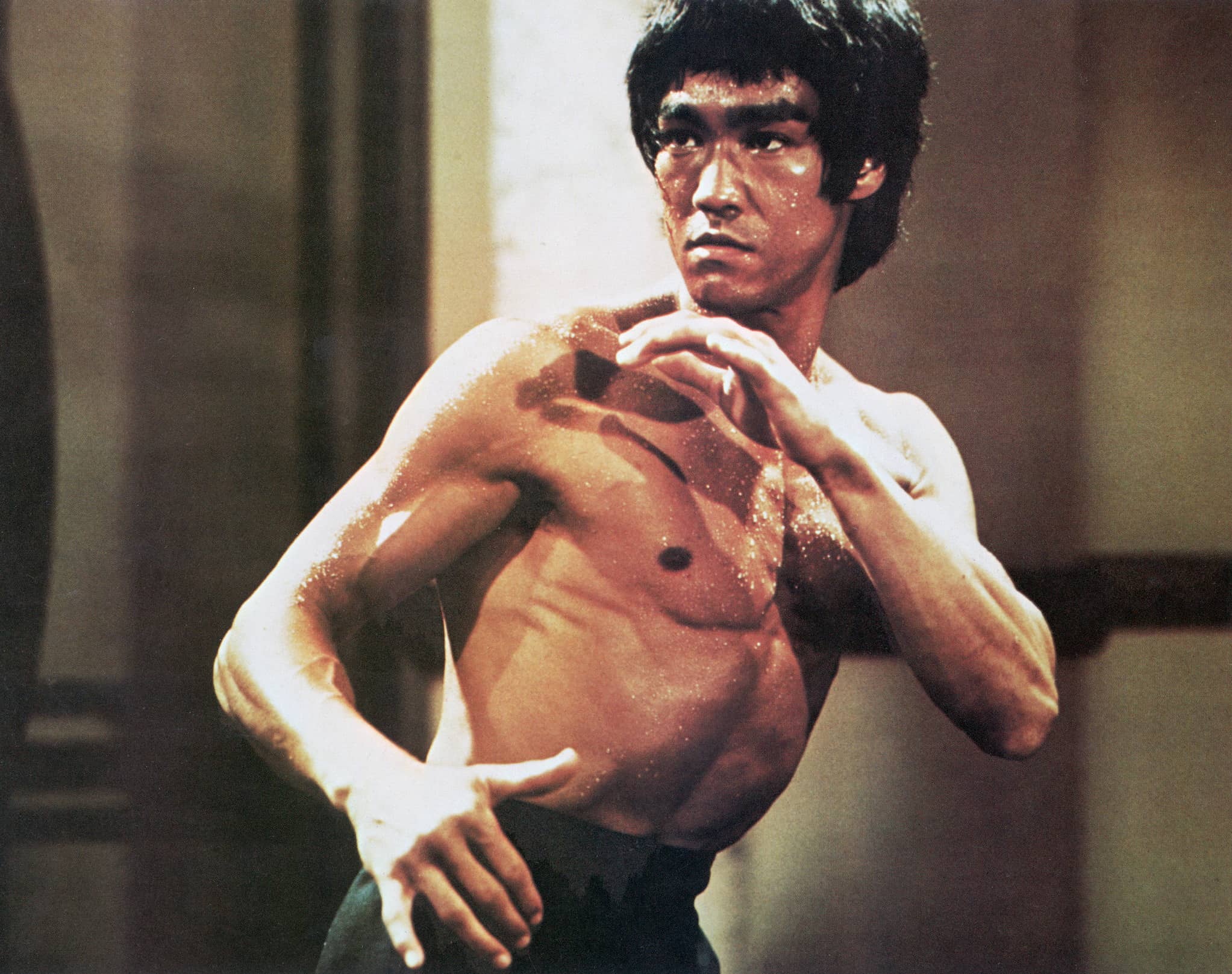
Image 25.02.04 — Actor and martial artist Bruce Lee’s drive, discipline, potent fighting skills and undeniable charisma quickly brought him to Hollywood where his attempts to become a leading man were frustrated. He thrived back in Hong Kong before returning for Enter the Dragon (1973).
Listen to
They Call Us Bruce with Daniel Wu, W. Kamau Bell, Jeff Yang, and Phil Yu
Audio 25.02.05 — Actor Daniel Wu, comedian W. Kamau Bell and hosts Jeff Yang and Phil Yu discuss the multicultural history and lasting legacy of Bruce Lee on the podcast, They Call us Bruce.
Many Americans saw Asian leading men and women played by actual Asian performers for the first time in martial arts movies, largely touched off in the early 1970s by the incredible career of Bruce Lee. Born in the United States but raised in Hong Kong, Lee’s drive, discipline, potent fighting skills, and charisma quickly brought him to Hollywood. There, he was first cast as Kato, the driver and masked sidekick of golden-age crimefighter Green Hornet in ABC’s 1966 television series of the same name.
But Lee’s attempts to convince studios to give him a lead role failed. The final straw came when he pitched Warner Brothers on starring in a show that would follow the adventures of a Chinese monk in the Old West. They turned his proposal down, and then made their own series called Kung Fu (1972–1975), casting white actor David Carradine—who had no martial arts training—as its Shaolin monk protagonist.
A disgusted Lee returned to Hong Kong, where he joined an upstart film studio named Golden Harvest and made a series of three films: The Big Boss (1971), Fist of Fury, and The Way of the Dragon (both 1972), which smashed box office records across Asia and soon found their way into theaters worldwide.
Globally, the three films made over 280 million dollars (the equivalent of 1.86 billion dollars today). These numbers shocked Hollywood and led Warner Brothers to coax Lee back to the United States to make Enter the Dragon (1972), the movie that would be his greatest legacy. Enter the Dragon is a martial arts tour de force with a multiracial cast and Lee at his most magnetic as its undisputed star. The film eventually earned an estimated 400 million dollars at the global box office on a budget of just 850,000 dollars, making it arguably the most profitable film of all time.
Sadly, it would be the last film Lee ever completed. He passed away of a sudden cerebral edema while in the middle of making his final film, Game of Death (1978), before Enter the Dragon was even released. But Lee’s incredible success opened the way for a legion of Asian heroes to follow in his footsteps.
Martial arts cinema is largely responsible for beginning to train non-Asians to become comfortable with stories focused on Asian protagonists. It also created cultural bridges between Asian and non-Asian communities, particularly with African Americans, who were the first to embrace the genre, resonating with the values the films expressed of self-strengthening and brotherhood. The return of soldiers from Korea and Vietnam, the growth of Asia as an export power, white flight from the inner cities, and the rise of Black nationalism—all of these phenomena set the stage for a unique cultural intersection that helped fuel the rise of martial arts cinema.
In a Living Room Near You: Asian Americans on Television
The arrival of television in the mid-1900s changed the landscape of Hollywood. Television quickly became the average American’s primary source of news, entertainment, and cultural information, shaping social and political beliefs and behavior like no other medium in history.
During the 1960s, there were just three major commercial television channels: ABC, NBC, and CBS. Nearly twenty million households tuned in every week to watch the most popular show in the mid-1960s: the long-running Western series Bonanza (1959–1973). This incredible viewership turned the Cartwright clan into America’s extended family, and the Cartwright’s Chinese cook Hop Sing—played as comic relief with a thick accent by veteran character actor Victor Sen Yung (who spoke perfect English in real life)—into the nation’s most visible representation of Asians.
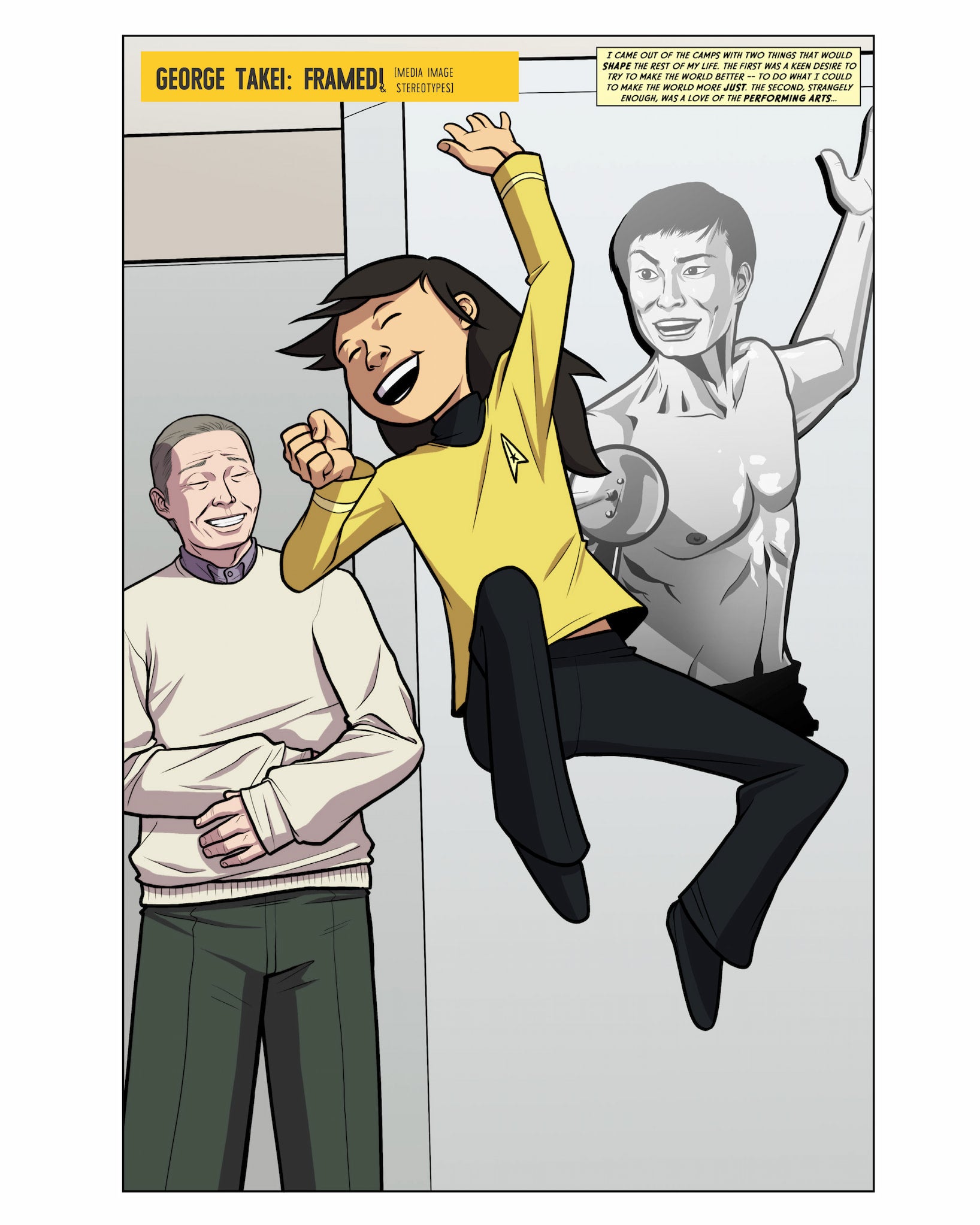
Image 25.02.06a — Page 1 of “FRAMED” from the graphic novel anthology NEW FRONTIERS, story by Jeff Yang, art by Jamie Noguchi.
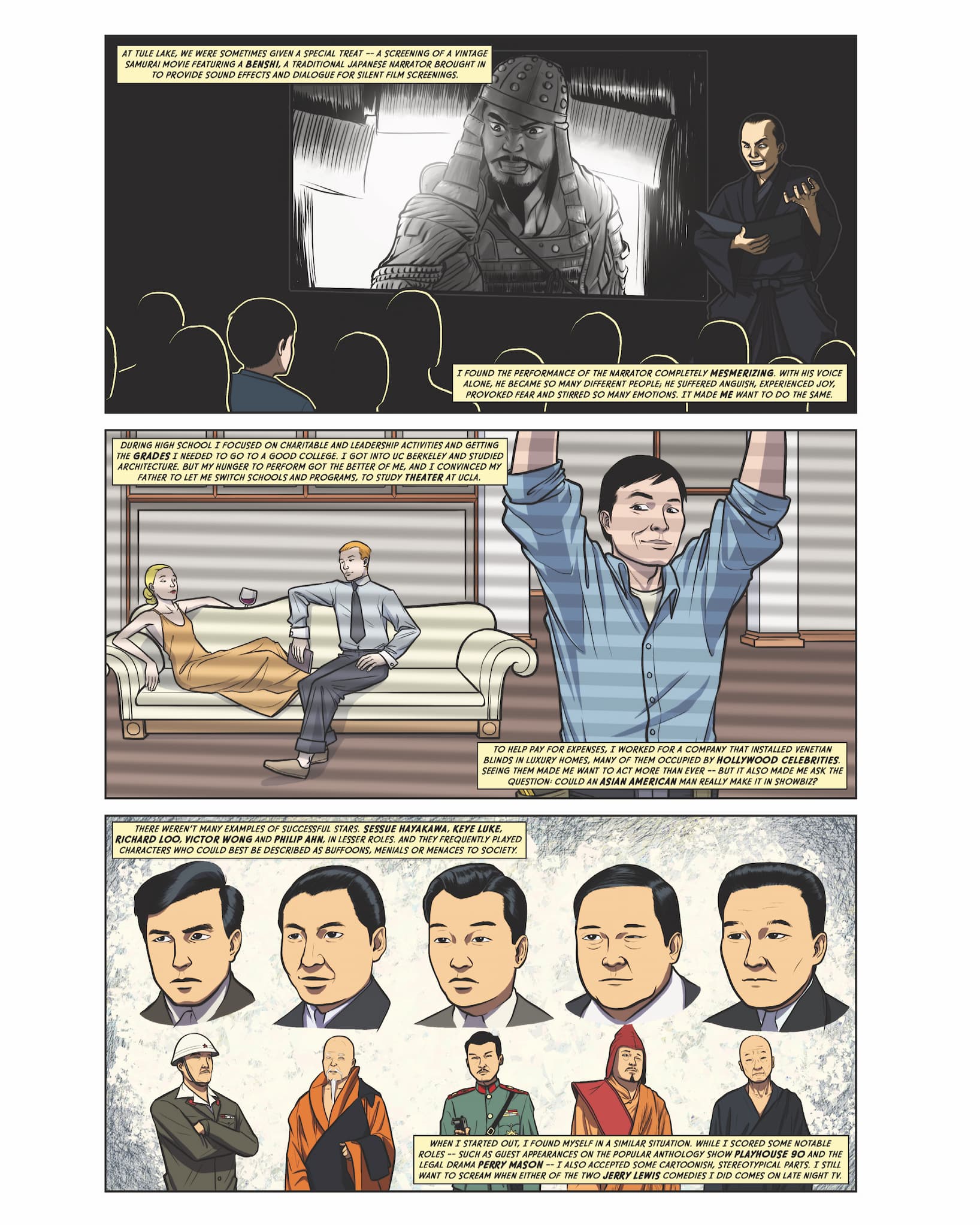
Image 25.02.06b — Page 2 of “FRAMED” from the graphic novel anthology NEW FRONTIERS, story by Jeff Yang, art by Jamie Noguchi.
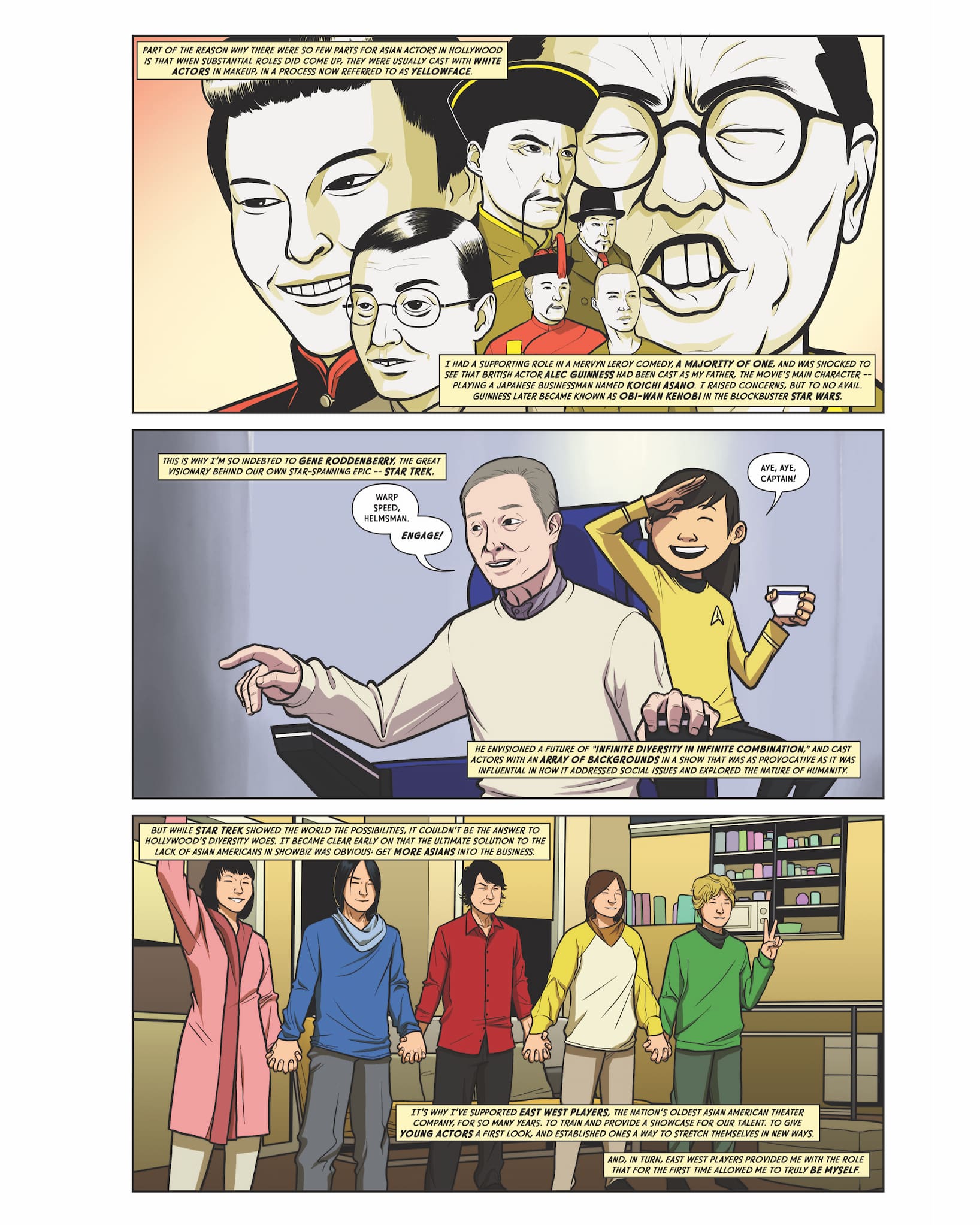
Image 25.02.06c — Page 3 of “FRAMED” from the graphic novel anthology NEW FRONTIERS, story by Jeff Yang, art by Jamie Noguchi.



But as the medium evolved, so did the diversity of its content. Long-running, hugely popular shows like M.A.S.H. (1972–1983), set during the Korean War, and Hawaii Five-O (1968–1980) offered a steady stream of recurring and guest-starring roles for Asian actors. Some shows even provided star-making opportunities for Asian Americans, like the science fiction saga Star Trek (1966–1969), which launched the career of George Takei and turned his fan-favorite role as Lt. Hikaru Sulu into an iconic presence across a franchise that has sustained for over half a century and counting.
In the 1970s, shows like the nostalgic 1950s-era sitcom Happy Days (1974–1984) and cop comedy Barney Miller (1975–1982) elevated comedians Pat Morita—who would go on to star in the Karate Kid film franchise (1984 debut) as Mr. Miyagi, earning an Academy Award nomination for his performance—and Jack Soo into household-name status.
Listen to
They Call Us Bruce with Hudson Yang, Jeff Yang, and Phil Yu
Audio 25.02.07 — Hudson Yang, star of Fresh Off the Boat (and chapter author Jeff Yang’s son), and They Call Us Bruce hosts Jeff Yang and Phil Yu look back at ten years of the groundbreaking Asian American family sitcom.
Still, it took until the 1990s for a landmark to finally occur: A prime-time network television show with an entirely Asian American main cast. All-American Girl (1994), an intergenerational immigrant family sitcom built around the standup comedy of its star Margaret Cho, received a prime slot on Wednesday nights in a lineup of established ABC hits. Unfortunately, the show suffered from poor ratings and was canceled after nineteen episodes.
Though the next few decades saw other notable TV shows prominently feature Asians, it was not until 2015 that an Asian-centered television show became a certified hit.
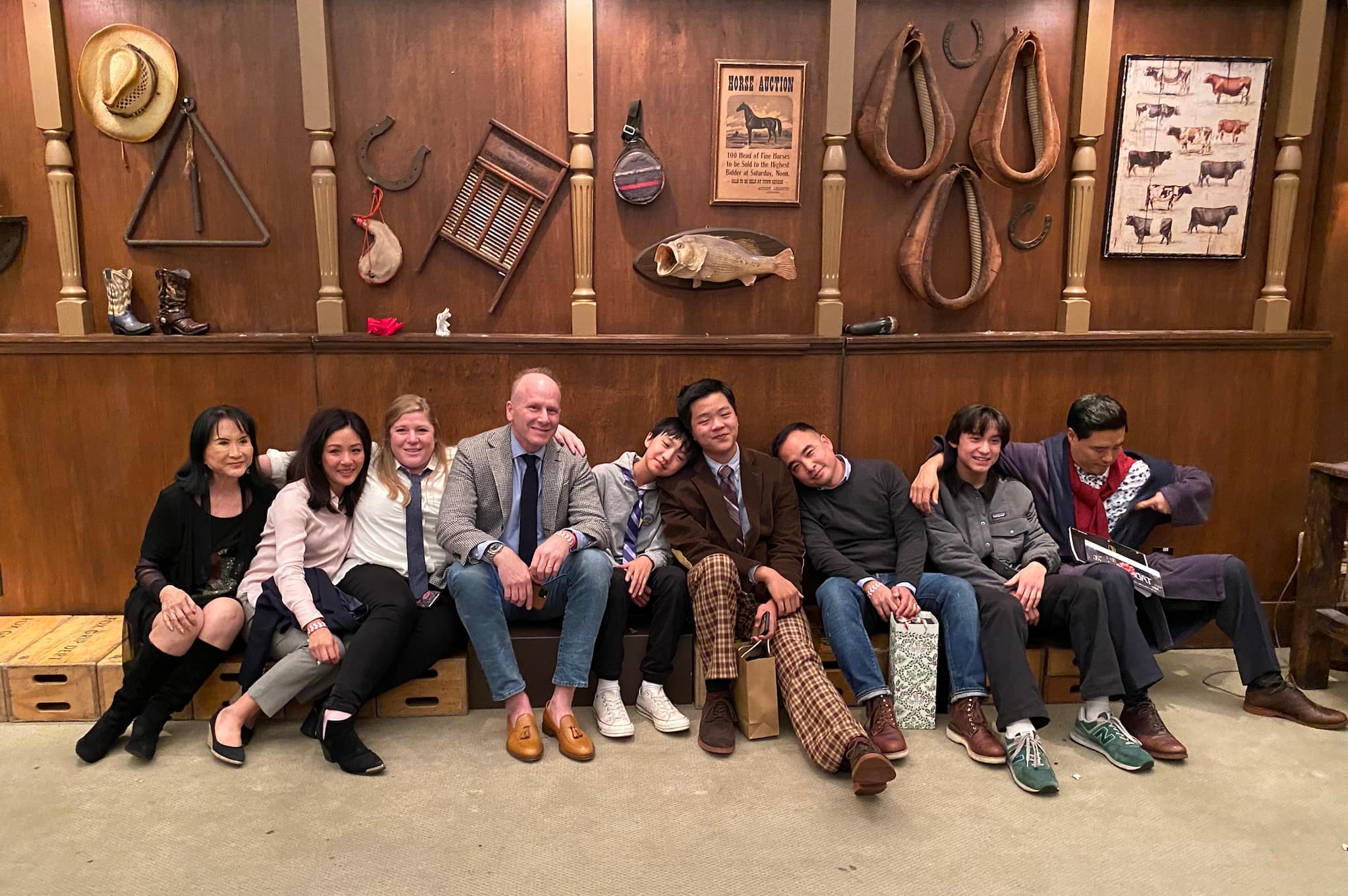
Image 25.02.08b — The last day on set with members of the cast and crew of Fresh off the Boat, wrapping up 116 episodes and six seasons.

Reflection Questions
What were some of the challenges that early Asian American film and television performers had to overcome?
What role did war play in shaping the way that Asians were seen by American audiences?
Who are the most prominent Asian or Asian American characters that you can recall on television?
Glossary terms in this module
exotic Where it’s used
The perception or portrayal of a thing as unusual or exciting because it seems to come from a strange and distant place, offering an experience that differs from the norms of its audience. On the one hand, many of us are drawn to novel and unfamiliar things and people. On the other hand, being seen as exotic also means being framed as foreign and as not belonging—which can make it easier to exclude or encourage hatred toward groups that are believed to be alien outsiders.
immersion Where it’s used
The feeling of being pulled inside a work of media, causing the surrounding world to temporarily fade away. This feeling can contribute to how strongly a story impacts audiences and how authentic it feels, which in turn can make it more effective in changing the way viewers look at the world.
propaganda Where it’s used
Media, entertainment, or commentary that creates false images of or beliefs about a group with the goal of turning public opinion against the targeted population. It is frequently used in the context of war to dehumanize the enemy and encourage public support for combat against them.
stereotype Where it’s used
Widely accepted but oversimplified, exaggerated, and often offensive images of or beliefs about particular categories of people—often those who are less well represented or less powerful in society. The preconceived ideas they create about the groups they represent can be harmful: for example, making people reflexively believe that members of those groups are dangerous, strange, or less capable than themselves.
yellowface/brownface Where it’s used
The process of using makeup and prosthetics to make someone who isn’t Asian look as if they are, based on the standards of Hollywood and other media. Yellowface/brownface are related to blackface, the racist practice of “blacking up” white performers for Black roles, which were often cartoonish and offensive.