



Search the Media Repository
Discover the curated images, videos, and primary sources featured throughout Foundations and Futures
History is more than just text on a page; it is the photographs, voices, and artifacts of the people who lived it. The images and recordings featured across Foundations and Futures are part of a meticulously curated media repository. Whether you are building a lesson plan or investigating an artifact, you can use this database to trace the provenance of our media: discover who created an asset, the historical context behind it, and how it can be used to bring Asian American and Pacific Islander experiences into your classroom.
Multimedia
Chapters
-
Image
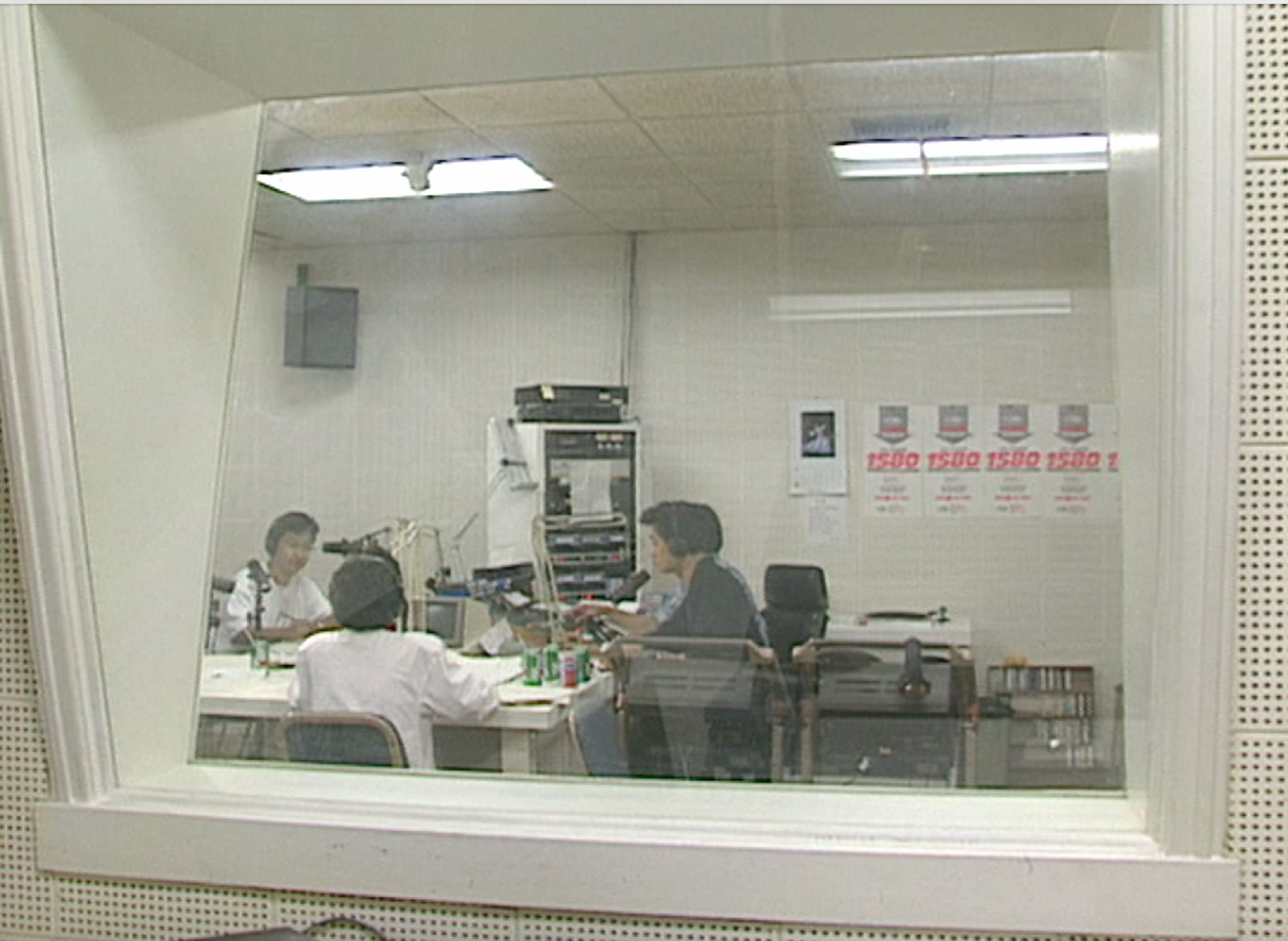
Radio Korea Recording Studio
Over seventy-two hours, Radio Korea became an alternate 911 call center and is credited with helping save many stores in Koreatown from burning down completely.
Featured in:
Sa I Gu: Los Angeles, 1992, Module 4
-
Audio
Radio Korea Call Shotgun Blast
On this recorded call to Radio Korea 1540 AM, a store owner reports her windows shattered by shotgun blasts, and laments that this is only the beginning of the violence.
Featured in:
Sa I Gu: Los Angeles, 1992, Module 4
-
Image
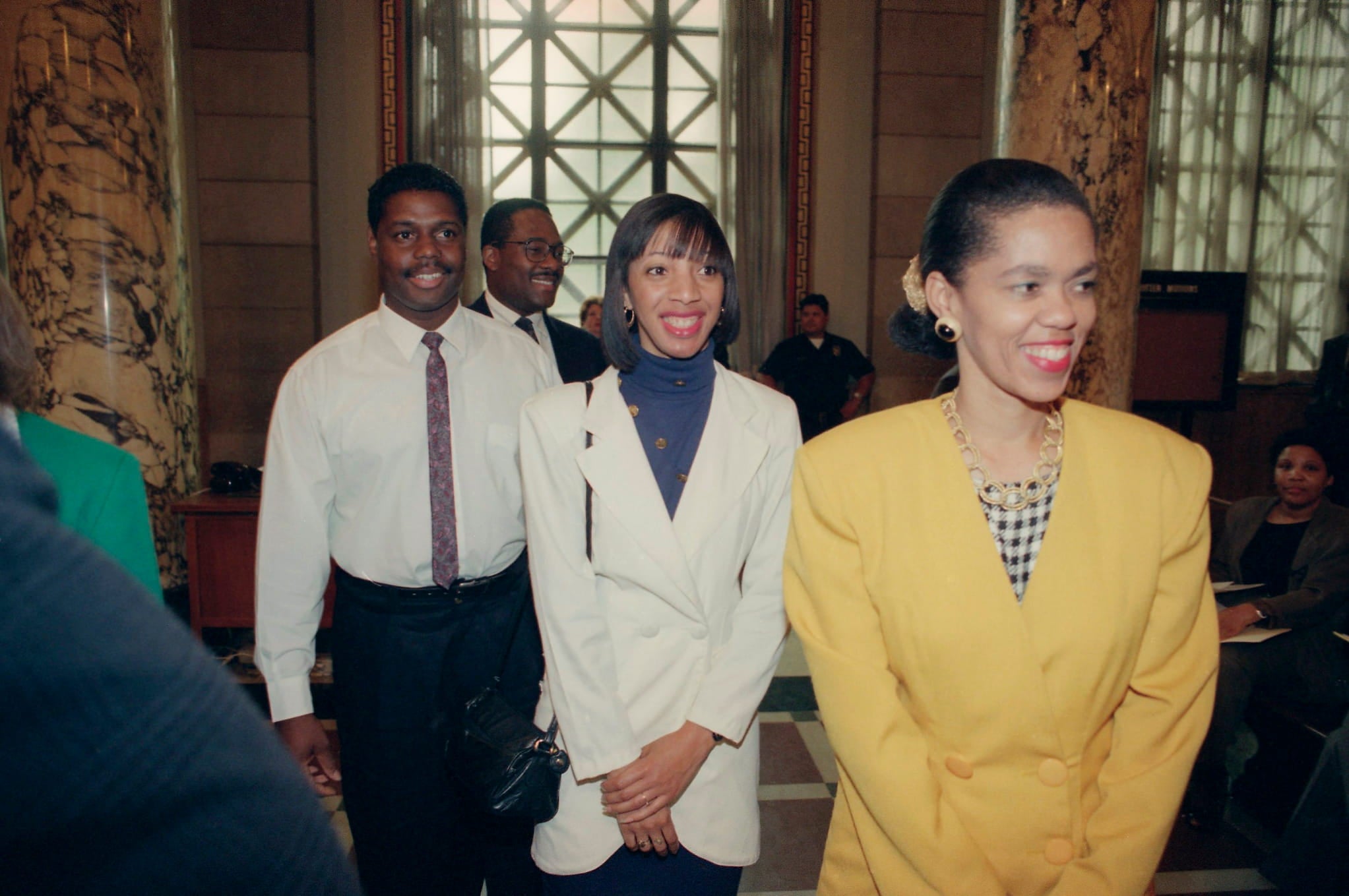
LA City Council Honors Rescuers
On May 5, 1992, the Los Angeles City Council honored the actions of trucker Reginald Denny’s rescuers, Lee Yuille, Terri Barnett, and Titus Murphy (front to back) and Gregory Alan Williams, who saved the life of motorist Takao Hirata.
Featured in:
Sa I Gu: Los Angeles, 1992, Module 4
-
Image
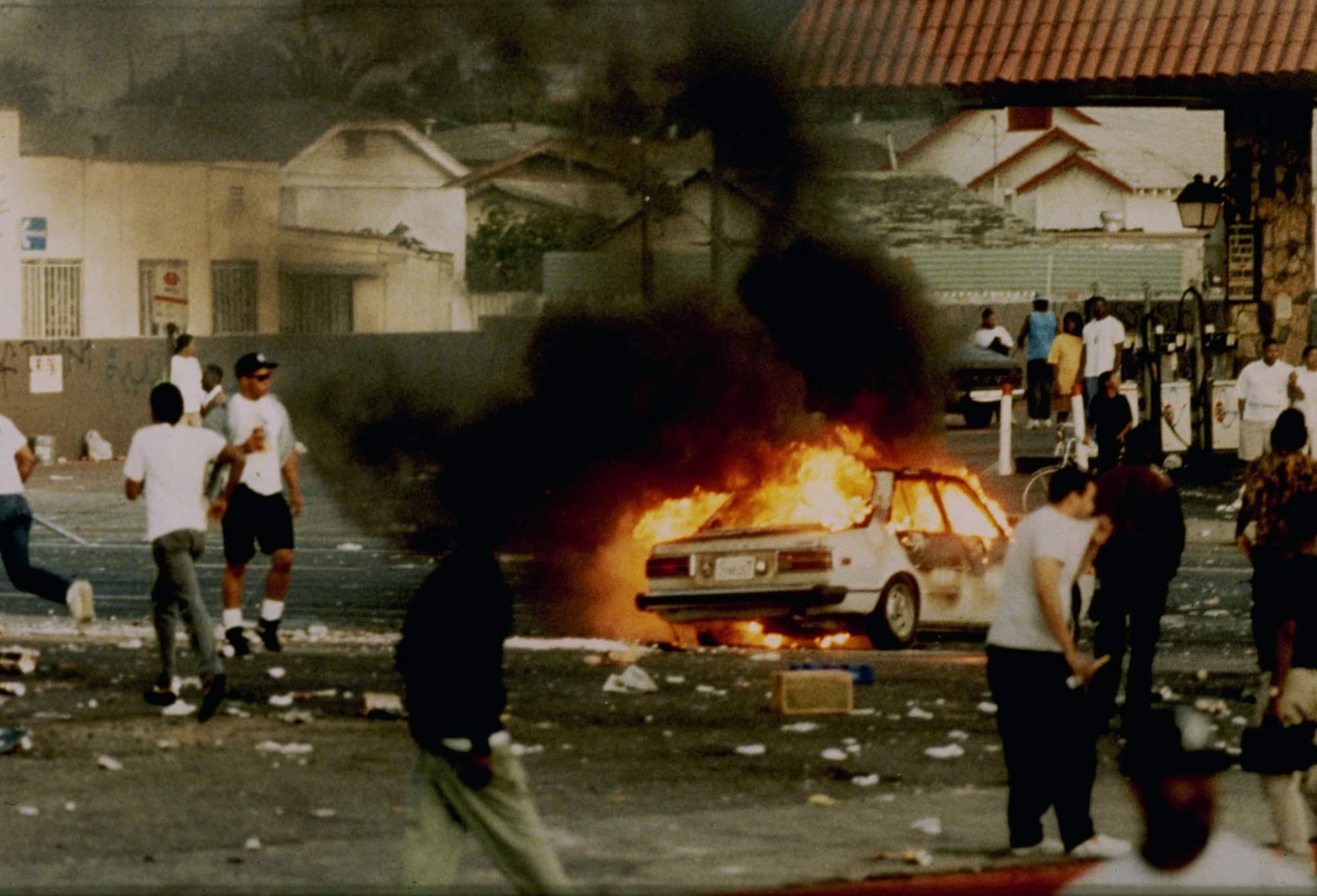
Burning Car at Florence and Normandie
April 29, 1992. Demonstrators throw rocks and bottles at cars at the Florence and Normandie intersection in reaction to the not-guilty verdicts in the LAPD beating case of Rodney King. Drivers are forced to abandon their cars to escape.
Featured in:
Sa I Gu: Los Angeles, 1992, Module 4
-
Video
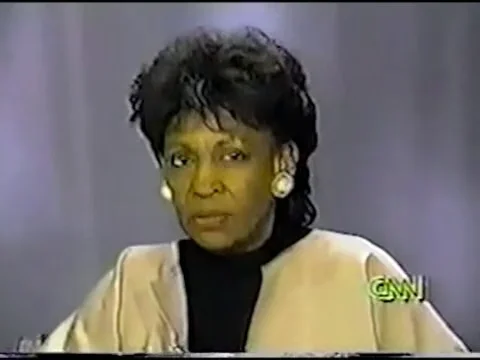
U.S. Rep. Maxine Waters Explains Outrage
Following the announcement of the not-guilty verdict, Rep. Maxine Waters describes the uprisings as the boiling point for a community frustrated with ongoing police brutality and blatant injustice.
Featured in:
Sa I Gu: Los Angeles, 1992, Module 4
-
Text
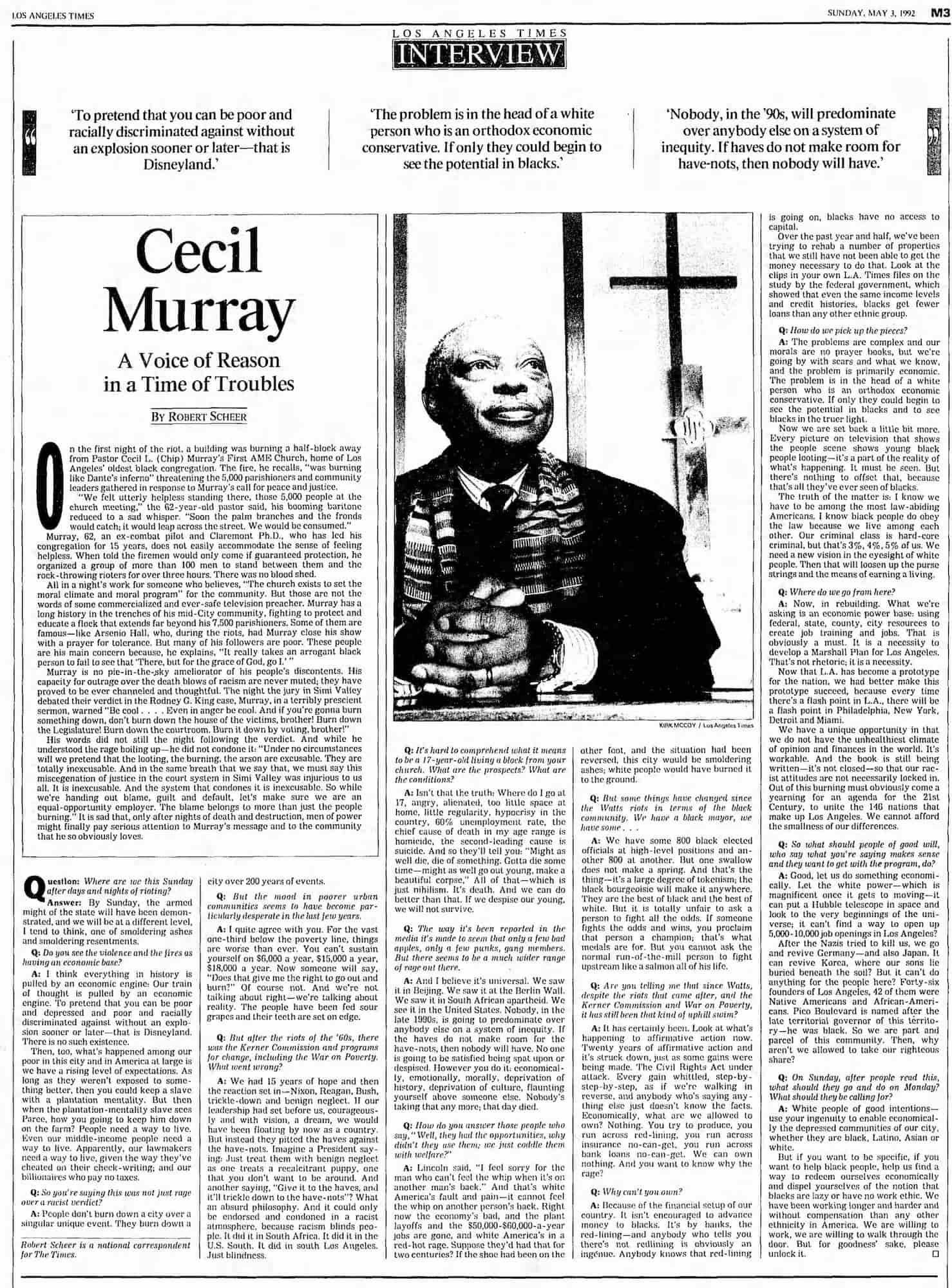
Reverend Dr. Cecil Murray
Reverend Dr. Cecil Murray of the First African Methodist Episcopal (AME) Church of Los Angeles, along with community leaders and volunteers, set up “Operation Cool Response” to keep the peace during the LAPD beating trial of Rodney King.
Featured in:
Sa I Gu: Los Angeles, 1992, Module 3
-
Image
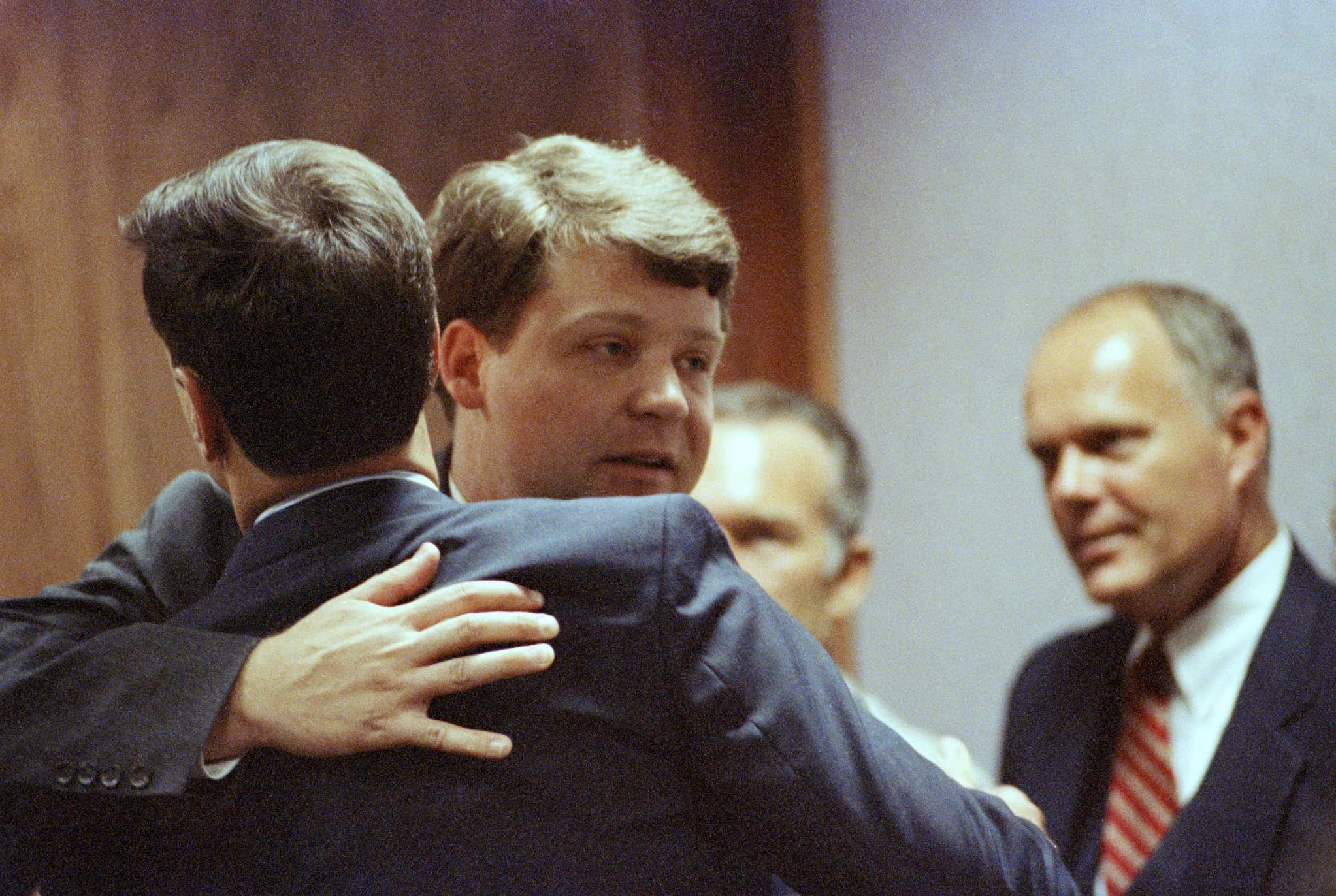
LAPD Officer After Verdict
“Not guilty.” LAPD officer Laurence Powell hugs Timothy Wind, with Sergeant Stacey Koon smiling in the background, after hearing the April 29, 1992, jury acquittal of all four officers (including Theodore Briseno) in the beating case of Rodney King.
Featured in:
Sa I Gu: Los Angeles, 1992, Module 3
-
Image
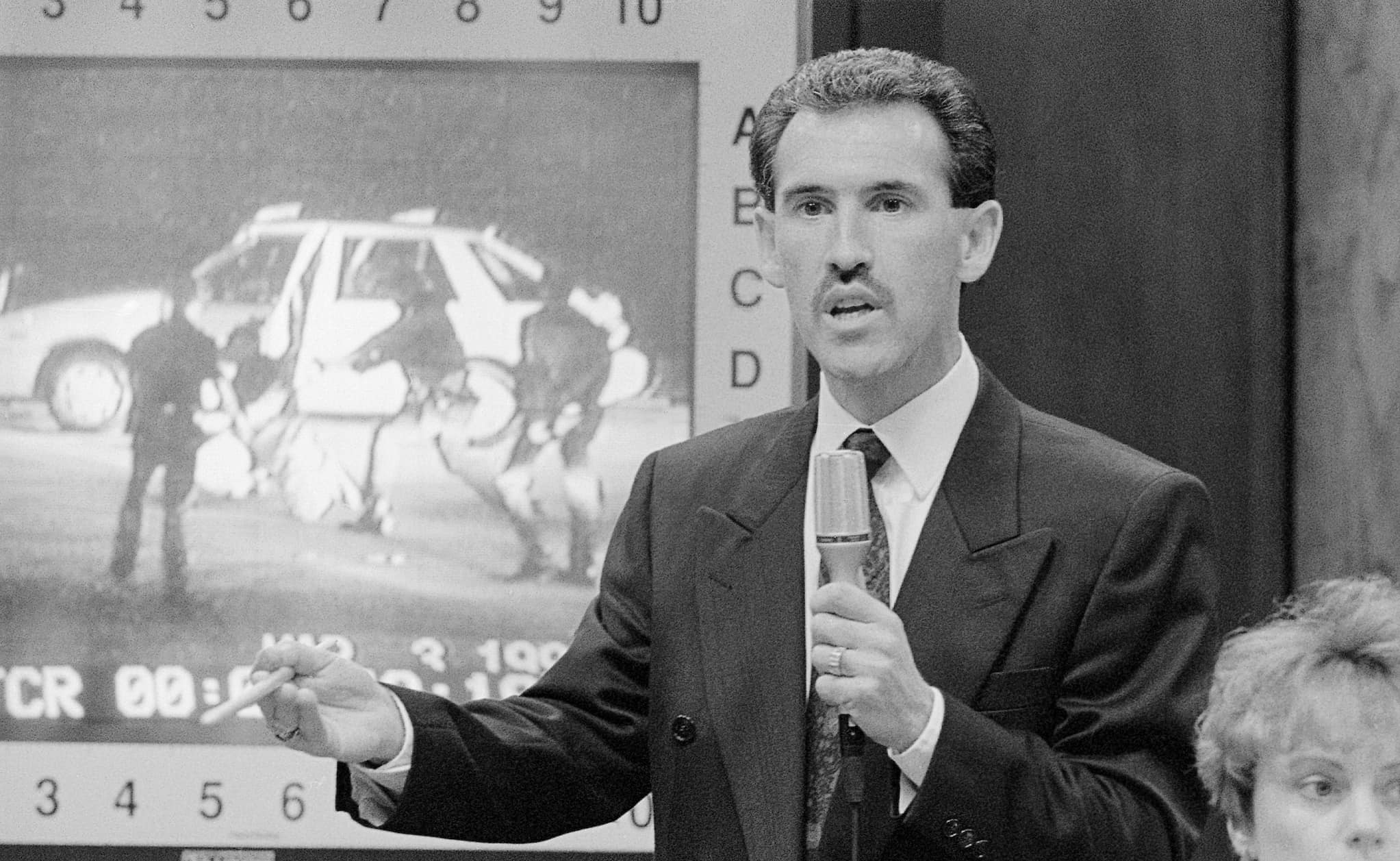
LAPD Officer Theodore Briseno Testifies
On April 3, 1992, LAPD officer Theodore Briseno testified in court that he was trying to de-escalate the situation and stop the other officers’ baton blows.
Featured in:
Sa I Gu: Los Angeles, 1992, Module 3
-
Text
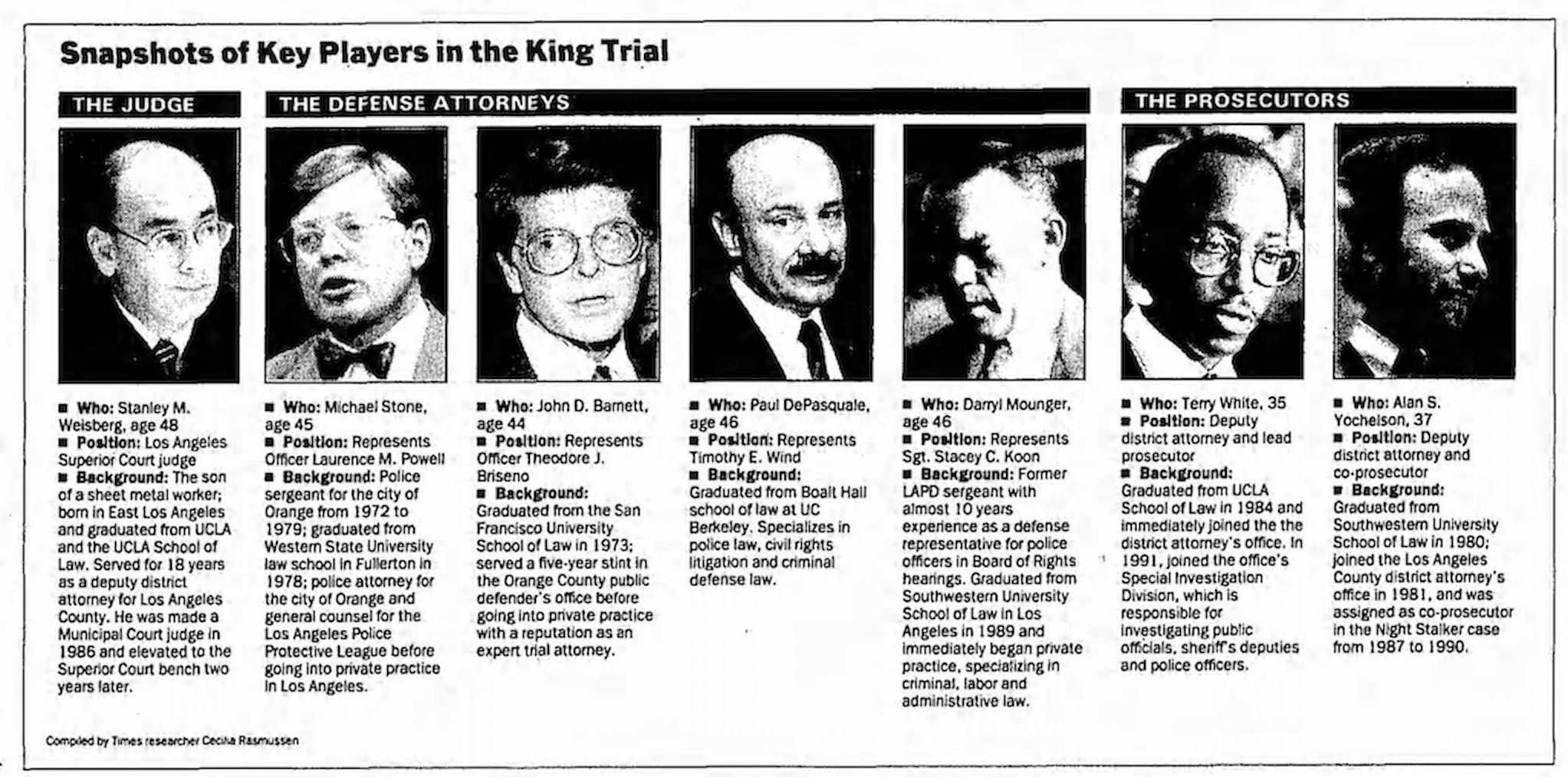
Key Players in Trial
Judge Stanley Weisberg presided over the LAPD beating trial of Rodney King with prosecutors Terry White and Alan Yochelson and LAPD defense attorneys Michael Stone, John Barnett, Paul DePasquale, and Darryl Mounger.
Featured in:
Sa I Gu: Los Angeles, 1992, Module 3
-
Image
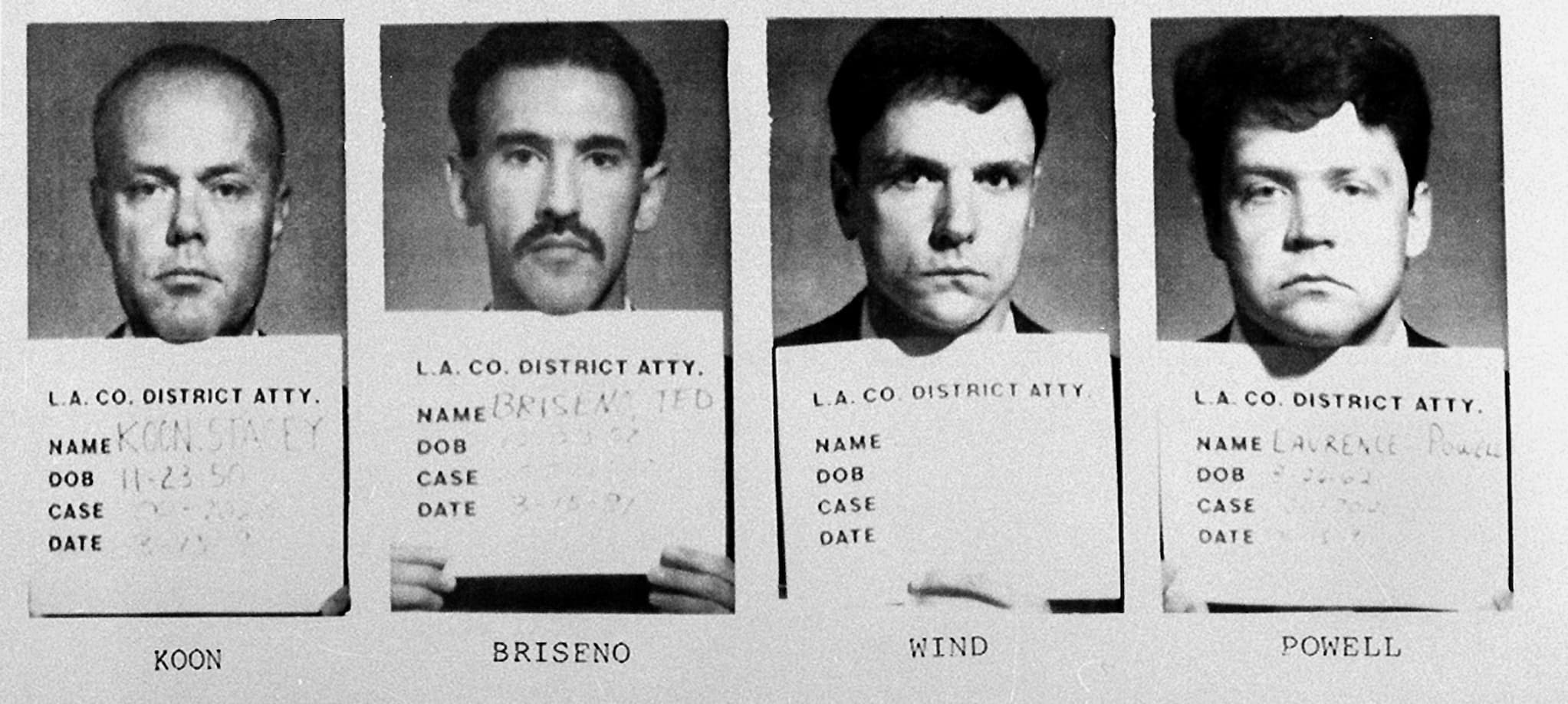
LAPD Mug Shots
March 14, 1991 mug shots of (left to right) LAPD sergeant Stacey Koon and officers Theodore Briseno, Timothy Wind, and Laurence Powell, after they were indicted on charges of excessive force, assault, and more in the 1991 beating of motorist Rodney King.
Featured in:
Sa I Gu: Los Angeles, 1992, Module 3
-
Image
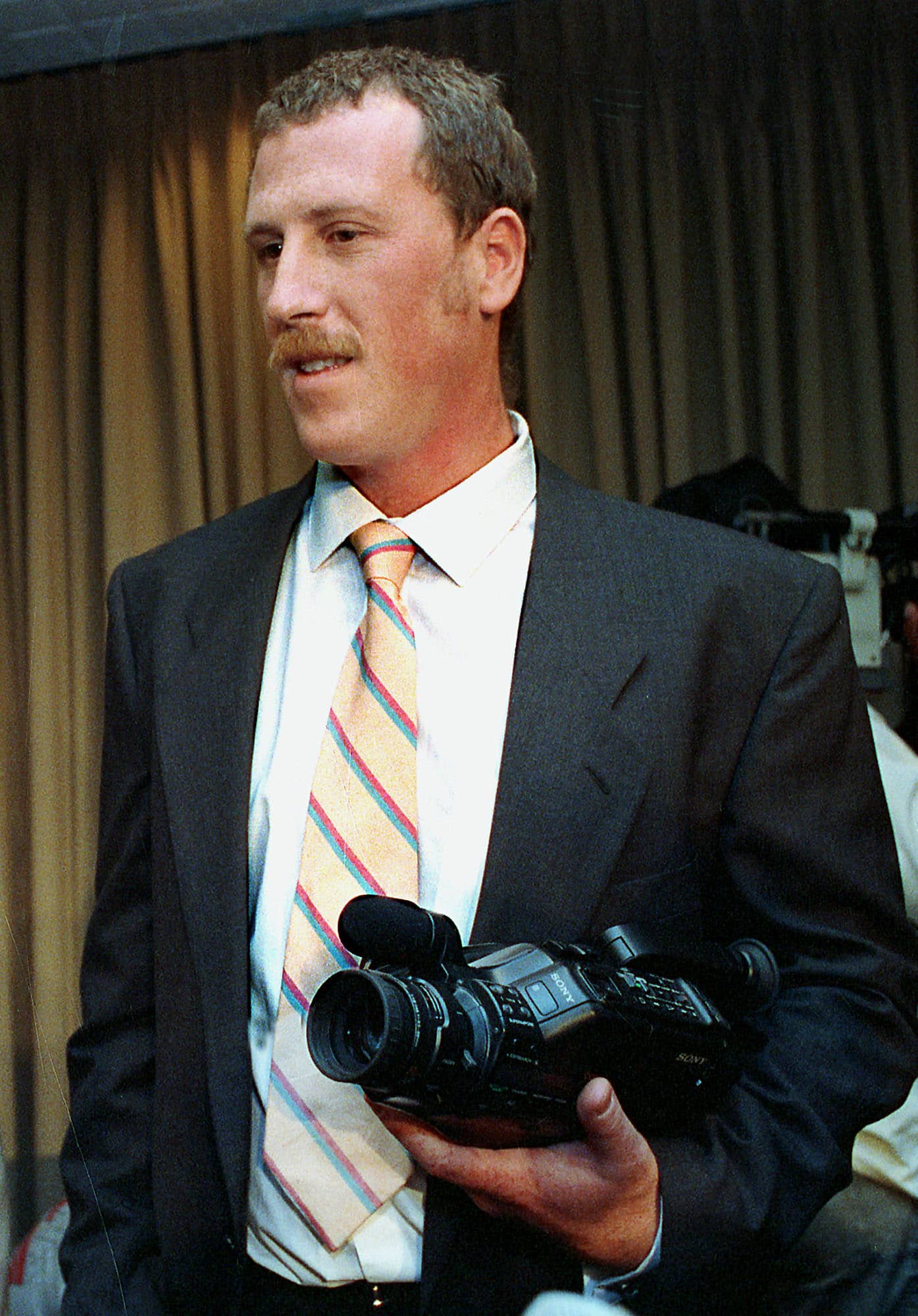
George Holliday At Press Conference
George Holliday, at a press conference on March 28, 1991, holds the camcorder he used to film the LAPD beating of Rodney Glen King.
Featured in:
Sa I Gu: Los Angeles, 1992, Module 3
-
Image
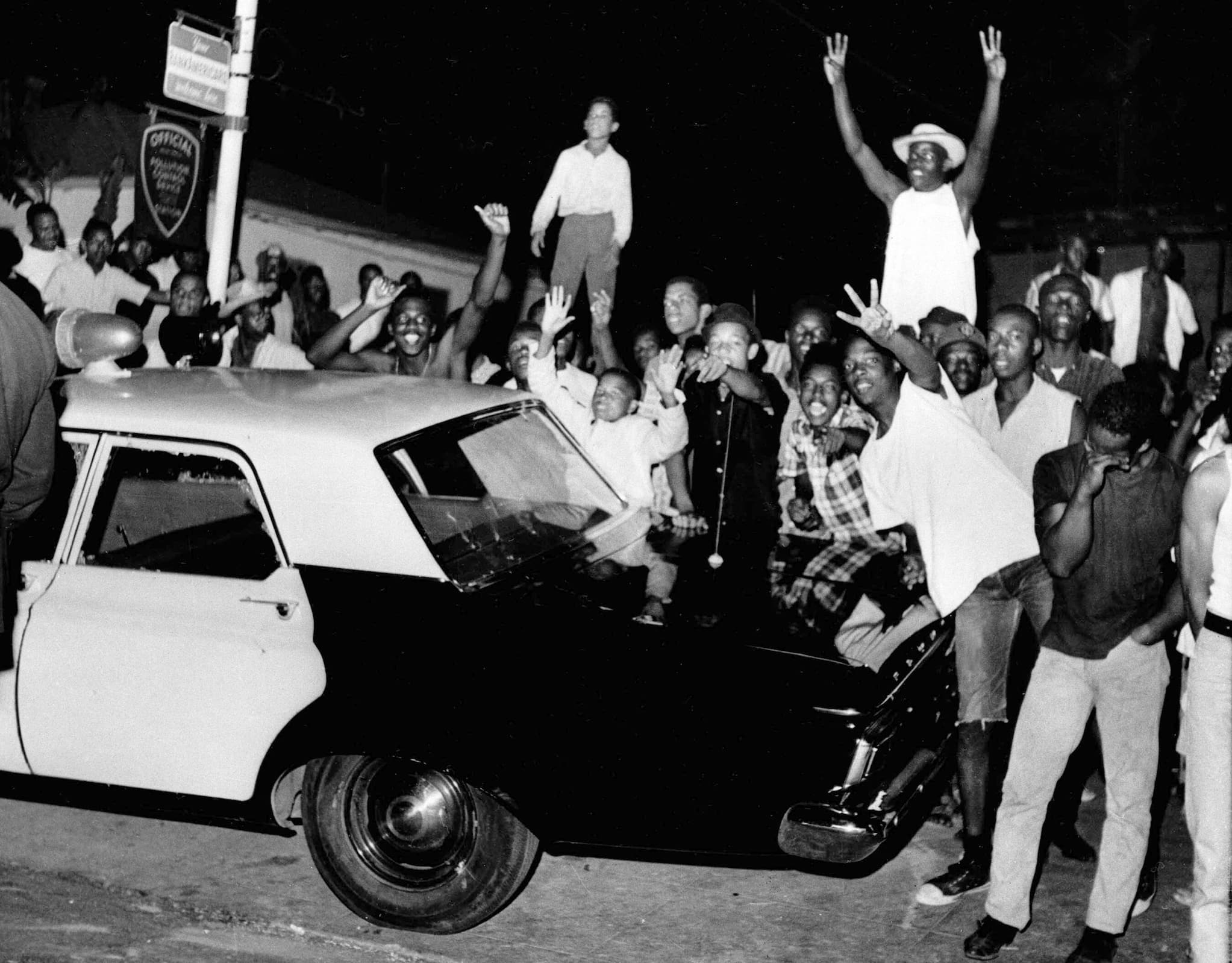
Watts Uprising
Demonstrators swarm a police car in Watts on August 12, 1965, during six days of civil unrest after a routine traffic stop of a young Black motorist turned violent.
Featured in:
Sa I Gu: Los Angeles, 1992, Module 3
-
Image
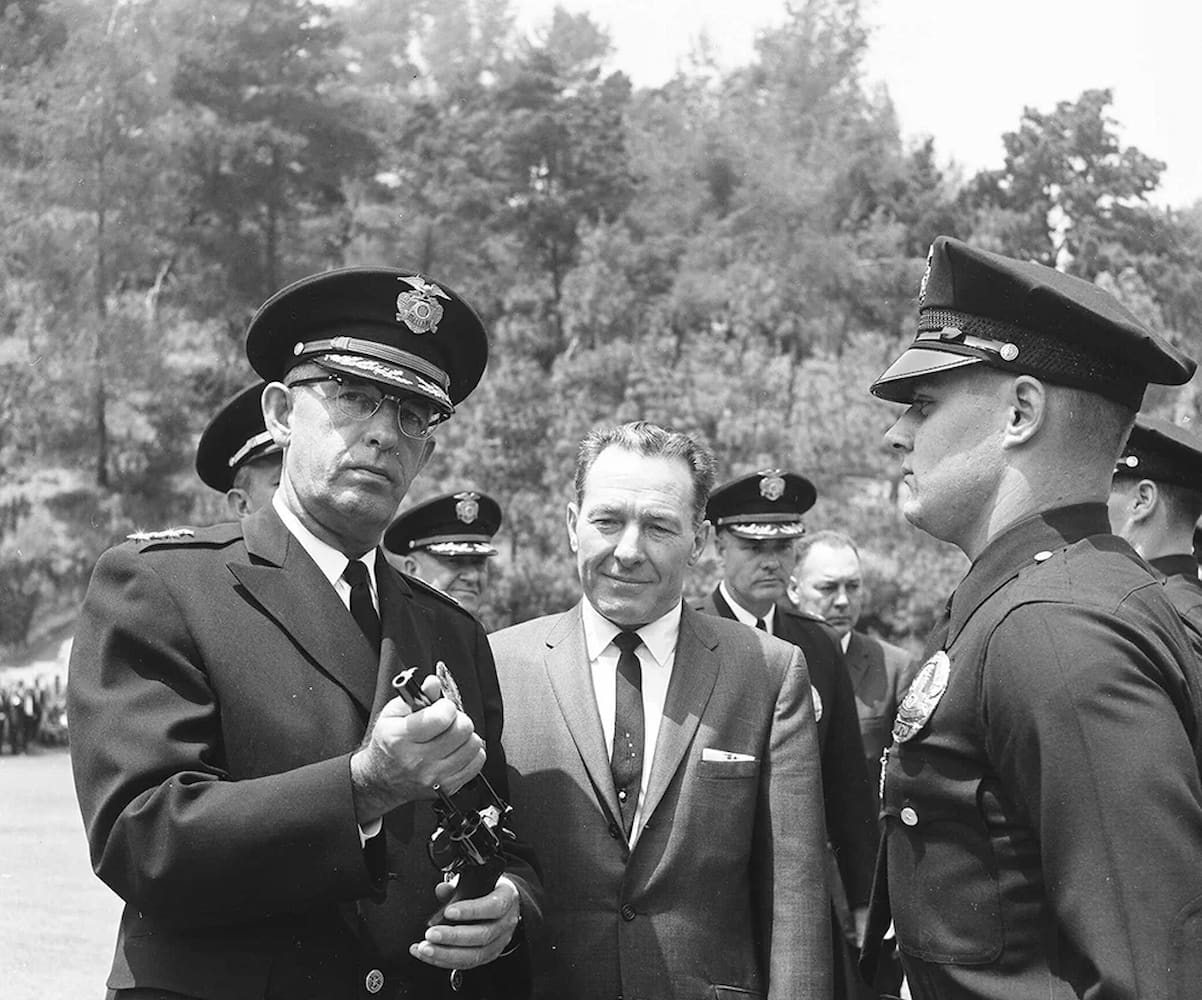
1962 Los Angeles Police Academy Graduation Ceremony
LAPD chief William H. Parker (left) and Mayor Sam Yorty (center) at the 1962 Los Angeles Police Academy graduation ceremony.
Featured in:
Sa I Gu: Los Angeles, 1992, Module 3
-
Text
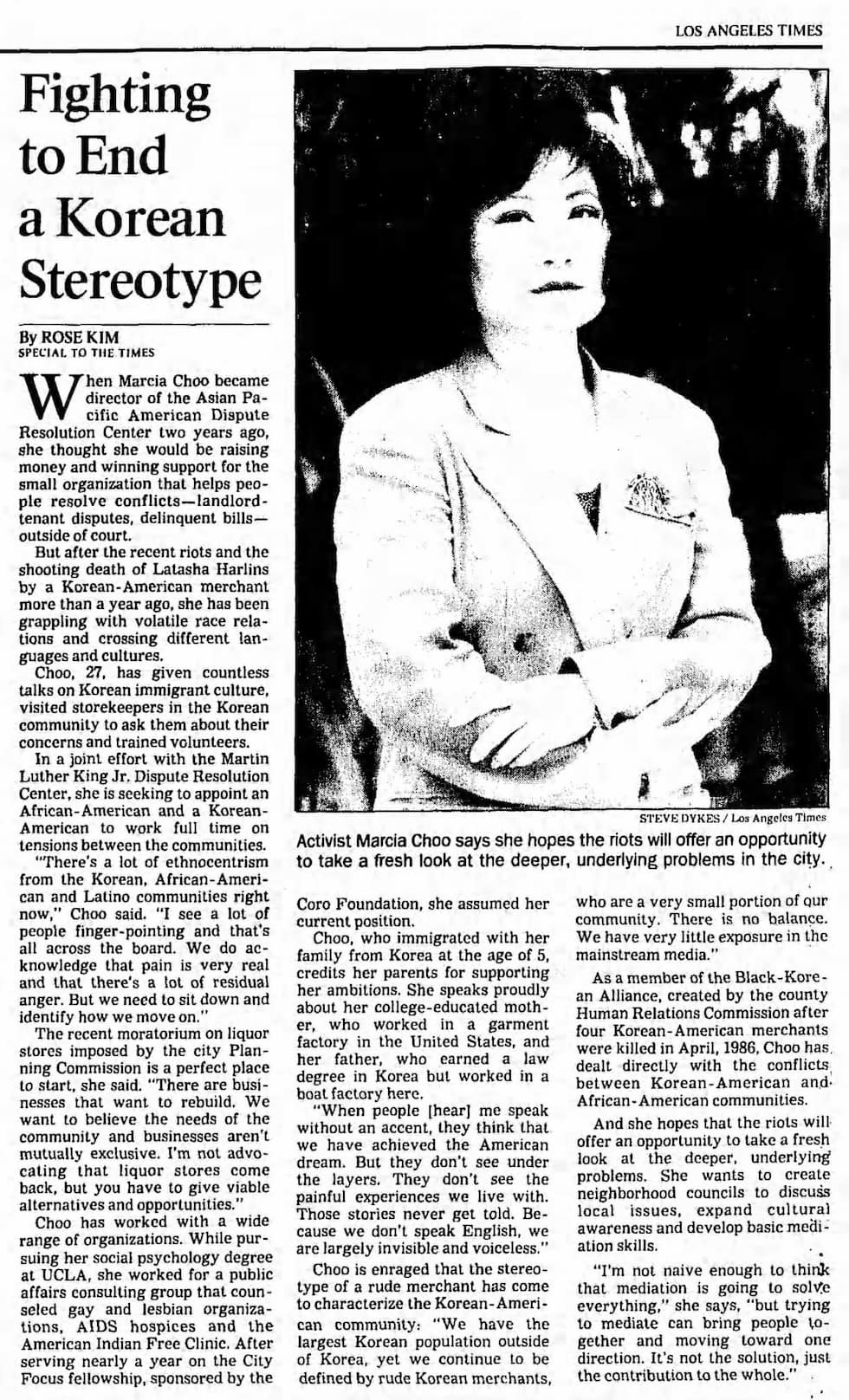
Fighting to End a Korean Stereotype
Marcia Choo, then-director of the Asian Pacific American Dispute Resolution Center, became a prominent spokesperson for the Korean American community, advocating for solidarity between the Korean American and Black communities during the Soon Ja Du shooting trial of Latasha Harlins.
Featured in:
Sa I Gu: Los Angeles, 1992, Module 2
-
Image
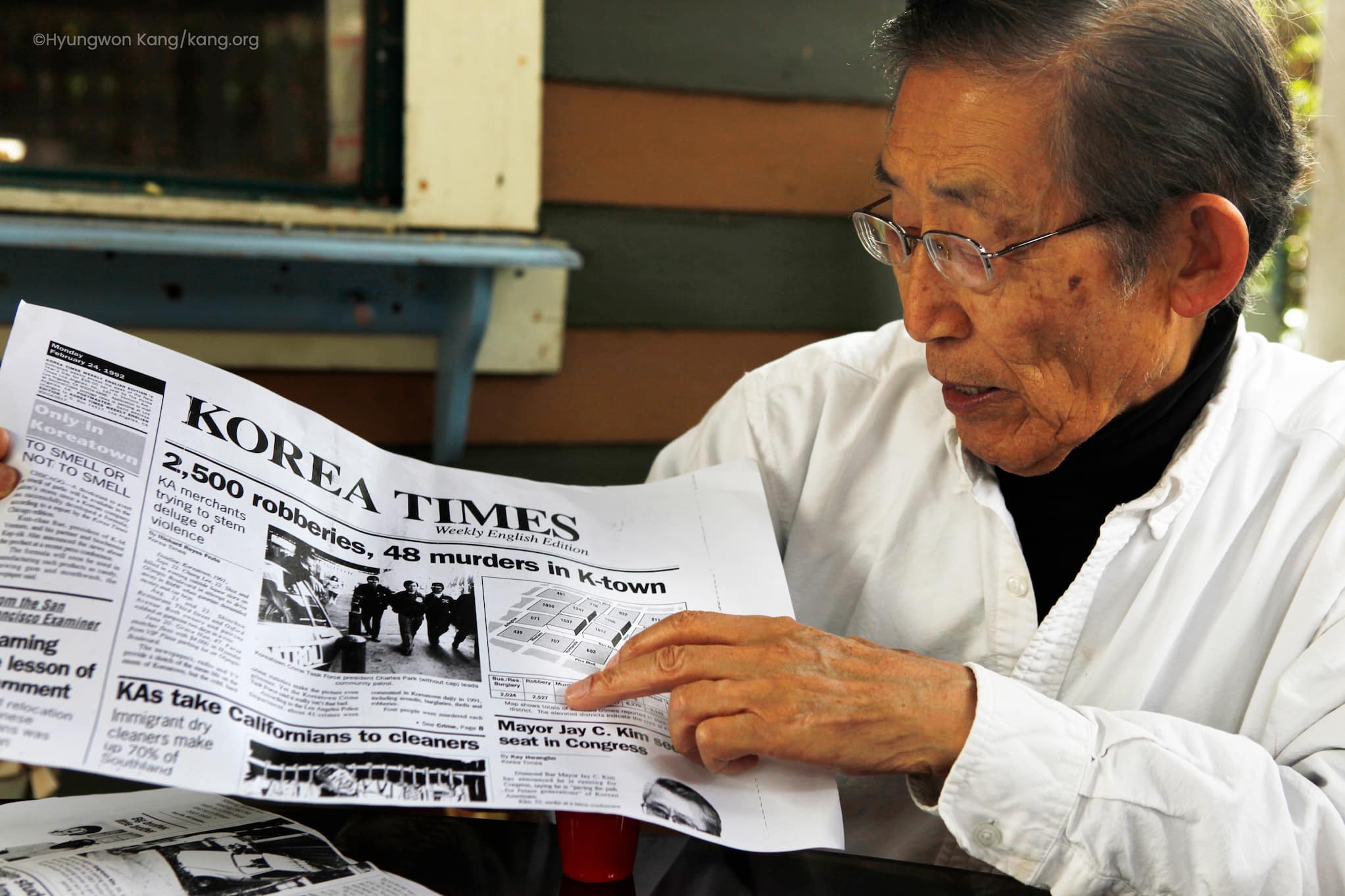
K.W. Lee Holds Korea Times Newspaper
K.W. Lee, former editor of the Korea Times English Edition, shows the February 24, 1992 issue featuring the Los Angeles Police Department’s 1991 crime reports for the Koreatown police district during an interview in Fullerton, California, April 23, 2012.
Featured in:
Sa I Gu: Los Angeles, 1992, Module 2
-
Video
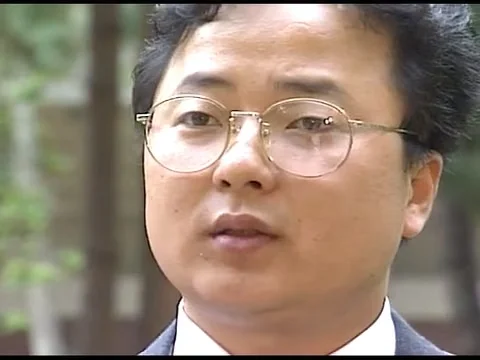
Interview with South L.A. Shop Owner
Jet, a Korean American shop owner in South Los Angeles, expresses his frustration with the lenient sentence given to Soon Ja Du in the killing of Latasha Harlins.
Featured in:
Sa I Gu: Los Angeles, 1992, Module 2
-
Text
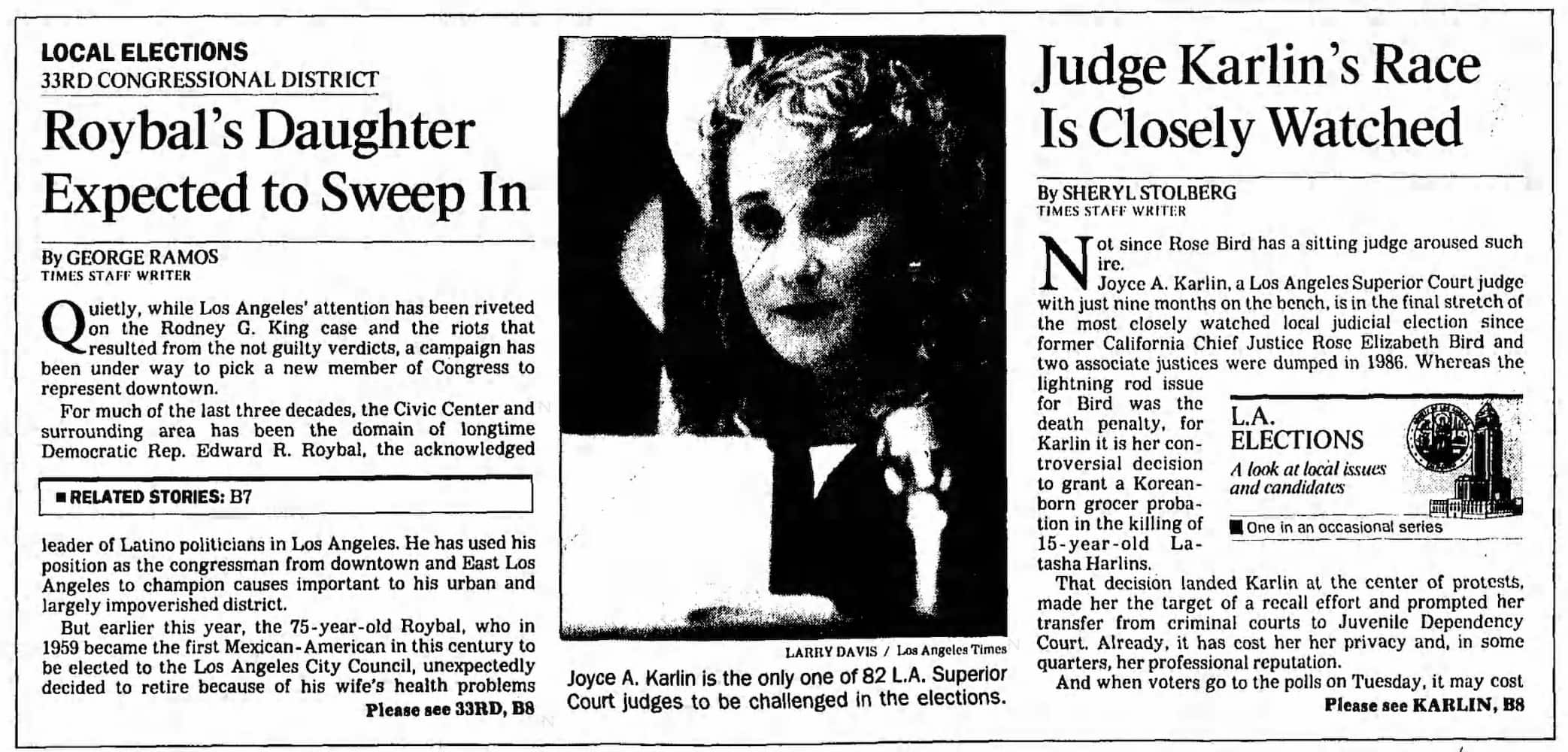
Judge Joyce Karlin
Judge Joyce Karlin’s probation sentencing of Soon Ja Du in the shooting death of Latasha Harlins caused controversy and divided the city. Despite efforts to recall her, Karlin was elected to California’s Superior court in 1992 before retiring in 1997.
Featured in:
Sa I Gu: Los Angeles, 1992, Module 2
-
Text
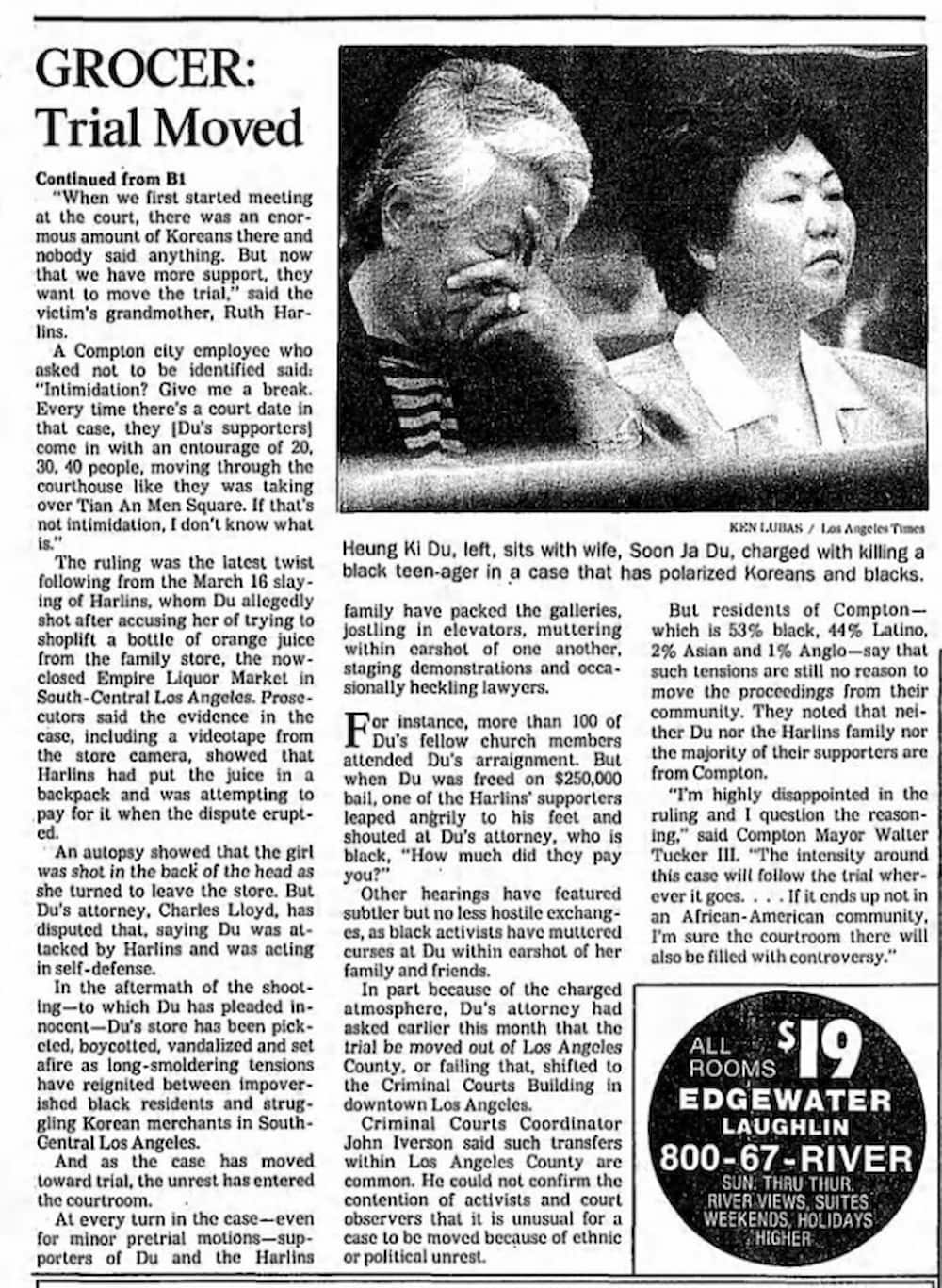
Soon Ja Du Attends Hearing
Billy Hongki Du weeps as he and his wife Soon Ja Du attend a hearing in the summer of 1991, after Soon Ja Du shot and killed Latasha Harlins in a dispute at their store.
Featured in:
Sa I Gu: Los Angeles, 1992, Module 2
-
Image
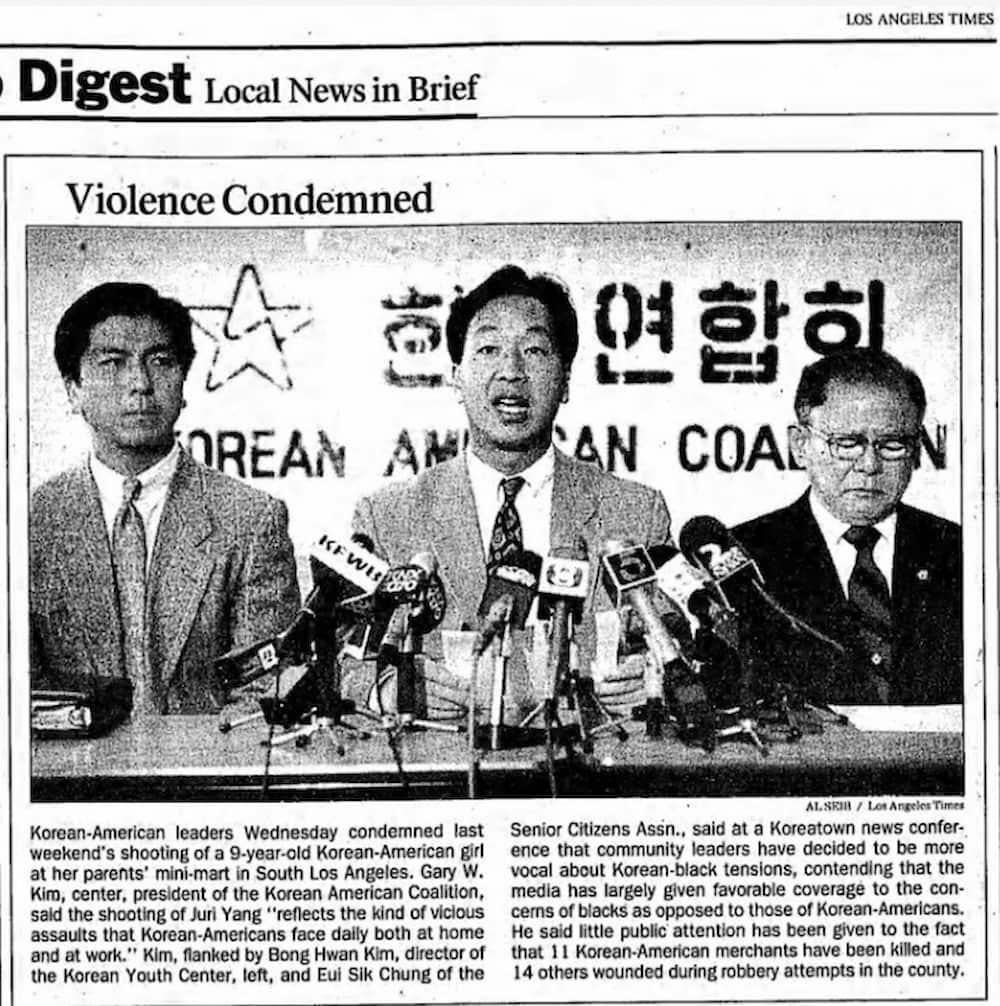
Korean American Coalition Condemns Violence
When a Korean American child was shot and wounded during an armed robbery of her parents’ gas station in South L.A., the Korean American Council and Los Angeles Brotherhood Crusade condemned the violence, offering aid to the family.
Featured in:
Sa I Gu: Los Angeles, 1992, Module 2
-
Video
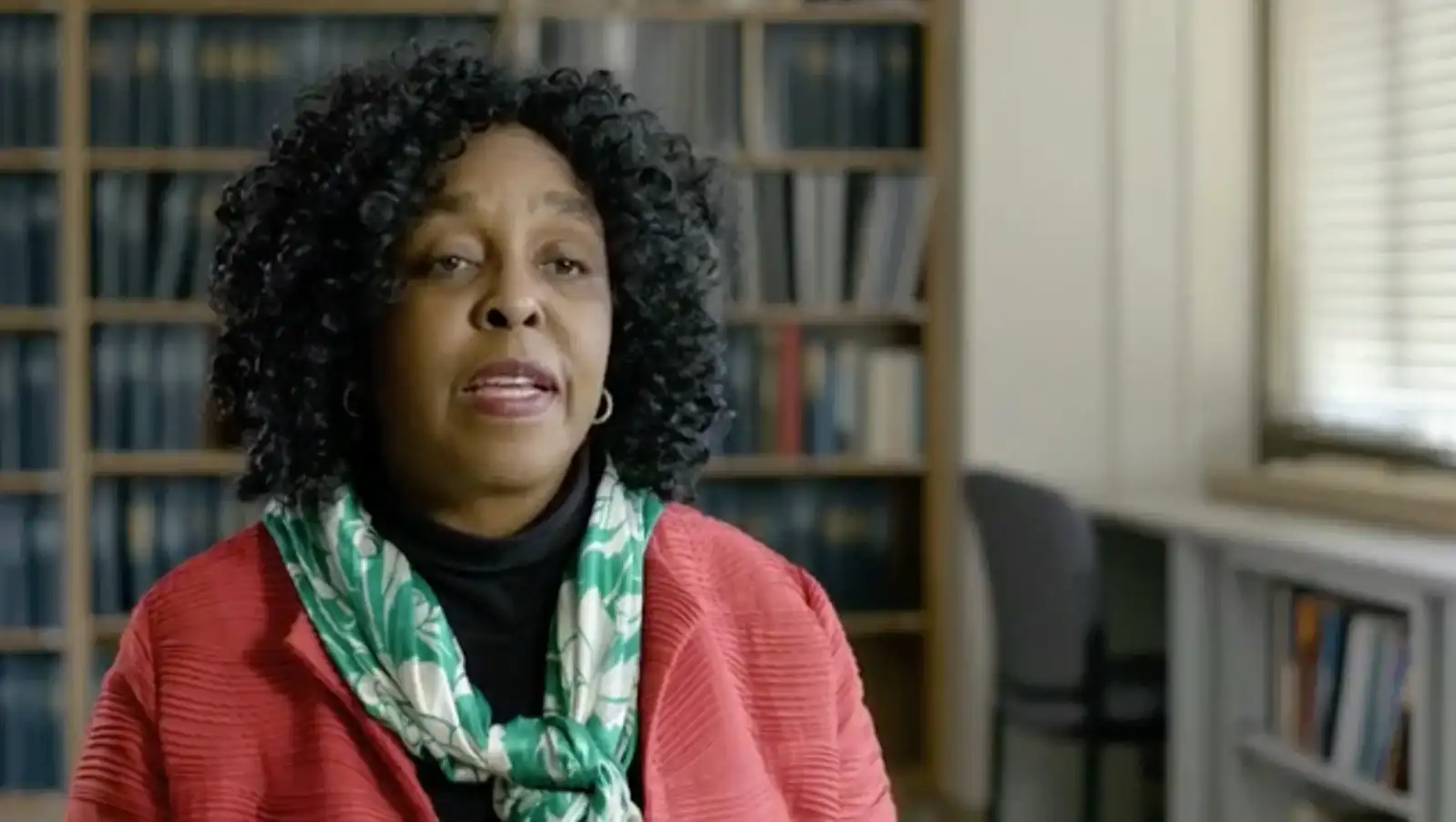
Interview with Historian Brenda Stevenson
Historian Brenda Stevenson describes how the killing of Latasha Harlins heightened tensions between the Black and Korean American communities in South Central LA.
Featured in:
Sa I Gu: Los Angeles, 1992, Module 2