Search the Media Repository
Discover the curated images, videos, and primary sources featured throughout Foundations and Futures
History is more than just text on a page; it is the photographs, voices, and artifacts of the people who lived it. The images and recordings featured across Foundations and Futures are part of a meticulously curated media repository. Whether you are building a lesson plan or investigating an artifact, you can use this database to trace the provenance of our media: discover who created an asset, the historical context behind it, and how it can be used to bring Asian American and Pacific Islander experiences into your classroom.
Multimedia
Chapters
-
Image
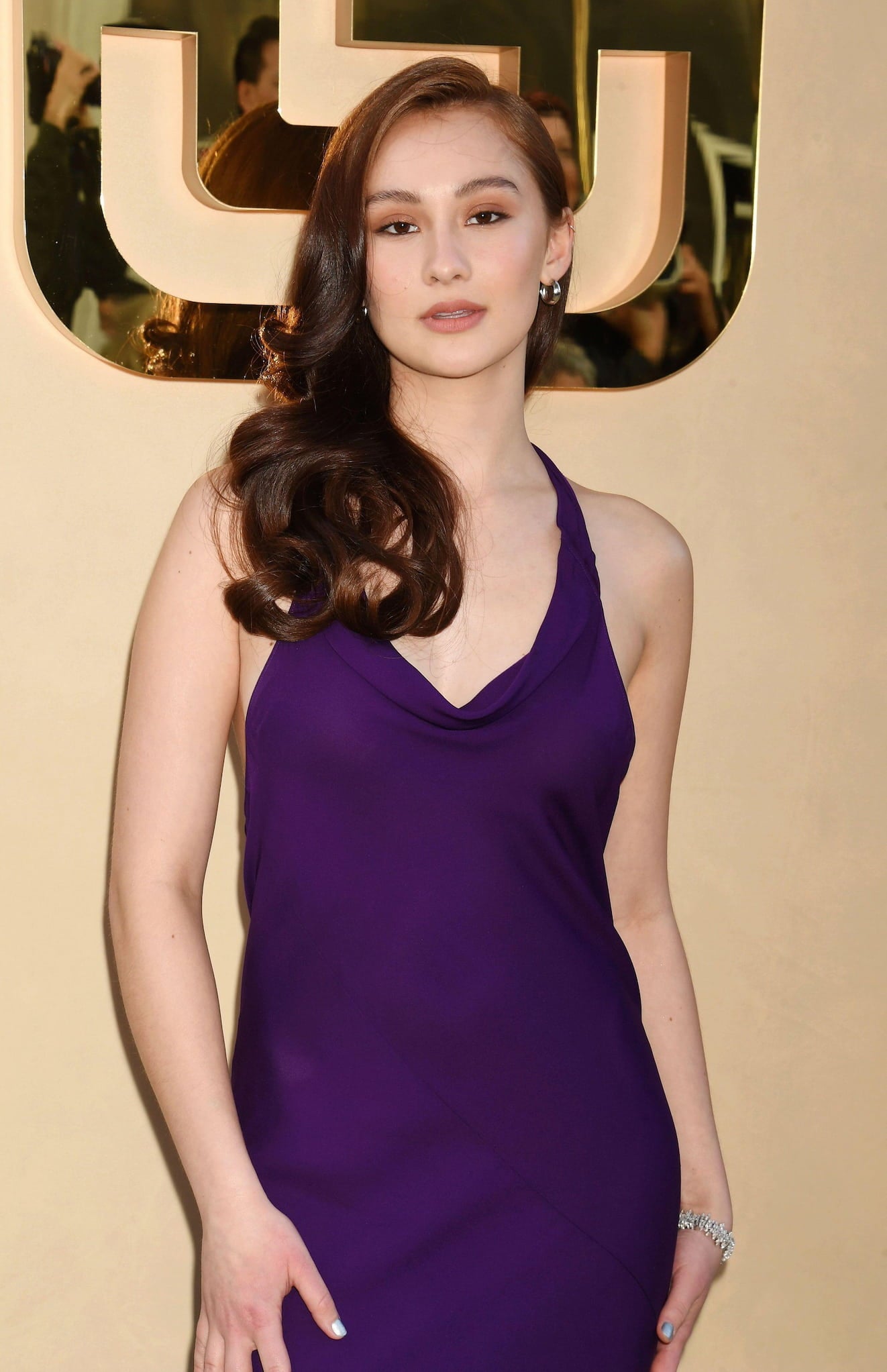
Lola Tung attends the Gold House Gala
-
Image
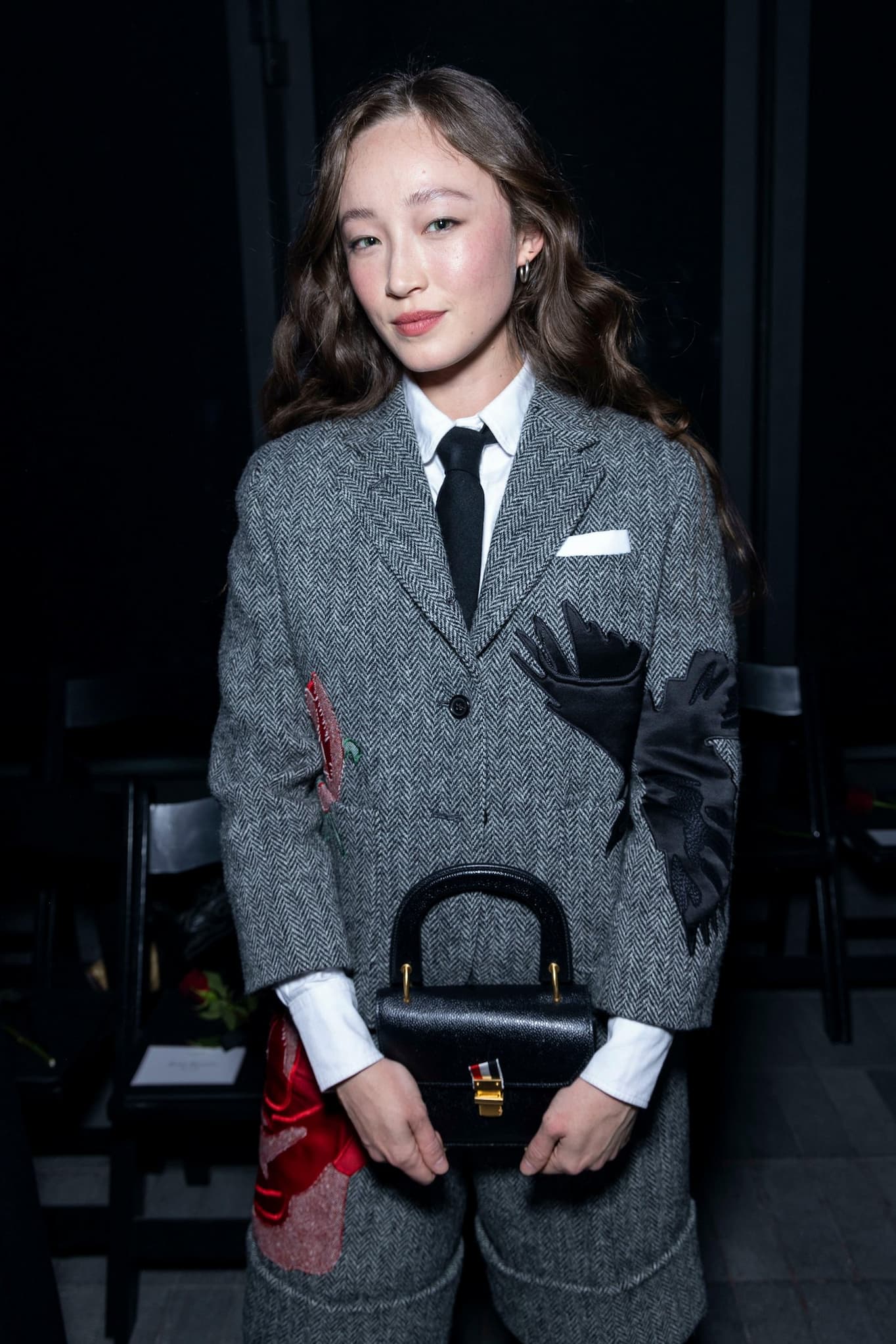
Havana Rose Lui attends New York Fashion Week
-
Image
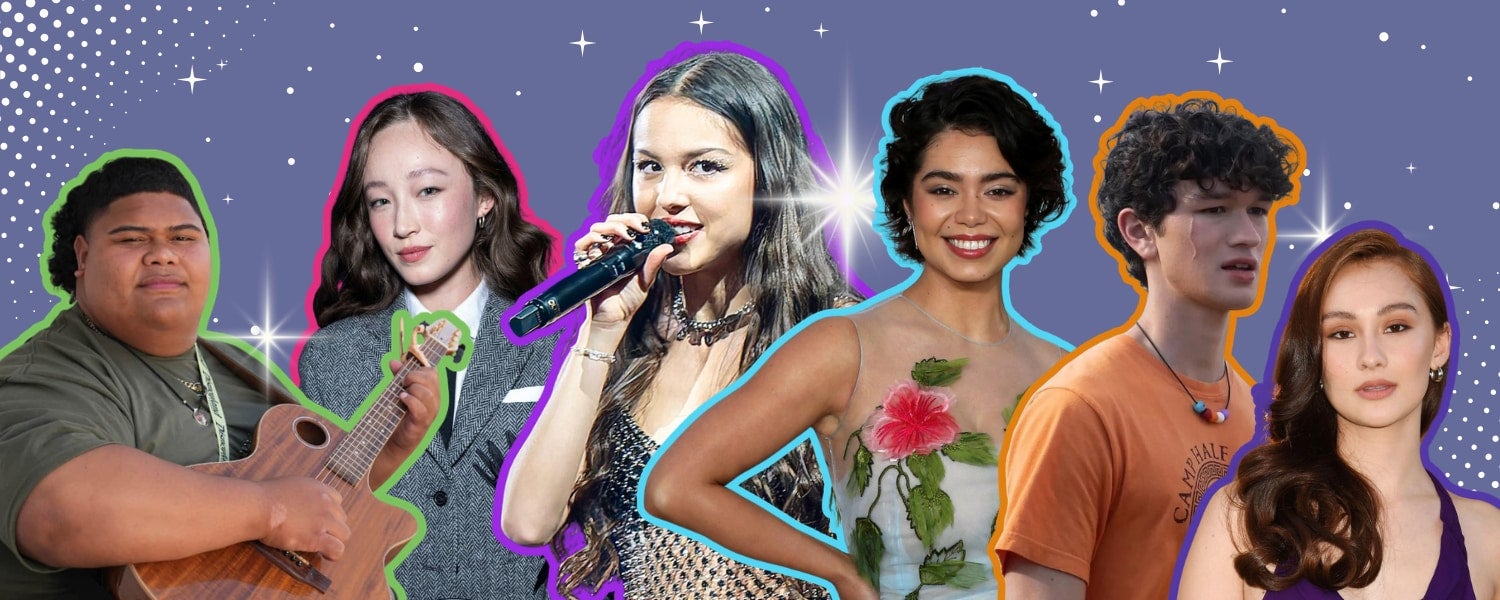
Rising Multiracial Gen Z Stars
Rising Gen Z stars (left to right) Iam Tongi, Havana Rose Liu, Olivia Rodrigo, Auli‘i Cravalho, Charlie Bushnell, and Lola Tung are among the next fast-growing generation representing multiracial Pacific Islanders and Asian Americans in pop culture.
-
Image
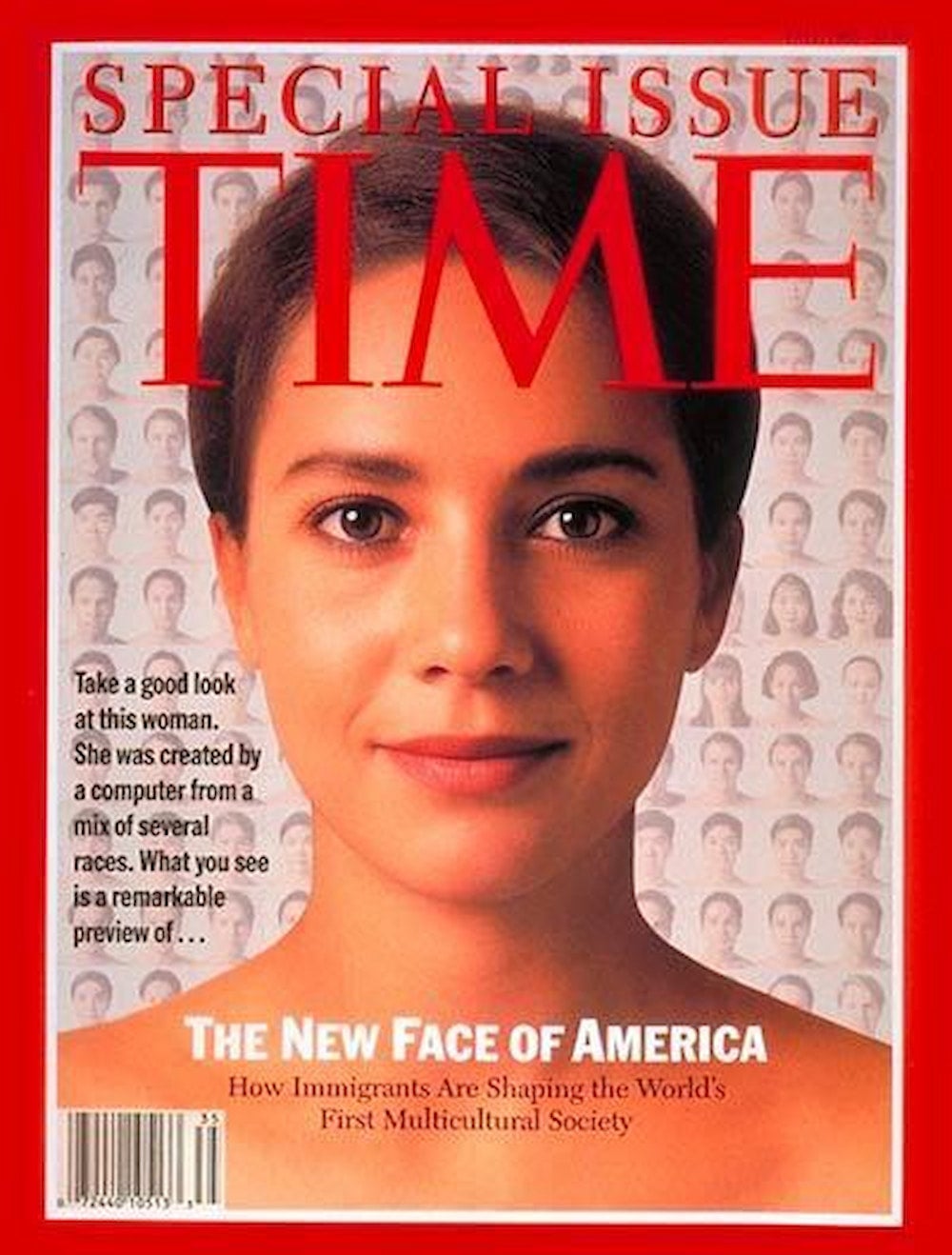
TIME cover: Multiracial Future of America
A TIME magazine cover from 1993 featuring a computer-generated picture of a multiethnic woman signaled the multiracial future of America.
-
Video
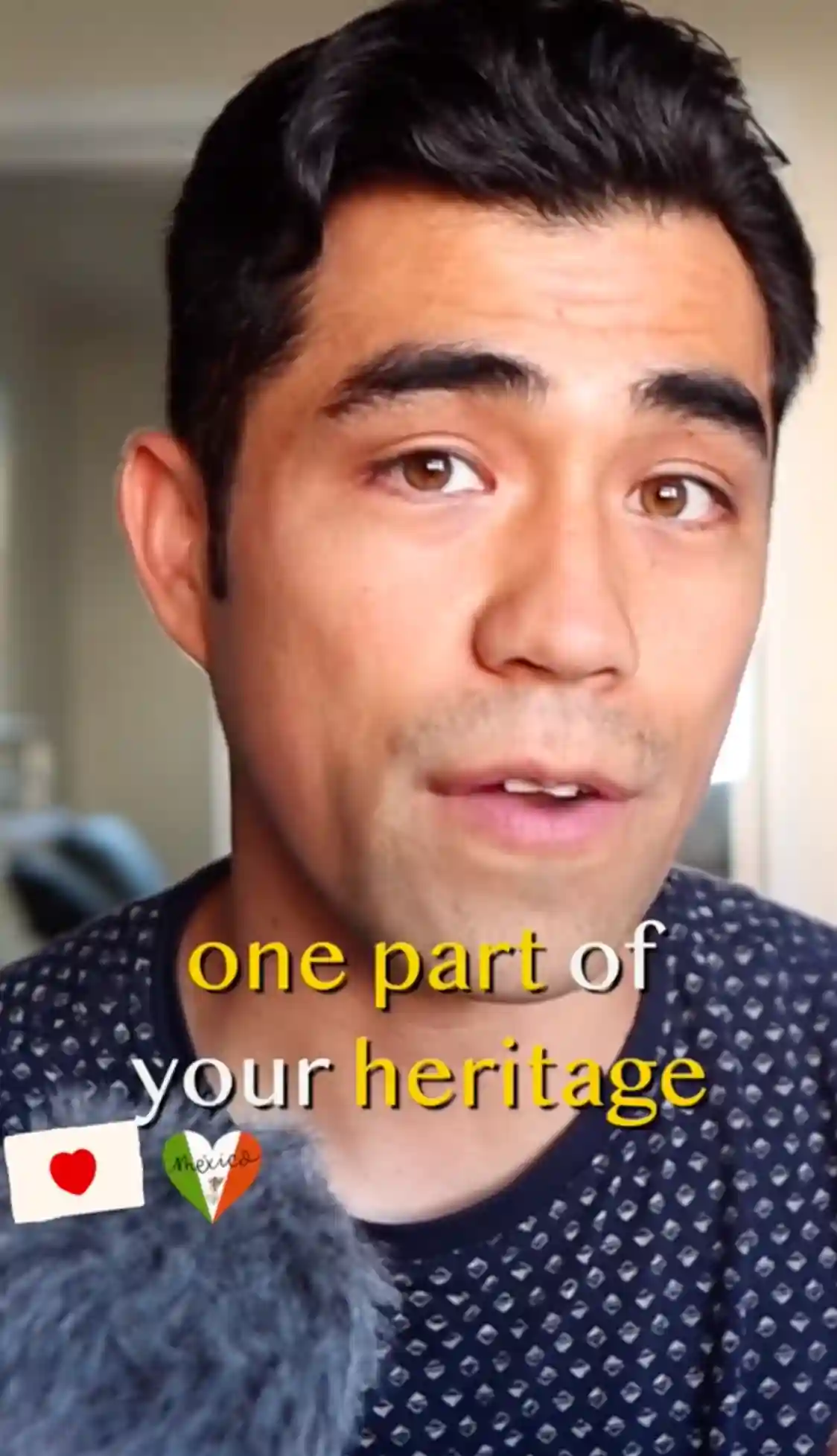
Being Japanese-Mexican on TikTok
TikTok creator @brandonrkh discusses growing up with both his Japanese and Mexican heritage, including his experience looking “more Japanese.”
-
-
Image
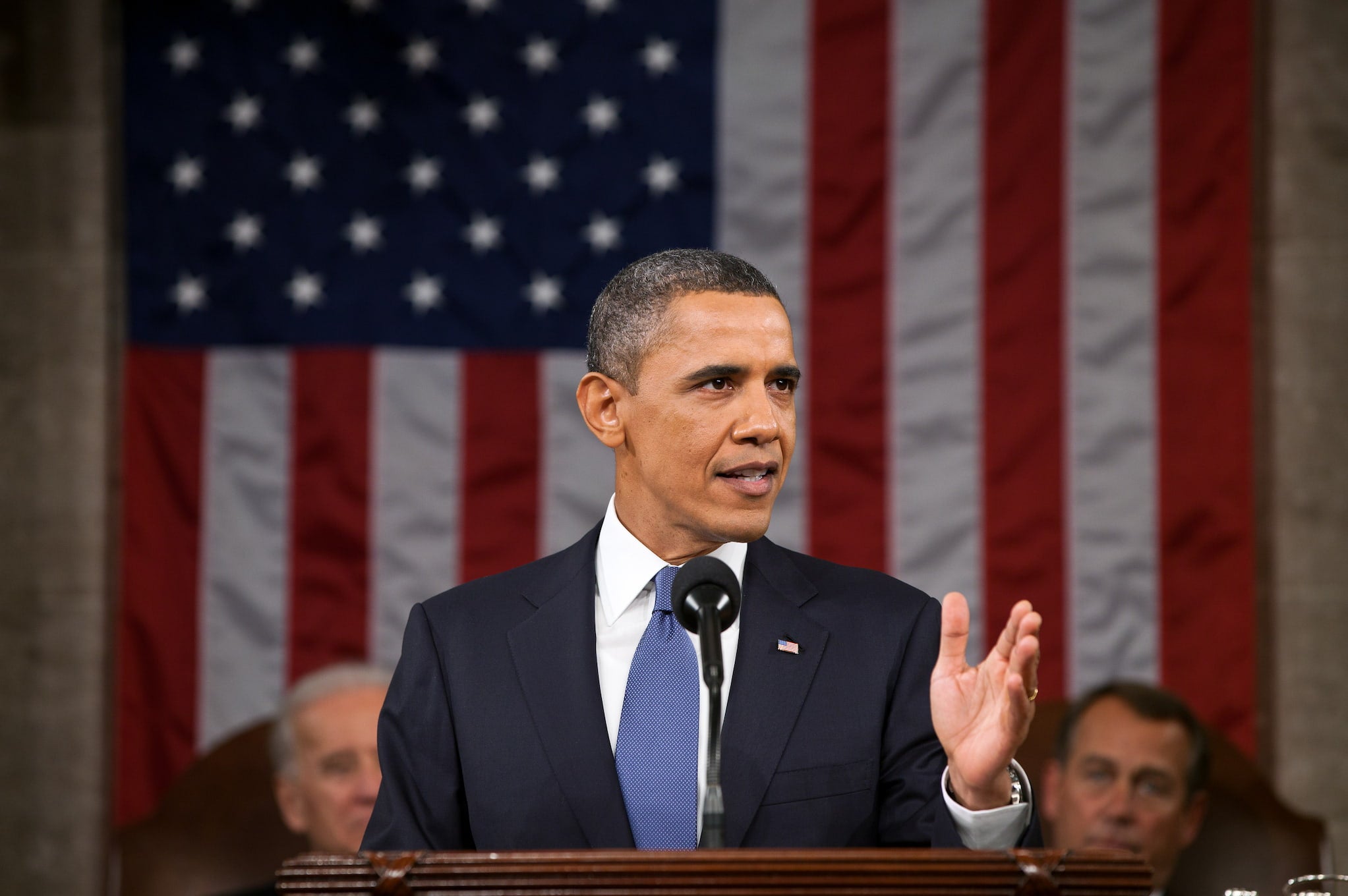
Barack Obama Giving State of the Union Address
-
Image
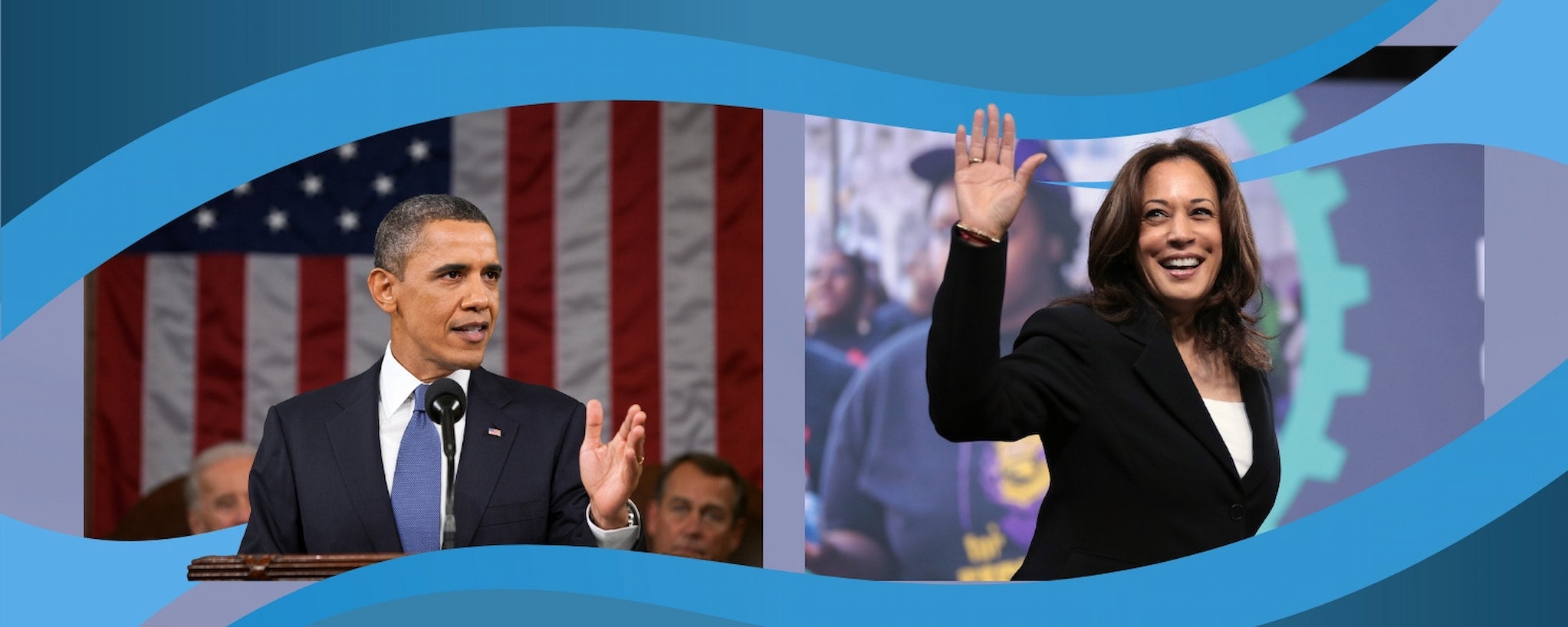
Barack Obama and Kamala Harris Collage
Throughout their respective presidential campaigns, President Barack Obama (left) and Vice President Kamala Harris (right) were accused of using their multiracial heritage to win voters who shared their racial identities.
-
Image
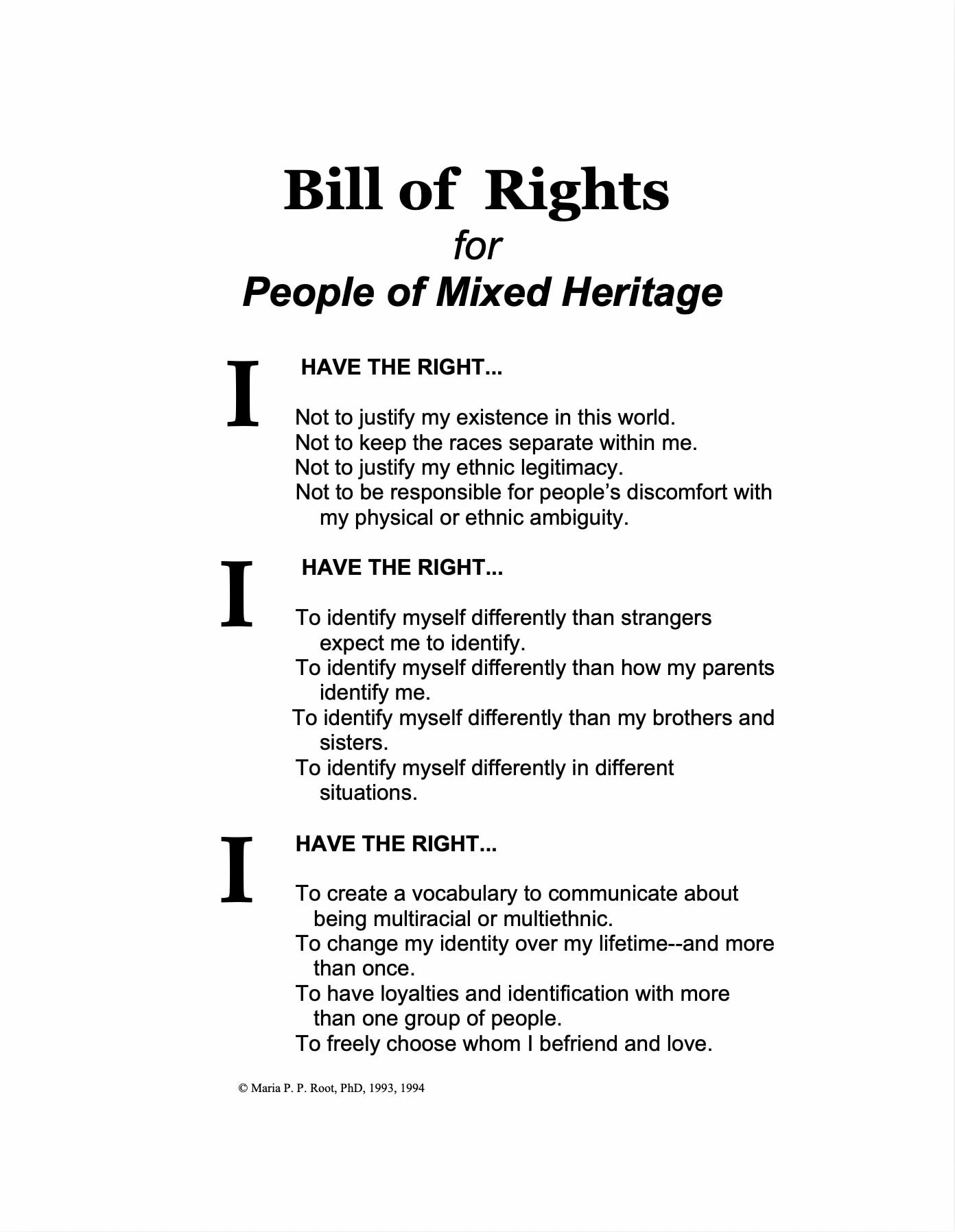
Bill of Rights for People of Mixed Heritage
“Bill of Rights for People of Mixed Heritage” by Maria Root expresses commonalities among multiracial people.
-

Image
Book Cover for Hapa Girl
-
Image
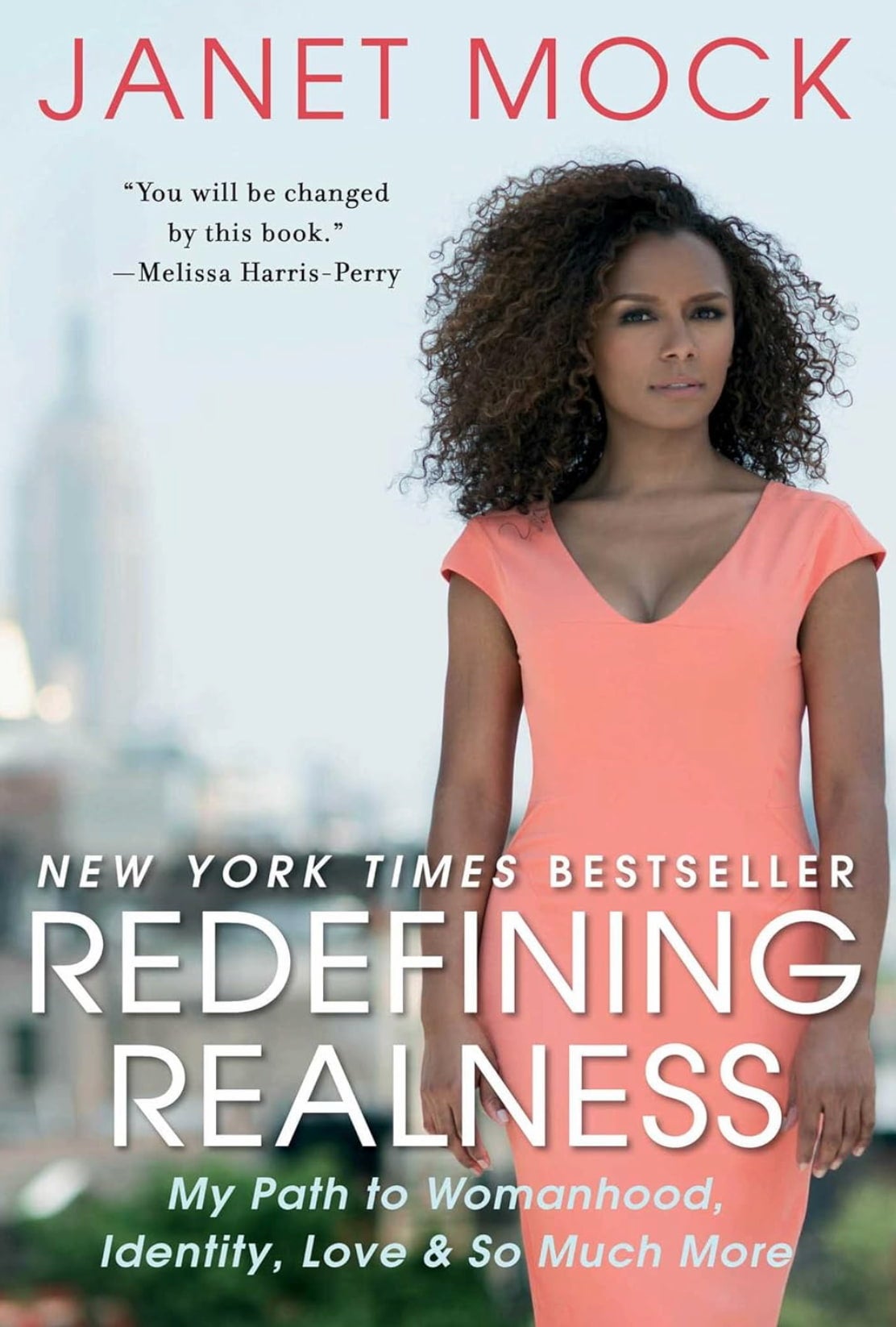
Book Cover for Redefining Realness
-
Image
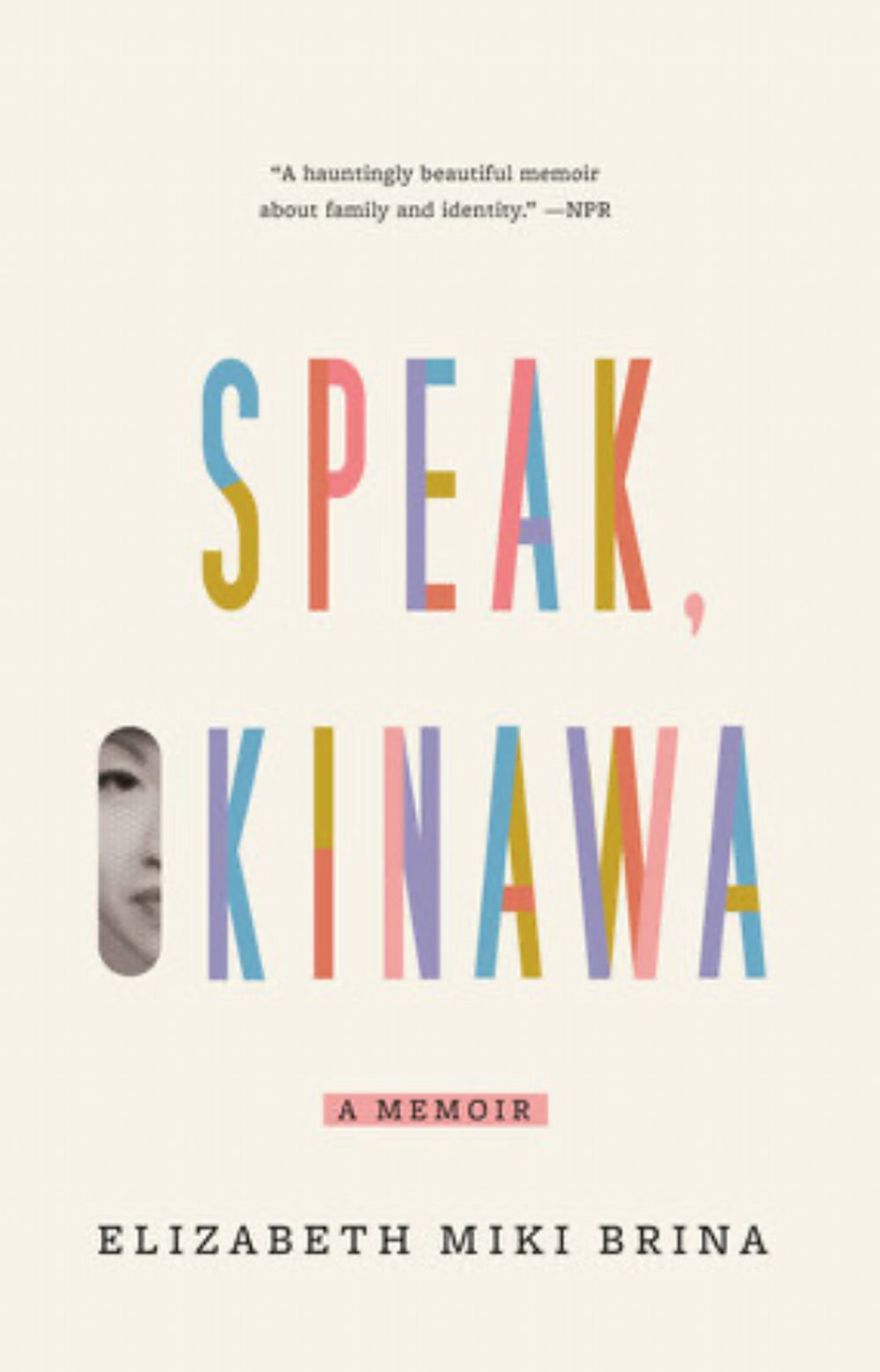
Book Cover for Speak Okinawa
-
Image
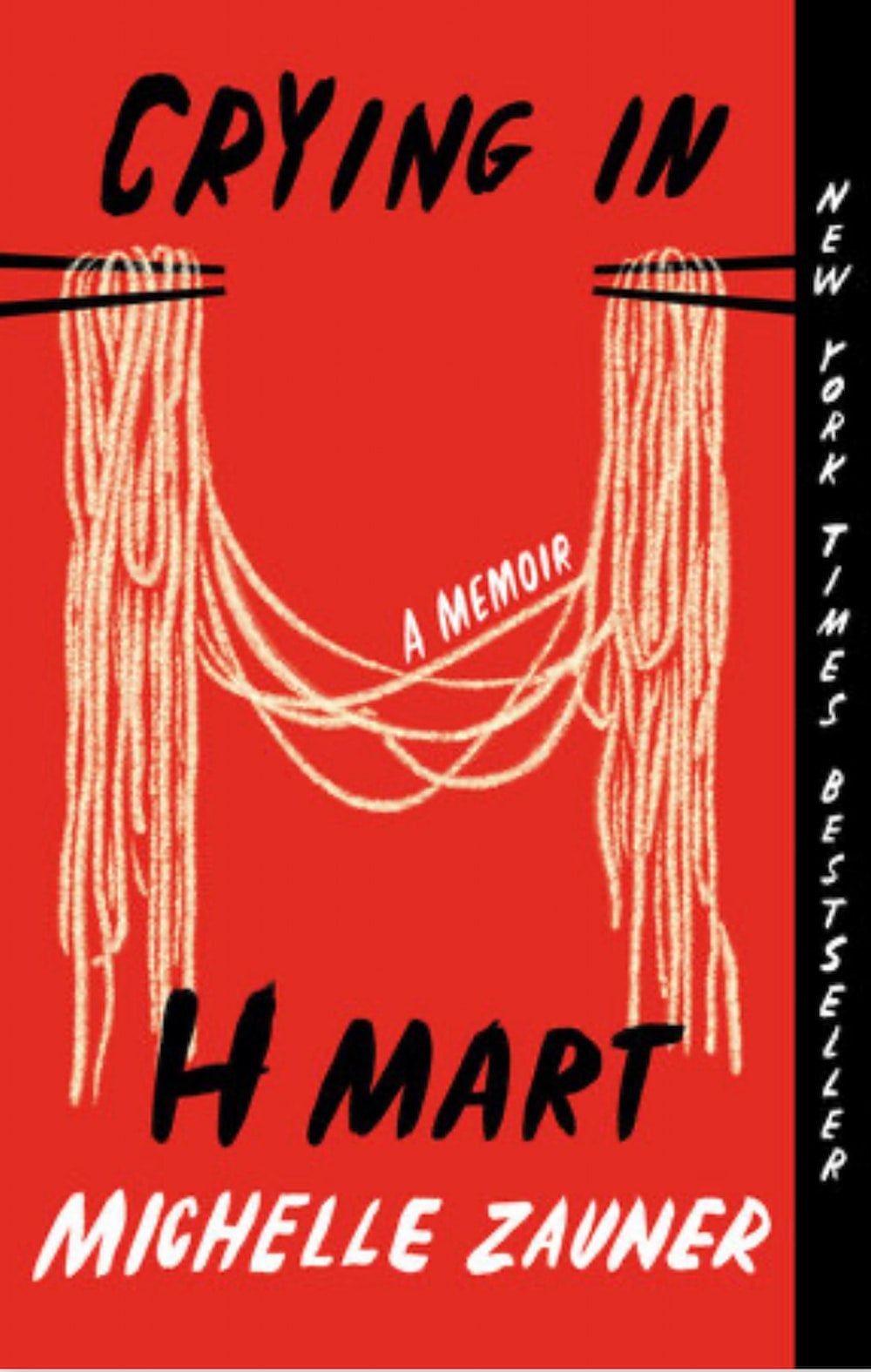
Book Cover for Crying in H Mart
-
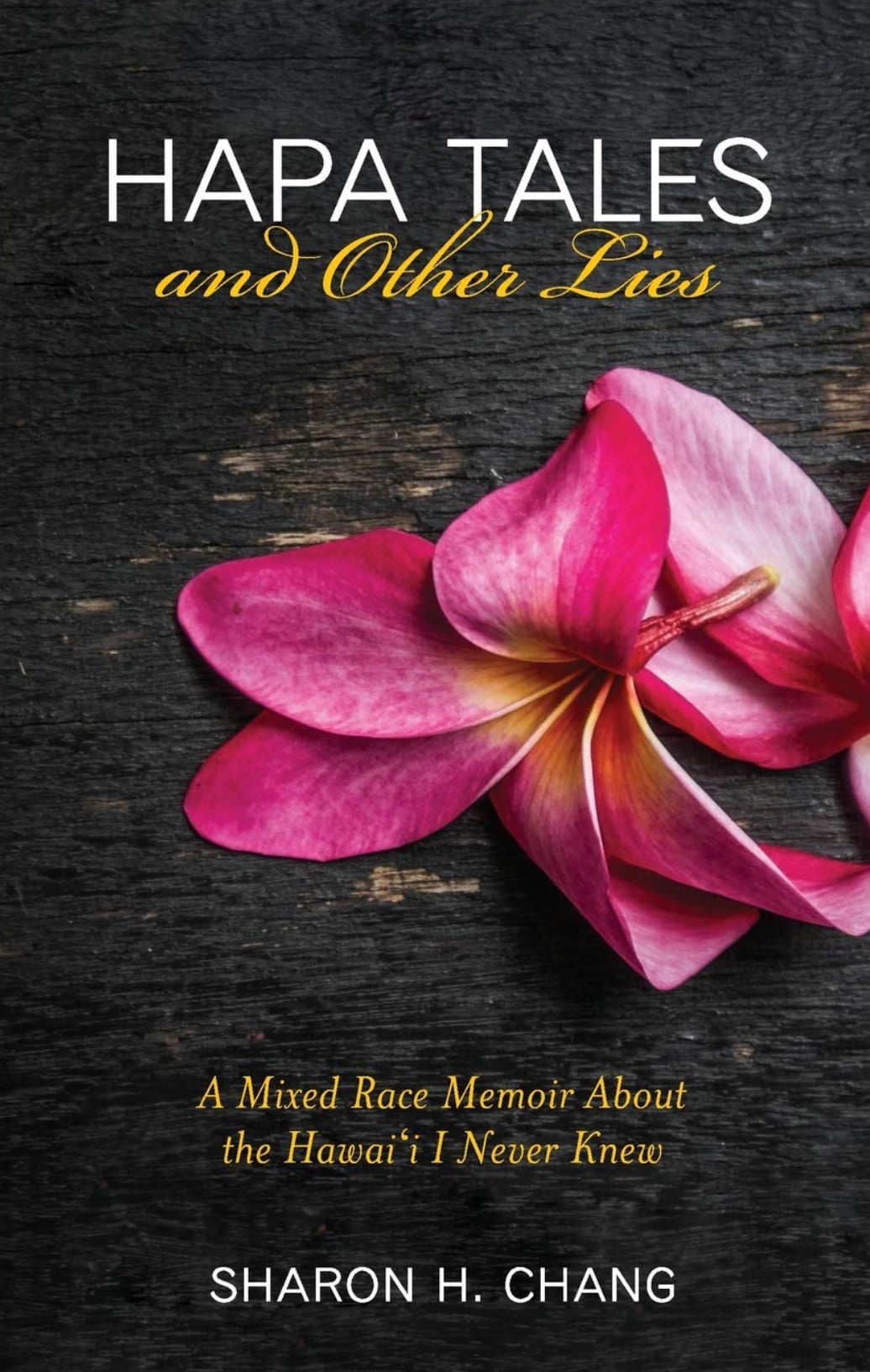
Image
Book Cover for Hapa Tales and Other Lies
-
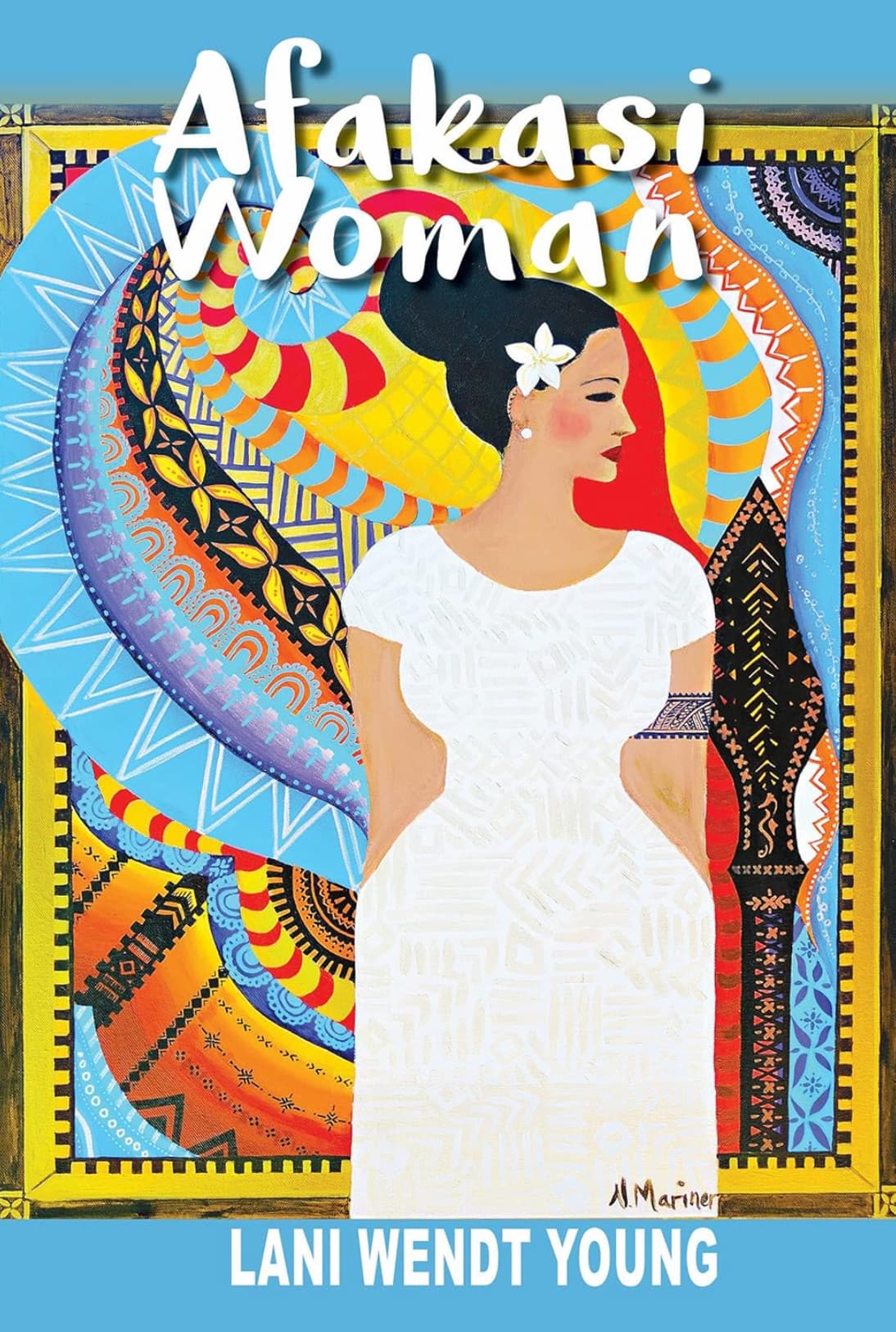
Image
Book Cover for Afakasi Woman
-
Image
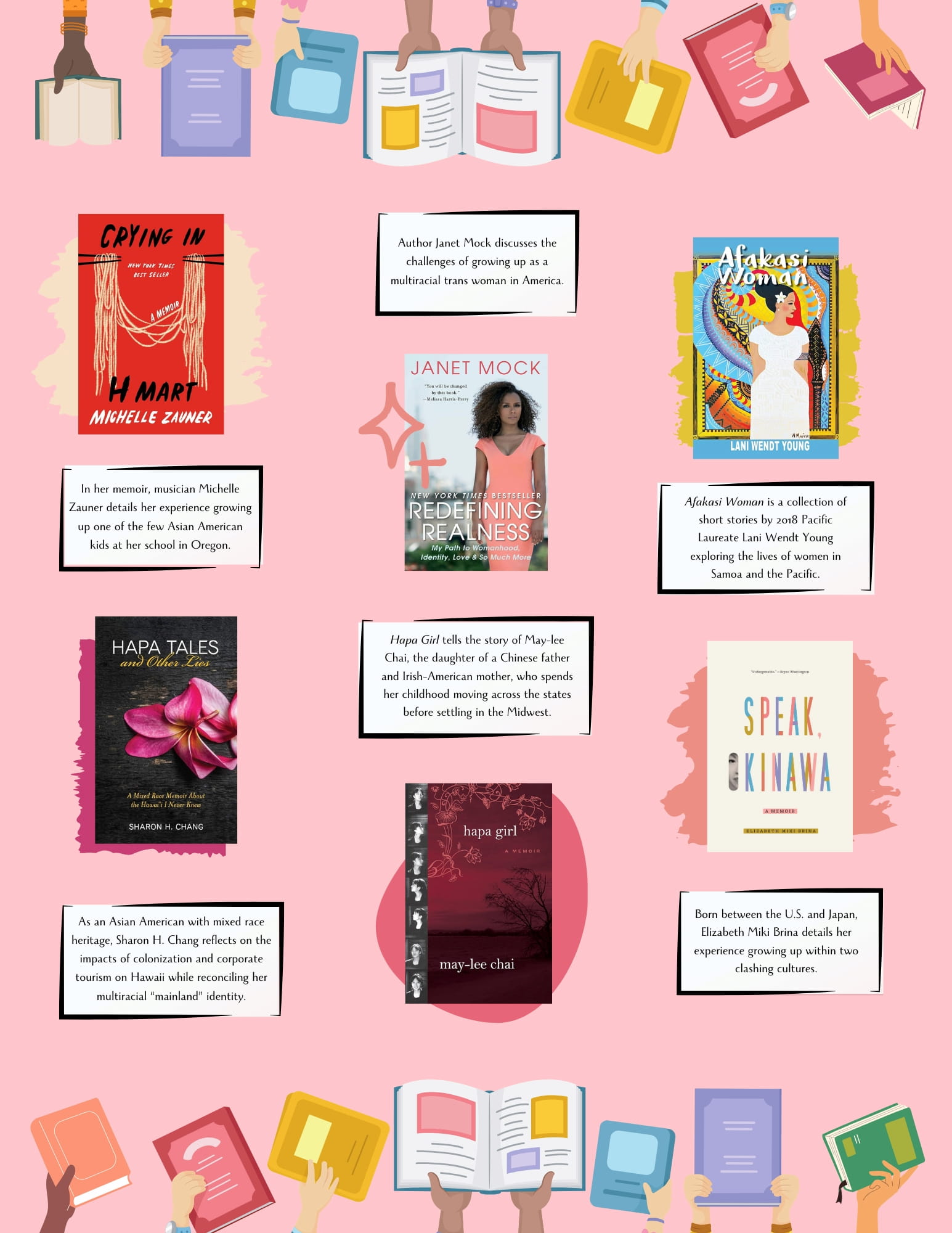
Multiracial Author Memoirs Collage
Multiracial authors such as Michelle Zauner, Sharon H. Chang, Janet Mock, May-lee Chai, Lani Wendt Young, and Elizabeth Miki Brina have had success sharing their experiences and personal stories through memoirs.
-
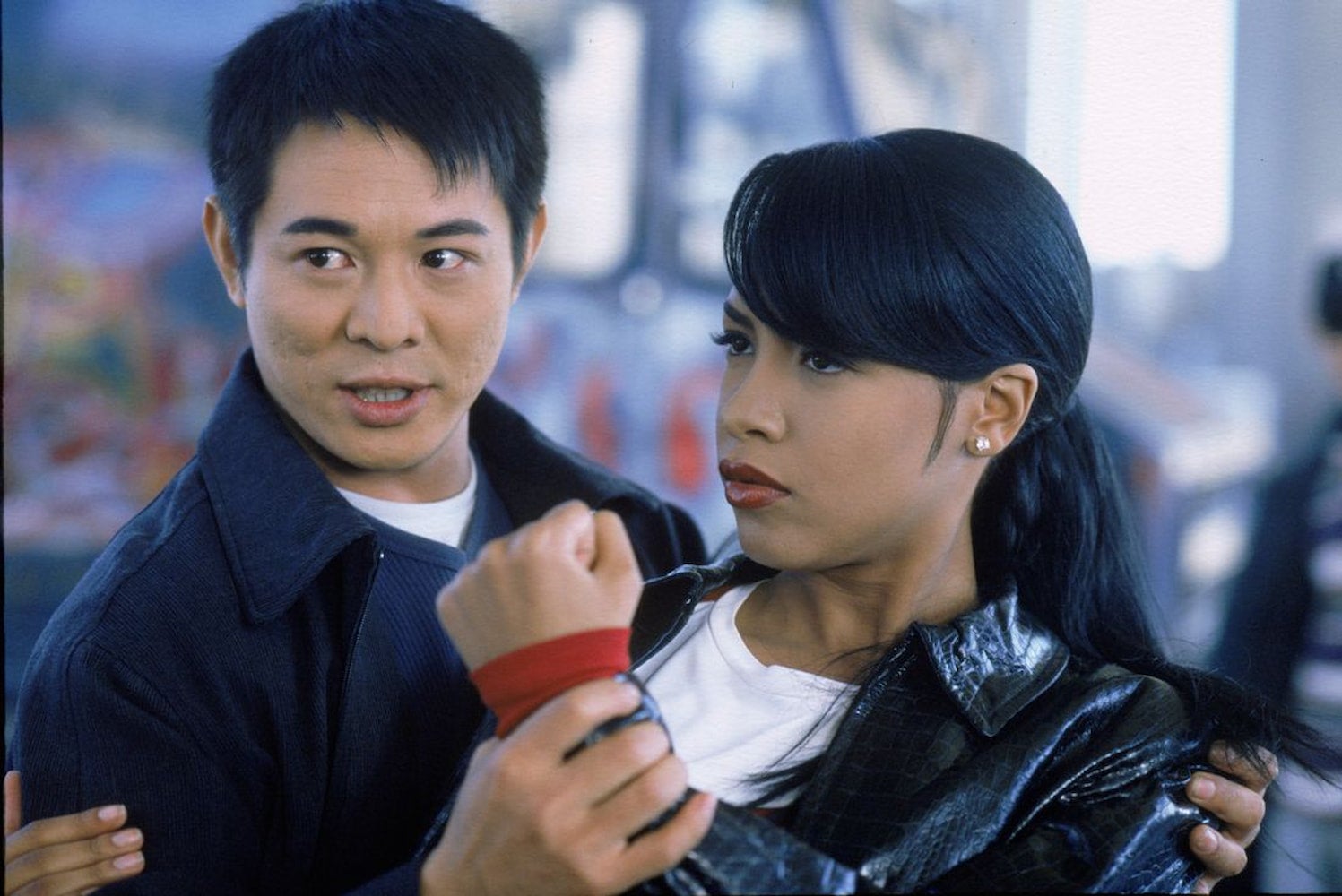
Image
Romeo Must Die
Actors Jet Li (left) and Aaliyah (right) in Romeo Must Die (2000), an adaptation of the Shakespearean tragedy with a martial-arts twist. However, instead of featuring star-crossed lovers, the filmmakers replaced the characters’ romantic scene with one featuring a platonic hug.
-
Image
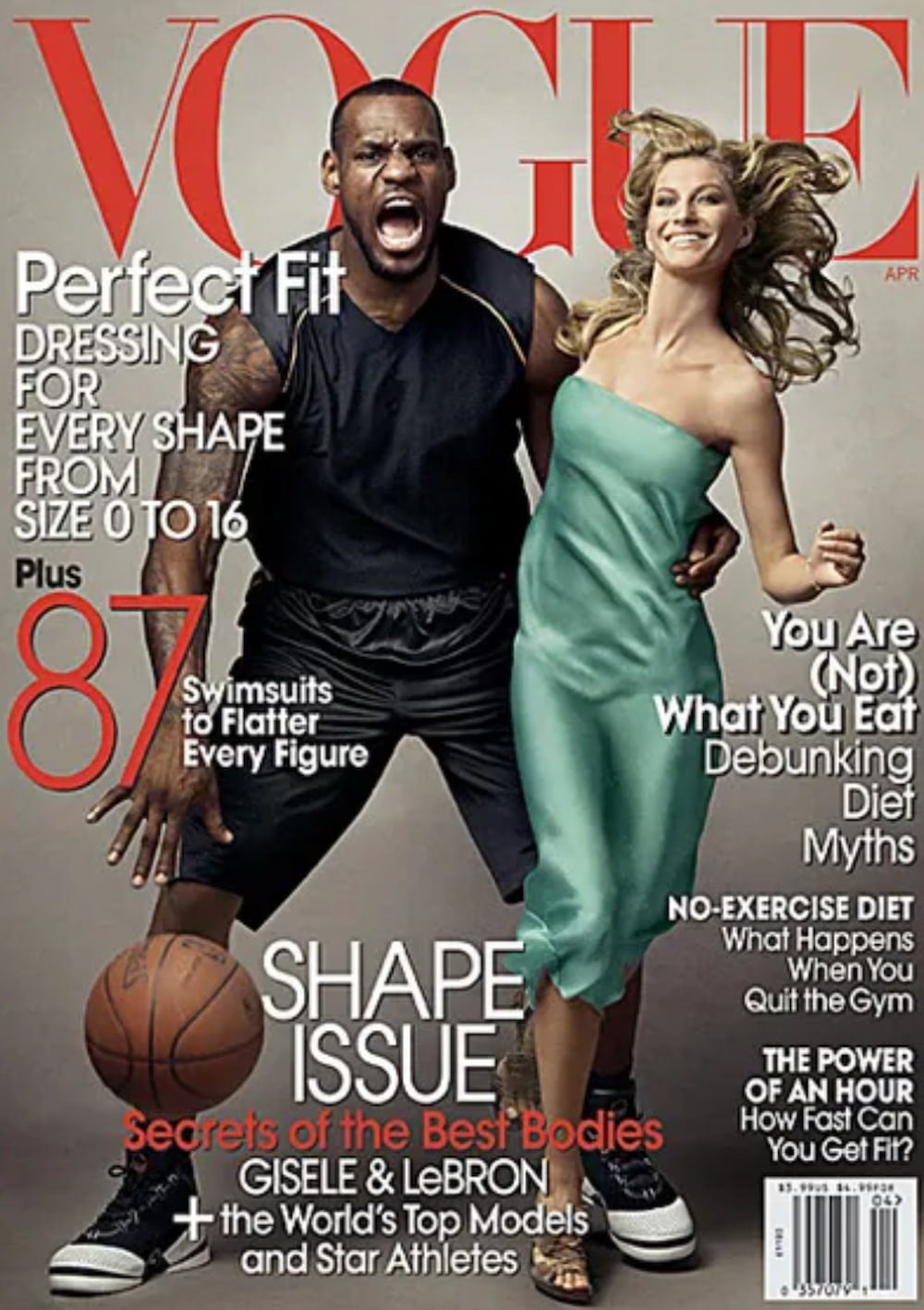
LeBron James and Gisele Bundchen Vogue Cover
Basketball star LeBron James (left) and supermodel Gisele Bundchen (right) pose together on the cover of the April 2008 issue of Vogue. The image generated controversy, as many saw a perpetuation of harmful racial stereotypes featuring James, a Black man, and Bundchen, a white woman.
-
Image
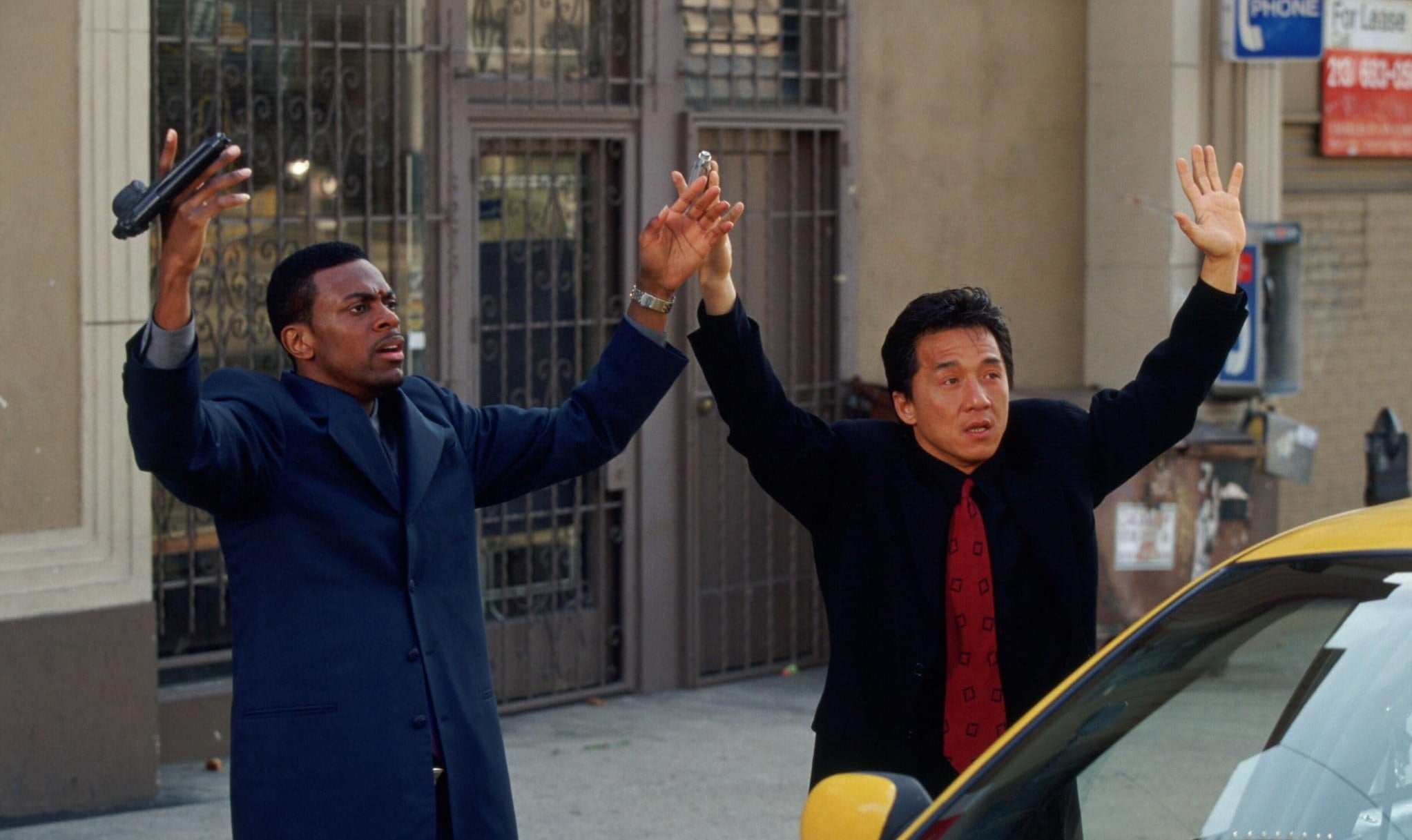
Rush Hour
Chris Tucker (left) and Jackie Chan (right) in the 1998 film Rush Hour.
-
Video
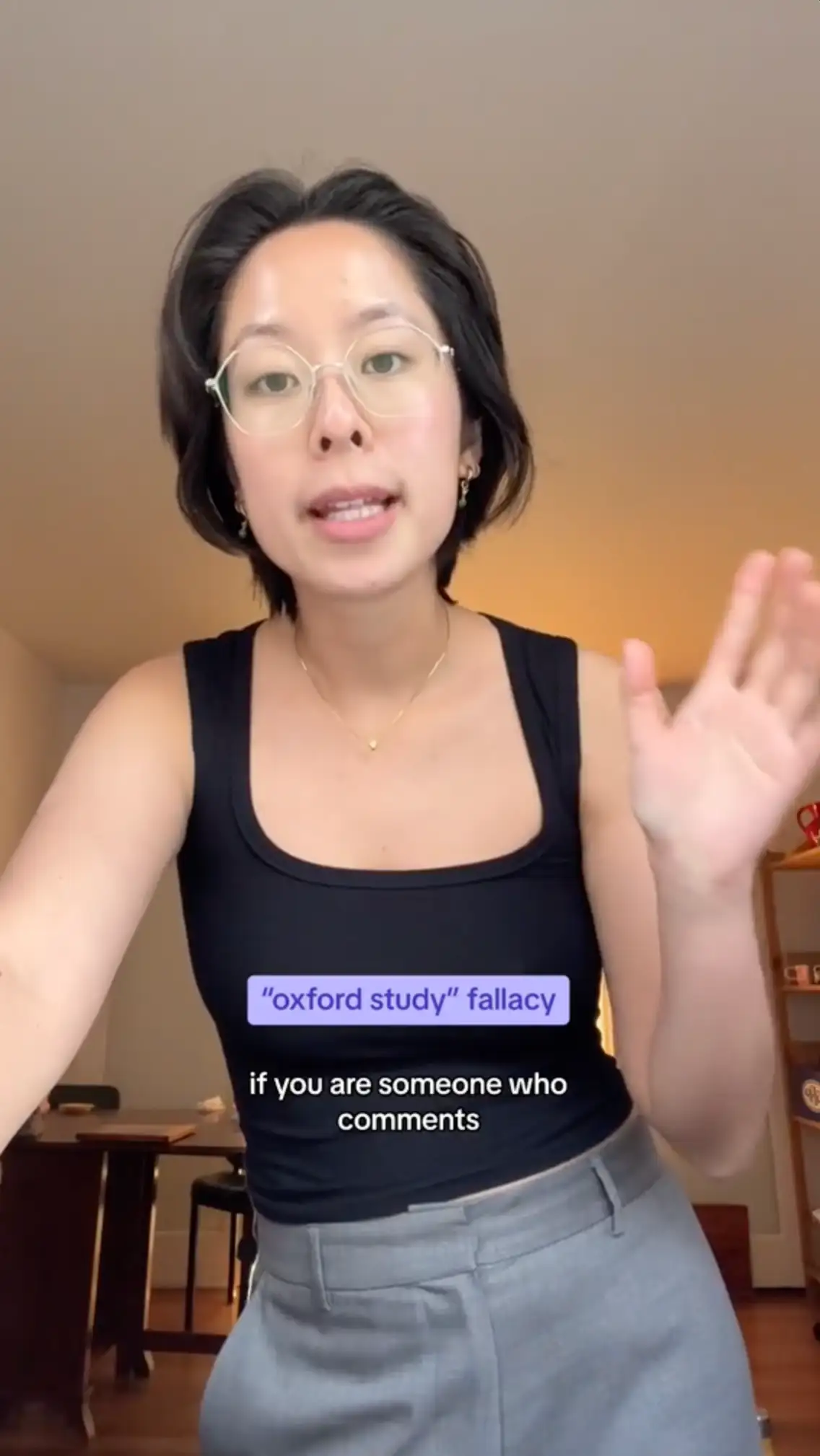
The “Oxford Fallacy” on TikTok
@maggie_zhou on TikTok explains the harm caused to Asian women by the “Oxford Study” fallacy.