



Search the Media Repository
Discover the curated images, videos, and primary sources featured throughout Foundations and Futures
History is more than just text on a page; it is the photographs, voices, and artifacts of the people who lived it. The images and recordings featured across Foundations and Futures are part of a meticulously curated media repository. Whether you are building a lesson plan or investigating an artifact, you can use this database to trace the provenance of our media: discover who created an asset, the historical context behind it, and how it can be used to bring Asian American and Pacific Islander experiences into your classroom.
Multimedia
Chapters
-
Image
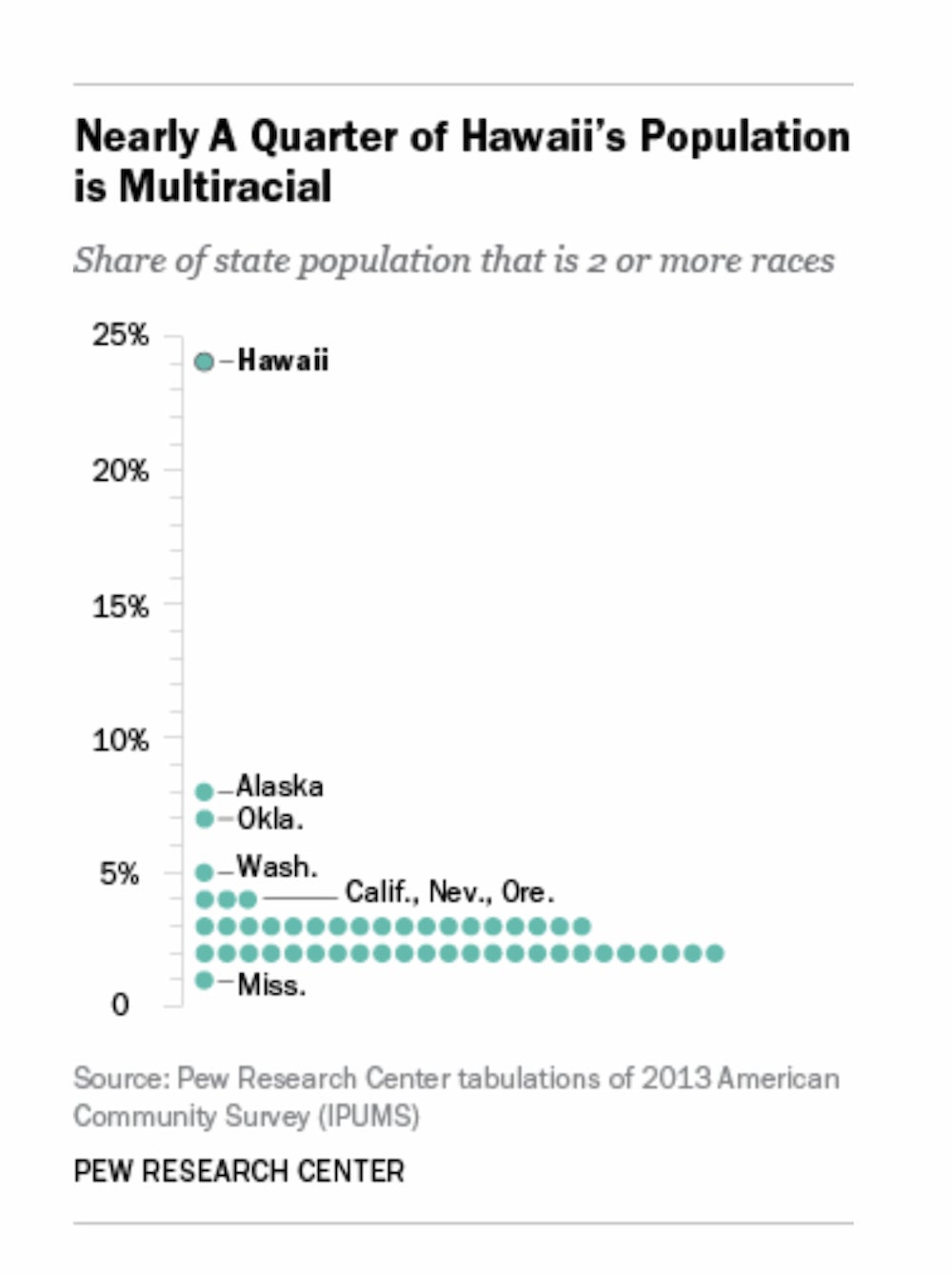
Pew Research Center Hawaiʻi Multiracial Data
Data from Pew Research Center shows that Hawaiʻi is the US state with the largest share of multiracial Americans by far. (Source: Pew Research Center)
-
Image
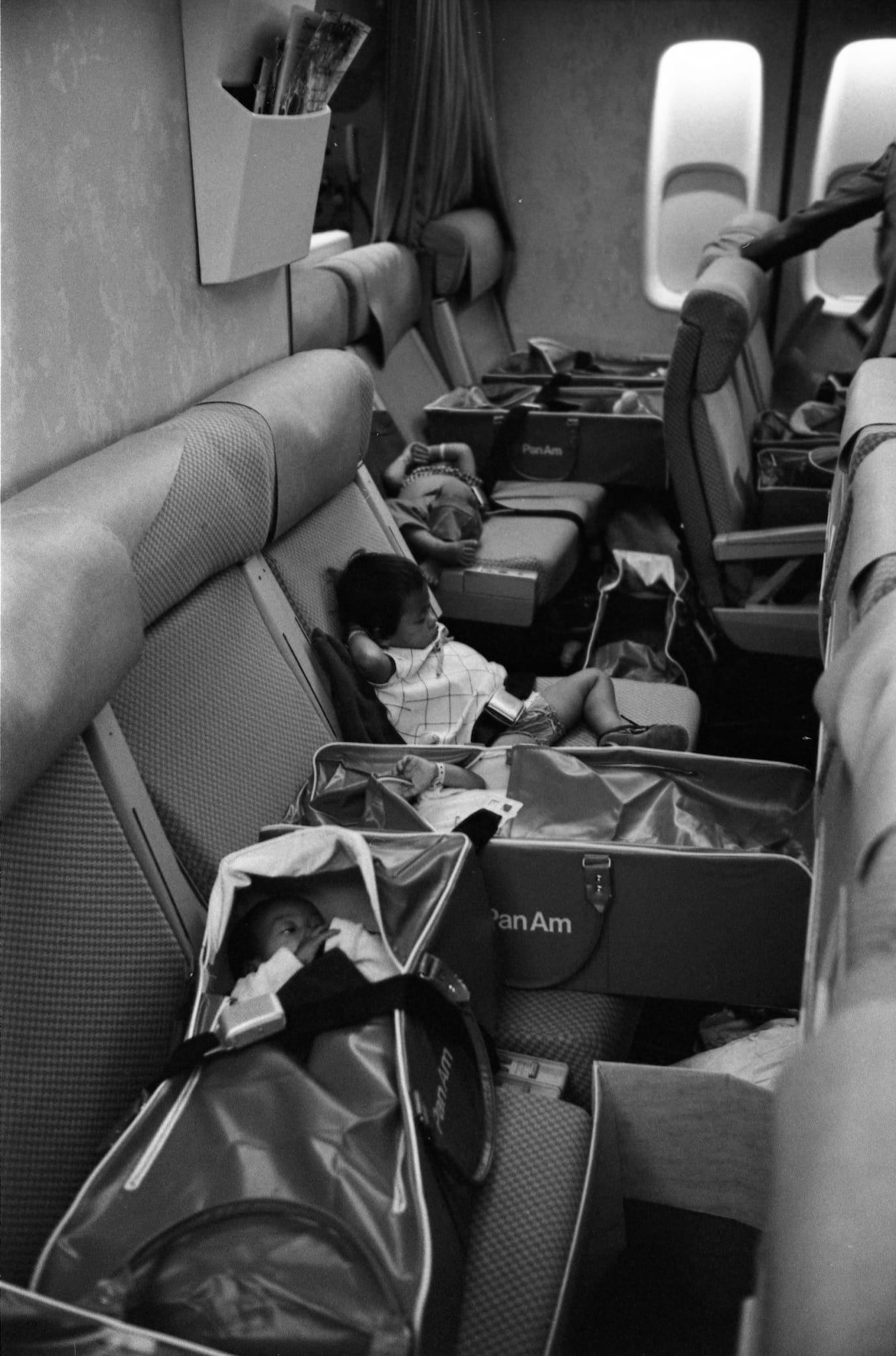
Operation Babylift
Vietnamese refugee children on an Operation Babylift flight to San Francisco on April 5, 1975. Over three thousand Vietnamese orphans were eventually transported to the US, including the multiracial children of American soldiers and Vietnamese mothers.
-
Image
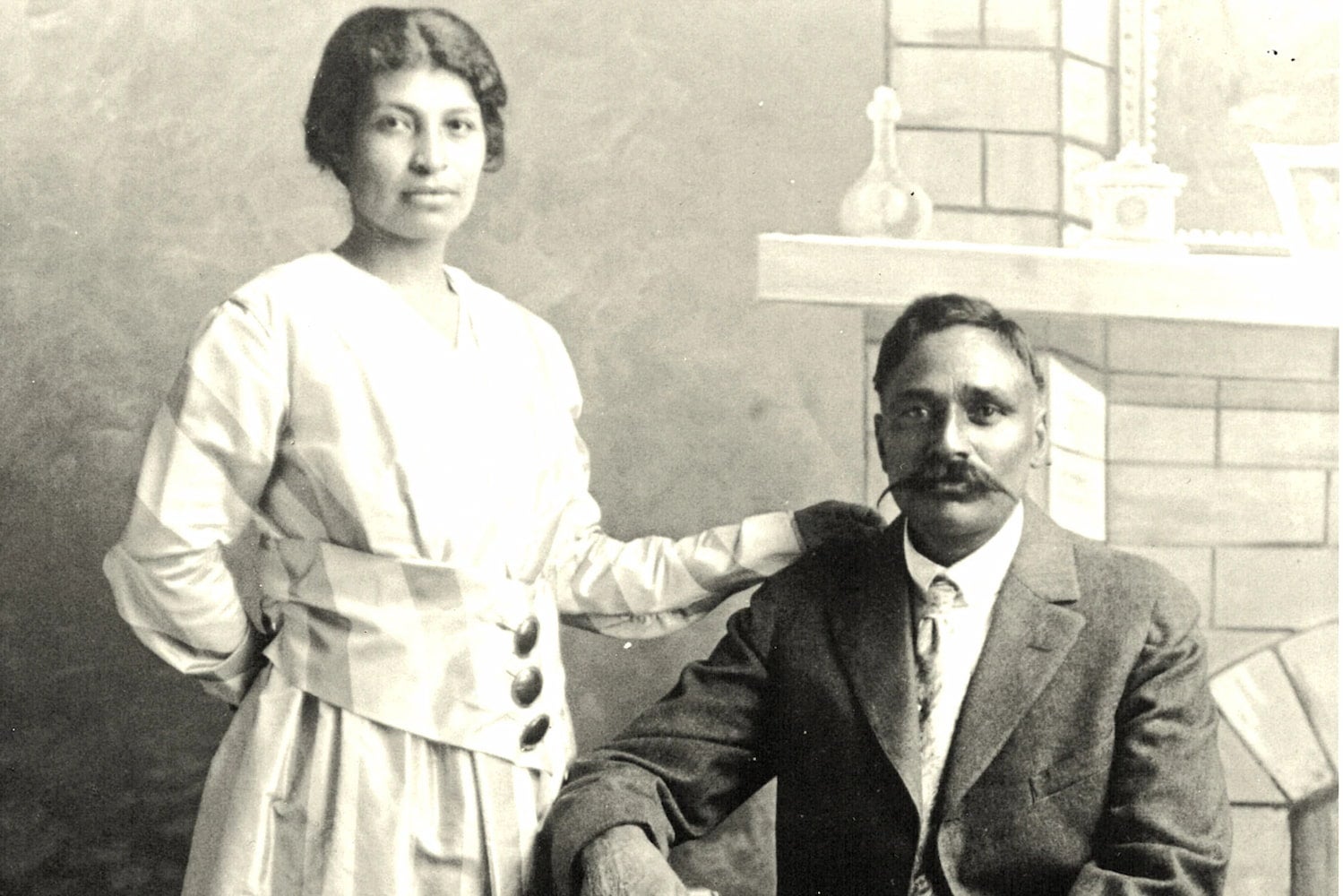
Rullia Singh and Valentina Alvarez
Rullia Singh (right) and Valentina Alvarez (left), a Punjabi Mexican American couple in Yuba Valley, California, pose for their wedding photo in 1917.
-
Image
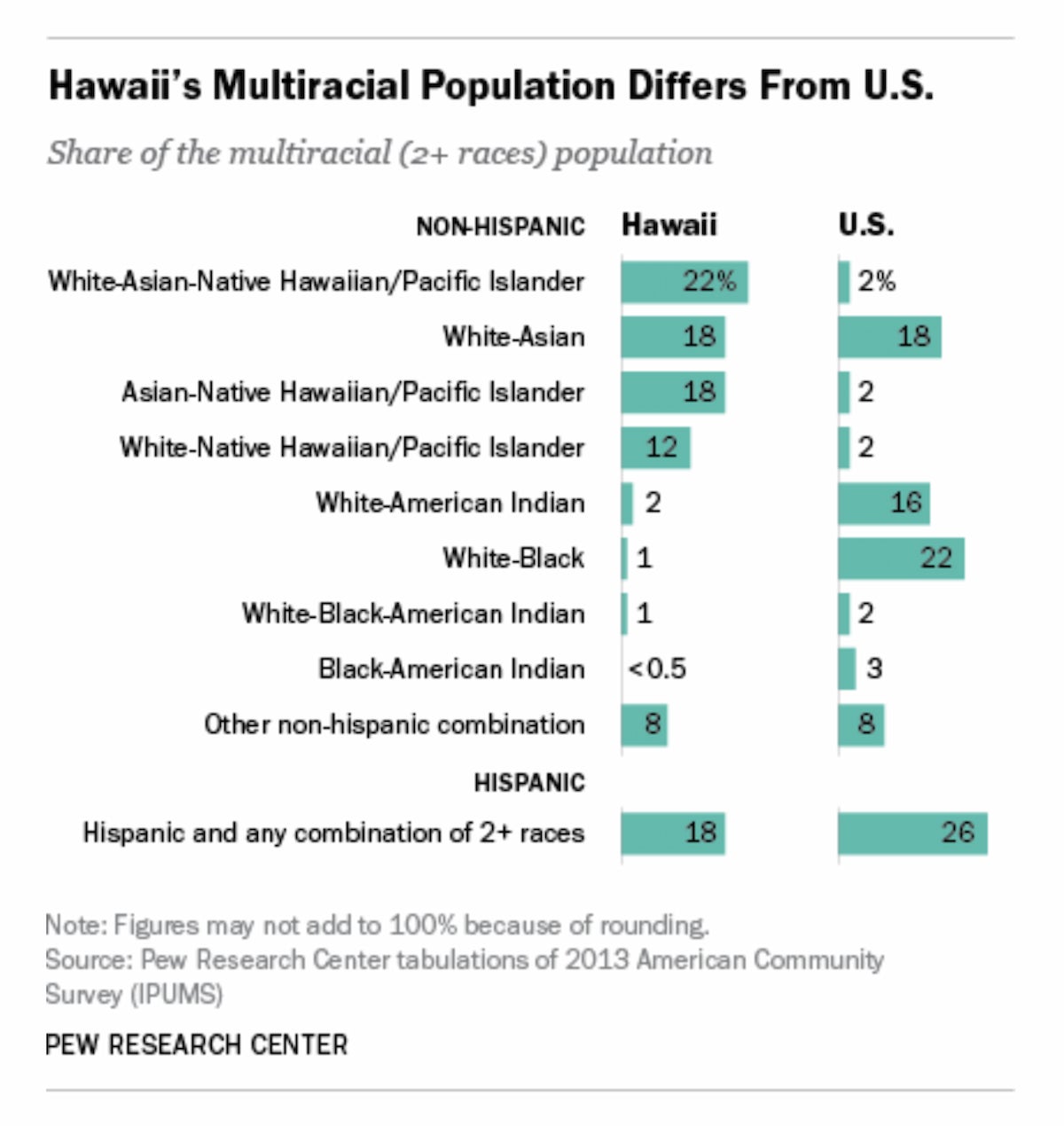
Hawaiʻi’s Multiracial Population
Hawaiʻi is home to the United States’ largest state population of multiracial Americans, with 22 percent identifying as multiracial Pacific Islander. (Source: Pew Research Center)
-
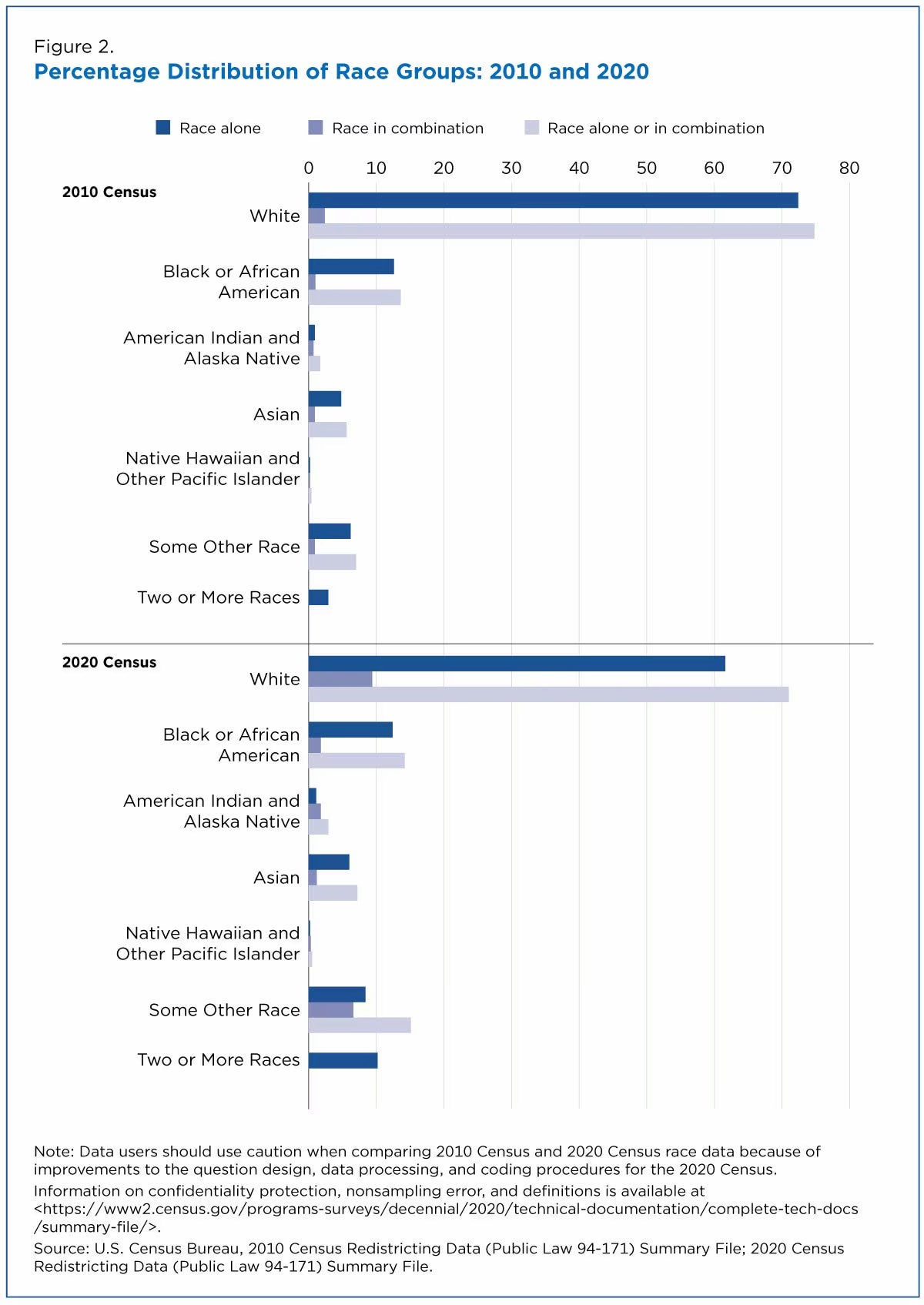
Image
2020 US Census of People Selecting More Than One Racial Category
This figure depicts population data based on race collected in the 2020 US Census. In 2020, people who selected more than one racial category increased by 127 percent since the 2010 Census. (Source: US Census Bureau, 2020)
-
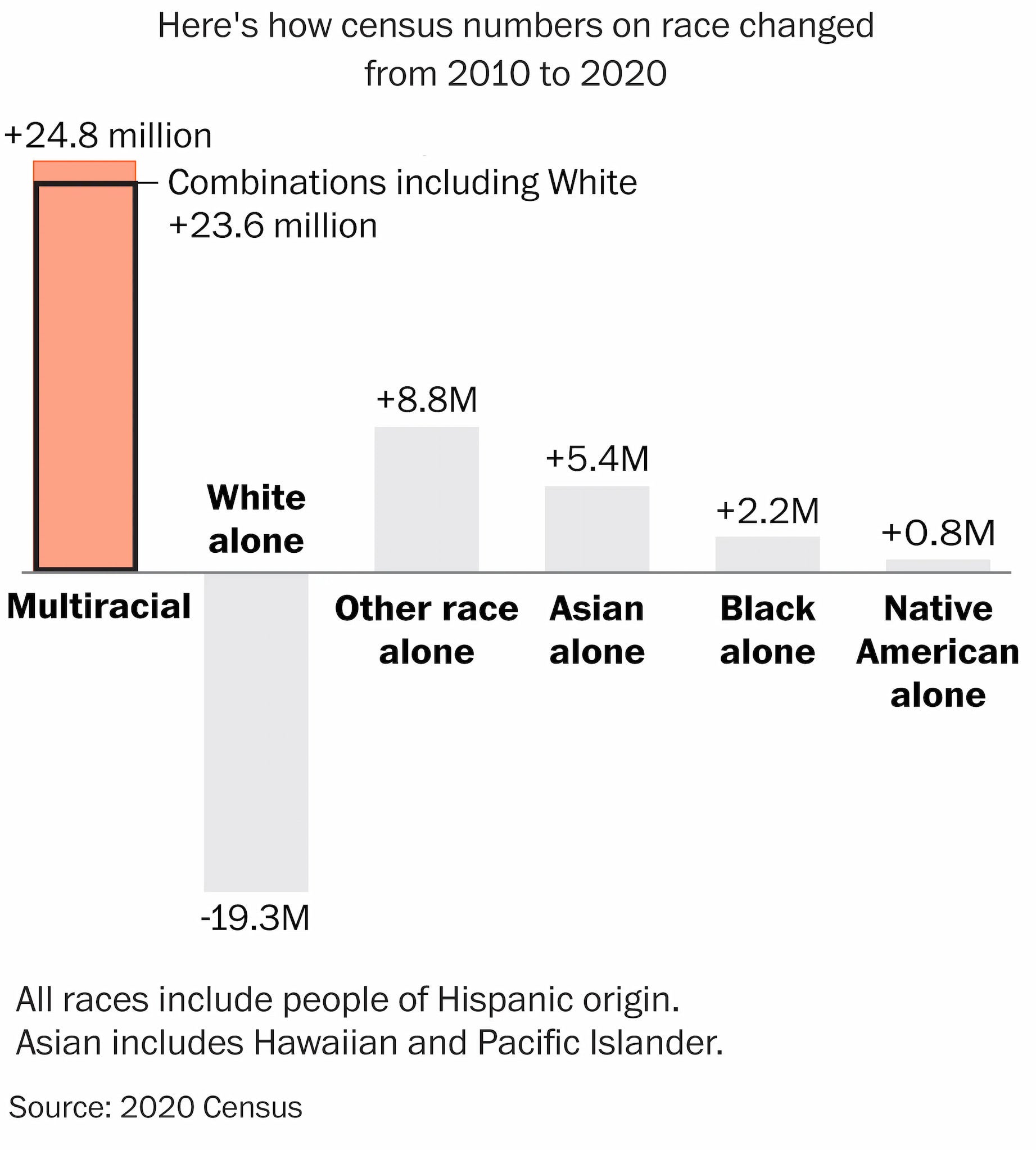
Image
Illustration of People Indentifying as Multiracial 2010-2020
This figure illustrates the increasing number of people who identify as “Multiracial” compared to other racial categories between 2010 and 2020. (Source: US Census Bureau, 2020)
-
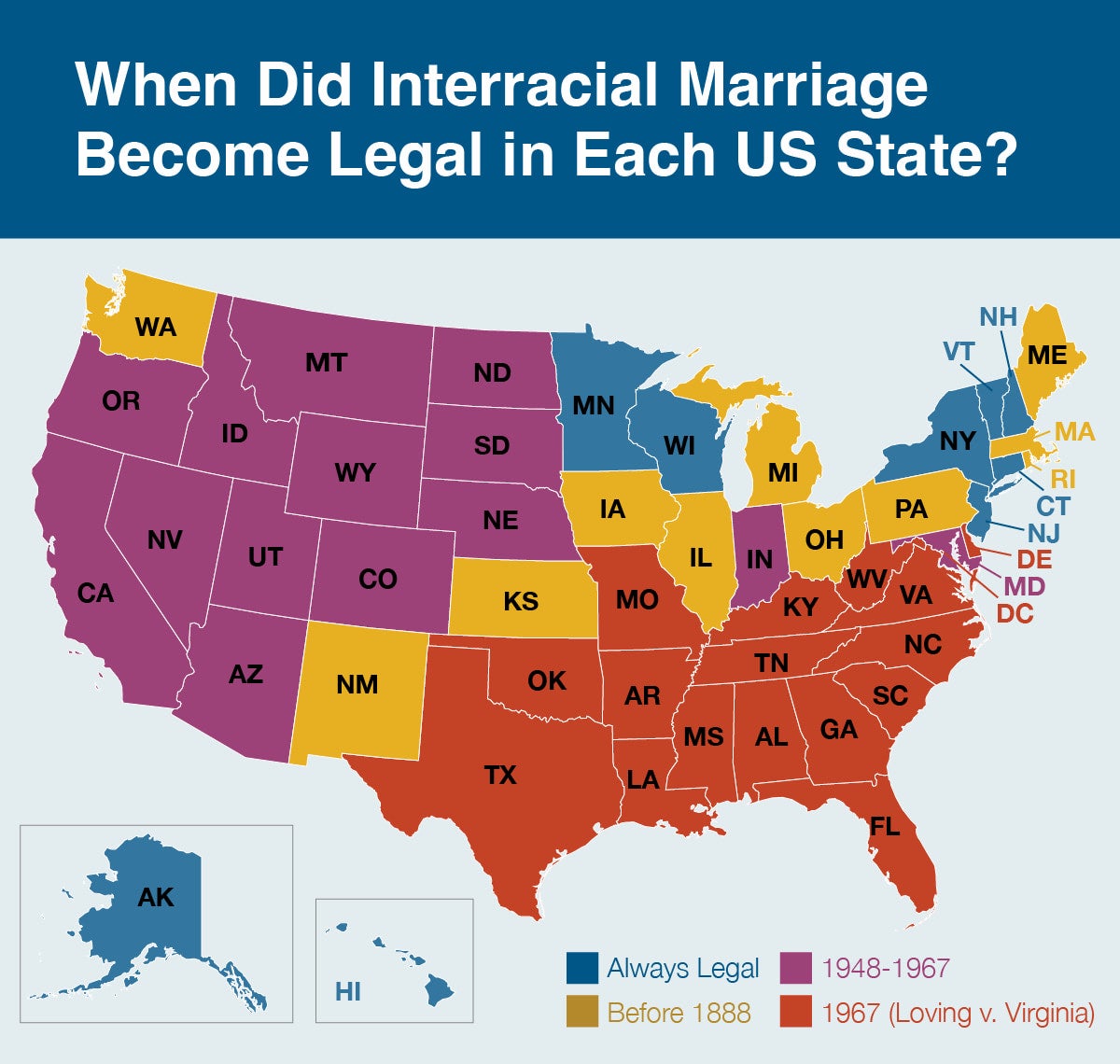
Image
When Interracial Marriage Became Legal, by State
This map shows when interracial marriage became legal in each state. (Source: US Census Bureau)
-
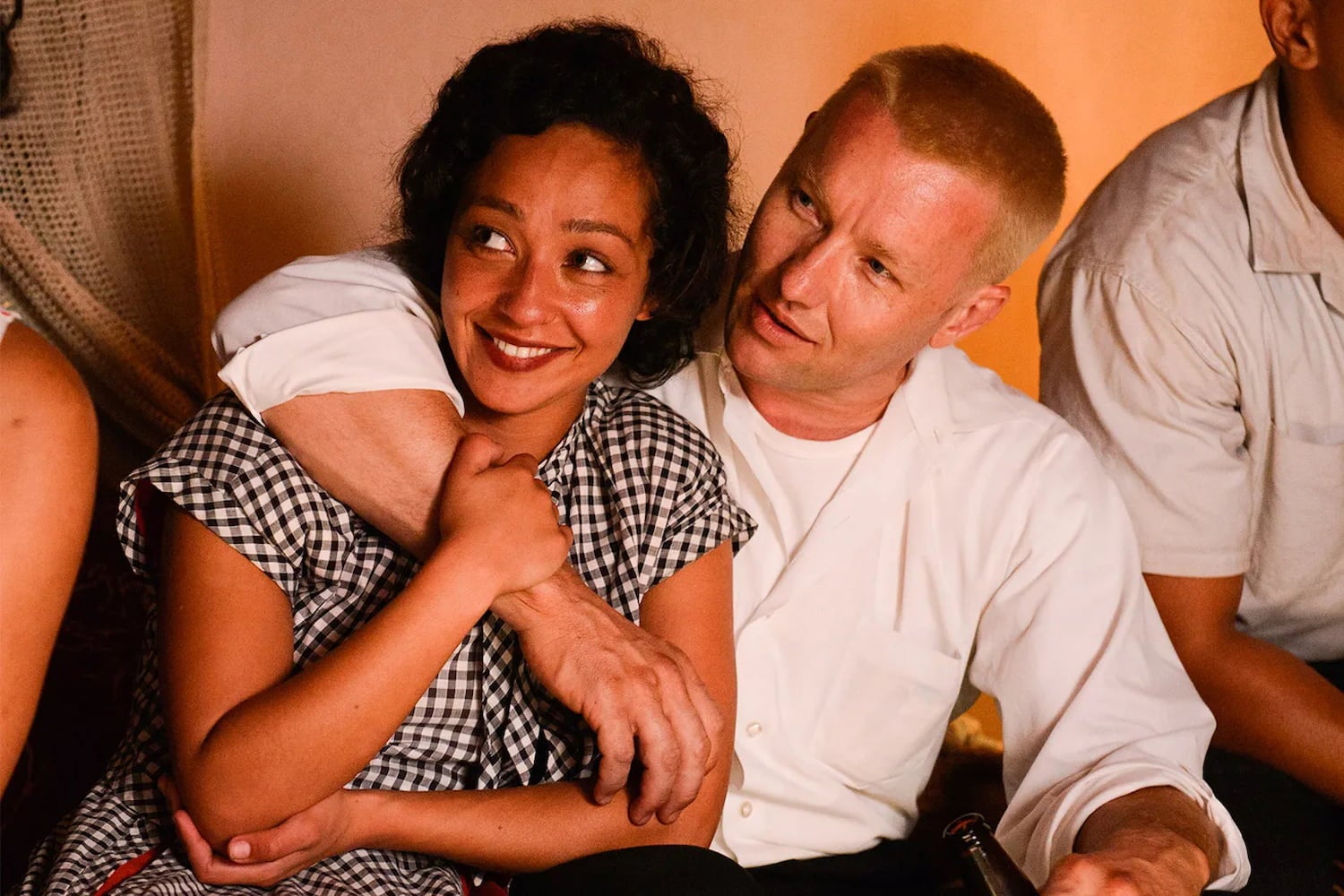
Image
“Loving,” the Hollywood Film
The Hollywood film Loving portrayed the social, legal, and personal challenges the Lovings had to overcome. The 2016 movie featured Ruth Negga (left) in the role of Mildred Loving and Joel Edgerton (right) as Richard Loving.
-
Image
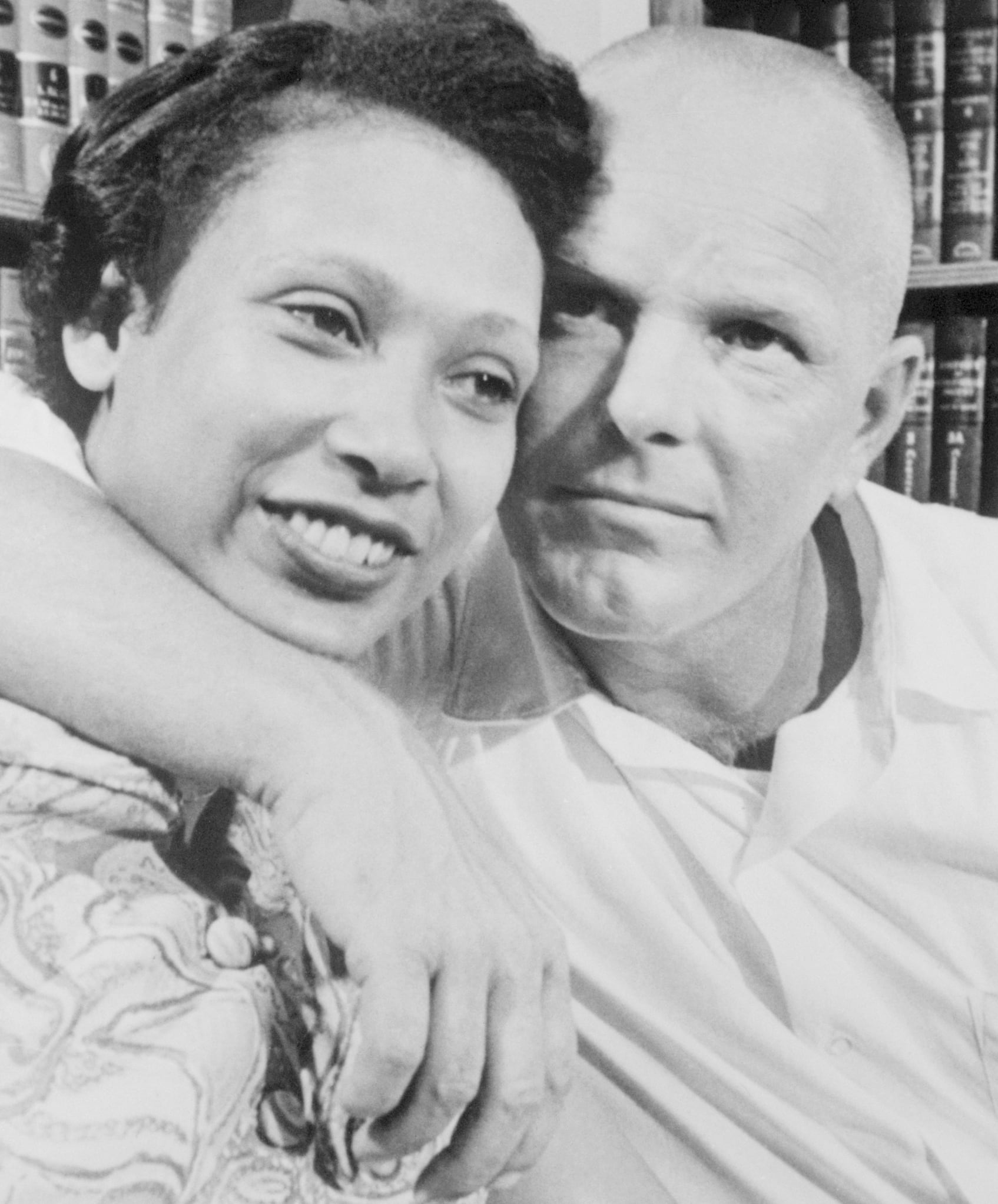
Mildred and Richard Loving
Mildred Loving (left) and her husband Richard Loving (right), January 26, 1965. The couple’s legal battle for the right to marry each other resulted in the legalization of interracial marriage nationwide.
-
Image
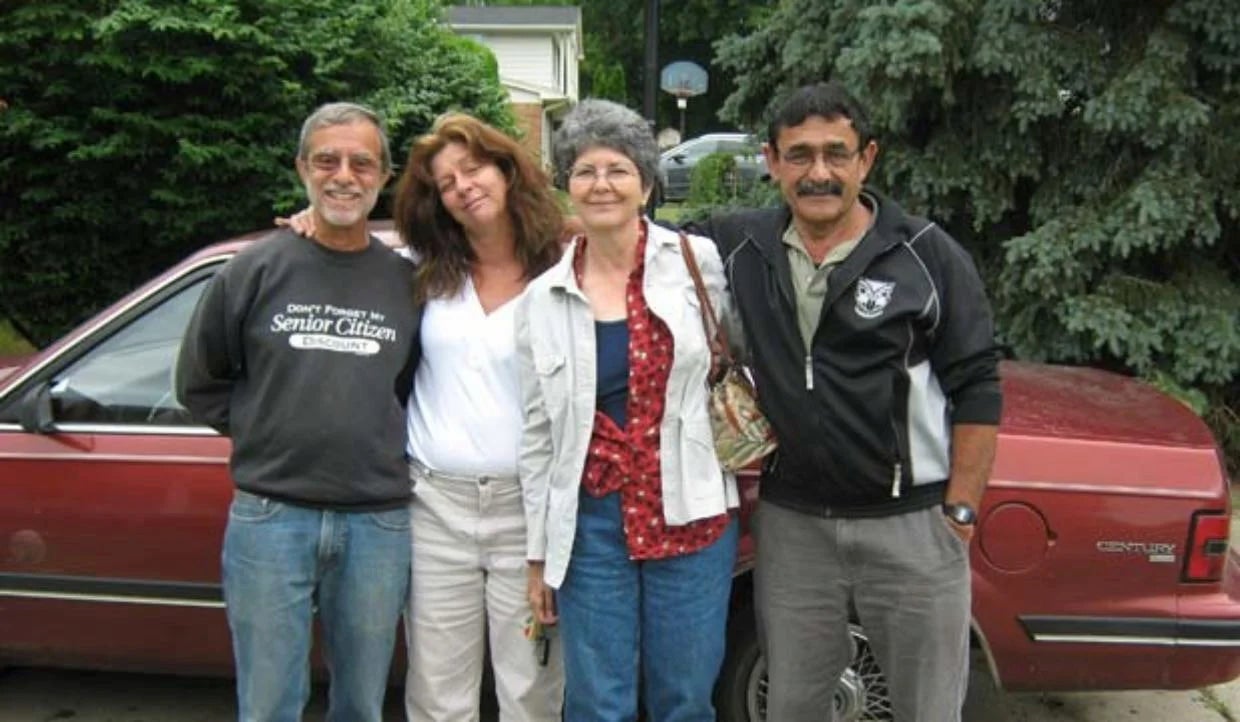
Arthur Beren of Kerikeri with Family
The “Mothers’ Darlings” project at the University of Otago in Aotearoa/New Zealand helps Pacific Islander children trace their American fathers from the over two million American servicemen who were stationed in the Pacific during World War II. Arthur Beren of Kerikeri (right) reunited with his paternal family in the US after sixty-four years.
-
Image
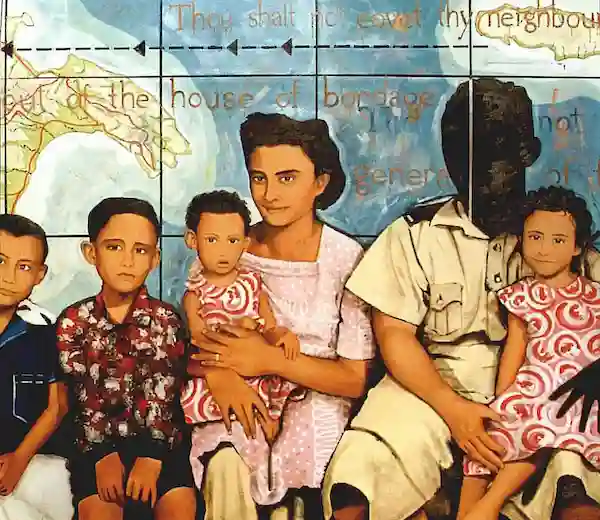
“Out of Fa’a Samoa” by Nanette Lela’ulu
The painting Out of Fa’a Samoa by artist Nanette Lela’ulu reflects the lived experience of the mixed children of Pacific Islander women and American soldiers.
-
Image
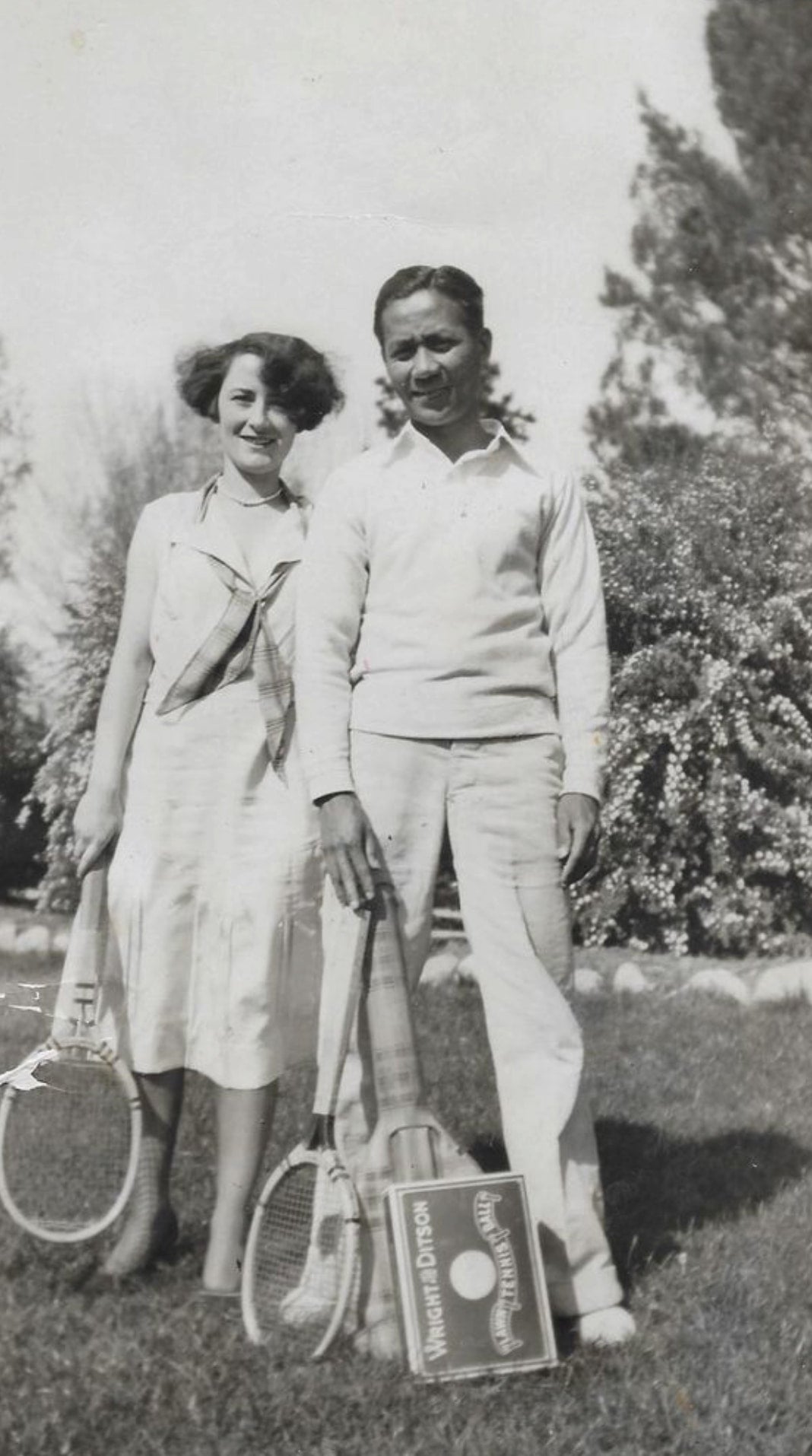
Salvador Roldan and Marjorie Rogers
Salvador Roldan, a Filipino immigrant, fought for his right to marry Marjorie Rogers, a white woman who had immigrated from England. Photo circa 1933.
-
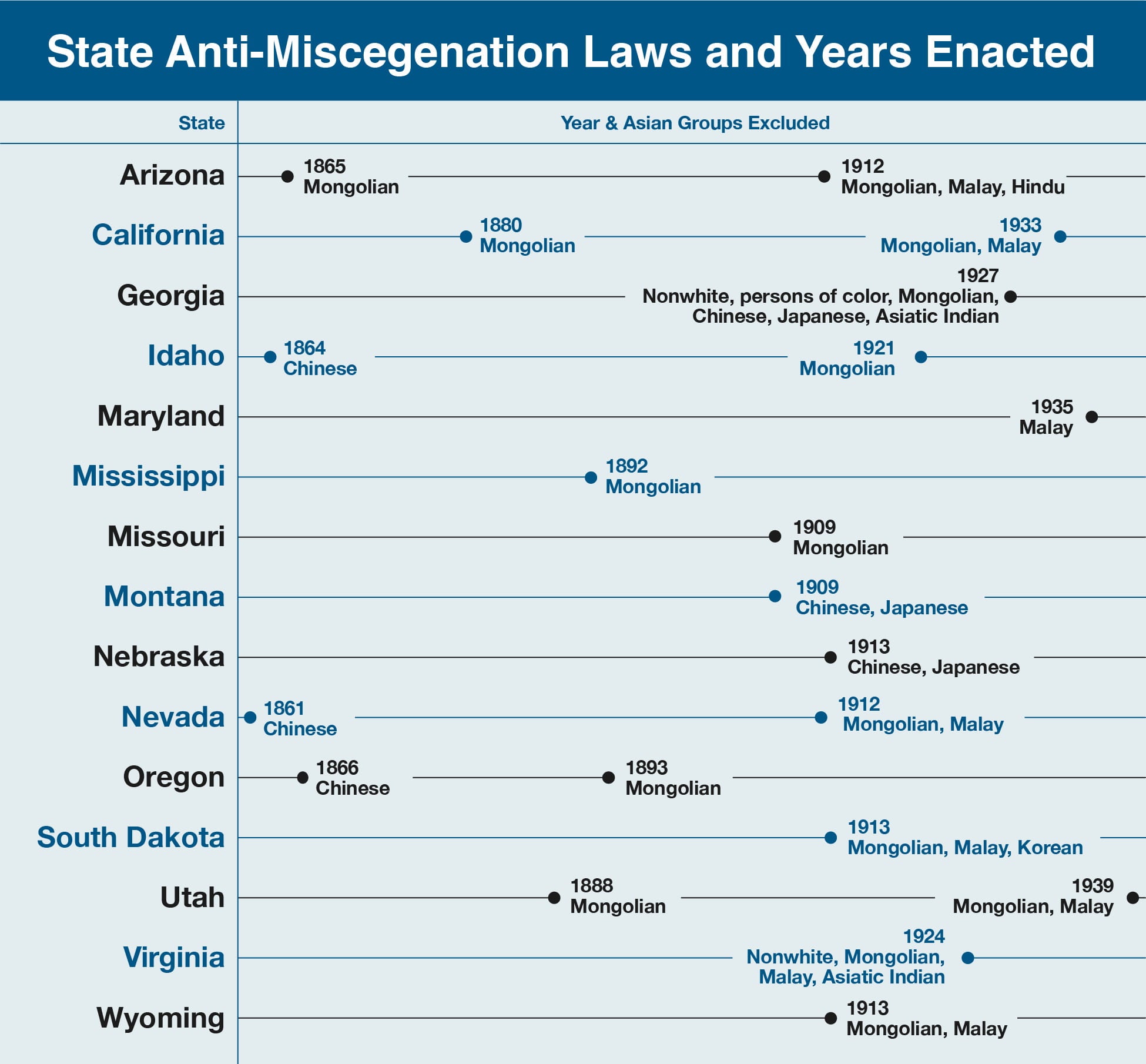
Image
Chronology of Anti-Micegeneation Laws by State
This table lists US states in the chronology by which they enacted Asian anti-miscegenation laws.
-
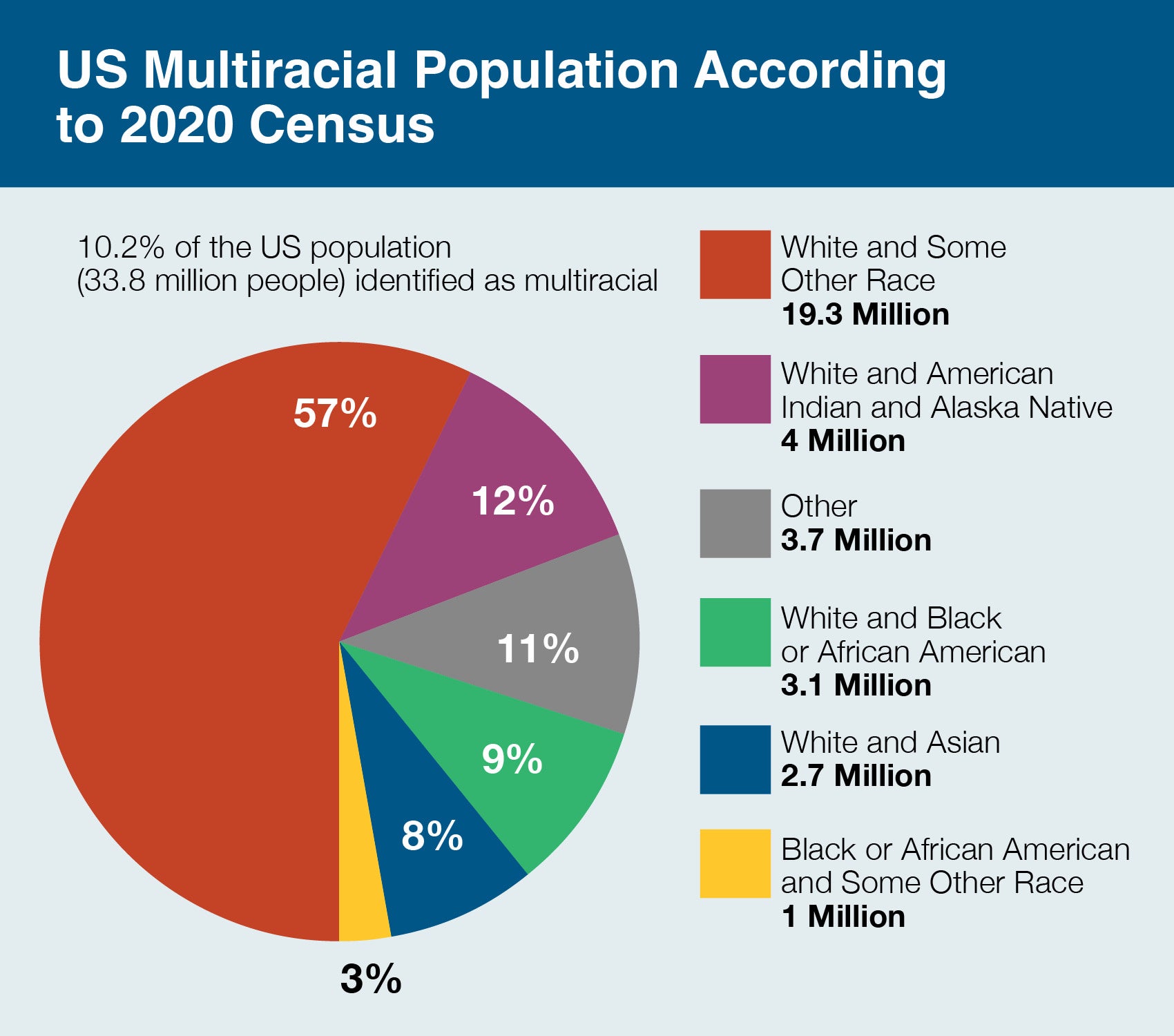
Image
2020 US Census Multiracial Responses
Among the 10.2 percent of the United States population that selected more than one racial category on the 2020 Census, the largest combination was “White and Some Other Race.” “White and Asian” was the fourth most common combination. Source: US Census Bureau
-
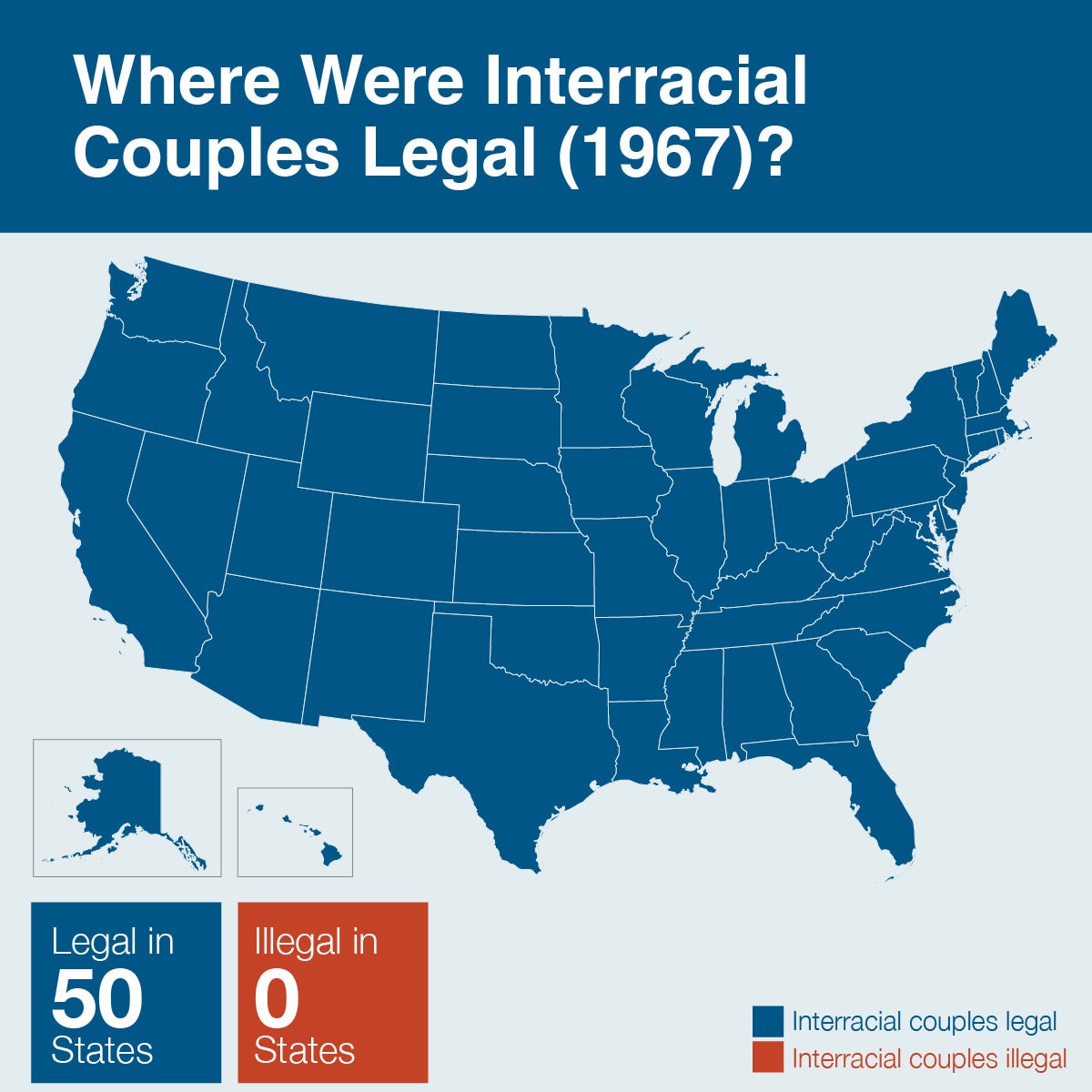
Image
State Restrictions on Interracial Marriage Map 1967
This map depicts which states restricted interracial marriage and relationships in 1967 following the US Supreme Court case Loving v. Virginia. (Source: Loving Day)
-
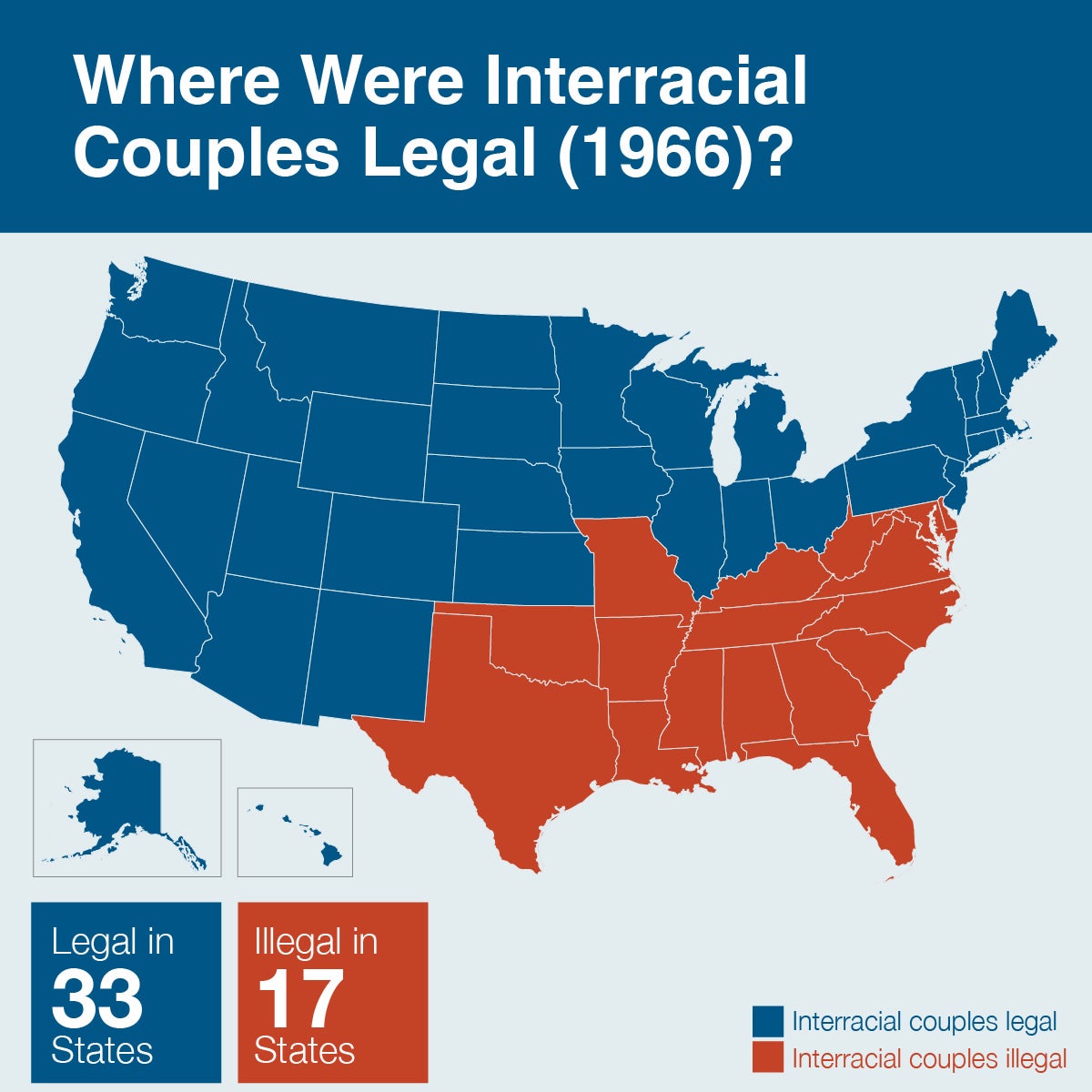
Image
State Restrictions on Interracial Marriage Map 1966
This map depicts which states restricted interracial marriage and relationships in 1966, the year before the US Supreme Court case Loving v. Virginia. (Source: Loving Day)
-
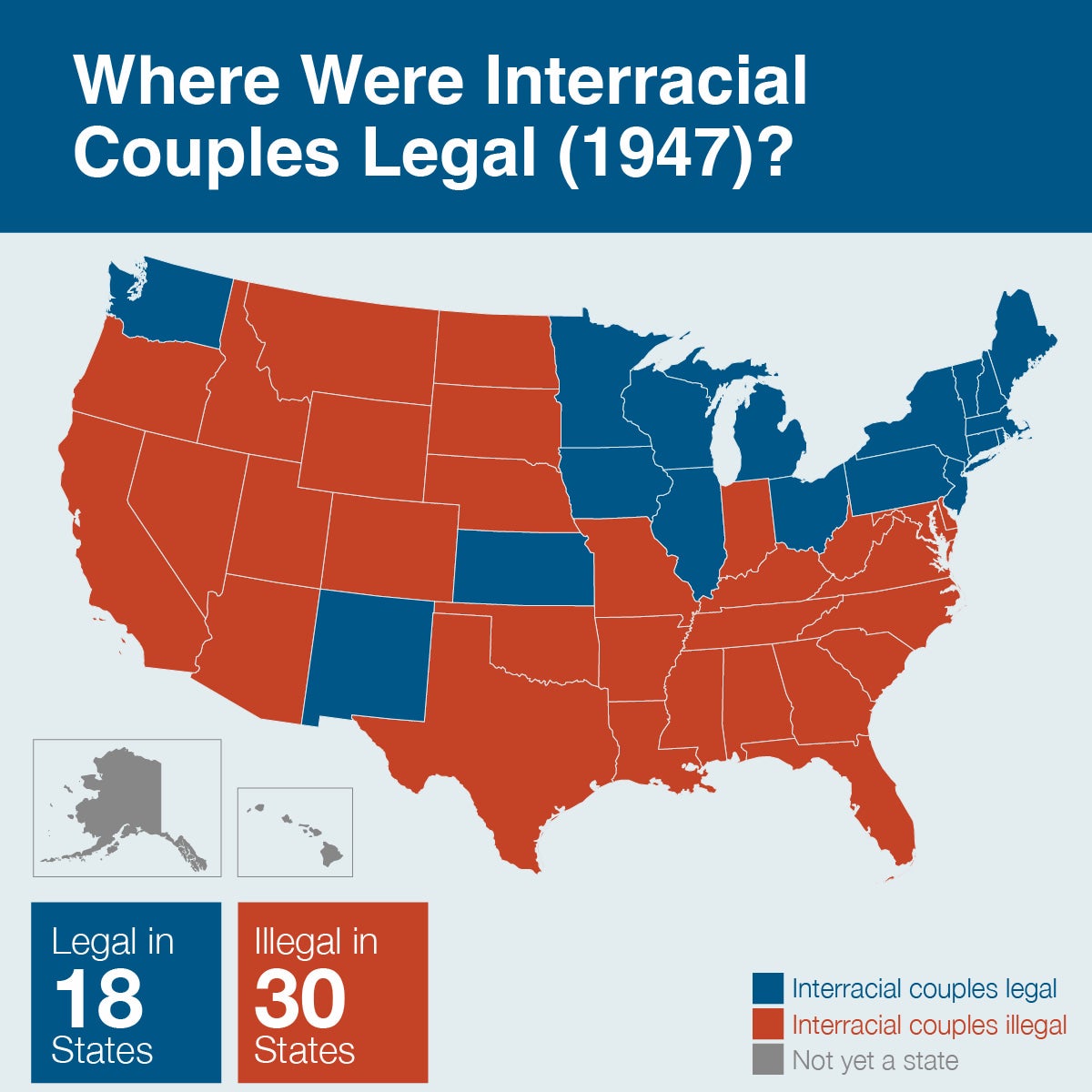
Image
State Restrictions on Interracial Marriage Map 1947
This map depicts which states restricted interracial marriage and relationships in 1947, two decades before the US Supreme Court case Loving v. Virginia. (Source: Loving Day)
-

Video
“Wasian” Beauty Standards Video on TikTok
TikTok creator @avigaillaing discusses the struggles of living up to Wasian beauty standards.
-
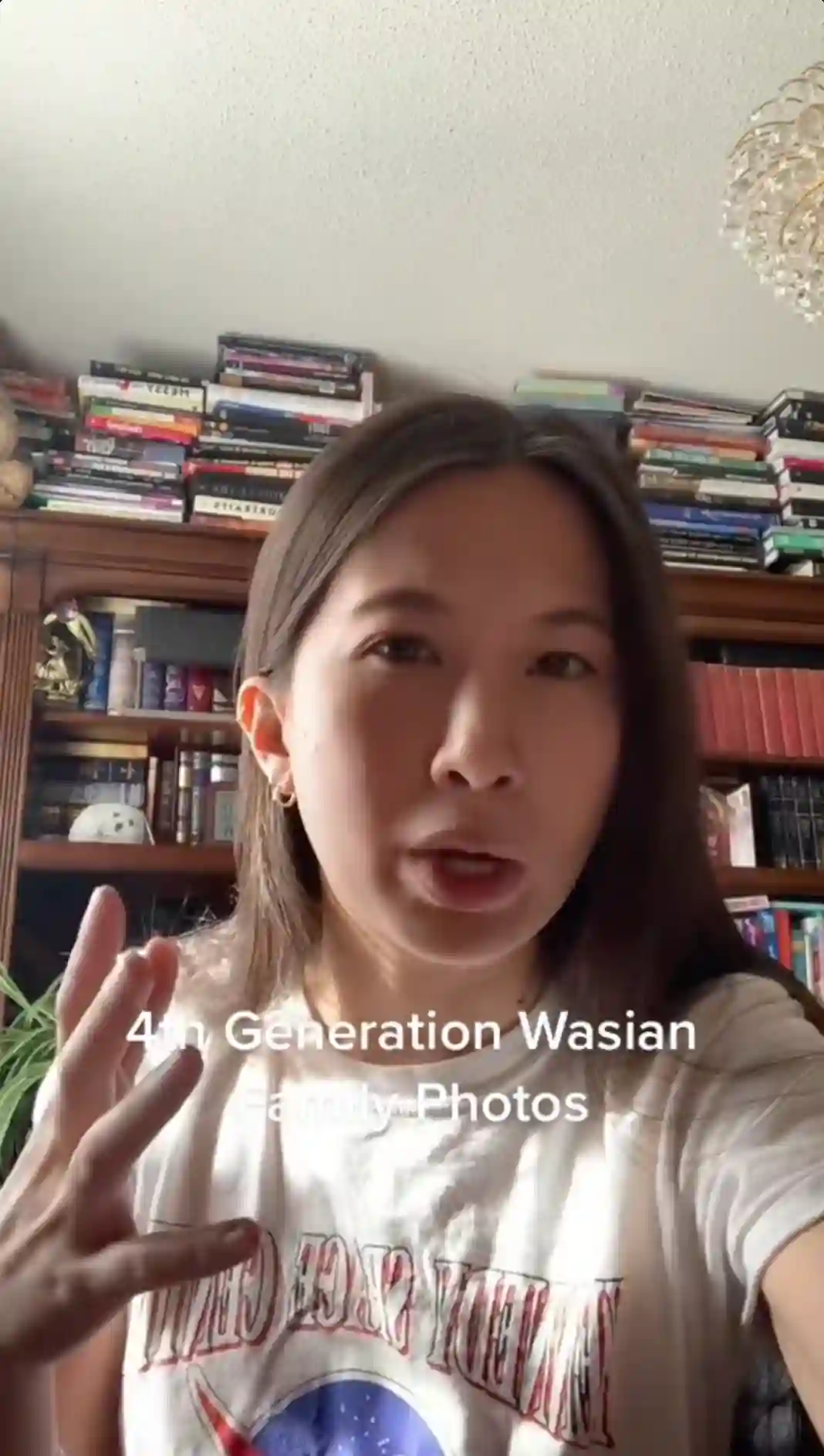
Video
Being “Wasian” Video on TikTok
TikTok creator @victoria.therese shares her family’s multi-generational Wasian history. Wasian refers to a person who is white and Asian.
-
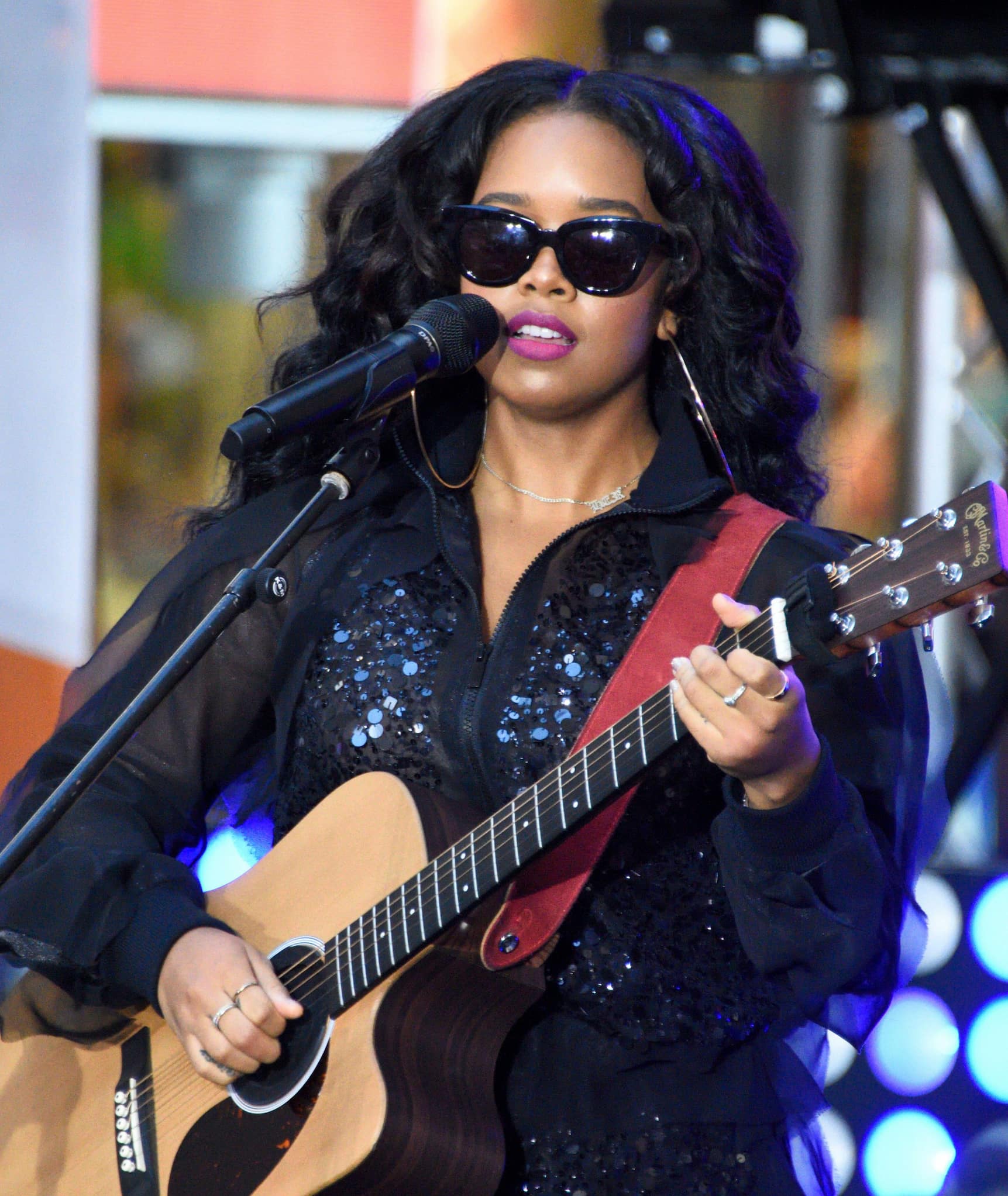
Image
Gabriella Wilson (aka H.E.R.) Performing on Stage