



Search the Media Repository
Discover the curated images, videos, and primary sources featured throughout Foundations and Futures
History is more than just text on a page; it is the photographs, voices, and artifacts of the people who lived it. The images and recordings featured across Foundations and Futures are part of a meticulously curated media repository. Whether you are building a lesson plan or investigating an artifact, you can use this database to trace the provenance of our media: discover who created an asset, the historical context behind it, and how it can be used to bring Asian American and Pacific Islander experiences into your classroom.
Multimedia
Chapters
-
Image
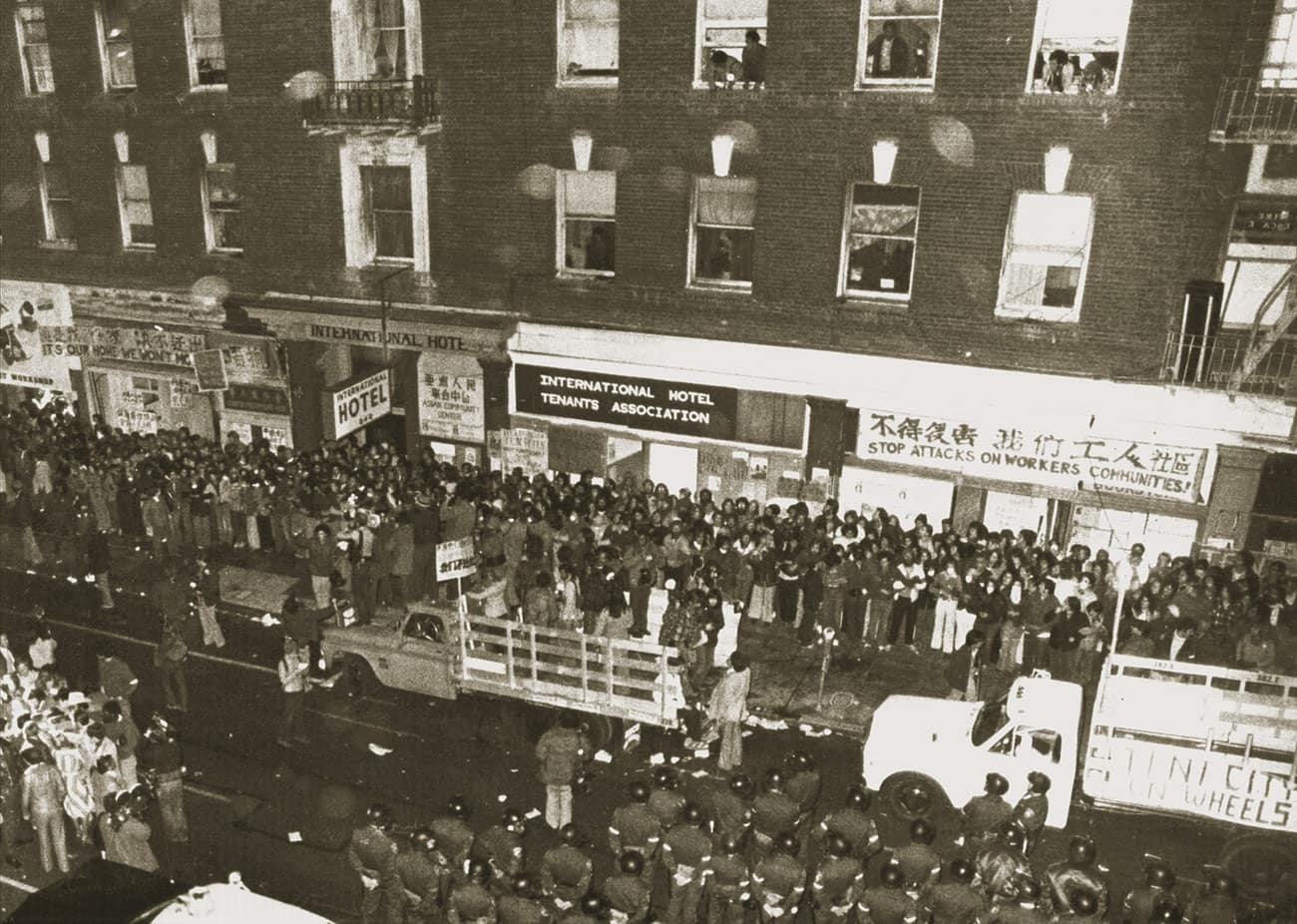
I-Hotel Supporters Form Human Barricade
I-Hotel supporters and the International Hotel Tenants Association form a human barricade in front of the I-Hotel when tenants were forcibly evicted on August 4, 1977 night and faced 300 police in riot gear.
Featured in:
Asian American Activism, Module 4
-
Image
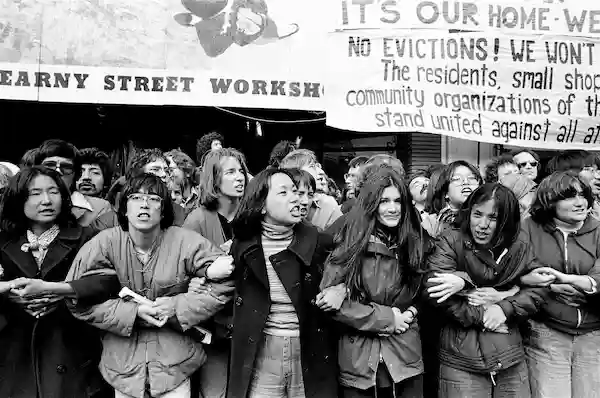
I-Hotel Supporters Link Arms
I-Hotel supporters, including Pam Tau Lee (center), link arms to form a human barricade in front of the I-Hotel.
Featured in:
Asian American Activism, Module 4
-
Image
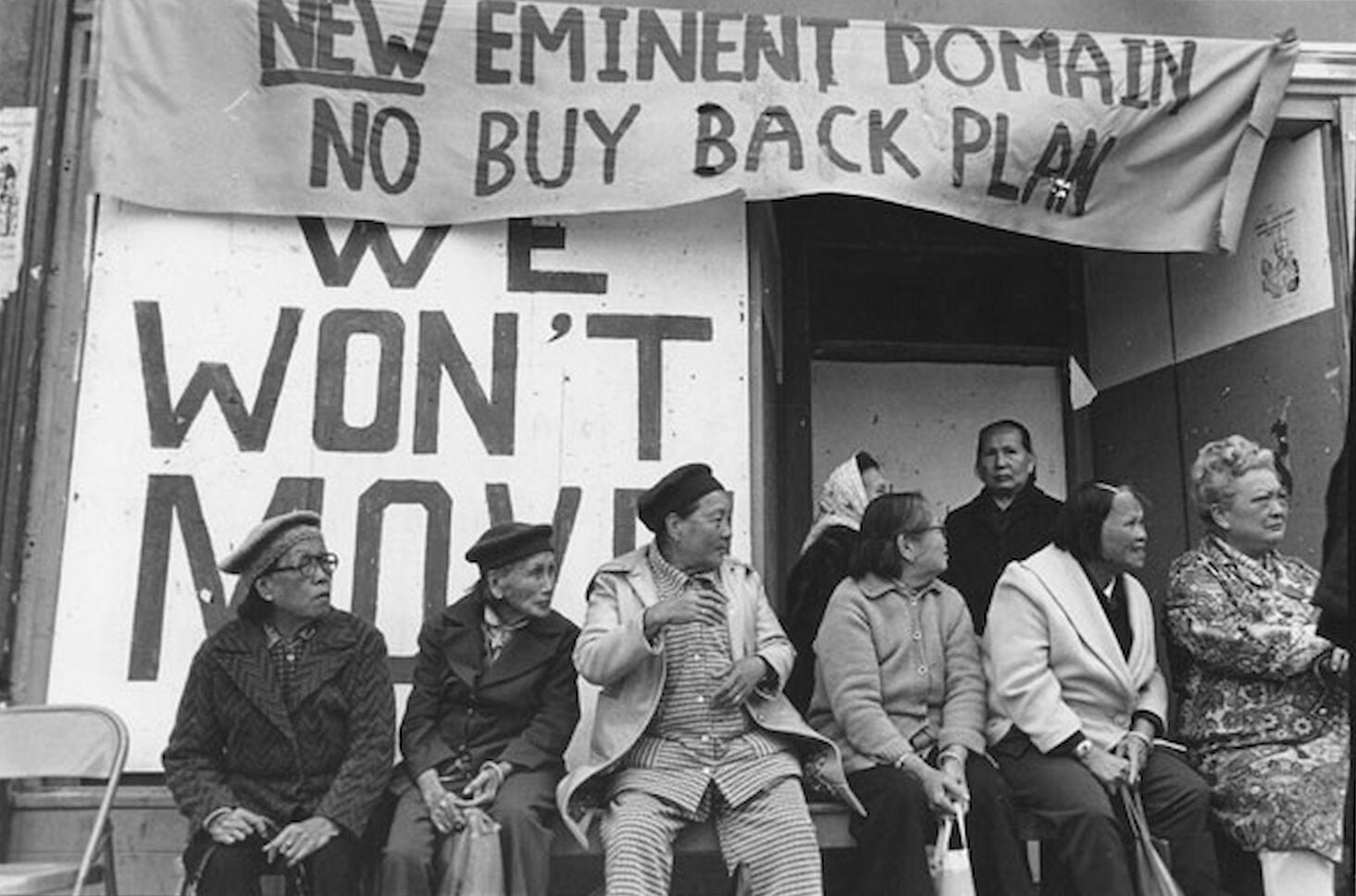
I-Hotel Protest
Women sit in front of the iconic “WE WON’T MOVE” sign outside of the I-Hotel to protest the eviction of long standing tenants.
Featured in:
Asian American Activism, Module 4
-
Text
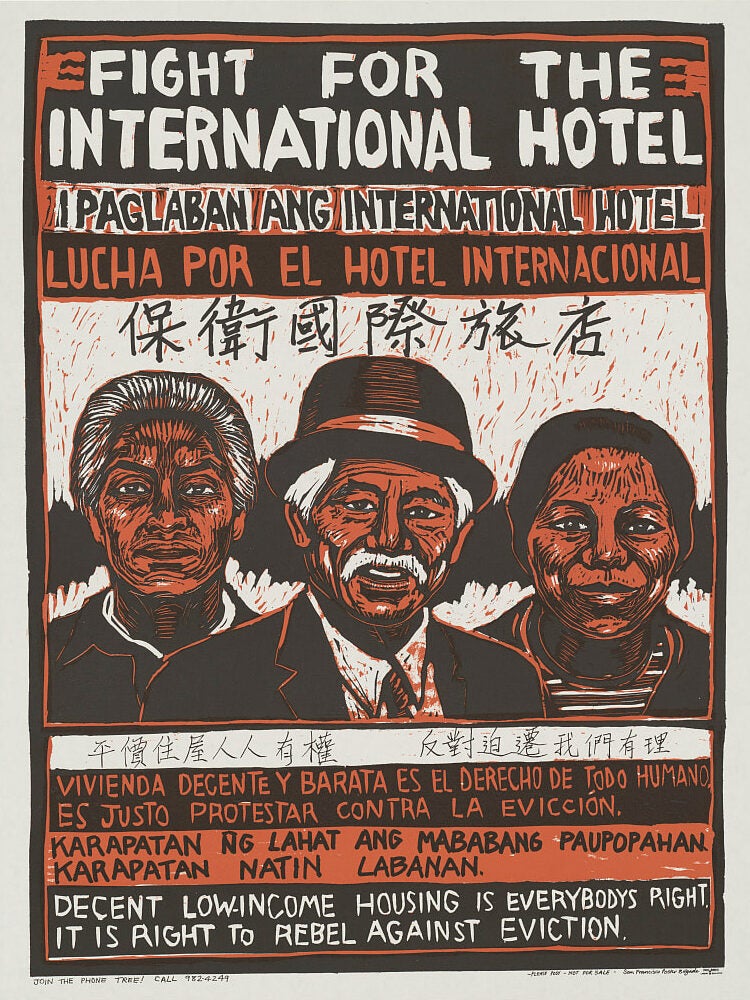
Fight for the International Hotel Poster
This Fight for the International Hotel poster, created by Rachael Romero (artist) and San Francisco Poster Brigade, features text translated into multiple languages to bring community members together.
Featured in:
Asian American Activism, Module 3
-
Image
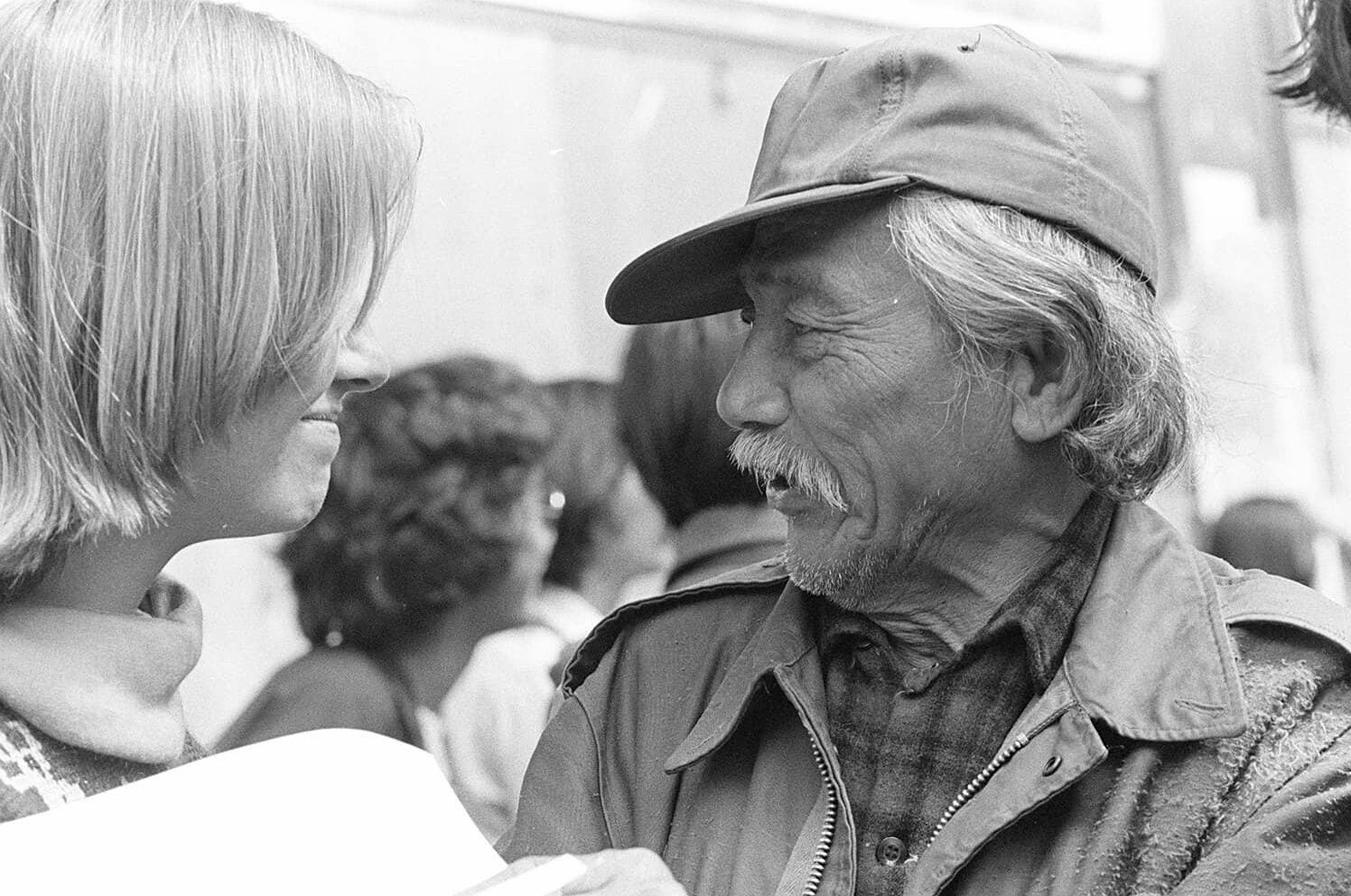
I-Hotel Tenant Felix Ayson and Supporter
I-Hotel tenant Felix Ayson speaks with a supporter after the eviction. Felix lived in the I-Hotel for fifty-five years, and was a strong organizer post-eviction.
Featured in:
Asian American Activism, Module 3
-
Image
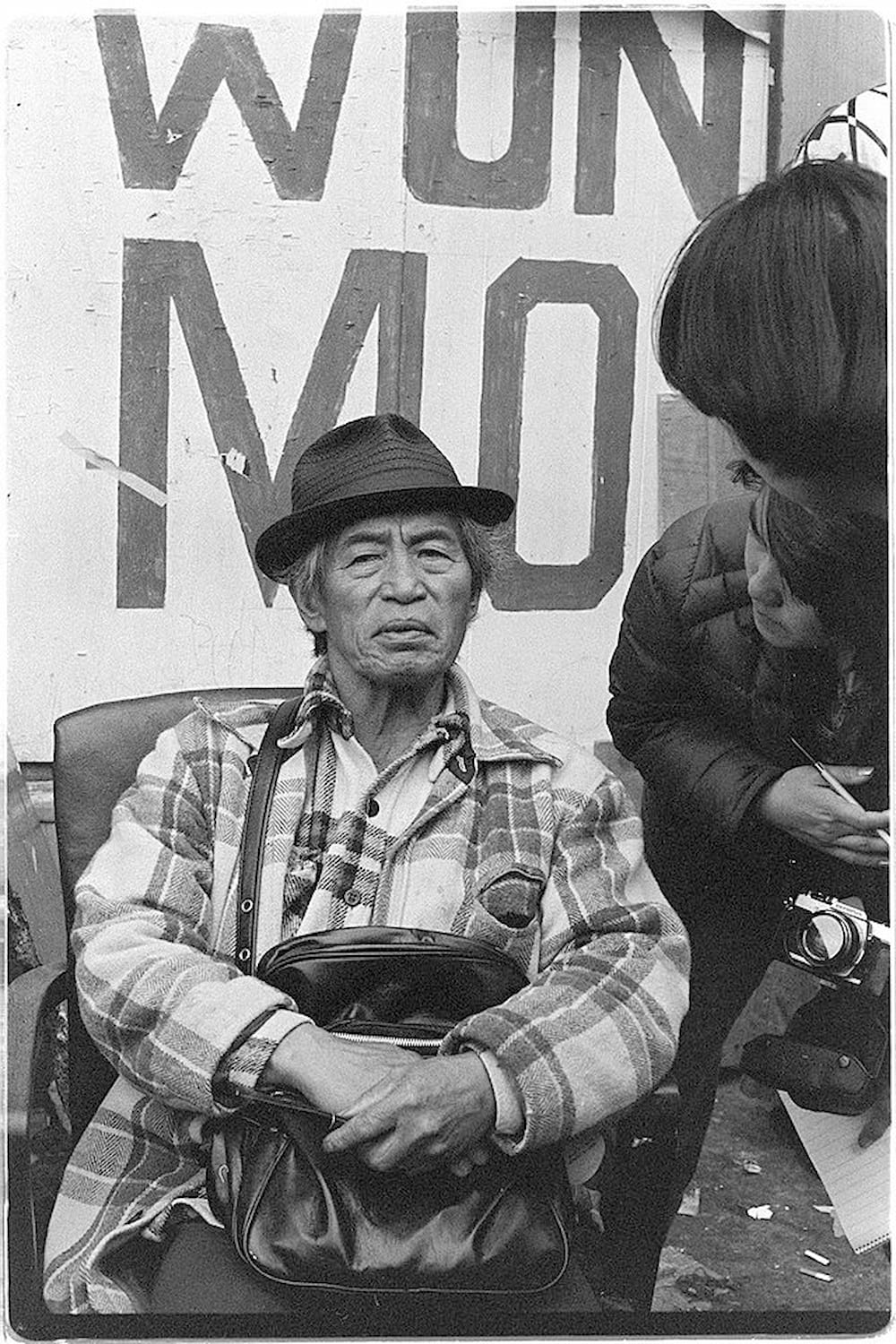
Portrait of I-Hotel Tenant Wahat Tompao
I-Hotel tenant Wahat Tompao sits outside of the I-Hotel after being evicted on August 4, 1977. He fearlessly stood up to city officials and called attention to competing claims in the fight over the I-Hotel.
Featured in:
Asian American Activism, Module 3
-
Image
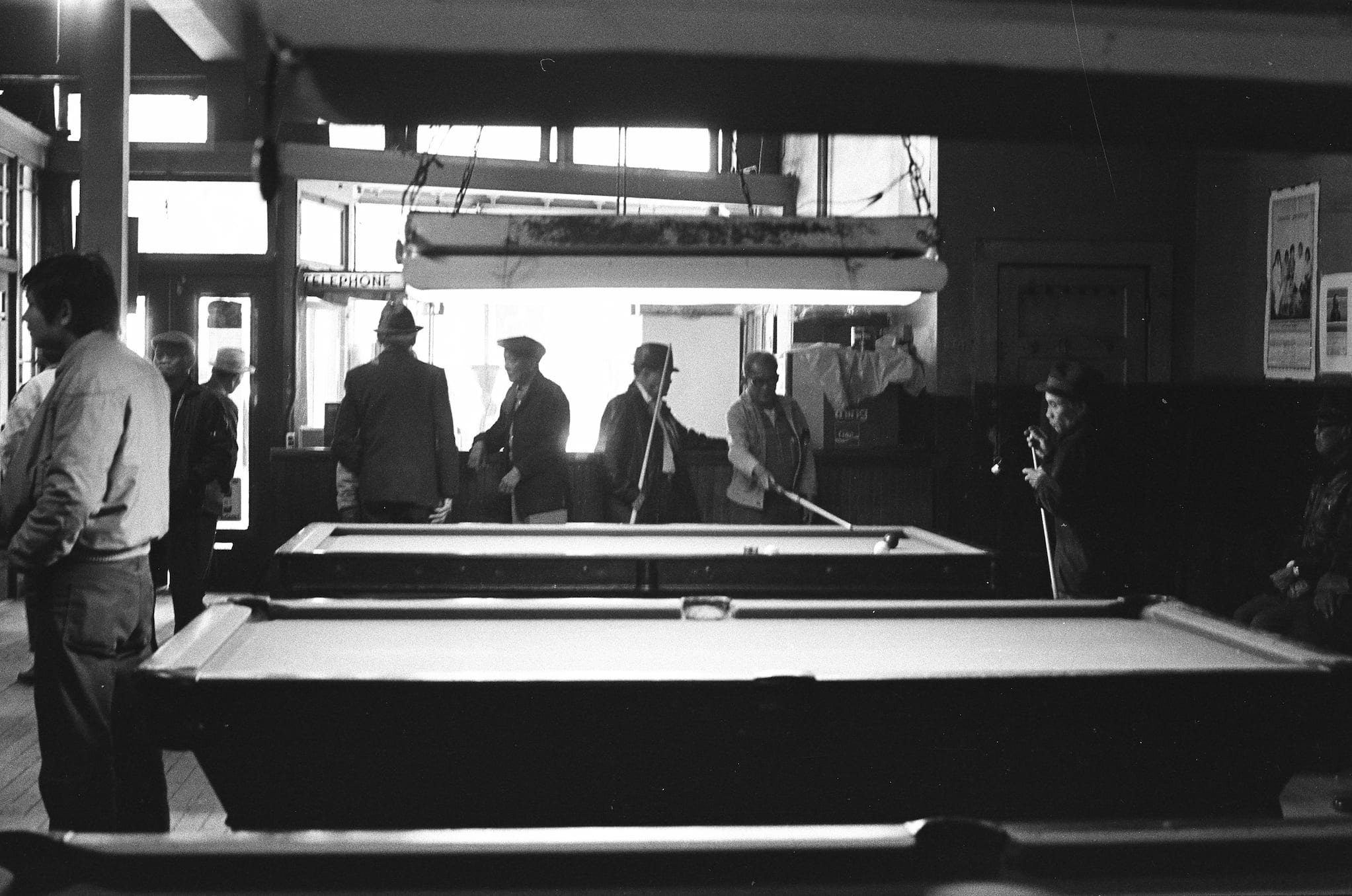
Manongs at Lucky M Pool Hall
Manongs at the Lucky M Pool Hall, one of many establishments along Kearny Street in Manilatown where community members gathered.
Featured in:
Asian American Activism, Module 3
-
Text
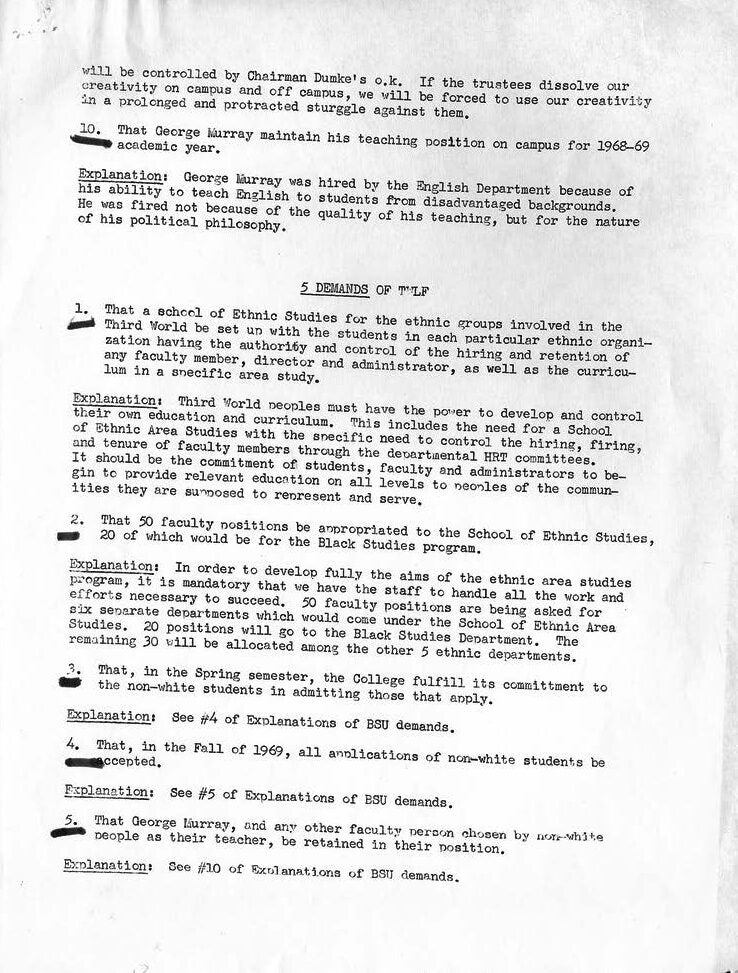
TWLF Strike Demands p3
This document shows the 10 demands of the BSU and 5 demands of the TWLF, which together became the TWLF strike demands to create relevant educational content that included the histories and cultures of communities of color. They further valued both academic and experiential knowledge where students could learn by working on social problems in communities.
Featured in:
Asian American Activism, Module 2
-
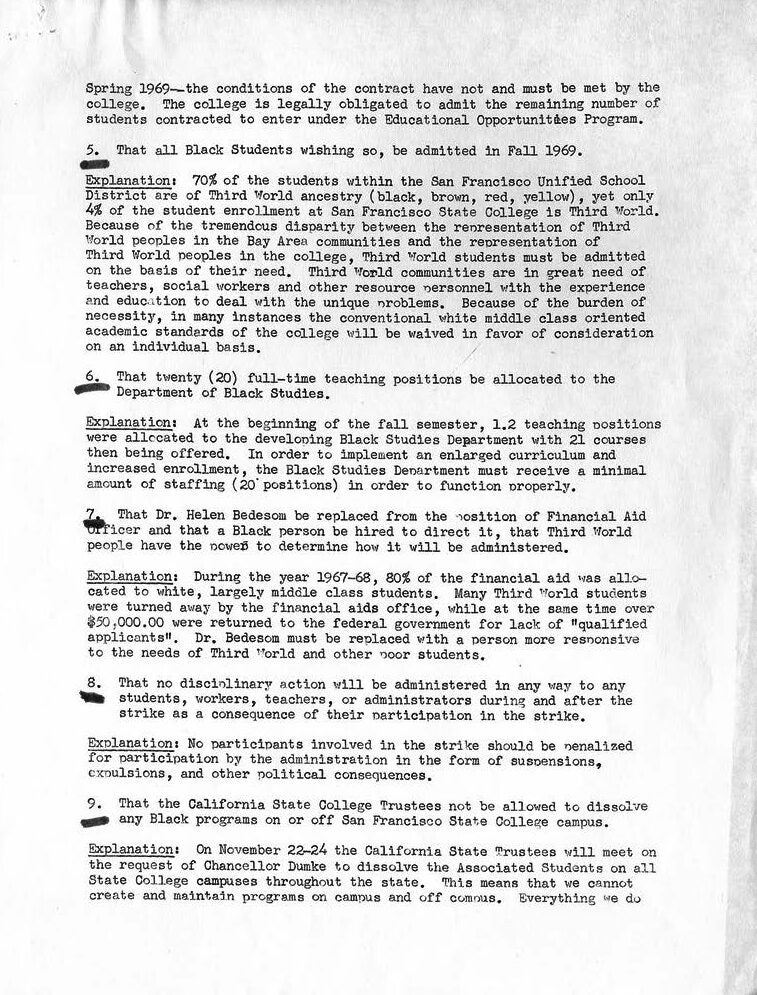
Text
TWLF Strike Demands p2
This document shows the 10 demands of the BSU and 5 demands of the TWLF, which together became the TWLF strike demands to create relevant educational content that included the histories and cultures of communities of color. They further valued both academic and experiential knowledge where students could learn by working on social problems in communities.
Featured in:
Asian American Activism, Module 2
-
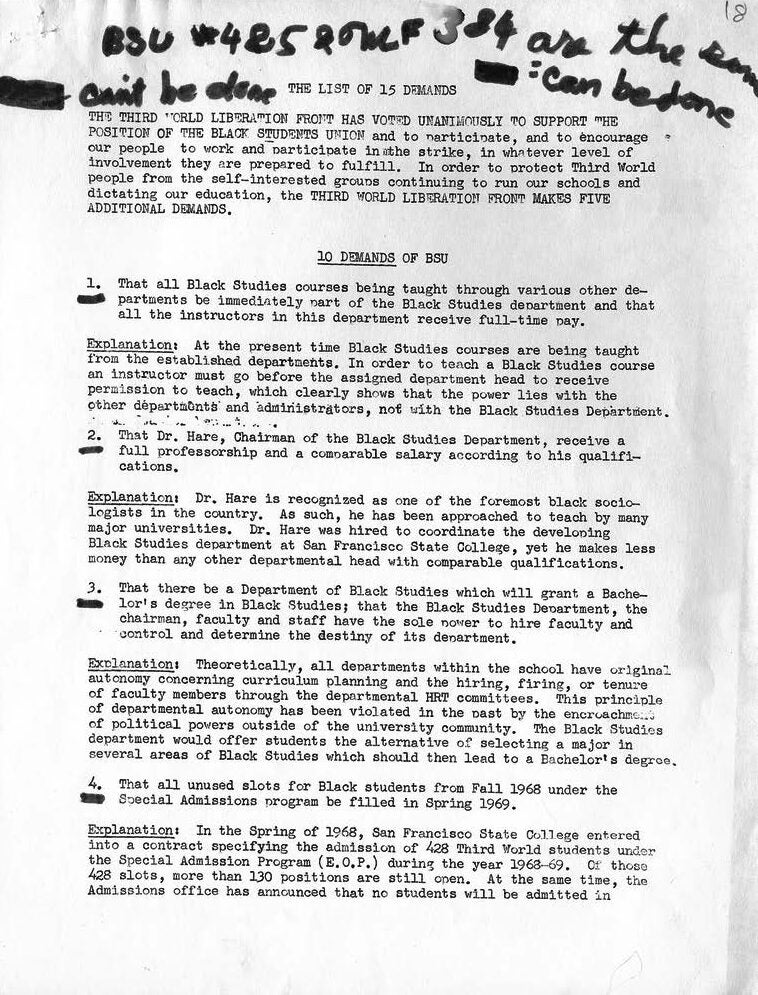
Text
TWLF Strike Demands p1
This document shows the 10 demands of the BSU and 5 demands of the TWLF, which together became the TWLF strike demands to create relevant educational content that included the histories and cultures of communities of color. They further valued both academic and experiential knowledge where students could learn by working on social problems in communities.
Featured in:
Asian American Activism, Module 2
-
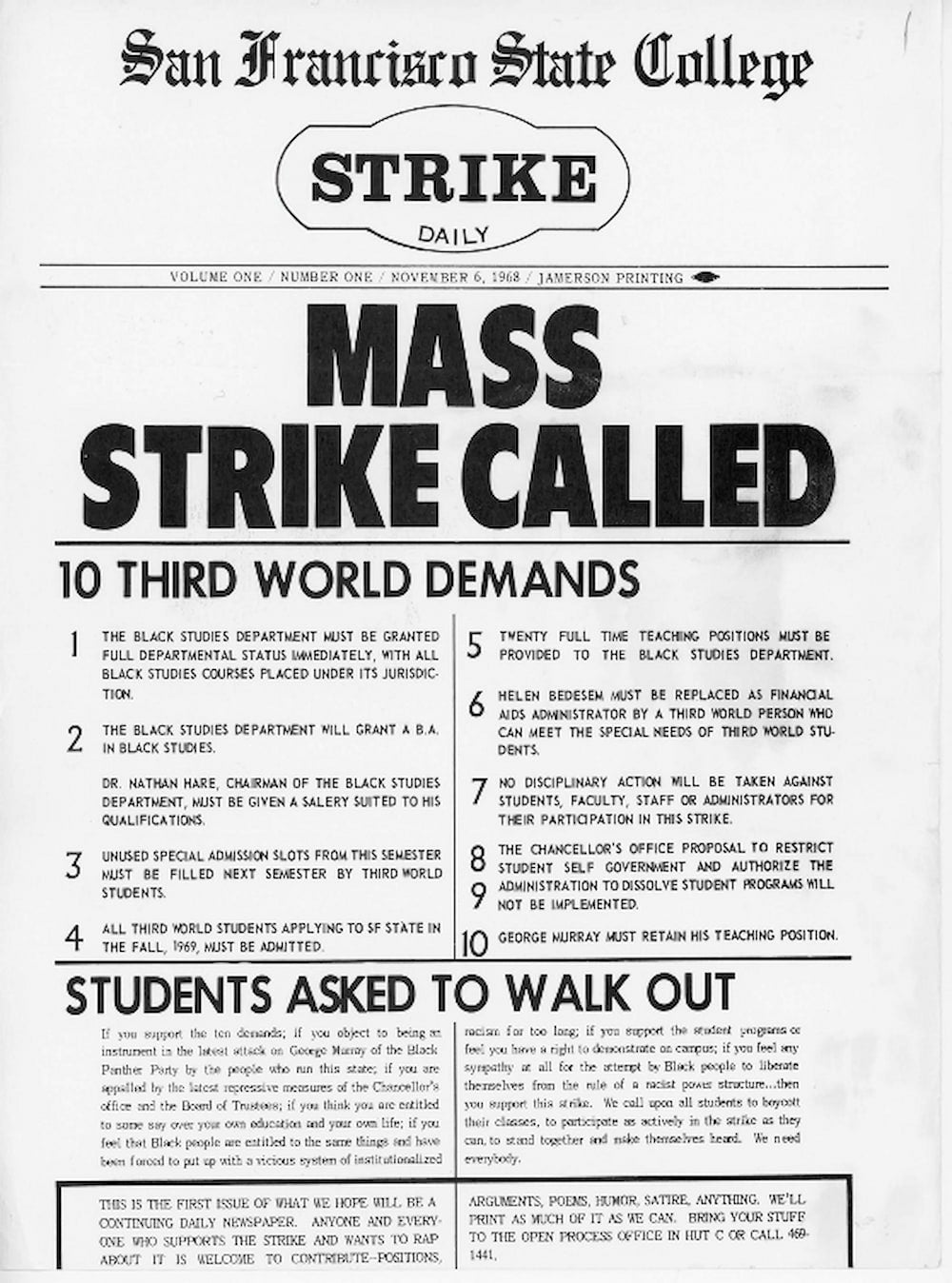
Text
TWLF Strike Leaflet
This leaflet called for students to walk out of classes on November 6, 1968, the first day of the TWLF strike at San Francisco State College. It lists the 10 BSU-initiated demands adopted by the TWLF.
Featured in:
Asian American Activism, Module 2
-
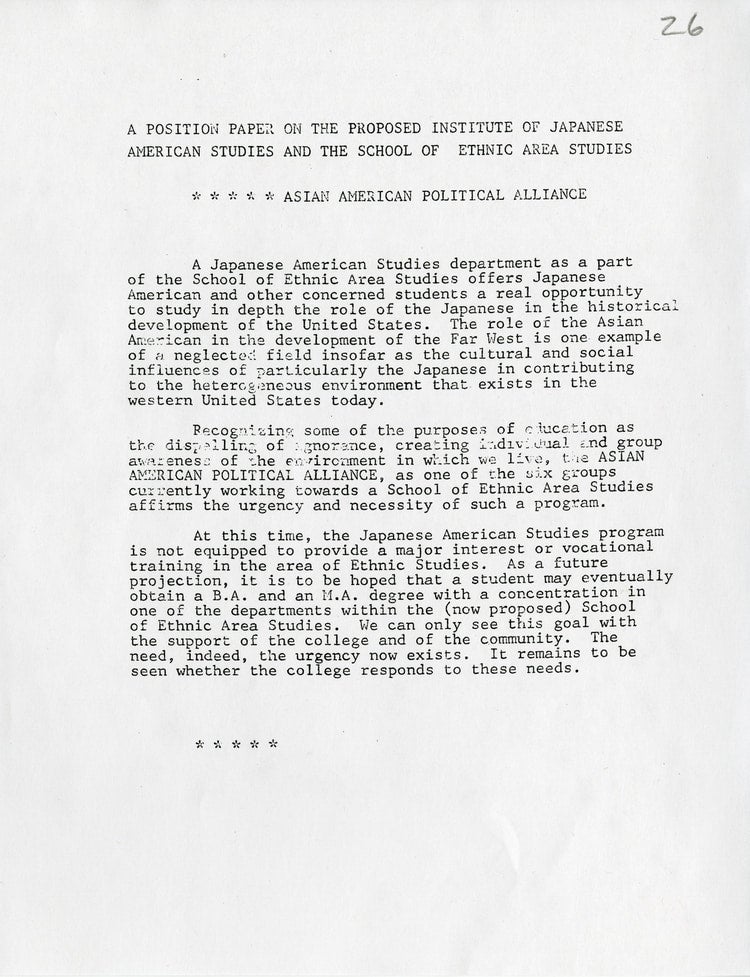
Image
Asian American Political Alliance (AAPA) position paper
The Third World Liberation Front strike position paper for Asian American Political Alliance (AAPA).
Featured in:
Asian American Activism, Module 2
-
Image
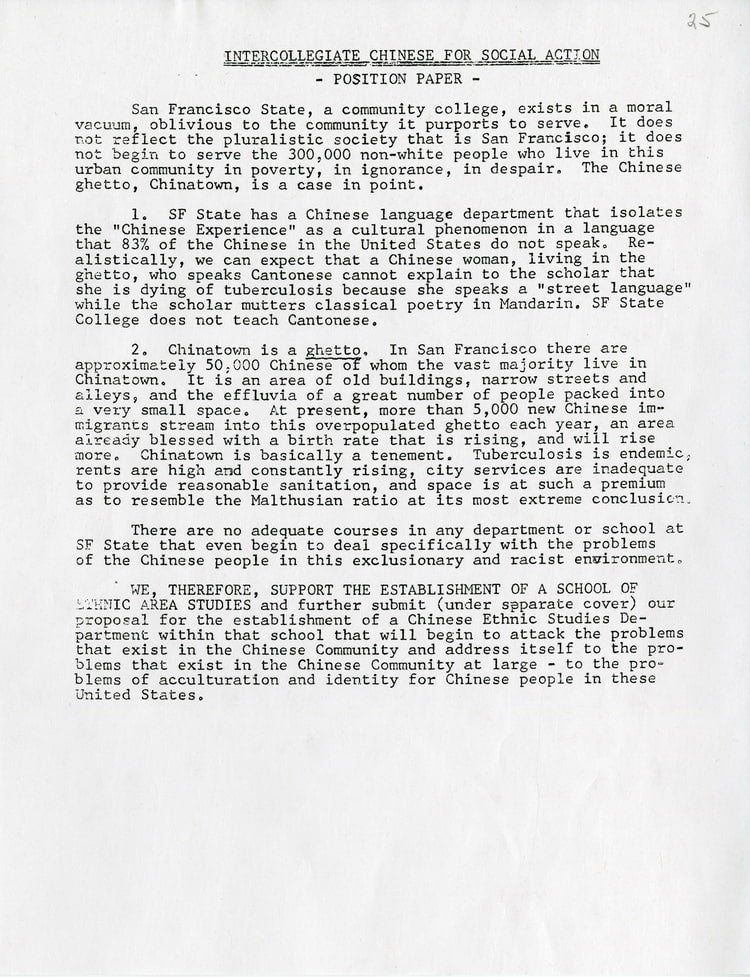
Intercollegiate Chinese for Social Action (ICSA) position paper
The Third World Liberation Front strike position paper for Intercollegiate Chinese for Social Action (ICSA).
Featured in:
Asian American Activism, Module 2
-
Image
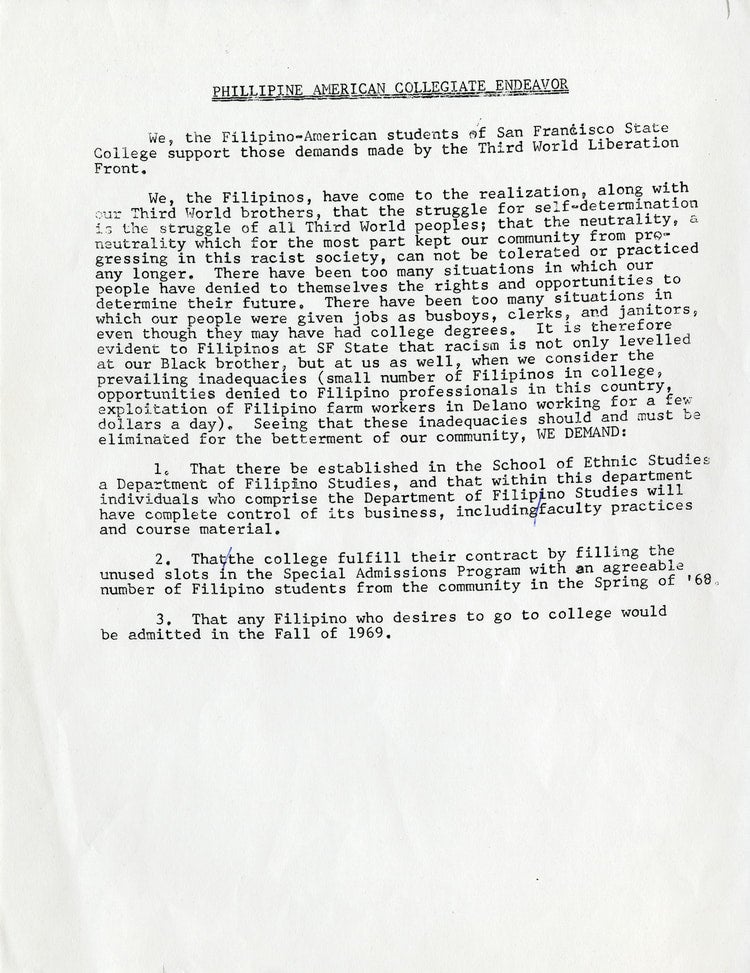
Philippine-American Collegiate Endeavor (PACE) position paper
TWLF strike position paper for Philippine-American Collegiate Endeavor (PACE).
Featured in:
Asian American Activism, Module 2
-
Image
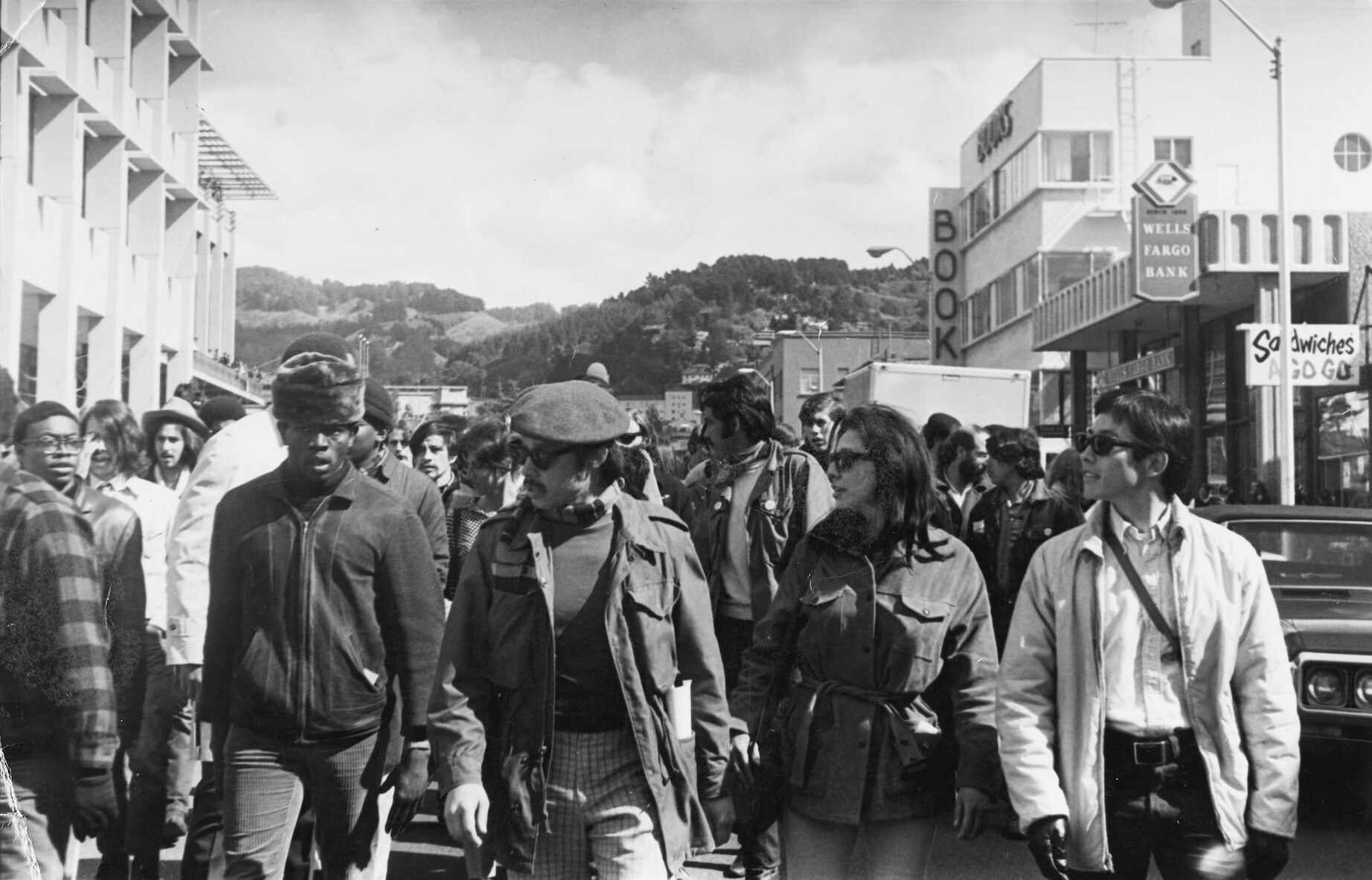
Third World Liberation Front Leaders
TWLF leaders marching down Bancroft Way at UC Berkeley, c.1969 included (left to right) Charles Brown (Afro-American Student Union), Ysidrio Macias (Mexican American Student Confederation), LaNada Means (Native American Student Union), and Stan Kadani (Asian American political Alliance).
Featured in:
Asian American Activism, Module 2
-
Image
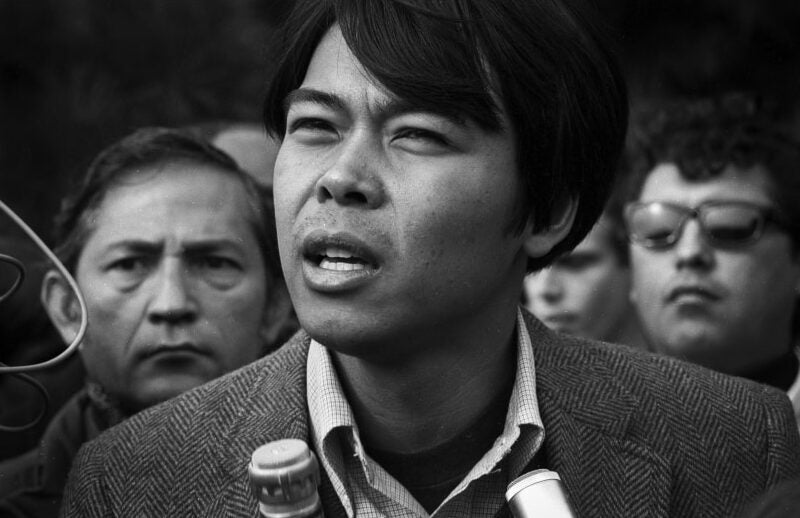
Robert “Bob” Illumin
Robert “Bob” Illumin was active in the Philippine American Collegiate Endeavor (PACE) at San Francisco State. PACE formed in 1967 to offer tutoring and support academics, becoming one of three Asian American organizations to join the TWLF at San Francisco State.
Featured in:
Asian American Activism, Module 2
-
Image
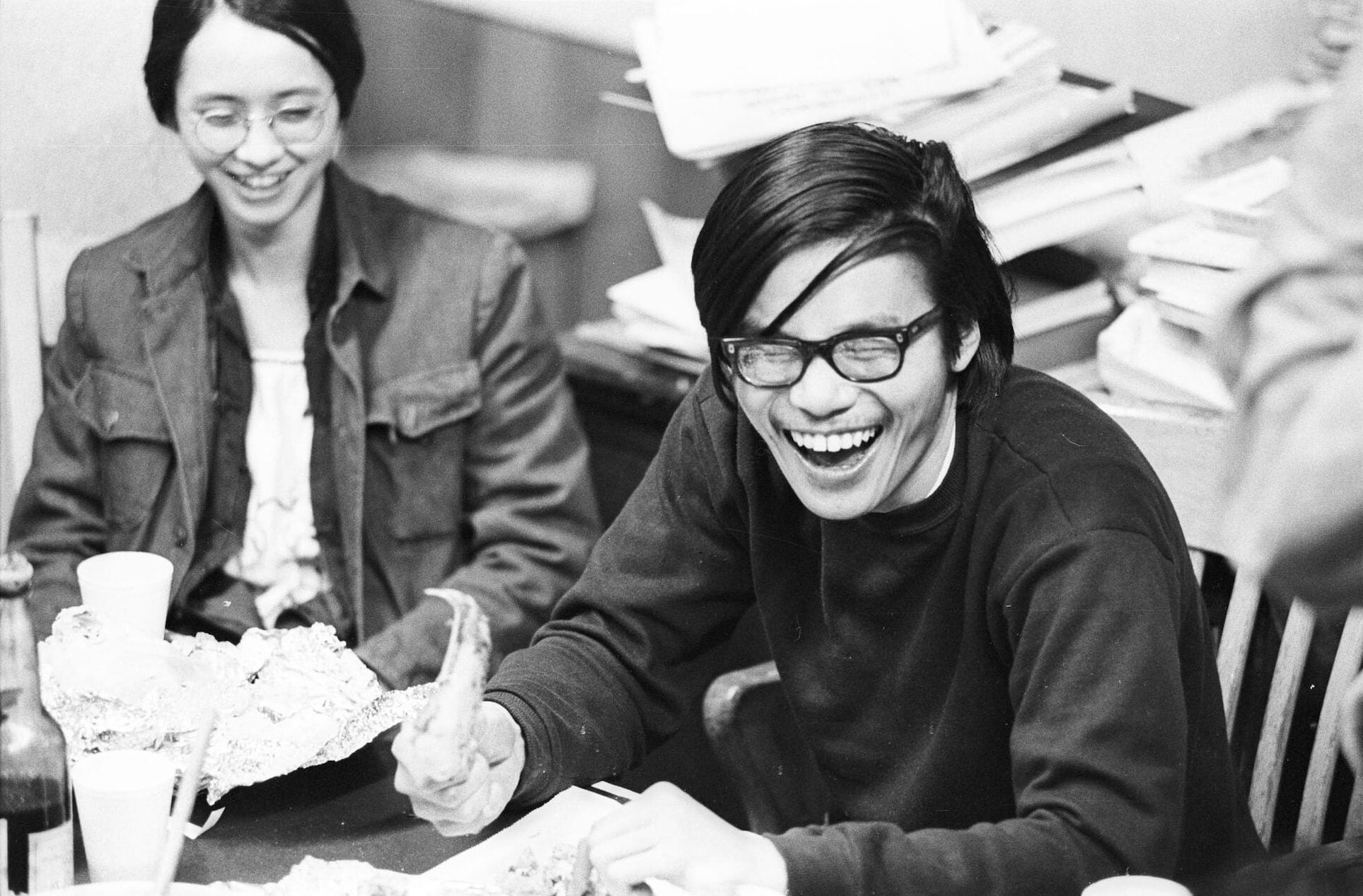
Harvey Dong
Harvey Dong grew up in Sacramento, the child of Chinese immigrants. At UC Berkeley he joined the Asian American Political Alliance and the TWLF strike, and was part of the group that moved into the community, helping to found Everybody Bookstore in the International Hotel.
Featured in:
Asian American Activism, Module 2
-
Image
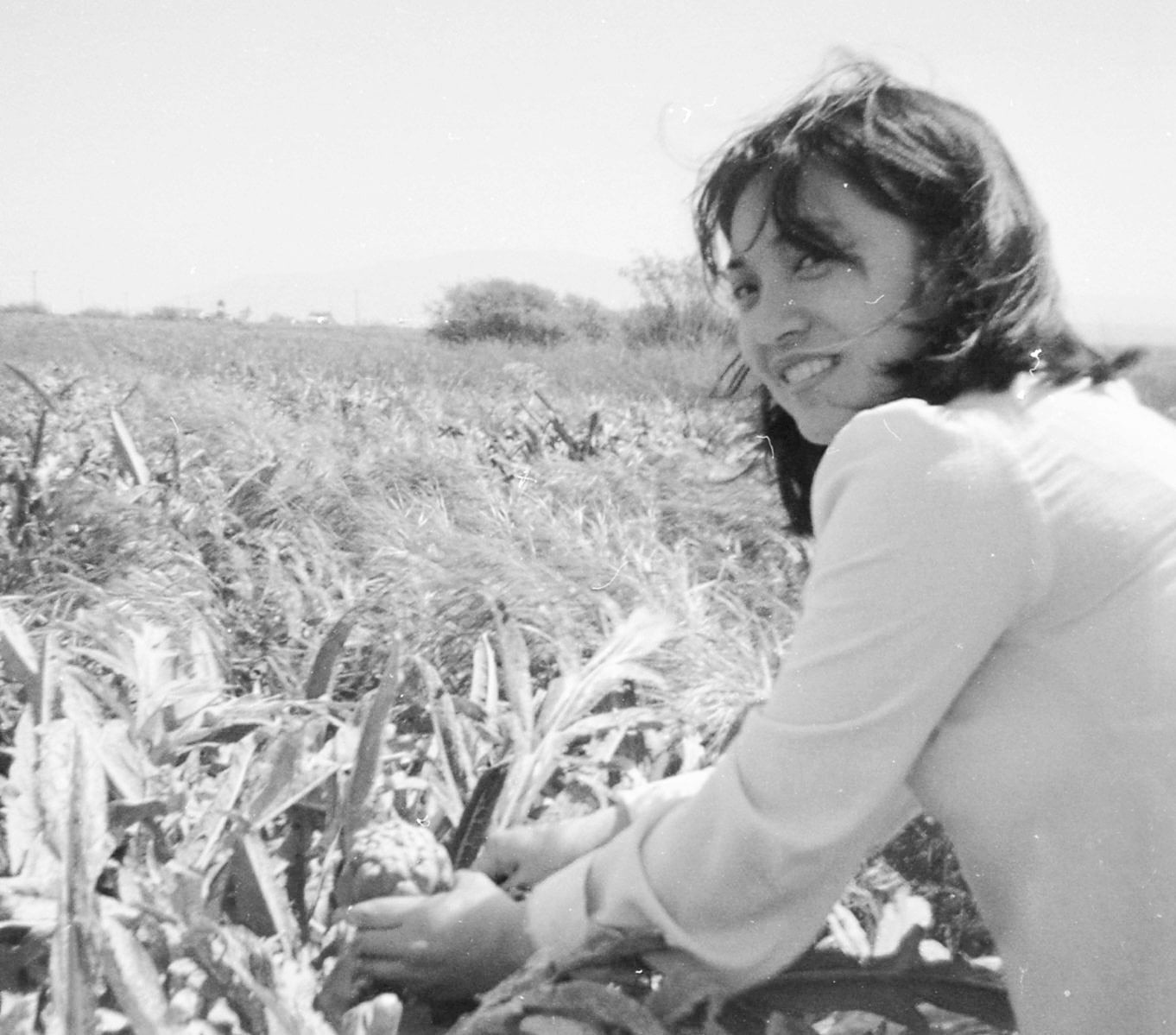
Lillian Fabros Bando, 1976
Lillian Fabros, the daughter of Filipino immigrants, grew up working the fields in Salinas. She gained a social consciousness from these experiences and at UC Berkeley, joined the Asian American Political Alliance, protested the Vietnam War, and participated in the TWLF strike.
Featured in:
Asian American Activism, Module 2
-
Image
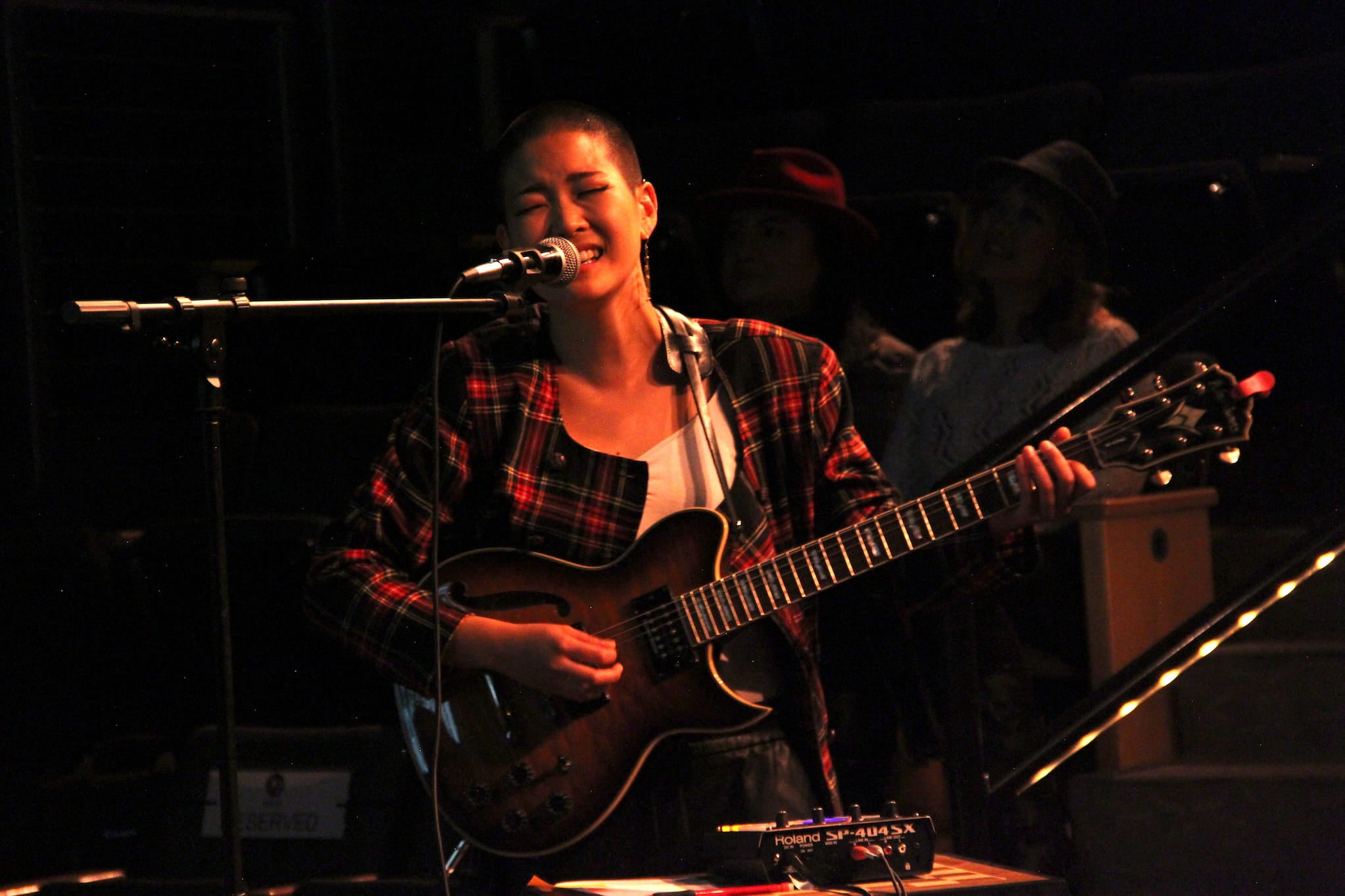
Kyoko Takenaka
Kyoko Takenaka is a musician, filmmaker, performance artist, and Butoh dancer based across the US and Japan.
Featured in:
Asian American Activism, Module 1
-

Image
Jess x. Snow
Jess X. Snow is a Chinese-diasporic filmmaker, multi-disciplinary artist, and poet.
Featured in:
Asian American Activism, Module 1