



Search the Media Repository
Discover the curated images, videos, and primary sources featured throughout Foundations and Futures
History is more than just text on a page; it is the photographs, voices, and artifacts of the people who lived it. The images and recordings featured across Foundations and Futures are part of a meticulously curated media repository. Whether you are building a lesson plan or investigating an artifact, you can use this database to trace the provenance of our media: discover who created an asset, the historical context behind it, and how it can be used to bring Asian American and Pacific Islander experiences into your classroom.
Multimedia
Chapters
-
Image
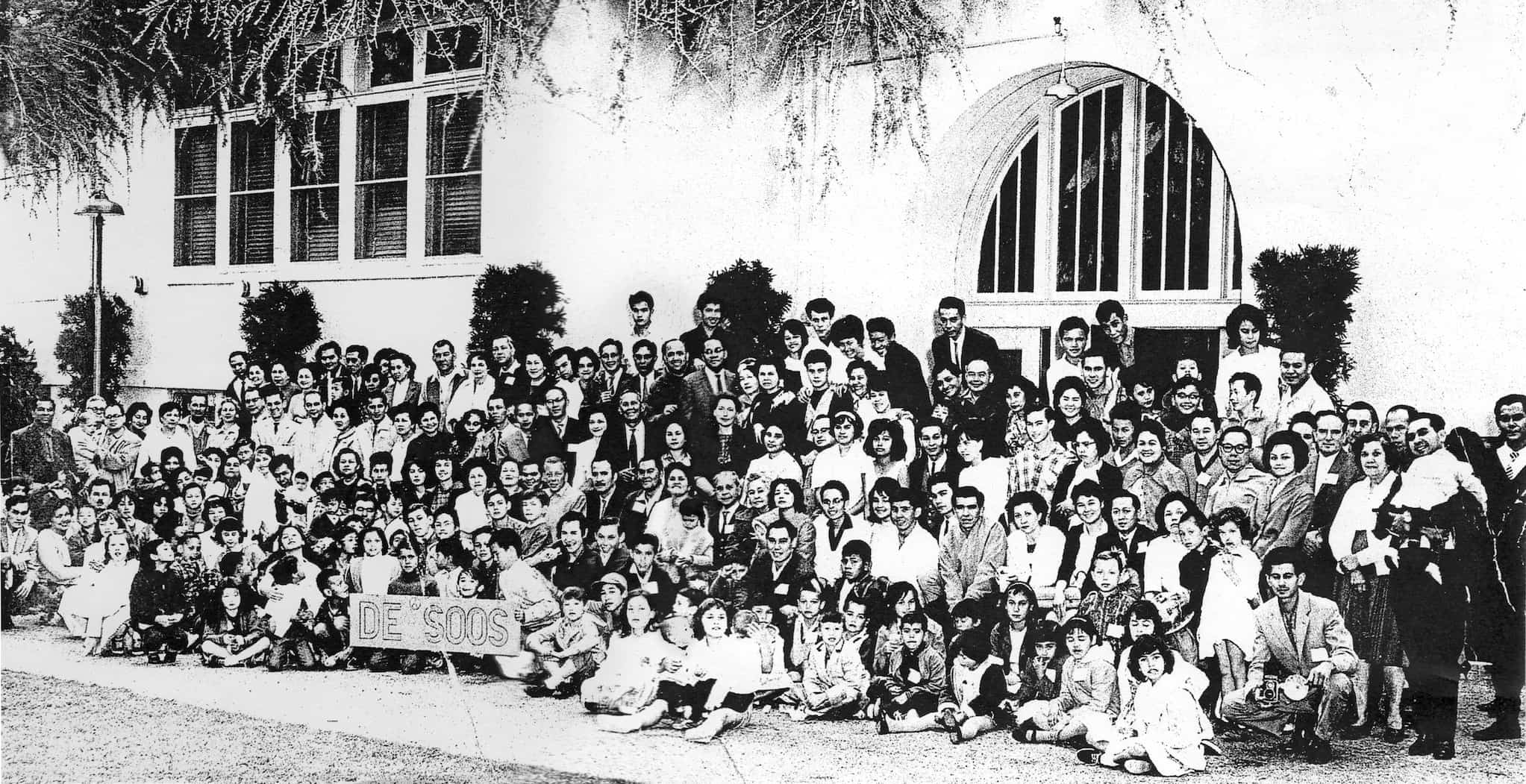
1963 gathering in Pasadena, CA
At a time when many Asians were still excluded from migrating to the United States, Indonesians of Dutch ancestry were able to enter via the Netherlands through refugee legislation. The largest community center—De Soos, the Indo Community Center—was in Southern California. This picture depicts a 1963 gathering in Pasadena.
-
Image
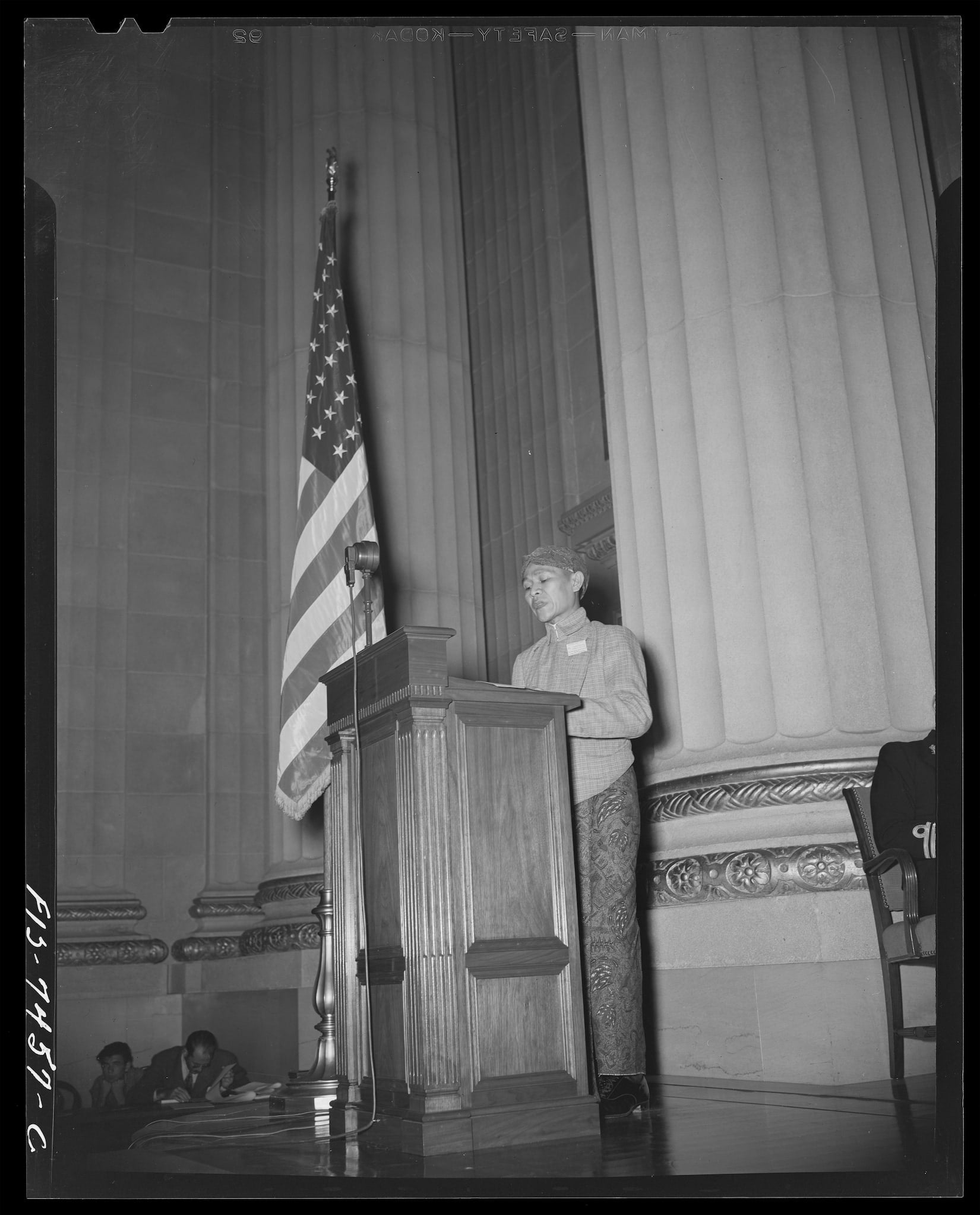
Photo of Roden Kadir
Indonesian students continued to study in the United States through the rest of the twentieth century. In this World War II-era photograph, Roden Kadir is making a presentation in Washington, DC, to a gathering of international students.
-
Image
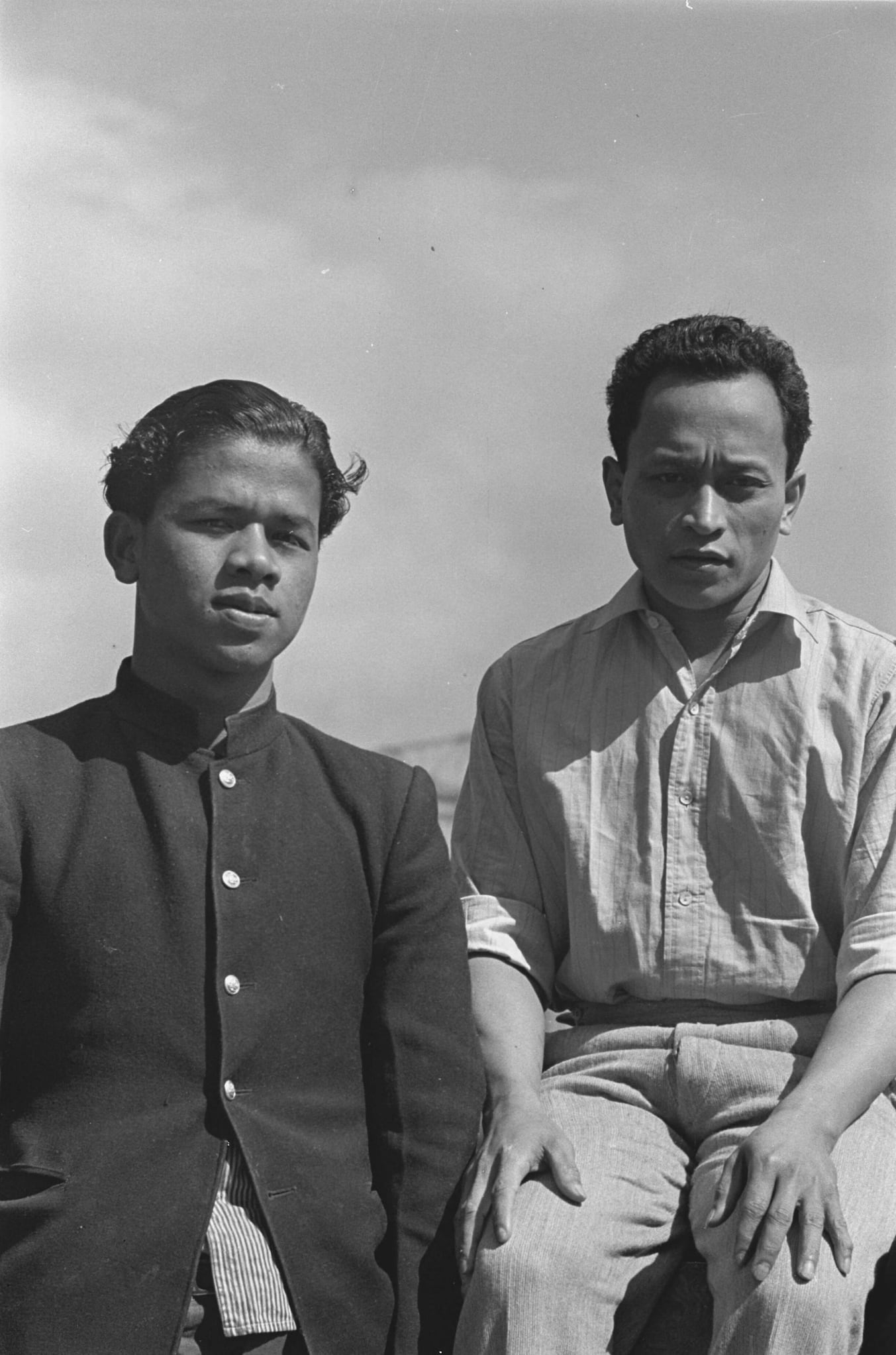
Maritime workers
Here, two maritime workers pose for a photograph. Images like this challenge us to consider what kinds of lives they might have led upon the ship as laborers, as well
-
Image
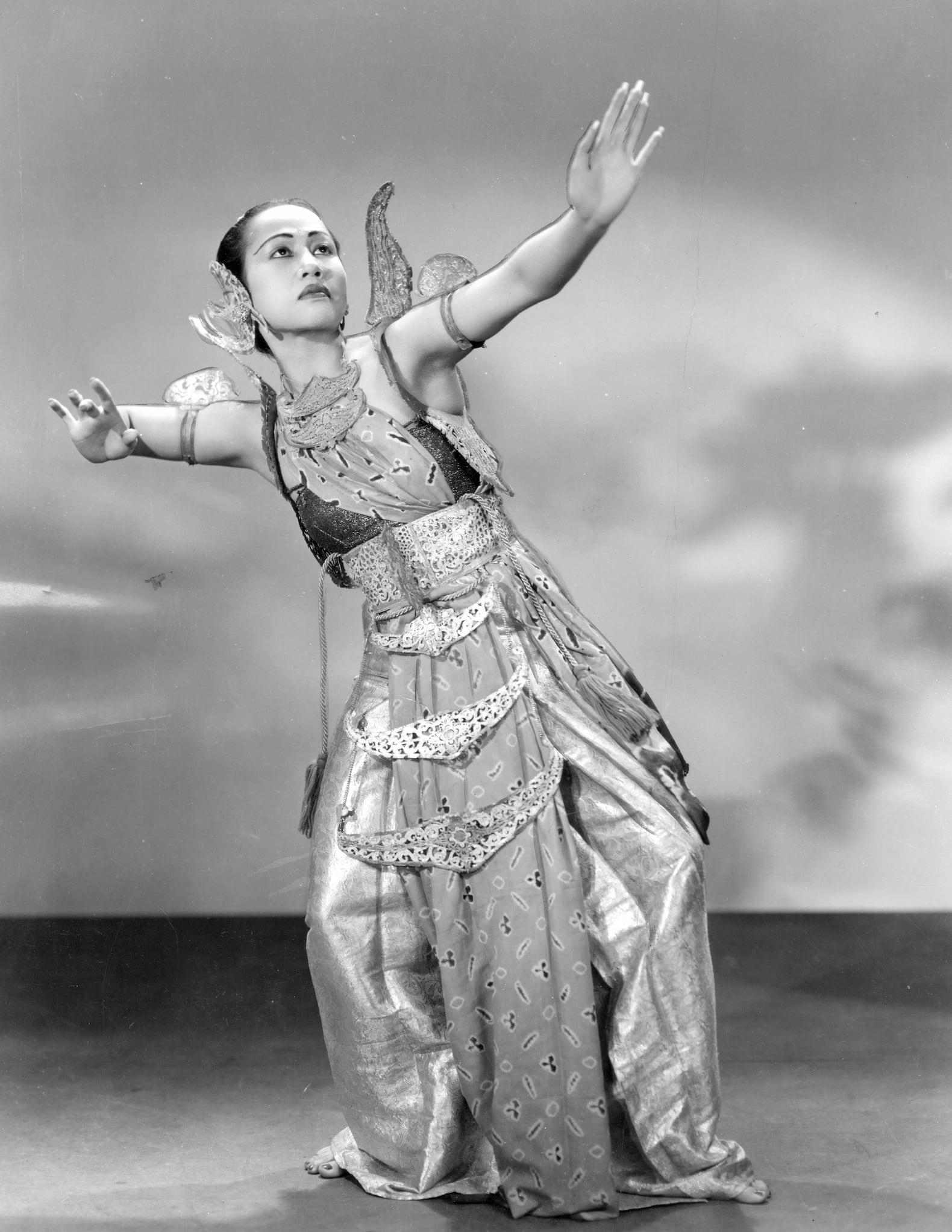
Devi Dja, Indonesian dancer and actress
Devi Dja was a dancer and actress trained in Indonesia who migrated to the United States during World War II. Dja became a US citizen in 1951 through marriage and eventually settled in California. She supported merchant seamen during Indonesia’s battle for independence from the Dutch.
-
Image
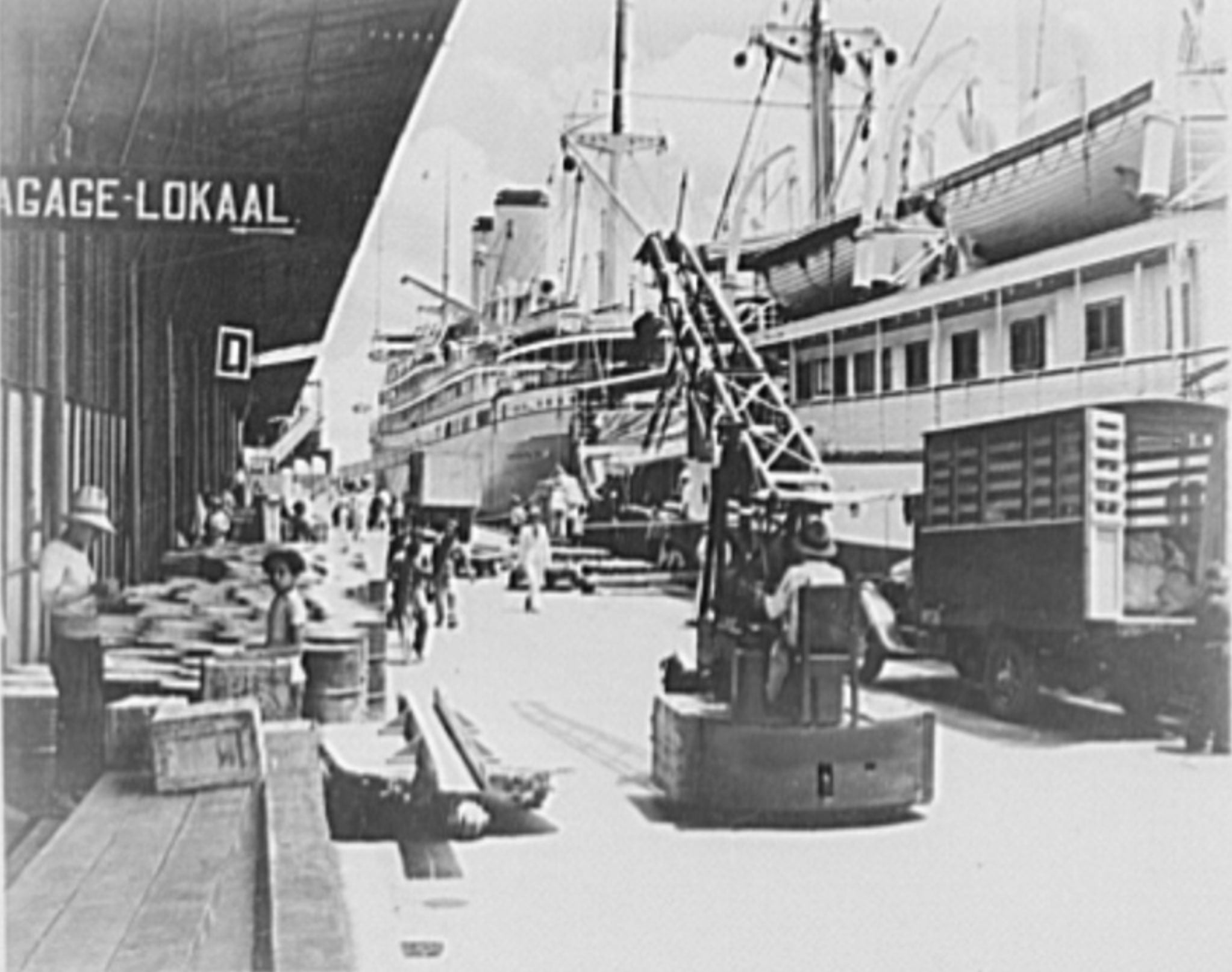
Busy trade at Jakarta
The United States remained interested in Indonesia throughout the twentieth century. This image depicting the busy trade at Jakarta, the capital of Indonesia in Java then known during Dutch colonialism as Batavia, illustrates Indonesia’s importance in terms of global trade.
-
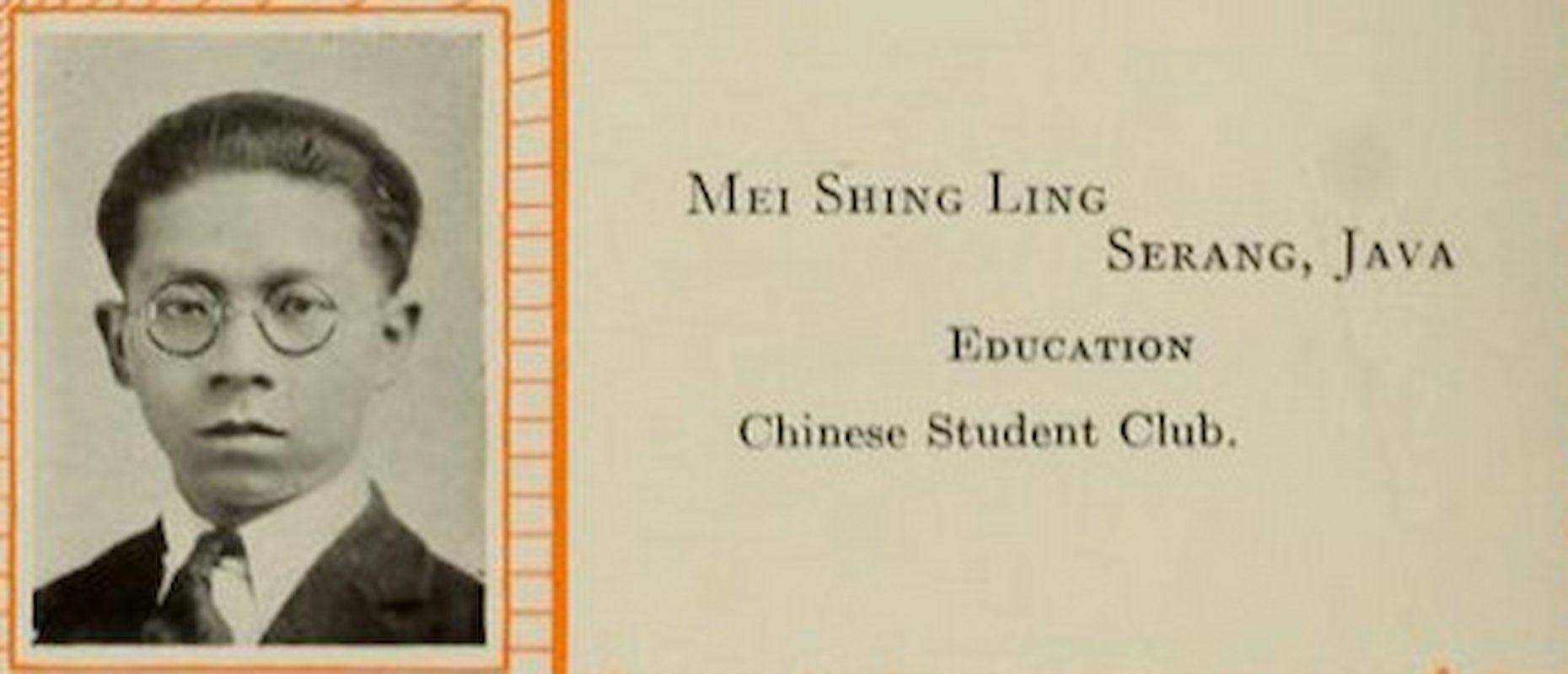
Image
Indonesian students, early alumni at the University of Illinois. (Right)
Although many Indonesian students studied in the Netherlands during the early twentieth century due to Dutch colonialism, there were also some students who traveled to the United States, like these early alumni at the University of Illinois.
-
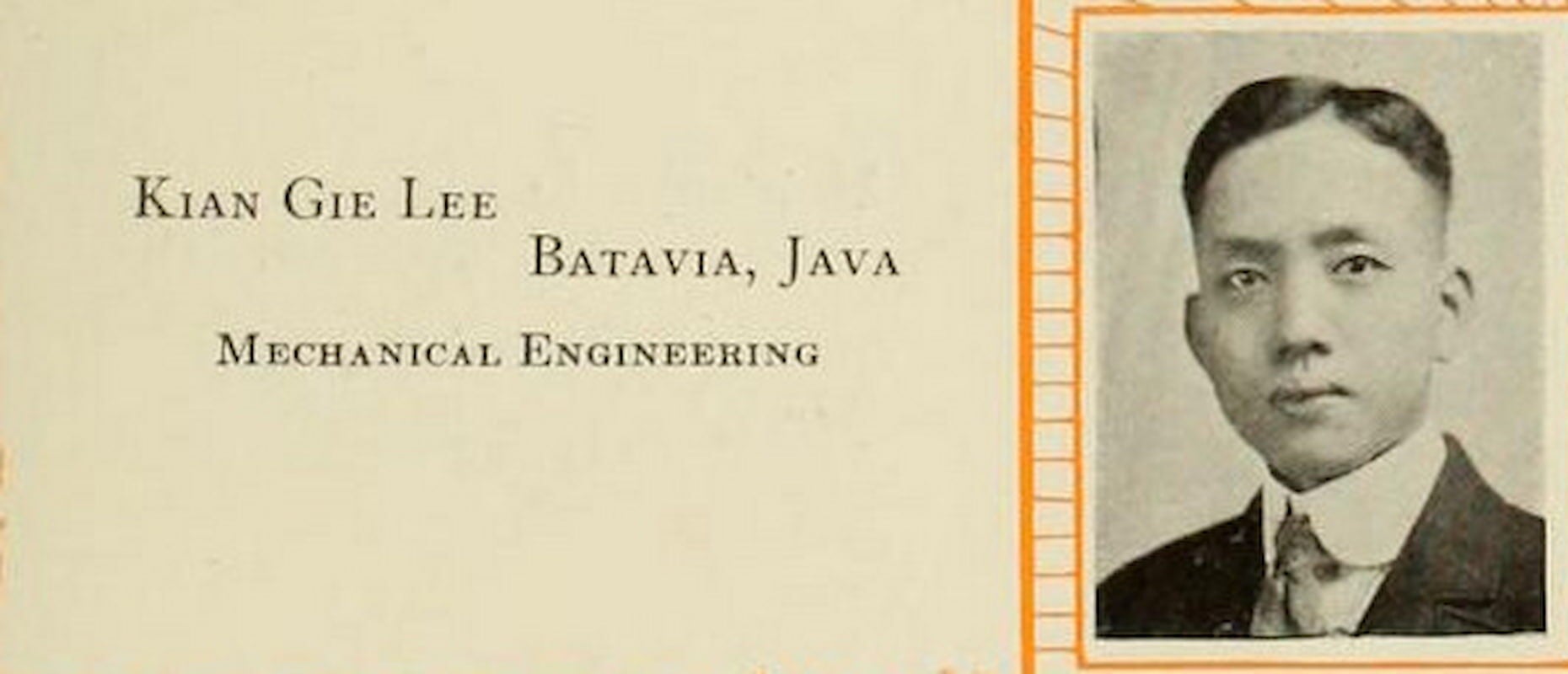
Image
Indonesian students, early alumni at the University of Illinois. (Left)
Although many Indonesian students studied in the Netherlands during the early twentieth century due to Dutch colonialism, there were also some students who traveled to the United States, like these early alumni at the University of Illinois.
-
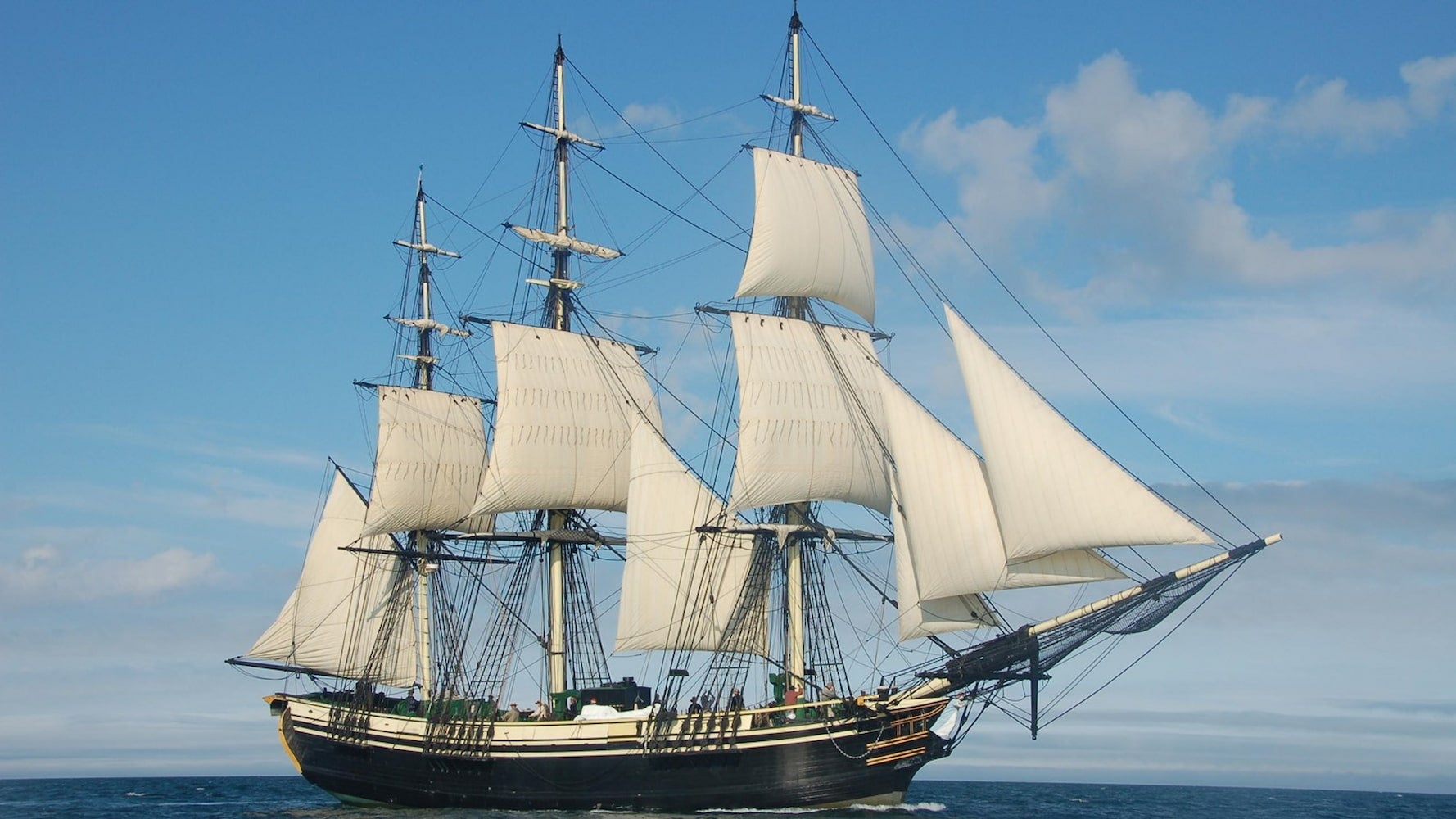
Image
Eighteenth century, American merchant ship Friendship of Salem
Built at the end of the eighteenth century, the American merchant ship Friendship of Salem traded with countries like China, Indonesia, India, and Russia. This photograph depicts a present-day replica of the ship. Understanding early trade patterns helps us to see how Indonesian American community formation is part of a larger history.
-
Image
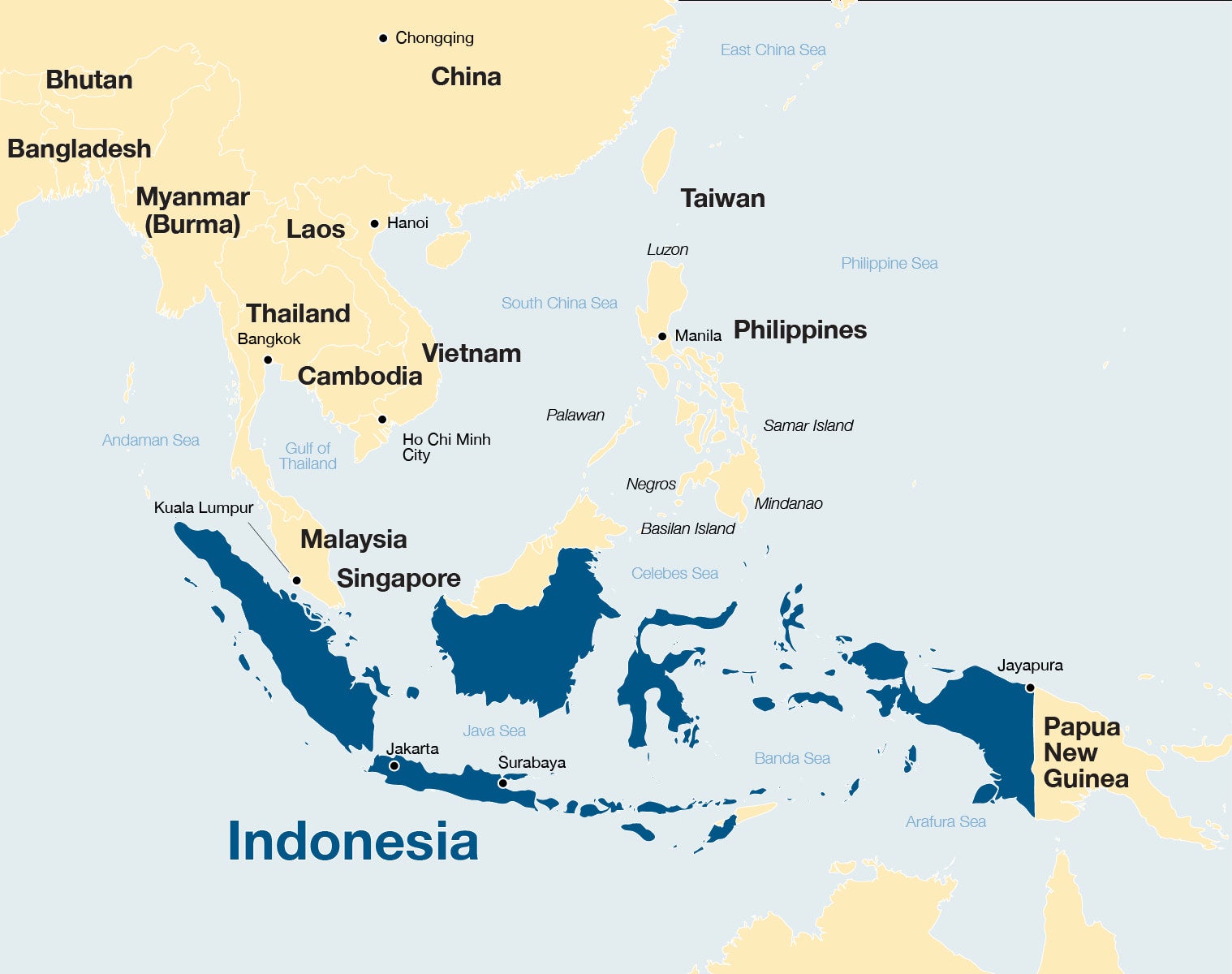
Map of Southeast Asia, with Indonesia highlighted.
Map of Southeast Asia, with Indonesia highlighted.
-
Image
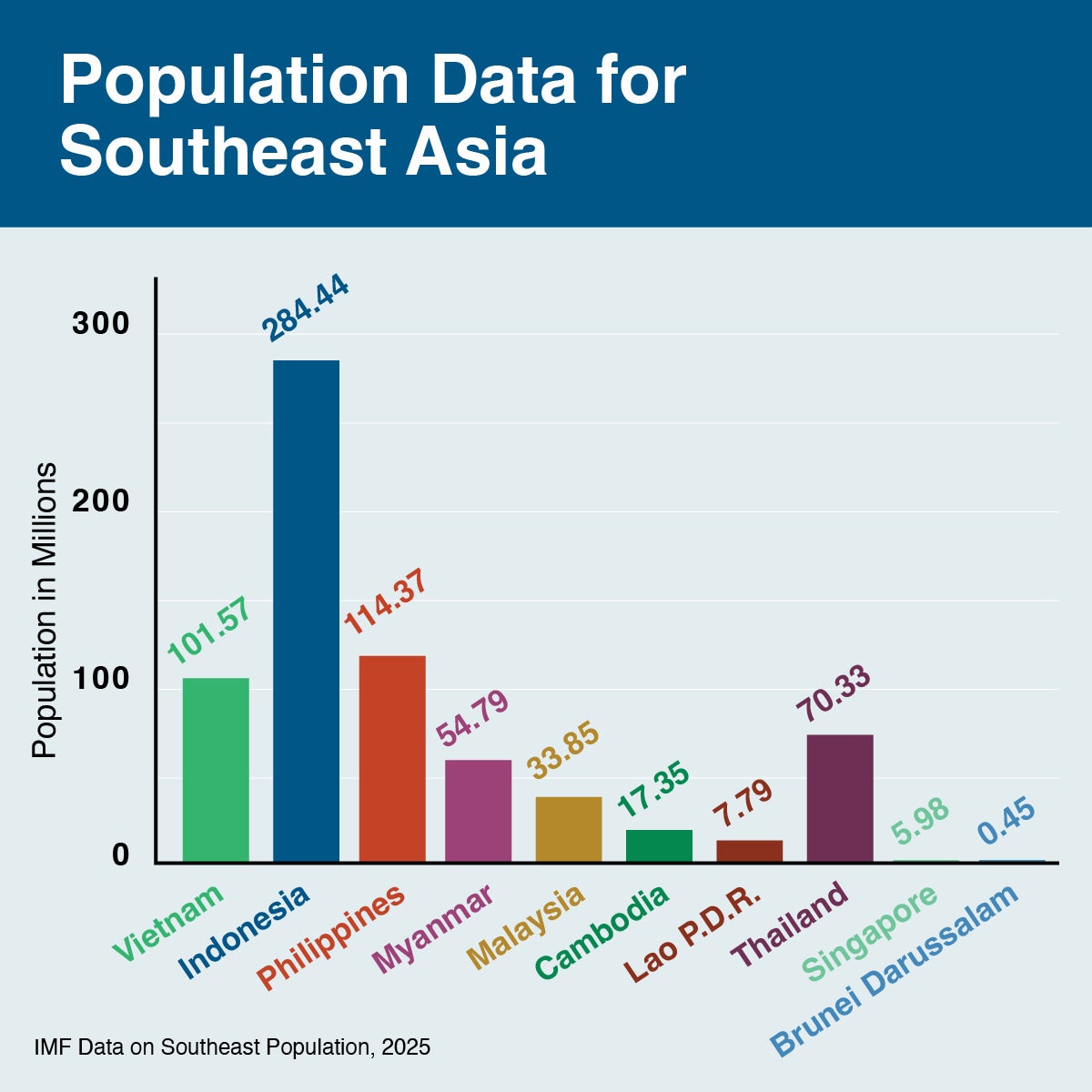
Population data for Southeast Asia
Indonesia is the largest country in Southeast Asia and the fourth most populated country in the world. In terms of size within the region, Indonesia’s population comprises roughly 70 percent of Southeast Asia’s population. Source: IMF Data on Southeast Asia population by country in millions.
-
Image
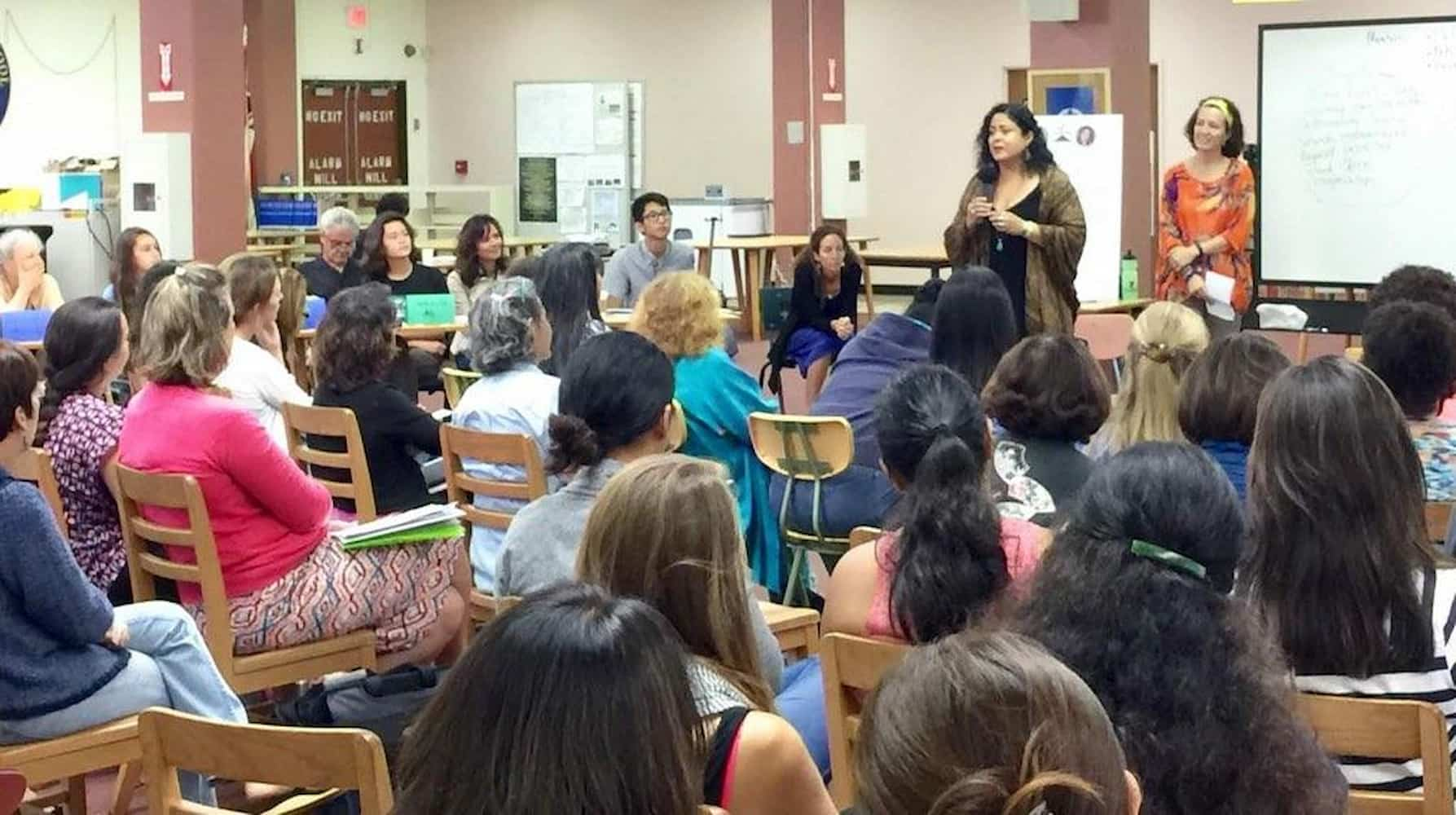
Maya’s presentation for Ceeds of Peace
Maya travels around the world to promote understanding and peace, devoting much time to organizing in her chosen home of Hawaiʻi. Here, Maya is pictured making a presentation for Ceeds of Peace, an organization that develops peacebuilding leaders.
-
Image
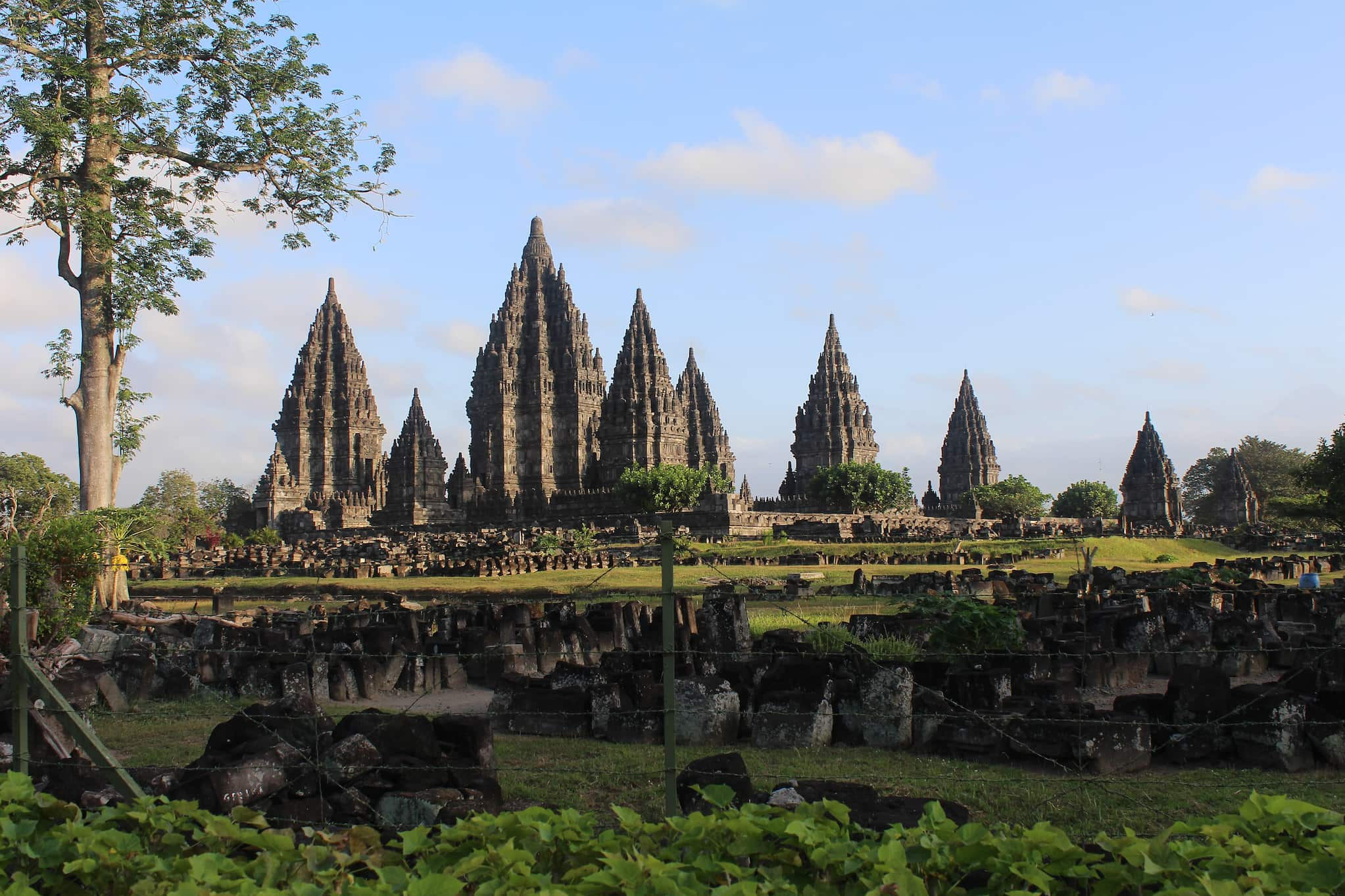
The temple-complex of Loro Jonggarang at Prambanan
The Prambanan, a ninth-century sacred site, was one of the sites through which Maya gained a greater understanding of the rich culture of Java while working as a tour guide.
-

Video
Maya describes how her mother created community in Indonesia.
Watch Maya describe how her mother created community and relationships as an anthropologist in Indonesia.
-
Image
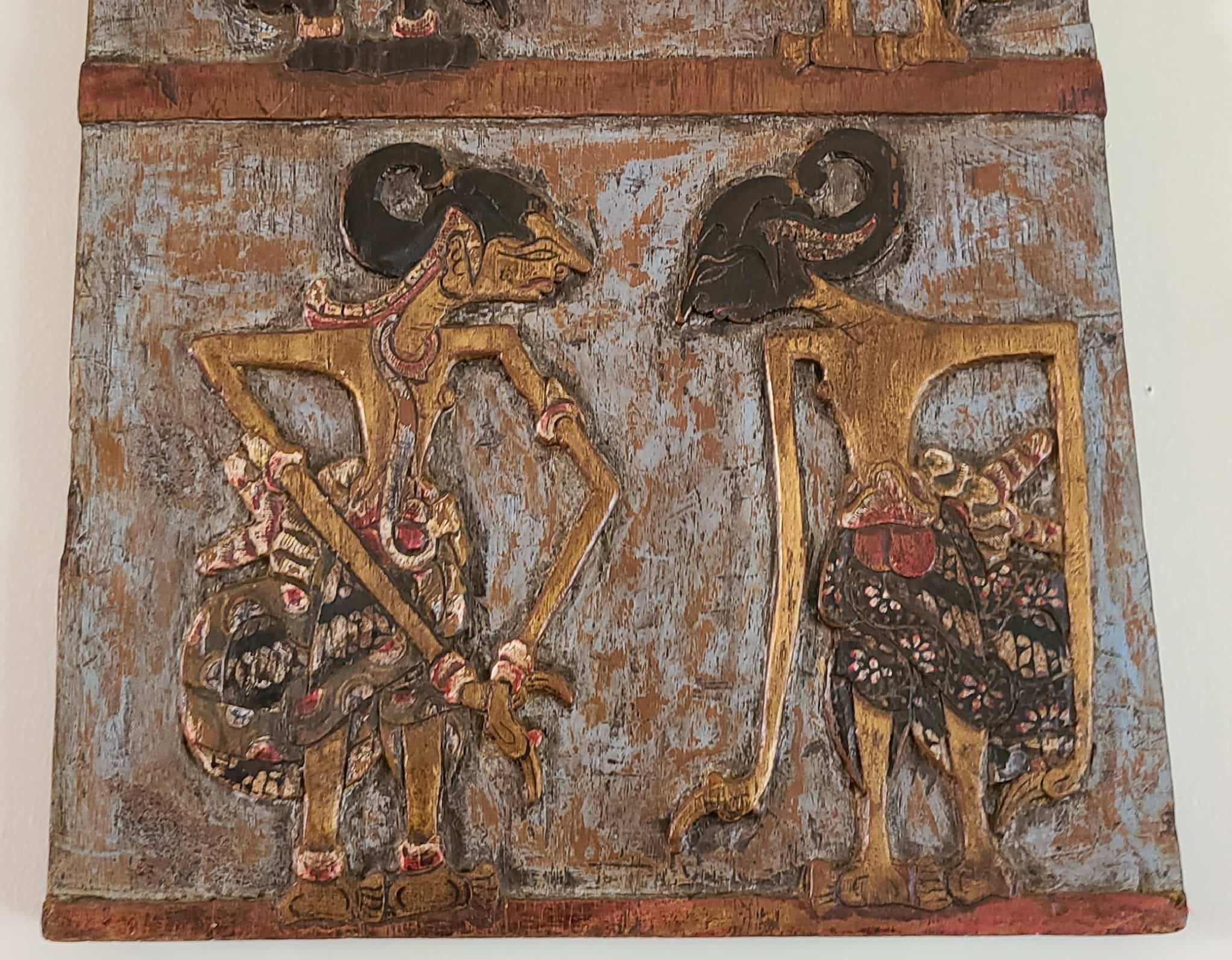
Carved wood panel from Yogyakarta
Growing up in Indonesia, Maya was surrounded by art through her mother’s work with artisans. This carved wood panel from Yogyakarta, artist unknown, belonged to her mother as part of her microfinance projects. It is now in Maya’s personal collection. (Source: Maya Soetoro Collection)
-

Video
Indonesian phrase: gotong royong
Watch Maya discuss one of her favorite Indonesian phrases: gotong royong.
-

Video
Maya discusses living within diverse cultures and faiths
Watch Maya discuss living within diverse cultures and faiths.
-
Image
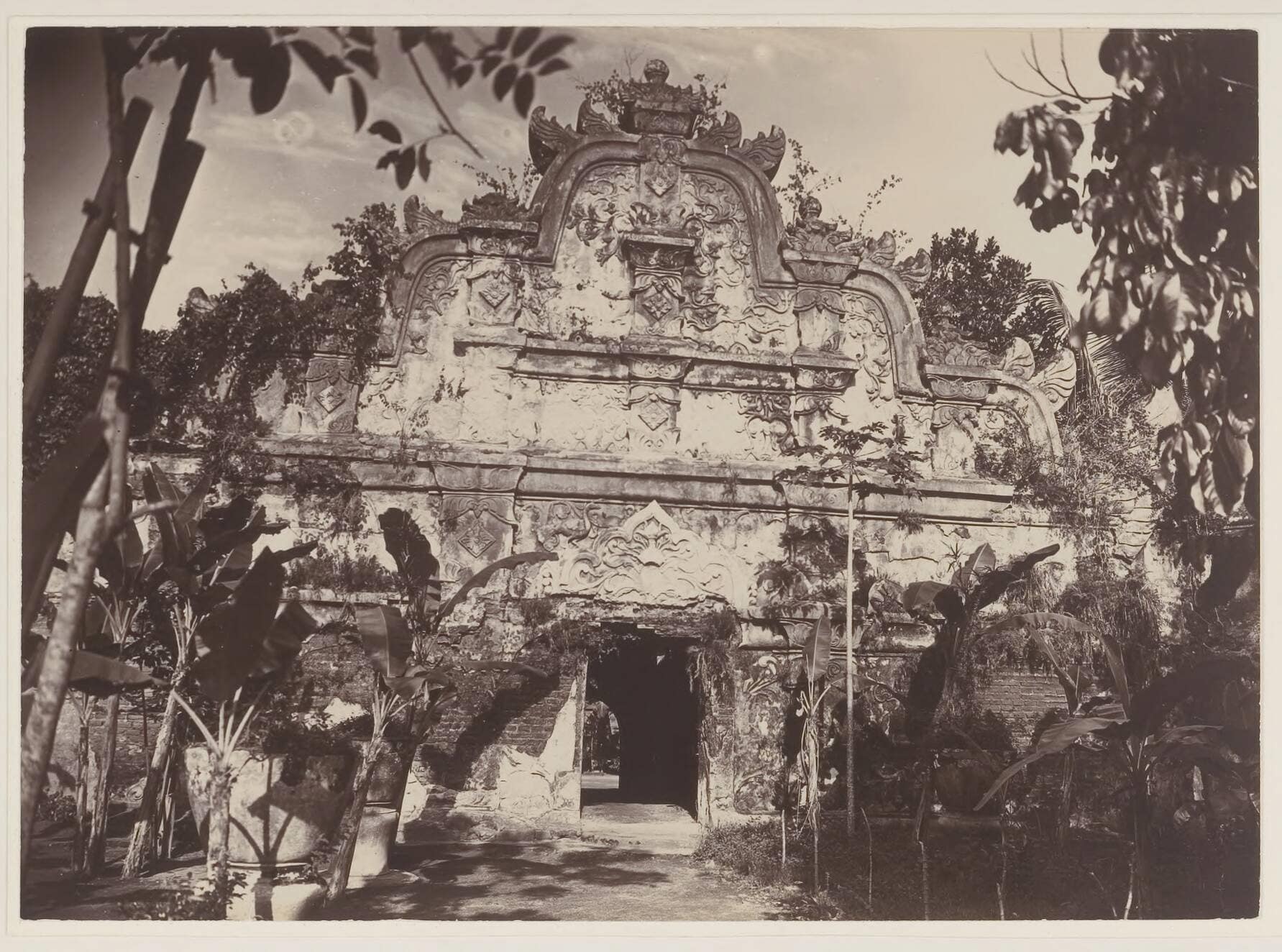
Taman Sari’s ruins
As a child in the 1970s, Maya played in the Taman Sari’s ruins. This photograph of the Water Castle was taken in a much earlier time, in 1910 during the Dutch colonial era.
-

Video
Video Maya on her childhood in Indonesia and feeling safe in “collective care”
Watch Maya discuss her childhood in Indonesia and the safety of “collective care.”
-
Image
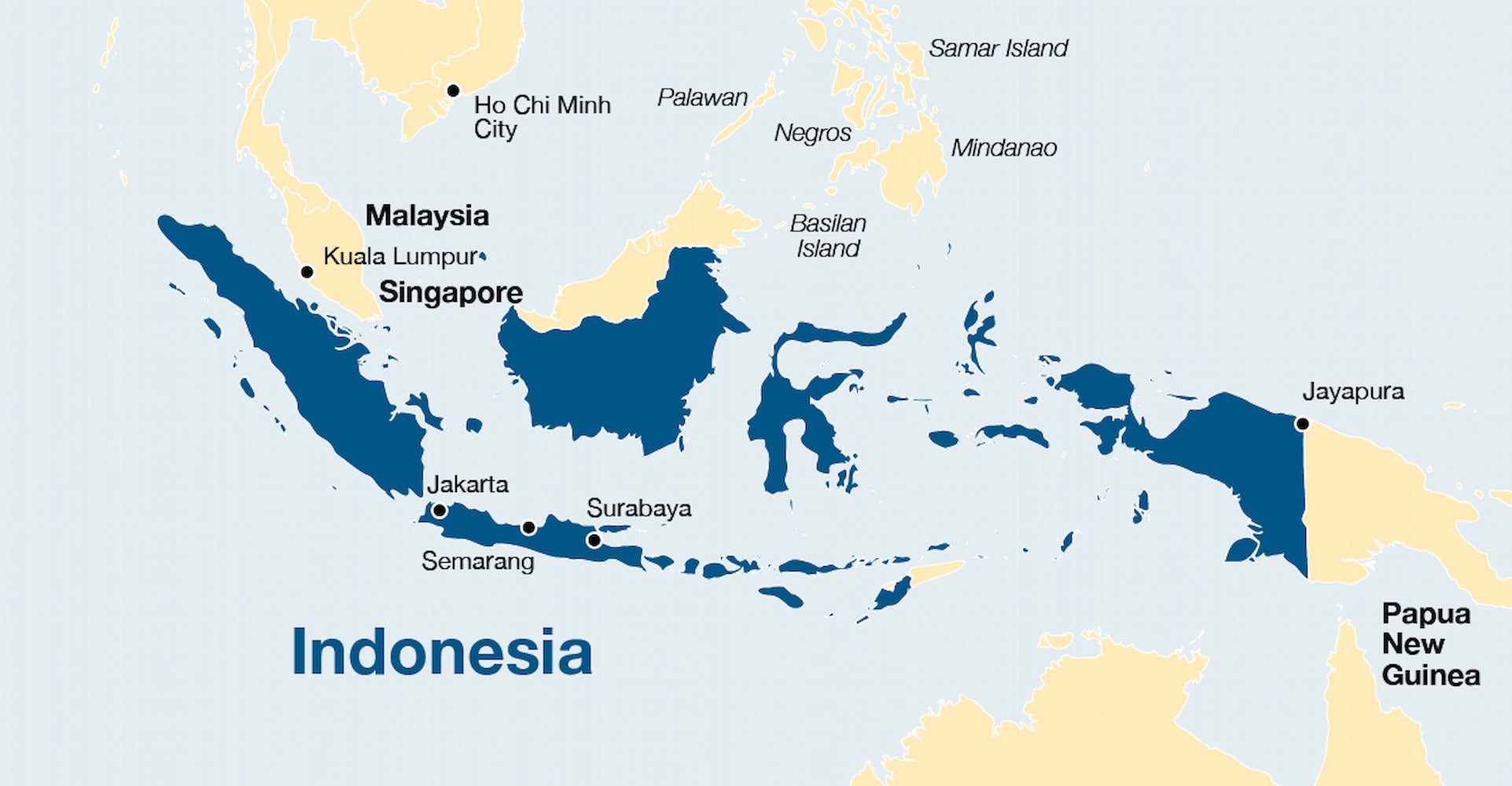
Map of Asia Indonesia
Indonesia is the fourth largest country in the world by population. The physical span of the archipelago is roughly equivalent to the length of the United States.
-
Image
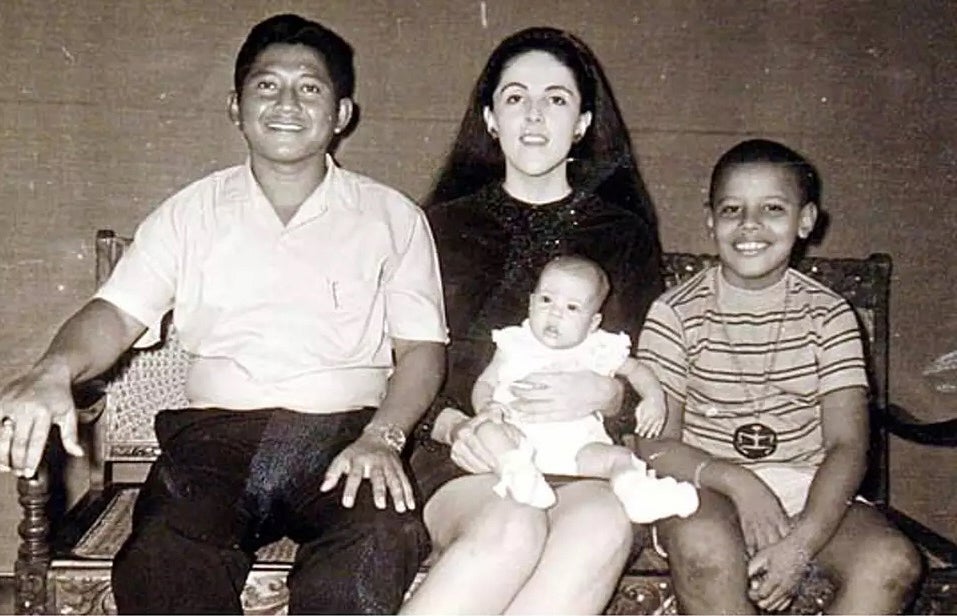
Maya Soetoro and Family
Maya as a baby with her family, ca. 1970. From left to right: Lolo Soetoro (Maya’s father), Ann (her mother), Maya (on her mother’s lap), and Barack Obama (her older brother).