



Module 3: Filipino Homemade Rifle
Can everyday objects tell us something important about Filipinx American history or lives?
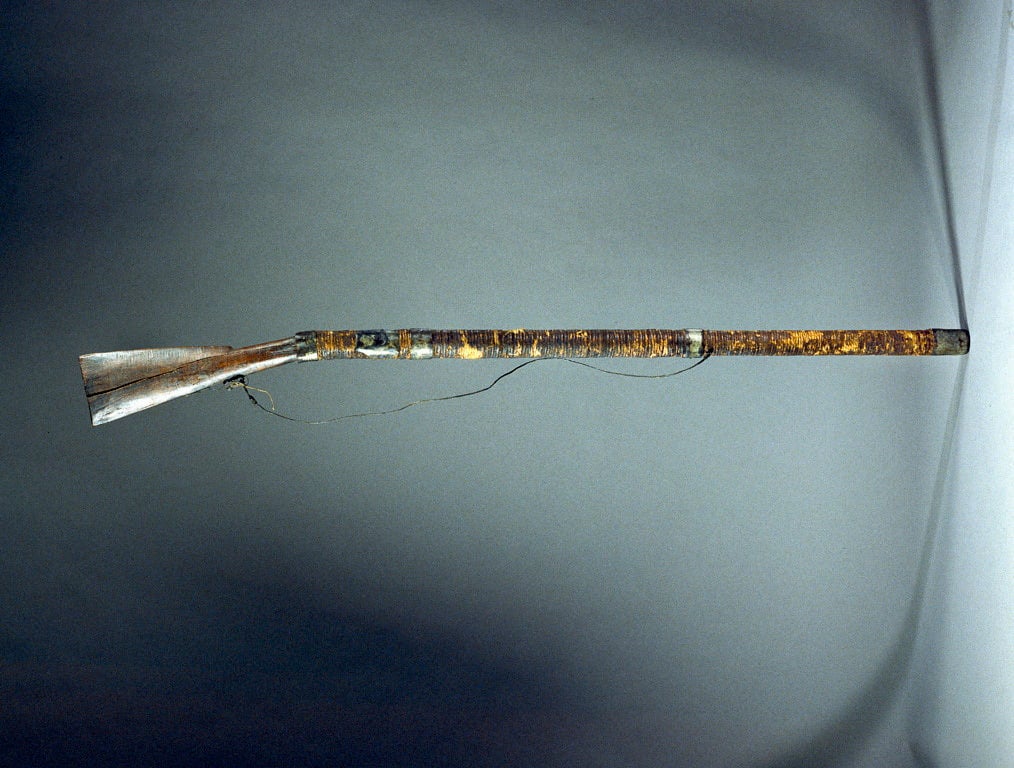
Image 10.03.01 — During the US-Philippine War (1899-1913), Filipino soldiers resorted to making their own firearms and ammunition. This homemade rifle dates to 1900. “Homemade Filipino Gun,” National Museum of American History, AF.NM367.
Created date, created by Name, Title Italicized. Credit line indicating where the image is from. Metadata ↗
Filipinos have a long tradition of fighting for their freedoms. One of the most dramatic examples of this occurred during the US-Philippine War, an understudied military conflict in US history. While the Spanish-American war that preceded it only lasted a few months, the US-Philippine War spanned several years, starting in 1899. It officially ended in 1902, but in reality the fighting continued in various parts of the country until 1913. Many Filipinos, faced with blockades and weapon shortages, used guerrilla tactics and constructed makeshift devices to keep their struggle for liberation going.
In this module, we will learn about Philippine sovereignty and their armed resistance against both Spain and the United States through a homemade rifle. This weapon is direct evidence of anti-colonial resistance.
What can homemade objects from this time period tell us about liberation?
What were Filipinos fighting for during the US-Philippine War?
What is a war for national liberation?