





Module 2: Telling Stories with Objects
Can everyday objects tell us something important about Filipinx American history or lives?
Museums are special places for learning and reflection. Artifacts can help us learn incredible stories. This module is an overview of the Smithsonian Institution’s collection of Filipino history and a short guide on how to appreciate a museum object. The remaining modules focus on five objects in the Smithsonian collection that help us understand Filipino American history as a part of US history.
The practice of collecting artifacts has a long history that stretches back thousands of years, but the modern museum emerged in the 1600s as Europe rose as a global center for power and knowledge through colonization.
Museums of all sizes were being created by individuals, corporations, scientists, religious organizations, and governments. People collected objects from expeditions, wars, missions, and scientific studies and displayed them in cabinets, galleries, and museums. Collections could contain everything from fossilized insects to items used to decorate a home.
As the world became more connected due to trade, travel, and colonization, museums played a central role in educating collectors, their patrons, and audiences. However, museums often assigned names to people, places, and things in these collections, usually without guidance from local or Indigenous communities. The information we gather from museum labels, wall descriptions, and catalogs often reflects the worldview or training of curators, conservators, collections managers, educators, administrators, board members, and other officials.
Instead of thinking of museums as conveying knowledge which is timeless, unchanging, and the last word on any particular subject, we should understand these institutions as both influencers of, and influenced by, social, political, and cultural forces. In other words, museum collections, and the ways that those objects are interpreted, are not neutral.
What are the kinds of objects a museum can collect?
How have Asian, Pacific Islander, and Filipino histories been taught at museums?
What should guide a museum in their collection and interpretation of objects pertaining to Asian, Pacific Islander, and Filipino histories?
A Brief History of the Smithsonian
The people, places, and artifacts of Asia and the Pacific have been central to the Smithsonian from the moment Congress established the Smithsonian Institution in 1846. The strands of this history are entangled with war and colonialism.
When British scientist James Smithson died in 1829, he donated his estate to the US government for the “increase and diffusion of knowledge among men.” 1 He required the institution to be named after him, and for it to be located in Washington, DC. Smithson had never visited the United States.
The United States Exploring Expedition, also referred to as the Wilkes Expedition, is another important strand in Smithsonian history. From 1838 to 1842, a US Navy lieutenant named Charles Wilkes led this global voyage with scientists and artists, as well as government and military officials. The Wilkes Expedition departed from the East Coast, and sailed to South America, Australia, Antarctica, Hawaiʻi, the West Coast of the United States, Polynesia, the Philippines, Borneo, Singapore, and South Africa. After five years, the expedition crew ended its journey in New York City with thousands of objects in their ships’ holds.
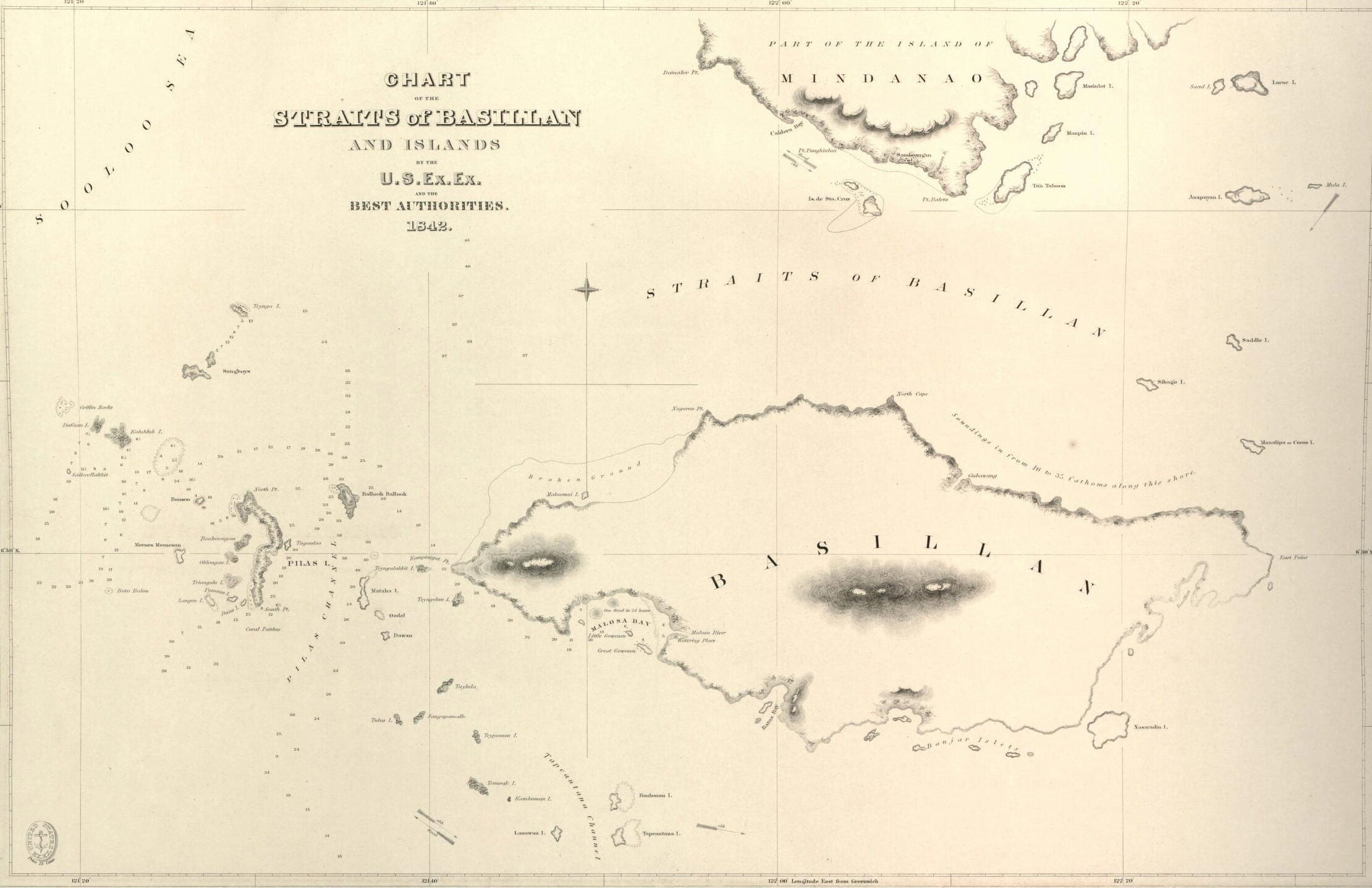
Image 10.02.01 — This map of the Straits of Basillan and Islands was included in Charles Wilkes’ “The Narrative of the United States Exploring Expedition.”
From Hawaiʻi, they collected stone tools like adzes, bark cloths, gourd bowls, and kāhili, which were feather standards used by royal families and chiefs. From the Marquesas Islands came war clubs and staffs. And from the Philippines, which the expedition visited in 1842, objects included detailed boat models, daggers and swords called kris from the archipelago’s southern islands, and wooden shields wrapped with bamboo strips.
According to Smithsonian anthropologist and curator Adrienne Kaeppler, this was the largest collection of any sailing expedition. The Wilkes Collection became part of the core of the Smithsonian Institution upon its founding in 1846.
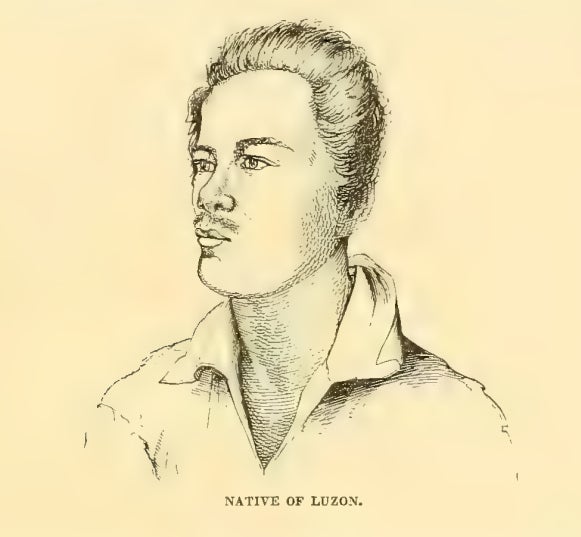
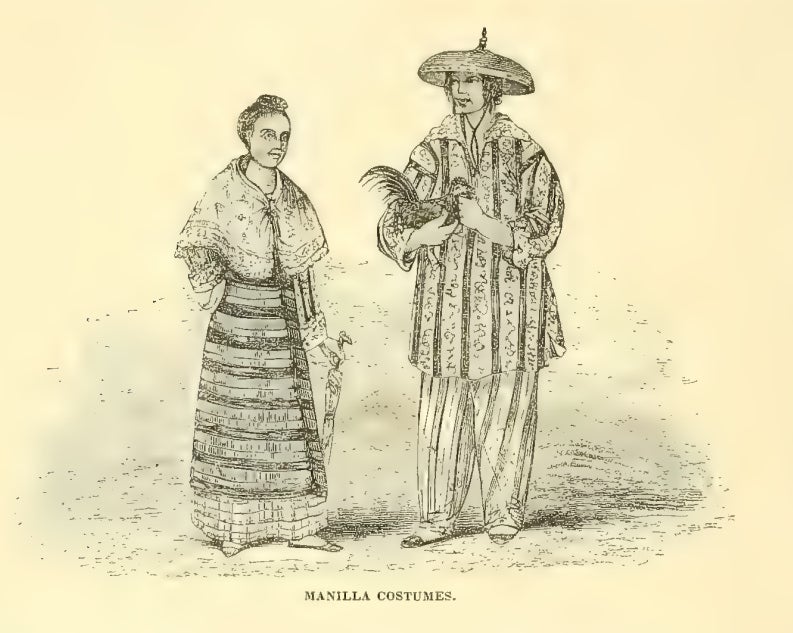
Image 10.02.02a — Drawings from the United States Exploring Expedition, 1838–1842. The following are drawings by Smithsonian naturalists of Filipinos.
Image 10.02.02b — Drawings from the United States Exploring Expedition, 1838–1842. The following are drawings by Smithsonian naturalists of Filipinos.
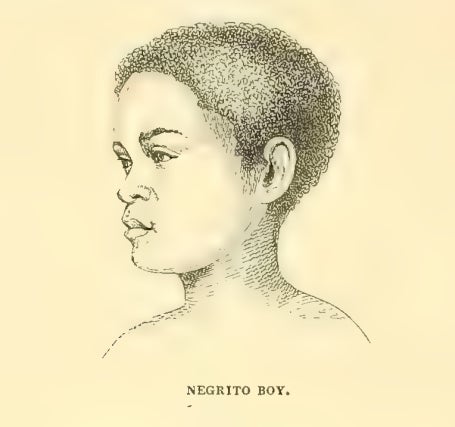
Image 10.02.02c — Drawings from the United States Exploring Expedition, 1838–1842. The following are drawings by Smithsonian naturalists of Filipinos.



The Smithsonian and Filipino America
Asian and Pacific Islander stories are a crucial part of the Smithsonian’s origins. This history, however, is not without controversy due to US colonization and war in the Philippines.
Filipino revolutionaries fought for independence from Spain in 1896–1898, which spurred wars first with Spain, and then with the United States. During the US-Philippine War, scientists, soldiers, and sailors collected and looted items from the Philippines. One Smithsonian collector, Frank Hilder, was instructed to acquire “trophies of the war,” including clothing and insignia of Filipino civilians and soldiers. 2
Hilder collected these items and more, including eight skulls of Filipinos. His acquisitions were included in the 1901 “Colonial Exhibit” at the World’s Fair at the Pan-American Exposition. Just a few years later, Smithsonian anthropologist Ales Hrdlicka acquired brains and other skeletal remains of Filipino persons. These items joined one of the world’s largest collections of human remains. Human remains were taken without permission from family or community members.
In recent years, the Smithsonian and other cultural and educational institutions have become more candid about this history of theft and dehumanization. For example, the University of Michigan is making an effort to address its past of conducting archaeological excavations throughout the Philippines and removing cultural artifacts, including human remains, during the US colonial period.
The ReConnect/ReCollect: Reparative Connections to Philippine Collections project, led by professors and scholars Deirdre de la Cruz and Ricky Punzalan, reviewed the university’s acquisition of Filipino objects and history and shared them with Indigenous and Filipino community members. During this process, the project was able to revise harmful and inaccurate descriptions of the collections and address other forms of institutional erasure and violence.
In 2022, the Smithsonian Institution adopted a policy of Shared Stewardship and Ethical Returns with the aim to “working transparently and in consultation with descendants, communities, and relevant governmental and regional stakeholders to consider matters of shared stewardship and the potential return of collections, based on ethical considerations.” With the release of the new policy, Smithsonian Secretary Lonnie Bunch III said: “This is a moment to say, ‘We can be better.’ By accepting our troubled past, we can point to a better future.” 3
Five Objects
Museum objects help us think about the times and places where the objects existed, and they also provide an opportunity to make connections to many stories. Each of the following objects provides us opportunities to think more deeply about the history, context, and importance of Filipino Americans. Subsequent modules in this chapter will go in-depth about the significance of each object.
The homemade Filipino rifle is associated with the US-Philippine War. The rifle can be immediately understood as a weapon of this war, but we can also use this object to talk about armed resistance to colonization beyond the early years of the twentieth century. Filipino resistance to colonization began with a local chief by the name of Lapu-Lapu—the person who resisted the Portuguese commander Ferdinand Magellan in 1521. In this way, this twentieth century museum object can also be associated with events from the sixteenth century.
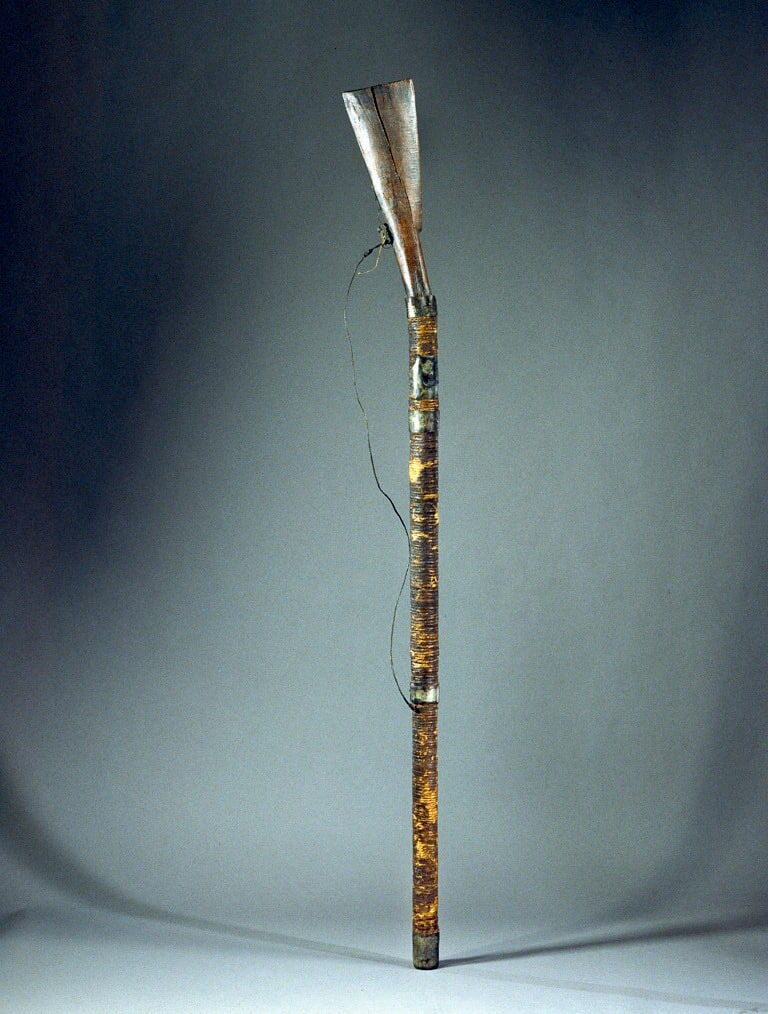
Image 10.02.03 — Module 3 examines this object, a homemade Filipino rifle associated with the US-Philippine War. “Homemade Filipino Gun,” National Museum of American History, AF.NM367.
Another object we will explore is the insignia worn by members of the First Filipino Infantry Regiment during World War II. These badges show us what a specific group of soldiers wore as part of their uniform. But when we look at the symbols on the badge we can discuss deeper meanings of the concepts of belonging for Filipinos—both in the United States and in the Philippines, which was still a US territory at the time.
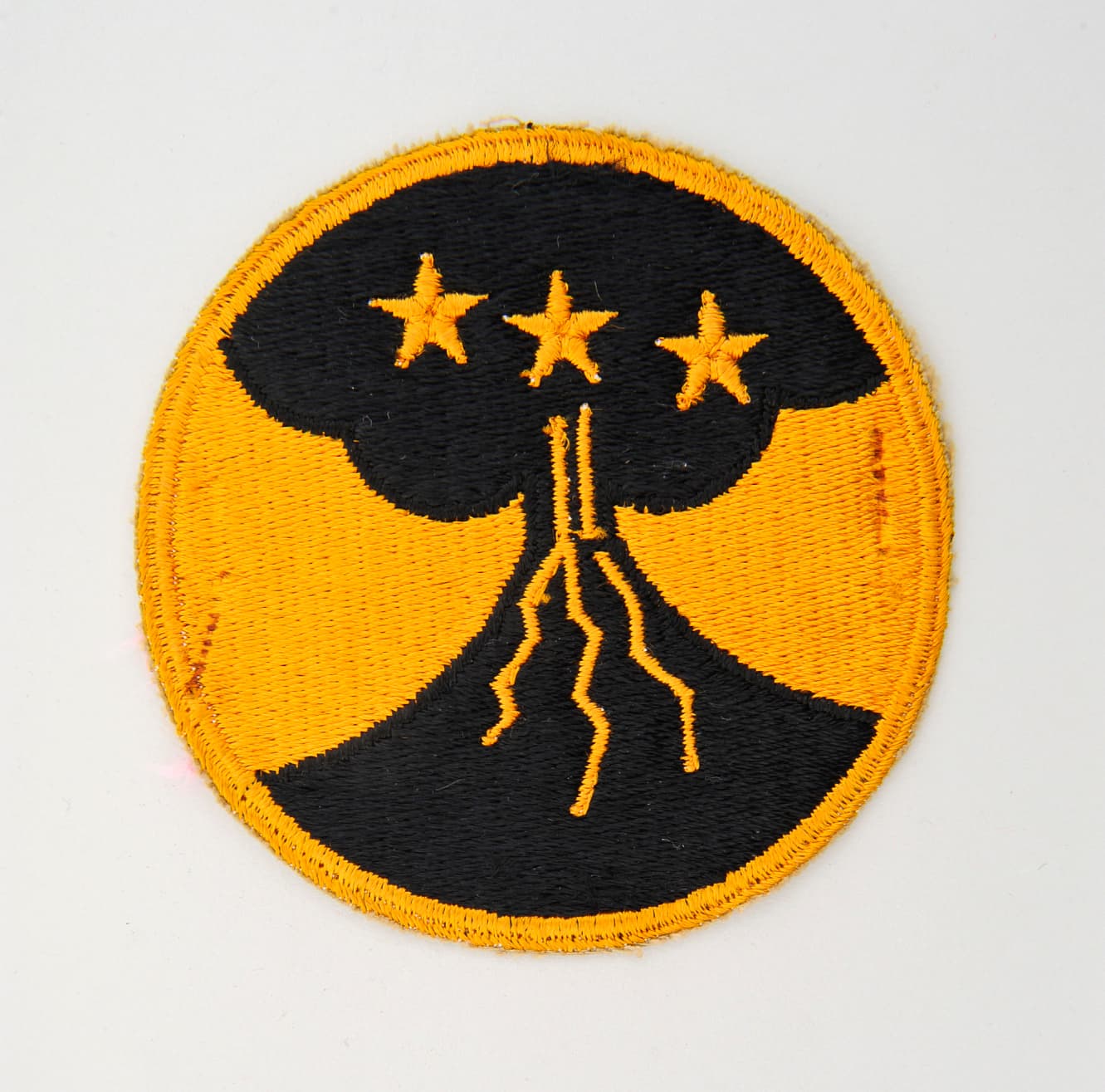
Image 10.02.04 — Module 4 examines this object, the insignia worn by members of the First Filipino Infantry Regiment during World War II. “Insignia,” National Museum of American History, AF.61624M.
The third object is a pin which agricultural workers may have worn during the historic Delano Grape Strike in the 1960s to show their support for the Agricultural Workers Organizing Committee (AWOC) and National Farm Workers Association (NFWA). Pins were worn by strikers and allies to help outside observers to understand the strikers’ demands. This small item also commemorates the historic act of solidarity between two labor unions. Going beyond that specific time and place—1965 in rural California—the pin can be used to think about the long legacy of Filipino American organizing. For example, in the late 1960s, activists in San Francisco rallied for affordable housing and against the eviction of elderly Filipino American and Chinese American residents of the International Hotel. What pins, signs, and art did these activists wear and hold to make their messages known? What art came out of activism?
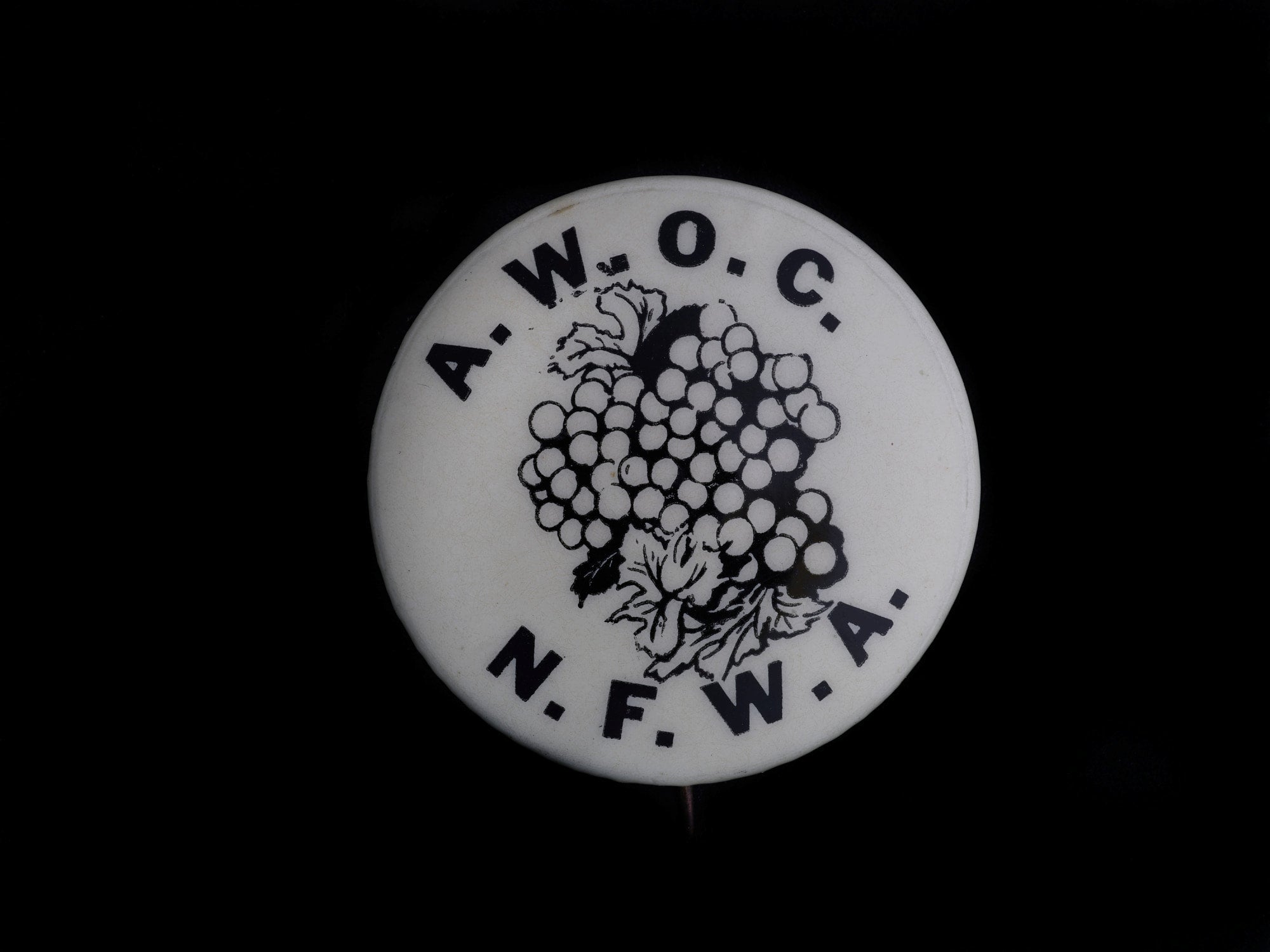
Image 10.02.05 — Module 5 examines this object, a pin agricultural workers may have worn during the historic Delano Grape Strike in the 1960s. “Agricultural Workers Organizing Committee (A.W.O.C.) and the National Farm Workers Association (N.F.W.A.) pin,” National Museum of American History, 2019.0166.1.
The fourth object is a nurse’s cap from the 1990s. It is a crucial part of the story of Maria Reyna Jayme Legaspi, a Filipina immigrant who graduated from a nursing school in the Philippines before moving to Jacksonville, Florida. Her migration is related to a longer history of professional training that stretches back to 1907. In the Philippines, the United States educated nurses to supply medical support to thousands of troops during US wars for most of the twentieth century. To this day, Filipino nurses continue to fill labor shortages throughout the world.
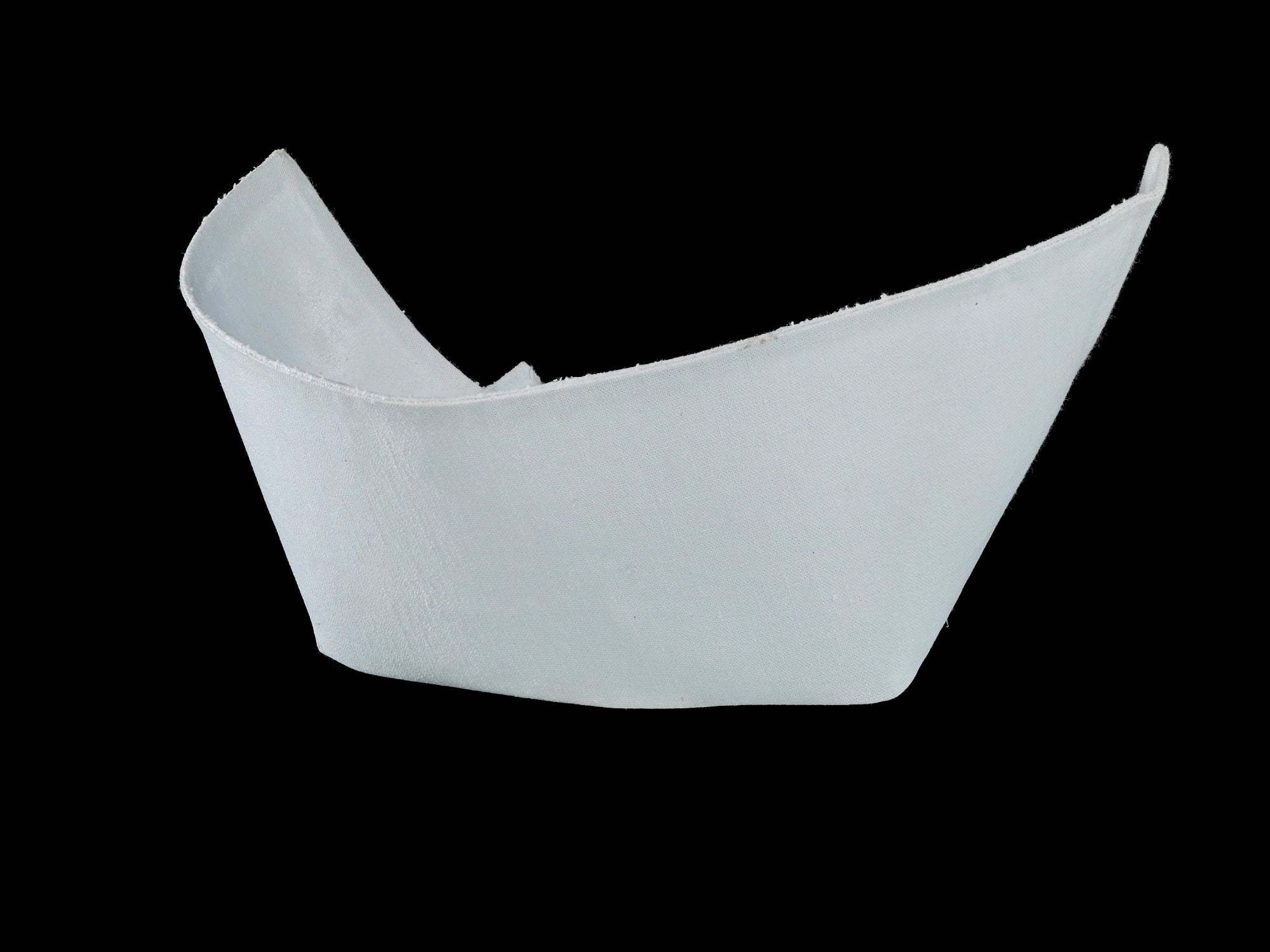
Image 10.02.06 — Module 6 explores this object, a nurse’s cap from the 1990s that Maria Jayme received during her graduation capping ceremony. “Nurse’s Cap,” National Museum of American History, 2007.0218.01.
The last object is an autographed jacket from Filipina American performer Ruby Ibarra. The design of the jacket, which contains references to her record label and song lyrics, gives us insight into her identity and politics as a Filipina feminist. When Ibarra autographed the jacket, she also wrote, “Isang Bagsak” on it, tying her artistry to a deep history of Filipino organizing. Ibarra and her jacket are part of the long arc of hip-hop and performing arts throughout the Filipino diaspora. For example, the balagtasan is an artistic and literary form developed in the Philippines, in which speakers debate through poetic, verbal jousts.
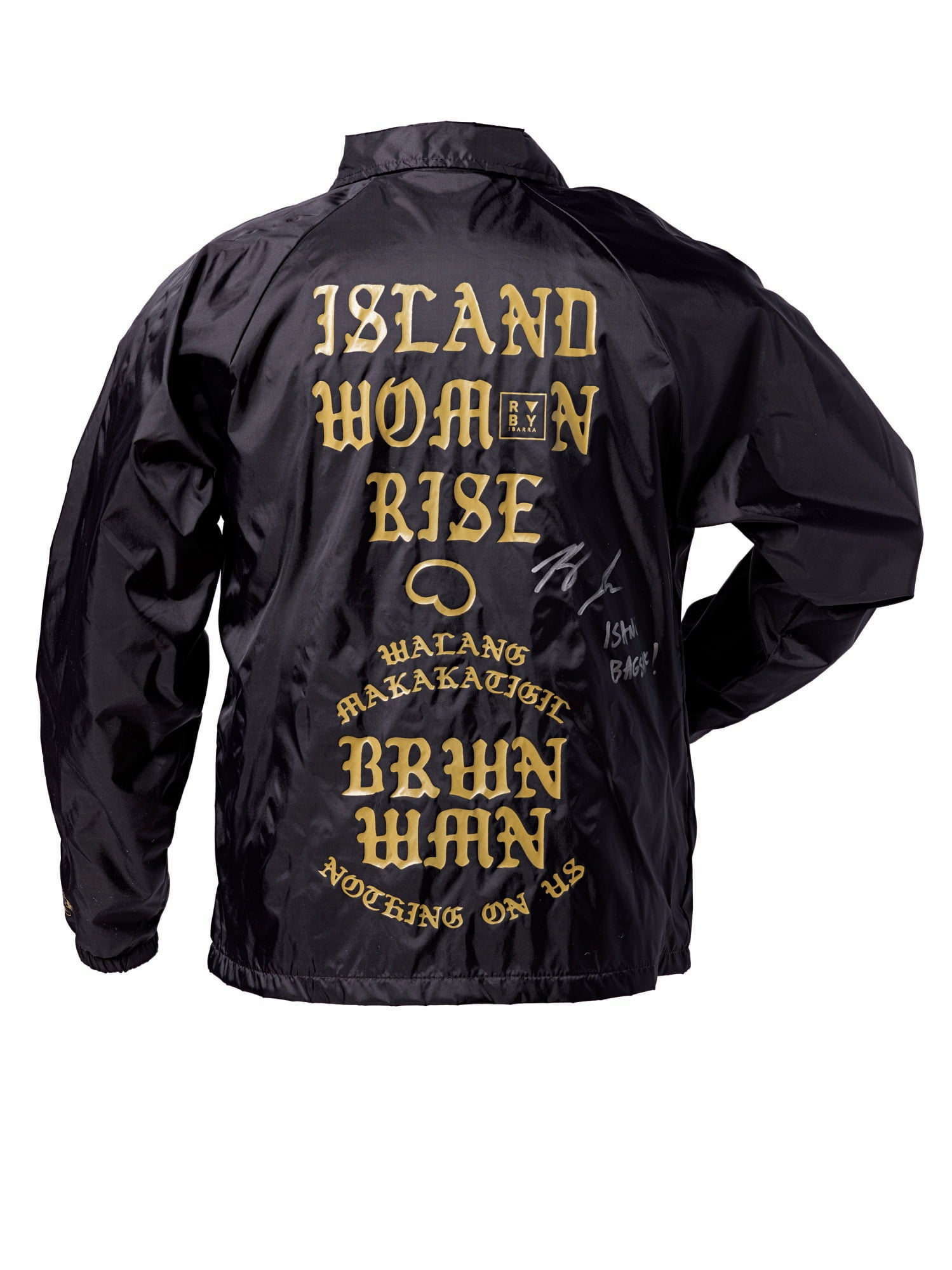
Image 10.02.07 — Module 7 examines this object, an autographed jacket from contemporary Filipina American performer Ruby Ibarra. “Jacket worn by Ruby Ibarra,” National Museum of American History, 2022.0073.01.
Comparing Strands
Comparing the objects to each other helps to tell a story of Filipino American history. For example, the lapel pin and the homemade rifle can thread a discussion between non-violent direct action and armed resistance. United Farm Workers was formed when the AWOC and NFWA merged, and its popularity was due in large part to the ways that writers and others celebrated the example of the union’s president, César Chávez, especially for his use of non-violent tactics such as marches featuring religious symbols like the Virgin of Guadalupe, or media-savvy hunger strikes that caught the attention of celebrities and politicians.
The champions of non-violent direct action throughout world history include many strategists such as Mohandas Gandhi, Martin Luther King, Jr., Bayard Rustin, abolitionists, Quakers, and so on. We will use the museum objects to introduce this topic and learn how Filipino American activists not only made use of non-violent tactics, but also participated in moments of armed resistance against colonizers in a war of national liberation.
Comparing the lapel pin to the nurse’s cap offers us a space to discuss Filipino labor activism across industries. Before Filipino American organizer Larry Itliong worked with the AWOC, he was associated with unions such as the Alaska Cannery Workers Union and the Filipino Farm Labor Union of California. Filipino nurses also have created large organizations that fought for better working conditions and wages. These would include the National Federation of Philippine Nurses Association in the United States, the National Alliance for Fair Licensure of Foreign Nurse Graduates, and the Foreign Nurse Defense Fund.
Reflection Question
How are groups and collectives important in the advancement of campaigns for social, cultural, and political change?
Two objects frame a discussion: Ruby Ibarra’s jacket and the 1st Filipino Infantry Regiment Patch. Despite being from different time periods nearly eighty years apart, they highlight the concepts of home and belonging. Ibarra’s use of Filipino language in her lyrics connects her to empowering truths about Filipinas in the US and diaspora. Filipino is one of the most spoken non-English languages at home, preserved in churches, gatherings, and children’s literature. The Army patch symbolizes a time when Filipinos in the US faced a unique legal status. Following the 1899 annexation, they were neither citizens nor aliens, existing as “US Nationals” with limited rights. The 1934 Tydings-McDuffie Act changed their status to aliens. The simultaneous bombings of Pearl Harbor and Manila raised questions for Filipinos in the US about their allegiance and homeland in 1941.
Reflection Question
How have Filipino Americans defined a sense of home?
While each museum object has a story to tell about specific times and locations, we can also use the artifacts as gateways to multiple periods and places. Existing objects will eventually require re-interpretation, with new eyes and approaches. And as new items continue to be acquired by the museum, they will help to connect Filipino American histories to more stories waiting to be told.
Glossary terms in this module
armed resistance Where it’s used
Organized actions and movements that seek to disrupt exploitative conditions using violence; armed resistance is often used by Indigenous populations to resist the oppressive conditions of imperialism and/or colonialism.
non-violent direct action Where it’s used
Actions or movements that seek to disrupt exploitative conditions through non-violent means; for example: boycotts, walkouts, strikes, and marches.
Endnotes
3 Smithsonian Ethical Returns Working Group, “Shared Stewardship and Ethical Returns Policy,” April 29, 2022; https://ncp.si.edu/sites/default/files/files/Ethical%20Return%20Docs/shared-stewardship-ethical-returns-policy_4.29.2022.pdf. For the Bunch comment, see Peggy McGlone, “Why the Smithsonian is changing its approach to collecting, starting with the removal of looted Benin treasures,” Washington Post, January 6, 2022.