





Brightly colored graphic advertising the Friendly Islands Tongan Festival. Photo of drummer with drumstick raised to strike appears beside text.
Module 3: Tongan Community in Salt Lake City, Utah
Does place matter in becoming a community?
The Kingdom of Tonga is an independent nation in the Moana/Oceania region of the Pacific Ocean and is the only nation within this vast region of the world that was not officially colonized. However, the idea of coloniality might better describe Tonga today, because the country still uses logic, system, and ways of thinking that come from colonialism such as Christianity and church networks. Tonga consists of over 160 islands, many of which are uninhabited. The Tongan global population is about 220,000, with half of the population living in the homeland, and the other half living in diaspora, primarily in Aotearoa New Zealand, Australia, and the US.
Tongans enter the US primarily for educational purposes and employment opportunities. Since Tonga has never had any relational status with the US, such as Micronesia’s Compact of Free Association (COFA) status, Tongans moved into the continental US often through institutions and religious affiliations. Some church relations offered opportunities to study at various college and university institutions, especially Christian schools that created pathways for permanent residency status or citizenship for those who chose to stay in the US after their schooling.
This module explores the experiences of Tongans in Utah, especially in the Salt Lake Valley, by examining their cultural, religious, and socioeconomic influence in the area.
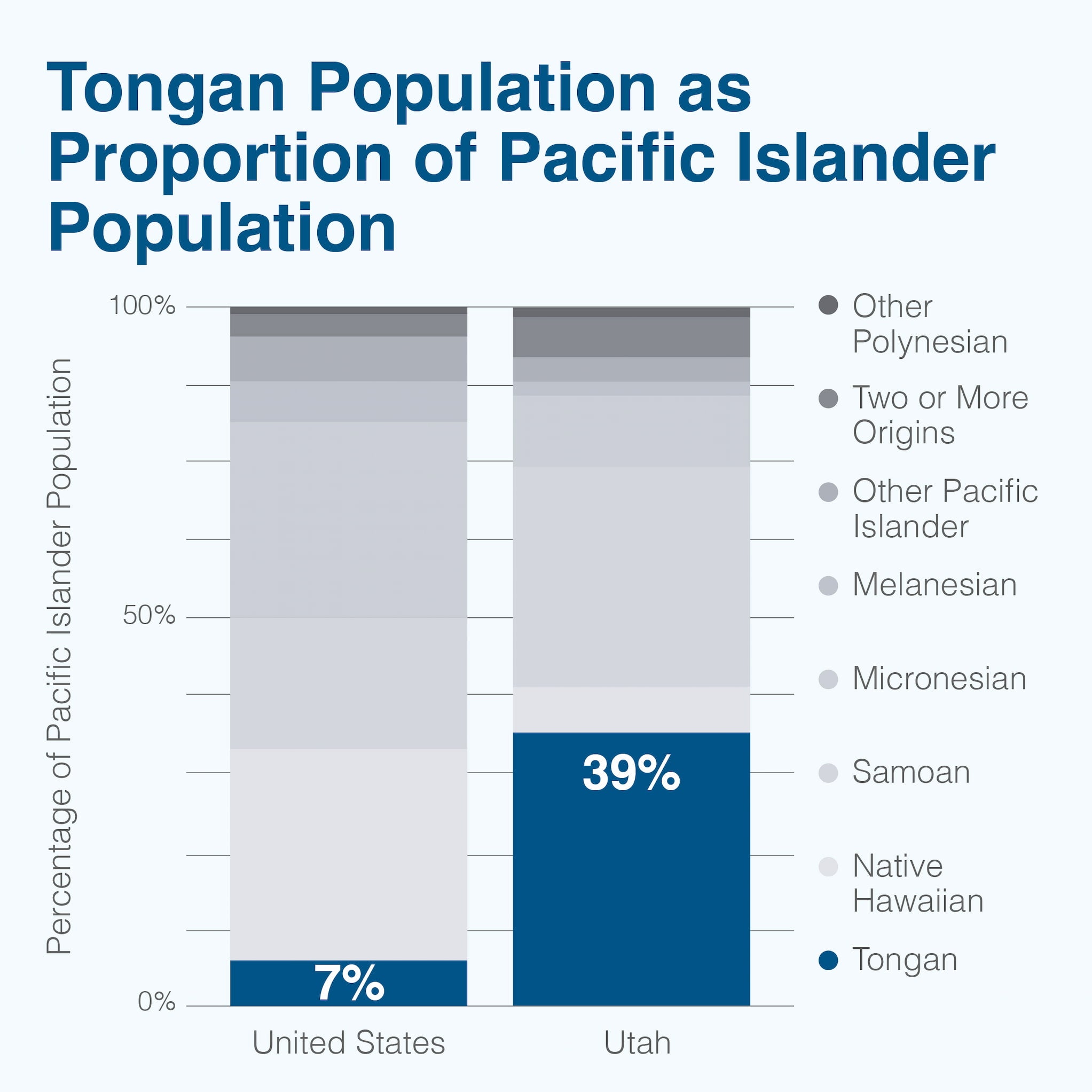
Image 39.03.01 — Data from the US Census Bureau’s 2016–2020 American Community Survey Five Year Estimates shows that the Tongan population is proportionally higher in Utah than it is in the United States.
Why did Tongans leave the tropical environment of Oceania and settle within the Wasatch Mountain Range in Soo’nkahni, Utah?
How do Tongans establish communities and situate themselves within Salt Lake City, Utah?
How do Tongans contribute to the cultural, social, and economic landscapes in their new homes on the continental US?
From Religious Institution and Gang Culture
Tonga has been a Christian nation since the mid-1800s, when the land of Tonga was dedicated to God by Taufaʻahau, King Sioasi Tupou I, after his conversion to Christianity. The Tongan flag is red and white, with red signifying the color of Christ’s blood, and white signifying purity. There is also a red cross on the flag that symbolizes the Christian faith. The adoption of Christianity brought various denominations into Tonga, including the Church of Jesus Christ of Latter-day Saints whose headquarters are based in Salt Lake City, Utah. Tongans are one of the ethnic groups with the highest conversion rates into this religious faith in the world. Such conversion rates provide the major impetus for Tongans to immigrate to Utah.

Image 39.03.02 — The spread of Christianity in Tonga is evidenced in its national flag: red signifies the color of Jesus Christ’s blood, and white signifies purity. The cross symbolizes the crucifixion of Christ.
The influx of Tongans immigrating to the US began in the 1950s after World War II, through gateway cities such as Honolulu, San Francisco, and Los Angeles. Some Tongans found their way to other areas of the US such as the Soo’nkahni or the Salt Lake Valley, a major hub for the Tongan community in the US. By 2015, a little over two–thirds of the Tongans in the US were located in California and Utah, with Salt Lake City and West Valley City in Utah having the first and second most Tongans per capita.
Membership within the Church of Jesus Christ of Latter-day Saints has given Tongans and Moana peoples opportunities to attend tertiary schooling, or the level of education past high school, to further their education in technical training, vocational schools, and other certificate programs. Brigham Young University (BYU) in Hawaiʻi and Provo and Ensign College in Salt Lake City not only provide avenues for Tongans to enhance their skills and capabilities, but they also allow Tongans to continue growing spiritually in their Christian faith.
The structure of the Church of Jesus Christ of Latter-day Saints has also provided employment opportunities, even within the homelands of Tonga. As immigrants to the US, however, especially the children of immigrants, many Tongans began to experience exclusion, treated as outsiders and not fully accepted by dominant society.
As Tongans immigrated to the US, especially entering into California, many found themselves living in working class neighborhoods, where they experienced common challenges faced by communities of color, including racial discrimination, poverty, lack of resources, and general lack of support for immigrants. Gangs provided a sense of belonging especially for young Tongans, as they had not experienced these challenges within educational systems, youth organizations, and religious spaces.
As a result, some Tongans joined gangs, forcing Tongan families to provide alternatives for the growing Tongan American youth, specifically from the 1980s to the 2000s. Such gang activity forced some Tongan families in California to move to or send their children to Utah. These strategies worked for some, but not for others. The forcible movement of the Tongan youth was one of the reasons why the Tongan Crip Gang (TCG) sought out gang activity in Utah in the 1980s.
The public perception of Tongans as violent and dangerous also contributed to a rise in gang activity. Hyper-surveillance by local law enforcement within Tongan communities coupled with local negative media coverage of Tongans led to the Racketeer Influenced and Corrupt Organizations (RICO) Act charges on members of the TCG. Such charges instilled more fear into the community and fueled more bias towards Tongans. While they were portrayed as professional criminals, most TCG members were looking to find connections with others who understood the feeling of being pushed into the margins.
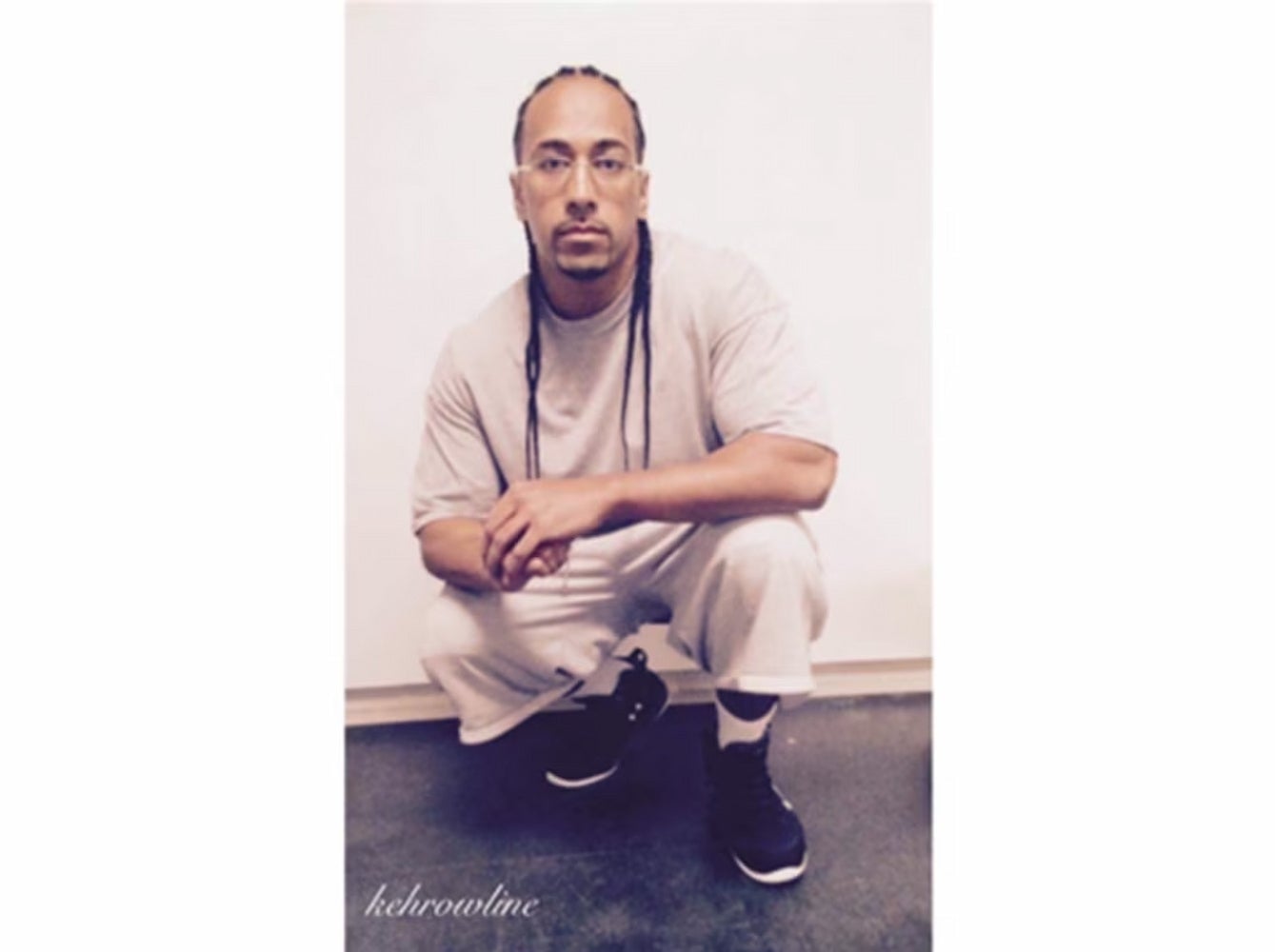
Image 39.03.03 — In April 2021, Kepa Maumau, a Tongan Utah man who was sentenced to fifty-five years in prison, was released as part of the 2010 RICO Act. Media coverage such as this article in the Salt Lake Tribune contributed to fearful and negative stereotypes about the Tongan community.
The juxtaposition of religion and gang activity has caused unique dynamics for Tongans in Utah. As the Tongan community grew, they became a strong and visible part of the Church of Jesus Christ of Latter-day Saints. Their large membership created Tongan speaking wards, congregations of some 150 and 300 people. Eventually, there were enough wards to form Tongan speaking stakes, which are groups of six to ten wards that worked together in a region. From the pews of churches to the corner on the streets, Tongan identity in the US became shaped by faith, urban culture and racist exclusions.
Reflection Questions
What factors might have led some Tongans to seek belonging in gangs, rather than in traditional religious or community structures? How can local communities and institutions work to provide more supportive environments that help young Tongans feel connected without facing criminalization?
Intergenerational Transformations
Since coming to Utah, Tongans have worked to balance cultural identity with language, while situating themselves within the broader American society. Now two to three generations from the first wave of Tongans settling in Utah, their narrative has shifted. Many Tongans immigrated to seek better schooling and career opportunities, but most were initially limited to entry-level jobs in transportation and factories. Their persistence is paying off, as more now pursue higher degrees, opening doors to sustainable professional careers.
Some notable Tongans from and connected to Utah who have excelled to the doctorate level, and are within academia, are Adrian Viliami Bell, Kehaulani Fagatele-Folau, Sione ʻUlise Funaki, Moana Hafoka, Tēvita O. Kaʻili, Daniel Kinikini, Lea Lani Kinikini, Kristina Moleni, Fuifuilupe Niumeitolu, Keith Osai, Ulysses Tongaonevai, ʻIlaiheva Tuaʻone, Daniel Tuʻutau, Belinda ʻOtukolo Saltiban, Lavinia ʻUluʻave, Halaevalu Vakalahi, Tanjerine Vei, and more.
Tongans are taking on administrative roles and entrepreneurial ventures to create new pathways for their community. Tongans are learning to amplify their voices by understanding how to connect and collaborate with Asian American and Pacific Islander community organizations, businesses, and civic engagement groups.
One area in which Tongans have particularly found success is sports. From high school to college and on to professional sports, Tongans have made a name for themselves in Utah. Some Tongan athletes born and/or lived in Utah who have found success include: Tony Finau (golf), Stanley Havili (football), Jason Kaufusi (football), Steve Kaufusi (football), Kris Kemoeatu (football), Maʻake Kemoeatu (football), Harvey Langi (football), Star Lotulelei (football), Marcus Mailei (football), Haloti Ngata (football), Sione Poʻuha (football), Khyiris Tonga (football), Will Tukuafu (football), Kalani Sitake (football), Liz Tafuna (rugby), Naufahu Tahi (football), Maka Unufe (rugby), Laveni Vaka (soccer), Fui Vakapuna (football), among others.
While sports have provided mobility and visibility, younger generations also understand that athletics provide only a starting point. Tongans realize they need long-lasting plans that can prove that Tongans have potential to work beyond just physical abilities through their intellectual capabilities.
As churches remain central to life for Christian Tongans, younger generations are navigating new expressions of faith and spirituality as they strive to connect–and reconnect–to their native and islander cultures. This desire to connect to their Tongan heritage includes exploring traditional practices, learning language, and understanding values simultaneously to embracing new ways to express Tongan identity in a globalized world.
As English becomes the dominant language, learning the Tongan language becomes increasingly challenging. Still, communities and schools are finding ways to support the continuation of the Tongan language. Spaces such as churches, employment, and communal events are not just places of gathering. They provide a powerful means to recultivation, relearning, and resisting cultural erasure by keeping ancestral knowledge, practices, and language alive across generations.
The Future of Tongans in Utah
The growth of the Tongan community in Utah may be small in comparison to other ethnic groups, but their presence is felt. Today, there are five Tongan-speaking stakes within the Church of Jesus Christ of Latter-day Saints in Utah. These stakes have created opportunities for other Pacific Islander groups, such as Samoans and Fijians, to form their own language-based wards within the Church. Also, the National Tongan American Society (NTAS), based in Salt Lake City, has supported the Tongan community for thirty years. It continues to hold an annual celebration focused on the Tongan Community called the Friendly Islands Tongan Festival. As a national organization, NTAS continues to seek ways to be a stronger presence for Tongans beyond the state of Utah.
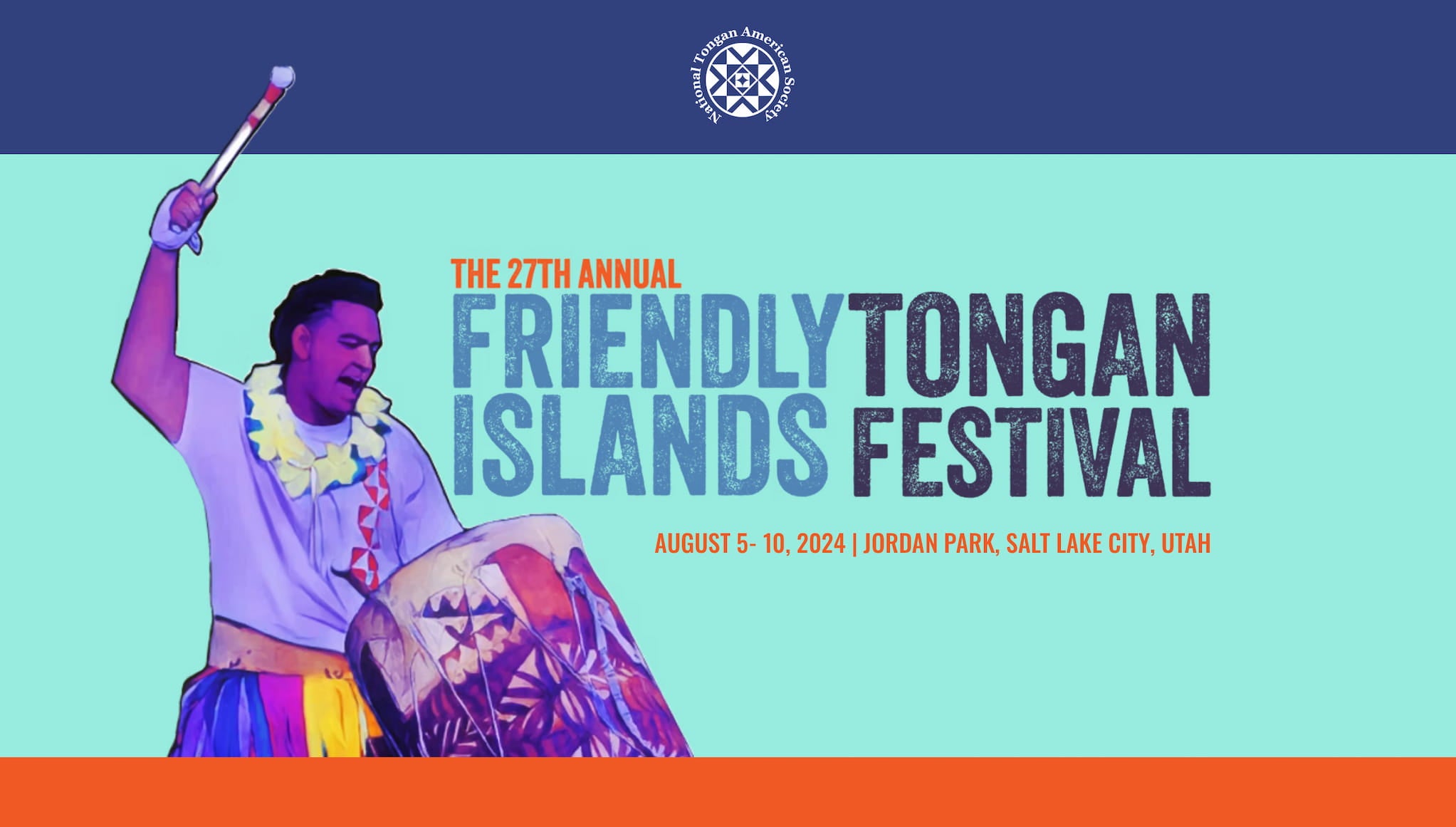
Image 39.03.05 — Salt Lake City’s annual Friendly Islands Tongan Festival is organized by the National Tongan American Society and is one of the longest running festivals to celebrate Tongan culture and heritage in the United States.
The presence of Tongans in sports, academia, business, and even politics in the Salt Lake Valley throughout Utah shows the community’s resilience and growth. It reflects their ability to adapt, while still preserving their cultural identity. By recognizing their journey and continued contributions, we gain a deeper understanding of not only how diverse cultures enrich and shape our societies, but also how Tongans and others who are typically in the margins can be supported.
Glossary terms in this module
ancestral knowledge Where it’s used
Systems of knowledge, traditions, practices, or wisdom passed down through generations, typically in written, oral, artistic, or spiritual formats.
coloniality Where it’s used
Existing attitudes, ideas, systems, values, and power structures that legitimize Western colonial powers and their influence, even if they do not officially rule over a certain place.
Compact of Free Association (COFA) Where it’s used
A series of treaties between the Federated States of Micronesia, the Republic of Palau, and the Republic of the Marshall Islands with the US, granting citizens of Micronesia to join the US military without requirements of residency or US citizenship, live and legally work in the US without a visa, and access to social and health programs. In exchange, the US has exclusive access to these islands, and significant military and veto power.
diaspora Where it’s used
The dispersal, movement, migration, or scattering of a people from their established or ancestral homeland.
Moana Where it’s used
An Indigenous term from Eastern Oceania used to refer to the ocean, South Pacific, or Pacific Islands and their people.
Oceania Where it’s used
A region of the Pacific Ocean with many islands, including Australia; Aotearoa New Zealand; Papua New Guinea; Fiji; the Solomon Islands; the Federated States of Micronesia; Tonga; Samoa; among others, that are connected through travel, trade, and cultural exchange.
Racketeer Influenced and Corrupt Organizations (RICO) Act Where it’s used
A US law that emerged in 1970 and targets organized crime and illegal activities that create any sort of profit. Specifically, this law allows the government to charge multiple people with a wide array of illegal activities deemed part of an ongoing crime organization. Prior to this law, the government could only bring individuals to trial that were charged with such activities.
Soo’nkahni Where it’s used
Indigenous name from the Shoshone language for Salt Lake Valley, Utah that also translates to “Many Houses.”
stake Where it’s used
Indigenous name from the Shoshone language for Salt Lake Valley, Utah that also translates to “Many Houses.”
ward Where it’s used
A local congregation of the Church of Jesus Christ of Latter-day Saints, organized geographically and made up of members who live in a specific area.