





Module 5: Lessons to Carry Forward
Can Maya Soetoro’s life as an Indonesian American inform us about how we build community on a global scale?
This last module examines in greater detail the lessons of Maya Soetoro’s work and activism for younger generations. Maya’s life exemplifies that there is not necessarily one way to be Indonesian American, but that we can draw from the best parts of our backgrounds and cultures to envision new possibilities and futures.

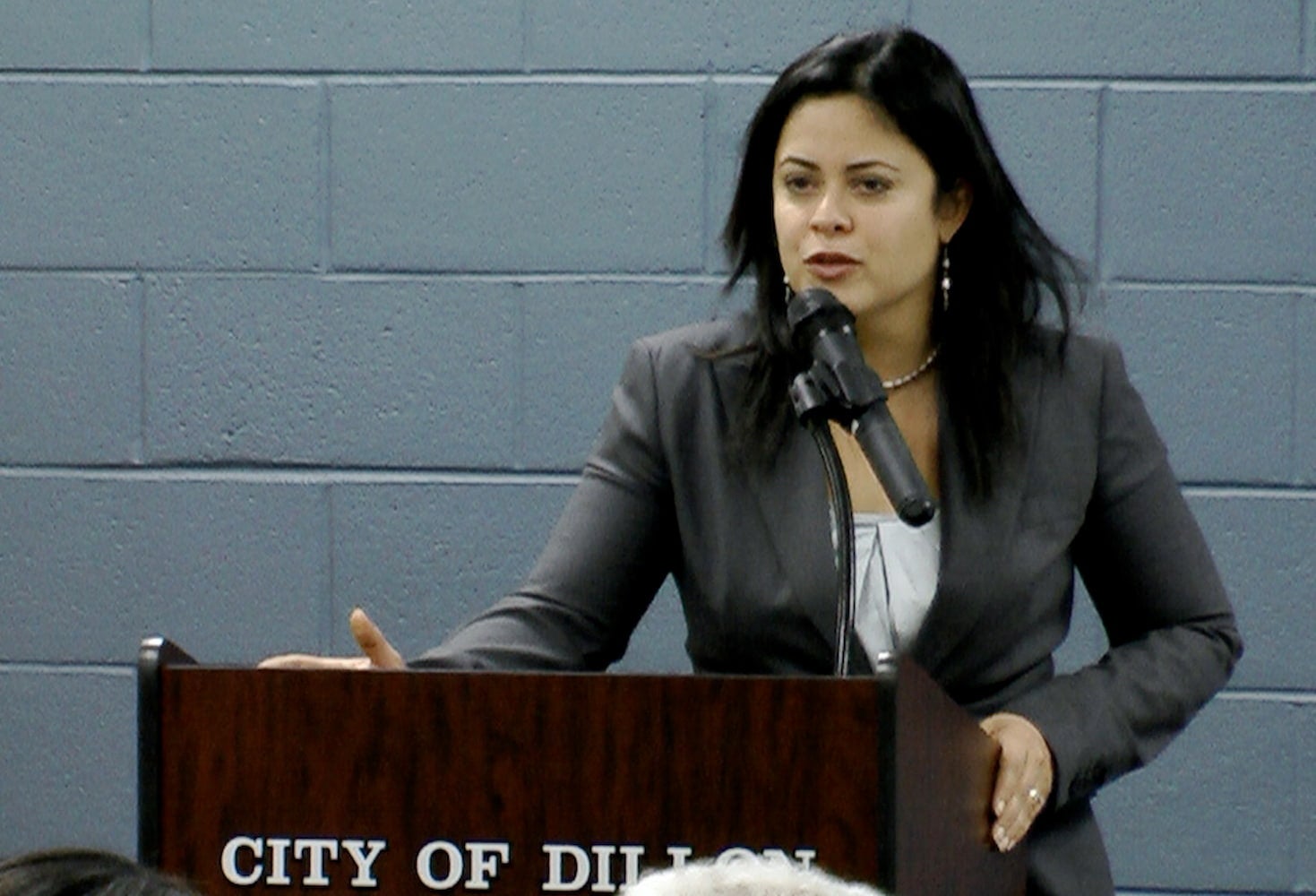
Image 33.05.01 — As a global peace leader, Maya makes presentations around the world.
What are some of the cultural values that Maya Soetoro learned as an Indonesian American, and how do they continue to shape her life?
How does Maya Soetoro encourage younger generations to carry culture forward?
What can the younger generation learn from Maya Soetoro about their own backgrounds and histories?
Culture and Worldviews
Being Indonesian American
For Maya Soetoro, being Indonesian American is a central part of her identity. She makes a great effort to honor and respect her Indonesian heritage, and to acknowledge how her background has given her different gifts and ways of seeing. Maya places tremendous value on learning about Indonesian culture, and draws from Indonesian values to define her own work and purpose. However, Maya does not see culture as static and unchanged. She also recognizes that those who have migrated outside of Indonesia will have new cultures and communities to experience.
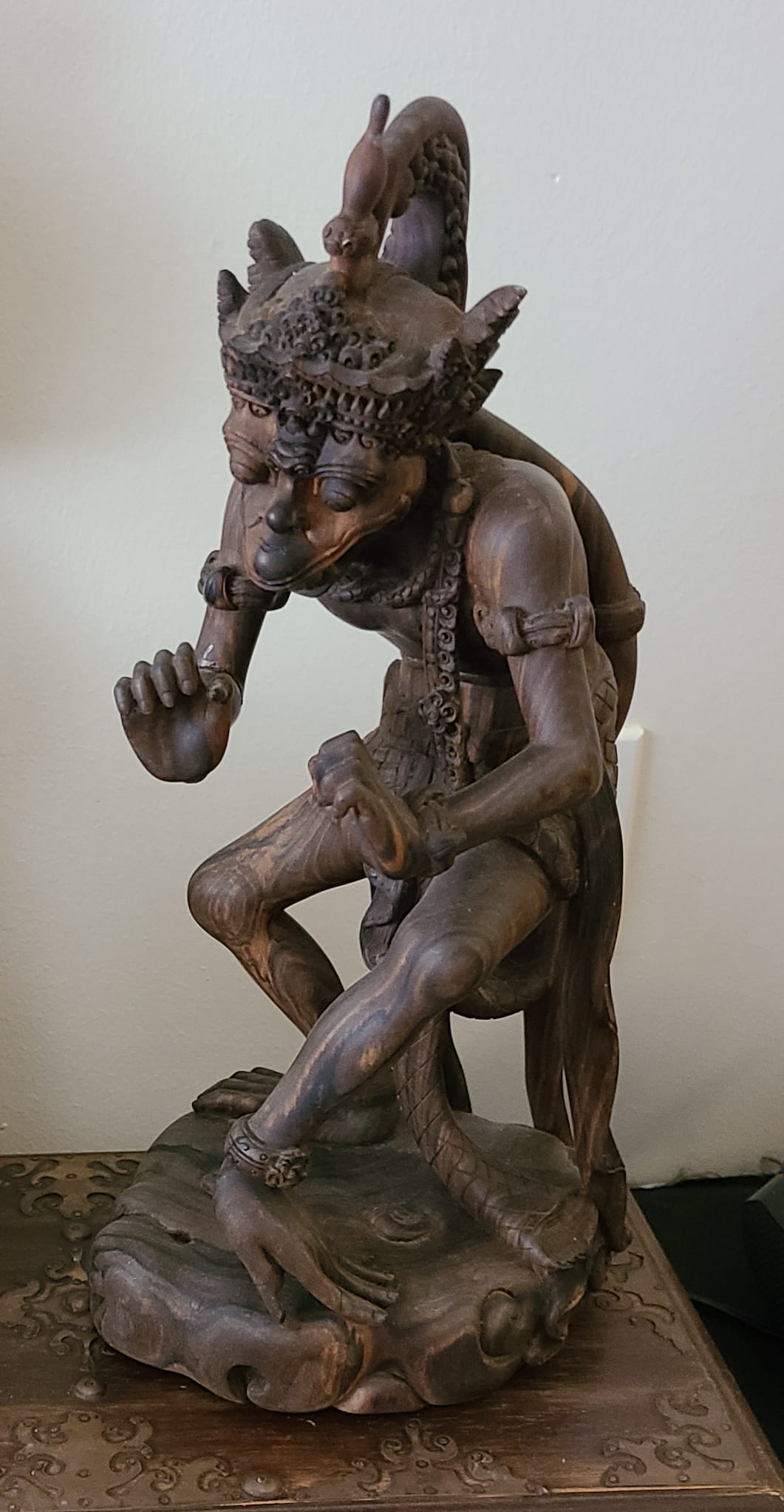
Image 33.05.02 — Wood carving in Maya’s home. Indonesian culture remains a cherished part of Maya’s life every day. She continues to display these objects in her home. (Source: Maya Soetoro Collection)
Maya sees culture as dynamic—something that will transform as we grow from new experiences. While she places great value on learning about Indonesian culture and cherishing the wisdom of the ancestors, she also encourages young people to find their own paths and to embrace the different cultures in which they might be situated.
Importantly, Maya was raised in an Indonesian environment in which many cultures coexisted, and this experience shaped how she considered the opportunity for world peace. Although she saw strife and conflict, Maya also witnessed the possibility of communities living with difference. Her understanding of coexistence thus was shaped by her Indonesian American identity. In that sense, although Maya sometimes felt that she was between worlds, as she navigated both Indonesian and American cultures, she was able to learn multiple perspectives. At the same time, she belonged to both worlds, as she was Indonesian and American at the same time.
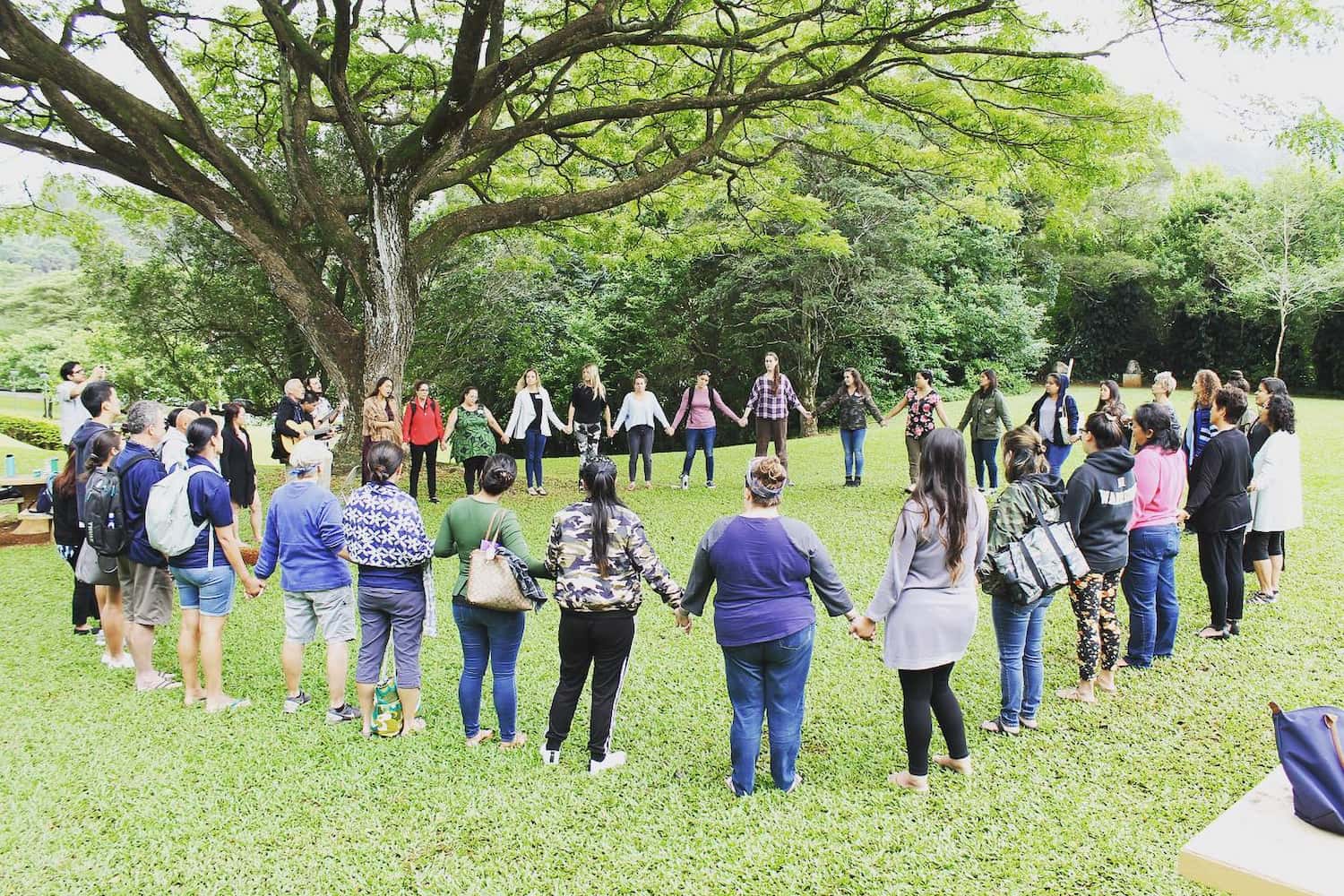
Image 33.05.03 — Ceeds of Peace circle, Windward side of Oʻahu, Hawaiʻi, in 2015. As a teacher and global leader, Maya regularly focuses on the importance of positive peacebuilding, especially in developing leadership skills among young generations.
When Maya was young, her mother Ann would say to her, “Maya, you have this great gift of belonging to more than one world. You stand at the mountaintop and can see down into more than one valley.” This quality of respecting and valuing different perspectives remains foundational to Maya’s work as a peace leader, and it is an experience that continues to strengthen her work today.
Younger Generations and Indonesian American Culture
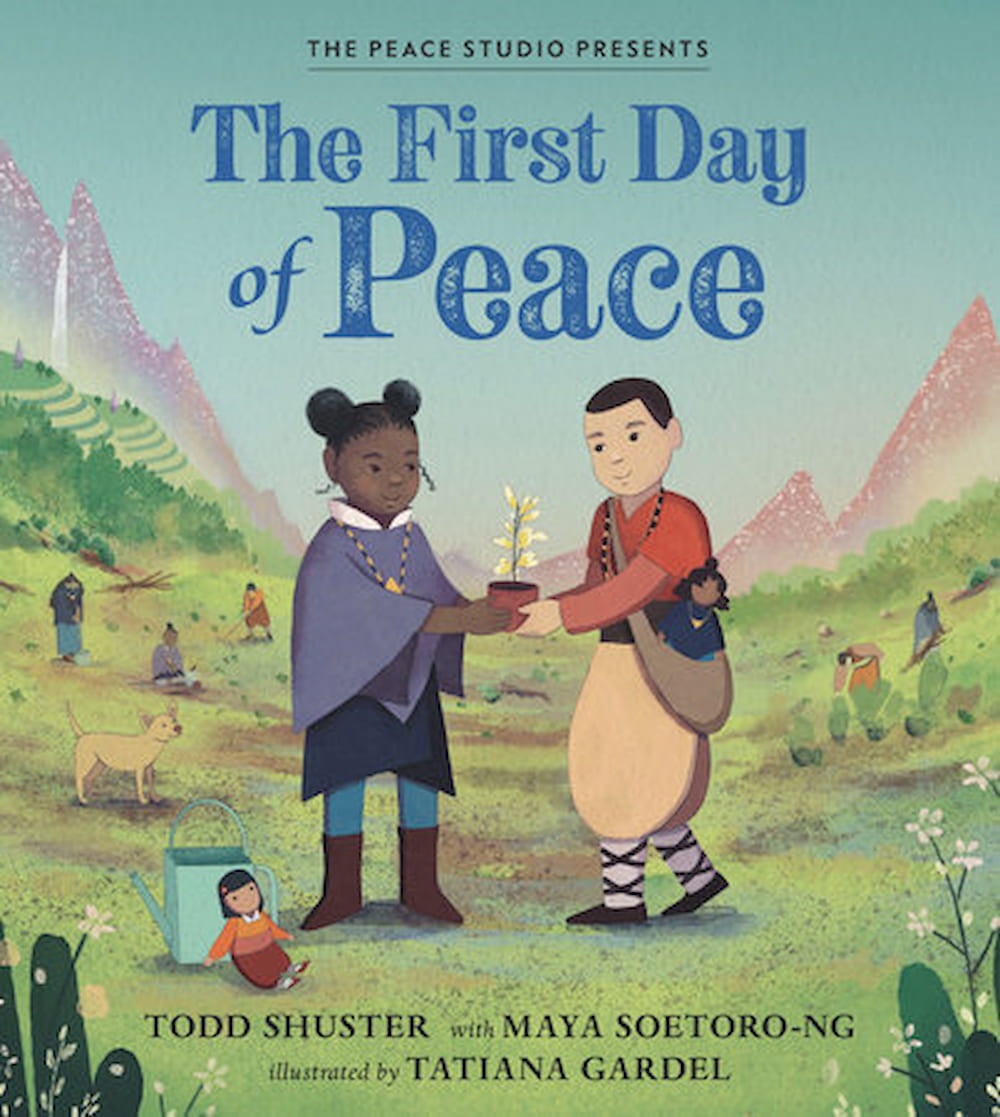
Image 33.05.05 — This 2023 children’s book by Maya and Todd Schuster, illustrated by Tatiana Gardel, emphasizes the importance of building peace through being kind and sharing with others. As a global peace leader, Maya is profoundly committed to teaching younger generations how to build a better world for the future.
Indonesian American Identity
Because Indonesia is one of the largest countries in the world, and because Indonesians have migrated to many places around the globe, the Indonesian diaspora is expansive. Many of these communities, including the one in the United States, have families that span generations.
However, Indonesian American identity is different from other groups like Chinese Americans or Japanese Americans, because Indonesian Americans do not have the same kinds of visibility within the United States. Indonesian American culture and language is generally not represented in mainstream US culture. While those who grow up in Indonesian centers like Los Angeles might have more access to Indonesian and Indonesian American cultural resources, many other sites in the country lack this kind of infrastructure.
In addition, Indonesian migration to the United States has been impacted both by exclusionary legislation and selective migration legislation. This has shaped the kinds of communities that formed in the United States.
For example, due to the Immigration Act of 1917, Indonesia was part of a “barred zone” from which it was difficult to migrate. However, many people from the Dutch Indonesian community migrated to the United States in the 1950s and the early 1960s through refugee legislation. Political events propel selective migration, too. In the United States, a sizable Chinese Indonesian community exists, in part because of the political discrimination and historical violence faced by Chinese Indonesians. Compounding all these factors are class resources, which affects all groups’ ability to go abroad to the United States.
While language and cultural knowledge are often markers for many ethnic groups, Indonesian Americans have had different access to these resources. It is rare for Indonesian and Indonesian American history to be represented in a school curriculum for students before college. Furthermore, it is common for Indonesian Americans to build families with people from other ethnic and racial groups, and many younger Indonesian Americans have multiple cultural backgrounds from which to draw.
While some Indonesian American families might use Indonesian as their main household language, other families might use English, and others a mix of languages, with parents speaking one language to the children and the children mostly answering in English. Often, parents and other Indonesian relatives become the most important source of cultural knowledge for young people. In more recent years, however, social media and other technology have made it considerably easier to access Indonesian culture throughout the diaspora. In addition, socioeconomic privilege makes a big difference, especially for those who are able to visit Indonesia regularly.
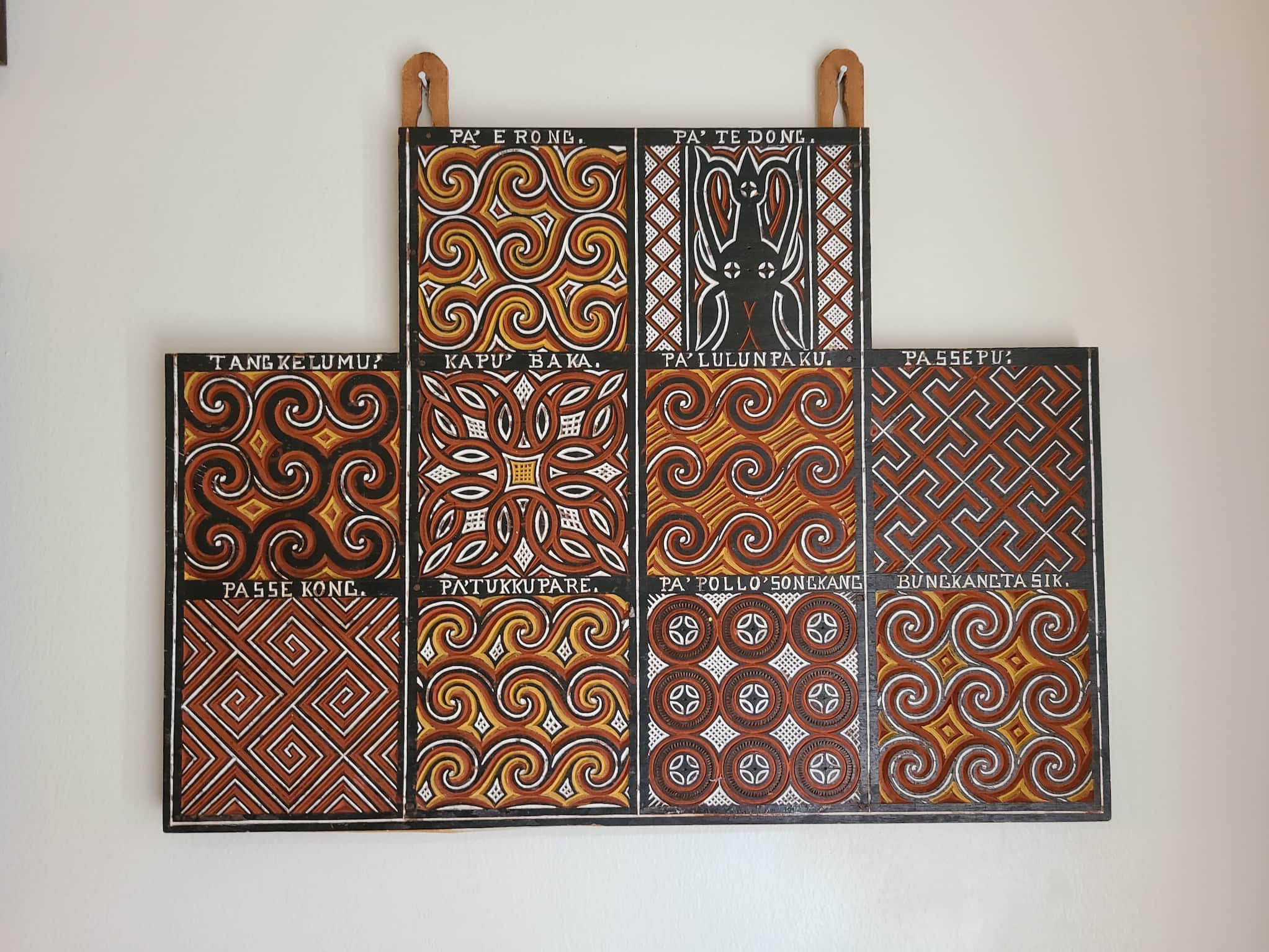
Image 33.05.06 — Toraja art from a traditional house displayed in Maya’s home. This art was part of the microfinance projects developed by Maya’s mother and shows patterns that coexist while also retaining their own integrity. Similarly, Maya values the importance of seeing diverse groups able to acknowledge differences yet live in harmony. (Source: Maya Soetoro Collection)
The Values We Carry
Cultural Values
Maya Soetoro’s Indonesian background remains foundational to her outlook as an Indonesian American, especially because of the core beliefs instilled in her at an early age. As she notes, the vision of gotong royong and the communal care embodied in that value had a tremendous impact on her lifelong commitments to peacebuilding, inclusion, and understanding those different from ourselves. She feels grateful to Indonesia for giving her that perspective early on in her life.
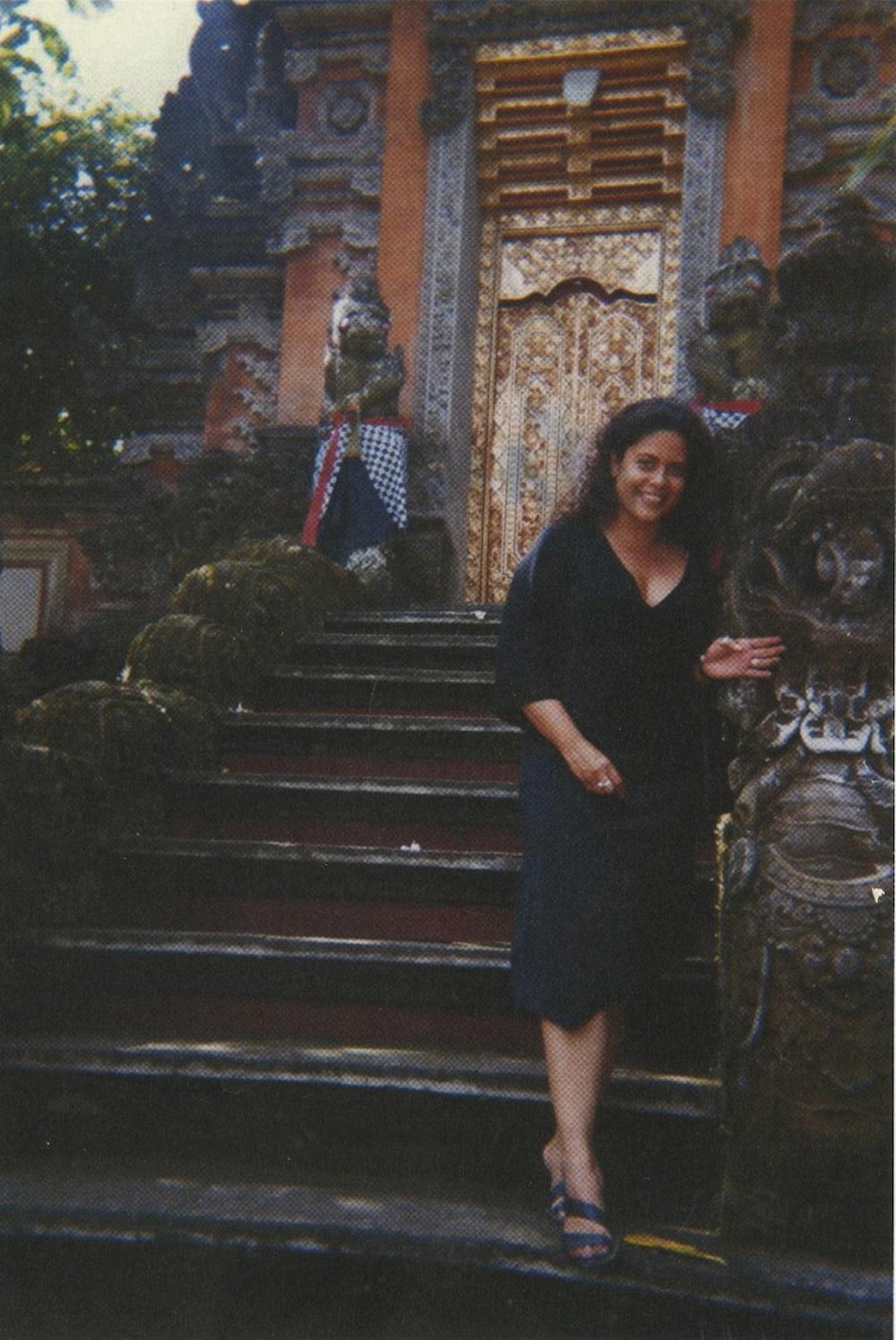
Image 33.05.07 — Maya in Bali, Indonesia, early 2000s. Maya spent her summers in Bali from 2001 to 2003, working with schools to diversify curriculum following the Suharto era.
As a reflection of these beliefs, Soetoro calls on young people to be upstanders, to lead lives that are connected to others through service, deep listening, and compassion. An upstander is someone who supports the good of other individuals as well as the greater whole. She believes this perspective gives meaning and happiness to our lives. While Maya is well aware of the difficulties of maintaining a peaceful balance in the midst of conflict, strife, and competition for scarce resources, Maya urges young people to build connections with others, a perspective which was shaped by her Indonesian upbringing.
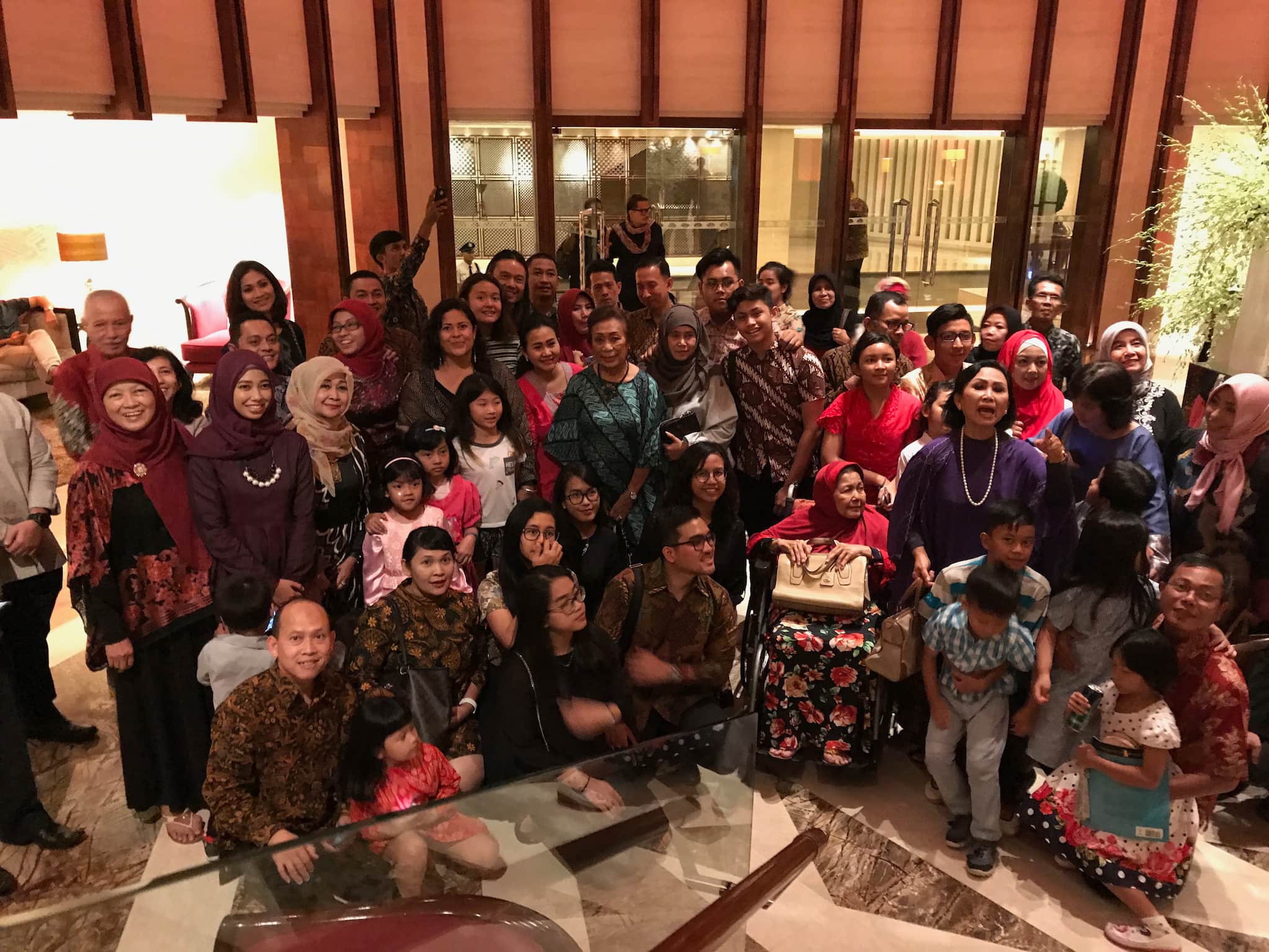
Image 33.05.08 — Maya and her extended family in Jakarta at a 2018 family reunion. Maya is standing left of center toward the back.
Childhood Environment
Another major influence on Maya was the rich, cultural environment that surrounded her during her childhood in Indonesia. In addition to the vibrant neighborhood in Yogyakarta where she grew up, which featured many forms of Javanese culture, Maya also watched her mother studying artisans and other cultural workers through her mother’s research in nearby villages. Through this, she learned about the importance of art to affect positive change. In particular, Maya was drawn to the power of storytelling. Being exposed to so many different kinds of communities and ways of living gave her the capacity to be open to other people’s stories, and to connect and care for them. Today, Maya sees storytelling and the sharing of knowledge as a foundational way that people can learn to live together peacefully.
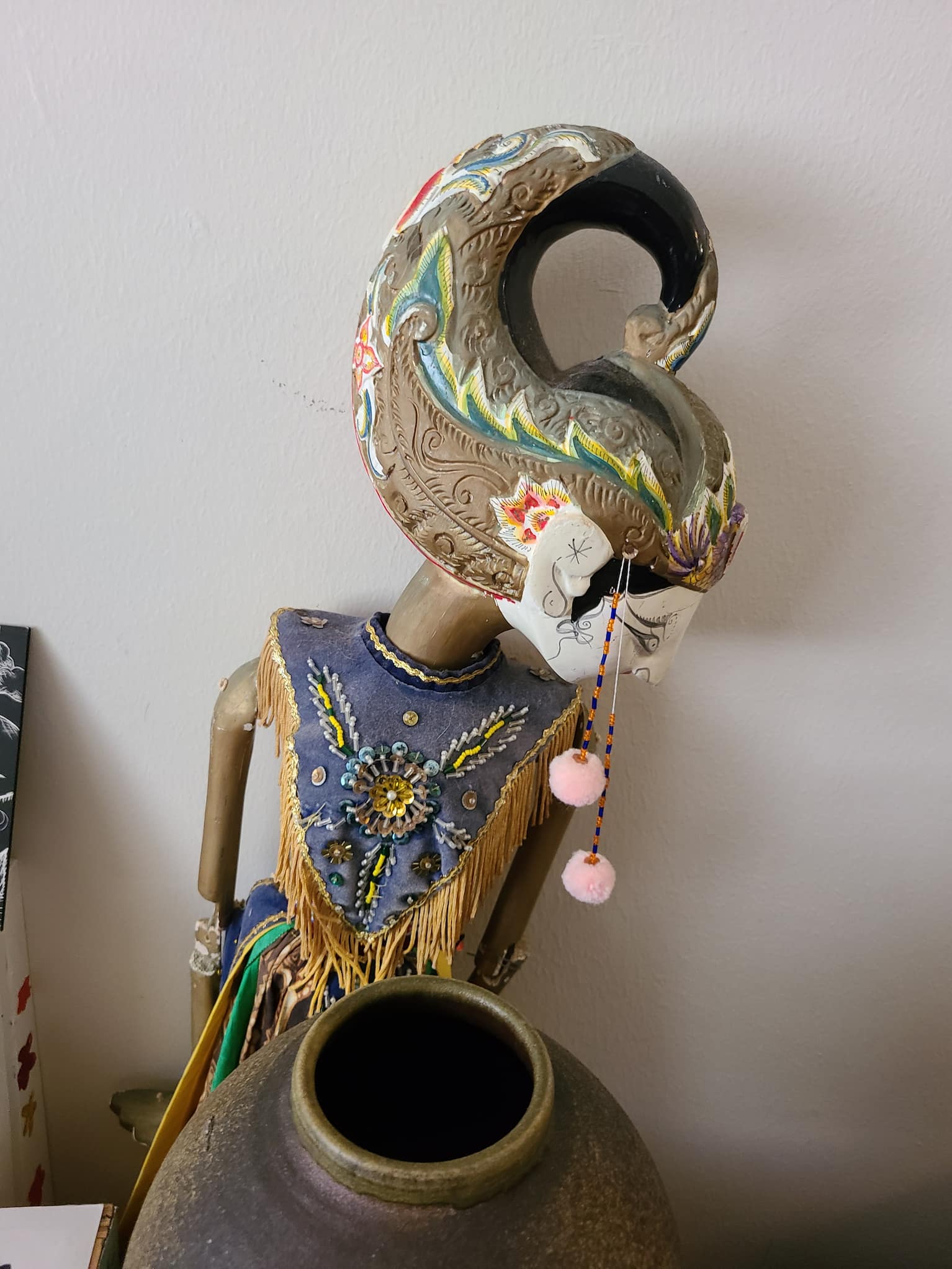
Image 33.05.09a — Examples of wayang golek, traditional wooden puppets in which the puppeteer uses a central rod in the puppet’s body and sticks attached the puppet’s arm in different performances. These puppets are displayed in Maya’s home and represent her connection to Indonesia and the importance of art in our everyday lives. (Source: Maya Soetoro Collection)
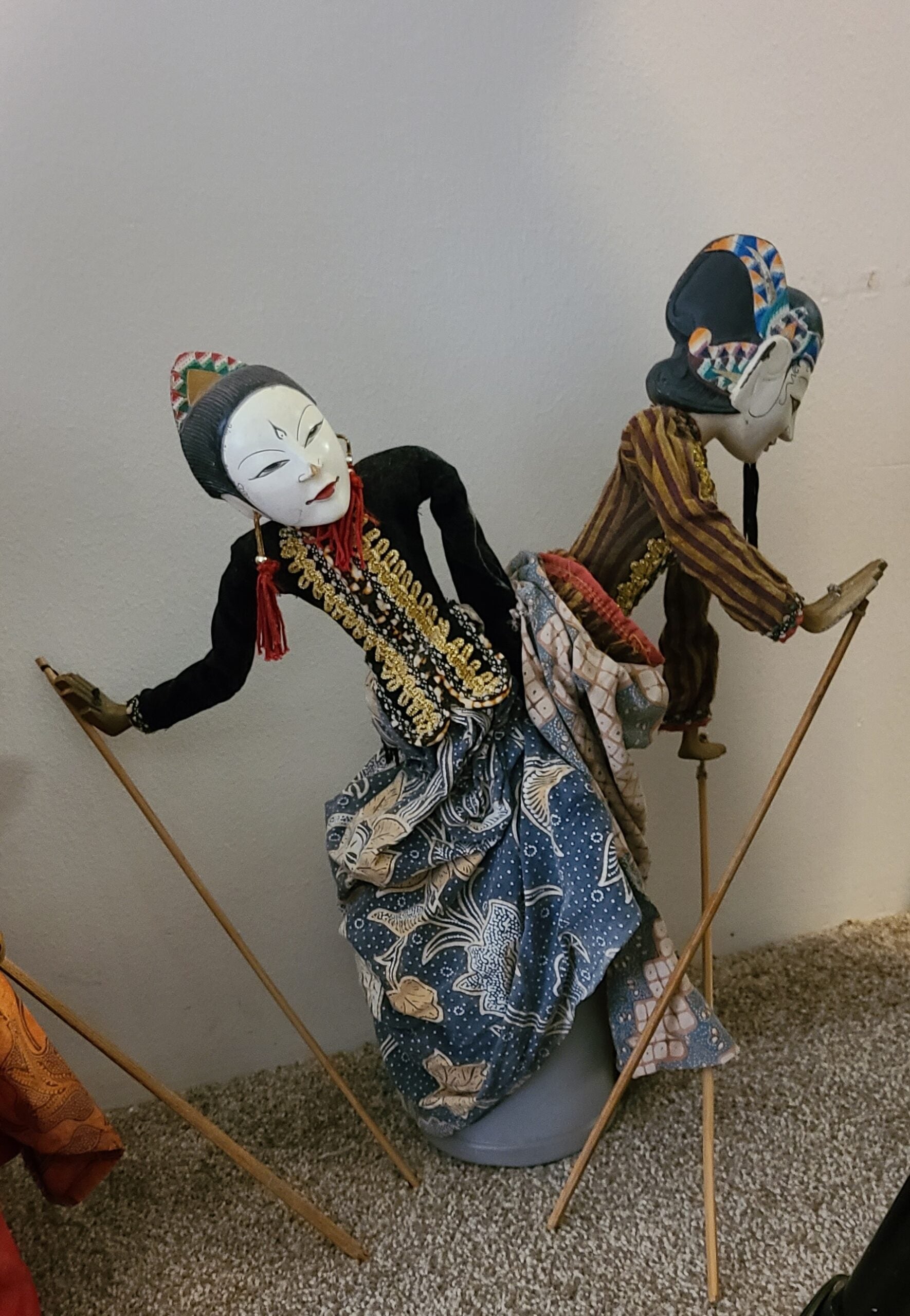
Image 33.05.09b — Examples of wayang golek, traditional wooden puppets in which the puppeteer uses a central rod in the puppet’s body and sticks attached the puppet’s arm in different performances. These puppets are displayed in Maya’s home and represent her connection to Indonesia and the importance of art in our everyday lives. (Source: Maya Soetoro Collection)
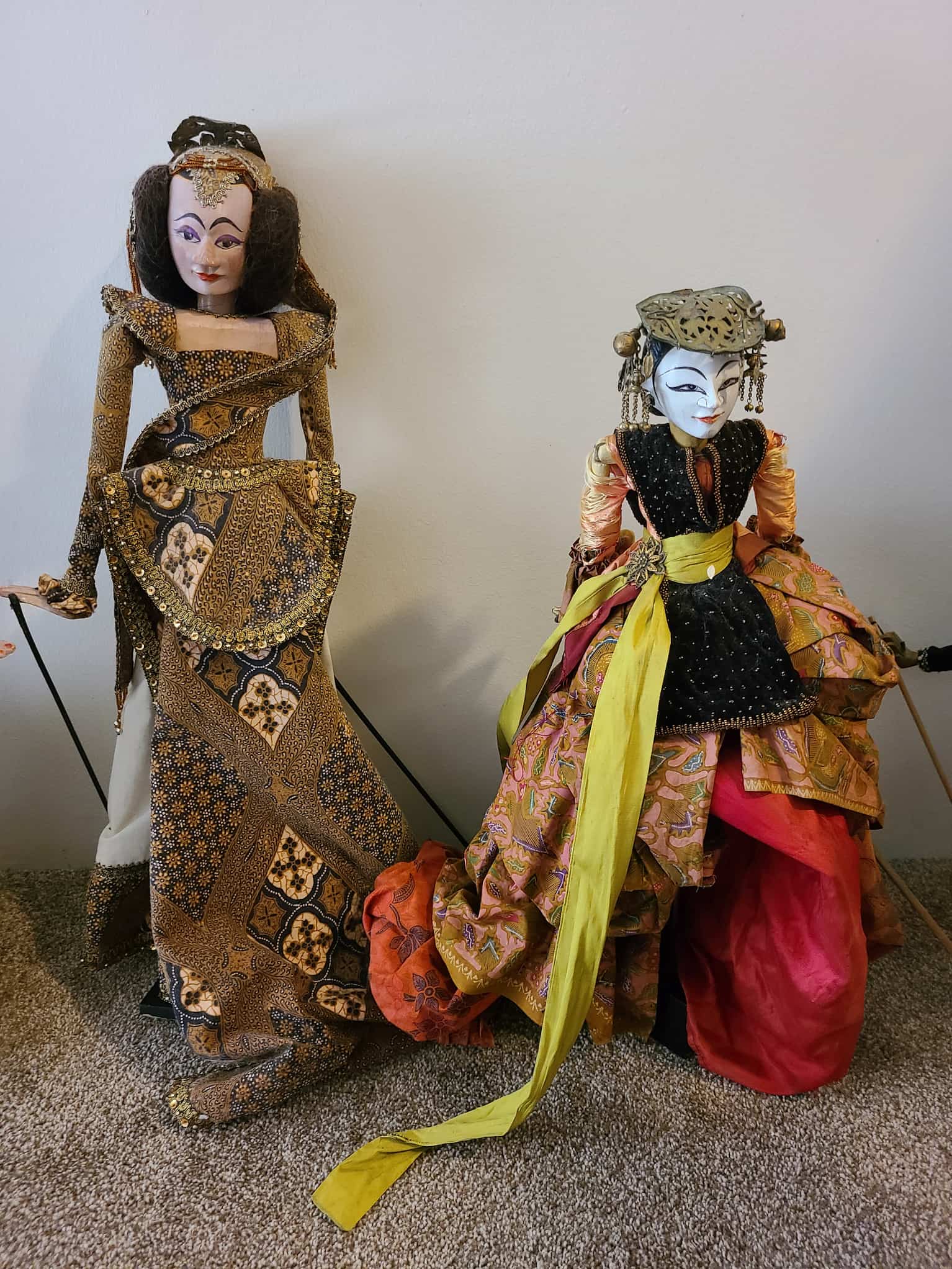
Image 33.05.09c — Examples of wayang golek, traditional wooden puppets in which the puppeteer uses a central rod in the puppet’s body and sticks attached the puppet’s arm in different performances. These puppets are displayed in Maya’s home and represent her connection to Indonesia and the importance of art in our everyday lives. (Source: Maya Soetoro Collection)



Importance of Nature
Yet another central influence was how Maya was taught to respect and nurture the natural environment. When she accompanied her mother as a young girl on her mother’s research to nearby villages, she saw how people interacted with their environment, and the importance of living and sustaining the world around them.
In addition, Maya was encouraged by her mother to spend hours exploring nature as a young girl. All of these experiences would have a profound impact on her and the goals she had as an adult. Hence, Maya’s message is not just about the importance of learning and valuing our heritages; it also concerns how we can carry the positive parts forward and use them wherever we go, even if we no longer live in the places or speak the languages of our ancestors.
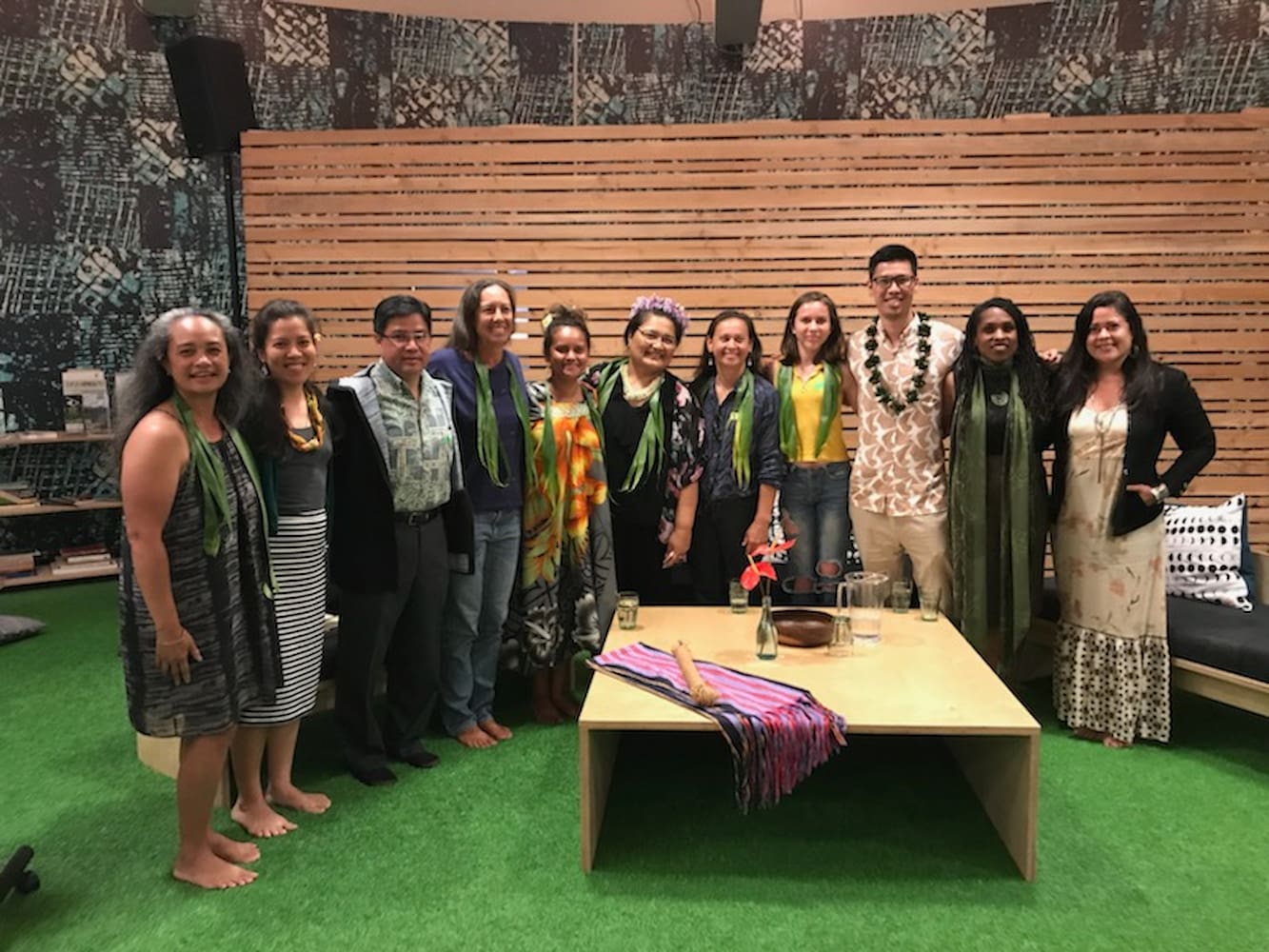
Image 33.05.10 — Ceeds of Peace program at the Wai Wai Collective. Maya is on the far right.
Identity and Migration
Maya’s ideas were also shaped by the challenges of navigating her Indonesian American identity in a US context. Like others who come from less recognized communities in the United States, she found herself as a young woman in a situation where her background was not readily understood. While this gave her more opportunity to define herself—especially because she was multiracial and was often mistaken as belonging to other communities—it was more difficult for her in other ways as she was not understood by others as “Indonesian.” Importantly, this position shaped Maya’s worldview about the importance of empathy and compassion regarding people’s different perspectives.
New Homes and Cultures
Carrying Culture Forward
Although Maya Soetoro visits Indonesia regularly, she is now based in Hawaiʻi. However, the values and community ethos that she learned growing up in Indonesia continue to shape her work today. Rather than seeing culture as something to be left behind, Maya advocates for bringing culture forward. As demonstrated in her own life choices, Maya urges us to remember the cultures we were given when we were young, and the community elders and ancestors who came before us.
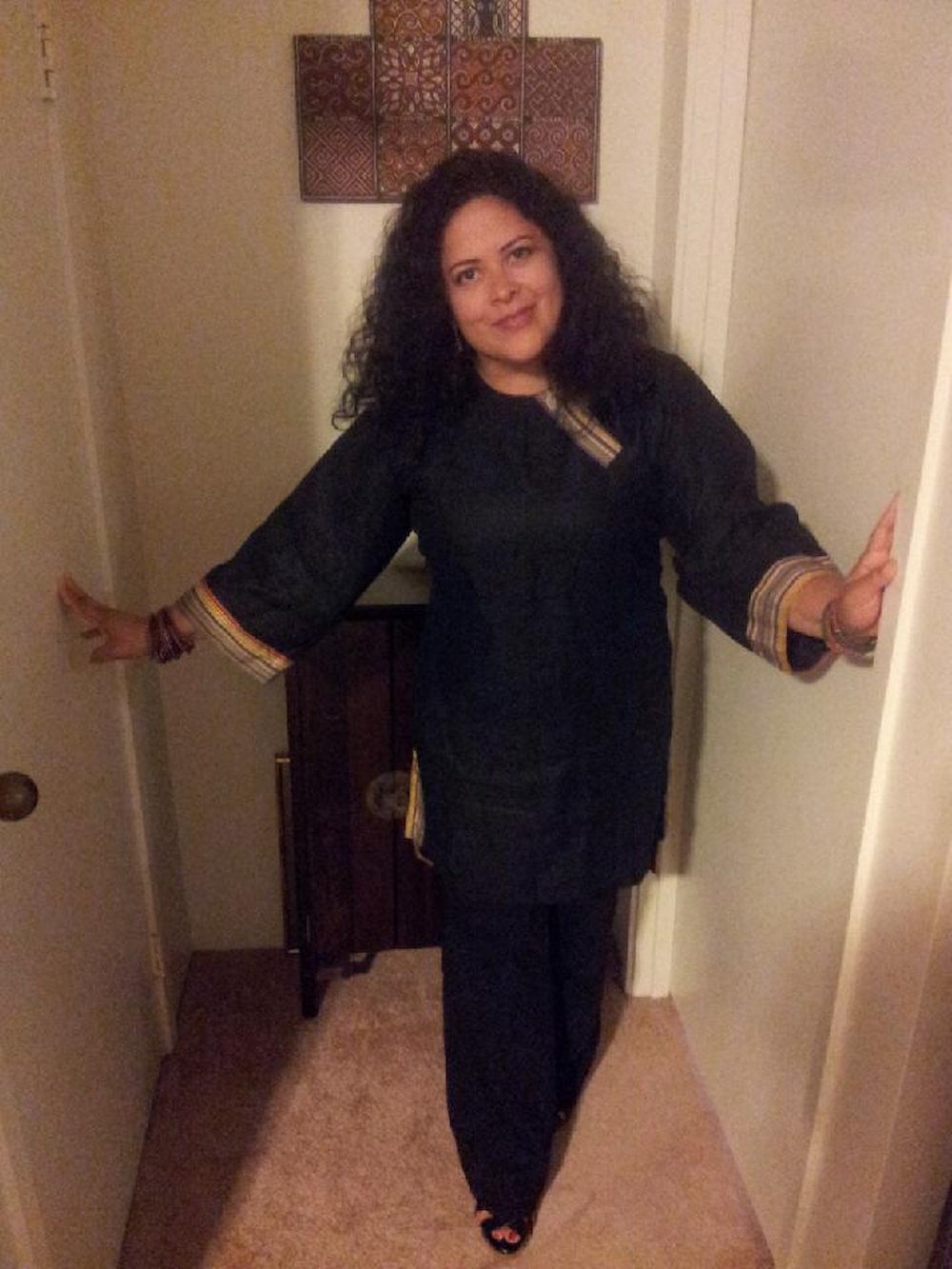
Image 33.05.12 — Maya in a contemporary Toraja outfit in honor of her brother Barack Obama’s Presidential inauguration in 2009. (The Toraja people are from South Sulawesi.) Maya’s Indonesian heritage is an integral part of her life.
Maya encourages young Indonesian Americans to be curious about their Indonesian heritage, to understand the diverse richness of Indonesian culture, and to incorporate this knowledge into their future lives. Maya’s experiences thus underscore the importance of supporting younger generations to explore different parts about their backgrounds, especially for those communities whose experiences are seldom represented in US culture.
New Locations and Transformations
At the same time, while having deep respect and love for Indonesian culture, Maya emphasizes that culture is not static and cannot be preserved in the exact same way from one generation to the next. Instead, culture also may be transformed through our exploration of new contexts, as we encounter different people and enter into other attachments and relationships.
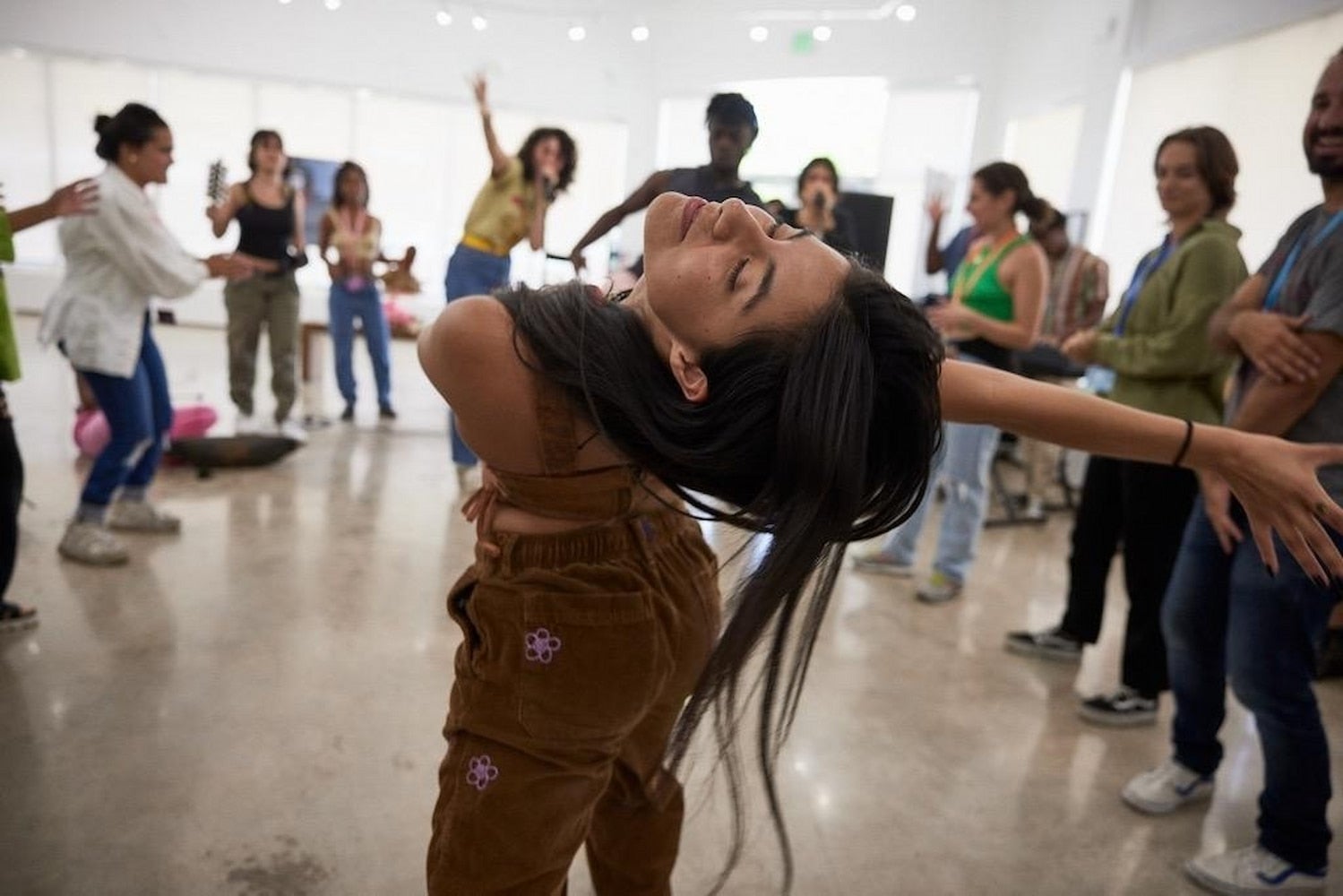
Image 33.05.13 — Maya believes in the power of art to create transformative social change, one of the reasons she cofounded her nonprofit organization, the Peace Studio.
In doing so, Maya is committed to honoring the new places where she lives, and to respect the lands and people with whom she comes into contact. Hawaiʻi and its importance in Maya’s life is a key example. Maya demonstrates her commitment and respect for others in support of Hawaiian culture, while being careful not to presume. She names herself as an ally who hopes to build space for different communities. In addition to helping to develop leadership among young Hawaiians, she is also studying the Hawaiian language out of respect to the land and people in her chosen home. In this way, Maya demonstrates that we can be strong in our Indonesian American identities, while still learning from other cultures all around us.
Drawing from the lessons that she encountered in Hawaiʻi, Maya tells us to go forth as navigational leaders as we chart new possibilities for ourselves and our communities. She urges us to remember the past and look towards the future, even as we pay close attention to all that is around us in our pathways and in our hearts.
Indonesian American Worlds
Maya Soetoro’s understanding of being Indonesian American was profoundly shaped by her childhood in Indonesia and influenced by the many other cultures with which she came in contact. Her biography shows us the significance of Indonesian American community formation, and it offers new questions and new answers for living between worlds.
By understanding Indonesian American history and the relationship of the United States to Indonesia, we gain greater insight into the important work of world leaders like Maya Soetoro. Maya’s life and purpose encourages us to consider how we can chart our journeys towards a more peaceful world where greater equity and hope exist for everyone. Learning about Maya’s life history enables us to not only see the importance of Indonesian American history, but also how our backgrounds can inspire our purpose and commitment to building a better existence for present and future generations.
Glossary terms in this module
diaspora Where it’s used
The dispersal, movement, migration, or scattering of a people from their established or ancestral homeland.
gotong royong Where it’s used
An Indonesian cultural value of mutual assistance and collective responsibility.
Immigration Act of 1917 Where it’s used
Also known as the Immigration Act of 1917, this federal law restricted immigration from Asia. This law is most well-known for also creating a “Barred Zone” stretching from the Middle East to Western China, and included islands in the Pacific Ocean.
upstander Where it’s used
A person who is involved and connected with others, engaged in service, and supports the good of other individuals as well as the greater whole.