





Module 3: World War II and the US Empire
Have US wars forced Asian American and Pacific Islander communities to become who they are, or have these communities defined themselves on their own terms?
World War II (WWII) affected Asian Americans as the Asian immigrant communities’ relationships with their homelands were heavily shaped by the US political involvement in the war. This module explores the multifaceted stories of Asian Americans during WWII, from Korean American resistance against Japanese imperialism to Japanese American incarceration camps in the US.
To what extent were Asian Americans and Pacific Islanders affected by the United States’ dominance in the Asia-Pacific regions during the twentieth century?
Why were the US wars in Asia responsible for the displacement and migration of Asian and Pacific Islanders during World War II?
How did relations with Asian countries during World War II shape the discourse on race and racial politics in the US?
Racial Contention in Asia America
On December 7, 1941, Japan bombed the US military base in Pearl Harbor (Puʻuloa), Hawaiʻi, and other US colonies in the Pacific, namely the Philippines.
Days later and some eight hundred miles away in Stockton, California, Filipino American community leaders gathered in order to mobilize a response to Japan’s attack on US soil, exacerbating long-simmering tensions between Filipino Americans and their Japanese American neighbors and employers. In the taxi dance hall where the meeting took place, they affirmed their loyalty to the US colonial power and pledged to boycott Japanese American businesses. They also called for Filipinos to don buttons emblazoned with “I am Filipino” in order to differentiate themselves from Japanese Americans who were now seen as a suspicious sector of the Asian American community.
These stark actions of Filipino Americans juxtaposed to the racial ostracization of Japanese Americans help to reveal the racial contradictions and contestations of World War II in the lives of Asian Americans. Japanese Americans, some of whom were second and even third generation Americans who had long endured racist policies in the US, became the number one enemy of the US, almost overnight.
A wave of hysteria rolled across the nation that culminated in the forced removal and mass incarceration of 120,000 Japanese Americans, the majority of whom were US citizens. Meanwhile, the scene from Stockton was representative of the fortunes of other Asian Americans. Filipinos, Chinese, and Korean American communities shrouded themselves in a cloak of patriotism and US nationalism, often participating in racist vitriol against Japanese Americans in their quest to gain economic benefit, citizenship rights, and other privileges.
Forced Removal of Japanese Americans
After the attack on Pearl Harbor, the US government oversaw the mass incarceration of Japanese American communities across the West Coast in a process that stripped them of their constitutional rights and banished them to desolate concentration camps in arid deserts and swampy territories of the country. Due to years of surveillance, the US government was able to round up Japanese American community leaders almost immediately after the attack.
The Los Angeles Times reported two days later on December 9, 1941, that “Striking swiftly throughout Los Angeles and Southern California, civilian officers working under the direction of the Federal Bureau of Investigation agents took 500 alien Japanese into custody” on December 8th alone.
During the war, the US government argued that its national defense necessitated such drastic actions, fearing Japanese immigrants and their American-born children were genetically predisposed to pledging allegiance to the Emperor of Japan. Some forty years later, and after a generation of concerted activism by Japanese Americans and their allies, the government conceded that the incarcerations were, in reality, the result of wartime hysteria, racial prejudice, and lack of political leadership.
Wartime Realities for Japanese Americans
Life for Japanese Americans became even more precarious after President Franklin Delano Roosevelt issued Executive Order 9066 on February 19, 1942. It authorized the Secretary of War, and any commander designated by him, to name areas of the country from which people of Japanese ancestry could be excluded. Japanese Americans were told to pack only what they could carry, as community members had to make difficult decisions about what to do with their property and possessions.
Executive Order 9066 also allocated monies to the War Relocation Authority (WRA) to construct ten makeshift camps in the nation’s interior. At the same time, Japanese Americans had to report to a variety of assembly centers near their homes. As the forced removal and detention of this scale had never occurred previously, authorities ended up using existing structures such as fairgrounds and racetracks with the capacity to hold hundreds and thousands of people in places near and far such as Arizona, Arkansas, and Colorado.
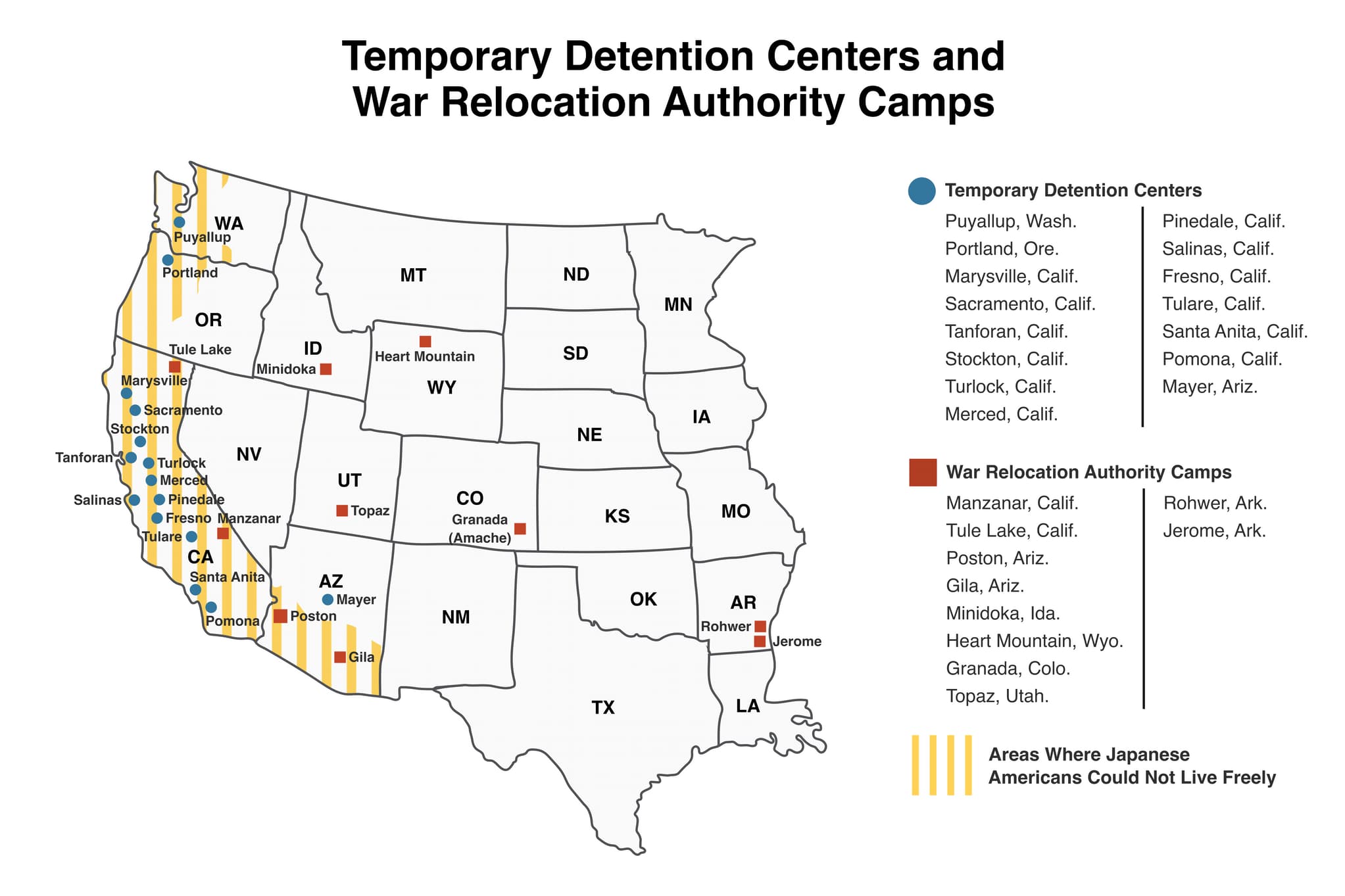
Image 05.03.02 — Evacuees under Executive Order 9066 were first held in temporary detention centers along the West Coast (often horse-racing tracks), and eventually moved to ten concentration camps located beyond the West Coast military exclusion zone.
For Japanese Americans, their identity became questioned from all sides. The debate along this scale, ranging from accusations of collaboration and espionage for Japan to patriotic servicemen and volunteers for the US military, often positioned and tested their loyalty to their country that sharply divided the community. Several major US Supreme Court cases at the time demonstrate the legal strategies used to challenge the constitutionality of the wartime treatment of Japanese Americans.
Crucial Court Cases
Nisei (second generation Japanese American) Gordon Hirabayashi and Minoru Yasui both deliberately evaded curfew orders in Seattle, Washington, and Portland, Oregon, respectively, and turned themselves into government authorities to test the constitutionality of the restrictions placed on Japanese Americans. Hirabayashi v. United States and Yasui v. United States both made their way to the US Supreme Court, which ruled against them on the same day, June 21, 1943. It ruled that deference, or respectful submission, should be given to the military during wartime due to national security concerns.
While the Hirabayashi and Yasui cases focused on racial profiling and curfews during wartime, the case of Fred Korematsu struck at the heart of wartime exclusionary policies. During times of war, the Supreme Court ruled that compulsory exclusion of citizens was a “military necessity” to prevent espionage in December 1944.
The Supreme Court evaded direct commentary on the constitutionality of incarceration and focused instead on the actions of the War Relocation Authority, stating that it had no authority to subject citizens who are “concededly loyal to its leave procedure.” The Korematsu court case eventually helped pave the way for the closure of the camps and revealed the extent to which the federal government itself could not justify its own actions. Since 2010, January 30 has been recognized as the Fred Korematsu Day for Civil Liberties and the Constitution. This day reflects upon the acts of an ordinary US citizen who fought for racial equality, social justice, and human rights. Currently seven states including California and New York City celebrate it.
The lived experiences of Japanese Americans revealed the fraught politics of loyalty. Organizations such as the Japanese American Citizens League (JACL) urged cooperation with the government and military service. The motivations for military service varied. Some sought adventure, others wanted to demonstrate their individual and community’s loyalty, while others sought to leave the concentration camps. Moreover, many hoped that fighting in the war may potentially help free their loved ones still imprisoned.
Military Units and Wartime Efforts
Whether through the draft or volunteering, Japanese American soldiers served in three units: the Military Intelligence Service (MIS), composed of translators and interpreters; the 100th Infantry Battalion from Hawaiʻi; and the 442nd Regimental Combat Team. The MIS accompanied American troops to Japan–often to the frontlines—and faced the dual threat of the Japanese military and American soldiers who could not distinguish between them and the enemy.
Meanwhile, the 100th and 442nd were segregated units that fought in the European theater. They became the most decorated units in American military history for their roles in the liberation of France; the rescue of the “Lost Battalion” (saving hundreds of Texas soldiers trapped by German forces); and freeing the prisoners of a satellite of the Dachau concentration camp, among other heroic feats. Women, too, participated in the war efforts. In addition to arranging United Service Organization (USO) activities while imprisoned, they joined the Women’s Army Corps, served as medical personnel, and trained as linguists with the MIS.
Other Japanese Americans demonstrated their commitment to democracy by resisting the military draft. In 1943 the government instituted a “loyalty questionnaire” to ascertain who could be eligible to leave the camps. Two questions immediately generated confusion and controversy.
Issei immigrants (first generation Japanese Americans), worried about answering “yes” to the final loyalty question, which asked them to swear allegiance to the US and renounce the Emperor. They feared they would be left stateless, denied citizenship or nationality to a country, since they were forbidden from becoming American citizens. Nisei and Kibei (second generation Japanese Americans educated in Japan) felt conflicted as well, wanting to obey filial obligations to not turn their backs on their ancestral homeland. The true dilemma, however, lay in both the military service question and the final loyalty question. Those who answered “No” to both—meaning they refused to serve in the US military and refused to swear off the Japanese Emperor—were often derided as “No-No Boys” and subjected to stigmatization as disloyal.
Similarly, many men who resisted the draft formed organizations like the Heart Mountain Fair Play Committee, noting they were just as patriotic as the next American but could not fight for a country that imprisoned them without cause other than looking like the enemy. Frank Emi, one of the leaders of this civil disobedience movement, wrote in a letter to the Heart Mountain Sentinel in 1944, “If justice does not win out,” for the resisters and Japanese Americans in general, then “the future of a democratic nation, the future of minority people…is dark indeed.”
Different Communities, Different Fortunes
While many Japanese Americans grappled with the infringement of their constitutional rights, other Asian American communities participated in the war effort to advance their place in US society and openly challenge the racism that they had long faced. Across the board, they enthusiastically joined the military and raised funds to support the war, often framing their service as an effort to defend democracy.
Even the iconic film star Anna May Wong, a second-generation Chinese American from Los Angeles, California, and one of Hollywood’s only Asian American actors, signed up to assist her neighbors during air raids. As quoted in historian Ronald Takaki’s Strangers from a Different Shore: A History of Asian Americans, Wong once proclaimed, “As an American-born Chinese, I feel it is a privilege to be able to do my little bit in return for the many advantages bestowed upon me by a free democracy.” Having been painted as a “Yellow Peril” who could not assimilate to the American way of life, Asian Americans used the wartime experience to fight for a renewed sense of acceptance.
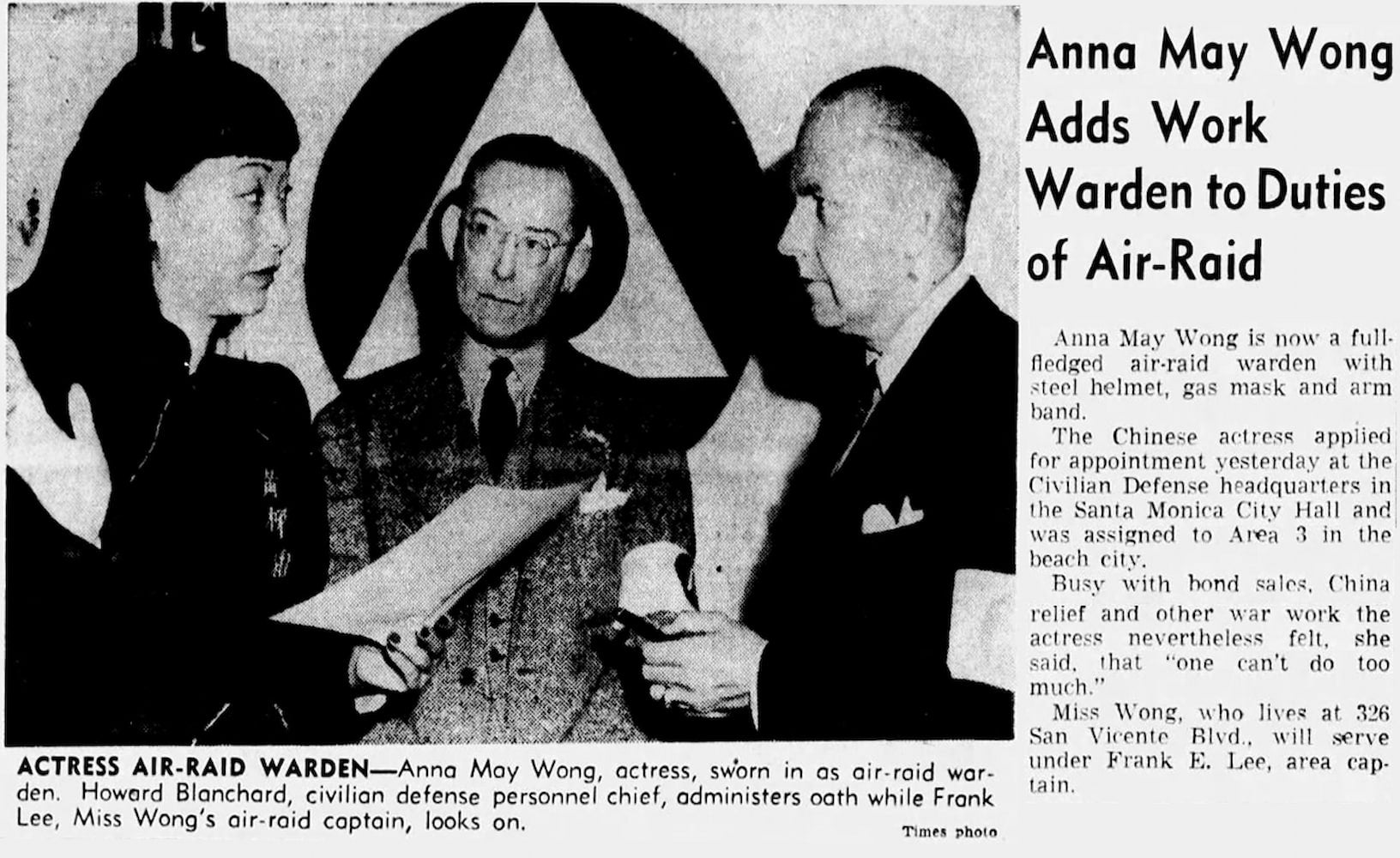
Text 05.03.05 — Chinese American film star Anna May Wong volunteered as an Air-Raid Warden during World War II. “As an American-born Chinese,” she said, “I feel it is a privilege to be able to do my little bit in return for the many advantages bestowed upon me by a free democracy.”
Filipino Americans, even those who had been critical of America’s conquest and subsequent colonization of the Philippines nearly fifty years earlier, used the rhetoric of loyalty to the US to call for better treatment. Manuel Buaken, a member of the First Filipino Infantry of the United States Army, and a noted writer in the Filipino American community, wrote how Filipino immigrants were lured to the US with promises of mobility and modernity, but instead found prejudice and discrimination: “We came to the United States to learn the best, and we found that our place here was in the blind spot of America.” He continues, “We believed in your ideals…but we were barred from the best in your society, we were barred from economic advancement… condemned here for our dark skins, the light of our high ideals ignored and shunned.” 1
Bauken also appealed to white Americans, claiming that no Filipino in the US hated Americans, despite the prejudice. Such appeals were designed to address the racism directed towards Filipinos less than a few years earlier when, at the height of the Great Depression, they were targeted with firebombings and race riots in places such as Stockton and Watsonville in California.
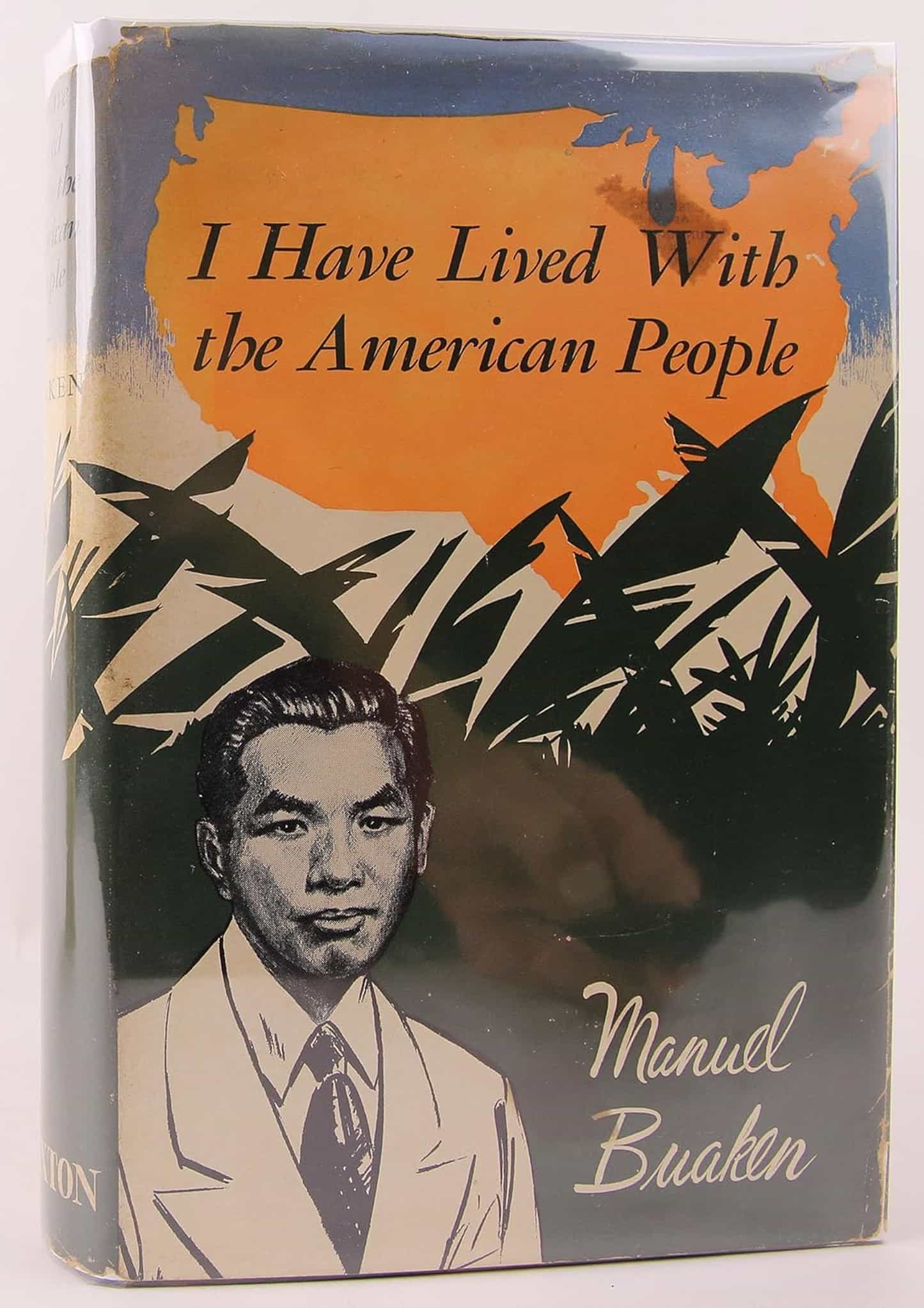
Image 05.03.06 — Manuel Buaken, a US Army veteran and noted writer, described the heartbreak of Filipino immigrants: “We came to the United States to learn the best, and we found that our place here was in the blind spot of America.”
Additionally, Filipinos, Koreans, and Chinese in the United States were acutely aware of the violence, exploitation, and death enacted by imperial Japan in their ancestral countries. To that end, they were eager to contribute to the war effort to fight for the liberation of nations shackled by Japan’s colonial apparatus.
Some did express a sense of solidarity with Japanese Americans, lamenting their treatment at the hands of the US government. The hysteria of the day often won out, however. Korean community leaders in Hawaiʻi and elsewhere who had engaged in a diasporic and protracted war for independence from Japan, sometimes fanned the flames of prejudice. Just like the US government, they made no distinction between the policies of imperial Japan, the Japanese population, and Japanese Americans.
Chinese Americans Prior to WWII
Much like the Korean American community and their resistance to Japanese colonialism, Chinese Americans watched with fear as imperial Japan made steady incursions into China, starting with the invasion of Manchuria in Northern China in 1931 and the subsequent war between the two nations.
Throughout the 1930s, Chinese Americans raised funds to support those affected by the war, including refugees and orphans. Chinese Americans were able to leverage China’s new status as a critical US ally to join the military to push for the eventual repeal of the Chinese Exclusion Act. Due to the activism of Chinese Americans, along with the geopolitical need to counteract Japanese propaganda that portrayed the US as a violently racist country, Congress passed the Magnuson Act in 1943, effectively repealing earlier exclusion policies and allowing for Chinese immigrants to become citizens.
Although a success in the eyes of many, the Magnuson Act was still largely prohibitive. It limited the migration of Chinese to the US to just 105 individuals per year. Nevertheless, this history represented a major change for Chinese Americans and would lay the foundation for future efforts to repeal other exclusionary immigration laws.
Unanticipated Consequences of World War II
In addition to the Magnuson Act, WWII catalyzed a variety of changes for Asian Americans. The repeal of the Chinese Exclusion Act fueled other efforts to eradicate racism in immigration policy that would lead to limited gains, such as the McCarran-Walter Act of 1952 that allowed Japanese immigrants to become naturalized. The efforts of organizations such as the JACL and veterans groups to espouse the valor of Japanese American soldiers during the war also yielded civil rights gains.
A 1946 ballot initiative in California would have enshrined discriminatory alien land laws into the state constitution. But due to efforts to portray Japanese American soldiers as loyal victors while conversely erasing the experiences of draft resisters, the electorate rejected the proposition.
Despite those important gains, Asian Americans would often return from war to face lingering prejudice in areas ranging from housing to employment discrimination. The resettlement of Japanese Americans was a fraught process: cities on the West Coast drafted petitions to permanently ban the return of former incarcerees, while a callous government hastily pushed them out of the camps with little resources.
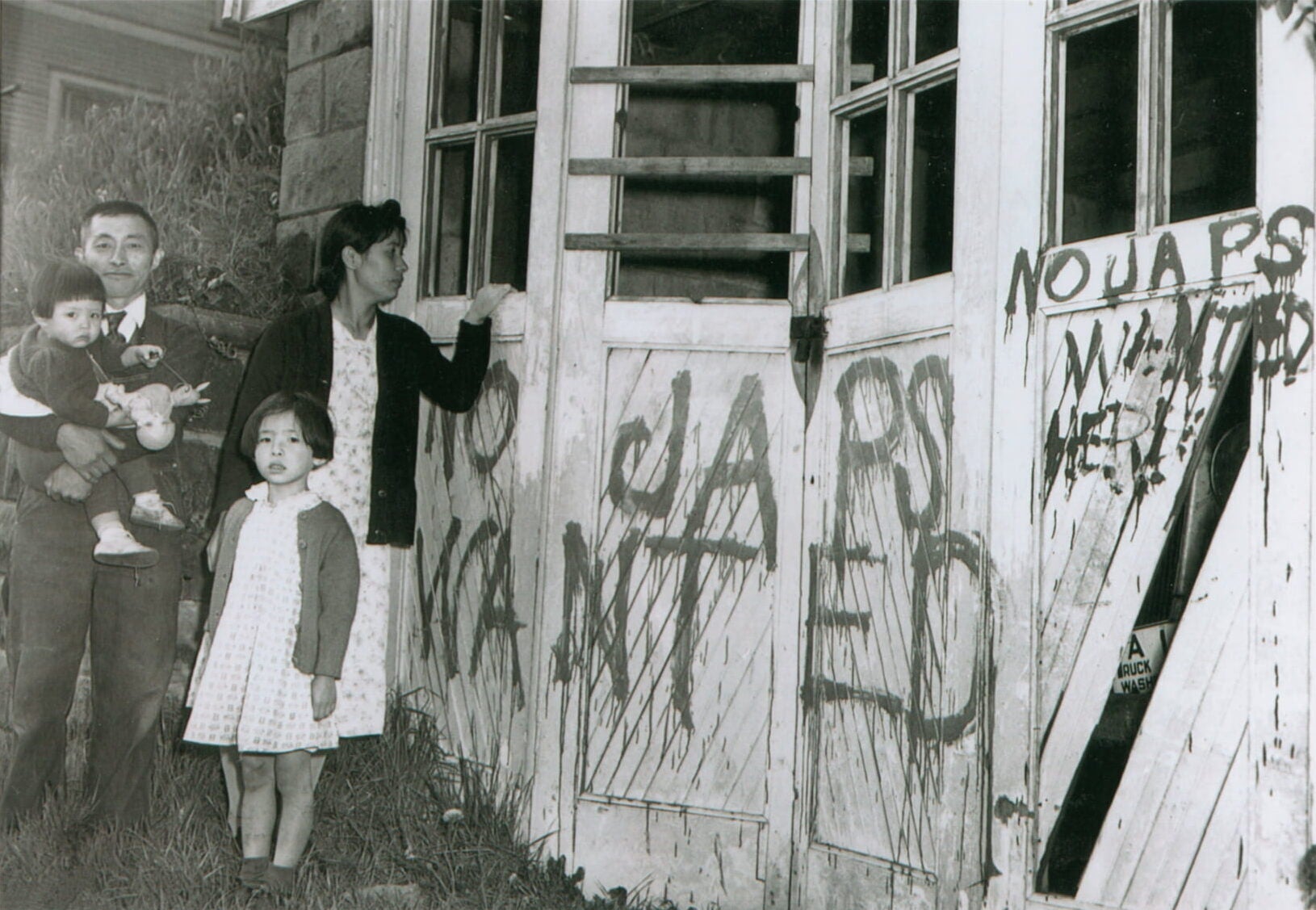
Often the former incarcerees returned to vandalized homes and damaged property. Though resilient in creating mechanisms of mutual aid, such as establishing hostels in churches and temples, or pooling funds to construct community centers, the long-lasting effects of the war would shape a generation of Japanese Americans and lay the foundation for a kinetic explosion of activism in the 1960s and 1970s. The Asian American Movement during this period sought to reclaim lost histories and identities, fight against war, and seek solidarity with other oppressed peoples.

Image 05.03.07 — The Nagaishi family returned home to Seattle after three years of incarceration at Minidoka War Relocation Center in Idaho to find their garage vandalized with the words “No Japs Wanted.”
The fate of Korean and Filipino Americans after the war remained tied to Asia. Although Korean Americans may have celebrated the end of Japanese rule over Korea following Japan’s surrender at the end of World War II, the division of the Korean peninsula between US and Soviet influence set the stage for the Korean War in 1950.
Meanwhile, as many Filipinos returned to and revitalized enclaves in places such as Stockton, they still looked to the Philippines which had just achieved independence from the United States. Though freed from formal colonialism, the island nation was left to rebuild after the devastation of war with little financial support from the US, and no benefits for its soldiers who fought on its behalf.
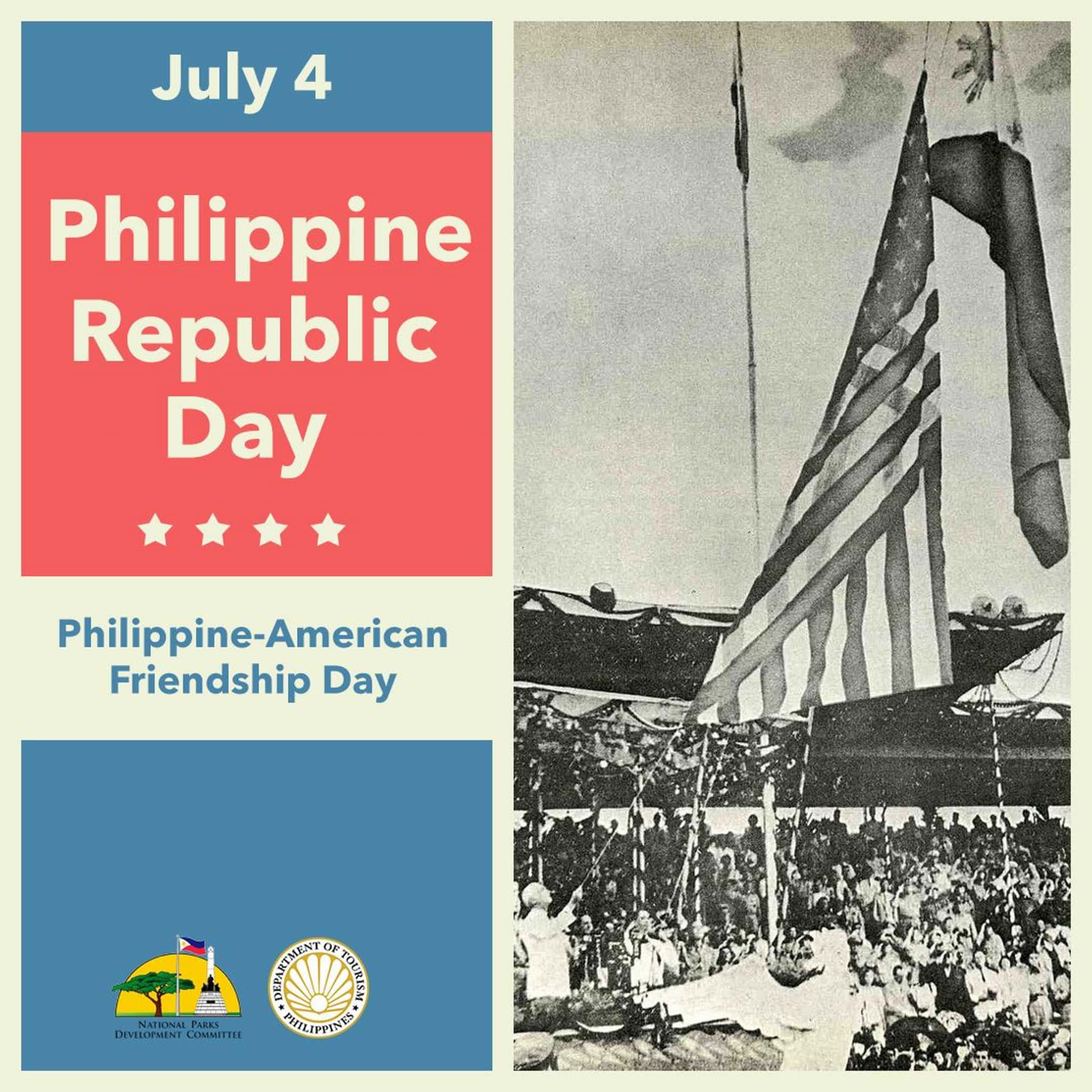
Image 05.03.08 — The Treaty of Manila recognized the independent Republic of the Philippines on July 4, 1946. Though freed from formal colonialism, the nation was left to rebuild after the devastation of war with little financial support from the US.
Glossary terms in this module
colonialism Where it’s used
A system in which a foreign power establishes and maintains political and economic domination over a territory and its people, exploiting their land and resources for its own benefit and often imposing its language, culture, and beliefs on the colonized.
colonization Where it’s used
The act and process in which an external group or country brings a region and its Indigenous people under its domination and control, subordinating them politically, economically, and culturally.
imperialism Where it’s used
A policy or practice in which one state extends its power and domination over other territories and peoples—often through political, military, economic, or cultural means—with the goal of expanding its power and influence.
Endnotes
1 Manuel Buaken, “Our Fighting Love of Freedom,” Asia and the Americas 43, no. 6 (June 1943): 358.