



Search the Media Repository
Discover the curated images, videos, and primary sources featured throughout Foundations and Futures
History is more than just text on a page; it is the photographs, voices, and artifacts of the people who lived it. The images and recordings featured across Foundations and Futures are part of a meticulously curated media repository. Whether you are building a lesson plan or investigating an artifact, you can use this database to trace the provenance of our media: discover who created an asset, the historical context behind it, and how it can be used to bring Asian American and Pacific Islander experiences into your classroom.
Multimedia
Chapters
-
Image
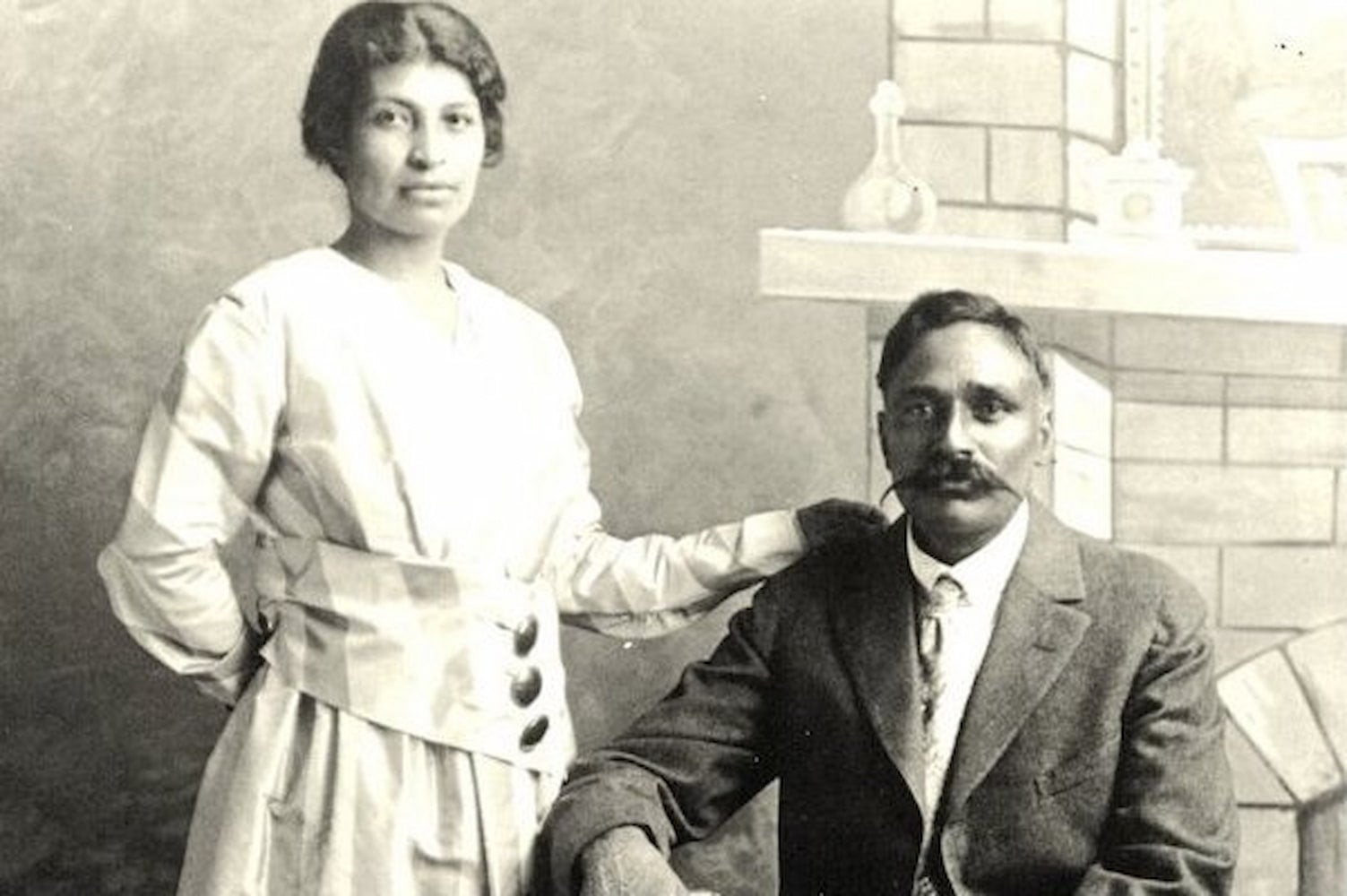
Valentina Alvarez and Rullia Singh
A Punjabi-Mexican American couple, Valentina Alvarez and Rullia Singh, pose for their wedding photo in 1917.
Featured in:
South Asian Americans Before 1965, Module 5
-
Image
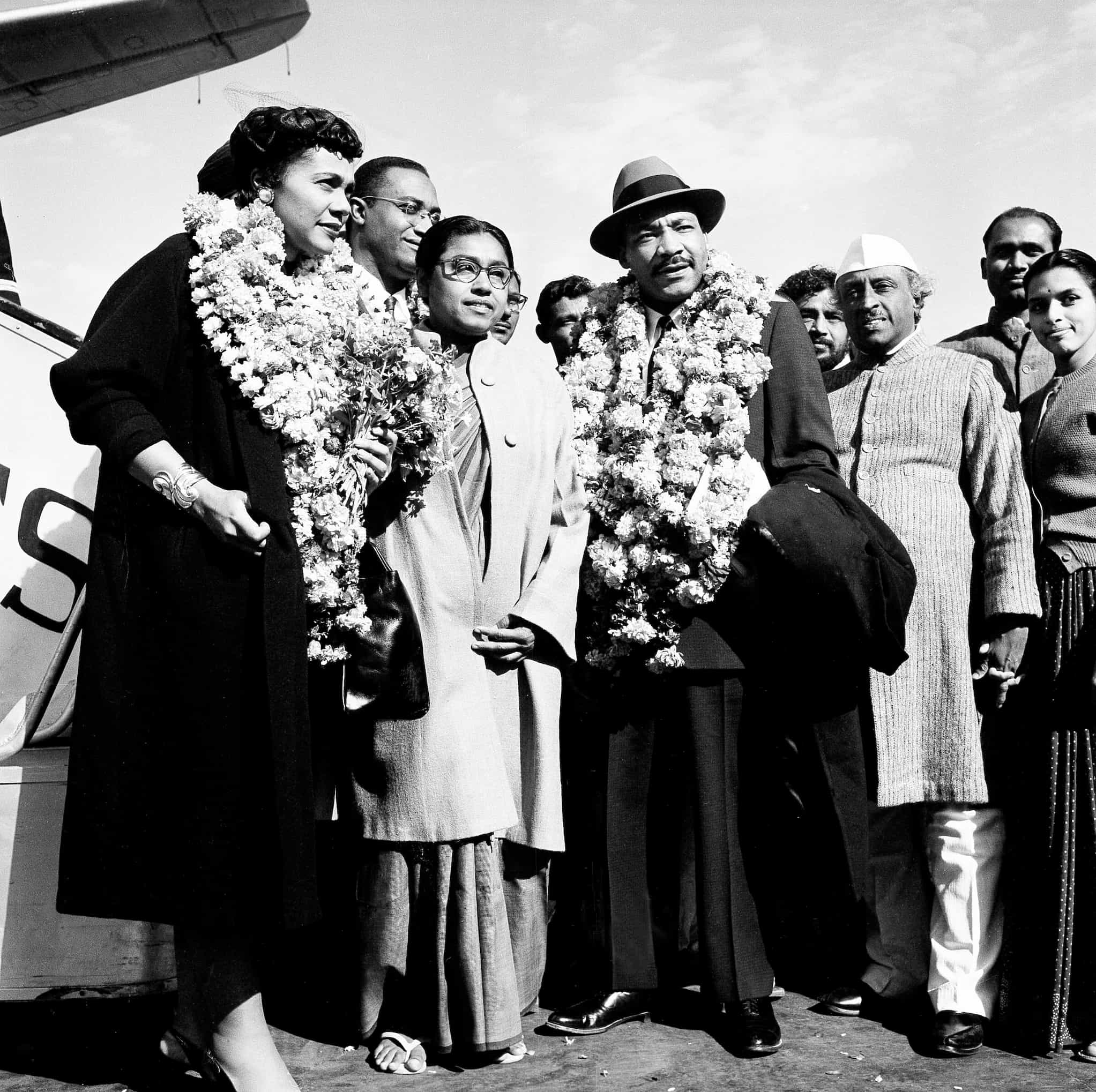
Dr. King and Coretta Scott King
Dr. Martin Luther King, Jr. (center with hat and lei) and Coretta Scott King (far left with lei) were greeted warmly upon their arrival in India’s capital, New Delhi, in 1959.
Featured in:
South Asian Americans Before 1965, Module 5
-
Image
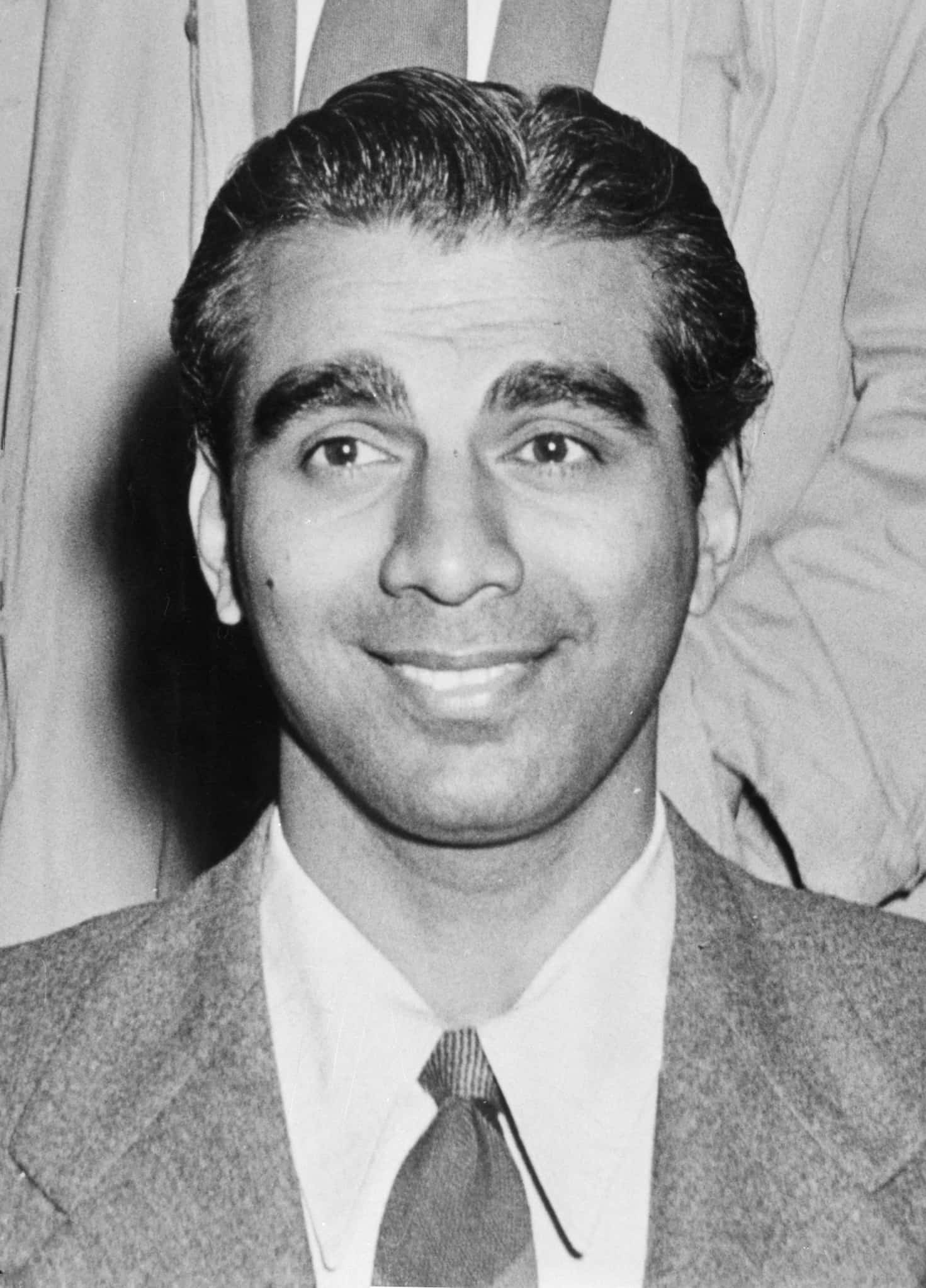
Cheddi Jagan
After studying at Howard University in the 1930s, Cheddi Jagan later became British Guiana’s (now known as Guiana) first elected leader.
Featured in:
South Asian Americans Before 1965, Module 5
-
Image
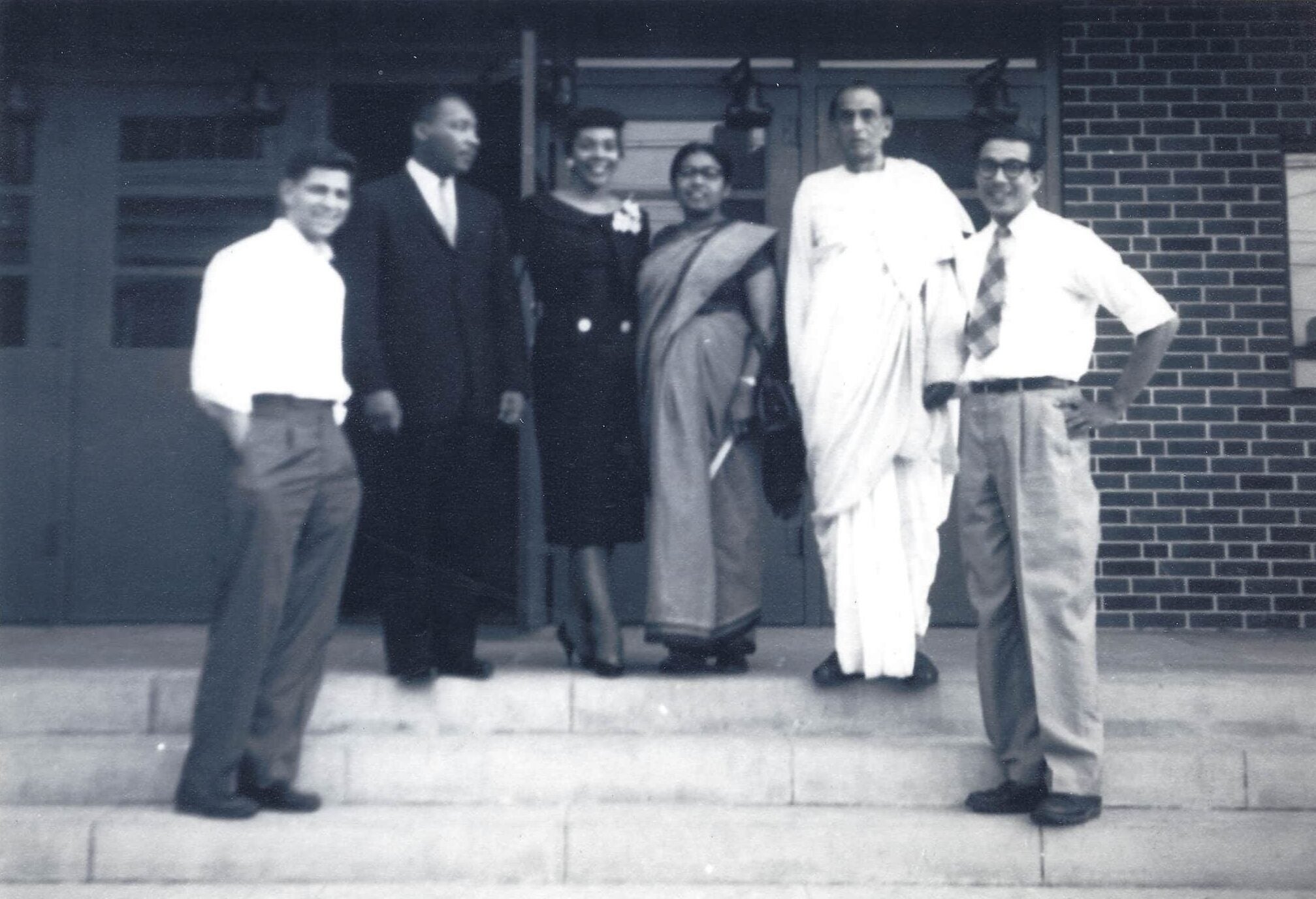
MIT Students with Dr. Martin Luther King, Jr.
Two Massachusetts Institute of Technology students, Ahmed Meer (left) and Jaswant Krishnayya (right), had the opportunity to meet Dr. Martin Luther King, Jr. (second from left), Coretta Scott King, (third from left) and Acharya and Sucheta Kripalani (second and third from right) at the first Student Nonviolent Coordinating Committee (SNCC) training course at Morehouse College in Atlanta, Georgia.
Featured in:
South Asian Americans Before 1965, Module 5
-
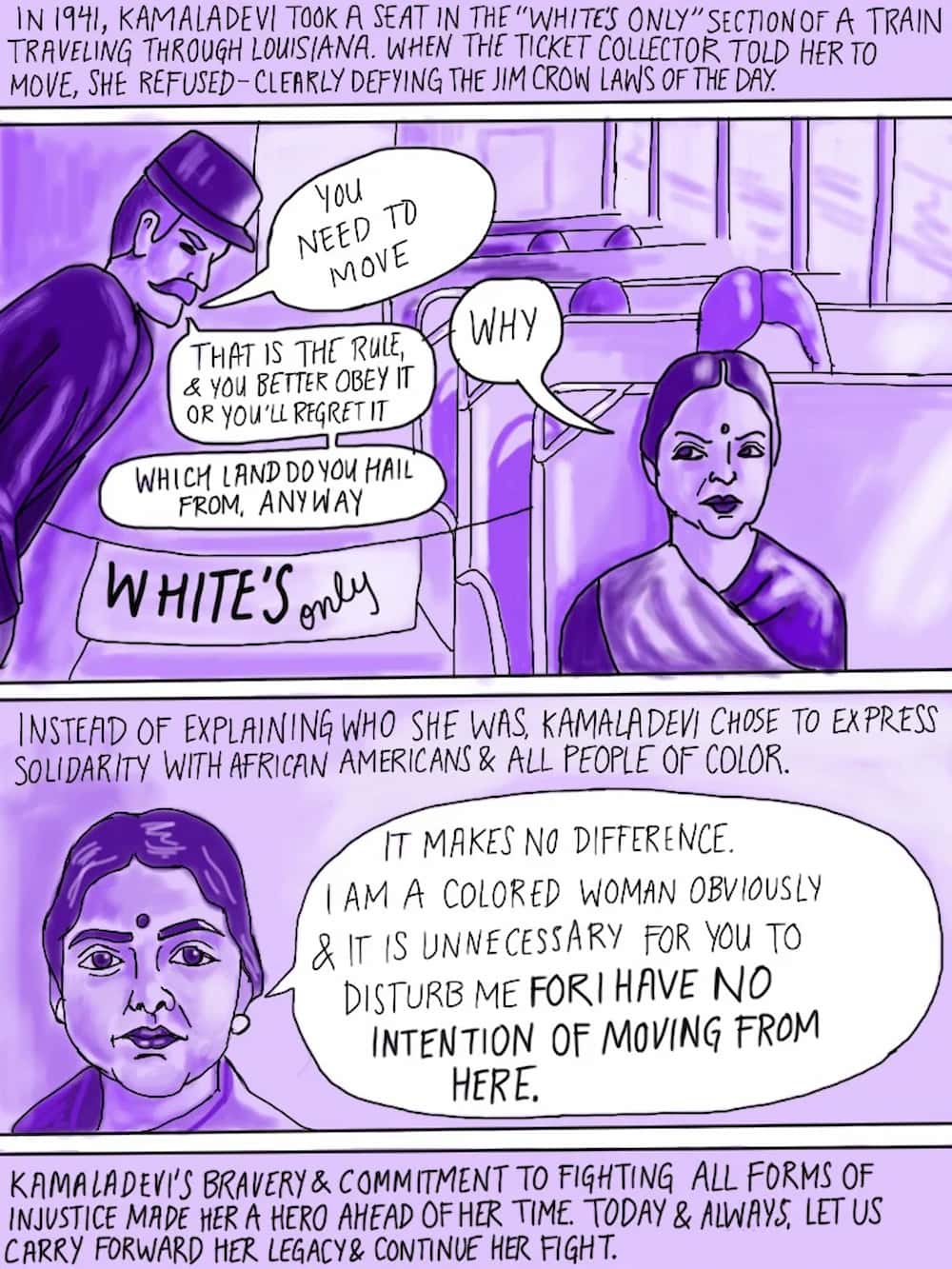
Image
Kamaladevi: The Hero We Need, Page 5
Philadelphia-based artist Shebani Rao drew this comic to illustrate Kamaladevi Chattopadhyay’s confrontation on the train in Louisiana.
Featured in:
South Asian Americans Before 1965, Module 5
-
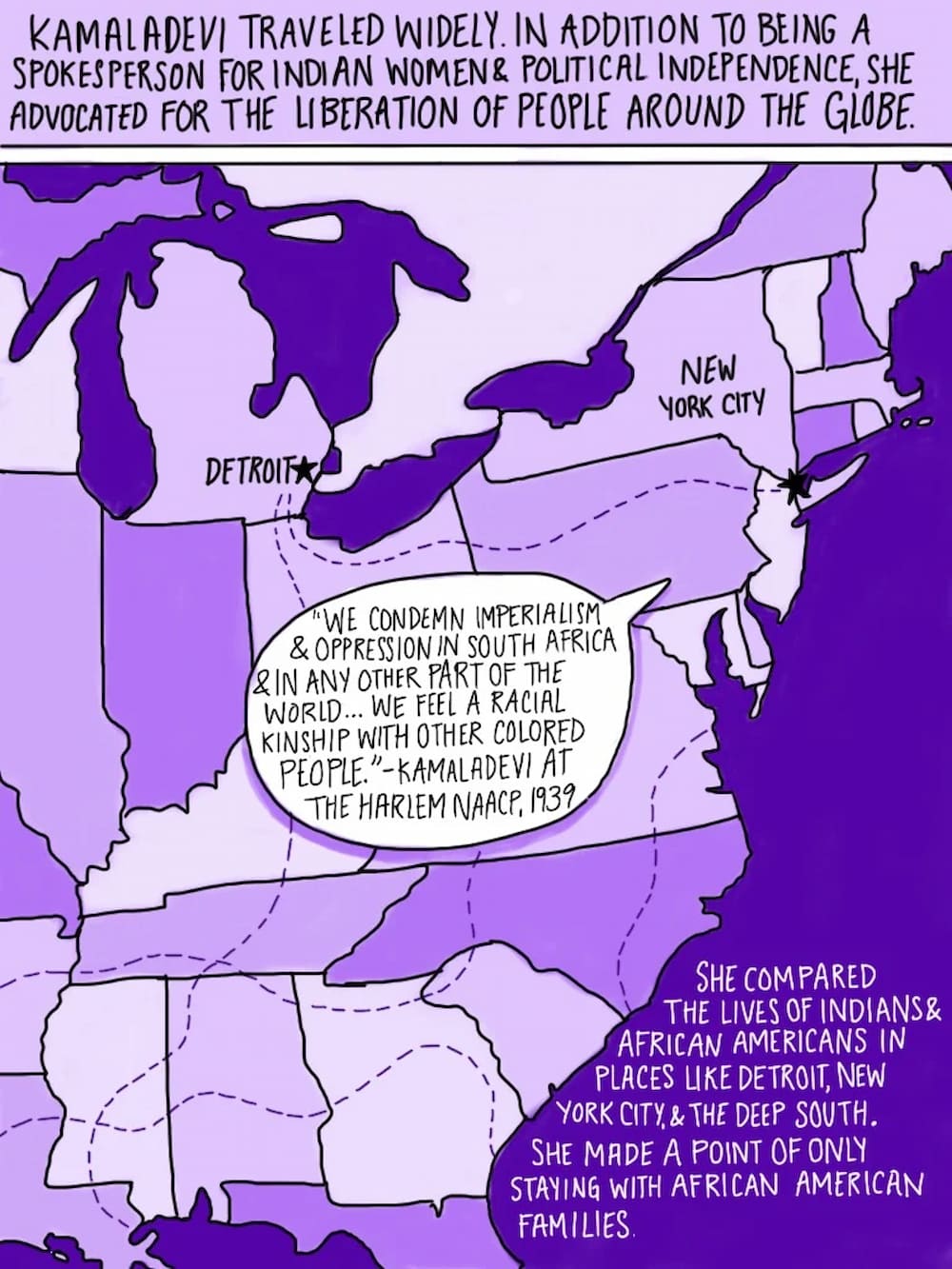
Image
Kamaladevi: The Hero We Need, Page 4
Philadelphia-based artist Shebani Rao drew this comic to illustrate Kamaladevi Chattopadhyay’s confrontation on the train in Louisiana.
Featured in:
South Asian Americans Before 1965, Module 5
-
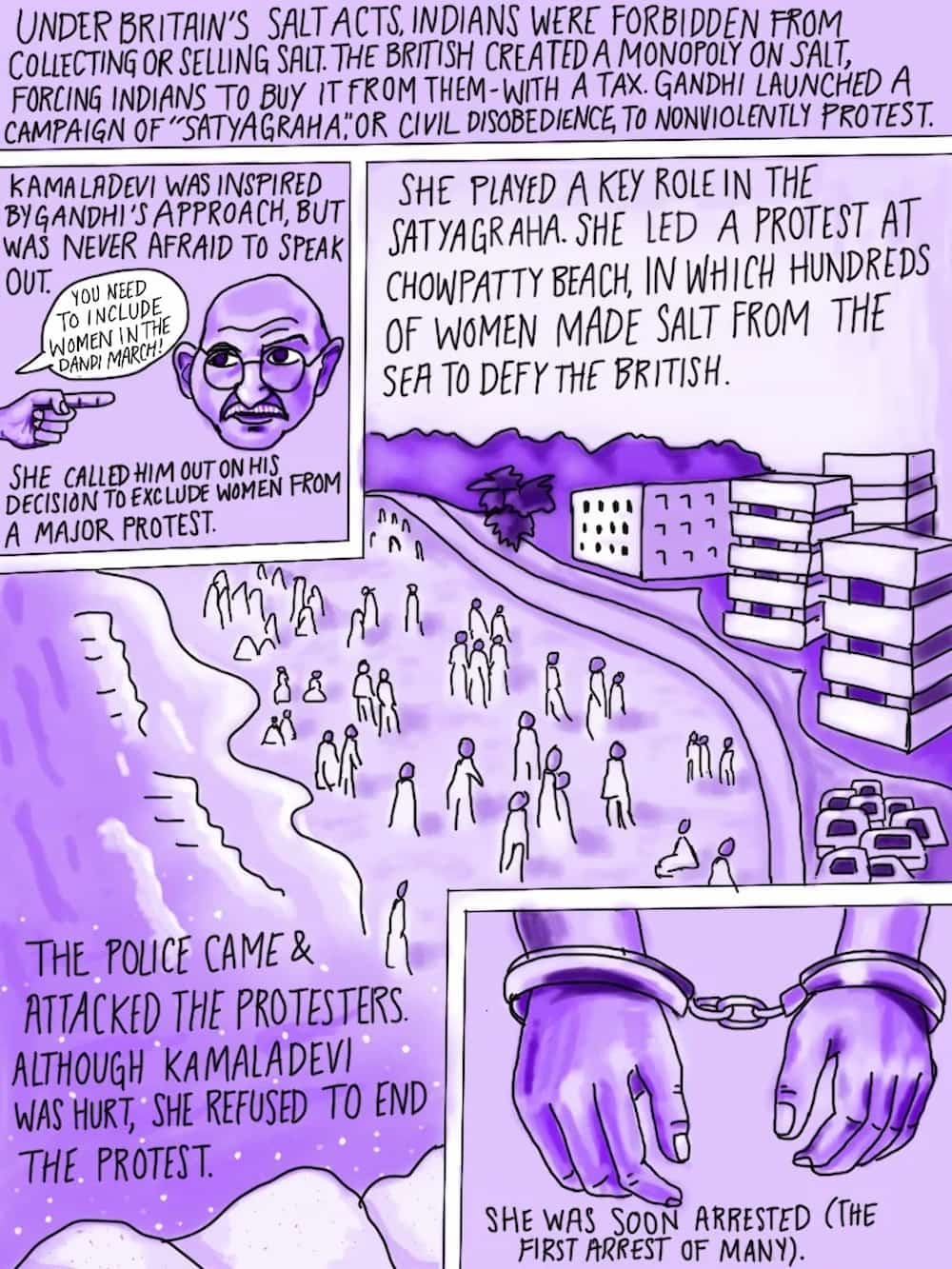
Image
Kamaladevi: The Hero We Need, Page 3
Philadelphia-based artist Shebani Rao drew this comic to illustrate Kamaladevi Chattopadhyay’s confrontation on the train in Louisiana.
Featured in:
South Asian Americans Before 1965, Module 5
-
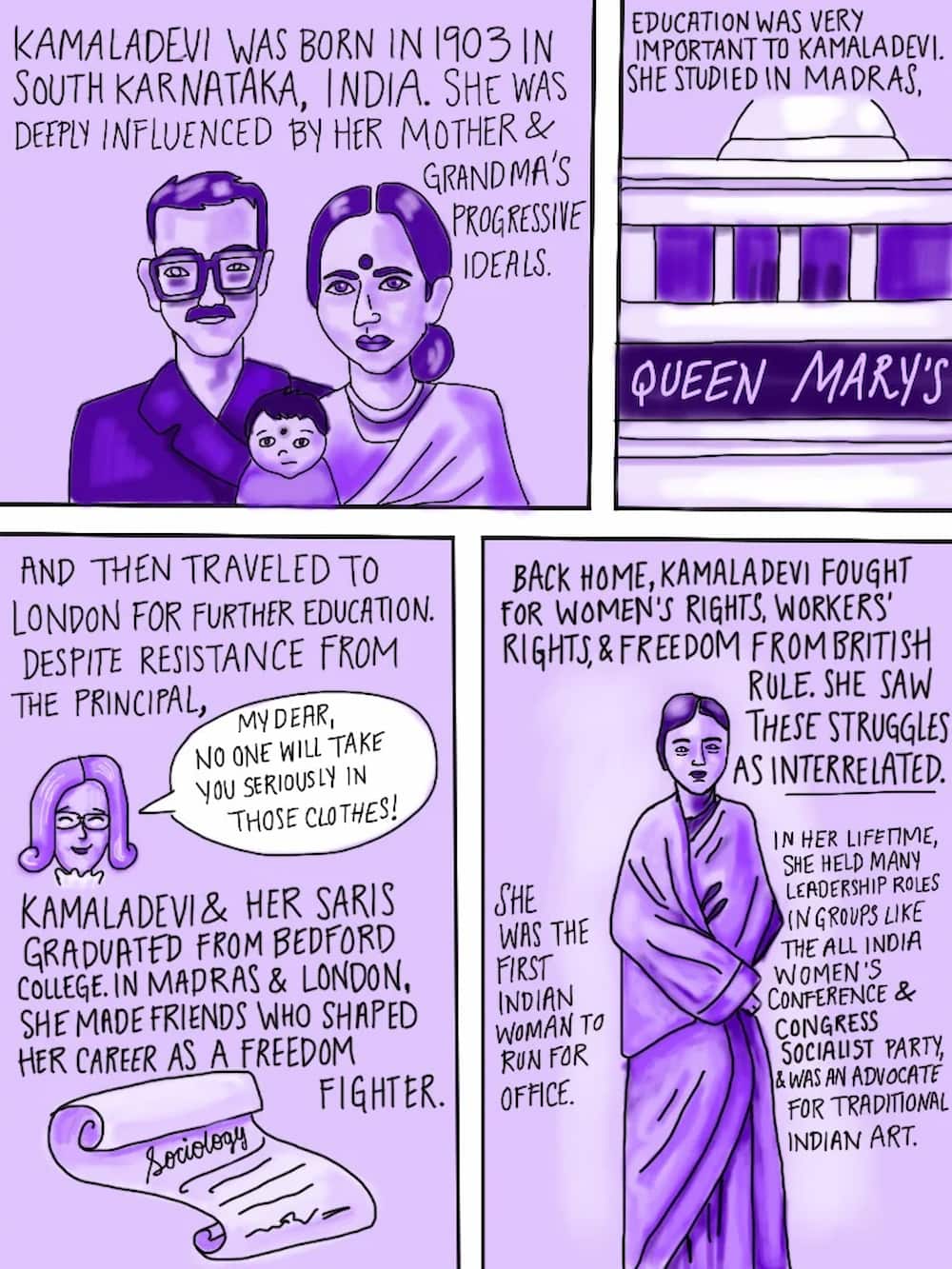
Image
Kamaladevi: The Hero We Need, Page 2
Philadelphia-based artist Shebani Rao drew this comic to illustrate Kamaladevi Chattopadhyay’s confrontation on the train in Louisiana.
Featured in:
South Asian Americans Before 1965, Module 5
-
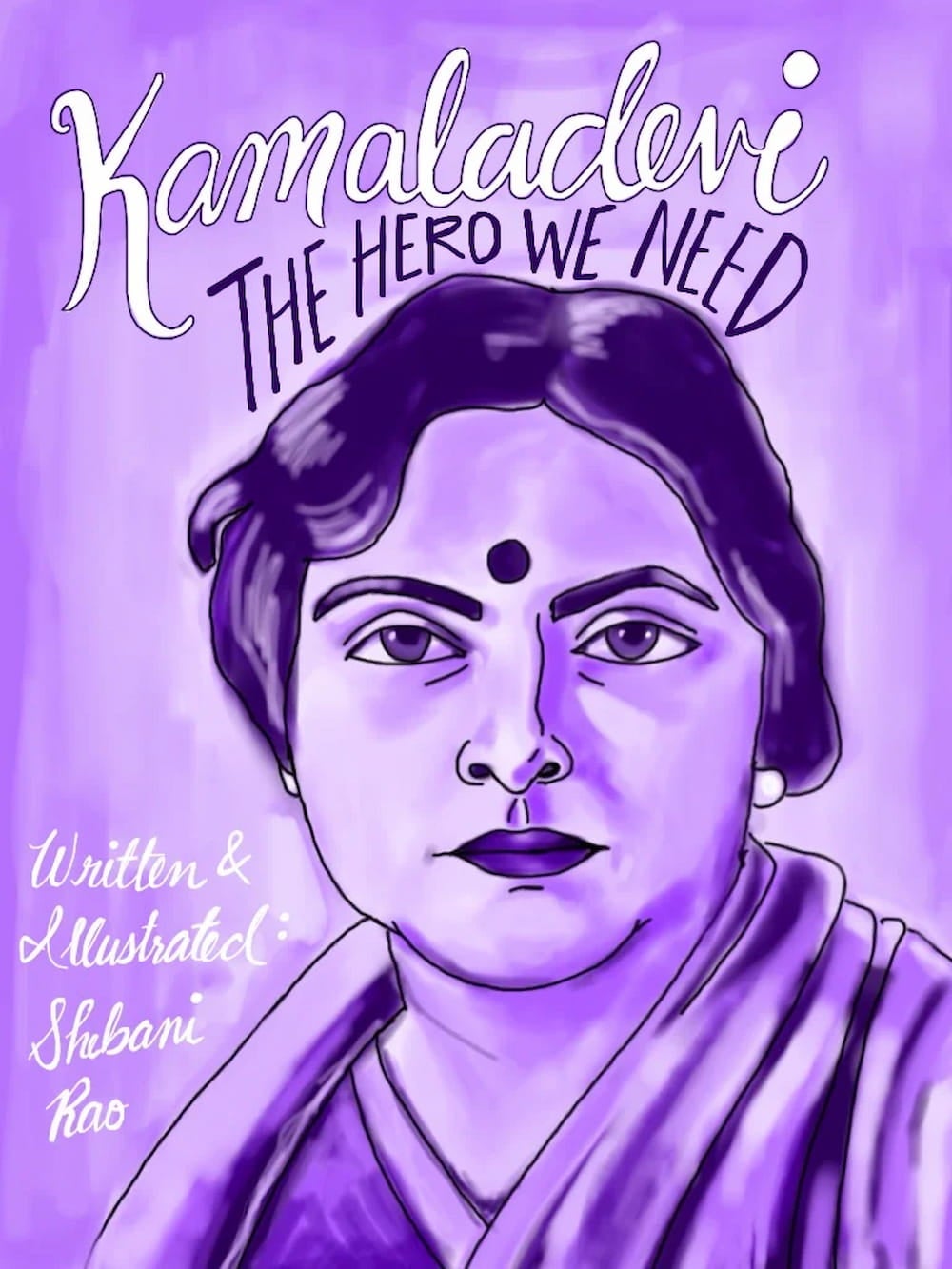
Image
Kamaladevi: The Hero We Need, Page 1
Philadelphia-based artist Shebani Rao drew this comic to illustrate Kamaladevi Chattopadhyay’s confrontation on the train in Louisiana.
Featured in:
South Asian Americans Before 1965, Module 5
-
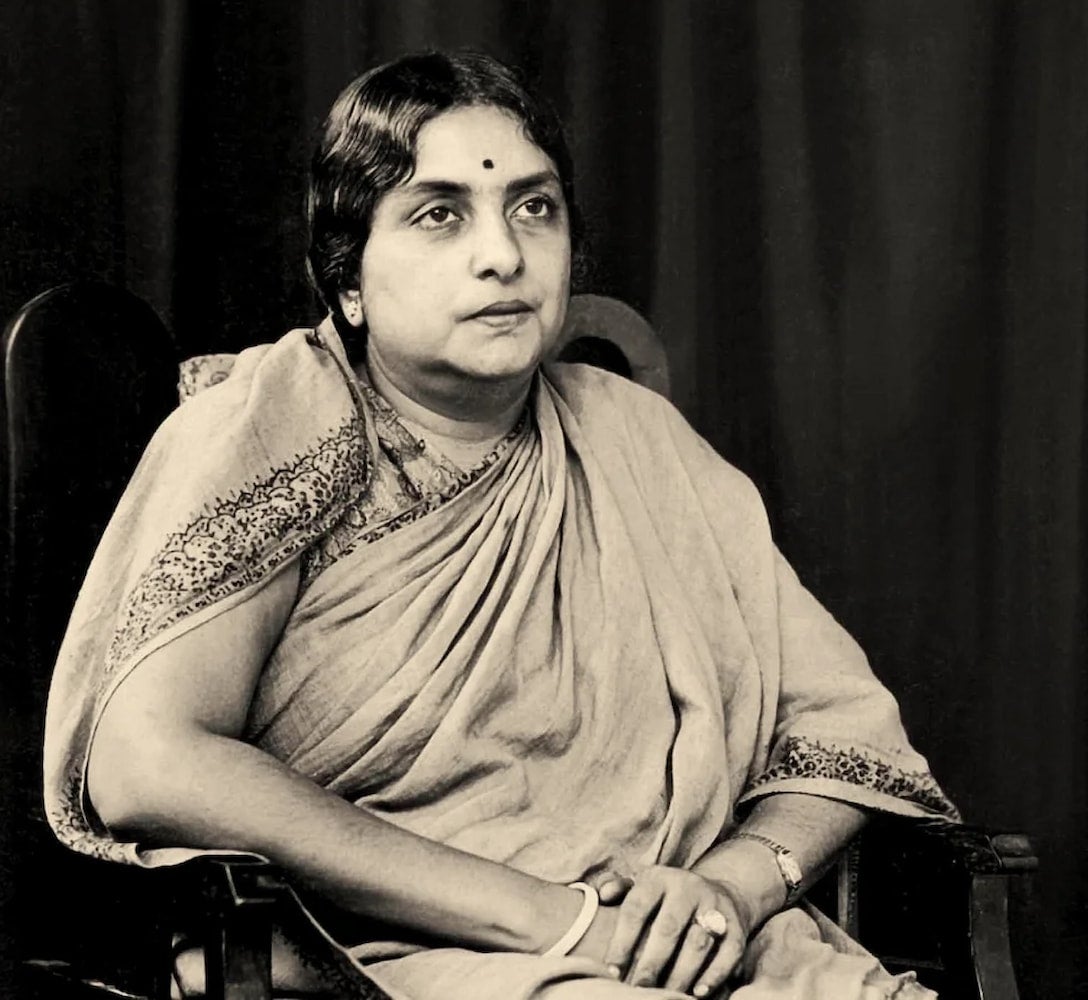
Image
Kamaladevi Chattopadhyay
A feminist and anticolonial activist, Kamaladevi Chattopadhyay toured across the United States between 1939 and 1941 to rally support in the fight against British colonialism in India.
Featured in:
South Asian Americans Before 1965, Module 5
-
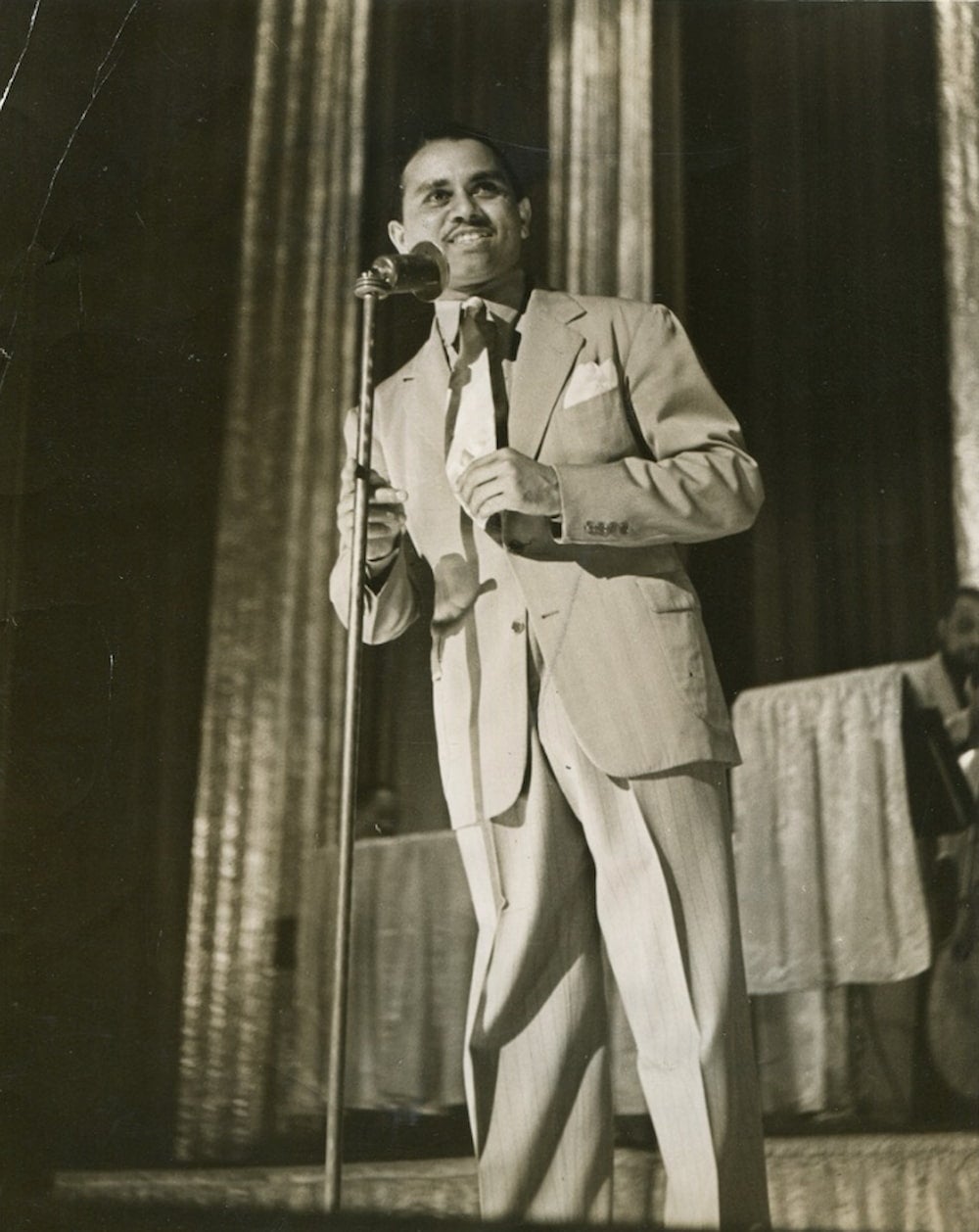
Image
Bardu Ali
Jazz musician and promoter Bardu Ali first noticed the sixteen-year-old singer Ella Fitzgerald when she was an unknown talent, and convinced Chick Webb to hire her.
Featured in:
South Asian Americans Before 1965, Module 4
-
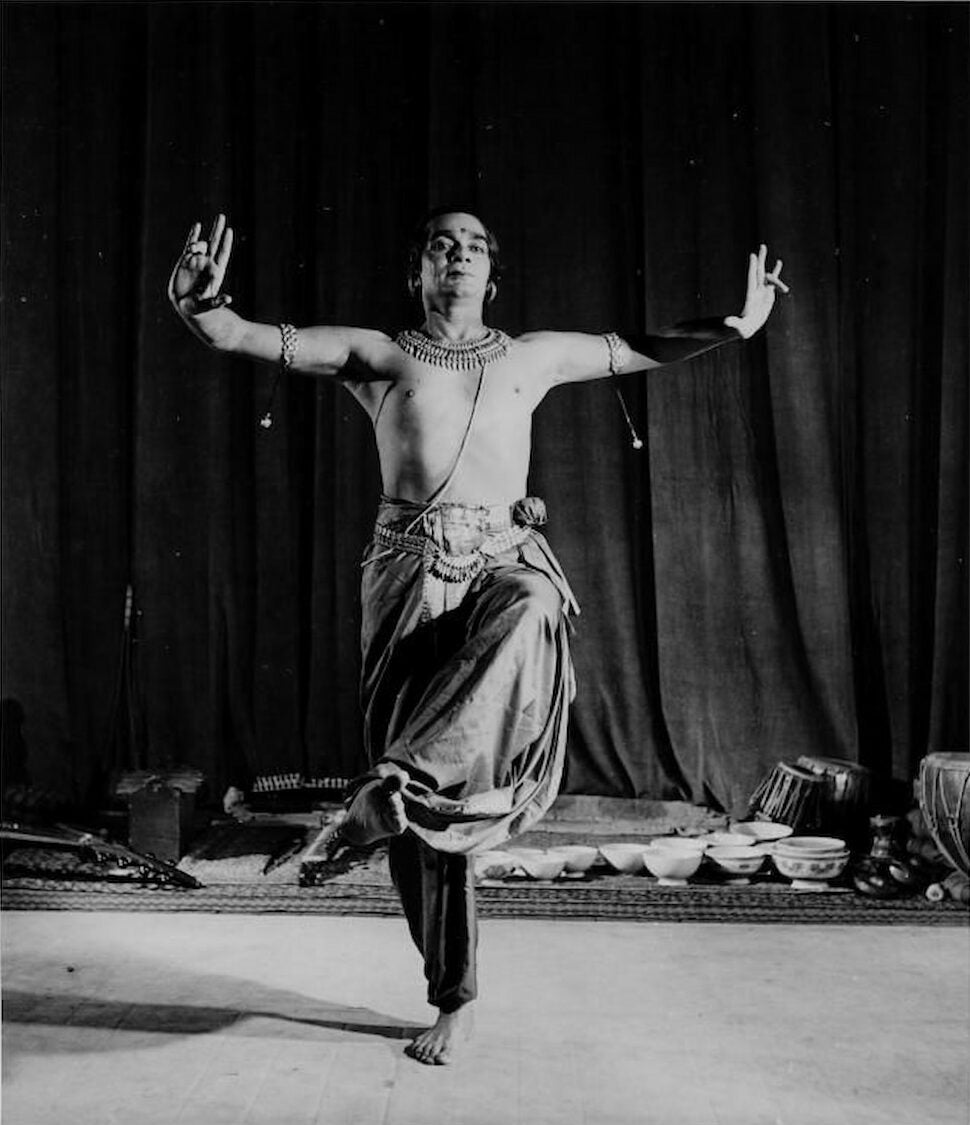
Image
Uday Shankar and Company
Renowned today as a pioneer of modern dance, Uday Shankar created a fusion of South Asian and Western dance traditions that became popular in Europe and the United States.
Featured in:
South Asian Americans Before 1965, Module 4
-
Image
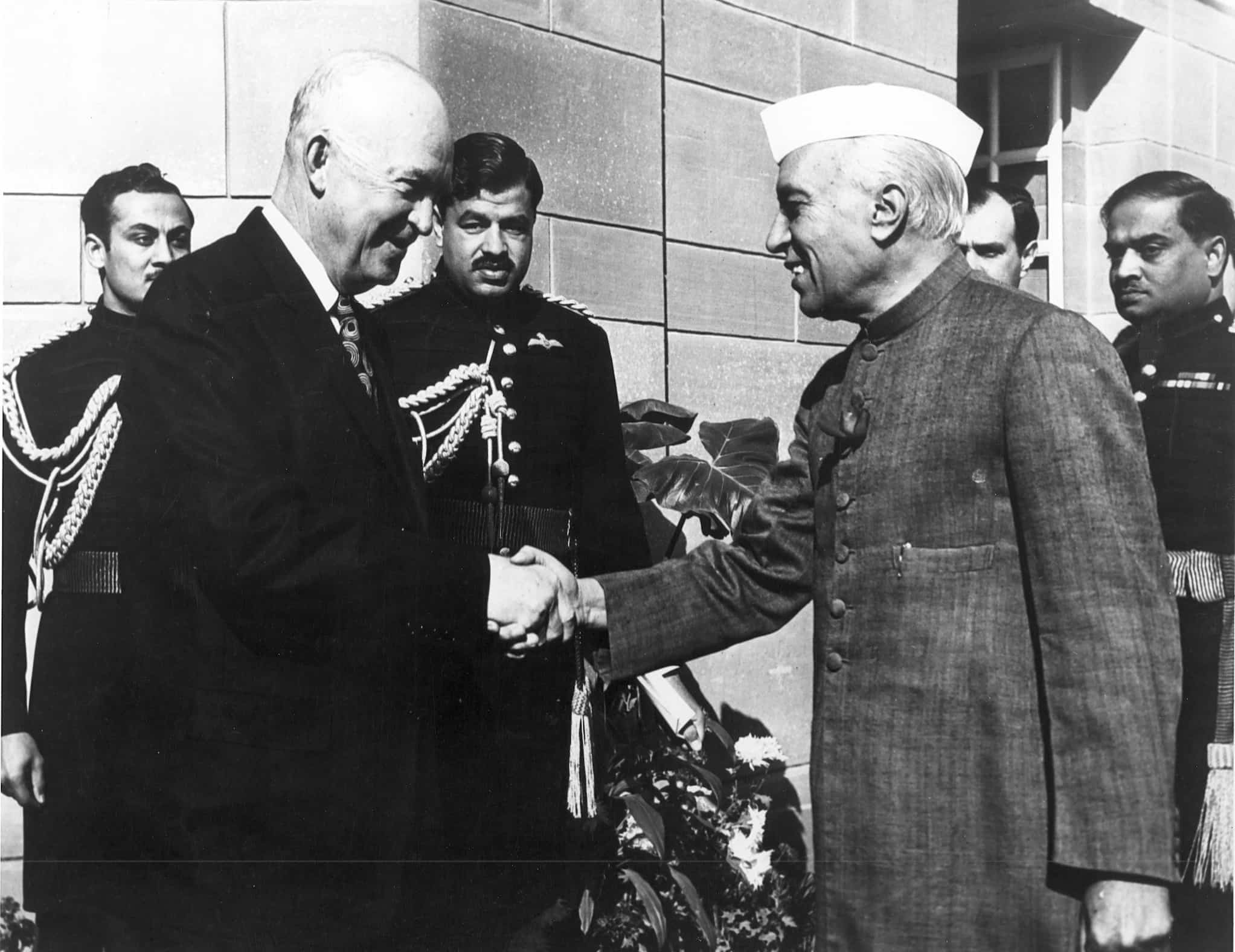
Jawaharlal Nehru and Dwight D. Eisenhower
India’s first prime minister, Jawaharlal Nehru (right), with President Dwight D. Eisenhower’s (left) visit to India in 1959. The “Nehru jacket” worn by the prime minister became a popular fashion item in the US.
Featured in:
South Asian Americans Before 1965, Module 4
-
Text
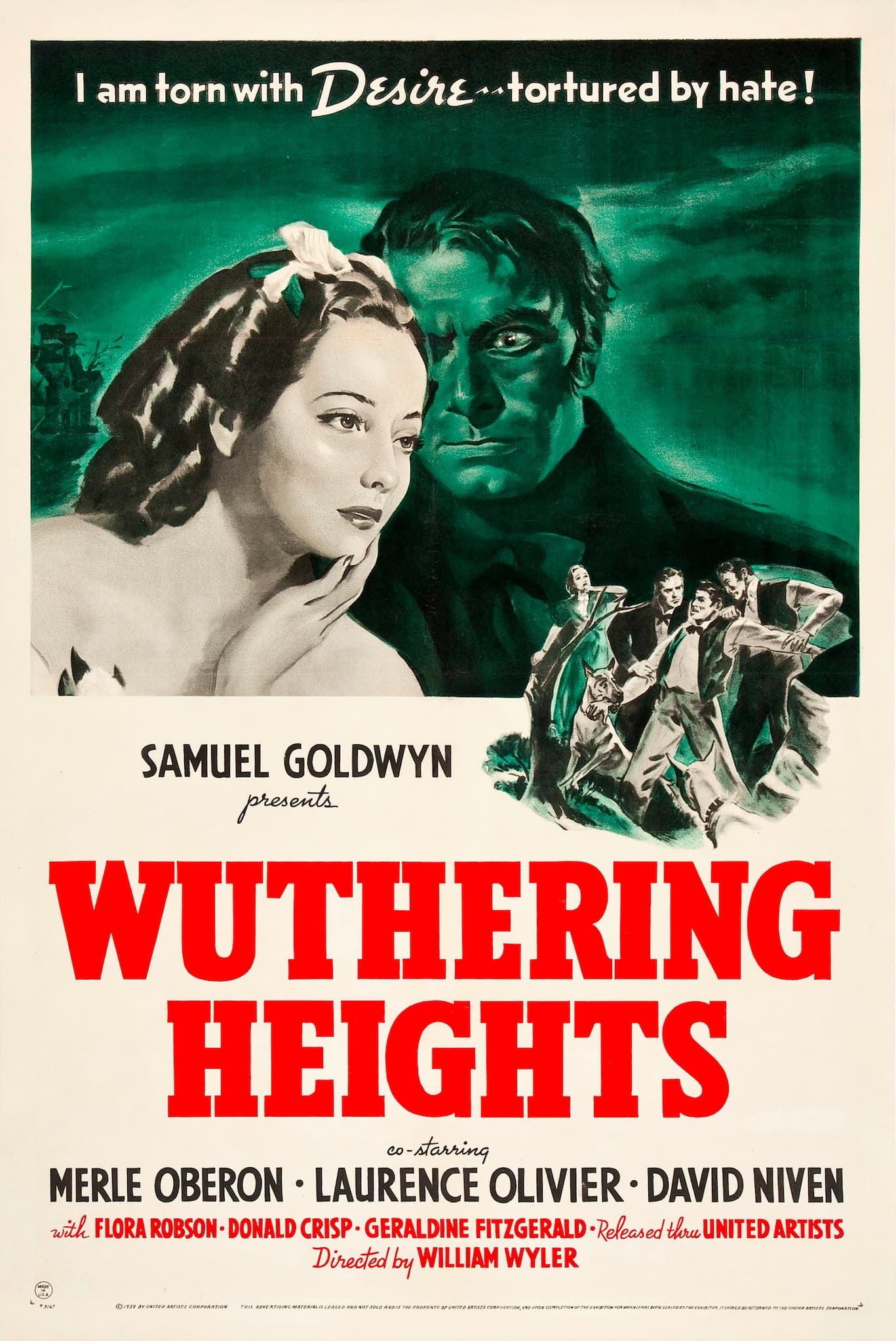
Wuthering Heights Poster
Merle Oberon starred in the 1939 film Wuthering Heights. Fearing it would harm her career, the actress hid her South Asian heritage from the public for her entire life.
Featured in:
South Asian Americans Before 1965, Module 4
-
Video
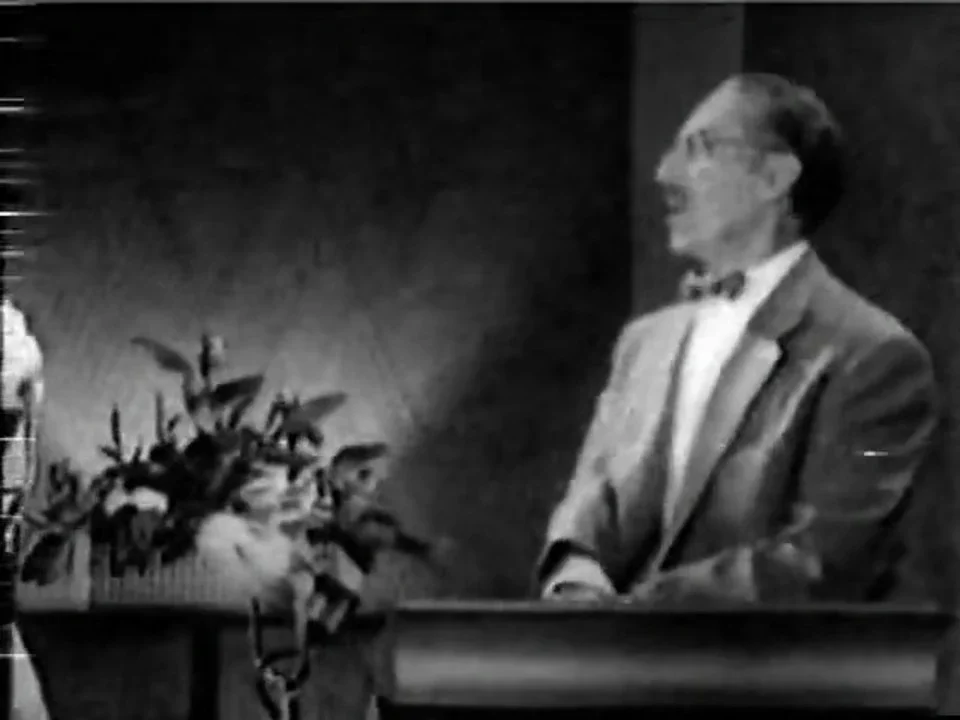
Kuldip Rae Singh
In his appearance on Groucho Marx’s show You Bet Your Life in 1956, Kuldip Rae Singh sings “A Woman in Love” from the musical Guys and Dolls. He immediately attracted a large fan following this appearance.
Featured in:
South Asian Americans Before 1965, Module 4
-
Image
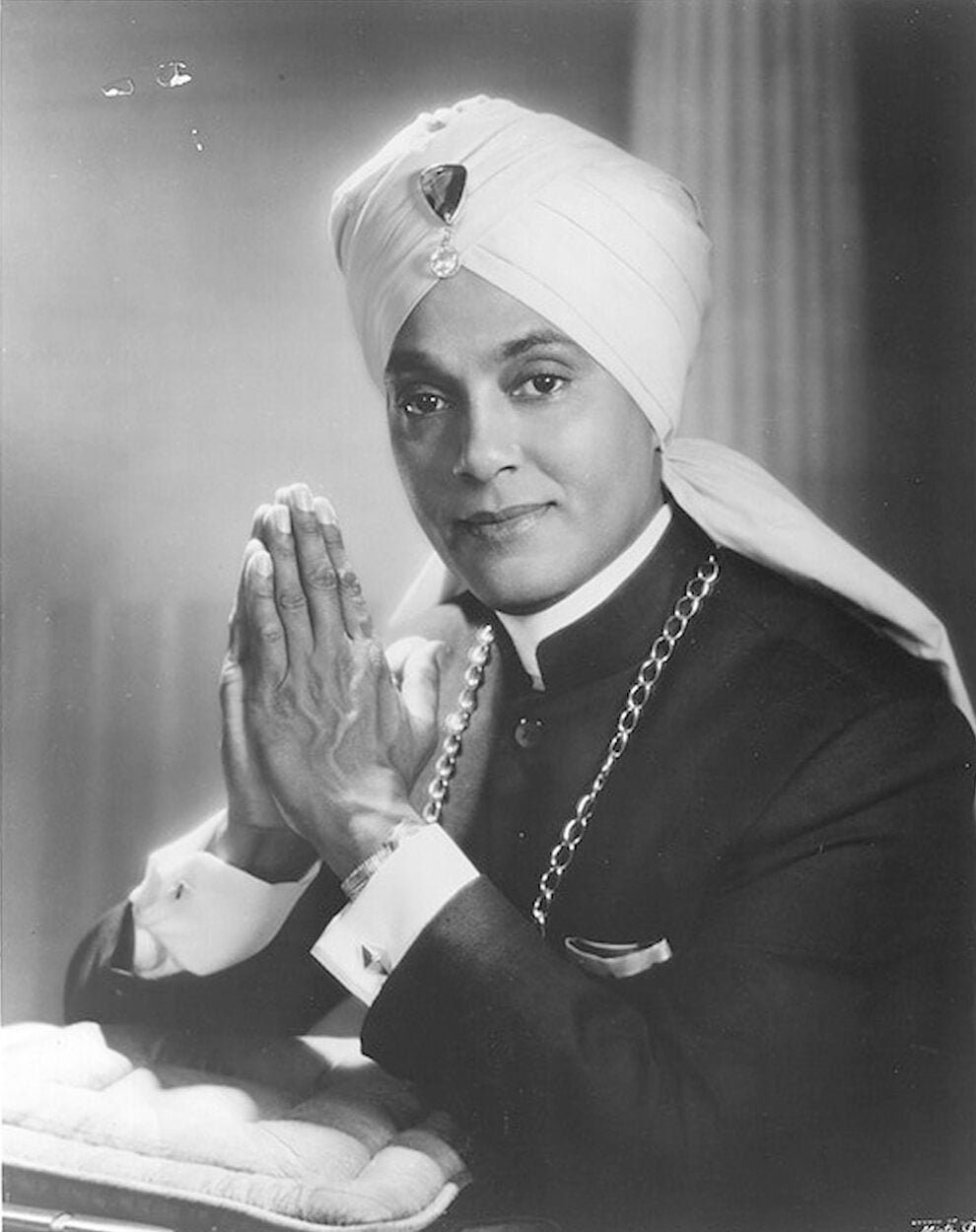
Korla Pandit
The talented and mysterious pianist Korla Pandit was in fact a fictional identity created to enhance the performer’s (whose real name was John Roland Redd) allure and appeal to audiences.
Featured in:
South Asian Americans Before 1965, Module 4
-
Image
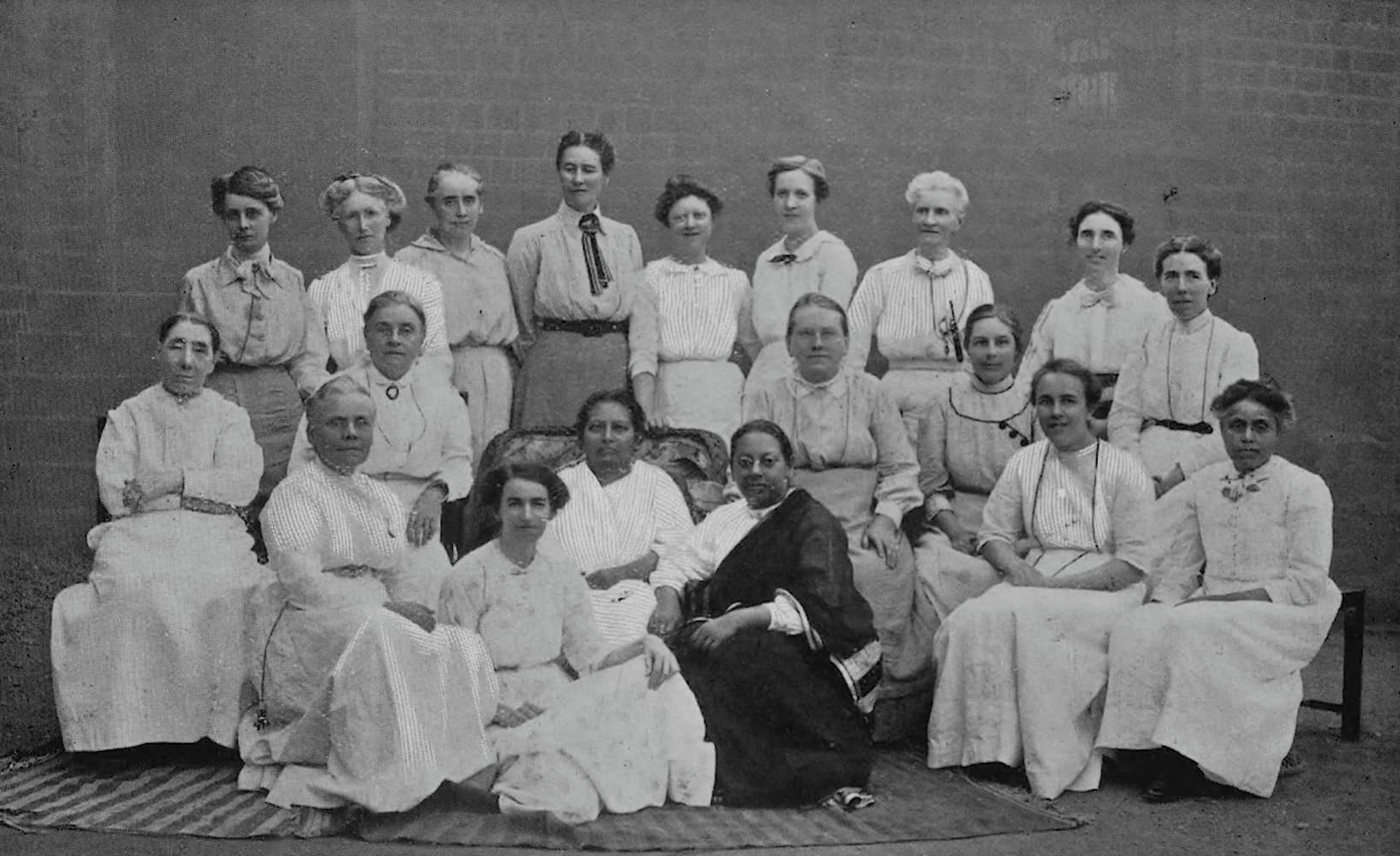
Pandita Ramabai and Mukti Mission Charity Workers
Pandita Ramabai and her young daughter, Manorama, were photographed with the workers at the Mukti Mission charity in Pune, India.
Featured in:
South Asian Americans Before 1965, Module 3
-
Image
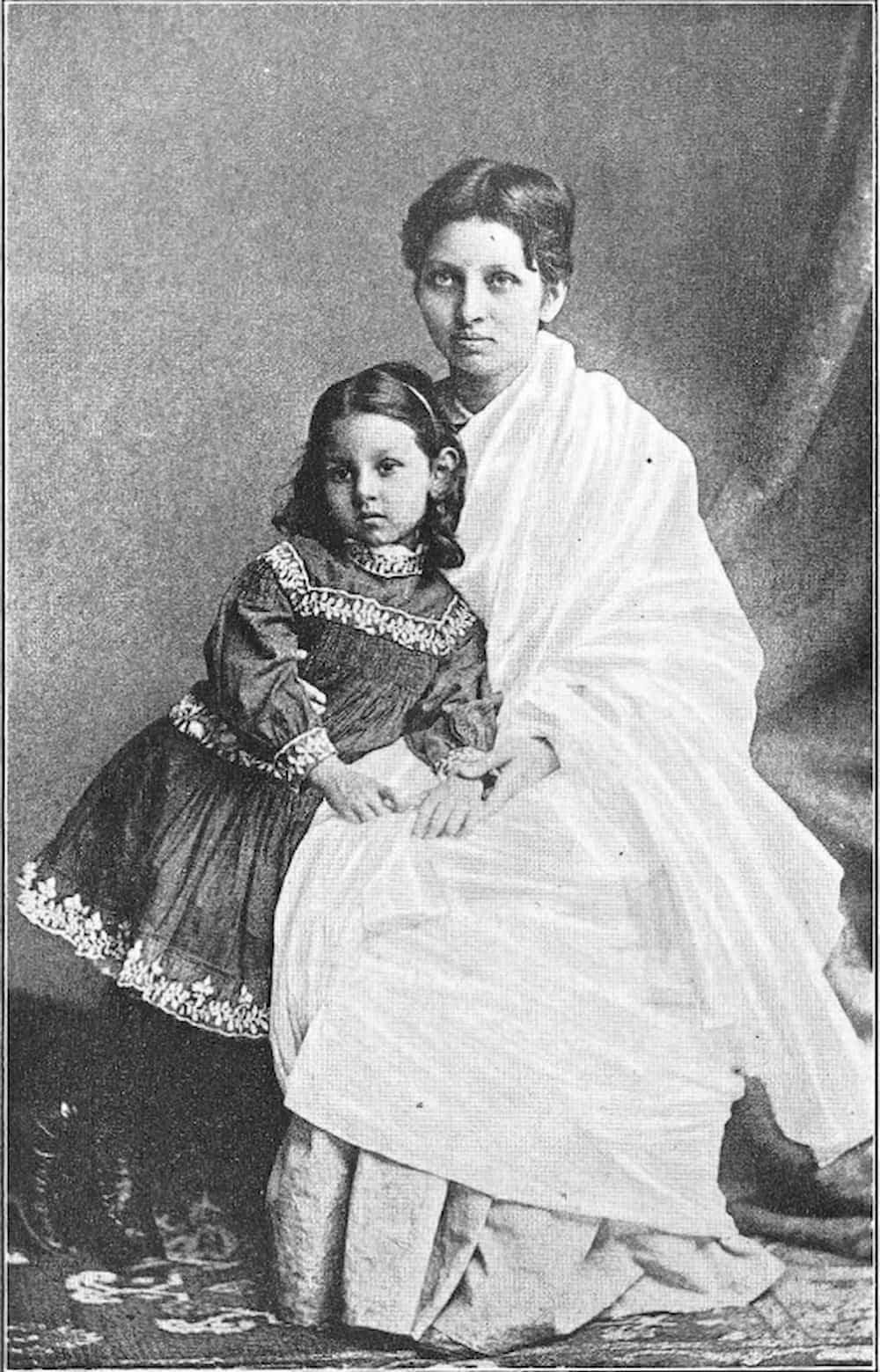
Pandita Ramabai and Her Daughter
Pandita Ramabai and her young daughter, Manorama, were photographed together in England before making their long journey by ship to the United States.
Featured in:
South Asian Americans Before 1965, Module 3
-
Image
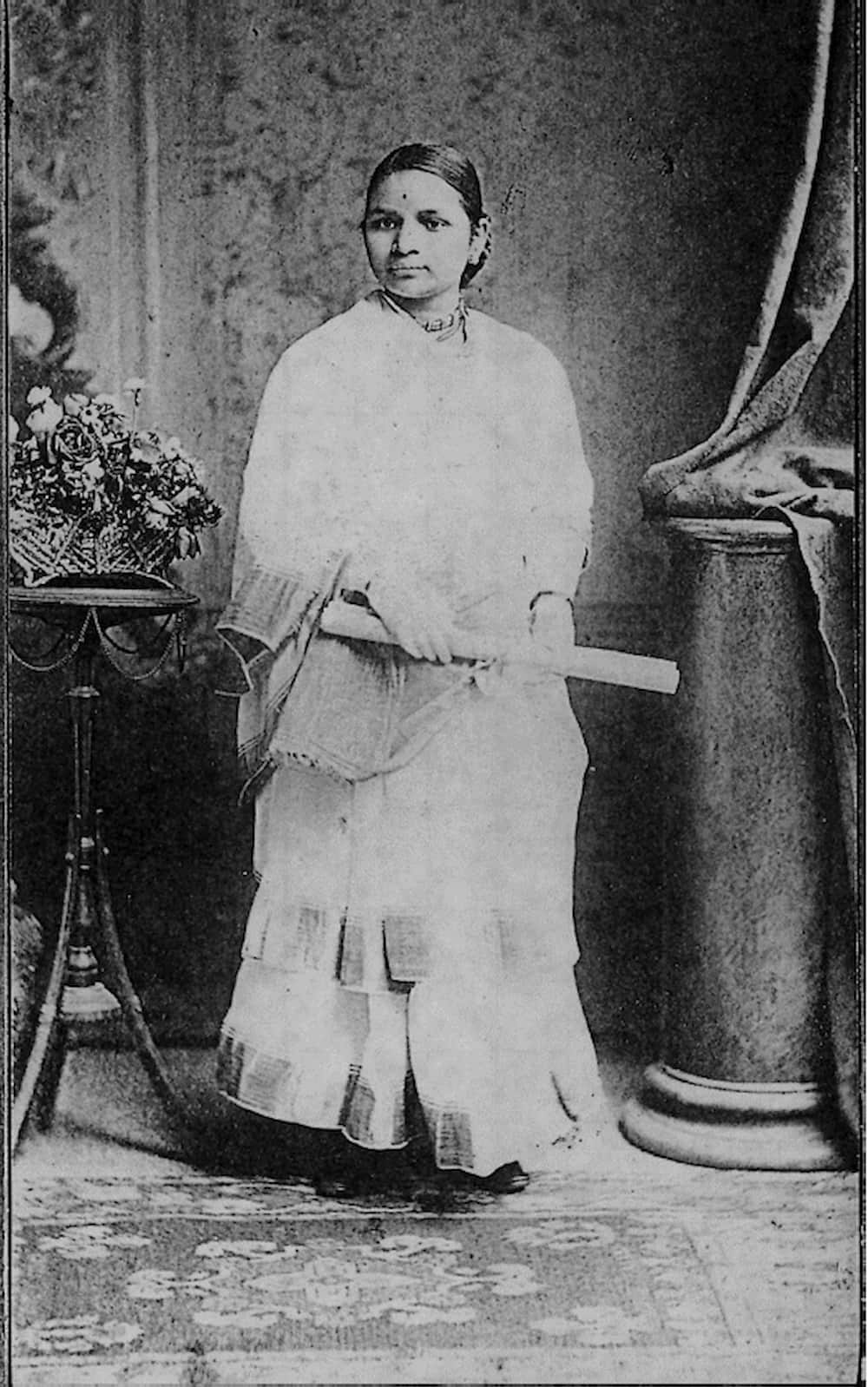
Dr. Anandibai Joshee’s Graduation
On March 11, 1886, Dr. Anandibai Joshee graduated from the Woman’s Medical College of Pennsylvania, receiving honors for her research thesis and academic work.
Featured in:
South Asian Americans Before 1965, Module 3
-
Image
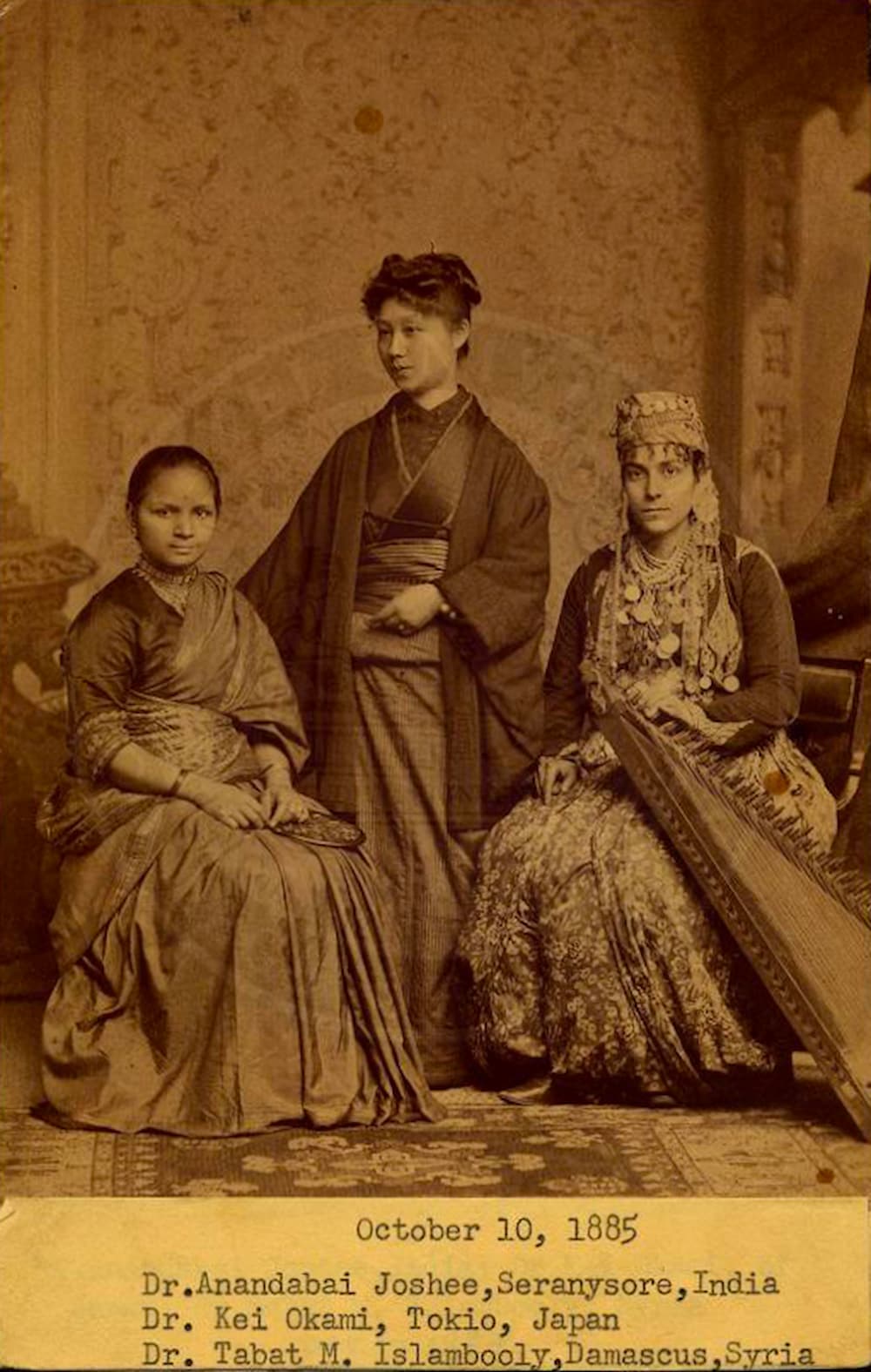
Anandibai Joshee and Classmates
This photo of Anandibai Joshee and two classmates at a dean’s reception held by Dr. Rachel Bodley reflects the priority that the Woman’s Medical College of Pennsylvania placed on training promising young women from around the world in Western medicine.
Featured in:
South Asian Americans Before 1965, Module 3