



Advanced Search
Asian American and Pacific Islander studies resources for the classroom
All chapters of Foundations and Futures include lesson plans and curricular tools that are designed for high school students and grounded in ethnic studies pedagogy. Feel free to search our repository of primary sources and material that helps bring Asian American and Pacific Islander histories and experiences into the classroom.
Multimedia
# of # results
Chapters
-
Image
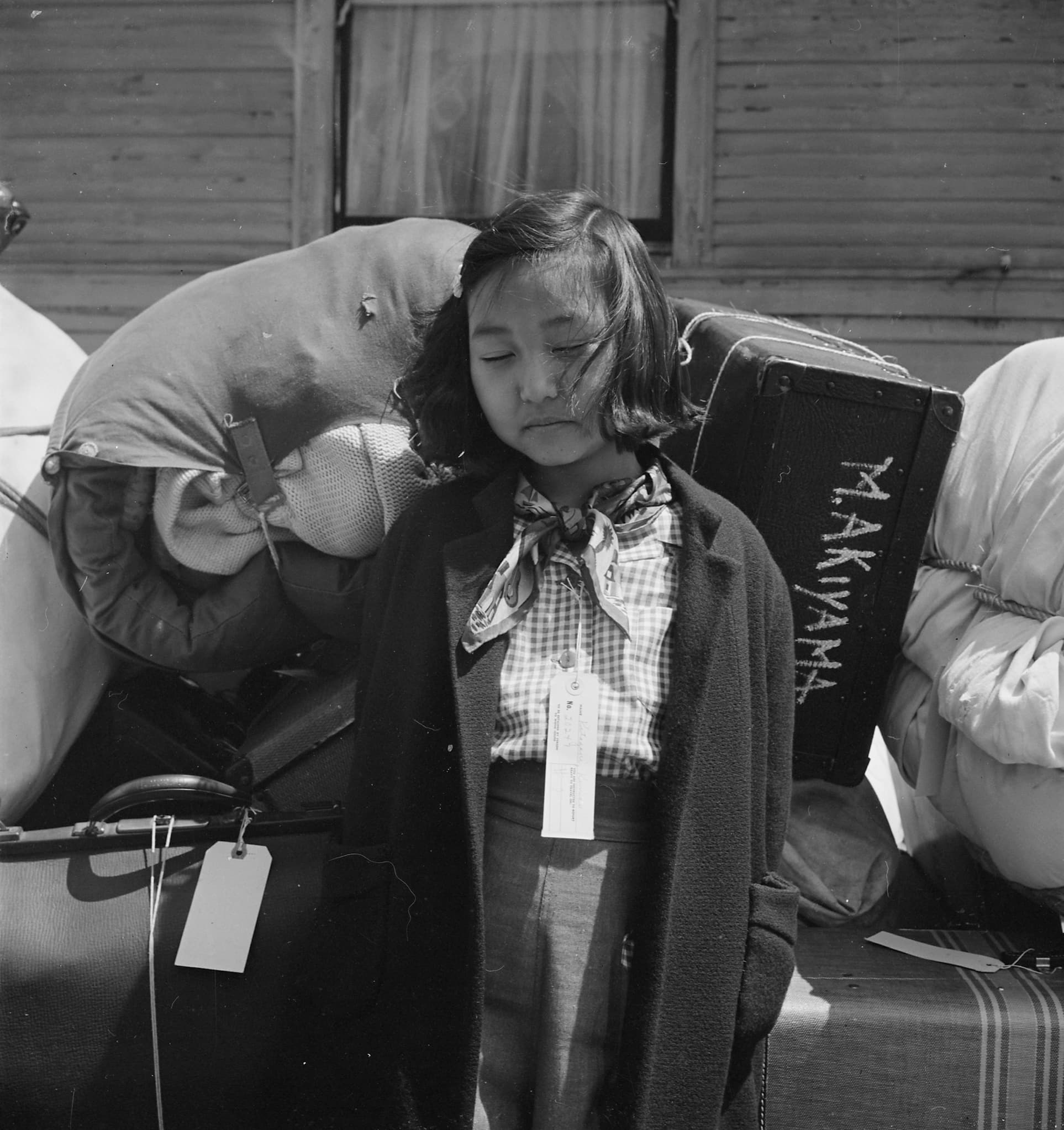
Kimiko Kitagaki Waiting for a Bus
Young Kimiko Kitagaki waits in Oakland for a bus to transport her to a government camp. Like all other Japanese Americans, the Kitagaki family attached tags with their names and government-assigned family numbers to their suitcases. They tied the same tags to the clothing they wore.
-
Text
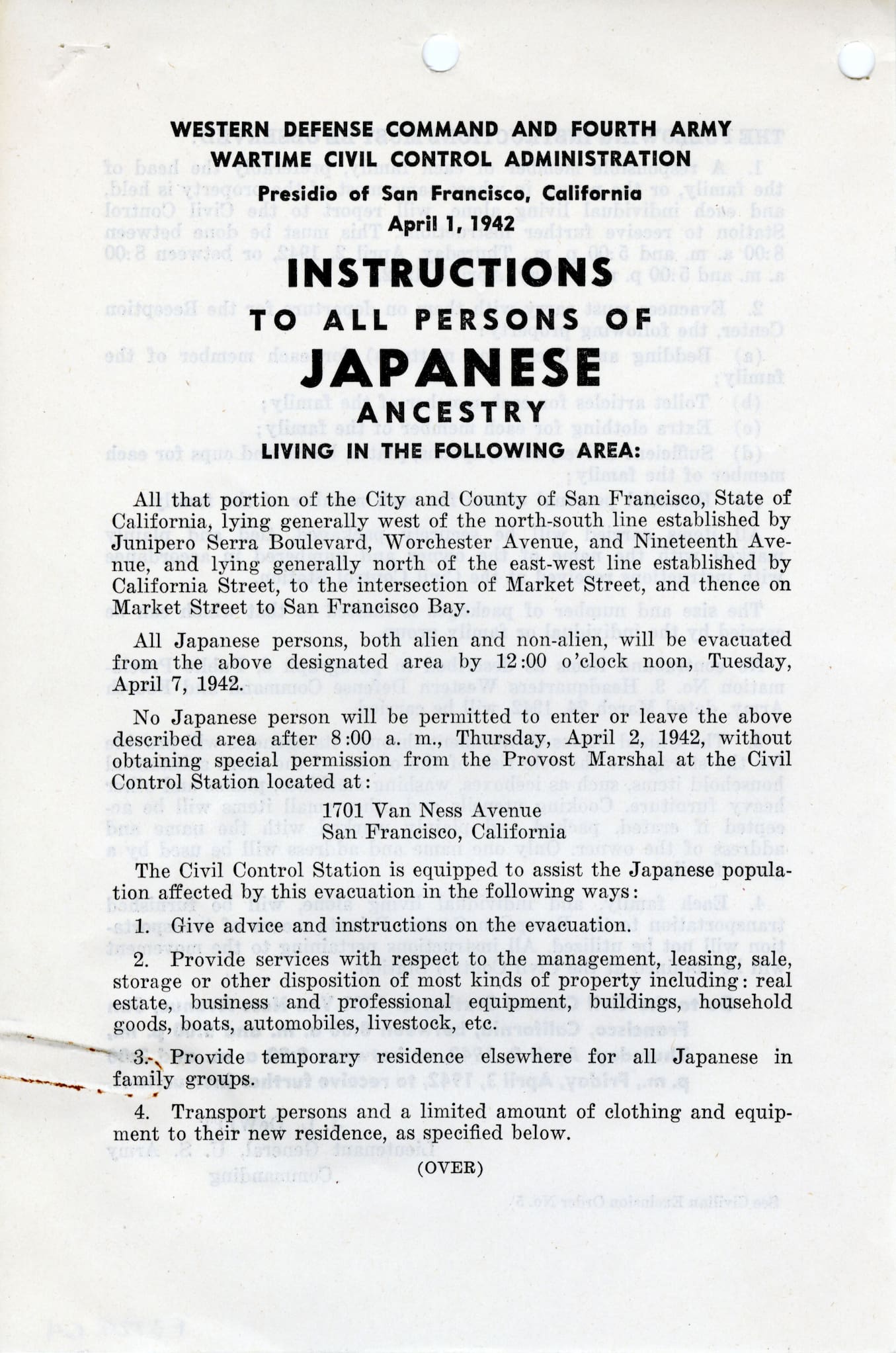
Instructions to Japanese Americans Poster
Signs like this appeared in Japanese American communities along the West Coast in the spring of 1942 ordering them to leave their homes.
-
Video
American Concentration Camps
In this short video, Japanese Americans’ accounts of life in the camps contrast with the government’s depiction of them.
-
Image
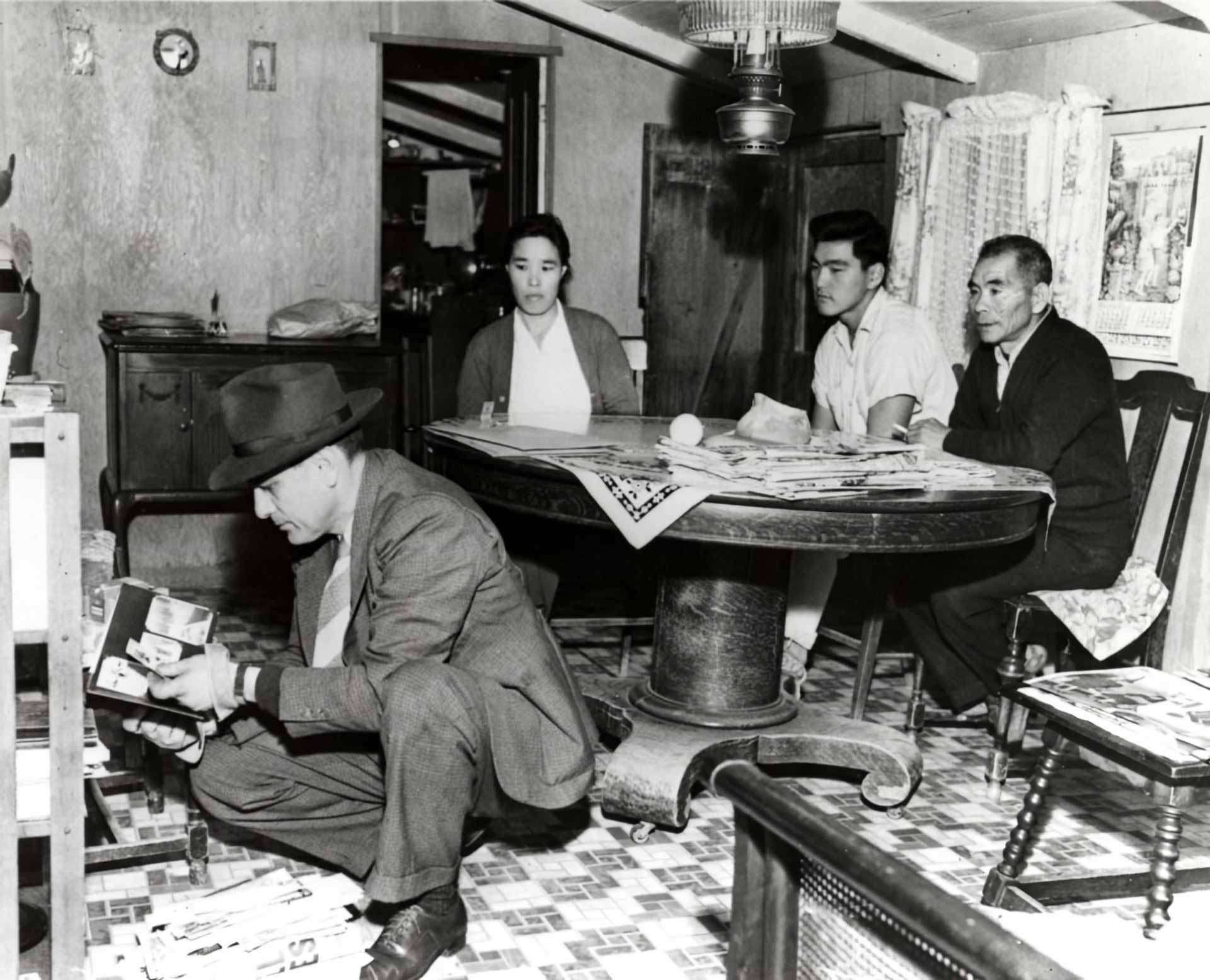
FBI House Raid
FBI agents searched the homes of many Japanese American families, like this one, and the Yasui family in Hood River, Oregon.
-
Image
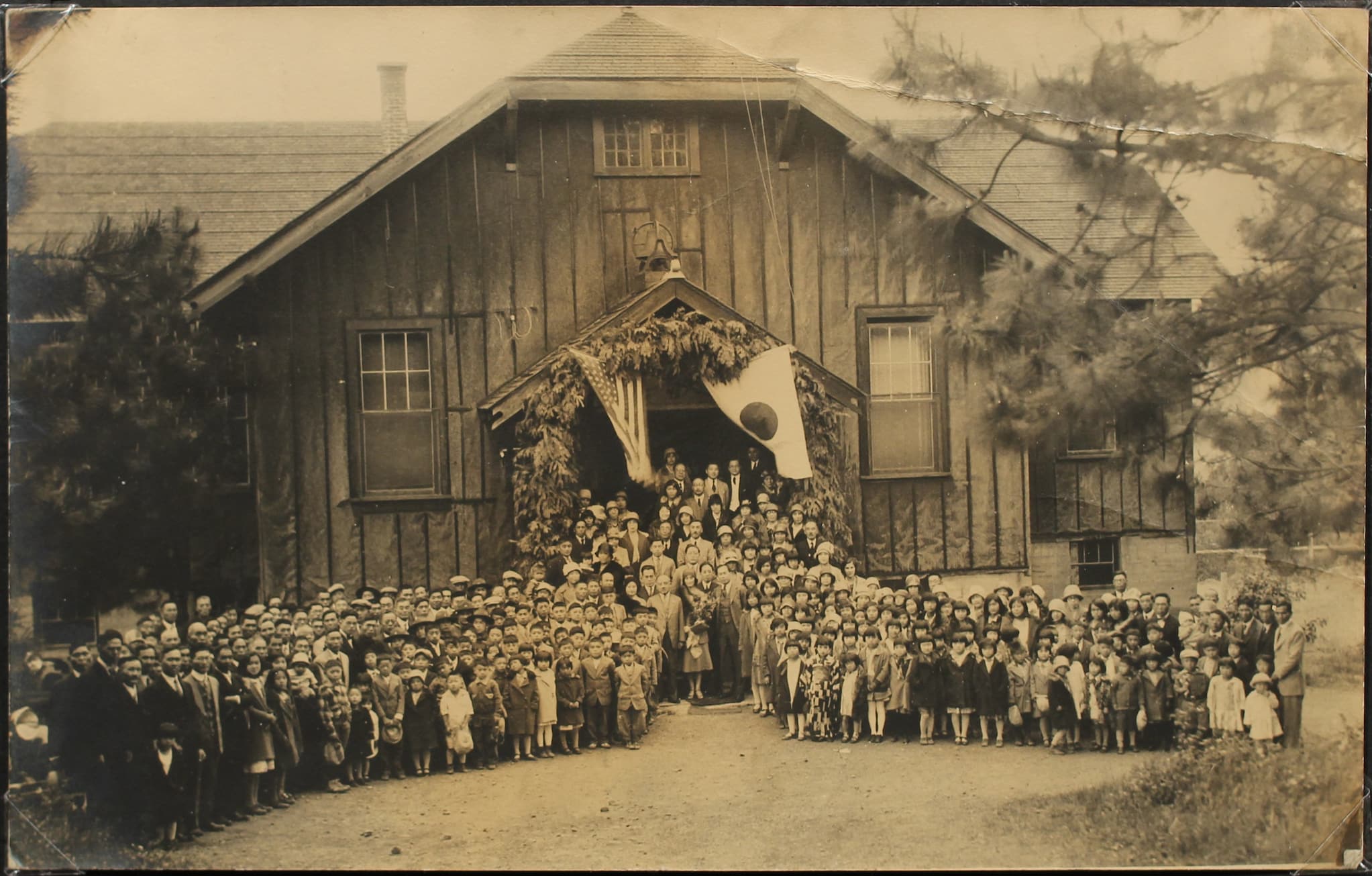
Hood River Community Welcome
Masuo Yasui led a successful effort to create a Japanese Community Hall in Hood River, Oregon, where local Issei held cultural events, holiday gatherings, and Japanese language classes for children.
-
Image
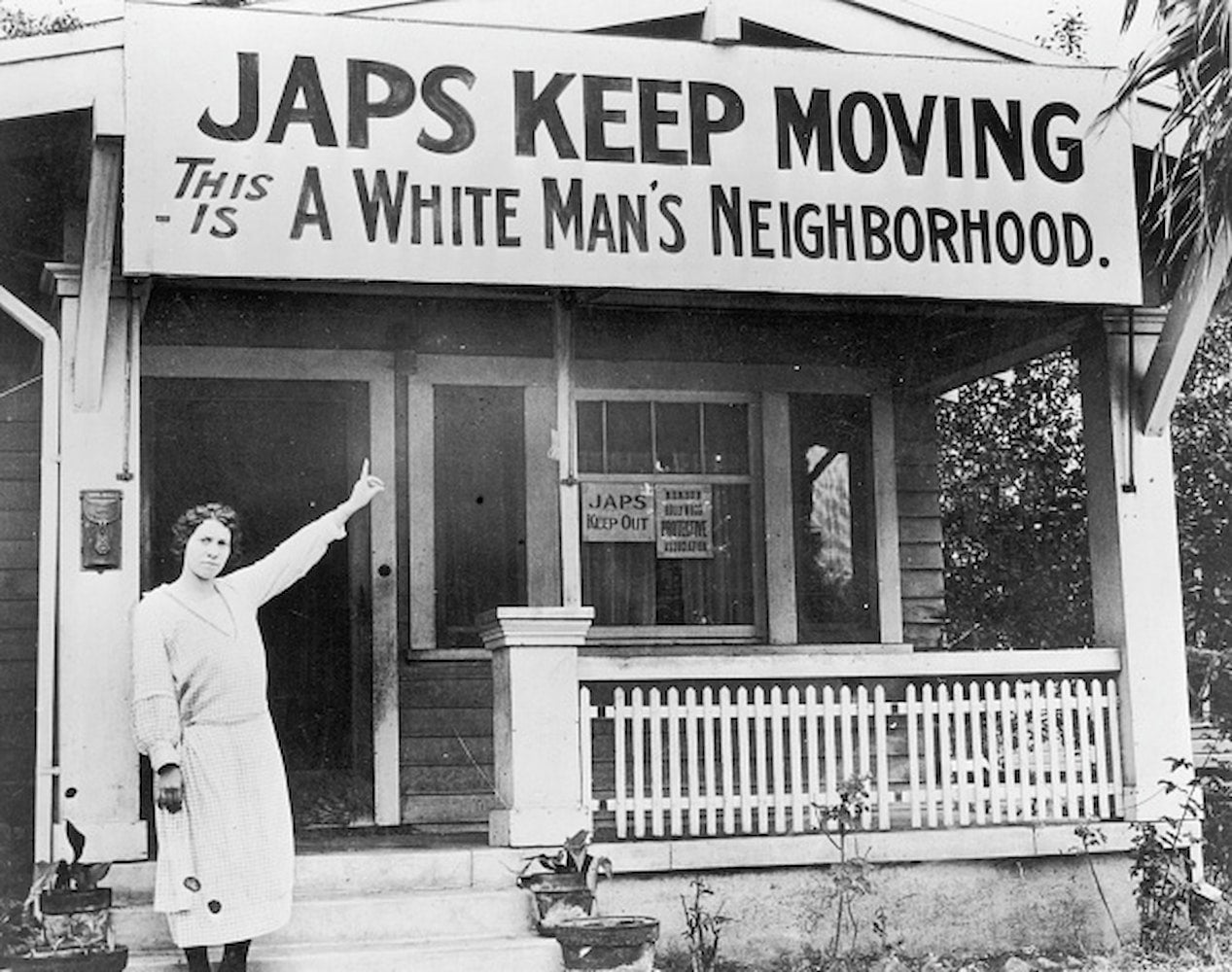
Signs Discriminating Against Japanese Americans
In the decades before World War II, Japanese Americans along the West Coast faced discrimination in their daily lives: Restaurants denied them service. Barbers refused to cut their hair. Landlords would not rent to them. This woman in Hollywood, California, made clear that Japanese Americans were unwelcome.
-
Image
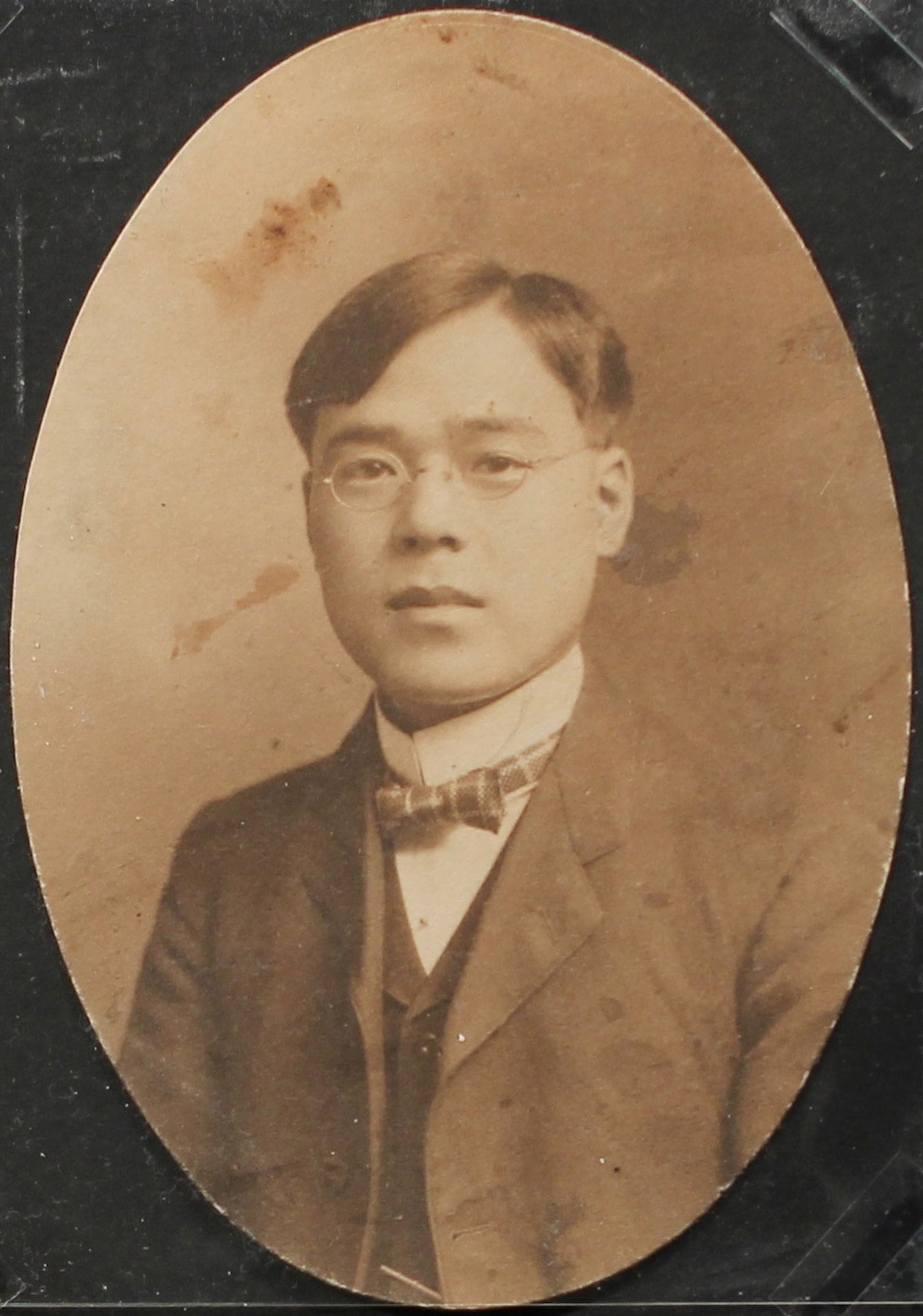
Masuo Yasui Portrait
Masuo Yasui immigrated to the US from Japan when he was sixteen years old. He settled in Oregon’s Hood River Valley, where he became a successful farmer and businessman.
Chapters
# of # results
-
Module
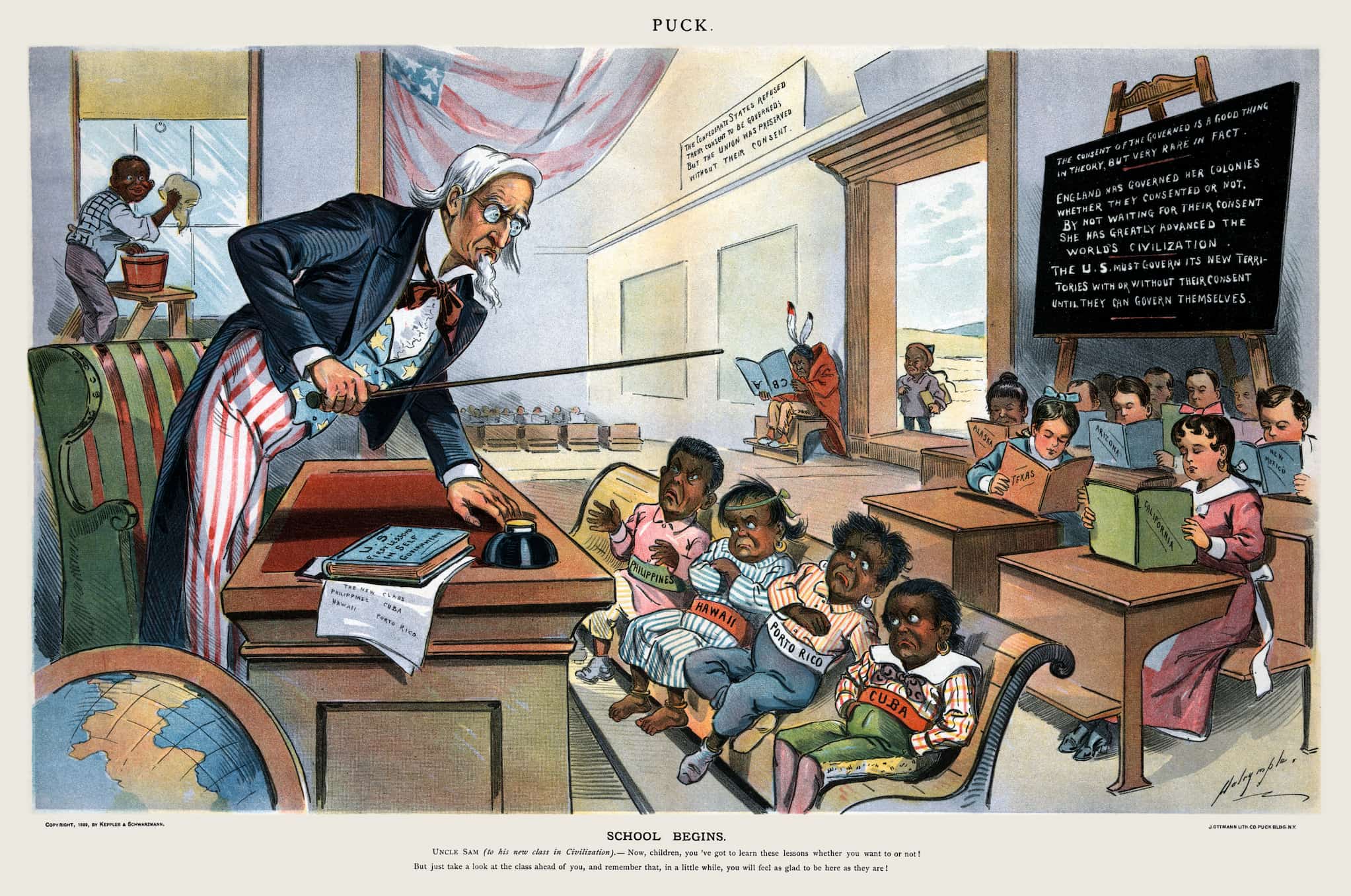
Module 3: Colonialism, Racism, and Identity
Mae Ngai and Wena Teng
-
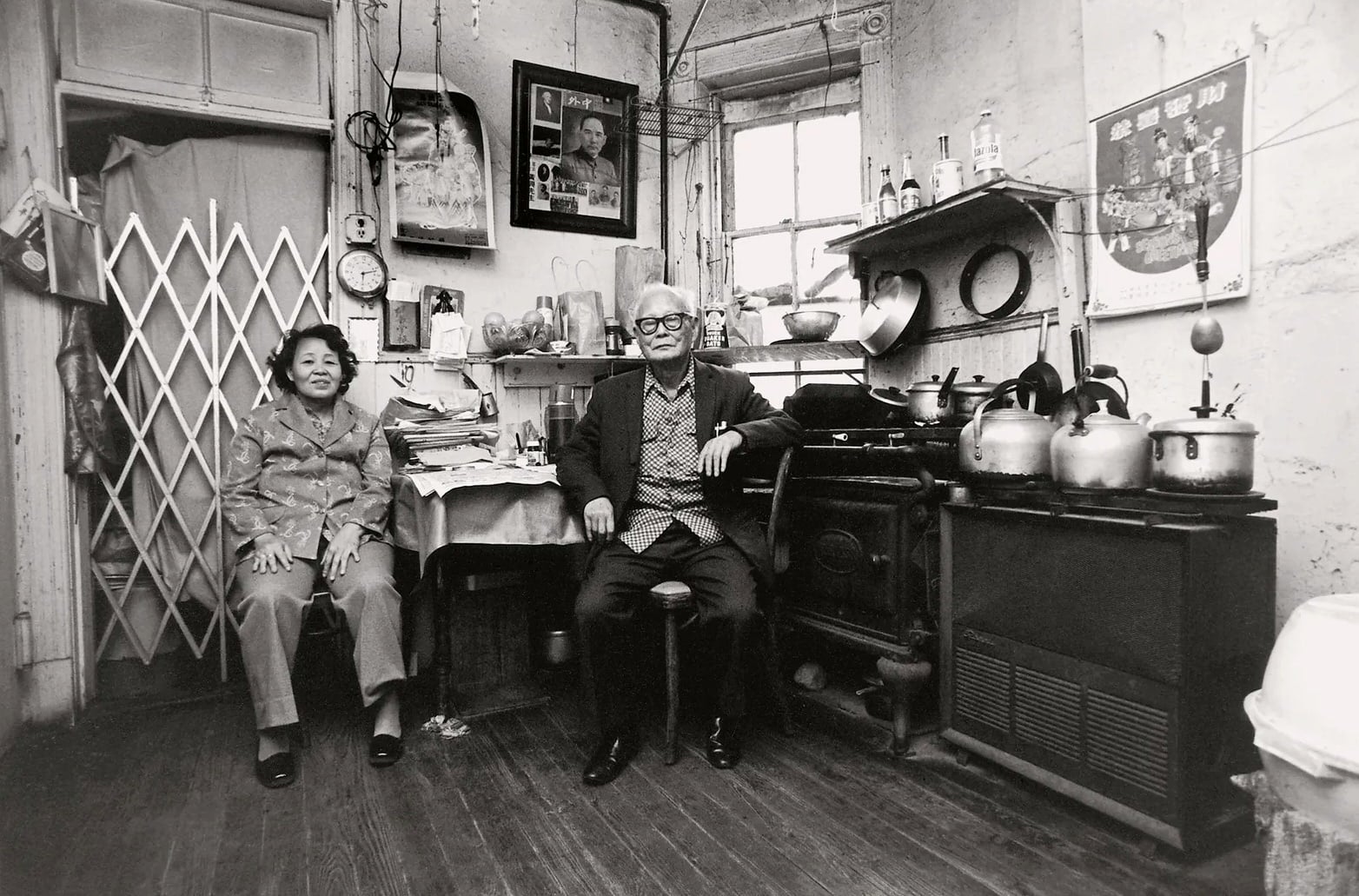
Module
Module 4: Decolonization and New Immigration
Mae Ngai and Wena Teng
-
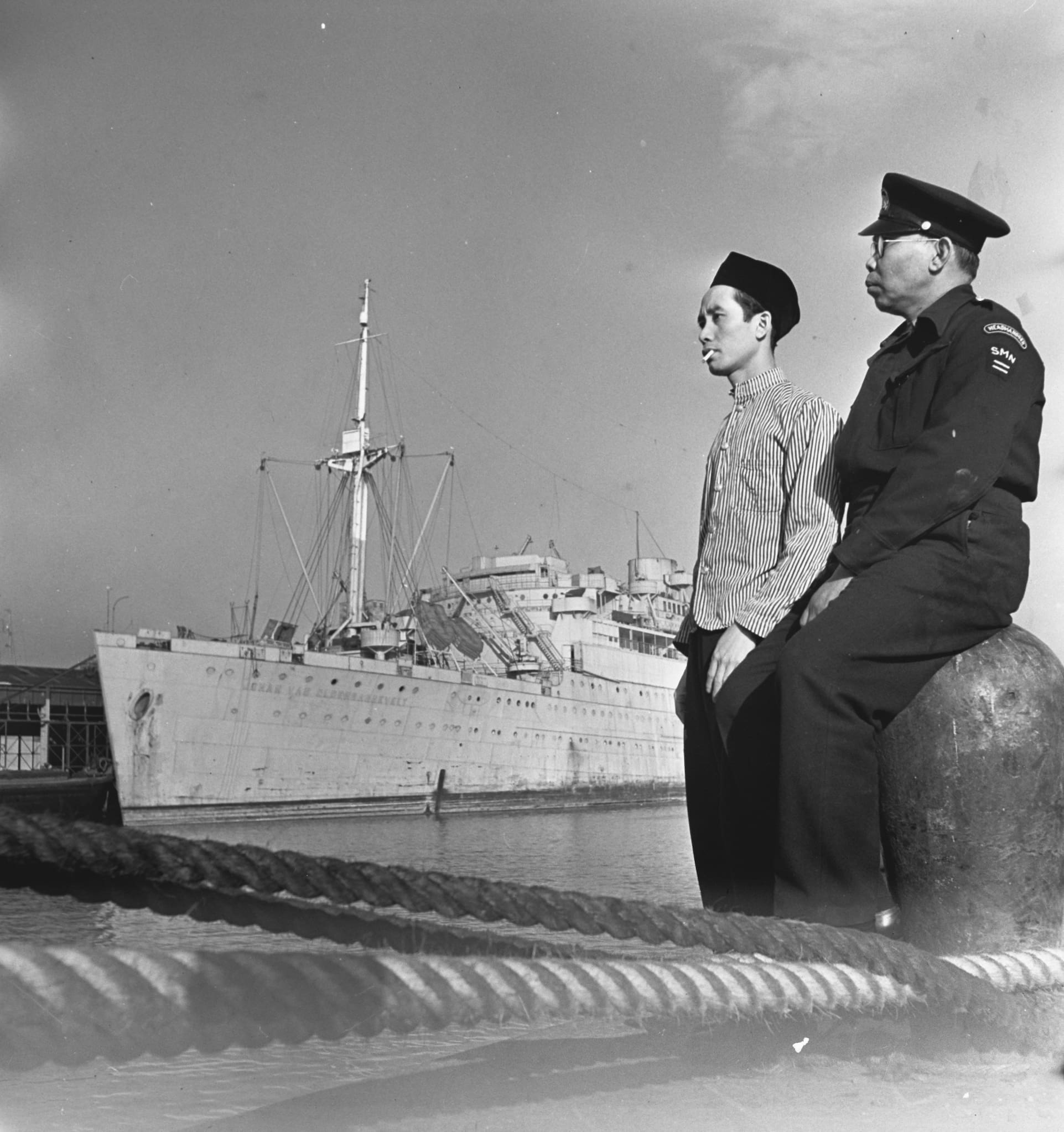
Module
Module 5: Case Study: Indonesian Sailors During World War II
Greg Robinson and Jonathan Van Harmelen
-
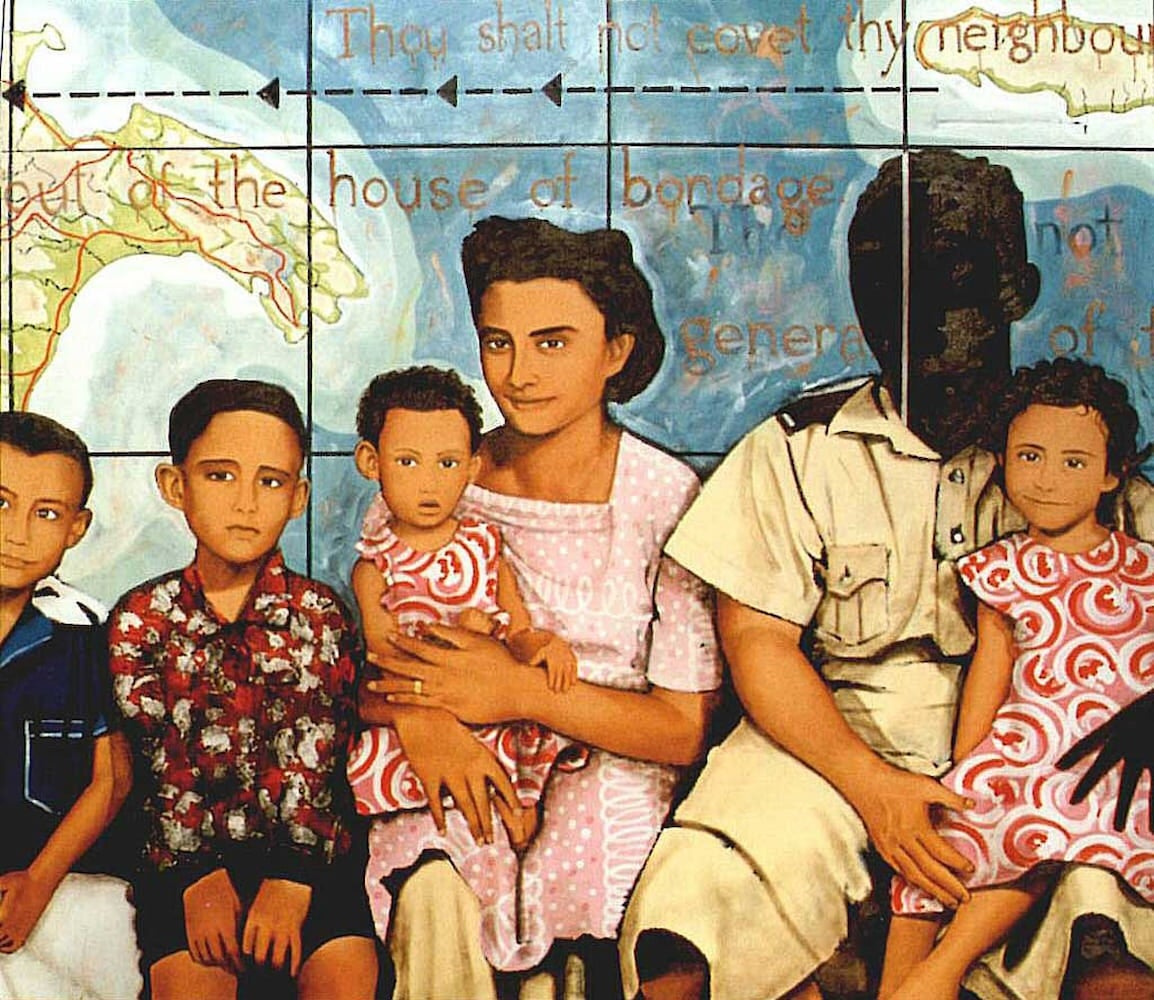
Module
Module 2: Anti-Miscegenation Laws and the Emergence of Multiracial People
Nitasha Tamar Sharma
-
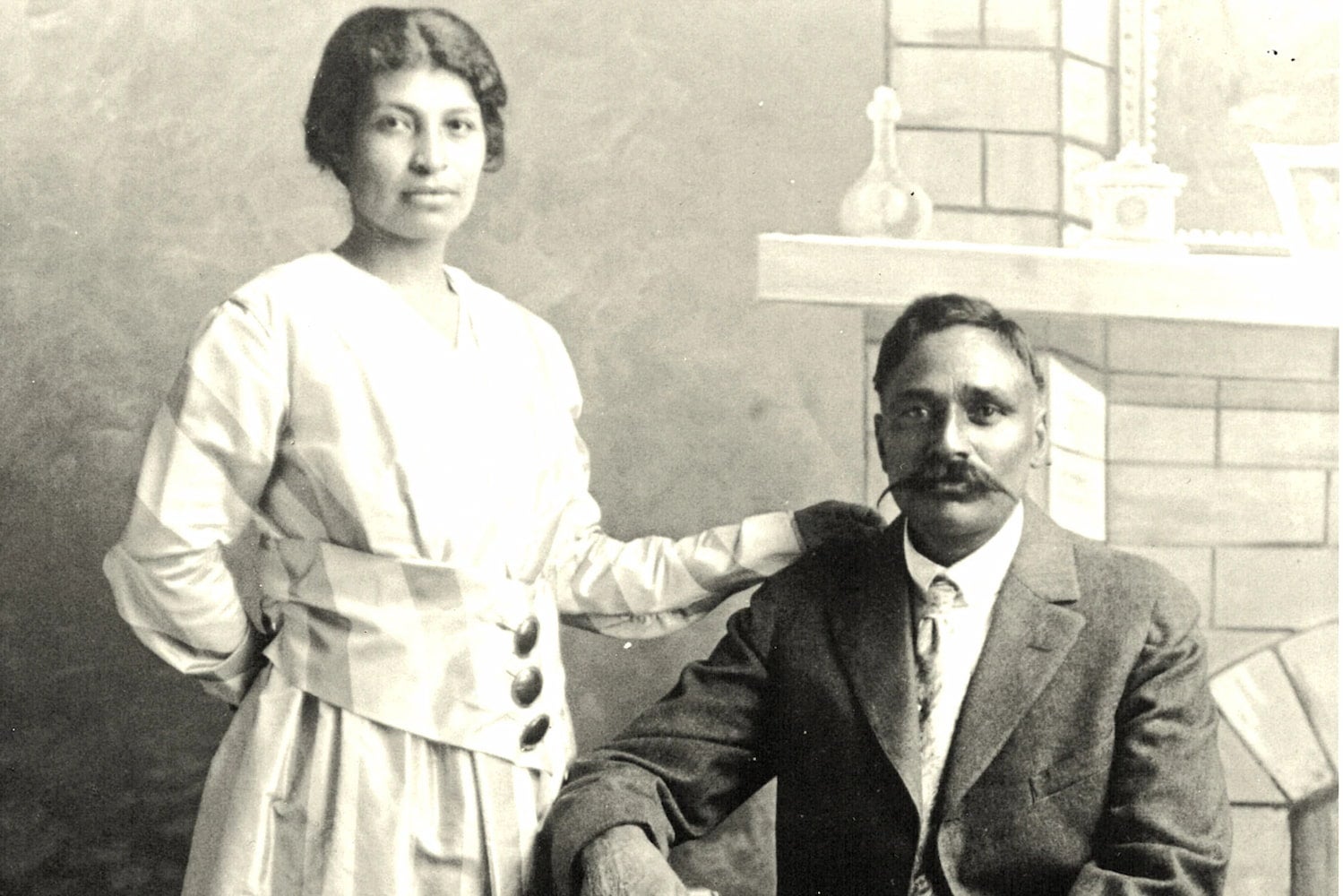
Module
Module 3: Interracial Marriage Patterns and Multiracial Demographics
Nitasha Tamar Sharma
-

Module
Module 4: Controlling Images and Self-Representation in Film and Media
Nitasha Tamar Sharma
-

Module
Module 5: Multiracial Identity Formation and Expression
Nitasha Tamar Sharma
-

Module
Module 3: Bangladeshi American Literature
Nazli Kibria, Elora Halim Chowdhury, Fariba S. Alam, and Sharbari Ahmed
Chapter:
Bangladeshi Americans
-
Module
Module 4: Bangladeshi Americans and Political Activism
Elora Halim Chowdhury, Faiba S. Alam, Nazli Kibria, and Sharbari Ahmed
Chapter:
Bangladeshi Americans