


Search the Media Repository
Discover the curated images, videos, and primary sources featured throughout Foundations and Futures
History is more than just text on a page; it is the photographs, voices, and artifacts of the people who lived it. The images and recordings featured across Foundations and Futures are part of a meticulously curated media repository. Whether you are building a lesson plan or investigating an artifact, you can use this database to trace the provenance of our media: discover who created an asset, the historical context behind it, and how it can be used to bring Asian American and Pacific Islander experiences into your classroom.
Multimedia
Chapters
-
Image
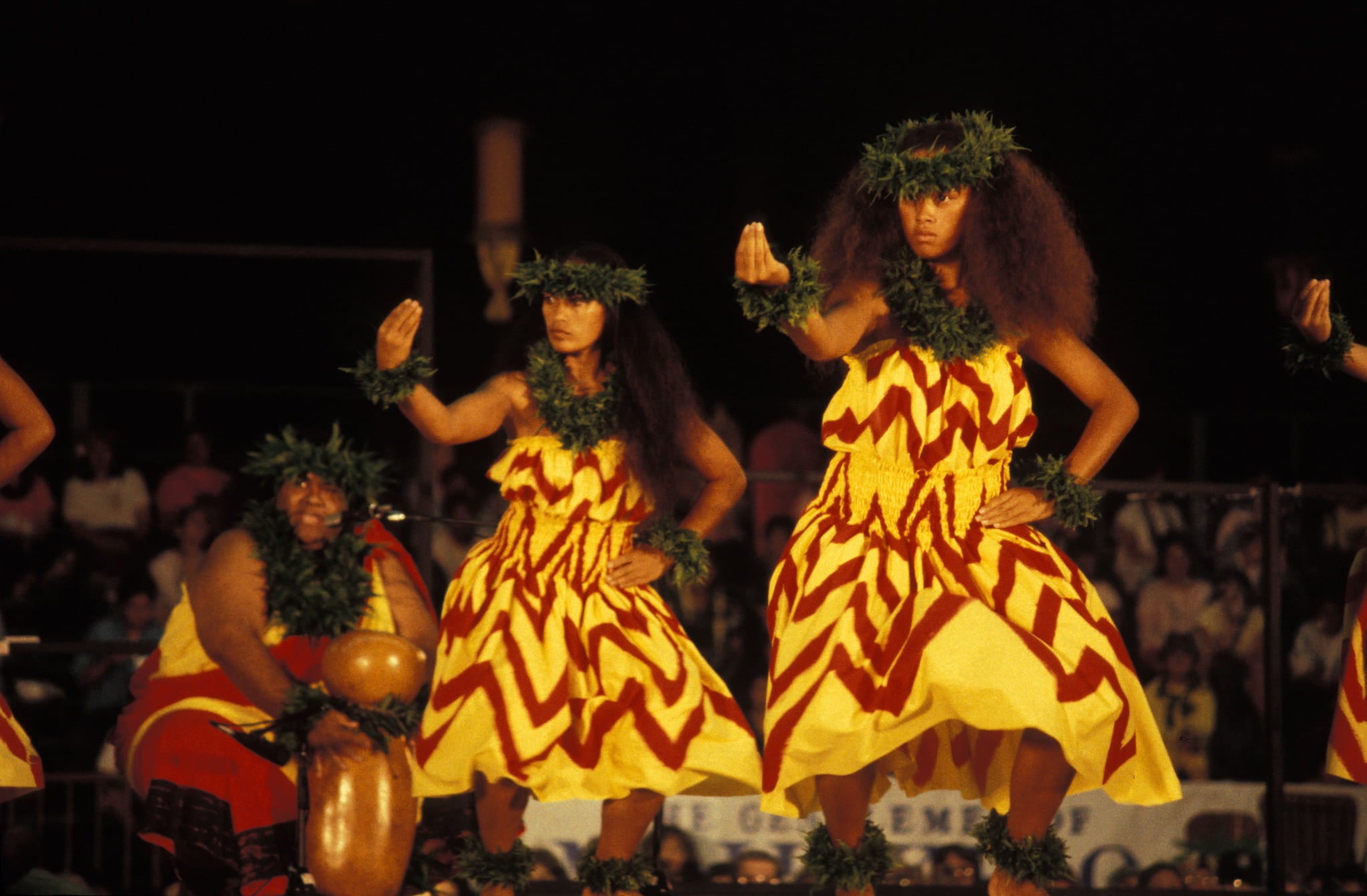
Merrie Monarch Festival Kahiko Performance
Traditional Hawaiian hula, hula kahiko, became popular again as Hawaiians returned to their ancestral roots, beginning in the 1970s. Pictured: performers in the Kahiko category at the Merrie Monarch Festival.
Featured in:
Kānaka ʻŌiwi: Indigenous Hawaiians, Module 4
-
Image
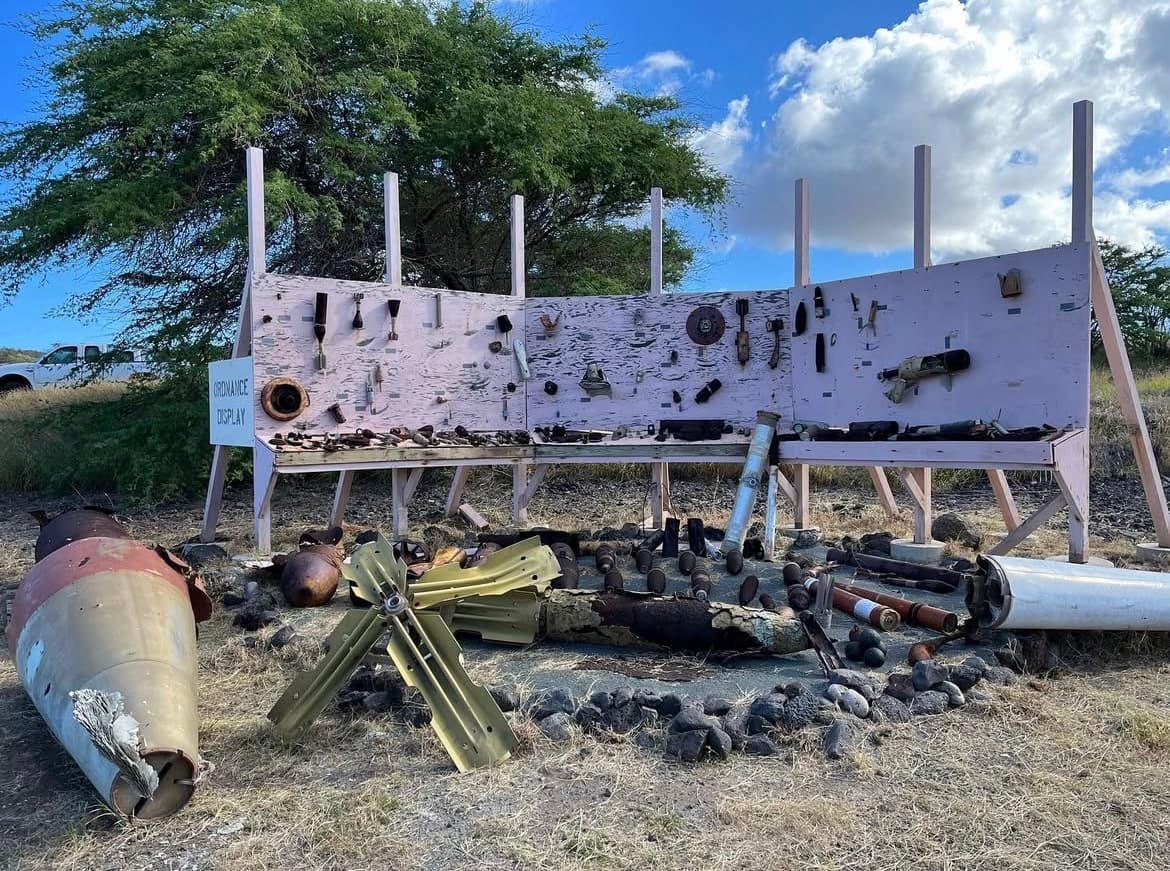
Ordnance Display
Between 1994 and 2004, the US Navy conducted the largest unexploded ordnance clean-up in US history on Kahoʻolawe. This photo shows bombs collected during the operation and on display on Kahoʻolawe.
Featured in:
Kānaka ʻŌiwi: Indigenous Hawaiians, Module 3
-
Image
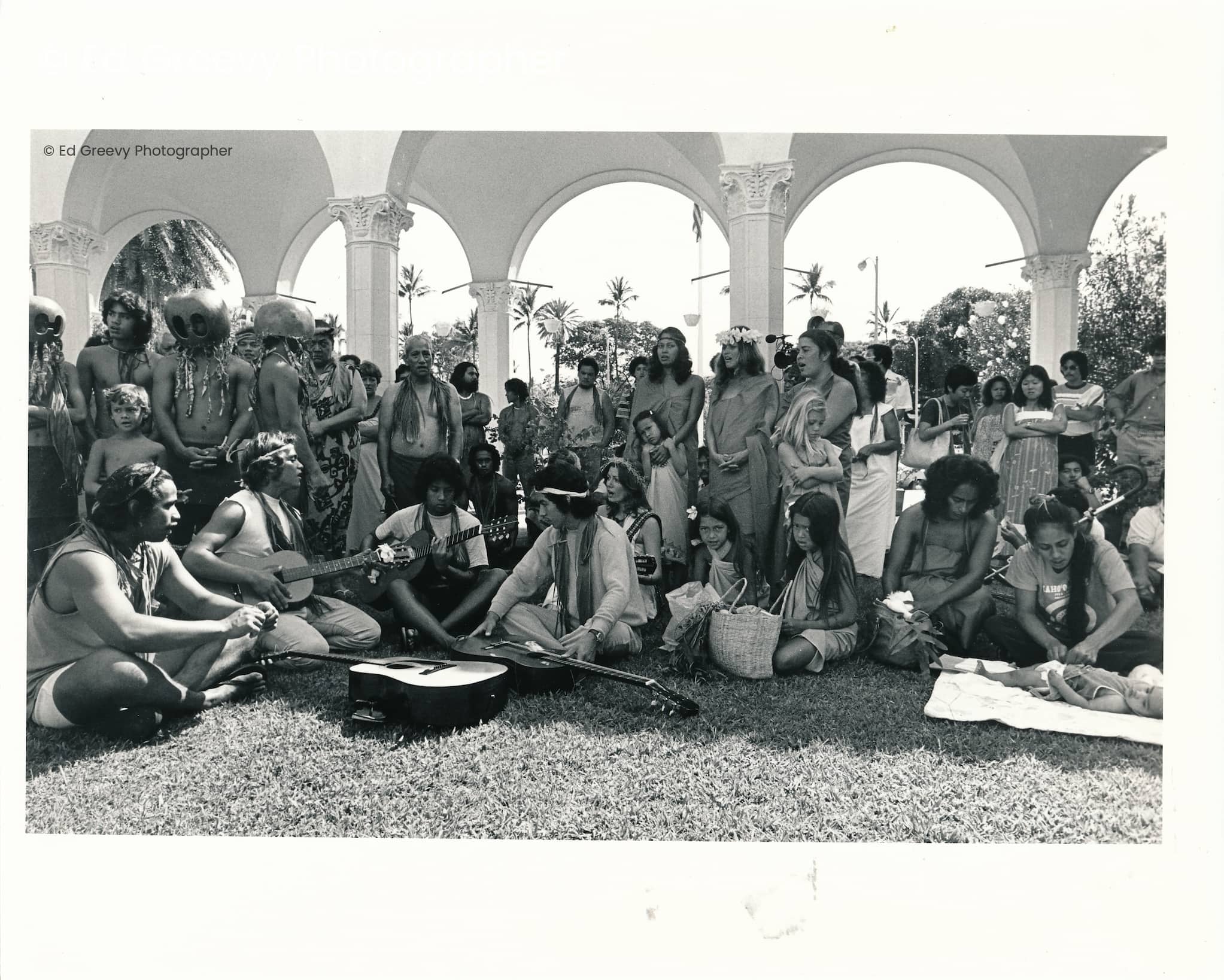
Protect Kahoʻolawe ʻOhana
In 1976, Protect Kahoʻolawe ʻOhana members and their supporters demonstrate outside the federal courthouse in Honolulu. Many members were arrested for their efforts to stop military bombing on Kahoʻolawe and advocating for Hawaiian native rights.
Featured in:
Kānaka ʻŌiwi: Indigenous Hawaiians, Module 3
-
Image
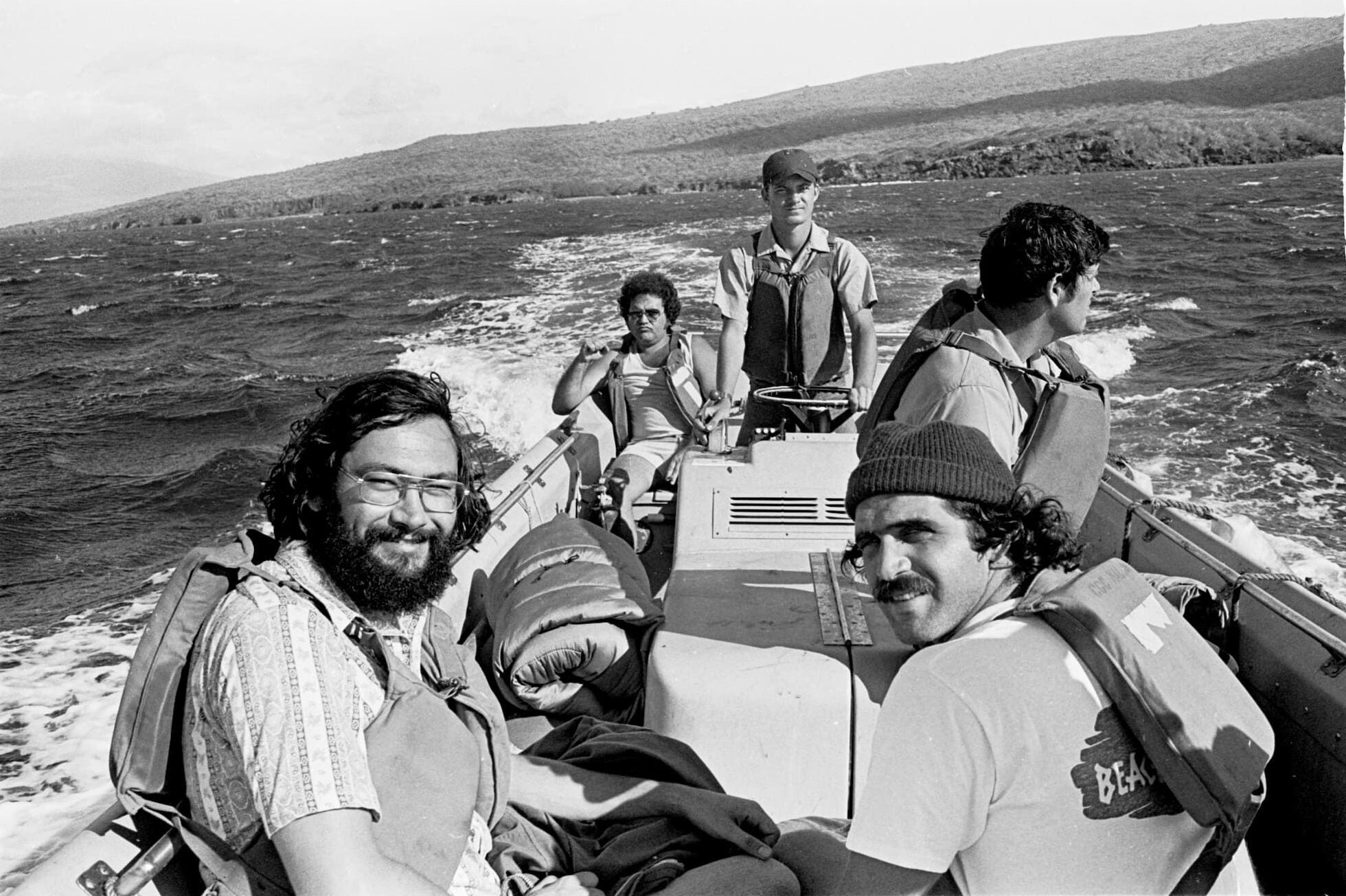
Coast Guard Removal of Occupation Landing
Group members Ian Lind (front left), Steve Morse (front right), and Gail Prejean (back left) are removed from Kahoʻolawe by unidentified Coast Guard crew members.
Featured in:
Kānaka ʻŌiwi: Indigenous Hawaiians, Module 3
-
Image
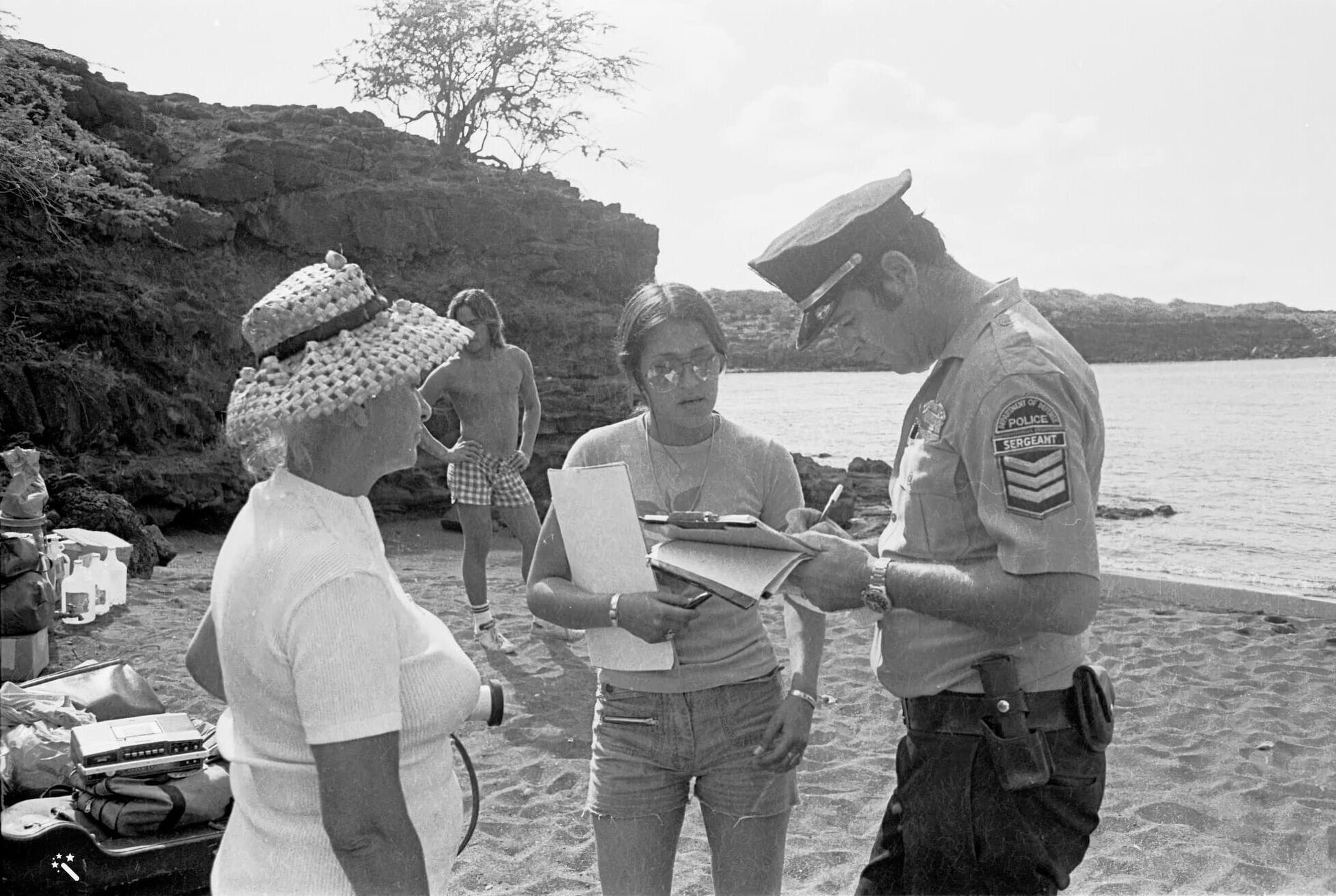
Police Arrest at Kahoʻolawe’s Kūheʻeia Bay
The police arrested seven of the nine. Pictured are Kupuna Ellen Miles (left), Karla Villabalba (middle), and Kimo Aluli (back). The final two members of the group, Dr. Noa Emmett Aluli and Walter Ritte, hid and remained on the island for two more days.
Featured in:
Kānaka ʻŌiwi: Indigenous Hawaiians, Module 3
-
Image
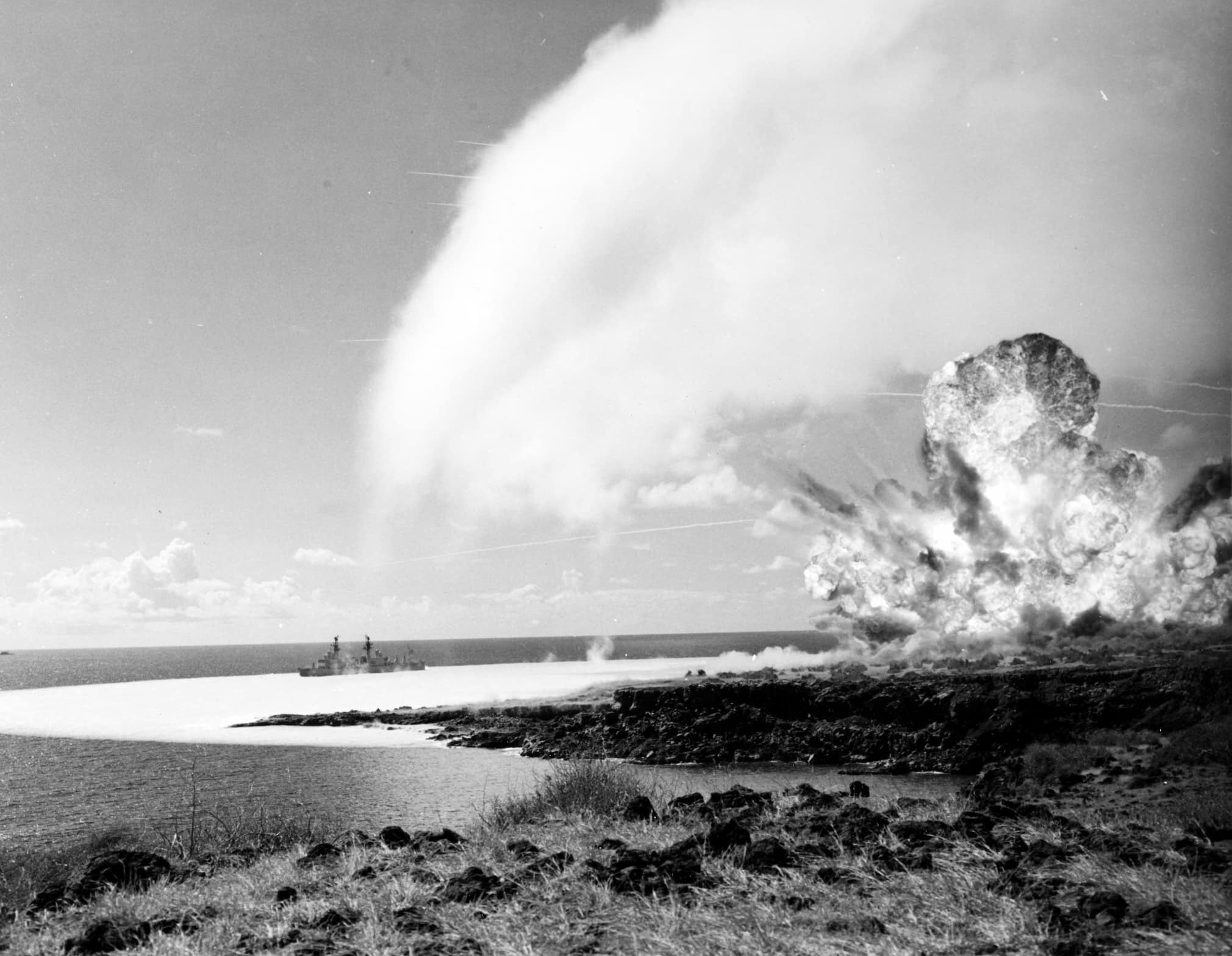
Operation “Sailor Hat”
The US Navy detonated five hundred tons of TNT in each of three explosions on the southwestern tip of Kahoʻolawe in Operation Sailor Hat (1965) simulating an atomic bomb blast to test its effect on communications and ships anchored offshore.
Featured in:
Kānaka ʻŌiwi: Indigenous Hawaiians, Module 3
-
Image
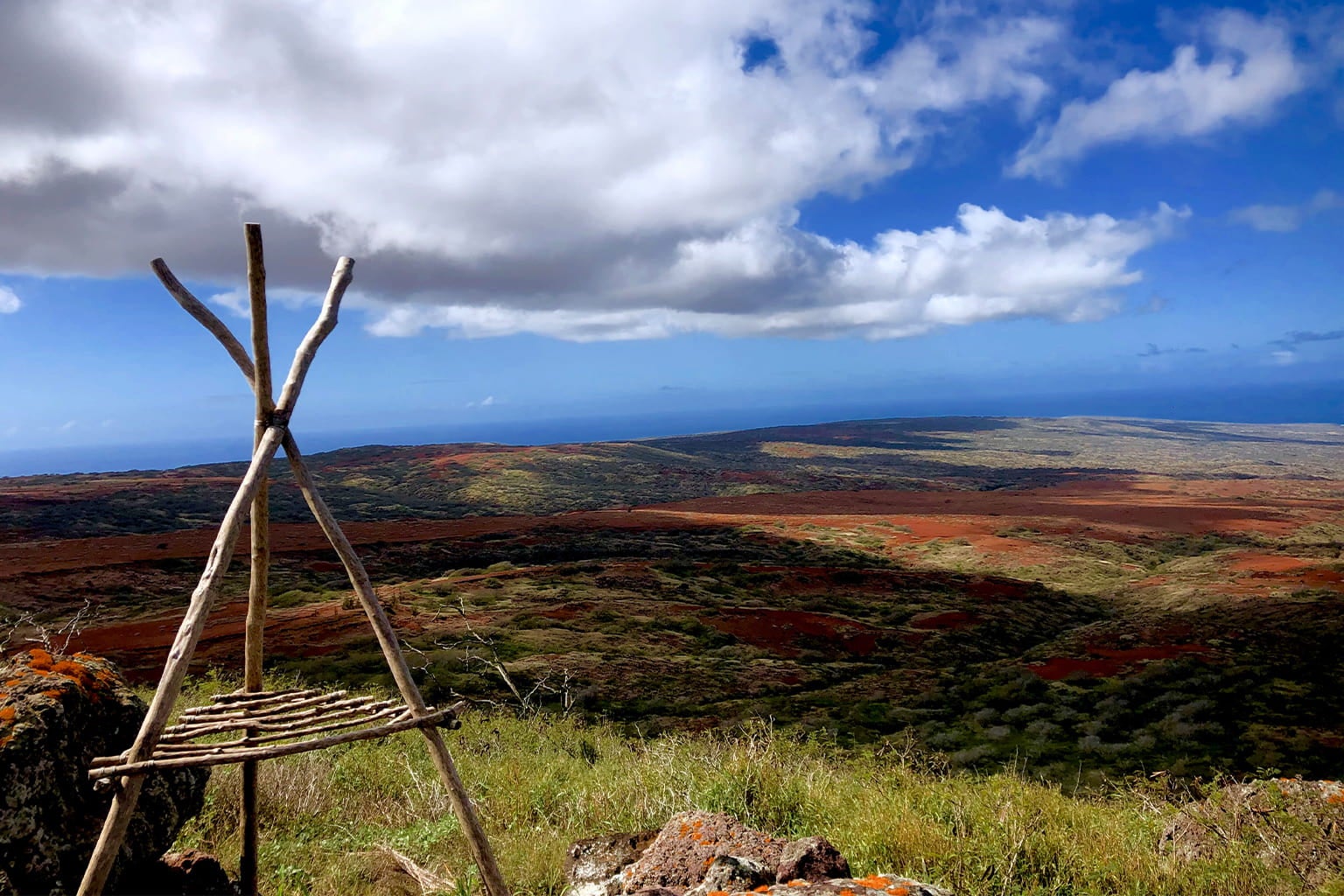
Lele at Puʻu Moaʻulaiki
Left: A lele (offering platform) lashed together stands on Puʻu Moaʻulaiki, Kahoʻolawe. During the annual Makahiki harvest season, the lele bears hoʻokupu (offerings) to Lono, the Hawaiian god of agriculture.
Featured in:
Kānaka ʻŌiwi: Indigenous Hawaiians, Module 3
-
Image
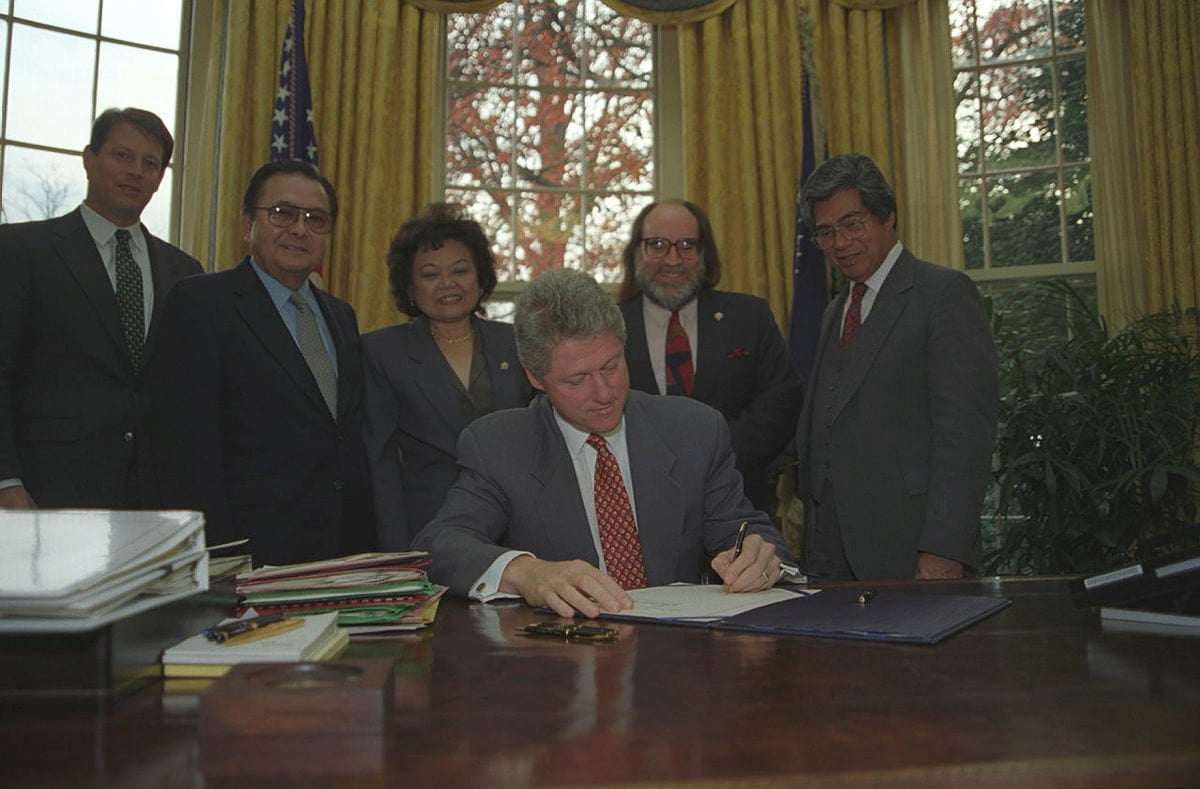
President Bill Clinton Signs the Apology Law
President Bill Clinton signs the Apology Law in the presence of Vice President Al Gore (far left) and the Hawaiʻi congressional delegation (left to right): Senator Daniel K. Inouye, Congresswoman Patsy Mink, Congressman Neil Abercrombie, and Senator Daniel Akaka.
Featured in:
Kānaka ʻŌiwi: Indigenous Hawaiians, Module 2
-
Text
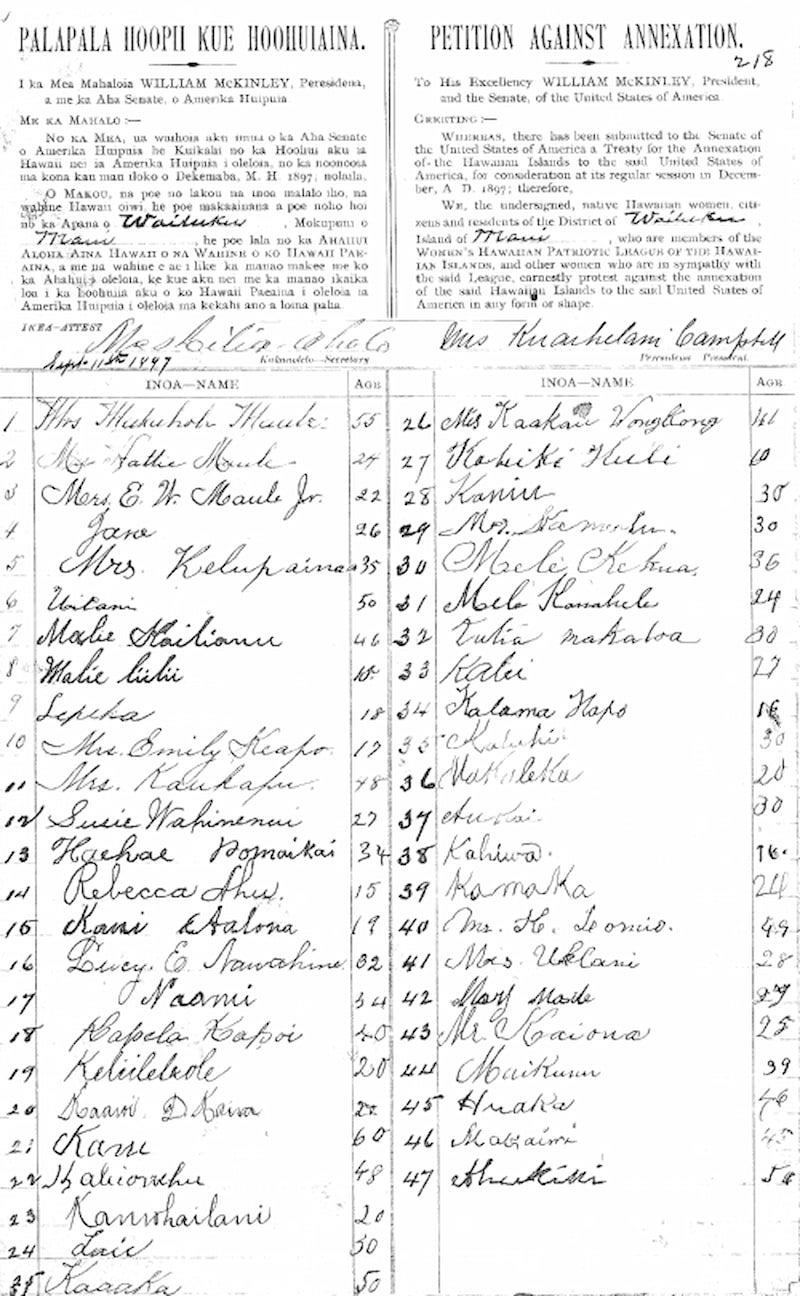
Maui’s Kūʻē Petitions Against Annexation
One page excerpt of Maui’s Kūʻē Petitions against annexation. The author’s great-grandmother, Mrs. Kaakau WongKong, is the twenty-sixth signature. With 21,000 signatures, Queen Liliʻuokalani and a delegation from Hawaiʻi convinced enough US Senators to vote against the 1897 Treaty of Annexation.
Featured in:
Kānaka ʻŌiwi: Indigenous Hawaiians, Module 2
-
Image
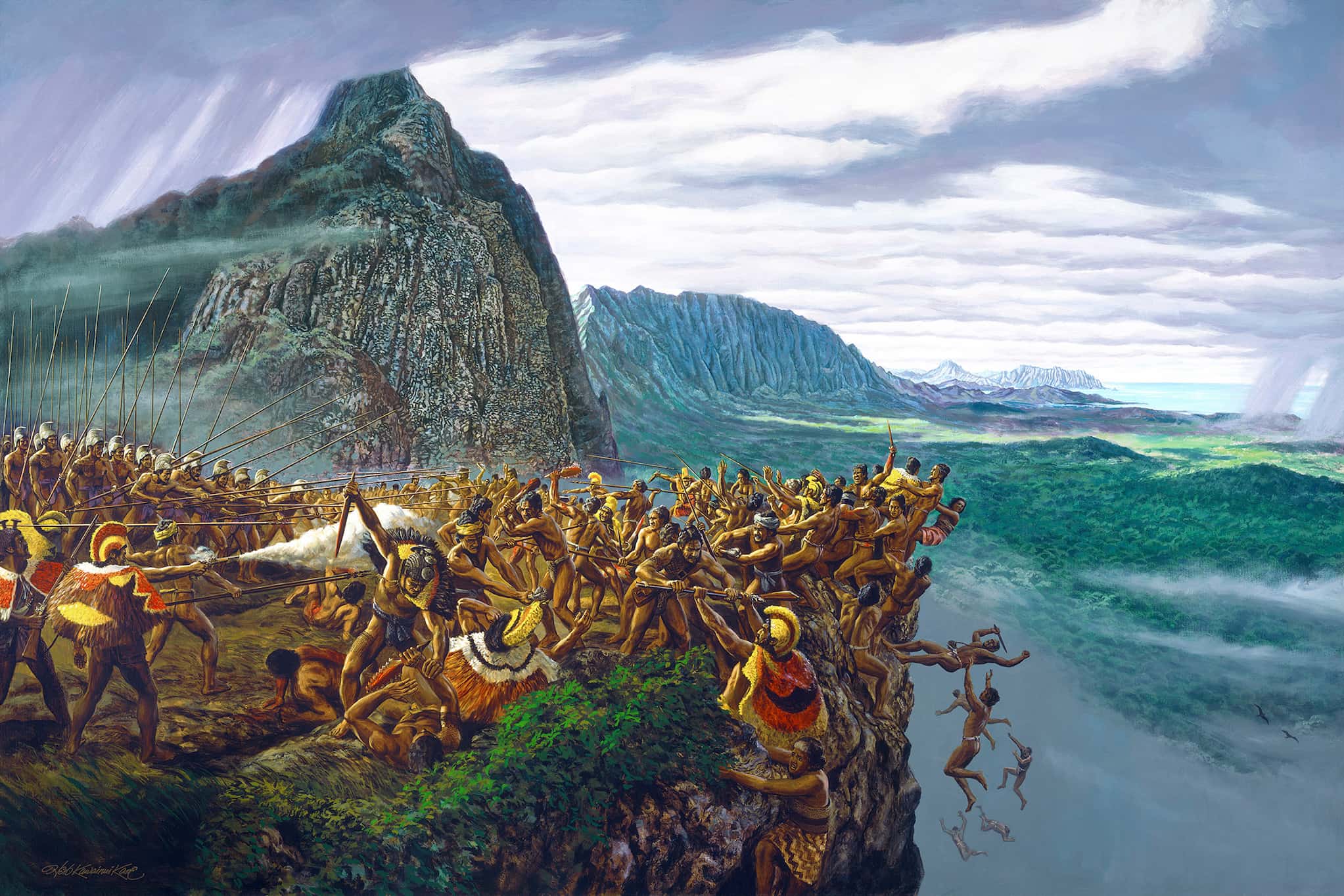
Herb Kāne’s Battle of Nuʻuanu
This painting by Herb Kāne depicts Kamehameha I’s victory in the battle of Nuʻuanu in 1795. After this battle, Kamehameha controlled all of the islands except Kauaʻi and Niʻihau, which he ultimately gained control in 1810.
Featured in:
Kānaka ʻŌiwi: Indigenous Hawaiians, Module 2
-
Image
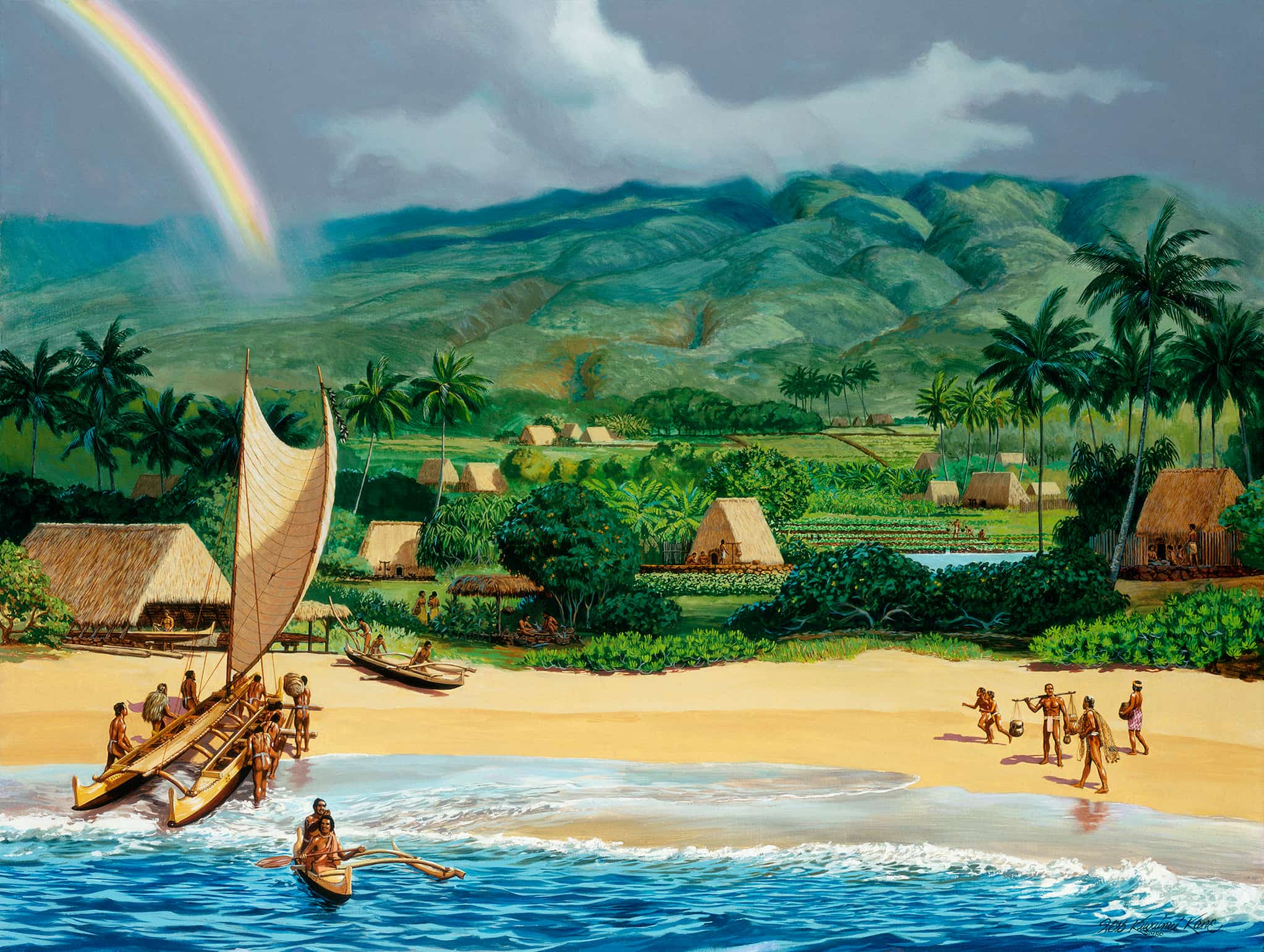
Herb Kāne’s Kaʻanapali 200 Years Ago
Herb Kāne’s illustration of a seaside kauhale, or ʻŌiwi family compound, at Kaʻanapali, Maui, adjacent to Lahaina. The painting features taro pond fields, fishing canoes, and other native domestic plants.
Featured in:
Kānaka ʻŌiwi: Indigenous Hawaiians, Module 2
-
Image
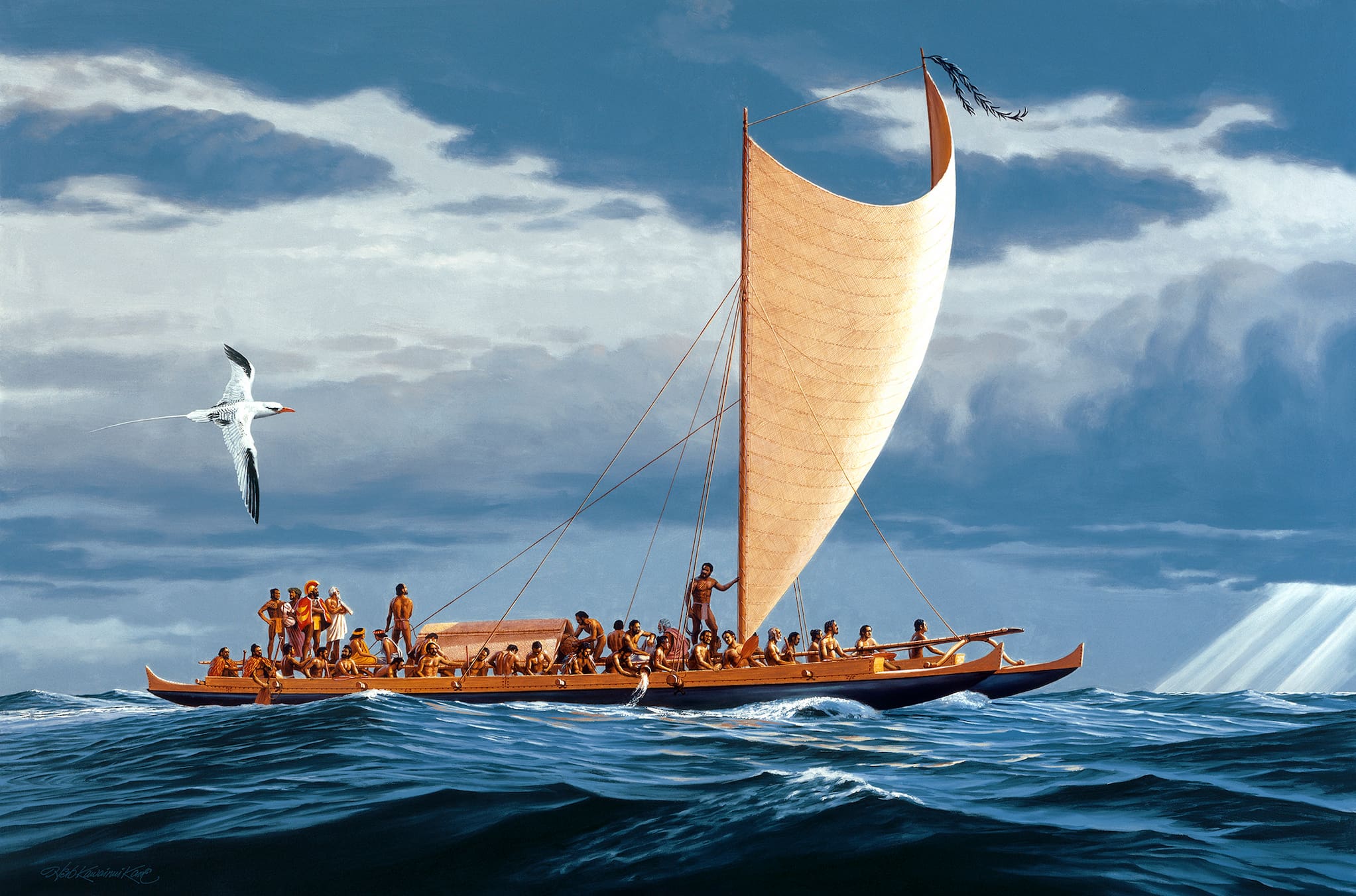
Herb Kāne’s Waʻa
ʻŌiwi artist Herb Kāne’s rendering of a waʻa kaulua double-hulled voyaging canoe carries chiefly Polynesian families to Hawaiʻi. Kāne famously designed the modern day Hōkūleʻa double-hulled voyaging canoe that has carried Kānaka ʻŌiwi throughout Polynesia and around the world.
Featured in:
Kānaka ʻŌiwi: Indigenous Hawaiians, Module 2
-
Image
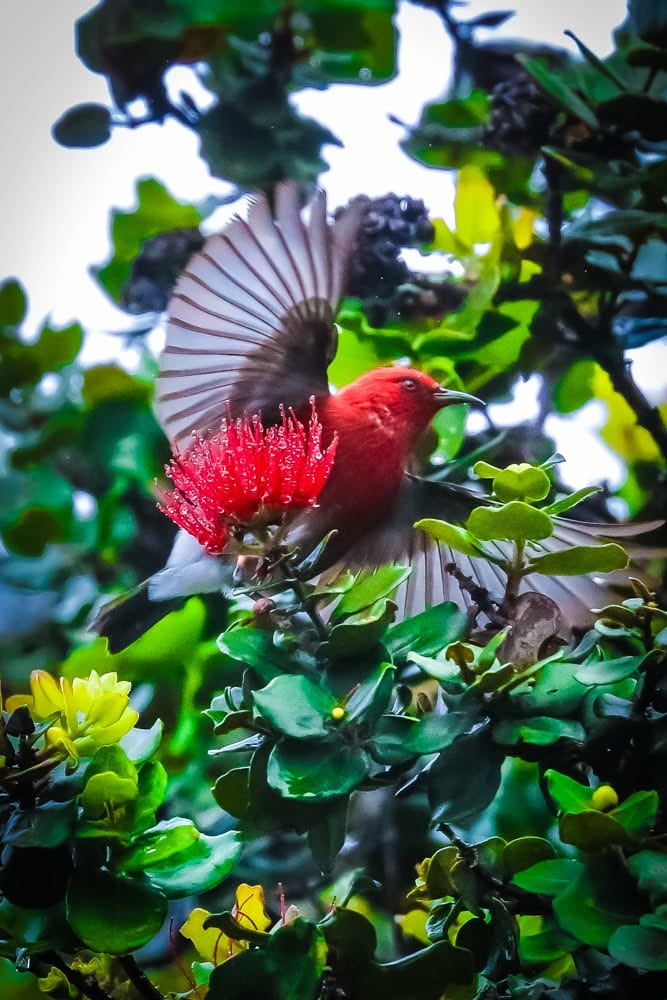
ʻIʻiwi and ʻŌhiʻa Lehua
Multiple species of ʻŌhiʻa trees thrive in native rainforests throughout the islands. With its honeycreeper beak, the ʻIʻiwi feed off ʻŌhiʻa lehua blossoms (pictured). Unfortunately, ʻIʻiwi and other native birds are threatened by avian malaria spread by mosquitoes.
Featured in:
Kānaka ʻŌiwi: Indigenous Hawaiians, Module 2
-
Video
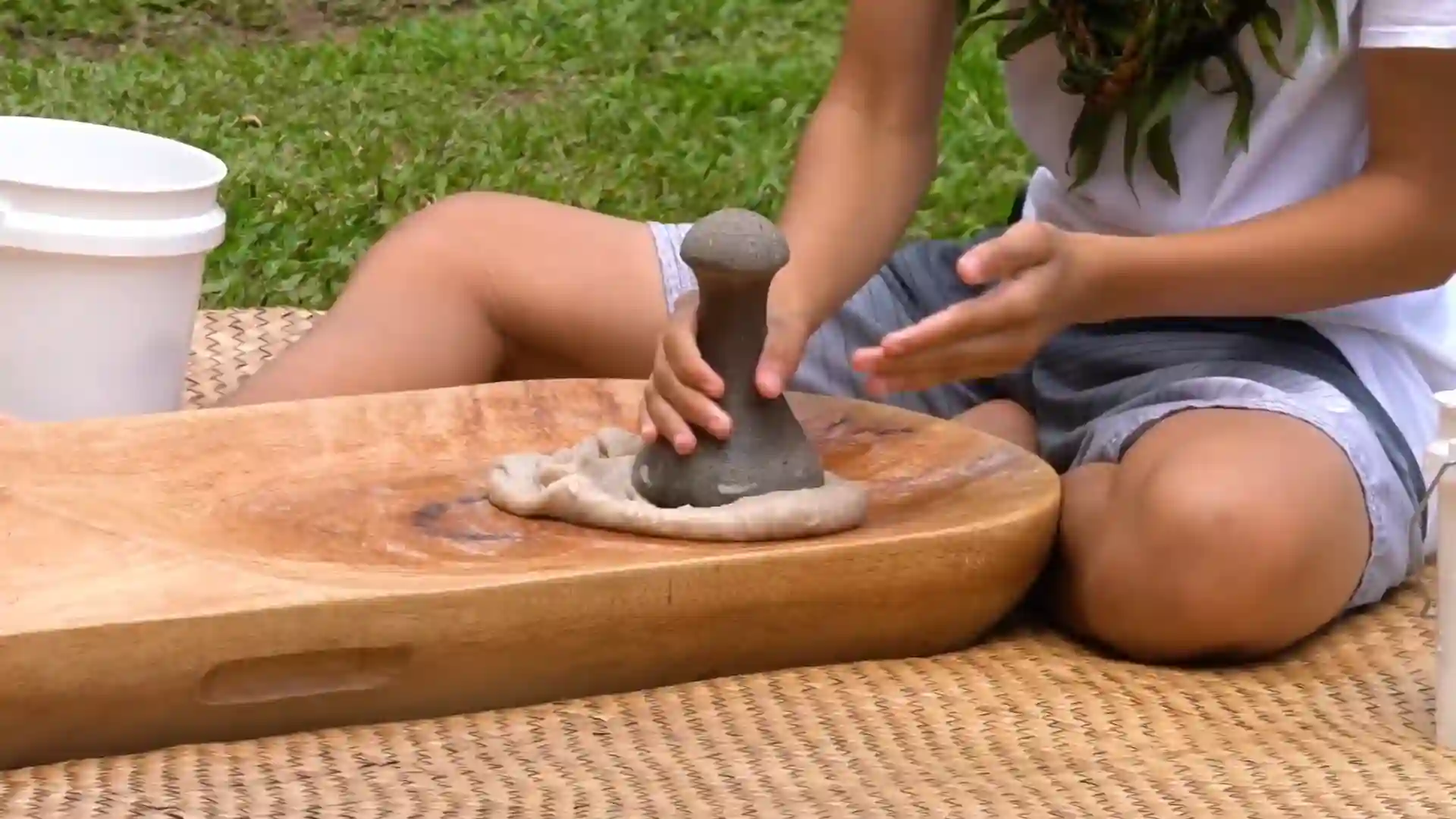
Kuʻi Kalo (Pound Taro into Poi)
Pounding kalo (taro) into poi demonstrates a renewed connection to cultivating the land with taro, building toward food sovereignty for Hawaiian communities today.
Featured in:
Kānaka ʻŌiwi: Indigenous Hawaiians, Module 1
-
Text
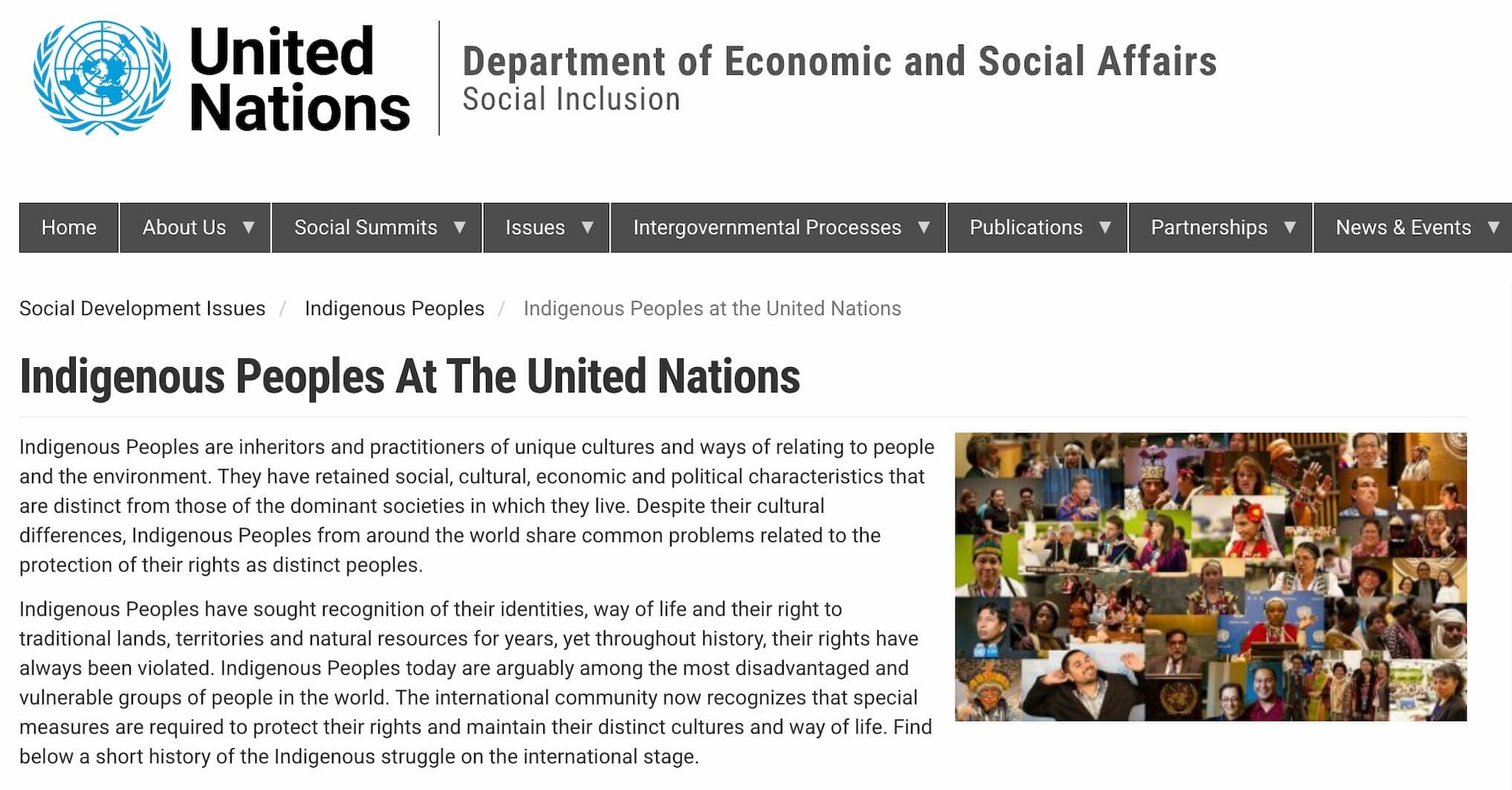
Indigenous Peoples at the United Nations
The United Nations Declaration on the Rights of Indigenous Peoples recognizes the rights of these vulnerable groups, including Kānaka ʻŌiwi, to perpetuate their language, culture, religious beliefs and practices, and manage ancestral territories.
Featured in:
Kānaka ʻŌiwi: Indigenous Hawaiians, Module 1
-
Image
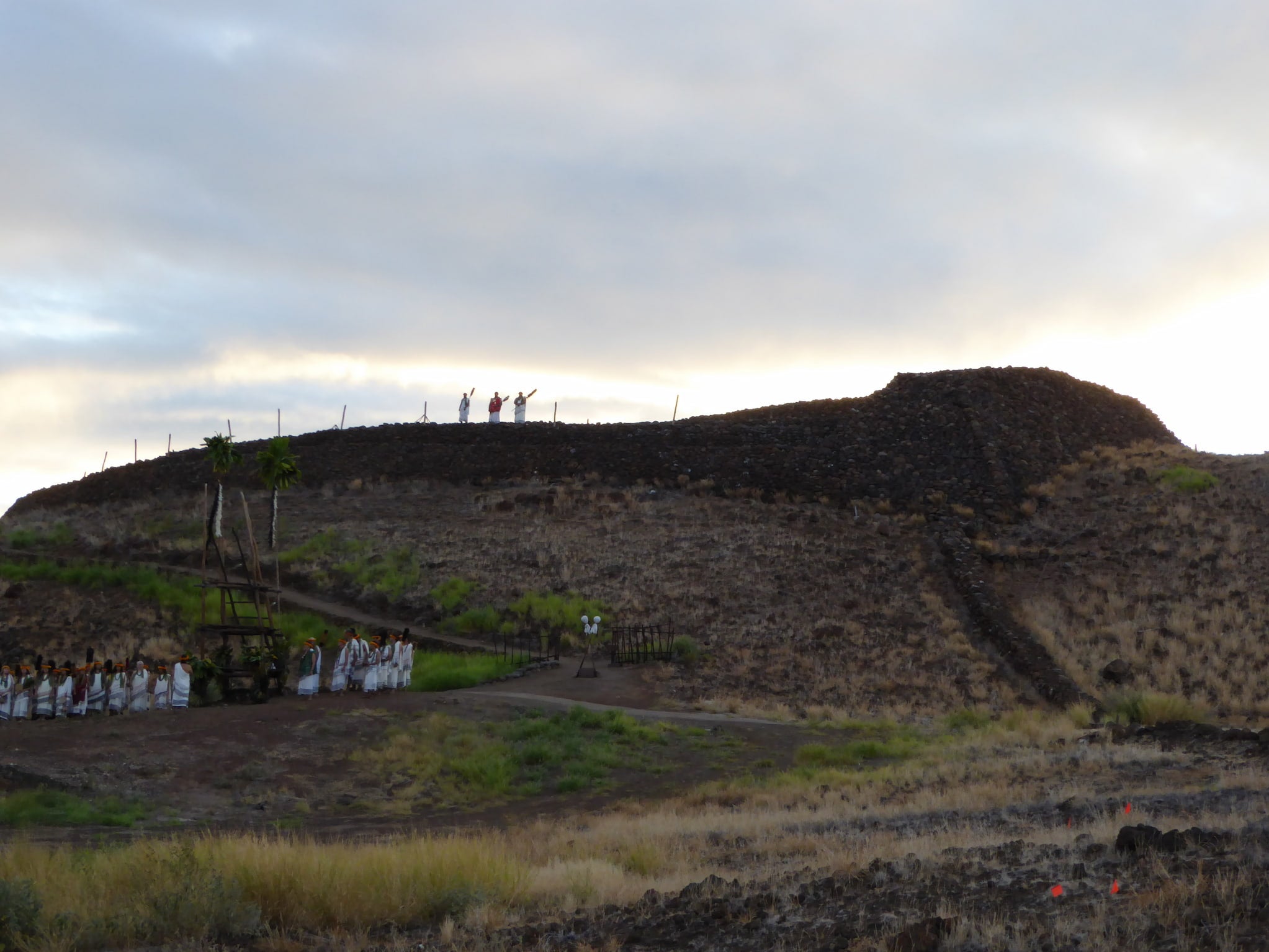
Offering Ceremony at Puʻukohola Heiau
In August 1791, King Kamehameha dedicated the Puʻu Koholā Heiau by sacrificing his last rival over control of Hawaiʻi Island, High Chief Keouakūahuʻula of Kaʻū. In August 1991, the first annual ceremony to reunify descendants of Kamehameha and Keouakūahuʻula was held.
Featured in:
Kānaka ʻŌiwi: Indigenous Hawaiians, Module 1
-
Image
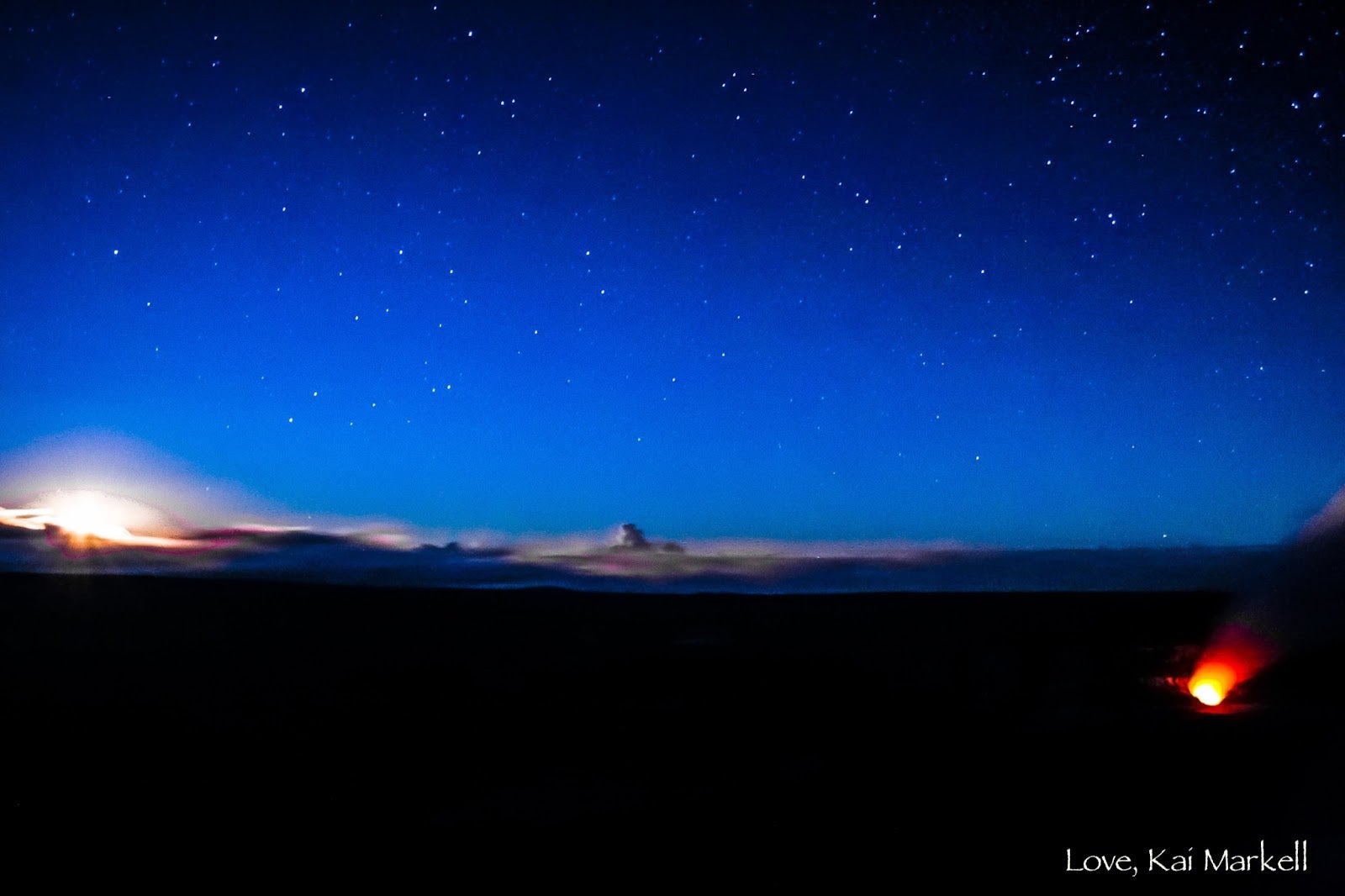
Mauna A Wākea During Sunrise
All Kānaka ʻŌiwi genealogies trace ancestry to Papahānaumoku (Earth mother) and Wākea (Sky Father). “Mauna A Wākea,” the full name of the mountain in this image, means “mountain child of Wākea.”
Featured in:
Kānaka ʻŌiwi: Indigenous Hawaiians, Module 1
-

Image
Puʻu Moaʻulaiki and the Islands of Maui County
Kānaka ʻŌiwi envision a sovereign Hawaiʻi from Puʻu Moaʻulaiki (foreground) on the island of Kahoʻolawe, looking across to the islands of Lānaʻi, Molokaʻi and Maui (left to right). The State of Hawaiʻi holds Kahoʻolawe in trust for the future sovereign Kānaka ʻŌiwi entity.
Featured in:
Kānaka ʻŌiwi: Indigenous Hawaiians, Module 1
-
Image
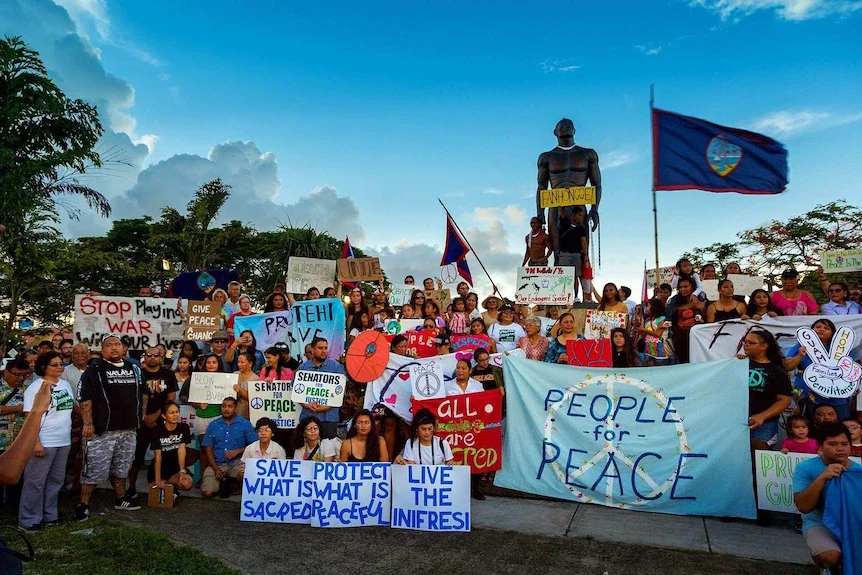
2017 Rally for Peace
In 2017, community members came together in Hagatna, Guam, to rally for peace. This photo shows protestors gathered to speak out against the militarization of Guam after North Korea threatened to launch a missile at the island.
Featured in:
Decolonization in the Pacific, Module 5
-
Image
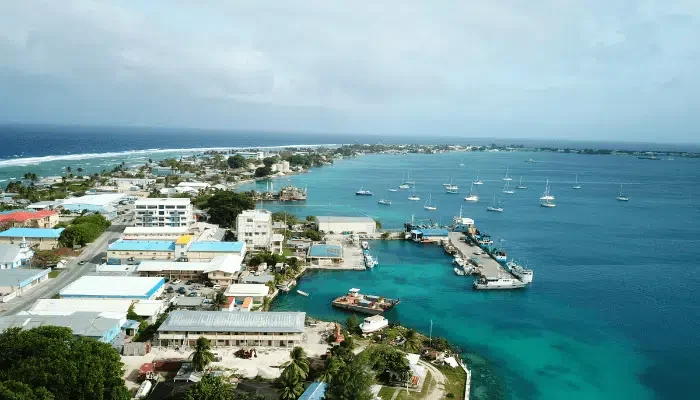
Marshall Islands Capital
Majuro, the capital and largest city of the Marshall Islands, where homes sit at sea level. Any sea level rise can flood houses and farmland, making daily life, and the future, uncertain for many residents.
Featured in:
Decolonization in the Pacific, Module 5