



Search the Media Repository
Discover the curated images, videos, and primary sources featured throughout Foundations and Futures
History is more than just text on a page; it is the photographs, voices, and artifacts of the people who lived it. The images and recordings featured across Foundations and Futures are part of a meticulously curated media repository. Whether you are building a lesson plan or investigating an artifact, you can use this database to trace the provenance of our media: discover who created an asset, the historical context behind it, and how it can be used to bring Asian American and Pacific Islander experiences into your classroom.
Multimedia
Chapters
-
Image
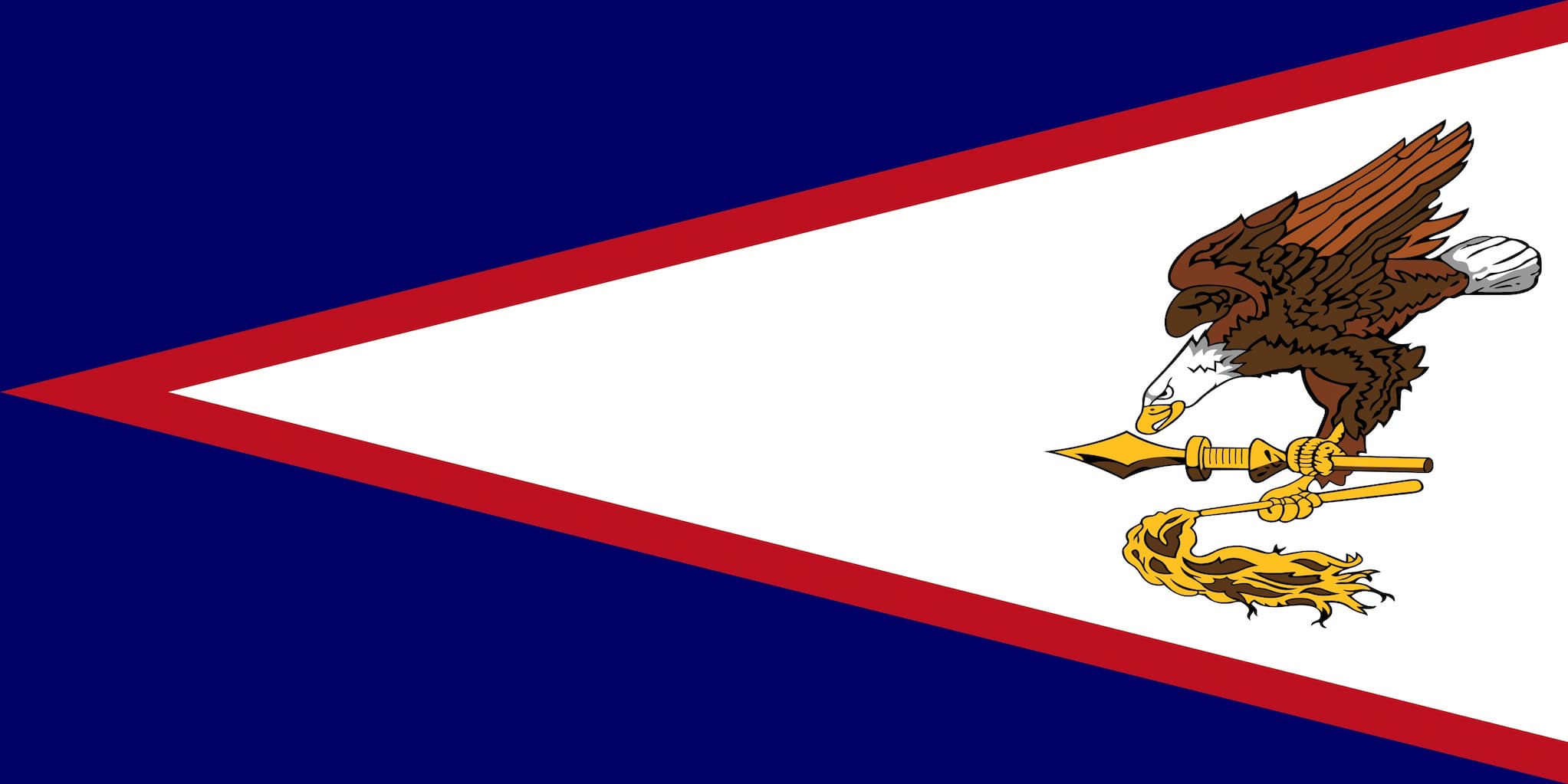
American Sāmoa Flag
The flag of American Sāmoa with American and Samoan cultural symbols: the bald eagle, the fue, and the uatogi.
Featured in:
Samoans in the United States, Module 2
-
Image
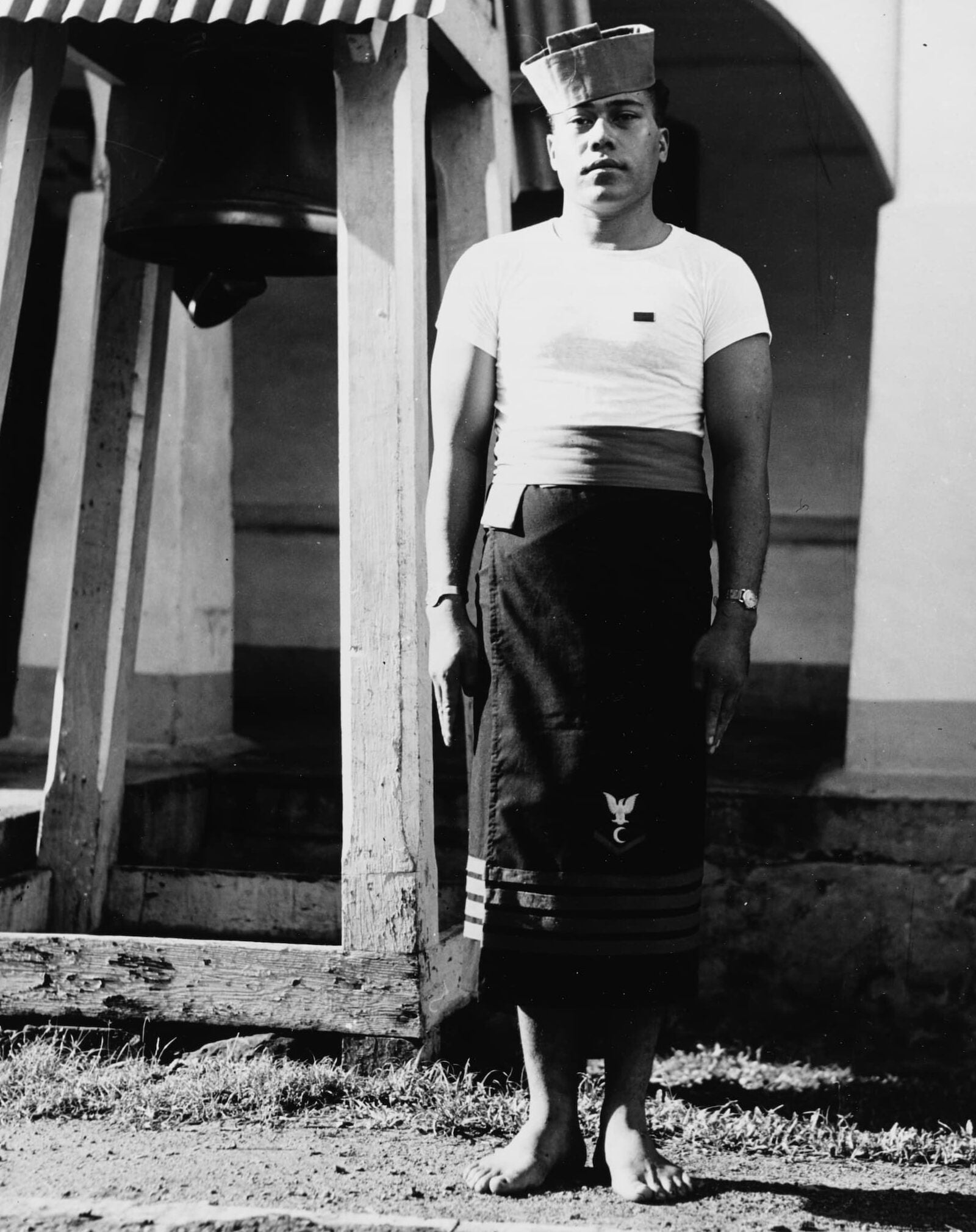
Officers Cook 3rd Class Receives the Purple Heart
Officers Cook 3rd Class Forsia, wearing the Fita Fita Guardsman uniform, was the first Samoan to be decorated during World War II. He received the Purple Heart.
Featured in:
Samoans in the United States, Module 2
-
Image
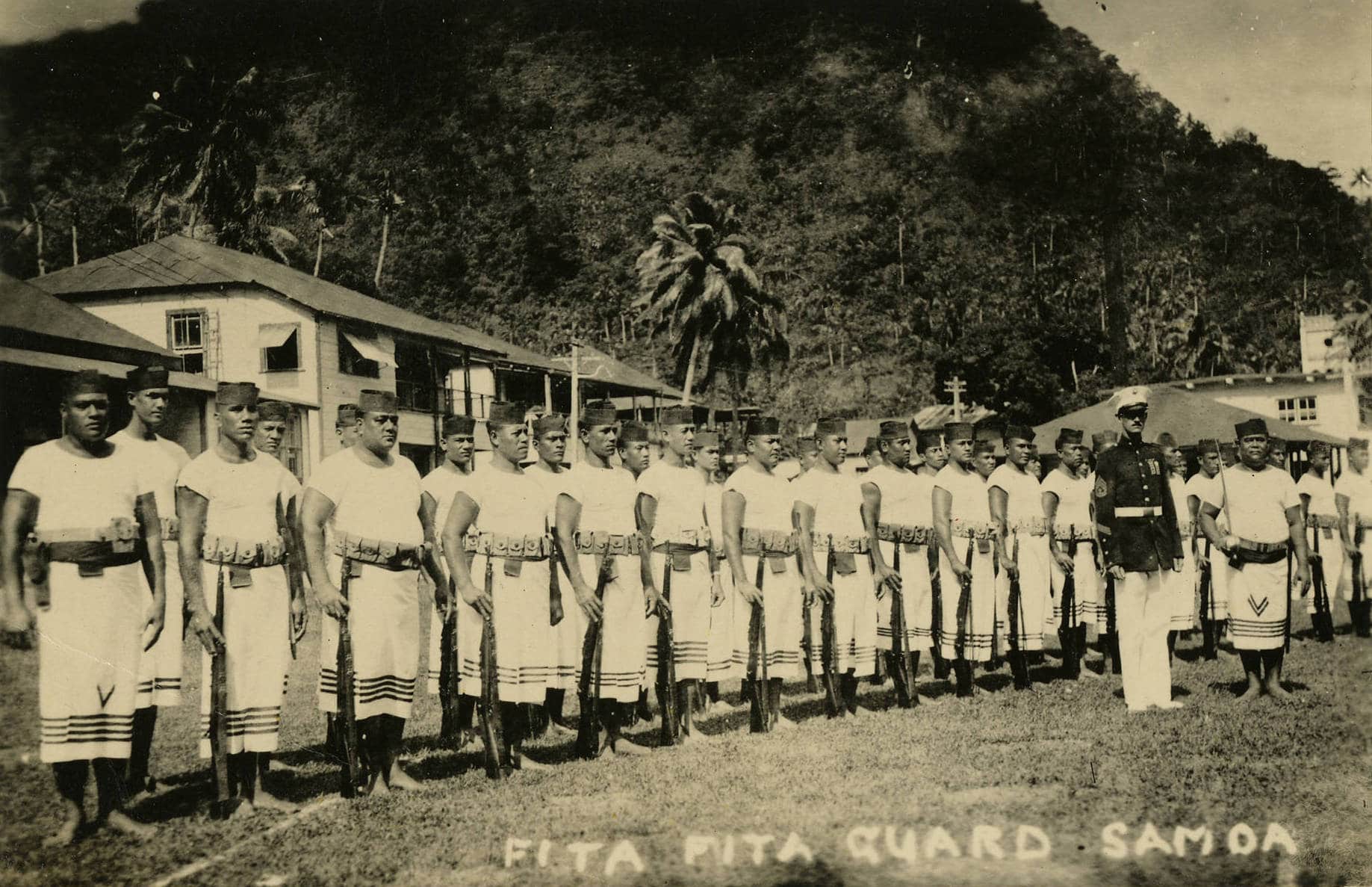
Fita Fita Guardsmen and U.S. Military Members
Fita Fita Guardsmen and US military members in American Sāmoa, c. 1941–1945.
Featured in:
Samoans in the United States, Module 2
-

Image
Fita Fita Guards and the USS Trenton
Fita Fita Guardsmen handling USS Trenton’s lines at Naval Station, Tutuila, American Sāmoa, March 31, 1938.
Featured in:
Samoans in the United States, Module 2
-
Image
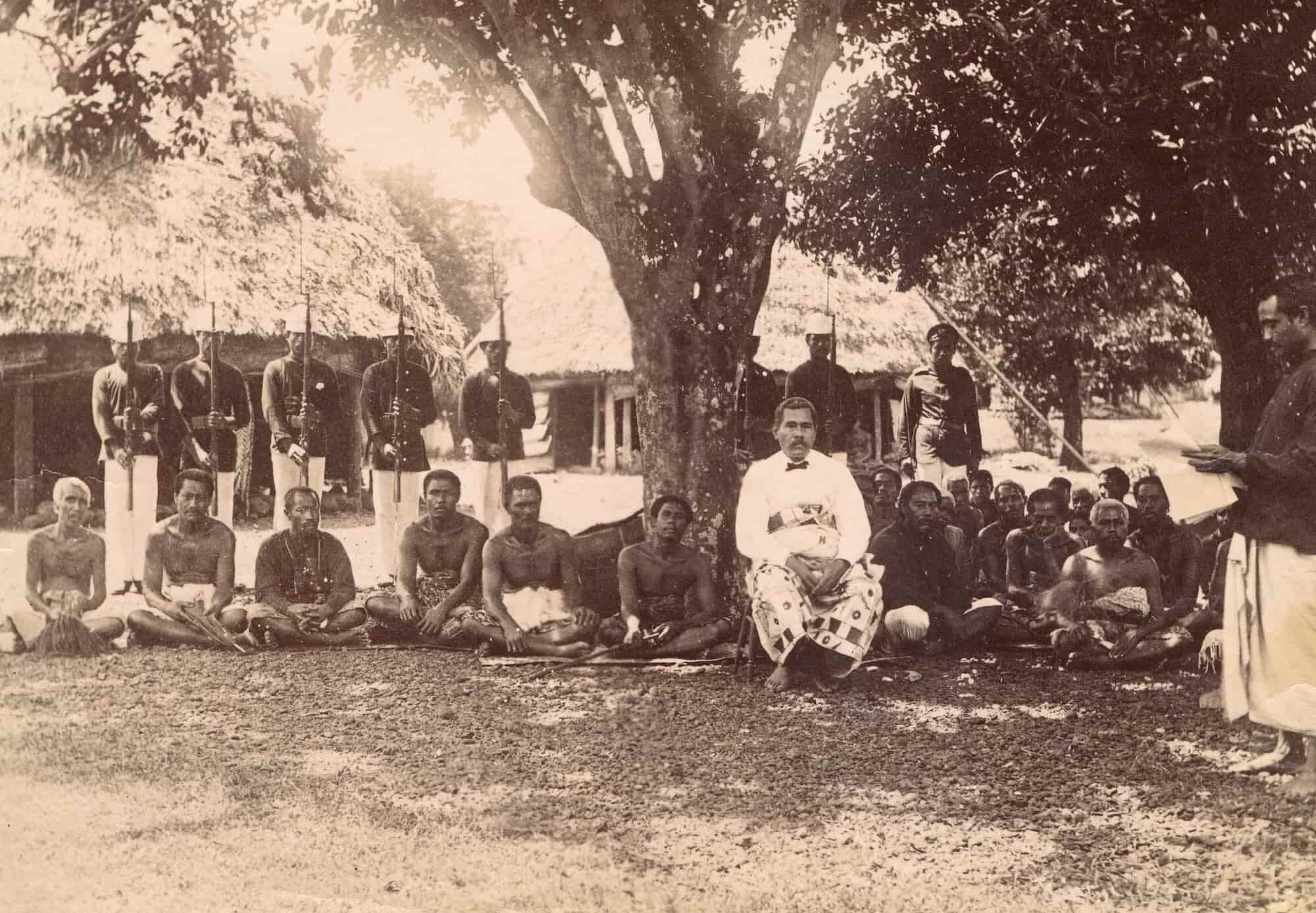
Malietoa Laupepa and the Treaty of Berlin
In this photo, Malietoa Laupepa (center right, in light-colored clothing) sits protected by armed guards as he listens to the translation of the Berlin Treaty.
Featured in:
Samoans in the United States, Module 2
-
Image
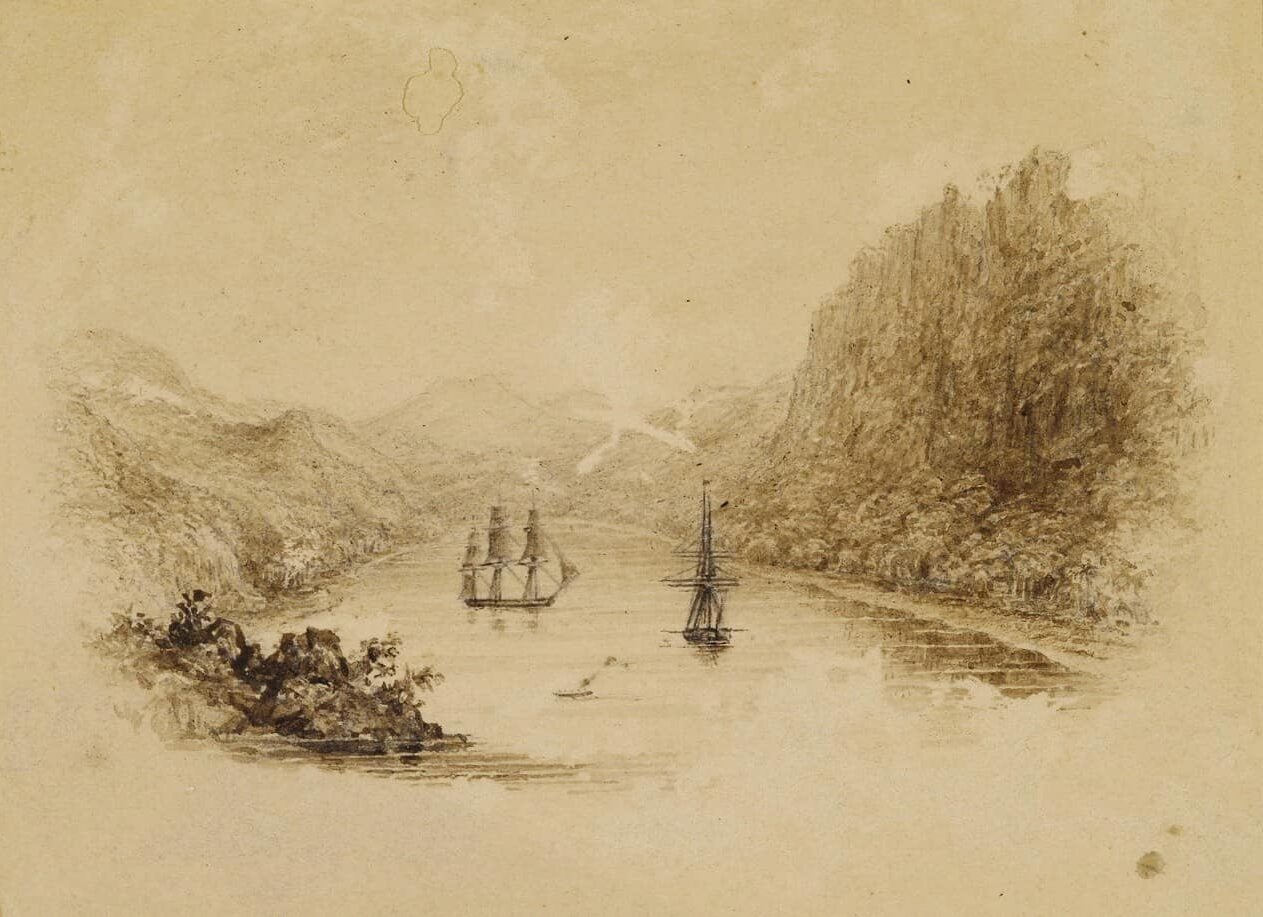
Harbor of Pago Pago, Tutuila, American Sāmoa
Drawing of Pago Pago harbor on Tutuila by Alfred T. Agate c. 1840. Agate was an artist on the United States Exploring Expedition of 1838-1842 led by Charles Wilkes of the US Navy.
Featured in:
Samoans in the United States, Module 2
-
Video
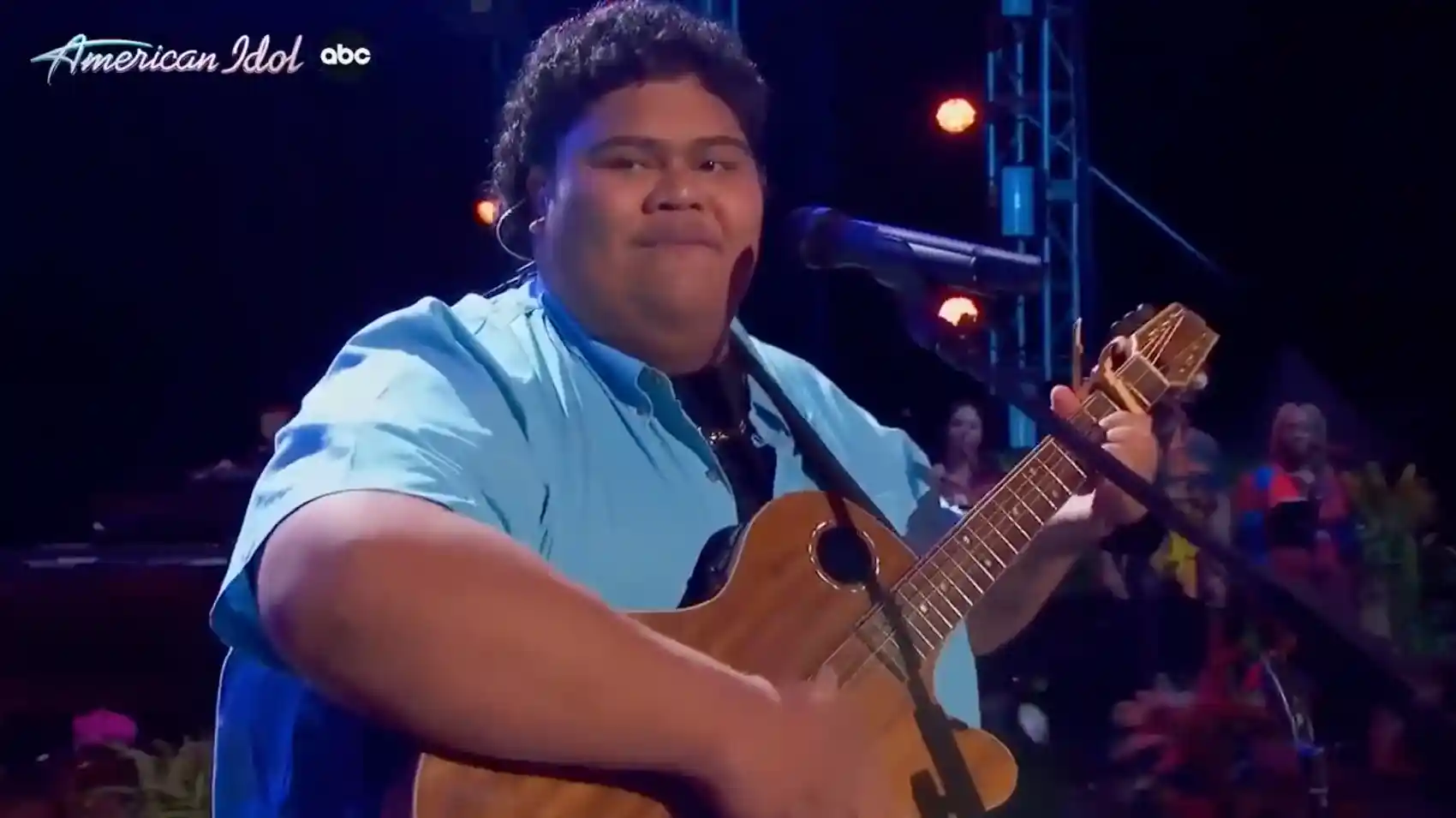
Iam Tongi’s Hawaiian Homecoming: “Don’t Let Go” (Spawnbreezie Cover)
Artist Iam Tongi’s cover of Spawnbreezie’s song “Don’t Let Go” on American Idol brought a Pacific presence to national television screens. What elements of faʻasāmoa are in this clip?
Featured in:
Samoans in the United States, Module 1
-
Image
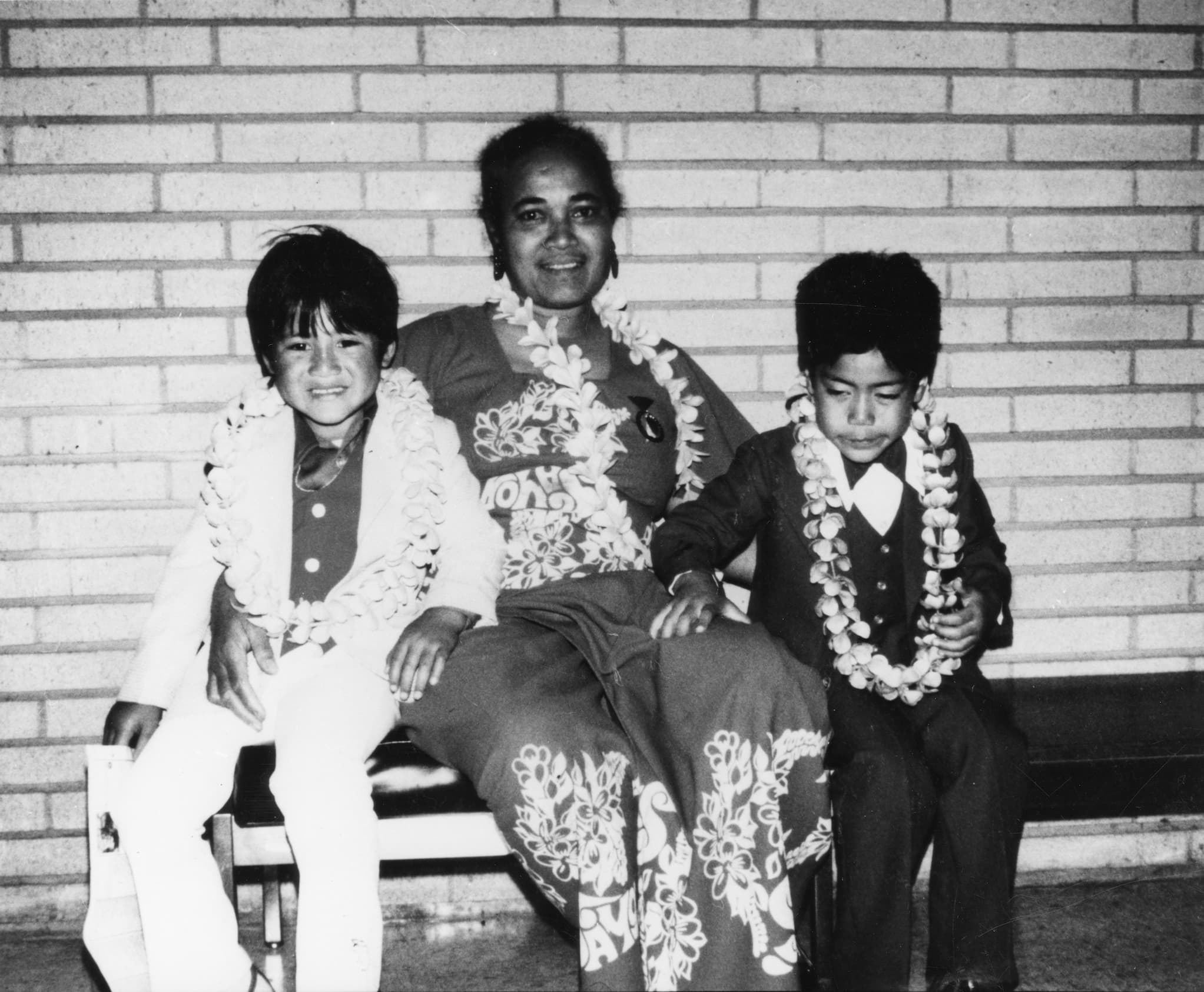
Family Members at a Church Hall
Brothers Terence (left, in white suit) and Trant (right) with their mother’s cousin, Senira (center), sit at a Methodist church hall in Los Angeles, 1979. All three have received an ʻula.
Featured in:
Samoans in the United States, Module 1
-
Image
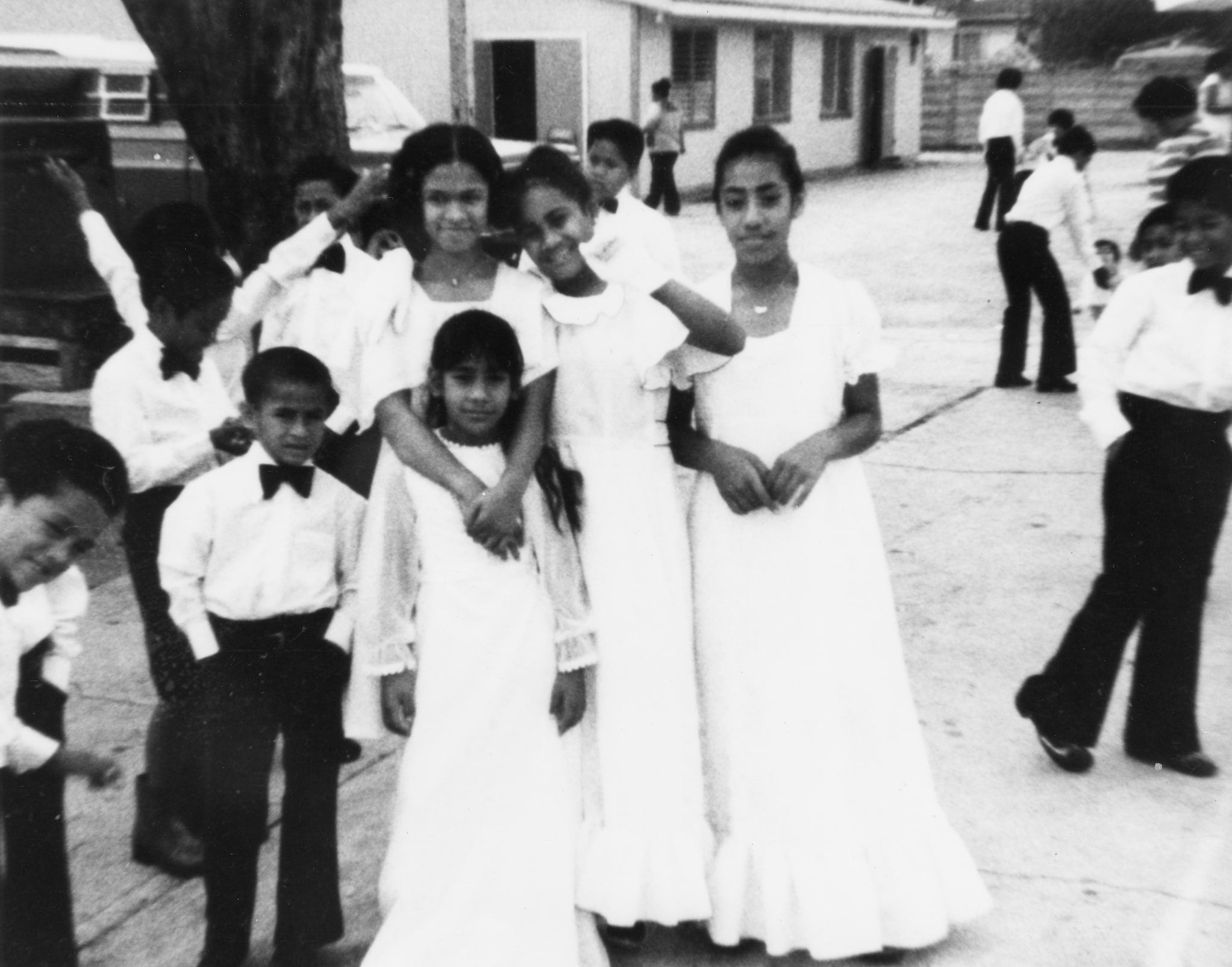
White Sunday Holiday
White Sunday at the First Samoan Congregational Christian Church in Carson, California, 1977. White Sunday is a Samoan holiday which celebrates children. The children wear white and perform for their families and the congregation.
Featured in:
Samoans in the United States, Module 1
-
Image
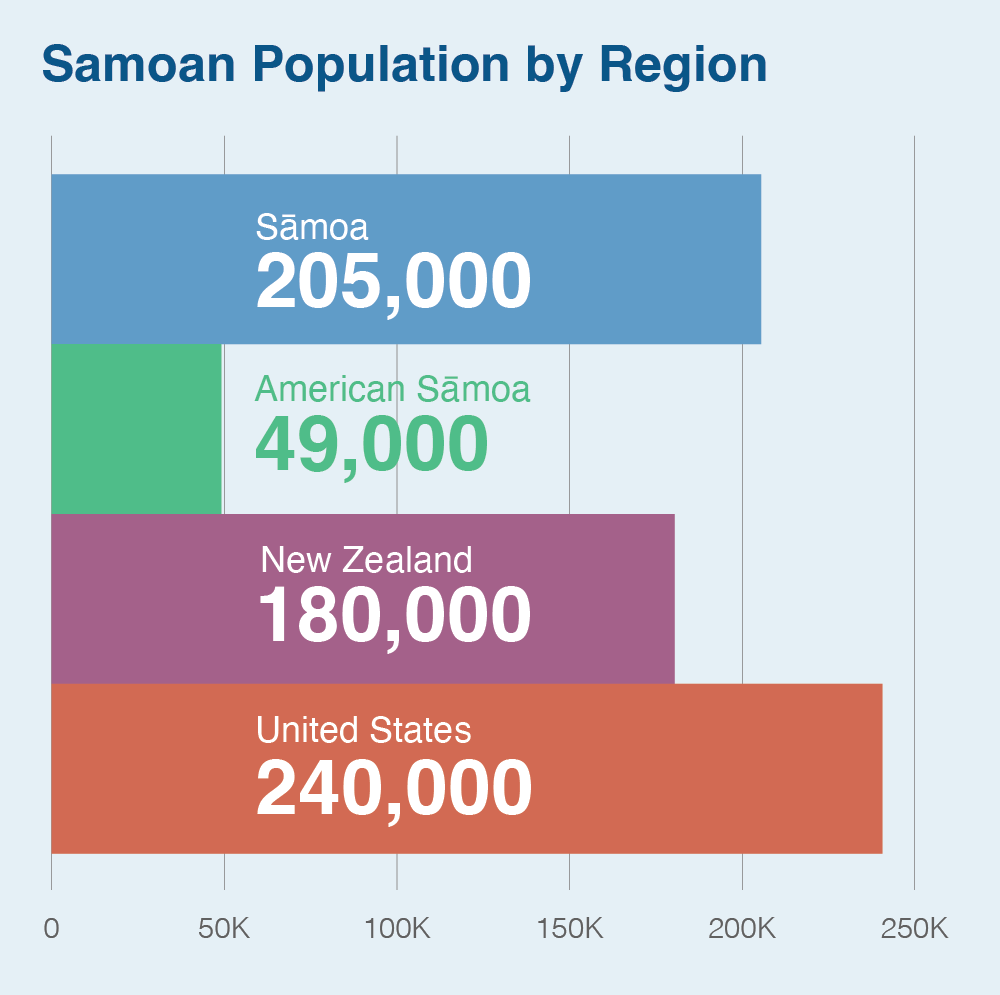
Samoan Population by Region
The Samoan population is widespread. Here we see the populations in Sāmoa, American Sāmoa, New Zealand, and the United States (c. 2025). (Sources: The Samoa Bureau of Statistics, US Census Bureau, and Stats NZ)
Featured in:
Samoans in the United States, Module 1
-
Image
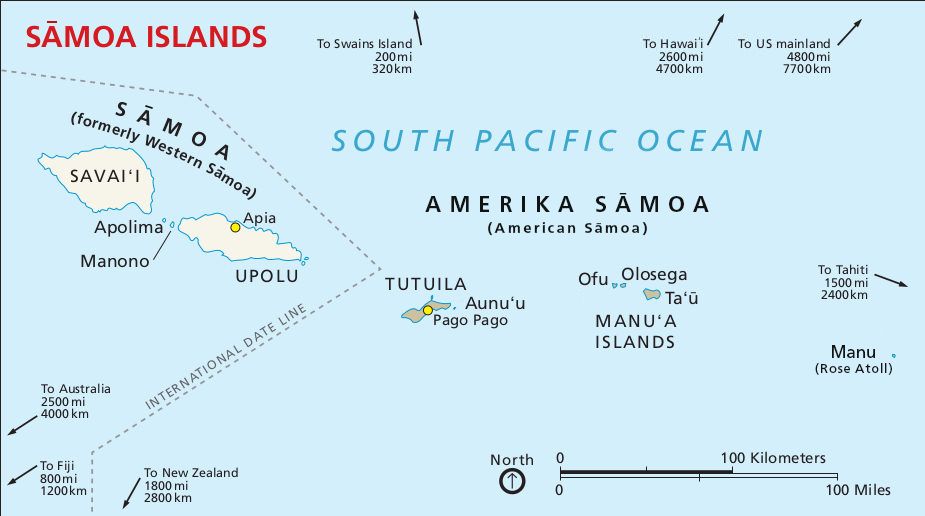
Map of Sāmoa Islands
Map of Sāmoa Islands. The Independent State of Sāmoa, consisting of the main islands of Savaiʻi and Upolu, is on the left. American Sāmoa (US territory), with the capital island of Tutuila, is on the right.
Featured in:
Samoans in the United States, Module 1
-
Image
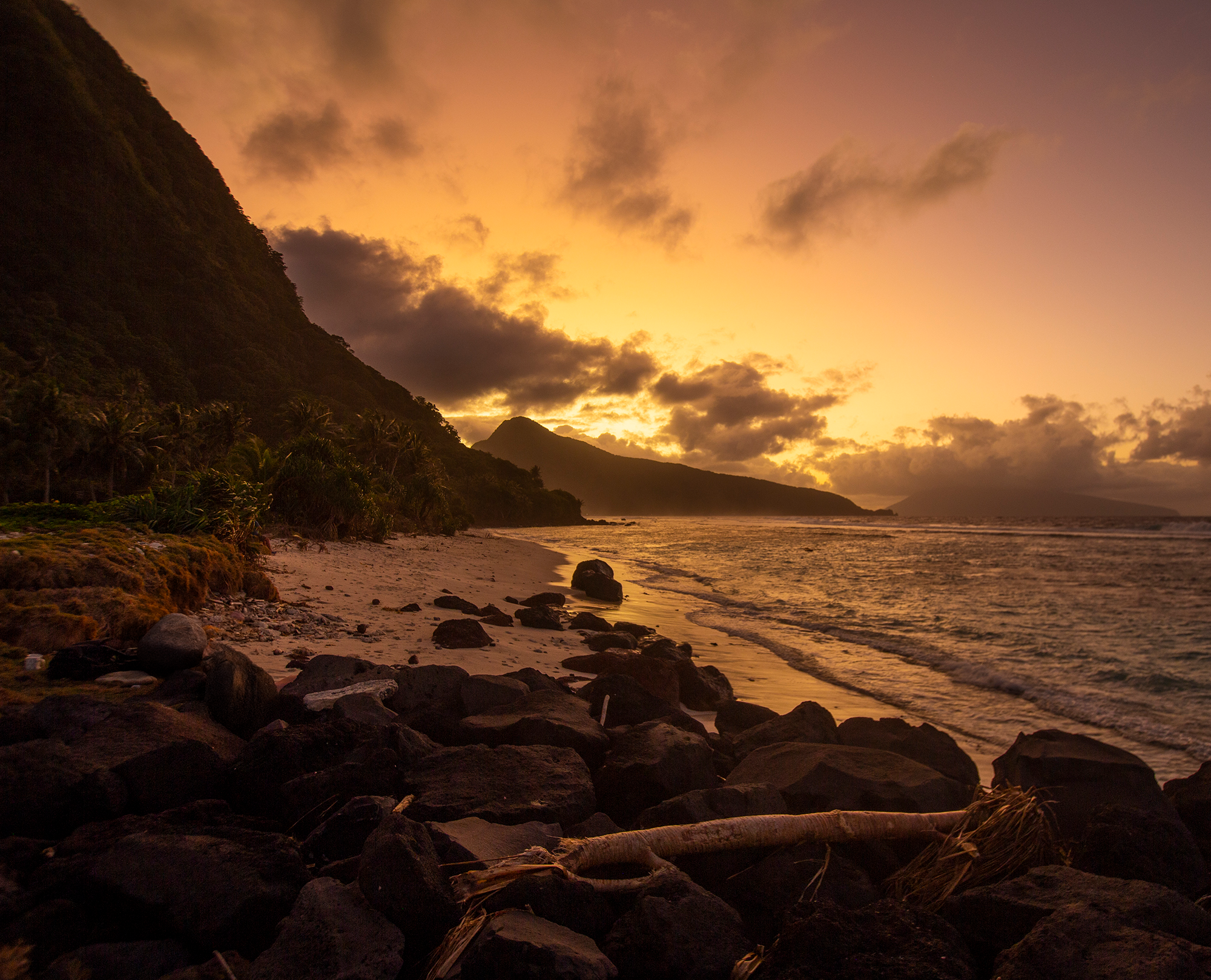
Sunrise on the Island of Ofu, American Sāmoa
Sun rising over Ofu island from one of the Manuʻa Islands in American Sāmoa.
Featured in:
Samoans in the United States, Module 1
-
Image
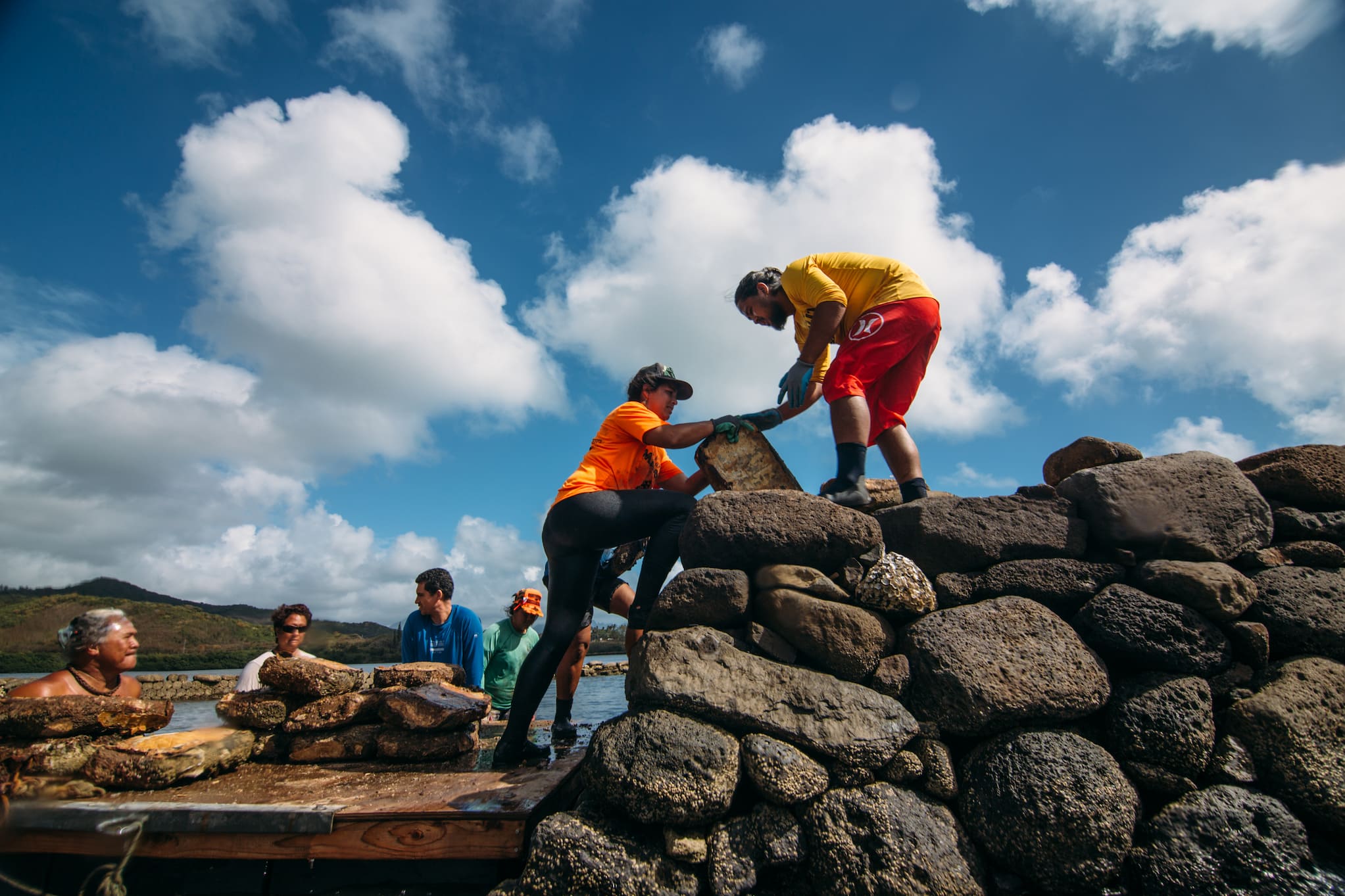
Huliaupaʻa and the Kaliʻupaʻakai Collective Restoration Work
The non-profit organization Huliaupaʻa provides culturally based forms of innovative learning, leadership development, and collaborative networking to provide stewardship of Hawaiʻi’s wahi kūpuna (ancestral places). Huliaupaʻa also helped organize the Kaliʻupaʻakai Collective, an interdisciplinary community of wahi kūpuna advocates.
Featured in:
Kānaka ʻŌiwi: Indigenous Hawaiians, Module 5
-
Image
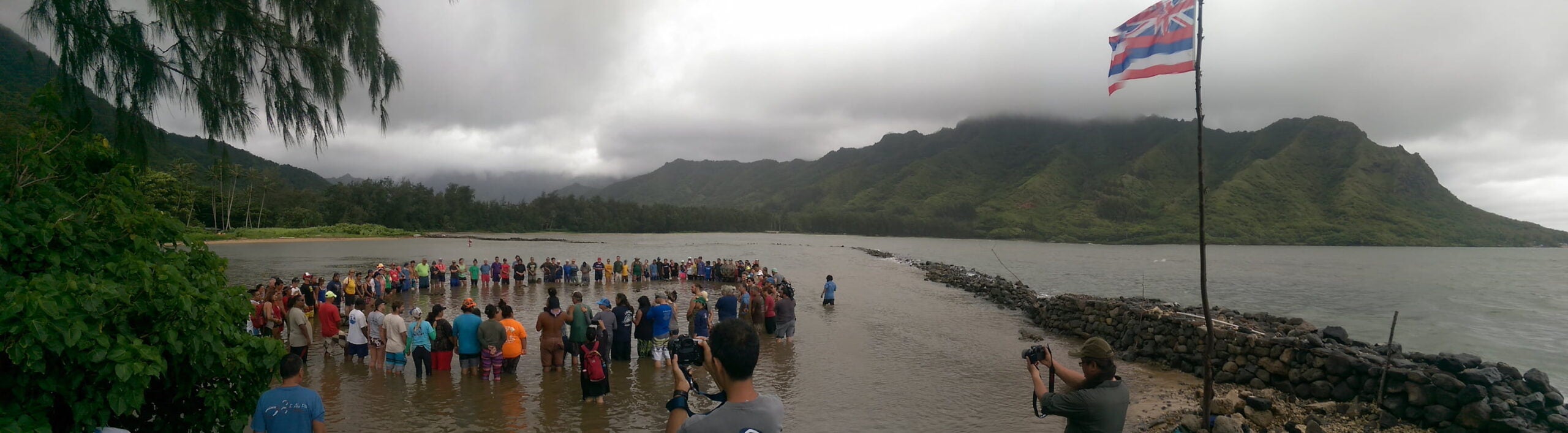
KUA’s E Alu Pū Closing Ceremony at Huilua Fishpond
KUA’s E Alu Pū network provides support, education, and collaboration among thirty-two land stewardship organizations across the islands as of 2025. Pictured here is the closing ceremony for a global E Alu Pū gathering after restoration work at Huilua Fishpond in Kahana, Oʻahu.
Featured in:
Kānaka ʻŌiwi: Indigenous Hawaiians, Module 5
-
Image
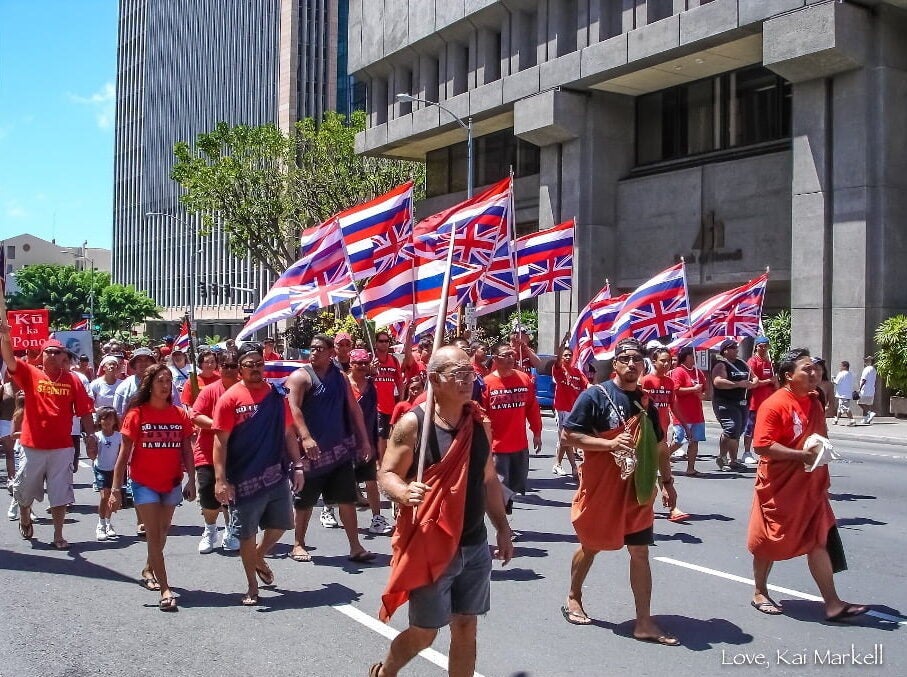
March of Unity and Support for Hawaiʻi Independence
On January 17, 2009, the anniversary of the overthrow, five thousand Kānaka ʻŌiwi and advocates of Hawaiʻi independence marched to show their unity and support for Kanaka ʻŌiwi sovereignty and control of Kānaka ʻŌiwi land.
Featured in:
Kānaka ʻŌiwi: Indigenous Hawaiians, Module 5
-
Image
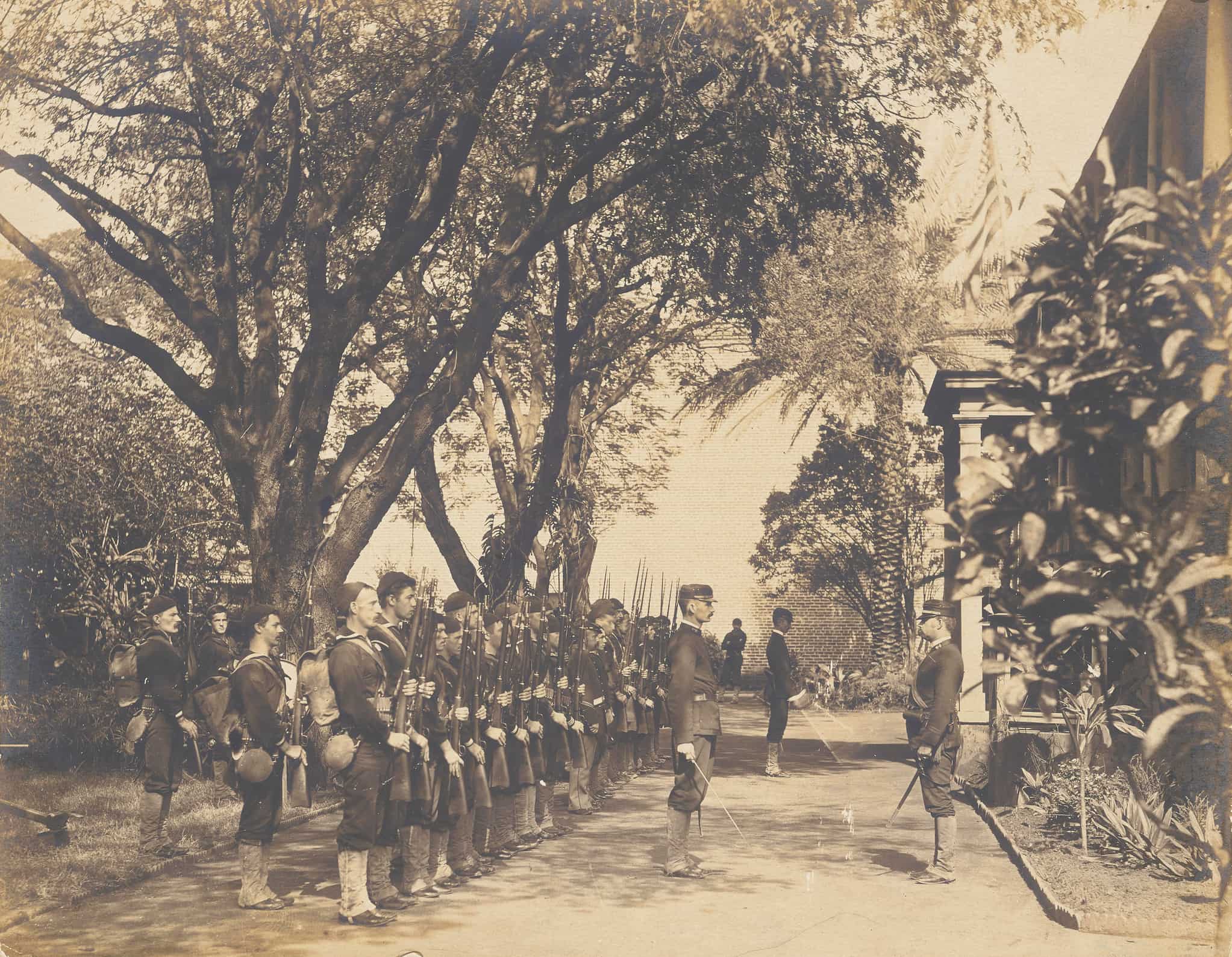
U.S. Marines Overthrow Queen Liliʻuokalani
At 5 p.m. on January 16, 1893, a military force composed of 162 US Marines armed with a gatling gun and a 37 millimeter revolving gun invaded Hawaiʻi. Above, troops occupy the Arlington Hotel grounds adjacent to ʻIolani Palace.
Featured in:
Kānaka ʻŌiwi: Indigenous Hawaiians, Module 5
-
Image
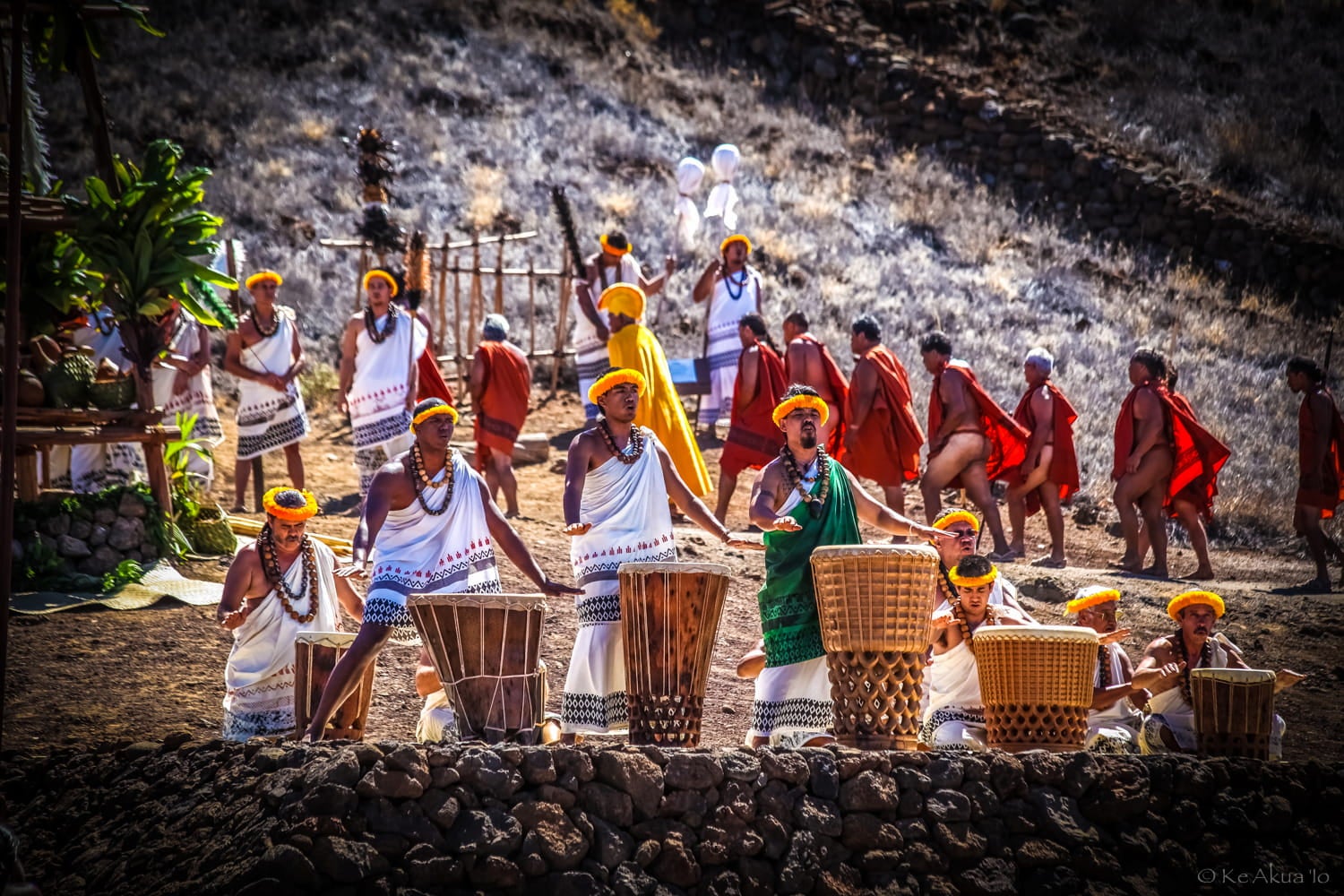
Hoʻokuʻikahi Ceremony at Puʻukoholā Heiau
Men of Hālau Mele conduct hula pahu for the Hoʻokuʻikahi ceremonies at Puʻukoholā heiau. Hālau Mele was founded by John Keolamakaʻāinana Lake, who was trained by Maiki Aiu Lake.
Featured in:
Kānaka ʻŌiwi: Indigenous Hawaiians, Module 4
-
Image
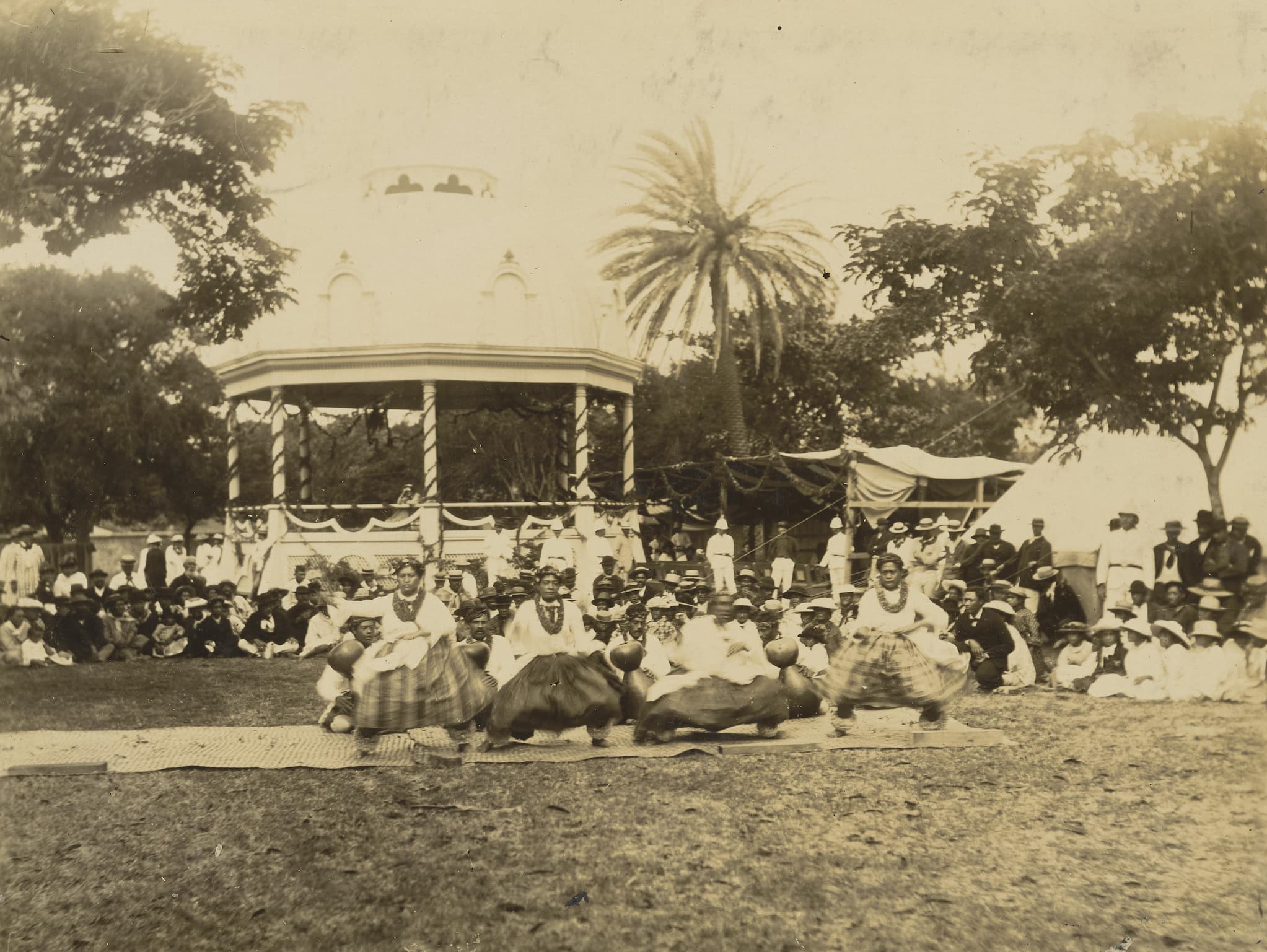
King Kalākaua’s 49th Birthday Celebration
Hula dancers from Hanapēpē, Kauaʻi, perform at King Kalākaua’s forty-ninth birthday celebration on November 18, 1885. Under Kalākaua’s reign, hula was revived and celebrated as part of a renaissance of Hawaiian arts.
Featured in:
Kānaka ʻŌiwi: Indigenous Hawaiians, Module 4
-

Image
Hōkūleʻa at Sea
The waʻa kaulua double hulled voyaging canoe replica Hōkūleʻa demonstrated that Kānaka ʻŌiwi ancestors intentionally sailed between Hawaiʻi and Tahiti and throughout Polynesia. Working with Master Navigator Mau Piailug, the Polynesian Voyaging Society revived Hawaiian wayfinding.
Featured in:
Kānaka ʻŌiwi: Indigenous Hawaiians, Module 4
-
Image
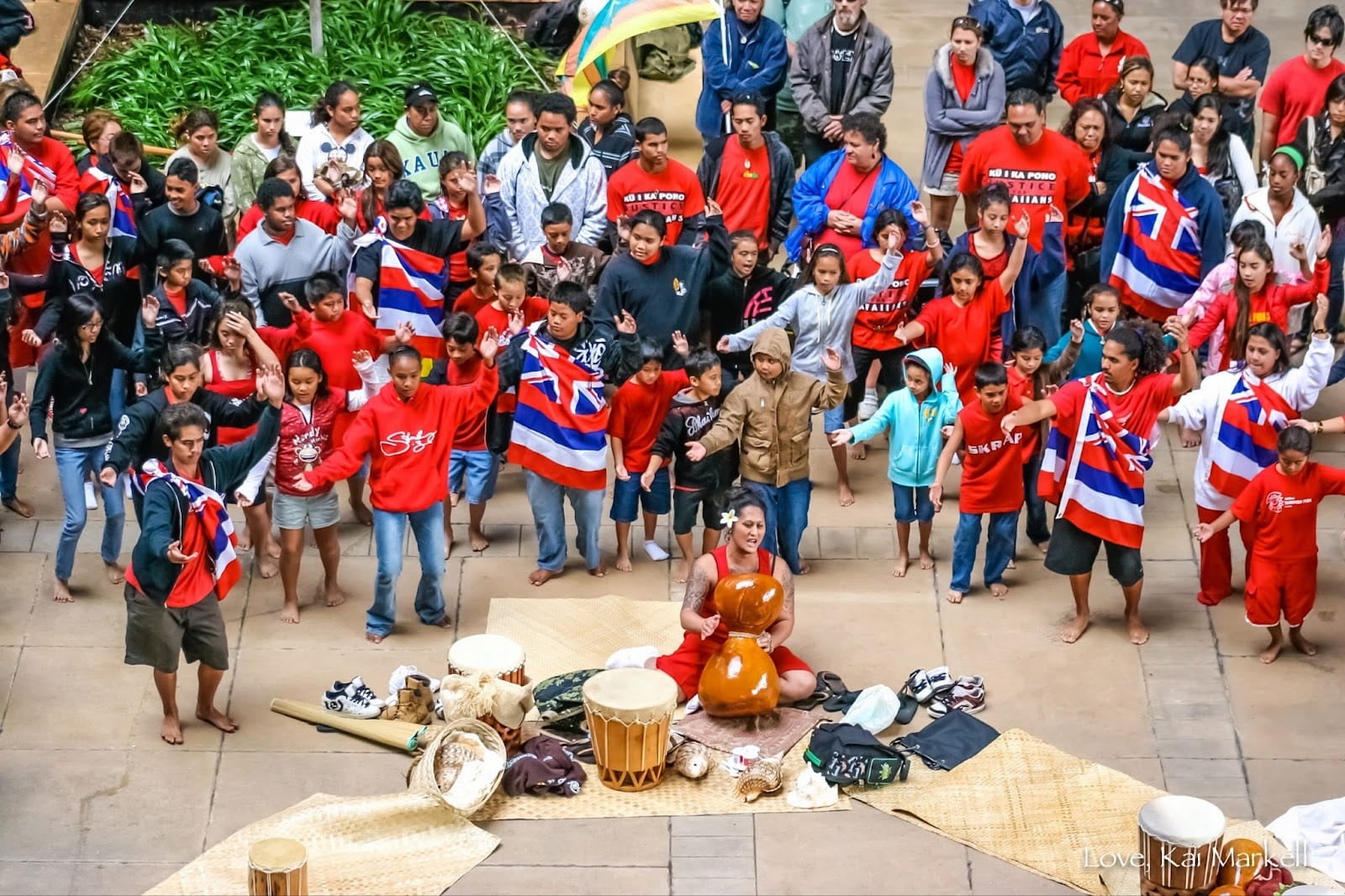
Hawaiian Language Perpetuated
The Hawaiian language was rescued from extinction through Hawaiian language immersion and charter schools, along with dedicated parents and teachers united by their shared commitment to revive Hawaiian language.
Featured in:
Kānaka ʻŌiwi: Indigenous Hawaiians, Module 4