



Search the Media Repository
Discover the curated images, videos, and primary sources featured throughout Foundations and Futures
History is more than just text on a page; it is the photographs, voices, and artifacts of the people who lived it. The images and recordings featured across Foundations and Futures are part of a meticulously curated media repository. Whether you are building a lesson plan or investigating an artifact, you can use this database to trace the provenance of our media: discover who created an asset, the historical context behind it, and how it can be used to bring Asian American and Pacific Islander experiences into your classroom.
Multimedia
Chapters
-
Image
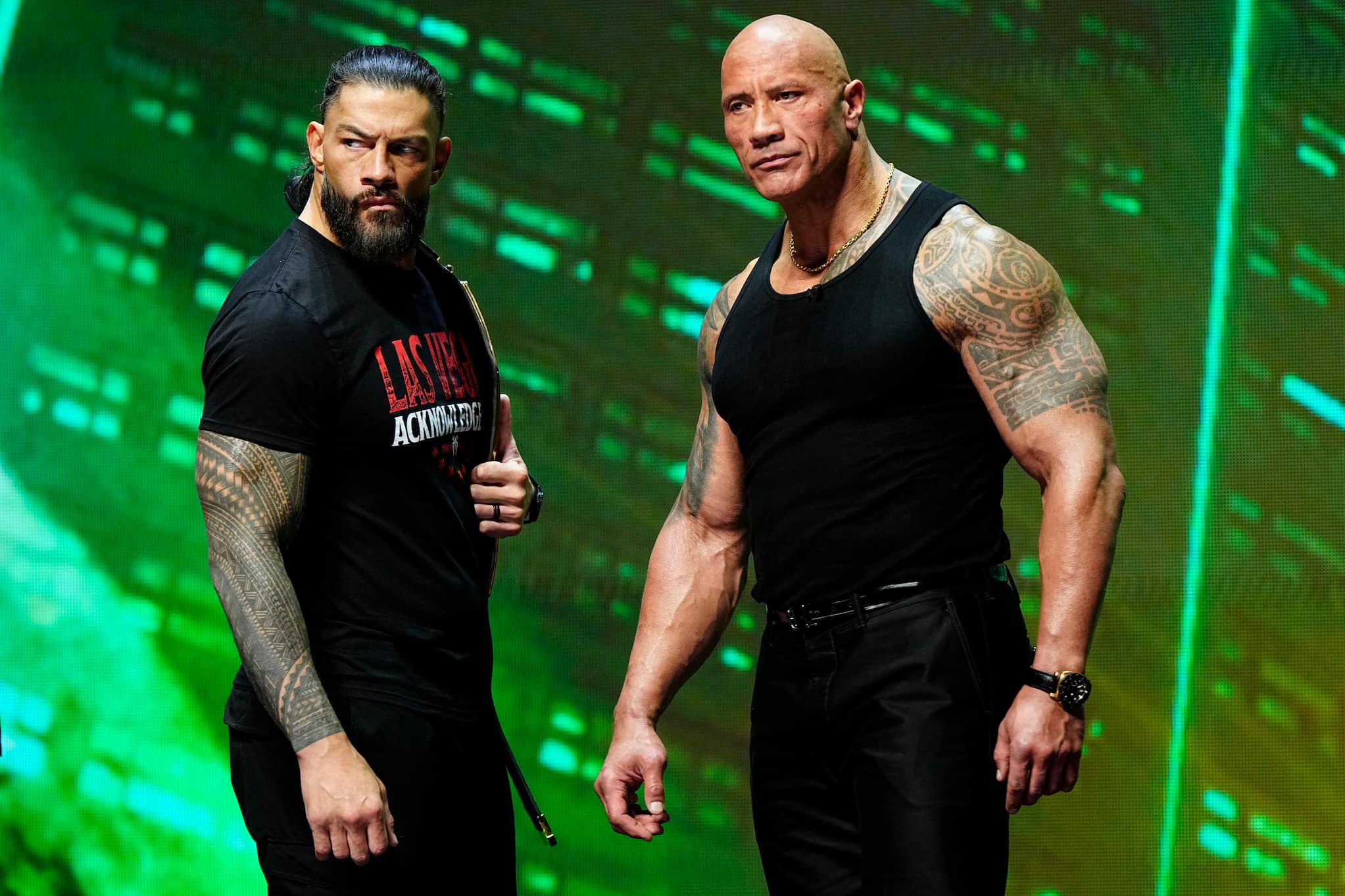
Roman Reigns and Dwayne Johnson
The Bloodline’s Roman Reigns (left) with Dwayne “The Rock” Johnson (right) at the 40th annual WrestleMania. Both have Samoan cultural tattoos on their arms.
Featured in:
Samoans in the United States, Module 5
-
Video
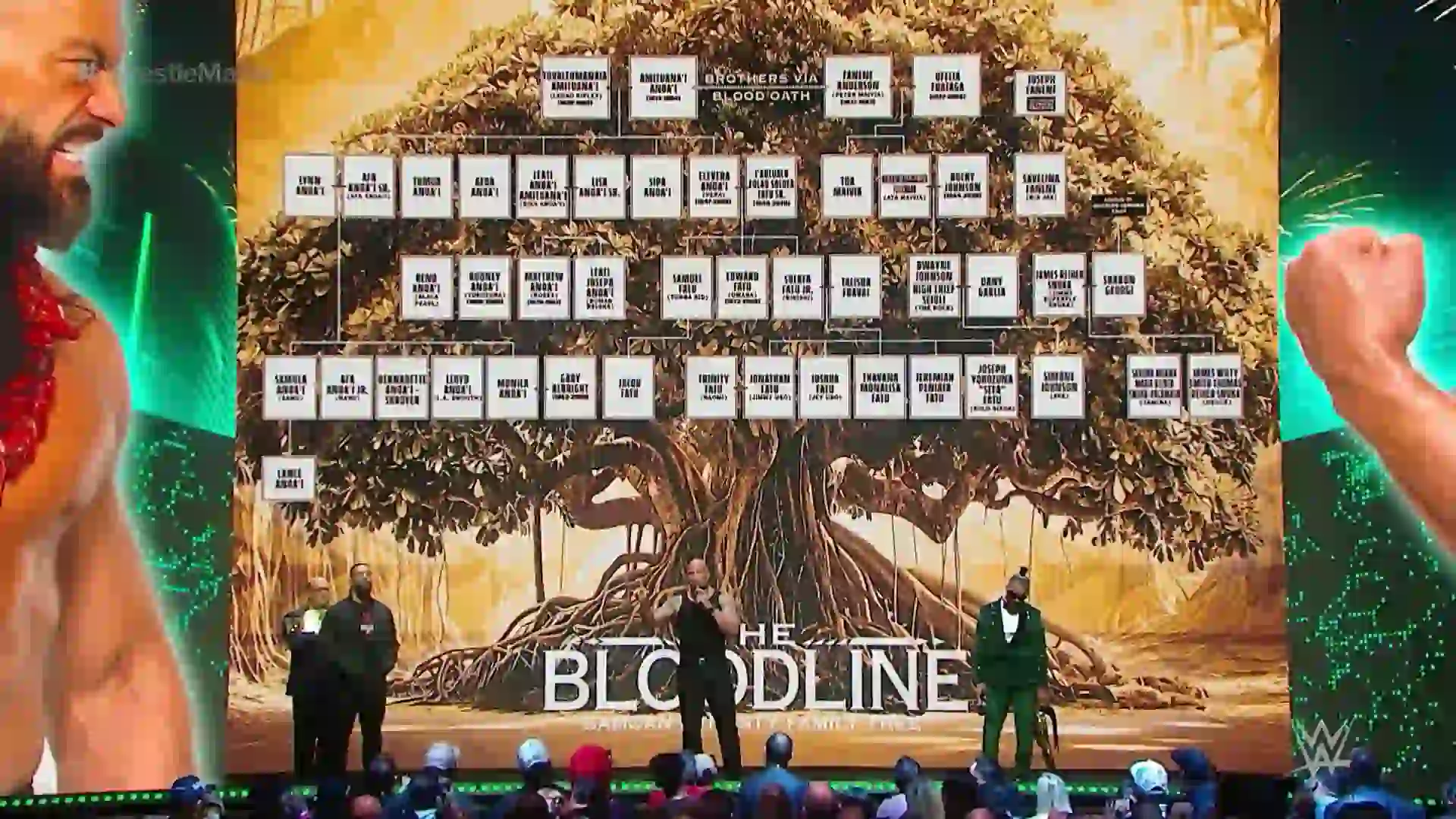
Family Tree of the Maivia and Anoaʻi Families
During the 2024 World Wrestling Entertainment WrestleMania XL Kickoff event, Dwayne “The Rock” Johnson presents a family tree capturing the ancestry via blood oath of the Anoaʻi and Maivia families, known as “the Bloodline,” visualizing the legacy of the Samoan Dynasty in professional wrestling.
Featured in:
Samoans in the United States, Module 5
-
Image
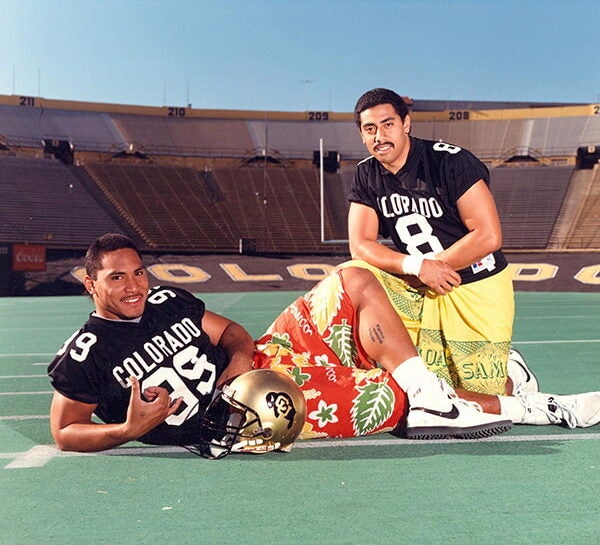
Okland Salava`e and Sal Aunese
Tutuila-born Okland Salavaʻe (left) attended Colorado University with Sal Aunese (right). Salavaʻe coached Tafuna High in American Sāmoa to several championships. Aunese, who led Colorado’s resurgence in the late 1980s, died from cancer at age 21.
Featured in:
Samoans in the United States, Module 5
-
Image
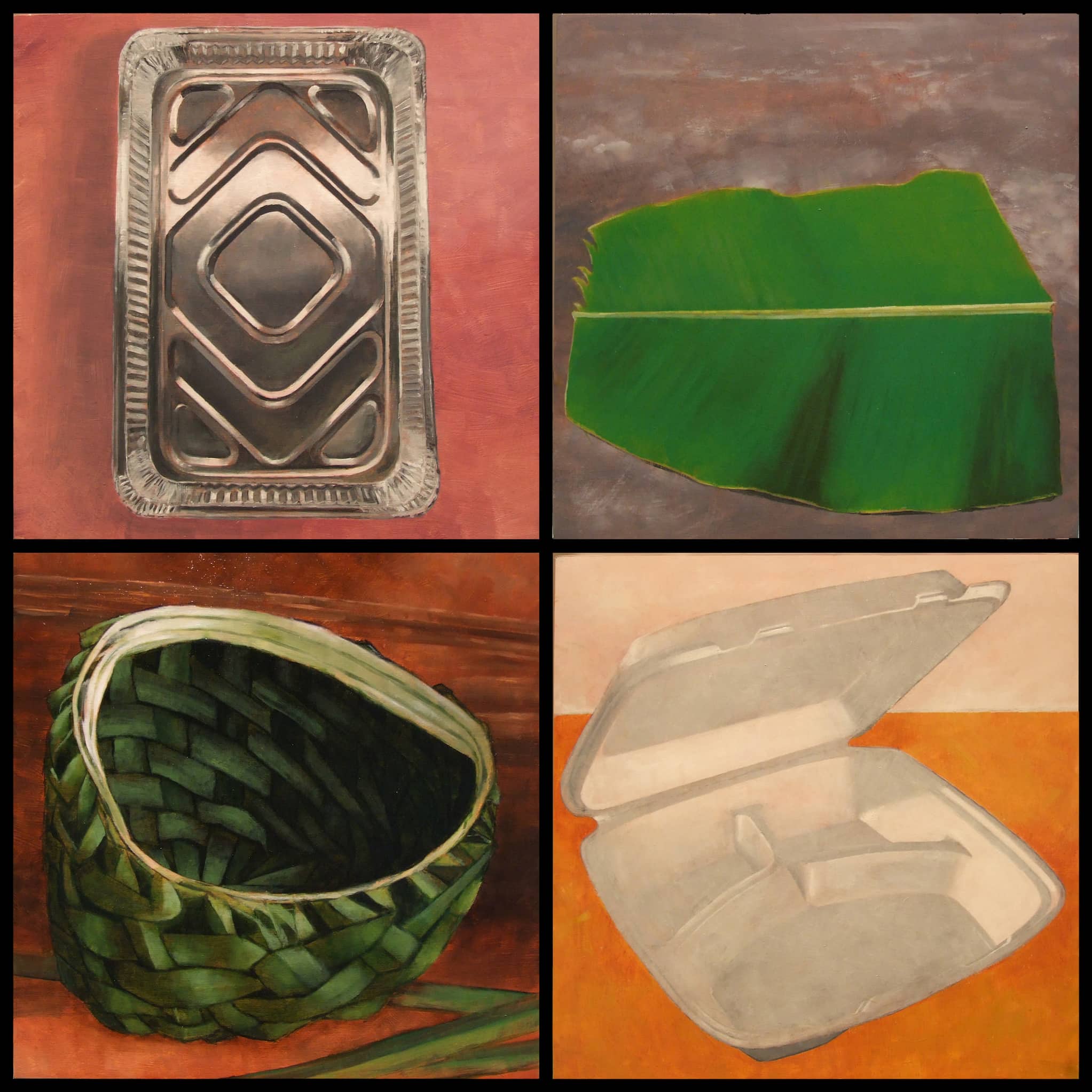
Samoan Food Containers
This group of paintings by Tali Alisa Hafoka centers on containers, connecting different ways of presenting and serving Samoan food, between traditional and mass-produced styles. The clamshell plate (bottom right) is a common mode of food presentation at important Samoan community events.
Featured in:
Samoans in the United States, Module 4
-
Image
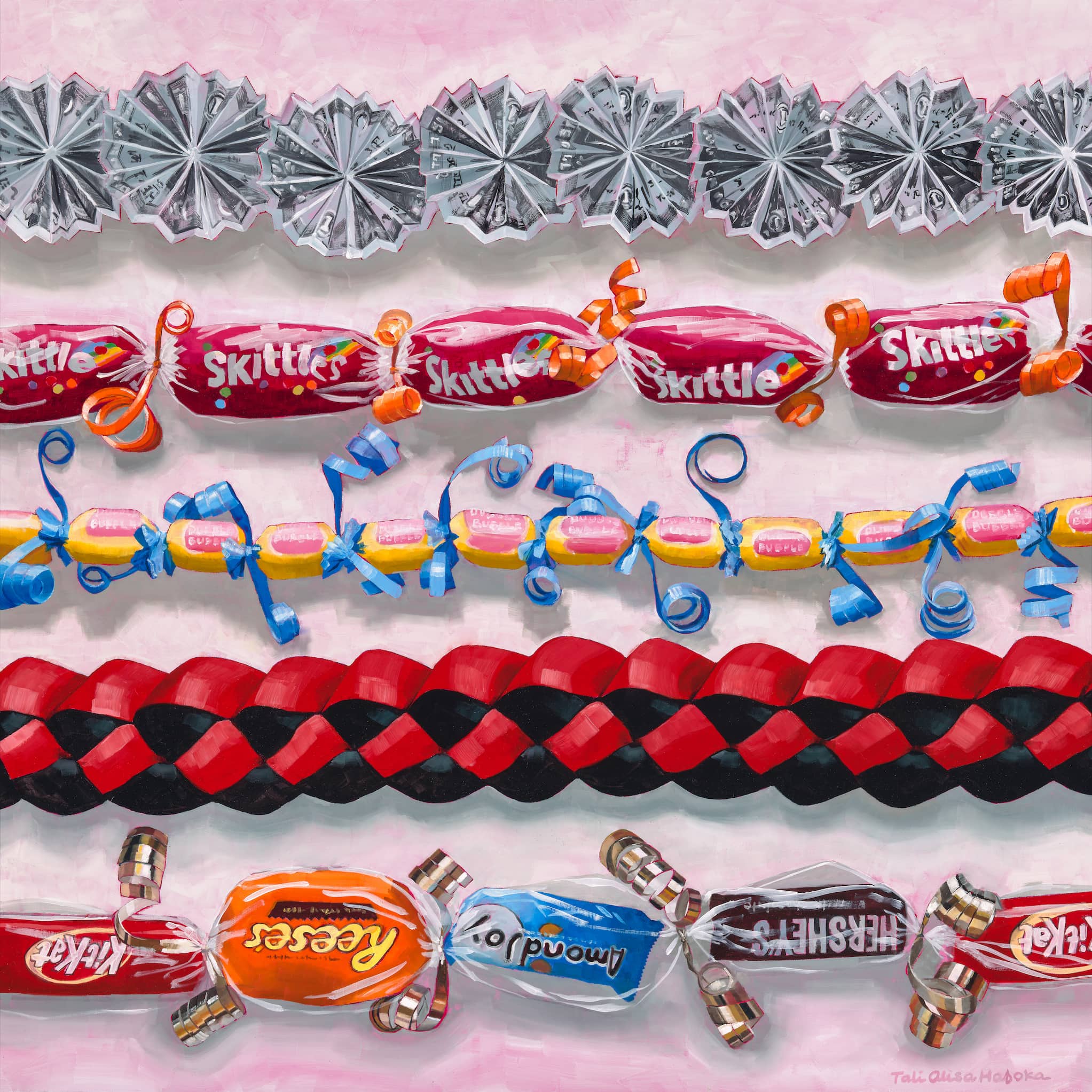
Candy Lei Painting
Tali Alisa Hafoka is an artist of mixed Samoan heritage. This painting of ʻula lole (candy leis) depicts a Samoan cultural practice in diaspora. These leis include American bills and an array of mass-produced American candies.
Featured in:
Samoans in the United States, Module 4
-
Image
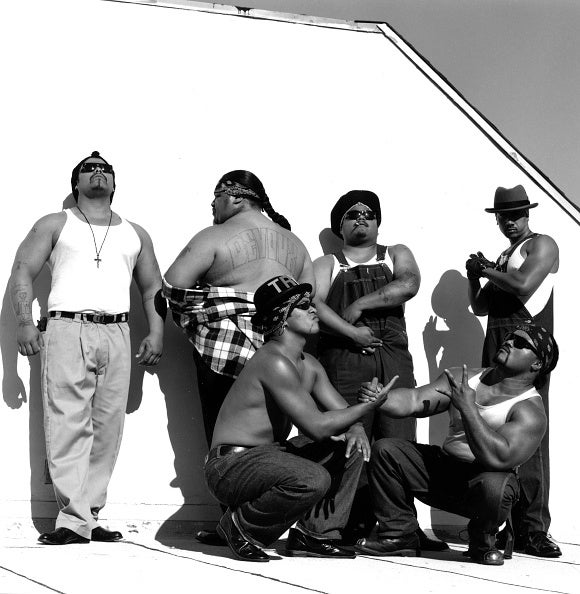
The Boo-Ya Tribe
Six Devoux brothers from Carson, California form the Boo-Yaa T.R.I.B.E.
Featured in:
Samoans in the United States, Module 4
-
Video
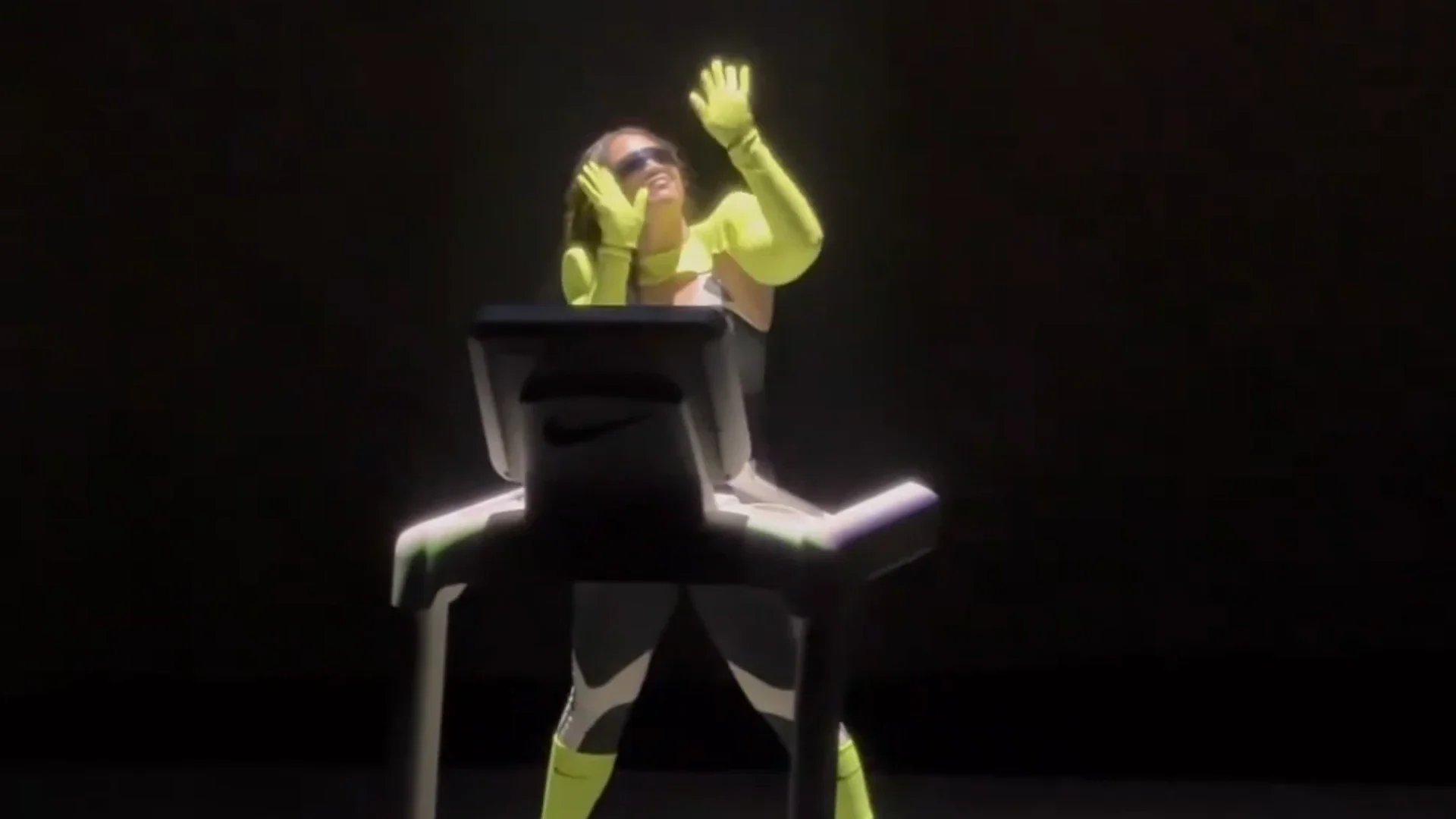
Parris Goebel x Nike Women Opening Scene
A snippet from Nike’s 2023 “Goddess Awakened” event at Paris Haute Couture Week, which was choreographed by Parris Goebel and features a siva Sāmoa. Cheehoos can be heard from the audience.
Featured in:
Samoans in the United States, Module 4
-
Image
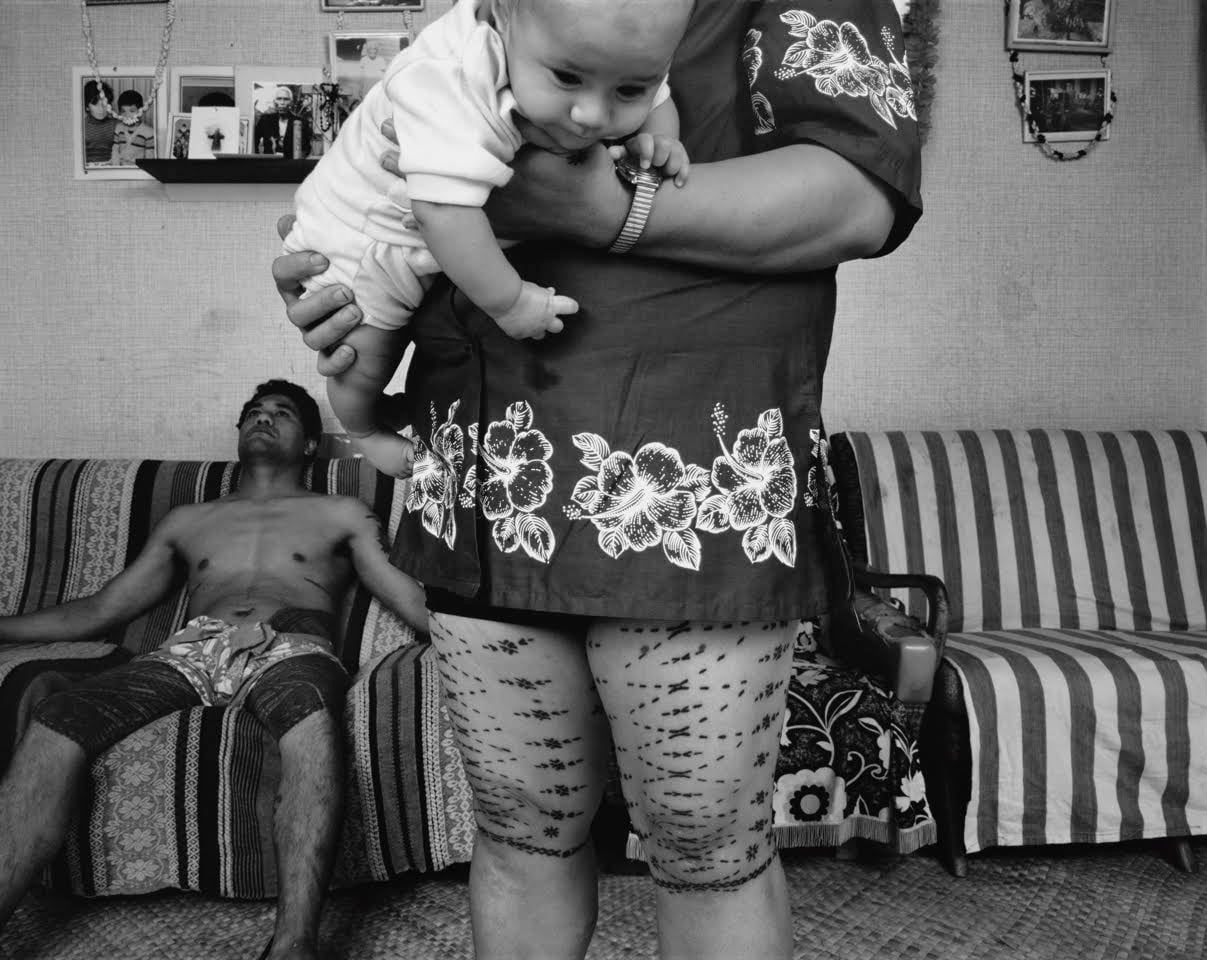
Samoan Woman’s Tatau
A Samoan woman in diaspora with the women’s tatau, called the malu, covering the thighs.
Featured in:
Samoans in the United States, Module 4
-
Video
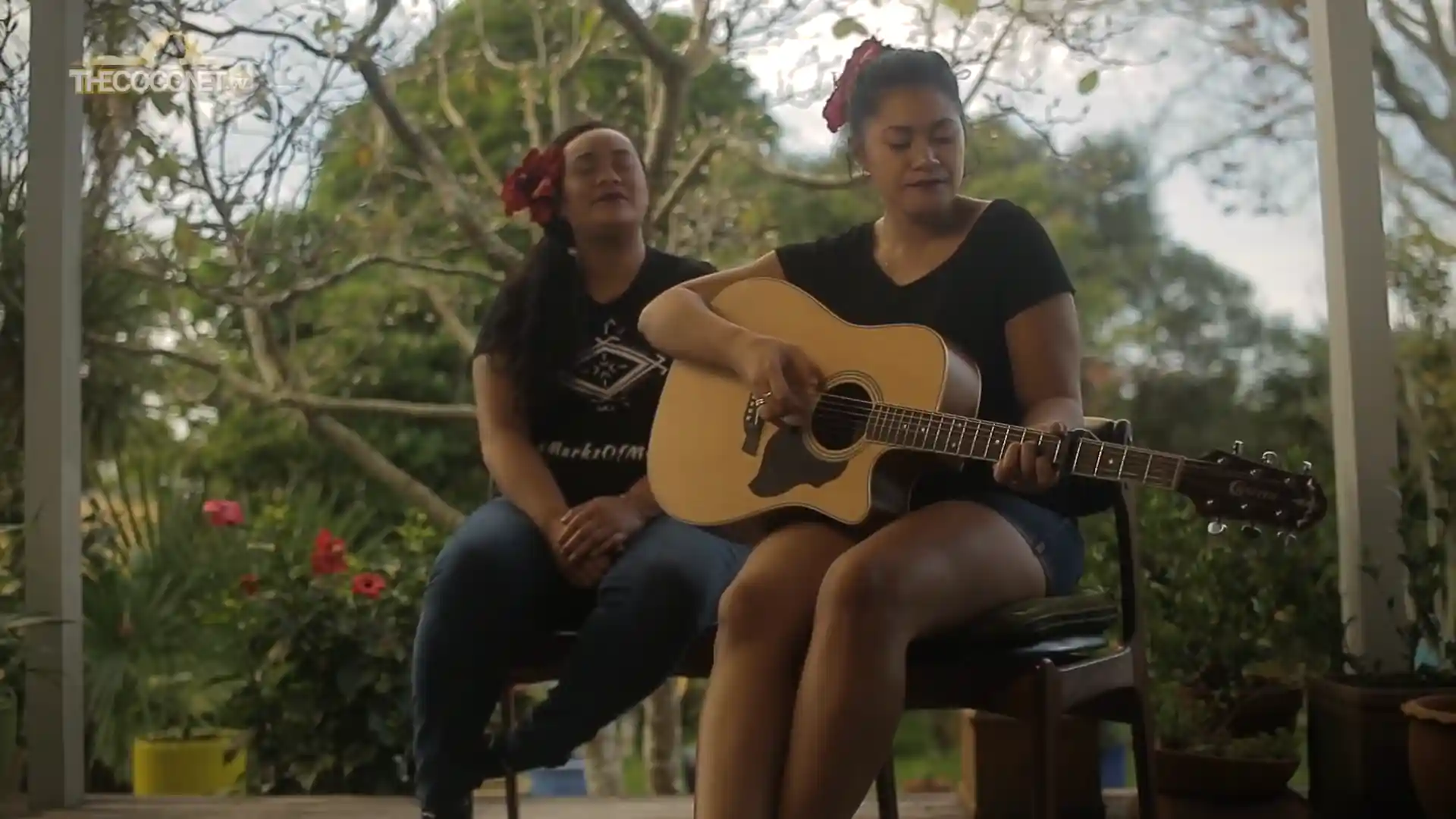
Tatau Song
This clip highlights footage of people with tatau and the tatau process as Mema and Joana sing “Pese o le Tatau,” which tells the story of Taema and Tilafaiga and their journey from Fiji to Sāmoa carrying the art of tatau.
Featured in:
Samoans in the United States, Module 4
-
Image
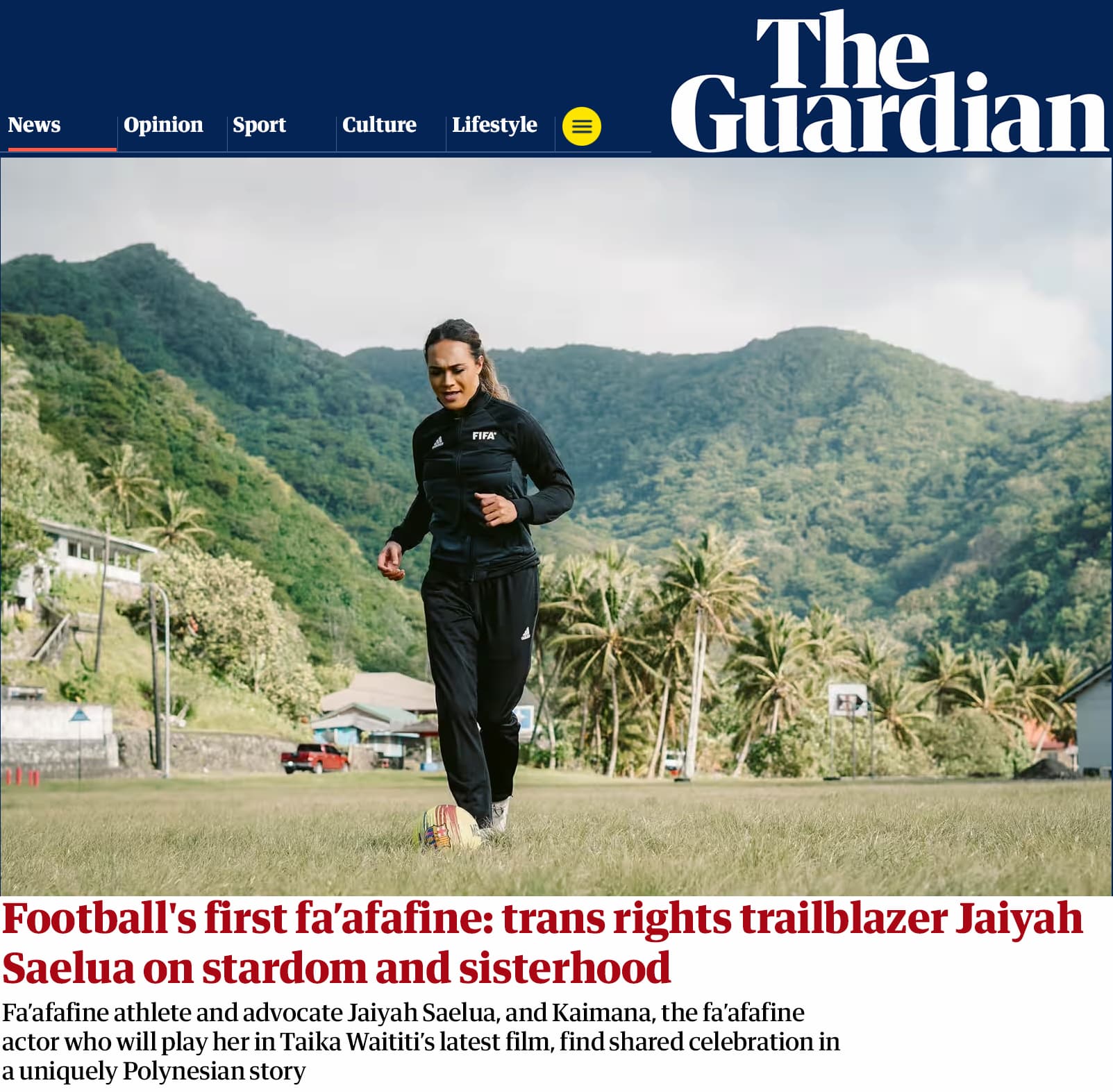
Jaiyah Saelua Practicing Drills
Jaiyah Saelua, a member of the American Samoan national soccer team whose life inspired the 2023 film Next Goal Wins, practices football drills at Fagaʻalu Park in American Sāmoa.
Featured in:
Samoans in the United States, Module 4
-
Image
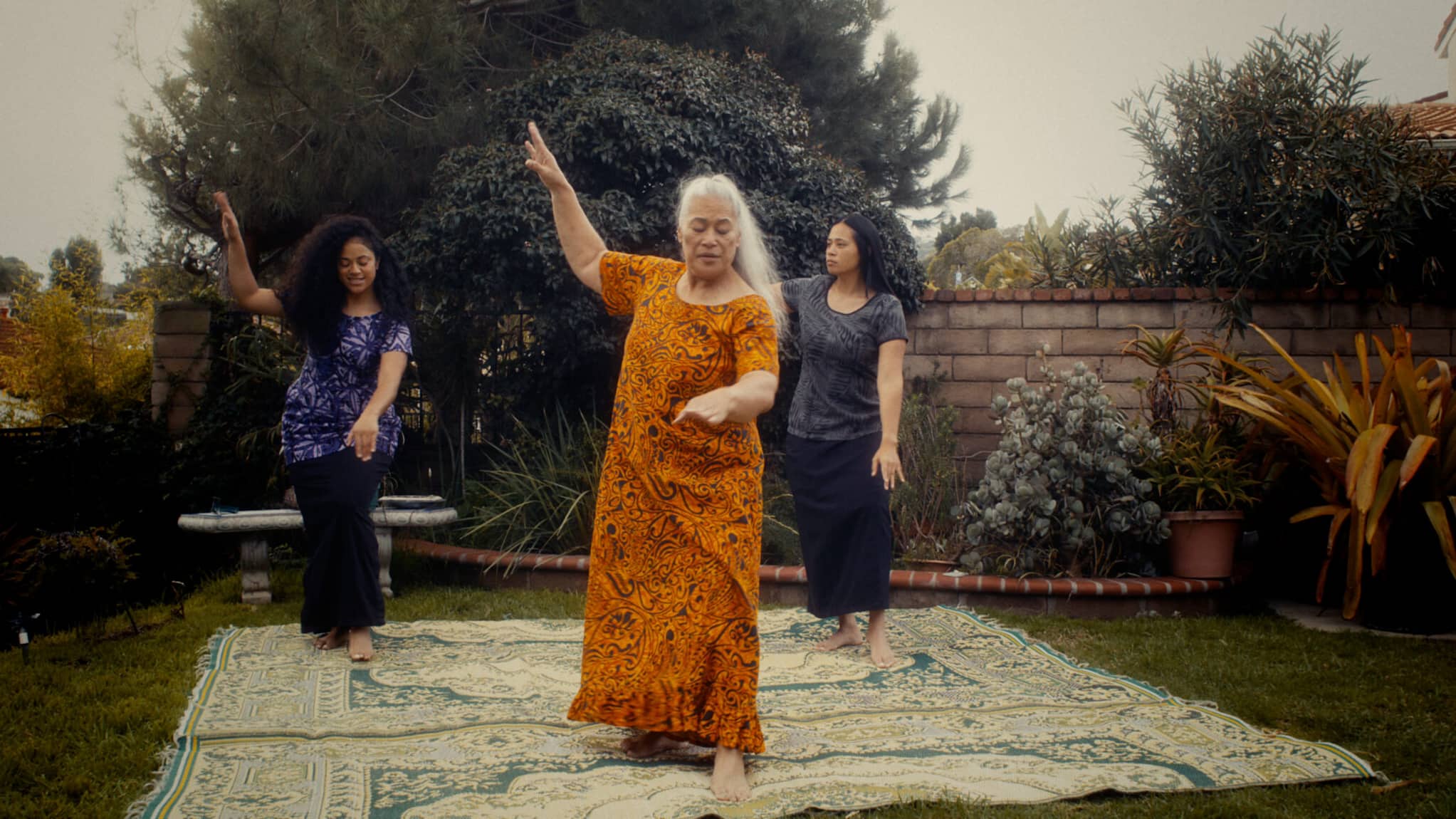
Come Together (2024)
A still from Honestine Paʻala-Fraser’s English and Samoan language short film Come Together (2024). The short film is inspired by the 1978 documentary Omai Fa’atasi: Samoa Mo Samoa.
Featured in:
Samoans in the United States, Module 4
-
Image
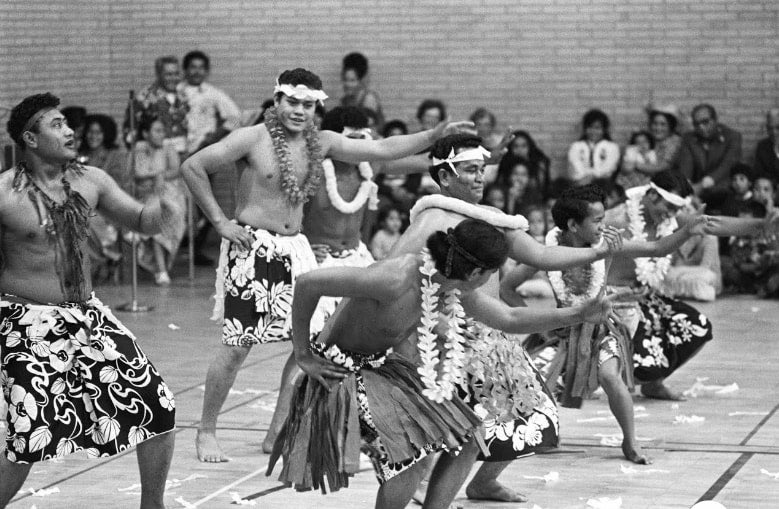
Samoan Dance Troupe
A Samoan dance troupe performs for community elders and peers at a large celebration in Carson, California, 1972.
Featured in:
Samoans in the United States, Module 4
-
Video
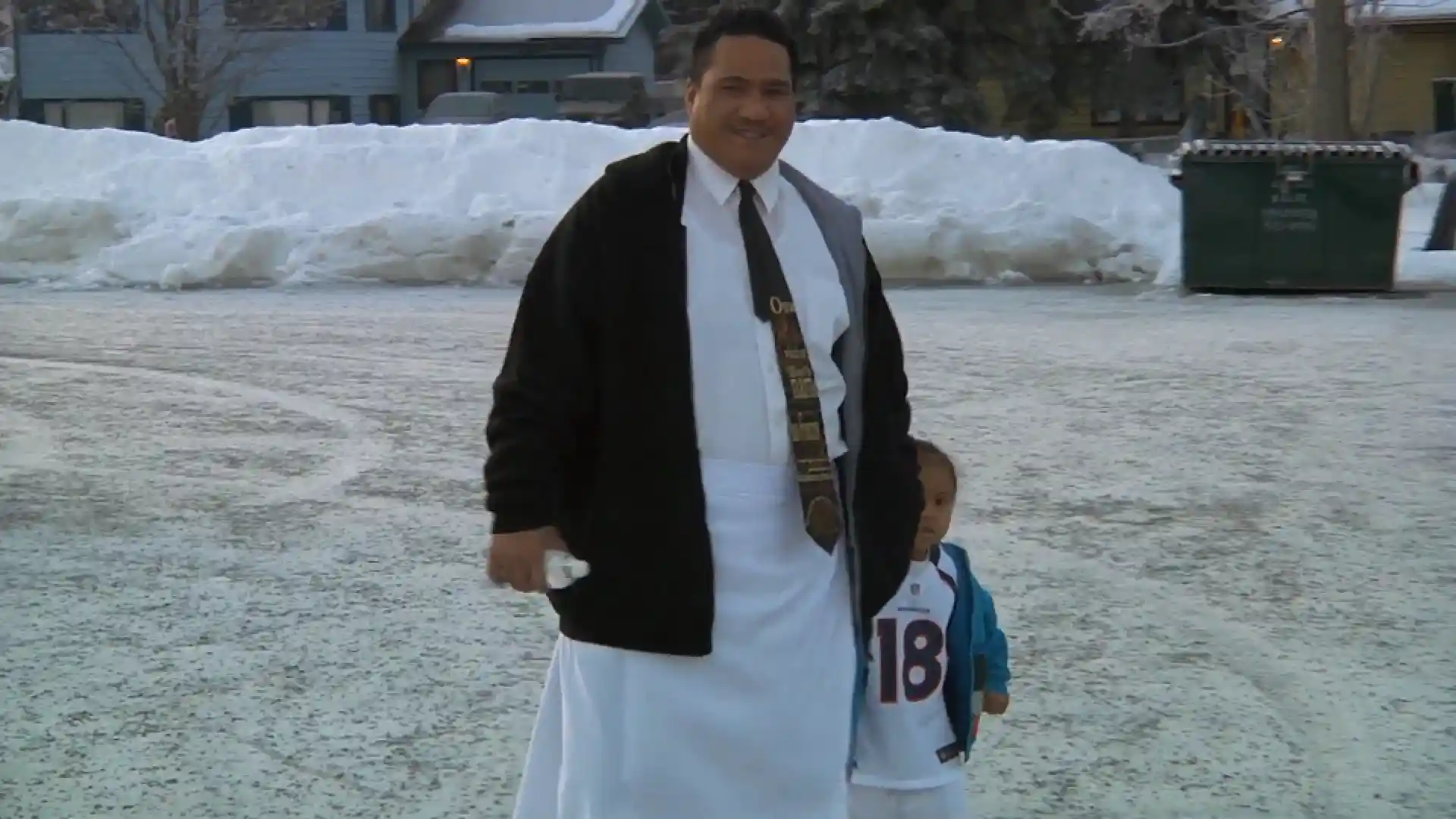
Samoans Find Church Home in Alaska
Samoans in Alaska talk about the importance of their Samoan church community and the opportunities sought in Alaska.
Featured in:
Samoans in the United States, Module 3
-
Image
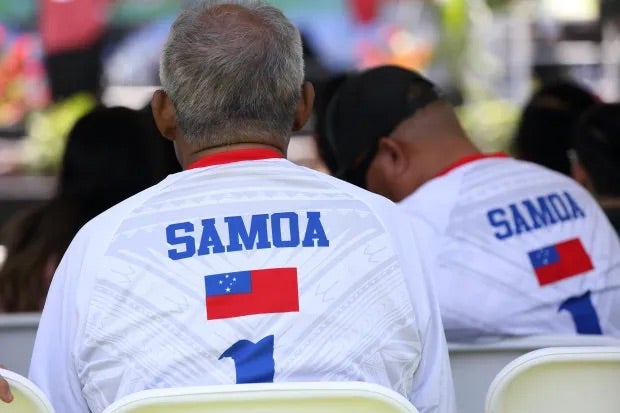
Samoan Jerseys at the Samoan Heritage Day Celebration
The 2023 Samoan Heritage Day Festival drew over one thousand attendees, many of which wore their Samoan pride with cultural attire and flags. These shirts pictured here feature the flag of the Independent State of Sāmoa.
Featured in:
Samoans in the United States, Module 3
-
Video
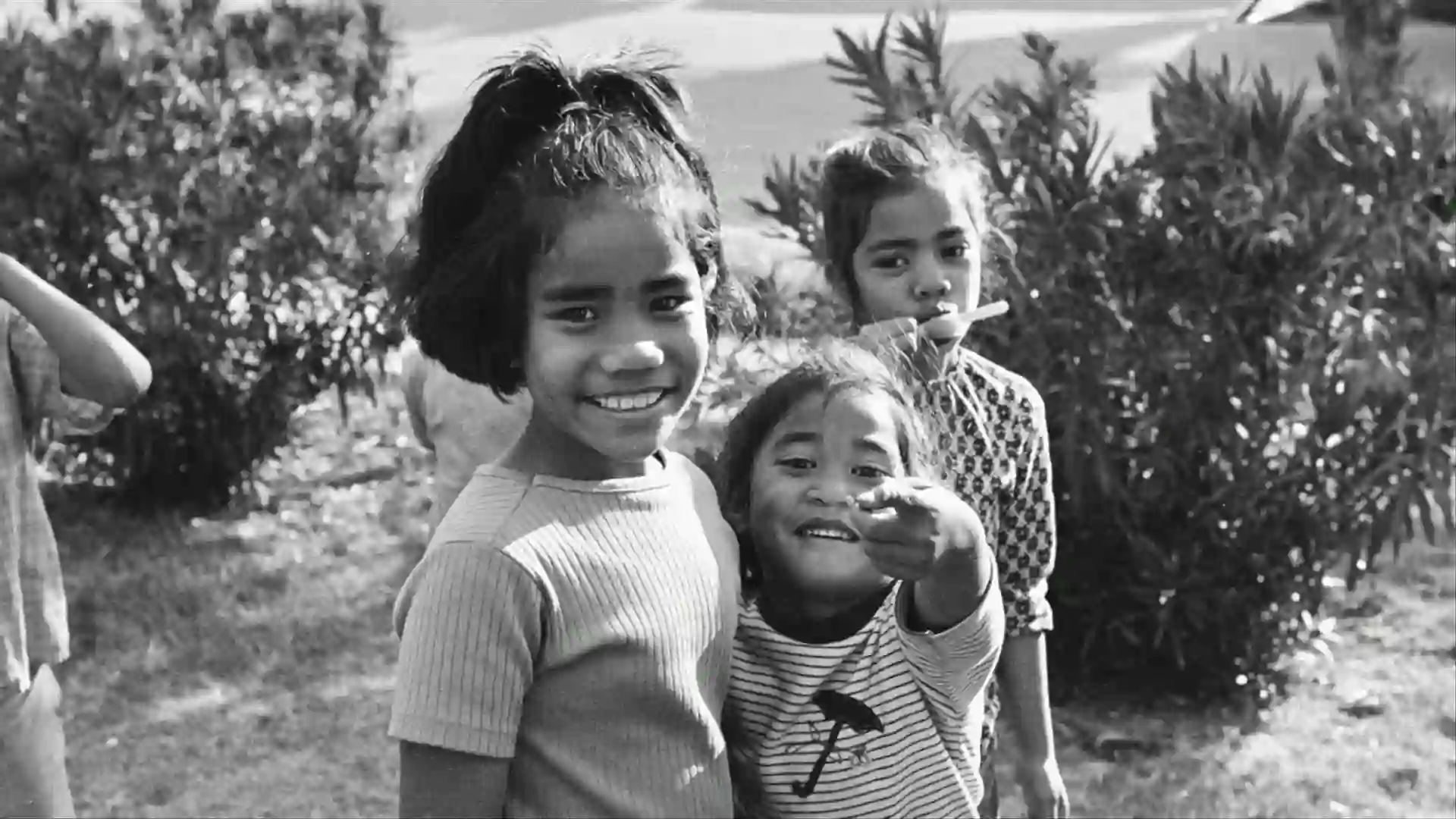
Samoan Americans in Carson, CA
June Pouesi, director of the Office of Samoan Affairs, describes the waves of immigration from American Sāmoa that led to the development of the Samoan communities in Carson and Wilmington, both cities in Los Angeles County.
Featured in:
Samoans in the United States, Module 3
-
Image
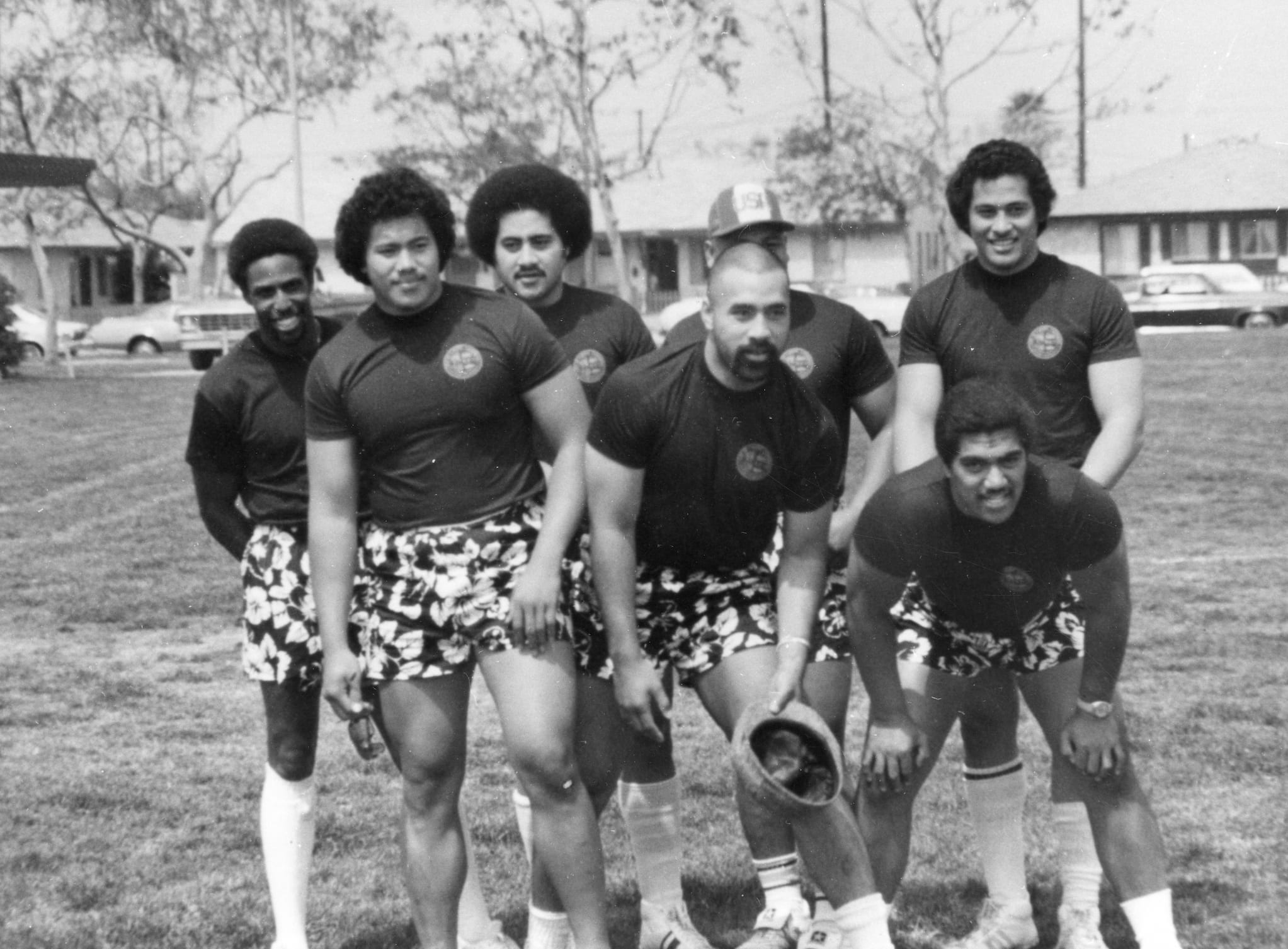
Samoan American Football Players
A 1975 group portrait of the Samoan American athletic club, “Samoan Athletes in Action,” at Scott Park in Carson, California. The park was renamed Foisia Park in 2018, almost thirty years after the Samoan community initially advocated for the city to rename the park.
Featured in:
Samoans in the United States, Module 3
-
Image
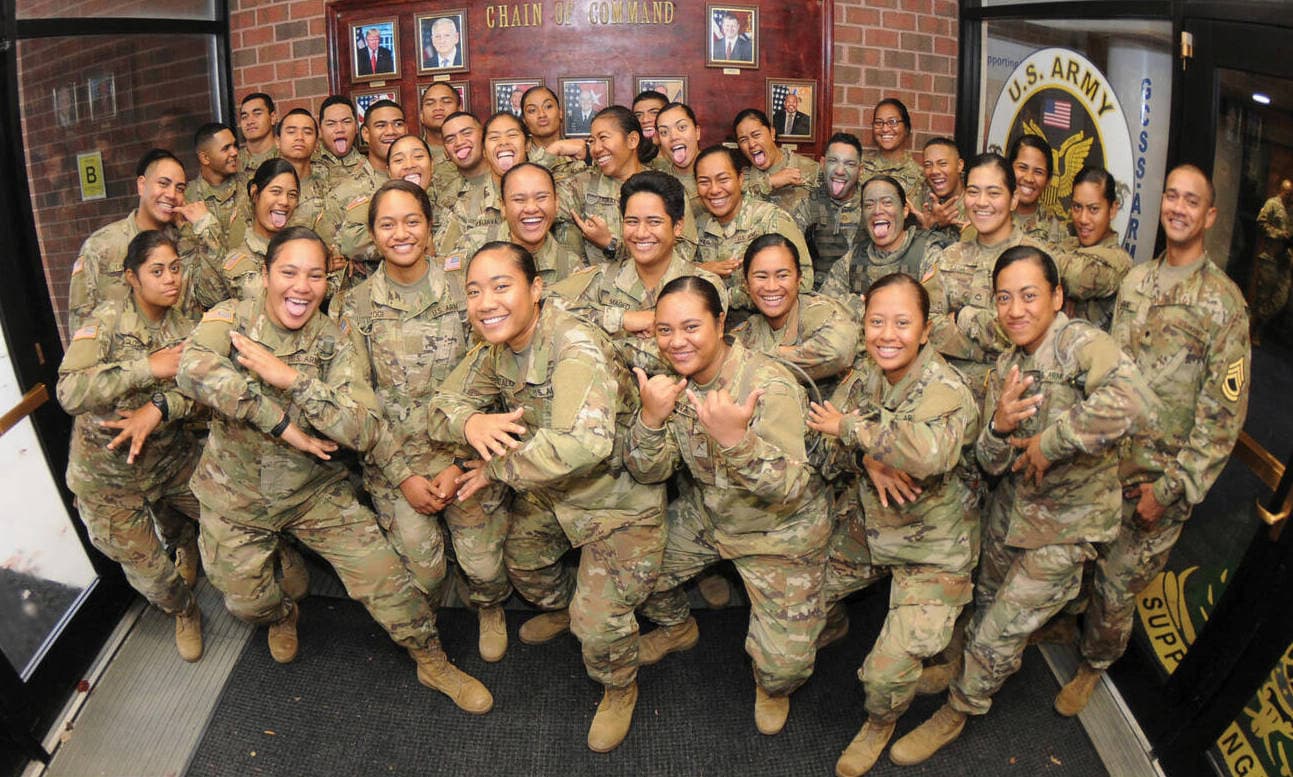
Samoan Americans in the U.S. Army
Members of a Samoan family in military training at Fort Lee, Virginia. At the time of this photo, forty-one family members hailing from Poloa, a village west of Pago Pago, train together in the US Army, c. 2017.
Featured in:
Samoans in the United States, Module 3
-
Image
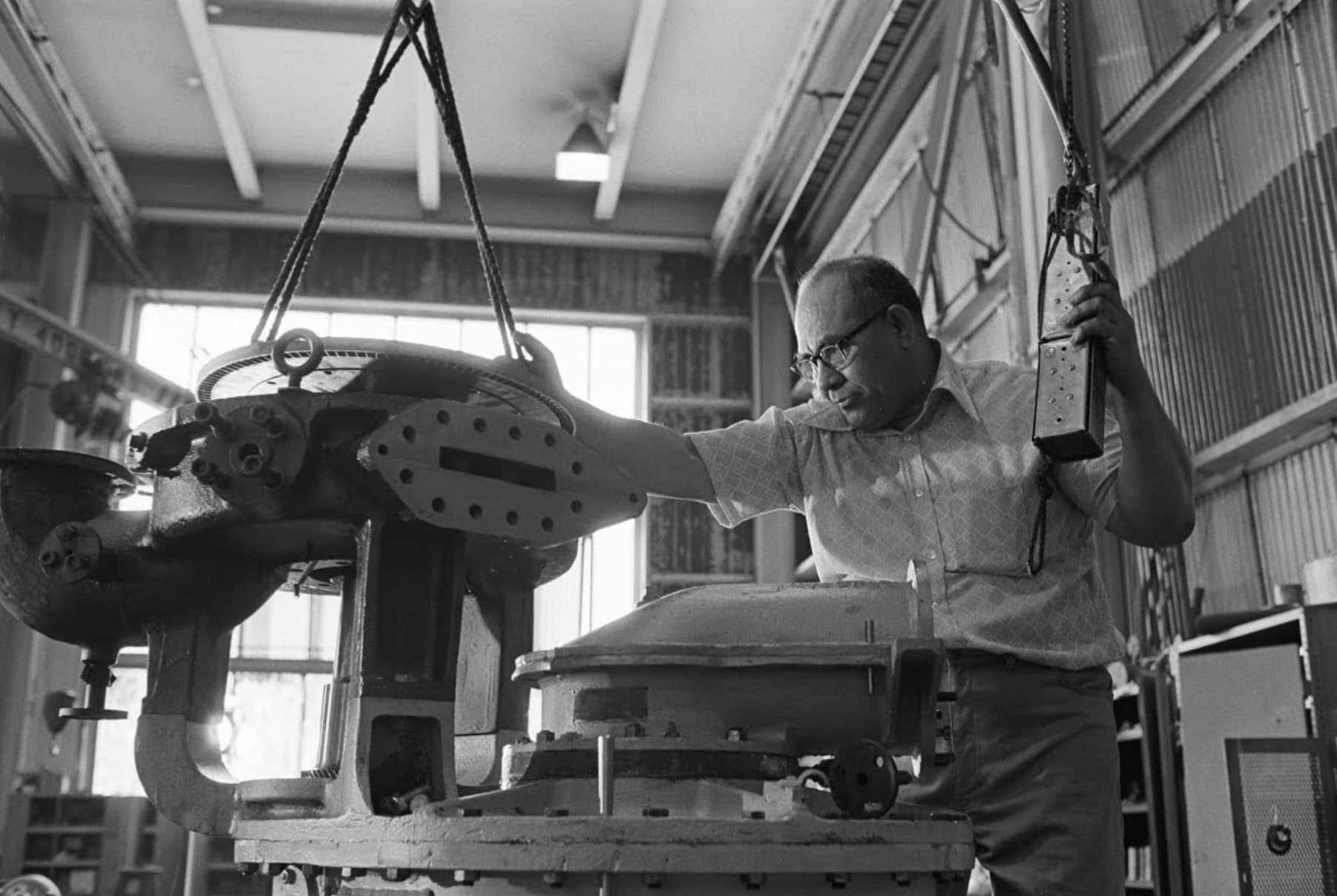
Elderly Samoan American Shipbuilder
Lagofaʻatasi Sialoa, a Samoan American shipbuilder and minister manufactures precision parts for a ship’s engine, 1972. In the decades following World War II, many Samoans who served with the US Navy found work at Long Beach Naval Shipyard.
Featured in:
Samoans in the United States, Module 3
-
Image
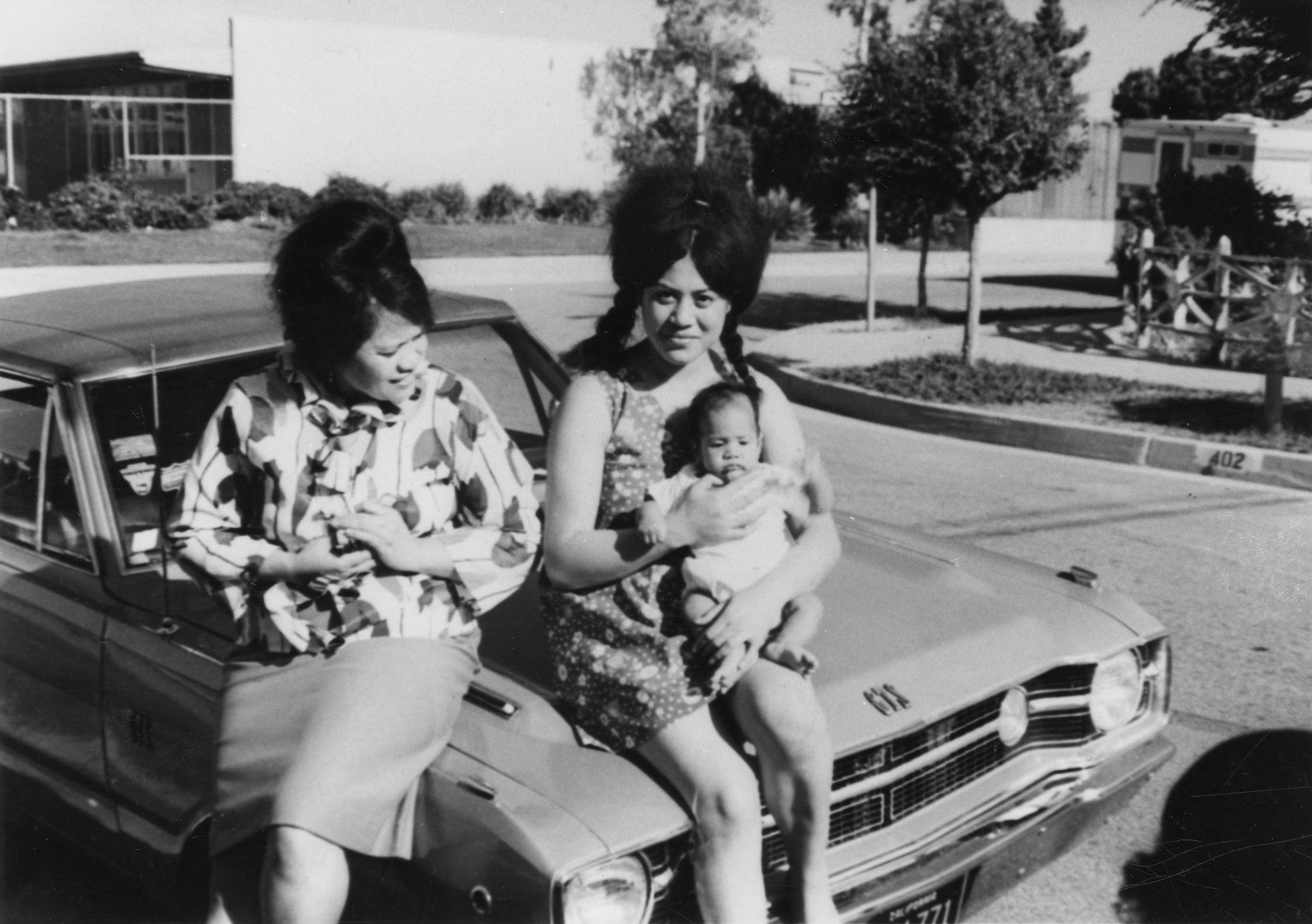
Samoan American Family in Carson, California
Liz (right) with her son and her cousin, Vaisola (left), sit on a car on Archibald Street in Carson, California, 1971. A significant number of Samoans continue to live in Carson.
Featured in:
Samoans in the United States, Module 3
-
Image
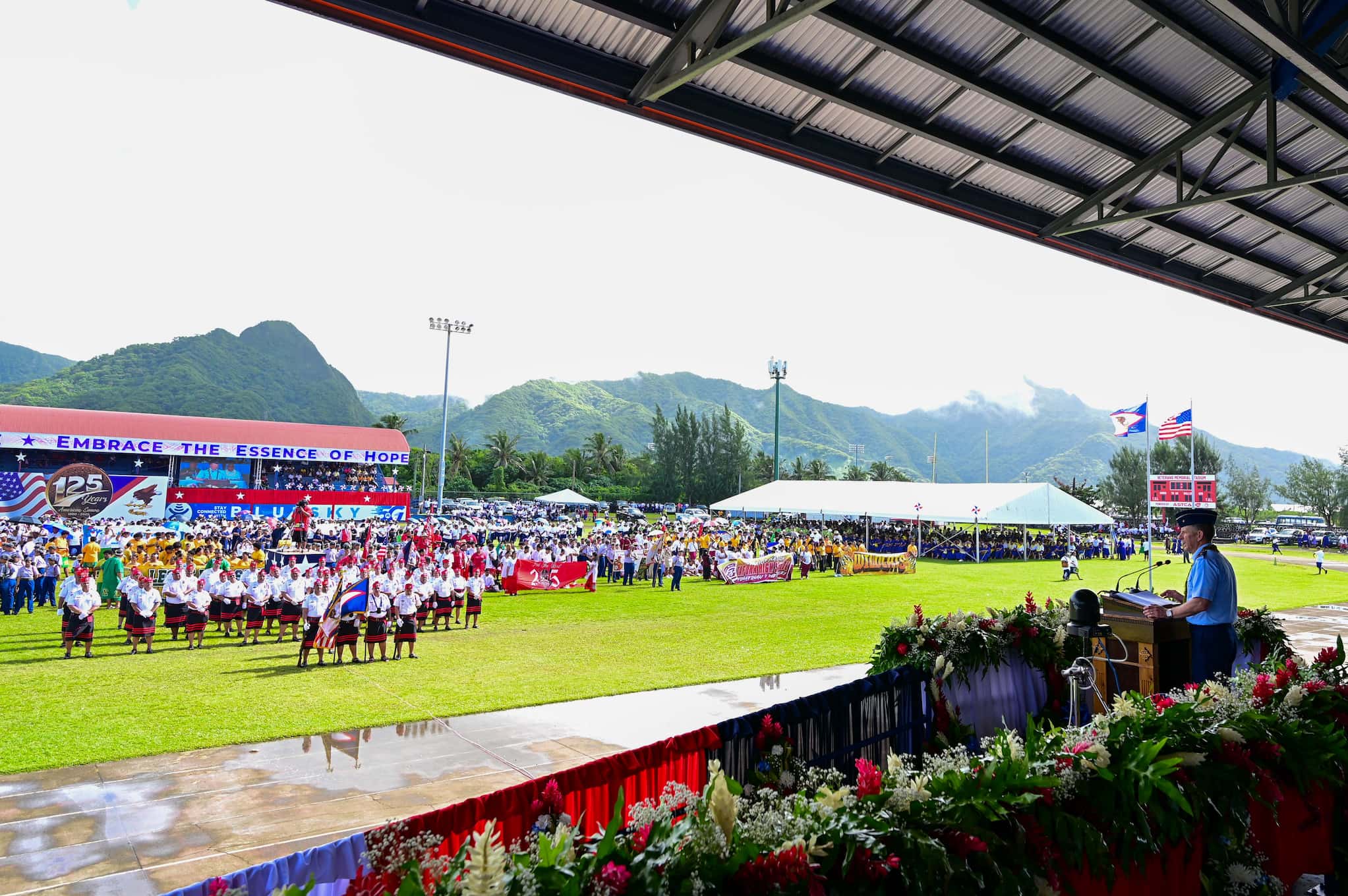
Air Force Honors American Sāmoa during its 125th Flag Day Celebration
The US military addresses the audience at the 125th American Sāmoa Flag Day celebration in Pago Pago. The flags of American Sāmoa and the US are raised together (right).
Featured in:
Samoans in the United States, Module 2