



Search the Media Repository
Discover the curated images, videos, and primary sources featured throughout Foundations and Futures
History is more than just text on a page; it is the photographs, voices, and artifacts of the people who lived it. The images and recordings featured across Foundations and Futures are part of a meticulously curated media repository. Whether you are building a lesson plan or investigating an artifact, you can use this database to trace the provenance of our media: discover who created an asset, the historical context behind it, and how it can be used to bring Asian American and Pacific Islander experiences into your classroom.
Multimedia
Chapters
-
Text
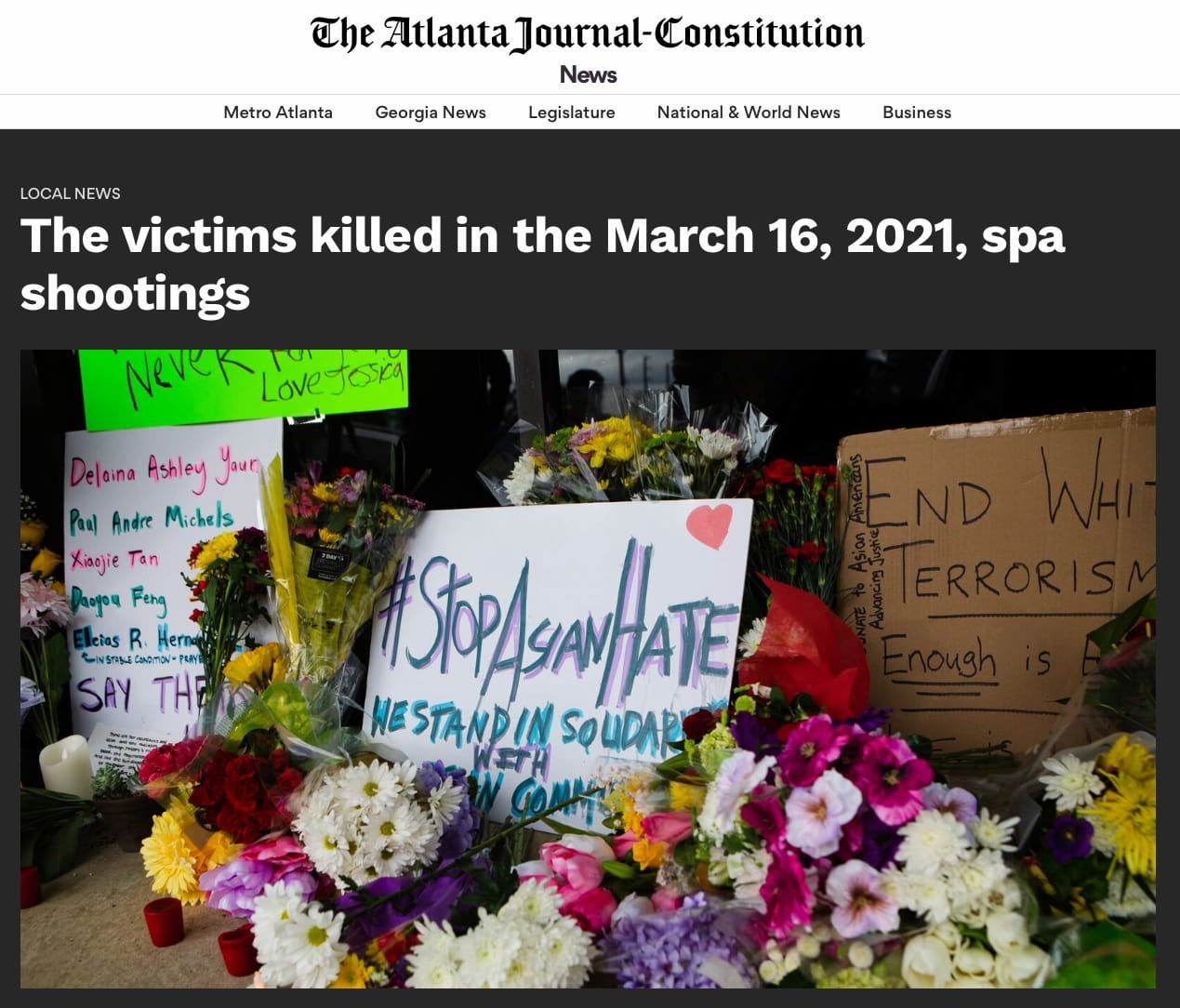
“The Victims Killed In the March 16, 2021, Spa Shootings”
After the shootings at Korean-owned businesses in the Atlanta area in 2021, protest, community organizing, and artistic response among Asian Americans blossomed nationwide.
Featured in:
Asian Americans in the United States South, Module 1
-
Image
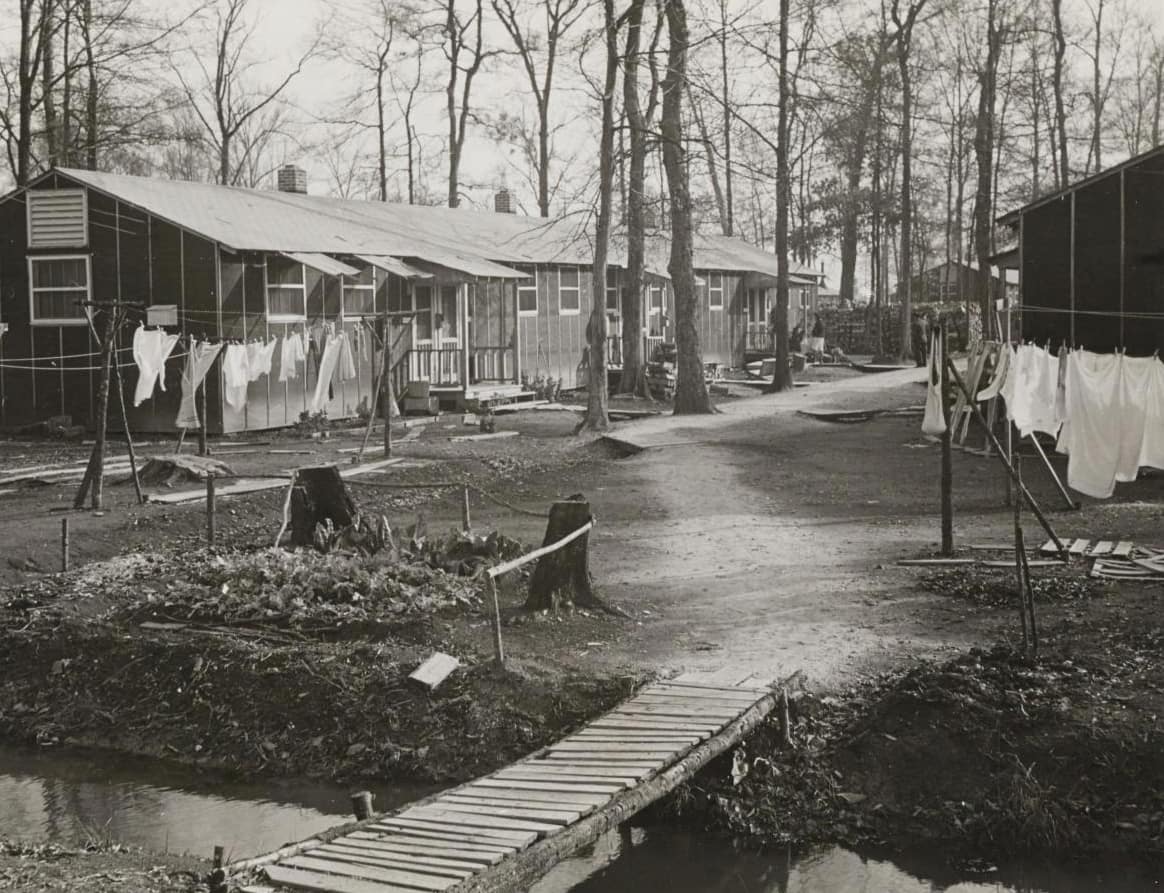
View of Barracks at Rohwer Relocation Center
During World War II, over 8,000 Japanese Americans were incarcerated in the Rohwer “Relocation Center” in Desha County, Arkansas, with a similar number at the Jerome camp nearby. Families contended with crowded barracks and unfamiliar swampy surroundings.
Featured in:
Asian Americans in the United States South, Module 1
-
Text
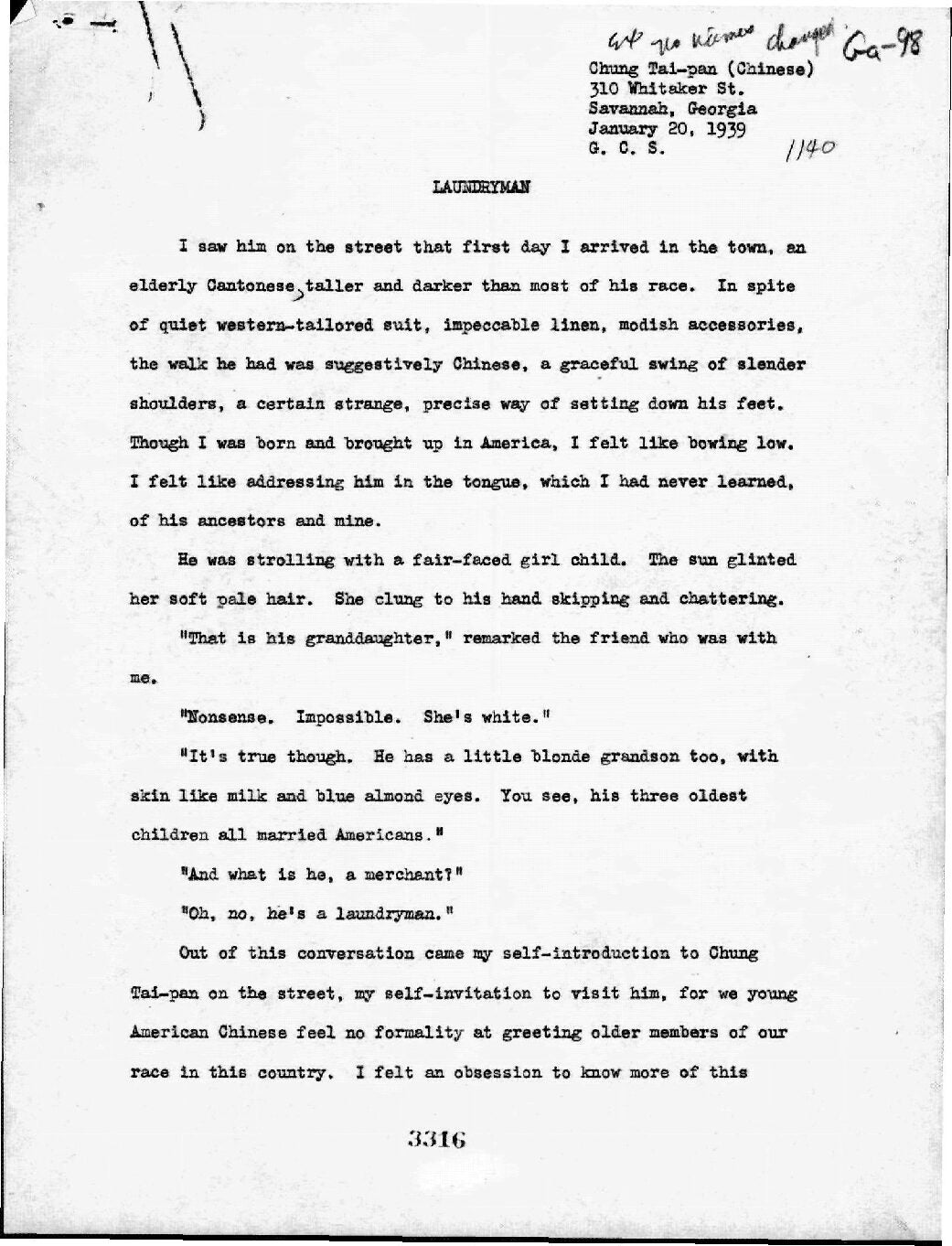
Chung Tai Pan’s Interview Transcript
A project of the Federal Writers’ Project profiled laundry owner Chung Tai-pan, a key figure in Savannah’s Chinese American community. The interviewer was his daughter, poet Gerald Chan Sieg, who pretends in the interview to meet him on the street.
Featured in:
Asian Americans in the United States South, Module 1
-
Image
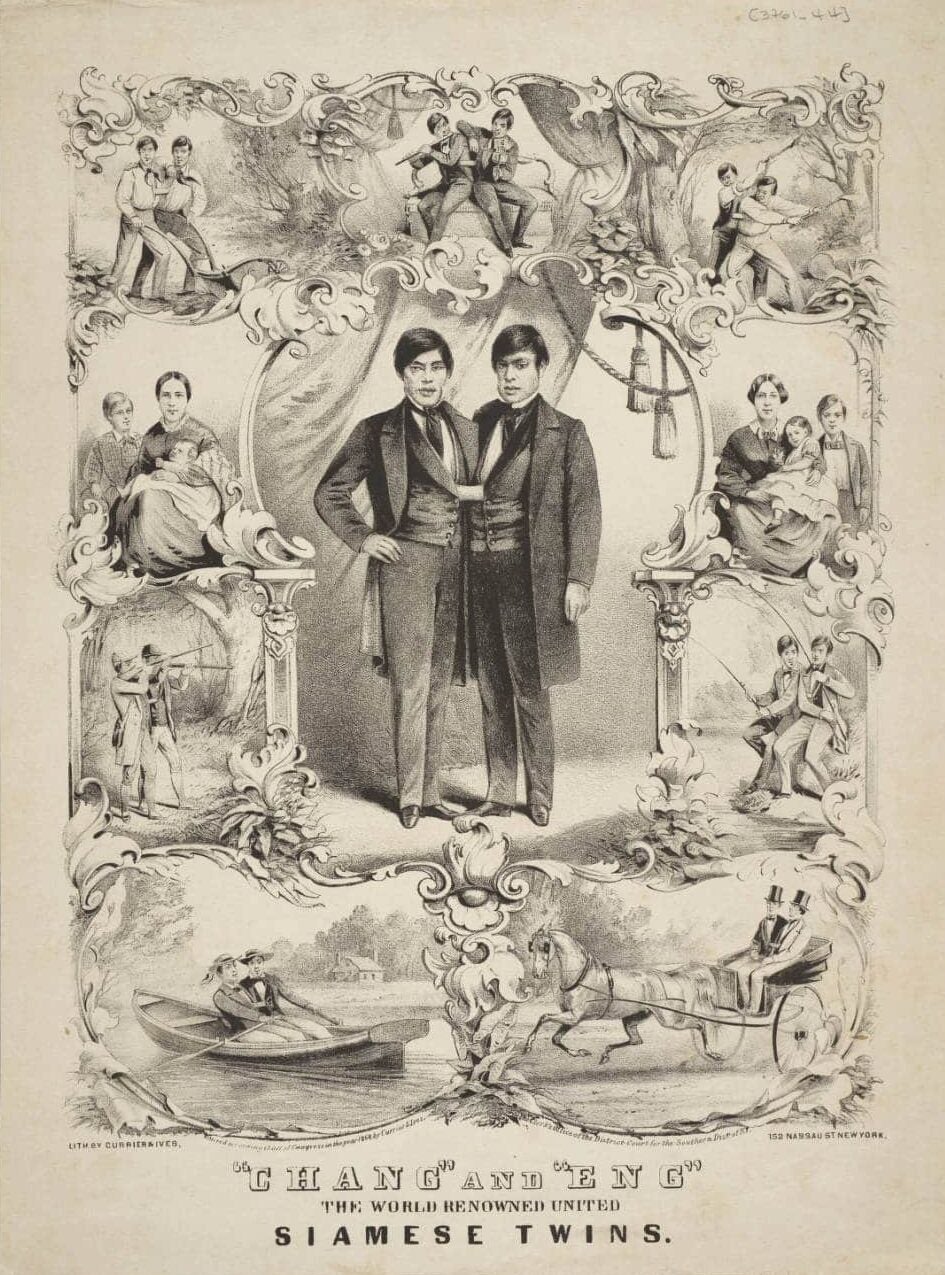
Romanticized Scenes From Eng and Chang Bunker’s Lives
This 19th-century lithograph by Currier & Ives depicts Eng and Chang Bunker surrounded by scenes of family life and labor, reinforcing a romanticized image of their assimilation and success in the American South.
Featured in:
Asian Americans in the United States South, Module 1
-
Image
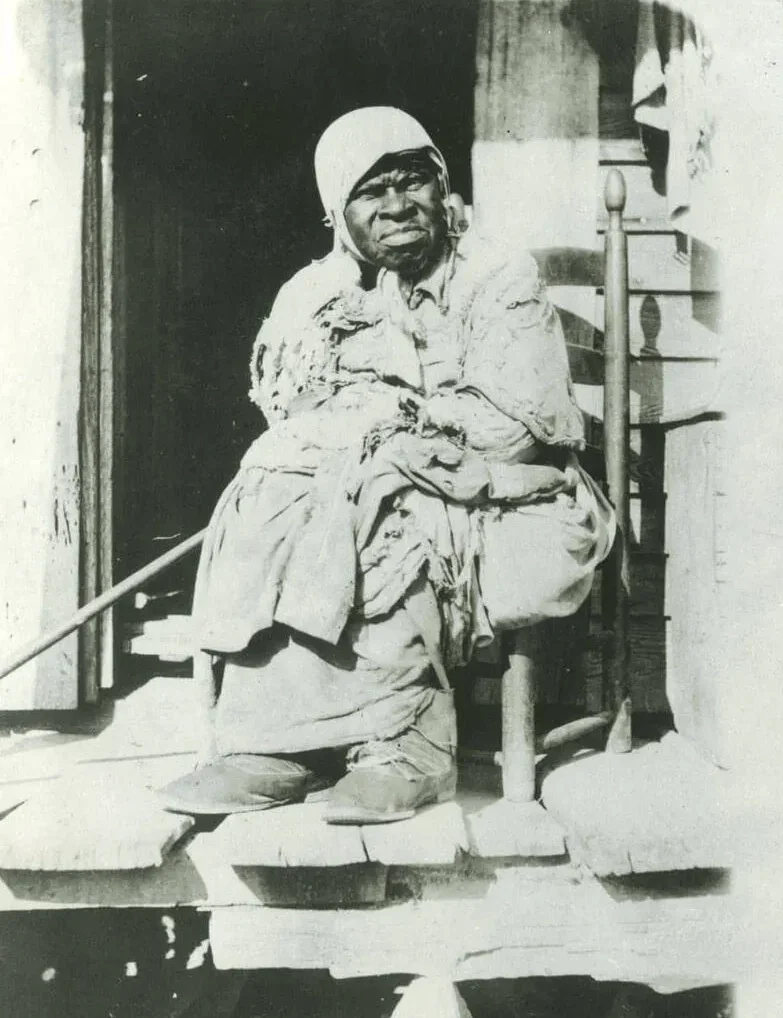
Grace Gates Sits On A Porch
Grace Gates, one of the people enslaved by Eng and Chang Bunker, helped raise their children. The Bunkers’ participation in slavery highlights the different social positions available to Asian Americans and African Americans in the 19th-century South.
Featured in:
Asian Americans in the United States South, Module 1
-
Image
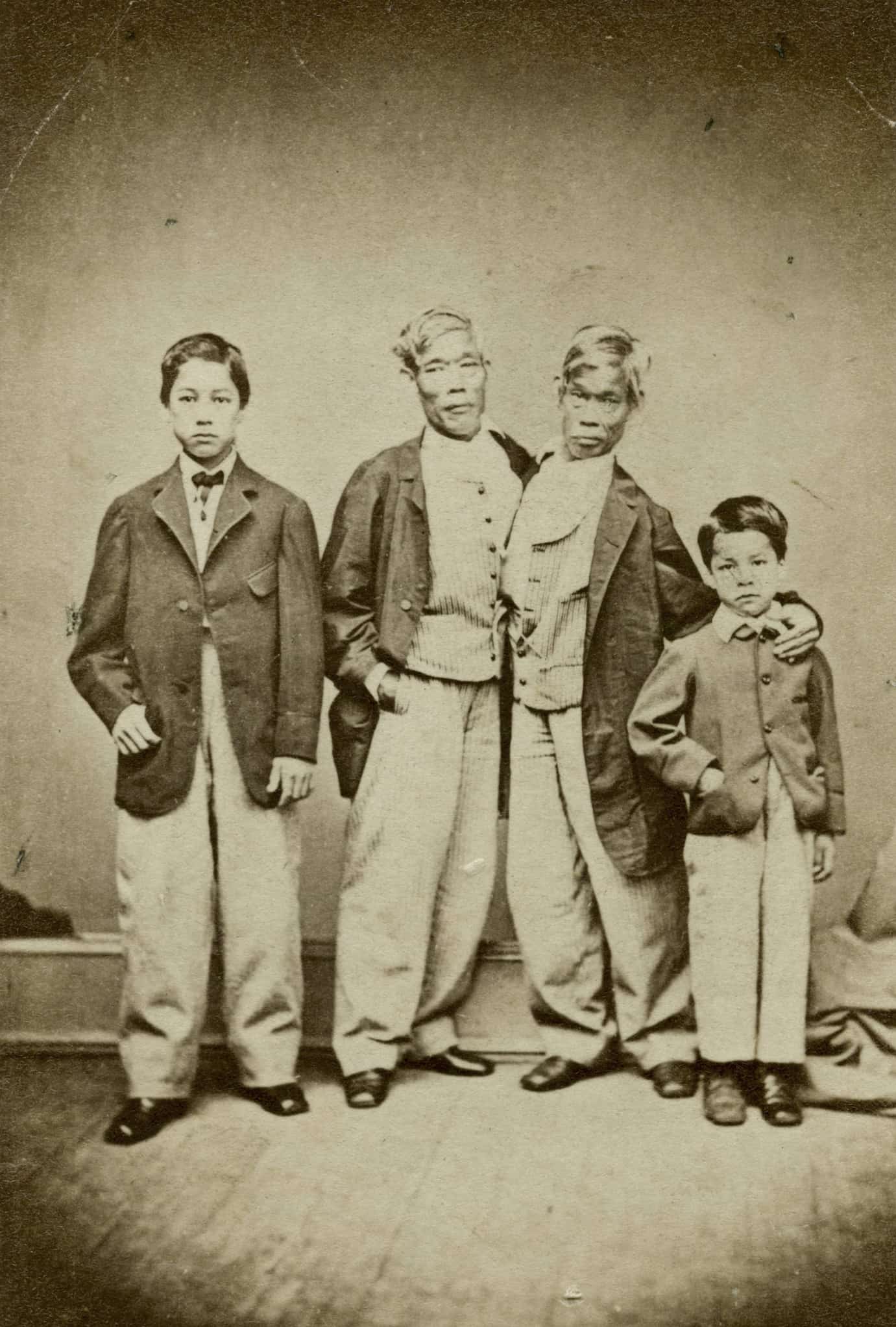
Eng and Chang Bunker With Their Children
Conjoined twins Eng and Chang Bunker, pictured here with two of their children, toured internationally before settling as farmers in North Carolina. They became naturalized citizens, attended Christian services, and started families with white American women.
Featured in:
Asian Americans in the United States South, Module 1
-
Text
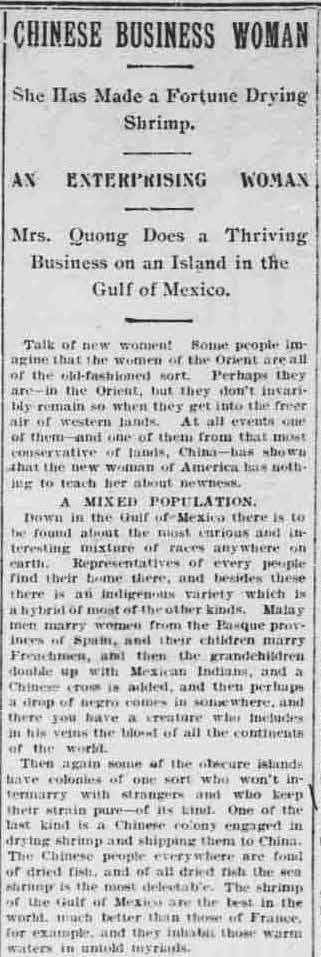
“Chinese Business Woman Has Made A Fortune Drying Shrimp”
Quong Wo, profiled in an 1896 article, was the only known woman owner amongst Asian-run shrimp businesses in the New Orleans area. During Reconstruction, Chinese shrimpers like Wo joined the Filipino community in establishing businesses in marshes surrounding New Orleans.
Featured in:
Asian Americans in the United States South, Module 1
-
Audio
Ping Nguyen Oral History
Ping Nguyen recalls the disorientation of attending elementary school for the first time as a Vietnamese refugee in Rock Hill, South Carolina—an experience shared by many who were one of the only Asian students in schools across the US South.
Featured in:
Asian Americans in the United States South, Module 1
-
Video
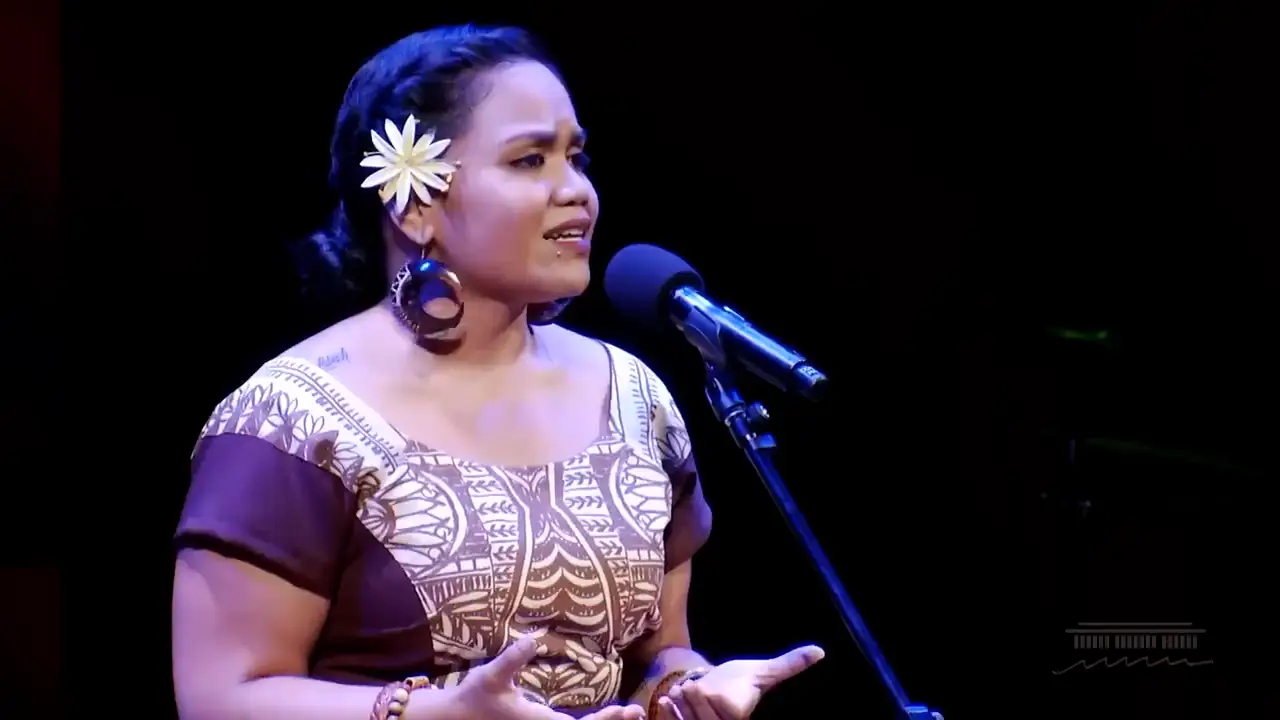
“Raise Up” by Terisa Siagatonu
Poet and organizer Terisa Siagatonu performs the poem “Raise Up” at the Kennedy Center, which underscores the importance and pressures Samoan parents place on their children’s education.
Featured in:
Samoans in the United States, Module 6
-
Video
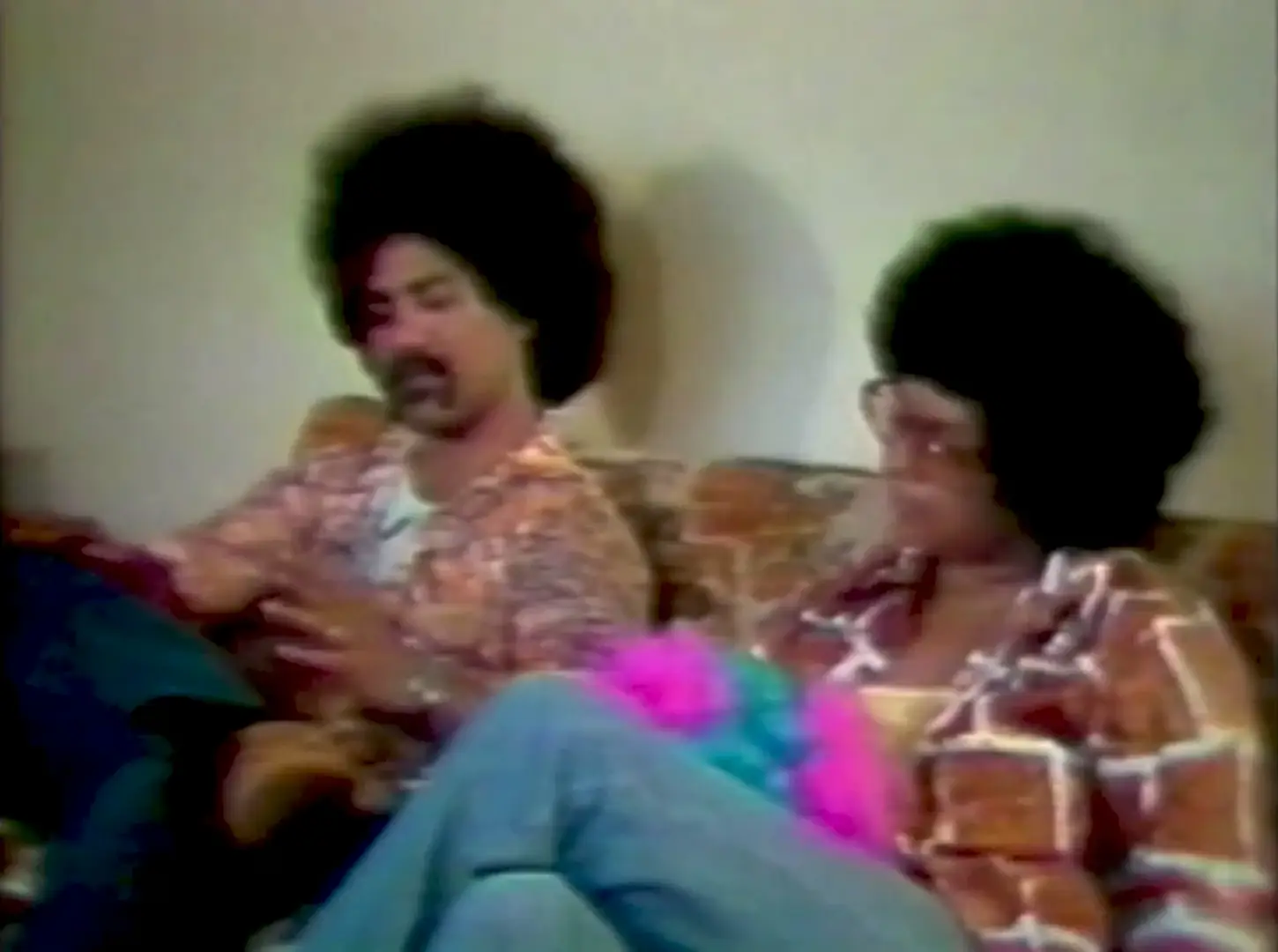
Omai Faʻatasi: Samoa Mo Samoa
The opening of the 1978 documentary film Omai Faʻatasi: Samoa mo Samoa offers snapshots of daily life for Samoans in Los Angeles’s South Bay community, primarily Carson, in the late 1970s.
Featured in:
Samoans in the United States, Module 6
-
Text
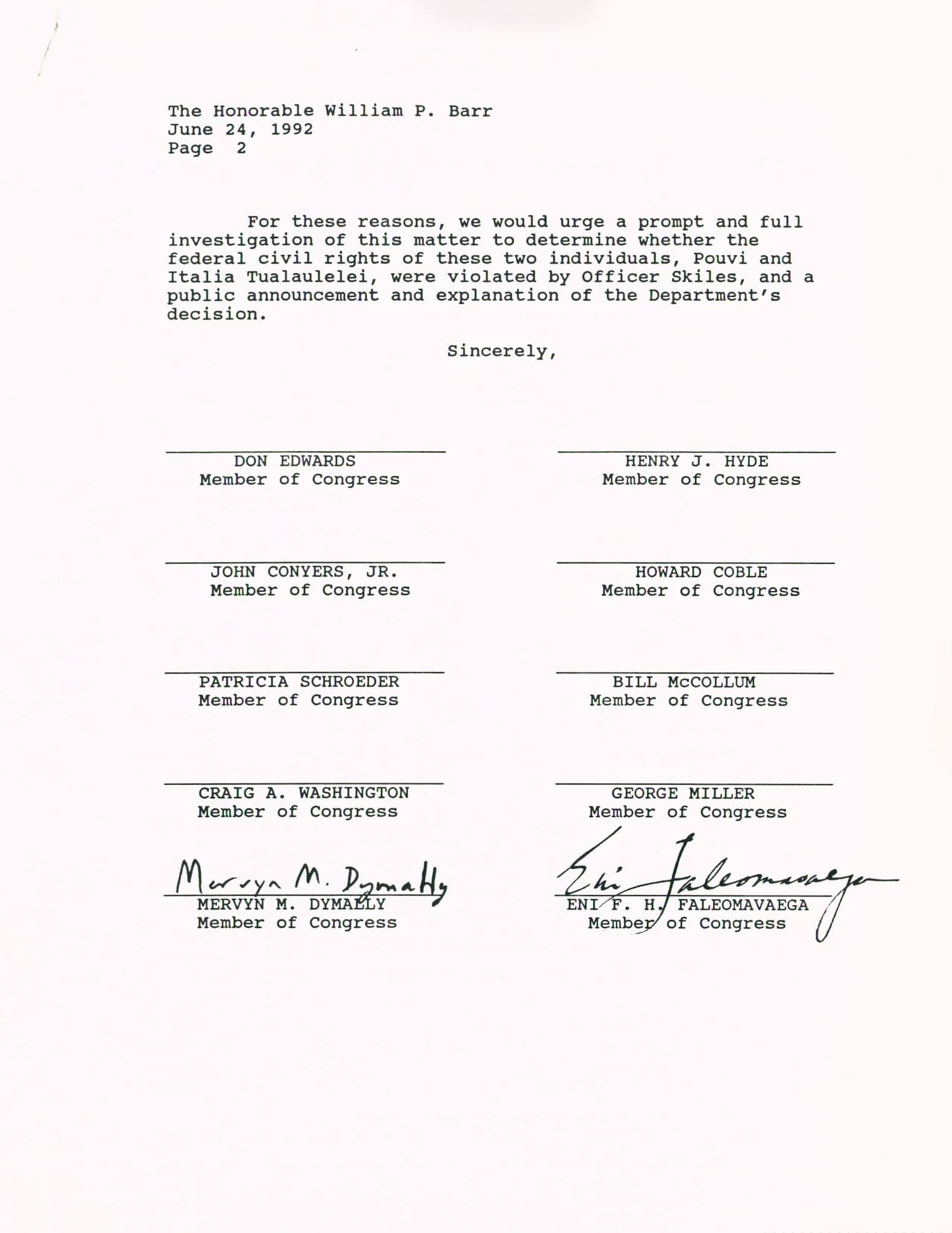
Letter to U.S. Attorney General Page 2
A 1992 letter drafted by members of Congress raises the death of the Taulaulelei brothers as a civil rights issue. The signature of Eni F. H. Faleomavaega, American Sāmoa’s non-voting delegate to the House of Representatives, is on the second page.
Featured in:
Samoans in the United States, Module 6
-
Text
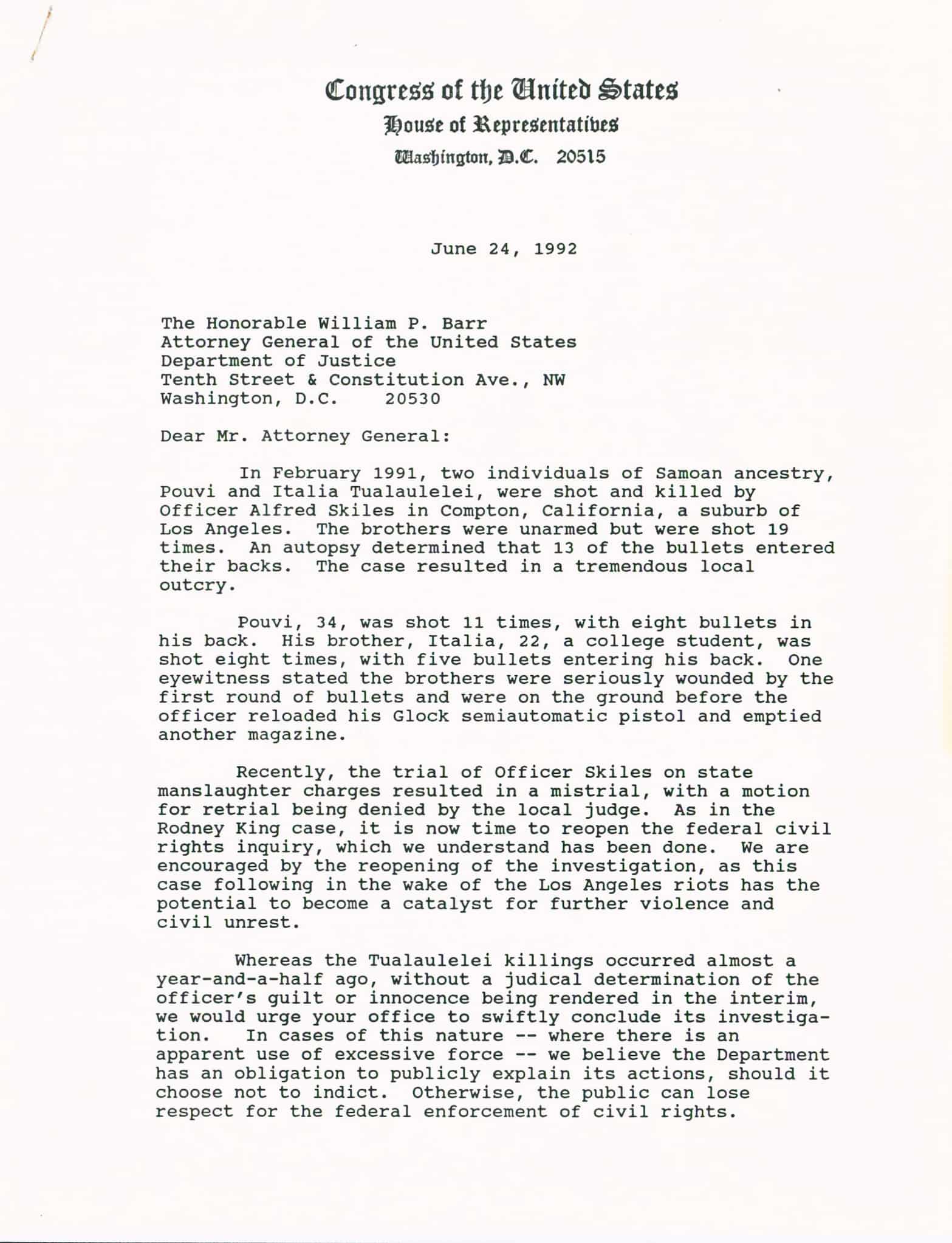
Letter to U.S. Attorney General Page 1
A 1992 letter drafted by members of Congress raises the death of the Taulaulelei brothers as a civil rights issue. The signature of Eni F. H. Faleomavaega, American Sāmoa’s non-voting delegate to the House of Representatives, is on the second page.
Featured in:
Samoans in the United States, Module 6
-
Text
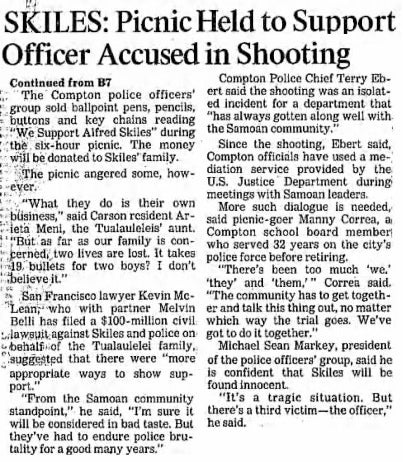
“Picnic Held to Support Officer Accused in Shooting”
Los Angeles Times newspaper clipping from November 17, 1991 covers a picnic held to support Officer Skiles in the Taulaulelei case. This clipping shows the language used at the time to talk about the case, the Samoan community, and the police.
Featured in:
Samoans in the United States, Module 6
-
Video
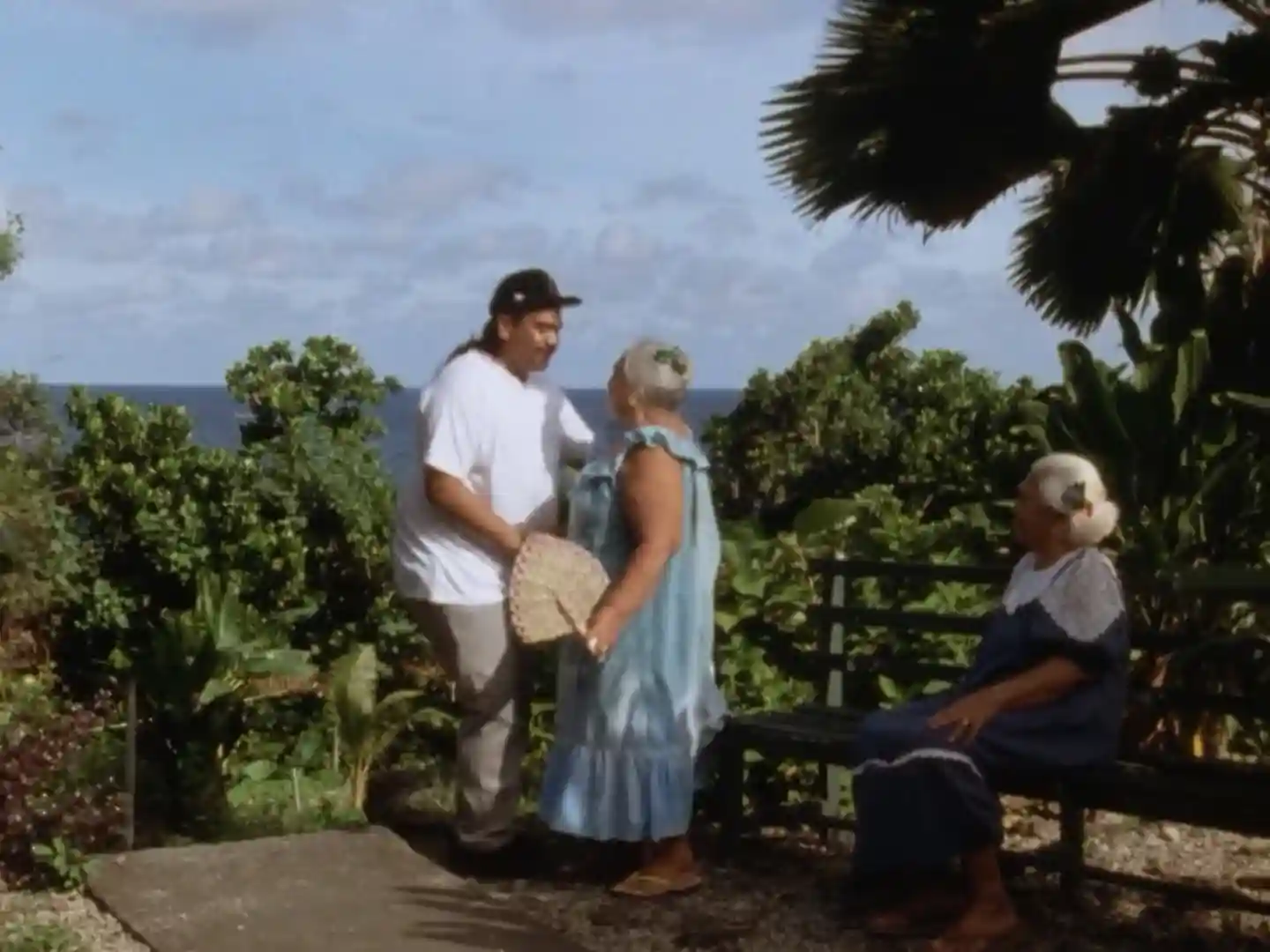
My Crasy Life
In this clip from My Crasy Life, the graffiti “100 % Blood Killas” on a guardrail in American Sāmoa shows Sons of Samoa’s reach. It also shows the complex lives of its members who are also part of extended families across the diaspora.
Featured in:
Samoans in the United States, Module 6
-
Image
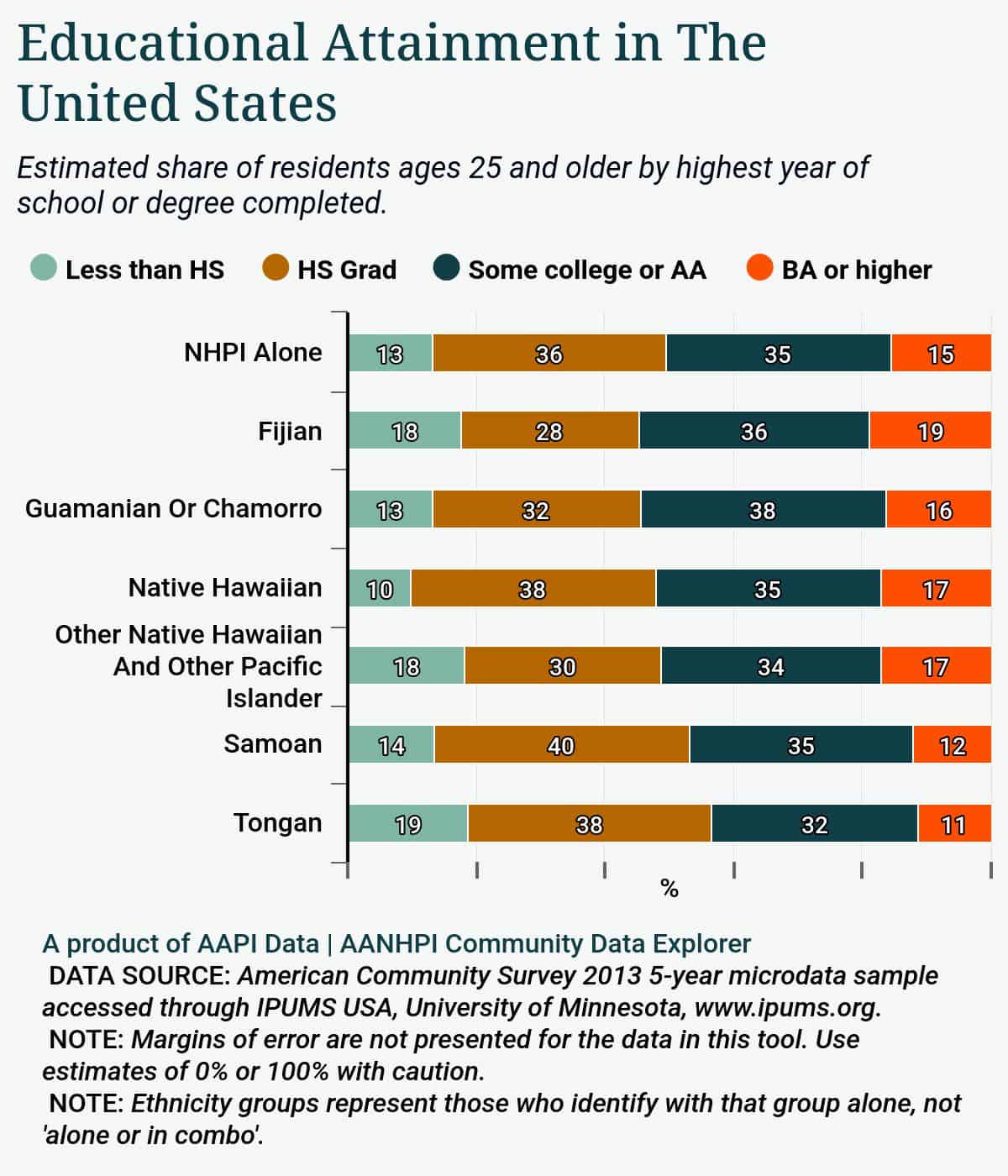
2013 Educational Attainment in the U.S. across AAPI Communities
2013 Educational Attainment in the United States across Samoan, Fijian, Chamorro, Tongan, Native Hawaiian, and other groups. (Source: AAPI Data/AANHPI Community Data Explorer)
Featured in:
Samoans in the United States, Module 6
-
Image
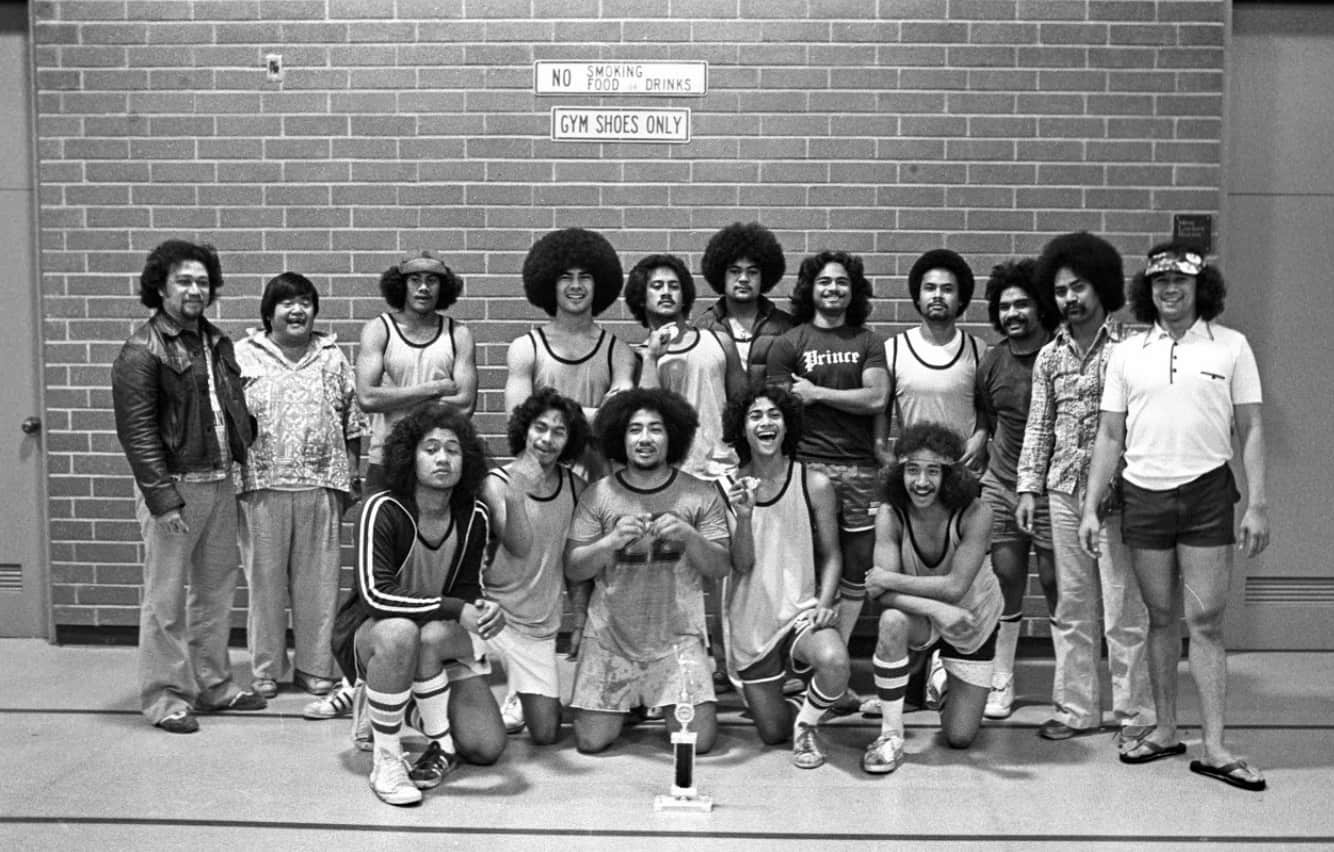
Omai Faʻatasi Celebrating Wins
Omai Faʻatasi members celebrate a win at a men’s basketball tournament. Working with local high schools and storefronts helped keep Omai’s clients engaged in the community.
Featured in:
Samoans in the United States, Module 6
-
Image
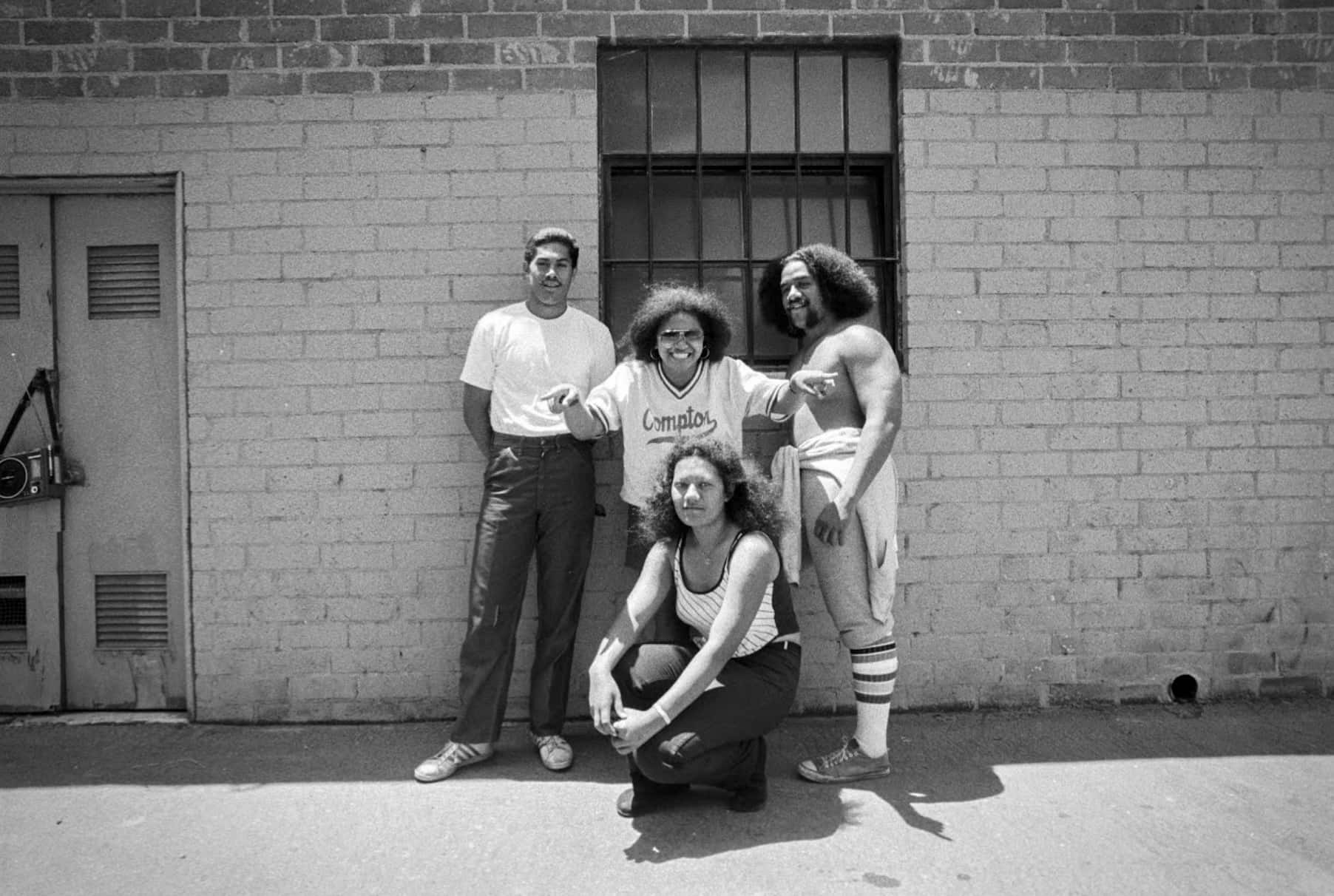
Omai Faʻatasi Staff and Volunteers
Samoan American youth development group Omai Faʻatasi staff and volunteers pose outside their headquarters in Carson, California, in the 1970s.
Featured in:
Samoans in the United States, Module 6
-
Video
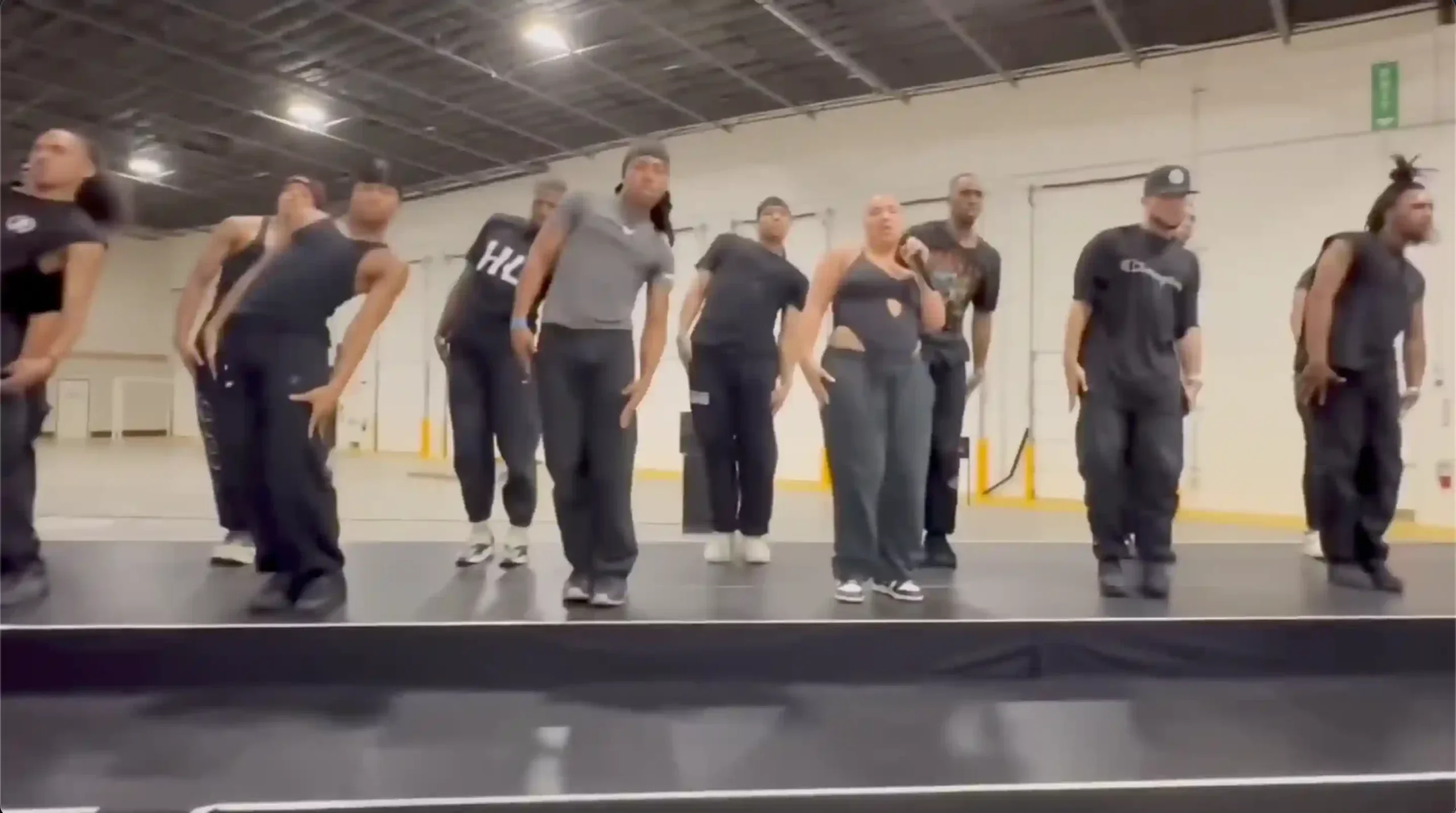
Rihanna Super Bowl 2023 Rehearsal
This clip of Samoan choreographer Parris Goebel (center, holding microphone) rehearsing her choreography for Rihanna’s Super Bowl LVII halftime show illustrates another type of Samoan presence in American football.
Featured in:
Samoans in the United States, Module 5
-
Image
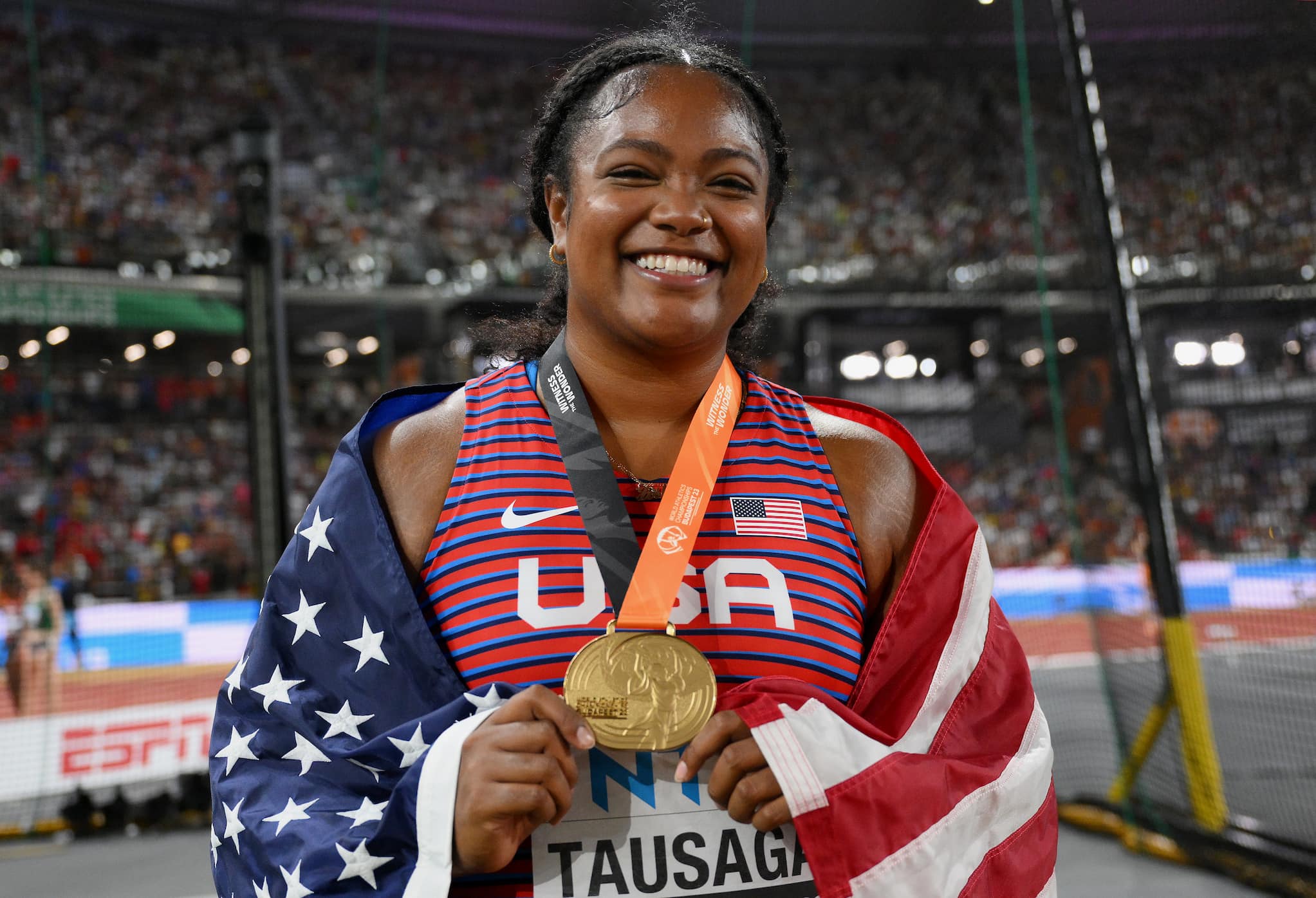
Laulauga Tausaga-Collins at the 2023 World Athletics Championships
Laulauga Tausaga-Collins wins Team USA’s first gold medal at the Women’s Discus Throw Final at the 2023 World Athletics Championships in Budapest, Hungary.
Featured in:
Samoans in the United States, Module 5
-
Video
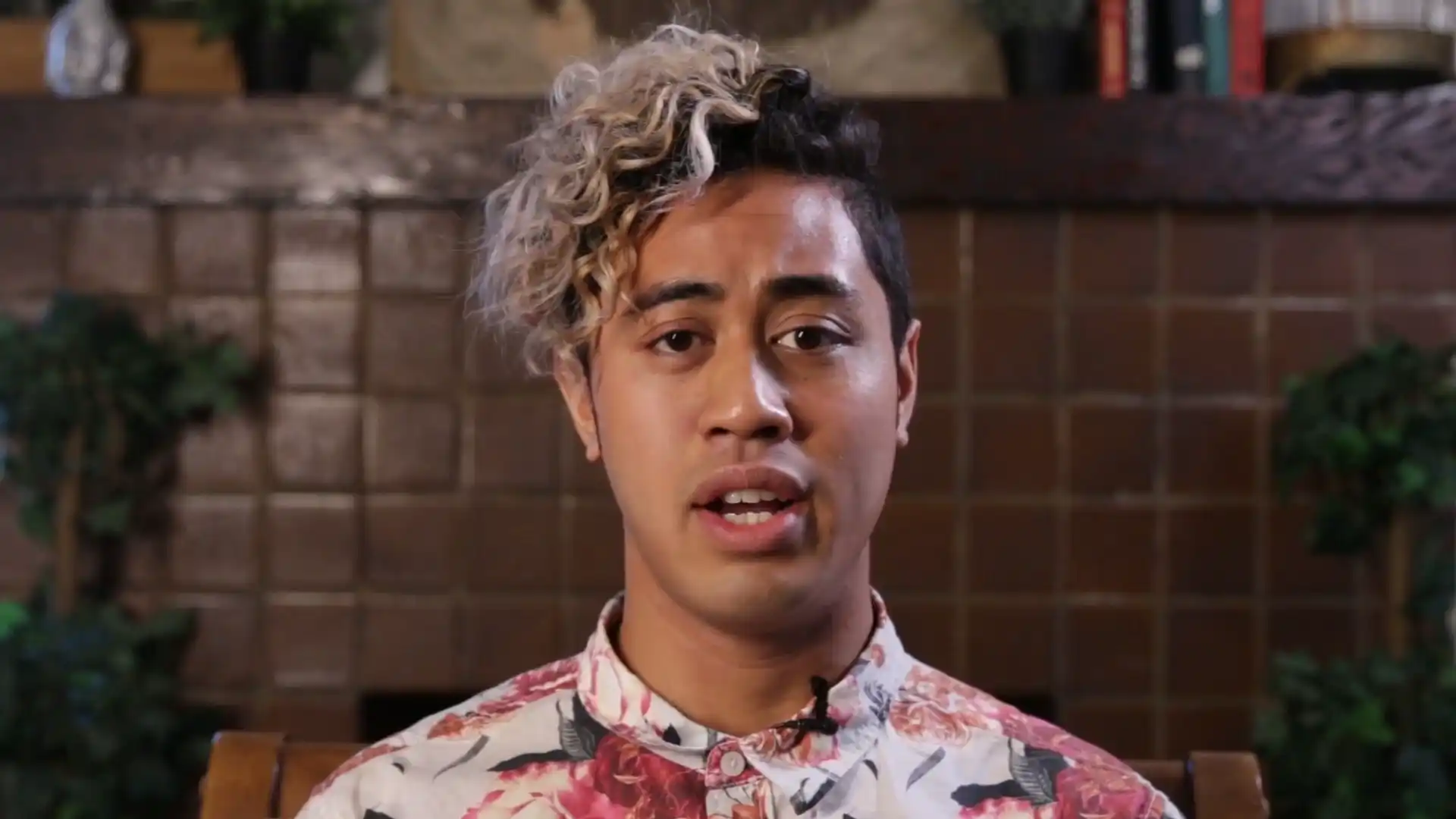
“What Pacific Islanders Want You To Know”
Young Pacific people tell us “What Pacific Islanders Want You To Know,” and how stereotypes have been harmful to them.
Featured in:
Samoans in the United States, Module 5