



Search the Media Repository
Discover the curated images, videos, and primary sources featured throughout Foundations and Futures
History is more than just text on a page; it is the photographs, voices, and artifacts of the people who lived it. The images and recordings featured across Foundations and Futures are part of a meticulously curated media repository. Whether you are building a lesson plan or investigating an artifact, you can use this database to trace the provenance of our media: discover who created an asset, the historical context behind it, and how it can be used to bring Asian American and Pacific Islander experiences into your classroom.
Multimedia
Chapters
-
Image
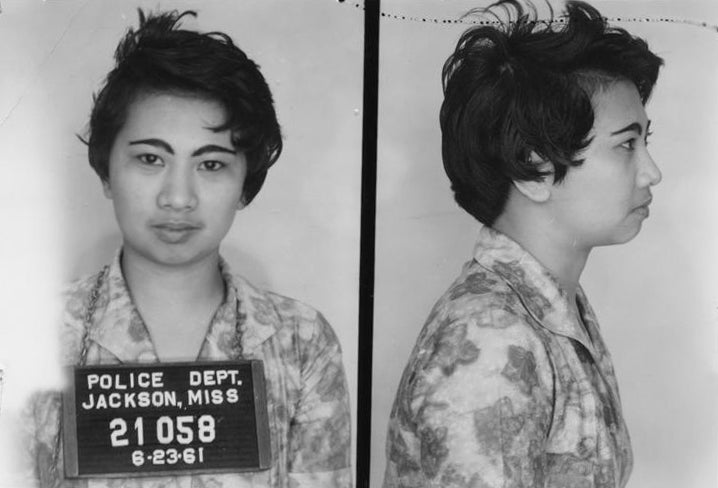
Mary Harrison Lee Mug Shot
A mug shot of Freedom Rider Mary Harrison (later Lee), a Tougaloo College student, after she and three other activists were arrested in 1961 in a bus waiting room in Jackson, Mississippi for violating segregation laws.
Featured in:
Asian Americans in the United States South, Module 4
-
Text
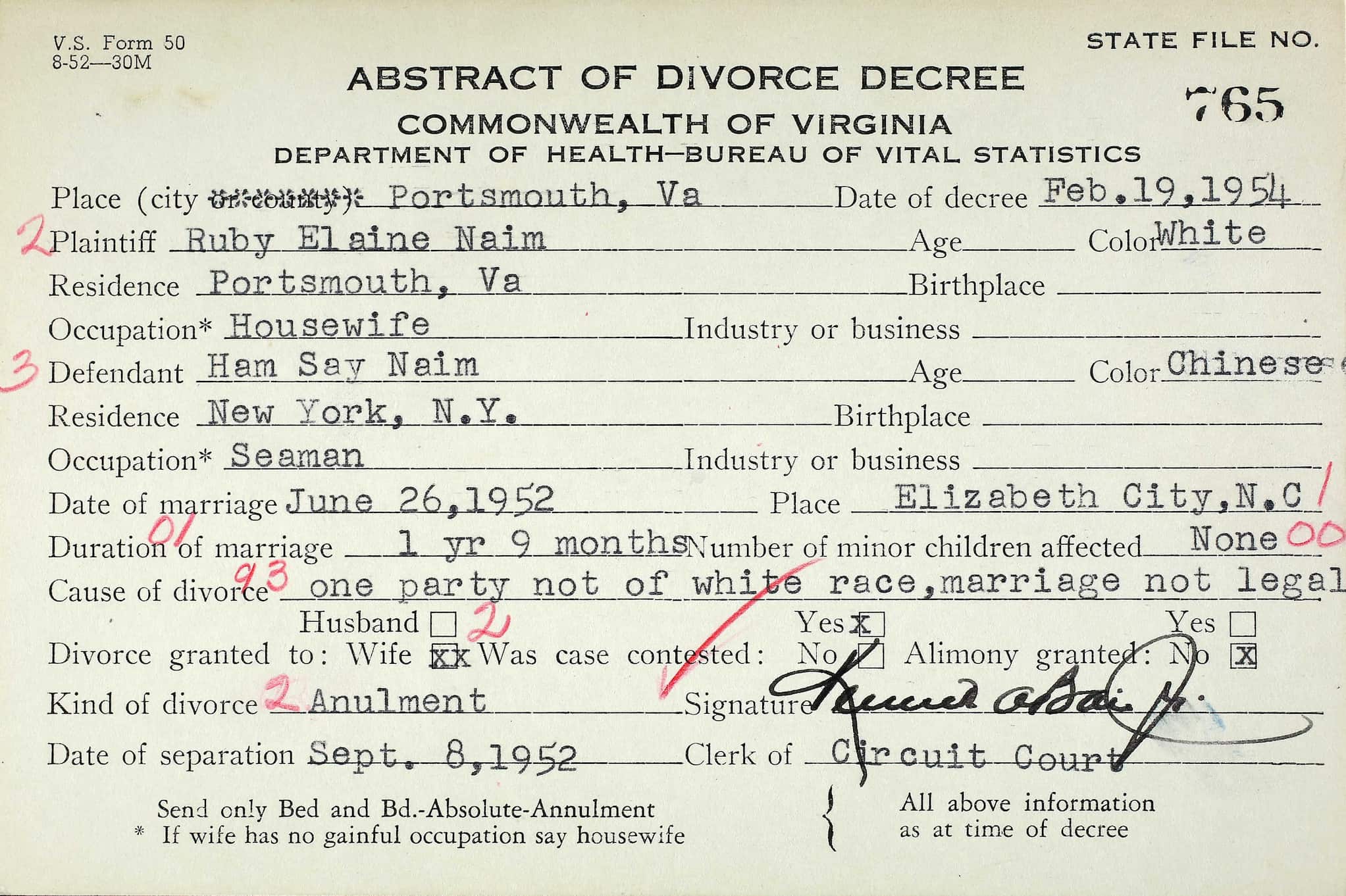
Divorce Decree Between Ruby and Ham Say Naim
This document annulling the marriage of Ruby and Ham Say Naim lists his “color” as Chinese, and the cause of divorce as “one party not of white race, marriage not legal.” Interracial marriages were explicitly prohibited in many Southern states.
Featured in:
Asian Americans in the United States South, Module 4
-
Image
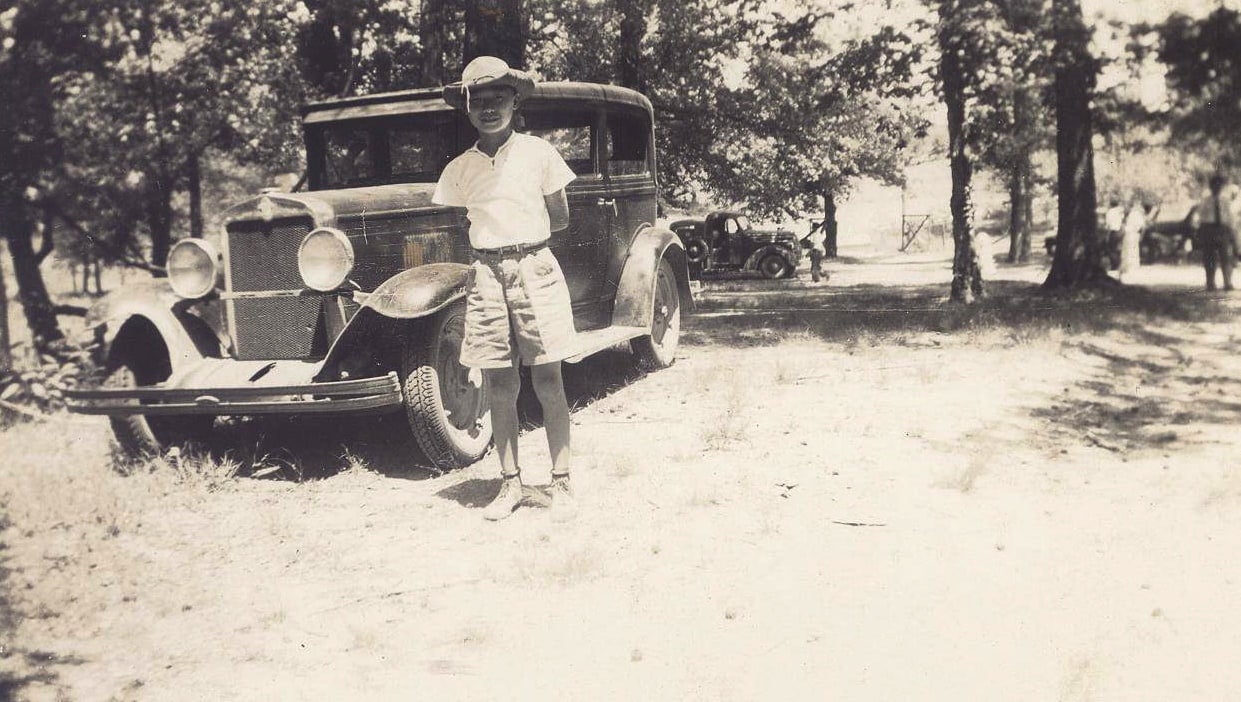
Pershing Wong Standing in Front of Automobile
Pershing Wong stands in front of a car in 1938 in Rosedale, Mississippi. As for African Americans, cars provided a means for transportation that avoided segregated waiting rooms and transport and often, for Asian Americans, the very localized question of which room or seats to use.
Featured in:
Asian Americans in the United States South, Module 4
-
Image
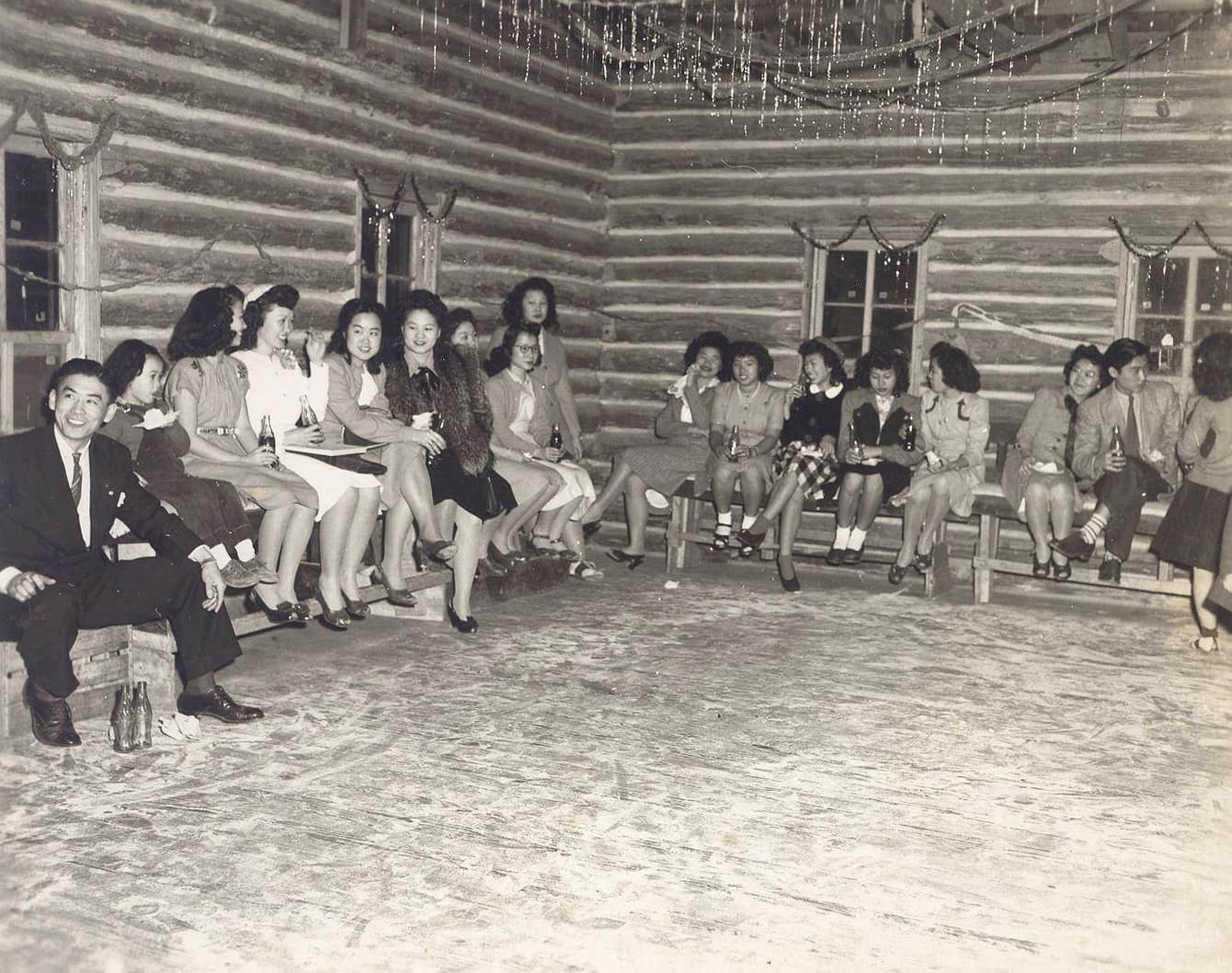
Chinese American Dance Event
This all-Chinese American dance in 1946 was a safe space for young Chinese Americans to dance together and perhaps look for future partners during the era of segregation.
Featured in:
Asian Americans in the United States South, Module 4
-
Image
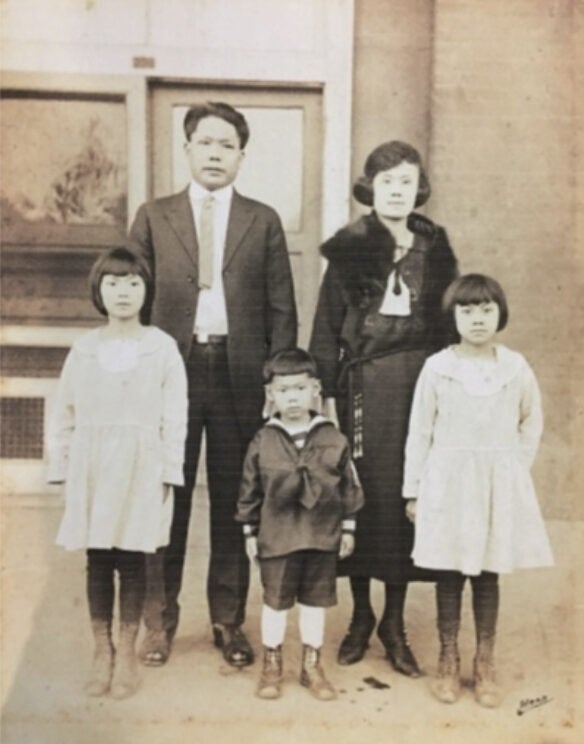
The Lum Family
Martha and Berda Lum with their parents, date unknown, but presumed to be a year or two before the 1924 Supreme Court decision Lum v. Rice that determined that Mississippi could exclude Chinese from whites-only schools.
Featured in:
Asian Americans in the United States South, Module 4
-
Video
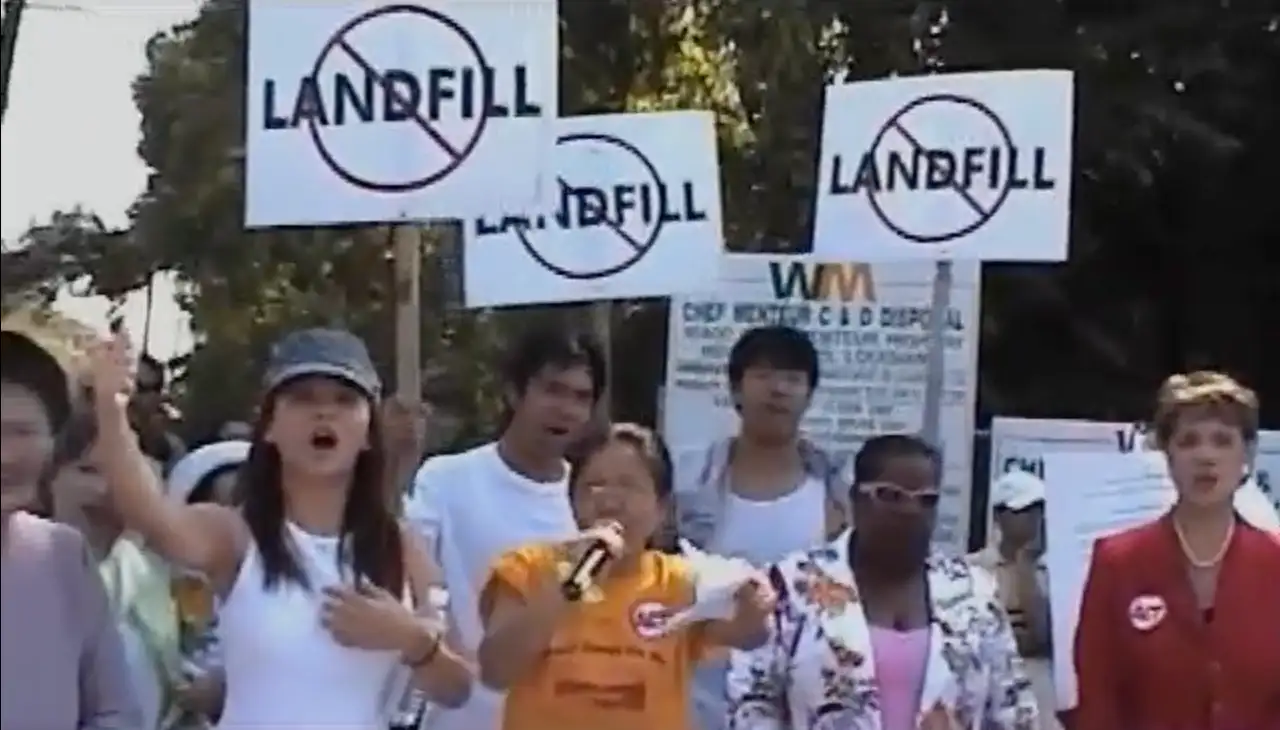
A Village Called Versailles, Clip 2
The people of Versailles and New Orleans East protest the lack of inclusion by the Bring New Orleans Back Commission. This was just one step in the community’s long fight for representation and community rebuilding after Hurricane Katrina, which included a Lunar New Year (Tet) celebration with twenty thousand people.
Featured in:
Asian Americans in the United States South, Module 3
-
Video
A Village Called Versailles, Clip 1
Residents of New Orleans East protest at the Chef Menteur Landfill and win their case in court. Celebrators, led by Versailles resident Minh Nguyen, hail their victory, a first in the community’s organizing and advocacy.
Featured in:
Asian Americans in the United States South, Module 3
-

Video
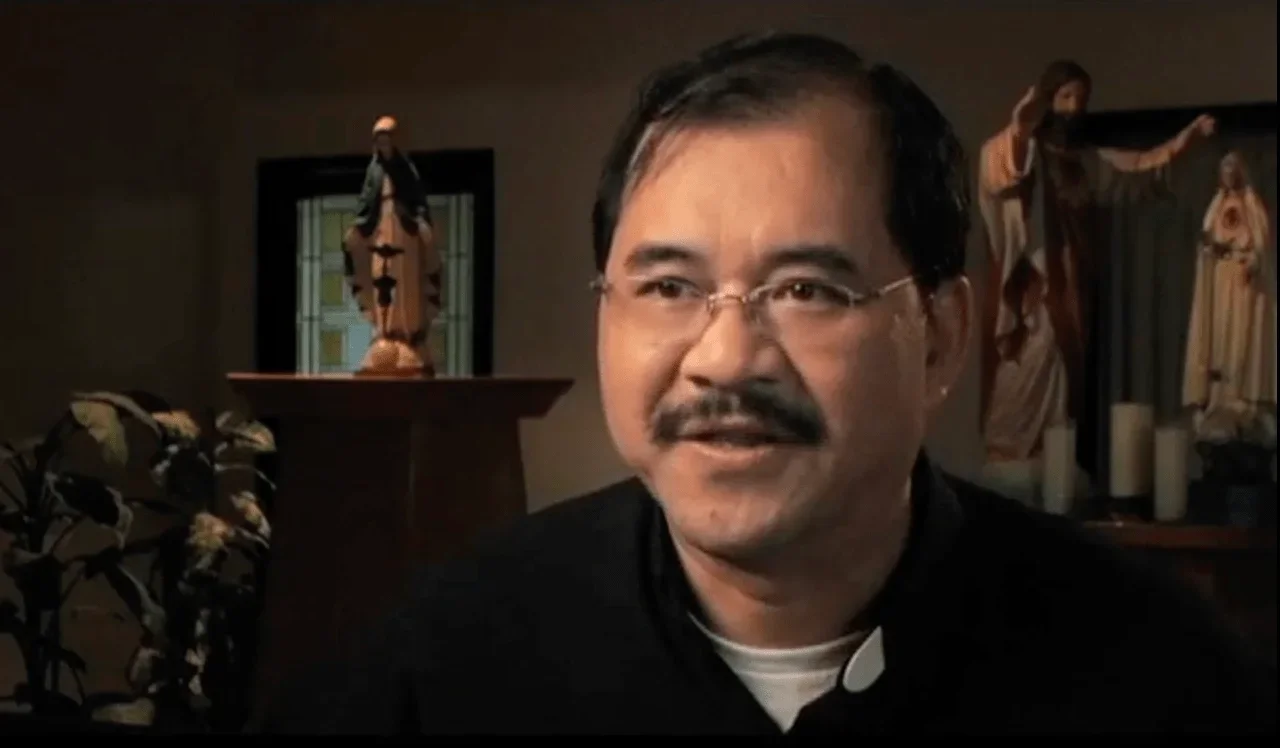
Sulekh Jain Oral History
Watch this excerpt of Sulekh Jain’s oral history interview from Houston Asian American Archives at Rice University.
Featured in:
Asian Americans in the United States South, Module 3
-
Text
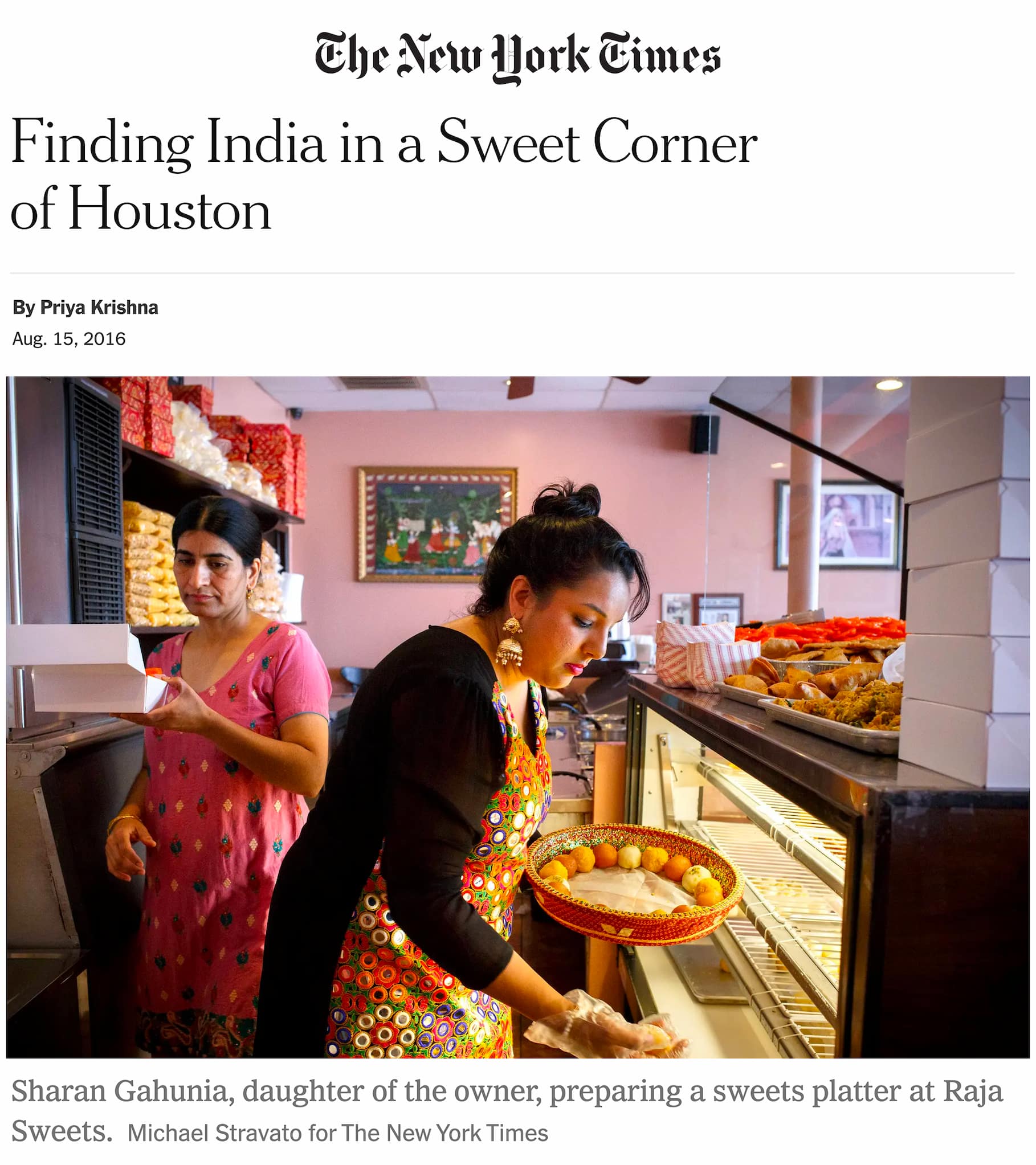
Raja Sweets
Raja Sweets, founded in 1986 by Joginder Singh Gahunia and his wife, Resham, was the first South Asian restaurant in Houston. Their daughter Sharan now owns the shop in what is known as the Mahatma Gandhi Distric
Featured in:
Asian Americans in the United States South, Module 3
-
Video
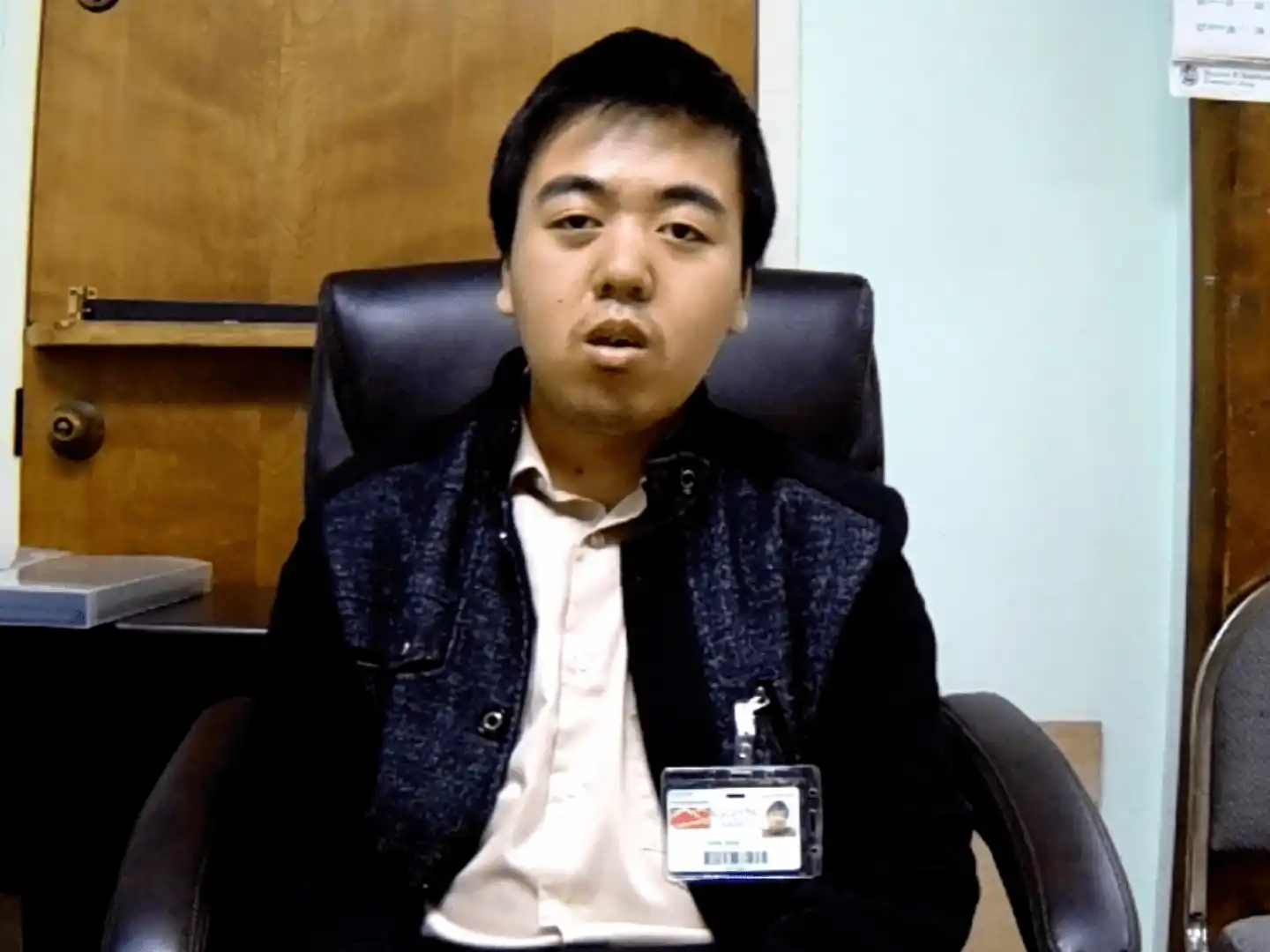
Timmy Xiong Oral History
Timmy Xiong describes his challenges in overcoming the language barrier in school, having grown up speaking Hmong. Xiong was born in Minnesota and his family moved to North Carolina to join other relatives in 2009.
Featured in:
Asian Americans in the United States South, Module 3
-
Image
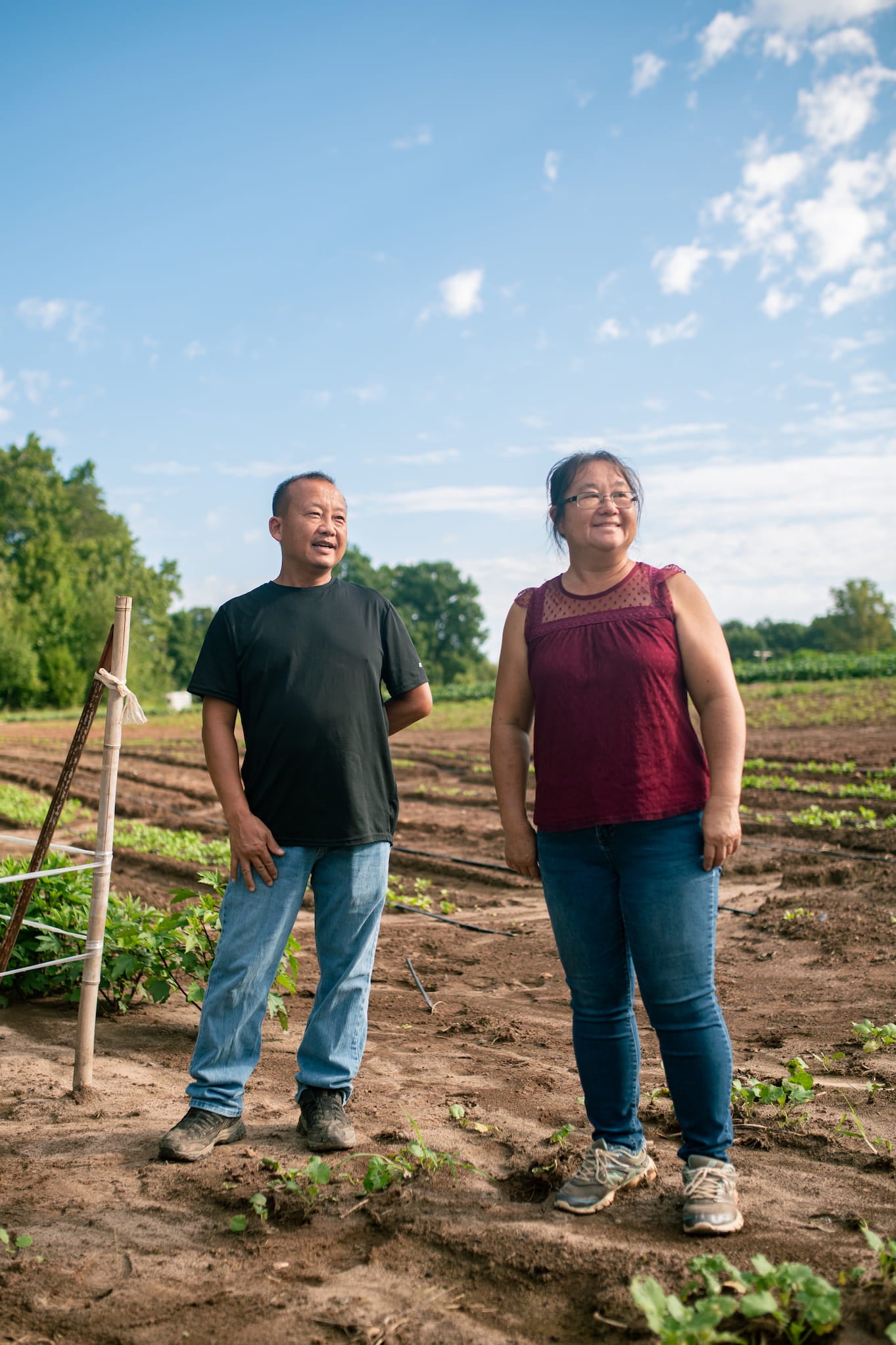
One Fortune Farm
Hmong American farmer Tou Lee (left) of Lee’s One Fortune Farm in North Carolina, with his wife Chue, described how important farming is not only economically but emotionally. “It’s better than having money in a jar somewhere. This is life.”
Featured in:
Asian Americans in the United States South, Module 3
-
Video
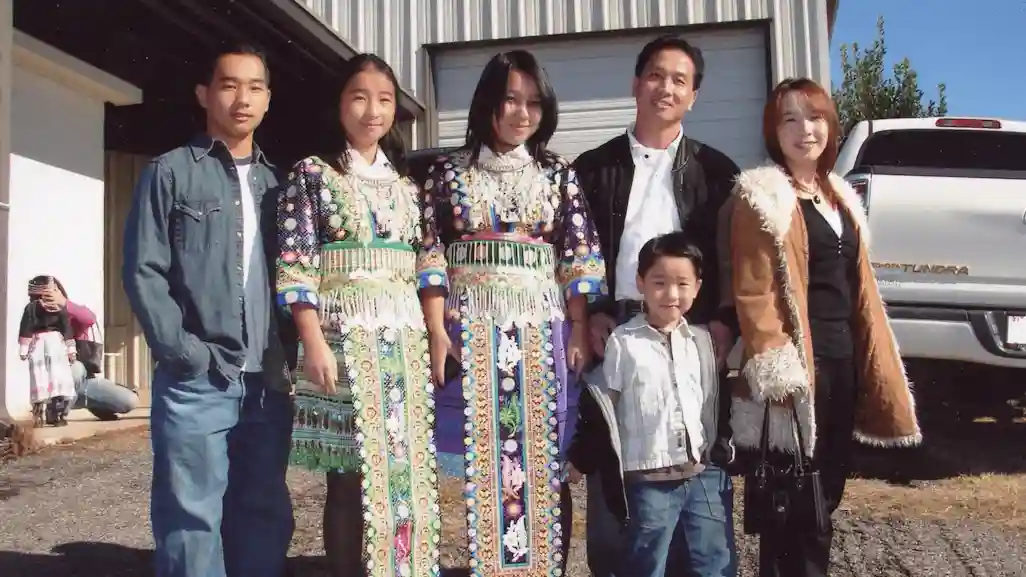
Excerpt from The Fourth World
The Fourth World, a documentary short film by Nash Consing.
Featured in:
Asian Americans in the United States South, Module 3
-

Audio
Melisa Laelan Oral History
Neisan Laukon, a Marshallese employee at Tyson Foods during 2020, speaks about the early days of the COVID-19 pandemic, and the dangers faced by these essential workers in close quarters.(Arkansas Atoll Podcast, Courtesy of the Pryor Center for Arkansas Oral and Visual History, University of Arkansas)
Featured in:
Asian Americans in the United States South, Module 2
-
Image
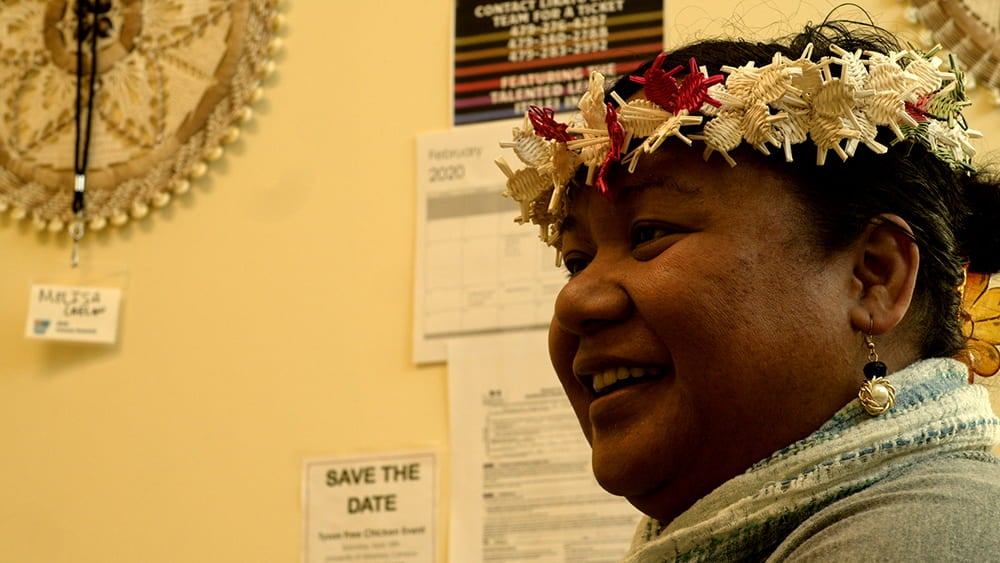
Melisa Laelan
Melisa Laelan founded the Arkansas Coalition of Marshallese, a nonprofit organization, to advocate for the community’s needs and improve their quality of life. (Arkansas Atoll Podcast, Courtesy of the Pryor Center for Arkansas Oral and Visual History, University of Arkansas)
Featured in:
Asian Americans in the United States South, Module 2
-
Audio
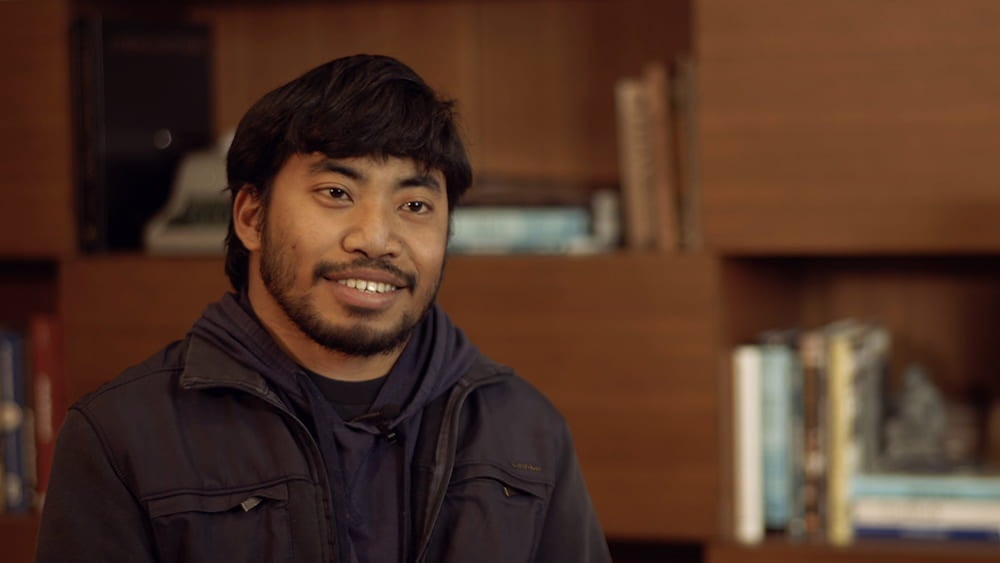
Chris Balos Oral History
Chris Balos, who works for two local community organizations, reflects on Arkansas as a second home for the Marshallese. He migrated to Hawaiʻi at the age of two, grew up on the US West Coast, and eventually came to Arkansas at the age of 21.
Featured in:
Asian Americans in the United States South, Module 2
-
Image
Chris Balos
Chris Balos, who works for two local community organizations, reflects on Arkansas as a second home for the Marshallese. He migrated to Hawaiʻi at the age of two, grew up on the US West Coast, and eventually came to Arkansas at the age of 21. ((Arkansas Atoll Podcast, Courtesy of the Pryor Center for Arkansas Oral and Visual History, University of Arkansas)
Featured in:
Asian Americans in the United States South, Module 2
-
Image
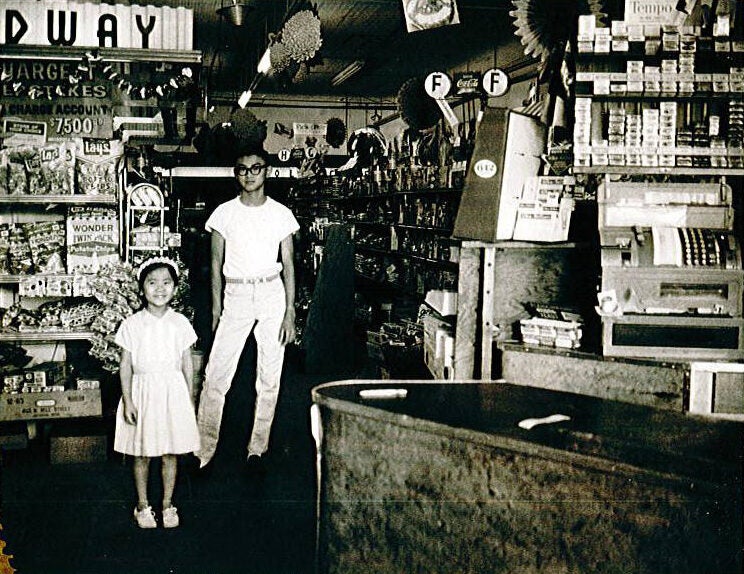
Interior of Eddie’s Lucky Leadway Grocery Store
In an undated photo, Edward Woo stands in his Mississippi Delta grocery store, Eddie’s Leadway, with Nancy Gee, a young out-of-town visitor.
Featured in:
Asian Americans in the United States South, Module 2
-
Video
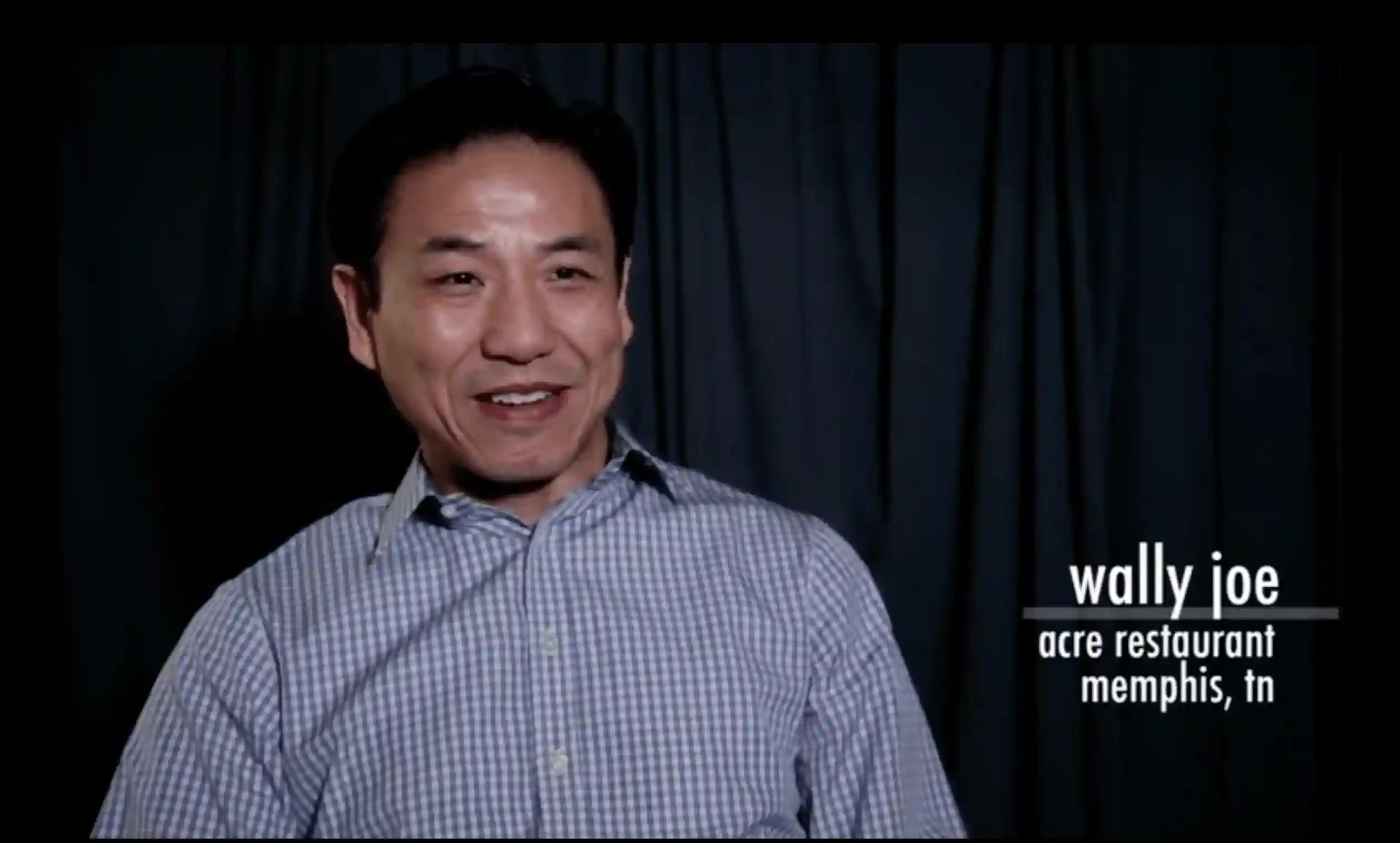
Chef Wally Joe Interview
Chef Wally Joe (no relation to Edward Joe) describes what life was like growing up in his parents’ Chinese grocery store in Cleveland, Mississippi. His parents were immigrants from Hong Kong who served a mostly Black neighborhood clientele.
Featured in:
Asian Americans in the United States South, Module 2
-
Text
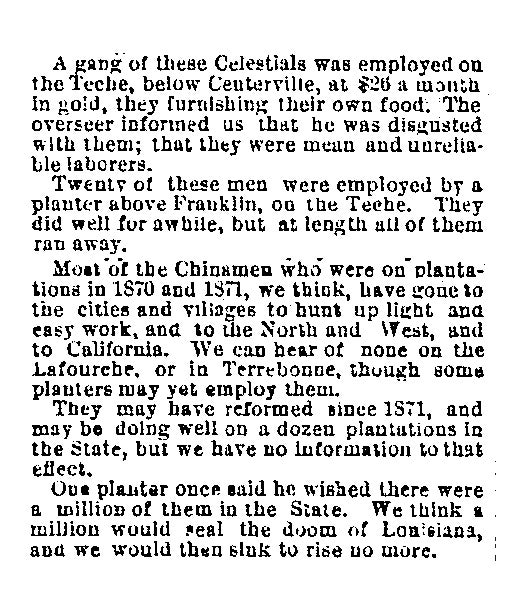
“John in the South: The Chinese on the Plantations of Louisiana”
An 1873 article from New Orleans, reprinted in various newspapers across the country, shows how public sentiment swung against the use of Chinese labor on plantations as the indentured laborers began to rebel and run away.
Featured in:
Asian Americans in the United States South, Module 2
-
Image
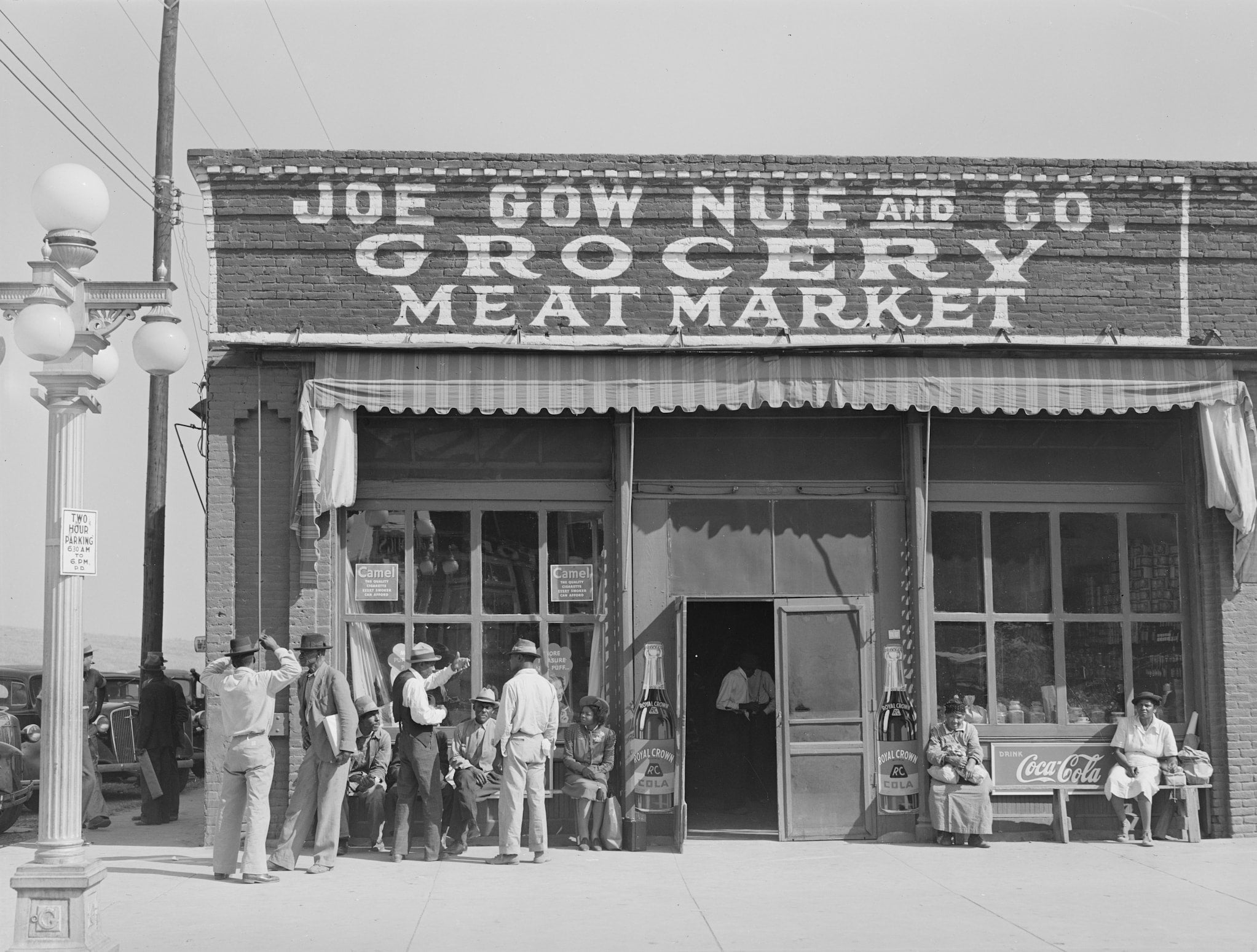
Joe Gow Nue and Co Grocery Meat Market in the Mississippi Delta
Chinese grocers in the Mississippi Delta navigated the different social and economic circumstances of their towns. The stores mainly served a Black clientele, who were mostly sharecroppers or nearby workers.
Featured in:
Asian Americans in the United States South, Module 2